History books have a habit of focusing on the same handful of names, but some of the most remarkable Americans never made the cover. Behind every famous moment, there were brilliant, fearless people doing the hard work without getting the credit.
I remember learning about the Civil Rights Movement in school and wondering why certain names kept getting left out of the story. These 18 Americans changed science, politics, sports, and society, and it is long past time they got their due.
Bayard Rustin: The Architect Behind the March
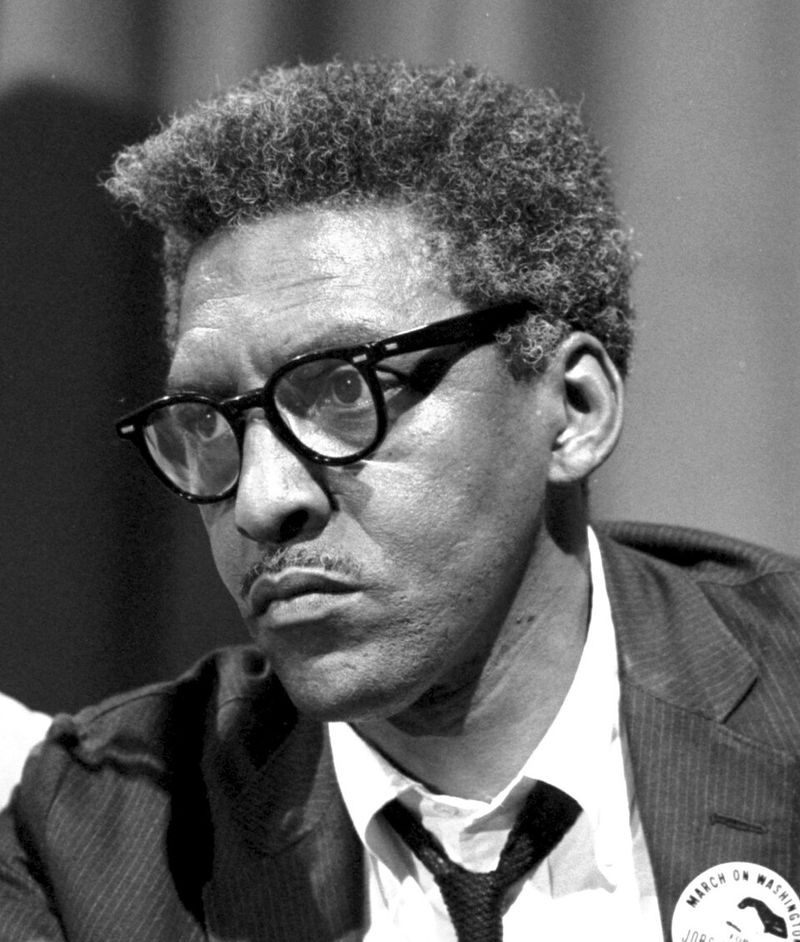
Nobody handed Bayard Rustin a microphone, but without him, the whole show might not have happened. He organized the 1963 March on Washington for Jobs and Freedom, one of the most iconic demonstrations in American history, coordinating logistics for over 250,000 people with military precision.
That is a feat most event planners would not attempt today with modern technology.
Rustin was a devoted believer in nonviolent resistance and personally advised Martin Luther King Jr. on strategy. He helped transform raw moral outrage into disciplined, effective action.
Yet because he was openly gay, many movement leaders kept him behind the scenes to avoid controversy.
That decision robbed him of recognition he absolutely deserved. His strategic genius, courage, and organizational skills were central to the movement’s success.
In 2013, President Obama posthumously awarded him the Presidential Medal of Freedom. Rustin finally got a small piece of his rightful spotlight, even if it came decades too late.
Claudette Colvin: She Sat Down First
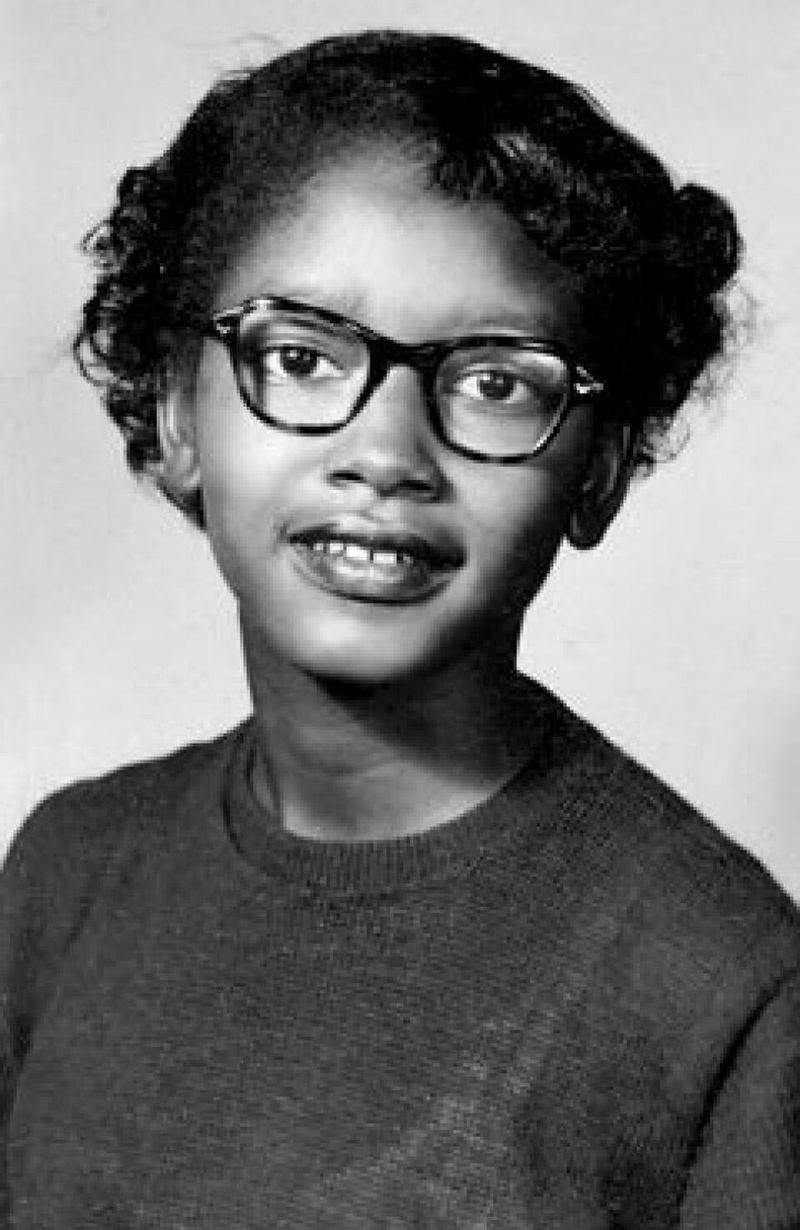
Rosa Parks gets the famous story, but Claudette Colvin sat down nine months earlier. In March 1955, at just 15 years old, Colvin refused to give up her seat to a white passenger on a segregated Montgomery bus.
She was arrested, handcuffed, and dragged off that bus while her classmates watched in shock.
Colvin did not stop there. She became one of the plaintiffs in Browder v.
Gayle, the federal lawsuit that legally ended bus segregation in Montgomery. Without her act of defiance, the legal case might never have been built the way it was.
Civil rights leaders worried her age and personal circumstances would make her a complicated symbol, so they waited for another moment. That choice sidelined a teenager who had already shown extraordinary bravery.
Colvin eventually moved to New York and worked quietly for decades. Her courage helped win one of the movement’s most important legal victories, full stop.
Ella Baker: The Power Behind the Movement
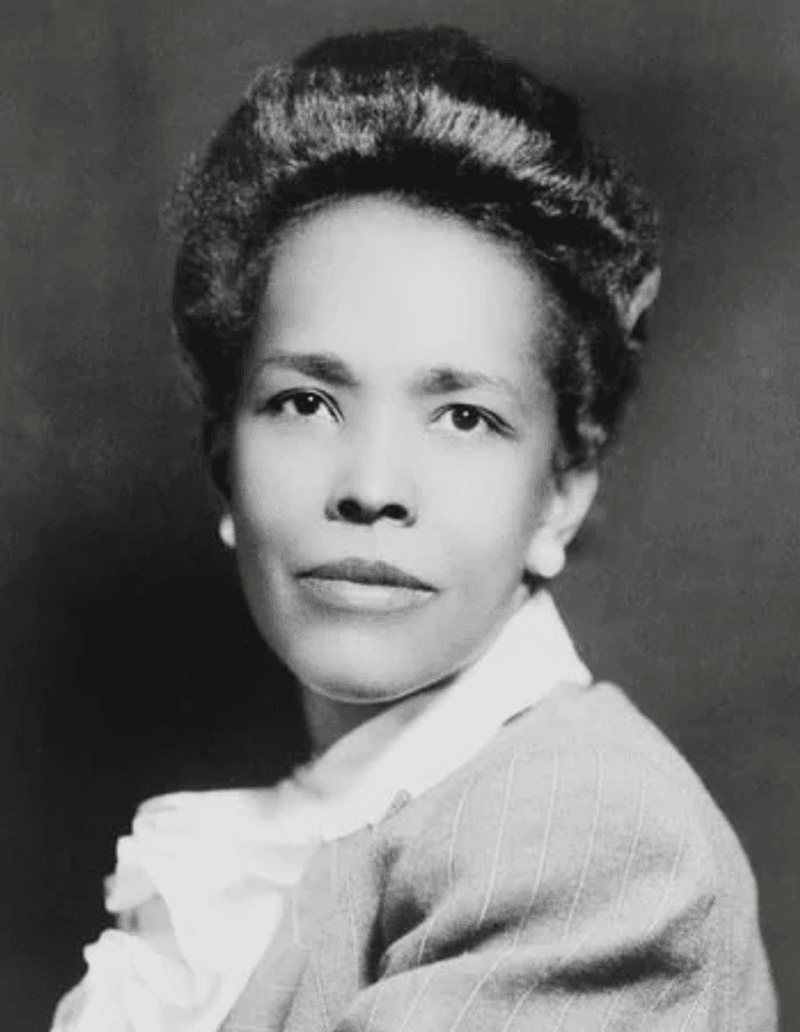
Ella Baker had a rule: movements should belong to the people, not the personalities. While other civil rights leaders grabbed headlines, Baker was in church basements and community halls teaching ordinary people how to organize.
She believed deeply that grassroots power was more durable than any single charismatic figure.
Baker worked with the NAACP, the Southern Christian Leadership Conference, and helped support the founding of the Student Nonviolent Coordinating Committee. She encouraged young activists to question authority, trust their instincts, and build leadership within their own communities.
Her fingerprints are on some of the most effective organizing of the twentieth century.
I once read a quote of hers that stopped me cold: “Strong people don’t need strong leaders.” That line flips everything we think we know about movements. Baker’s philosophy influenced generations of organizers who came after her.
She never became a household name, but every lasting movement owes something to the blueprint she built.
Fannie Lou Hamer: Truth Spoken Out Loud
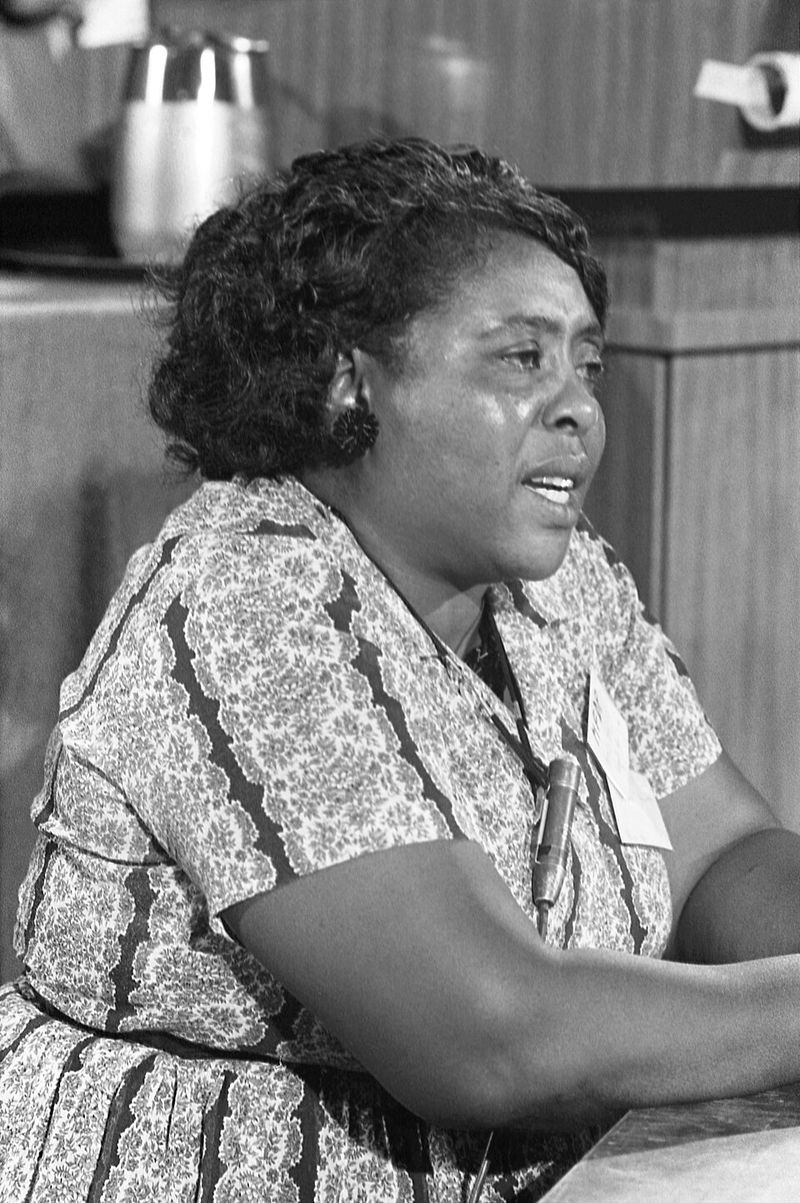
Fannie Lou Hamer walked into a courthouse to register to vote and walked out with a target on her back. She was evicted from her plantation, threatened, and brutally beaten for daring to exercise a right that should have been hers all along.
Most people would have stopped there. Hamer kept going.
She helped organize the Mississippi Freedom Democratic Party and delivered testimony at the 1964 Democratic National Convention that made the entire country uncomfortable. President Johnson was so rattled by her speech that he called a press conference to pull cameras away from her.
That move backfired spectacularly, because networks ran her speech in full later that night.
Hamer exposed the violence and terror that Black voters in the South faced every single day. Her famous phrase, “I’m sick and tired of being sick and tired,” became a rallying cry for millions.
She turned personal suffering into national action with nothing but honesty and an iron will.
Dr. Charles Drew: Blood, Science, and Barriers
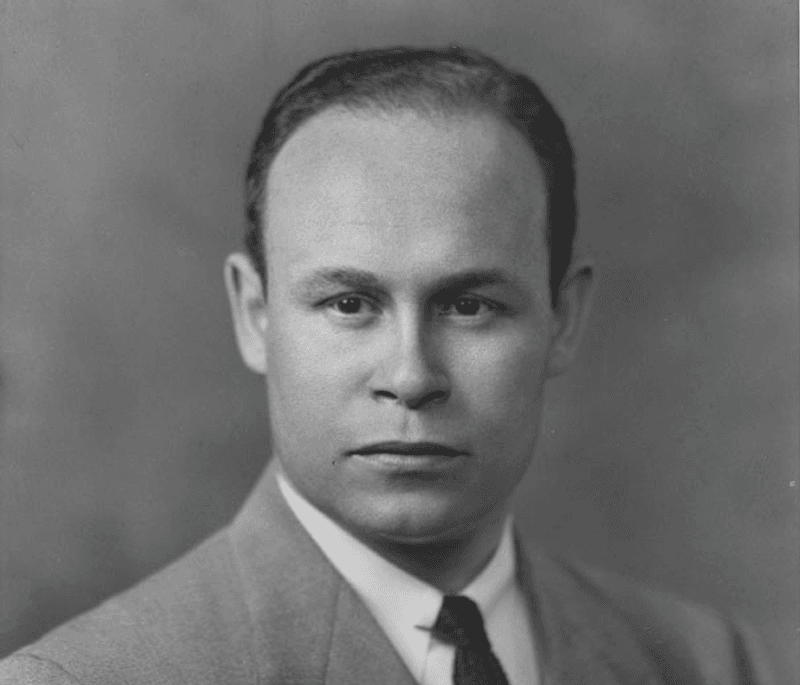
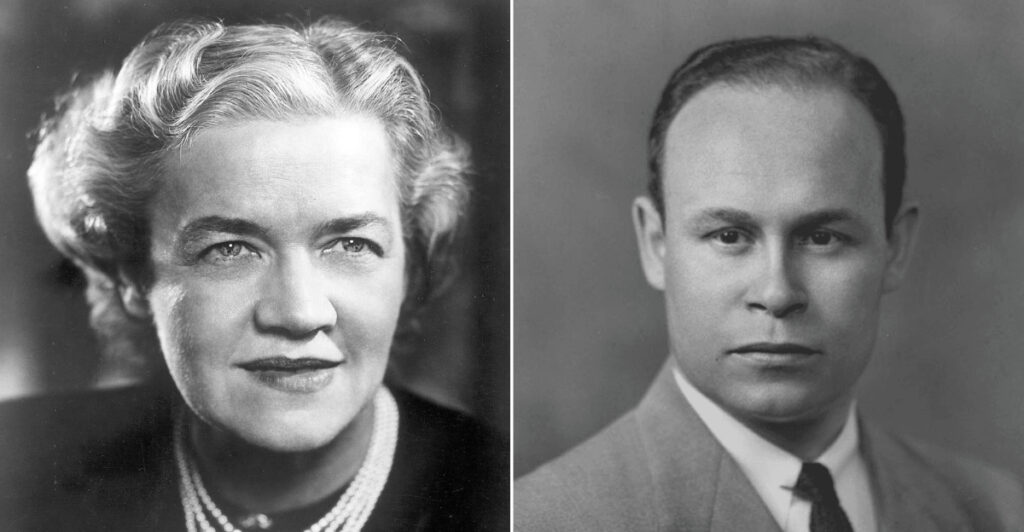
Every time a blood bank saves a life today, there is a quiet debt owed to Dr. Charles Drew. His groundbreaking research on blood plasma storage and transfusion helped create the foundation for modern blood banking.
Before his work, keeping blood usable for medical emergencies was a serious unsolved problem.
Drew developed systems for collecting, processing, and storing blood plasma that were used during World War II to save thousands of lives. He directed the first large-scale blood bank programs in American history.
The bitter irony? The Red Cross initially segregated blood donations by race, a policy Drew publicly opposed.
He faced racial discrimination throughout his career despite being one of the most important medical minds of his generation. Drew was denied membership in the American Medical Association simply because of his race.
He died in 1950 at just 45 years old. His contributions to medicine were enormous, and his fight against racism within the scientific community was just as important as his research.
Grace Hopper: She Literally Debugged Computers
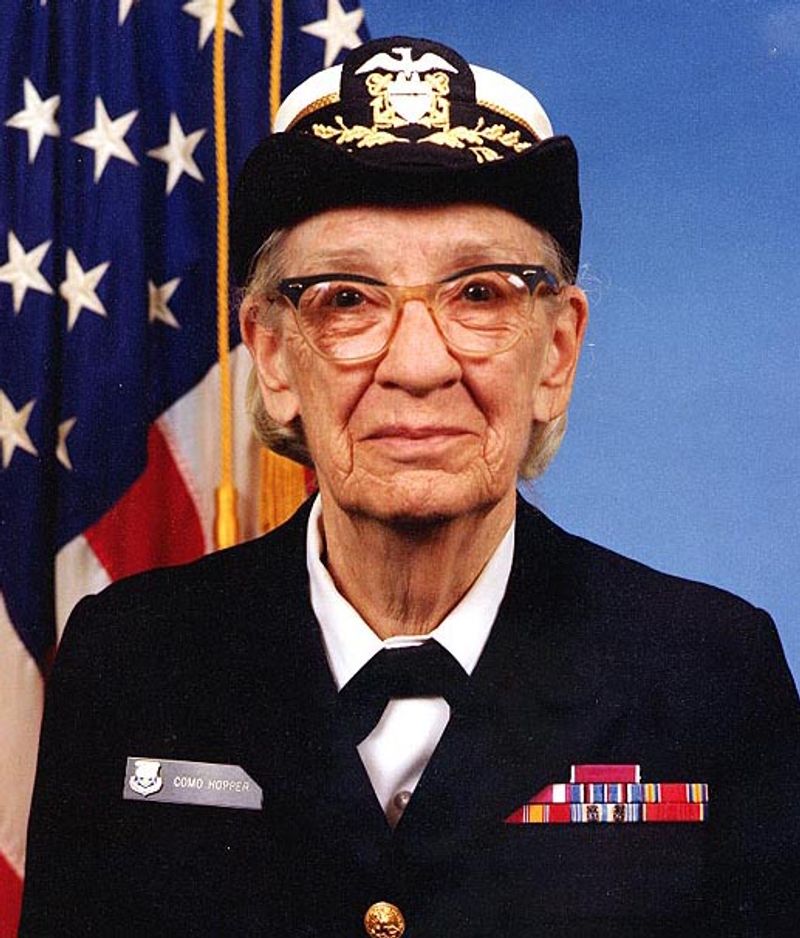
Grace Hopper once found an actual moth stuck in a computer relay and taped it into the logbook with the note “first actual case of bug being found.” That is where the term computer bug comes from. Only Hopper could turn a dead moth into a piece of tech history.
Beyond the bug, Hopper was a mathematical genius and U.S. Navy admiral who worked on some of the earliest computers ever built.
She helped develop compiler technology, which allowed programmers to write instructions in human-readable language instead of raw machine code. That shift made computing accessible to far more people.
Her work influenced the development of COBOL, a programming language that businesses used for decades. Hopper believed computers should be tools for everyone, not just specialists who could speak in binary.
She kept working and innovating well into her seventies. The modern software industry carries her ideas forward every single day, usually without knowing her name.
Katherine Johnson: The Woman Who Aimed at the Moon
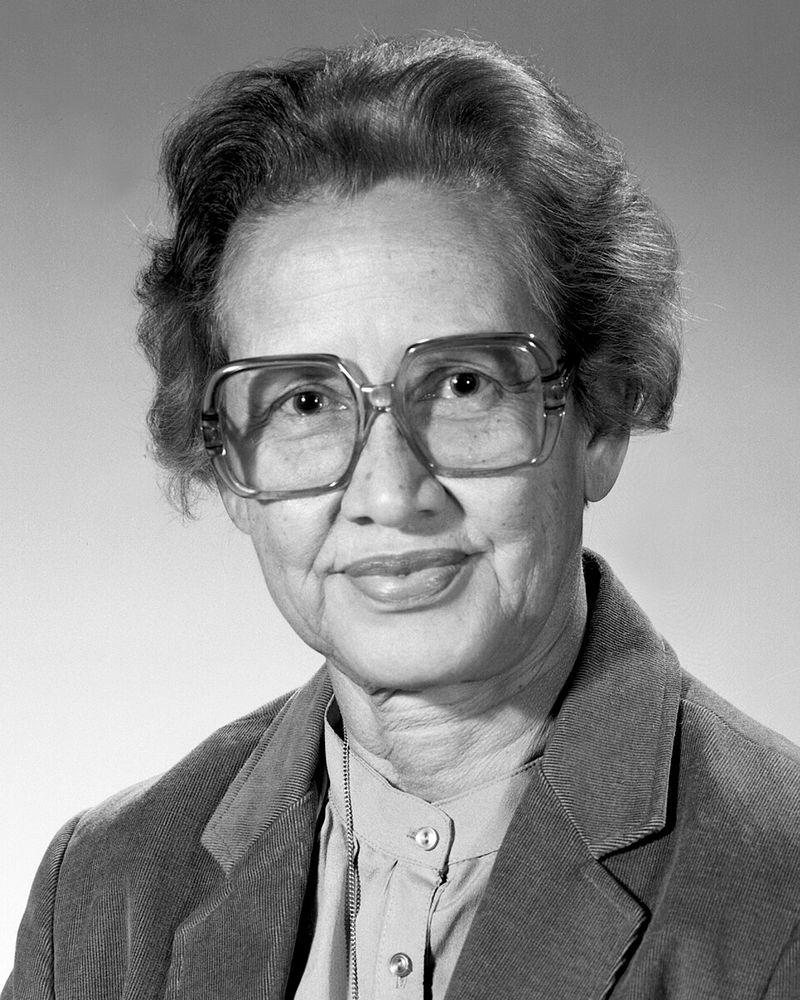
When John Glenn agreed to orbit Earth in 1962, he had one condition: Katherine Johnson had to personally verify the computer’s calculations. If she said the numbers were right, he would fly.
That is the kind of trust her work had earned.
Johnson was a NASA mathematician who calculated flight trajectories, orbital mechanics, and mission-critical data for some of the most important space missions in American history. She worked at a time when Black women at NASA used separate bathrooms, separate cafeteria tables, and separate coffee pots.
She showed up anyway and did extraordinary work.
For decades, her contributions were not widely known outside NASA. The 2016 book and film Hidden Figures finally brought her story to a broader audience, and in 2015 she received the Presidential Medal of Freedom.
Johnson passed away in 2020 at 101 years old. She spent a century on this planet and helped humans reach beyond it.
Marsha P. Johnson: The P Stands for Pay It No Mind
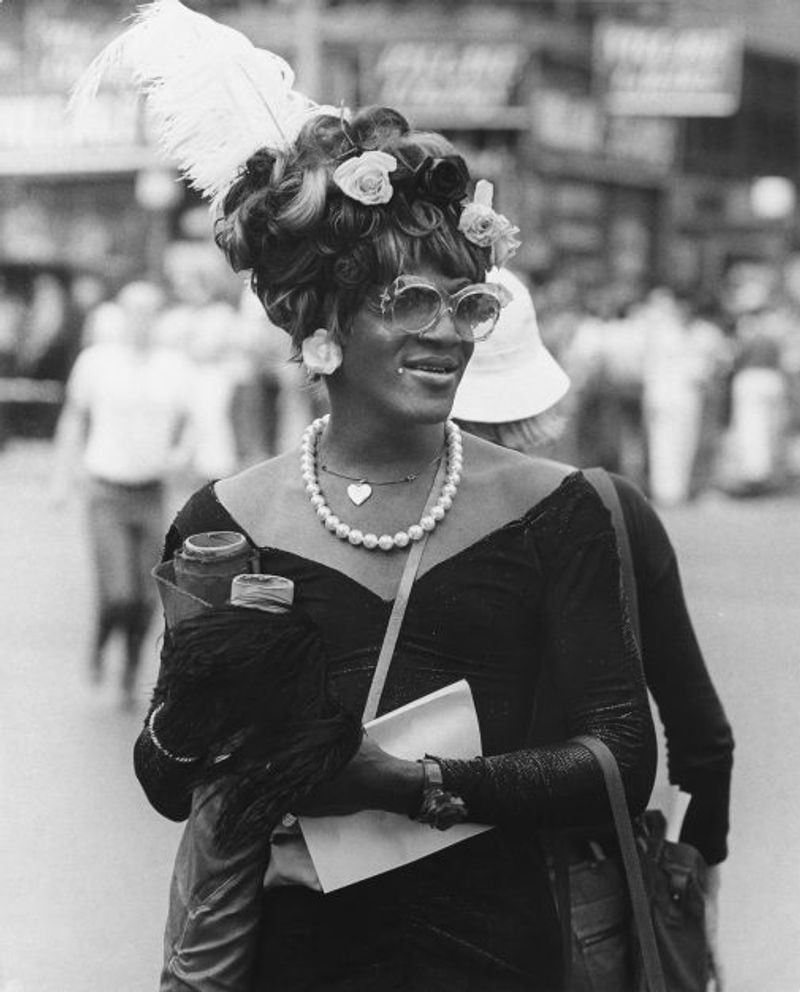
Marsha P. Johnson once explained that the P in her name stood for “Pay it no mind,” which is honestly the most legendary response to a question about gender identity ever recorded.
She had a gift for disarming hostility with humor, warmth, and an absolute refusal to shrink herself for anyone.
Johnson was a central figure in New York’s queer community during the Stonewall era and became a symbol of survival and resistance for people who had nowhere else to turn. She co-founded Street Transvestite Action Revolutionaries with Sylvia Rivera, creating real support for homeless LGBTQ youth when the broader society wanted nothing to do with them.
Her life was not easy. She faced poverty, violence, and repeated encounters with law enforcement.
Despite all of that, she kept showing up for her community with extraordinary generosity. Johnson’s legacy continues to inspire Pride movements worldwide.
She deserves far more than a footnote in the history of American civil rights.
Dolores Huerta: The Woman Who Would Not Quit
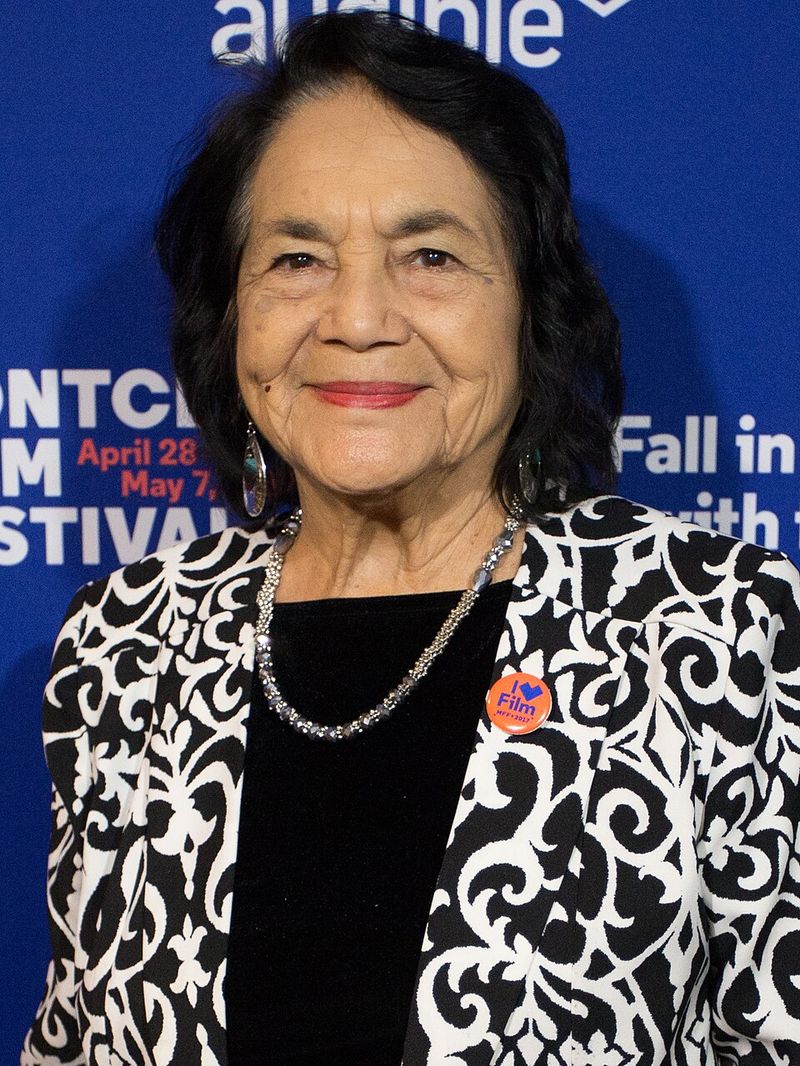
Dolores Huerta co-founded the United Farm Workers alongside Cesar Chavez, yet somehow Chavez’s name became far more famous. That gap in recognition is one of the more glaring oversights in American labor history.
Huerta organized, negotiated contracts, led boycotts, and marched in conditions that would have broken most people.
She fought for farmworkers who harvested the food on American tables but lived with poverty wages, dangerous working conditions, and zero political power. Huerta helped turn that invisibility into a national conversation.
Her organizing helped win real protections for some of the country’s most exploited workers.
Beyond labor rights, she became a major advocate for civil rights, women’s rights, and Latino political power. The phrase “Si se puede,” meaning “Yes, we can,” came from her.
She kept going even after being severely beaten by police at a protest in 1988. Huerta is now in her nineties and still speaking out.
That is not stubbornness. That is a calling.
Inez Milholland: Riding Toward Equality
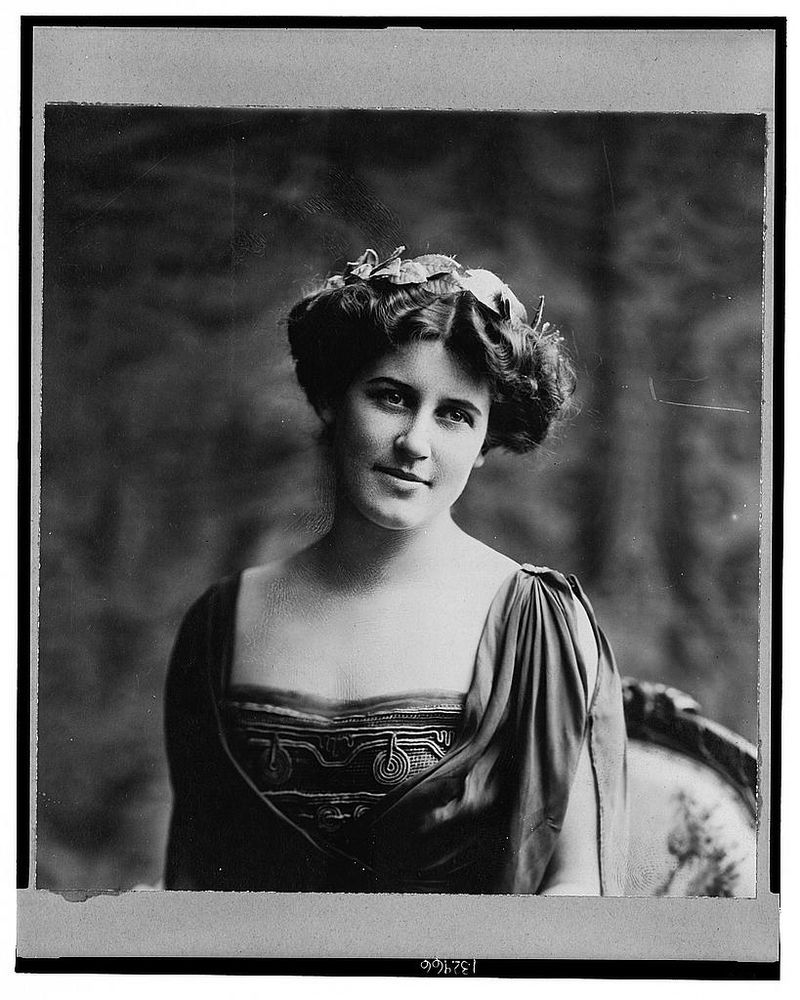
Few images from the suffrage movement are as striking as Inez Milholland on a white horse, leading thousands of women through Washington, D.C., in 1913. She was chosen to lead the parade because of her commanding presence, but she was far more than a striking visual.
She was one of the movement’s sharpest minds and bravest voices.
Milholland was a lawyer, a labor rights advocate, and a passionate anti-war activist. She pushed for women’s suffrage at a time when female lawyers were still a rarity and political equality for women was considered a radical idea.
She did not just march. She argued, organized, and demanded.
She died in 1916 at just 30 years old, collapsing during a suffrage speech tour. Her last public words were reportedly, “Mr. President, how long must women wait for liberty?” Congress used her story to push for the 19th Amendment.
She gave everything she had to a cause she never lived to see completed.
Henrietta Lacks: The Woman Science Borrowed Without Asking
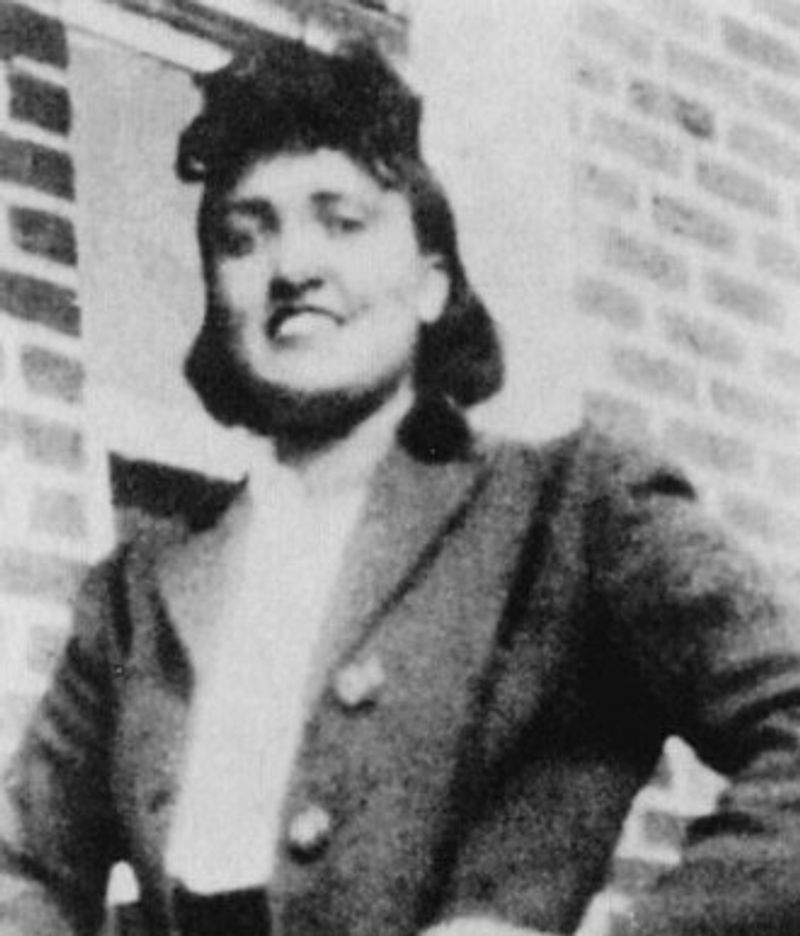
Henrietta Lacks went to Johns Hopkins Hospital in 1951 for cancer treatment and left behind something that changed medicine forever, without ever being asked. Doctors took a sample of her cancer cells and discovered they could survive and multiply in a laboratory, something human cells had never reliably done before.
Those cells became known as HeLa cells.
HeLa cells have been used in research for polio vaccines, cancer treatments, genetics studies, and countless other medical breakthroughs. They have been sent to space and used in labs on every continent.
The scientific value of her cells is genuinely incalculable.
Lacks and her family were not properly informed about how her cells were being used. For decades, her identity was not even publicly known.
Her story raises serious questions about medical consent, race, and who gets to profit from scientific discovery. Rebecca Skloot’s 2010 book brought her story to wide attention.
Lacks deserves to be remembered as more than a medical resource. She was a person first.
Alice Coachman: Gold Before Anyone Opened the Door
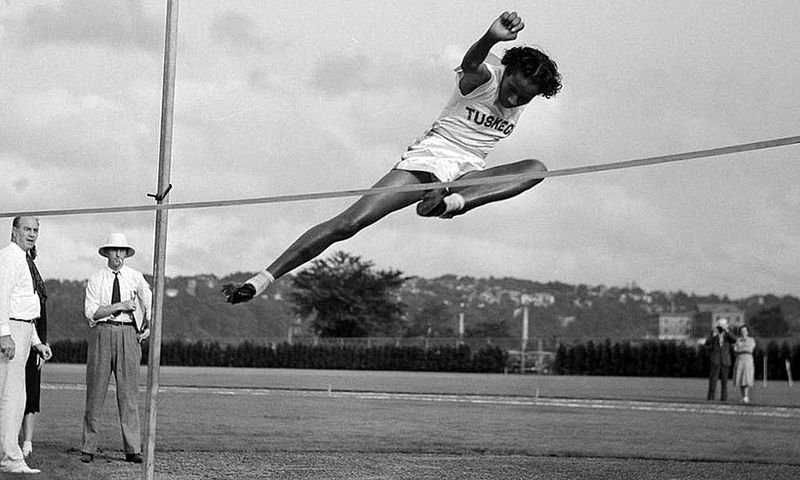
Alice Coachman grew up in Albany, Georgia, during segregation, with no access to proper tracks or training facilities. She practiced jumping over homemade bars made from sticks and string.
Then she went to the 1948 London Olympics and won gold anyway. That is not a motivational poster.
That actually happened.
Coachman became the first Black woman in history to win an Olympic gold medal, taking the title in the high jump. Her achievement came at a time when Black athletes in America faced systemic racism both at home and within the sporting world.
She did not have the same resources as her competitors and still beat them all.
When she returned home, her welcome-back ceremony in Albany was segregated. She and white officials could not sit together on the same stage.
Even gold medals did not open every door in 1948. Coachman’s victory was historic, her dignity was unshakeable, and her legacy helped pave the way for every Black woman who competed after her.
Margaret Chase Smith: Conscience Over Career
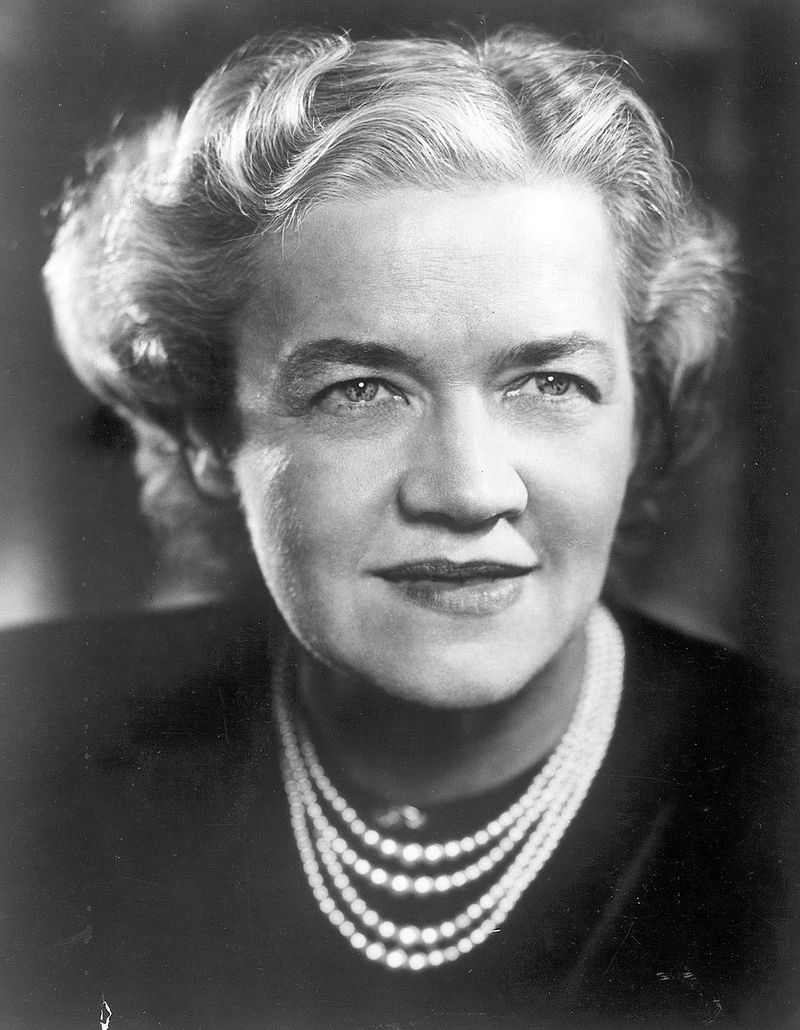
In 1950, most U.S. senators were terrified of Joseph McCarthy. Margaret Chase Smith was not.
While other politicians ducked and covered, Smith stood on the Senate floor and delivered her Declaration of Conscience, a direct rebuke of McCarthy’s tactics of fear, smear, and political intimidation. She had been in the Senate for less than two years.
Her speech called out the reckless accusations and character assassinations that were destroying reputations and careers across Washington. She did not name McCarthy directly, but everyone knew exactly who she meant.
Six other senators signed on. The rest stayed silent.
Smith went on to become the first woman to win a presidential primary, in 1964. She served in both the House and Senate and was known throughout her career for voting her conscience rather than her party’s wishes.
She was the kind of politician who makes you remember that the job is supposed to be about serving people, not surviving elections. That kind of courage aged remarkably well.
Hedy Lamarr: Hollywood’s Secret Inventor
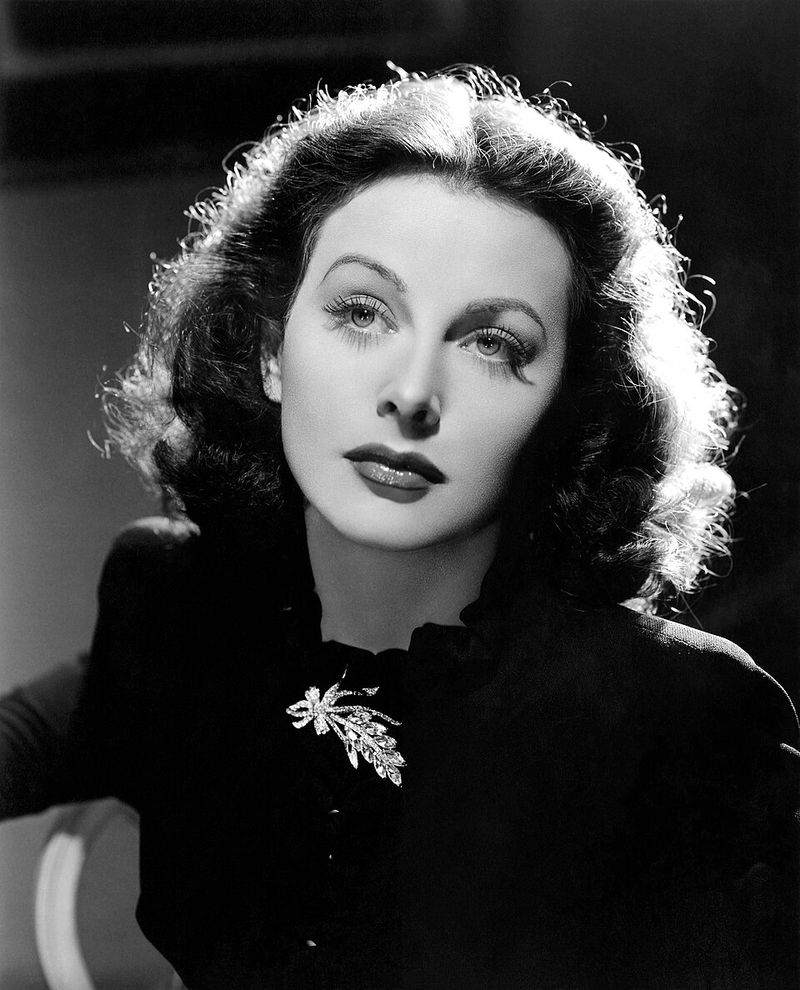
Hedy Lamarr was one of the biggest movie stars in Hollywood during the 1940s, which made it very easy for the world to completely miss the fact that she was also a brilliant inventor. During World War II, she co-developed a frequency-hopping communication system with composer George Antheil.
The goal was to make radio-guided torpedoes harder to jam.
The U.S. Navy did not fully adopt the technology at the time, reportedly telling Lamarr she would be more useful selling war bonds.
That response aged poorly. The frequency-hopping concept she helped develop later became foundational to modern wireless communication, including Wi-Fi, GPS, and Bluetooth.
Lamarr received no financial compensation from the technology during her lifetime, and her patent expired before the idea took off commercially. She was finally recognized with an Electronic Frontier Foundation Pioneer Award in 1997.
She was 82 years old. The woman helped build the wireless world and spent most of her life being remembered only for her face.
History owes her a serious correction.
Lillian Gilbreth: The Engineer Who Made Work Human
Lillian Gilbreth was an industrial engineer, a psychologist, and a mother of twelve children. If anyone understood efficiency, it was her.
She and her husband Frank pioneered time-and-motion studies that helped redesign workplaces to reduce wasted effort. Their family’s chaotic household even inspired the book Cheaper by the Dozen.
What set Gilbreth apart from other efficiency experts was her insistence that the human experience mattered. She was not just trying to squeeze more productivity out of workers.
She studied fatigue, stress, and wellbeing, arguing that a workplace that respected people was ultimately more effective.
After her husband died, she raised all twelve children while continuing her engineering career, consulting for major corporations and government agencies. She helped redesign kitchen layouts to reduce strain on workers, including people with disabilities.
Gilbreth received more honorary degrees than almost any other American woman of her era. She proved that science and compassion are not opposites.
They work best together, especially when someone brilliant enough to hold both is in charge.
Norman Borlaug: The Man Who Fed Billions
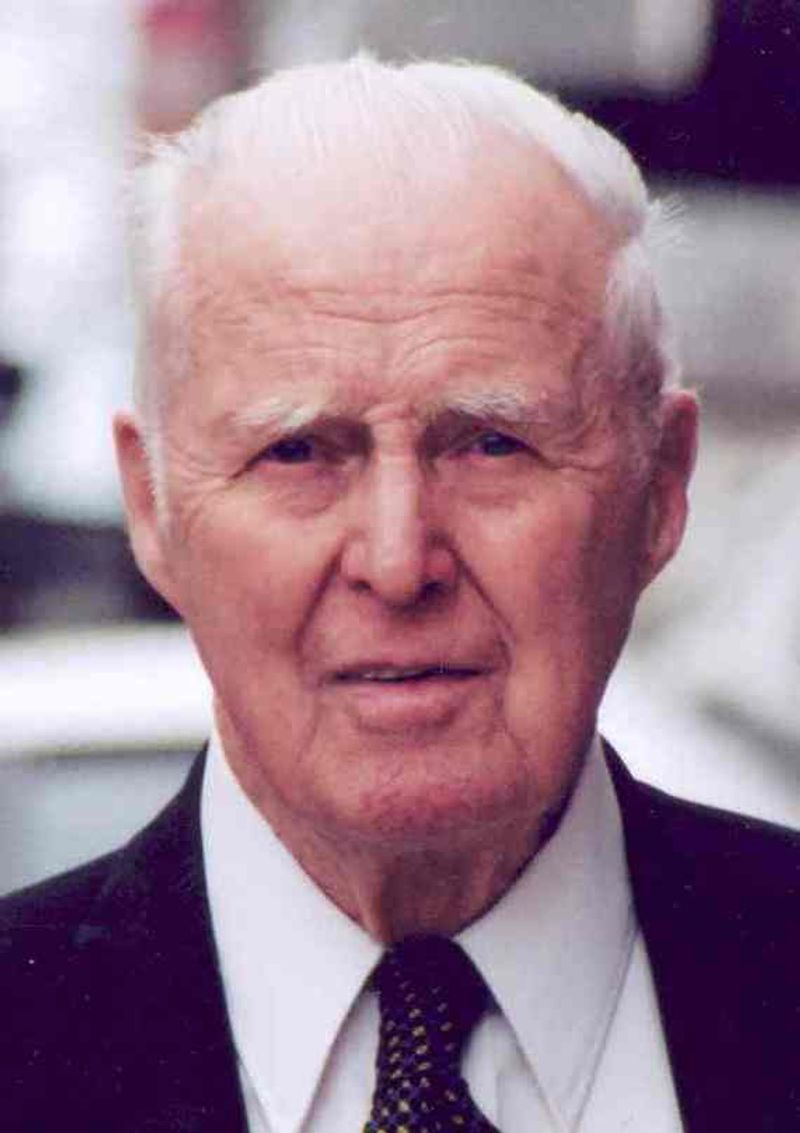
Norman Borlaug is credited with saving more human lives than almost anyone else in history, and most people could not pick him out of a lineup. That is a remarkable combination of impact and anonymity.
He was an agronomist from Iowa who dedicated his career to solving one of humanity’s oldest problems: hunger.
Working in Mexico, Pakistan, and India, Borlaug developed high-yield, disease-resistant wheat varieties that dramatically increased food production in countries facing famine. The results were staggering.
Wheat harvests in India and Pakistan more than doubled within a few years of adopting his methods. He won the Nobel Peace Prize in 1970.
His legacy is not without debate. Critics have raised valid concerns about the long-term environmental costs of industrial agriculture and the loss of crop diversity that came with the Green Revolution.
Those are real conversations worth having. But the scale of his impact on global food security is undeniable.
Hundreds of millions of people lived longer because one scientist from Iowa kept asking how to grow more food.
Rachel Carson: She Wrote a Book That Changed a Country
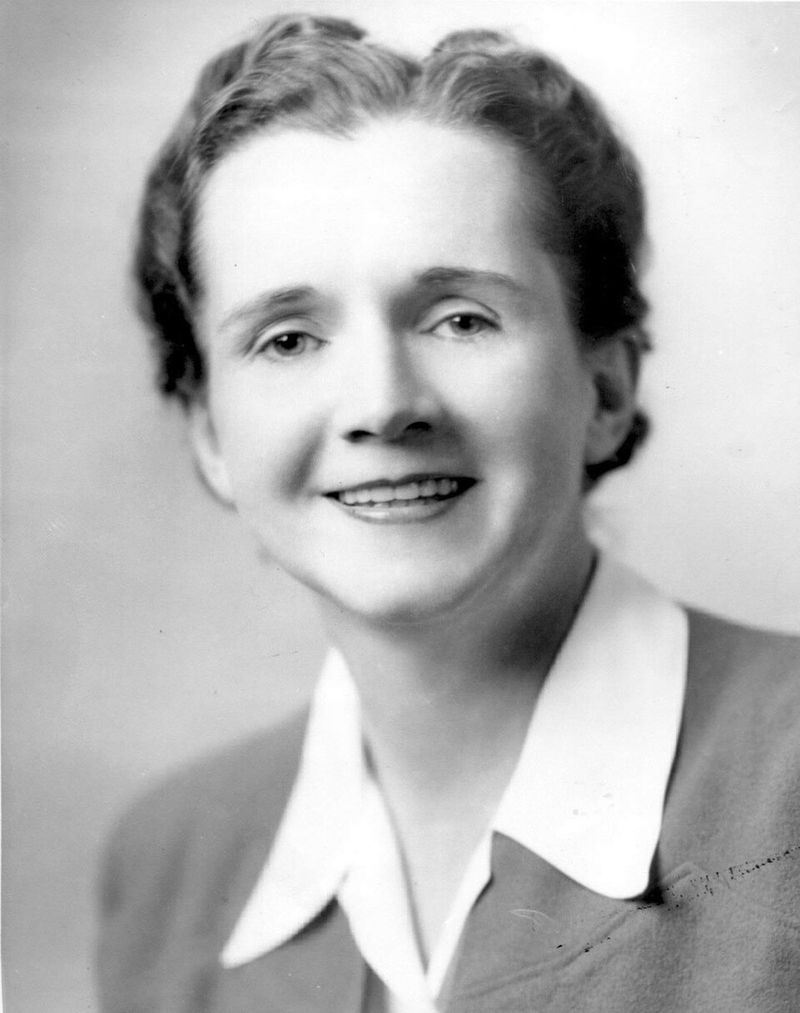
Rachel Carson published Silent Spring in 1962, and the chemical industry immediately tried to destroy her reputation. They called her hysterical, unscientific, and dangerous.
What they could not do was prove her wrong. Her book laid out, clearly and carefully, how widespread pesticide use was poisoning wildlife, water, and people across America.
Carson was a marine biologist who had already written celebrated books about the sea before she turned her attention to pesticides. Silent Spring was not a rant.
It was meticulously researched, beautifully written, and impossible to dismiss, even though powerful industries tried hard to do exactly that.
Her work helped trigger a national conversation about environmental protection that led directly to the creation of the EPA and the eventual banning of DDT in the United States. She died of cancer in 1964, just two years after publication, and never saw the full impact of what she had started.
Carson did not just write about nature. She helped save it.
One book, one scientist, one enormous shift in how America thought about its relationship with the natural world.
Vera Rubin: She Found What the Universe Was Hiding
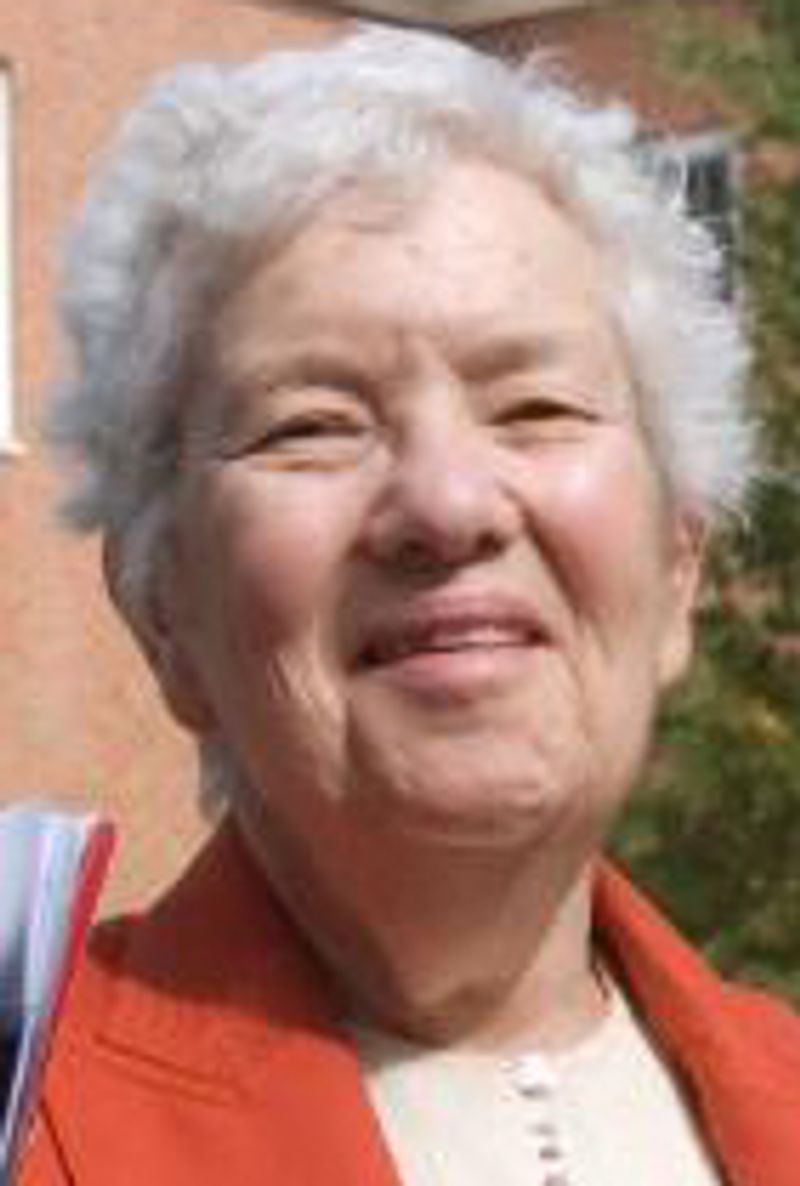
Vera Rubin was studying how galaxies spin when she noticed something that did not add up. Stars at the outer edges of galaxies were moving far too fast.
By every calculation, they should have been flung off into space long ago. They were not.
Something was holding them, something invisible, something massive.
Her research became some of the strongest observational evidence for dark matter, the mysterious substance now thought to make up most of the universe’s mass. That is not a small discovery.
That is one of the biggest scientific revelations of the twentieth century, and it came from a woman who had to fight for access to telescopes most of her career.
When Rubin applied to Princeton’s graduate astronomy program in 1948, she was not even sent an application because women were not admitted. She went elsewhere, kept working, and eventually changed how scientists understand the cosmos.
She was passed over for the Nobel Prize despite nominations from colleagues who considered her work Nobel-worthy. Rubin died in 2016.
The universe she helped explain is still full of her questions.
Share this story