One bar on Liberty Street has been serving Ann Arbor continuously since 1898, making it one of the oldest operating spots in the city. It has outlasted Prohibition, economic shifts, and waves of newer venues, all while keeping its original character intact.
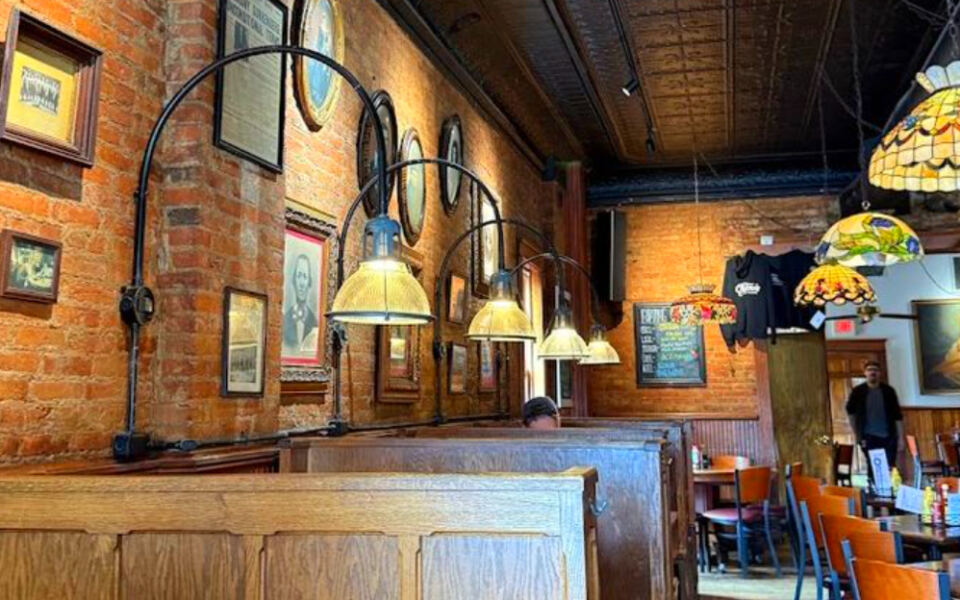
What makes it stand out is that much of the space has not changed. The tin ceiling and wood floors are original, and the layout still reflects its early days.
It is not a recreated historic theme. It is the real thing.
People come for the history as much as the food and drinks, and that mix has kept it relevant for more than a century.
The Address That Has Never Stopped Serving
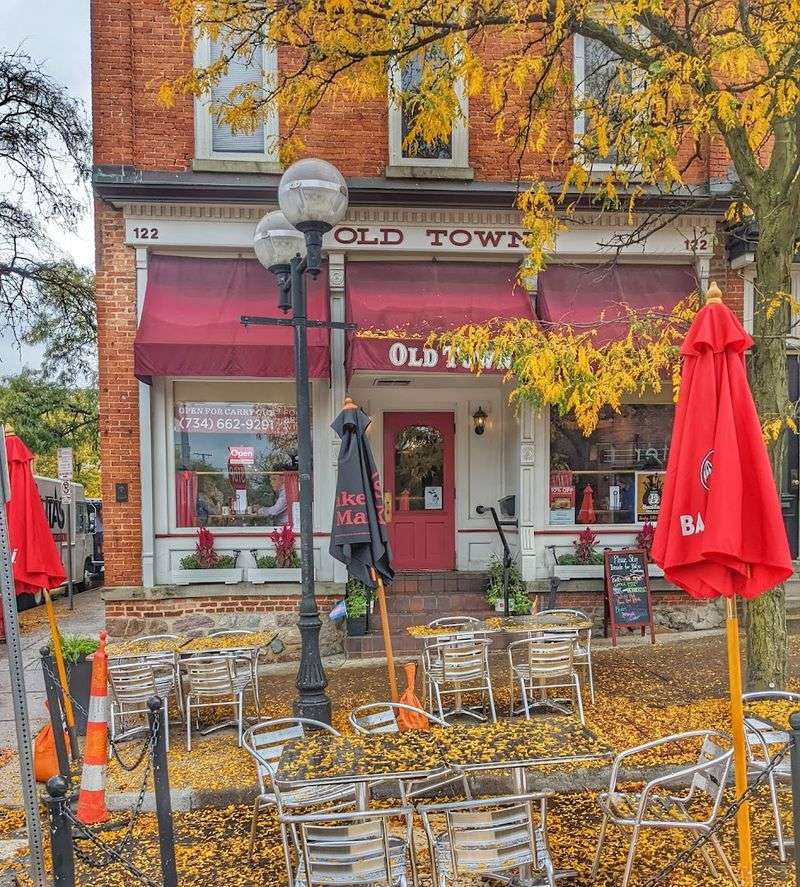
Some addresses carry weight, and 122 W. Liberty Street, Ann Arbor, MI 48104 is one of them.
This corner has hosted a bar or saloon continuously since 1898, making it one of the most enduring drinking establishments in the entire state of Michigan.
Before that, the buildings on the west side of Liberty Street were constructed in the 1860s by harness makers and masons, tradespeople who built things to last. The bones of the place reflect exactly that kind of craftsmanship.
Even today, the structure feels solid and grounded in a way that newer buildings rarely manage.
Knowing you are standing inside walls that have witnessed over 125 years of Ann Arbor life gives the whole experience a different weight. The tavern sits right in the heart of downtown, easy to find and impossible to forget once you have been there.
That combination of history and accessibility is a rare thing in any city.
From The Bismarck to Old Town: A Name That Stuck
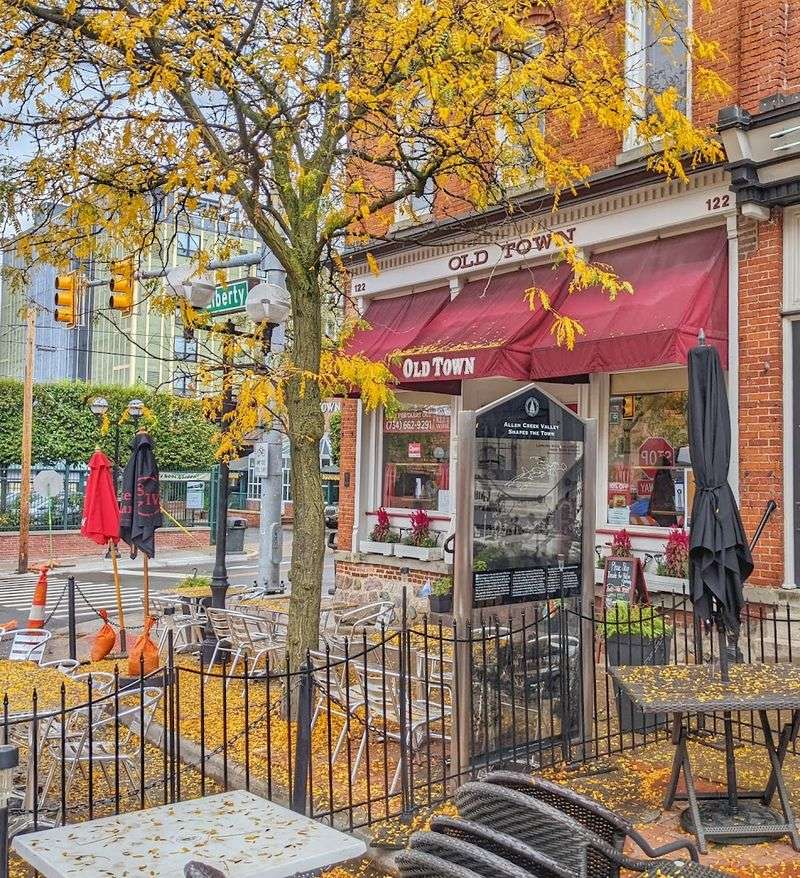
The tavern did not always go by its current name. Back in 1898, this spot operated as a saloon called The Bismarck under a man named John Berger.
It was a working-class hangout from the start, the kind of place where a long shift ended and a cold one began.
During Prohibition in 1917, the business adapted rather than disappeared, pivoting to sell home brewing products under William Seagert. That kind of resilience tells you something about the place and the people who ran it.
By 1935, it had reopened as The Union Bar under Richard Kearns.
The name Old Town Tavern came in 1972 when Jerry Pawlicki purchased what was then called Merkel’s Friendly Corner and renamed it. That name turned out to be the one that finally stuck, and for good reason.
It captures something true about the place: old, genuine, and rooted in the actual town around it.
Jerry Pawlicki Built This Place With His Own Hands
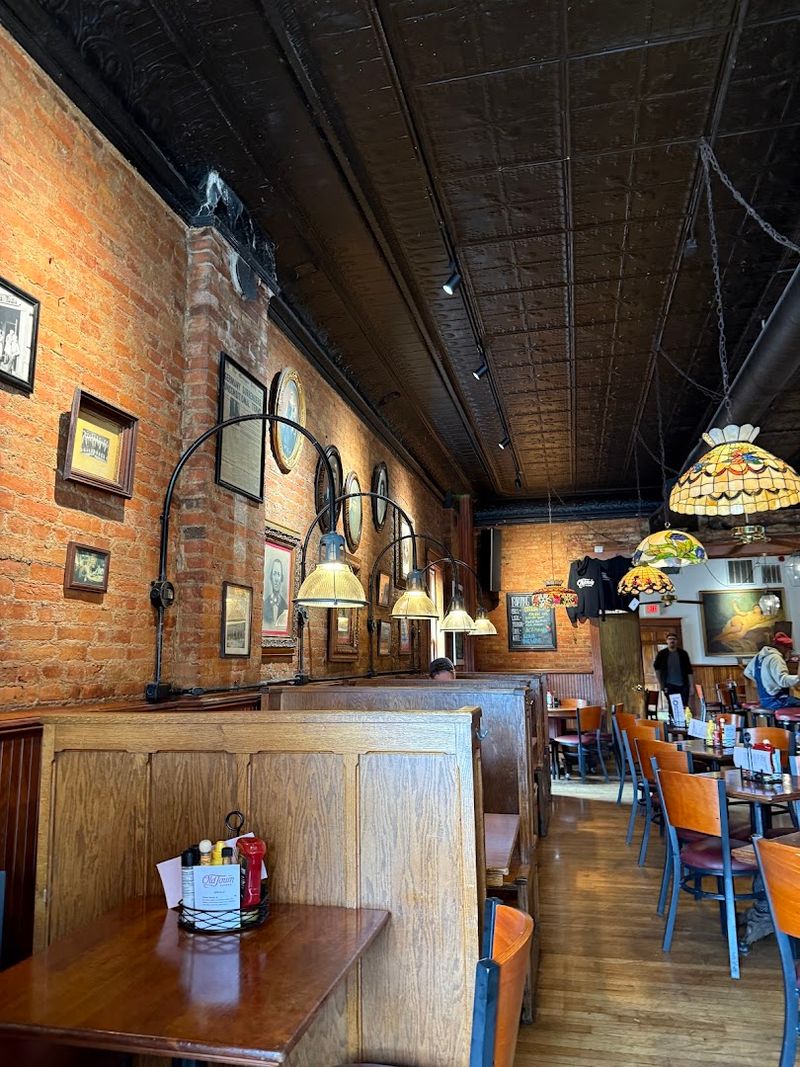
Most bar owners hire contractors. Jerry Pawlicki grabbed his tools and got to work himself.
After buying the tavern in 1972, he personally built the bar, the cabinets, the tables, and the booths that guests still sit in today. That level of personal investment is almost unheard of in the restaurant industry.
He also made a deliberate choice to preserve what already existed. The original tin ceiling stayed.
The hardwood floors stayed. Rather than gutting the place and starting fresh, Pawlicki understood that the character of the building was worth more intact than renovated away.
That decision has aged beautifully. Today, the handmade furniture and preserved architectural details give the tavern a warmth that no interior designer could replicate on a budget or a deadline.
Every booth you slide into and every surface you rest your elbows on carries a little bit of one man’s labor in it. That is the kind of detail that separates a bar from a landmark.
A 6 AM Bar for Factory Workers and the Blue-Collar Soul of Ann Arbor
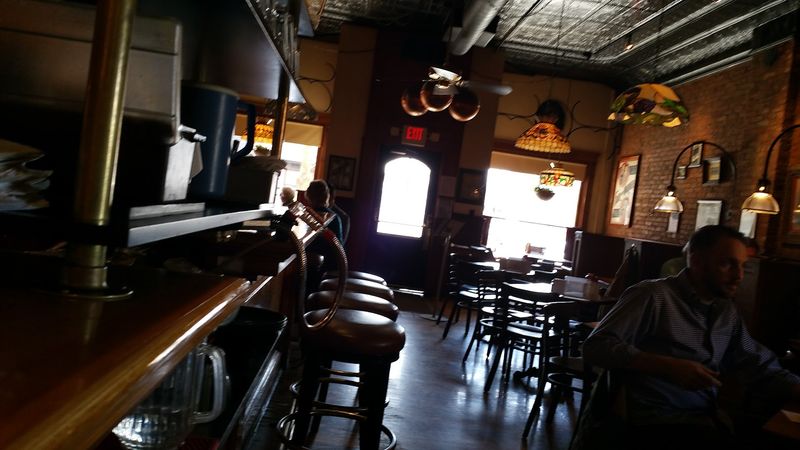
Here is a detail that stops most people mid-sentence: in its early days under Jerry Pawlicki, Old Town Tavern opened at 6 AM. Not for brunch.
Not for a trendy morning cocktail menu. It opened because third-shift factory workers needed somewhere to unwind after a long overnight shift.
That fact alone reveals the tavern’s original identity more clearly than any marketing copy could. This was not a college bar or a tourist destination.
It was a neighborhood institution built around the rhythms of working people and their actual schedules.
Ann Arbor has changed enormously since the 1970s, becoming increasingly associated with the University of Michigan and a more professional class of residents. But Old Town held onto that blue-collar spirit longer than almost anywhere else in the city.
The phrase locals use, Ann Arbor’s last surviving townie bar, did not come from nowhere. It came from decades of staying exactly what it was while everything else around it shifted.
The Tin Ceiling That Has Seen It All
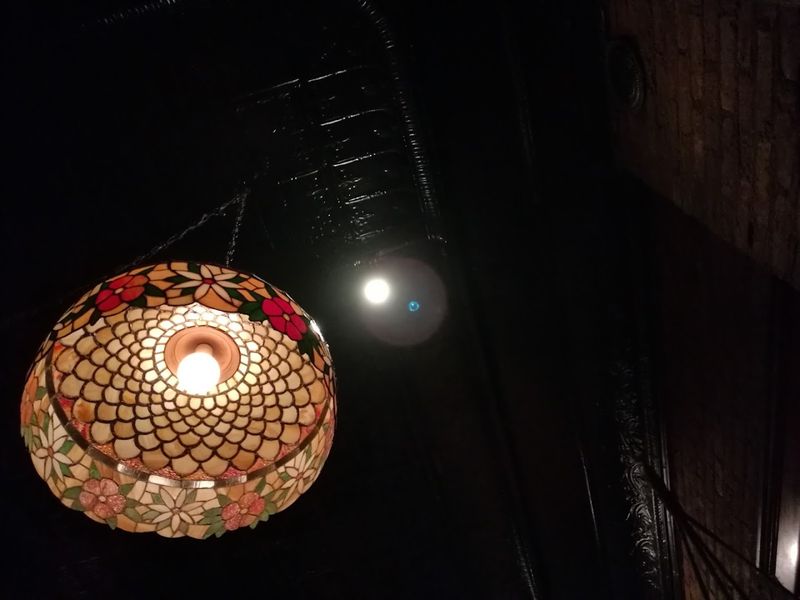
Look up when you walk in. The tin ceiling overhead is not decorative in the modern sense.
It is original, the same ceiling that has been there since the building’s early days, and it is one of the most quietly striking features of the entire space.
Pressed tin ceilings were common in commercial buildings of the late 1800s and early 1900s because they were durable, fire-resistant, and relatively affordable. Most of them have since been torn out, dropped below acoustic tiles, or simply lost to renovation.
Finding one this intact, in a working bar no less, is genuinely unusual.
Combined with the hardwood floors and the handbuilt wooden furniture, the ceiling creates an atmosphere that feels earned rather than curated. Nothing here was purchased from a vintage decor catalog.
The patina is real because the years are real. That authenticity is exactly what draws both longtime regulars and first-time visitors who are quietly hoping the place lives up to what they have heard about it.
The Menu That Keeps People Coming Back for More
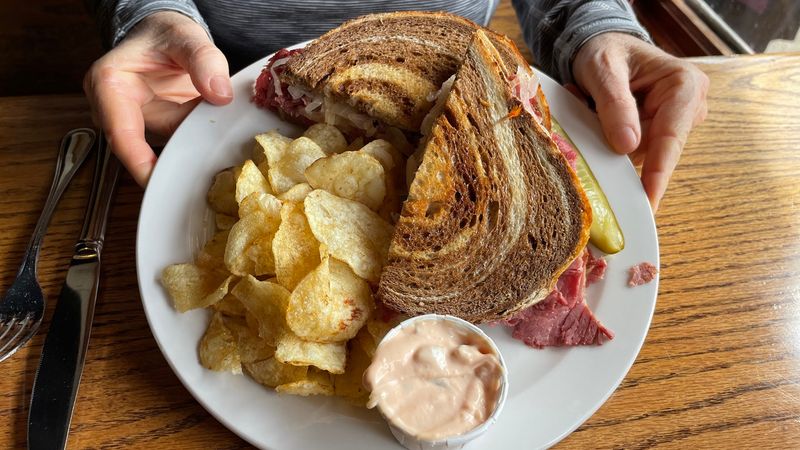
The food at Old Town Tavern is not an afterthought. The kitchen takes its menu seriously, with homemade soups, hearty sandwiches, Southwestern-inspired entrees, daily specials, and burgers that have earned genuine loyalty from regulars.
The brisket is a particular point of pride. It shows up in nachos, sandwiches, and quesadillas, and the corned beef in the Reuben is cooked in-house rather than sourced from a package.
The Turkey Reuben also gets consistent praise. For something a little different, the pimento cheese appetizer and sweet potato fries with chipotle sauce are worth ordering before your main.
Vegetarian options are genuinely thoughtful here, not just token additions. The tempeh burger made with fermented soybeans and rice has its own fan base, and the Impossible burger rounds out the plant-based choices.
Chicago-style hot dogs also make a surprise appearance on the menu and deliver exactly the bold, snappy experience that fans of that regional style expect. The kitchen clearly cares about what it sends out.
Why This Spot Earned the Title of Ann Arbor’s Last Townie Bar
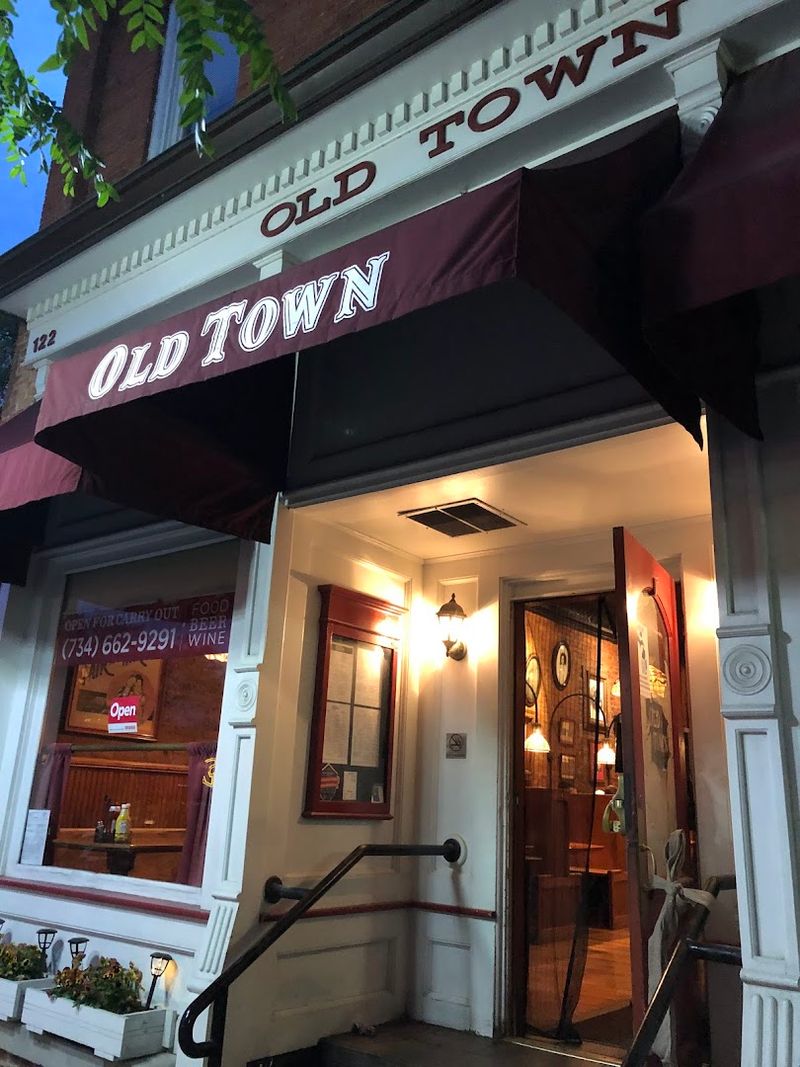
Ann Arbor is a university city, which means it has no shortage of bars catering to students, visiting fans, and weekend crowds. Old Town Tavern operates in a different register entirely.
It is the bar where people who actually live in Ann Arbor go, not because it is trendy, but because it is theirs.
The phrase last surviving townie bar gets used a lot in connection with this place, and it carries real meaning. As other neighborhood bars have closed, been converted, or reinvented themselves to chase a younger demographic, Old Town has stayed consistent.
The familiar faces behind the bar and in the booths are part of what makes it feel like a community space rather than a business transaction.
There is a particular kind of comfort in a bar where the staff remembers your usual order and the regulars nod hello without needing an introduction. That culture does not happen by accident.
It is built over decades, and Old Town has had plenty of those to work with.
The Walls Are Covered in History You Can Actually Read
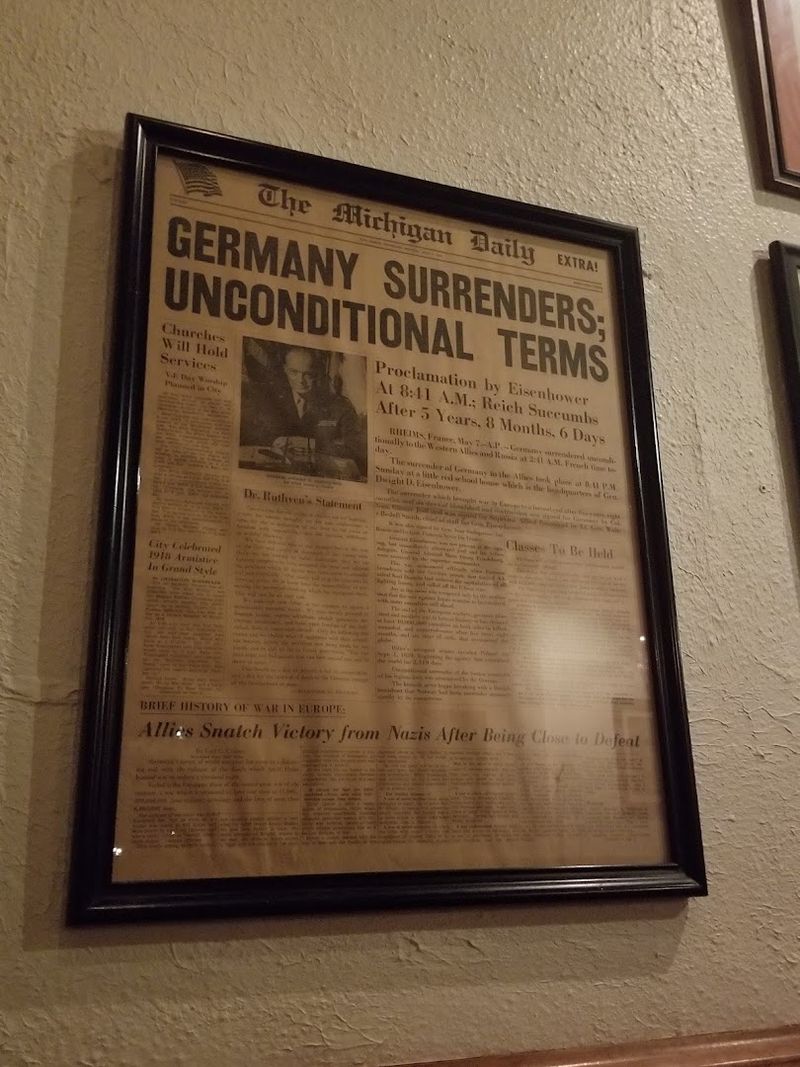
The decor at Old Town Tavern is not the kind that gets planned in a design meeting. The walls are covered in black and white vintage photographs, and each one adds a layer to the story of the place and the neighborhood around it.
First-time visitors often spend a few minutes just looking around before they even open the menu.
The photos capture Ann Arbor and its people across different eras, providing a visual timeline that no museum exhibit could quite replicate. There is something different about seeing history on the walls of a place that is still actively making more of it.
Alongside the photographs, the overall decor carries that turn-of-the-century sensibility without feeling like a theme park version of the past. The worn wood, the low lighting, and the handbuilt furniture all reinforce the same message: this place has been here a long time and it plans to stay.
And the next section reveals something about the people who helped it do exactly that.
How Two Brothers Kept a Family Legacy Going
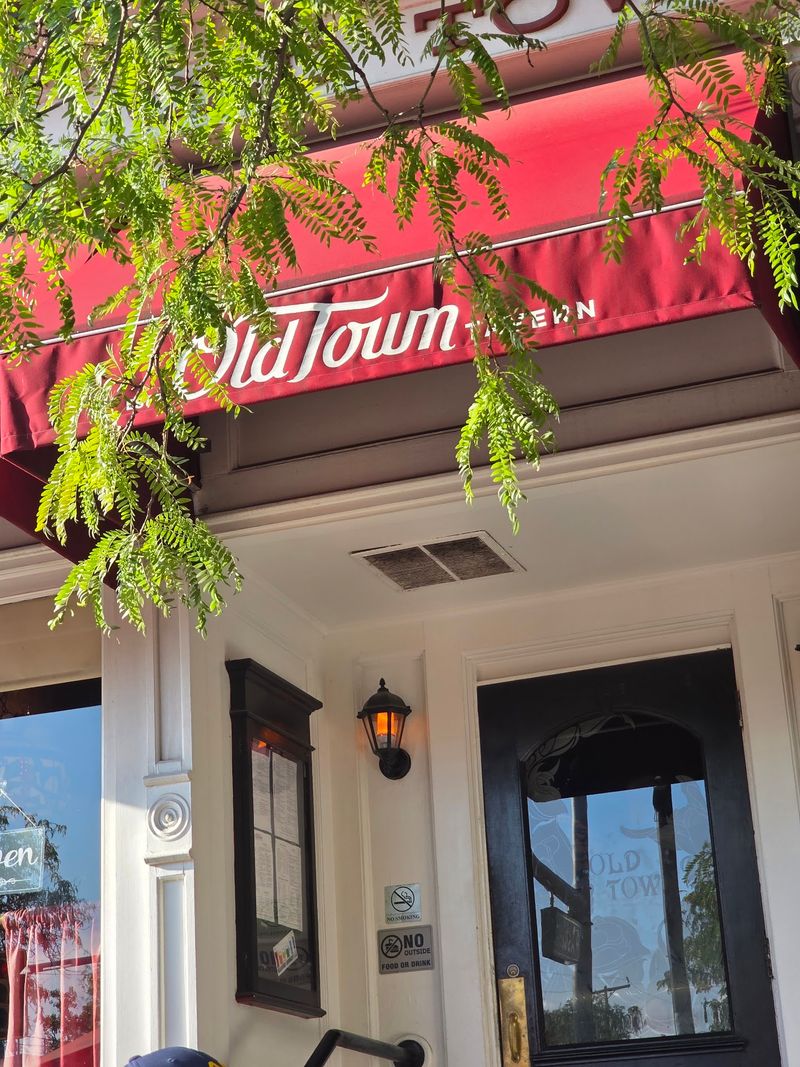
In 1998, Jerry Pawlicki passed the tavern to his sons, Chris and Steve. That handoff marked the beginning of the second chapter of a family story that had already been running for over two decades at that point.
Keeping a bar in the family sounds simpler than it actually is. The hospitality industry is notoriously difficult, and maintaining both the business and the spirit of a place that carries so much neighborhood identity requires a specific kind of commitment.
Chris and Steve have managed to do both.
The tavern under their ownership has continued to feel like the same place their father built, which is its own form of success. Menus evolve, staff come and go, and the city around Liberty Street keeps changing, but the core of what Old Town is has remained intact.
That consistency across generations is part of what earns a place the kind of reputation that does not need a marketing campaign to sustain itself.
Live Music on Sundays and the Rhythm of the Week
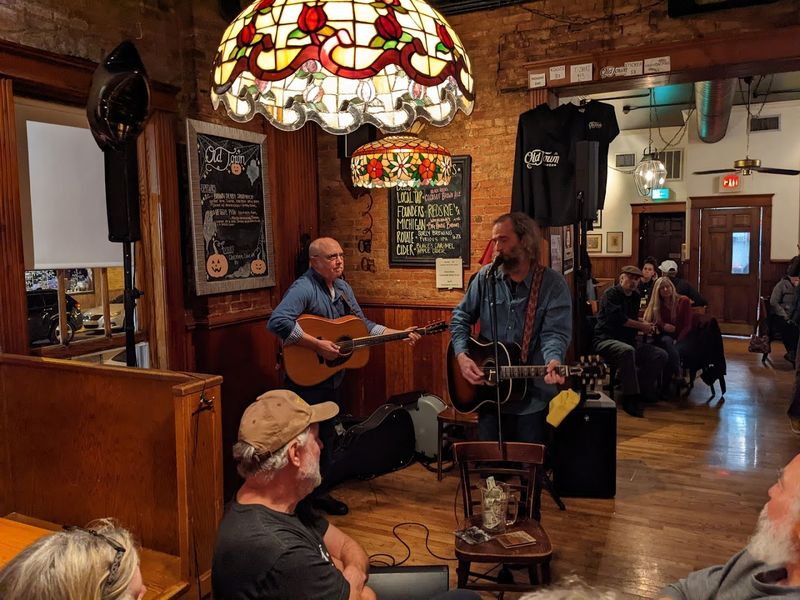
Sunday nights at Old Town Tavern have their own personality. Live music is a regular feature, typically scheduled for Sundays, and it adds a layer to the experience that sets those evenings apart from the rest of the week.
The tavern’s hours give the week a clear shape. Monday through Thursday, it runs from 11:30 AM to 11 PM.
Friday and Saturday stretch to midnight, accommodating the weekend crowd. Sundays close a little earlier at 10 PM, which feels right for a night that centers on music and a slower pace.
For anyone planning a visit around the live music, it is worth checking the schedule in advance through the tavern’s website at oldtownaa.com or by calling ahead at 734-662-9291. The combination of original decor, handcrafted furniture, and live sound in a space this intimate creates an atmosphere that larger venues simply cannot manufacture.
Some experiences are only possible at a certain scale, and this is one of them.
What to Expect When You Finally Walk Through the Door
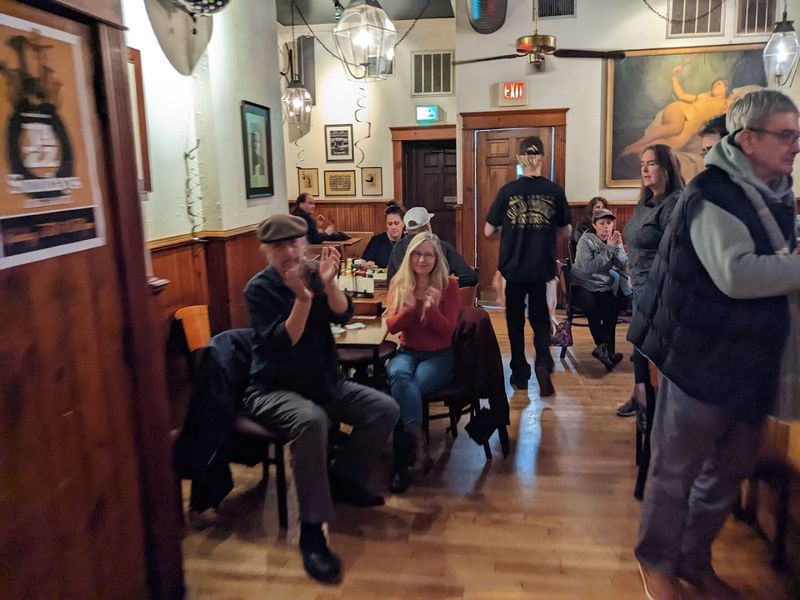
Old Town Tavern earns its 4.5-star rating on Google across hundreds of reviews, and the consistency of what people mention is telling. The atmosphere, the friendliness of the staff, and the quality of the food come up again and again, often from people who stopped in on a whim and ended up staying longer than planned.
The space is compact, which means it can feel snug during peak hours. Visiting on a weekday afternoon or earlier in the evening tends to give you more room to settle in and actually absorb the place.
The price point is moderate, marked as $$ on Google, so the menu is accessible without being a budget-only destination.
The chicken tenders, the club sandwich with kettle chips, and the brisket nachos are all worth ordering at least once. The staff tends to be genuinely welcoming rather than performatively so, which makes a real difference in how comfortable the whole visit feels.
Old Town is the kind of place that rewards showing up with no particular agenda.
Share this story