 Unearth The Voyage
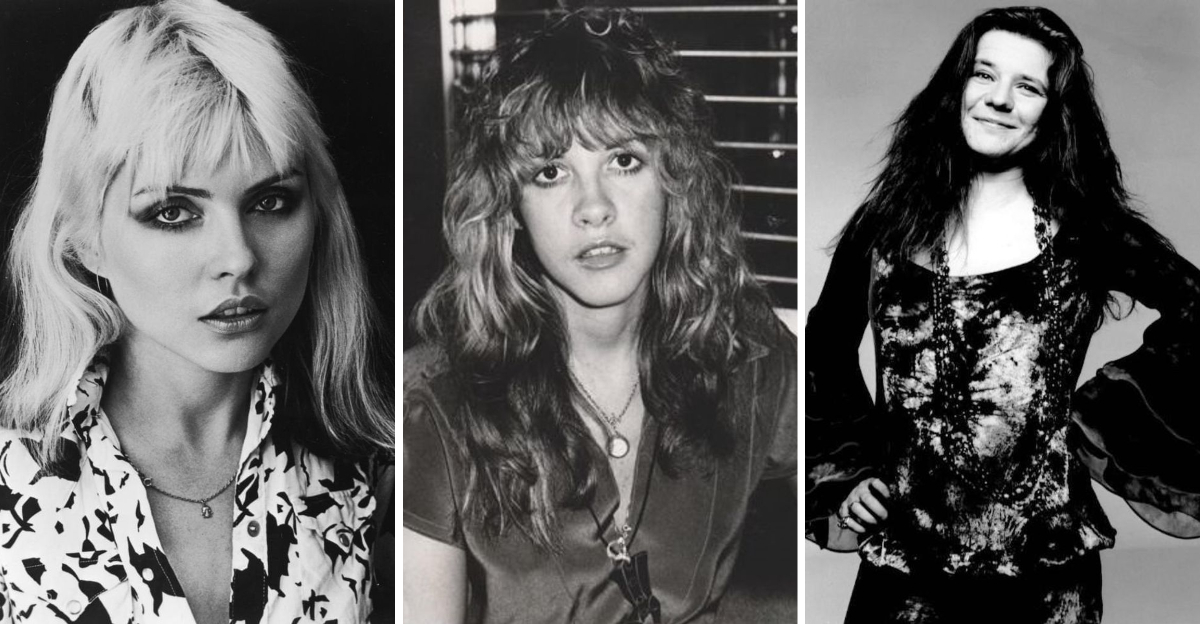
Rock history was never written by one voice, and these women made sure of it. From gospel-charged electric riffs to punk poetry and thunderous arena anthems, they shifted the sound and spirit of rock.
As you read, you will hear the grit, vision, and rebellious spark that changed stages and studios worldwide. Dive in and discover the trailblazers who turned the volume up for everyone.
Sister Rosetta Tharpe — The Godmother of Rock ‘n’ Roll
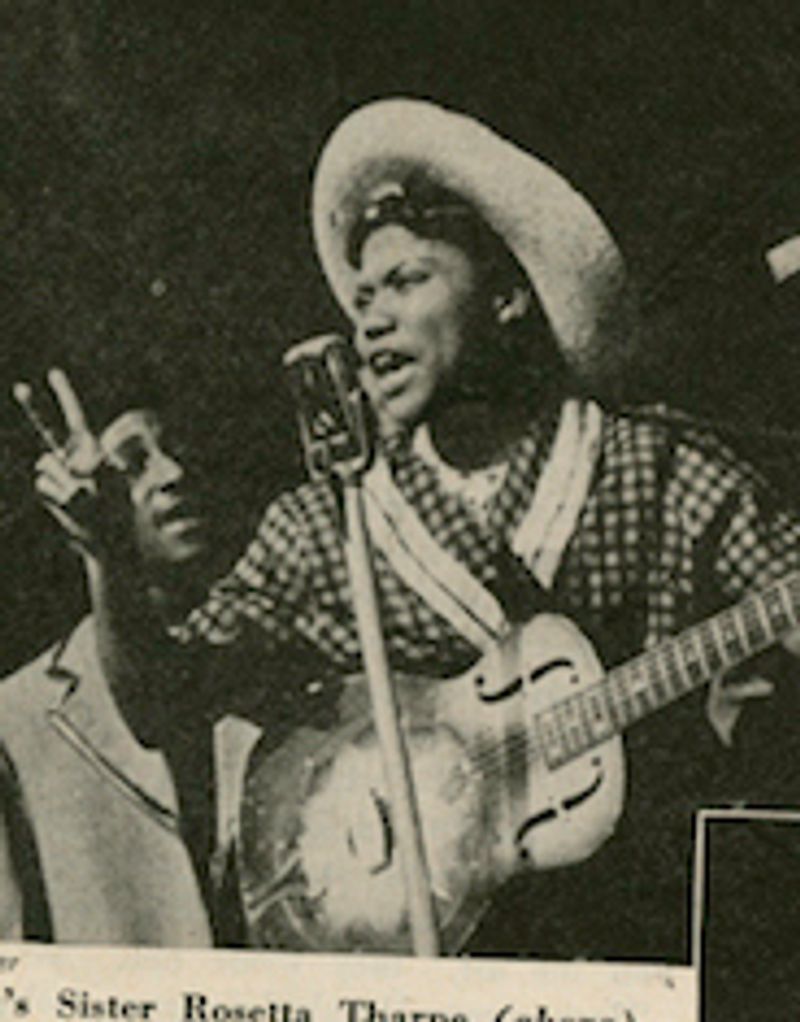
Sister Rosetta Tharpe fused sacred fire with electrified swagger and made it feel inevitable. Her guitar tone cracked like lightning, bending gospel phrasing into riffs that rock would later claim as its own.
When she toured the U.S. and U.K., crowds watched a woman command an electric guitar with confidence, swing, and humor.
You can hear her fingerprints in the phrasing of British blues and early rock, proof that she seeded a movement before it had a name. Artists like Eric Clapton and Keith Richards studied her stabs, slides, and buoyant rhythm.
She looked straight into the camera and played as if inviting listeners to step closer and believe.
Her recordings bridged the church aisle and the dance floor, dissolving the border between praise and release. If you love rock’s ecstatic shout, you owe her a nod.
The stagecraft, the smile mid-solo, the call-and-response guitar lines all sketched a template for generations. In a world that doubted women with loud guitars, she made the electric sermon irresistible.
You can still feel her time, that buoyant push, every time a riff lifts a room.
Wanda Jackson — Queen of Rockabilly
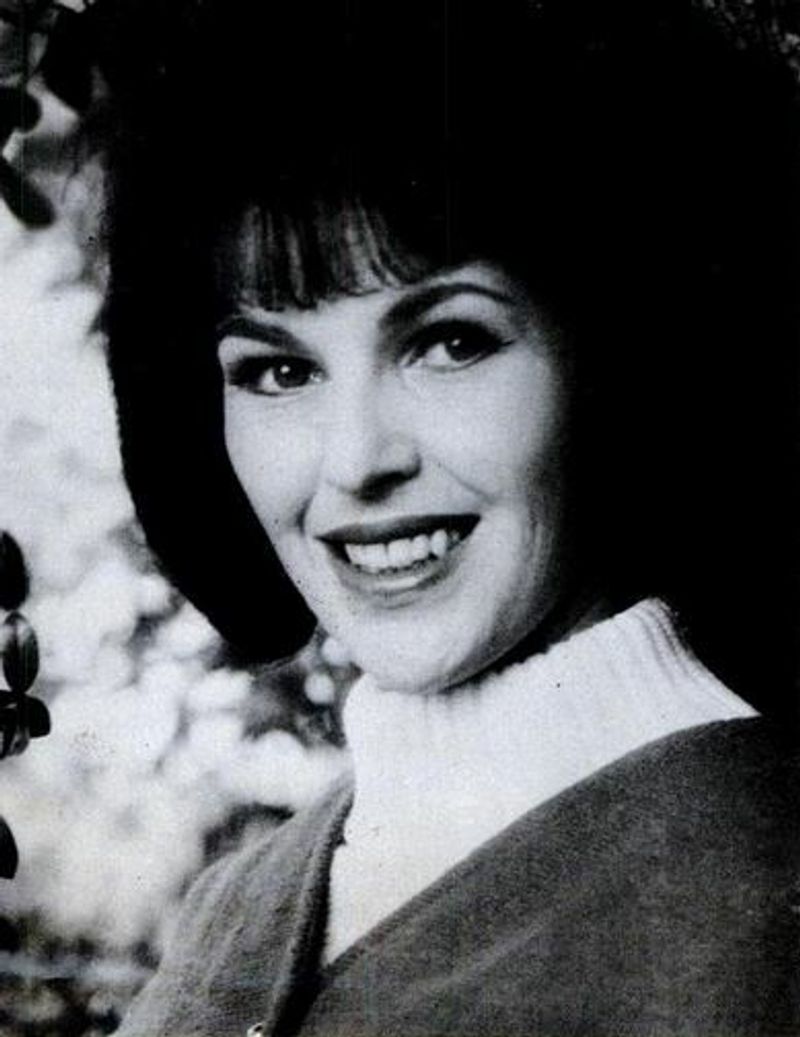
Wanda Jackson swaggered into a boys club and kicked the doors open with a growl. Her voice cracked like a whip, teasing the beat and riding twangy guitars with fearless bite.
Tracks like Let’s Have a Party proved that a woman could be both playful and ferocious while fronting a rockabilly band.
You can feel country grit and early rock heat collide in her phrasing, a style equal parts flirt and fire. Touring with Elvis sharpened her stage instincts, but the attitude was all hers.
She worked hard to carve space where few believed women belonged, then filled it with leather, lipstick, and blast-furnace energy.
Her success signaled to labels and audiences that women could sell raw rock and not just ballads. Guitar slingers took notes, and future bandleaders found courage in her rasp.
If you have ever shouted along to a rockabilly hook, you have brushed her spark. Put on those early singles and hear the fuse being lit, one shout, one hiccuped syllable, one ringing chord at a time.
Janis Joplin — Blues-Infused Rock Rebel
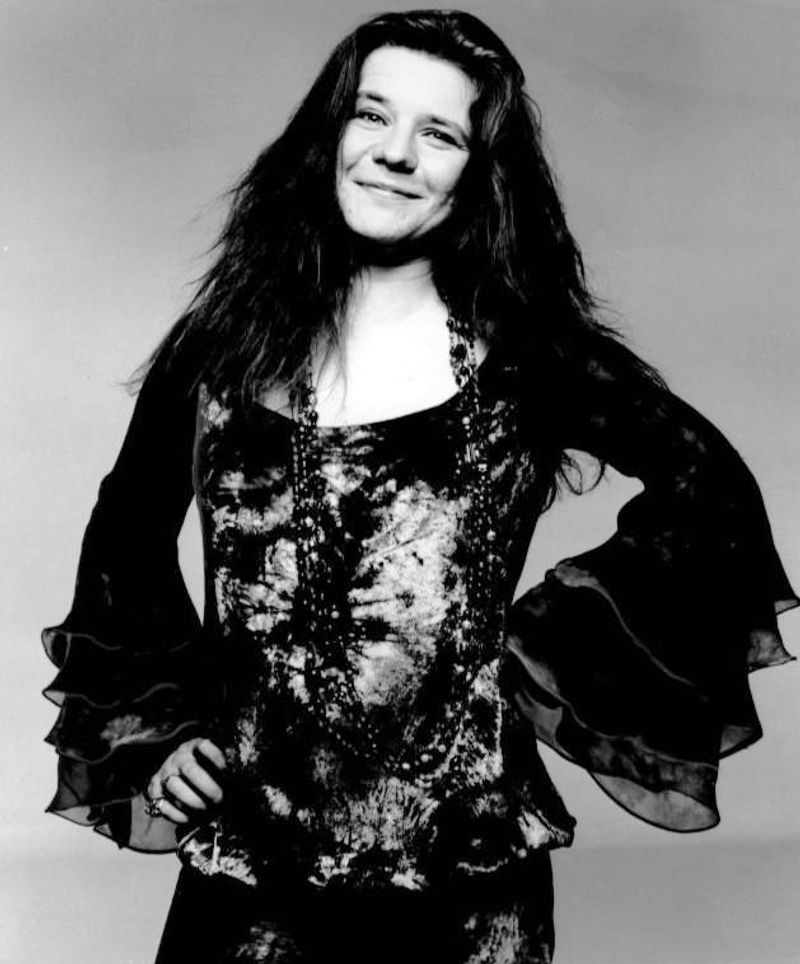
Janis Joplin turned emotion into a hurricane and let it rip across stadiums. Her voice rasped, pleaded, and roared, pulling blues phrasing into rock’s explosive frame.
With Big Brother and the Holding Company and later solo, she made every line sound lived in, like a confession shouted through feedback.
You feel the ache and the joy wrestling in each note, a chemistry that challenged polished expectations for women singers. She claimed space with vulnerability and fire, refusing to soften the edges.
The crowd did not just watch her perform, you rode the storm with her, breath to breath.
Her impact is larger than the hits. She showed that raw hurt could be a power source, not a weakness, especially on rock’s biggest stages.
That courage widened the doorway for artists who sing with unvarnished truth. Put on Piece of My Heart and you can hear the genre rewrite itself line by line, blister by blister, until the song is a living flame.
Stevie Nicks — Poet of Rock and Feminine Mystique
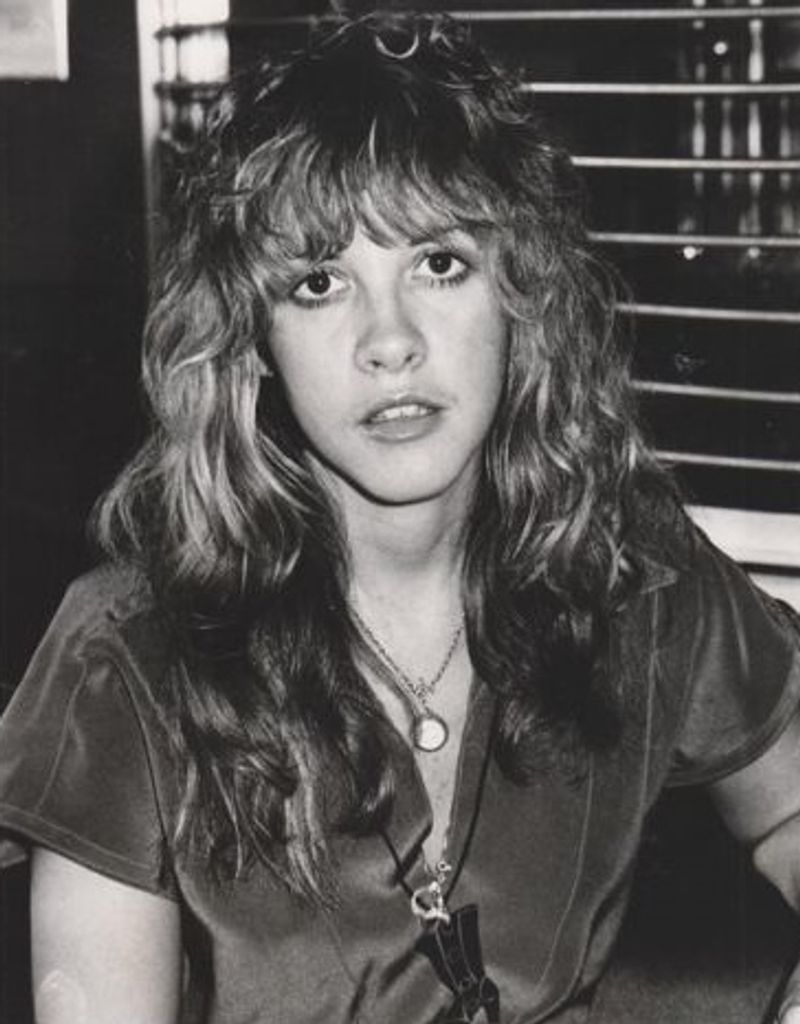
Stevie Nicks brought a poet’s pen to radio anthems and turned intimacy into spectacle. With Fleetwood Mac and as a solo artist, she distilled diary pages into melodies that filled arenas.
Her voice hovered, smoky and distinctive, while lyrics cast moonlit images you could carry like talismans.
You hear strength wrapped in softness, a balancing act that made vulnerability sound fearless. The shawls and tambourines were stagecraft, but the writing cut straight to the heart.
She showed that a woman could define rock’s center while speaking in her own mystical language.
The influence remains everywhere, from indie confessionals to stadium pop that breathes. Younger artists borrow her phrasing and cinematic mood, then find their own constellations.
When you listen to Dreams, you hear patience, tension, and release choreographed with elegant restraint. She turned interior worlds into communal chants and made sensitivity roar without losing its secret glow.
Debbie Harry — Blondie’s Punk-Pop Pioneer

Debbie Harry stepped onto punk stages with a pop ear and changed the map. Blondie folded disco pulse, surf sparkle, and downtown grit into sharp, singable hooks.
She made fearless eclecticism feel effortless, turning genre-jumping into a signature instead of a gamble.
You could dance to Heart of Glass, then snarl to One Way or Another without missing a beat. Fashion and attitude amplified the sound, but the songwriting precision did the heavy lifting.
She proved a frontwoman could lead a tight, tough band and still flirt with mainstream gloss.
Her presence normalized female authority in a scene that prized edge over polish. New wave took notes, radio listened, and clubs stretched their definitions of rock.
When you hear her cool delivery glide over choppy guitars, you feel the city’s pulse. It is the sound of doors opening, of categories blurring, of a singer owning every corner of her range.
Patti Smith — Punk Poet Queen
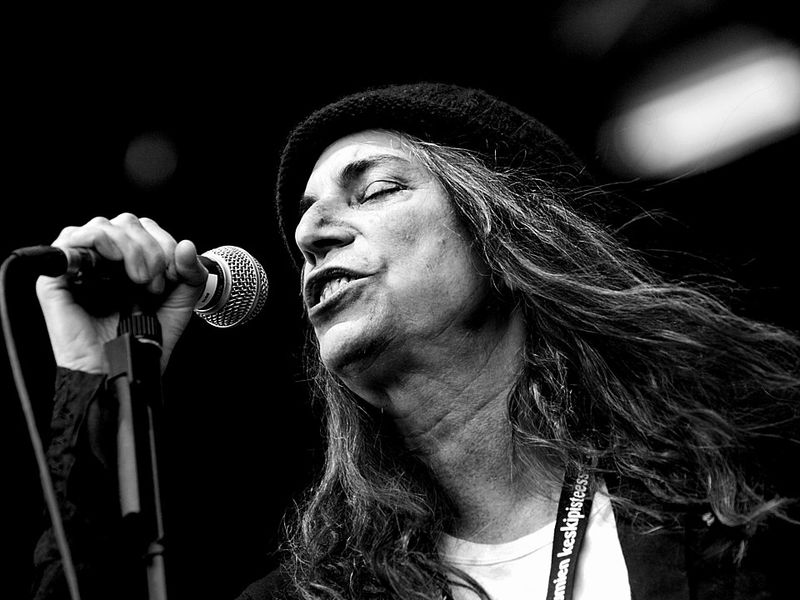
Patti Smith turned literature into a live wire and plugged it straight into rock. Horses sounded like a manifesto, blending spoken word, chant, and churn with fearless intent.
She did not chase polish, she chased truth, and the noise around her became a cathedral for it.
You can sense the invitation in her gaze, a dare to think harder and feel deeper inside the feedback. Her band moved like a storm front, igniting New York’s punk spark.
She proved that intellect and fervor belonged side by side, no apology required.
Generations found permission in her cadence and courage. Feminists, punks, and poets traced routes from her phrases to their own stages.
When she howled over a skeletal progression, the room shifted, hungry for meaning. If you have ever scribbled a line and believed it could move amps and hearts, you are walking a path she cleared with purpose.
Joan Jett — Bad Reputation & Rock Resilience
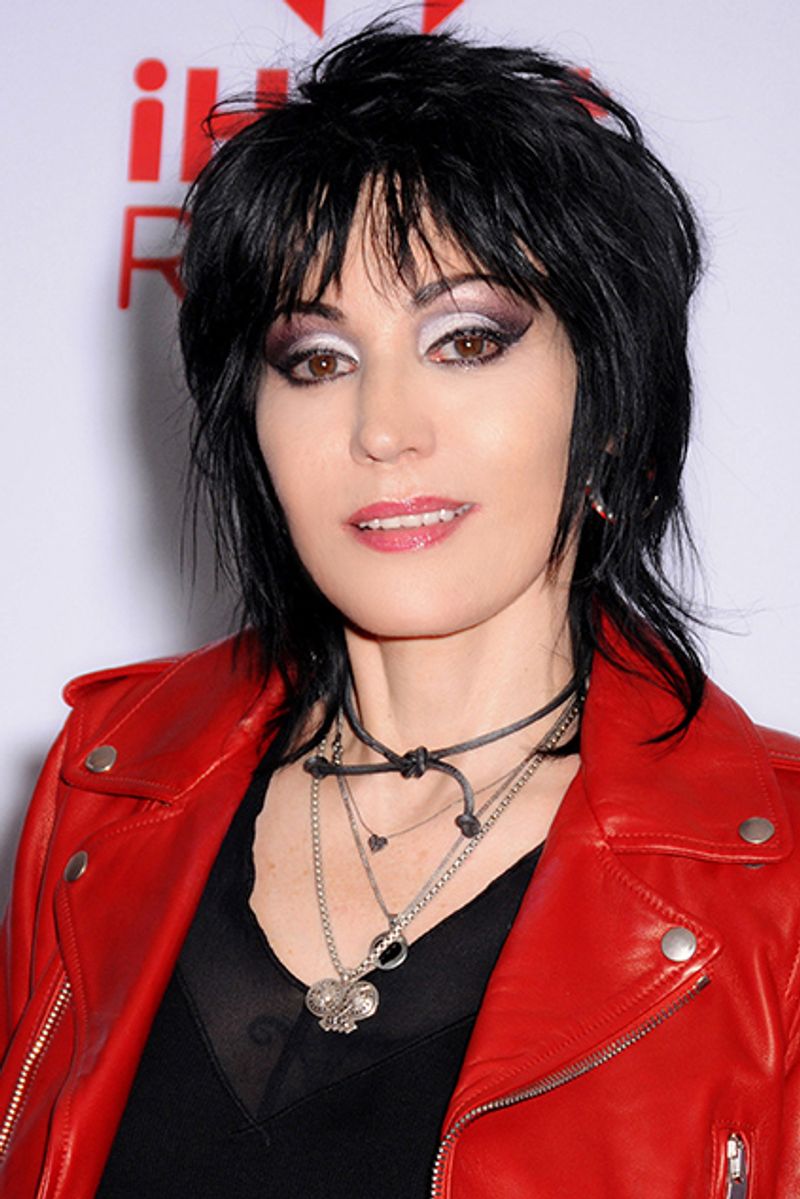
Joan Jett built a career on stubborn grit and big refrains you can shout from the cheap seats. From The Runaways to the Blackhearts, she kept the guitars loud and the hooks undeniable.
I Love Rock ‘n’ Roll was not a trend, it was a declaration anyone could claim.
You can hear resilience in every tight rhythm chop and crisp chorus. She fought through dismissals and gatekeeping, then turned skepticism into fuel.
The image was leather, but the engine was work ethic and bulletproof melodies.
Her presence told young players that a woman with a guitar is not novelty, it is necessity. Radio airplay followed, crowds grew, and her catalog became a handbook for durable rock craft.
When that snare cracks and the riff lands, you feel the room lean forward together. It is proof that attitude and economy, delivered with heart, can still level a stage.
Ann Wilson — Heart’s Powerhouse Vocalist
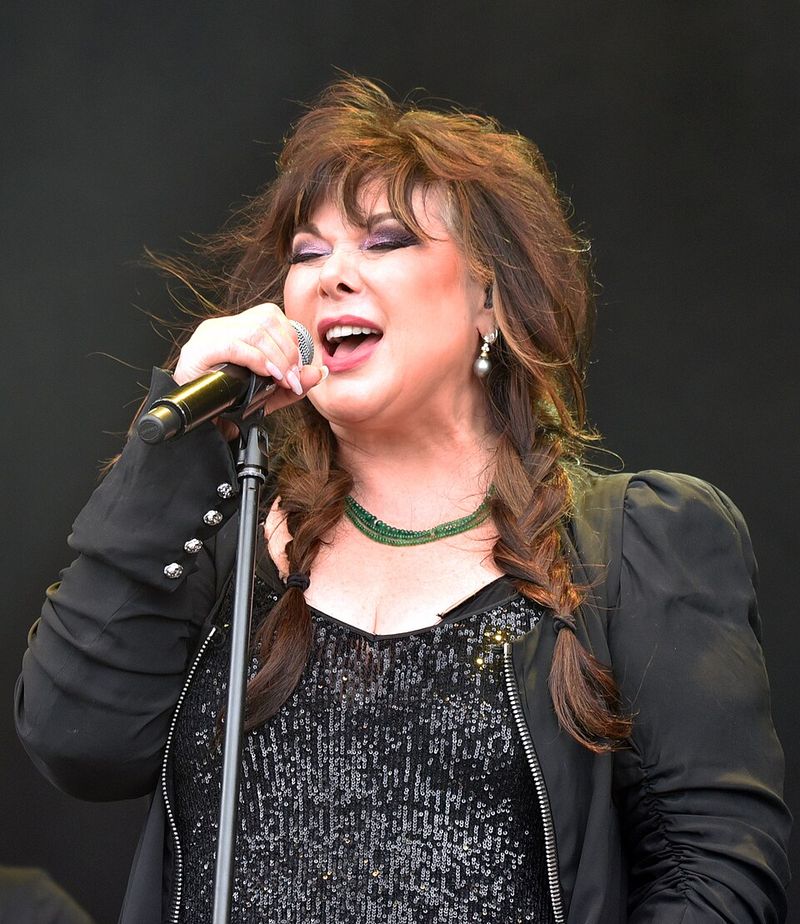
Ann Wilson carried choruses like thunderheads rolling over a stadium. With Heart, she made high notes feel muscular, not delicate, and filled hard rock with emotional clarity.
Barracuda showed how bite and finesse can live in the same throat, slicing through guitars like a blade.
You do not just hear range, you hear command. She stood center stage and matched every amp with fearless breath support and timing.
The band’s success validated women in the heaviest corners of rock radio.
Her tone could glide or strike, and both felt honest. Younger vocalists learned that power is not only volume, it is control and intention.
Put on those classic records and track the air moving, phrase to phrase. When the chorus rises, so does your pulse, proof that technical mastery and raw feeling can lock into the same spine-tingling moment.
Chrissie Hynde — The Pretenders’ Sharp-Edged Voice
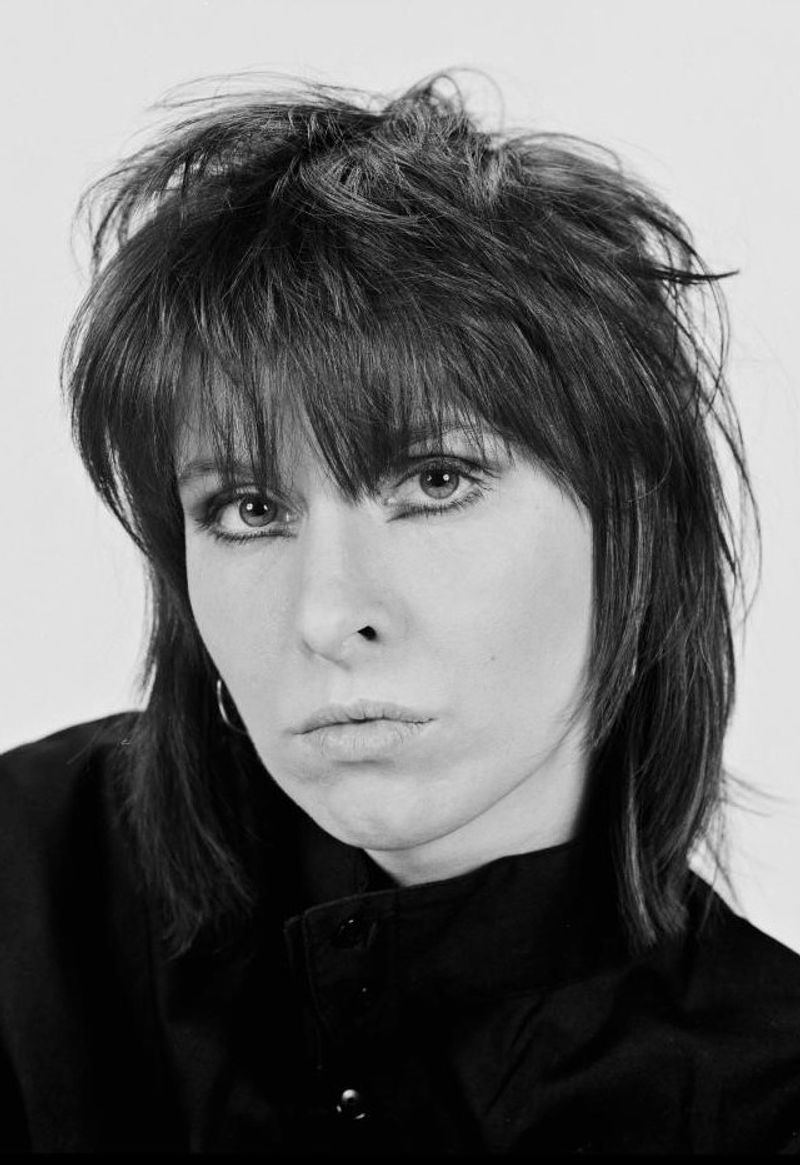
Chrissie Hynde made toughness tuneful and turned cool restraint into a razor. The Pretenders balanced chiming melodies with barbed guitar lines, and her voice rode the middle with deadpan bite.
You could dance or brood, sometimes in the same verse, and both felt precise.
Her songwriting framed swagger with vulnerability, never overselling either. She led a band, not a support cast, and the chemistry snapped like a live wire.
In an era that doubted women as band architects, she drafted blueprints others still follow.
Listen close and you hear economy and nerve guiding every arrangement. The guitars clip tight, the rhythm section breathes, and her vocal slides in like a knowing glance.
The result is rock that walks fast and says exactly what it means. If you ever learned that restraint can hit harder than volume, you probably met her songs first.
Tina Turner — Queen of Rock & Roll Performance
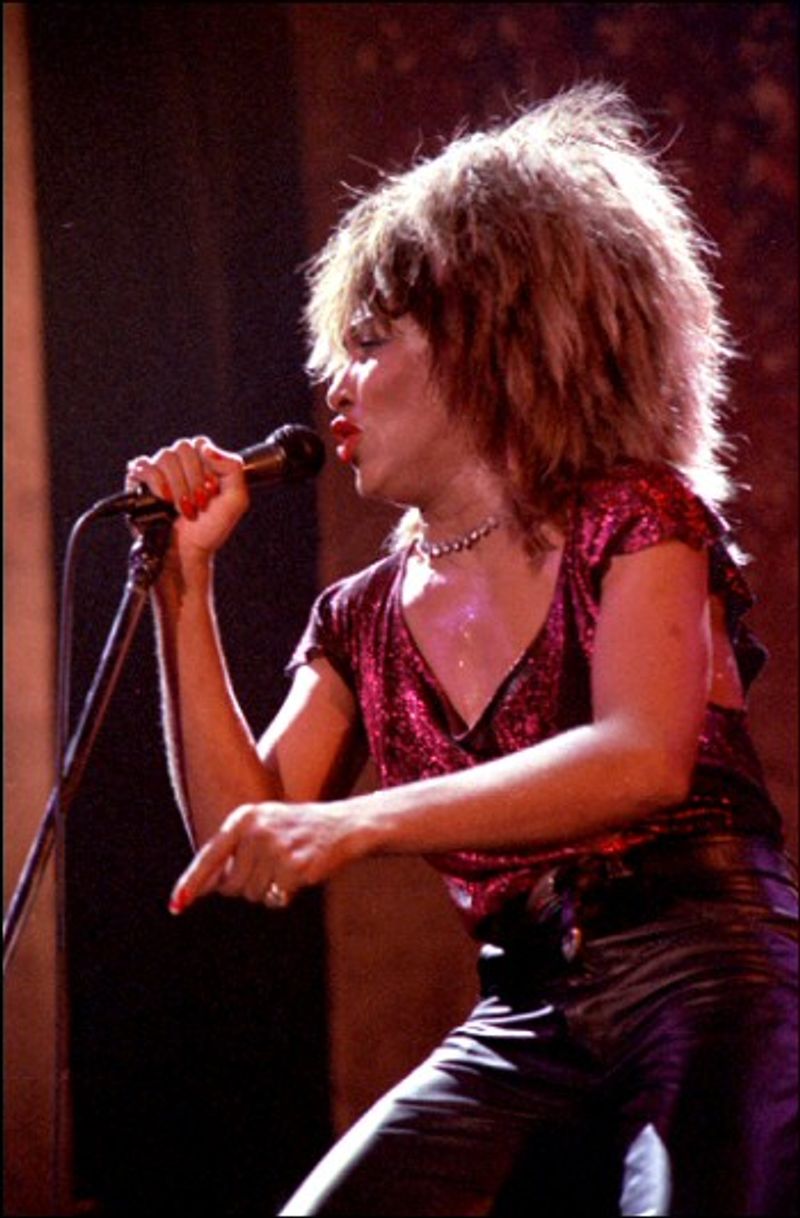
Tina Turner turned stages into jet runways and took off nightly. Her voice cut with grit and radiance, soaring over relentless grooves that made crowds erupt.
From Proud Mary to solo triumphs, she proved endurance could be glamorous and revolutionary at once.
You saw power in motion, legs flashing, rhythms sprinting, charisma hitting the back row. She overcame public battles and private storms, then made triumph feel communal.
Each show felt like a masterclass in pacing, dynamics, and emotional release.
Her crossover success redrew borders between rock, soul, and pop without losing ferocity. Younger performers borrowed her stamina blueprint and learned how to build a climax that sticks.
When that chorus breaks, you feel lifted, like flight is possible if you keep moving. She did not just survive the industry, she set a blazing standard many still chase.
Suzi Quatro — Hard Rock Bass Pioneer
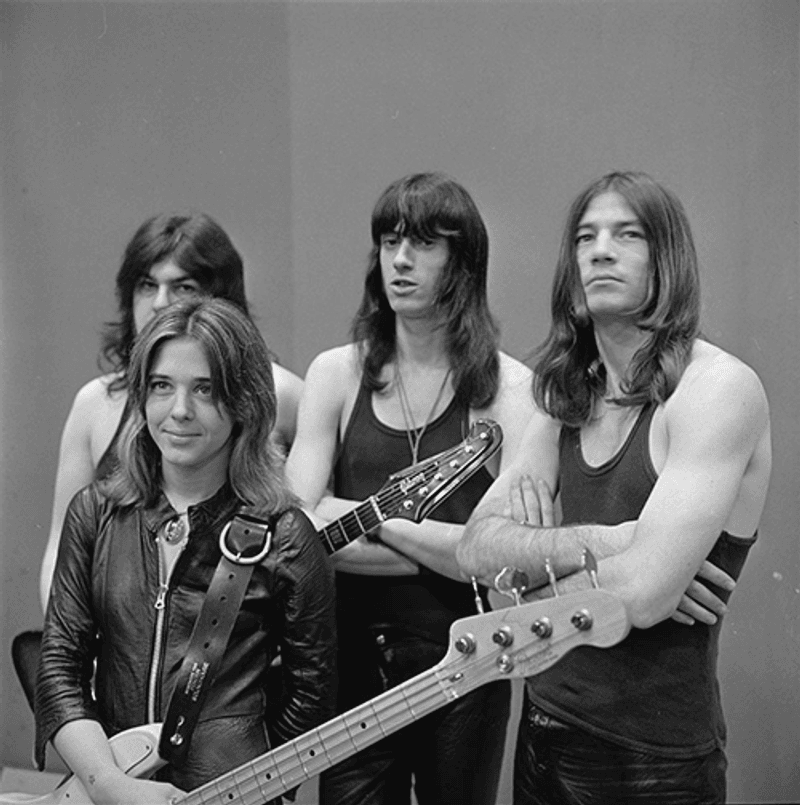
Suzi Quatro slung a bass low, stepped up to the mic, and rewired expectations. She was not decoration, she was the engine, driving hard rock with pick attack and frontperson swagger.
Her presence told girls that rhythm instruments were not off limits, they were prime territory.
Those early singles snap with punch and giddy speed, proof that groove and grit can headline. TV appearances spread the image worldwide, leather-clad and smiling like trouble.
The message was simple and loud: play it, sing it, own it.
Her influence rippled through bands that needed a template for rock’s center of gravity. Seeing a woman command bass and vocals gave permission to take the loudest path forward.
Put on Can the Can and feel the strut in the downbeat. Confidence, economy, and attitude lock together until the chorus throws the doors wide.
The Liverbirds — Early All-Female Rock Innovators
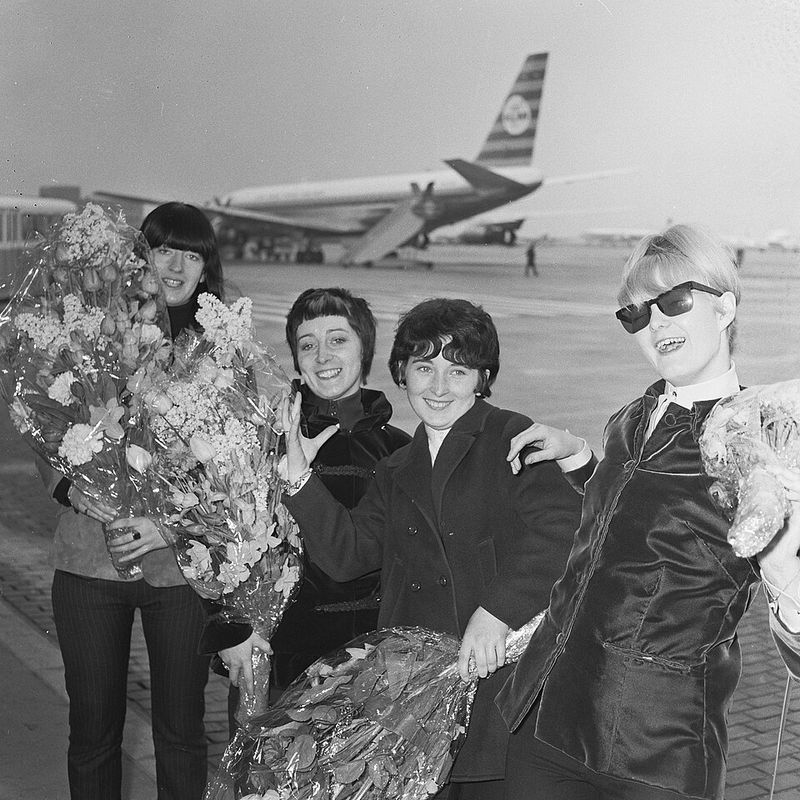
The Liverbirds carved a place in a city already buzzing with beat-group legends. Four women with guitars and grit, they took Merseybeat energy and pushed it through garage bite.
Their presence on British and German stages made visibility itself a form of rebellion.
You can feel the youthful snap in their rhythms and the joy of loudness with friends. Touring Hamburg toughened the sound, turning charm into attack.
They did not chase polish, they chased pulse, and rooms answered back.
Legacy can be measured by who dares to follow. Bands that came later saw ordinary women becoming extraordinary simply by playing loud and often.
Slip into those early recordings and hear possibility clicking into place. It is the sound of a door as it opens, hinges squealing, then the rush of feet running through.
Cyndi Lauper — Genre-Defying Rock & Pop Voice
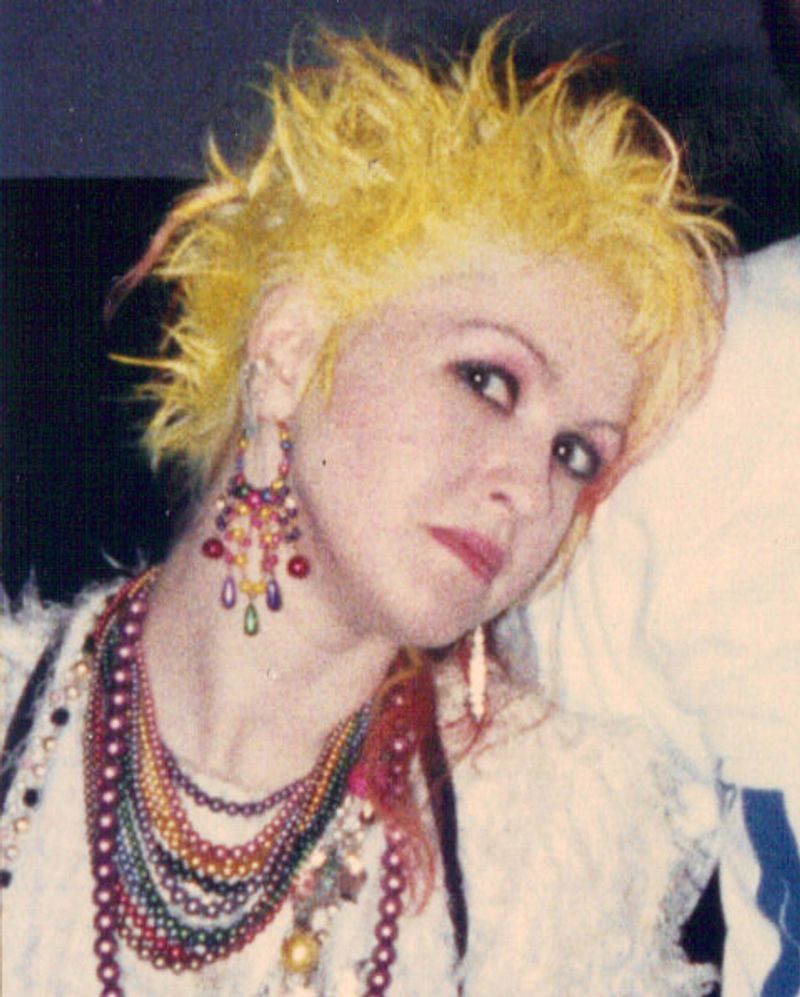
Cyndi Lauper treated pop like a playground and smuggled rock bite into its brightest corners. That elastic voice stretched from cartoon sparkle to aching confession without losing truth.
Time After Time and Girls Just Want to Have Fun proved range is not only notes, it is spirit.
You can hear fearless curiosity in the production choices and melodic turns. She played with genres like toys, arranging them until a new shape clicked.
Radio embraced the color while serious musicians heard the craft underneath.
Her Hall of Fame induction underlines a career that helped widen pop-rock’s gates. Artists across decades cite her as proof that individuality is a strategy, not just a quirk.
Put on those big choruses and notice how they land with tender precision. She gave joy a backbone and made mischief sound like a plan worth keeping.
Joan Baez — Folk-Rock Voice of a Generation
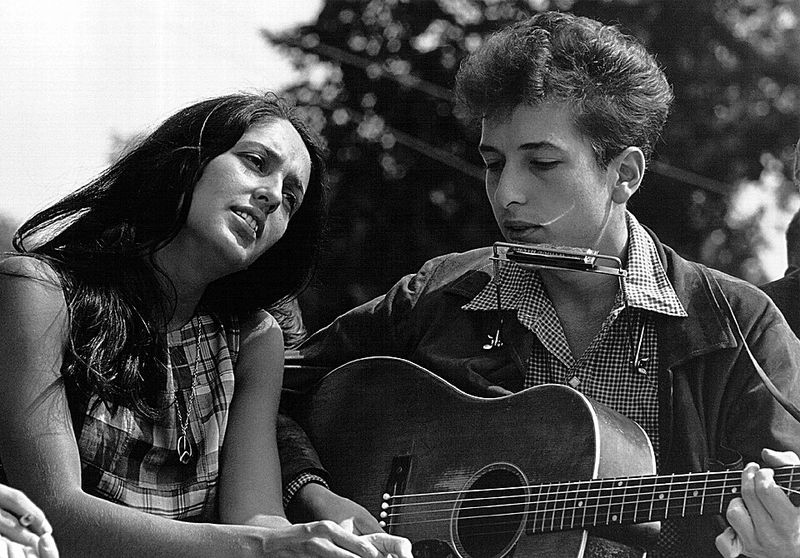
Joan Baez carried conviction like a clear bell and set it to melody. Rooted in folk, she stepped into rock’s broader frame and expanded what lyrics could hold.
The clarity of her tone made political honesty feel intimate, not scolding, inviting you to lean in.
Her collaborations and covers helped bridge movements, bringing songwriter-driven rock to wider ears. Onstage activism showed that a singer could lead with conscience and still command big crowds.
She gave protest songs the patience and poise to last beyond a headline.
You hear courage in the restraint, a steady tempo that refuses to blink. That approach influenced generations who wanted message and melody to meet gracefully.
Press play and you will feel steadiness travel through your chest. It is proof that gentleness, held firmly, can move the gears of culture and keep turning them.
Grace Slick — Psychedelic Rock Icon
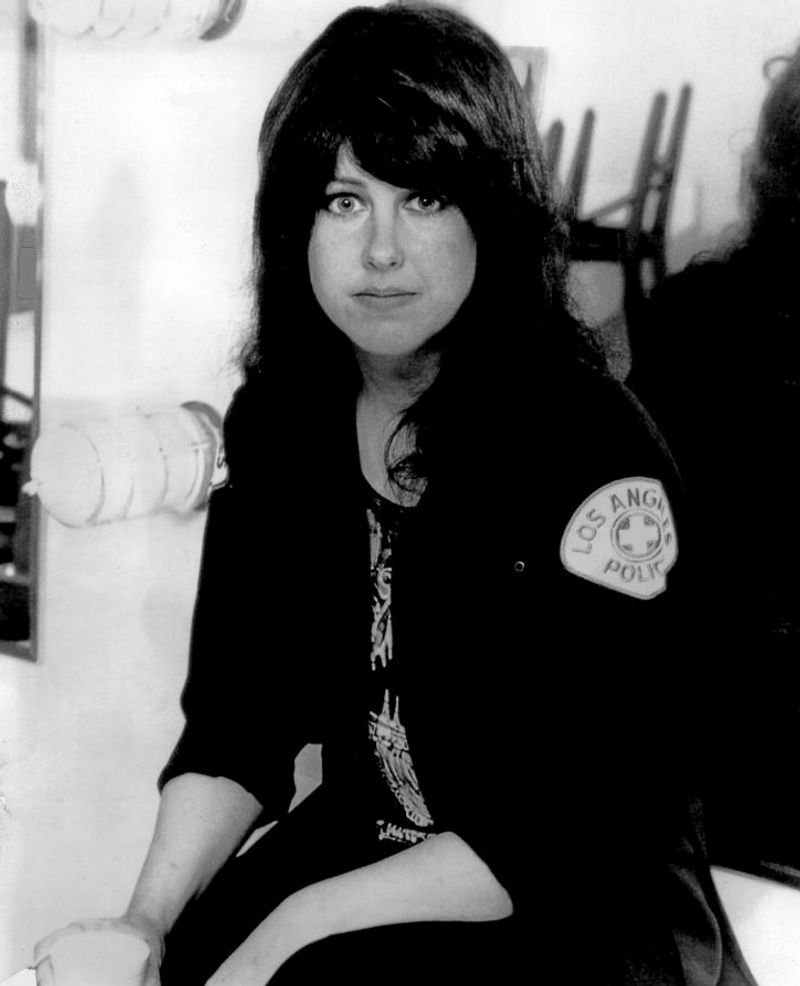
Grace Slick stood in front of a psychedelic maelstrom and cut through it like a siren. With Jefferson Airplane, her voice carried authority, mystique, and a touch of danger.
White Rabbit turned nursery-rhyme imagery into a marching chant, marrying theater to acid-drenched rock.
You could feel a generation’s curiosity charging the circuits behind her phrasing. She met swirling guitars with a gaze that said keep up or get lost.
The performance was a portal, and she held it open with fearless posture.
Her presence normalized powerful women leading experimental rock bands. From festival clips to TV appearances, the image remains indelible and modern.
When the drums roll and the bass ascends, you feel the room’s gravity tilt. She taught rock to hold a mirror to the dream state and call it revelation.
Kim Deal — Alternative Rock Influencer
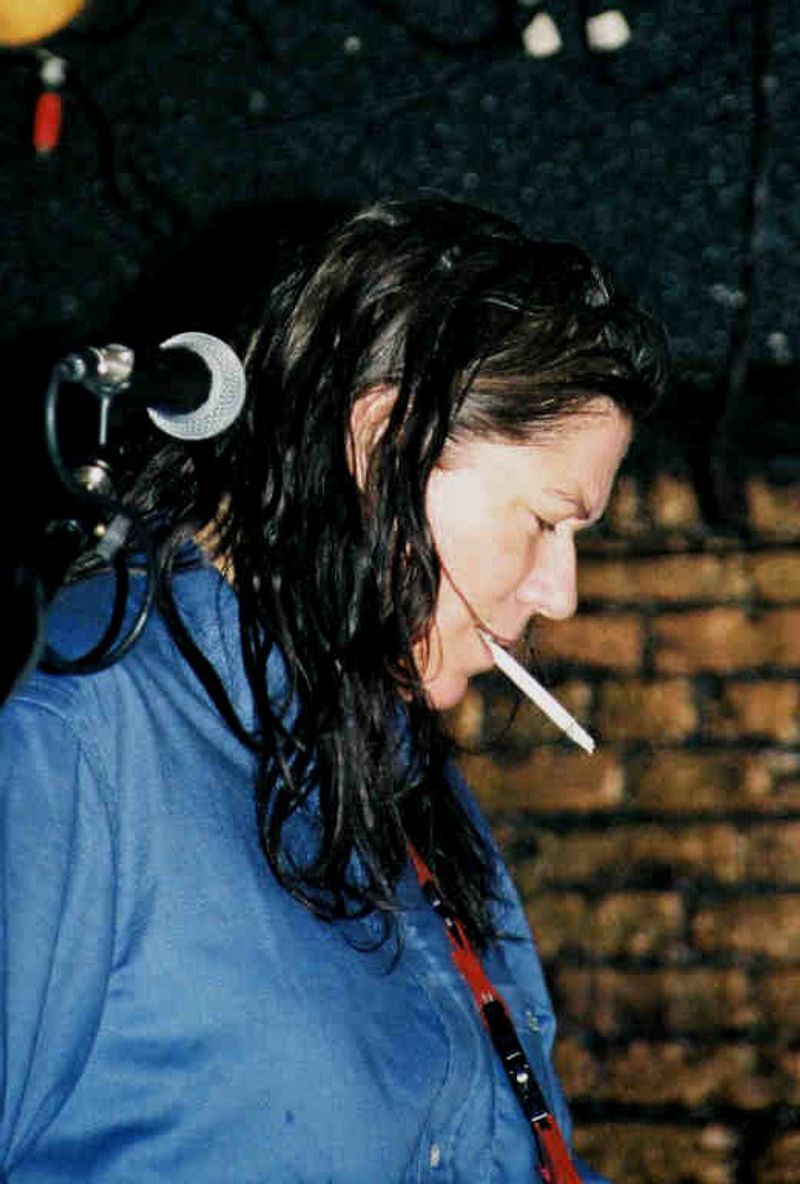
Kim Deal anchored chaos with melody, a secret weapon inside loud-soft dynamics. With Pixies and The Breeders, she slipped singable lines under jagged guitars, making contrast addictive.
Her bass parts were simple on paper and perfect in the bloodstream, locking songs to your memory.
You can hear playful defiance in her delivery, like a wink inside the noise. The arrangements felt like puzzles solved by instinct, not theory.
She gave alternative rock a friendly ghost that hummed along after the amps cooled.
Countless indie bands mirrored her economy and sense of space. The lesson was clear: leave air in the mix and let the hook breathe.
When Cannonball hits, the first note feels like a grin you cannot resist. She proved that subtlety can be the loudest choice in a room full of shouts.
Debbie Davies — Blues-Rock Guitarist
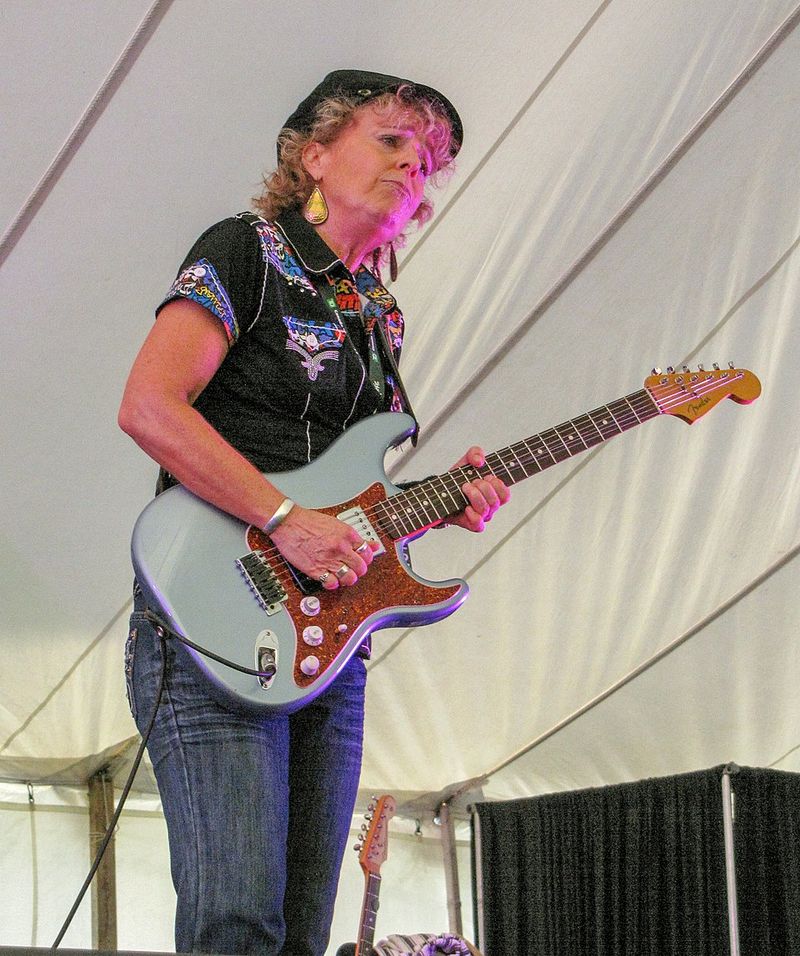
Debbie Davies brought authority and fluid phrasing to the blues-rock lineage. Her tone blooms from tube amps with tasteful sustain, honoring tradition while nudging it forward.
Onstage, she leads with feel first, then fires off lines that land clean and purposeful.
You hear mentorship in her trajectory and generosity in her collaborations. She expanded the space for women guitarists to be judged by phrasing, time, and taste.
The band follows her cues like a conversation, tight but never stiff.
Her presence on festival bills proved mastery is genderless and unmistakable. Put on a live cut and count how quickly the room starts to breathe with the groove.
Each solo tells a concise story, beginning, middle, and smile. She made the case that virtuosity is best when it serves songs, not ego, letting melodies linger long after.
Lita Ford — Metal & Hard Rock Guitar Pioneer
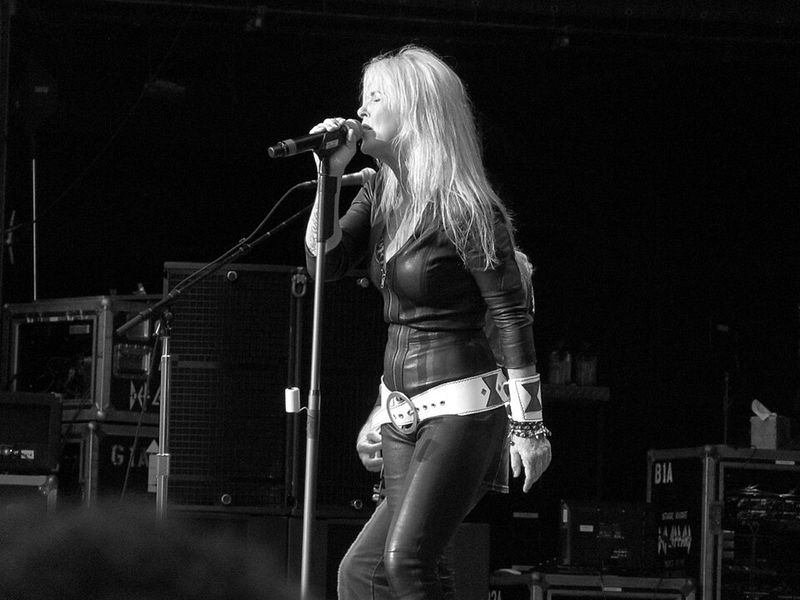
Lita Ford strapped on a sharp-edged guitar and took metal solos mainstream with precision. Coming from The Runaways into solo success, she blasted through gatekeeping with fearless technique.
Her riffs bite, her bends sing, and the choruses punch like arena fireworks.
You can feel how crucial visibility was when she traded leads center stage. She proved that shred belongs to anyone willing to practice until fingers fly.
Radio hits paired melody with high-gain muscle, bringing heavy tones to broader ears.
Young players saw a path that did not require asking permission. Put on Kiss Me Deadly and trace the architecture of a perfect rock single.
Tight verse, pre-chorus lift, molten lead break, and a final chorus that sticks. She did not just play the part, she wrote it, leaving a blueprint for metal’s inclusive future.
Patti Smith Group — Literary Punk Innovators
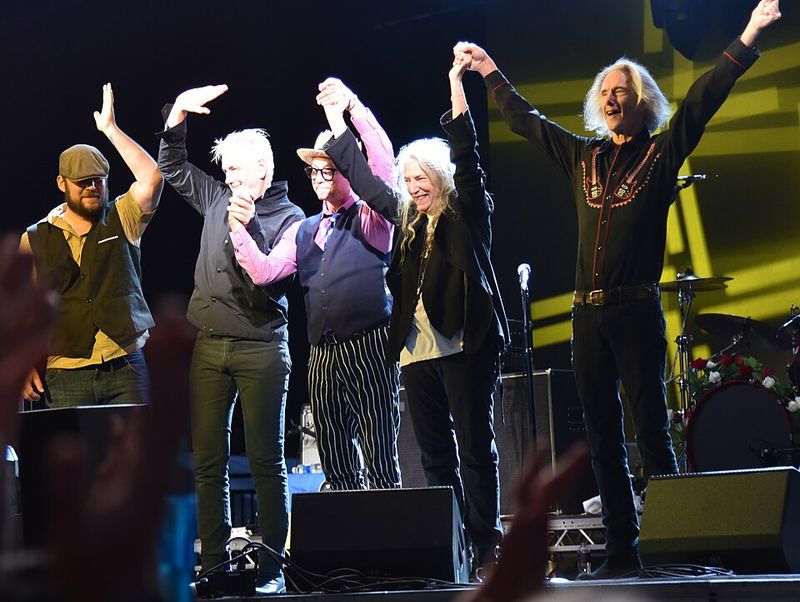
The Patti Smith Group turned a band into a living poem with electric margins. They fused garage urgency with words that cracked open new rooms in rock.
Each arrangement felt like scaffolding for ideas that leapt and clawed, demanding attention.
You feel the tension between tight grooves and open-ended speech, a balance they navigated bravely. Guitars chimed and scraped while drums kept the spell intact.
The result was punk that read books and still slammed the door hard.
Their albums taught listeners to expect literature inside noise and communion inside chaos. That expectation shaped scenes far beyond New York, from zines to classrooms.
Press play and let the cadence pull you forward line by line. The band did not just accompany the poems, they argued with them until sparks flew.



