 Unearth The Voyage
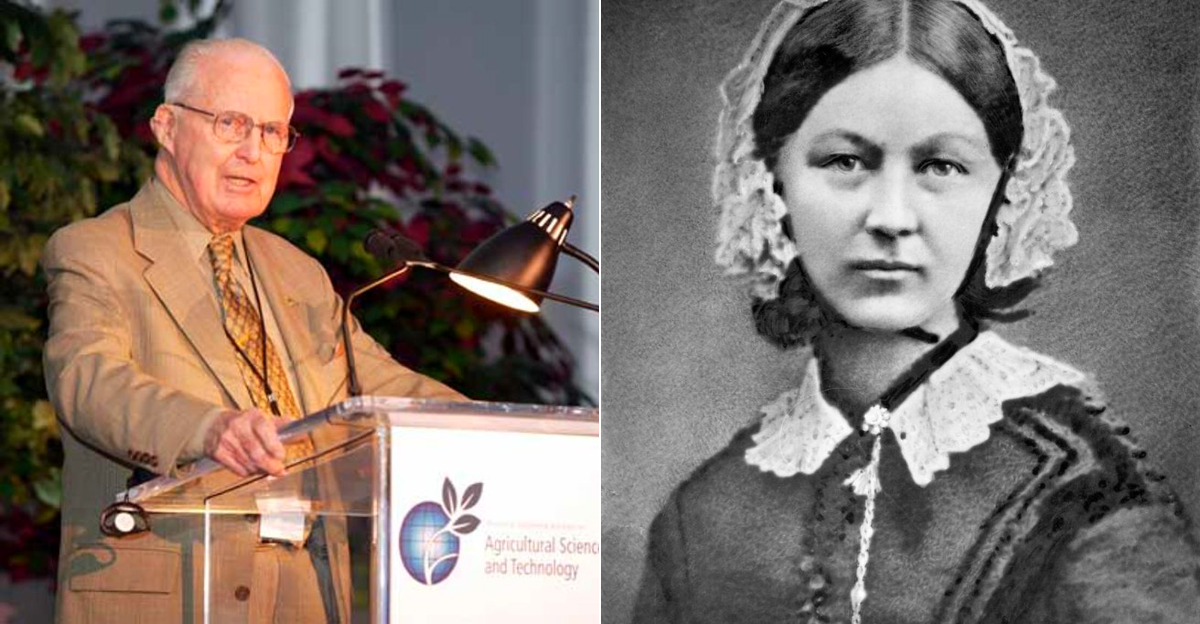
Throughout history, a few remarkable individuals have changed the world in ways that still matter today. From ancient teachers who shaped how billions think about right and wrong, to scientists whose discoveries saved millions of lives, these figures left legacies that echo across centuries. Their courage, wisdom, and compassion remind us what humans are capable of achieving.
1. Siddhartha Gautama (the Buddha) (c. 5th–4th century BCE)
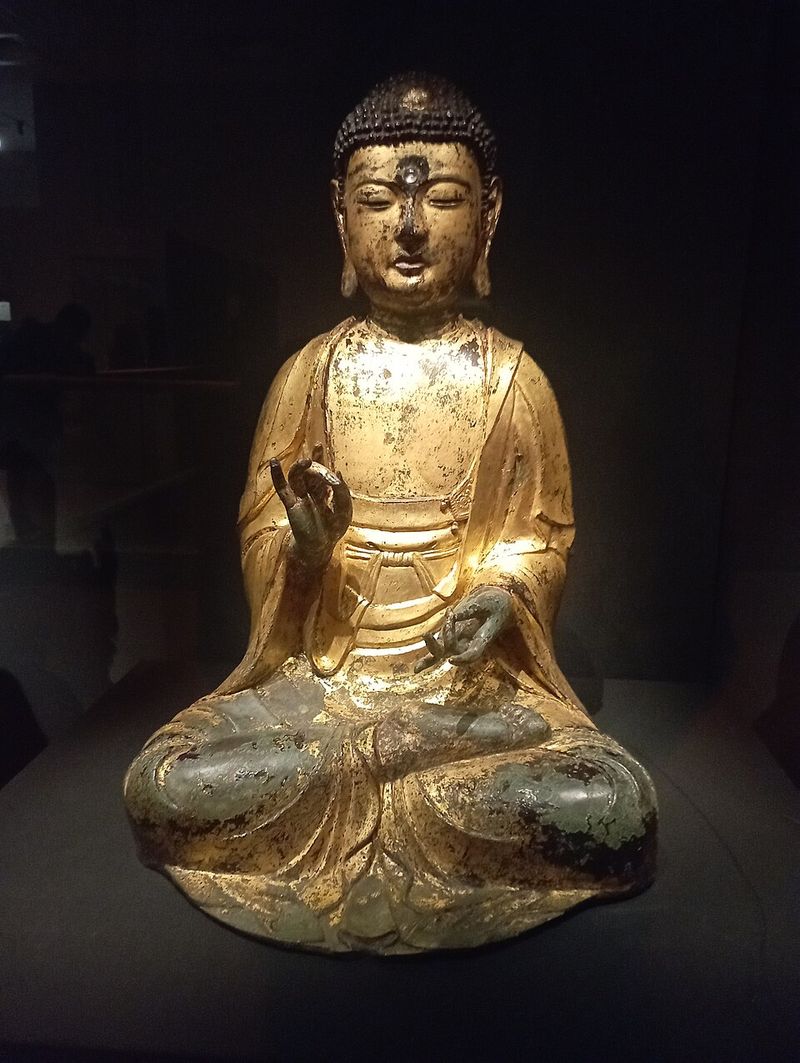
Born a prince in ancient Nepal, Siddhartha gave up his palace and wealth to find answers about human suffering. After years of searching, he sat beneath a tree and reached enlightenment, discovering truths that would comfort billions.
His Four Noble Truths explain why people hurt and how to find peace through the Eightfold Path. Buddhism spread across Asia, shaping art, governments, and daily life from Thailand to Japan. Monks and ordinary people still follow his teachings about compassion, mindfulness, and letting go of greed, keeping his wisdom alive for over 2,500 years.
2. Confucius (551–479 BCE)
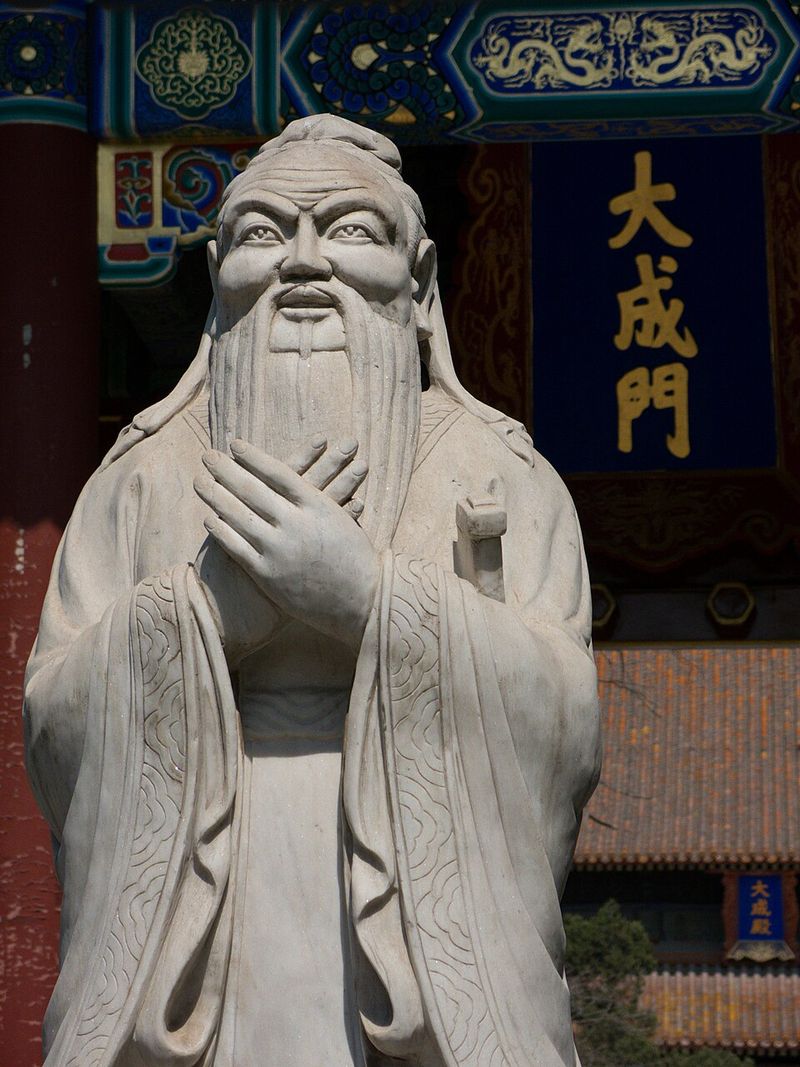
A teacher whose ideas shaped an entire civilization for thousands of years. Confucius believed education could transform anyone into a good person, no matter their background.
He taught that respecting your parents, treating others kindly, and honest leadership create harmony in families and nations. His conversations with students, recorded in the Analects, became the foundation for Chinese government exams and moral thinking. Even today, his emphasis on learning, respect, and responsibility influences schools and families across East Asia, proving timeless wisdom never goes out of style.
3. Jesus of Nazareth (c. 4 BCE–c. 30 CE)
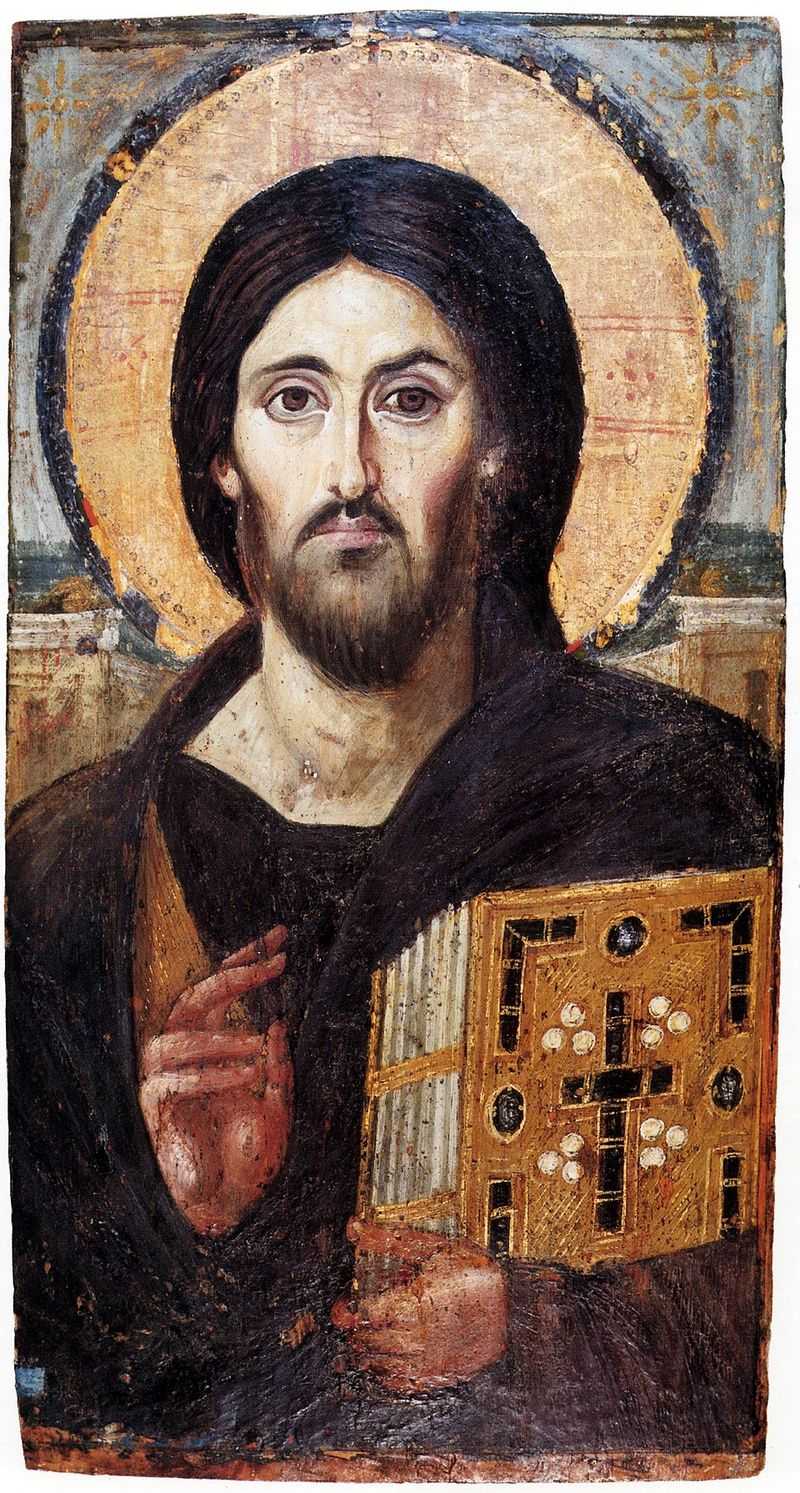
A carpenter’s son from a small town became the central figure of the world’s largest religion. Jesus spent about three years traveling dusty roads, teaching in simple stories that anyone could understand.
He told people to love their enemies, help the poor, and forgive those who hurt them—radical ideas that challenged powerful authorities. His message that every person has worth, regardless of wealth or status, inspired hospitals, schools, and movements for justice worldwide. Over two billion Christians today follow his teachings, and his emphasis on mercy and compassion influences people of all faiths.
4. Muhammad (c. 570–632)
Orphaned young and working as a merchant, Muhammad received revelations at age 40 that would unite warring tribes and birth a new faith. His teachings emphasized one God, social justice, and caring for widows, orphans, and the poor through required charity.
Islam spread rapidly, creating a golden age of science, medicine, and art while preserving ancient knowledge Europe had lost. Muhammad’s emphasis on learning—his first revelation was “Read!”—sparked libraries and universities. Today, nearly two billion Muslims follow his example of prayer, generosity, and devotion, making him one of history’s most influential figures.
5. Al-Khwarizmi (c. 780–c. 850)
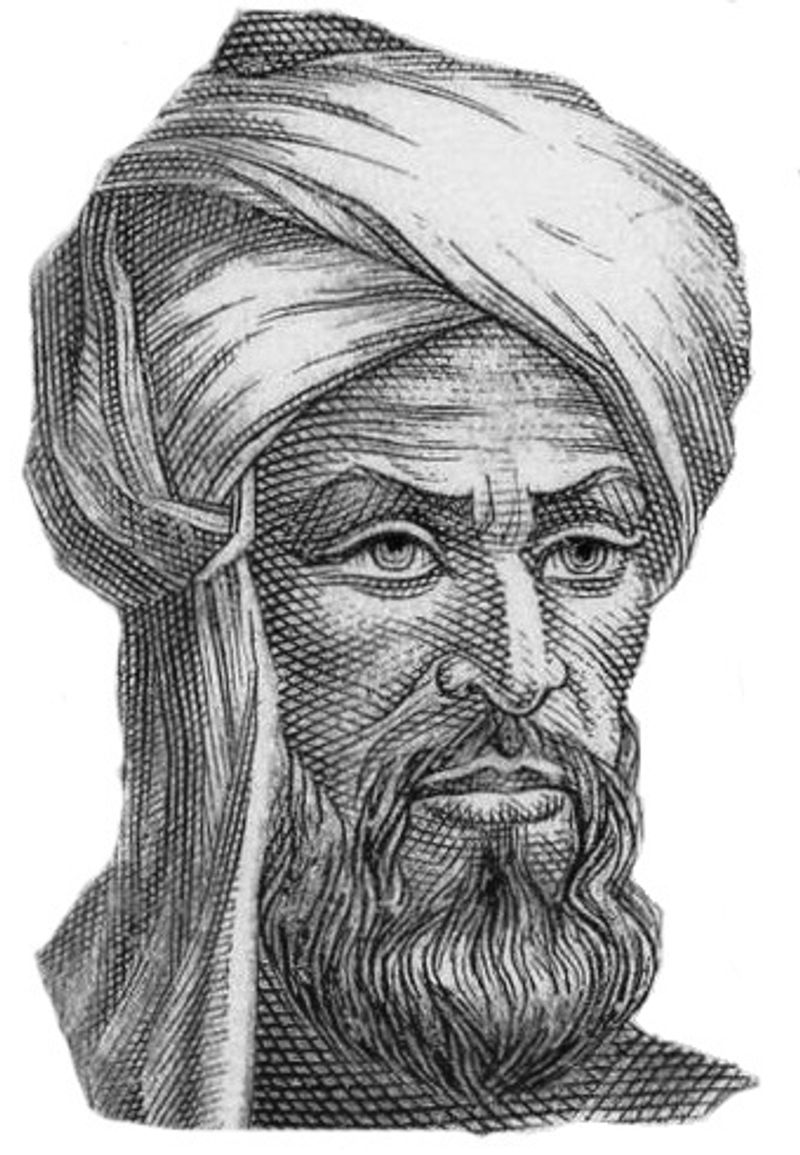
Every time you use an algorithm on your phone, you’re benefiting from this Persian genius. Al-Khwarizmi worked in Baghdad’s House of Wisdom, where scholars from different cultures shared knowledge.
His book on “al-jabr” (algebra) showed systematic ways to solve equations, revolutionizing mathematics. He also improved Hindu-Arabic numerals and introduced them to the Islamic world and eventually Europe. Without his work, modern computers, engineering, and science would be impossible. His very name became the word “algorithm,” cementing his legacy every time you search online, play a video game, or use GPS to find your way home.
6. Ibn Sina (Avicenna) (980–1037)
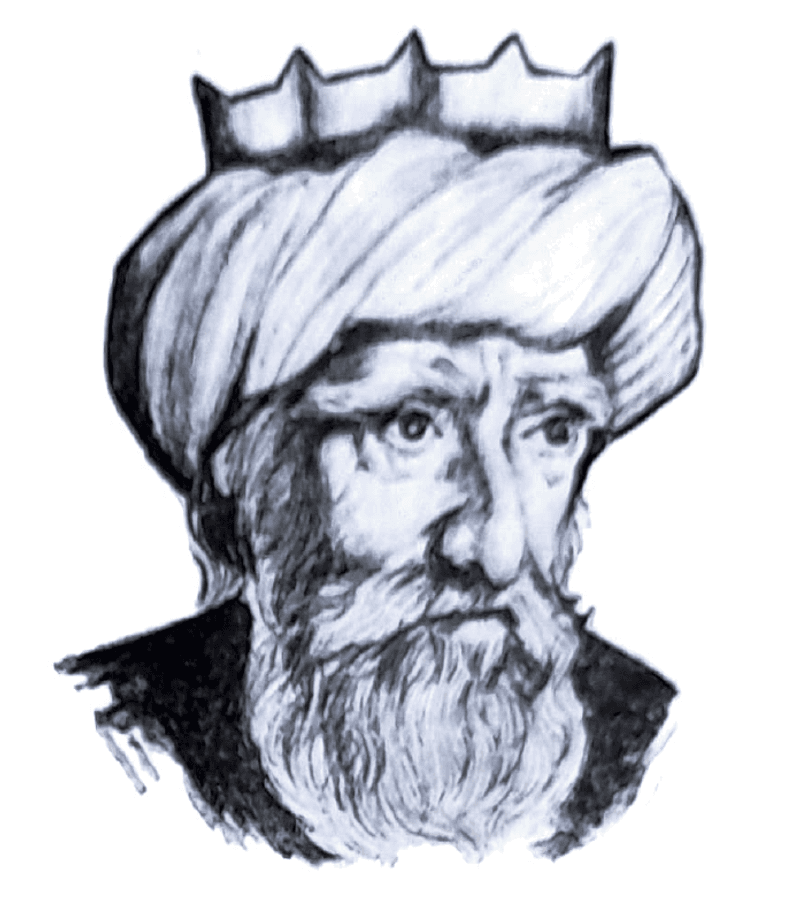
Before turning 21, Ibn Sina had mastered medicine, mathematics, astronomy, and philosophy—a true genius of the Islamic Golden Age. His massive encyclopedia, The Canon of Medicine, organized everything known about diseases, treatments, and surgery into five books.
European medical schools used it as their main textbook until the 1600s, over 500 years after he wrote it! He identified contagious diseases, described meningitis, and understood how emotions affect physical health. His philosophical works bridged ancient Greek thinking with medieval scholarship, influencing both Islamic and Christian thinkers for centuries and advancing human knowledge immeasurably.
7. Leonardo da Vinci (1452–1519)
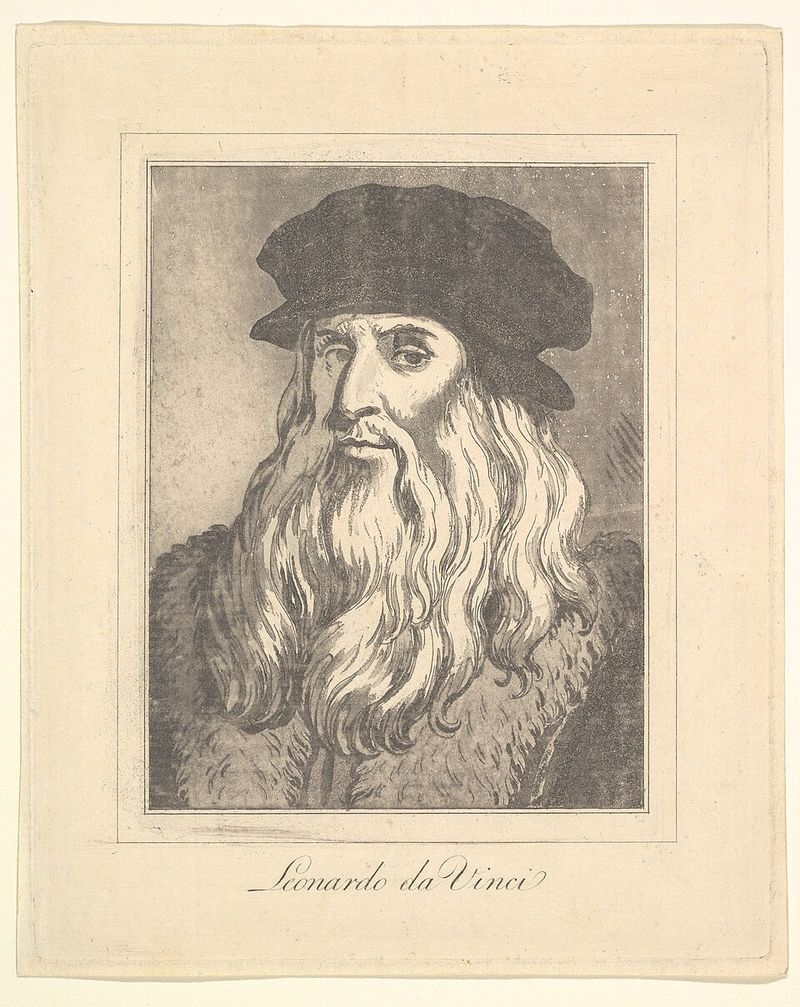
What if one person could paint masterpieces, design helicopters, study human anatomy, and map rivers—all before modern science existed? Leonardo’s curiosity knew no bounds.
He filled thousands of notebook pages with mirror-writing observations about everything from bird flight to water flow. His paintings, like the Mona Lisa, capture human emotion so perfectly they still mesmerize millions. He sketched tanks, parachutes, and diving suits centuries before technology could build them. Leonardo showed that art and science aren’t separate but two ways of seeing the world deeply, inspiring countless inventors, artists, and thinkers to follow their curiosity wherever it leads.
8. Galileo Galilei (1564–1642)
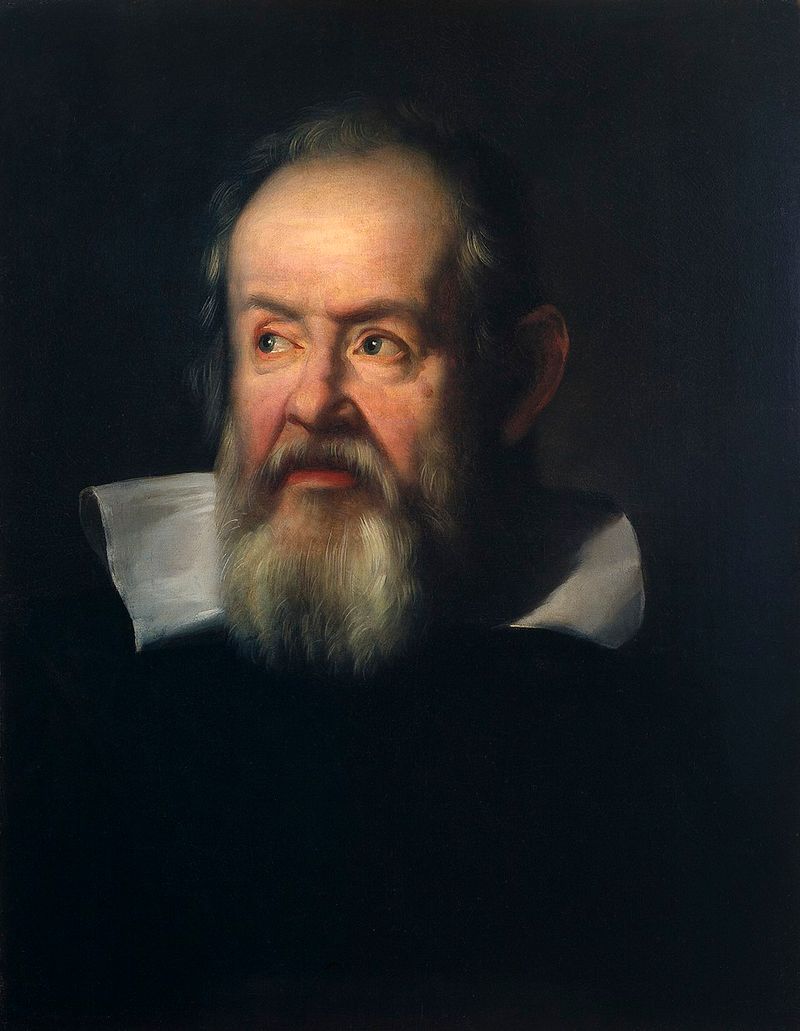
Pointing his improved telescope at Jupiter, Galileo spotted four moons orbiting the planet—proof that not everything circles Earth. This discovery supported Copernicus’s controversial idea that Earth orbits the Sun, not the other way around.
Church authorities forced him to recant, but his observations couldn’t be erased. He rolled balls down ramps to understand motion, pioneering experimental physics. Galileo championed the revolutionary idea that evidence matters more than ancient authority or tradition. His courage to question accepted beliefs and trust observations laid the foundation for modern science, teaching us to test ideas rather than blindly accept them.
9. Isaac Newton (1642–1727)
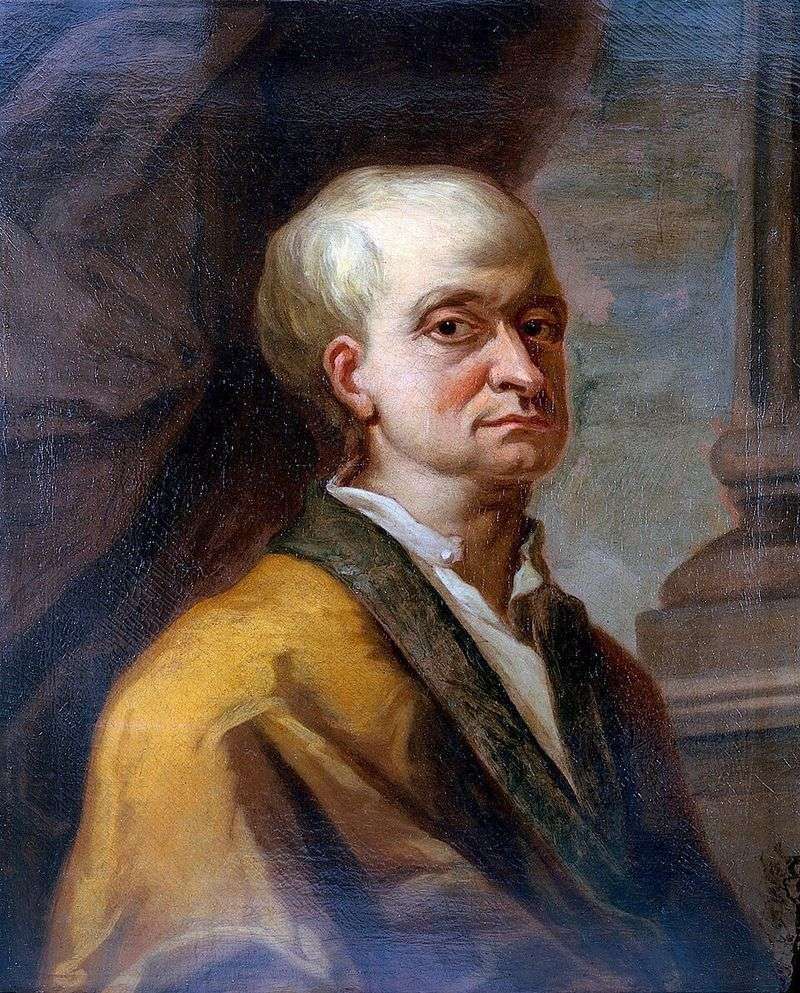
Did you know Newton developed his greatest ideas during a plague lockdown? While Cambridge University closed, he retreated to his family farm and revolutionized mathematics and physics.
He realized the same force pulling apples down holds the Moon in orbit—universal gravitation. His three laws of motion explain everything from bouncing balls to rocket launches. He co-invented calculus to solve problems regular math couldn’t handle. His book Principia Mathematica united heavenly and earthly physics into one elegant system. Newton proved the universe follows understandable rules, giving humanity confidence that nature’s secrets could be unlocked through careful thought and observation.
10. Florence Nightingale (1820–1910)
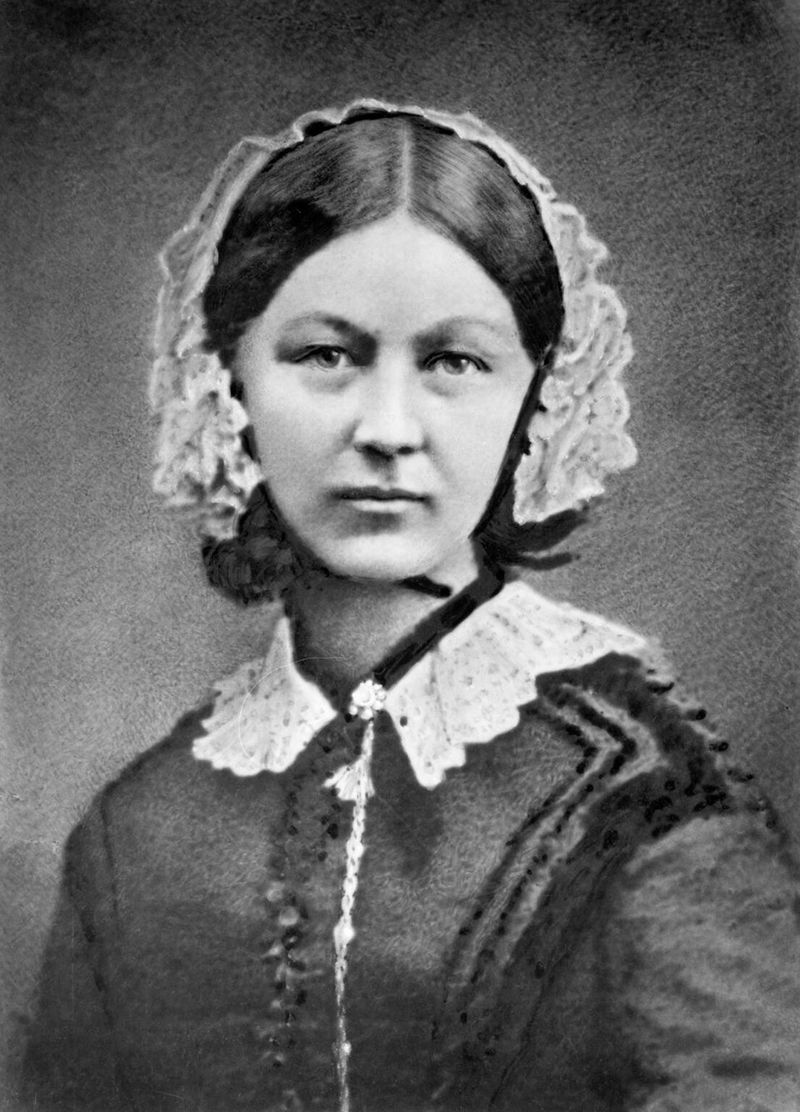
Wealthy families expected young Florence to marry well and host parties, but she felt called to nursing—then considered improper work for ladies. During the Crimean War, she found soldiers dying more from filthy conditions than battle wounds.
She organized cleaning, fresh air, and nutritious food, dropping death rates dramatically. Back home, she created charts and graphs showing how sanitation saves lives, convincing officials through data. Nightingale founded modern nursing schools emphasizing hygiene, compassion, and scientific training. Her insistence that hospitals should heal, not harm, transformed medical care worldwide and proved women could lead revolutionary changes in science and society.
11. Ada Lovelace (1815–1852)
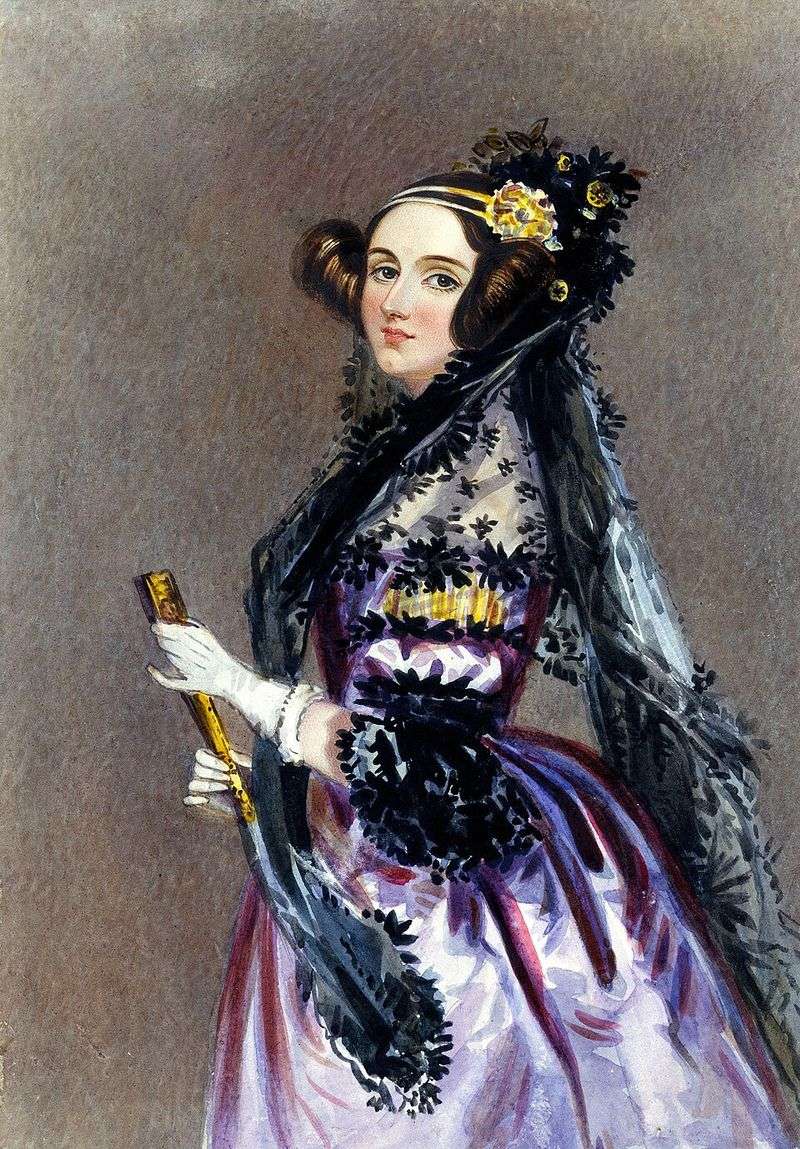
Lord Byron’s daughter inherited her father’s creativity but channeled it into mathematics instead of poetry. While translating notes about Charles Babbage’s Analytical Engine—a mechanical computer never built—Ada added her own visionary ideas.
She wrote step-by-step instructions for the machine to calculate Bernoulli numbers, creating history’s first published computer program. More remarkably, she predicted computers could someday compose music, create art, and manipulate any symbols—not just crunch numbers. Ada died at 36, but her insights anticipated modern computing by a century, earning her recognition as the world’s first computer programmer and a pioneer who saw technology’s creative potential.
12. Marie Curie (1867–1934)
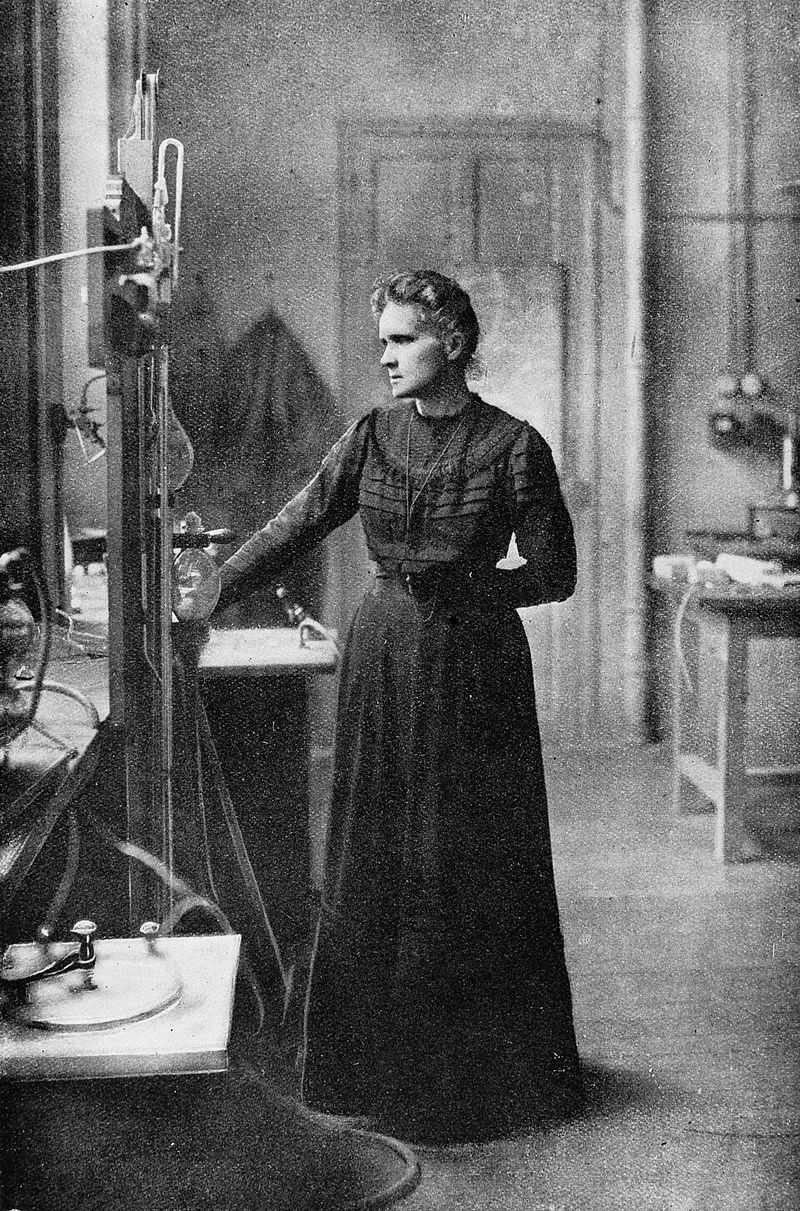
Born in Poland when women couldn’t attend university there, Marie moved to Paris and studied in an unheated attic, sometimes fainting from hunger. She and her husband Pierre discovered two new elements—polonium and radium—by processing tons of ore in a leaky shed.
She became the first woman to win a Nobel Prize, then won a second in a different science, a feat still unmatched. During World War I, she drove mobile X-ray units to battlefields, saving countless soldiers. Her research founded the science of radioactivity, though exposure eventually killed her. Marie proved women could excel in science’s toughest fields.
13. Mahatma Gandhi (1869–1948)
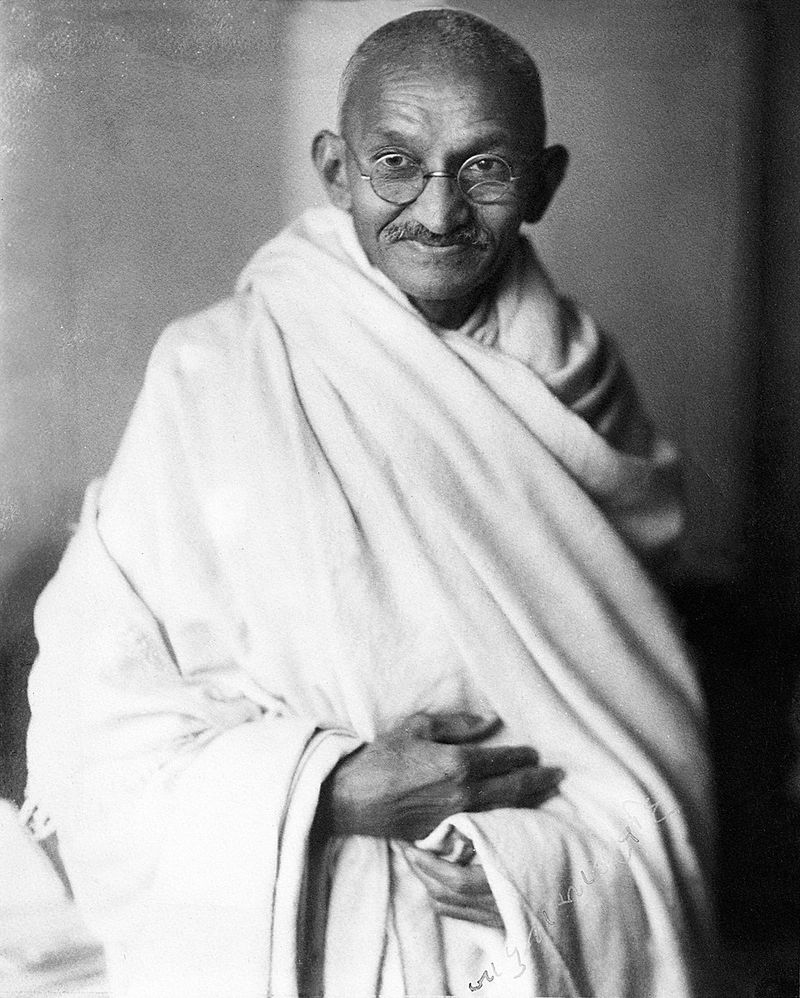
A shy lawyer became the powerful British Empire’s most effective opponent—without firing a single shot. Gandhi led India’s independence movement through nonviolent civil disobedience, proving peaceful resistance could defeat military might.
His 1930 Salt March, walking 240 miles to make salt illegally, inspired millions to defy unjust laws. He fasted, protested, and went to jail repeatedly, showing moral courage could shame oppressors into change. Gandhi’s methods influenced Martin Luther King Jr., Nelson Mandela, and countless others fighting for justice. He demonstrated that violence isn’t strength—true power comes from unwavering commitment to truth and human dignity, changing how the world thinks about resistance.
14. Albert Einstein (1879–1955)
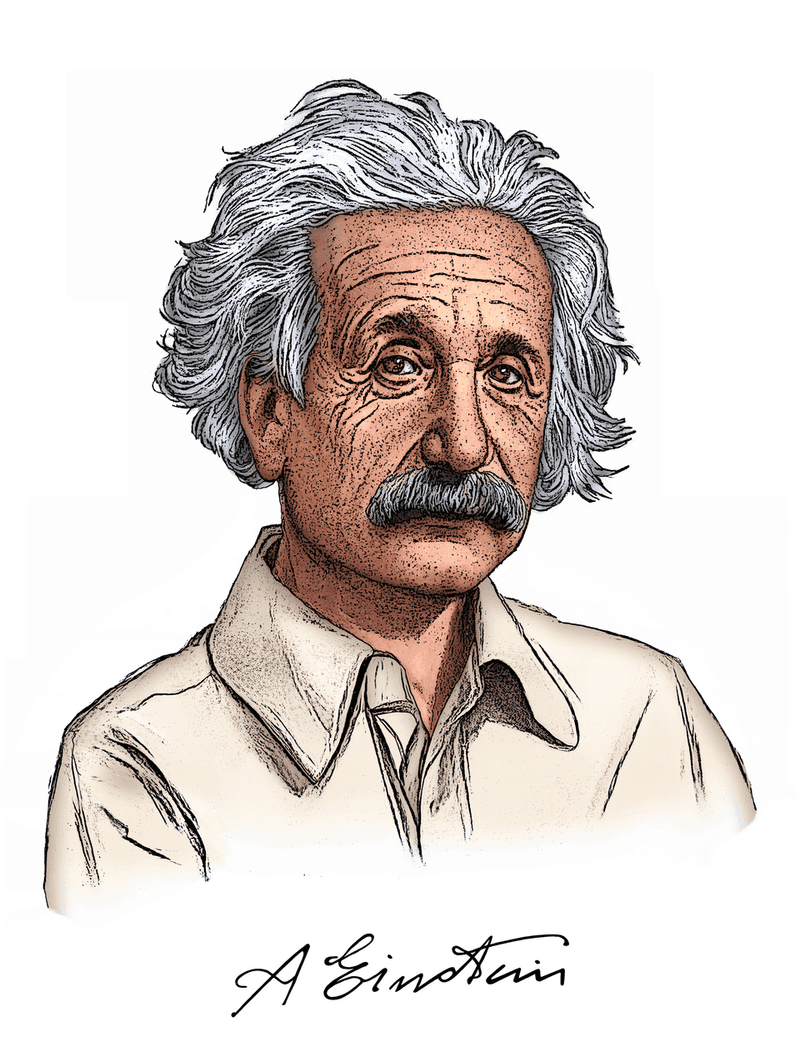
Struggling to find a teaching job, Einstein worked in a Swiss patent office when he published four papers in 1905 that changed physics forever. His special relativity showed time and space aren’t absolute but bend and stretch.
General relativity revealed gravity as curved spacetime, predicting black holes and the universe’s expansion. He explained how light behaves as both waves and particles, winning the Nobel Prize. Beyond science, Einstein spoke out against war, racism, and nuclear weapons. His wild hair and playful personality made science seem accessible, while his revolutionary ideas proved the universe is far stranger and more wonderful than anyone imagined.
15. Jonas Salk (1914–1995)
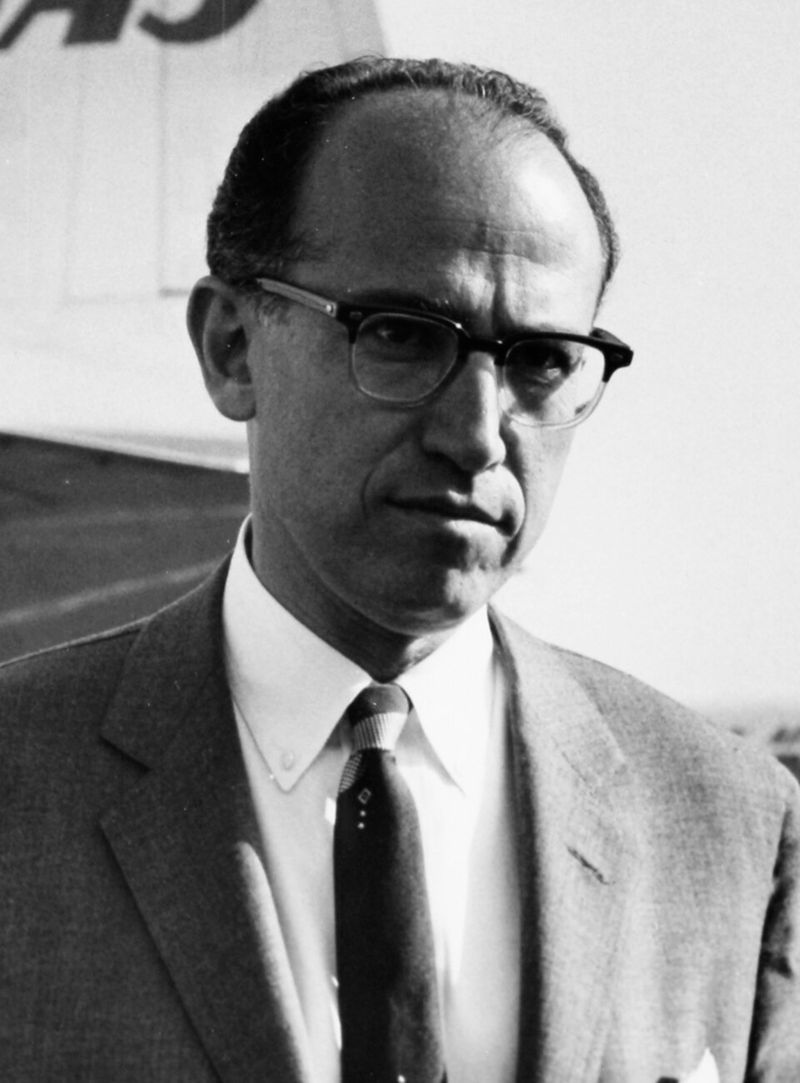
Every summer, parents lived in terror as polio paralyzed thousands of children, filling hospitals with kids in iron lungs. Jonas Salk worked tirelessly to develop a vaccine, testing it on himself and his family first.
When the 1955 announcement declared it safe and effective, church bells rang nationwide and people danced in the streets. Asked who owned the patent, Salk replied, “The people. Could you patent the sun?” His refusal to profit from the vaccine saved countless lives and billions of dollars. Polio went from a dreaded epidemic to nearly eradicated worldwide, proving one person’s dedication and generosity can change humanity’s future.
16. Norman Borlaug (1914–2009)
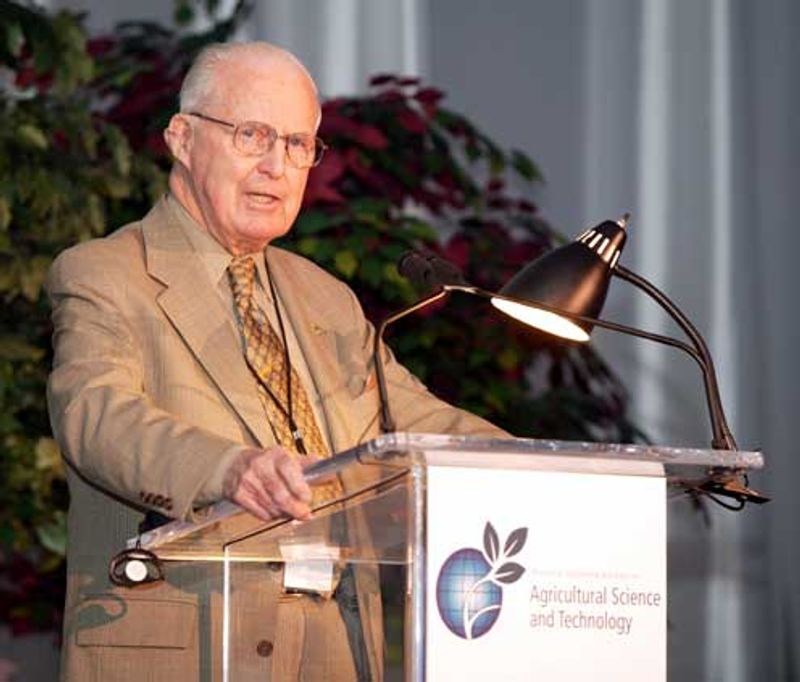
While most people have never heard his name, Norman Borlaug may have saved more lives than anyone in history—over a billion by some estimates. Working in Mexican wheat fields, he developed high-yield, disease-resistant varieties that tripled harvests.
His agricultural techniques spread to India and Pakistan, preventing predicted famines in the 1960s and 70s. He won the Nobel Peace Prize in 1970 for giving hungry nations the tools to feed themselves. Critics debated his methods, but Borlaug argued that well-fed people could then address environmental concerns. His Green Revolution proved science applied with compassion could conquer humanity’s oldest enemy—starvation.
17. Martin Luther King Jr. (1929–1968)
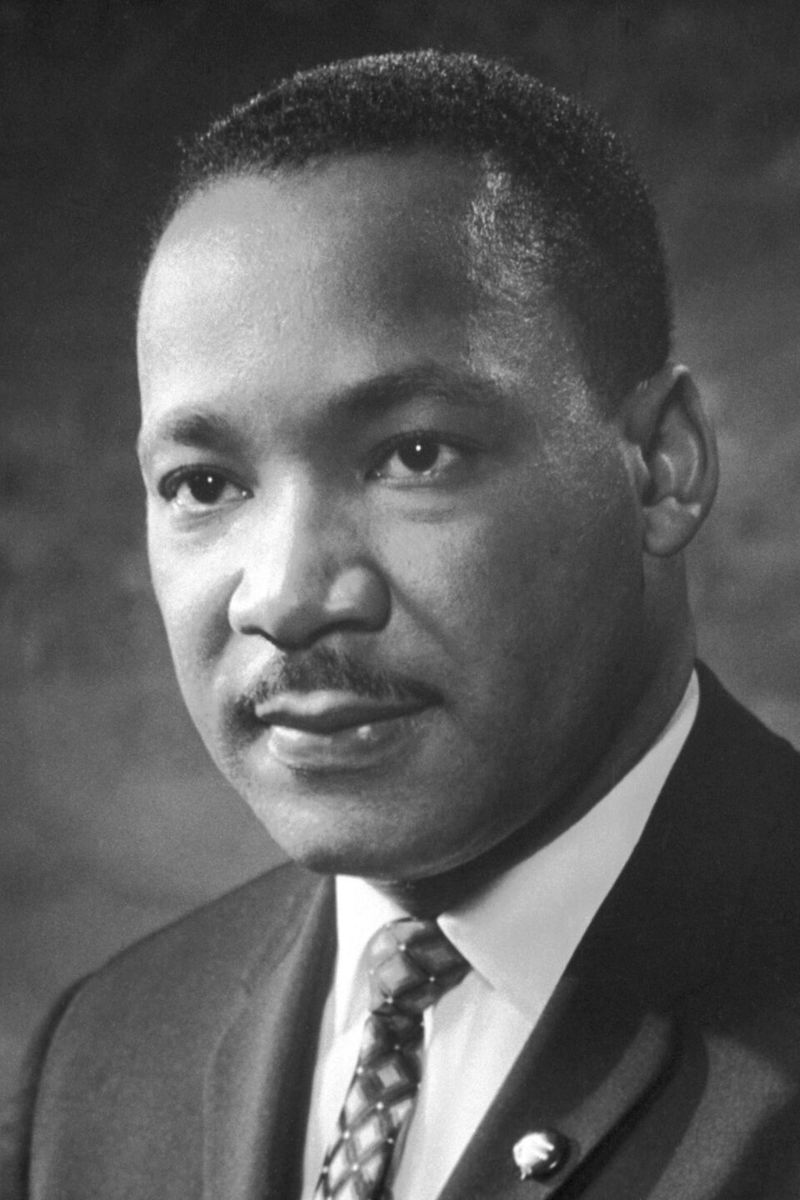
Standing before 250,000 people at the Lincoln Memorial, a young minister shared his dream of an America where his children would be judged by character, not skin color. Martin Luther King Jr. led the civil rights movement with Gandhi’s nonviolent methods, facing dogs, fire hoses, and jail.
His courage during the Montgomery Bus Boycott, Birmingham Campaign, and Selma marches forced America to confront its racism. His efforts helped pass the Civil Rights Act and Voting Rights Act, transforming American law and society. Assassinated at 39, King left a legacy showing that peaceful protest, moral clarity, and powerful words can bend history toward justice.
18. Wangari Maathai (1940–2011)

When Wangari returned to Kenya after studying in America, she found rivers drying up, soil eroding, and women walking miles for firewood. Her solution seemed simple—plant trees—but it sparked a movement that changed her country.
The Green Belt Movement trained women to plant over 50 million trees, restoring forests while giving women income and confidence. Wangari connected environmental destruction to poverty, corruption, and oppression, speaking out despite harassment and jail. In 2004, she became the first African woman to win the Nobel Peace Prize. Her work proved that caring for Earth and fighting for democracy aren’t separate causes but intertwined paths to a better future.
19. Nelson Mandela (1918–2013)
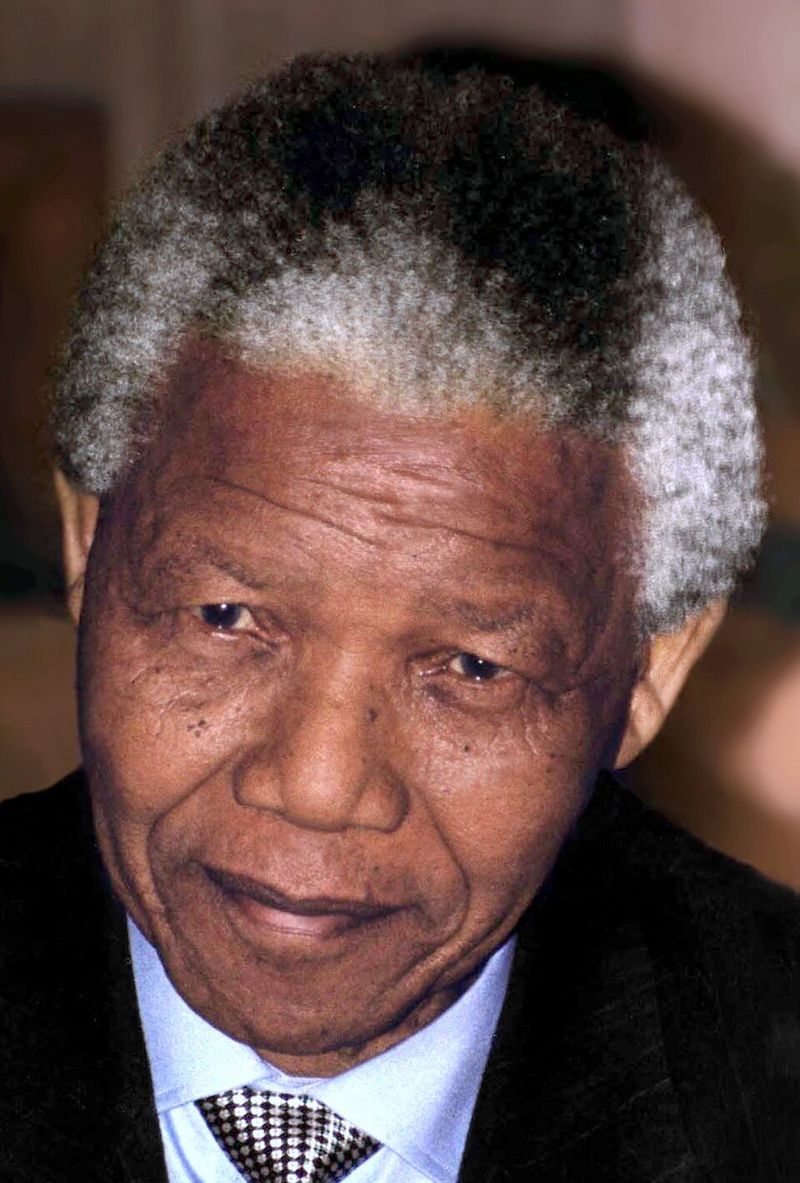
Imprisoned for 27 years in a tiny cell, Nelson Mandela could have emerged filled with hatred for his jailers. Instead, he chose forgiveness and reconciliation, leading South Africa from racist apartheid to multiracial democracy.
As the country’s first Black president, he established truth commissions where perpetrators confessed crimes in exchange for amnesty, helping a divided nation heal. He wore the Springbok rugby jersey—a symbol of white oppression—to unite South Africans behind their team. Mandela showed the world that even after terrible injustice, people can choose peace over revenge, becoming a global symbol of dignity, forgiveness, and the long walk to freedom.



