 Unearth The Voyage
The 1980s were a time of neon colors, big hair, and unforgettable music that still makes us want to dance today. From pop stars who topped the charts to movie stars who made us laugh and cry, this decade gave us some of the most memorable celebrities in history. These icons didn’t just entertain us; they changed fashion, music, and movies forever, creating trends that people still love and copy today.
1. Madonna
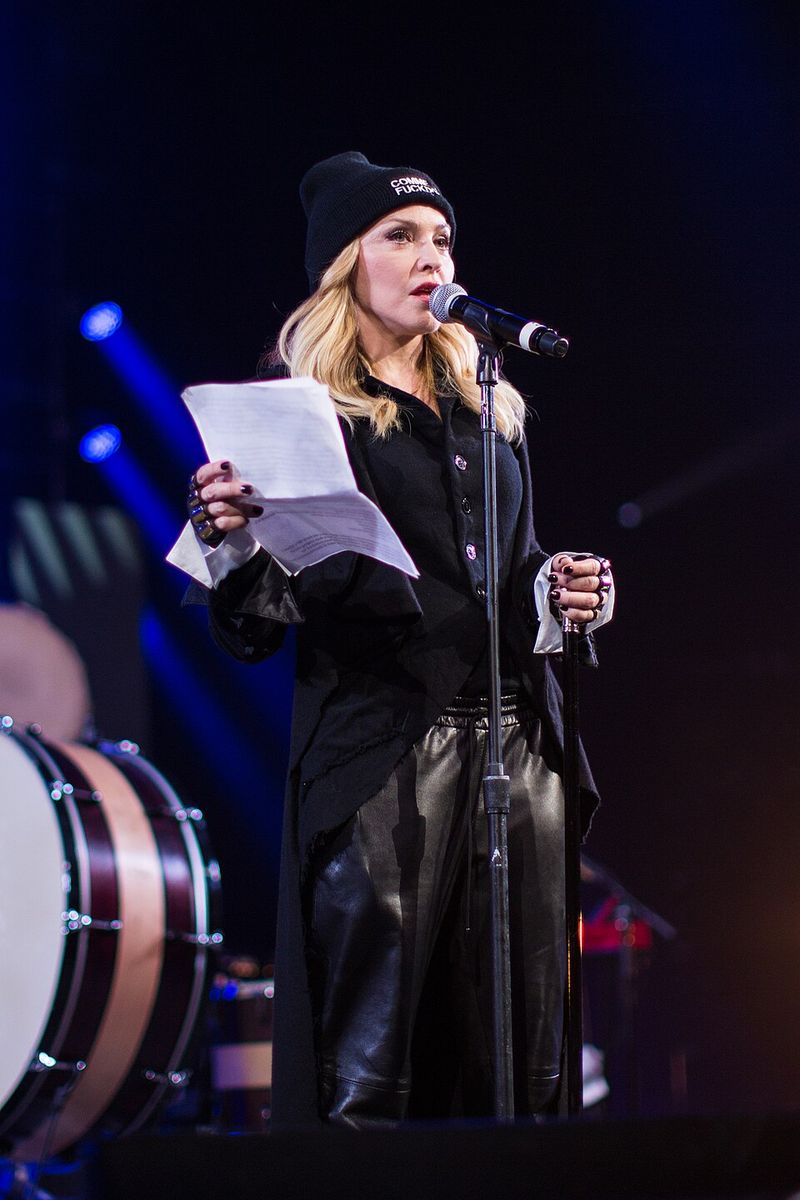
Picture a young woman who dared to wear underwear as outerwear and made the whole world think it was cool. Madonna Louise Ciccone burst onto the music scene with hits like “Like a Virgin” and “Material Girl,” songs that still play at parties today. She wasn’t afraid to be bold, mixing religious imagery with pop music in ways that shocked parents but thrilled teenagers everywhere.
Her style became legendary with lace gloves, layered necklaces, and that messy-on-purpose hair that millions of girls tried to copy. Every album she released seemed to reinvent who she was, proving that change could be exciting rather than scary. MTV played her videos constantly, making her face recognizable across the entire planet.
Beyond music, Madonna challenged what female performers could do and say in public. She talked openly about topics that made people uncomfortable, pushing boundaries that helped future artists express themselves more freely. Her influence on pop culture remains so strong that new performers still reference her iconic looks and fearless attitude decades later.
2. Michael Jackson
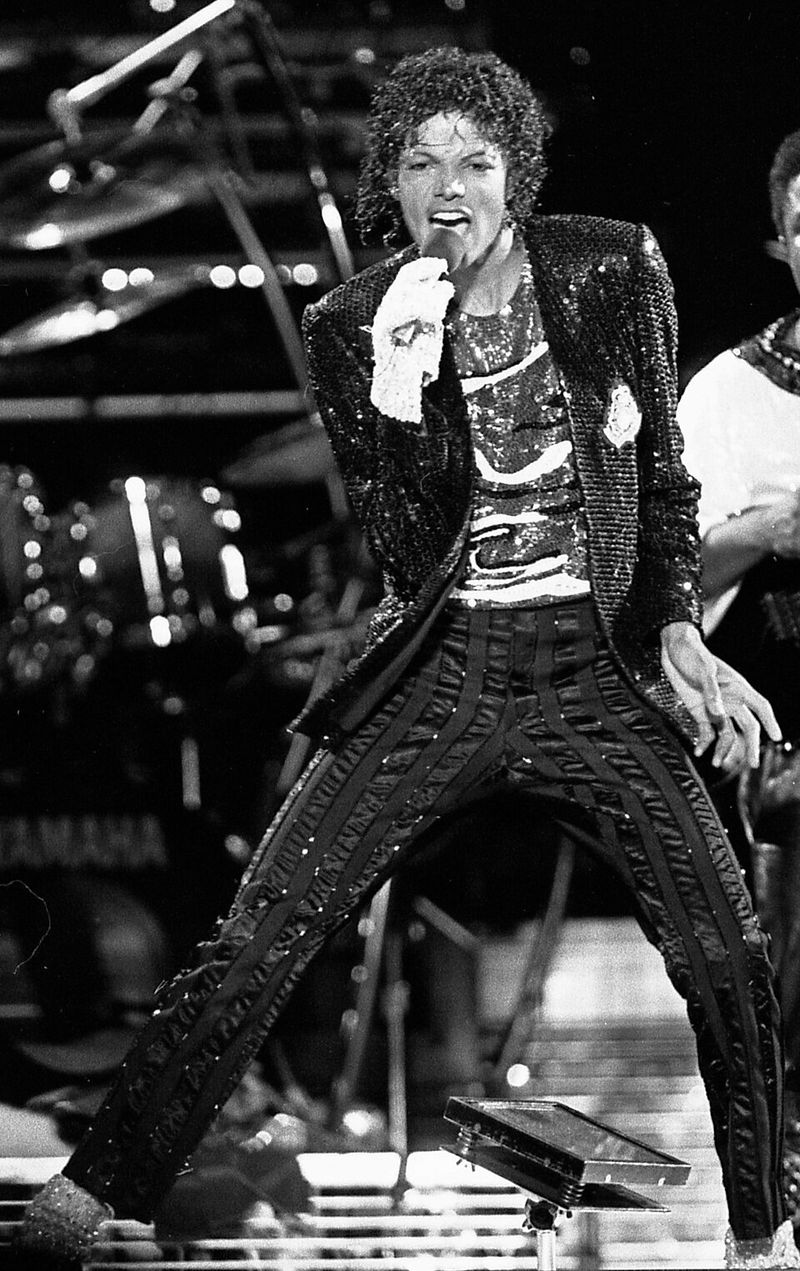
When Michael Jackson moonwalked across the stage during a 1983 television special, jaws dropped worldwide. The King of Pop had already been famous since childhood, but the eighties transformed him into something beyond a mere celebrity. His album “Thriller” became the best-selling album of all time, with songs like “Billie Jean” and “Beat It” that made everyone want to move.
His music videos weren’t just promotional tools but actual short films with storylines, choreography, and special effects that rivaled Hollywood productions. The “Thriller” video, complete with zombies and elaborate dance sequences, changed how the music industry thought about visual storytelling. Jackson’s signature moves, from the moonwalk to the robotic pop-and-lock style, inspired countless imitators in school hallways and dance studios.
Fashion-wise, he made military jackets, single sequined gloves, and white socks with black loafers into statement pieces. His humanitarian efforts also set him apart, as he used his massive platform to raise awareness and funds for various causes. Michael Jackson didn’t just dominate the eighties; he redefined what a global superstar could achieve.
3. Prince
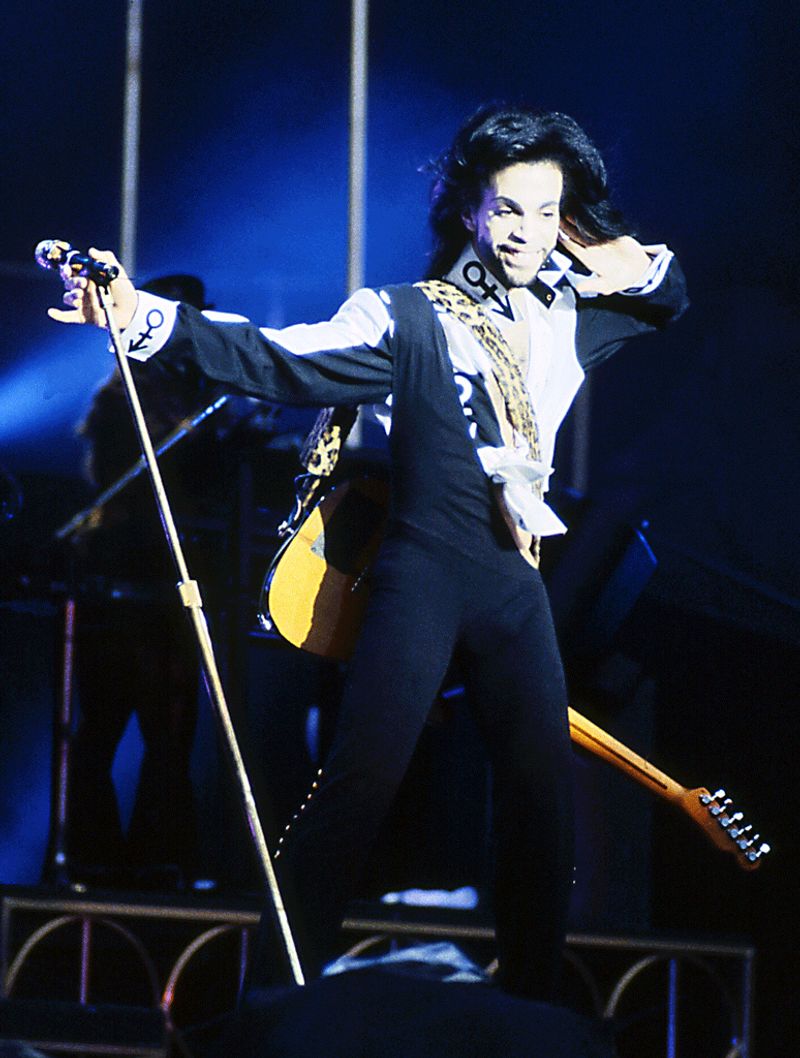
Nobody blended rock, funk, and pop quite like Prince Rogers Nelson, a musical genius who played nearly every instrument on his recordings. His 1984 album and film “Purple Rain” catapulted him to superstardom, giving us anthems that still echo at sporting events and celebrations. Prince wore ruffled shirts, high-heeled boots, and purple everything, completely ignoring traditional ideas about how men should dress or behave.
His guitar solos could make even rock legends jealous, while his falsetto vocals added an otherworldly quality to his songs. Concerts became legendary experiences where he might perform for three hours straight, switching between instruments and musical styles without breaking a sweat. The symbol he later adopted as his name showed his willingness to challenge the music industry itself.
Prince wrote hits for other artists too, proving his talent extended far beyond his own performances. Songs like “When Doves Cry” and “Kiss” showcased his ability to create catchy hooks while experimenting with unusual sounds. His fearless individuality gave permission to anyone who felt different to embrace their uniqueness proudly.
4. Cyndi Lauper
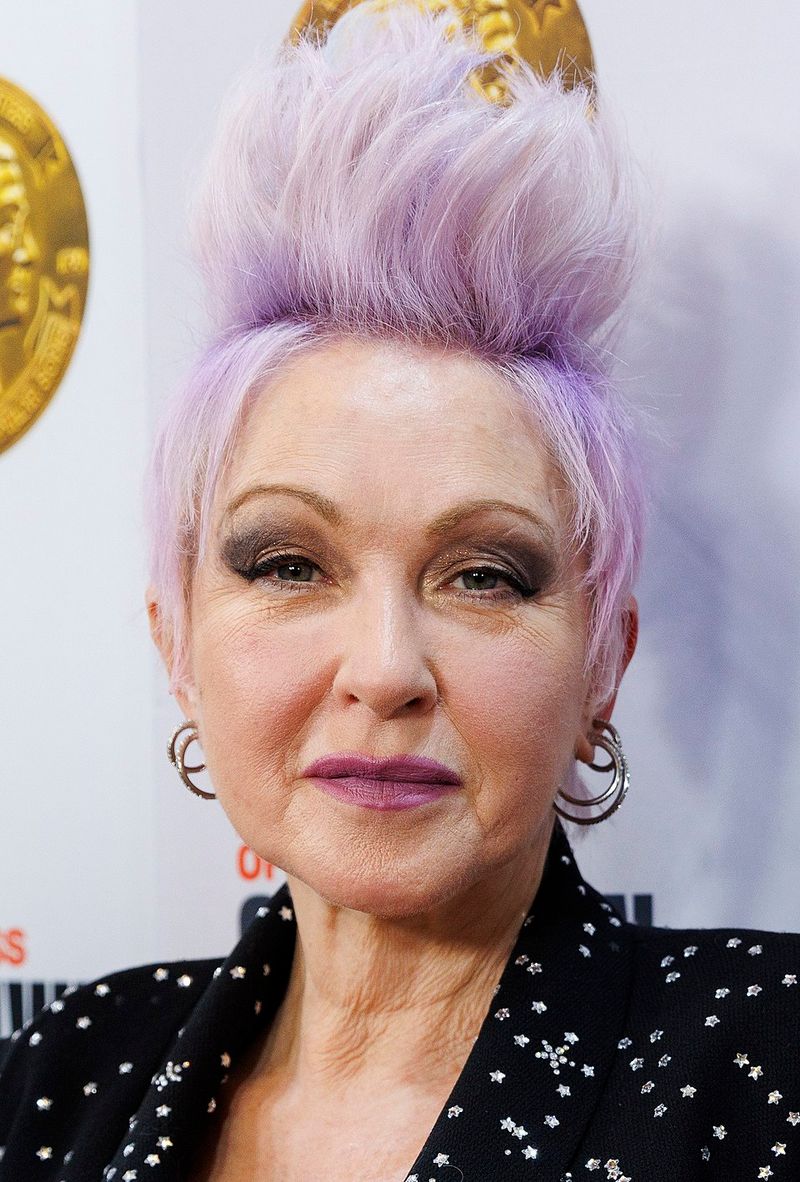
With hair in every color of the rainbow and a voice that could shift from sweet to powerful in seconds, Cyndi Lauper became the quirky best friend everyone wished they had. Her debut album “She’s So Unusual” lived up to its name, delivering hits like “Girls Just Want to Have Fun” and “Time After Time” that captured completely different moods. Lauper proved you didn’t need to fit into a neat category to become a superstar.
Her fashion sense mixed thrift store finds with high fashion in ways that seemed chaotic but somehow worked perfectly. Lace, tutus, mismatched patterns, and endless accessories created looks that screamed individuality and creativity. Young fans loved that she seemed approachable and real, not like some untouchable celebrity living in a different world.
Beyond the fun exterior, Lauper’s music often carried deeper messages about independence and staying true to yourself. She supported causes that mattered to her, using her platform to speak up for those without voices. Decades later, her theatrical performances on Broadway proved her talents extended far beyond pop music stardom.
5. Boy George
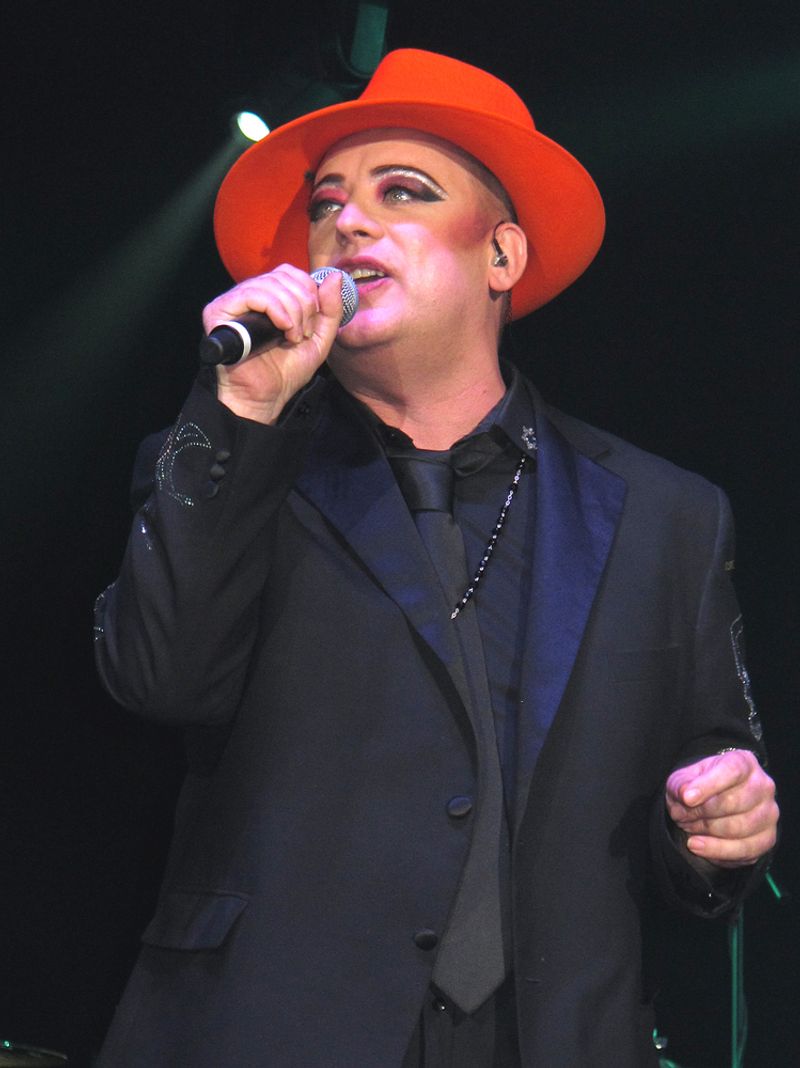
Imagine turning on MTV and seeing someone who challenged every assumption about gender and fashion while singing the catchiest songs on the radio. Boy George, born George O’Dowd, fronted Culture Club with a soulful voice that seemed impossible coming from someone who looked like a living piece of art. Songs like “Karma Chameleon” and “Do You Really Want to Hurt Me” topped charts worldwide, proving talent transcends appearance.
His makeup, hats, and flowing robes made fashion statements that confused some adults but fascinated young viewers. Boy George showed that men could wear makeup and dresses without it defining their entire identity. He simply was himself, unapologetically different in an era when that took tremendous courage.
Culture Club’s blend of pop, reggae, and soul created a sound that stood out from other eighties bands. George’s openness about his identity helped countless young people feel less alone in their own struggles with fitting in. His influence on fashion and music created ripples that still affect how we think about self-expression today.
6. Whitney Houston
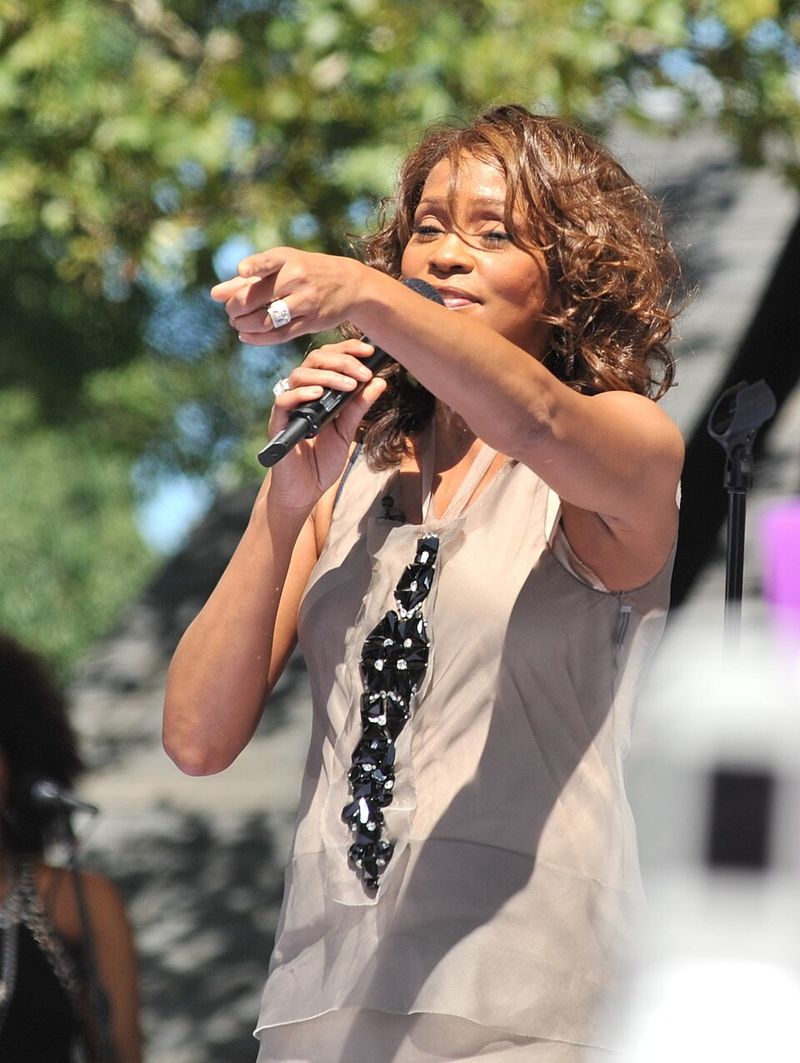
Few voices in history could match the pure power and beauty that came naturally to Whitney Houston. Her self-titled debut album in 1985 produced hit after hit, with songs like “How Will I Know” and “Greatest Love of All” showcasing a vocal range that seemed almost superhuman. When Whitney sang, even other professional singers stopped to listen in amazement at what she could do.
Her elegant style and girl-next-door smile made her seem both glamorous and relatable at the same time. Music videos showed her dancing with joy, her energy infectious enough to make viewers want to join in. Houston’s success broke barriers for African American women in pop music, proving that talent could overcome industry prejudices.
Awards piled up as critics and fans alike recognized her extraordinary gift. Songs like “I Wanna Dance with Somebody” became instant classics that still fill dance floors at weddings and parties. Whitney’s influence on every female vocalist who came after her cannot be overstated; she set a standard of vocal excellence that remains the gold standard today.
7. Duran Duran
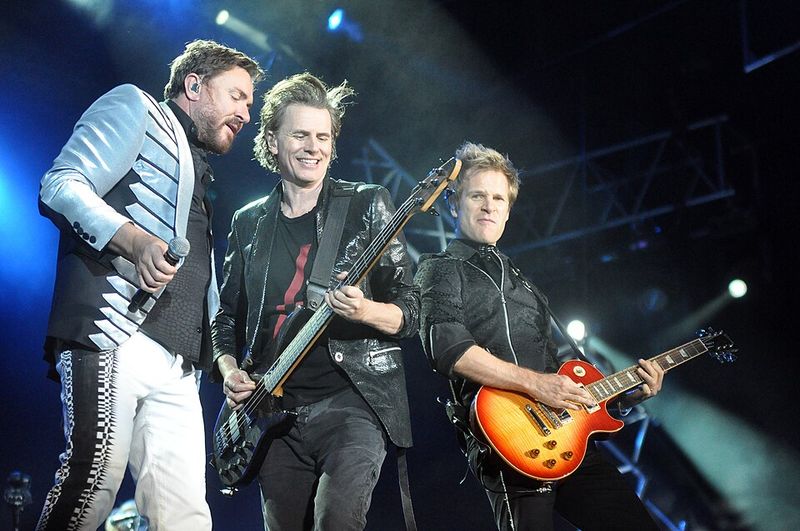
Five stylish guys from England created music that made synthesizers sound as cool as guitars, launching Duran Duran into superstardom. Their videos played constantly on MTV, featuring exotic locations and storylines that seemed more like mini adventure films than typical music promotions. Songs like “Hungry Like the Wolf” and “Rio” combined catchy melodies with a sophisticated sound that appealed to both teenagers and their parents.
Each band member had their own fan following, with posters covering bedroom walls across America and beyond. Their fashion sense mixed new wave edginess with a polished glamour that made them look like rock stars and models simultaneously. Duran Duran proved that being in a band could be about visual style as much as musical talent.
The group’s name came from a villain in the sci-fi film “Barbarella,” hinting at their love of pop culture and futuristic themes. Their success helped define the New Romantic movement, influencing fashion and music for years to come. Even today, their songs remain staples of eighties playlists, instantly recognizable from the first few notes.
8. George Michael
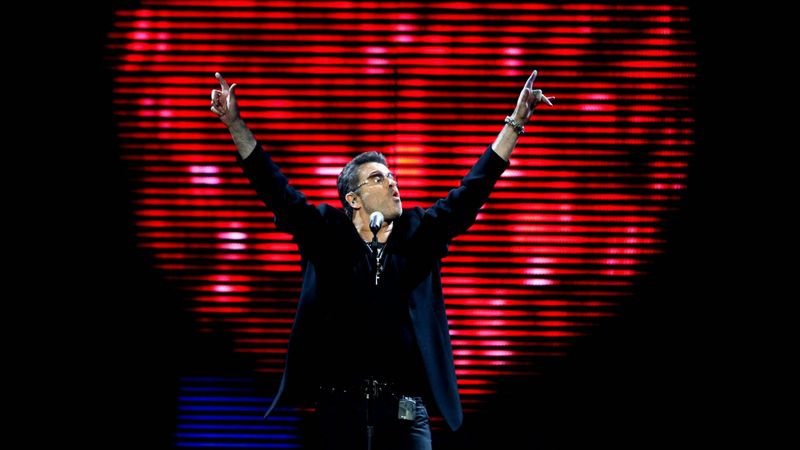
Starting as half of the duo Wham!, George Michael had a voice smooth as silk and songwriting skills that produced hit after unforgettable hit. Songs like “Wake Me Up Before You Go-Go” brought pure joy, while “Careless Whisper” could make anyone feel the pain of lost love. His transition to solo superstardom with the album “Faith” proved he could succeed on his own terms.
That iconic leather jacket and stubble look from the “Faith” video became instantly recognizable worldwide. George Michael’s dancing, though simple, had a confident swagger that made him seem effortlessly cool. His music videos balanced fun and artistic expression, showing depth beyond typical pop fare.
Behind the scenes, Michael fought for artistic control of his music, challenging powerful record companies when they tried to limit his creativity. His willingness to stand up for his beliefs, even when it cost him commercially, earned respect beyond his fanbase. The eighties belonged partly to George Michael, whose contributions to pop music created a legacy that endures through generations.
9. Molly Ringwald

Red-haired and relatable, Molly Ringwald became the face of teenage life in eighties cinema. Her roles in films like “Sixteen Candles,” “The Breakfast Club,” and “Pretty in Pink” captured what it felt like to be young, awkward, and searching for your place in the world. Ringwald’s performances made millions of teenagers feel seen and understood in ways that few actors had managed before.
She wasn’t trying to be a glamorous movie star but rather the girl who could have sat next to you in class. Her characters dealt with real problems like being forgotten on their birthday or feeling like an outsider among popular kids. The authenticity she brought to these roles created an emotional connection that made audiences root for her characters completely.
Fashion-wise, her style in these films influenced what real teenagers wore to school, from homemade prom dresses to layered vintage looks. Ringwald’s collaboration with director John Hughes created movie magic that defined an entire generation’s coming-of-age experience. Even now, her films remain required viewing for understanding eighties youth culture and the universal struggles of growing up.
10. Eddie Murphy
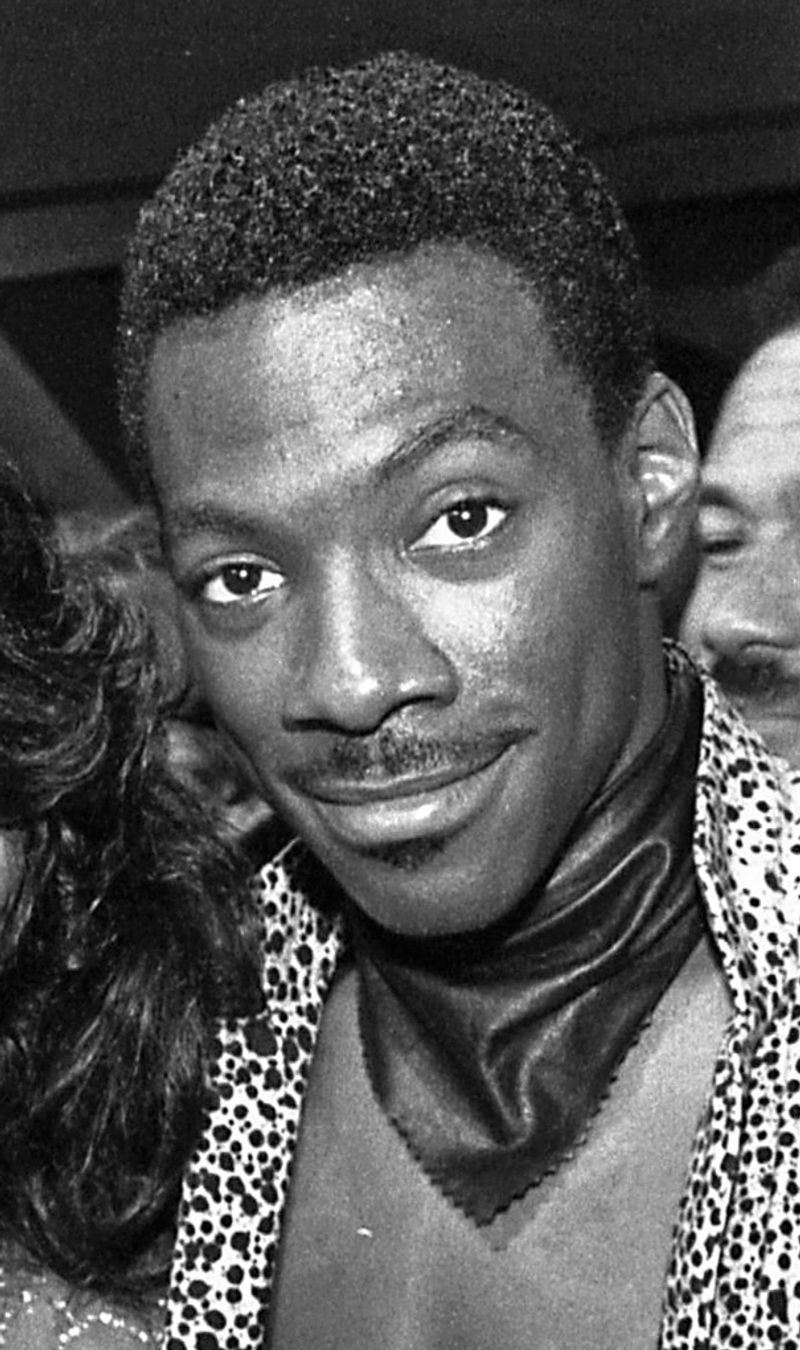
Raw talent and fearless comedy made Eddie Murphy one of the biggest stars of the decade. Starting on “Saturday Night Live” at just nineteen years old, Murphy created unforgettable characters like Gumby and Mr. Robinson that had audiences crying with laughter. His energy seemed boundless, his timing perfect, and his willingness to take risks set him apart from other comedians.
When Murphy transitioned to movies, films like “Beverly Hills Cop” and “Trading Places” proved he could carry a feature film as the lead actor. His laugh became iconic, instantly recognizable and somehow making jokes even funnier. Murphy’s success opened doors for other African American comedians and actors, showing Hollywood that diverse casting could mean massive box office returns.
Stand-up specials like “Delirious” showcased his ability to command a stage alone, working a crowd like few performers could. His impressions of celebrities and everyday people felt spot-on while adding his own comedic twist. Eddie Murphy’s dominance in the eighties proved that genuine talent combined with hard work could make someone a household name before their twenty-fifth birthday.
11. Michael J. Fox
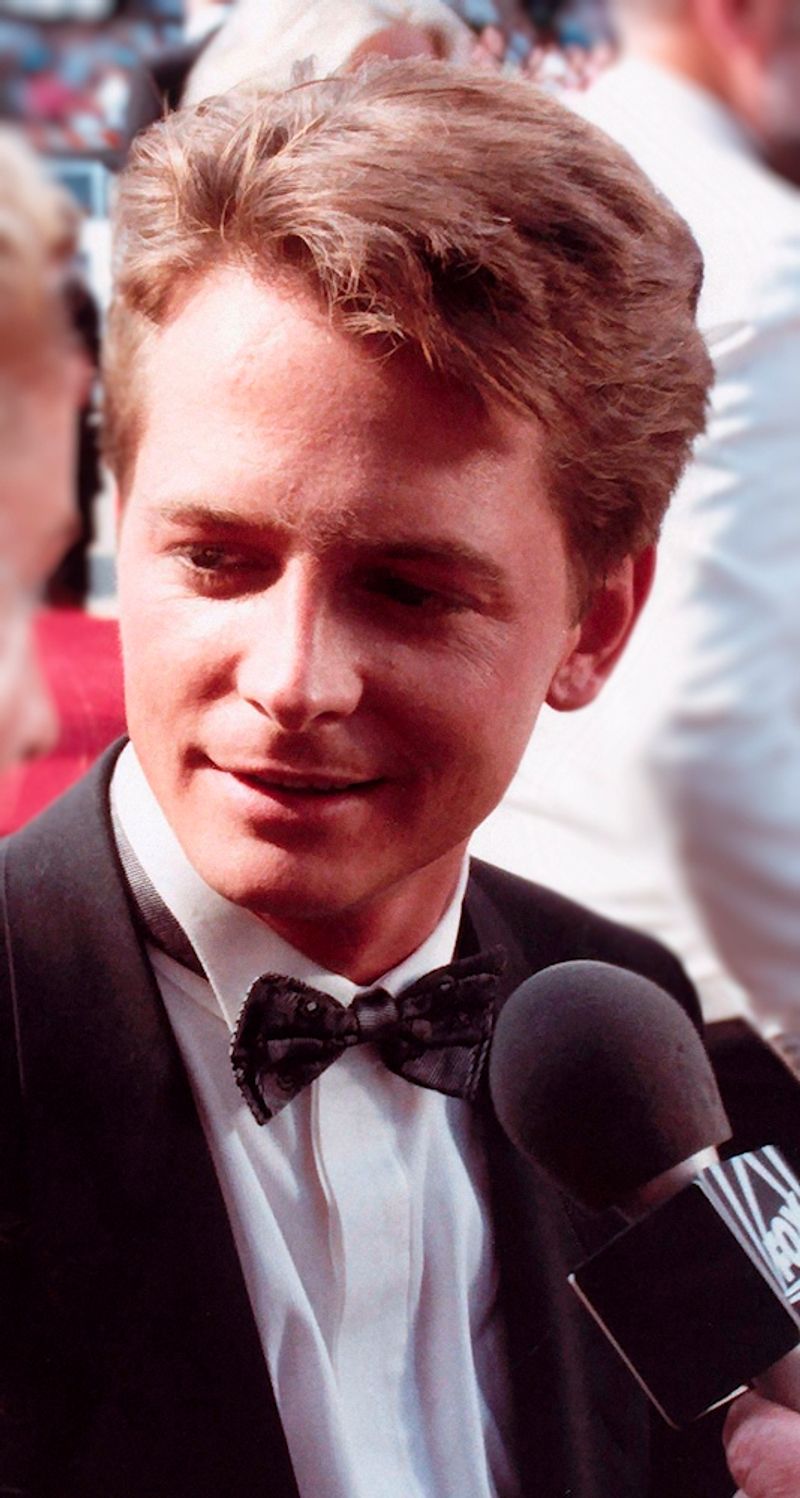
Small in stature but huge in charisma, Michael J. Fox charmed audiences as both Marty McFly and Alex P. Keaton. “Back to the Future” became one of the most beloved films ever made, with Fox’s performance balancing humor, heart, and heroism perfectly. His ability to make time-travel adventures feel relatable and emotionally grounded helped create a movie that people watch repeatedly without ever getting bored.
On television, “Family Ties” showcased his comedic timing as a young Republican living with his hippie parents. Fox made Alex P. Keaton lovable despite the character’s sometimes obnoxious behavior, proving his range as an actor. His work ethic became legendary as he filmed the TV show during the day and the movie at night, barely sleeping but never letting the quality suffer.
Fox’s everyman quality made him seem like someone you could actually be friends with rather than an untouchable celebrity. His smile could light up a screen, and his energy never seemed to fade no matter how demanding the role. The eighties belonged partly to Michael J. Fox, whose performances created characters that remain cultural touchstones decades later.
12. Van Halen
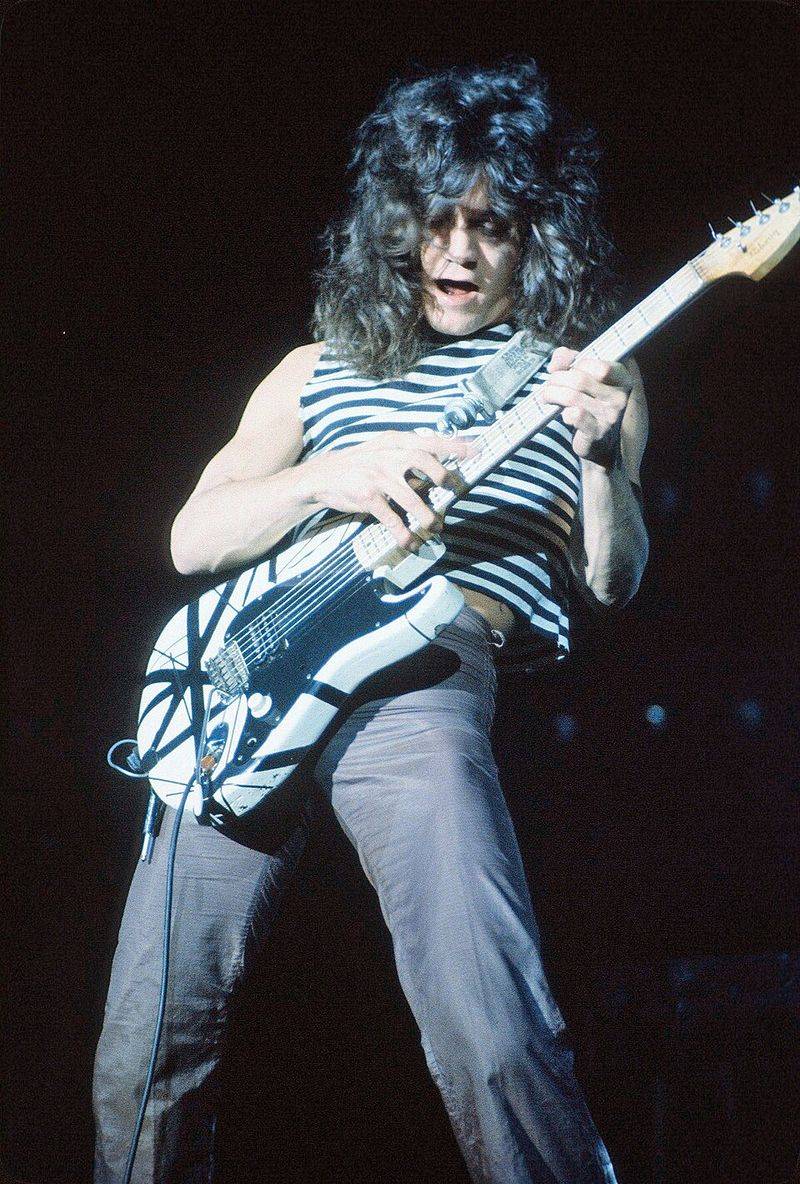
Guitar virtuoso Eddie Van Halen revolutionized rock music with a playing style that seemed to defy the laws of physics. His “tapping” technique, where he used both hands on the guitar neck, created sounds that left other musicians wondering how he did it. Combined with frontman David Lee Roth’s acrobatic stage presence and party-animal personality, Van Halen became the ultimate rock band for good times.
Songs like “Jump,” with its synthesizer opening, showed the band could evolve beyond pure guitar rock without losing their edge. Their videos featured the band having obvious fun, making viewers wish they could join the party. Van Halen’s success proved that technical skill and accessibility could coexist, creating music that impressed musicians while making regular fans want to turn up the volume.
When Roth left and Sammy Hagar joined, the band continued dominating rock radio with a slightly different but equally successful sound. Their influence on rock guitar playing cannot be overstated, as Eddie’s techniques became required learning for anyone serious about the instrument. Van Halen embodied the eighties rock spirit: loud, fun, skilled, and unapologetically excessive in all the best ways.
13. Prince Charles and Diana
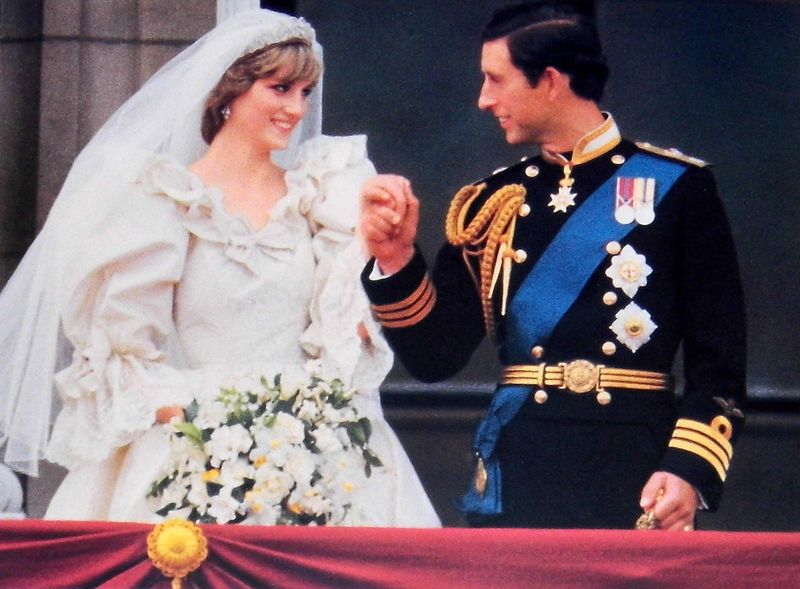
When Lady Diana Spencer married Prince Charles in 1981, the world watched what seemed like a real-life fairy tale unfold. Diana, just twenty years old, became an instant global icon with her shy smile and genuine warmth toward people she met. Her wedding dress, with its twenty-five-foot train, set fashion trends that influenced bridal wear for years to come.
Throughout the eighties, Diana transformed from a nervous young bride into a confident humanitarian who used her royal platform for good. She visited hospitals, comforted AIDS patients when others feared touching them, and brought attention to landmine victims worldwide. Her willingness to show emotion publicly made the royal family seem more human and relatable than they had in generations.
Fashion designers competed to dress Diana, and whatever she wore would sell out in stores within days. Her hairstyle, known as the “Lady Di cut,” appeared on millions of women worldwide. Behind the glamorous appearances, however, her marriage struggled, though the public wouldn’t fully understand until later. Diana’s impact on the eighties went beyond celebrity; she changed how people thought about royalty, compassion, and using fame for positive change.
14. Jennifer Beals
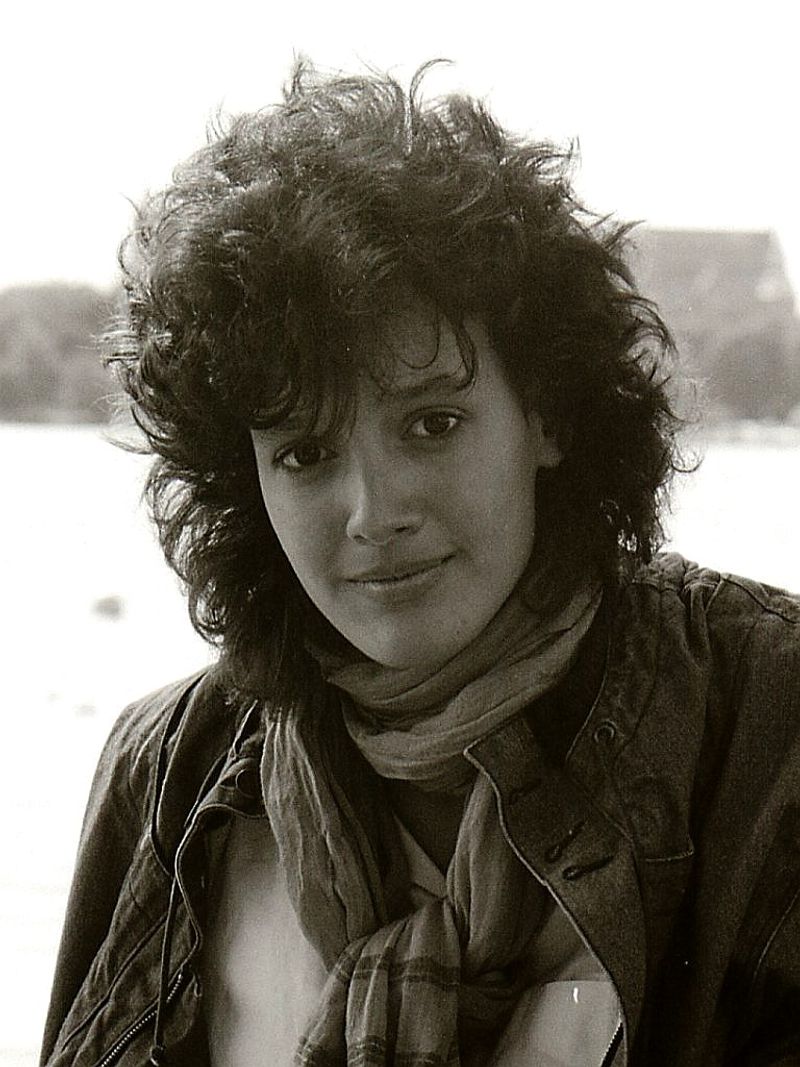
One movie and one iconic dance scene made Jennifer Beals a symbol of following your dreams no matter the obstacles. “Flashdance” told the story of a welder by day who danced at night, dreaming of attending a prestigious dance academy. Beals brought vulnerability and determination to the role, making audiences believe completely in her character’s journey from working-class struggles to artistic triumph.
That water-pouring dance sequence became one of the most memorable movie moments of the decade, replayed and parodied countless times. The ripped sweatshirt look she wore became a massive fashion trend, with people deliberately cutting up their clothes to copy the style. Beals proved that you didn’t need to be a trained dancer to portray passion and dedication convincingly on screen.
The film’s soundtrack, featuring “What a Feeling,” topped charts and won awards, becoming forever associated with eighties pop culture. Beals herself became a fashion icon, gracing magazine covers with her distinctive look and natural beauty. “Flashdance” inspired countless people to pursue their artistic dreams, showing that determination and heart could overcome any background or circumstance. Jennifer Beals captured lightning in a bottle with this role.
15. Robert Smith
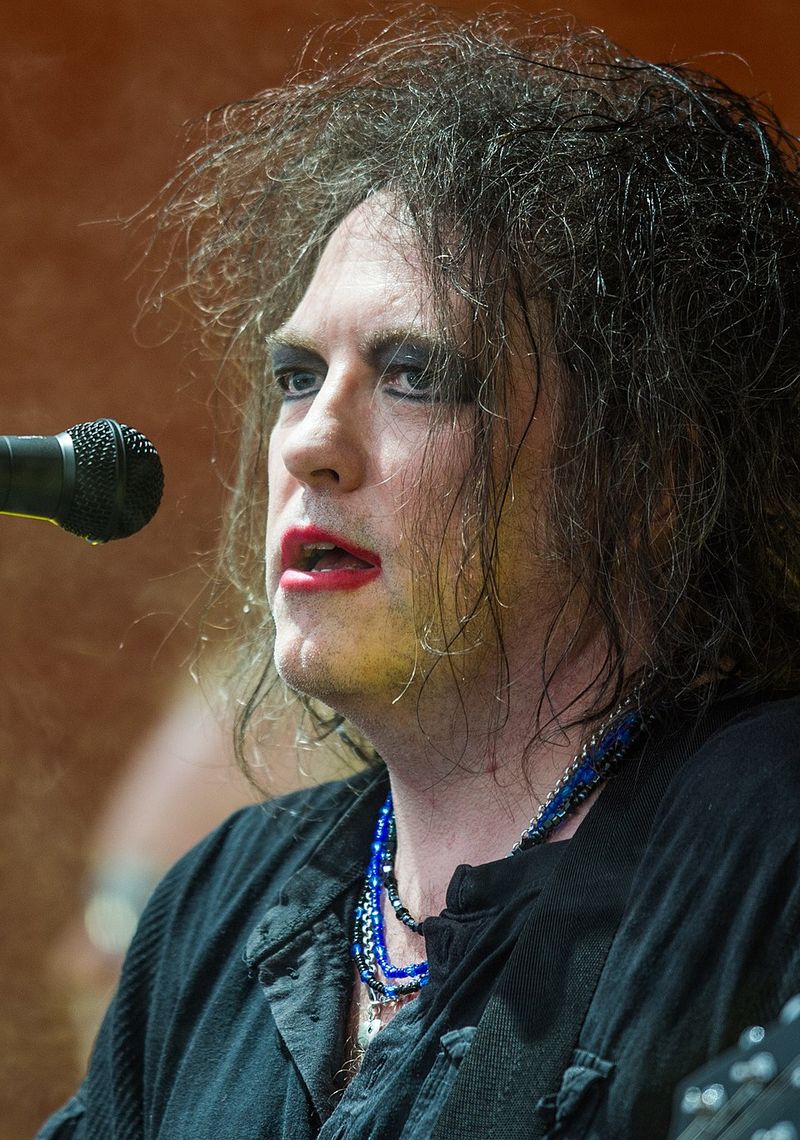
Wild black hair pointing in every direction, smeared red lipstick, and a voice that could convey both despair and hope made Robert Smith unforgettable. As frontman of The Cure, Smith created music that spoke to anyone who ever felt like an outsider or struggled with complicated emotions. Songs like “Just Like Heaven” and “Love Song” proved that alternative rock could be both melancholic and beautiful, dark and uplifting simultaneously.
Smith’s appearance challenged traditional rock star images, showing that you didn’t need to look tough or conventionally attractive to create powerful music. His willingness to wear makeup and express vulnerability gave permission to countless young people to embrace their own uniqueness. The Cure’s sound influenced entire genres of music that came after, from goth to indie rock.
Concert performances could last for hours, with Smith pouring genuine emotion into every song as if performing for the first time. His songwriting explored themes of love, loss, and existential questioning with poetic lyrics that rewarded close listening. Robert Smith became an icon for misfits everywhere, proving that being different wasn’t just okay but could be absolutely beautiful and artistically valid.
16. Tom Cruise
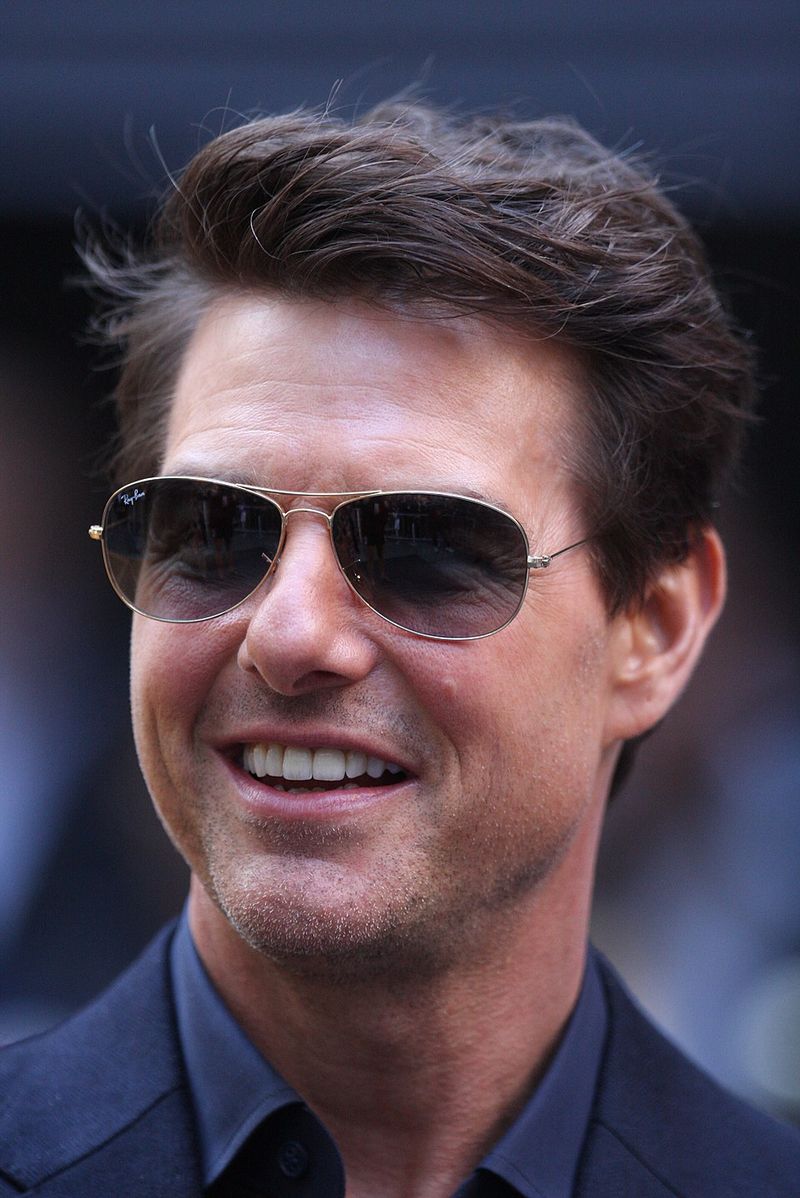
A young actor with an impossibly bright smile and intense dedication to his craft became the decade’s biggest movie star. Tom Cruise’s breakout role in “Risky Business,” particularly that scene dancing in his underwear, made him an instant heartthrob. But Cruise wanted to be more than just a pretty face, choosing roles that showcased his range and willingness to take risks.
“Top Gun” launched him into superstardom, with his portrayal of cocky fighter pilot Maverick becoming iconic. Those aviator sunglasses became a must-have accessory, and the film’s success proved Cruise could carry a major action blockbuster. His commitment to performing his own stunts and fully inhabiting his characters earned respect from critics who initially dismissed him as just another teen idol.
Films like “The Color of Money” and “Rain Man” showed Cruise could hold his own alongside legendary actors like Paul Newman and Dustin Hoffman. His work ethic became famous in Hollywood, with stories of his preparation and focus on set becoming the stuff of legend. By the end of the eighties, Tom Cruise had established himself as not just a star but a serious actor with staying power.
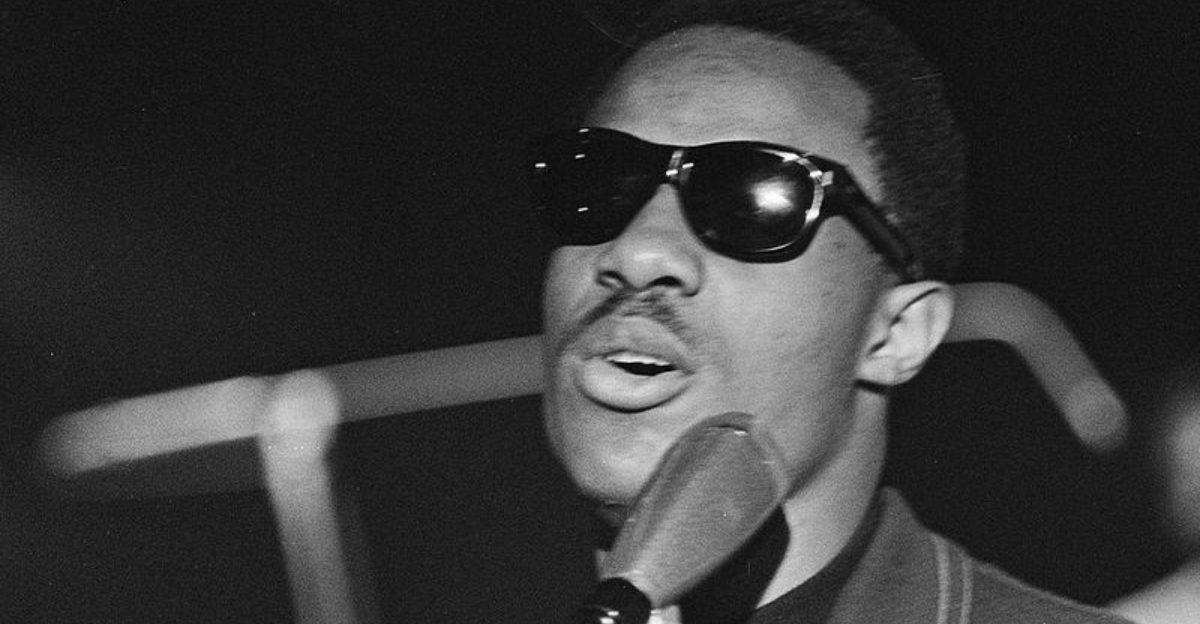
17. Stevie Wonder
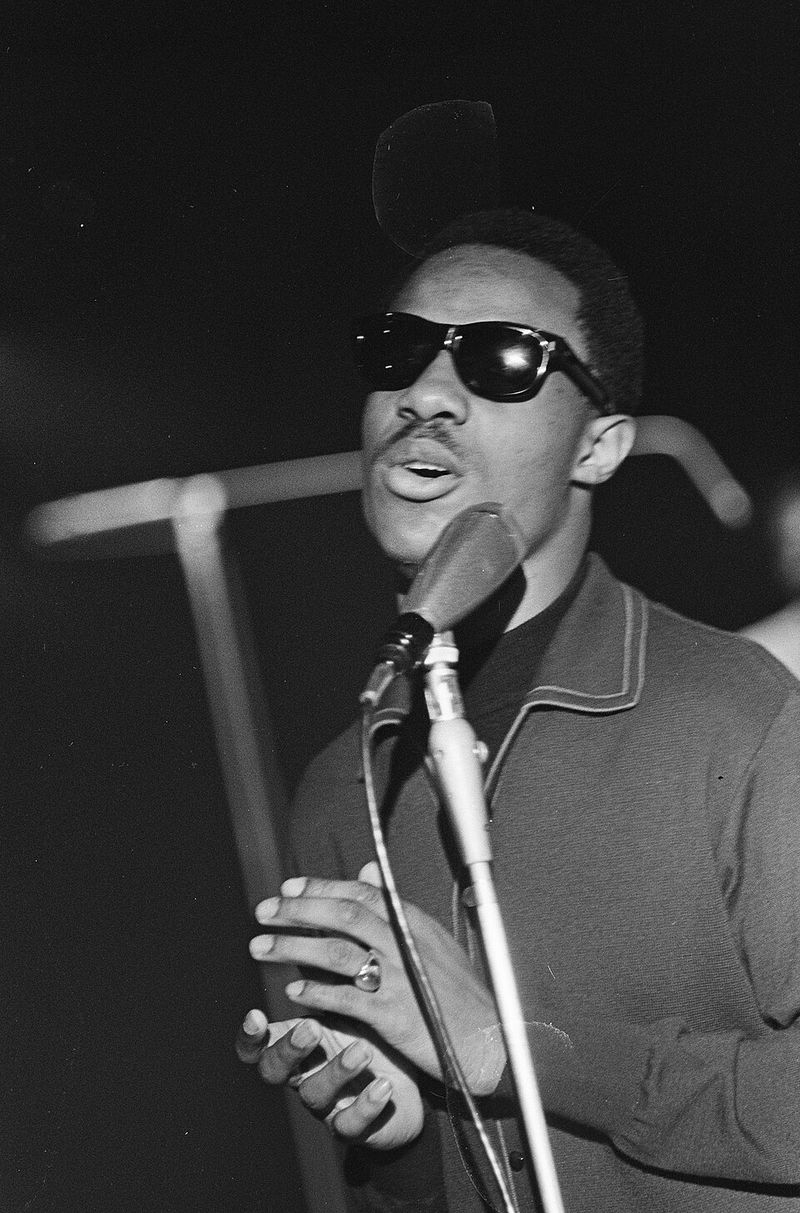
Already a legend before the eighties began, Stevie Wonder continued creating music that touched souls and moved bodies. His 1980 album “Hotter than July” gave us “Happy Birthday,” a song that became part of his successful campaign to make Martin Luther King Jr.’s birthday a national holiday. Wonder used his massive influence for social good while never stopping the creation of beautiful, innovative music.
Songs like “I Just Called to Say I Love You” became worldwide hits, proving Wonder’s ability to craft perfect pop songs that felt both simple and profound. His keyboard skills and distinctive voice remained instantly recognizable, whether on his own tracks or collaborations with other artists. Wonder’s blindness never defined him but rather highlighted his extraordinary musical gifts that transcended any limitation.
Awards and honors piled up throughout the decade as both the music industry and general public recognized his contributions to American culture. His performances at benefits and special events reminded everyone why he had earned the title of living legend. Stevie Wonder’s eighties output may not have matched his seventies peak commercially, but his influence and importance to music culture remained absolutely vital and inspiring.
18. Billy Idol
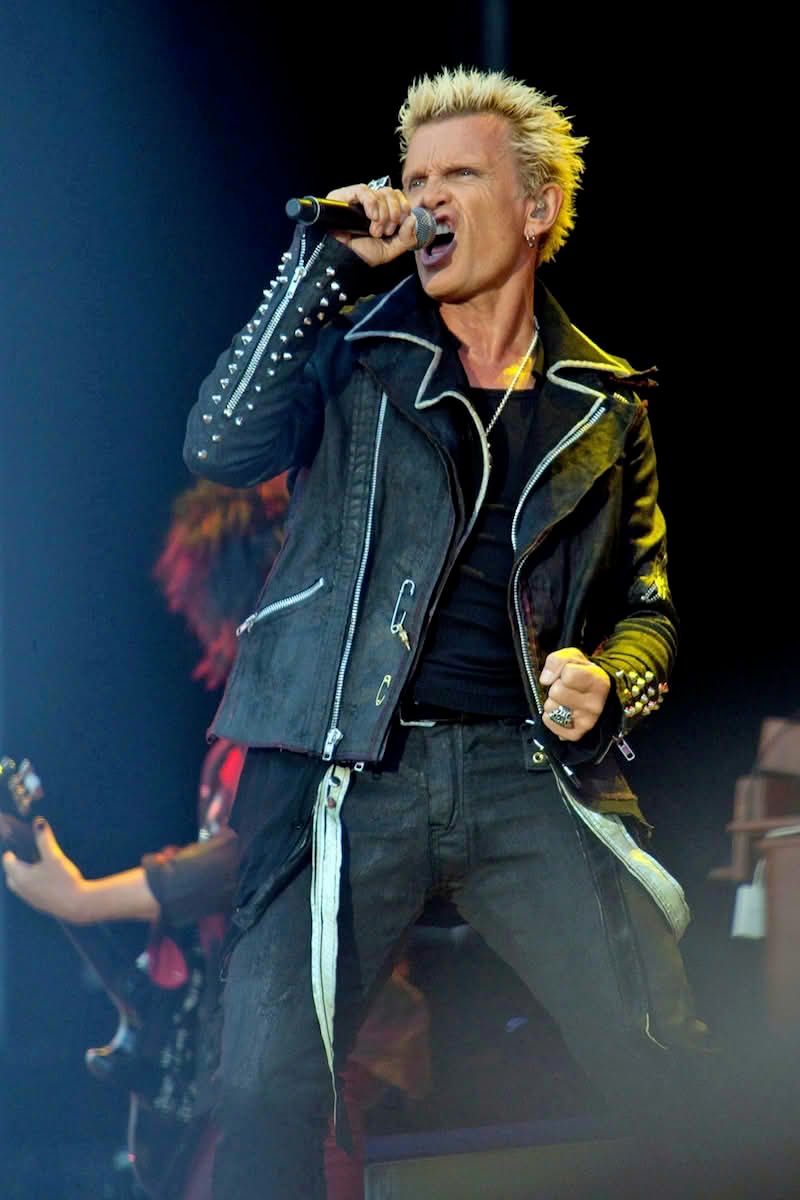
Platinum blonde hair spiked to perfection, a permanent sneer, and a leather jacket made Billy Idol look like rebellion personified. His music combined punk rock energy with pop accessibility, creating hits like “White Wedding” and “Rebel Yell” that dominated MTV and radio simultaneously. Idol’s snarl could make even sweet love songs sound dangerous, giving him an edge that appealed to teenagers wanting to seem tough.
Music videos showcased his charisma and understanding of visual presentation, making him a natural fit for the MTV generation. That lip curl and intense stare into the camera made viewers feel like he was performing directly for them. Idol’s success proved that punk attitude could cross over into mainstream popularity without losing its rebellious spirit.
His motorcycle accident in 1990 happened just as the eighties ended, but throughout the decade he remained a constant presence on radio and television. Songs like “Eyes Without a Face” showed he could do more than just rock anthems, displaying unexpected emotional depth. Billy Idol embodied the eighties rock rebel, someone your parents might worry about but who was ultimately more style than actual danger, making him perfect for suburban teenage rebellion.
19. Debbie Harry
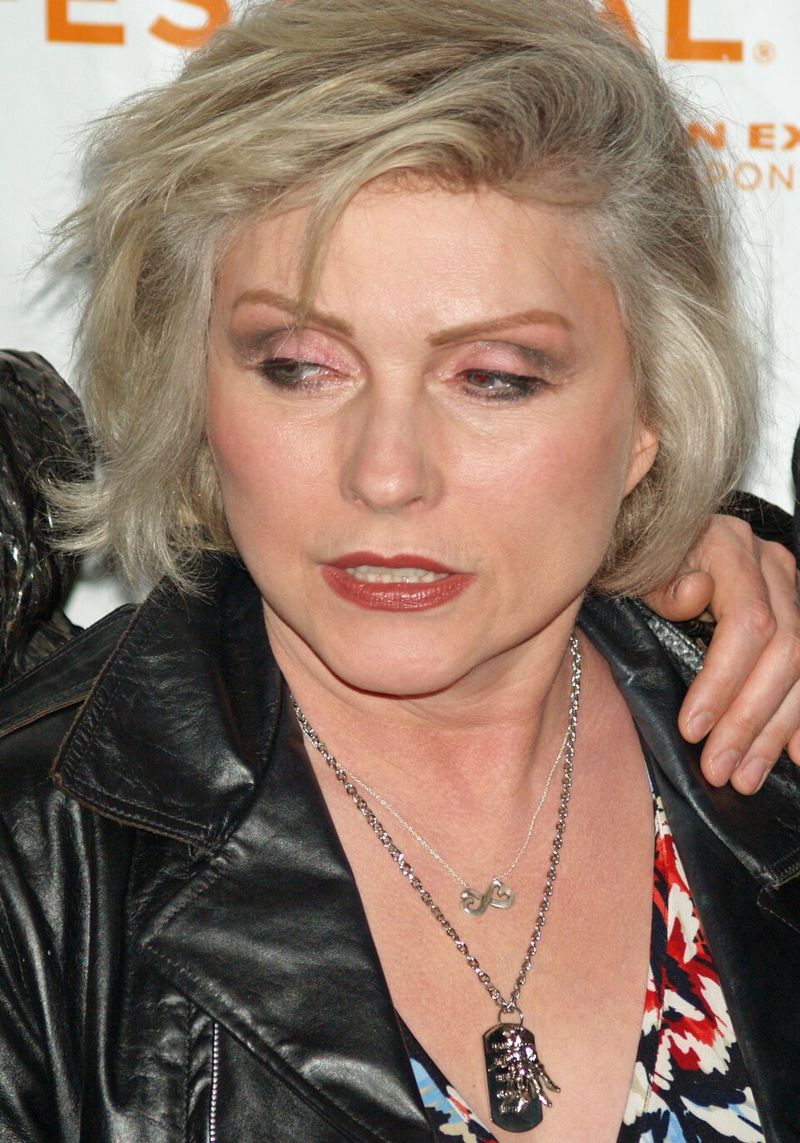
Cool, confident, and impossibly stylish, Debbie Harry fronted Blondie with a presence that commanded attention without demanding it. Her platinum blonde hair and red lips created an iconic look that influenced fashion and beauty trends throughout the decade. Songs like “Call Me” and “Rapture” showcased Blondie’s ability to incorporate different musical styles, from disco to early rap, while maintaining their distinctive sound.
Harry’s voice could shift from sweet and breathy to powerful and commanding, giving her impressive range as a vocalist. She moved between punk credibility and pop success with ease, earning respect from music critics while selling millions of records. Her style mixed vintage glamour with downtown New York edge, creating looks that seemed effortlessly cool rather than carefully constructed.
As one of the few women fronting a major rock band, Harry paved the way for female artists who followed. She never played up a “girl rocker” angle but simply performed with the same confidence and authority as her male peers. Debbie Harry’s influence on eighties music and fashion remains significant, as her combination of toughness and femininity, accessibility and mystique, created a template that artists still reference and admire today.



