 Unearth The Voyage
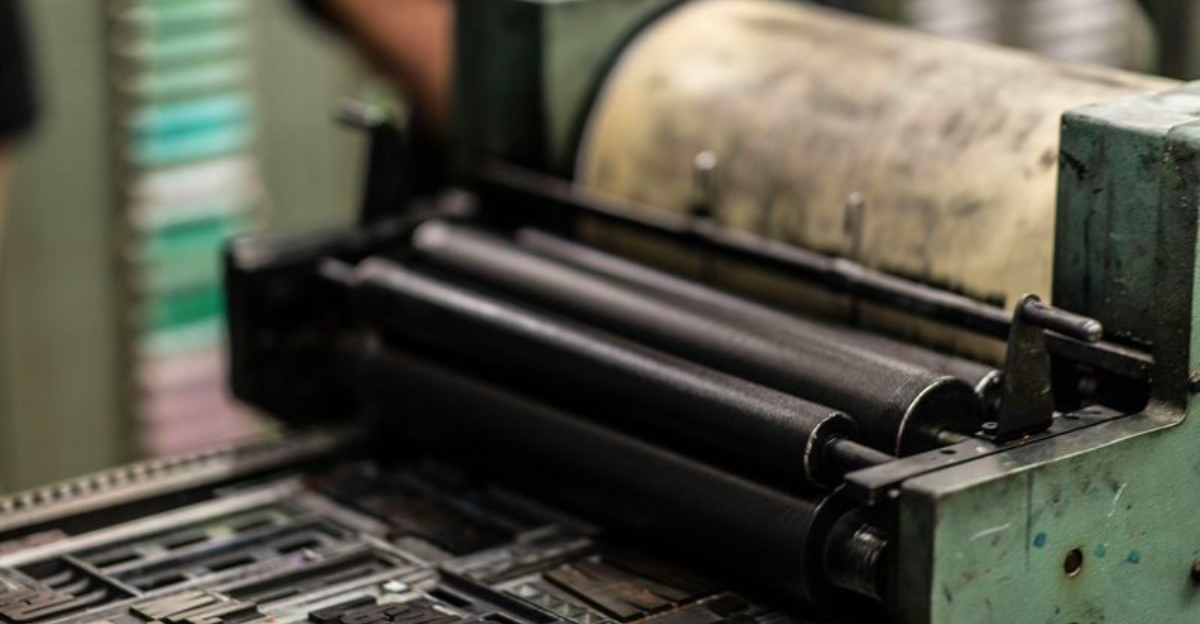
Walk down the main street of almost any small town and you can still feel the echoes of the industries that built it. The brick mills, rail sidings, and low-slung factories once promised steady wages and a shared future. Today, many of those engines are sputtering or gone, leaving behind pride, scars, and tough questions about what comes next. Let’s revisit the trades that shaped these places and explore why they are fading.
1. Textile Mills
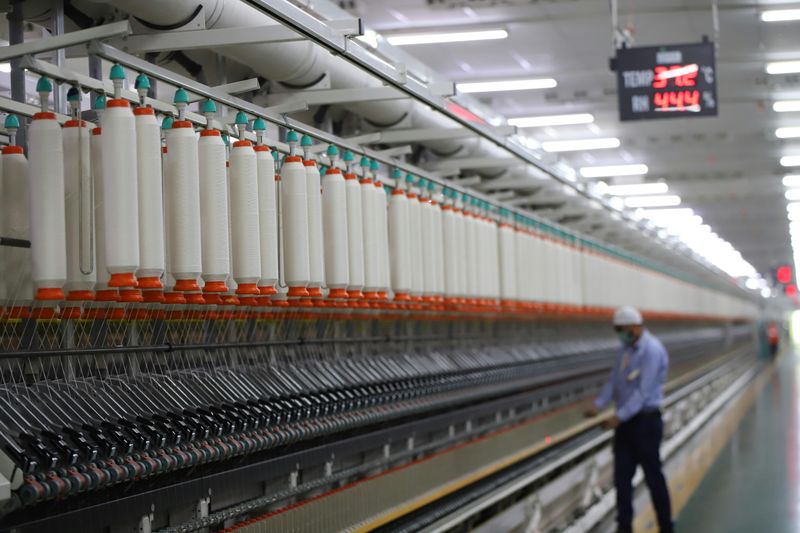
Textile mills stitched together the daily rhythm of countless towns, from dawn whistles to late shift chatter. You could trace a family’s fortunes through weaving rooms, carding machines, and Friday pay envelopes. When global supply chains accelerated, the hum of looms thinned, and neighborhoods felt the silence.
Local shops depended on mill wages, and schools sponsored teams named for spindles and bobbins. Training was practical and fast, letting young workers step into steady roles. But newer technology and cheaper overseas production undercut the model.
You can still find brick shells standing by rivers built to power lineshafts. Many communities are turning mills into apartments and startups, trading thread for tech. The identity shift is real and sometimes painful, yet history lingers in lint-dusted memories.
2. Steel Manufacturing
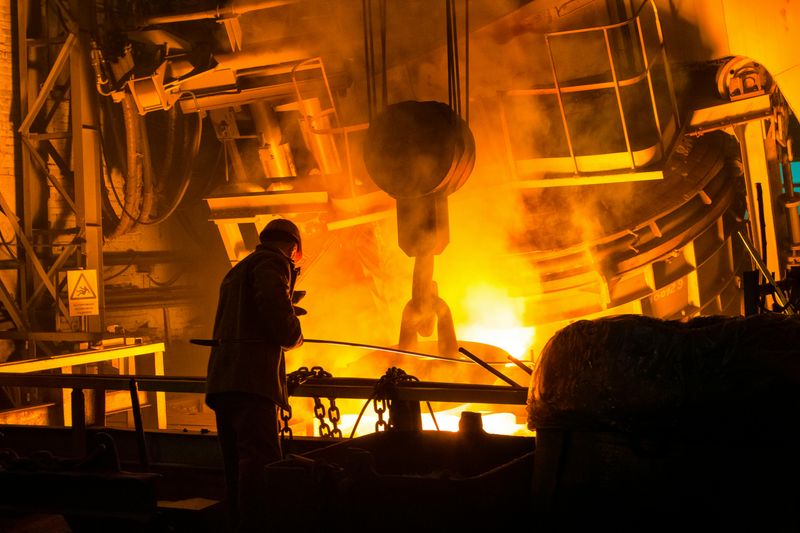
Steel once felt invincible, the backbone of bridges, rails, and the American promise. In mill towns, shift changes looked like parades, and hot metal paid mortgages and funded booster clubs. Global competition, mini-mills, and automation cut deep, trimming payrolls while output stayed strong.
When furnaces went cold, diners lost regulars and high school grads faced tough choices. Some retrained for maintenance or logistics, others left for oil fields or college towns. Legacy costs and trade shocks reshaped corporate strategies, leaving gaps on riverfronts.
You still hear pride when people point to skyscrapers and say our steel did that. Today, cleaner processes and specialty alloys keep a foothold, but the mass-employment model is gone. Towns chase diversity now, hoping to temper volatility with smaller, resilient bets.
3. Coal Mining
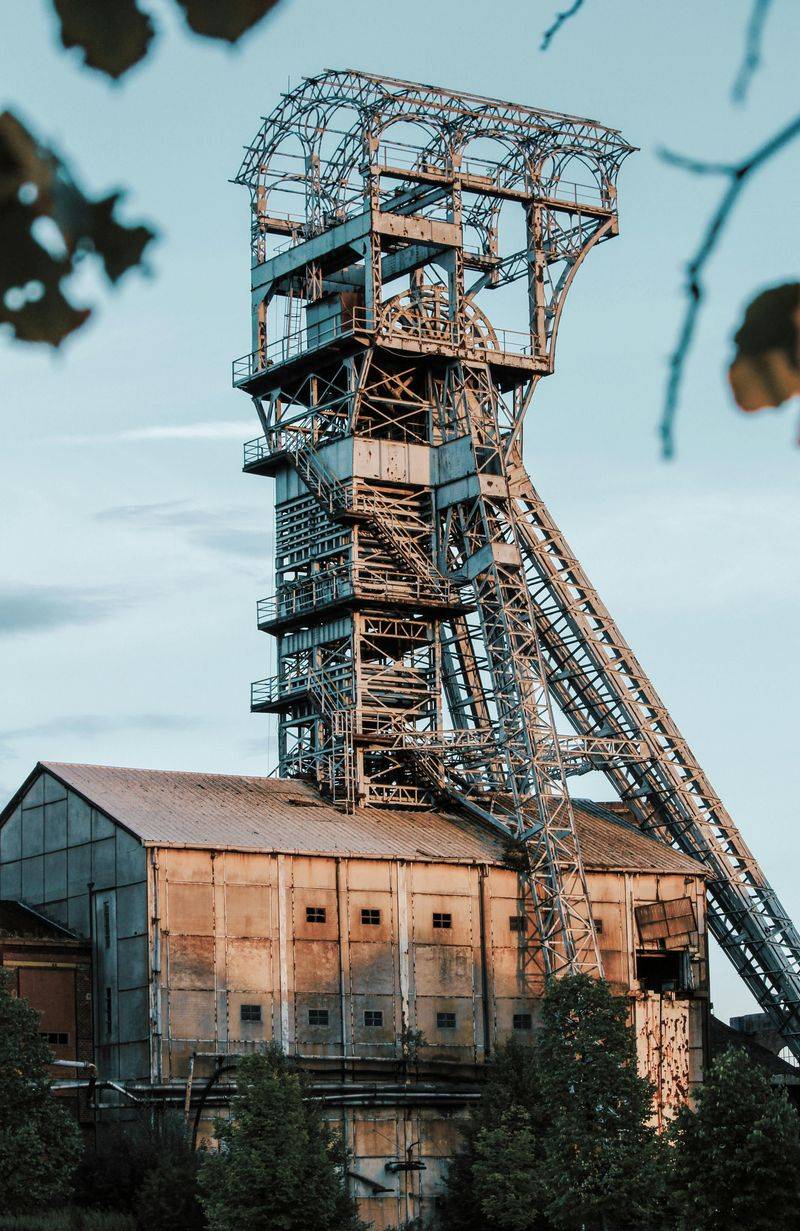
Coal carved homes into hillsides and carved identity into generations. You can feel it in union halls, memorials, and stories told at church suppers. Mechanization and cheaper gas pushed production up even as jobs fell, and pollution controls tightened the market.
Mines funded schools, Little League uniforms, and town festivals. When closures hit, tax bases shrank and addiction and outmigration rose. Retraining programs arrived with laptops and hope, but the path from seam to software is steep.
Some communities pivot to tourism, solar assembly, or reclamation work that heals the land. Others fight to keep remaining operations alive a few years longer. Either way, the old promise of a mine for every boy no longer holds, and futures look different.
4. Tobacco Farming
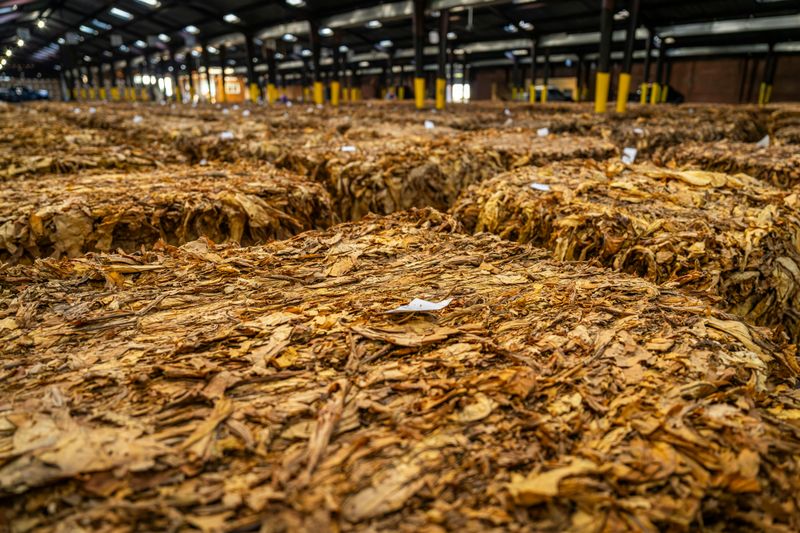
Tobacco money paid for tractors, school trips, and church roofs in many Southern towns. Kids learned to prime leaves before they learned to drive, and barns cured more than crops. Health campaigns, lawsuits, and changing tastes rewrote the market, squeezing small growers hardest.
Contracts shifted power to big buyers, and quotas vanished, taking predictability with them. Some farms diversified into vegetables, hemp, or agritourism. But the cultural weight of tobacco runs deep, from auction chants to yellowed ledgers.
You still catch the sweet barn smell on fall air where curing persists. Old warehouses now host makers markets and wedding receptions, holding on to place even as purpose changes. The crop that built so many back roads is fading, but the skills of stewardship and hustle remain.
5. Canning Factories

Canneries turned summer abundance into winter security, sealing sunshine inside tins. Families timed plantings to factory schedules, and shifts followed harvest rhythms. As national brands consolidated and transportation improved, local lines lost shelf space and bargaining power.
Modern plants need scale and automation that small towns often cannot support. Migrant labor patterns changed, and food safety regulations raised costs. When a cannery closes, farmers scramble for buyers and buyers chase distant economies.
Some buildings find second lives as food hubs or cowork kitchens, keeping the spirit of preservation alive. Small-batch labels still pop up, selling story as much as sauce. The hum is quieter now, but a few kettles still bubble, proving place can season products.
6. Glass Manufacturing
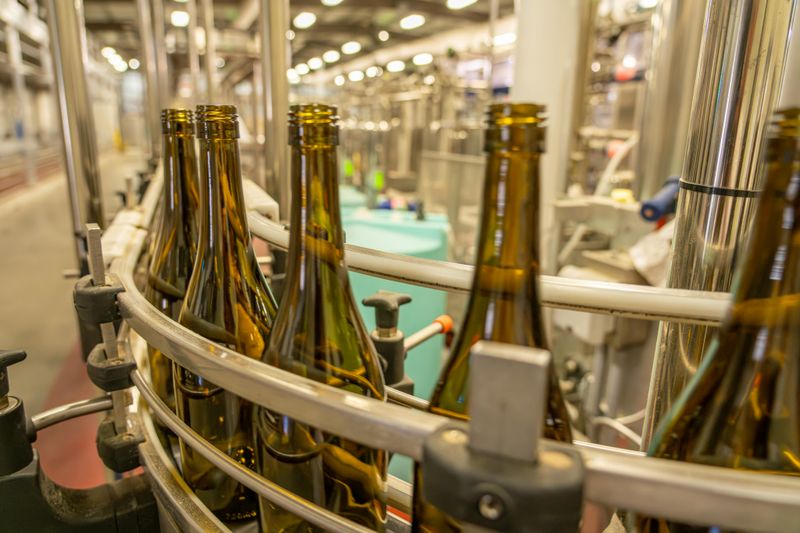
Glass gave form to light, from bottles and bulbs to labware that pushed science forward. Towns built around furnaces ran on precision and heat, with skills passed hand to hand. Imports, automation, and energy costs thinned payrolls even as output stayed efficient.
Specialty firms hold on with patents, high purity standards, and niche products. Museum galleries and festivals keep artisan pride visible. Still, the days when most neighbors wore the same badge have slipped away.
You can tour visitor centers where molten gathers spin into art, then drive past quiet warehouses. Some sites pivot to advanced materials, others to mixed-use living. The craft endures in delicate pieces, but the broad factory chorus that supported towns is fading.
7. Shipbuilding
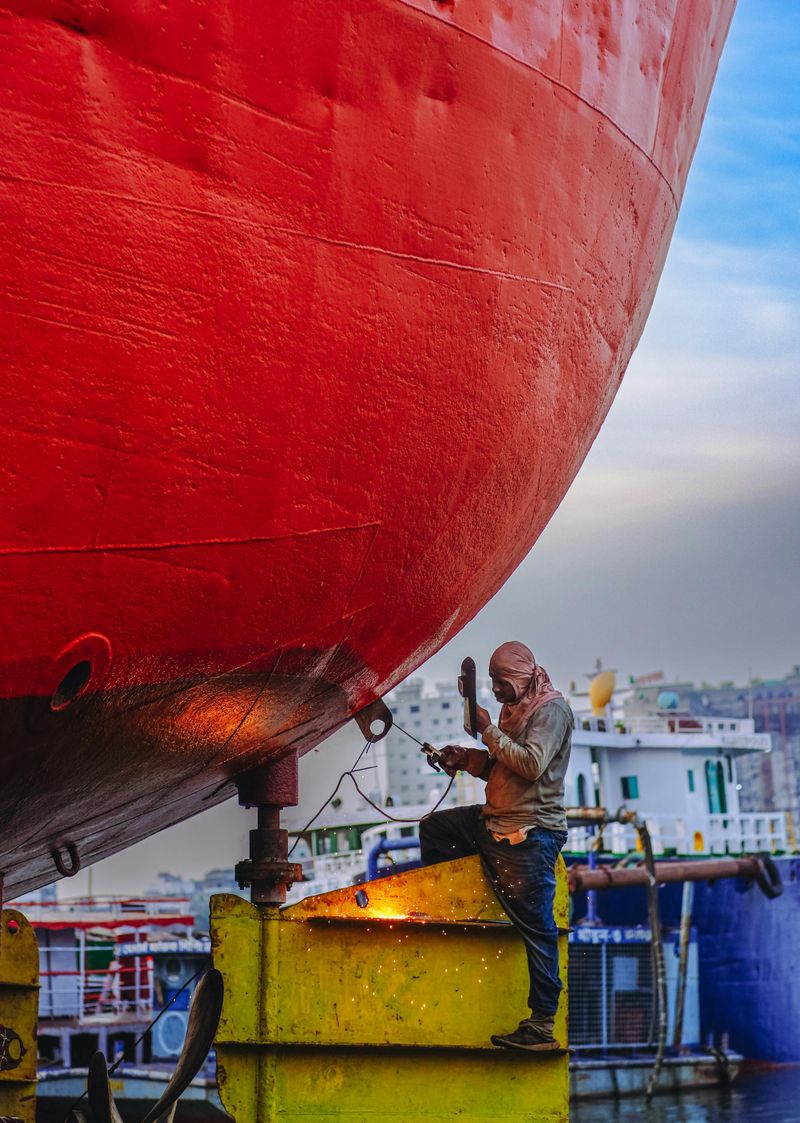
Shipyards shaped coastlines and shaped careers, welding families to tides and tides to paydays. Naval contracts, ferries, and fishing fleets kept sparks flying. Then automation cut headcounts, globalization shifted hulls overseas, and defense cycles turned choppy.
Skilled trades remain, but fewer apprentices walk the docks. Cafes that served night crews see slower mornings, and tool suppliers consolidate. Environmental rules improved water quality while raising compliance costs for small yards.
Where slips once held keels, you might find condos or maritime museums. Some towns chase repair work, composites, or aluminum craft. The sea still calls, but the chorus is smaller, and the steady clang of plates has softened to memory.
8. Railroad Yards
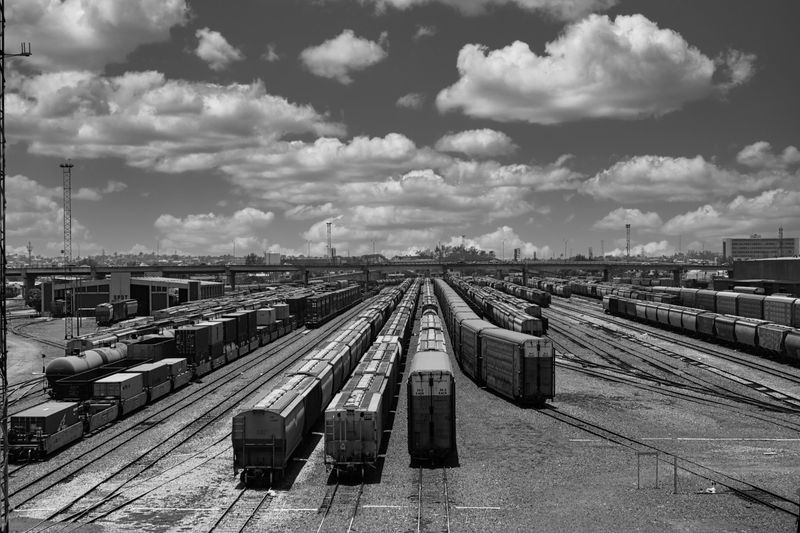
Rail yards were the beating heart of logistics, where whistles set the clock. Switch crews, clerks, and car repair lines paid thousands of mortgages. Containerization, centralized dispatch, and precision scheduling slashed headcounts while trains grew longer.
With fewer local jobs, diners near the yard gates lost lunch rushes. Vacant sidings became weeds and murals, then trail corridors. The romance of rail lingers, but the payroll that built neighborhoods has thinned.
Some towns attract transload hubs or heritage excursions that keep rails relevant. Others repurpose depots as breweries and markets. Freight still moves, just with fewer hands, leaving communities to reimagine how tracks tie them to opportunity.
9. Furniture Factories
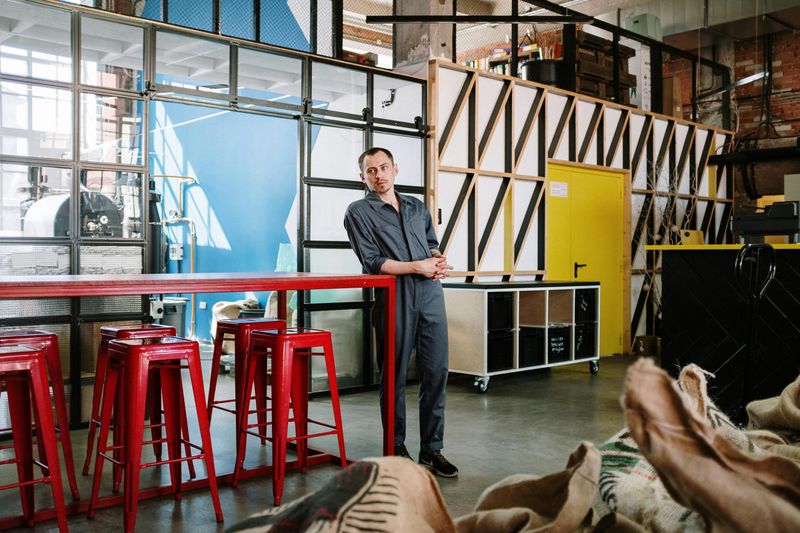
Furniture plants turned timber into heirlooms and paychecks, carving pride into every joint. Whole towns knew upholstery patterns like family recipes. Offshoring shifted production to cheaper labor, and showrooms kept names while factories shuttered.
Skilled craftspeople retrained or opened niche shops, betting on custom over volume. Outlet malls became tourist draws, though jobs never matched old counts. Training programs try to rebuild a pipeline for advanced CNC and finishing.
You can still hear staple guns in smaller shops, and the smell of lacquer floats down side streets. The path forward favors design, branding, and short runs. The big-box era thinned payrolls, but a handmade heartbeat remains if towns nurture it.
10. Textile Dyeing Plants

Dye houses added color to local economies and wardrobes, tinting bolts that fed sewing floors. Environmental rules tightened for good reasons, but compliance raised costs and complexity. As overseas mills integrated spinning to finishing, local dye operations lost volume.
Workers mastered chemistry as much as machinery, blending art with throughput. When plants closed, wastewater labs and maintenance teams scattered. Some sites became brownfields in need of cleanup and patient capital.
New life appears in eco-friendly micro-dyers and fiber artists reclaiming heritage skills. Brands market transparency and small-batch vibrancy. It is smaller, cleaner, and more precarious, yet it keeps color flowing through town stories.
11. Auto Parts Manufacturing
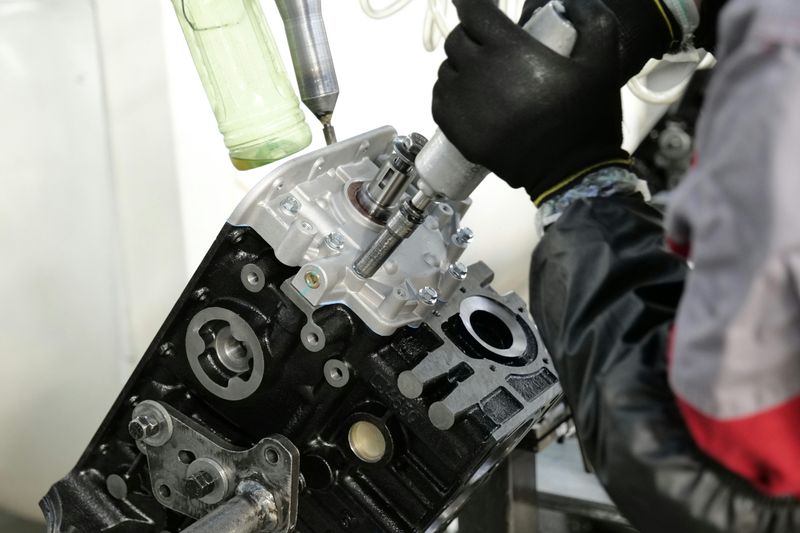
Auto parts jobs brought middle class stability to many crossroads towns. Vendors fed Big Three lines with brackets, seats, and sensors on tight schedules. Automation boosted quality while trimming headcount, and offshoring chased cheaper inputs.
When a platform ended, suppliers felt it first, then lunch counters and landlords. Training shifted toward robotics, metrology, and logistics, but not everyone made the leap. Incentives lure new EV suppliers, though projects can be boom or bust.
Communities hedge with multiple customers and workforce pipelines through tech centers. A few plants thrive on just-in-time precision and niche assemblies. The volume remains impressive, but the jobs per square foot have dropped sharply.
12. Logging & Sawmills
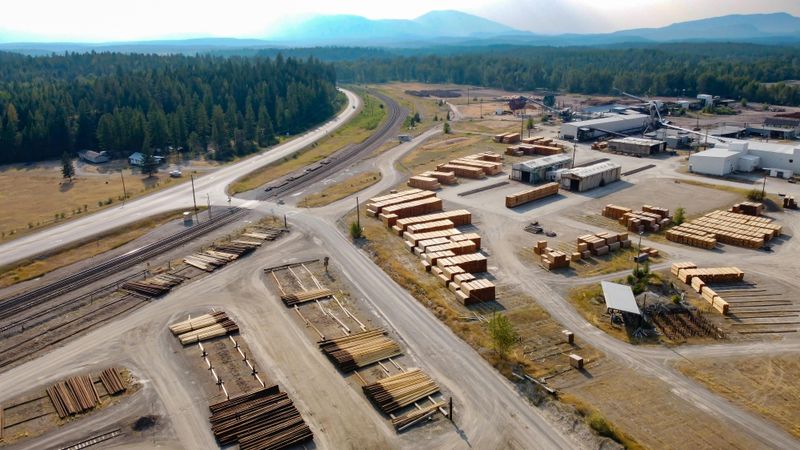
Forests paid the bills where roads were dirt and neighbors were miles apart. Sawmills translated trees into studs, planks, and paychecks, humming to the scent of sap. Environmental constraints, wildfires, and consolidation changed the harvest math.
Modern mills run fast with fewer people, and export markets sway prices. Independent loggers face insurance and fuel costs that squeeze margins. When the whistle quiets, hardware stores and diners feel it next.
Some places lean into certified forestry and mass timber innovation. Others add trails and outdoor tourism to diversify income. Wood still frames the nation, but the crews that cut and mill it are fewer and farther between.
13. Wool Mills

Wool once knit together sheep pastures and mill towns across cold climates. Families knew the cycle from shearing to scouring to spinning, then sweaters on church pews. Synthetic fibers, global competition, and fashion shifts trimmed demand for domestic production.
Some mills pivoted to heritage blankets and boutique yarns, leaning on story and quality. Others closed, leaving canals and raceways running past empty windows. Shepherds diversified into agritourism and cheese to steady income.
You can tour a few working mills where belts still slap and dye kettles simmer. The scale is modest, but the pride is generous. Wool survives as a premium niche, not the mass employer it once was in town life.
14. Cider & Distillery Production
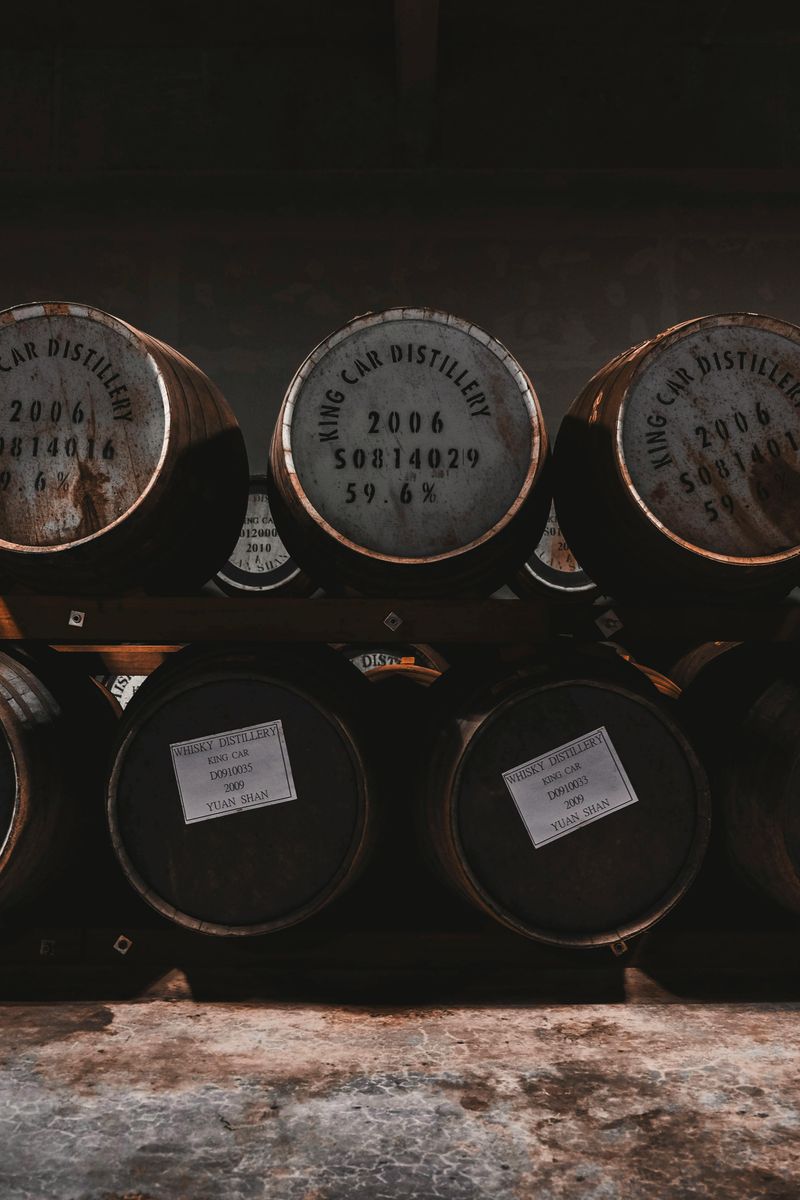
Before national brands, cideries and small distilleries flavored local gatherings and winter nights. Prohibition and consolidation gutted many operations, and later regulations favored scale. Recent craft revivals help, but distribution and compliance still strain small producers.
Orchards tie flavor to place, making limited runs that win loyal fans. Seasonal tourism softens the gaps, yet year-round jobs remain few. Big chains crowd shelves, and tasting rooms do the heavy lifting.
You can sip a barrel-aged pour while hearing stories about granddad’s press. The romance is real, though margins are thin. These ventures add sparkle to towns today, but rarely replace the headcounts of lost factories.
15. Brick and Tile Factories

Clay underfoot became walls overhead, with kilns firing jobs and neighborhoods at once. Brick stamps marked town names into houses that still stand proud. Automation and imports squeezed smaller yards, and construction cycles made employment swingy.
Environmental compliance raised kiln costs while quality standards climbed. Surviving plants specialize or integrate with big building suppliers. When closures happen, freight spurs rust and clay pits pool rainwater.
Adaptive reuse turns old stacks into landmarks and galleries. Local pride remains baked into sidewalks and schools. The work continues in fewer hands, and the hometown imprint is now more symbolic than economic.
16. Printing Presses

Local presses recorded births, floods, and Friday night scores, anchoring civic life. Composing rooms taught apprenticeships in type, ink, and deadlines. Digital ad dollars and smartphones hollowed classifieds and subscriptions, shaking the shop floor.
Some papers pivot to weekly editions, nonprofit models, or newsletters. Printers chase niche jobs like packaging and signage to keep crews busy. Still, the thump of the press at dawn is rarer now.
You feel the loss when meetings go uncovered and rumors replace reporting. A few resilient outfits hold on with grit and community backing. The machines can run, but the business model is the fragile part in many towns.
17. Candle Making

Once, candles were necessity, not decor, and chandlers kept evenings lit. Tallow and beeswax told seasonal stories, and small shops dotted market streets. Electricity dimmed demand, and later imports flooded shelves with cheaper options.
Craft revivals brought scented jars and farmers market booths. These microbusinesses add charm, but rarely replace full-time wages for many. Supply costs and branding swallow margins unless scale or niche emerges.
Workshops now teach pouring as date night fun, passing along techniques. Heritage festivals keep history tangible with dipped taper lines. The flame survives as ambiance and ritual, not the backbone of a town’s economy.
18. Mining Equipment Production
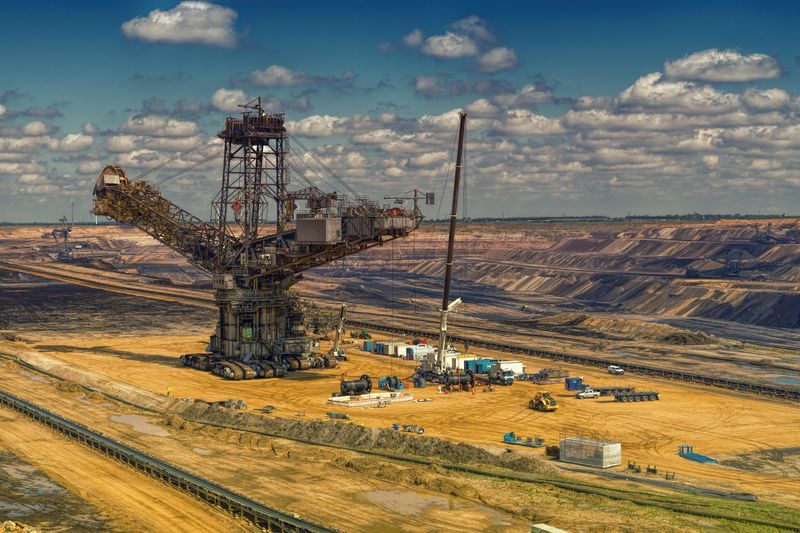
Mining gear plants paid well, building shovels, conveyors, and rugged parts that shrugged off dust. Orders rose and fell with commodity cycles, making shifts unpredictable but rich in overtime. As mines automated and some closed, suppliers consolidated and offshored subassemblies.
Engineers stayed in demand while general assembly thinned. Towns linked to a single pit felt hits doubly hard. Export markets helped sometimes, until exchange rates swung the other way.
Now, some shops pivot to recycling equipment or quarry tech. Others chase defense contracts to smooth the ride. The iron still gleams on the floor, but fewer hands guide it from blueprint to field.
19. Local Breweries

Before national labels dominated taps, town breweries brewed to local water and taste. Prohibition shuttered many, and consolidation kept them closed for decades. The craft wave reopened doors, but big chains and distributors still control reach.
Small breweries create culture and weekend foot traffic, yet payrolls stay lean. A few scale up, most stay scrappy, and some vanish in crowded markets. Rising costs for cans, hops, and rent stack pressure.
You can toast history in restored cellars where lager once lagered cool and slow. Community matters here, even when margins pinch. These breweries revive pride, but they do not carry towns like the old industrial giants did.



