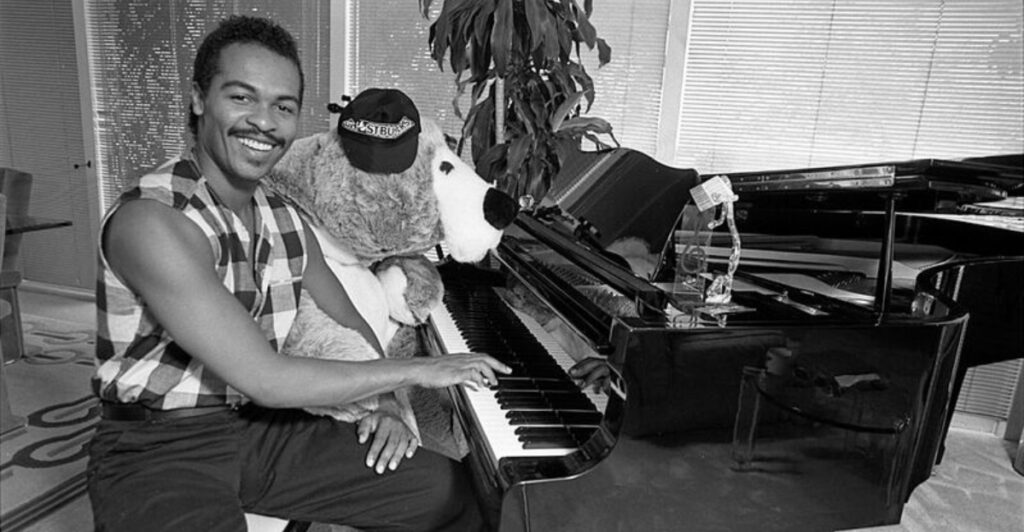
Movie soundtracks have launched some of the biggest songs in music history, often outshining the films they came from. Since the 1960s, Hollywood has helped turn soundtrack singles into chart-topping cultural staples that still dominate playlists decades later.
Some movies faded from memory, but their songs never did. Here are 19 soundtrack hits that became even bigger than the films themselves.
1. I Will Always Love You – The Bodyguard (1992)
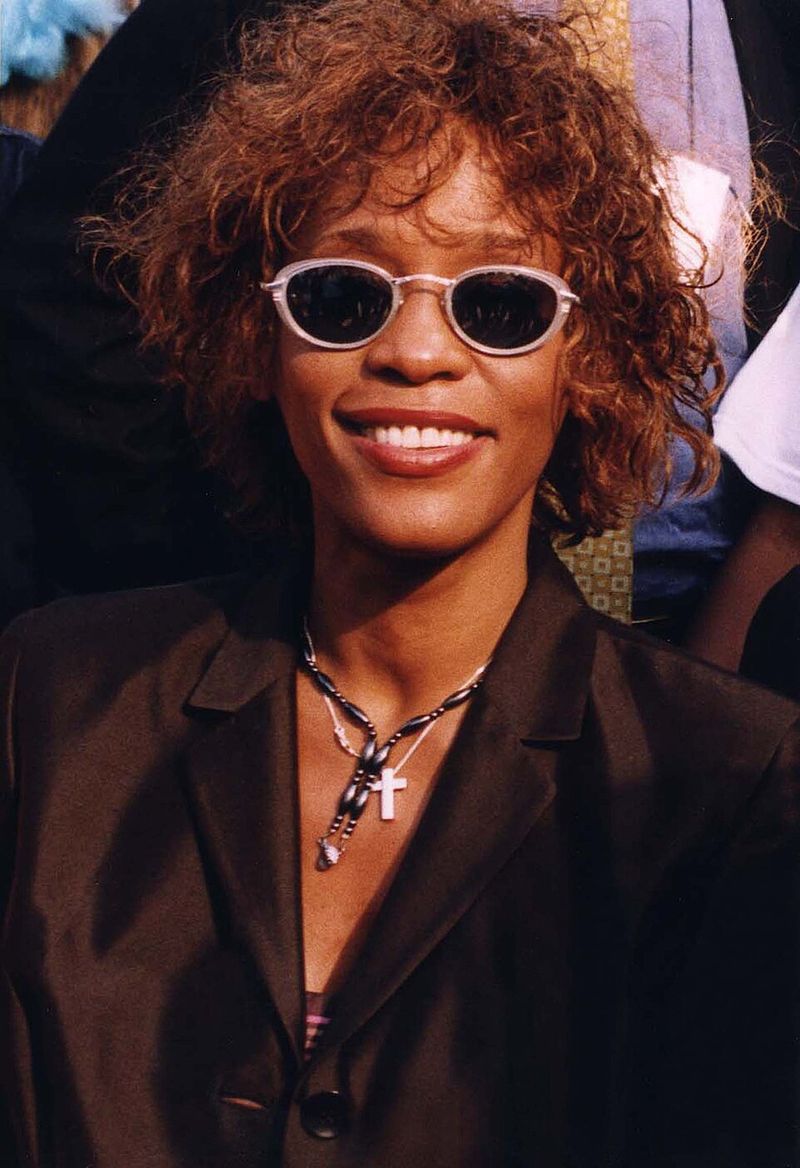
Whitney Houston took a Dolly Parton country ballad and turned it into one of the most commercially successful singles ever recorded. The song was originally written and performed by Parton in 1973, but Houston’s 1992 version became something else entirely.
The Bodyguard soundtrack sold over 45 million copies worldwide, making it the highest-selling movie soundtrack in history. The film itself earned around $411 million globally, a strong number by any measure, but the music completely dwarfed that achievement.
2. Unchained Melody – Ghost (1990)
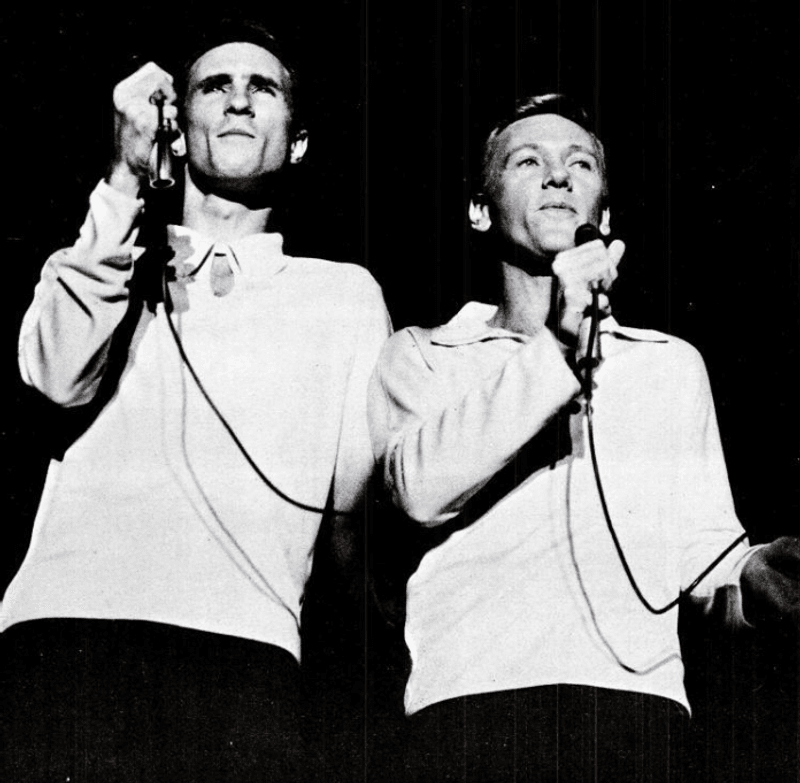
Long before Ghost arrived in theaters, “Unchained Melody” already had a rich history. The Righteous Brothers recorded their iconic version in 1965, and it became a classic.
But Ghost gave the song a second life that nobody predicted.
The pottery-wheel scene in Ghost turned the ballad into a cultural shorthand for romantic longing. Radio airplay spiked dramatically after the film’s release, and the song re-entered charts in multiple countries.
A generation of listeners who had never heard the original version discovered it entirely through the movie.
3. (Everything I Do) I Do It for You – Robin Hood: Prince of Thieves (1991)
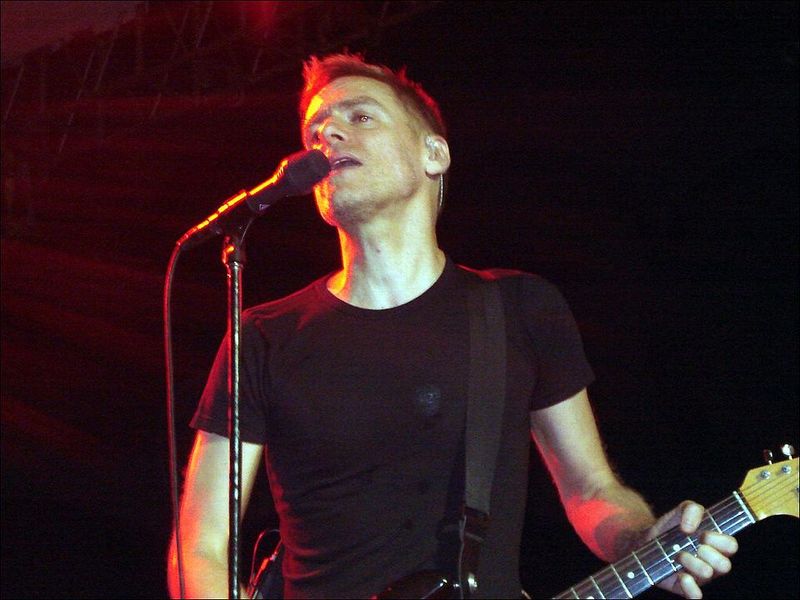
Bryan Adams wrote this ballad specifically for Robin Hood: Prince of Thieves, but the song quickly outgrew the film by a remarkable margin. It spent 16 consecutive weeks at No. 1 in the United Kingdom, a record that stood for decades.
In the United States, it hit No. 1 on the Billboard Hot 100 and stayed there for seven weeks. The single sold tens of millions of copies worldwide and became one of the bestselling physical singles in music history.
4. Stayin’ Alive – Saturday Night Fever (1977)
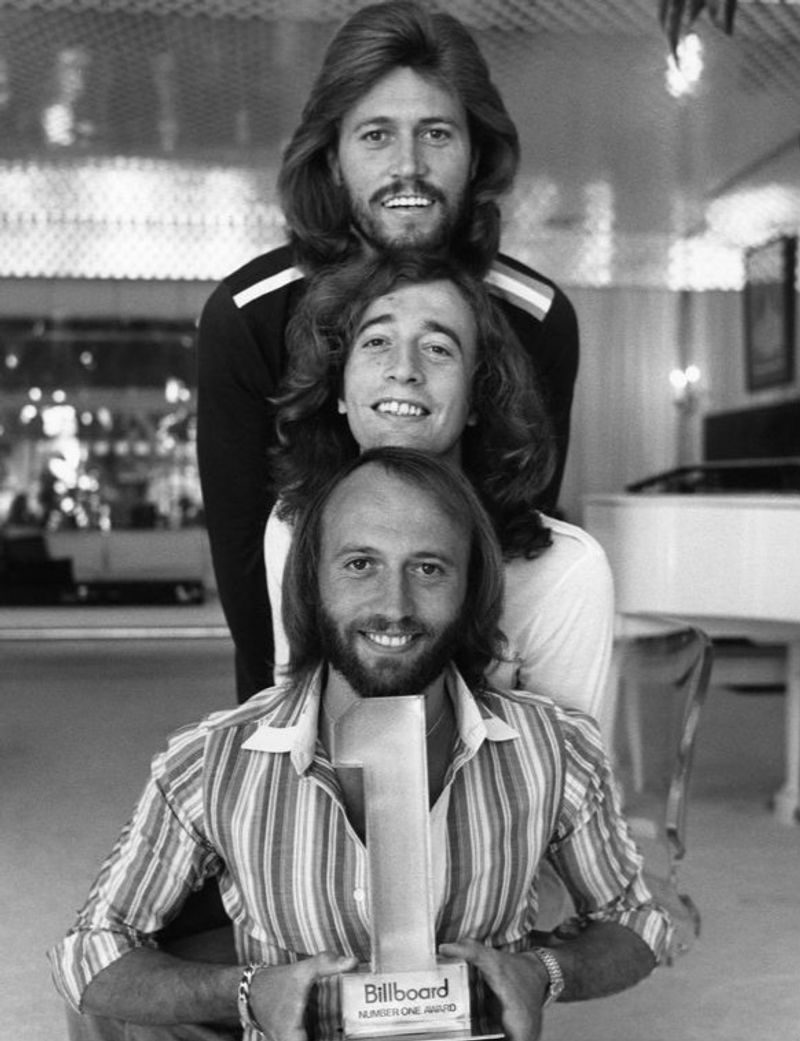
The Saturday Night Fever soundtrack did not just accompany a movie. It helped define an entire decade of popular music.
The Bee Gees contributed multiple songs to the album, and the collection sold over 40 million copies worldwide before streaming even existed.
“Stayin’ Alive” became the most recognized track on the album and one of the most identifiable opening beats in pop music history. The film itself was a genuine hit, but the soundtrack spent 24 weeks at No. 1 on the U.S. album chart.
That achievement placed the music in a separate commercial category entirely.
5. Purple Rain – Purple Rain (1984)
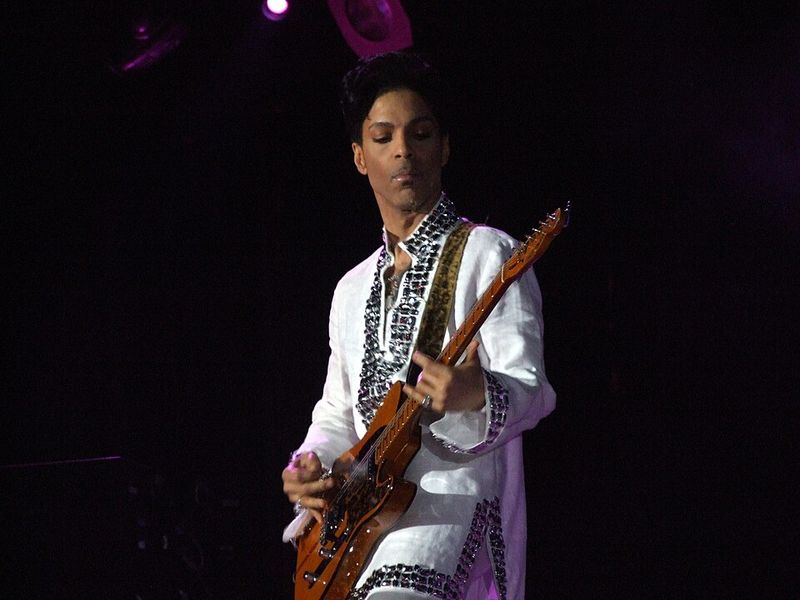
Prince released Purple Rain as both a film and an album in the summer of 1984, and the two were always meant to work together. But the album quickly became something that stood entirely on its own merits.
It sold an estimated 25 million copies globally.
The soundtrack spent 24 consecutive weeks at No. 1 on the Billboard 200. Songs like “When Doves Cry” and “Let’s Go Crazy” dominated radio, while the title track became a concert centerpiece that fans connected to on a deeply personal level.
The film performed well, but critics were mixed.
Over time, the movie’s narrative has faded while the music has grown in stature. “Purple Rain” as a song is now considered one of the greatest rock ballads ever recorded.
6. Gangsta’s Paradise – Dangerous Minds (1995)
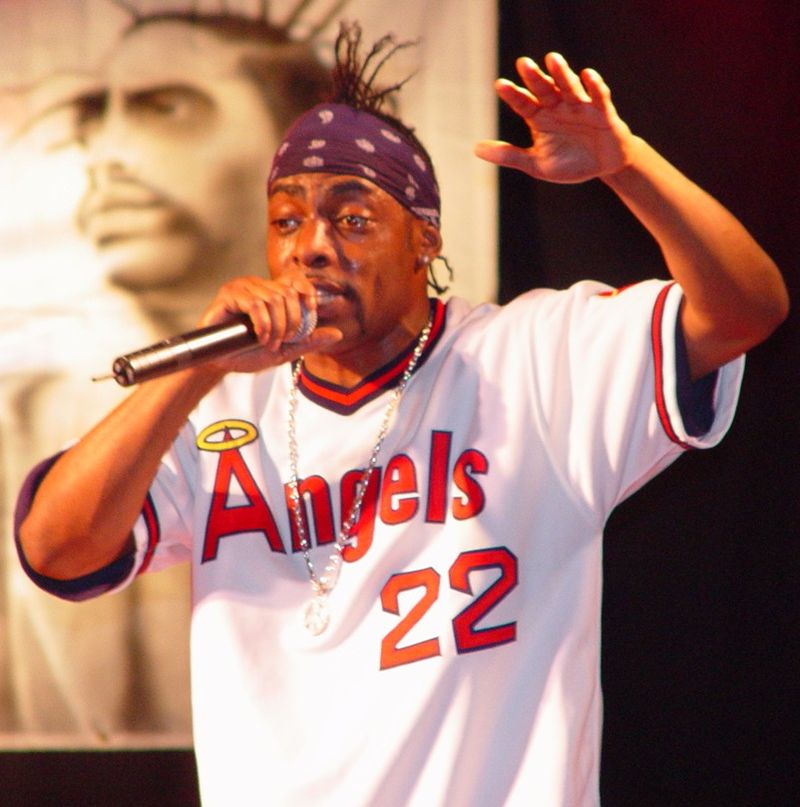
Coolio’s collaboration with L.V. arrived in 1995 and immediately became one of the most talked-about songs of the decade. “Gangsta’s Paradise” sampled Stevie Wonder’s “Pastime Paradise” and layered it with a narrative about street life that felt both urgent and cinematic.
The song spent three weeks at No. 1 on the Billboard Hot 100 and dominated MTV’s rotation for months. It won the Grammy Award for Best Rap Solo Performance in 1996.
Dangerous Minds performed reasonably well at the box office, earning around $179 million globally, but the song’s reach was something else entirely.
Radio stations across multiple formats played it constantly. The music video became one of the most viewed clips of the mid-1990s.
7. Eye of the Tiger – Rocky III (1982)
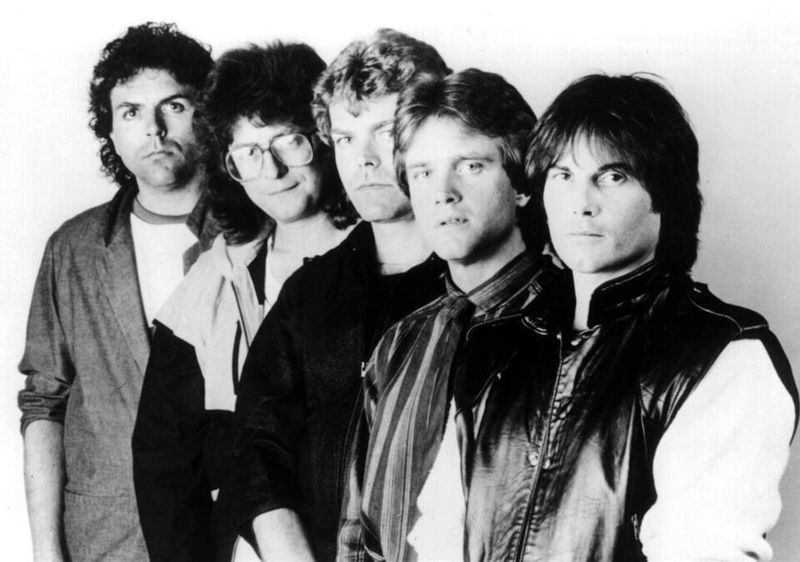
Sylvester Stallone personally asked Survivor to write a song for Rocky III after clearing the rights to “Another One Bites the Dust” fell through. What Survivor delivered became one of the most enduring motivational anthems in pop music history.
“Eye of the Tiger” spent six weeks at No. 1 on the Billboard Hot 100 in 1982. It earned a Grammy nomination and an Academy Award nomination for Best Original Song.
Rocky III was a commercial success, but the song quickly developed a life far beyond the movie’s storyline.
8. Lose Yourself – 8 Mile (2002)
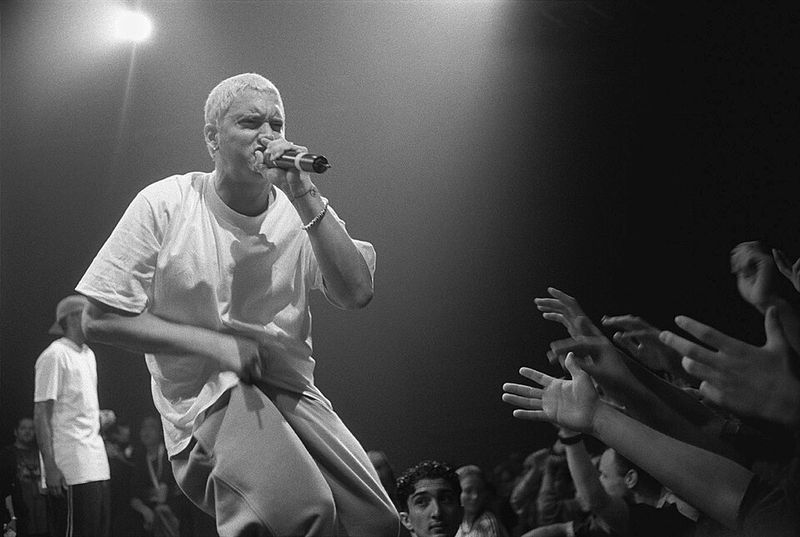
Eminem wrote “Lose Yourself” while filming 8 Mile, reportedly crafting the lyrics between takes on a paper bag. The song captures the pressure of a single defining moment in a way that connected with audiences far beyond the film’s core audience.
It became the first rap song to win the Academy Award for Best Original Song. The track spent 12 weeks at No. 1 on the Billboard Hot 100 and became one of the bestselling rap singles of all time. 8 Mile earned strong reviews and respectable box office numbers, but the song eclipsed everything.
9. My Heart Will Go On – Titanic (1997)
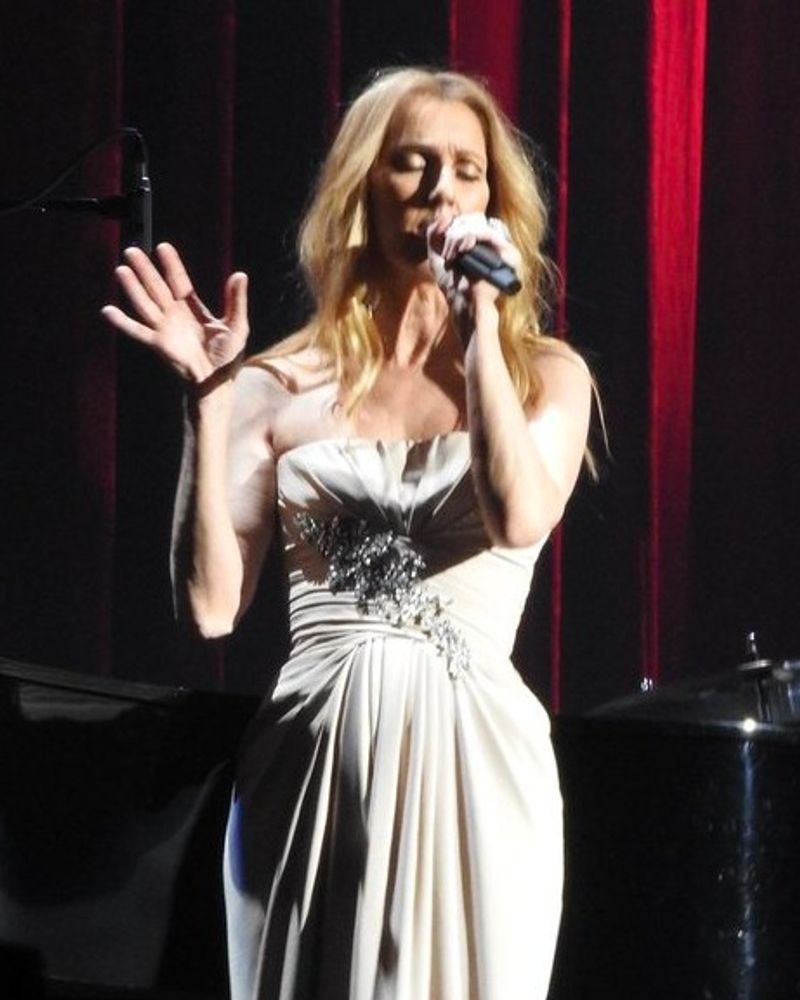
Titanic earned over $2.1 billion at the global box office and became the highest-grossing film in history at the time. By any reasonable standard, that is an extraordinary achievement.
But Celine Dion’s ballad matched that scale in its own right.
“My Heart Will Go On” topped charts in dozens of countries simultaneously. The single sold millions of copies independently of the film and became a staple of radio programming for years after the movie left theaters.
The Titanic soundtrack itself sold over 30 million copies worldwide.
The song won the Academy Award for Best Original Song and the Grammy for Record of the Year. Dion performed it at nearly every major event during the late 1990s.
10. Shallow – A Star Is Born (2018)
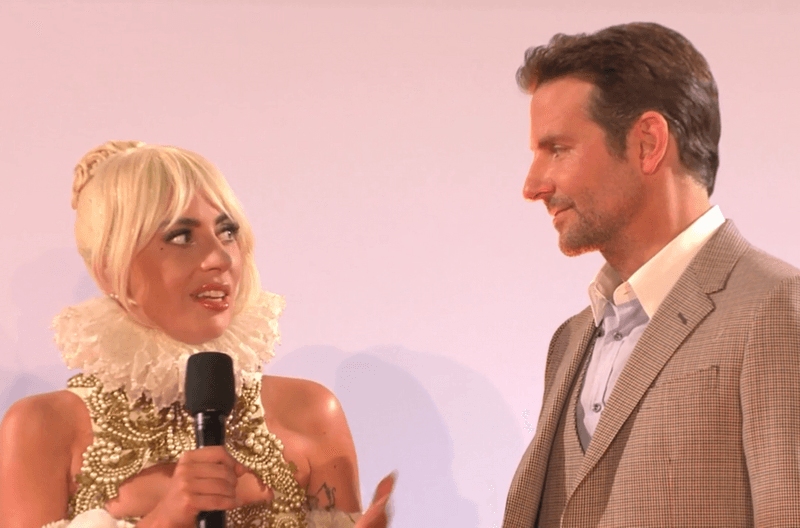
Lady Gaga and Bradley Cooper performed “Shallow” live at the Academy Awards in 2019, and the moment became one of the most discussed award show performances in recent memory. The song had already been dominating streaming platforms for months before that broadcast.
“Shallow” won the Academy Award for Best Original Song and the Grammy for Best Pop Duo/Group Performance. It became the most-streamed Oscar-winning song in history at the time of its release.
A Star Is Born earned strong reviews and solid box office numbers, but the song reached audiences far beyond the film’s viewership.
11. Flashdance… What a Feeling – Flashdance (1983)
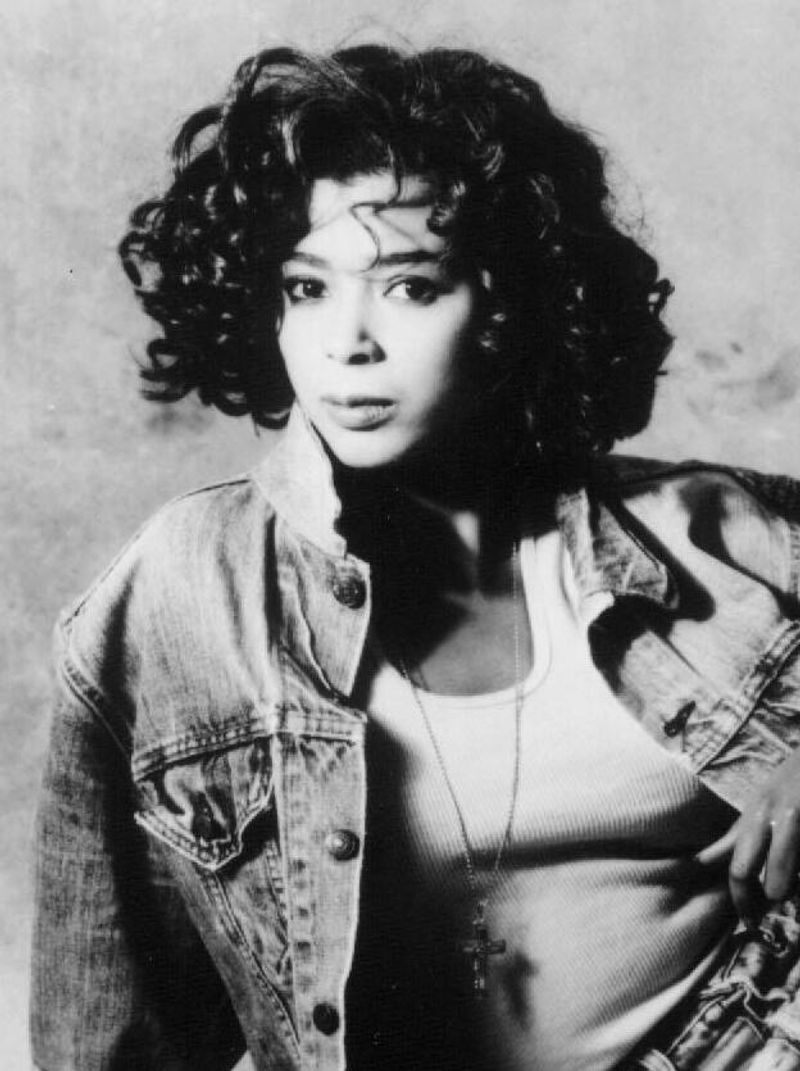
Irene Cara’s performance on this track was so commanding that the song won both an Academy Award for Best Original Song and a Grammy Award for Best Female Pop Vocal Performance. The Flashdance soundtrack sold over 20 million copies worldwide, which is a staggering figure for any film released in 1983.
The movie itself had a modest budget and earned around $201 million globally, a solid return. But the music generated revenue and cultural momentum that extended far beyond the box office window. “Maniac” by Michael Sembello, another track from the same soundtrack, also became a massive standalone hit.
Cara’s voice on the title track became the defining sound of the film’s emotional ambition. Karaoke bars still include it as a staple.
Workout playlists from the 1980s revival era frequently feature it.
12. Take My Breath Away – Top Gun (1986)
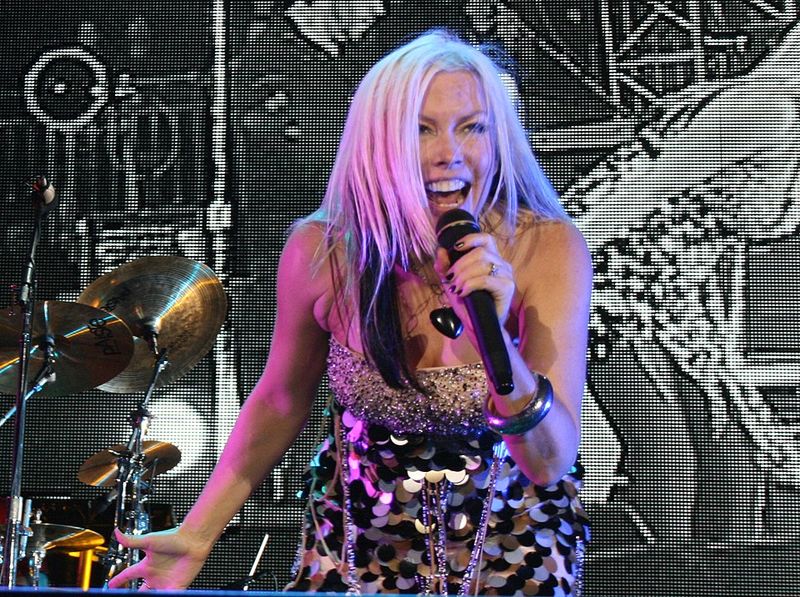
Berlin’s contribution to the Top Gun soundtrack arrived as something of a surprise. The band was known for edgier synth-pop, and a sweeping romantic ballad was not exactly their signature style.
The result, however, won the Academy Award for Best Original Song in 1987.
The song reached No. 1 in multiple countries and became one of the defining love songs of the entire decade. Top Gun was a massive box office hit, earning around $356 million globally on a modest budget.
But “Take My Breath Away” developed a separate commercial identity that outlasted the film’s initial theatrical run.
When Top Gun: Maverick arrived in 2022, the original song resurfaced on streaming platforms and charted again. That kind of multi-decade commercial relevance is extraordinarily rare.
13. Footloose – Footloose (1984)
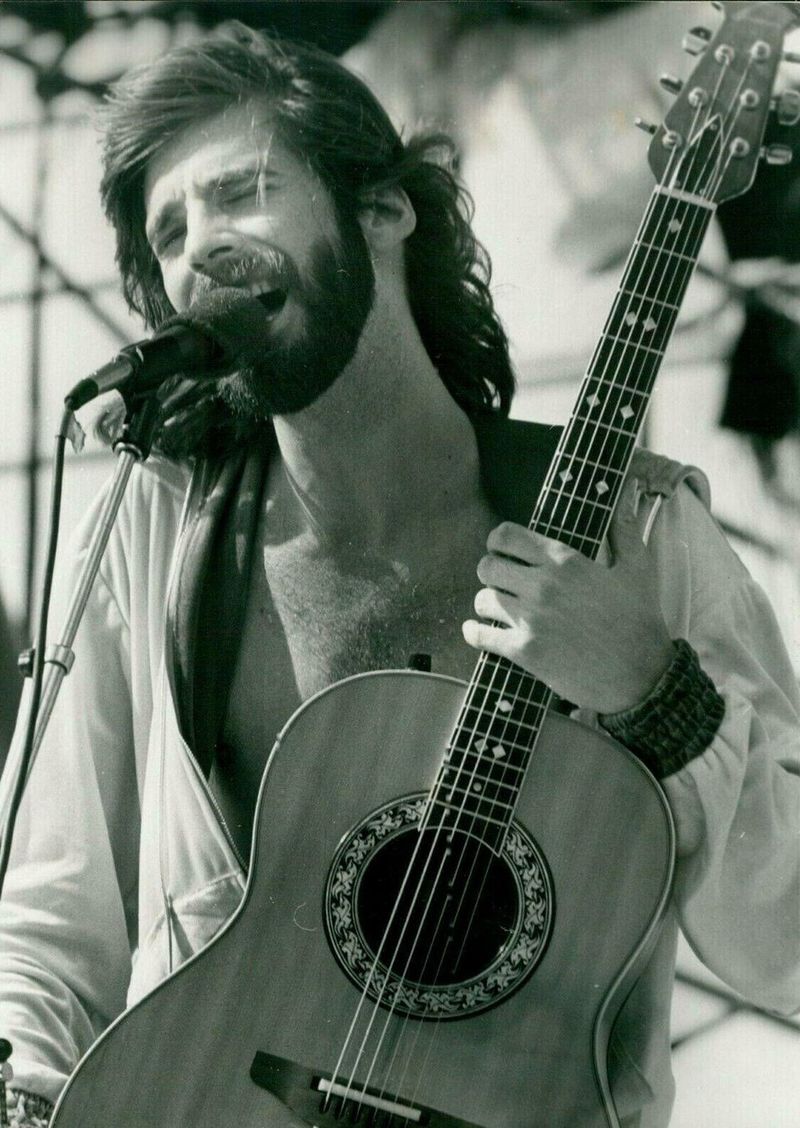
Kenny Loggins delivered one of the most energetic movie tie-in singles of the entire decade with “Footloose.” The song hit No. 1 on the Billboard Hot 100 in 1984 and stayed there for three weeks. Its uptempo beat and defiant spirit perfectly matched the film’s central theme of youth pushing back against rigid authority.
The Footloose soundtrack performed extremely well commercially, driven largely by this lead single. The movie itself earned around $80 million domestically, which was impressive for its budget.
But the song traveled to audiences who never saw the film and stayed in rotation long after the movie cycle ended.
14. Ghostbusters – Ghostbusters (1984)
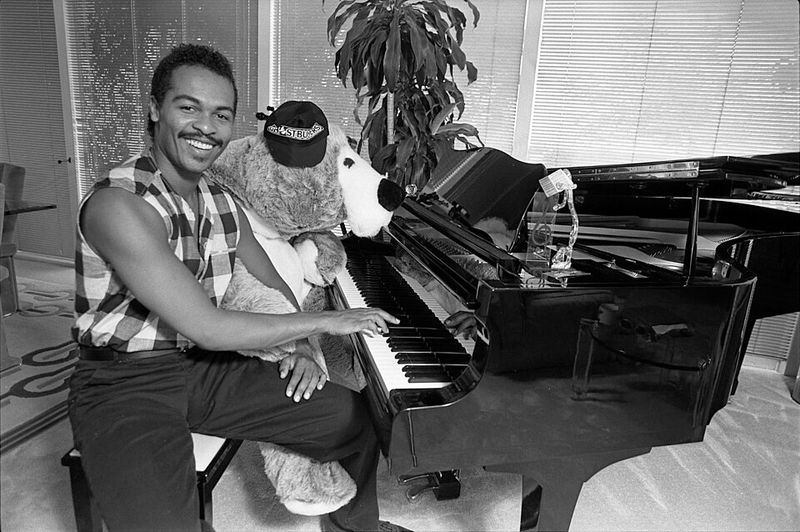
Ray Parker Jr. created one of the most instantly recognizable theme songs in Hollywood history, and he did it under considerable time pressure. The producers needed a track that communicated the film’s blend of comedy and supernatural adventure without leaning too far into either direction.
The result was a pop hook so simple and effective that it became impossible to ignore.
“Ghostbusters” reached No. 1 on the Billboard Hot 100 and stayed there for three weeks in 1984. The film itself was a massive commercial success, earning over $295 million globally.
But the song spread far beyond the movie’s audience into Halloween parties, commercials, and television shows as a standalone cultural reference.
15. I Don’t Want to Miss a Thing – Armageddon (1998)
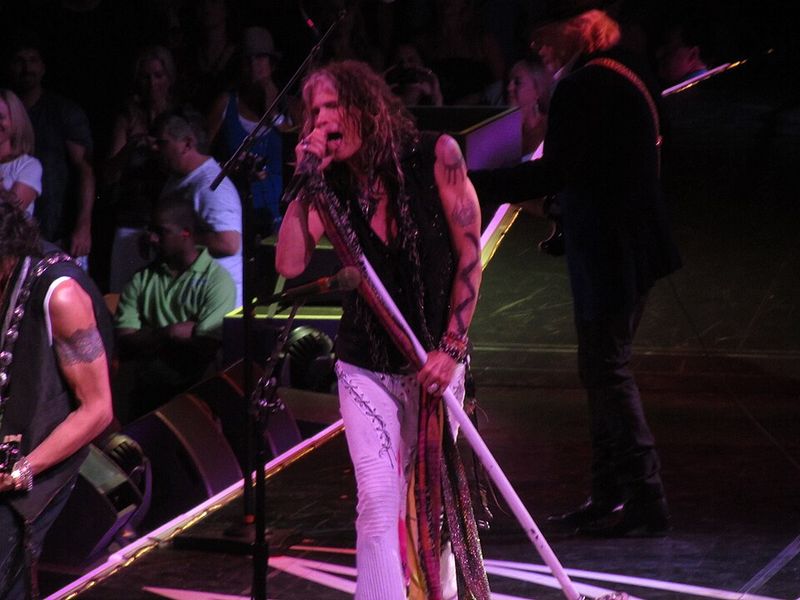
Aerosmith had been one of rock’s most durable acts for decades, but they had never reached No. 1 on the Billboard Hot 100 until this song arrived. That fact alone says something significant about how this ballad changed the band’s commercial trajectory.
It became their first chart-topper after more than 25 years in the music industry.
The song was written specifically for Armageddon by Diane Warren, who crafted it to suit the film’s emotional climax. Armageddon earned around $553 million globally, which made it one of the biggest films of 1998.
But the song developed a completely independent fan base and commercial identity.
16. Mrs. Robinson – The Graduate (1967)
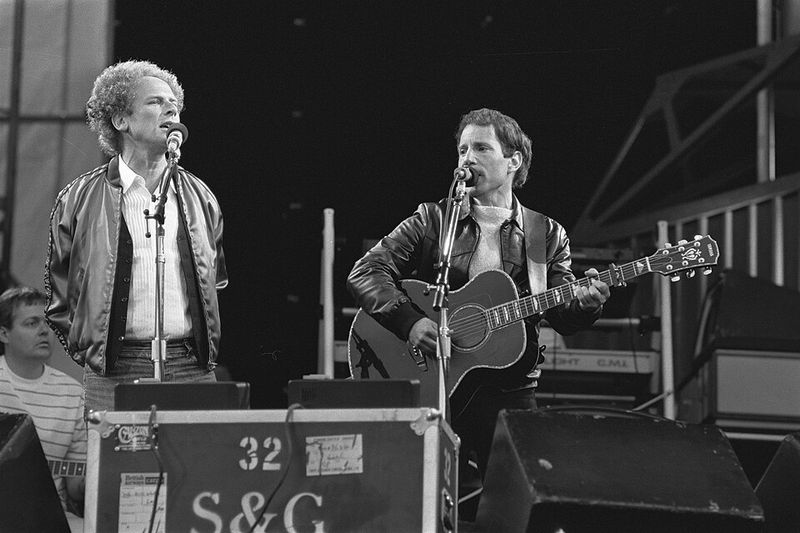
Simon and Garfunkel had already established themselves as significant voices in 1960s folk music when director Mike Nichols recruited them for The Graduate. The film used existing Simon and Garfunkel recordings alongside new material, and the partnership proved commercially transformative for both the duo and the movie.
“Mrs. Robinson” reached No. 1 on the Billboard Hot 100 in 1968. The Graduate earned strong box office returns and critical acclaim, but the song carved out its own place in American cultural history.
It won the Grammy for Record of the Year in 1969, the first rock song to receive that honor.
17. Happy – Despicable Me 2 (2013)
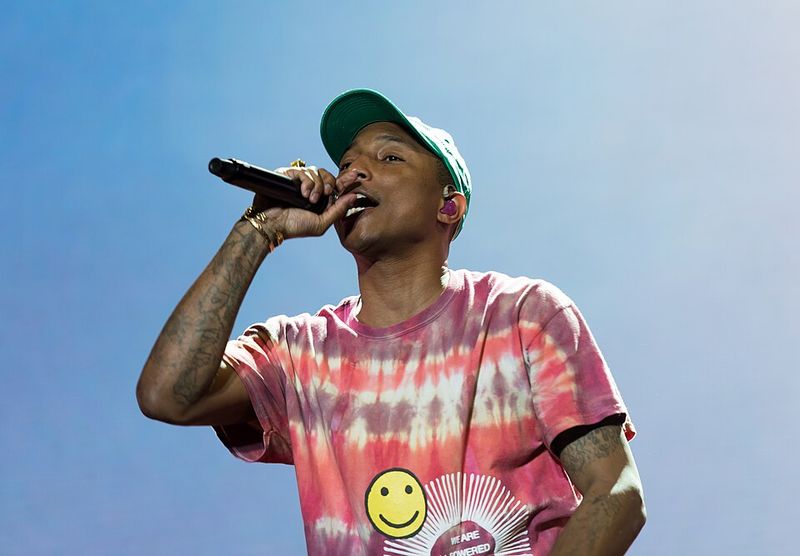
Pharrell Williams wrote “Happy” for Despicable Me 2, but Illumination Entertainment’s animated sequel almost seemed like a footnote once the song started moving. The track was released as a single in November 2013 and spent ten weeks at No. 1 on the Billboard Hot 100 in 2014.
It topped charts in at least 24 countries simultaneously.
The music video became one of the first 24-hour interactive music videos ever produced, and it inspired thousands of fan-made response videos from cities around the world. The song earned an Academy Award nomination for Best Original Song and a Grammy for Best Music Video.
Despicable Me 2 was already a commercial success before the song’s full cultural moment arrived.
18. Can’t Stop the Feeling! – Trolls (2016)
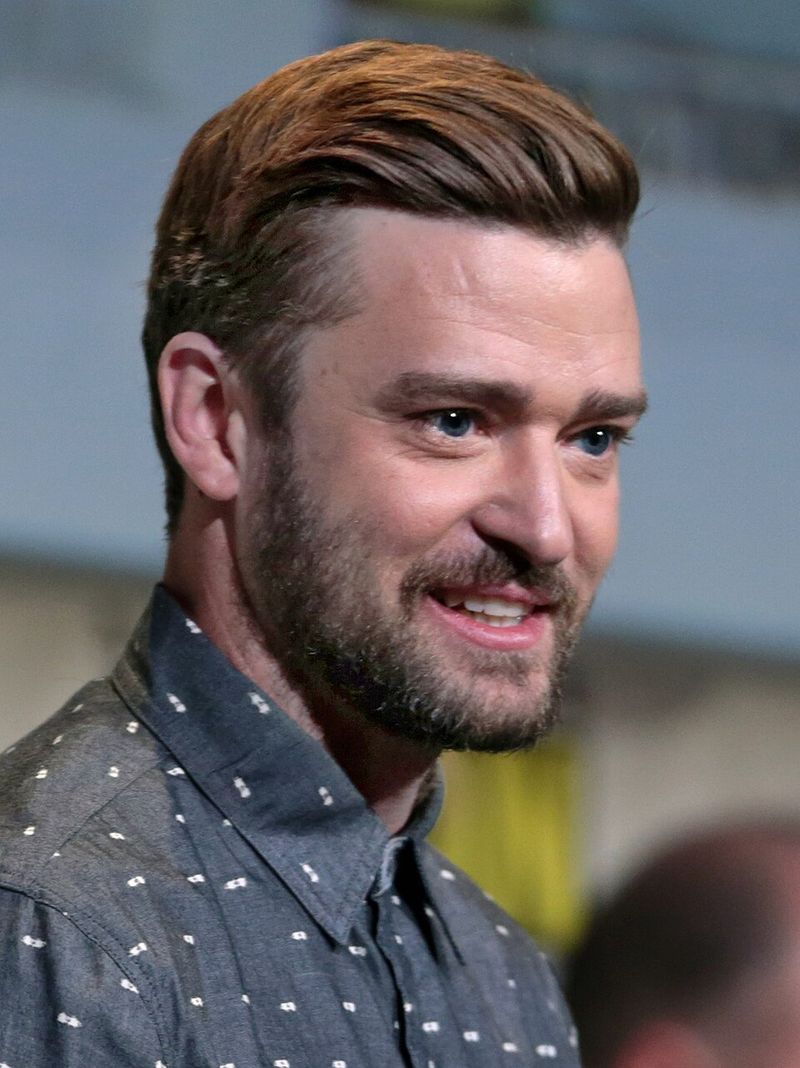
Justin Timberlake wrote, produced, and performed this track for the Trolls soundtrack, and it became one of the most commercially successful songs of 2016. The song debuted at No. 1 on the Billboard Hot 100, making it Timberlake’s second chart-topper as a solo artist.
It earned an Academy Award nomination for Best Original Song.
Trolls performed well at the box office, earning over $346 million globally. But the song’s reach extended far beyond the animated film’s audience.
Elementary schools played it at talent shows and graduation ceremonies. Sports teams adopted it as a warm-up anthem.
Its tempo and structure made it almost physically difficult to sit still during.
19. Against All Odds – Against All Odds (1984)
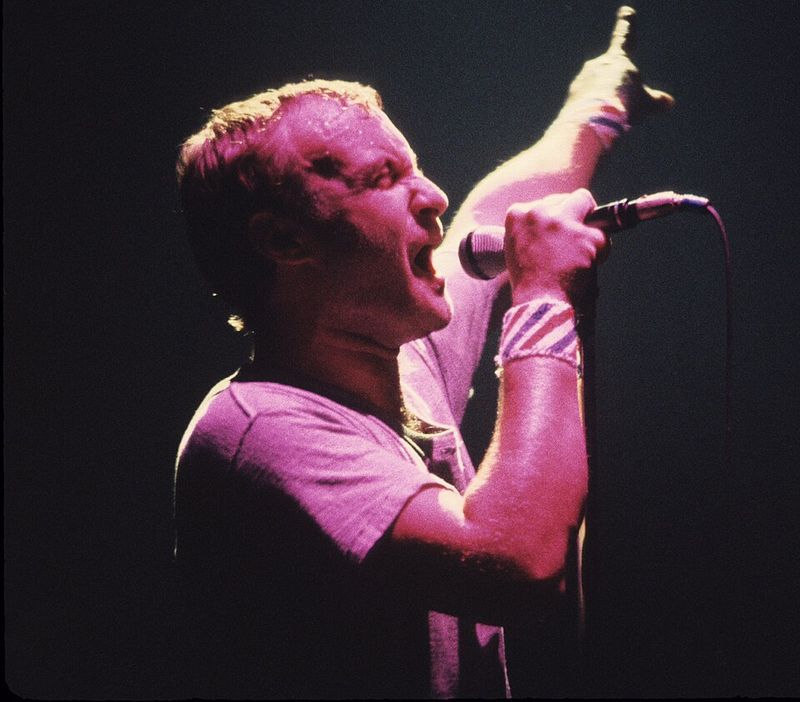
Phil Collins wrote “Against All Odds” as a heartfelt piece about personal loss and longing, and that emotional directness is what separated it from most movie tie-in songs of the era. The ballad reached No. 1 on the Billboard Hot 100 in 1984 and became one of Collins’ signature recordings.
The film it accompanied, a romantic thriller starring Jeff Bridges and Rachel Ward, earned modest returns and faded from cultural memory fairly quickly.
The song, by contrast, became a permanent fixture on classic hits radio stations around the world. It earned an Academy Award nomination for Best Original Song, though controversially, Collins was not invited to perform it at the ceremony.
That snub generated significant press coverage and actually increased public interest in the track.
Share this story