 Unearth The Voyage
Discover the magic behind some of cinema’s most iconic backdrops. From ancient ruins to bustling cities, these filming locations have captured the imagination of filmmakers and audiences alike, becoming integral parts of storytelling on the big screen.
Join us as we explore the settings where movie magic was created.
Central Park, New York City, USA
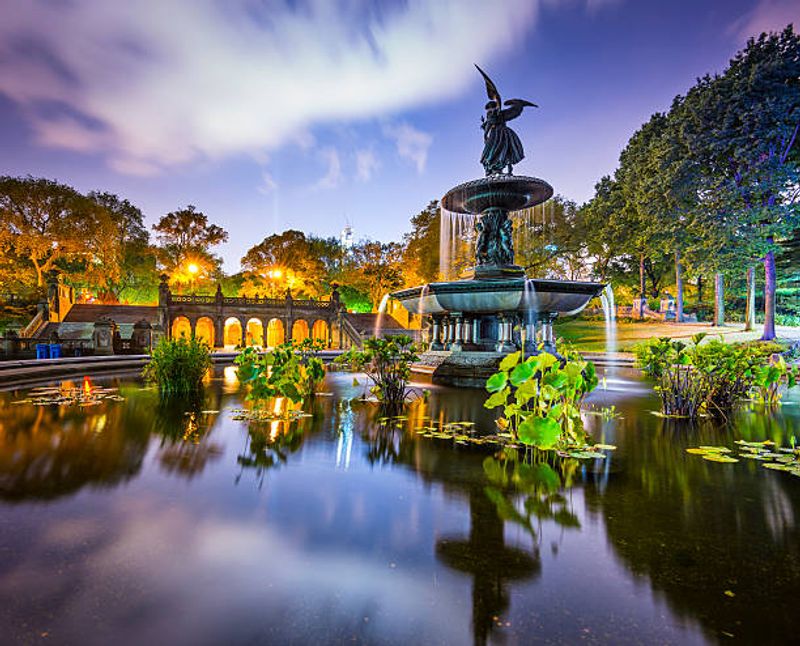
Central Park isn’t just one of the world’s most beloved green spaces — it’s also an iconic movie backdrop. This sprawling urban oasis has appeared in Home Alone 2: Lost in New York, When Harry Met Sally, The Avengers, Birdman and countless others, making it one of the most filmed locales in cinema history. What makes Central Park so popular with filmmakers is its diversity: tranquil lakes, open lawns, wooded paths, and architectural landmarks that can suit romantic comedies, action blockbusters, and dramatic character moments alike.
Visitors today can recognize familiar spots — like the Bethesda Terrace or Bow Bridge — that audiences have seen on-screen for decades. As viewers, we’ve watched characters wander through its landscapes, negotiate life’s twists beside its fountains, and even battle supervillains against its skyline. Central Park isn’t just a backdrop — it’s a cinematic character in its own right, representing New York’s romance, grit, and endless storytelling potential.
Hobbiton, Matamata, New Zealand
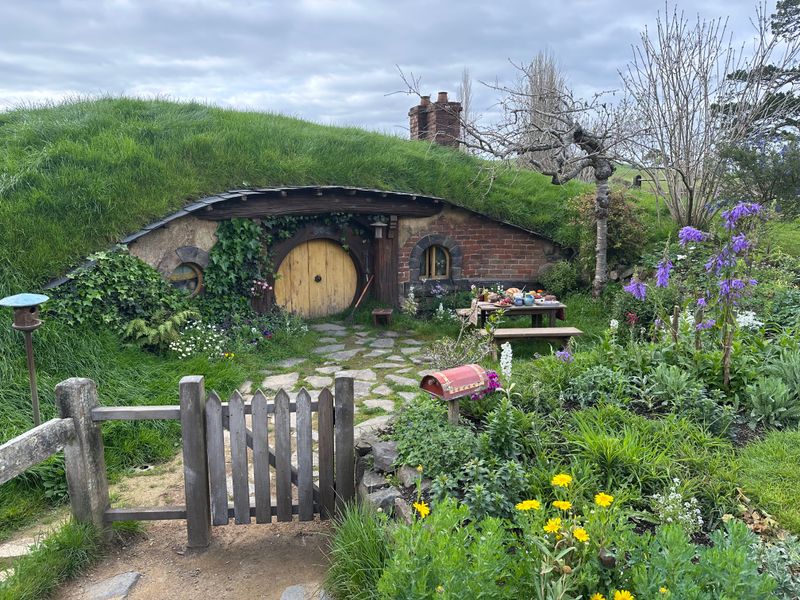
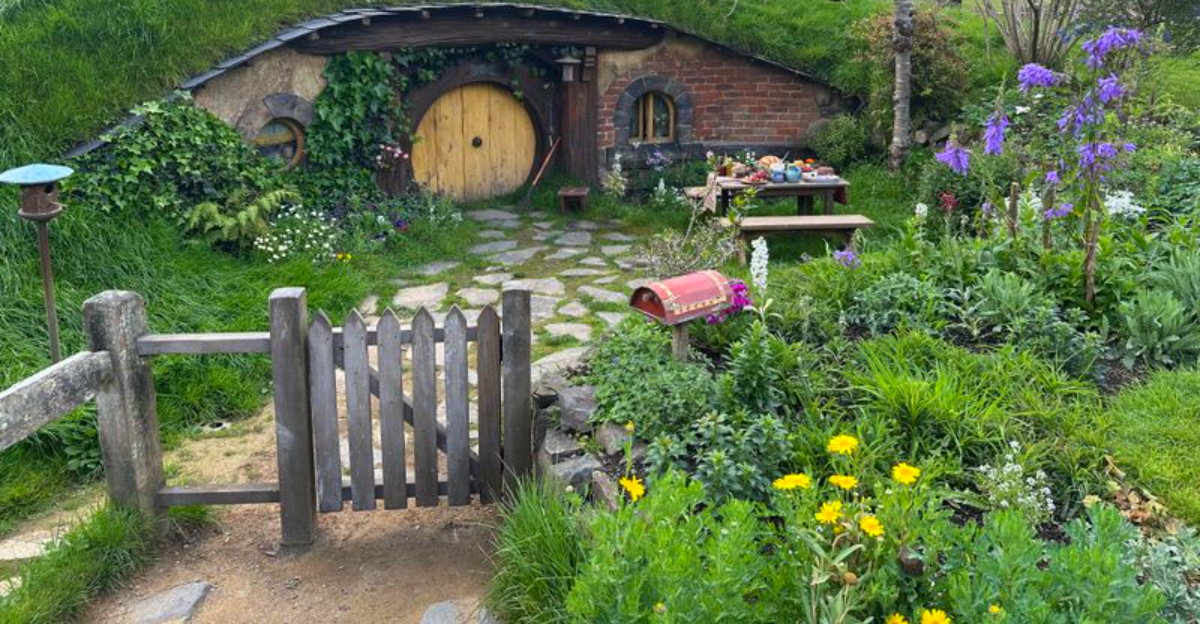
For fans of The Lord of the Rings and The Hobbit trilogies, Hobbiton is nothing short of magical. Located near Matamata on New Zealand’s North Island, this lush farmland became the Shire — the serene homeland of hobbits — during Peter Jackson’s epic adaptations of J.R.R.
Tolkien’s beloved books. The site’s rolling green hills, round doorways, and charming hobbit holes were meticulously crafted for film and preserved as a permanent set that millions now visit each year. It’s one of the rare movie locations where fantasy meets reality so seamlessly that visitors feel transported into another world. Guided tours take you through Bag End, the Mill, and even the Green Dragon Inn, offering fans an immersive experience beyond the screen.
The global fame of Hobbiton has helped turn this rural part of New Zealand into a top travel destination — proof of how a fictional place can become a real-world landmark through cinema.
Dubrovnik, Croatia – King’s Landing
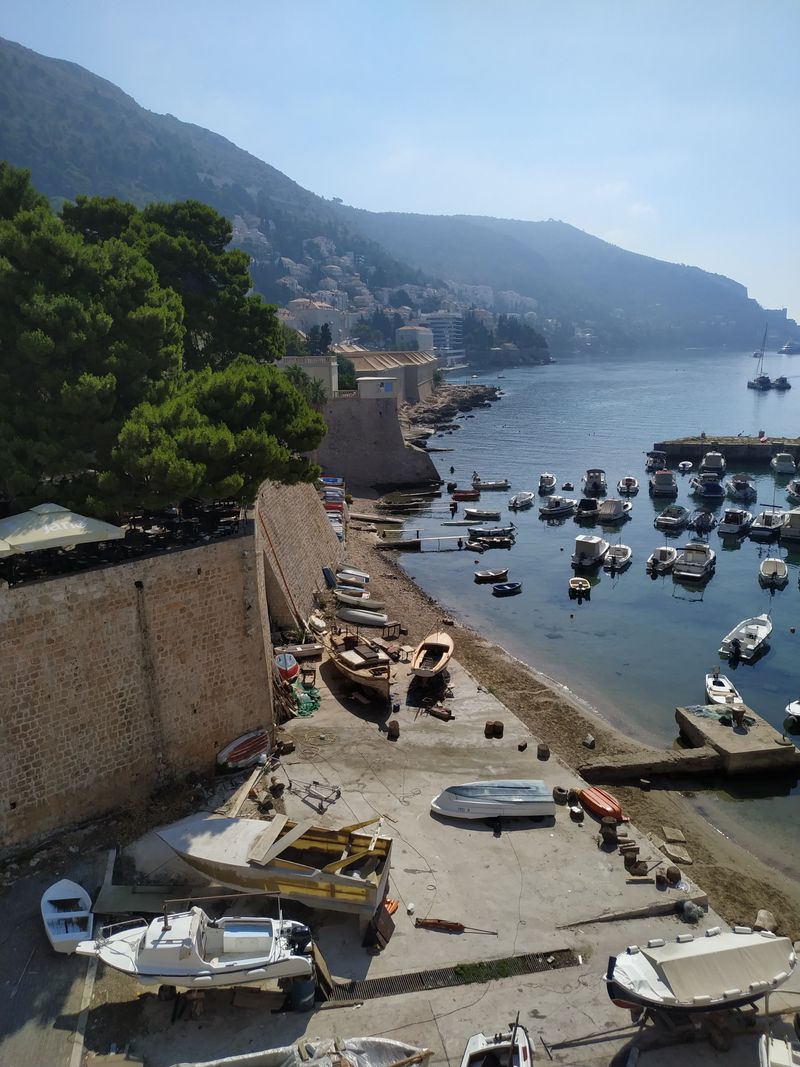
The medieval city of Dubrovnik, with its ancient stone walls and terracotta rooftops, became a defining filming location for HBO’s Game of Thrones, representing the capital of the Seven Kingdoms — King’s Landing. Its historic Old Town streets hosted political intrigue, sword fights, and iconic confrontations across multiple seasons, embedding Dubrovnik in pop-culture lore.The city also appeared in Star Wars: The Last Jedi, where it was transformed into the opulent casino city of Canto Bight, and even Bollywood’s Fan.
Its fortress ramparts and seaside vistas deliver immediate visual impact — a reason filmmakers keep returning. Today, Dubrovnik draws fans from around the world for location tours that trace the footsteps of characters like Cersei Lannister and Daenerys Targaryen, while local guides explain how the city’s real architecture enhanced the fantasy world on-screen. Dubrovnik’s cinematic legacy reflects how ancient places can gain new life through film, merging history with modern storytelling and tourism.
Colosseum, Rome, Italy
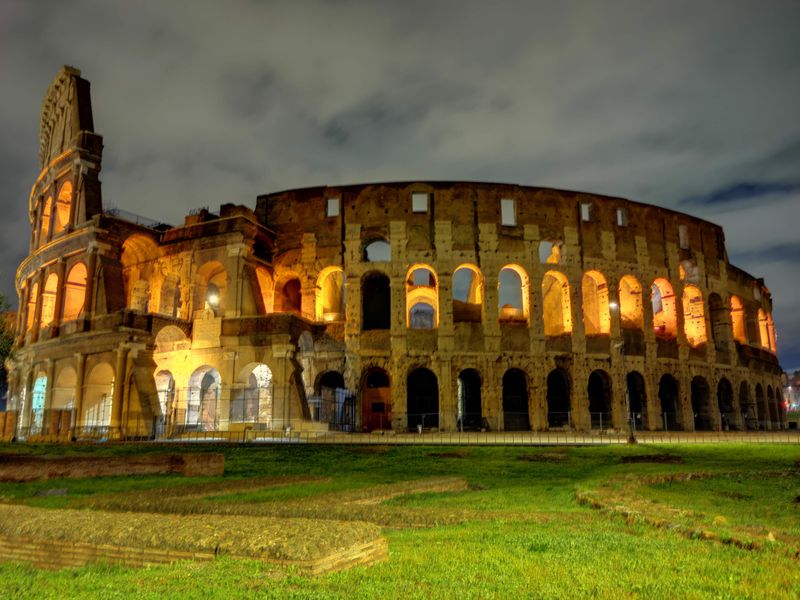
Few landmarks are more instantly recognizable than Rome’s Colosseum — and few have appeared more memorably in film. This ancient amphitheater has served as a backdrop in films from Roman Holiday to Gladiator, where its massive stone arches and storied history contributed to epic reenactments of Rome’s past.Beyond historical dramas, the Colosseum has popped up in action and sci-fi films like Jumper and even Godzilla x Kong: The New Empire, showcasing its versatility as a cinematic location.
What makes the Colosseum enduringly cinematic isn’t just its monumental scale, but the way its presence evokes centuries of human drama: power struggles, triumph, tragedy — themes movies have depicted time and time again.For travelers and film lovers alike, seeing the Colosseum in person provides a visceral connection to both real history and Hollywood’s grand storytelling ambitions.
Kauaʻi, Hawaii – Jurassic Landscapes
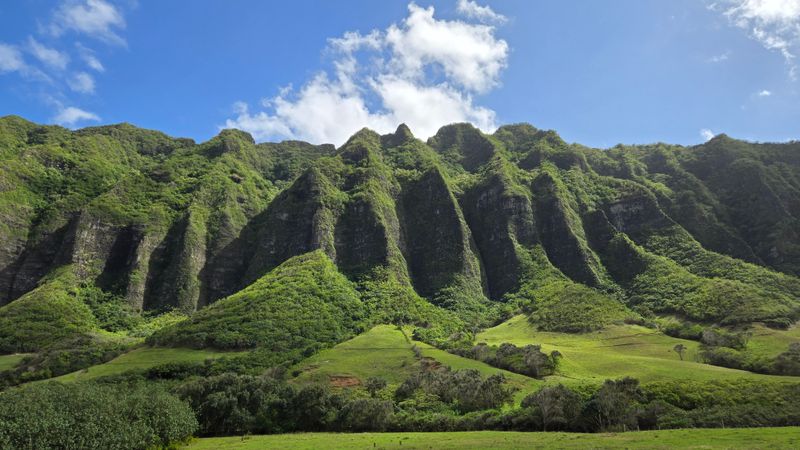
The Hawaiian island of Kauaʻi has become synonymous with sweeping cinematic landscapes. Its dramatic cliffs, lush valleys, and jungle waterfalls brought the fictional Isla Nublar to life in Jurassic Park (1993) and its sequels, creating some of the most iconic moments in dinosaur cinema.Beyond Spielberg’s franchise, Kauaʻi’s scenery has appeared in South Pacific, Lilo & Stitch, Raiders of the Lost Ark, King Kong (1976) and more, illustrating why filmmakers return repeatedly.
Waimea Canyon’s red-and-green rock formations and Hanalei Valley’s verdant ridges deliver natural backdrops that are both grand and intimate, ideal for adventure, fantasy, and romance genres alike.Kauaʻi’s cinematic legacy has contributed to its allure as a destination where film history meets tropical adventure — letting fans literally walk where legends on-screen once stood.
Skellig Michael – Star Wars, Ireland
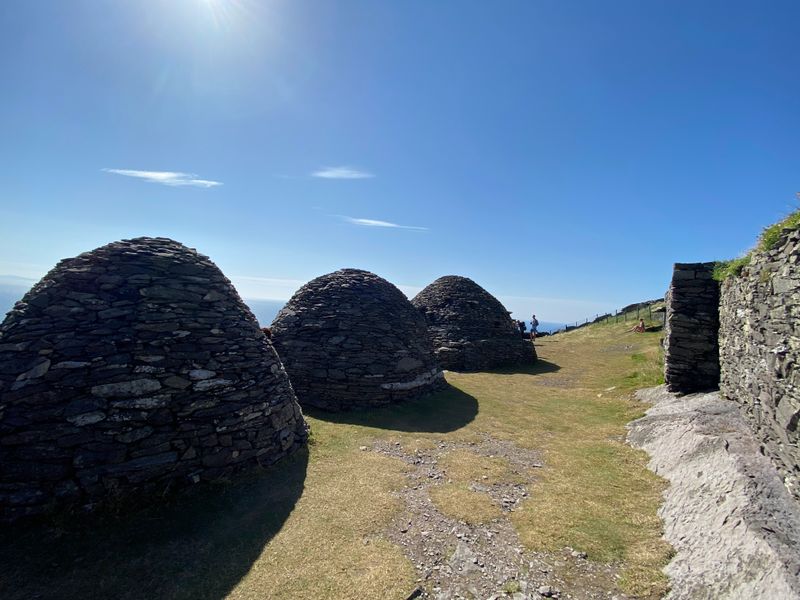
Skellig Michael is a rugged island off the southwest coast of Ireland that became one of the most talked-about filming locations in recent cinema history. Most notably, it stood in as Ahch-To — the remote planet where Rey trains with Luke Skywalker in Star Wars: The Force Awakens and The Last Jedi.The UNESCO World Heritage site’s dramatic cliffs and ancient monastic ruins provided an evocative, windswept backdrop that perfectly suited the mythic tone of the saga’s later episodes.
Reaching this location isn’t easy — access is weather-dependent and usually by boat — but for Star Wars fans, the pilgrimage is worth it.The island’s towering sea cliffs, stone beehive huts, and Atlantic vistas feel otherworldly even off-screen, offering visitors a visceral connection to the epic’s universe. Beyond Star Wars, Skellig Michael’s rich history as an early Christian monastic settlement makes it compelling in its own right, blending cultural heritage with blockbuster fame.
Alnwick Castle – Harry Potter, England
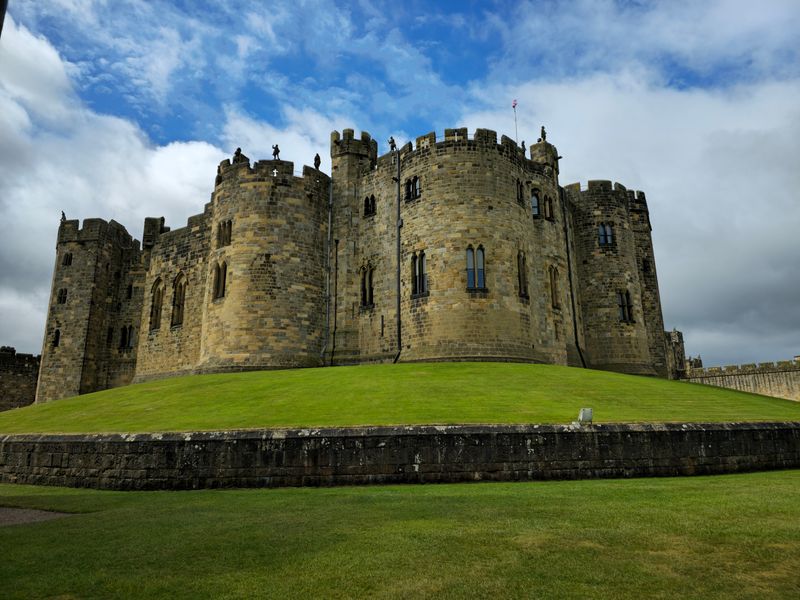
Alnwick Castle in Northumberland, England, helped bring the magical world of Harry Potter to life. As the real-world exterior of Hogwarts School of Witchcraft and Wizardry in Harry Potter and the Philosopher’s Stone and The Chamber of Secrets, the castle’s grand stone battlements, courtyards, and lush courtyards were perfect for early wizarding scenes, including Harry’s first broomstick lesson.Beyond its Potter pedigree, Alnwick Castle is one of England’s most historic and well-preserved medieval fortresses, with roots stretching back to the Norman conquest.
Today, fans can take part in broomstick flying activities on its grounds, walk through courtyards seen on screen, and explore exhibitions about its cinematic history.The castle’s dramatic turrets and historic ambiance have also made it a backdrop for many other films and TV shows, cementing its place in both British history and pop culture.
Petra – Indiana Jones and the Last Crusade, Jordan
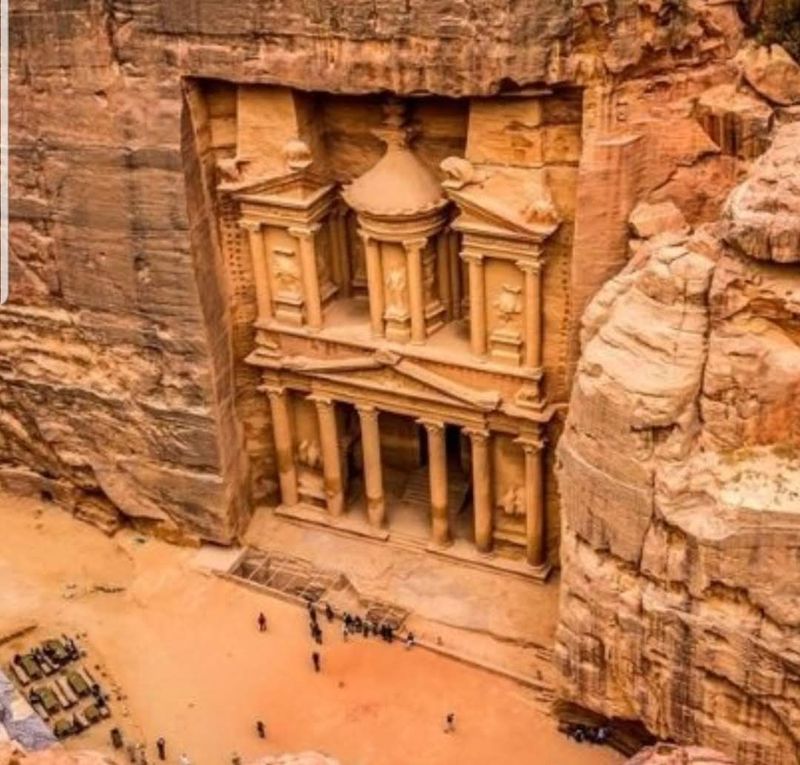
The ancient city of Petra in Jordan, carved into rose-red sandstone, is one of the world’s most breathtaking archaeological sites and a standout film location. Most famously, its elaborate façade known as the Treasury was featured in Indiana Jones and the Last Crusade as the hiding place of the Holy Grail.In the movie, Indiana Jones and his father race against time through Petra’s dramatic canyon entrance to reach this mystical chamber — a scene that helped put the location on the cinematic map.
Beyond Indiana Jones, Petra’s sweeping desert landscapes, intricate rock carvings, and millennia-old structures have drawn filmmakers and adventurers alike, making it a symbol of cinematic exploration.Visitors today still traverse the Siq, gaze upon the Treasury’s detailed carvings, and imagine themselves in a real-life adventure film.
Café des 2 Moulins – Amélie, Paris
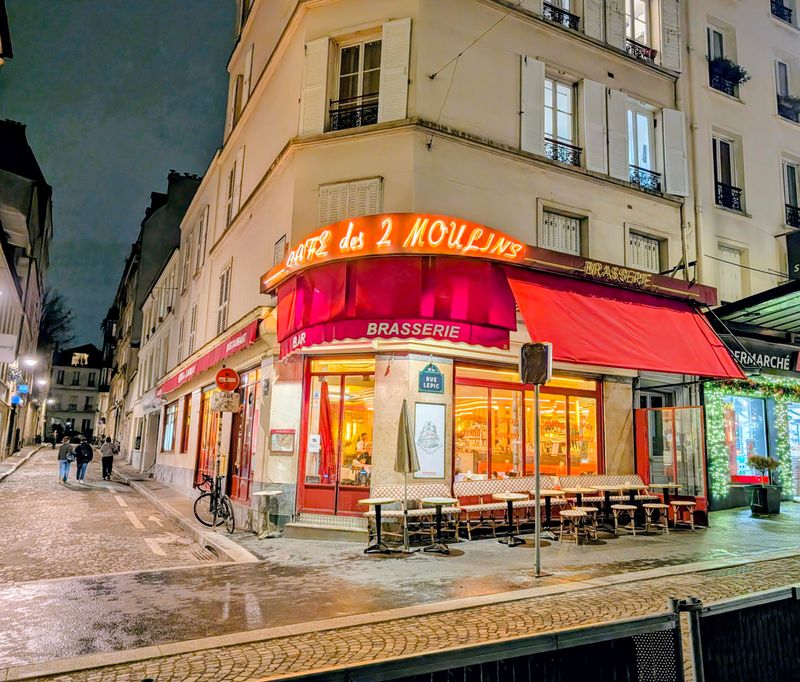
Situated in Montmartre, Paris, Café des 2 Moulins gained global recognition thanks to Jean-Pierre Jeunet’s whimsical Amélie (2001). In the film, it serves as the workplace of the quirky heroine, Amélie Poulain, becoming a central setting for some of the movie’s most memorable moments.Unlike many film spots that fade over time, this café thrives as a destination where fans sip coffee at the same tables seen on screen, soak up Parisian ambiance, and relive the film’s playful charm.
Its bright red exterior and classic Paris café interior have made it a symbol of Montmartre’s cinematic identity, blending storytelling with everyday culture.Many visitors now come specifically to see where Amélie’s adventures began, making this café not just a dining spot — but a piece of film history.
Katz’s Delicatessen – When Harry Met Sally, New York City
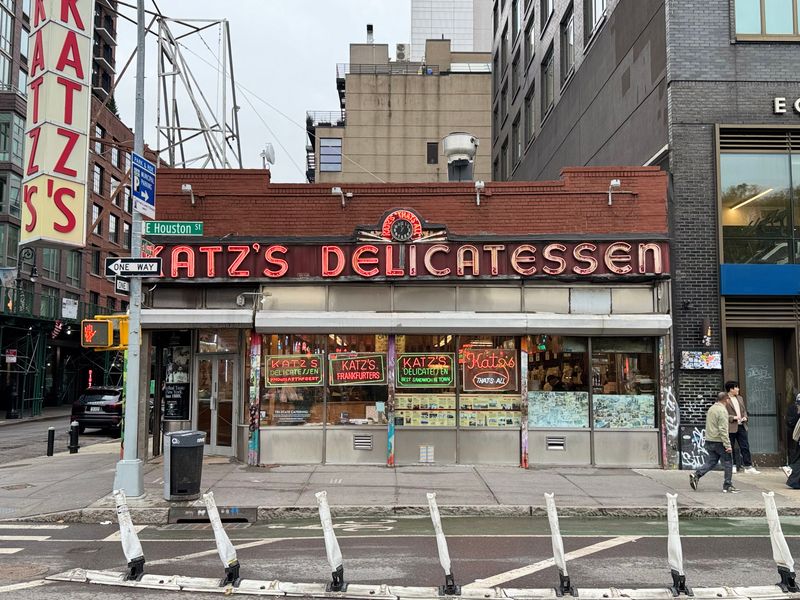
Katz’s Delicatessen on Manhattan’s Lower East Side is famous not just for its towering pastrami sandwiches, but for one of the most quoted scenes in romantic comedy history. In When Harry Met Sally, Meg Ryan’s character delivers the unforgettable line, “I’ll have what she’s having,” after a staged demonstration of a convincing fake orgasm at a Katz’s table.Today, the deli embraces its on-screen fame with a marker at the exact table where the scene was filmed — a must-see for film buffs.
Beyond its cinematic legacy, Katz’s has been serving classic Jewish deli fare since 1888, making it a living piece of New York history.The combination of culinary tradition and pop-culture fame ensures that Katz’s remains a bucket-list stop for visitors from around the world, blending real-world flavor with timeless film nostalgia.
Santorini, Greece – Mamma Mia! and More
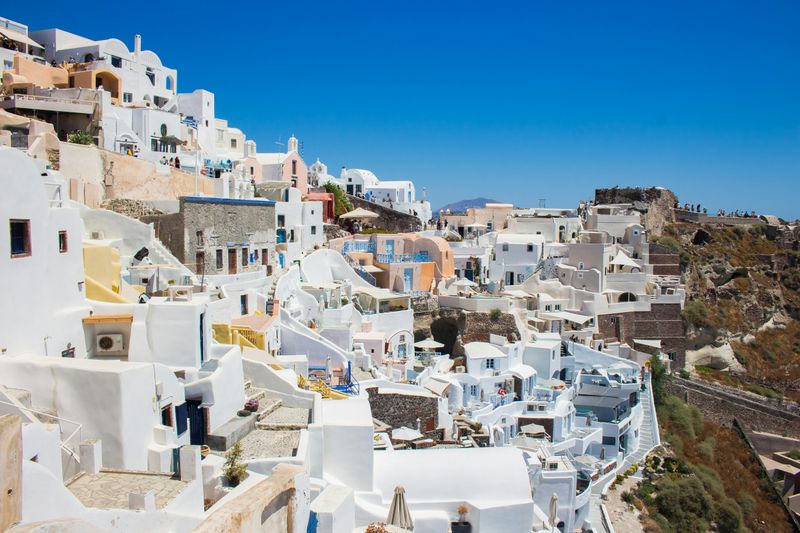
The stunning Greek island of Santorini is known for its dazzling white-washed buildings and Aegean views — and Hollywood has taken notice. The island’s landscapes feature prominently in the musical Mamma Mia! and its sequel, where its scenic beauty helps set the tone for song, romance, and seaside moments.Beyond the Mamma Mia! franchise, Santorini’s vistas have appeared in numerous travel films and commercials, attracting filmmakers drawn to its iconic architecture and breathtaking seascapes.
Visitors today can climb winding paths through cliffside villages, watch sunsets from Oia, and recognize locations from beloved movies as they explore cafes and calderasides featured on camera.Santorini’s cinematic allure lies in its natural beauty — a landscape so striking that filmmakers return again and again.
Jaws’ Martha’s Vineyard, USA
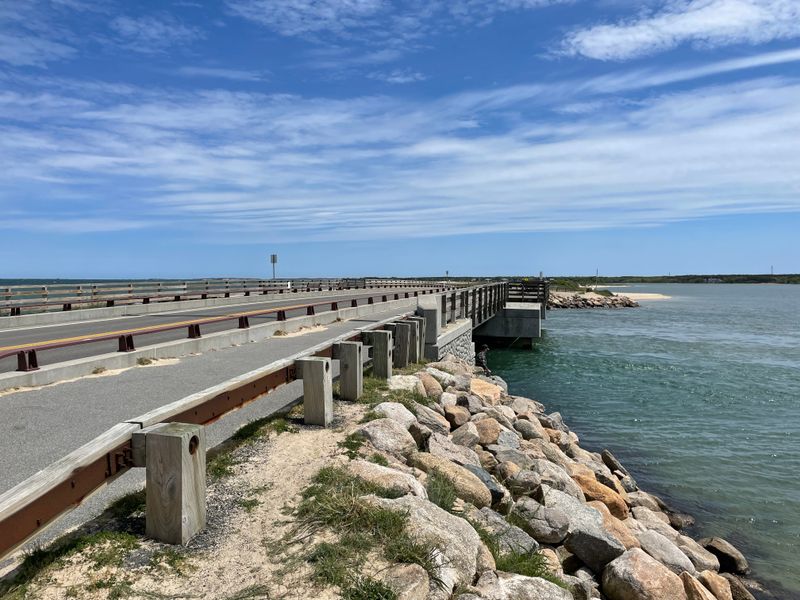
Martha’s Vineyard, a serene island off the Massachusetts coast, became forever linked with Hollywood thanks to Jaws (1975). Director Steven Spielberg chose its beaches and harbor towns to film much of the blockbuster’s seaside terror, transforming its quaint summer vibe into a backdrop for one of cinema’s most iconic thrillers.Locations such as Edgartown Harbor and South Beach appear throughout the film, where visitors today often recognize familiar docks and storefronts.
Despite the movie’s fearsome reputation, Martha’s Vineyard remains a popular tourist destination, marrying its cinematic history with natural beauty and relaxed island culture.Fans of Jaws can tour shooting spots, imagine the great white’s shadow beneath the waves, and enjoy the island’s charm that captivated Spielberg’s camera.
Doune Castle – Monty Python and the Holy Grail, Scotland
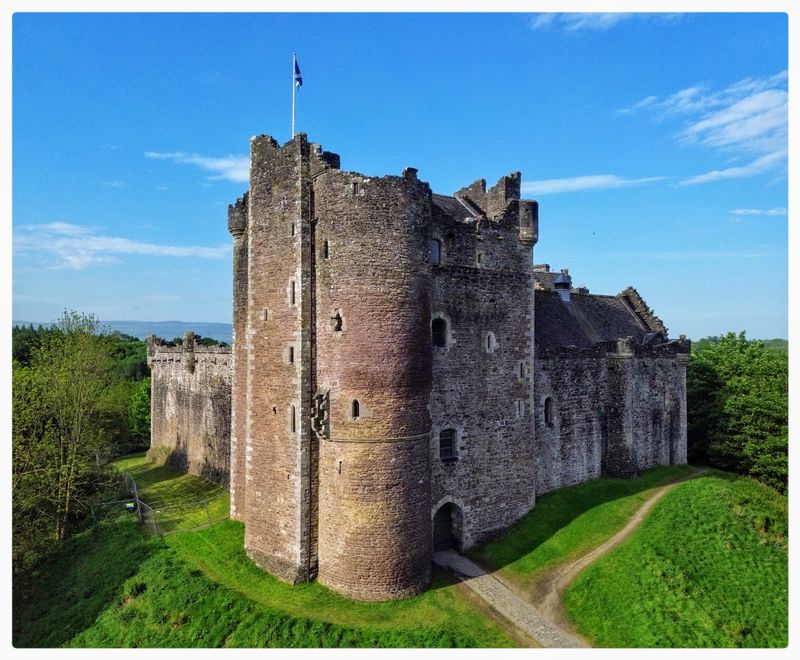
Doune Castle in central Scotland earned cult status as one of Monty Python and the Holy Grail’s key filming sites. Its medieval turrets and courtyards were used to represent multiple castles in the film through clever camera angles and comedic narrative twists.Beyond Python, Doune Castle’s dramatic architecture has made it a frequent choice for historical films and TV series.
Fans of the cult classic now flock to the site to reenact silly scenes, pose with sword props, and absorb its quirky cinematic energy.Combining historical significance with cinematic lore, Doune stands as a testament to how even comedy classics can elevate real places to beloved landmarks.
The Bradbury Building – Blade Runner, USA
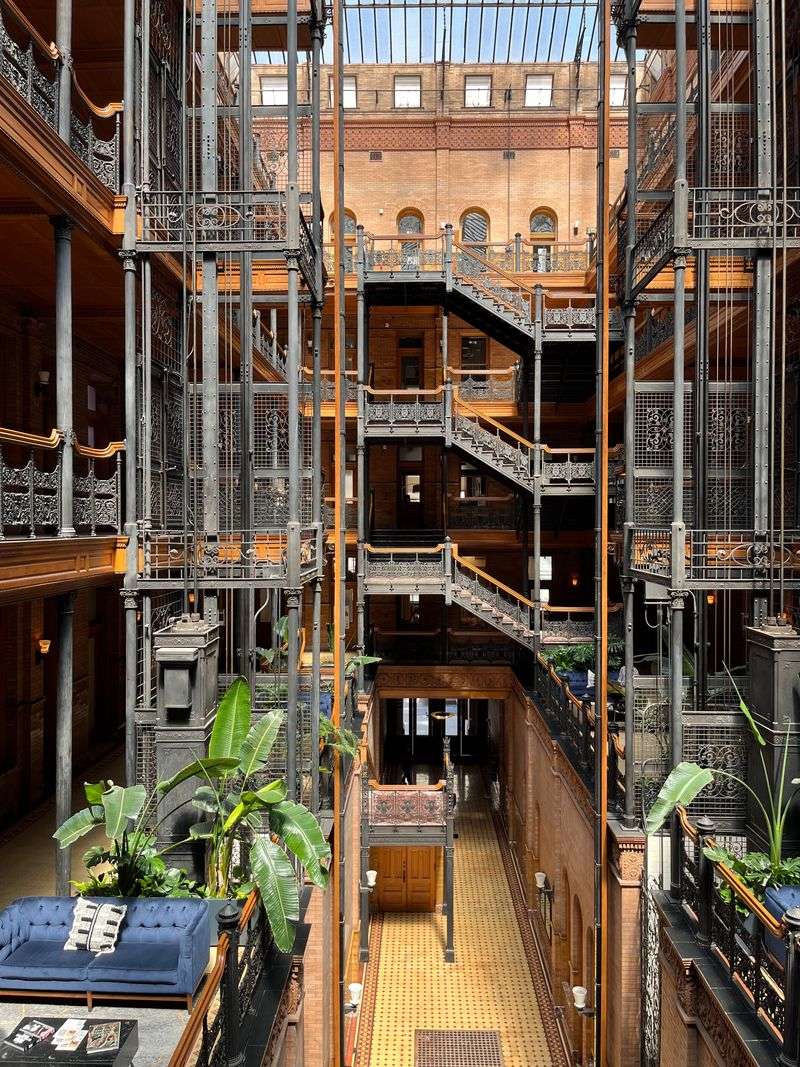
The Bradbury Building in downtown Los Angeles is one of the city’s architectural gems — and a sci-fi icon. Its ornate ironwork and soaring atrium interior were central to the dystopian future depicted in Blade Runner (1982), especially in scenes involving Rutger Hauer’s character.Beyond Blade Runner, the Bradbury’s interiors have appeared in dozens of films across genres, from noir to romance to drama, making it one of L.A.’s most frequently filmed indoor locations.
Film enthusiasts visiting the city still seek out its skylit corridors and classical design, imagining cinematic moments that once unfolded within its walls.Its continued presence in cinema demonstrates how striking architecture can shape a movie’s atmosphere and become inseparable from cinematic memory.
Bourne Wood – Gladiator and More, UK
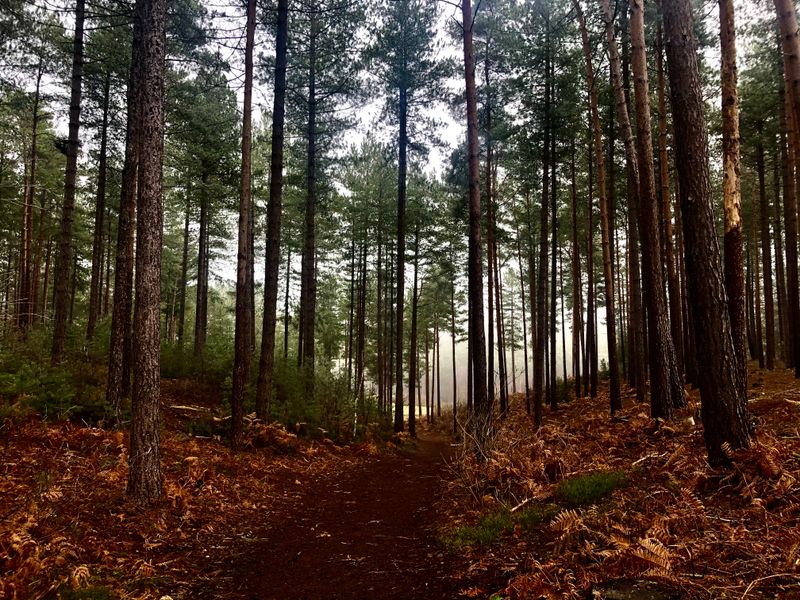
Bourne Wood in Surrey, England, is a lush forest landscape that has been featured in many films, most famously the opening battle scenes of Gladiator (2000). Its dense woods, trails, and natural light offer filmmakers the flexibility to depict everything from ancient battlefields to mystical forests.In addition to Gladiator, the site has hosted scenes for TV series like House of the Dragon, where its varied terrain helped bring dramatic fantasy landscapes to life.
For film lovers, walking through Bourne Wood offers a sense of connection to these epic stories — a reminder that location can become as central to a film’s identity as its characters or plot.The forest’s natural beauty and cinematic legacy combine to make it a beloved location for both filmmakers and visitors alike.
Goathland Station – Harry Potter, UK
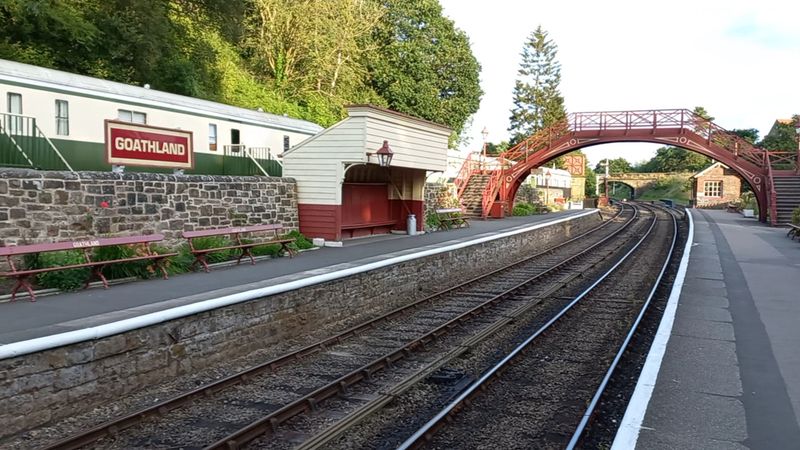
Goathland Station in North Yorkshire, England, appears in Harry Potter and the Philosopher’s Stone as the first stop Harry makes on the Hogwarts Express’s journey to Hogwarts School of Witchcraft and Wizardry. Fans of the franchise will instantly recognize the nostalgic scene where Harry spots Hagrid and steps onto platform shoreside.The station, part of the heritage North York Moors Railway, retains its vintage charm, letting fans relive that magical moment.
Visitors also enjoy exploring the surrounding moorland scenery that appears in the film — a reminder of how rural England’s landscapes helped define the look and feel of the wizarding world.The combination of cinematic charm and historical significance makes Goathland Station a must-see for Potter enthusiasts.
Hogsmeade & Hogwarts Sites – Harry Potter, UK
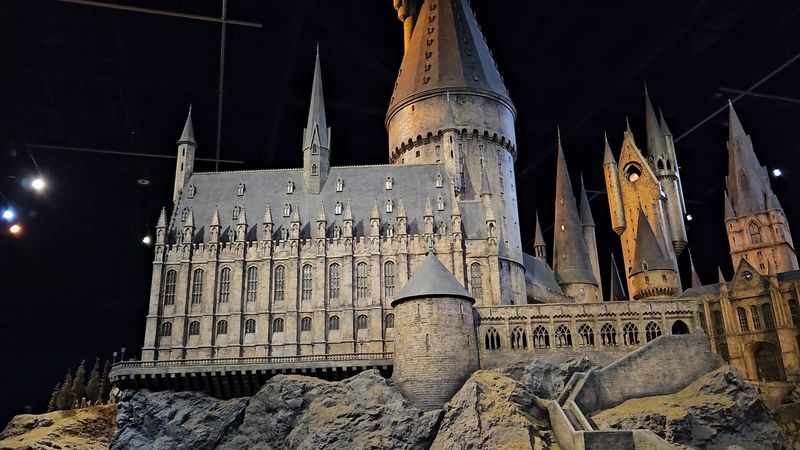
England’s countryside, including locations like Lacock Abbey and Gloucester Cathedral, helped bring Hogwarts and other magical locales to life in the Harry Potter films. These historic sites provided atmospheric interiors and corridors that became the school’s hallways and chambers.Cathedral cloisters and abbey rooms allowed filmmakers to convey otherworldly mystery, helping solidify the franchise’s iconic aesthetic.
Many fans visit these sites on Harry Potter tours, blending literary passion with real-world history.The magical blend of historic architecture and cinematic wonder continues to draw visitors seeking to experience the enchanting world of Harry Potter.
Venice Canals – Casino Royale & More, Italy
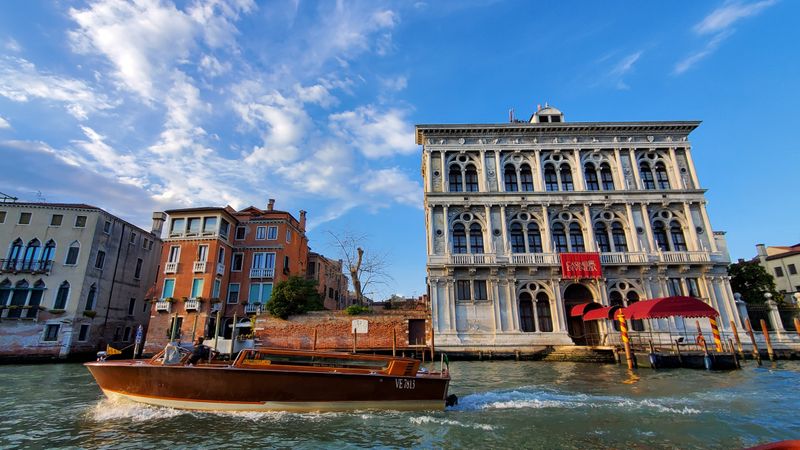
Venice’s winding canals, ancient bridges, and romantic piazzas have made it a perennial favorite in cinema, including pivotal scenes in Casino Royale where James Bond’s pursuit sequences unfold through the city’s waterways.
The city’s labyrinthine beauty also graced films like The Tourist and Don’t Look Now, reinforcing Venice as a cinematic staple. Walking its alleys today, visitors relive iconic chases, romantic encounters, and dramatic revelations set against Venice’s timeless backdrop.
The blend of cinematic history and enchanting beauty makes Venice a dream location for filmmakers and a beloved destination for tourists.
Asheville’s Biltmore Estate – Forrest Gump & More, USA
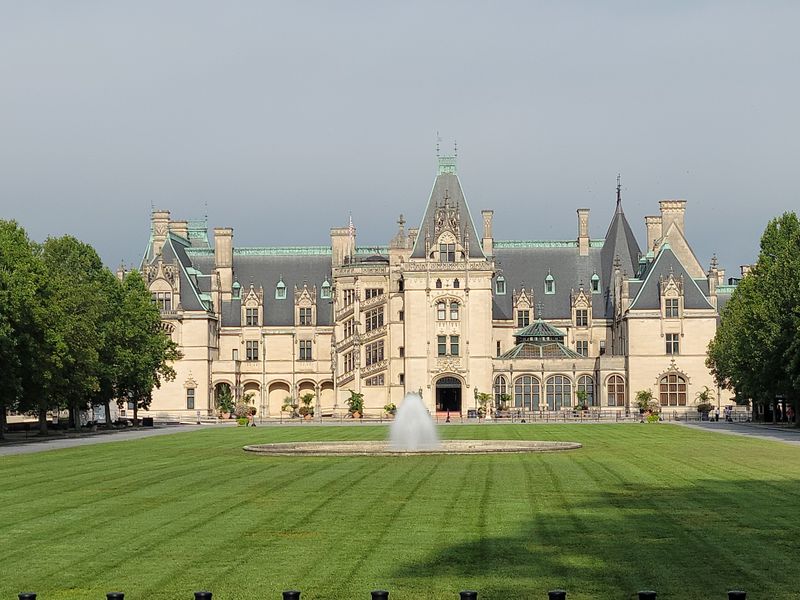
The Biltmore Estate in North Carolina has appeared in films like Forrest Gump and Hannibal, showcasing its grand architecture and stunning gardens. Its Gilded Age manor and landscaped grounds offer filmmakers a versatile stand-in for period settings and dramatic exteriors.Today, visitors can tour the mansion, gardens, and grounds that once hosted cameras, blending cinematic history with America’s grand architectural past.
The estate’s grandeur and historical significance create a unique setting that continually attracts filmmakers.From its cinematic portrayals to its real-life allure, the Biltmore Estate remains a symbol of elegance and storytelling.



