
The year 1977 was loud, glamorous, rebellious, and unforgettable. Disco ruled dance floors, punk exploded onto the scene, classic rock kept getting bigger, and radio stations were packed with songs that would go on to define entire generations.
It was a year when Fleetwood Mac dominated heartbreak anthems, the Bee Gees helped ignite disco fever, and bands like The Clash and Sex Pistols made music feel dangerous again. Movie soundtracks became cultural events, soft rock reached peak popularity, and artists pushed boundaries in ways that still influence music today.
What’s remarkable is how many songs from 1977 still sound fresh decades later. Some remain staples at weddings, bars, parties, and sporting events.
Others continue inspiring new musicians across rock, pop, punk, and hip-hop.
These are 19 songs from 1977 that still turn heads today.
Hotel California (Eagles)
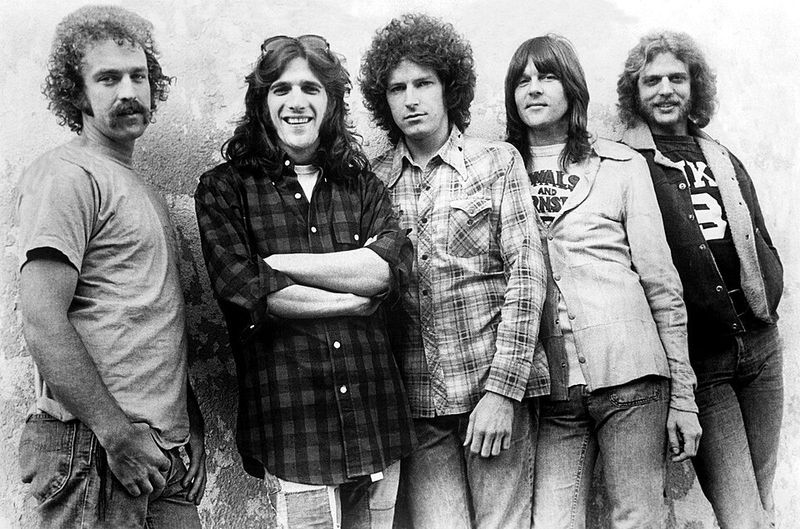
Few songs instantly create an atmosphere the way “Hotel California” does. The opening guitar notes alone feel cinematic, pulling listeners into a mysterious world of luxury, temptation, and paranoia.
Released during the peak of the Eagles’ popularity, the song became a defining portrait of 1970s excess and disillusionment. Fans spent decades debating what the lyrics actually meant – Hollywood culture, fame, addiction, or the dark side of the American dream.
Of course, the legendary guitar solo helped make the song immortal. Don Felder and Joe Walsh’s dueling guitars turned the ending into one of rock’s most celebrated moments.
Even today, “Hotel California” still sounds enormous.
Stayin’ Alive (Bee Gees)
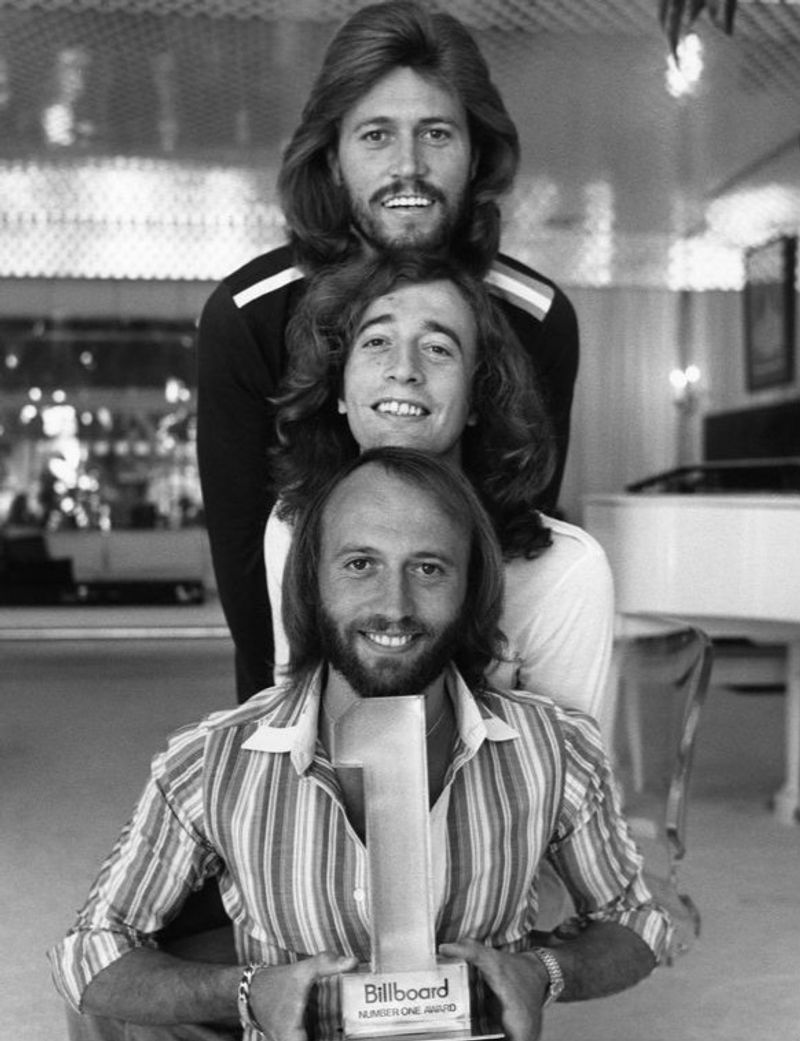
“Stayin’ Alive” didn’t just soundtrack the disco era – it practically became the disco era.
Driven by the Bee Gees’ unmistakable falsettos and a beat that somehow feels permanently cool, the song exploded alongside Saturday Night Fever. Suddenly disco wasn’t just club music anymore.
It became a global phenomenon.
The track’s swagger gave it staying power far beyond the dance floor. It has survived changing trends, generations, and even backlash against disco itself.
Decades later, people still instinctively walk in rhythm when they hear it.
Go Your Own Way (Fleetwood Mac)
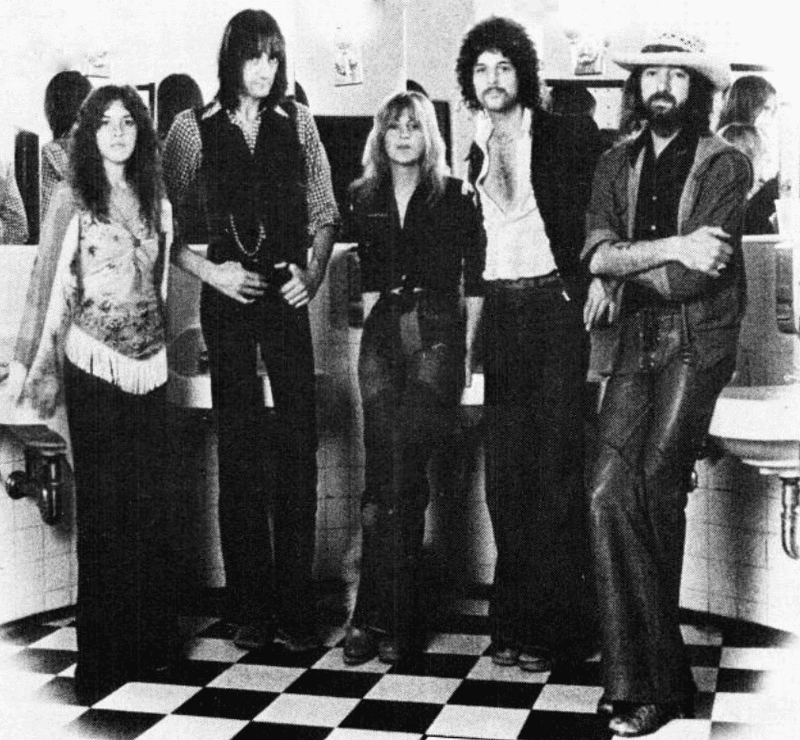
Few hit songs have carried as much genuine emotional tension as “Go Your Own Way.”
Fleetwood Mac recorded Rumours while multiple relationships inside the band were collapsing, and that emotional chaos spilled directly into the music. Lindsey Buckingham’s frustrated vocals and aggressive guitar work gave the song a raw edge that made it feel intensely personal.
Listeners connected because it didn’t sound polished emotionally – it sounded real.
Even now, the song captures the messy feeling of heartbreak better than most modern breakup anthems.
Dreams (Fleetwood Mac)
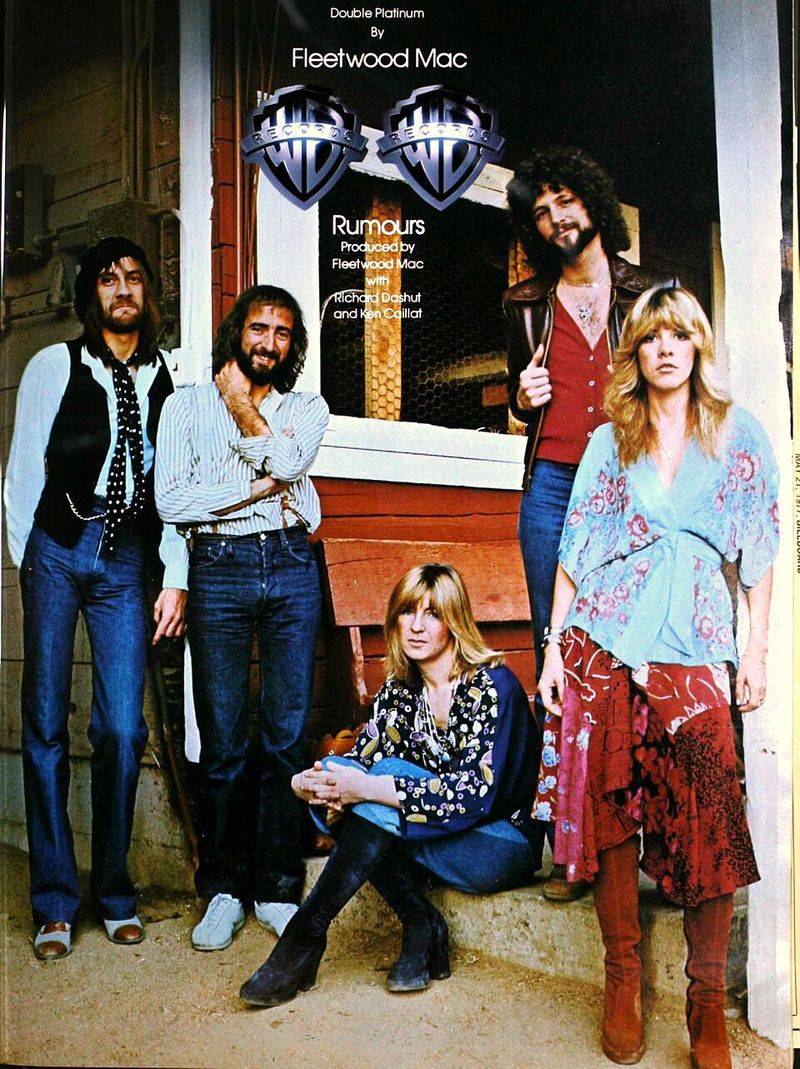
Where “Go Your Own Way” sounded angry, “Dreams” floated with quiet emotional exhaustion.
Stevie Nicks delivered one of the most hypnotic vocal performances of the decade over an effortless groove that still sounds surprisingly modern. The song became Fleetwood Mac’s only No. 1 single in the United States, but its influence grew even larger over time.
Decades later, viral videos introduced “Dreams” to entirely new audiences, proving the song somehow transcends generations.
Very few songs feel this timeless.
We Will Rock You (Queen)
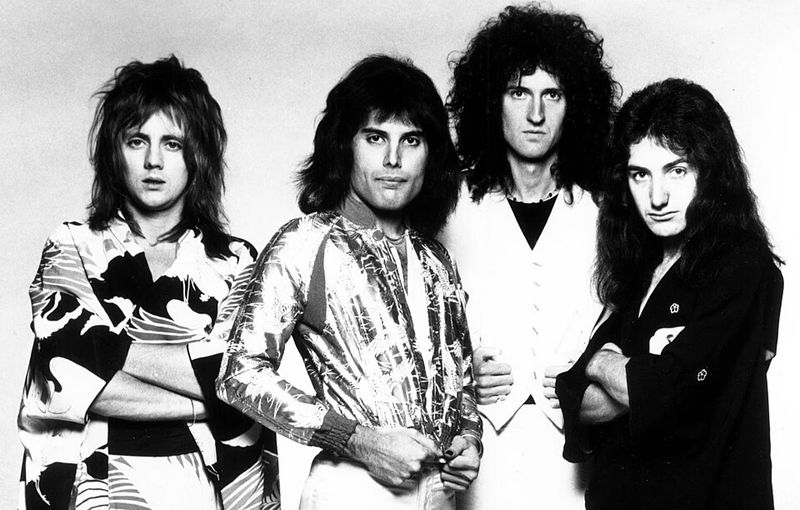
Queen intentionally designed “We Will Rock You” for crowd participation – and they absolutely succeeded.
The stomp-stomp-clap rhythm became one of the simplest yet most effective hooks in music history. Instead of relying on complicated production, the song turned audiences themselves into part of the performance.
Sports arenas adopted it almost immediately, and it never left.
Even people who don’t know much about Queen instantly recognize the beat within seconds.
We Are the Champions (Queen)
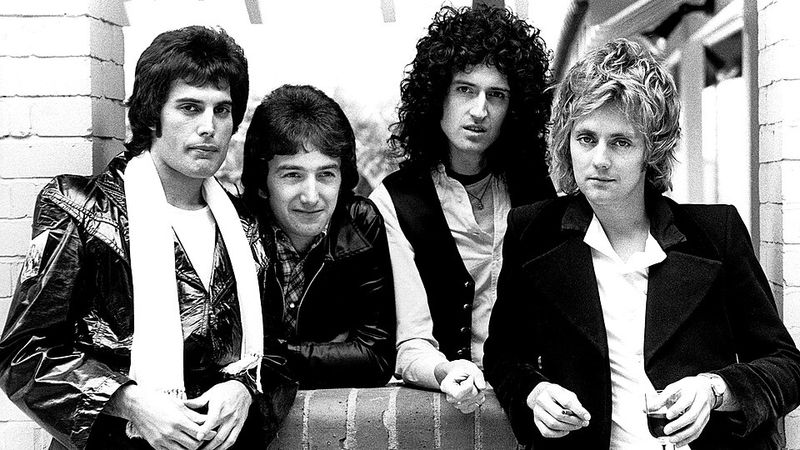
If “We Will Rock You” built tension, “We Are the Champions” delivered the emotional payoff.
Freddie Mercury’s vocals transformed the song into something massive, theatrical, and strangely emotional all at once. It became the soundtrack for championships, celebrations, and triumphant moments around the world.
What makes the song endure is its sincerity. Beneath the grand production is a genuine feeling of survival and perseverance.
No matter how many times people hear it, the chorus still feels victorious.
Barracuda (Heart)
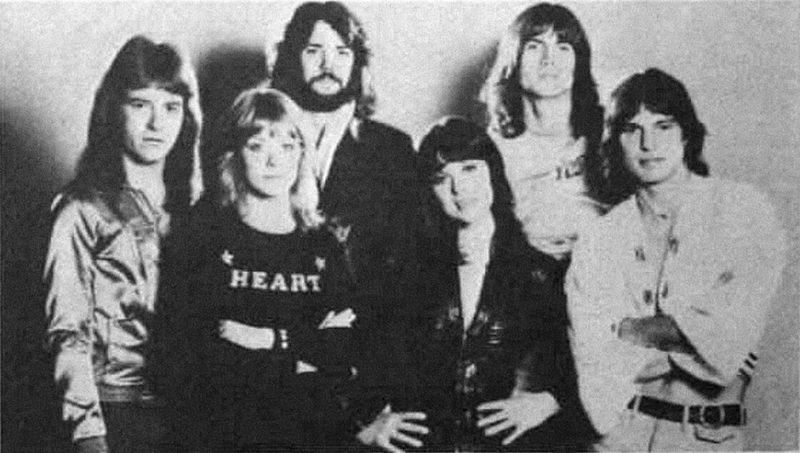
The opening riff of “Barracuda” still sounds dangerous.
Heart created one of hard rock’s defining songs with a track fueled by anger, energy, and incredible musicianship. Ann Wilson’s powerhouse vocals gave the song enormous force, while the aggressive guitar work helped establish Heart as far more than just another radio-friendly rock band.
At a time when male-dominated rock often overlooked female musicians, Heart proved they could hit just as hard as anyone else.
“Barracuda” still feels explosive every time it starts.
Brick House (Commodores)
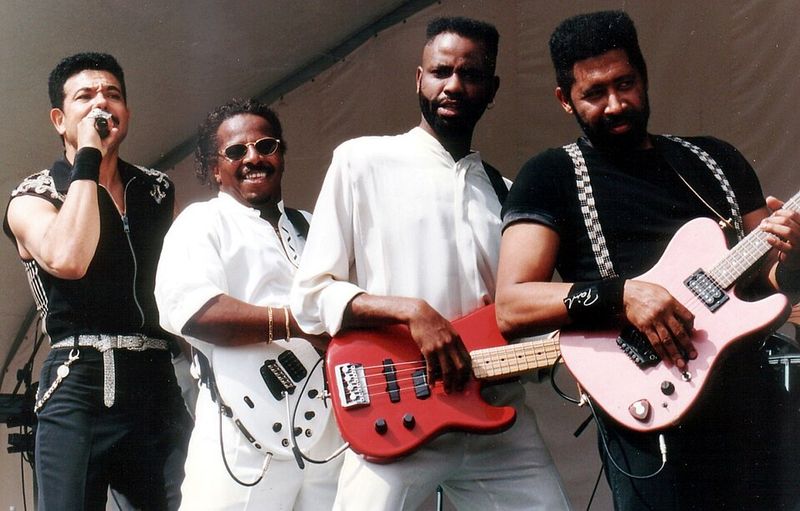
“Brick House” swaggered onto radios with one of the smoothest grooves of the entire decade.
The Commodores balanced funk, soul, and playful confidence perfectly, creating a song that instantly became a party staple. Its bassline practically strutted out of speakers, while the band’s tight musicianship made the groove impossible to ignore.
The song’s energy helped it survive long after disco faded from mainstream popularity.
Even now, “Brick House” feels effortlessly cool.
God Save the Queen (Sex Pistols)
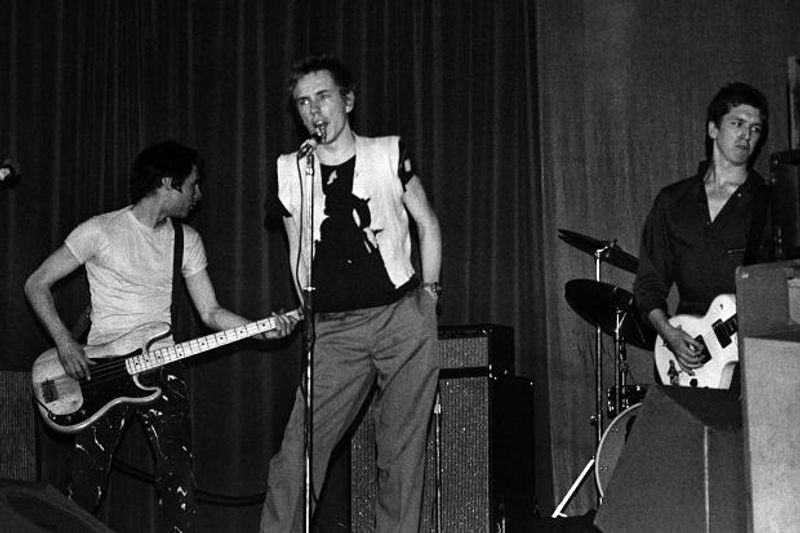
By 1977, punk rock had become a full-scale cultural revolt – and no song captured that rebellion better than “God Save the Queen.”
The Sex Pistols attacked British institutions with snarling vocals, chaotic energy, and unapologetic anger. Released during Queen Elizabeth II’s Silver Jubilee, the song caused outrage across Britain.
The BBC banned it. Politicians condemned it.
Newspapers panicked.
Which only made punk fans love it more.
Even today, the song retains a sense of raw confrontation that many modern rock songs never achieve.
Carry On Wayward Son (Kansas)
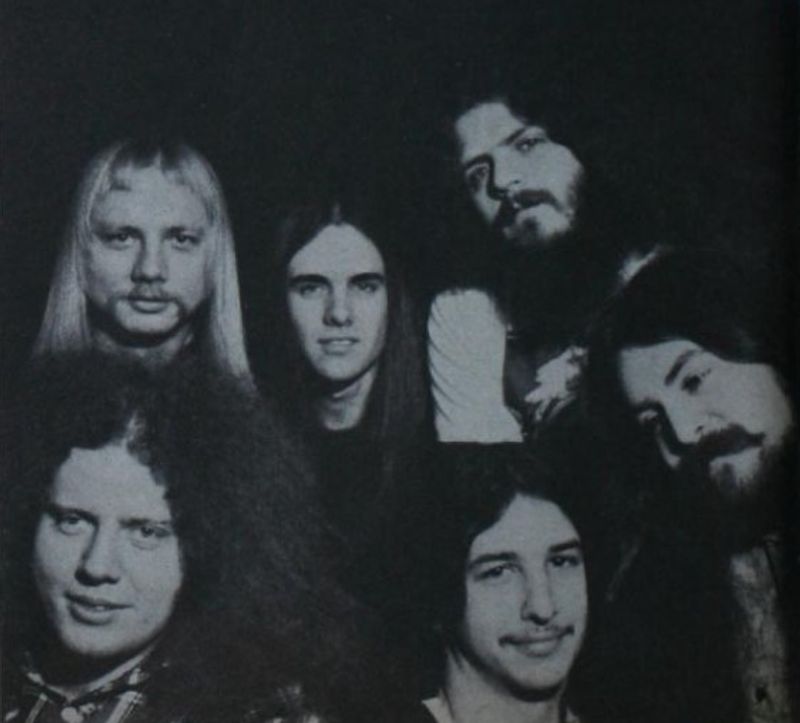
“Carry On Wayward Son” somehow combined philosophical lyrics, layered harmonies, and pure arena-rock energy into one unforgettable track.
Kansas blended progressive rock complexity with massive singalong choruses, helping the song become one of the era’s defining rock anthems. The dramatic vocal harmonies and explosive instrumentation gave it a larger-than-life feeling.
Over time, television, movies, and pop culture kept introducing the song to new audiences.
The result is a track that still feels gigantic decades later.
Cold as Ice (Foreigner)

Foreigner arrived at exactly the right moment for arena rock, and “Cold as Ice” helped launch them into superstardom.
The song balanced slick production with just enough edge to keep it exciting. Lou Gramm’s sharp vocals gave the track emotional bite, while the piano hooks and driving rhythm made it instantly radio-friendly.
What really helped the song endure was its versatility. It sounded equally perfect blasting from car speakers, playing at sports arenas, or coming through late-night FM radio.
Even now, it feels tailor-made for maximum volume.
Easy (Commodores)
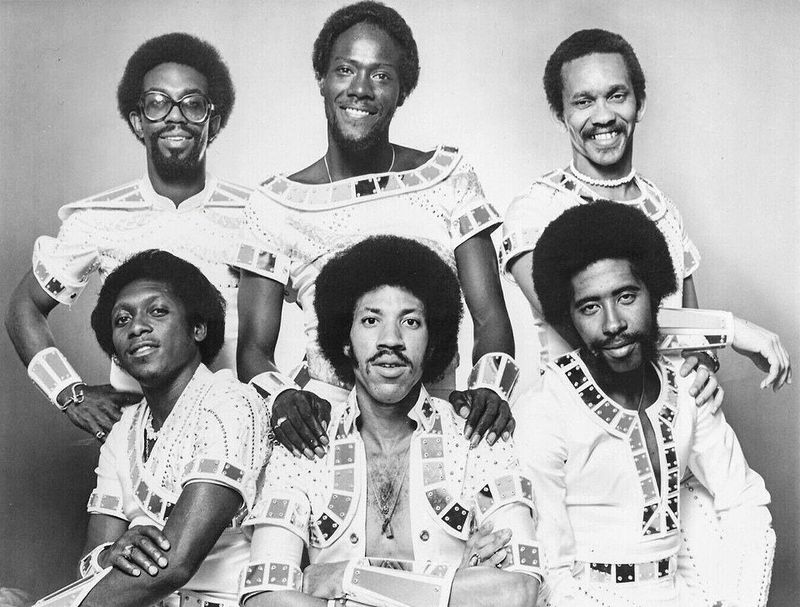
Completely different from the swagger of “Brick House,” “Easy” showcased the softer, soulful side of the Commodores.
Lionel Richie’s relaxed vocals gave the song an effortless warmth that made it stand out immediately. Instead of dramatic heartbreak, the song captured the peaceful feeling of letting go and moving on.
Its laid-back groove became one of the defining sounds of late-1970s soul and soft rock crossover music.
And honestly, “easy like Sunday morning” may be one of the most universally recognizable lyrics ever written.
Night Moves (Bob Seger)
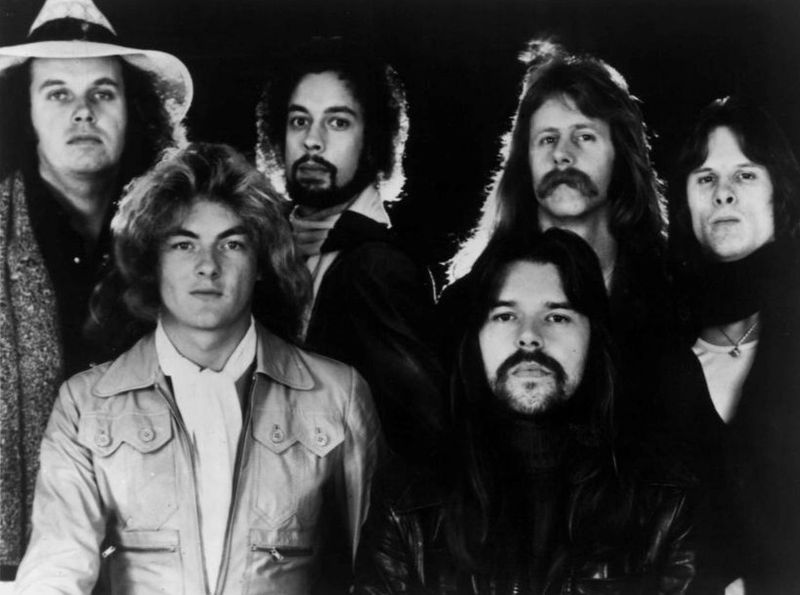
Bob Seger turned youthful memories into pure poetry with “Night Moves.”
The song reflected on romance, growing older, and looking back on reckless younger years with equal parts warmth and sadness. Seger’s rough, weathered voice made every lyric feel believable, which helped listeners connect deeply with the song.
Unlike flashy disco hits or giant arena anthems, “Night Moves” succeeded through emotional honesty.
That emotional pull is exactly why it still resonates generations later.
Margaritaville (Jimmy Buffett)
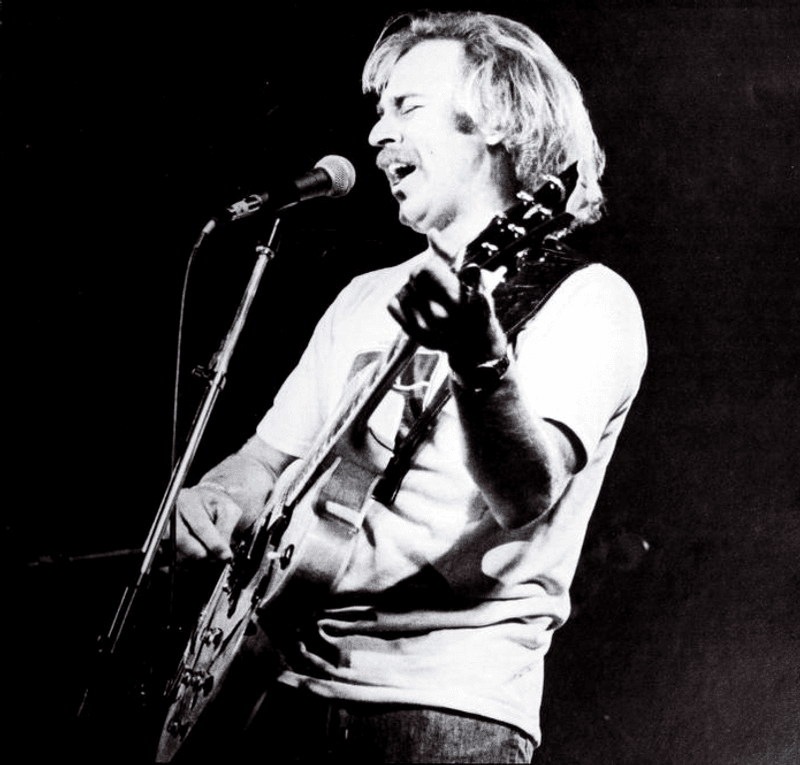
Very few songs evolve into cultural identities the way “Margaritaville” did.
Jimmy Buffett created more than a beachside singalong—he built an entire escapist fantasy around relaxation, tropical drinks, and carefree living. The song’s mellow vibe instantly connected with listeners looking for an escape from stress and routine.
Over time, “Margaritaville” grew into restaurants, resorts, merchandise, and a devoted fanbase known as “Parrotheads.”
But at its core, the song still works because it feels simple, relaxed, and endlessly replayable.
I Feel Love (Donna Summer)
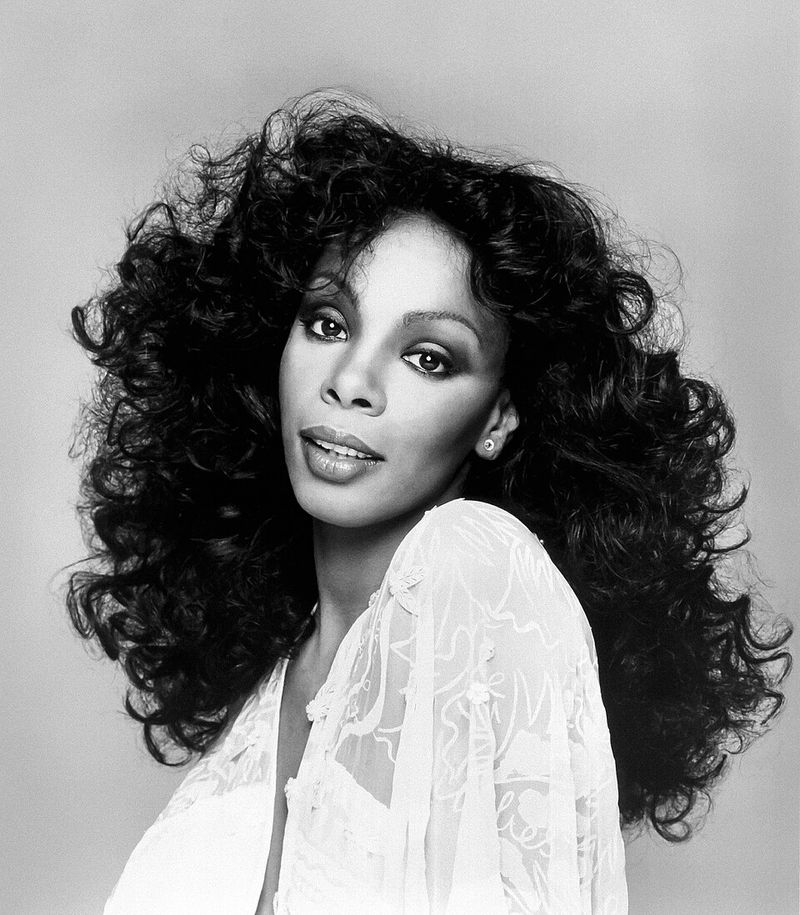
In 1977, “I Feel Love” sounded like it came from another planet.
Produced by Giorgio Moroder, the song replaced traditional disco instrumentation with hypnotic electronic synthesizers and pulsing machine-driven rhythms. The result felt futuristic in a way few listeners had ever experienced before.
Its influence became enormous. Entire genres of dance music – including techno, house, synth-pop, and EDM – owe something to this track.
Even decades later, “I Feel Love” still sounds startlingly modern.
That’s how far ahead of its time it really was.
Black Betty (Ram Jam)
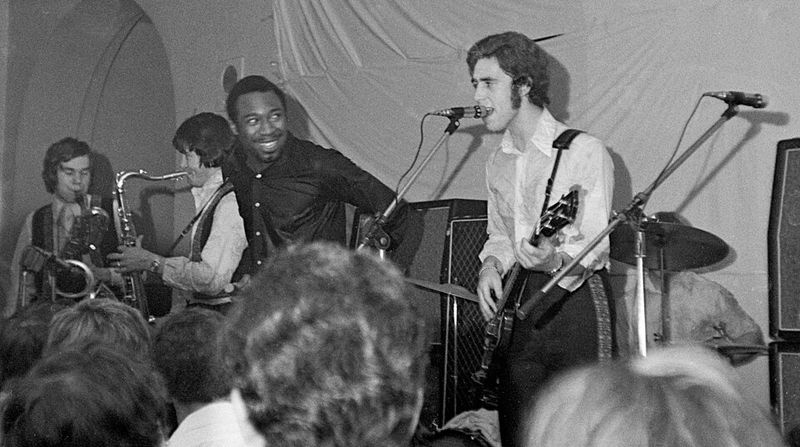
“Black Betty” didn’t waste time easing listeners in.
The explosive guitar riff and relentless pace hit immediately, turning the song into one of the most recognizable hard rock tracks of the era. Ram Jam’s version transformed an older folk-blues work song into something loud, aggressive, and wildly energetic.
Its raw power helped it survive through generations of movie soundtracks, sports montages, commercials, and video games.
The song still feels like controlled chaos in the best possible way.
The Chain (Fleetwood Mac)

Unlike polished pop songs carefully hiding emotional conflict, “The Chain” practically thrived on tension.
Fleetwood Mac recorded the song while relationships inside the band were collapsing, and that emotional strain gave the music unusual intensity. The lyrics focused on loyalty, betrayal, and emotional fracture, themes the band members were living through personally.
Then came the famous bass breakdown.
That slow-building instrumental section became legendary and helped turn “The Chain” into one of classic rock’s most emotionally powerful songs. It feels less like a performance and more like unresolved emotions set to music.
Heroes (David Bowie)
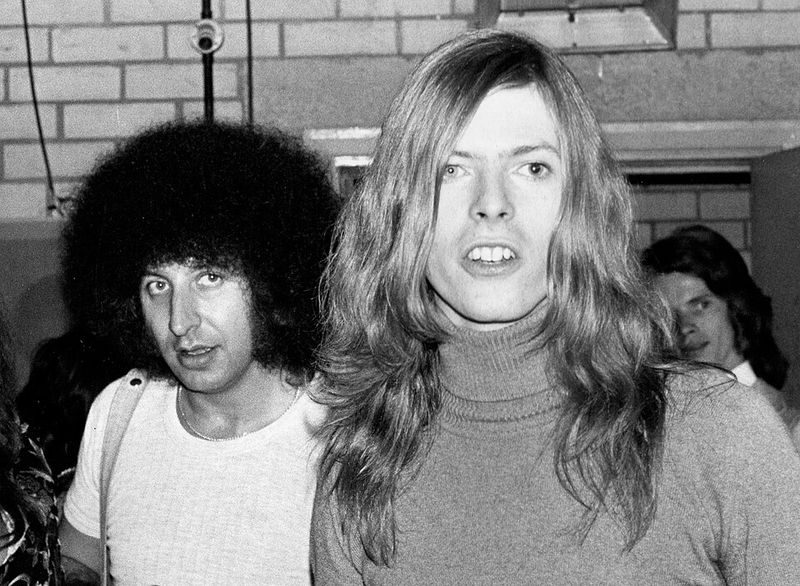
Although never a massive chart hit at the time, “Heroes” eventually became one of David Bowie’s most celebrated songs.
Recorded in Berlin during the Cold War, the track carried themes of hope, resilience, and fleeting triumph against impossible odds. Bowie’s emotional vocal performance built gradually until the song felt almost transcendent by the end.
Over the years, “Heroes” became associated with moments of inspiration, survival, and emotional perseverance. Its reputation only grew larger with time.
Today, the song feels less like a typical rock track and more like a statement about human endurance itself.
Lovely Day (Bill Withers)
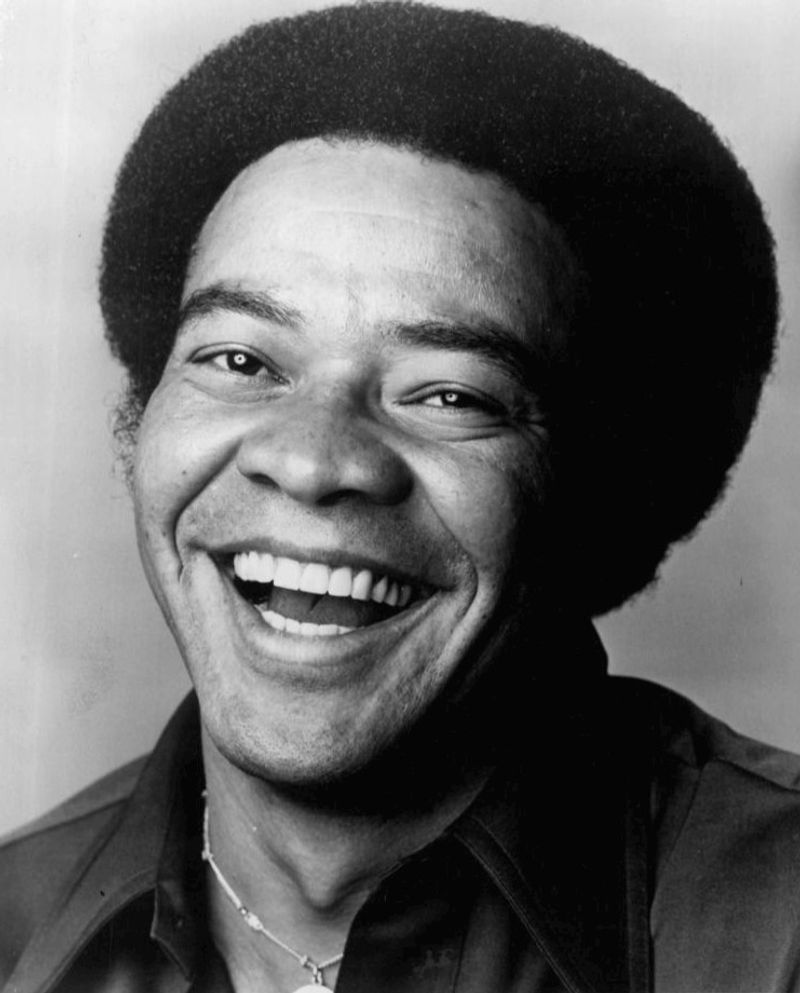
Bill Withers had a gift for making simple emotions feel profound, and “Lovely Day” may be the best example.
The song’s smooth groove and optimistic lyrics created something remarkably timeless. Instead of sounding overly sentimental, it felt calm, grounded, and sincere.
Then there’s the famous sustained note near the end of the song – a moment that became legendary among music fans and singers alike.
Few songs capture pure emotional warmth this effortlessly.
That’s why “Lovely Day” still appears everywhere from commercials to movie soundtracks to feel-good playlists.
Share this story