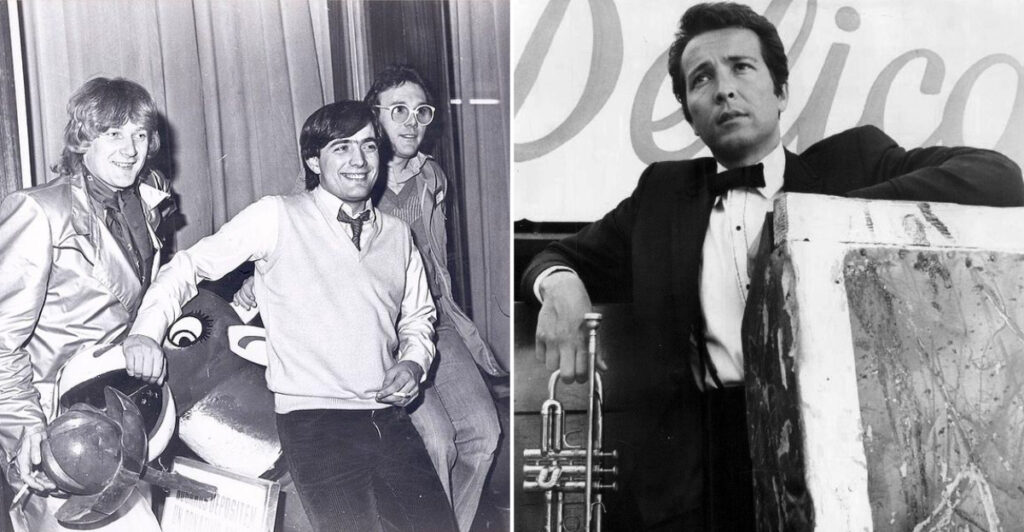
Music in 1979 captured a moment when disco, punk, and new wave were all colliding at once. The result was a year filled with songs that sounded groundbreaking then and feel even more fascinating today.
Some became hip-hop staples through sampling, others found new life through viral trends and modern playlists, while a few evolved from controversial releases into timeless classics. These 19 tracks show how the music of 1979 continues to sound different, and sometimes even more relevant, decades later.
1. Heart of Glass, Blondie
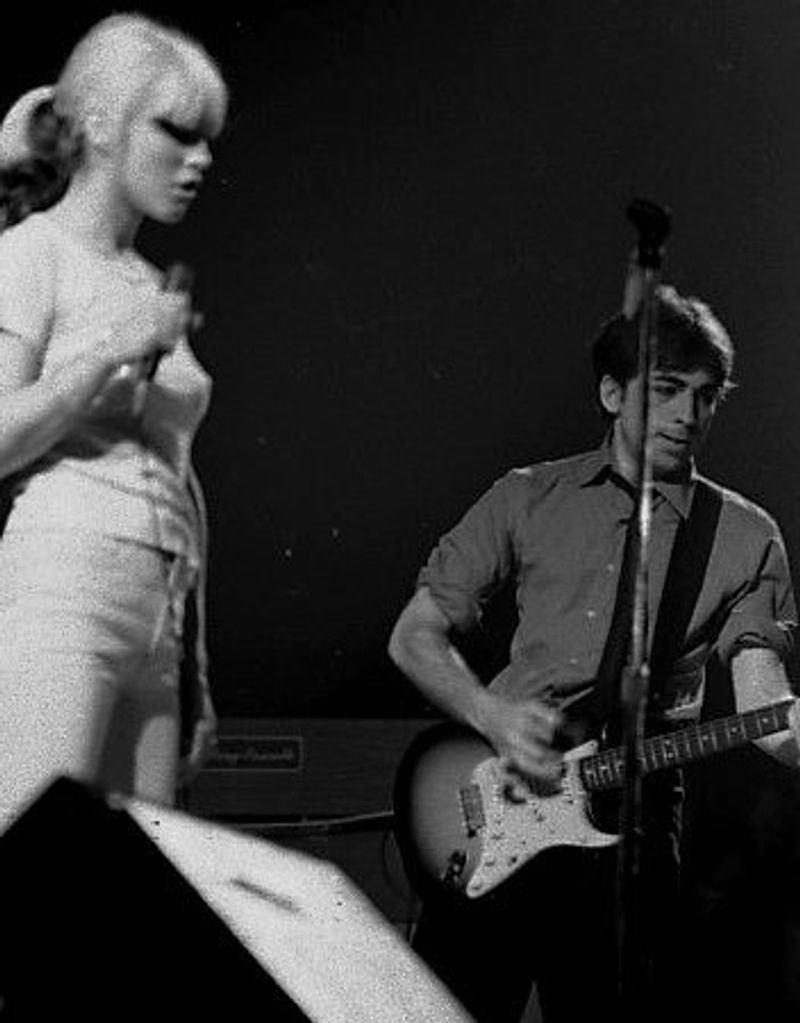
Blondie recorded several versions of this song before settling on the disco arrangement that made it a global hit. Early takes included a reggae-influenced version and a slower ballad style, both of which were shelved in favor of the four-on-the-floor beat that defined the final release.
At the time, some punk fans felt the disco production was a betrayal. Today, that tension between genres is exactly what makes the track feel prescient.
Modern listeners hear it as a pure new wave record, not a disco one, which says a lot about how genre labels shift over decades. The song has been remixed and reissued multiple times, each version pulling it further from its original context.
2. My Sharona, The Knack
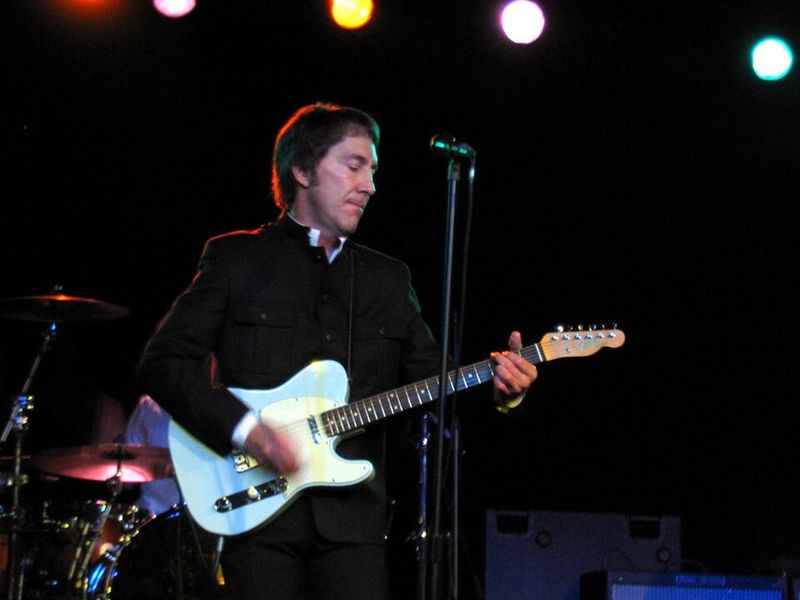
When The Knack released this track in the summer of 1979, it spent six weeks at number one on the Billboard Hot 100 and became the fastest-selling debut single of the decade. That commercial dominance shaped how people heard it: urgent, slightly aggressive, undeniably catchy.
Veruca Salt covered it in the 1990s with a fuzzed-out, grunge-adjacent energy that reframed the song entirely. Suddenly the driving guitar riff sounded less like pop ambition and more like raw frustration.
Listeners today often discover the track through film soundtracks and TV placements, where it functions as shorthand for a specific kind of late-1970s restlessness. The original recording has not changed, but its cultural role certainly has.
3. Good Times, Chic

Few songs from any era have been borrowed as heavily as this one. The Sugarhill Gang lifted its bassline almost note-for-note for Rapper’s Delight later in 1979, making Good Times one of the earliest and most influential source materials in hip-hop history.
That connection permanently altered how the track sounds. Put it on today and the bassline immediately triggers a mental overlay of hip-hop’s entire early era.
Nile Rodgers and Bernard Edwards built something so structurally solid that it essentially became public infrastructure for a new genre. The song is still played at parties, still sampled in new productions, and still treated as a foundational text by producers studying the architecture of groove.
4. Don’t Stop ‘Til You Get Enough, Michael Jackson
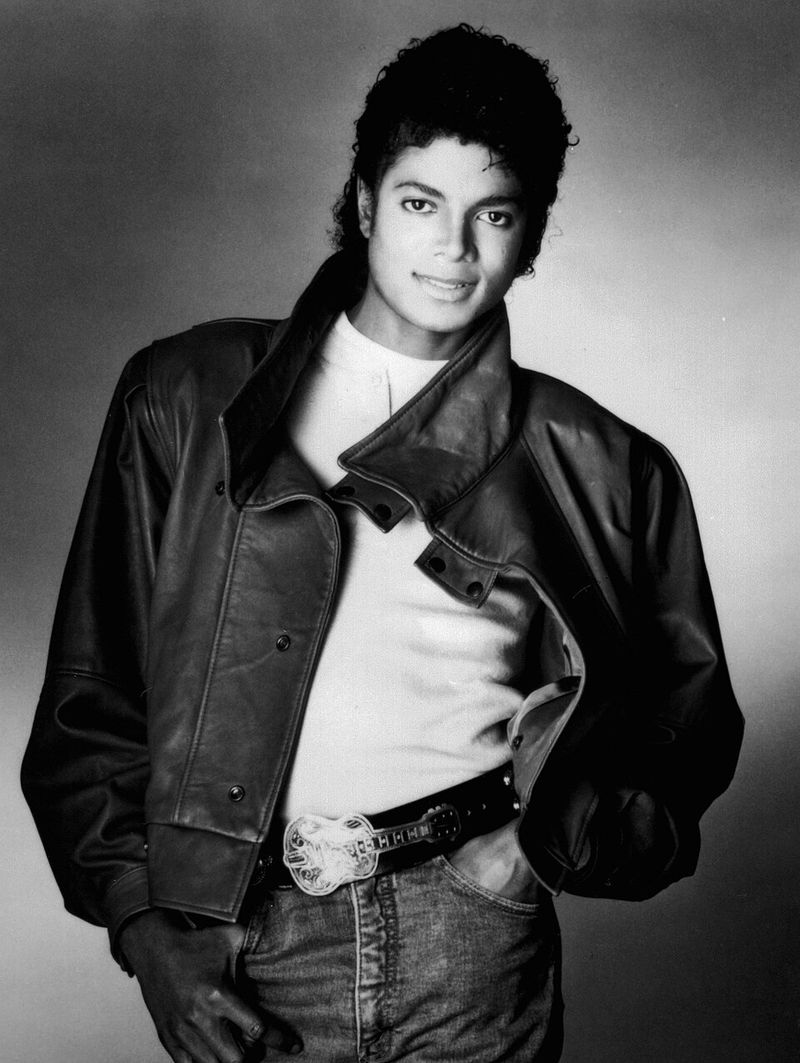
This was the first solo single Michael Jackson wrote entirely on his own, and it announced something significant: he was no longer just a Motown product but an artist with a clear creative direction. Released as the lead single from Off the Wall, it reached number one and earned him a Grammy for Best Male R&B Vocal Performance.
The song’s layered production, handled by Quincy Jones, blended disco with funk in a way that felt fresh even as disco was losing commercial ground.
Heard today, it functions almost as a historical marker, the precise moment Jackson stepped out of his earlier identity. DJ sets and streaming playlists have kept it in constant circulation, and its danceability has never aged.
5. Message in a Bottle, The Police

The Police built this track on a reggae-influenced rhythmic structure that was unusual for a rock band aiming at mainstream radio in 1979. It hit number one in the UK and established the trio as one of the most technically precise bands of the new wave era.
What has changed is the context around the lyrics. The song’s narrator sends a message into the ocean hoping for connection and discovers he is not alone in his isolation.
That theme resonates very differently in an era of constant digital communication and social media loneliness research. The song has been covered dozens of times and appears regularly in conversations about anxiety and disconnection, giving its fairly simple premise a new weight it did not originally carry.
6. London Calling, The Clash
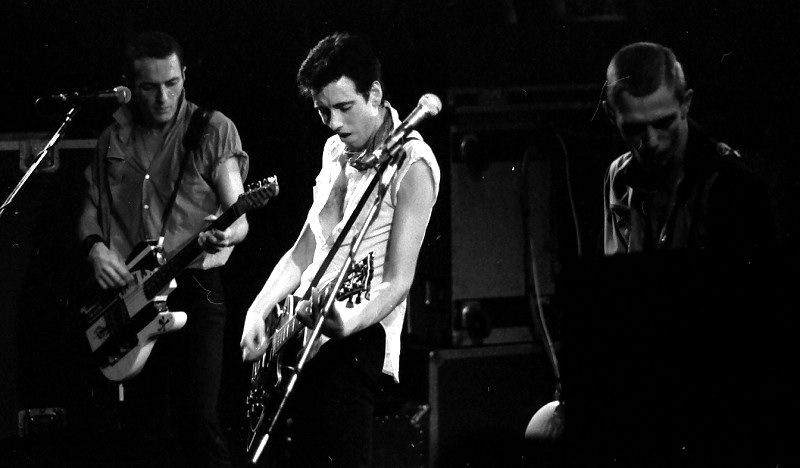
Released in December 1979, this track opened an album that Rolling Stone magazine later named the greatest album of the 1980s, despite technically being a 1979 release. That timing alone tells you something about how it straddles eras.
The song referenced nuclear threats, unemployment, and social collapse in Britain, topics that felt urgent in 1979 and have returned to cultural relevance multiple times since.
Each time a new generation discovers the track, it arrives with a fresh layer of political context. The guitar tone and production are rooted in their era, but the content has a way of feeling newly written depending on the news cycle.
That adaptability is rare for any song, let alone one over four decades old.
7. Driver’s Seat, Sniff ‘n’ the Tears
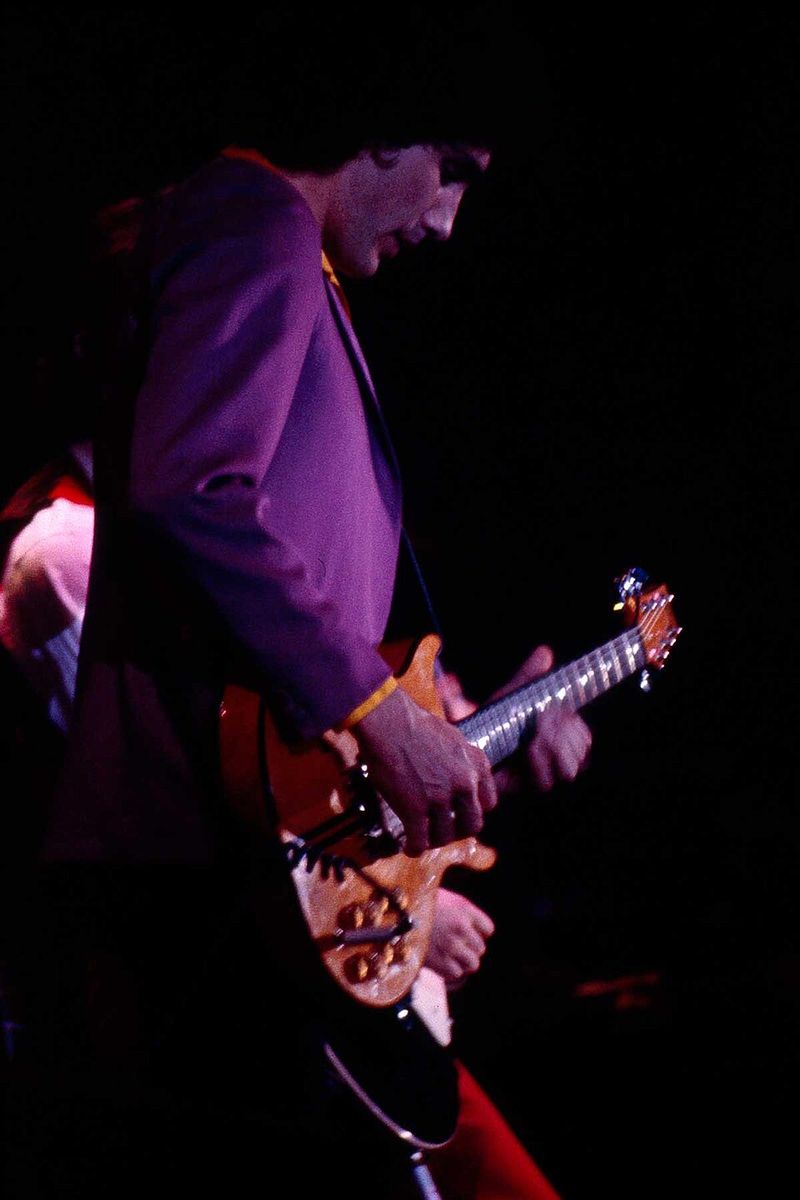
Sniff ‘n’ the Tears released this track in 1979 to moderate success in the UK and a stronger reception in the United States, where it climbed to number 15 on the Billboard Hot 100. It then largely faded from mainstream consciousness for over a decade.
The song experienced a significant second life when it appeared on the Grand Theft Auto V soundtrack in 2013, introducing it to an entirely new generation of listeners who had no frame of reference for its original release.
That kind of rediscovery through video games has become a common route for forgotten tracks. Today the song is just as associated with the open world of Los Santos as it is with 1979, which fundamentally changes its cultural identity.
8. Video Killed the Radio Star, The Buggles
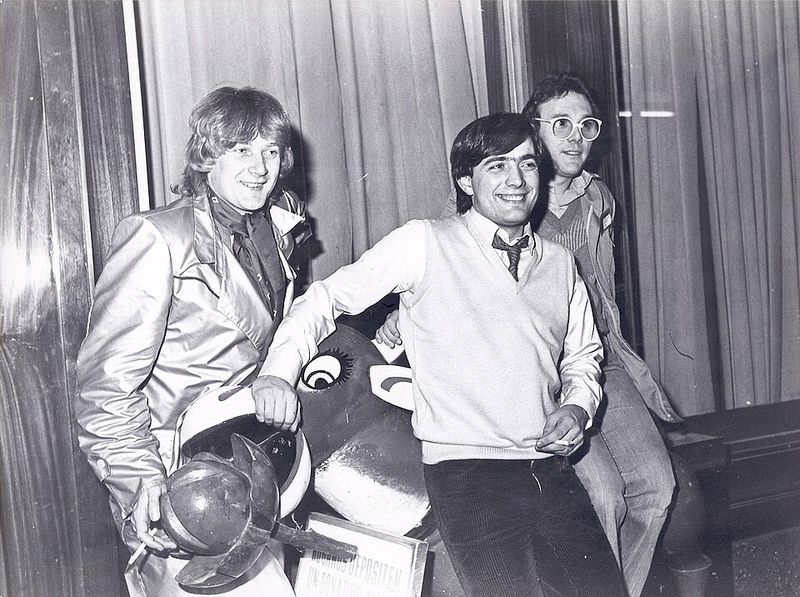
The Buggles wrote this song as a commentary on how new technology displaces older media, a theme that was speculative in 1979 but became literal history when MTV chose it as the very first music video aired on the channel in August 1981.
That decision transformed the track from a clever pop song into a genuinely prophetic cultural artifact. No other song can claim to have predicted its own symbolic role with that level of precision.
Heard today, it carries the irony of a song about media obsolescence that has itself outlasted multiple formats, including MTV’s video-heavy programming model. Streaming platforms, YouTube, and algorithm-driven discovery have added yet another layer to what the lyrics were originally trying to say.
9. Cruel to Be Kind, Nick Lowe
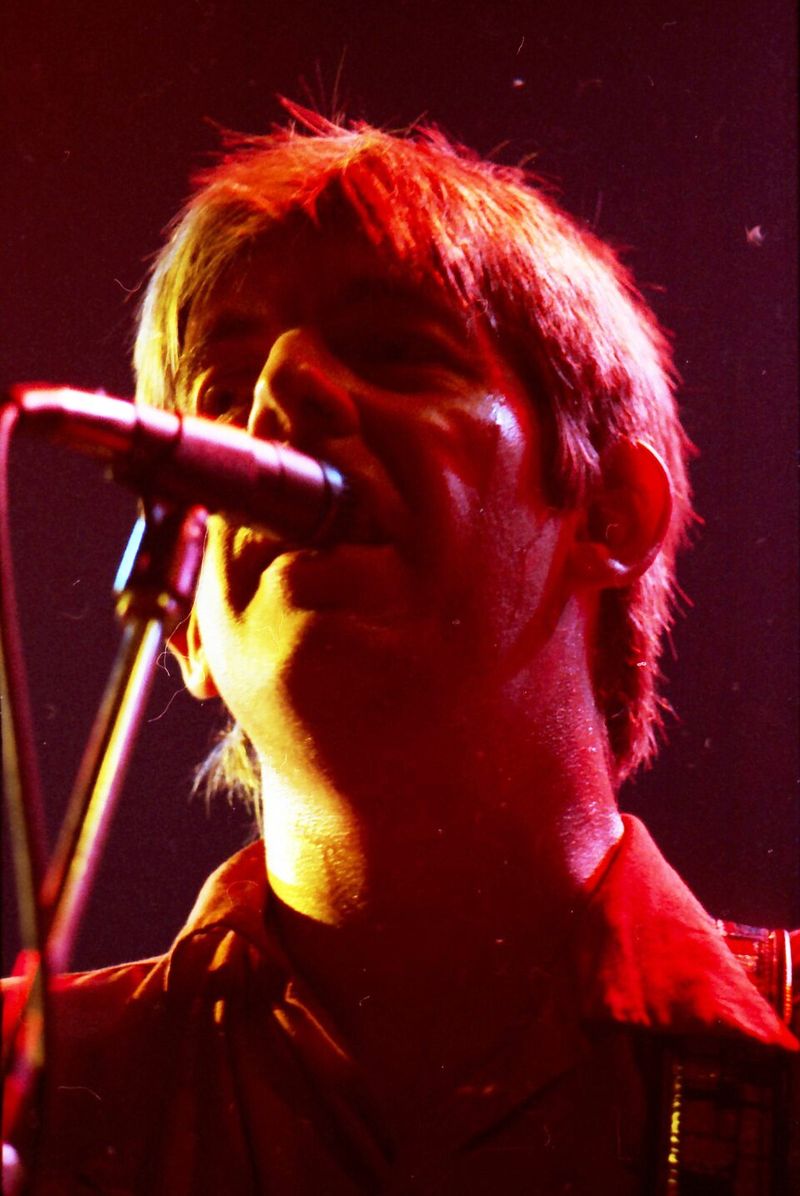
Nick Lowe co-wrote this track with Ian Gomm, and its breezy, major-key arrangement made it one of the more radio-friendly songs of the new wave era. It reached the top ten in both the UK and the US and became one of Lowe’s most recognizable recordings.
Juice Newton covered it in 1991 as a country-pop track, which shifted the song’s perceived genre identity considerably. A listener who first encountered the Newton version hears something entirely different when they return to Lowe’s original.
The song has appeared in numerous film and television placements over the decades, each one adding a new layer of association. Its cheerful production sits in contrast to a lyric that is, at its core, about emotional honesty in relationships.
10. Babe, Styx
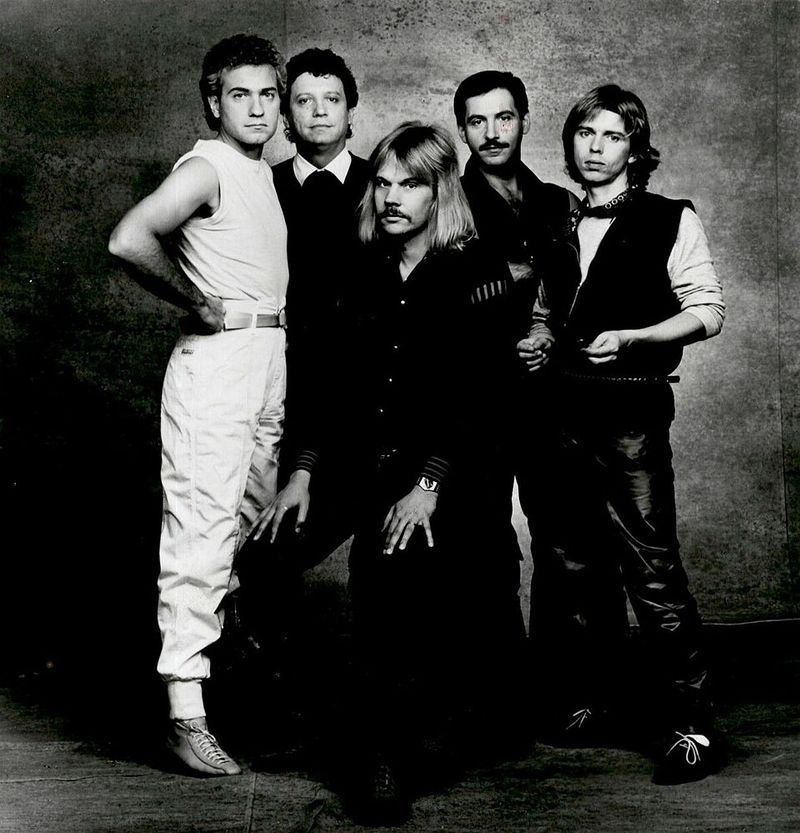
Dennis DeYoung wrote this ballad for his wife and the band initially resisted releasing it as a single because it felt too soft for their arena rock identity. They released it anyway, and it became their only number one hit on the Billboard Hot 100.
The song’s straightforward romantic sincerity was typical of late-1970s power ballads but has since become something of a reference point for that specific era’s emotional register.
Modern listeners often encounter it through wedding playlists or retro radio formats, which places it in a very different context than the album-oriented rock landscape of 1979. The gap between the song’s gentle tone and Styx’s harder catalog makes it stand out even more clearly in retrospect.
11. The Logical Song, Supertramp
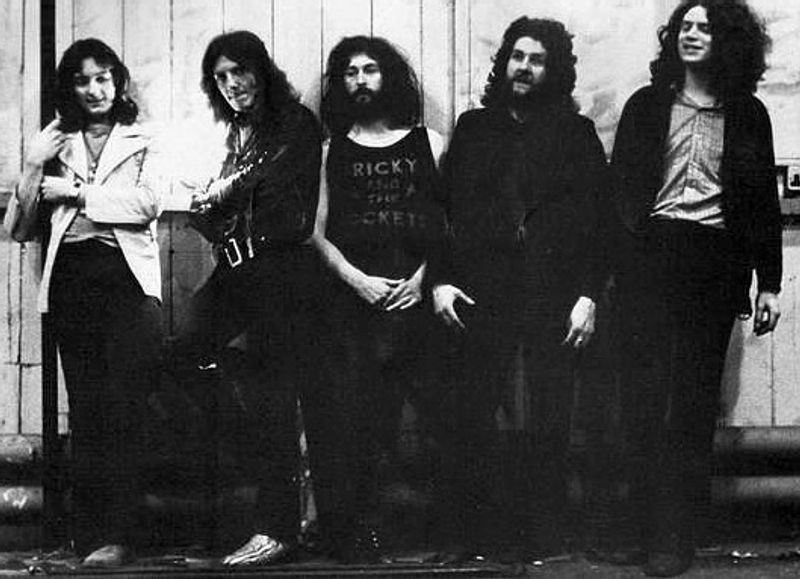
Supertramp built this track around a lyrical critique of how formal education and social conditioning strip away individuality, a theme that was pointed in 1979 and has only become more discussed in the decades since.
The song appeared on Breakfast in America, which sold over 20 million copies worldwide and remains one of the best-selling albums of its era. That commercial success gave the song enormous reach.
Contemporary remixes have updated the production while keeping the core melody intact, introducing it to listeners who might not have connected with the original arrangement. Educational and psychological discussions frequently reference its lyrics, which means the song now operates in academic and cultural conversations that did not exist when it was first released.
12. Lonesome Loser, Little River Band

Little River Band was an Australian group that achieved remarkable success in the American market during the late 1970s, a fact that surprises many listeners who assume they were a domestic US act. This track reached the top 20 in the United States and became one of their signature songs.
The production is polished in a way that was highly commercial for 1979 but can sound almost clinical to ears shaped by grittier decades of rock.
Its theme of social outsider status has aged in interesting ways, connecting with audiences who associate that feeling with very different cultural moments than the soft-rock era it came from. The song gets regular rotation on classic hits radio, which keeps it in circulation without updating its context.
13. Rise, Herb Alpert
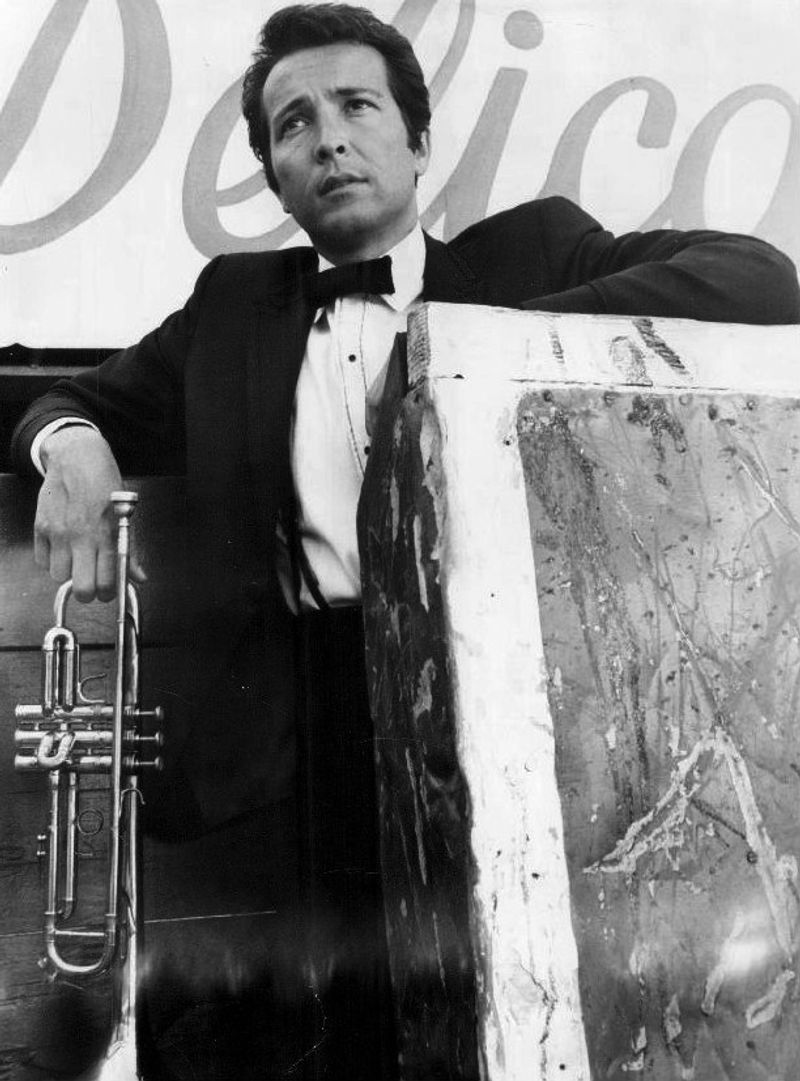
Herb Alpert had spent the 1960s leading a brass-heavy pop band, so his 1979 instrumental funk track represented a significant stylistic pivot. It reached number one on the Billboard Hot 100 despite having no vocals, which was rare for a pop chart topper in any decade.
The song gained an entirely new generation of listeners when rapper Notorious B.I.G. sampled it prominently in his 1994 track Big Poppa, one of the most successful hip-hop singles of that era.
That sample created a direct sonic bridge between 1979 and the mid-1990s, and today many listeners know the melody primarily through its hip-hop context rather than the original. The instrumental arrangement sounds noticeably different depending on which version you encountered first.
14. I Was Made for Lovin’ You, KISS
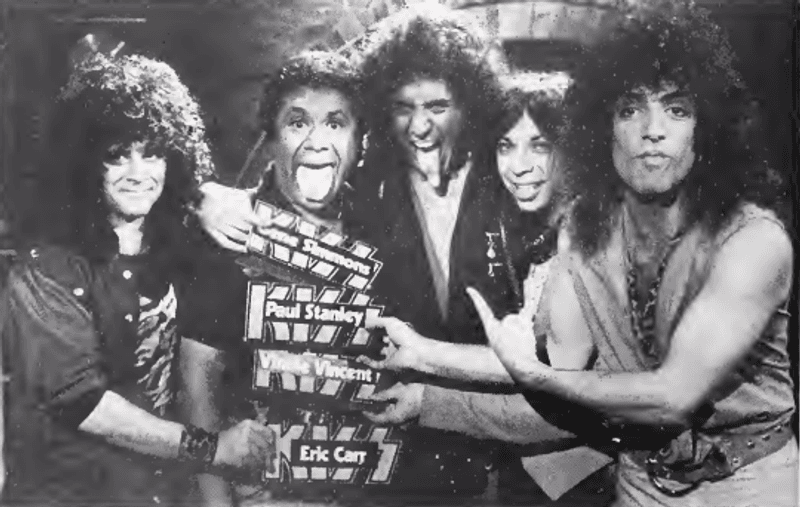
KISS built their identity on hard rock theatrics and a devoted fanbase that prided itself on being separate from mainstream pop. Releasing a disco-influenced track in 1979 was a calculated commercial move that worked commercially but created real tension with their core audience.
The song reached the top ten in multiple countries and remains one of their best-charting singles, which is an awkward distinction for a band that defined itself against pop crossover.
Decades later, the track gets discussed as an example of how even genre-defining acts adjusted to market pressure. Its place in the KISS catalog is genuinely unusual, and new listeners often find it surprising that the same band recorded both this and their harder material within the same period.
15. Tusk, Fleetwood Mac
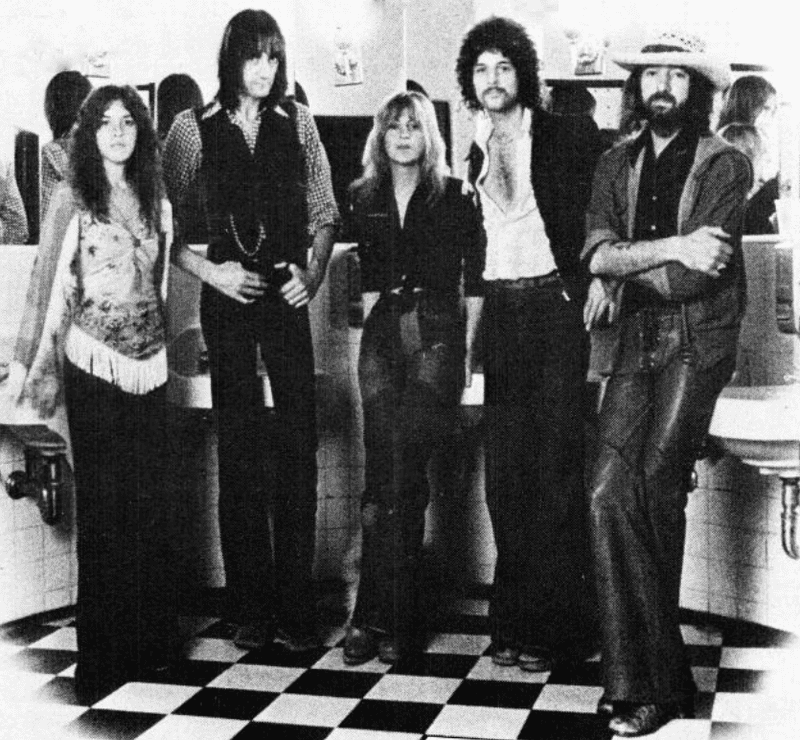
Fleetwood Mac followed one of the best-selling albums in history with a deliberately experimental double record that confused many fans expecting a polished continuation of Rumours. Tusk, the title track, featured the USC Trojan Marching Band recorded live at Dodger Stadium, which was an unusual production choice for a major pop release.
The song’s abrasive, unconventional structure was seen as commercial risk-taking at the time. Today it reads as an early example of a successful artist using their leverage to pursue something genuinely strange.
That context makes it sound less like a curiosity and more like a deliberate artistic statement. Its reputation has grown steadily among listeners interested in how mainstream artists navigate creative freedom.
16. Cars, Gary Numan
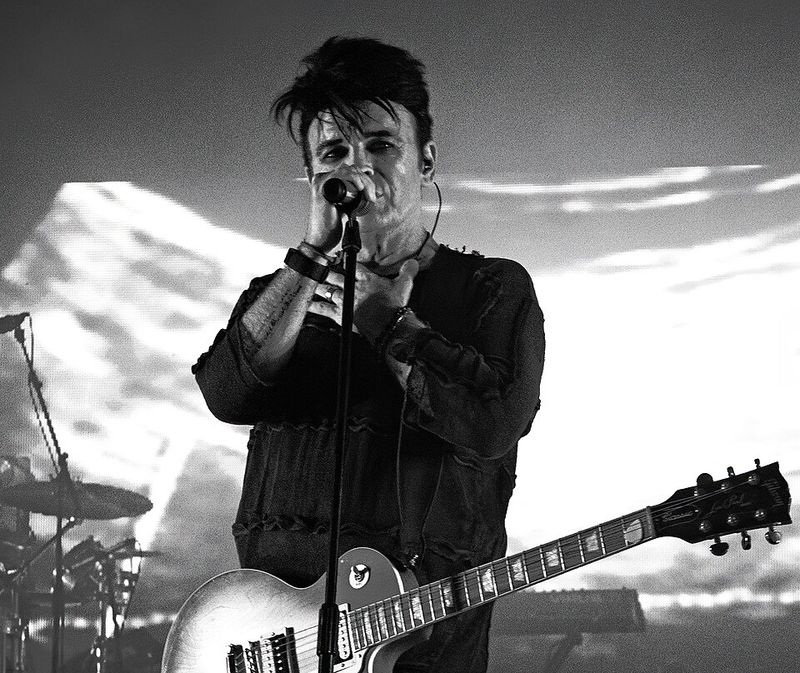
Gary Numan recorded this track at age 21, and its cold, mechanized production was so distinct from anything on mainstream radio that it essentially created its own category. The synthesizer-driven arrangement drew from Kraftwerk’s electronic work but pushed it into pop territory in a way that felt genuinely new.
The song reached number one in the UK and the top five in the US, introducing synth-pop to a mass audience before the genre had even been named.
Industrial and electronic artists have cited it as a direct influence for decades. Heard today, it sounds less like a product of 1979 and more like a template that the following two decades of electronic music were built around, which is a significant historical reframing.
17. Heartache Tonight, Eagles
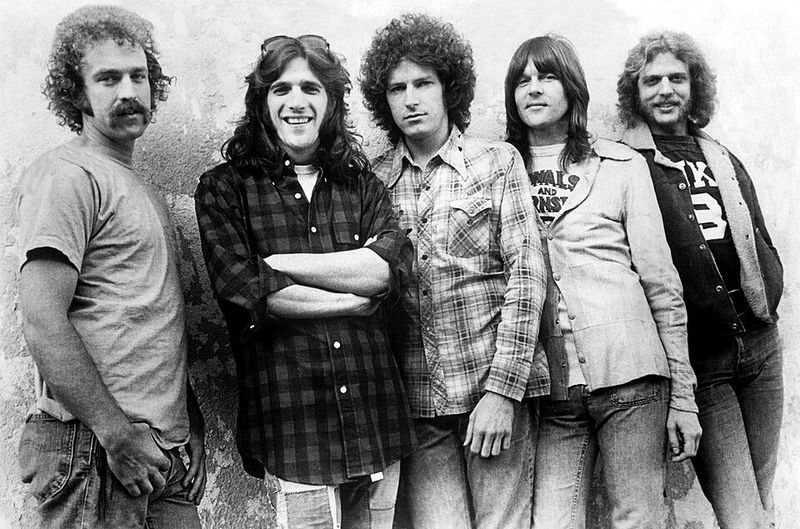
The Eagles released this track from The Long Run, an album that arrived under enormous commercial pressure following the massive success of Hotel California. Heartache Tonight won the Grammy for Best Rock Performance by a Duo or Group with Vocal in 1980, which validated its quality but also marked it as a product of a very specific commercial moment.
The song’s blues-rock structure and ensemble vocals were polished to a degree that some critics found overly calculated.
Today it gets played primarily on classic rock radio, where it sits alongside dozens of similarly crafted tracks from the era. That format has a way of flattening the distinctions between songs, making Heartache Tonight sound more generic than it actually was when it first charted.
18. Dim All the Lights, Donna Summer
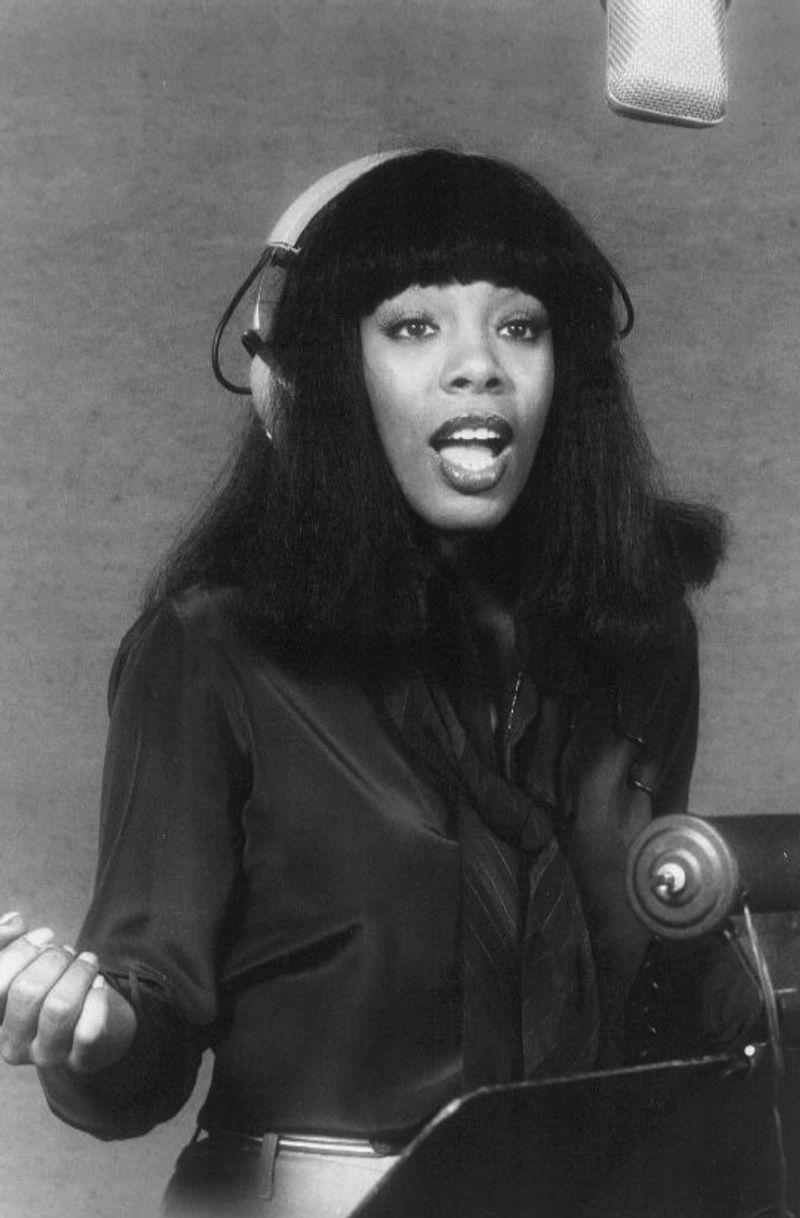
Donna Summer wrote this track herself, which was notable because she was often perceived primarily as a performer rather than a songwriter. It became one of her top-charting singles and demonstrated a creative range that her public image at the time did not always reflect.
The song arrived during the peak commercial period for disco, just before the genre’s abrupt fall from mainstream favor in 1980. That timing gives it a particular historical weight.
Listeners today hear it as a representative artifact of late-disco production values: layered strings, a driving rhythm section, and a vocal performance built for large spaces. Summer’s authorship credit has become more widely recognized in recent years, which shifts how the track is understood as a piece of creative work.
19. Escape (The Piña Colada Song), Rupert Holmes
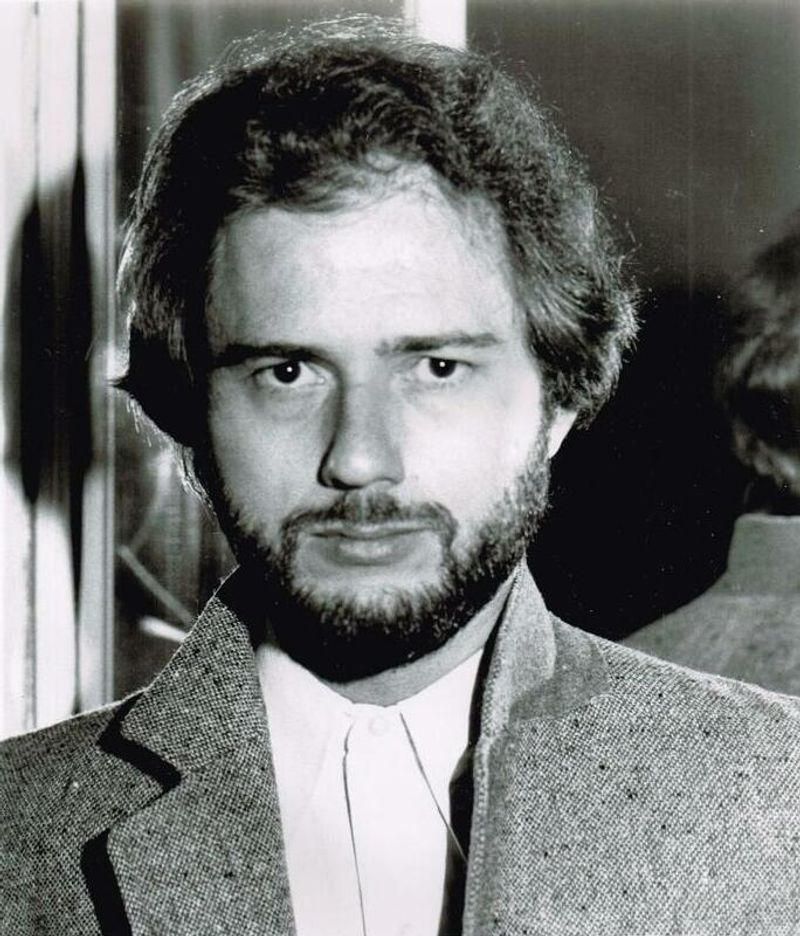
Rupert Holmes wrote and recorded this track as a narrative pop song with a specific story arc, a format that was more common in the 1960s and early 1970s than in the disco-dominated charts of 1979. It became the last number one single of the decade in the United States.
The song has since been adopted as a defining example of the Yacht Rock genre, a retroactively named category that covers smooth, polished, adult-oriented pop from the late 1970s and early 1980s.
That label did not exist when the song was released, but it now shapes how listeners approach the track. The Yacht Rock classification has brought renewed attention and even affectionate irony to the song, placing it in a cultural framework that Holmes could not have anticipated.
Share this story