 Unearth The Voyage
Some songs do more than fill a radio slot. They shake the world, flip the script, and somehow become bigger than music itself.
From protest anthems to genre-defining beats, these 19 tracks didn’t just top charts. They changed culture, started conversations, and gave millions of people a voice.
Strange Fruit – Billie Holiday (1939): The song that forced America to look.
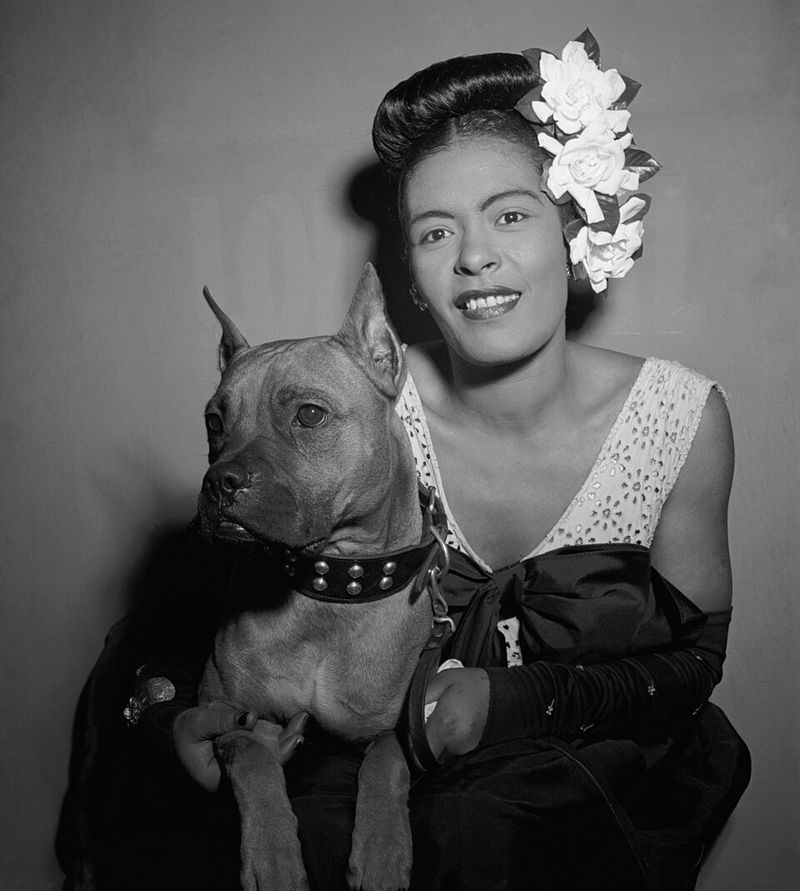
Few songs have ever carried the weight of an entire nation’s shame the way this one did. Written by teacher Abel Meeropol and first recorded in 1939, “Strange Fruit” confronted the brutal reality of racial lynching in the American South.
Billie Holiday performed it with such devastating calm that audiences were often left in stunned silence.
Columbia Records refused to release it. Holiday recorded it on a smaller label anyway.
That act of defiance alone tells you everything about what the song stood for.
Radio stations banned it. Some venues refused to let her perform it.
None of that stopped it from spreading. The NAACP called it a protest anthem.
Time magazine later named it the song of the century. Holiday was approximately 24 when she recorded it, and the courage it took cannot be overstated.
This was not just music. This was testimony.
Johnny B. Goode – Chuck Berry (1958): The guitar blueprint for rock ‘n’ roll.
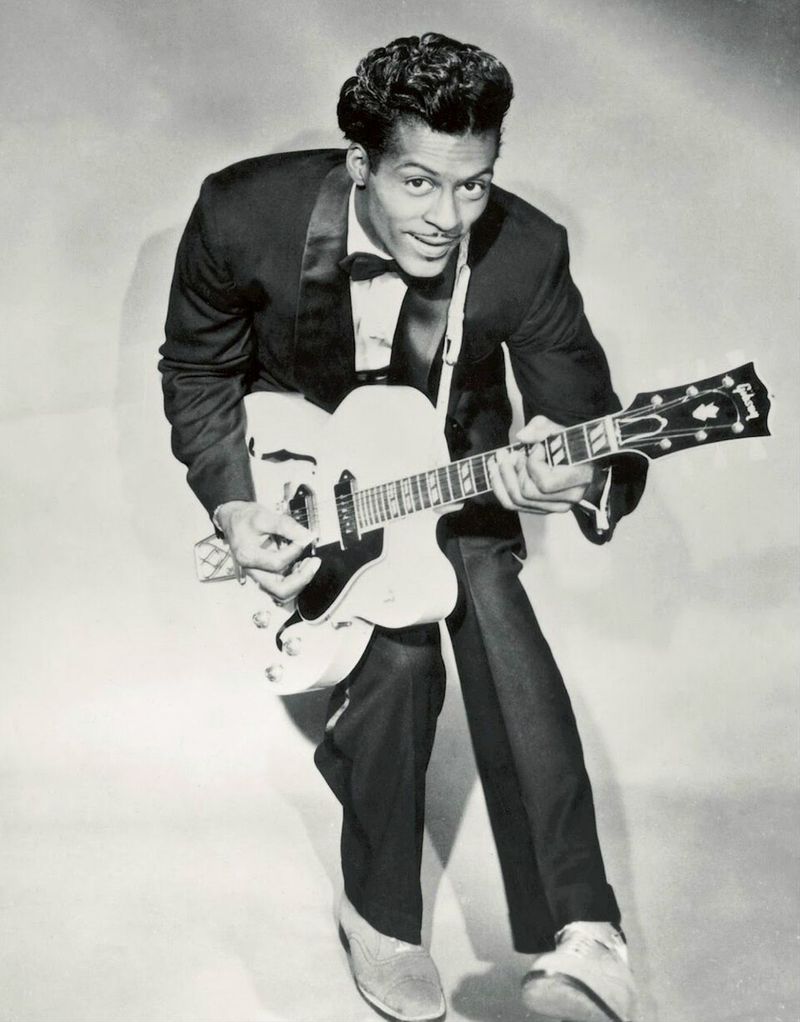
Chuck Berry basically handed every future rock guitarist a manual and said, “You’re welcome.” Released in 1958, “Johnny B. Goode” packed everything rock needed into one track: a killer riff, a relatable hero, and enough energy to power a small city.
Berry was around 31 when he recorded it, and the opening guitar lick is arguably the most copied intro in rock history. Keith Richards once said if you want to understand rock ‘n’ roll, start here.
He wasn’t wrong.
The song is literally in outer space. NASA included it on the Voyager Golden Record in 1977, launched to represent humanity’s music to any alien civilization that might find it.
So if extraterrestrials ever discover us, their first impression of Earth’s music will be Chuck Berry shredding a guitar solo. Honestly, that’s the best possible first impression we could have made.
Like a Rolling Stone – Bob Dylan (1965): Six minutes that changed what lyrics could do.
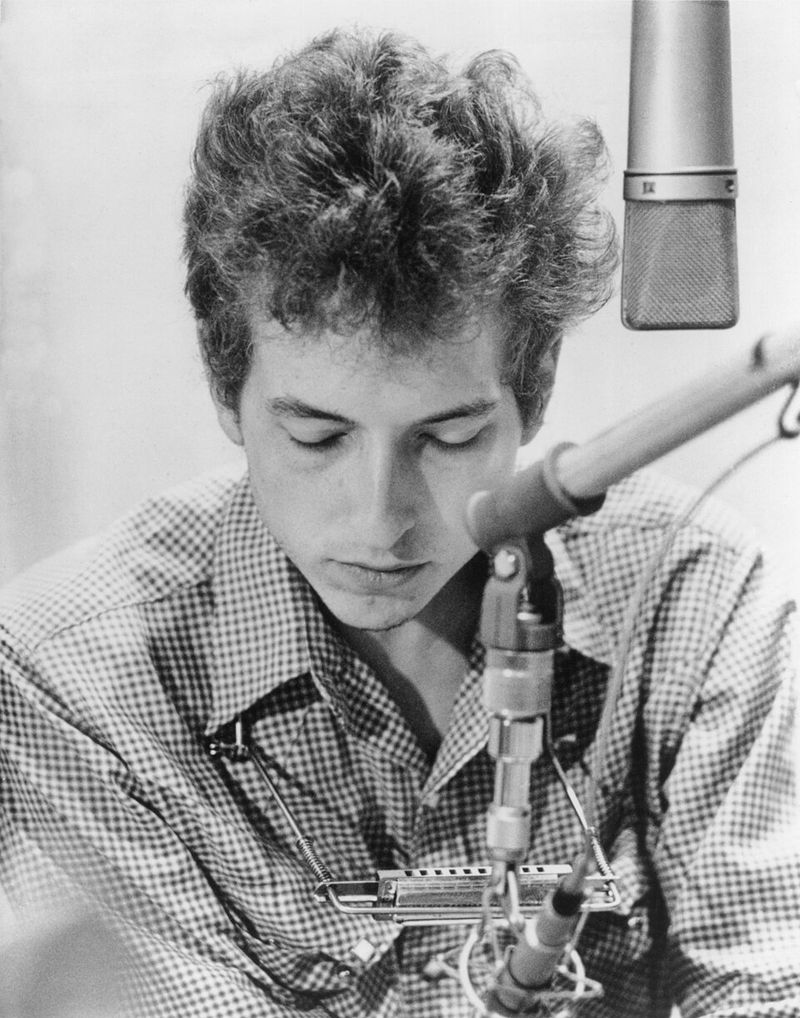
Radio stations in 1965 had a strict rule: songs had to be under three minutes. Bob Dylan ignored that completely, dropped a six-minute track, and somehow nobody could stop playing it. “Like a Rolling Stone” wasn’t just long.
It was confrontational, poetic, and deeply weird in the best way.
Dylan was about 24 when he wrote it. The lyrics read more like a sharp, bitter letter than a pop song.
He wasn’t singing about love or heartbreak. He was asking, “How does it feel?” over and over, and somehow that felt more personal than any love song ever had.
Rolling Stone magazine ranked it the greatest song of all time. Radio DJs who initially split it across two sides of a single quickly gave in and played the full version.
It proved that lyrics could be literature. Every artist who writes long, complex songs owes Dylan a thank-you card.
Respect – Aretha Franklin (1967): A demand that became a movement.
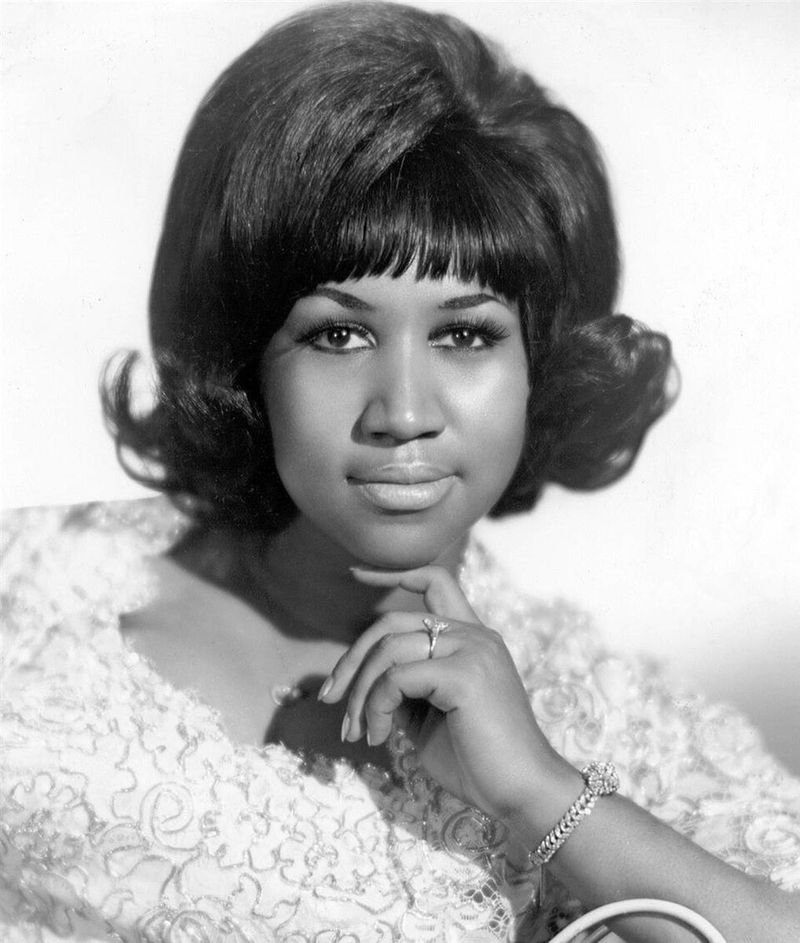
Aretha Franklin took Otis Redding’s song, rewrote its soul, and turned it into one of the most powerful demands ever recorded. Redding’s version was a man asking for respect at home.
Franklin’s version was every woman, every Black American, spelling it out letter by letter: R-E-S-P-E-C-T.
She was around 25 when she recorded it, and her delivery was so ferocious that the original songwriter reportedly said she had taken his song away from him. That’s not a complaint.
That’s a compliment disguised as shock.
The civil rights movement and the women’s liberation movement both claimed it as their anthem. It hit number one in 1967 and won Franklin two Grammy Awards.
The spelling-out of the word mid-song became one of the most recognizable moments in pop history. I still find myself spelling it in my head whenever I hear those opening horns.
Old habits, apparently, never die.
I Want to Hold Your Hand – The Beatles (1963): The spark that lit Beatlemania worldwide.
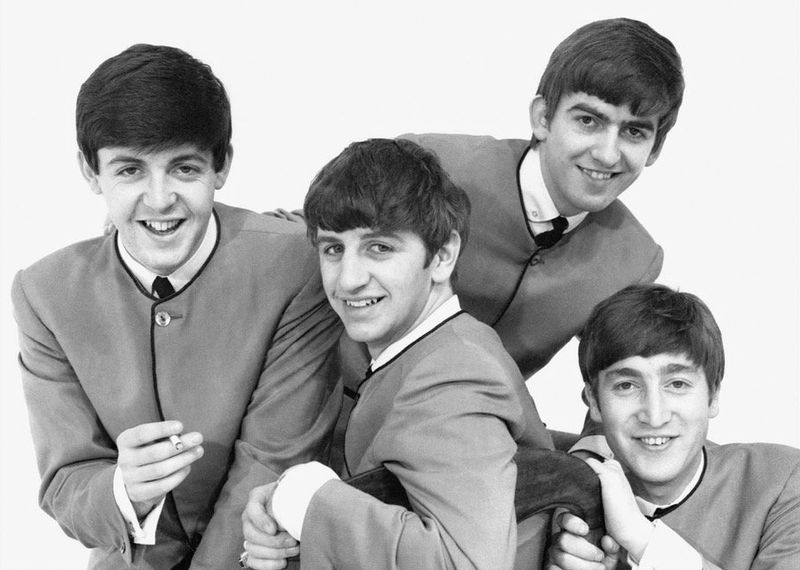
Nobody was quite ready for what happened when The Beatles landed in America in February 1964. “I Want to Hold Your Hand” had already hit number one in the U.S. before they stepped off the plane, and the crowd at JFK Airport was so enormous it bordered on chaotic.
The song itself is not complicated. It’s about holding someone’s hand.
But the energy, the harmonies, and the sheer joy baked into every note made it feel like the most exciting thing anyone had ever heard. Seventy-three million people watched their Ed Sullivan debut.
That was roughly 40 percent of the U.S. population at the time.
“Beatlemania” became an actual clinical term used by newspapers to describe the hysteria. The Beatles were all in their early twenties, and they had somehow conquered an entire continent in about two weeks.
The British Invasion had officially begun, and American pop music would never sound the same again.
Smells Like Teen Spirit – Nirvana (1991): The roar that dethroned an era.
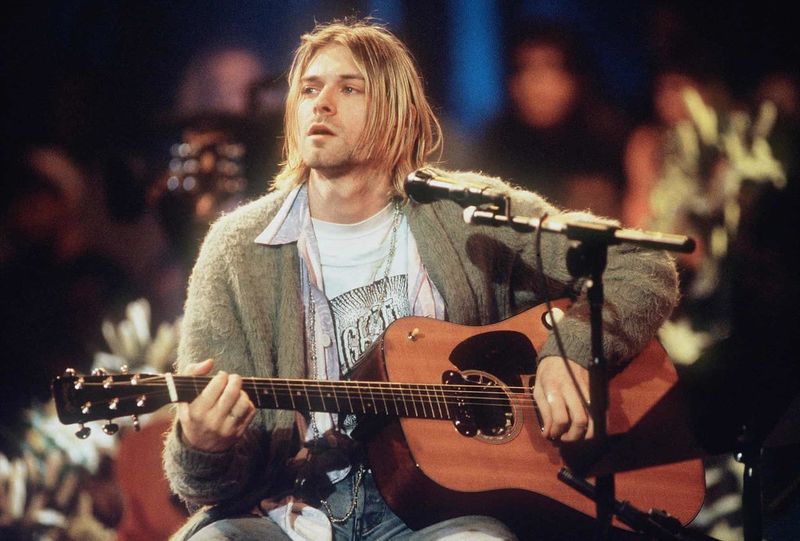
Hair metal had dominated the late 1980s with big hair, bigger egos, and guitar solos that went on forever. Then Nirvana walked in, turned the volume up to eleven, and the whole era collapsed like a house of cards. “Smells Like Teen Spirit” arrived in September 1991 and immediately made everything else feel ridiculous.
Kurt Cobain was about 24 at the time and reportedly wrote the main riff in about fifteen minutes. He later said he was trying to write a pop song.
What came out was a distorted, howling anthem for every teenager who felt misunderstood, overlooked, or just plain bored.
MTV put the music video in heavy rotation, and grunge went from Seattle’s secret to the world’s obsession practically overnight. Cobain famously felt uncomfortable with the fame that followed.
The song’s power came from its rawness, and that rawness never faded. Even today, those opening guitar notes hit like a freight train pulling into a quiet station.
Bohemian Rhapsody – Queen (1975): The rule-breaker that made “too weird” a compliment.
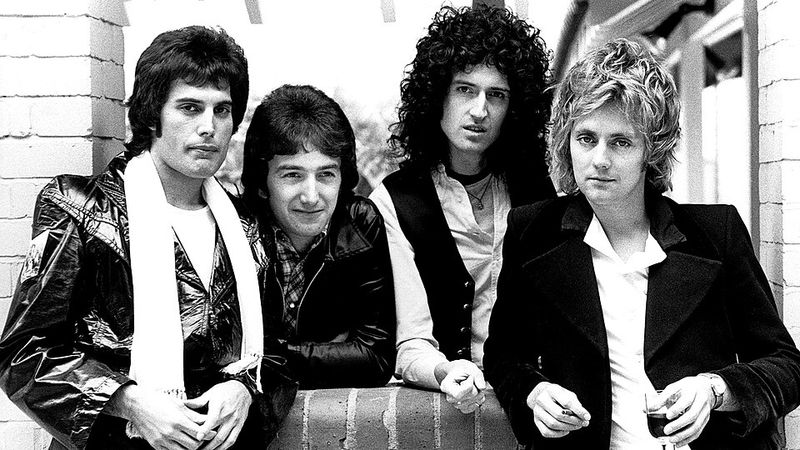
Every record label executive who heard “Bohemian Rhapsody” for the first time reportedly said the same thing: it will never work on radio. It was nearly six minutes long, shifted between operatic passages, hard rock, and a cappella harmonies, and had no chorus in the traditional sense.
Freddie Mercury didn’t care.
Mercury was around 28 when it was recorded, and the vocal overdubbing alone took three weeks. Queen layered up to 180 vocal tracks in some sections.
The result sounded like an entire opera crammed into a rock song, which is exactly what it was.
Radio DJ Kenny Everett played it so many times after Mercury gave him an early copy that listener demand forced it onto official rotation. It hit number one in the UK for nine weeks.
The 1992 Wayne’s World car scene introduced it to a whole new generation. Forty-five years after release, it became Spotify’s most-streamed song from the 20th century.
Superstition – Stevie Wonder (1972): A groove so perfect it rewired pop-funk.
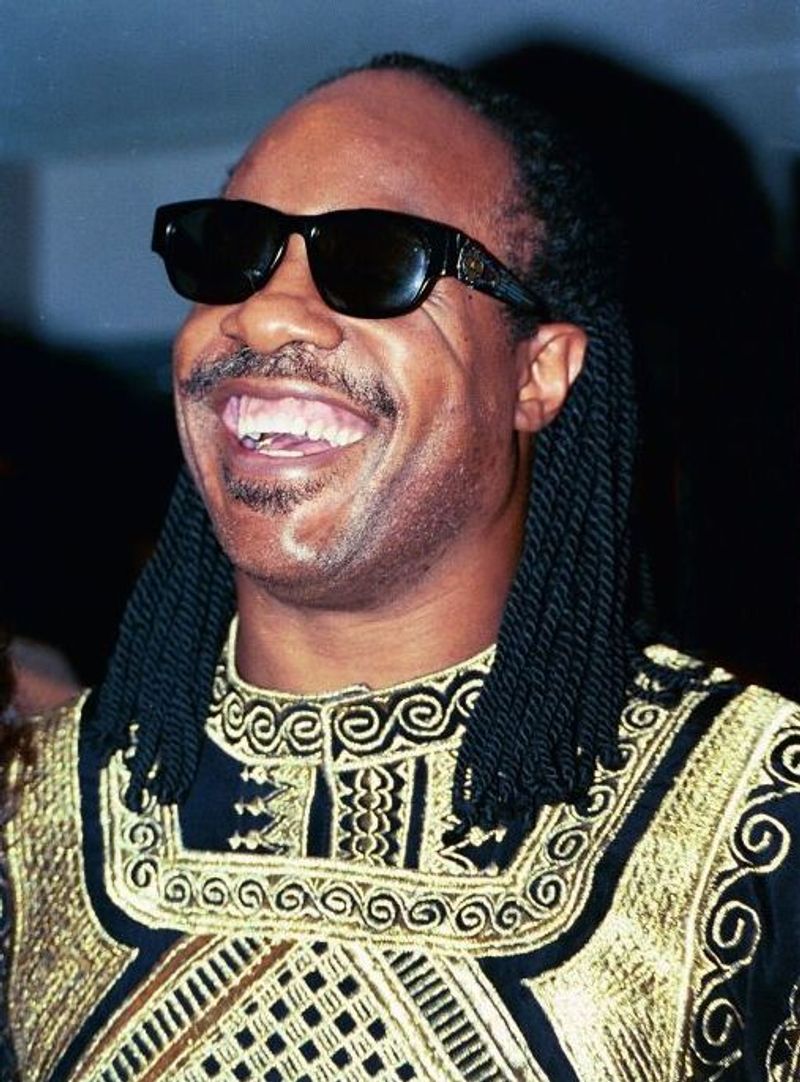
Jeff Beck asked Stevie Wonder to write him a song. Wonder wrote “Superstition,” liked it so much he kept it for himself, and released it first.
Beck got his version later. Wonder’s version hit number one.
Honestly, you can’t argue with that logic.
Wonder was approximately 22 when he recorded it, and he played nearly every instrument on the track himself. The clavinet riff that opens the song is one of the most recognizable sounds in pop history.
It’s funky, it’s tight, and it somehow manages to be both retro and futuristic at the same time.
“Superstition” marked a turning point in Wonder’s career. He had just renegotiated his Motown contract to gain full creative control, and this was his statement of intent.
The song changed how producers thought about funk and rhythm in pop music. It proved that groove could be sophisticated, layered, and still make an entire room move without warning.
Imagine – John Lennon (1971): A piano prayer the world still sings.
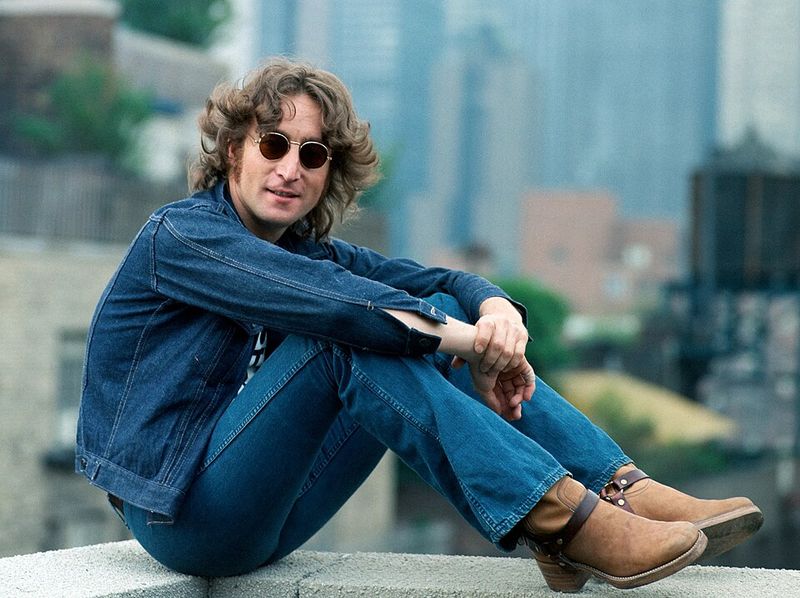
John Lennon sat down at a white grand piano in his Tittenhurst Park mansion, and what came out was possibly the most widely recognized peace song ever written. “Imagine” was released in 1971 when Lennon was around 30, and its message was almost dangerously simple: what if we just stopped dividing ourselves?
The song asked listeners to set aside countries, religion, and possessions. For some, that was revolutionary.
For others, it was deeply uncomfortable. It was banned in some countries and embraced as an unofficial anthem of the peace movement in others.
Lennon later admitted the song was essentially “Communist” in message but wrapped in enough sugar to make it palatable. Whether you agree with its politics or not, the melody is so quietly devastating that it tends to bypass arguments entirely.
It has been performed at Olympic Games, memorials, and vigils worldwide. Some songs just refuse to stop being relevant, and this is absolutely one of them.
Rapper’s Delight – Sugarhill Gang (1979): The moment hip-hop kicked the door open.
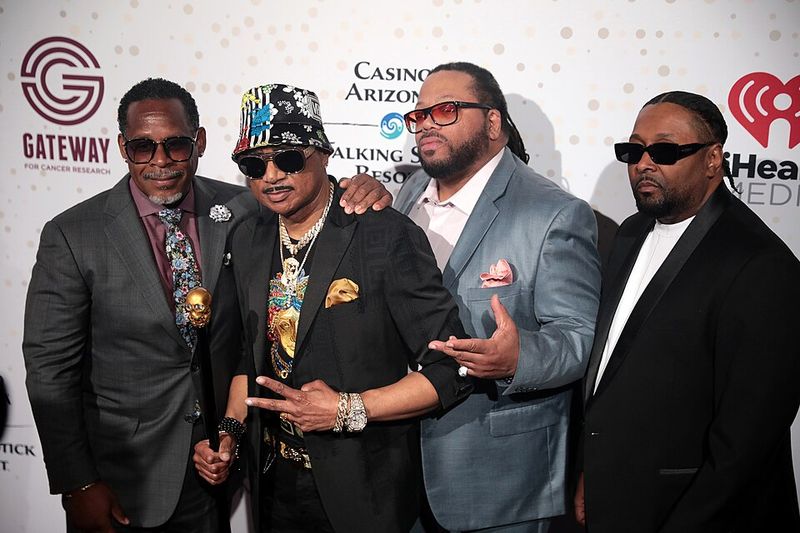
Before 1979, most record executives believed hip-hop was a local New York thing that would fade fast. Then the Sugarhill Gang released a 14-minute track built on a borrowed bass line from Chic’s “Good Times,” and suddenly hip-hop was a genre the entire world had to reckon with.
“Rapper’s Delight” wasn’t the first rap recording ever made, but it was the first to break into the mainstream pop charts. It reached number 36 on the Billboard Hot 100, which doesn’t sound massive until you remember that most industry people said rap would never chart at all.
The three members of Sugarhill Gang were all in their early twenties when label founder Sylvia Robinson put them together specifically to make this record. Grandmaster Caz famously wrote some of the lyrics used in the song without credit or payment.
That backstory aside, the song opened a door that nobody has ever managed to close. Hip-hop took that opening and built an empire.
What’s Going On – Marvin Gaye (1971): When soul music turned into a mirror.
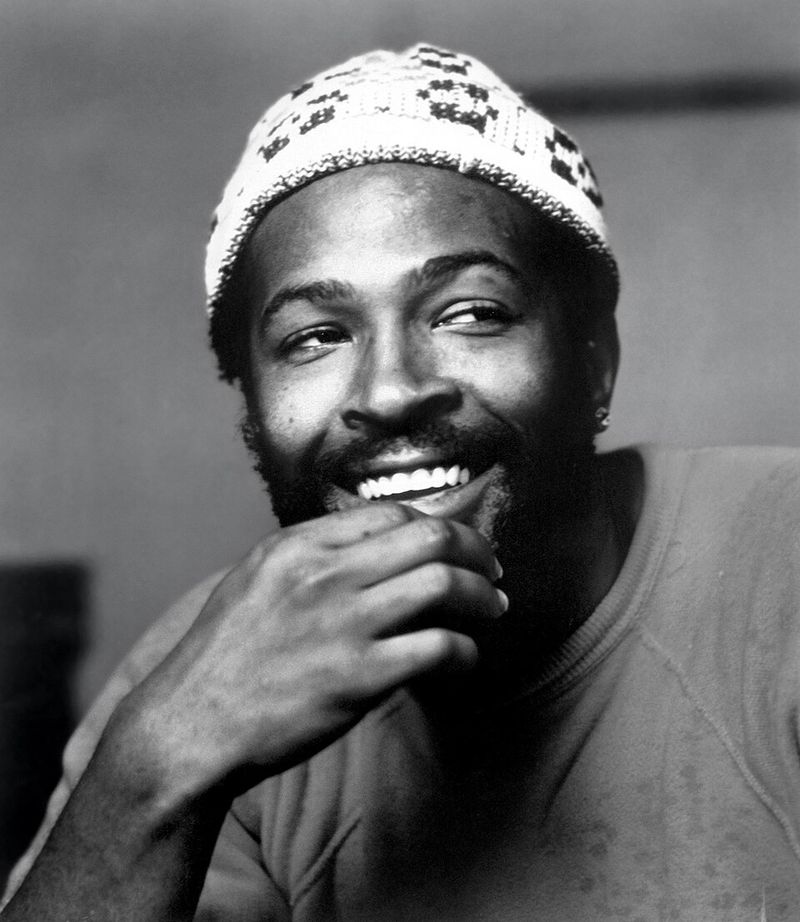
Motown founder Berry Gordy told Marvin Gaye not to release this song. He called it uncommercial and too political.
Gaye released it anyway, and it became the best-selling Motown single at that point in the label’s history. Sometimes you just have to trust your instincts over your boss.
Gaye was about 32 when he wrote and recorded it, inspired partly by a letter from his brother Frankie, who had returned from Vietnam traumatized. The song asked hard questions about war, poverty, and police brutality in America.
In 1971, those topics were not what soul radio stations expected.
The album it launched became the first concept album in Motown’s catalog. It changed what soul music was allowed to say.
Artists like Stevie Wonder and Curtis Mayfield followed with their own socially conscious work. “What’s Going On” didn’t just reflect the world around it. It challenged listeners to actually think about what they were hearing, which was radical for pop radio.
Born in the U.S.A. – Bruce Springsteen (1984): An anthem that hits harder when you hear the words.
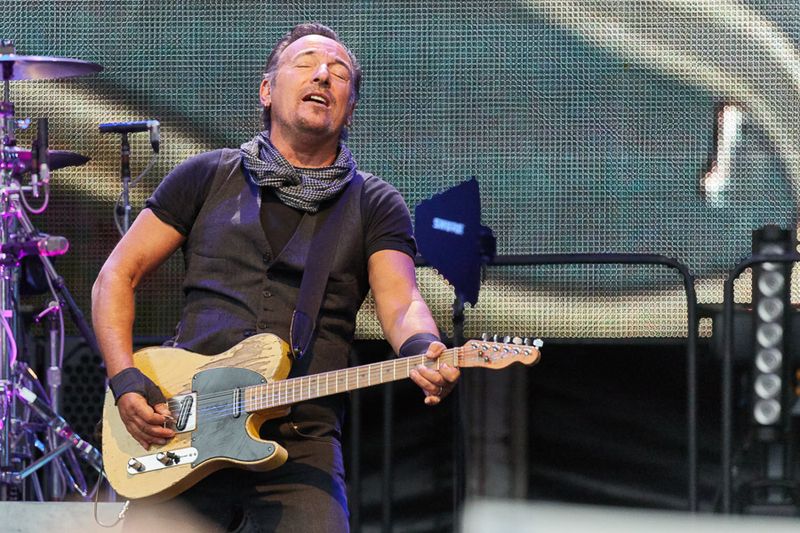
Ronald Reagan’s campaign team tried to use “Born in the U.S.A.” as a rally anthem in 1984. Springsteen publicly asked them to stop.
The misunderstanding is almost impressive, because the song is not a celebration. It’s a gut-punch about a Vietnam veteran who comes home to nothing.
Springsteen was around 34 when he released it, and the gap between the triumphant-sounding chorus and the bleak verses is the entire point. The music sounds like a victory lap.
The lyrics describe a man failed by the country he fought for. That tension is what makes it brilliant and also very easy to misread.
The album sold 30 million copies worldwide. Seven of its twelve tracks became top-ten singles, a record at the time.
The fact that a deeply critical song about American neglect became one of the most iconic “American” songs ever made is either deeply ironic or deeply American. Possibly both, depending on your mood.
One Love – Bob Marley (1977): A chorus that made unity sound inevitable.
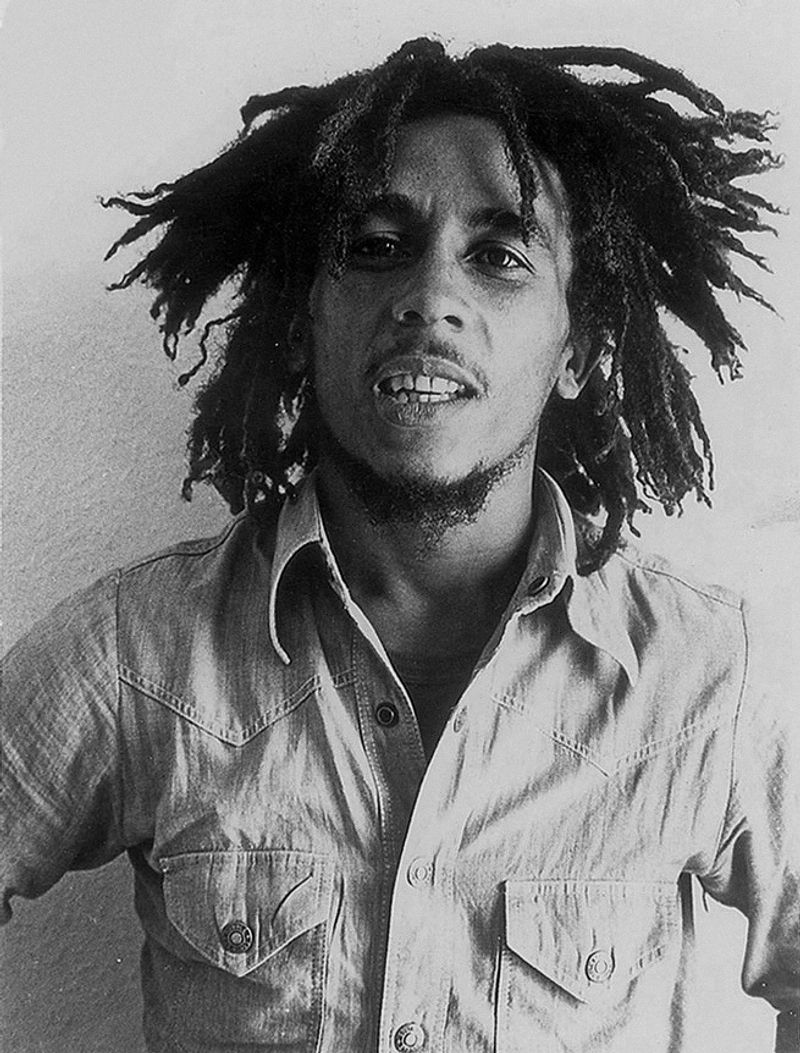
Bob Marley originally recorded a version of “One Love” in 1965, but the Exodus-era recording from 1977 is the one that became a global anthem. Marley was about 32 at the time, and the track blended his original melody with a section lifted from Curtis Mayfield’s “People Get Ready,” creating something that felt both sacred and jubilant.
The song arrived two years after a gunman broke into Marley’s Kingston home and shot him. He performed at the Smile Jamaica concert two days after the attack.
That context makes “One Love” feel less like a simple sing-along and more like an act of defiance wrapped in warmth.
Jamaica’s tourist board later used the song so heavily in advertising that it became practically synonymous with the island itself. Marley reportedly had mixed feelings about that.
The song deserves more than a holiday brochure. It carries the weight of a man who genuinely believed the world could be better and sang it like he meant every word.
Thriller – Michael Jackson (1982): The song that turned videos into events.
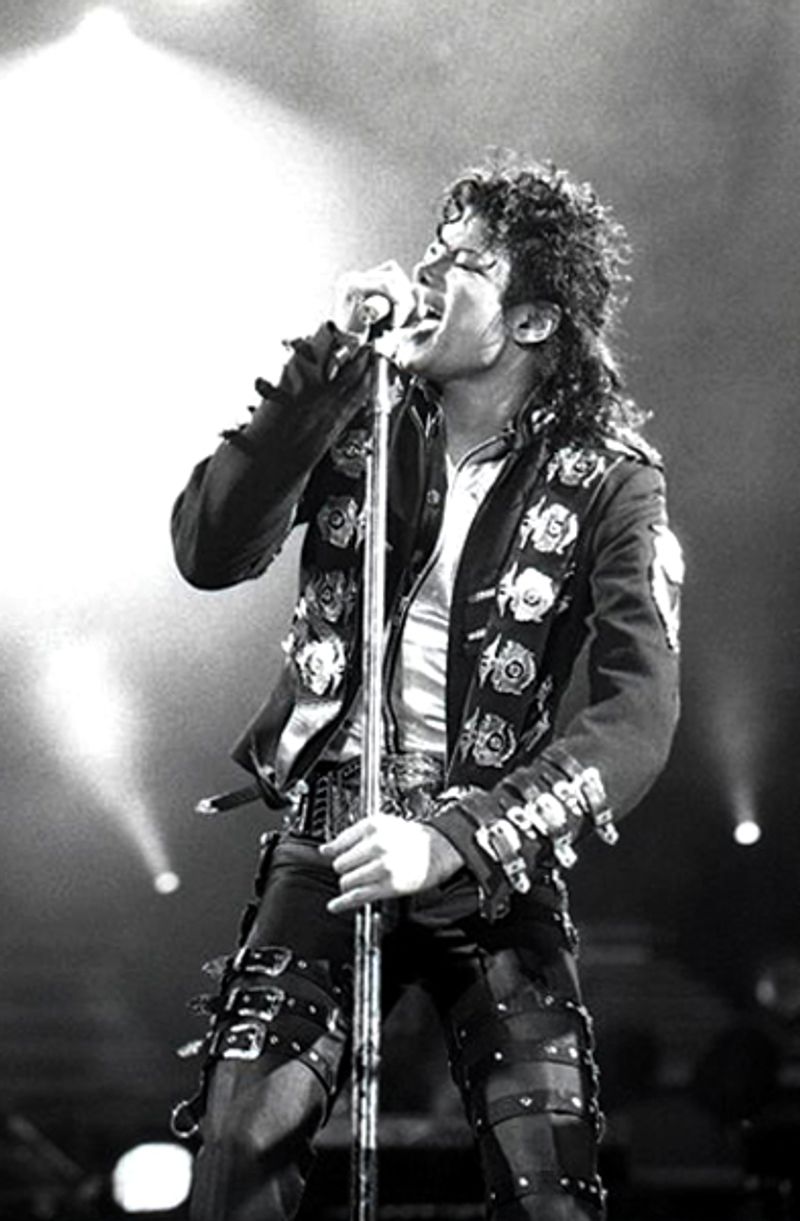
Before “Thriller,” music videos were promotional clips. After “Thriller,” they were cinematic events with budgets, directors, and full story arcs.
The 14-minute short film directed by John Landis cost $500,000 to make in 1983, which was an almost unheard-of investment for a music video at the time.
Michael Jackson was about 24 when the album dropped, and the zombie choreography he performed with sixty dancers became one of the most replicated routines in pop culture history. Flash mobs have been recreating it in shopping malls and public squares for over four decades.
The Thriller album became the best-selling album of all time, with over 70 million copies sold worldwide. The title track reached number four on the Billboard Hot 100, which feels surprisingly modest until you realize the album generated seven top-ten singles.
Vincent Price’s spoken-word segment at the end remains one of the best cameos in music history. Nobody has ever made Halloween this fun.
Sweet Home Alabama – Lynyrd Skynyrd (1974): A riff that became cultural shorthand.
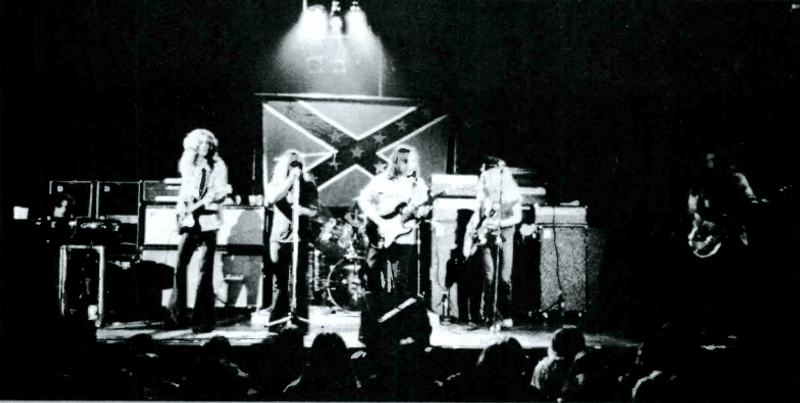
The opening guitar riff of “Sweet Home Alabama” is so deeply embedded in American culture that it gets played at sporting events, barbecues, and county fairs across the country without anyone stopping to think about it. Lynyrd Skynyrd were in their mid-twenties when they recorded it, and the song was originally written as a response to Neil Young’s “Southern Man.”
Young had criticized the South in his song, and Skynyrd fired back with regional pride. Young himself later said he loved the track and bore no grudge.
The two acts became friendly, which is a much better ending than most musical feuds get.
The song has a complicated legacy. It’s been claimed by people across the political spectrum and has appeared in countless films, TV shows, and commercials.
That omnipresence is exactly what “cultural shorthand” means. Hearing those opening notes instantly communicates something about Americana, the South, and rock guitar that no description could fully capture.
Lose Yourself – Eminem (2002): The pressure-cooker anthem that won the biggest prize.
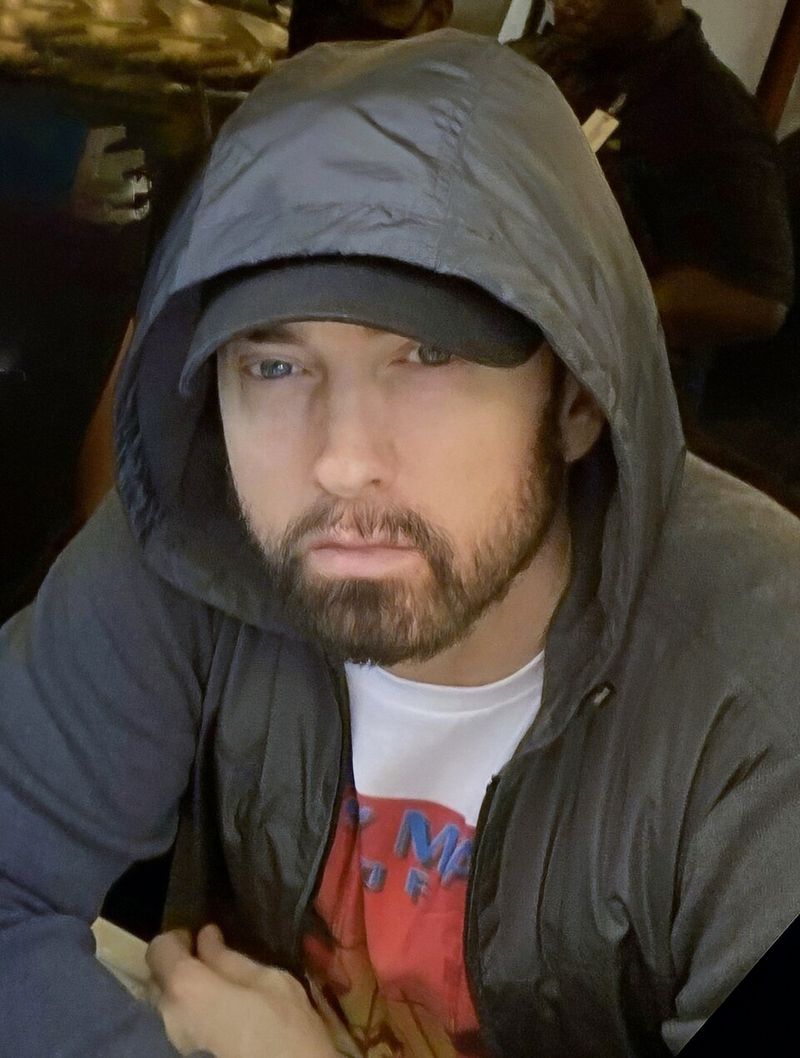
“You only get one shot, do not miss your chance to blow.” Eminem wrote those words for the film 8 Mile, based loosely on his own story of climbing out of Detroit’s poverty through rap. The song won the Academy Award for Best Original Song in 2003, making it the first hip-hop track to ever take that prize.
Eminem was about 29 when he recorded it, and the story goes that he wrote the lyrics on a paper bag while on the set of the film. Whether that’s completely true or slightly mythologized, the song does have the breathless urgency of something written under pressure.
He was not present at the Oscars ceremony when it won, reportedly because he didn’t think it would win and was asleep. Waking up to find out you won the most prestigious film award in the world while napping is an extremely Eminem way for that story to end.
The song has never left pop culture since.
Single Ladies (Put a Ring on It) – Beyonce (2008): A dance so viral it became a language.
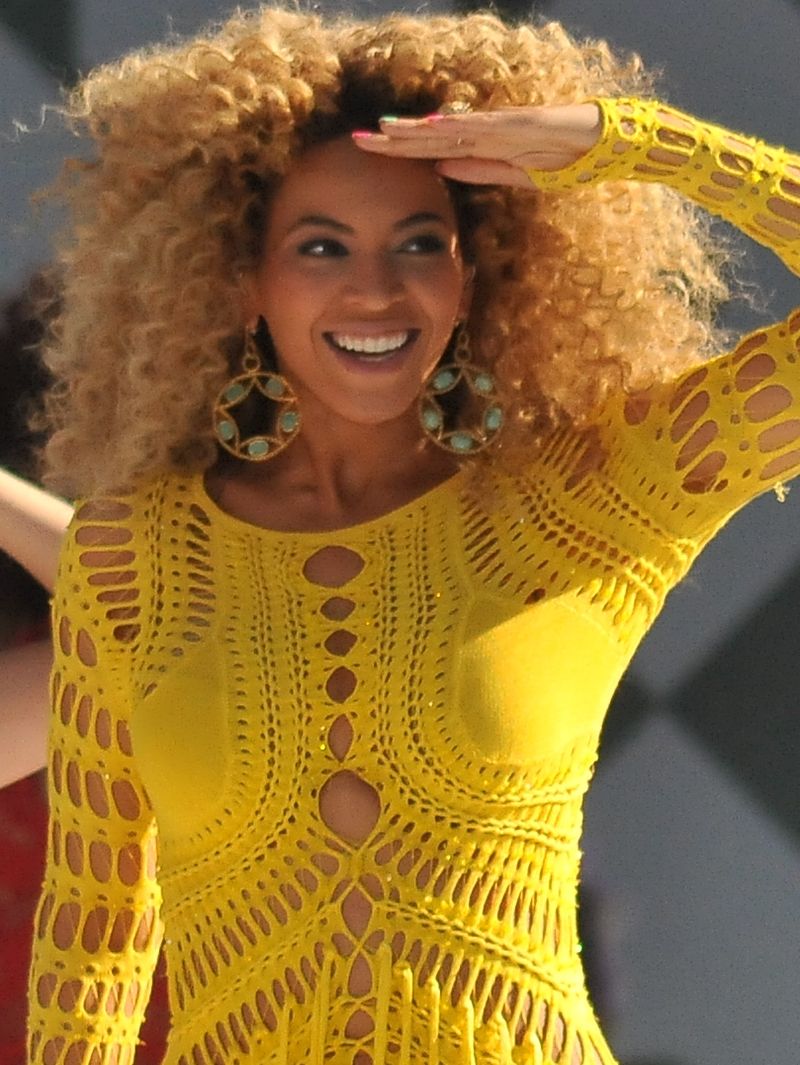
The choreography for “Single Ladies” was inspired by a 1969 Bob Fosse routine called “Mexican Breakfast.” Beyonce took that inspiration, added her own genius, and created the most copied dance routine of the 21st century. The hand gesture alone became a universal symbol that required zero explanation.
Beyonce was about 27 when the song dropped, and the video was filmed in a single day in black and white with almost no set. Three women, a bare stage, and a camera.
The simplicity made the dancing impossible to ignore.
The song won three Grammy Awards and became a pop culture phenomenon almost immediately. Kanye West’s infamous 2009 VMAs interruption of Taylor Swift, where he declared Beyonce’s video deserved the award, only amplified its reach further.
Countless parody videos, flash mobs, and tribute performances followed. The ring finger gesture entered everyday conversation.
Few songs have ever communicated so much meaning through so few words and one very specific hand movement.
Old Town Road – Lil Nas X (2019): The genre-bender that rewrote chart history.
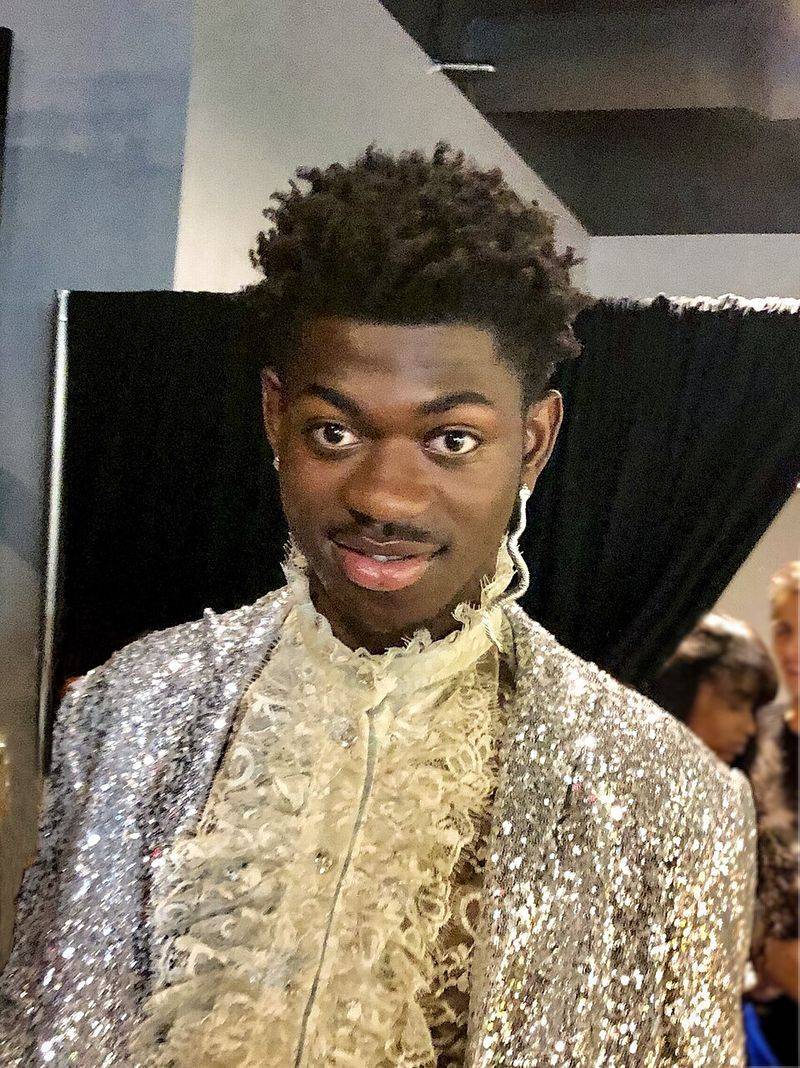
Lil Nas X bought the beat for “Old Town Road” online for $30. That is not a typo.
Thirty dollars. The track went on to spend 19 weeks at number one on the Billboard Hot 100, setting a record at the time for the longest-running number-one single in the chart’s history.
He was about 19 when he released it, and the song’s genre identity caused a genuine industry controversy. Billboard removed it from the country chart, arguing it wasn’t country enough.
The debate about what counts as country music has continued ever since, with Lil Nas X essentially winning the argument by dominating every other chart instead.
Billy Ray Cyrus joined for a remix that helped push it even further. The song existed at the intersection of country, hip-hop, and internet culture in a way nothing had managed before.
It proved that genre labels are mostly gatekeeping, and that a teenager with a laptop and a $30 beat could rewrite the rules of the music industry entirely.
Blinding Lights – The Weeknd (2019): The retro hit that refused to leave the charts.
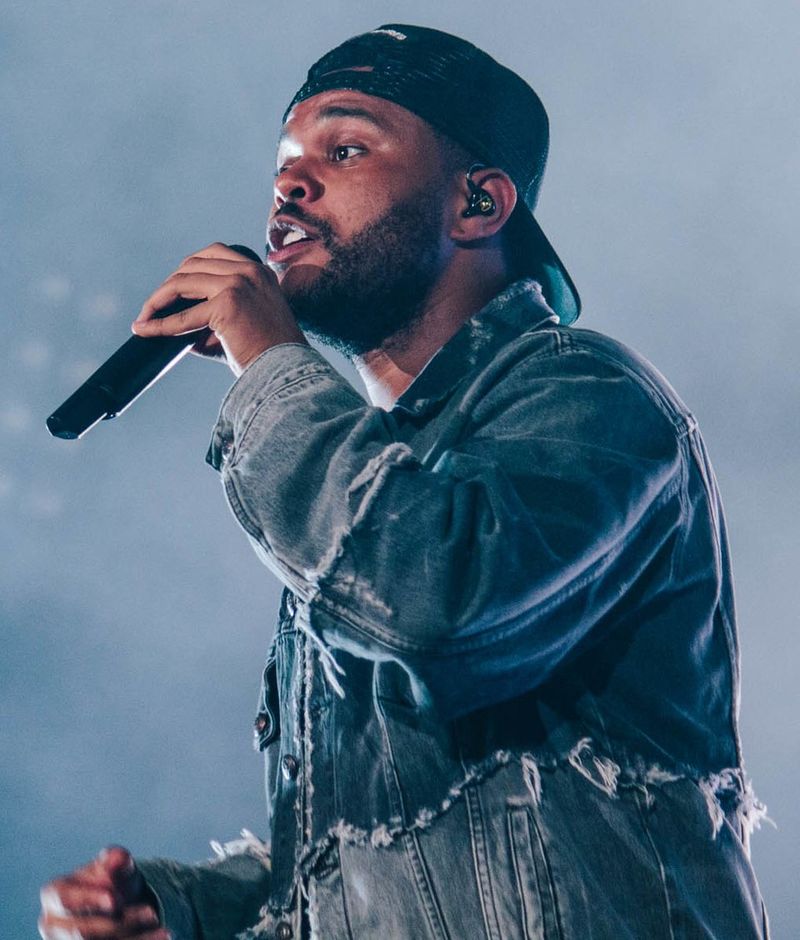
“Blinding Lights” sounds like it was beamed in from 1985, and that is entirely the point. The Weeknd built the song around a synth-driven 80s aesthetic that felt nostalgic without being lazy, and the result became one of the most enduring chart performances in Billboard history.
The Weeknd was about 29 when it was released, and the song eventually logged 88 weeks on the Billboard Hot 100, surpassing the previous record and cementing its place as one of the longest-charting singles in the history of that list. That kind of staying power is almost unheard of in the streaming era, where new music floods platforms daily.
The song was everywhere during 2020 and 2021, partly because the pandemic kept people cycling through playlists on repeat. His Super Bowl LV halftime performance of the track in February 2021 brought it to an audience of over 96 million viewers.
Some songs are just built differently, and this one had the legs of a marathon runner wearing very stylish vintage sneakers.



