 Unearth The Voyage
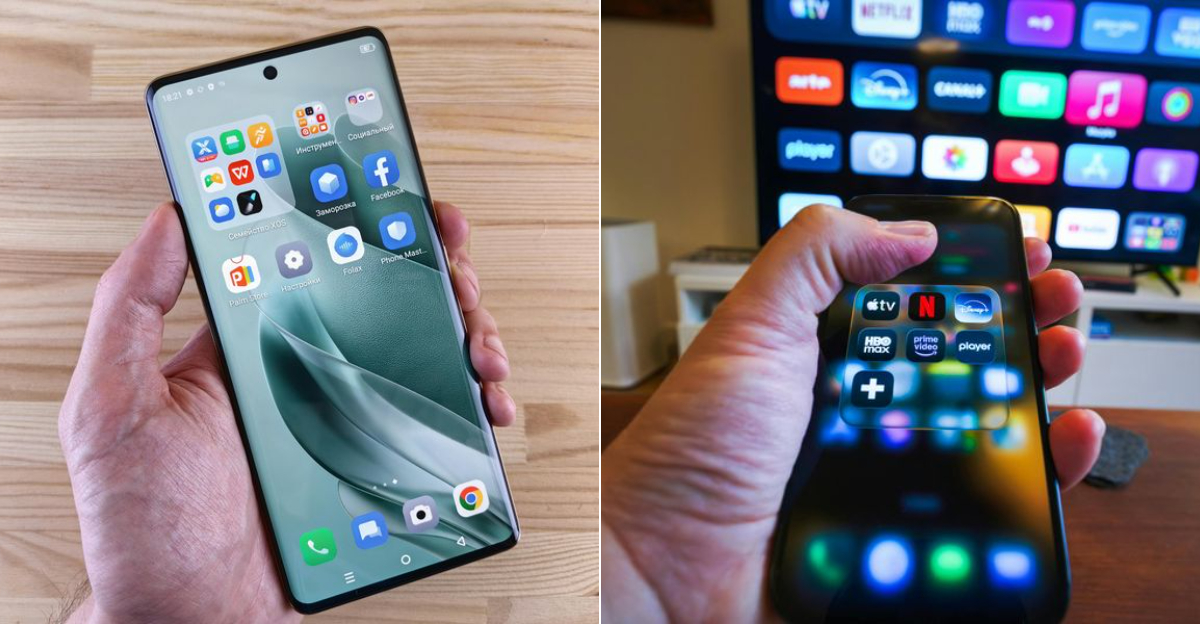
Think about everything you touched today. Your phone, your wireless earbuds, that QR code you scanned at lunch. Now imagine telling someone in 1974 that all of this would fit in your pocket and work without wires. Technology has quietly transformed our daily routines in ways we barely notice anymore, replacing old habits with tools that feel like they’ve always been here.
1. The World Wide Web

Back in 1989, Tim Berners-Lee at CERN created something that would change everything: clickable links connecting documents across computers. Before that, the internet existed, but it was clunky and text-heavy, nothing like what we know today.
The web gave us pages, images, and the ability to jump from one idea to another with a single click. It turned information into an adventure instead of a chore.
Now, saying “go online” means opening a browser and exploring billions of connected pages. That simple act of clicking a link is actually a revolution that’s barely older than many adults today.
2. Wi-Fi
Explaining to someone in 1976 that you could walk around your entire house while watching videos on a device smaller than a notebook, they’d think you were describing science fiction.
Wi-Fi arrived in the late 1990s and made wireless internet a reality for everyday people. No cables trailing behind you, no being stuck at a desk.
The IEEE 802.11 standard and the Wi-Fi Alliance turned connectivity into something invisible and automatic. You don’t think about it anymore, which is exactly the point. That freedom to move while staying connected has quietly reshaped how we live, work, and relax at home.
3. Bluetooth

Nobody gets excited about Bluetooth, and that’s what makes it so brilliant. Released in 1999, this short-range wireless tech quietly handles the small connections that used to require tangled cords.
Your earbuds pair automatically when you pull them out. Your car recognizes your phone the moment you sit down. Your keyboard talks to your computer without a single wire.
It’s not flashy, but Bluetooth is the invisible glue holding your gadgets together. Watches sync with phones, speakers connect to laptops, and fitness trackers send data—all without you lifting a finger. That boring miracle happens dozens of times a day.
4. GPS as a Working Global Utility
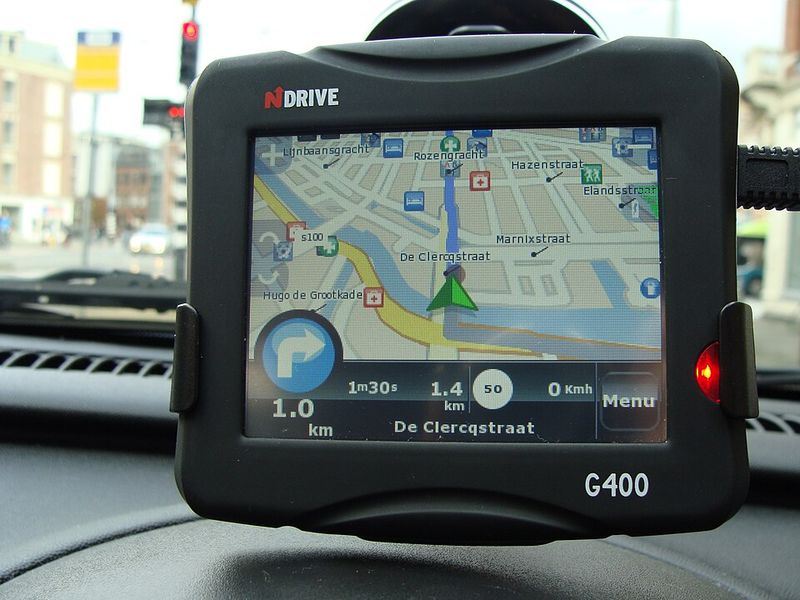
Getting lost used to be normal. People carried folded paper maps, pulled over to ask for directions, and sometimes just gave up and went home.
GPS changed that completely. The first satellite launched in 1978, but the system didn’t reach full capability until 1995. Suddenly, a network of orbiting satellites could pinpoint your exact location anywhere on Earth.
Now you share your location with a tap, find restaurants nearby, and follow turn-by-turn directions without thinking twice. Navigation went from stressful guesswork to something a child can do. That shift happened entirely within the last few decades.
5. The Smartphone
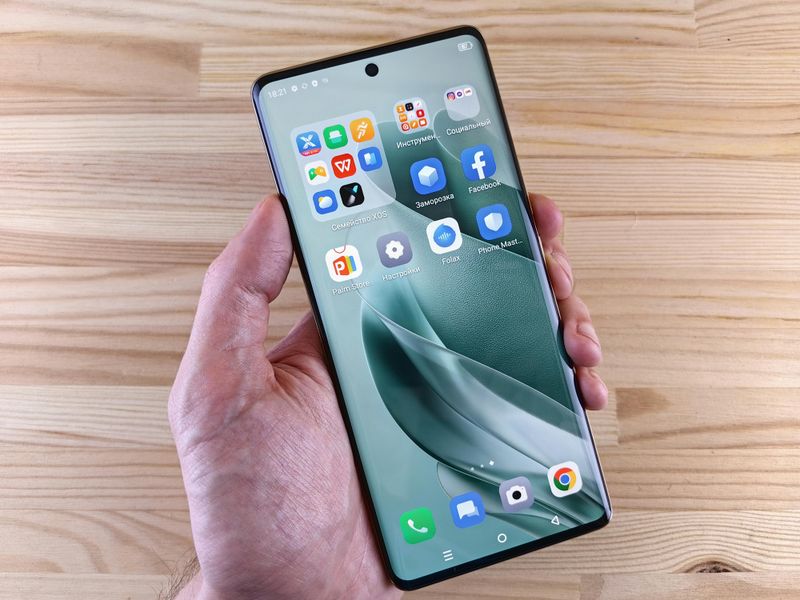
A phone that’s also a camera, a music player, a map, a library, and a shopping mall? That idea would have sounded absurd in 1974.
The IBM Simon went on sale in 1994 as the first real smartphone, blending computing power with phone capabilities. It was clunky and expensive, but it proved the concept could work.
Fast-forward to today, and smartphones are the most important objects many people own. They’ve replaced alarm clocks, calendars, wallets, and entire rooms full of electronics. That pocket-sized computer has quietly become the center of modern life.
6. USB
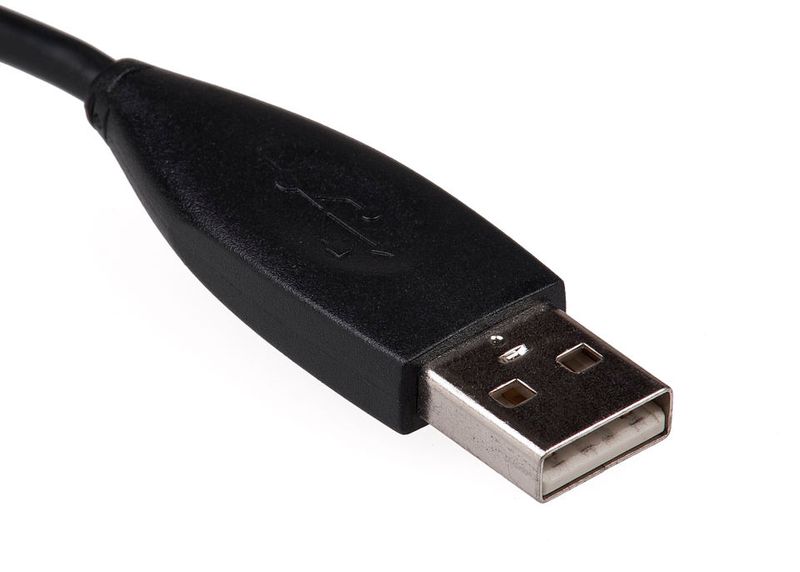
Before 1996, connecting a printer, mouse, or keyboard meant dealing with different ports, drivers, and frustration. Nothing was standardized, and nothing was simple.
USB 1.0 changed that with a single goal: make it easy. One type of port, plug-and-play design, and the promise that things would just work.
Now USB handles everything from charging your phone to transferring files to powering tiny desk fans. You don’t think about it because it does exactly what it’s supposed to do. That boring reliability is the whole point, and it’s only been around since the mid-1990s.
7. QR Codes
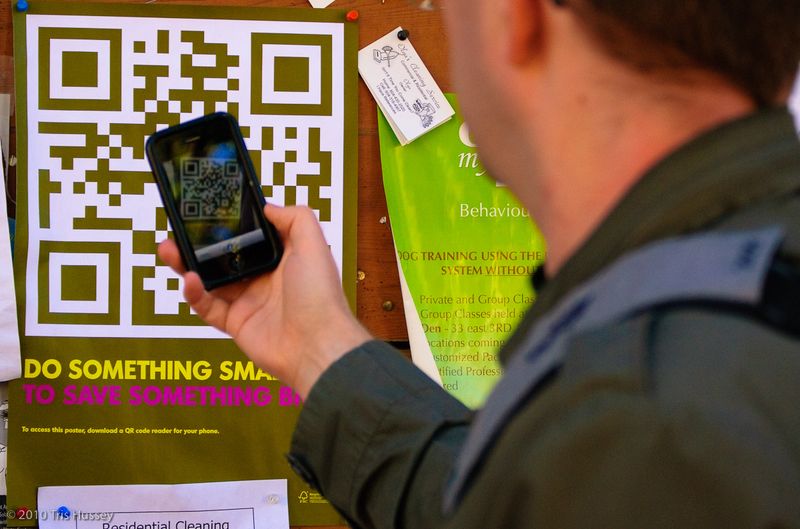
Those pixelated black-and-white squares were invented in Japan in 1994 to track car parts. Nobody imagined they’d end up on restaurant menus, concert tickets, and payment screens everywhere.
QR codes turned every smartphone camera into a scanner. No typing, no searching, just point and tap.
During the pandemic, they exploded in popularity as a contactless way to share information. Now they handle logins, payments, and links with zero effort. What started as an industrial tool became an everyday bridge between the physical and digital worlds, and it happened shockingly fast.
8. Compact Discs
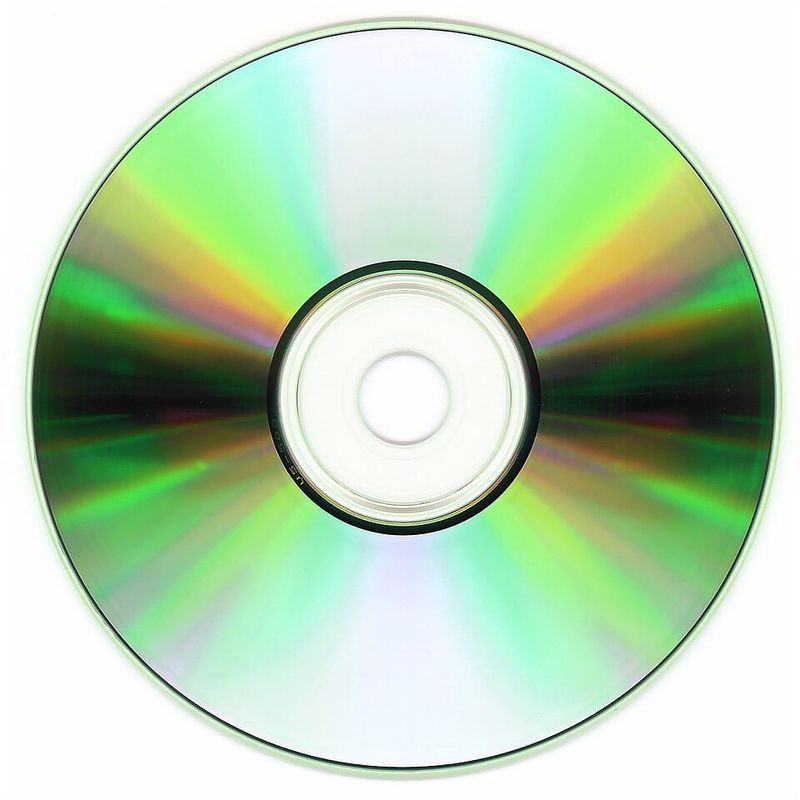
Vinyl records crackled and popped. Cassette tapes hissed and stretched. Then, in October 1982, the first commercial CD player launched, and suddenly music sounded crystal clear.
CDs brought mainstream digital audio into homes, setting new expectations for what “clean sound” meant. You could skip tracks instantly, and the music didn’t degrade after dozens of plays.
They became the gold standard for music and data storage throughout the 1990s and early 2000s. Even though streaming has mostly replaced them, CDs taught an entire generation that digital could sound better than analog. That shift started less than 50 years ago.
9. DVDs
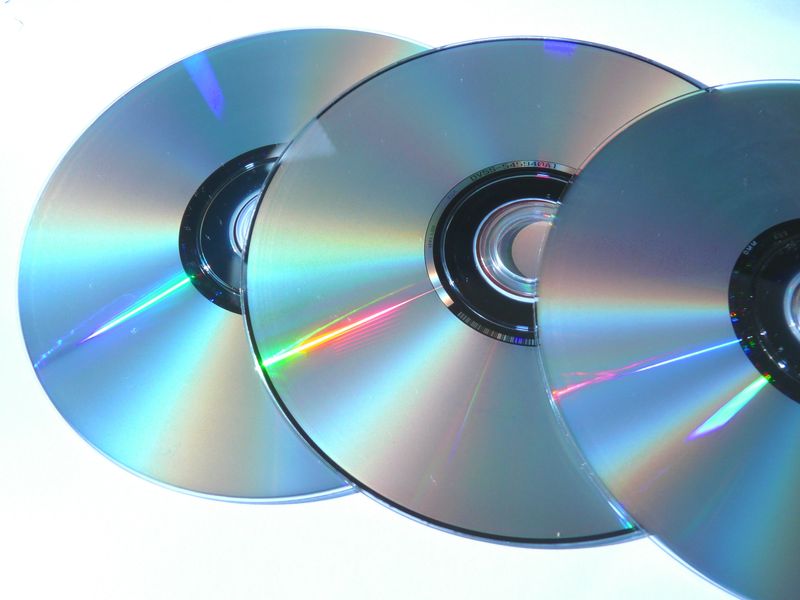
Rewinding a VHS tape after watching a movie was just part of life. Then DVDs arrived in Japan in November 1996, and everything changed.
Higher video quality, instant scene selection, multiple audio tracks, and bonus features made DVDs feel like the future. No more waiting for tapes to rewind or dealing with fuzzy playback.
They normalized the idea that home video should be crisp, convenient, and packed with extras. DVDs bridged the gap between physical media and the on-demand expectations we have today. That leap forward happened surprisingly recently, reshaping how we consume stories at home.
10. MP3
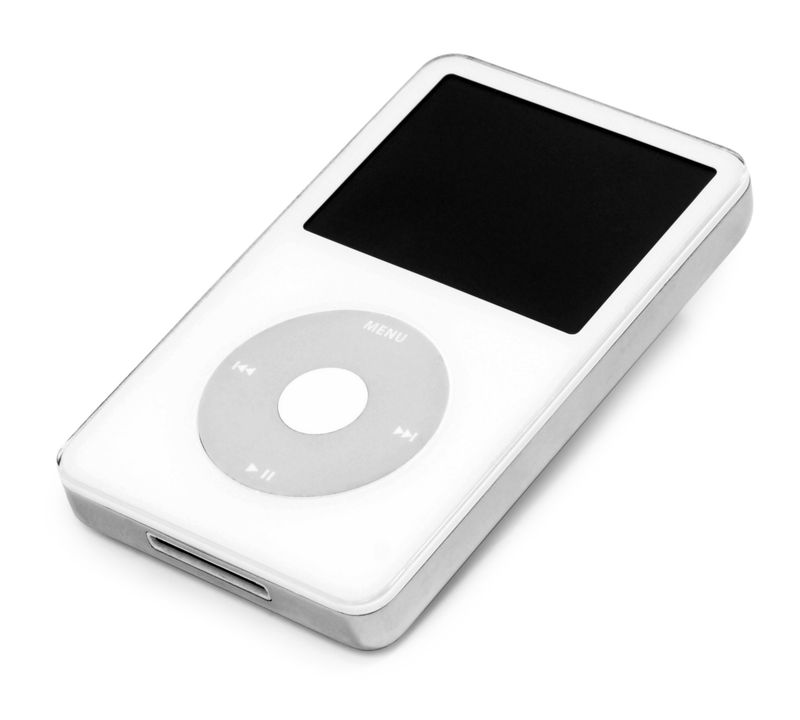
Carrying your music collection used to mean lugging around a case full of CDs or a Walkman with a handful of tapes. MP3 files changed that forever.
Published as a standard in 1993, MP3 compression made audio files small enough to store hundreds of songs on a single device. Suddenly, a music library fit in your pocket.
Before streaming took over, MP3s ruled the digital music world. They powered iPods, file-sharing networks, and the idea that music should be portable and personal. That shift from physical albums to digital files happened entirely within the last 30 years.
11. Commercial Lithium-Ion Batteries
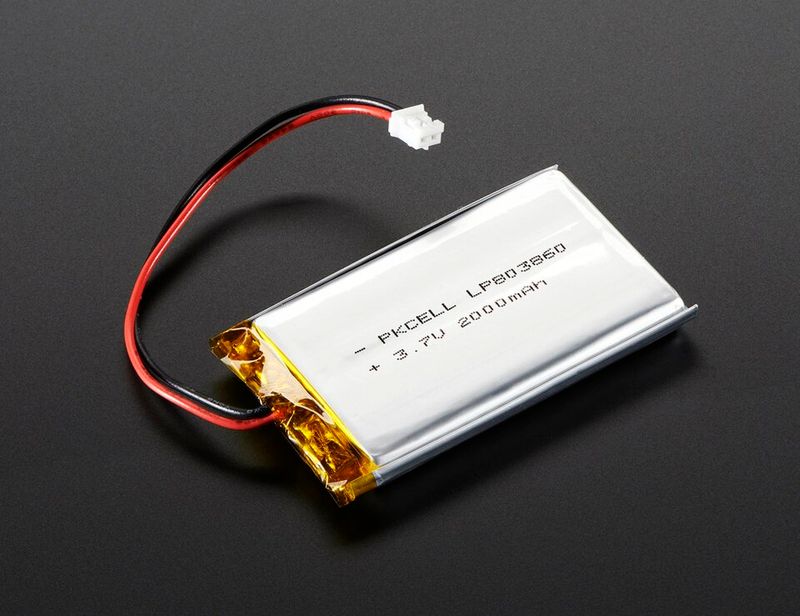
Every wireless gadget you own runs on the same breakthrough: lithium-ion batteries. Sony introduced the first commercial version in 1991, and it unlocked a new era of portability.
Before lithium-ion, rechargeable batteries were heavy, short-lived, and unreliable. This new chemistry packed more energy into a smaller, lighter package.
Now your phone, laptop, earbuds, electric toothbrush, and cordless drill all depend on it. Modern life untethered from outlets is possible because of this single innovation. That freedom to move without hunting for a plug is shockingly recent, arriving only in the early 1990s.
12. 3D Printing
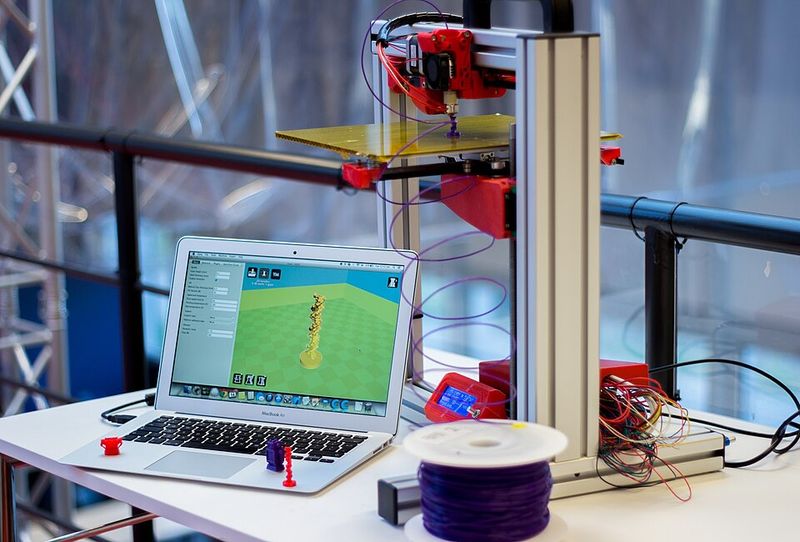
Printing a physical object from a digital file sounds like magic, but it’s been possible since the mid-1980s. Stereolithography was patented in 1986, and the first machine shipped in 1987.
At first, 3D printing was expensive and limited to industrial prototypes. Now hobbyists, dentists, engineers, and artists use it to create everything from toys to medical devices.
The ability to design something on a computer and hold it in your hands hours later has opened creative doors that didn’t exist 50 years ago. That leap from idea to object is now accessible to almost anyone.
13. Modern Social Media
Staying in touch used to mean phone calls, letters, or running into people around town. Then Facebook launched on February 4, 2004, and social connection went digital.
Feeds, likes, comments, and sharing turned relationships into something always-on and visible. You could see what friends were doing, thinking, and feeling in real time.
Love it or hate it, social media reshaped how people communicate, organize, and even think about privacy. The idea of broadcasting your life to a curated audience didn’t exist in a practical way until the mid-2000s. That shift happened incredibly fast.
14. User-Generated Video at Scale
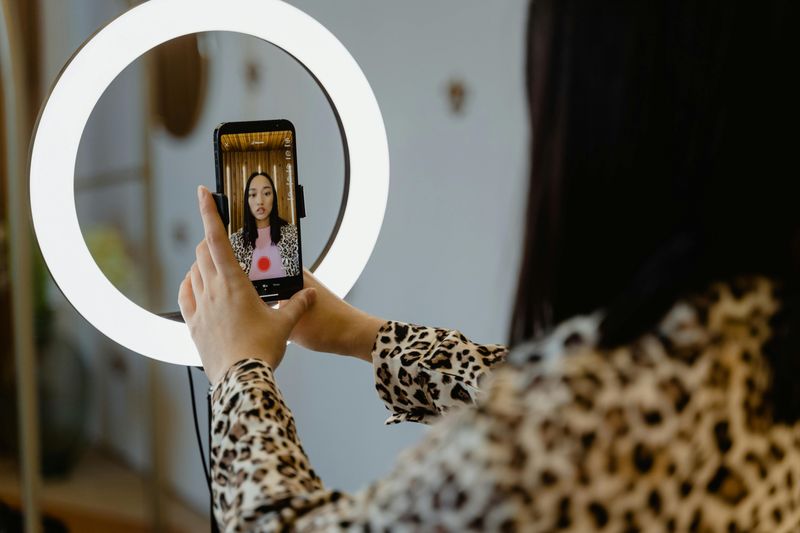
Before December 2005, sharing a video meant mailing a tape or burning a DVD. Then YouTube launched, and suddenly anyone could upload, search, and watch billions of videos for free.
It turned ordinary people into creators, educators, and entertainers. Entire careers were built on channels that didn’t exist a few years earlier.
YouTube made video a default language for communication, learning, and entertainment. The idea that you could watch almost anything, anytime, from anyone became normal shockingly fast. That behavior shift is less than 20 years old and has already redefined media forever.
15. Streaming TV and Movies as a Mainstream Habit
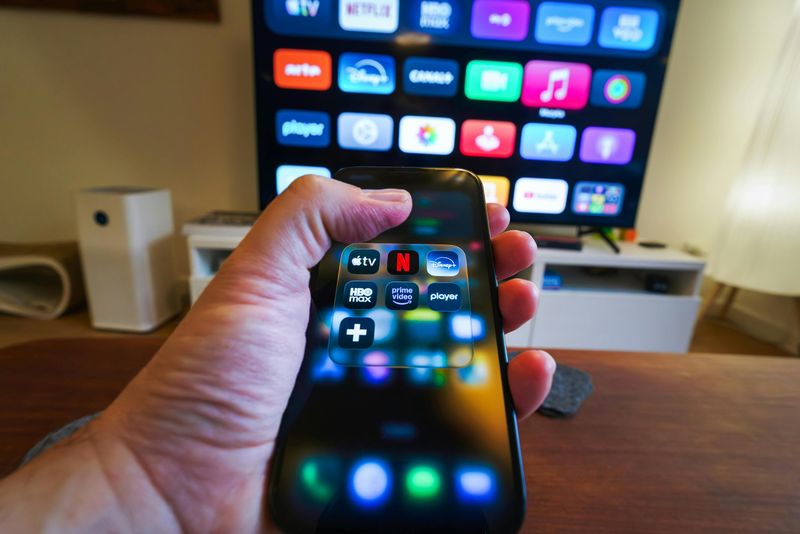
Renting a movie meant driving to a store, hoping they had what you wanted, and returning it on time to avoid late fees. Netflix streaming launched in 2007 and erased all of that.
Suddenly, entertainment just played. No trip, no disc, no waiting. You picked what you wanted and pressed play.
That on-demand expectation has become so normal that younger generations don’t remember a world where you had to plan your viewing around schedules or availability. The shift from physical media to instant streaming happened in less than two decades and changed entertainment forever.
16. Ride-Hailing Apps
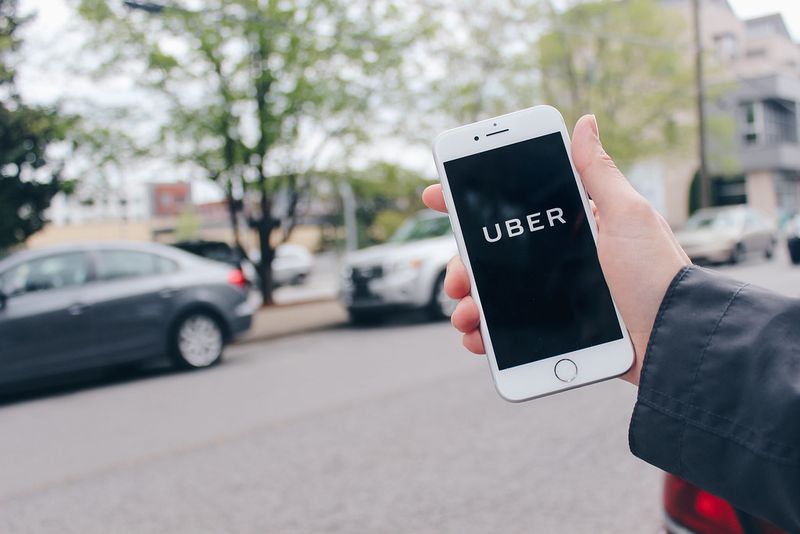
Hailing a cab used to mean standing on a corner, waving your arm, and hoping one would stop. Payment was cash, drivers didn’t always know the best route, and you had no idea when help would arrive.
Uber launched in 2010 and flipped that experience upside down. Summon a car from a map, watch it approach in real time, pay automatically, and rate the trip.
It changed urban transportation almost overnight, making car services accessible, predictable, and cashless. That level of convenience and transparency didn’t exist 15 years ago, but now it feels like it’s always been there.
17. Cloud File Sync You Barely Think About
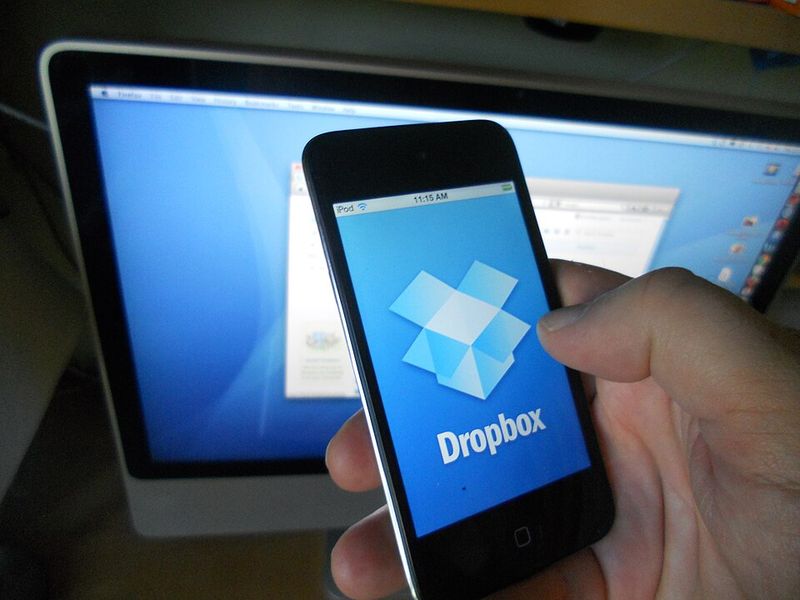
Losing a file used to mean it was gone forever unless you had a backup on a disk somewhere. Dropbox, founded in 2007, made that fear disappear.
Files started following you across devices automatically. Edit a document on your laptop, and it’s updated on your phone seconds later. No thinking, no transfers, no USB drives.
Cloud sync turned storage into something invisible and reliable. You stopped worrying about where your files lived because they lived everywhere. That quiet convenience is so seamless now that it’s easy to forget it only became normal in the last 15 years.
18. Voice Assistants In The Home
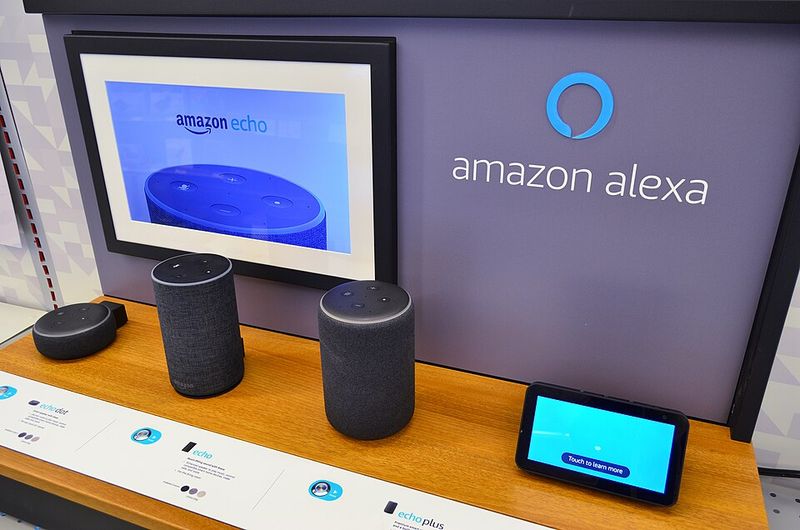
Ask a small cylinder to set timers, convert measurements, or play rain sounds, and it simply obeys. Voice assistants turned rooms into responsive spaces, letting you control lights, thermostats, and reminders without lifting a finger. The magic comes from speech recognition blended with cloud services that keep getting smarter.
You benefit most during hands full moments like cooking, cleaning, or wrangling kids. Even basic accessibility gets a lift when voice shortcuts replace taps and menus. Privacy matters, so you can adjust wake words, mute microphones, and review recordings to stay comfortable while keeping the convenience you now expect.
19. Contactless Tap-To-Pay Cards

You tap, it beeps, and your coffee is paid before the steam quits swirling. Contactless cards made small purchases fast, hygienic, and surprisingly dependable. Behind that flicker of approval is near field communication that securely tokenizes your card, so merchants never see the sensitive number.
Daily errands feel smoother when you skip cash and signatures. Transit gates open quicker, checkout lines shrink, and you carry fewer things. If security worries you, set spending alerts, use wallet apps for extra verification, and keep backups handy. Once you get used to tapping, slow chip dips feel like a different era entirely.



