 Unearth The Voyage
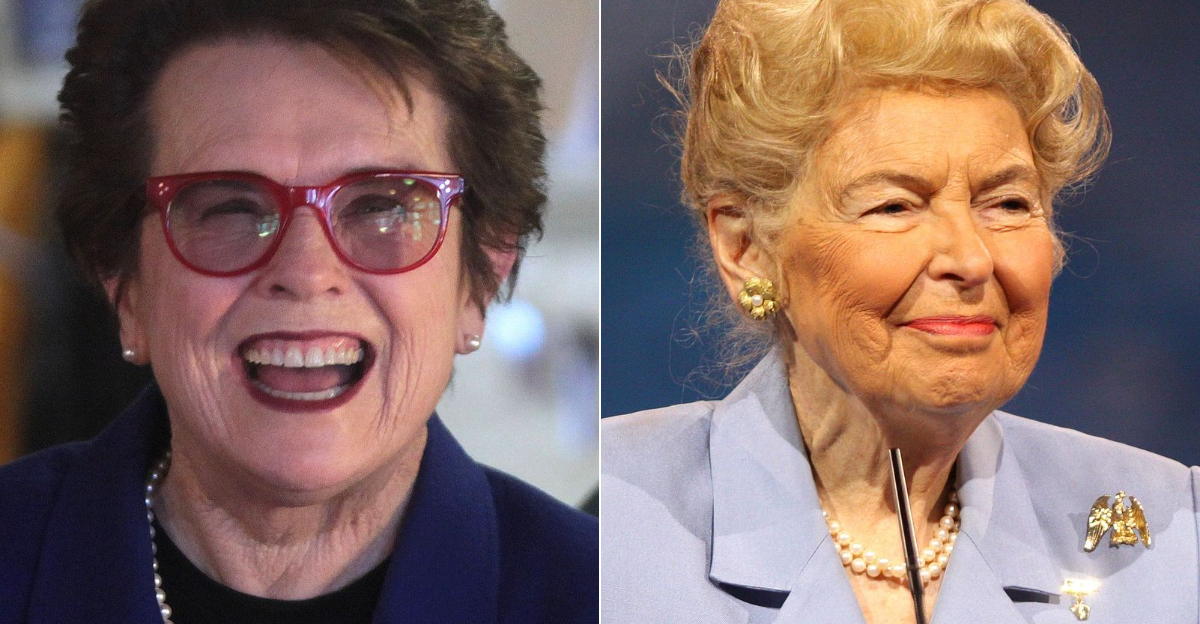
The 1970s was a decade when women’s voices grew louder and their victories became impossible to ignore. From Congress to courtrooms, from sports arenas to magazine stands, brave women and their allies fought tirelessly for equality and justice. These champions challenged old rules, created new opportunities, and changed the world for everyone who came after them.
1. Bella Abzug: The Congresswoman Who Said This Woman’s Place Is in the House
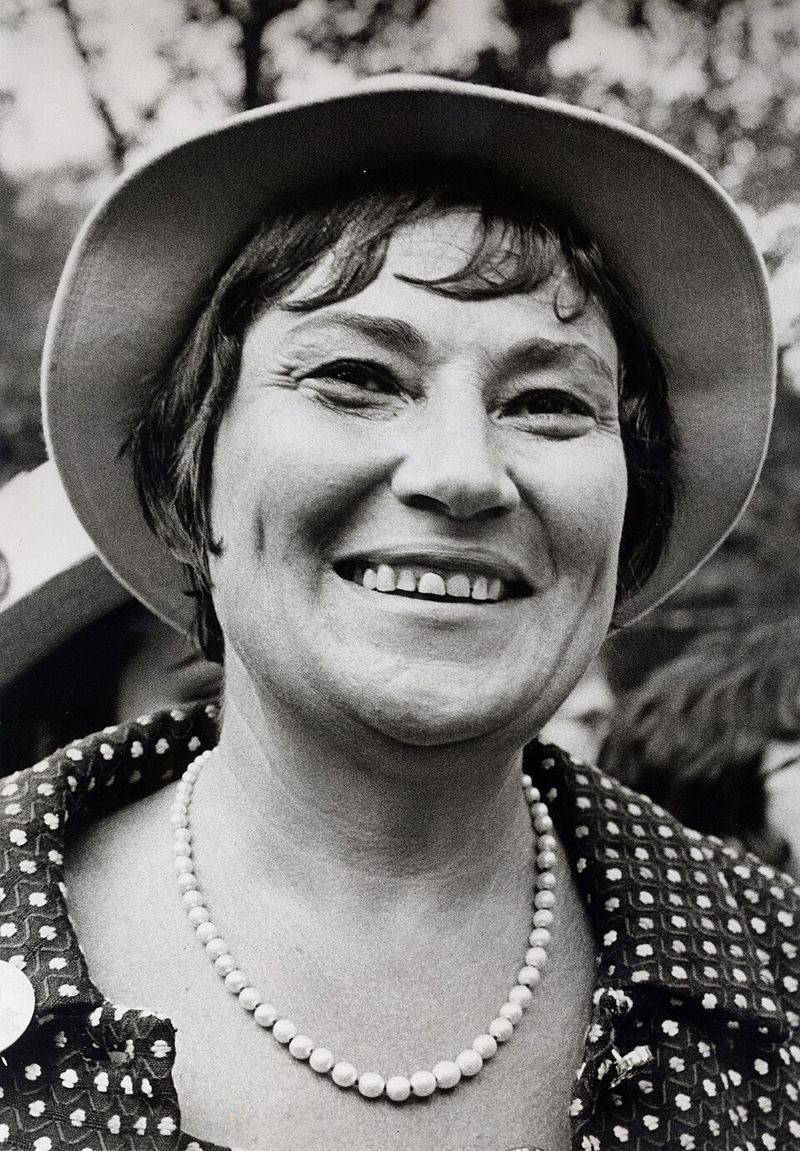
Known as Battling Bella, this fearless politician wore fabulous hats and fought even harder for women’s rights. Elected to Congress in 1970, she made it clear from day one that she wasn’t there to be quiet or polite.
Abzug helped create the National Women’s Political Caucus in 1971, which trained women to run for office and win. Her bold style and unapologetic feminism made her a household name across America.
She proved that women belonged in the House of Representatives and every other room where decisions were made.
2. Betty Friedan: From The Feminine Mystique to Building the Feminist Infrastructure
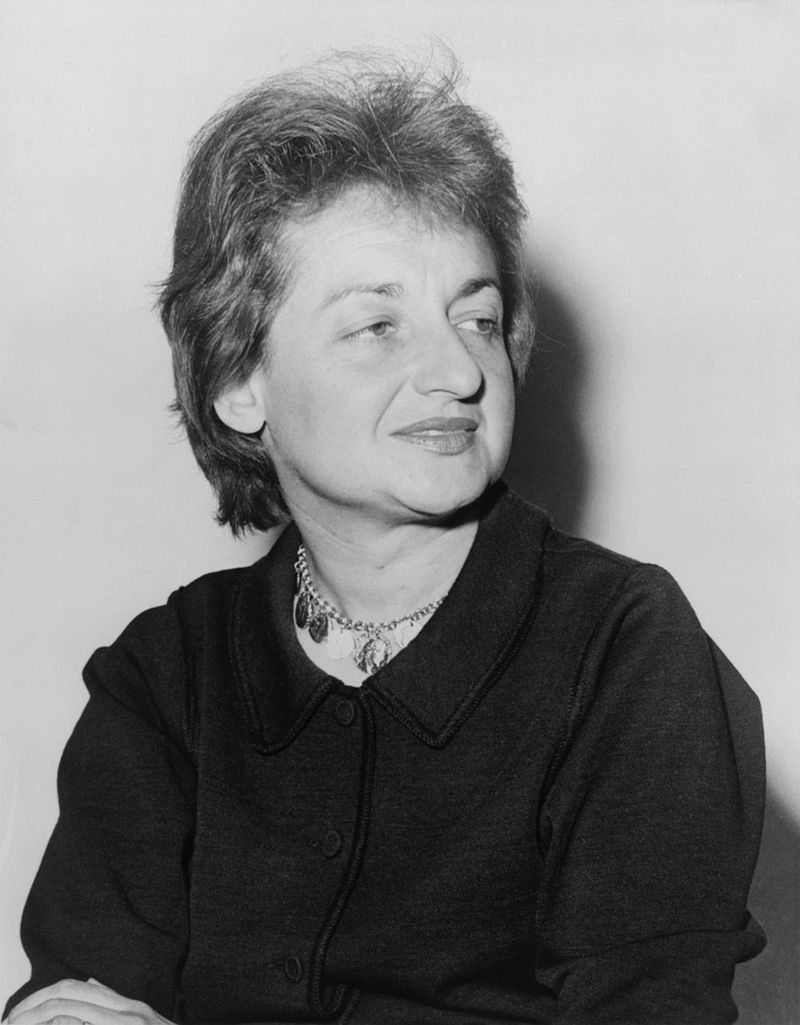
Her 1963 book sparked a revolution, but Friedan didn’t stop with writing. She spent the 1970s building the organizations that turned feminist ideas into real political power.
As co-founder and first president of NOW, she pushed for workplace equality and education reform. She also helped launch NARAL in 1969 and the National Women’s Political Caucus two years later.
These groups became the backbone of feminist activism throughout the decade, turning protests into policies and dreams into laws.
3. Gloria Steinem and Ms. Magazine: Giving the Movement a Mainstream Megaphone
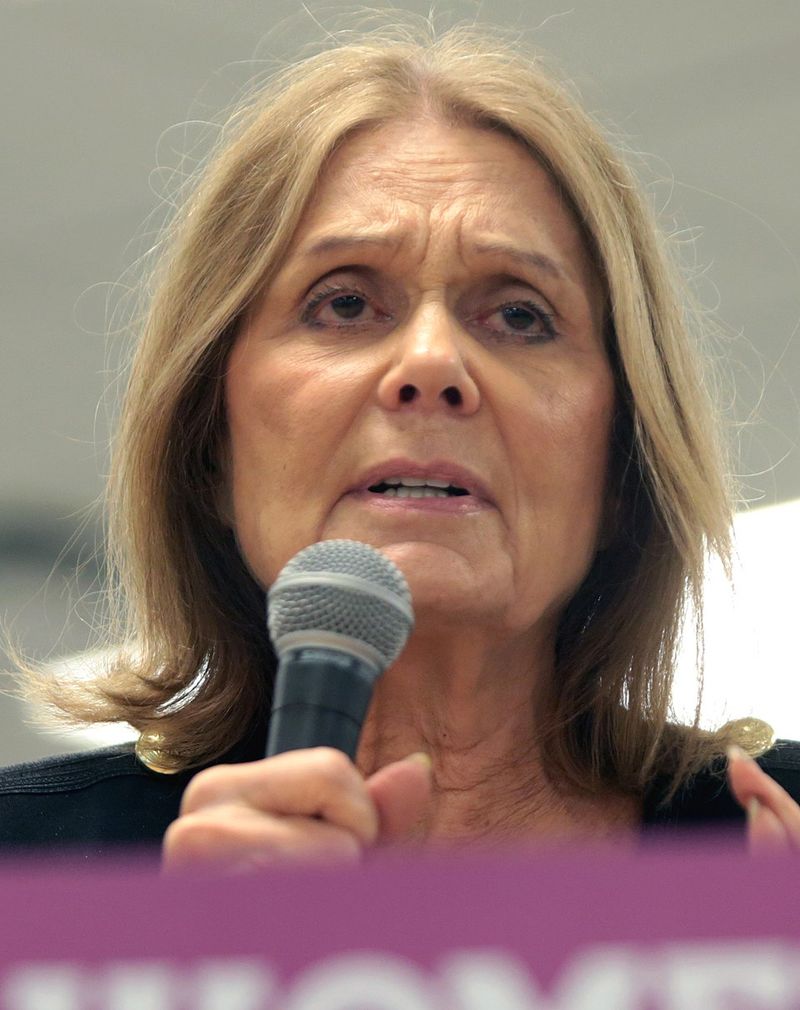
With her aviator glasses and sharp wit, Steinem became feminism’s most famous face. In 1972, she and Dorothy Pitman Hughes launched Ms., the first national feminist magazine.
Ms. tackled subjects other publications avoided: reproductive rights, workplace discrimination, domestic violence, and political power. It brought feminist thinking from small discussion groups into living rooms nationwide.
By putting these conversations on newsstands everywhere, Steinem helped make women’s liberation part of everyday American life.
4. Shirley Chisholm: Unbought and Unbossed on the Presidential Stage
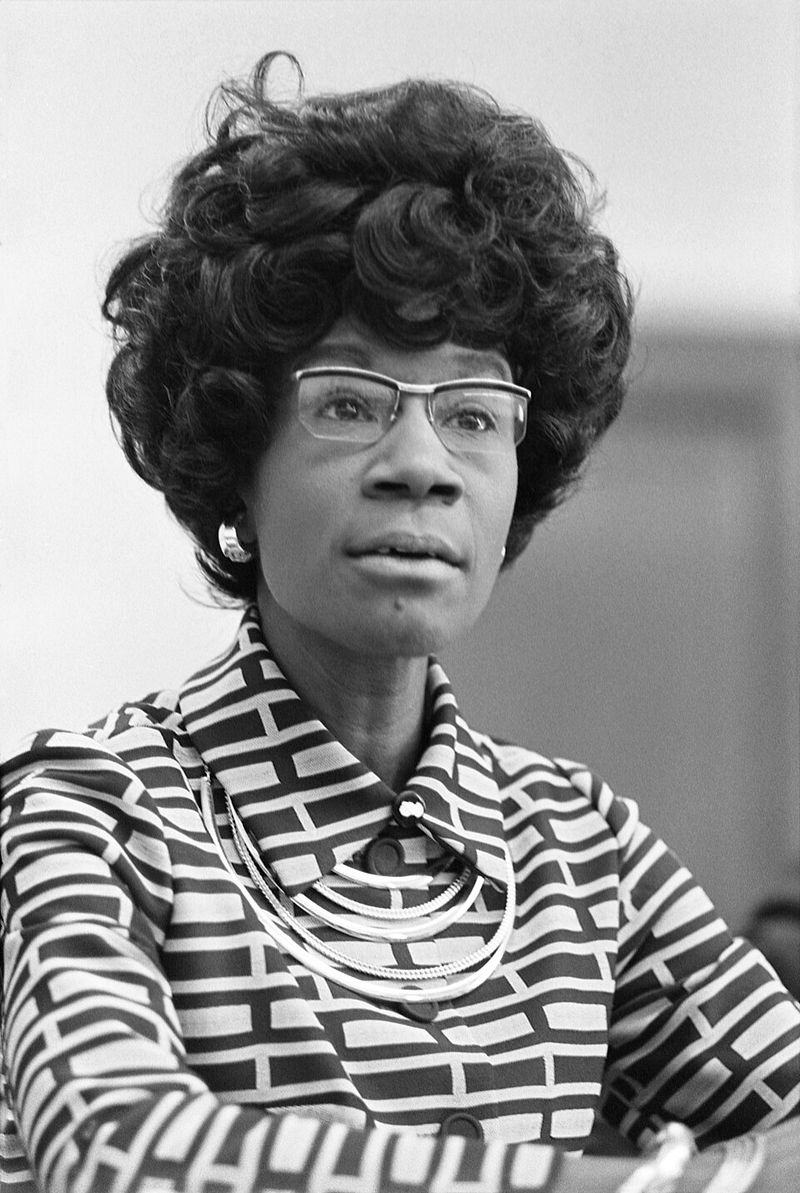
Unbought and Unbossed wasn’t just a slogan for Chisholm. It was how she lived every day of her groundbreaking political career.
First Black woman in Congress in 1968, she made history again by running for president in 1972. NOW endorsed her campaign, their first presidential endorsement ever, showing how vital she was to feminist politics.
Though she didn’t win the White House, she permanently changed who Americans could imagine as president.
5. Billie Jean King and the 1973 Battle of the Sexes
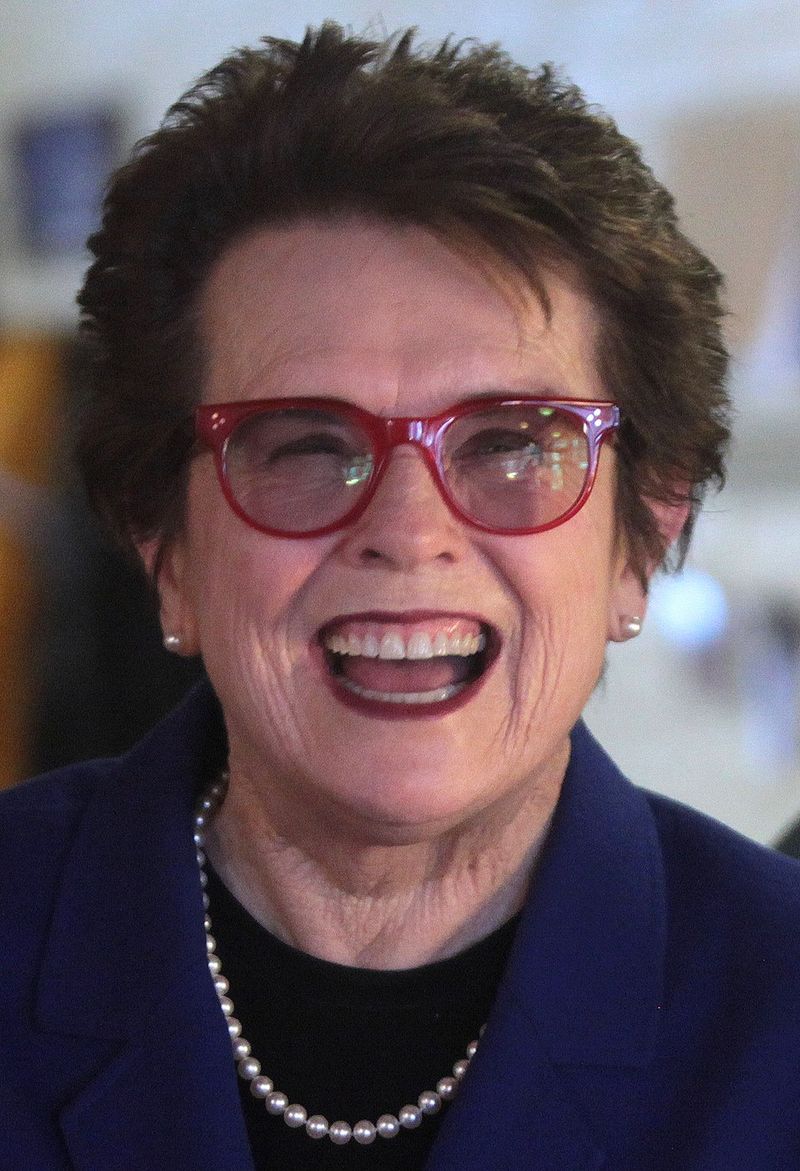
When Bobby Riggs claimed men were better athletes, King answered with her tennis racket. Their 1973 match drew 90 million viewers worldwide, and she demolished him.
King had already been fighting for equal prize money and testifying for Title IX, the law that banned sex discrimination in education. Her victory wasn’t just about sports.
She showed the world that women could compete, win, and demand respect on any playing field they chose.
6. The National Organization for Women: The Mass Movement Workhorse

Founded in 1966, NOW became the biggest feminist organization in America and the engine driving 1970s activism. While many feminists worked independently, NOW provided structure and strategy.
The organization campaigned tirelessly for the Equal Rights Amendment, backed Title IX, supported abortion rights after Roe v. Wade, and helped establish rape crisis centers nationwide.
NOW translated street protests into courtroom battles and legislative victories that changed millions of women’s lives.
7. Boston Women’s Health Book Collective and Our Bodies Ourselves: Revolutionizing Women’s Health
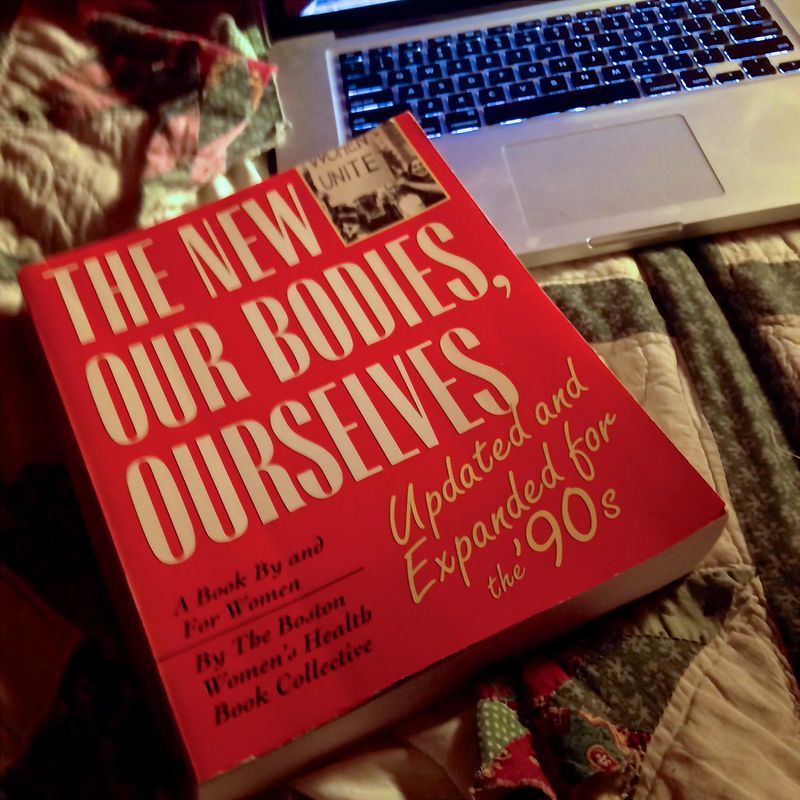
Frustrated by how little trustworthy health information existed for women, a Boston group created a small booklet in 1970. That modest project became Our Bodies, Ourselves in 1973.
The book explained contraception, childbirth, sexuality, and healthcare politics from women’s perspectives, not doctors’ orders. It prioritized real experiences over paternalistic medical authority.
Millions of copies sold worldwide, fundamentally changing how generations of women understood and advocated for their own bodies and health.
8. Susan Brownmiller and Against Our Will: Naming Sexual Violence as Political
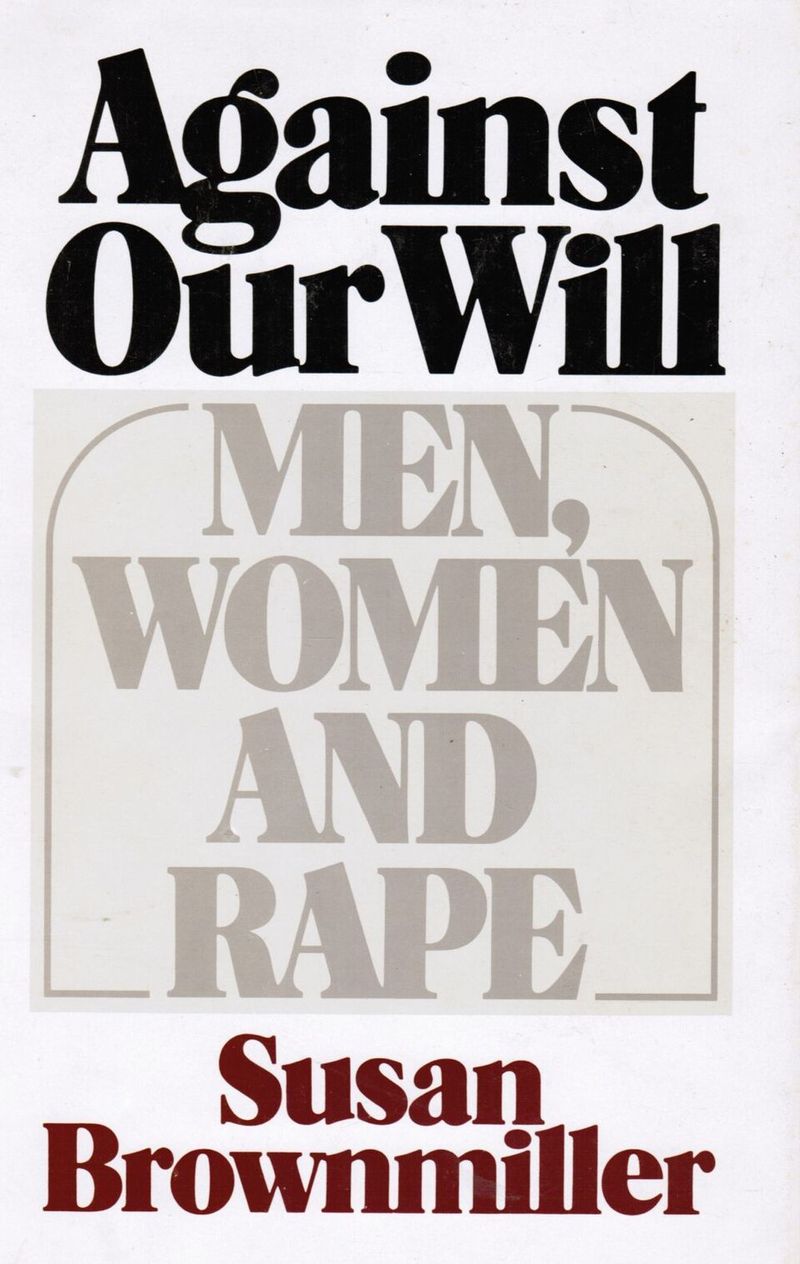
Before Brownmiller’s 1975 book, many people saw rape as a private crime. She reframed it as a tool of power and control over all women.
Her argument that rape is a conscious process of intimidation sparked the creation of rape crisis centers and changes in laws, including those about marital rape. Public conversations about sexual violence shifted dramatically.
Against Our Will remains a landmark text, still cited in debates about sexual violence today.
9. The Equal Rights Amendment Campaign: A High Stakes Constitutional Fight
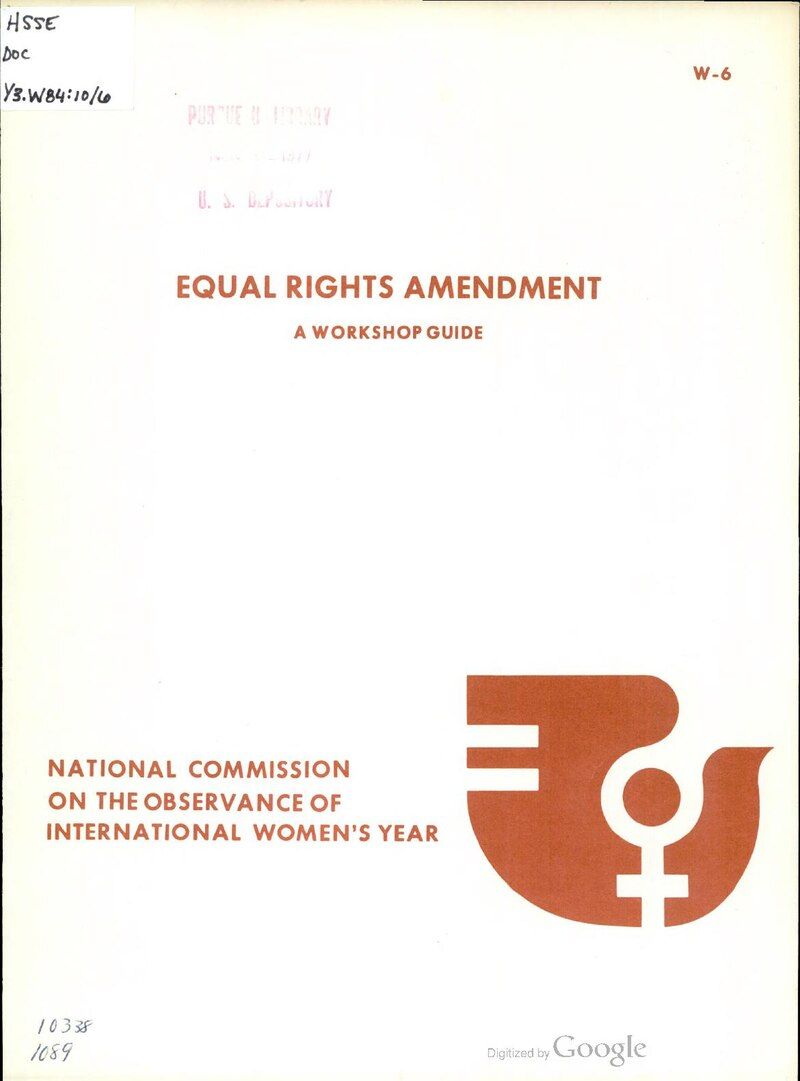
First proposed in the 1920s, the ERA finally passed Congress in 1972. It promised that equality under law couldn’t be denied on account of sex.
Feminists including NOW, Bella Abzug, Gloria Steinem, and countless grassroots organizers fought state by state for ratification. Though it ultimately fell short of required states, the campaign galvanized an entire generation.
The ERA battle created visible pro and anti-feminist coalitions that reshaped American political discourse around gender equality forever.
10. Dorothy Pitman Hughes
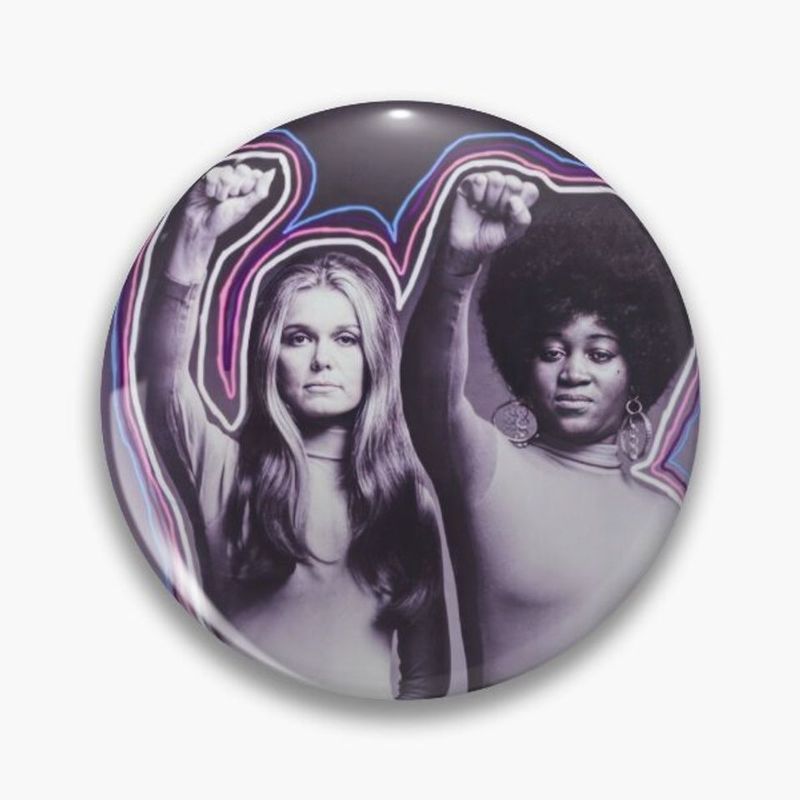
Dorothy Pitman Hughes, an emblematic figure in grassroots activism, co-founded Ms. Magazine with Gloria Steinem. Her collaboration with Steinem highlighted the intersectionality of feminism.
In the 1970s, Hughes empowered women through her innovative child-care center model. It not only offered support to working mothers but also advocated for women’s economic independence.
A dynamic public speaker, her iconic raised-fist photograph with Steinem symbolized unity and strength. Hughes’ impact continues to inspire, demonstrating the power of community and solidarity in the feminist movement.
11. Martha Cotera
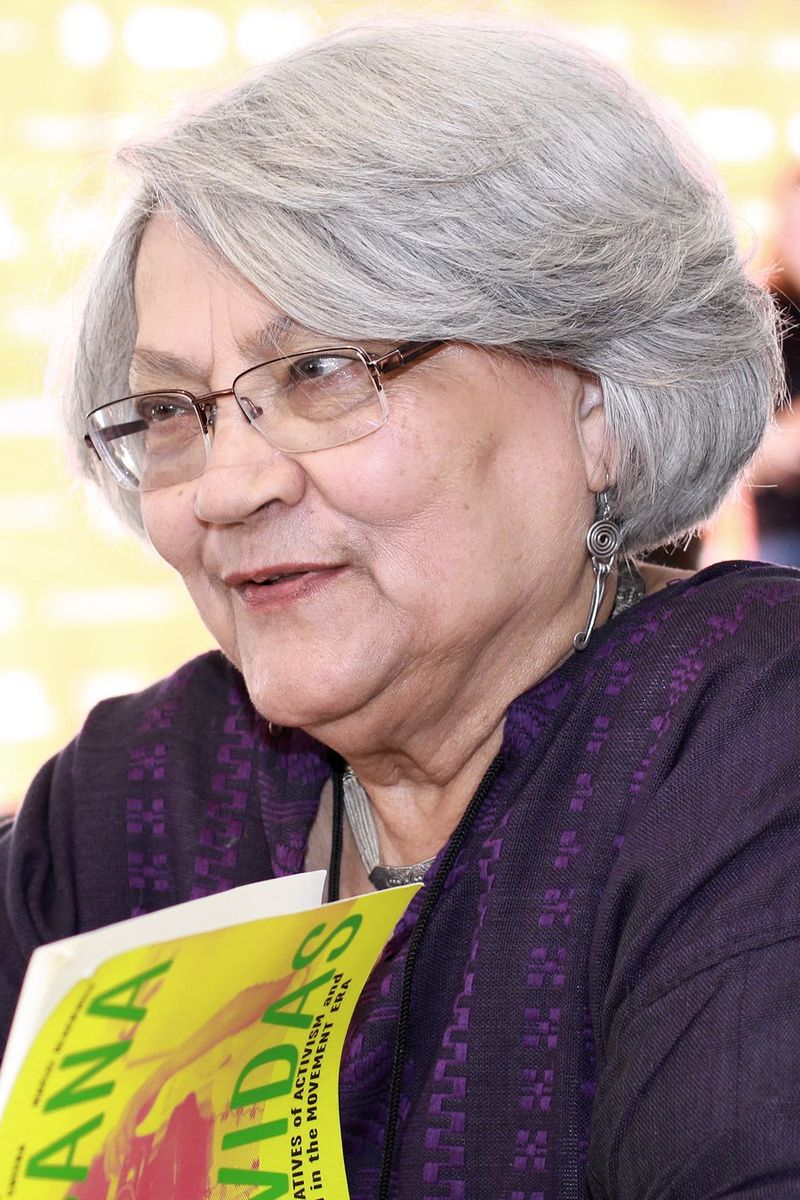
Martha Cotera, a vibrant voice for Chicana feminism, infused cultural identity into her activism. Her work highlighted the unique challenges faced by Latina women.
Through her writings, such as “The Chicana Feminist,” she provided crucial insights into Chicana perspectives. Cotera’s advocacy extended into education, pushing for better representation and resources.
Her influence was pivotal in broadening the feminist dialogue to include varied cultural experiences. Cotera’s legacy is one of inclusivity, ensuring that all women’s voices are heard and valued.
12. Phyllis Schlafly
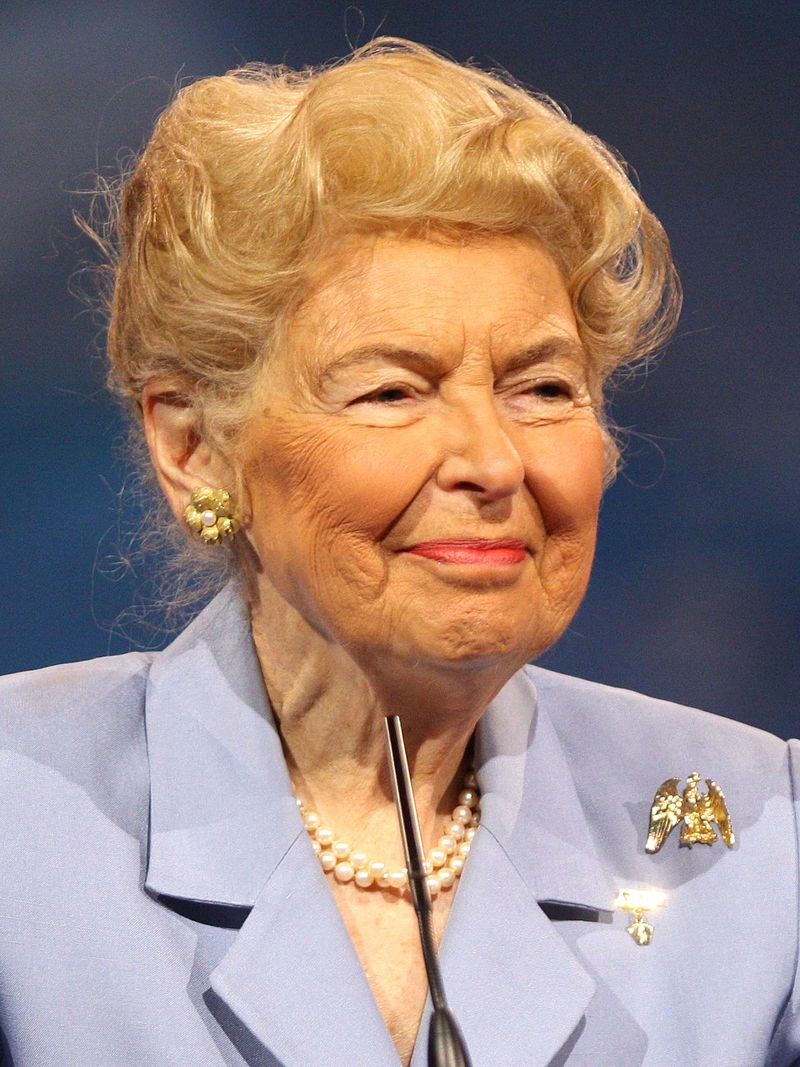
Phyllis Schlafly, a formidable conservative voice, led the opposition against the Equal Rights Amendment. Her campaign highlighted a different perspective within the feminist discourse.
Schlafly argued that the ERA would dismantle traditional family structures, gaining support from many. Her organizational skills and strategic media use were key to her movement’s success.
While controversial, Schlafly’s impact on the feminist movement is undeniable. Her efforts catalyzed debates that reshaped public understanding of gender roles in America.
13. Wilma Mankiller
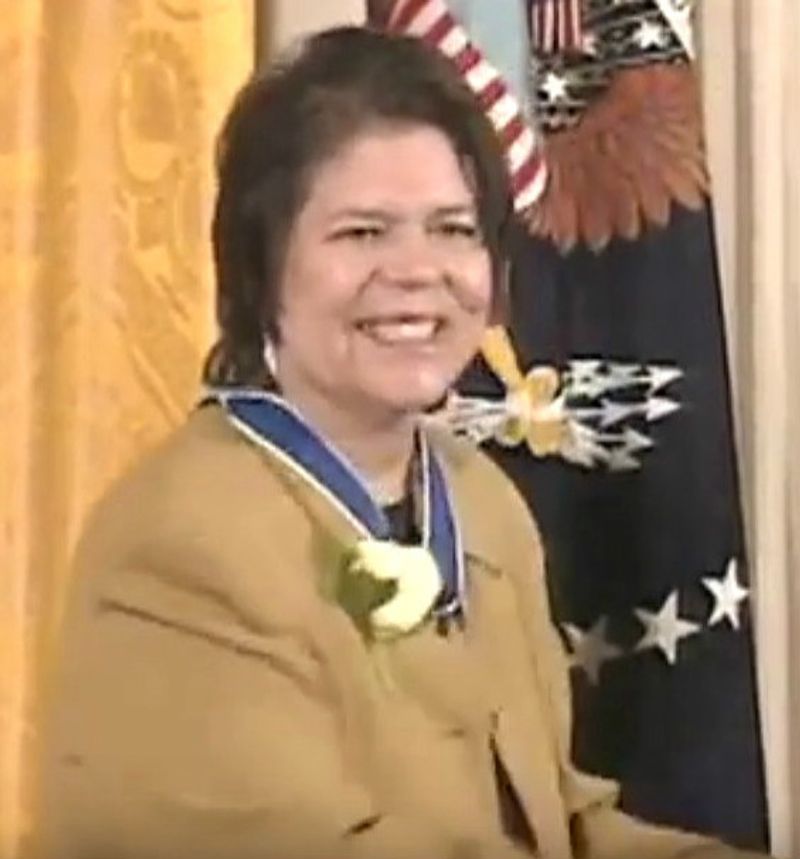
Wilma Mankiller, a trailblazer in Native American and feminist communities, became the first female chief of the Cherokee Nation.
Her leadership emphasized self-sufficiency and women’s participation in governance. Mankiller’s initiatives improved healthcare and education for her people.
Her legacy extends into feminist history as a symbol of strength and perseverance. Mankiller’s work demonstrated the power of inclusive leadership and community-driven change.



