 Unearth The Voyage
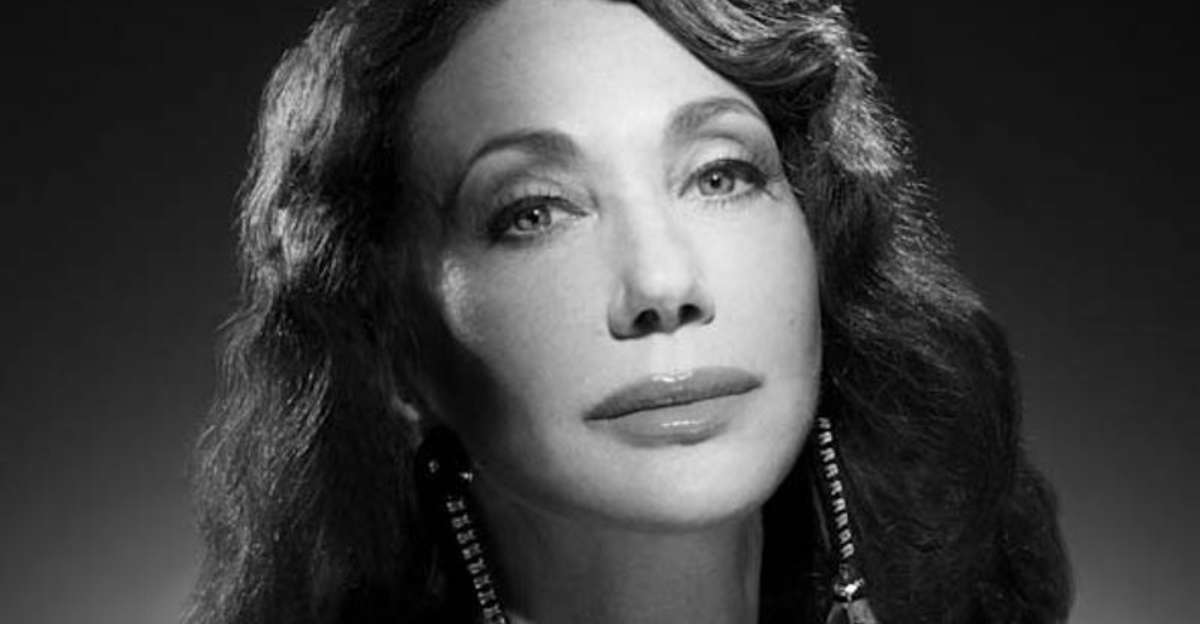
The 1970s was a golden era for Hollywood, filled with unforgettable stars who lit up screens everywhere. But fame can be fleeting, and many actors who once dominated the decade eventually stepped away or faded from the public eye. Today, we’re remembering fifteen talented performers who made the ’70s special but are now rarely talked about.
1. Gregory Sierra
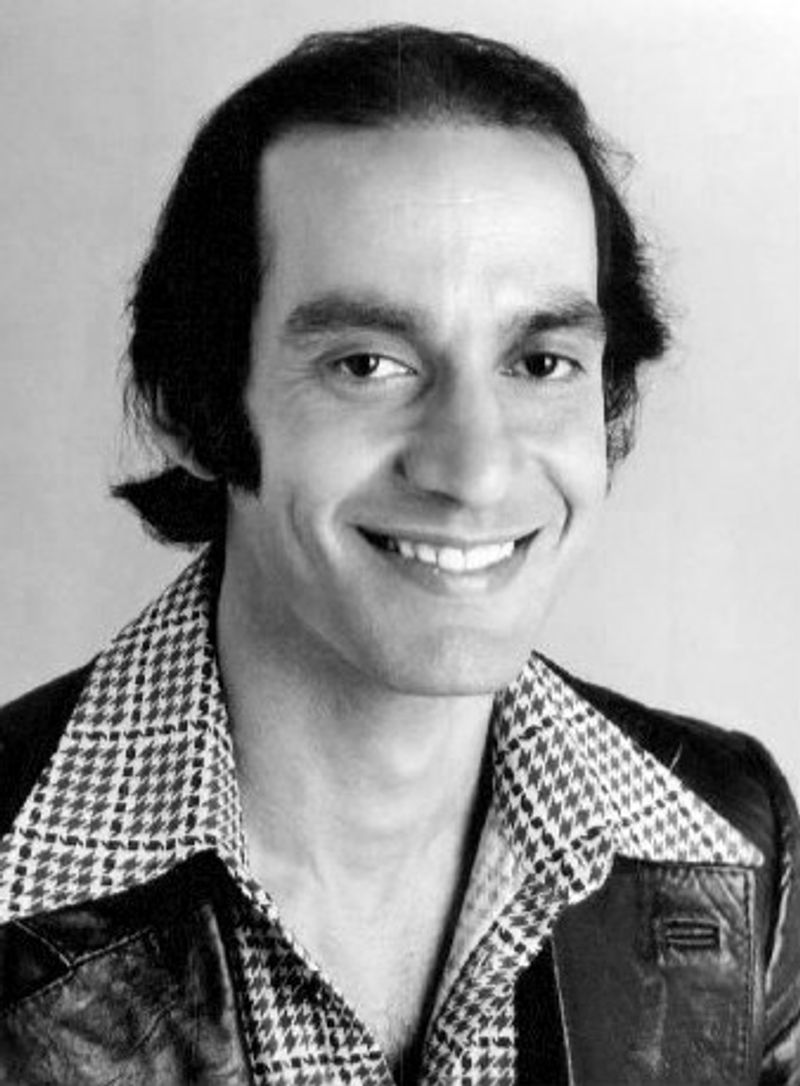
Most people remember the hilarious police sitcom Barney Miller, but few recall Gregory Sierra, who brought Detective Sergeant Chano Amenguale to life. His comedic timing and natural charm made him a standout on the show during its early seasons. Sierra appeared in numerous TV series throughout the decade, becoming a familiar face in American living rooms.
After leaving mainstream television, Sierra continued acting in smaller roles but never regained his earlier prominence. His departure from Barney Miller surprised many fans who loved his character. The entertainment industry moved on quickly, and Sierra found fewer opportunities as the years passed.
Despite his talent and previous success, Sierra gradually disappeared from major productions. He remained active in theater and independent projects but stayed away from the Hollywood spotlight that once embraced him.
2. George Lazenby
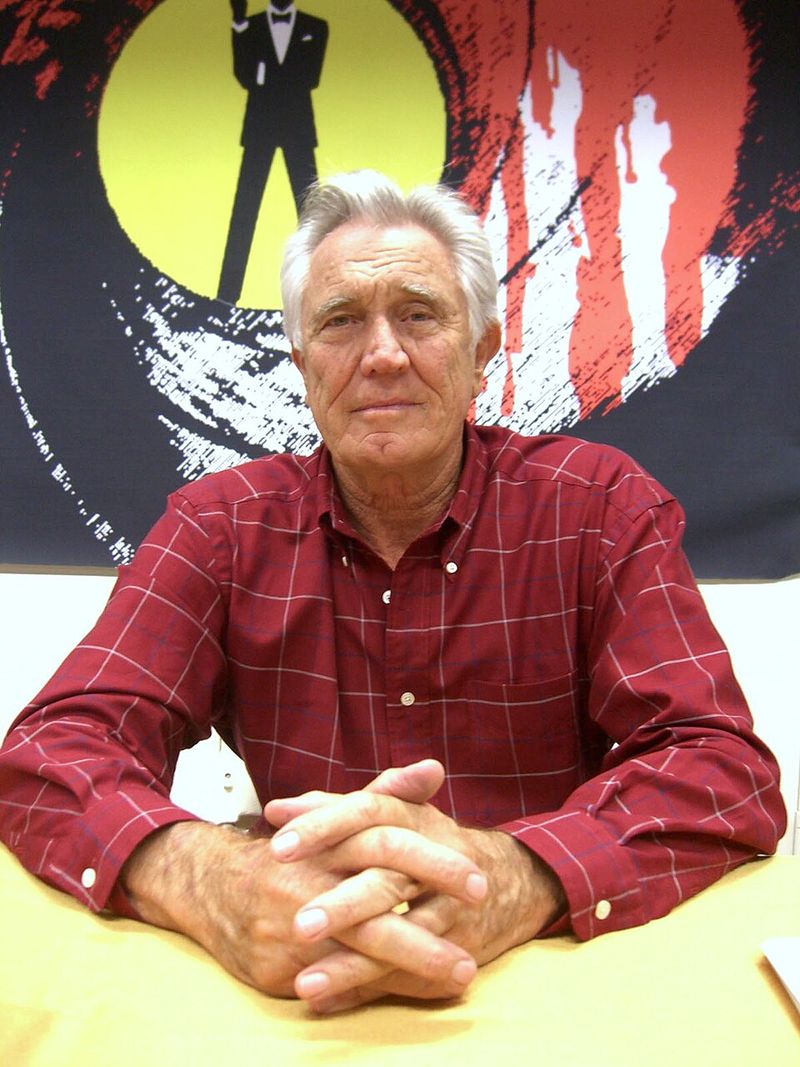
Imagine landing the role of James Bond and then walking away after just one film. That’s exactly what George Lazenby did after starring in On Her Majesty’s Secret Service in 1969. Many consider his Bond film one of the best in the franchise, yet Lazenby chose not to continue.
His decision to leave 007 behind stunned Hollywood executives and fans alike. Lazenby believed the Bond character would become outdated and wanted to pursue different acting opportunities. Unfortunately, those opportunities never materialized the way he hoped, and his career never reached the same heights again.
Throughout the ’70s, Lazenby appeared in various films but struggled to escape Bond’s shadow. He eventually left acting almost entirely, becoming one of Hollywood’s most puzzling what-if stories.
3. Karen Valentine
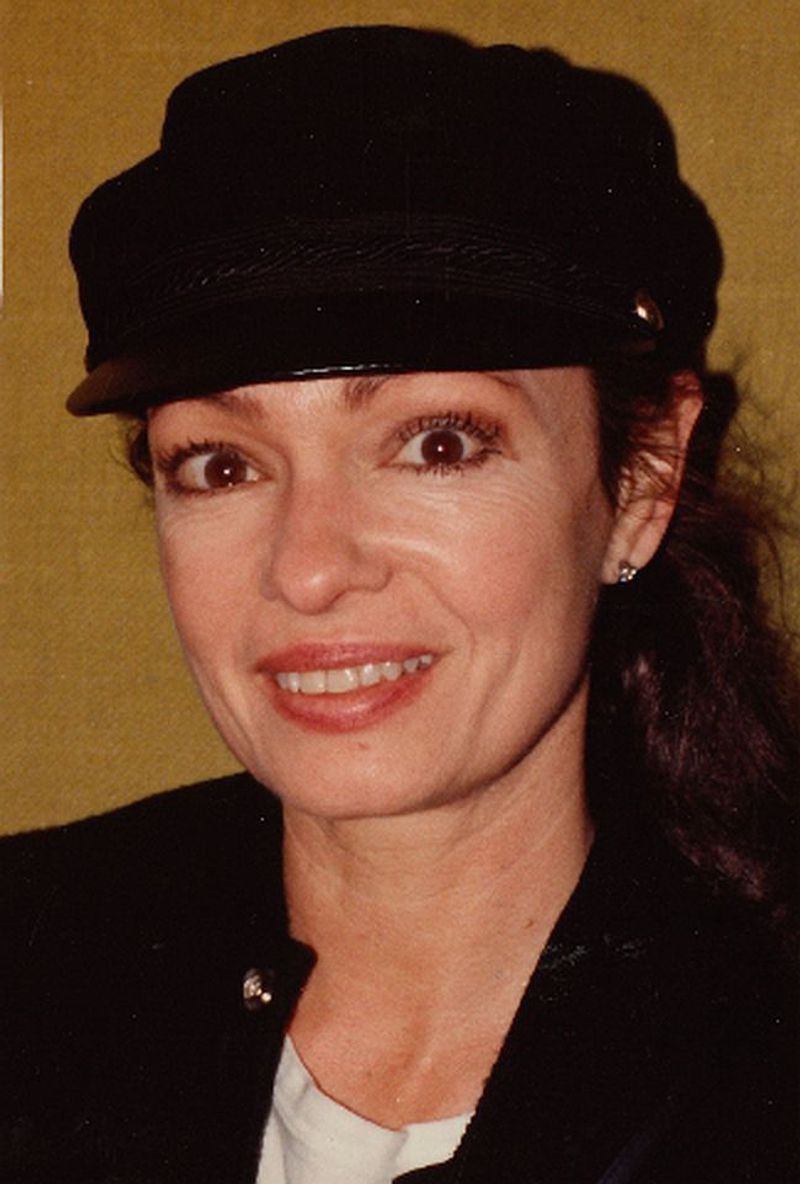
Winning an Emmy Award at the start of your career sounds like a dream come true. Karen Valentine achieved this feat for her role as young teacher Alice Johnson in the groundbreaking series Room 222. Her wholesome image and relatable performances made her a favorite among viewers during the early ’70s.
Valentine appeared in several TV movies and variety shows throughout the decade, maintaining steady work. She seemed destined for long-term stardom, but Hollywood’s changing tastes worked against her. As grittier, more complex characters became popular, Valentine’s sweet persona felt less relevant to producers and audiences.
By the 1980s, Valentine had mostly vanished from screens, making only occasional appearances. Her early promise never fully blossomed into the lasting career many predicted.
4. Susan Dey
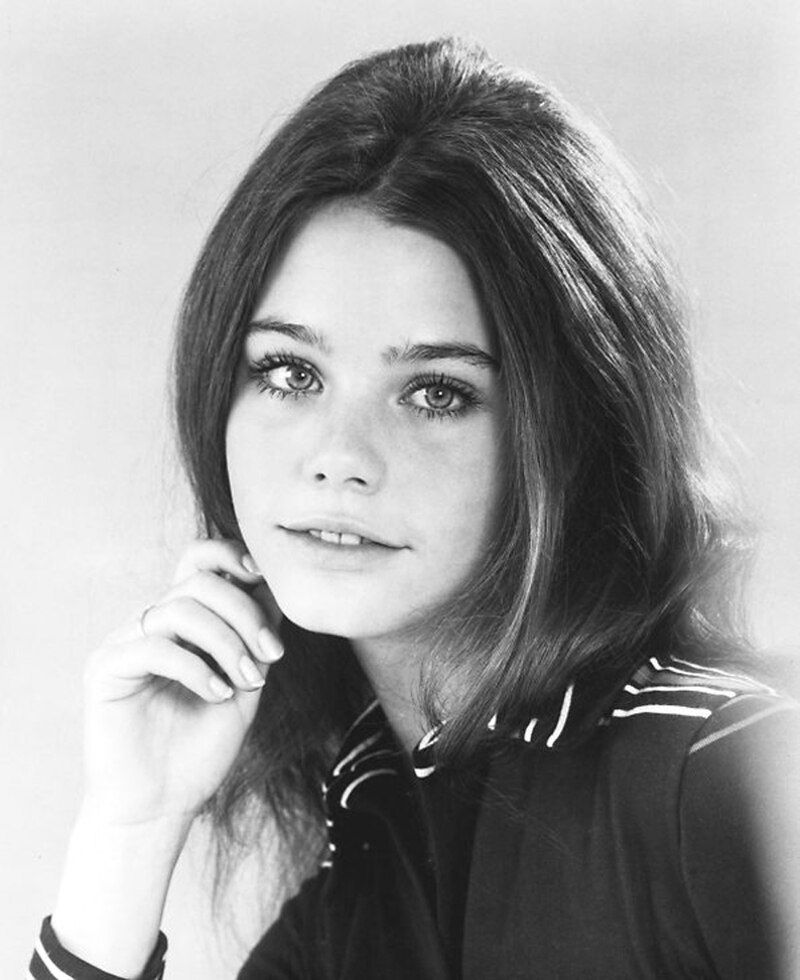
Every Friday night, millions tuned in to watch The Partridge Family, and Susan Dey’s portrayal of Laurie Partridge captured hearts nationwide. She became a teen idol almost overnight, appearing on magazine covers and receiving thousands of fan letters weekly. Her natural beauty and acting ability seemed to guarantee a long Hollywood career.
Dey successfully transitioned to more mature roles in the 1980s, notably starring in L.A. Law. However, she became increasingly uncomfortable with fame and the entertainment industry’s demands. Unlike many former child stars who desperately cling to the spotlight, Dey actively avoided it.
She eventually withdrew from acting entirely, rarely giving interviews or making public appearances. Dey’s deliberate retreat from Hollywood remains one of the more mysterious exits from stardom.
5. Adrienne Barbeau
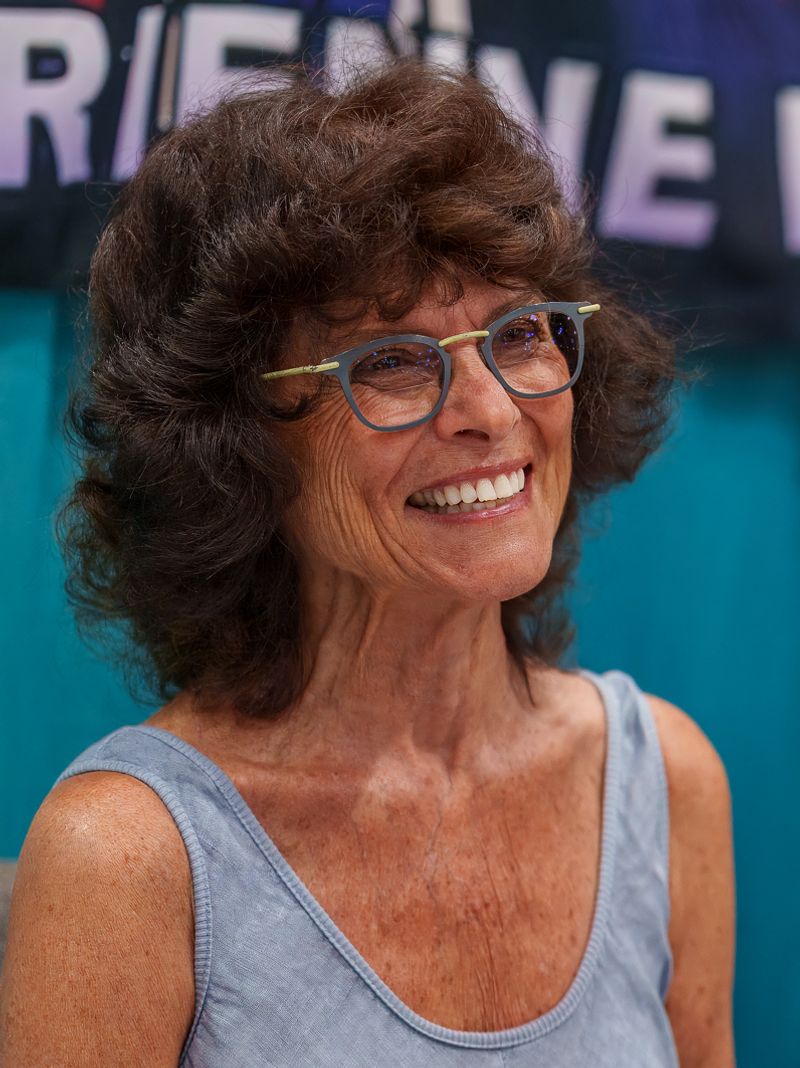
Horror fans from the ’70s instantly recognize Adrienne Barbeau’s name and unforgettable screen presence. She starred in several cult classics, including The Fog and Escape from New York, becoming a beloved scream queen. Her work on the sitcom Maude also showcased her comedic talents, proving she could handle diverse roles.
Barbeau’s distinctive voice and striking looks made her perfect for genre films that dominated drive-in theaters. She built a devoted following among horror enthusiasts who appreciated her commitment to every role. However, as horror films changed in the 1980s, her opportunities in mainstream Hollywood diminished significantly.
While Barbeau never completely disappeared, she lost the prominent status she enjoyed during the ’70s. She continues working in smaller productions and voice acting, maintaining connections with loyal fans.
6. Burt Reynolds
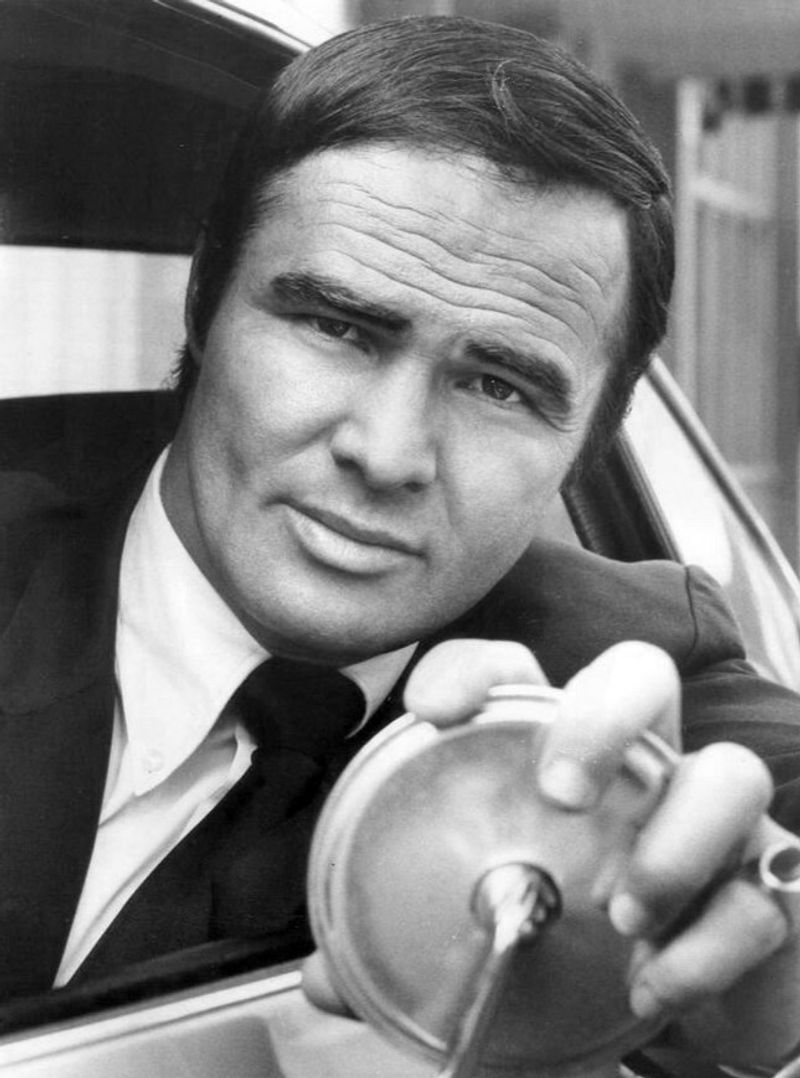
Few actors dominated the 1970s box office like Burt Reynolds, whose rugged charm and effortless charisma made him America’s biggest star. Films like Smokey and the Bandit and The Longest Yard broke records and established Reynolds as a cultural icon. His famous Cosmopolitan centerfold became one of the most talked-about moments in entertainment history.
Reynolds seemed unstoppable during his peak years, commanding huge salaries and choosing from countless scripts. However, poor film choices and changing audience tastes gradually eroded his superstar status. By the late ’80s, Reynolds was appearing in forgettable movies that damaged his reputation.
Financial troubles and health issues further complicated his later career. Though he experienced a brief comeback in Boogie Nights, Reynolds never regained his ’70s glory, serving as a cautionary tale about Hollywood’s fickleness.
7. Farrah Fawcett
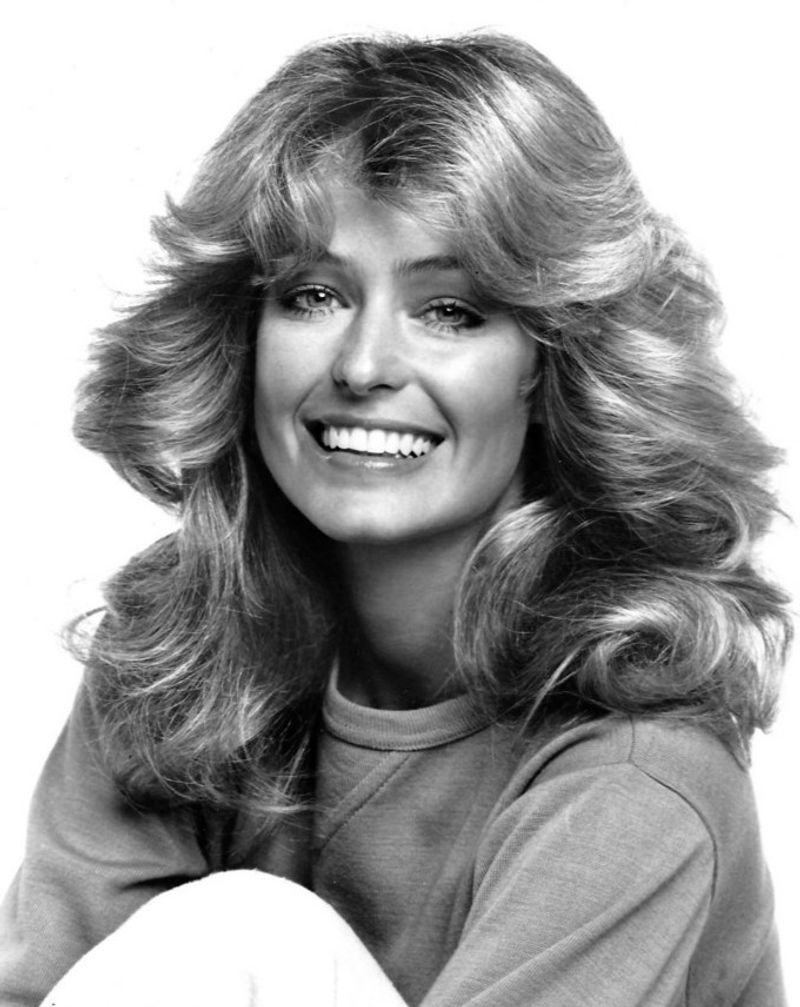
That famous red swimsuit poster sold over twelve million copies, making Farrah Fawcett the defining symbol of ’70s beauty. Her feathered hairstyle became the most copied look of the decade, and Charlie’s Angels turned her into an overnight sensation. Fawcett’s megawatt smile and athletic grace made her perfect for the action-comedy series.
Surprisingly, Fawcett left Charlie’s Angels after just one season, hoping to establish herself as a serious actress. She pursued dramatic roles in television movies and theater, earning critical praise for performances that showcased her range. Despite these efforts, Fawcett struggled to escape her glamorous image.
Hollywood continued casting her based on looks rather than talent, frustrating her artistic ambitions. While she never disappeared entirely, Fawcett’s leading lady opportunities decreased significantly, and she’s remembered more for that iconic poster than her acting work.
8. Anita Pallenberg
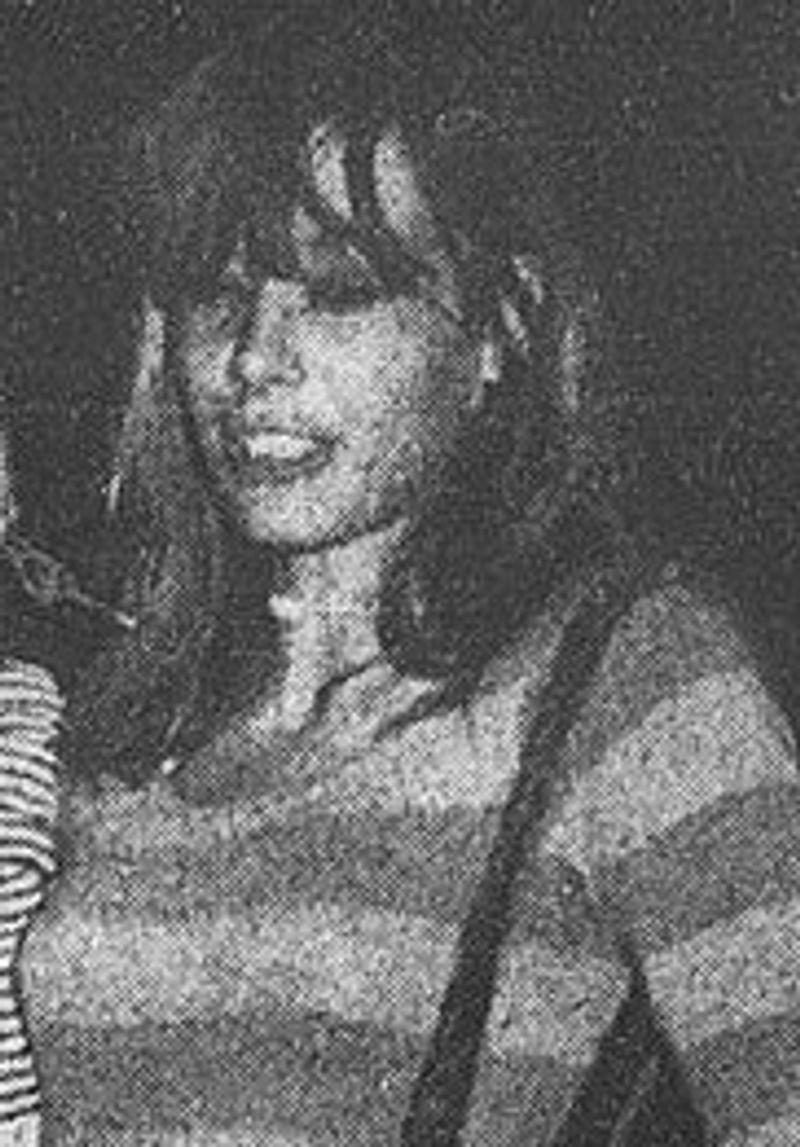
Rock and roll royalty knew Anita Pallenberg as the ultimate cool girl of the counterculture movement. Her relationship with Rolling Stones members Keith Richards and Brian Jones made her a fixture in music history. Pallenberg also appeared in several films, including the controversial Performance alongside Mick Jagger, showcasing her edgy screen presence.
Her unconventional beauty and rebellious attitude perfectly captured the ’70s zeitgeist. Pallenberg influenced fashion trends and represented a new type of female celebrity who refused to play by traditional rules. Film directors appreciated her authenticity and willingness to take risks with challenging material.
Substance abuse and personal struggles eventually derailed Pallenberg’s promising career. She withdrew from acting and public life, living quietly away from the spotlight that once followed her everywhere. Her influence on ’70s culture remains significant despite her retreat from fame.
9. Bobby Sherman
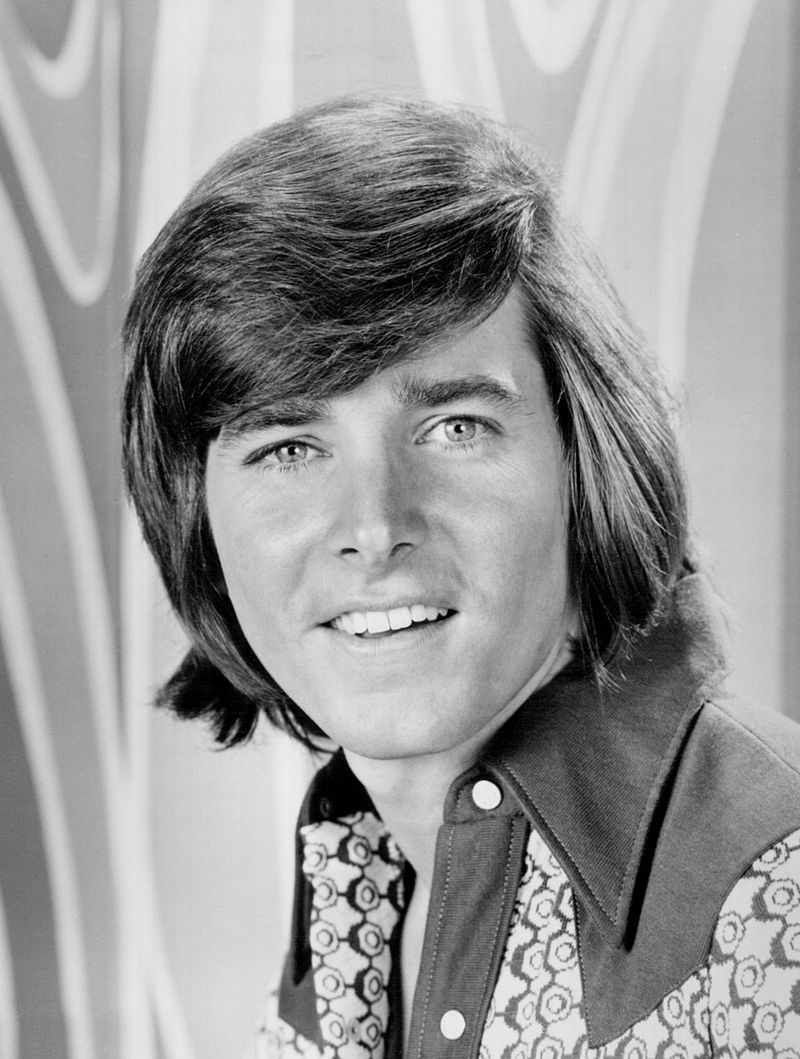
Teenage girls across America covered their bedroom walls with Bobby Sherman posters during the early ’70s. His boy-next-door looks and catchy pop songs made him one of the decade’s biggest teen idols. Sherman’s acting roles on shows like Here Come the Brides and Getting Together kept him constantly in the public eye.
At his peak, Sherman sold millions of records and performed to sold-out crowds of screaming fans. He appeared regularly in teen magazines and received more fan mail than almost any other entertainer. Success seemed guaranteed to continue indefinitely.
However, Sherman made the surprising decision to leave entertainment entirely while still popular. He retrained as an EMT and became a paramedic, finding fulfillment in helping people during emergencies. Sherman’s complete departure from acting remains one of Hollywood’s most dramatic career changes.
10. Karen Black
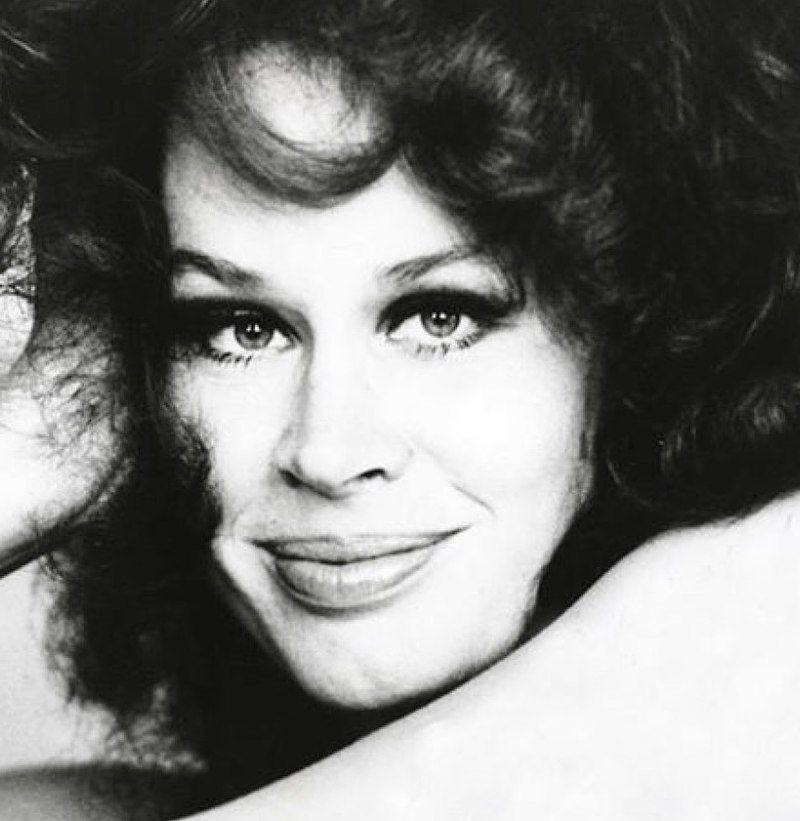
Critics praised Karen Black’s remarkable ability to disappear completely into complex characters. Her Oscar-nominated performance in Five Easy Pieces established her as one of the ’70s most talented actresses. Black’s distinctive features and intense acting style made her perfect for the decade’s character-driven films.
She worked with legendary directors like Robert Altman and Alfred Hitchcock, appearing in Nashville and Family Plot. Black seemed equally comfortable in dramas, thrillers, and horror films, demonstrating impressive versatility. Industry insiders predicted she would become one of Hollywood’s most enduring actresses.
Unfortunately, mainstream opportunities dried up in later decades, and Black found herself relegated to low-budget independent films. She continued acting prolifically but never regained the prestigious roles that defined her early career. Black remained dedicated to her craft despite working in relative obscurity for years.
11. Robby Benson
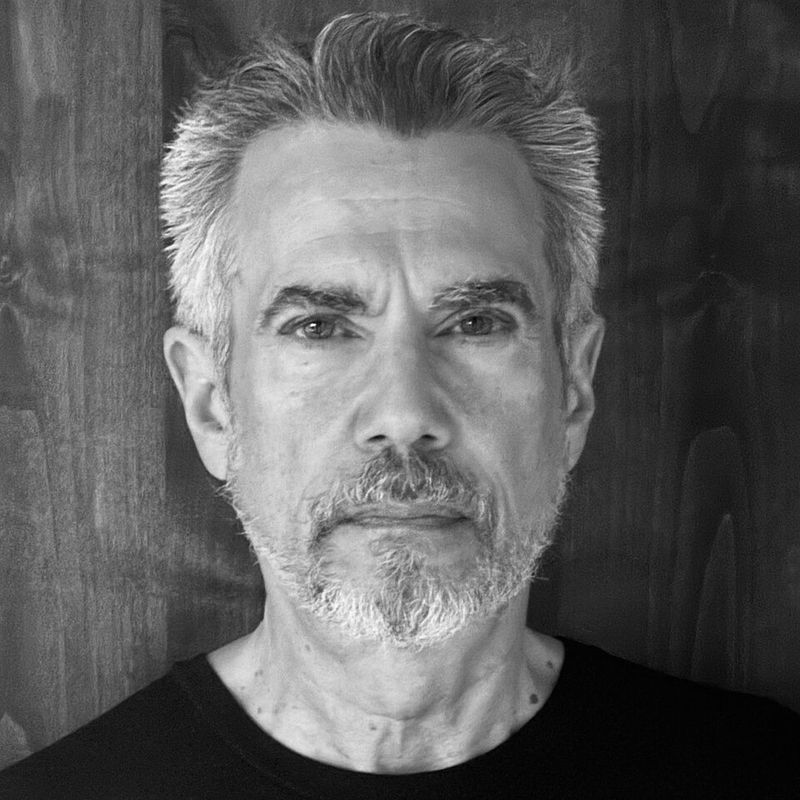
Sensitive and artistic characters found their perfect interpreter in Robby Benson during the ’70s. His performances in films like Ode to Billy Joe and Ice Castles made him a favorite among young audiences. Benson’s boyish charm and emotional depth set him apart from typical teen idols of the era.
He seemed destined for a long career as a leading man in romantic dramas. Benson’s talent extended beyond acting to include directing and voice work, showcasing his diverse abilities. Many expected him to transition smoothly into adult roles as he matured.
Instead, Benson gradually stepped away from on-screen acting, focusing on directing television episodes and teaching. He voiced the Beast in Disney’s Beauty and the Beast, introducing his talent to a new generation. However, his days as a recognizable film star ended relatively early in his career.
12. Marisa Berenson
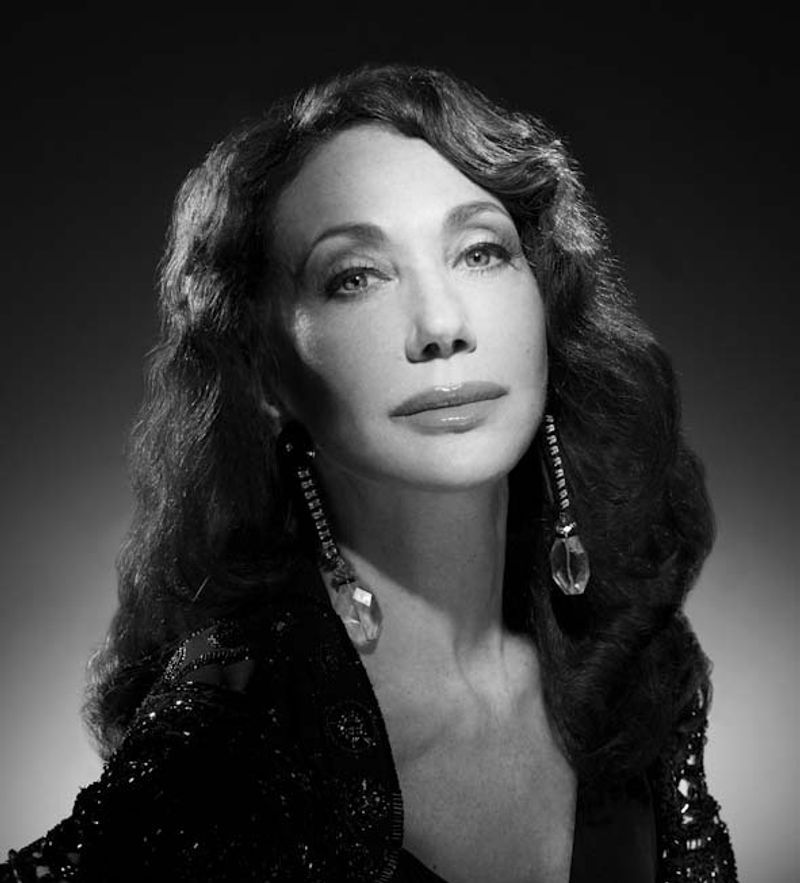
High fashion runways and Hollywood film sets both welcomed Marisa Berenson during the glamorous ’70s. Her stunning beauty graced countless magazine covers before she transitioned into acting. Berenson’s role in Stanley Kubrick’s Barry Lyndon showcased her ethereal presence and acting potential.
She appeared in several other notable films, including Cabaret and Death in Venice, working with prestigious directors. Berenson’s aristocratic elegance made her perfect for period pieces and sophisticated dramas. Critics appreciated her unique screen presence, even if some questioned her range.
As the ’80s arrived, Berenson’s film opportunities decreased dramatically, and she returned primarily to modeling. She never achieved the lasting film career many predicted despite her early promise. Berenson remains better known for her fashion work than her acting contributions, though she continues occasional film appearances.
13. Ned Beatty
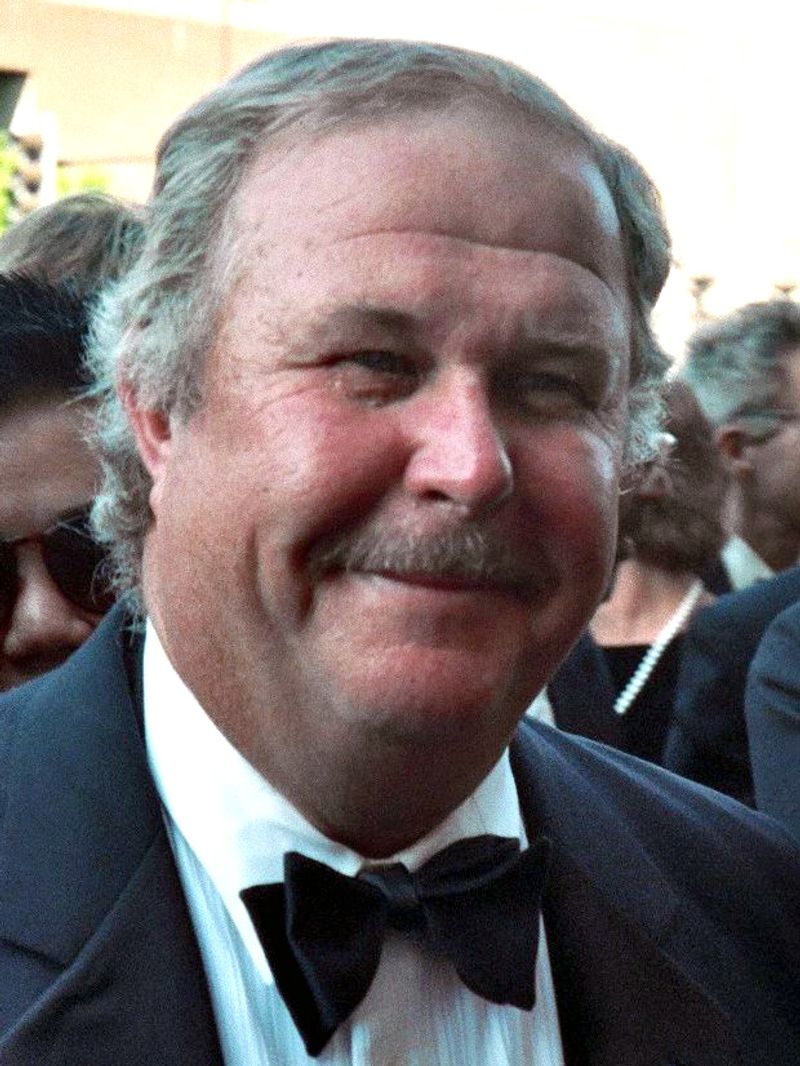
Character actors rarely achieve the recognition they deserve, and Ned Beatty exemplified this throughout his career. His unforgettable performance in Deliverance announced him as a serious talent, and he followed with memorable roles in Nashville and Network. Beatty’s ability to inhabit any character made him invaluable to directors seeking authenticity.
He earned an Oscar nomination for Network, delivering a powerful monologue that became iconic. Throughout the ’70s, Beatty appeared in numerous acclaimed films, always elevating the material with his skill. His prolific work ethic and professionalism earned respect from colleagues and critics alike.
Despite his success, Beatty eventually pulled back from major Hollywood productions, focusing on theater and smaller film roles. He continued working steadily but never received the widespread recognition his talent warranted. Beatty’s career demonstrates how even exceptional actors can fade from public consciousness.
14. Ingrid Pitt
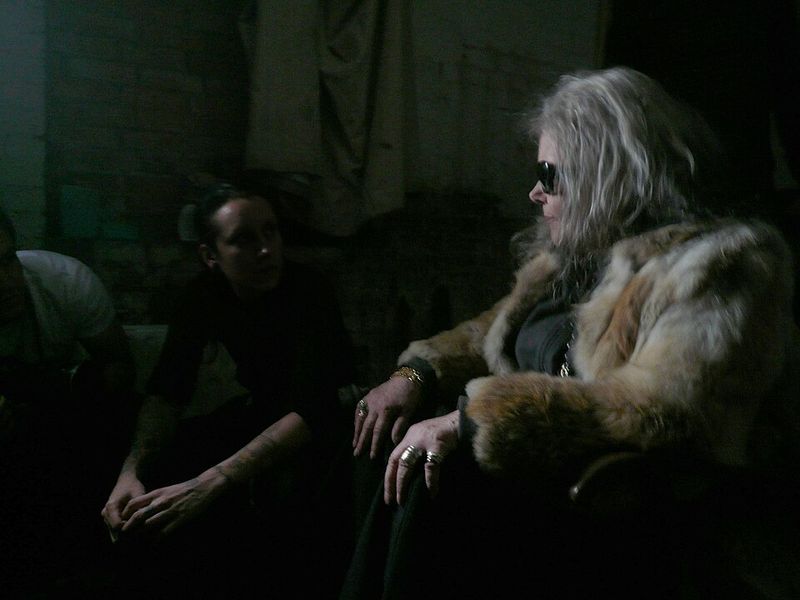
Hammer Horror films found their perfect vampire queen in Ingrid Pitt during the early ’70s. Her performances in The Vampire Lovers and Countess Dracula made her a cult favorite among horror enthusiasts. Pitt brought intelligence and sensuality to roles that could have been merely exploitative in less capable hands.
Her Polish accent and exotic beauty set her apart from other scream queens of the era. Pitt’s real-life experiences surviving World War II concentration camps added depth to her performances. She understood darkness in ways that translated powerfully to the screen.
As Hammer Studios declined and horror films changed, Pitt’s opportunities diminished significantly. She transitioned to writing books about horror cinema and making convention appearances. Though beloved by dedicated fans, Pitt never achieved mainstream recognition and faded from general public awareness before her death in 2010.
15. Stacy Keach
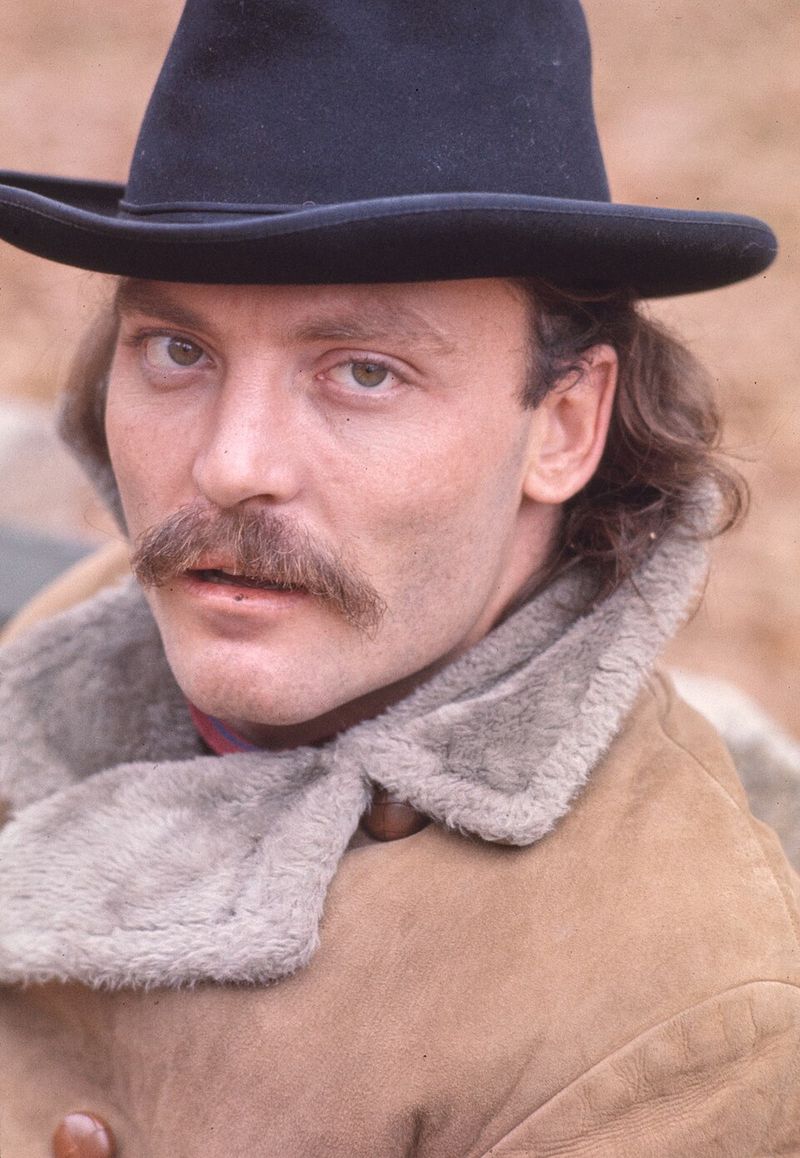
Shakespeare on stage and tough guys on screen both suited Stacy Keach’s remarkable versatility. His classical training and distinctive features made him perfect for complex characters in ’70s films like Fat City and The Long Riders. Keach’s intense performances earned critical acclaim and suggested a long career in prestigious projects.
He balanced theater work with film roles, refusing to compromise his artistic standards for commercial success. Keach’s portrayal of detective Mike Hammer in the ’80s brought him television fame. However, legal troubles interrupted his career momentum at a crucial time.
After serving time for drug possession, Keach rebuilt his career but never regained his earlier prominence in major films. He continues working steadily in television and theater, respected by peers but less visible to general audiences. Keach’s talent never diminished, but his opportunities certainly did.



