 Unearth The Voyage
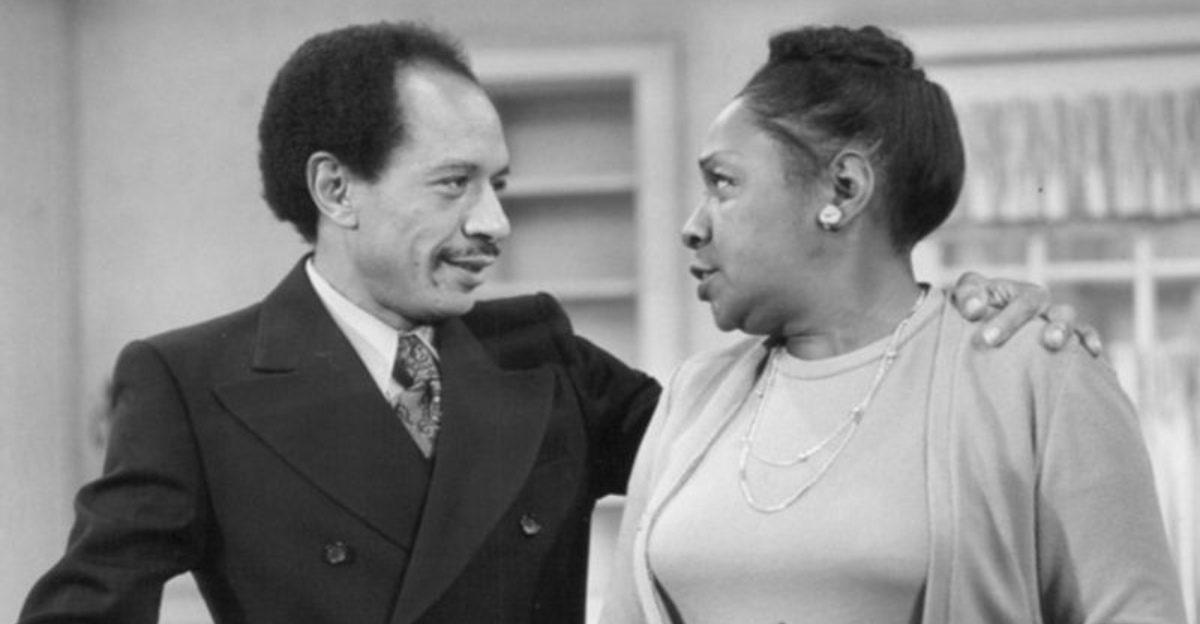
The 1970s brought us some of television’s most memorable shows, complete with catchphrases that audiences repeated around water coolers and dinner tables. But times have changed dramatically, and what passed for humor back then often crossed lines we wouldn’t dream of crossing today. Many of these famous lines relied on stereotypes, insults, and language that modern audiences would find shocking or offensive.
1. Meathead! from Archie Bunker, All in the Family
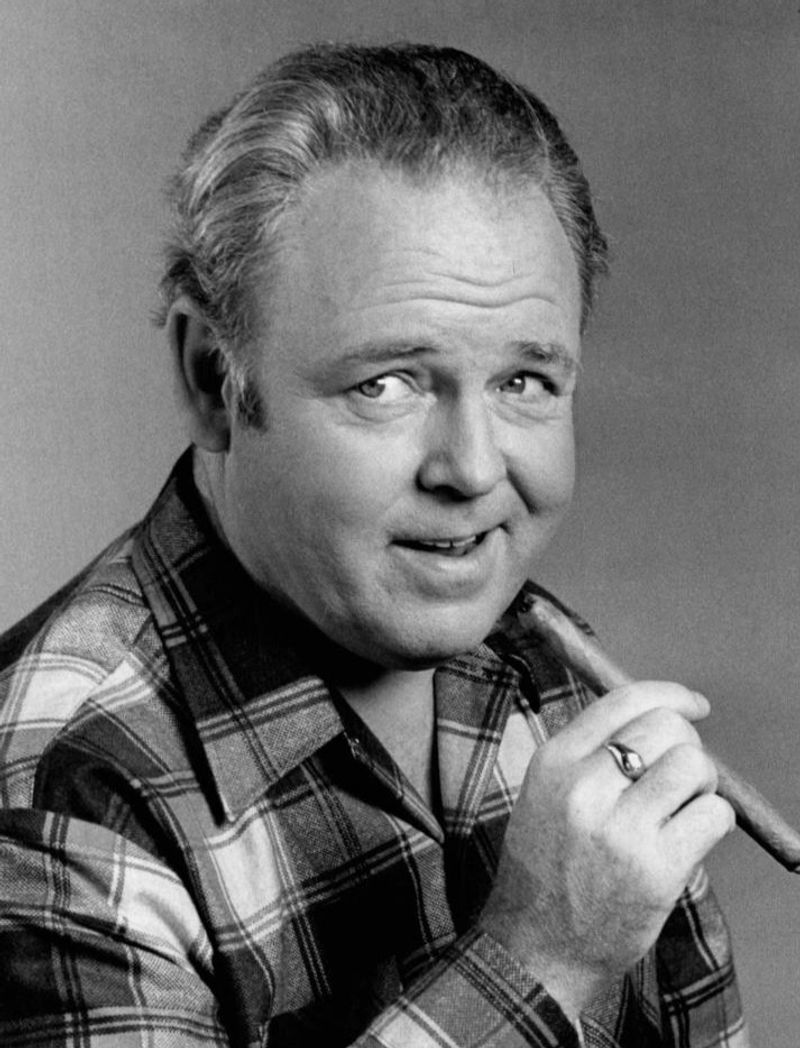
Archie Bunker loved nothing more than hurling this insult at his son-in-law Michael Stivic whenever they clashed over politics or values. The term became so associated with the show that people still remember it decades later. Michael, played by Rob Reiner, represented everything Archie despised: liberal views, college education, and progressive thinking.
While the show used Archie’s character to satirize bigotry, the constant name-calling would raise serious concerns today. Networks now understand that even satirical insults can normalize disrespectful behavior within families. The term itself suggests stupidity and worthlessness, which isn’t exactly the foundation for healthy family dynamics.
Modern sitcoms handle generational conflicts differently, using wit and understanding rather than constant belittlement. What seemed funny in context back then now feels unnecessarily harsh and mean-spirited to contemporary viewers.
2. Stifle yourself! from Archie Bunker, All in the Family
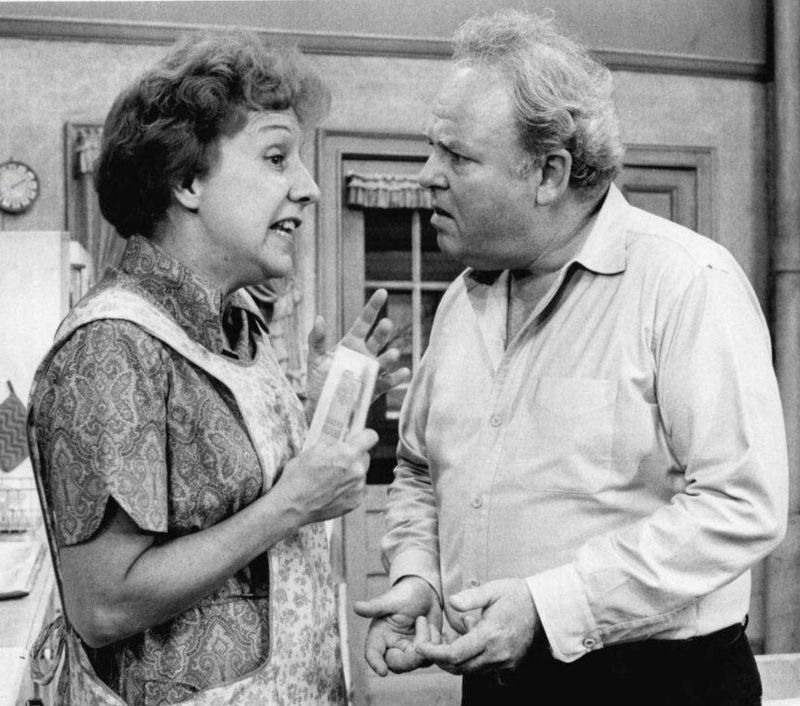
Whenever Edith tried to share her thoughts or opinions, Archie would bark this command to silence her immediately. The phrase became one of his signature lines, used countless times throughout the series. Jean Stapleton’s Edith would usually comply, her voice trailing off mid-sentence in that characteristic way viewers found endearing.
Looking back, this catchphrase represents everything wrong with outdated gender dynamics in marriage. Archie treated Edith like a child who needed to be controlled rather than a partner deserving respect. The authoritarian tone and dismissive attitude wouldn’t fly in today’s entertainment landscape.
Contemporary shows celebrate equal partnerships where both spouses have voices that matter. The idea of a husband commanding his wife to shut up would be portrayed as toxic behavior needing correction, not a humorous running gag that audiences should laugh at repeatedly.
3. Dingbat! from Archie Bunker, All in the Family
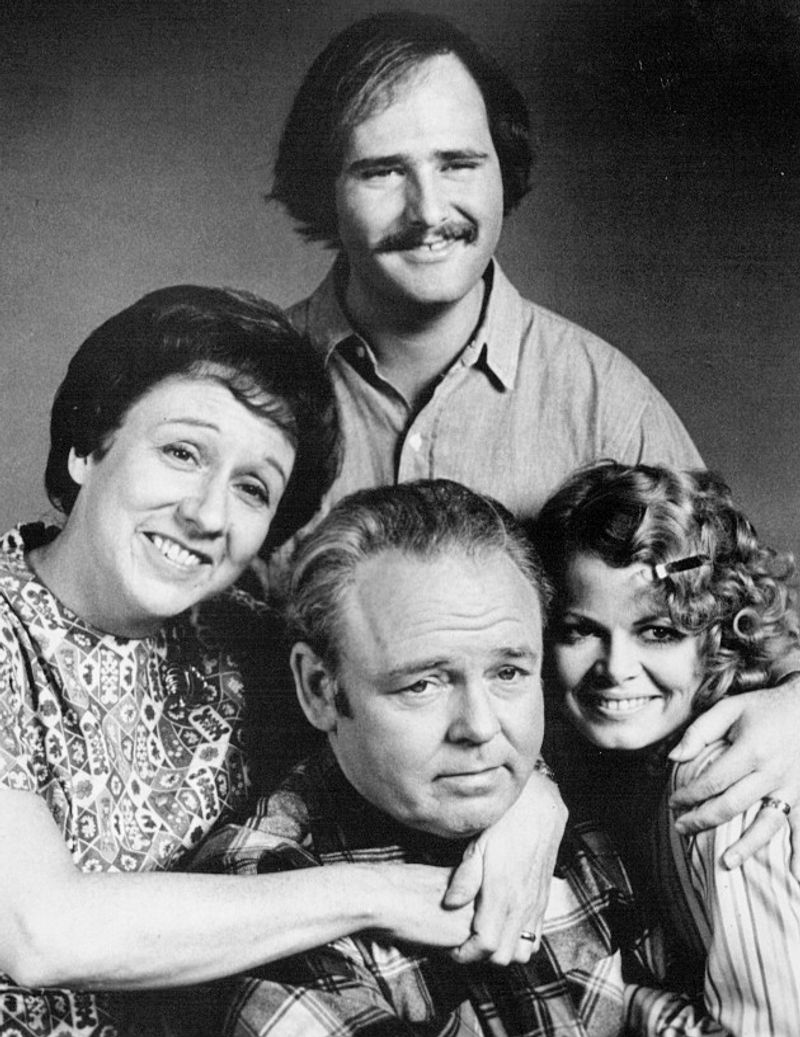
Among Archie’s collection of insulting nicknames for Edith, dingbat stood out as particularly demeaning. He used it whenever she said something he considered foolish or when she simply existed in his presence. The term suggested she was scatterbrained, stupid, and incompetent at basic thinking.
Edith actually possessed emotional intelligence and wisdom that Archie lacked, but the show played her character as naive and simple-minded. This nickname reinforced negative stereotypes about women’s intellectual capabilities. While All in the Family intended to mock Archie’s backward attitudes, the repetition of such insults created problematic messaging.
Today’s television writers understand that verbal abuse isn’t comedy gold, even when wrapped in satire. Calling your spouse names on a regular basis constitutes emotional abuse, not entertainment. Modern audiences expect to see relationships built on mutual respect, making this catchphrase feel particularly cringeworthy and outdated.
4. You people… from Archie Bunker, All in the Family
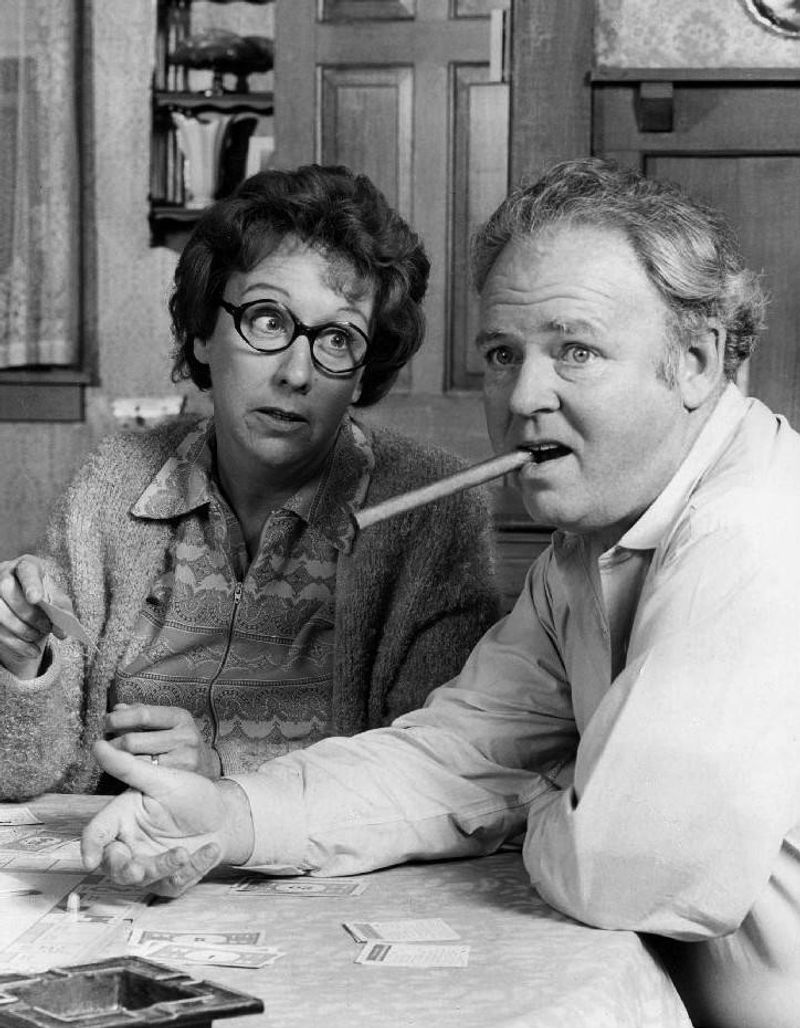
Archie wielded this phrase like a weapon whenever addressing anyone different from himself. Whether talking to Black neighbors, Jewish friends, or any minority group, he’d start with you people and follow with some offensive generalization. The phrase itself became shorthand for othering and bigotry.
Norman Lear created All in the Family to expose prejudice through Archie’s character, but the show walked a fine line. Some viewers laughed with Archie rather than at him, missing the satirical intent entirely. The phrase you people immediately signals that the speaker views certain groups as fundamentally different and lesser.
Modern television avoids this kind of language even in satirical contexts because it can reinforce the very prejudices it aims to criticize. Writers now understand that representation matters more than shock value, and casual bigotry isn’t an acceptable source of weekly punchlines, regardless of satirical framing.
5. Honky! from George Jefferson, The Jeffersons
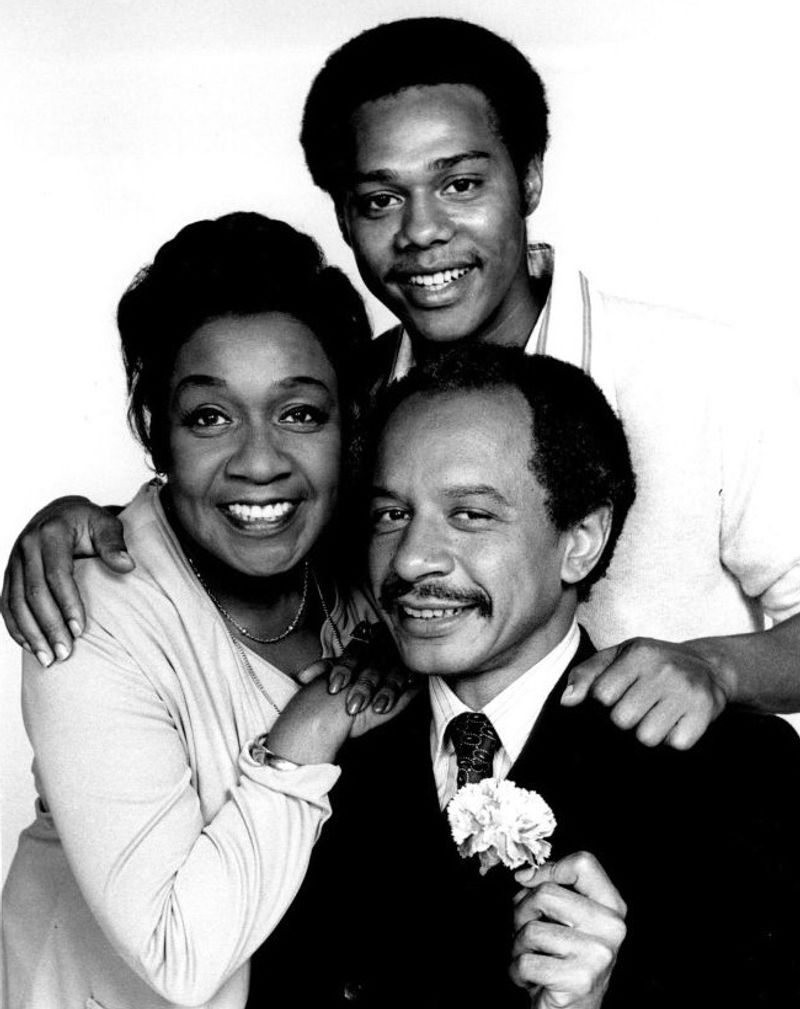
George Jefferson frequently threw this racial slur at white characters, particularly his neighbor Tom Willis who was married to a Black woman. Sherman Hemsley delivered the line with such comedic timing that audiences laughed, but the underlying hostility was unmistakable. The show portrayed George’s prejudice as a character flaw parallel to Archie Bunker’s racism.
While The Jeffersons attempted to show that prejudice exists across racial lines, using racial slurs as recurring punchlines created problems. The repetition normalized language that degrades people based on skin color. Comedy writers today recognize that equality means avoiding all racial slurs, regardless of who’s saying them or which group they target.
Contemporary sitcoms address racial tensions through thoughtful dialogue and character growth rather than repeated slurs disguised as humor. The goal now is building understanding and breaking down barriers, not getting cheap laughs from offensive language that reinforces divisions between communities.
6. Honky cracker! from George Jefferson, The Jeffersons
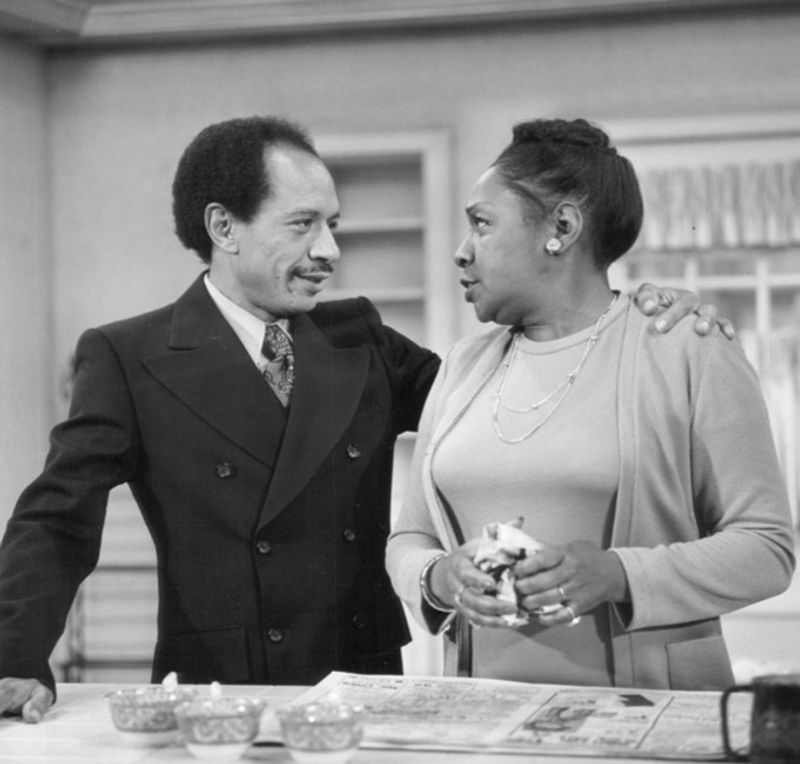
When George really wanted to emphasize his disdain for white characters, he’d combine two slurs into this double-barreled insult. The phrase appeared in multiple episodes whenever George felt particularly antagonistic toward Tom Willis or other white neighbors. Sherman Hemsley’s delivery made it clear George meant every syllable as an attack.
This escalated version of George’s usual insults crossed even more lines than his standard vocabulary. Combining racial slurs doesn’t make them funnier or more acceptable; it just compounds the offense. The show’s writers seemed to think that because George was a minority character, his prejudice was somehow more forgivable or comedic.
Modern television has moved beyond this flawed logic. Writers now understand that slurs hurt regardless of who uses them, and that minority characters deserve better than being written as mirror images of racist white characters. Authentic representation means creating complex characters who grow beyond their prejudices, not recycling offensive language weekly.
7. Girl, you look like a monkey ready to climb a tree! from Fred Sanford, Sanford and Son
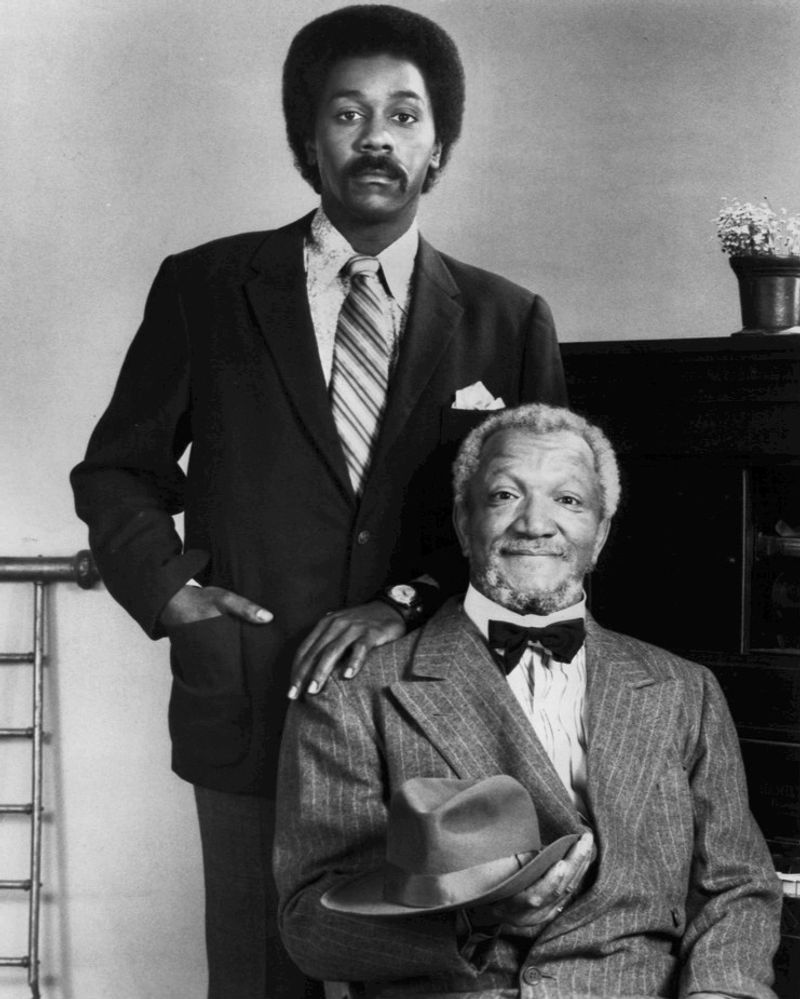
Fred Sanford had a talent for creative insults, but this particular line crossed into deeply offensive territory. Comparing people, especially Black women, to monkeys carries horrific historical baggage related to slavery and dehumanization. Yet the show played it for laughs during heated arguments, with studio audiences cackling at Fred’s supposed wit.
Redd Foxx delivered these lines with comedic energy that distracted from their harmful nature. The comparison to animals, particularly monkeys, has been used for centuries to justify racism and discrimination. Using such imagery as comedy, even within the Black community, perpetuates damaging stereotypes.
Today’s comedy writers recognize that humor shouldn’t come at the cost of human dignity. Insult comedy has evolved to avoid dehumanizing comparisons and language rooted in oppression. Shows now aim for clever wordplay and situational humor rather than attacking people’s appearances with imagery tied to historical trauma and ongoing racism.
8. You big dummy! from Fred Sanford, Sanford and Son
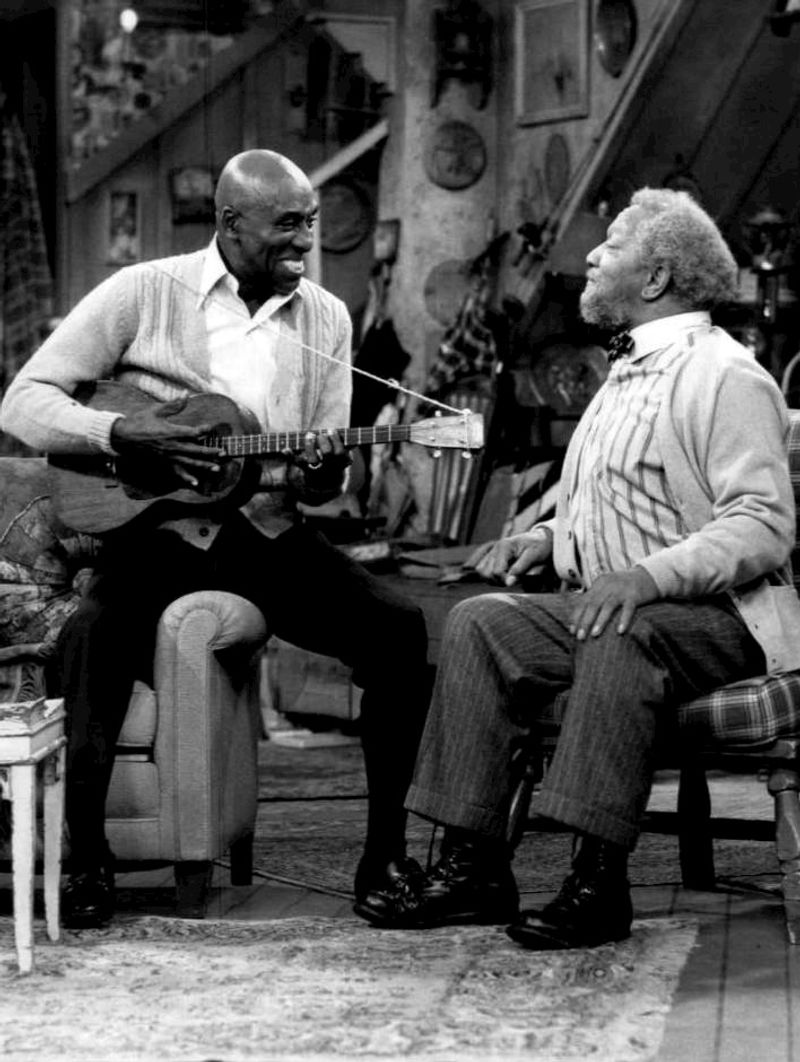
Fred hurled this insult at his son Lamont in nearly every episode, usually when Lamont suggested something sensible that Fred didn’t want to hear. Redd Foxx made the phrase iconic through sheer repetition and theatrical delivery. Lamont would roll his eyes while Fred clutched his chest, threatening one of his famous fake heart attacks.
The dynamic between Fred and Lamont was built on constant belittlement disguised as banter. Calling your adult child a dummy repeatedly sends terrible messages about parental respect and family communication. While the show portrayed their relationship as loving underneath the insults, the verbal abuse formed the foundation of their interactions.
Modern family sitcoms show parents and adult children navigating disagreements with more emotional intelligence. Writers understand that name-calling isn’t harmless fun but a form of disrespect that damages relationships. Contemporary audiences want to see families that communicate honestly, even during conflicts, without resorting to constant insults and put-downs.
9. The white man’s a devil. from Nation of Islam references in Good Times
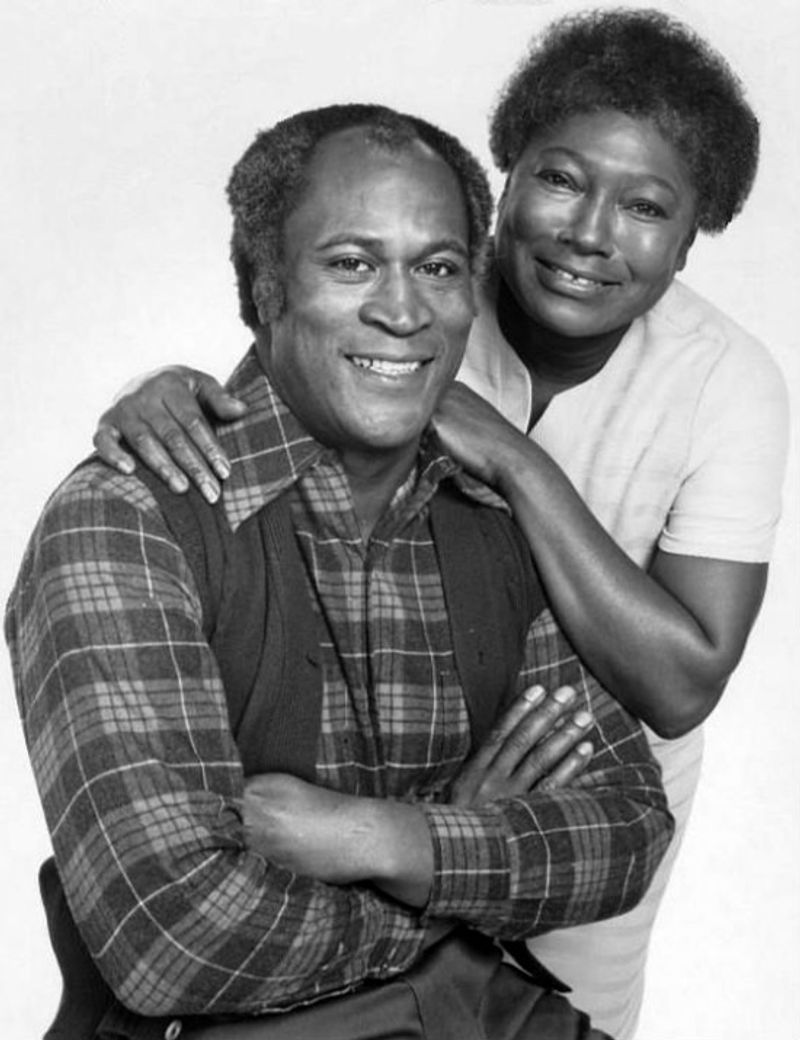
Good Times occasionally incorporated phrases and sentiments connected to Nation of Islam teachings, reflecting the political climate of the era. Characters would echo rhetoric about white oppression using language that framed racial conflict in stark, divisive terms. These moments aimed to show the frustration and anger within Black communities facing systemic racism.
While the show tackled important social issues, using inflammatory religious rhetoric as casual dialogue created problems. The phrase reduces complex racial dynamics to simplistic good-versus-evil narratives. It also conflates an entire racial group with evil, which is the same flawed thinking behind all forms of racism and prejudice.
Today’s television handles discussions of systemic racism with more nuance and care. Shows explore institutional problems and personal experiences without resorting to sweeping condemnations of entire groups. Writers recognize that building understanding requires complexity, not inflammatory soundbites that could increase division rather than promote healing and justice.
10. Hot Lips! from MASH
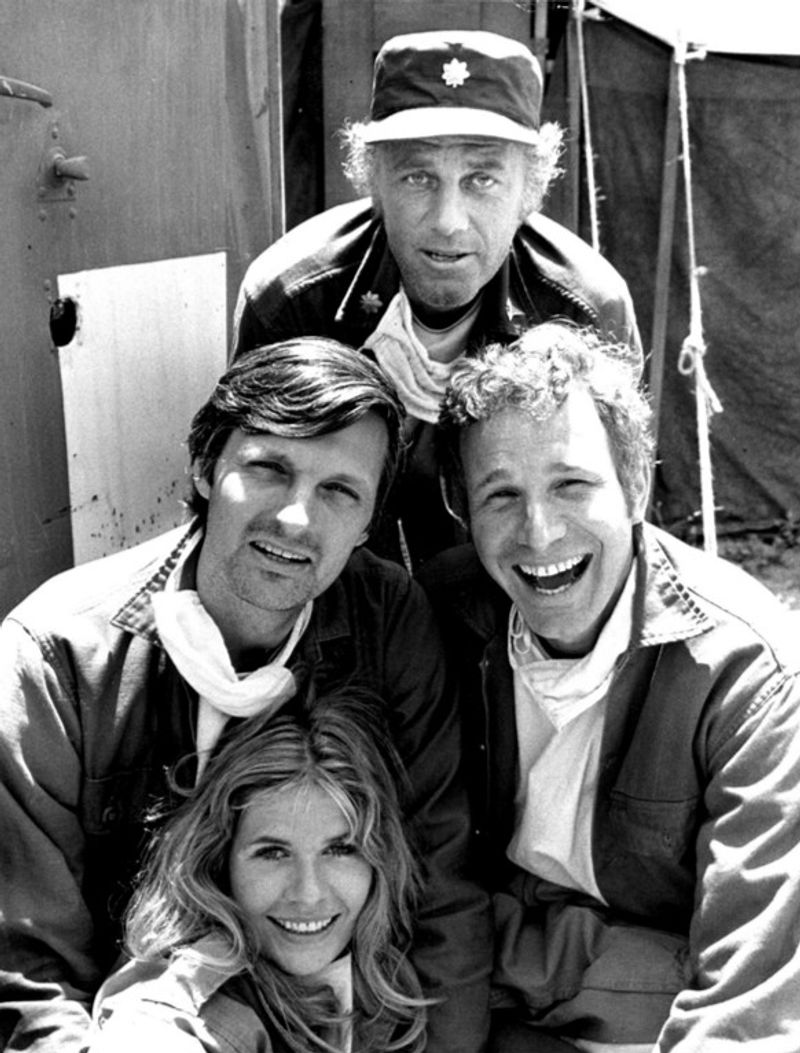
Major Margaret Houlihan earned this nickname after other characters overheard her romantic encounter, and it stuck throughout the series. Loretta Swit’s character was a competent, dedicated military nurse, yet everyone reduced her to a sexualized nickname. The men at the 4077th used it constantly, treating her professional identity as secondary to her sexuality.
This catchphrase exemplifies workplace sexual harassment disguised as playful teasing. Margaret held a position of authority, yet subordinates and peers alike felt entitled to call her by a sexually objectifying name. The show occasionally addressed the disrespect but never fully condemned it, allowing the nickname to persist as part of the show’s identity.
Modern workplace comedies understand that sexual objectification isn’t funny, especially in professional military settings. Female characters now get to be complex individuals whose sexuality doesn’t define their entire existence. The MeToo era has made clear that nicknames like this constitute harassment, not harmless fun among colleagues.
11. Hey baby, you’re built! from The Fonz, Happy Days
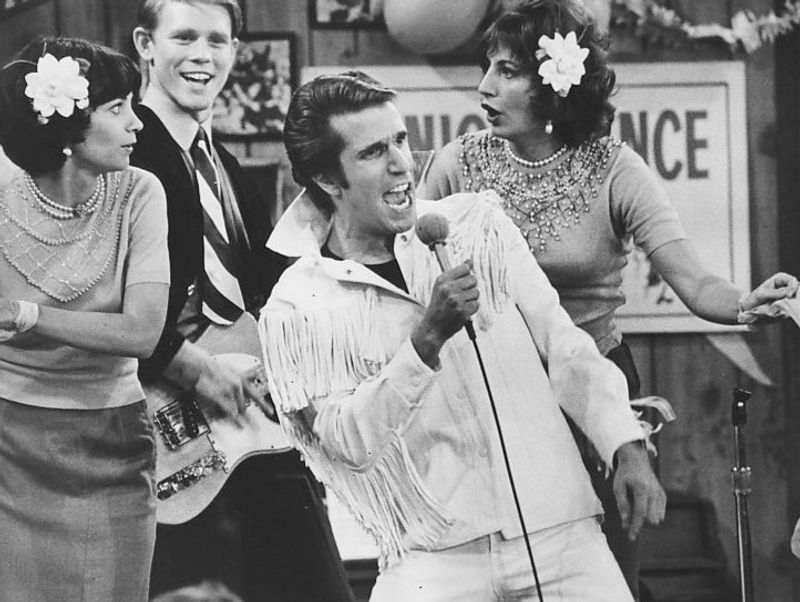
Arthur Fonzarelli used this line and similar phrases when hitting on women at Arnold’s diner. Henry Winkler’s cool-guy persona made the objectification seem charming rather than creepy. The Fonz would snap his fingers, flash his signature thumbs-up, and reduce women to their physical attributes while audiences swooned over his leather-jacketed confidence.
What seemed like harmless flirtation in the 1970s now reads as blatant objectification. Commenting on women’s bodies as an opening line treats them as objects for male appreciation rather than people worthy of respectful conversation. The show portrayed this behavior as the epitome of coolness, teaching young viewers that this was how attractive men should act.
Contemporary television shows romantic interests treating each other as complete human beings from the start. Characters who objectify others are now portrayed as immature or problematic, not as role models. The shift reflects growing understanding that women deserve interactions based on mutual respect, not evaluations of their physical construction.
12. Sit on it! from Various characters, Happy Days
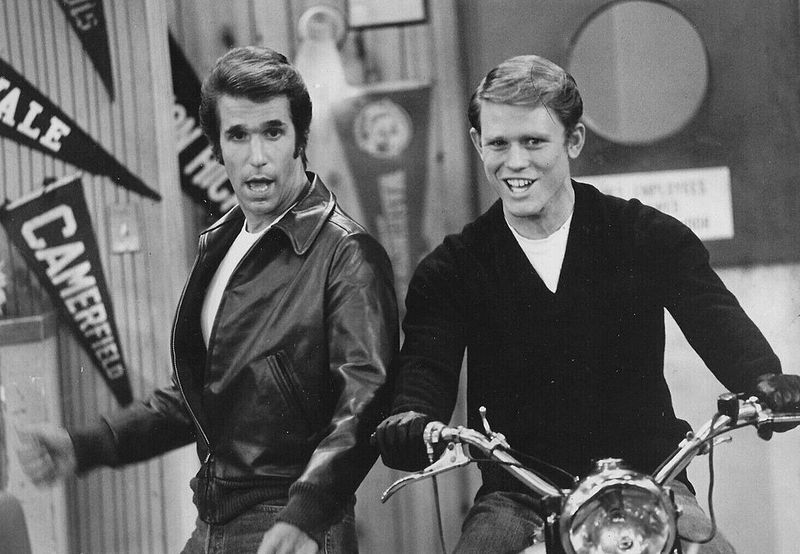
This phrase became Happy Days’ go-to insult, used by multiple characters when they wanted someone to shut up or go away. The show treated it as a milder alternative to actual profanity, suitable for family viewing. Characters would deliver it with varying levels of aggression, from playful dismissal to genuine hostility, depending on the situation.
The phrase itself carries crude sexual undertones that the show’s wholesome image tried to obscure. Telling someone to sit on it implies a vulgar action that wouldn’t be appropriate for the family-friendly time slot Happy Days occupied. The show got away with it because audiences either didn’t catch the implication or chose to ignore it.
Modern family comedies avoid insults with hidden crude meanings, especially in shows marketed to younger audiences. Writers understand that parents want genuinely wholesome content, not inappropriate phrases disguised as innocent catchphrases. Today’s comedies find humor in clever situations and wordplay rather than borderline-inappropriate dismissals that push boundaries of good taste.
13. Up your nose with a rubber hose! from Vinnie Barbarino, Welcome Back, Kotter
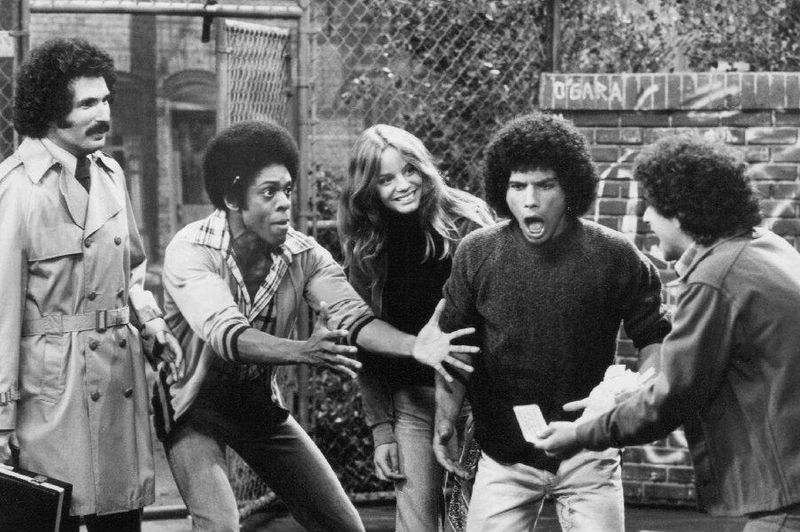
John Travolta made this bizarre insult famous as the lovable but dim Vinnie Barbarino. The Sweathogs used it as their signature putdown, delivered with exaggerated Brooklyn accents and hand gestures. It became so popular that kids across America were repeating it in schoolyards, often without understanding what it actually meant.
The phrase describes a violent and invasive action, even if rubber hoses seem less threatening than other objects. It’s essentially wishing harm on someone in a creatively disgusting way. The show played it as silly teenage banter, but encouraging kids to use insults involving bodily violation sends problematic messages about acceptable conflict resolution.
Today’s teen-focused shows model healthier communication patterns and conflict resolution strategies. While teenagers still insult each other, modern writers avoid popularizing phrases that describe violence or violation. The goal now is showing young people how to navigate disagreements without resorting to creative descriptions of harming others, even in supposedly humorous contexts.
14. Fish face! from J.J., Good Times
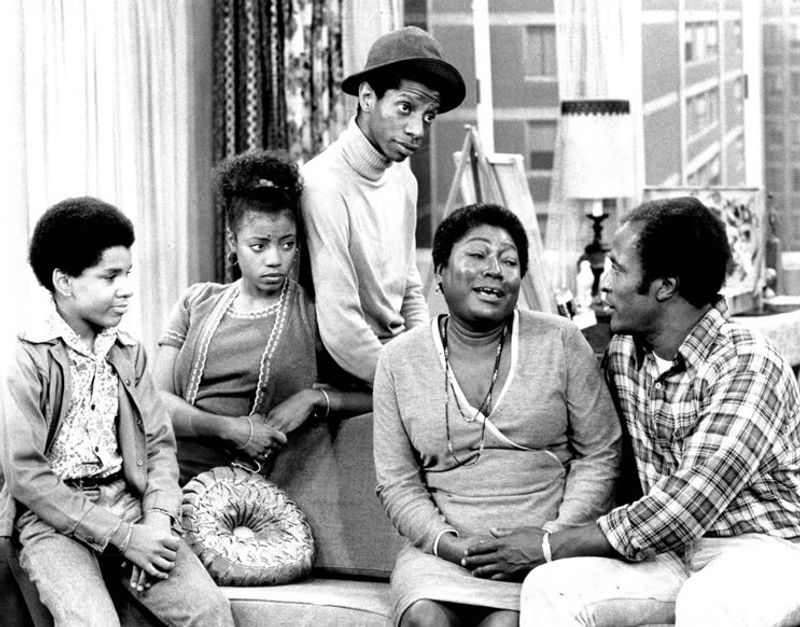
J.J. Evans had numerous petty insults in his arsenal, but fish face appeared regularly when he argued with women in his life. Jimmie Walker delivered these lines with his characteristic energy and animated expressions. The insult reduced women to unattractive physical characteristics, dismissing their valid points by attacking their appearance instead.
This catchphrase exemplifies how sitcoms taught young men to deflect criticism by insulting women’s looks. When J.J. couldn’t win an argument on merit, he’d resort to name-calling about physical features. The show portrayed this as harmless sibling banter or teenage immaturity, but it normalized appearance-based attacks as acceptable responses to disagreement.
Modern comedies recognize that attacking someone’s appearance during arguments is a deflection tactic that avoids real issues. Today’s teenage characters are written to engage with actual points of conflict rather than resorting to shallow insults. Writers now understand that teaching young viewers to debate ideas rather than attack people creates healthier communication patterns that serve them throughout life.
15. We’re gonna scalp ’em! from The Brady Bunch (football episodes)
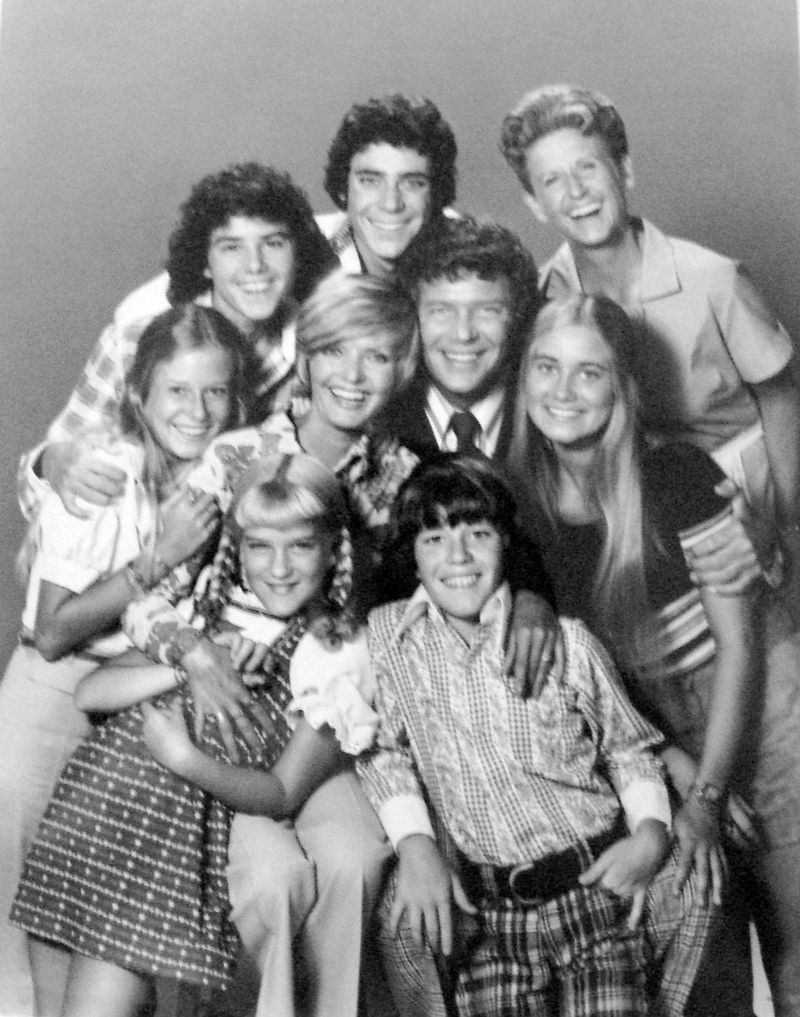
The Brady kids and their friends used this phrase repeatedly during football episodes, treating it as harmless sports trash talk. The show’s writers didn’t consider how scalping references Native American violence and genocide. It was just one of many casual uses of Indigenous imagery in American sports culture that nobody questioned during that era.
Using scalping as a metaphor for defeating opponents reduces horrific historical violence to a sports catchphrase. It treats Native American suffering as fodder for entertainment, showing complete disregard for Indigenous peoples’ experiences. The Brady Bunch was supposed to represent wholesome American values, yet it casually incorporated language rooted in cultural insensitivity and historical trauma.
Contemporary children’s programming works hard to avoid culturally insensitive language and stereotypes. Networks now consult with Indigenous advisors to ensure respectful representation and language. The movement away from Native American mascots and related terminology in sports reflects growing understanding that these references aren’t harmless fun but painful reminders of genocide and ongoing marginalization.



