 Unearth The Voyage

Hollywood loves a comeback story, but not everyone gets a second act. Some actors look unstoppable for a moment, then vanish from the spotlight almost overnight.
Sometimes it’s a personal reset. Other times it’s bad timing, messy headlines, or a studio system that moves on fast.
What makes these cases so gripping is the shift. One year they’re everywhere.
The next, the roles dry up and the buzz goes quiet. Fans are left wondering what happened, and whether the industry ever gave them a fair shot.
This isn’t about shaming anyone. It’s about the fragile nature of fame and the thin line between “next big thing” and “where did they go?” Here are the careers that seemed poised for the top, until something changed.
1. Jake Lloyd Was the Young Anakin Then He Walked Away
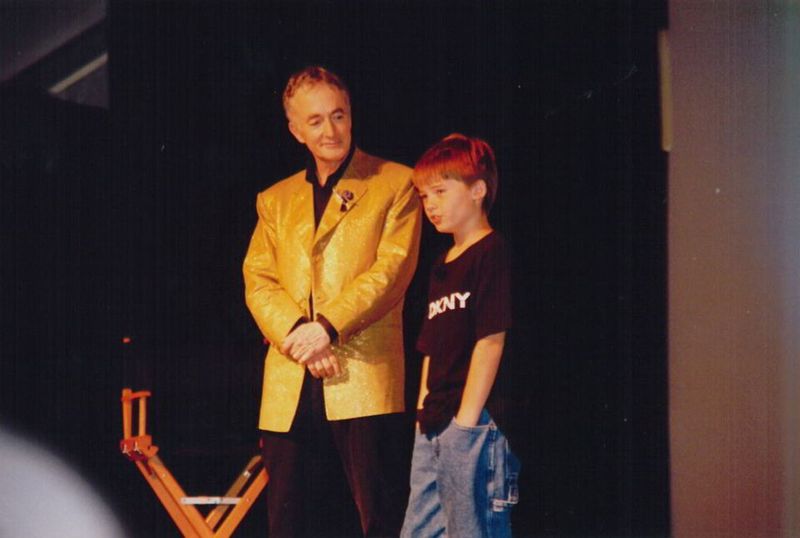
Landing the role of young Anakin Skywalker should have launched a career into the stratosphere. Instead, it became a weight too heavy for anyone to carry, let alone a kid.
The backlash from Star Wars fans hit hard and fast, turning what should have been a dream into something darker.
Jake Lloyd stepped away from acting entirely after the brutal reception. The hate mail, the schoolyard bullying, the constant criticism wore him down in ways most people never experience.
He tried a few more projects but eventually called it quits before his teenage years ended.
His story took sadder turns in adulthood, with well-documented mental health struggles that landed him in treatment facilities. Recent reports have focused on his journey through those challenges rather than his brief time in the spotlight.
The industry moved on without him, but the scars from that single massive role never fully healed.
Sometimes the biggest break becomes the biggest burden. Fame at that level, that young, with that much vitriol attached, doesn’t set you up for success.
It sets you up for survival mode, and walking away becomes the healthiest choice available.
2. Jonathan Taylor Thomas Was the 90s Heartthrob Who Chose School Over Fame
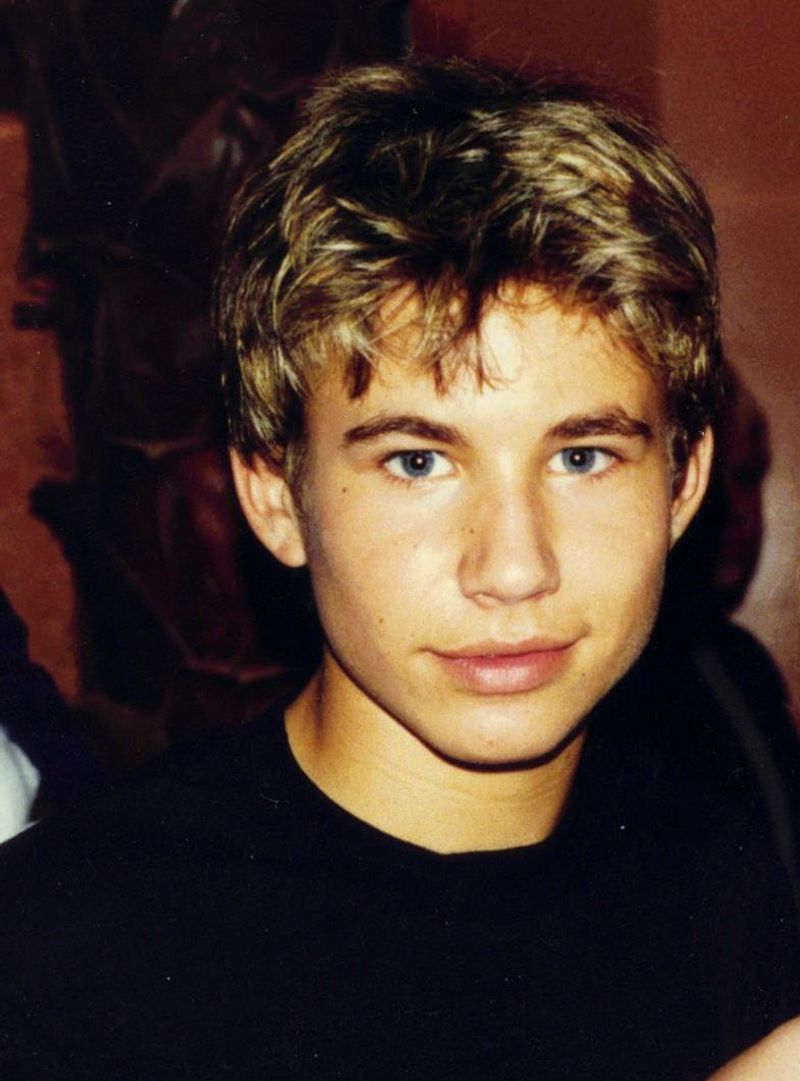
Every teen magazine in the 90s plastered his face across their covers. Jonathan Taylor Thomas became the definition of a heartthrob, with millions of fans hanging posters in their bedrooms.
Home Improvement made him a household name, and voicing young Simba only amplified his star power.
Then he did something almost unheard of in Hollywood. He walked away at the peak to attend college.
Not a publicity stunt, not a brief hiatus, but a genuine prioritization of education over entertainment industry dominance.
He enrolled at Harvard and later Columbia, studying philosophy and history while his former co-stars continued grinding in the business. The occasional guest spot appeared here and there, but nothing close to his former ubiquity.
His choice baffled an industry built on chasing fame at any cost.
Looking back, his decision seems almost quaint in an era of child stars burning out spectacularly. He chose normalcy, intellectual growth, and privacy over tabloid fodder and paparazzi chaos.
The A-list moved on without him, but he seemed perfectly content watching from a distance, degree in hand and mental health intact.
3. Macaulay Culkin Was Hollywood’s Biggest Kid Star Then He Hit Pause
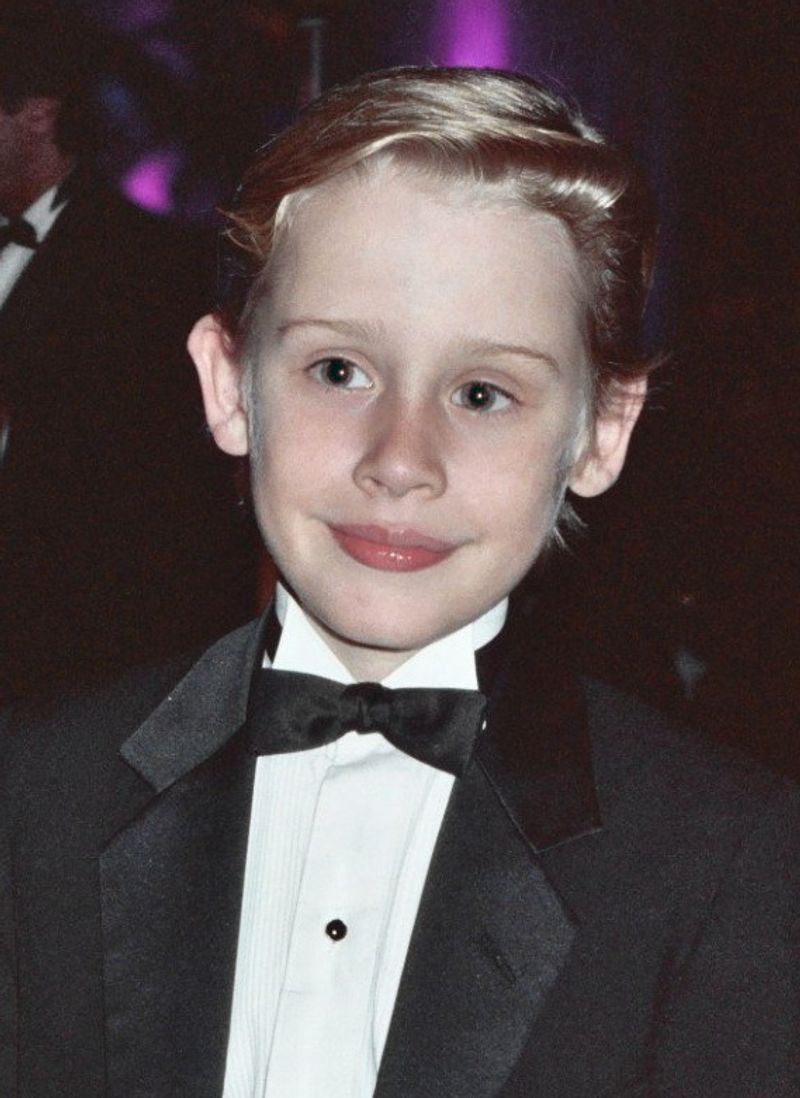
Home Alone turned him into a phenomenon that transcended typical child-star status. Macaulay Culkin became a brand, a cultural touchstone, and a box office guarantee before he hit puberty.
The sequel cemented his position as Hollywood’s most bankable kid, with a paycheck to match.
But the pressure, family drama, and relentless schedule took their toll. He stepped back from acting in his mid-teens, effectively retiring while most kids were just getting their learner’s permits.
The industry kept spinning, churning out new young faces to replace him.
His personal life became tabloid fodder during his time away. Relationships, legal battles with his parents over his fortune, and years of relative silence kept him in the public consciousness without requiring any actual work.
The comeback attempts came sporadically, with mixed results and little urgency.
American Horror Story brought him back into the conversation recently, proving he still had acting chops when he felt like using them. His career became less about consistent work and more about selective appearances when projects genuinely interested him.
The megastar days ended, but he seems fine with that trade-off.
4. Corey Haim Was an 80s Icon Whose Momentum Never Recovered

The Lost Boys captured lightning in a bottle, and Corey Haim stood right at the center of that storm. His partnership with Corey Feldman became legendary, spawning multiple collaborations that defined 80s teen cinema.
Magazines couldn’t print his face fast enough to keep up with demand.
Then the roles dried up, the industry moved on, and the struggles began piling up behind the scenes. His later years became complicated in ways that overshadowed his earlier success.
The comeback attempts never gained real traction, leaving him working in projects far removed from his Lost Boys glory days.
He died in 2010, with the coroner ruling the death natural and citing pneumonia-related causes. The news hit hard for anyone who grew up watching him own the screen with that signature charm.
His story became a cautionary tale about the industry’s brutal treatment of young stars.
The what-ifs linger decades later. What if the right roles had come along?
What if the support systems had been stronger? His talent never disappeared, but the opportunities and circumstances never aligned to bring him back to prominence.
5. Corey Feldman Stayed Working But the A-List Wave Passed Him By
Few actors owned the 80s quite like Corey Feldman. The Goonies, Stand by Me, Gremlins, and The Lost Boys created a resume most actors spend lifetimes trying to build.
He seemed destined for leading-man status that would carry him through decades of blockbusters.
The transition to adult roles never materialized the way everyone expected. He kept working steadily, appearing in projects across film and television, but the parts shifted away from mainstream leading roles.
The industry’s perception changed, and with it, the opportunities.
His personal life and public persona became increasingly unconventional, further distancing him from typical Hollywood trajectories. Music projects, reality TV appearances, and advocacy work filled the spaces where blockbuster franchises might have been.
The work never stopped, but the A-list status evaporated.
He became a cult figure rather than a megastar, beloved by those who grew up with his films but largely absent from contemporary blockbuster conversations. The talent remained visible in smaller projects, but the momentum from those iconic 80s roles never translated into sustained top-tier stardom.
Hollywood moved on, and he carved out a different path entirely.
6. Tara Reid Became a Pop Culture Fixture Then Slid Into Smaller Projects

American Pie made her the girl everyone recognized, and the late 90s seemed to belong to her. Tara Reid became synonymous with a specific era of teen comedies and party culture, her name appearing in gossip columns and casting announcements with equal frequency.
The momentum felt unstoppable.
Then the quality of projects shifted noticeably downward. The big studio comedies gave way to lower-budget fare that premiered quietly or went straight to streaming platforms.
Her filmography continued growing, but the names attached and the budgets involved told a different story than her early career.
Tabloid coverage often overshadowed her actual work, focusing on personal life details rather than performances. The industry perception changed, and with it, the caliber of offers coming her way.
She kept acting, kept appearing in projects, but the trajectory had fundamentally altered.
The Sharknado franchise became her most visible work in recent years, a campy series that leaned into self-awareness rather than prestige. It’s work, it’s recognizable, but it’s a far cry from the mainstream comedy stardom her American Pie success suggested was inevitable.
The fame persisted in a strange way, but the A-list momentum vanished.
7. Pauly Shore Was the Face of 90s Goofy Comedy Then Trends Changed
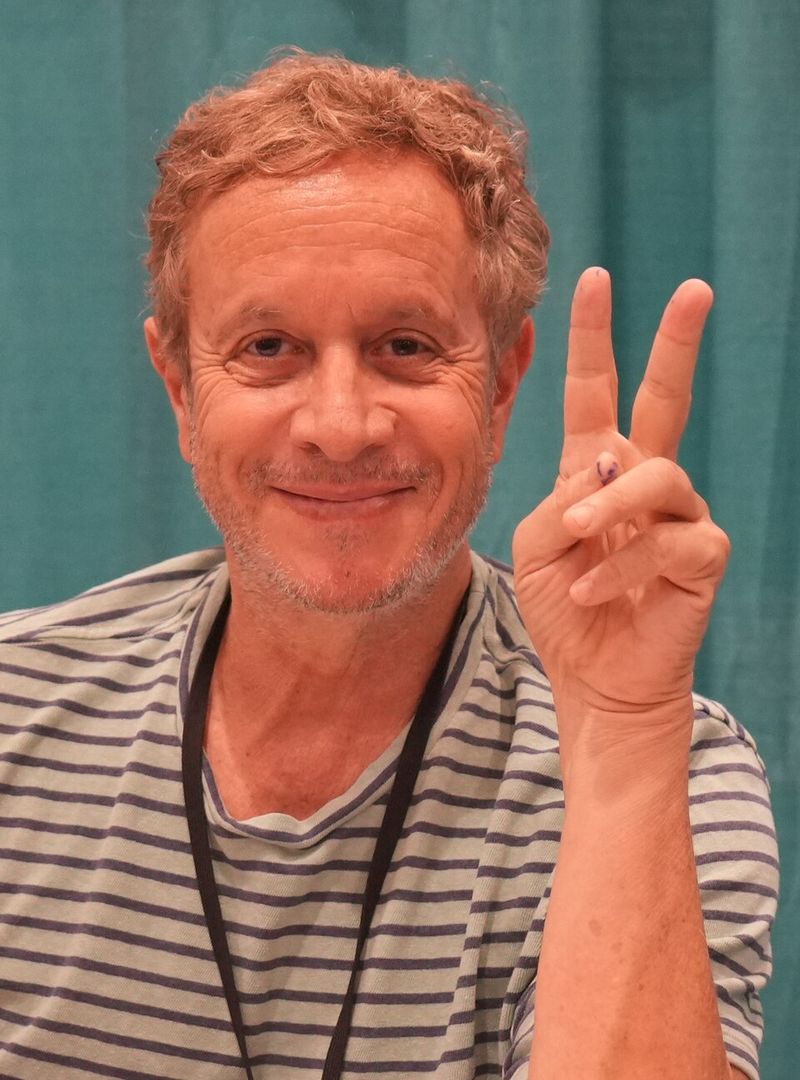
Encino Man and Son in Law captured a very specific comedic sensibility that dominated early 90s multiplex screens. Pauly Shore became a recognizable brand, complete with catchphrases and a persona that teenagers quoted endlessly.
MTV gave him a platform that amplified his reach beyond just movies.
The problem with being so perfectly aligned with one era? That era eventually ends.
Comedy trends shifted, audiences moved on, and his particular brand of humor stopped connecting with mainstream moviegoers. The offers changed, the budgets shrank, and the theatrical releases became increasingly rare.
He never stopped working or performing, transitioning into stand-up, smaller film roles, and projects that played to his existing fanbase rather than expanding it. The name recognition remained, but the cultural relevance faded as new comedy voices emerged.
His peak coincided too perfectly with a moment that couldn’t last.
Looking back, his run feels like a time capsule of early 90s comedy aesthetics. The roles that made him famous now serve as nostalgic reminders of a different entertainment landscape.
He carved out a niche and owned it completely, but that niche closed when audiences’ tastes evolved past it.
8. Sean Young Had Blade Runner and Then a Hollywood Reputation Storm
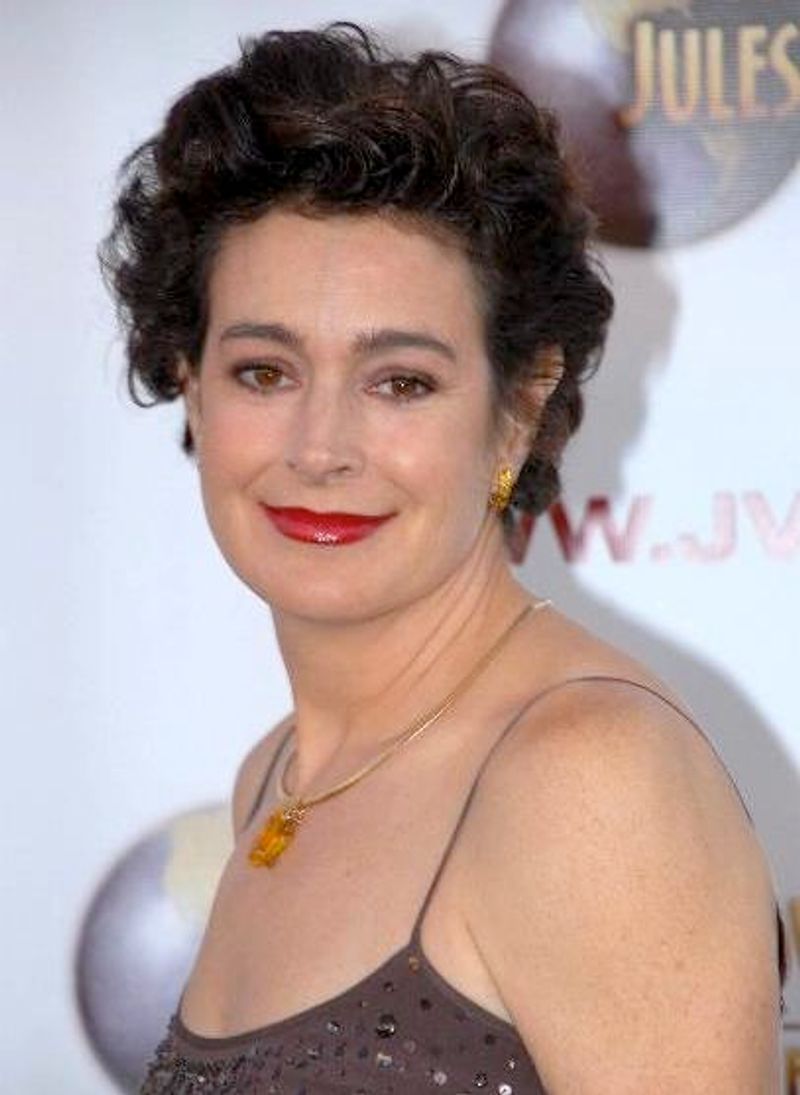
Blade Runner made her iconic in a way few sci-fi performances achieve. Sean Young created a character that film students and critics still dissect decades later.
Her early career suggested serious dramatic chops that would translate into sustained leading-lady status across multiple genres.
Then the stories started circulating. Industry reputation became her biggest obstacle, with widely reported incidents that made studios nervous about casting her.
The roles that should have followed Blade Runner never materialized at the same level, replaced by smaller parts and increasingly sporadic appearances.
Her talent never disappeared, visible in the projects she did land, but the opportunities became fewer and farther between. Hollywood’s long memory worked against her, with past controversies overshadowing present abilities.
The comeback attempts generated headlines but rarely translated into sustained work.
The what-could-have-been narrative hangs over her filmography like a shadow. Blade Runner proved she could deliver unforgettable performances, but the industry moved on without giving her many chances to repeat that success.
Talent alone doesn’t guarantee longevity when reputation issues enter the equation, and her career became a case study in that harsh reality.
9. Mena Suvari Looked Set After American Beauty Then Never Hit That Level Again

American Beauty put her in the center of a cultural phenomenon that swept awards season and dominated conversations. Mena Suvari became the face of one of the most talked-about performances in late 90s cinema.
The trajectory seemed clear: more prestige projects, more leading roles, more opportunities to build on that momentum.
The follow-up never matched that initial impact. She worked consistently in the years after, appearing in various films and TV shows, but nothing approached American Beauty’s cultural weight.
The roles skewed smaller, the projects less prestigious, and the industry buzz quieter with each passing year.
She remained recognizable and employed, which is more than many actors achieve, but the A-list breakthrough never came. The gap between that one massive success and everything that followed became increasingly apparent.
Hollywood seemed unsure how to cast her after such a specific, iconic role.
Her career became a reminder that one legendary performance doesn’t guarantee sustained stardom. The talent was evident, the breakthrough happened, but translating that into consistent top-tier work requires timing, luck, and opportunities that simply didn’t align.
She kept working, but the American Beauty moment remained singular rather than launching a trajectory.
10. Shannen Doherty Was a TV Titan Whose Career Got Overshadowed by Controversy and Illness
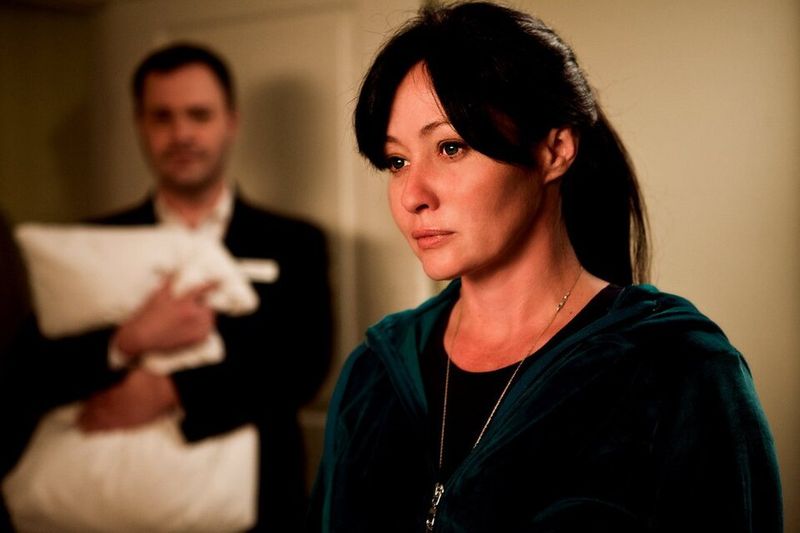
Beverly Hills 90210 made her a defining figure of 90s television, and Charmed kept that momentum rolling into the new millennium. Shannen Doherty became synonymous with strong female characters who didn’t apologize for their attitudes.
Her presence commanded attention in every scene she inhabited.
Behind-the-scenes drama became as famous as her performances, with widely publicized conflicts leading to departures from both signature shows. The controversy overshadowed her talent in industry conversations, affecting the caliber and frequency of offers.
Her reputation became a liability in an industry that values smooth production.
Later years brought a different kind of public focus: her courageous, transparent battle with cancer. She documented her journey with remarkable openness, shifting public perception from tabloid fodder to cancer awareness advocate.
The acting work continued sporadically, but her health struggle took center stage.
She died in July 2024, leaving behind a complicated legacy that mixed undeniable talent with professional turbulence and personal tragedy. Her career never reached the heights her early success suggested were possible, derailed by both her own choices and circumstances beyond her control.
The potential remained visible throughout, but fully realized stardom stayed just out of reach.
11. Brad Renfro Debuted as a Powerhouse Then His Life Ended Tragically

The Client introduced a young actor with presence that seemed far beyond his years. Brad Renfro delivered a performance that held its own against Susan Sarandon and Tommy Lee Jones, no small feat for a debut.
Critics noticed, audiences responded, and Hollywood took note of a potential future star.
His subsequent work showed flashes of that initial promise, but the roles never quite built into the career trajectory that debut suggested. Behind the scenes, personal struggles began mounting in ways that would eventually overshadow his professional accomplishments.
The industry moved on to newer young faces while his path grew increasingly troubled.
He died in 2008, with the coroner ruling the death accidental due to heroin and morphine intoxication. The news shocked those who remembered his powerful debut and wondered what might have been.
His filmography ended abruptly, leaving only hints of the career that could have unfolded.
The tragedy of early talent lost to addiction became his legacy, overshadowing the performances he did deliver. The Client remains a testament to what he could do on screen, but the follow-through never materialized.
His story serves as a heartbreaking reminder of how quickly promise can turn to loss.
12. Haley Joel Osment Was the Sixth Sense Kid Then Took the Character-Actor Route
Few child performances achieve instant iconic status, but his turn in The Sixth Sense did exactly that. Haley Joel Osment became the kid who saw dead people, delivering a performance that earned serious awards consideration and made him Hollywood’s most in-demand young actor.
The future seemed limitless.
The transition to adult roles took him in unexpected directions. Rather than pursuing leading-man blockbuster status, he gravitated toward character work and voice acting.
Kingdom Hearts fans know his voice intimately, while his live-action appearances leaned supporting rather than starring. The pivot felt deliberate rather than forced.
He never stopped working, appearing in quality projects with respected collaborators, but the movie-star trajectory never materialized. His choices suggested comfort with being a working actor rather than chasing A-list fame.
The Sixth Sense remained his most famous work, but he seemed fine with that.
His career became a case study in alternative paths after early mega-success. Not every child star needs to become a blockbuster headliner, and he found steady work doing interesting projects without the pressure of carrying franchises.
The fame peaked early, but the career adapted and survived on different terms.
13. Mischa Barton Was the Face of The OC Then the Spotlight Moved On

The OC captured early-2000s teen culture perfectly, and Mischa Barton stood at its center. Marissa Cooper became a defining character of that era, with fashion choices and storylines that generated endless discussion.
Her face appeared everywhere, from magazine covers to red carpets to water-cooler conversations.
Leaving the show should have launched a film career, but the transition never gained traction. The movie roles came sporadically and rarely made major cultural impacts.
The momentum from her TV fame dissipated faster than anyone expected, leaving her working in projects far removed from The OC’s mainstream visibility.
Personal struggles became tabloid fodder, overshadowing professional endeavors and complicating her public image. The industry moved on to newer faces while she navigated challenges both personal and professional.
The comeback attempts generated brief interest but never sustained long-term career revival.
Her story illustrates how difficult it is to convert TV teen-idol status into lasting film stardom. The OC gave her a massive platform, but the follow-through required timing, material, and luck that didn’t align.
She remained recognizable years later, but the fame never translated into the sustained success her peak moment suggested was inevitable.
14. Amy Jo Johnson Was the Pink Power Ranger Who Pivoted to Other Creative Lanes

Mighty Morphin Power Rangers turned her into an icon for an entire generation of kids. Amy Jo Johnson as Kimberly, the Pink Ranger, became instantly recognizable and beloved.
The show’s massive success opened doors and created opportunities that seemed endless for its young cast.
Rather than chase traditional Hollywood stardom, she pivoted toward music and smaller creative projects that interested her personally. The acting continued, but often in independent films and TV guest spots rather than blockbuster leads.
Her focus shifted toward writing and directing, exploring storytelling from behind the camera.
The choice to step away from the mainstream spotlight seemed deliberate, prioritizing artistic fulfillment over fame maintenance. She built a career on her own terms, working steadily but selectively in projects that aligned with her creative vision.
The Pink Ranger remained her most famous role, but she seemed content with that.
Her path demonstrated that early mega-fame doesn’t have to dictate an entire career trajectory. She found satisfaction in diverse creative pursuits rather than chasing the next big acting break.
The Power Rangers legacy stayed strong, but she moved forward exploring other passions without looking back.
15. Jonathan Brandis Was a 90s Teen Idol Whose Career Stall Turned Tragic
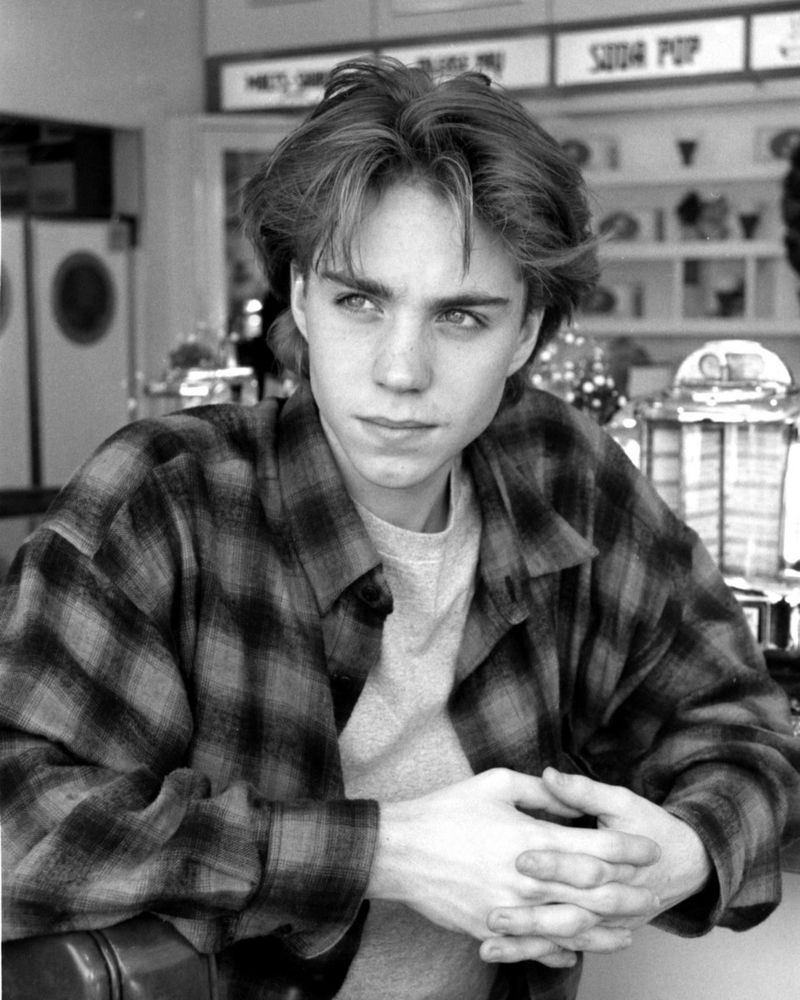
SeaQuest DSV made him a fixture in teen bedrooms across America, his face gracing countless magazine covers. Jonathan Brandis embodied 90s teen-idol status, with a fanbase that rivaled any young actor of his era.
The show’s sci-fi premise and his central role seemed like a launching pad for bigger things.
When the show ended, the expected career acceleration never came. The roles dried up, the opportunities shrank, and the industry moved on to newer faces.
The transition from teen TV star to adult actor proved far more difficult than anyone anticipated, leaving him struggling through a career lull.
He died by suicide in 2003, a devastating end that shocked fans and the entertainment community. The loss highlighted the intense pressure and identity struggles that come with early fame followed by career decline.
His death became a tragic reminder of mental health challenges often hidden behind public personas.
The what-ifs haunt anyone who remembers his talent and potential. SeaQuest showed he could carry a series, but the follow-up opportunities never materialized.
His story remains a heartbreaking example of how quickly the industry can move on, and how devastating that abandonment can feel.
16. Lindsay Lohan Was the Next Big Thing Then Lost the Mainstream Years

Mean Girls cemented her status as the next big thing, following a string of hits that made her Disney’s golden girl turned mainstream star. Lindsay Lohan seemed destined to dominate Hollywood for decades, with talent, charisma, and box office appeal that studios dream about.
The future looked limitless.
Then the tabloid chaos began overshadowing the work. Legal troubles, personal struggles, and rehab stints became more famous than her performances.
The industry pulled back, studios grew wary, and the roles that should have defined her twenties went to other actresses. The talent never disappeared, but the opportunities evaporated.
She continued working through the turbulence, appearing in various projects with varying degrees of visibility and quality. Recent years have brought re-emergence attempts, including Netflix holiday films that generated nostalgic interest.
The comeback narrative keeps resurfacing, though never quite reaching her early-career heights.
Her story became a cautionary tale about child stardom, industry pressure, and personal demons intersecting catastrophically. The Mean Girls moment showed what she could do, but sustaining that success required stability that proved elusive.
She remains famous, but the A-list movie-star career that seemed inevitable never fully materialized in the way everyone expected.
17. Evan Peters Became a Cult Favorite More Than a Movie-Star Machine
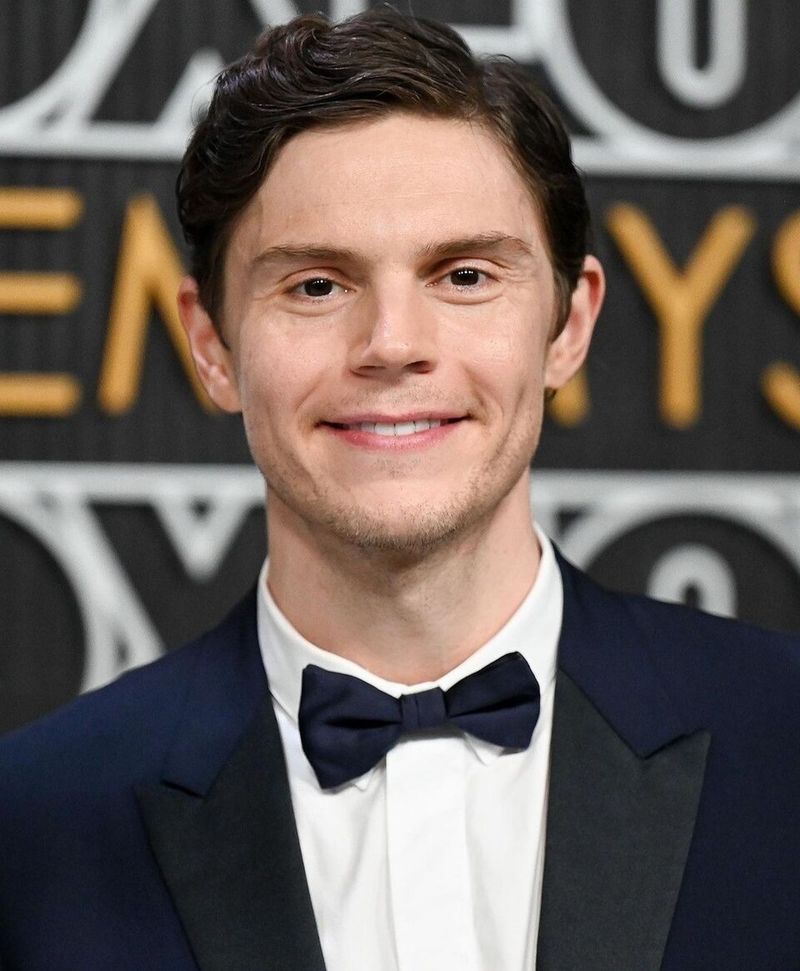
American Horror Story made him a fixture in prestige horror television, delivering transformative performances across multiple seasons. Evan Peters became the actor serious genre fans pointed to when discussing talent and range.
His work earned critical acclaim and a devoted following that appreciated his commitment to challenging roles.
The transition to blockbuster movie stardom never quite happened, despite opportunities in bigger-budget projects. His career leaned toward character work and prestige television rather than franchise leads.
Playing Quicksilver in X-Men films gave him blockbuster exposure, but supporting rather than starring capacity.
His recent Emmy win for Dahmer proved he could deliver award-worthy performances that generated massive cultural conversation. The acclaim was deserved and significant, yet it didn’t translate into traditional A-list movie-star status.
His path remained more about respected character work than box office dominance.
He represents a different kind of successful actor, one who builds a career on quality and range rather than opening-weekend numbers. The fame exists, the talent is undeniable, but the trajectory looks different from classic leading-man stardom.
He seems content with that trade-off, choosing interesting projects over blockbuster ubiquity and finding success on his own terms.
18. Matthew Lillard Stayed Beloved While Leading-Man Stardom Never Stuck
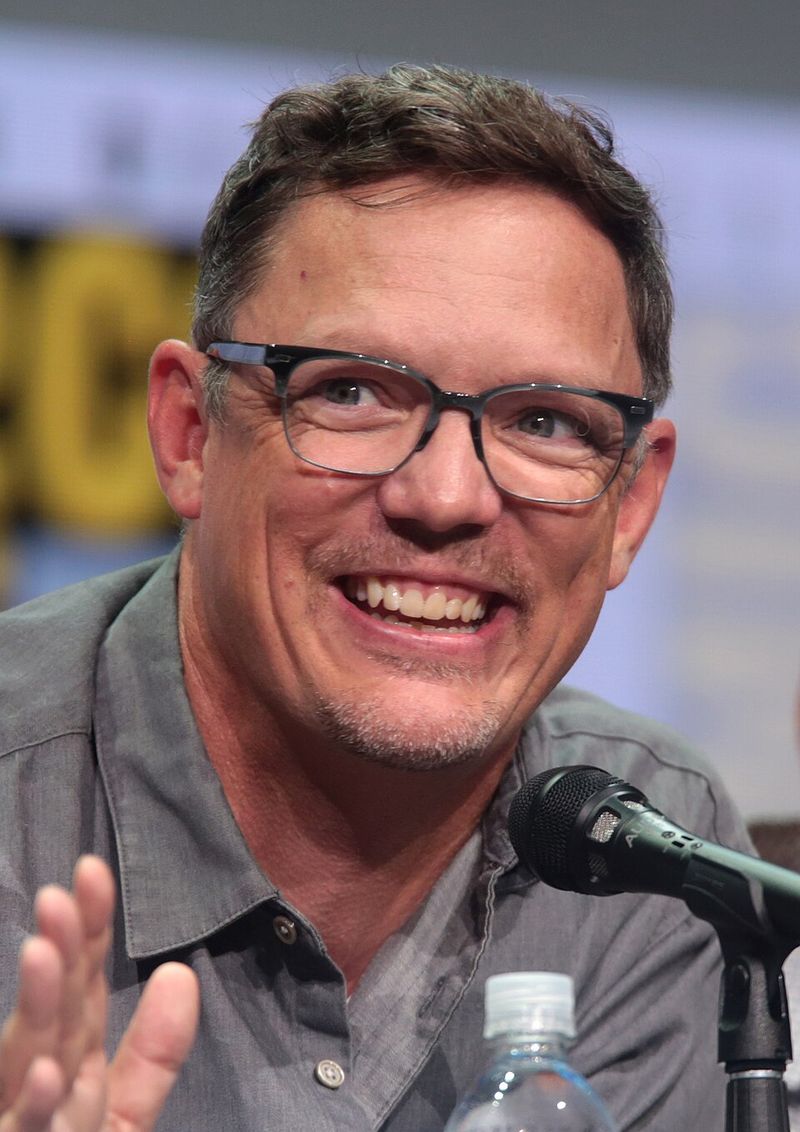
Scream made him unforgettable, and Scooby-Doo gave him a role he could own across multiple films. Matthew Lillard became one of those actors everyone recognized and enjoyed watching, with an energy and commitment that elevated every project.
His presence guaranteed entertainment value, even when the material varied in quality.
The leading-man trajectory never materialized despite his talent and likability. His lane remained ensemble work and character-driven roles rather than carrying blockbusters solo.
The industry seemed to view him as a perfect supporting player rather than a tentpole star, and the opportunities reflected that perception.
He continued working steadily across film, television, and voice acting, building a diverse career that kept him employed and visible. His Shaggy voice work became iconic for a new generation, while his live-action appearances reminded older fans why they loved him.
The work never stopped, but the nature of it stayed consistent.
His career demonstrates that beloved doesn’t always translate to A-list. Fans adore him, his performances deliver, but Hollywood never positioned him for megastar status.
He carved out a successful niche and seems genuinely content with it, working regularly in projects that utilize his specific talents without demanding blockbuster shoulders to carry them.
19. Jason Ritter Built a Steady TV Career Instead of Becoming a Film Headliner

Parenthood showcased his ability to anchor emotional storylines with genuine warmth and relatability. Jason Ritter proved he could carry significant screen time and make audiences care deeply about his character’s journey.
His voice work in Gravity Falls added another dimension, showing range beyond just live-action drama.
The jump to film headliner status never happened, despite the talent and industry connections that should have helped. His career remained firmly rooted in television, with guest spots and recurring roles rather than leading-man movie parts.
The work stayed consistent and quality, but the medium remained TV-focused.
He represents the modern reality of successful actors who build careers primarily in television rather than chasing film stardom. The prestige TV era created opportunities for sustained work and creative satisfaction without requiring box office dominance.
His path reflects that shift in industry dynamics.
His career proves that success doesn’t require blockbuster films and red-carpet premieres. Steady TV work, respected performances, and a solid reputation can build a satisfying professional life without A-list movie-star status.
He found his lane and worked it effectively, building a career that values consistency and quality over headline-grabbing blockbusters and maintains creative fulfillment without the pressure of opening-weekend expectations.
20. Justin Chatwin Had a War of the Worlds Launch That Didn’t Turn Into A-List
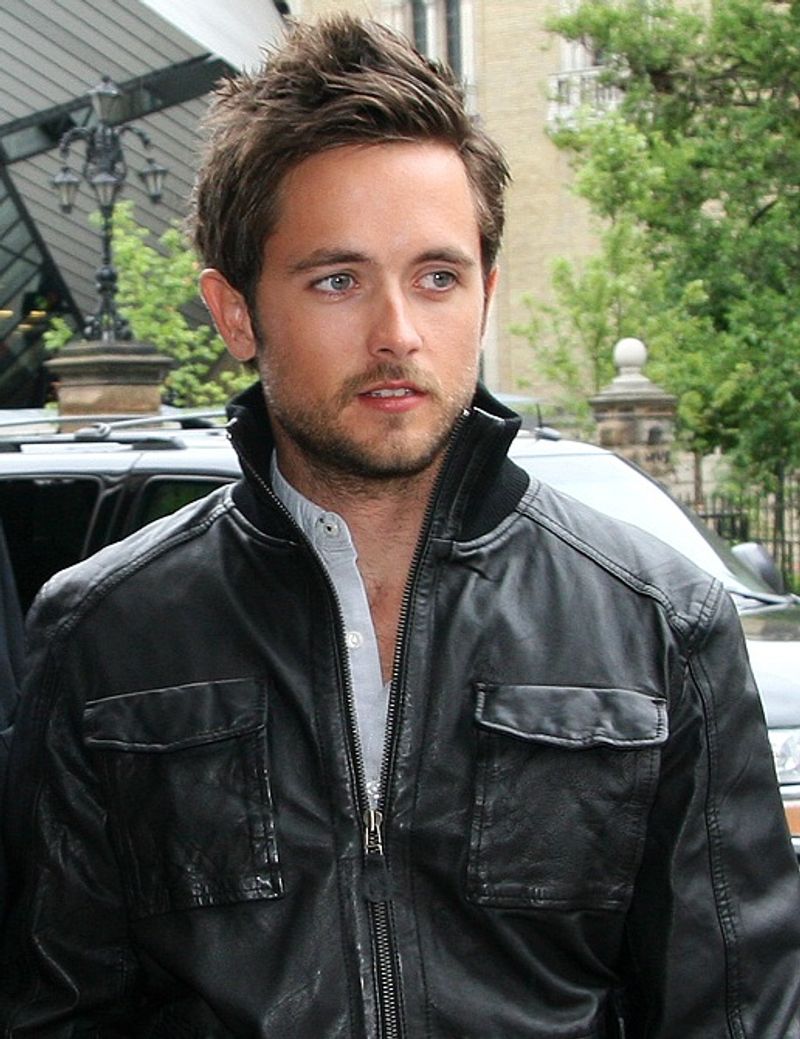
War of the Worlds put him in front of millions, acting opposite Tom Cruise in a Spielberg blockbuster. Justin Chatwin had the kind of break most actors only dream about, the type of exposure that should launch a career into the stratosphere.
The platform was massive, the pedigree impeccable.
The follow-up momentum never materialized the way everyone expected. Subsequent roles came in smaller projects and TV work rather than major studio films.
The Shameless stint gave him steady employment and visibility, but it wasn’t the movie-star trajectory that War of the Worlds exposure suggested was coming.
He continued working regularly, appearing in various projects across different mediums, but the A-list breakthrough remained elusive. The talent was visible, the initial opportunity was there, but translating one blockbuster appearance into sustained film stardom requires more than just being in the right place once.
His career illustrates that even massive exposure doesn’t guarantee long-term success. Spielberg collaborations and summer blockbusters can open doors, but walking through them successfully requires timing, additional opportunities, and industry perception that didn’t fully align.
He found work and built a career, but the mainstream movie-star moment passed without returning after that initial massive platform.



