Some places on Earth make you feel like time never moved. Ancient caves are exactly that kind of place, holding paintings, scrolls, bones, and stories that stretch back thousands of years.
From Patagonia to India, these underground worlds have survived ice ages, empires, and everything in between. Get ready to explore 20 of the most jaw-dropping caves on the planet, where history is not just remembered but literally written on the walls.
Cueva de las Manos, Argentina
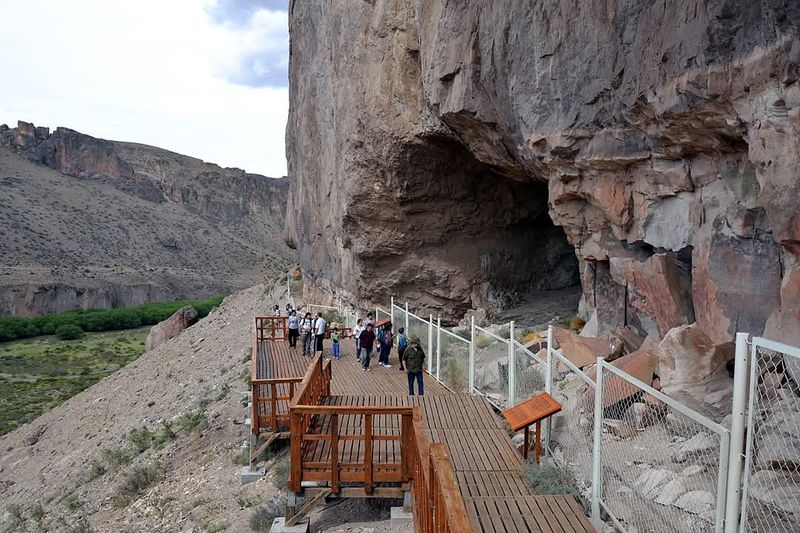
Thousands of human hands cover a canyon wall in Patagonia, and every single one was pressed there by someone who wanted to say, “I was here.” Cueva de las Manos holds some of the oldest hand stencils ever found, dating back around 9,000 years. The name literally means “Cave of the Hands,” which is both accurate and wonderfully on the nose.
The site sits inside the Pinturas River canyon, and reaching it feels like a reward in itself. UNESCO added it to the World Heritage list in 1999, recognizing it as a masterpiece of prehistoric expression.
Guided tours are the only way to access it, which keeps the site protected and the experience meaningful.
What strikes most visitors is not the scale but the intimacy. Each handprint belonged to a real person with a real life.
Standing before those walls, history stops being abstract and becomes something personal.
Qumran Caves, West Bank
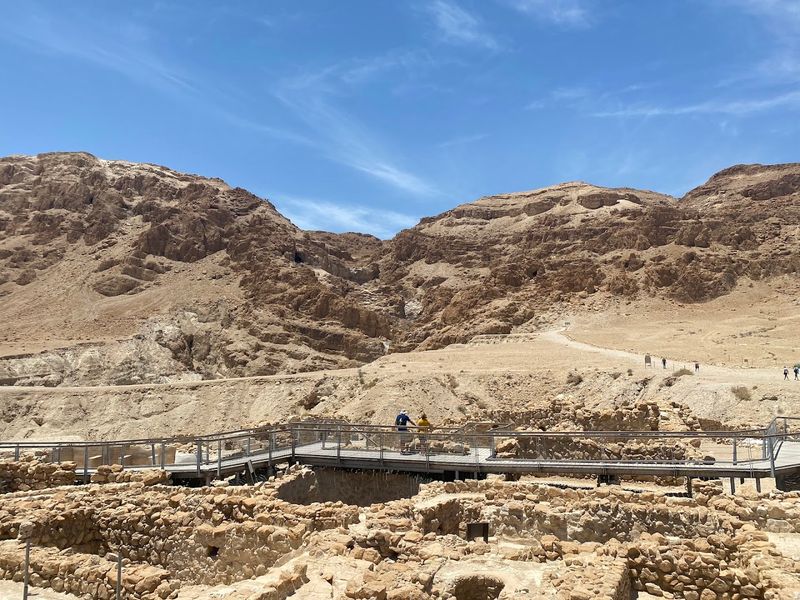
In 1947, a young Bedouin shepherd tossed a rock into a cave near the Dead Sea and heard pottery shatter. That accident led to one of the greatest manuscript discoveries in history: the Dead Sea Scrolls.
The Qumran Caves held these ancient Jewish texts for roughly 2,000 years without anyone knowing.
The scrolls include some of the oldest known copies of Hebrew Bible texts, along with writings from a mysterious community called the Essenes. Scholars have spent decades studying them, and debates about their meaning still fill academic journals today.
Not bad for a bunch of old jars in a desert cave.
Visitors can explore the archaeological site at Qumran and walk through the rugged landscape where history was hiding in plain sight. The caves themselves are visible in the cliffs above.
It is the kind of place that makes you want to look inside every rocky crevice you pass.
Mammoth Cave, Kentucky, USA
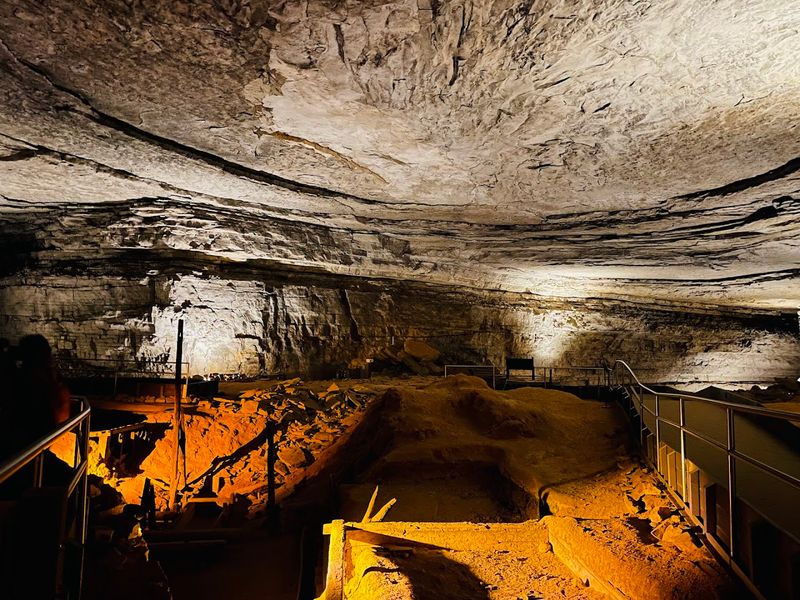
The world’s longest known cave system sits quietly beneath the hills of Kentucky, and it has been hiding secrets for a very long time. Mammoth Cave stretches over 400 mapped miles underground, though scientists suspect there is even more waiting to be discovered.
That number alone is enough to make any geography teacher weep with joy.
Indigenous people used the cave for thousands of years before European settlers arrived. During the War of 1812, miners extracted saltpeter from the cave to make gunpowder, leaving behind wooden pipes and tools that are still visible today.
The cave’s dry air preserved those artifacts remarkably well.
Today, the National Park Service runs ticketed tours through different sections of the cave, from easy walks to wild caving adventures. I once took the lantern tour, and the darkness when they briefly turned off the lights was unlike anything I had experienced before.
Absolute, total, humbling darkness.
Carlsbad Caverns, New Mexico, USA
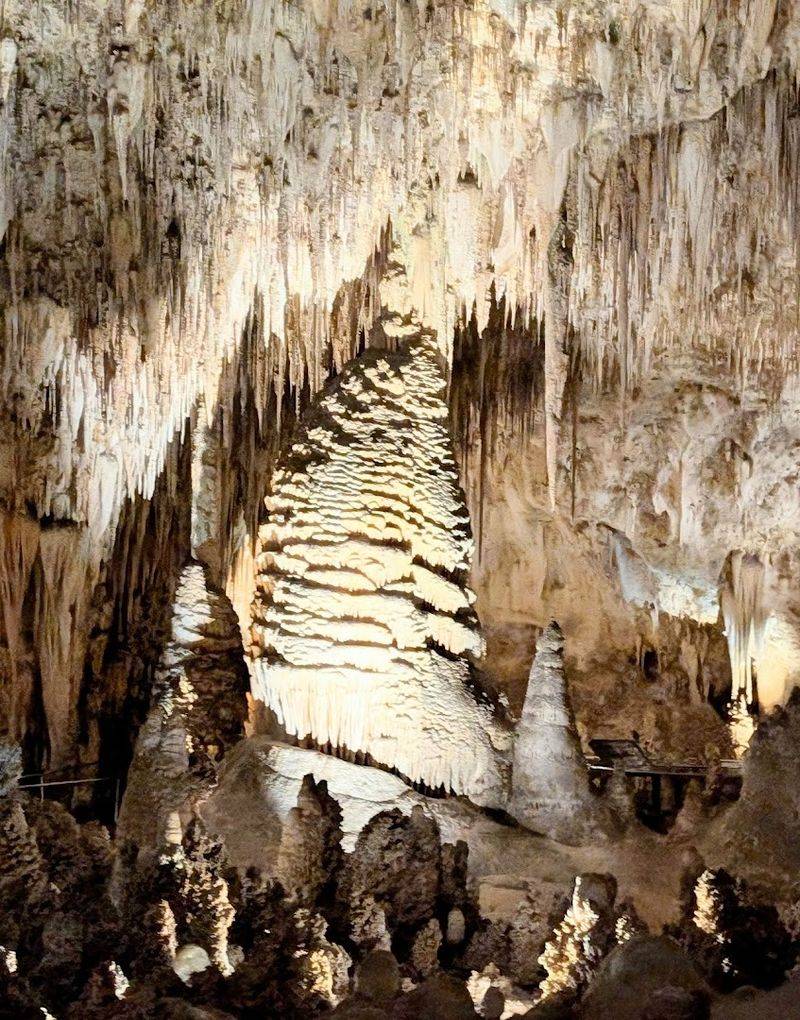
Beneath the Chihuahuan Desert in New Mexico lies a cave system so enormous it has its own weather patterns. Carlsbad Caverns is home to the Big Room, a single chamber so large it could fit six football fields inside it.
That is not a typo. Six.
The caves formed over millions of years as sulfuric acid dissolved the surrounding limestone from below, which is a far more dramatic origin story than most caves can claim. Ancient Indigenous peoples knew this place long before it became a National Park in 1930.
The cave entrance was actually rediscovered in the late 1800s when a rancher spotted a massive swarm of bats rising from the ground.
Timed-entry reservations and ranger-guided tours make visiting straightforward and manageable. Every evening from spring through fall, hundreds of thousands of Brazilian free-tailed bats spiral out of the cave entrance at dusk.
It is completely free to watch and absolutely spectacular.
Škocjan Caves, Slovenia
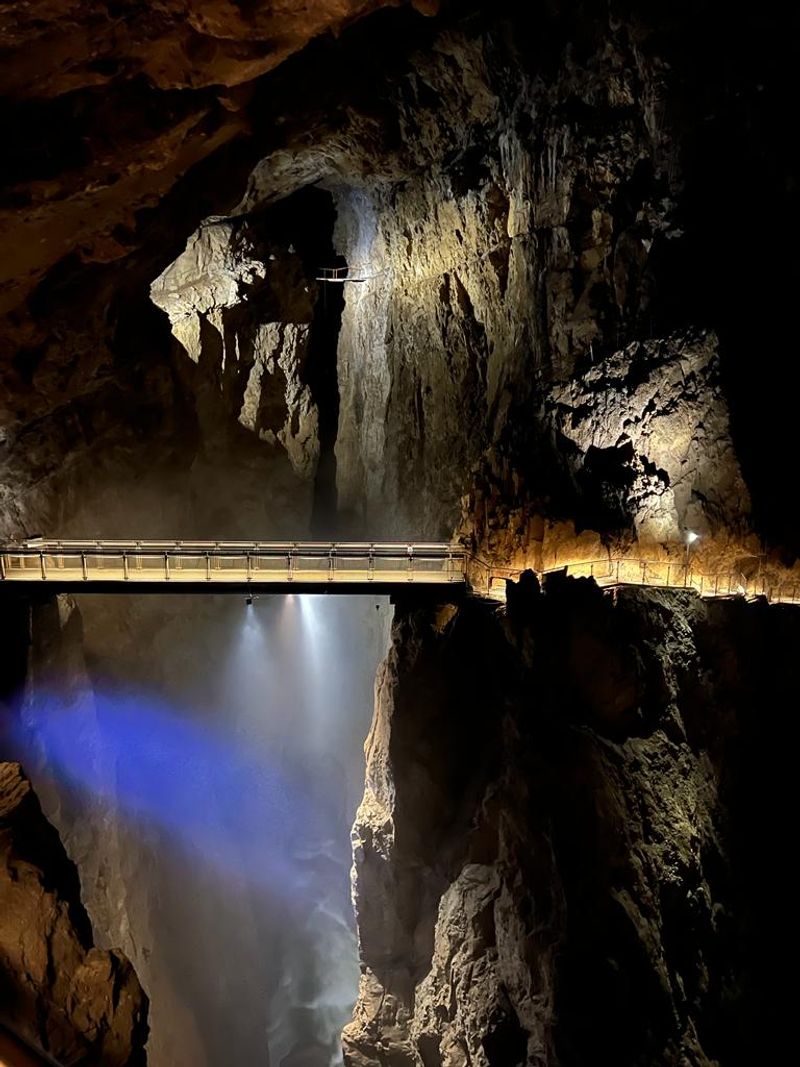
Slovenia punches well above its weight when it comes to natural wonders, and Škocjan Caves are the country’s underground crown jewel. The cave system features a massive underground canyon carved by the Reka River, which disappears entirely into the earth at this point.
It is the kind of geological drama that makes you feel very small in the best way.
The main chamber, called the Murmuring Cave, is one of the largest underground chambers in Europe. The sound of the river echoing through that space gives the cave its name, and the acoustics are genuinely impressive.
UNESCO recognized the site in 1986, making it one of Slovenia’s most celebrated natural landmarks.
Guided tours cross a bridge above the roaring underground river, which is both thrilling and slightly terrifying. The cave system also supports rare cave-dwelling species found nowhere else.
Visiting Škocjan feels less like a tourist attraction and more like entering a living, breathing underground world.
Jeita Grotto, Lebanon
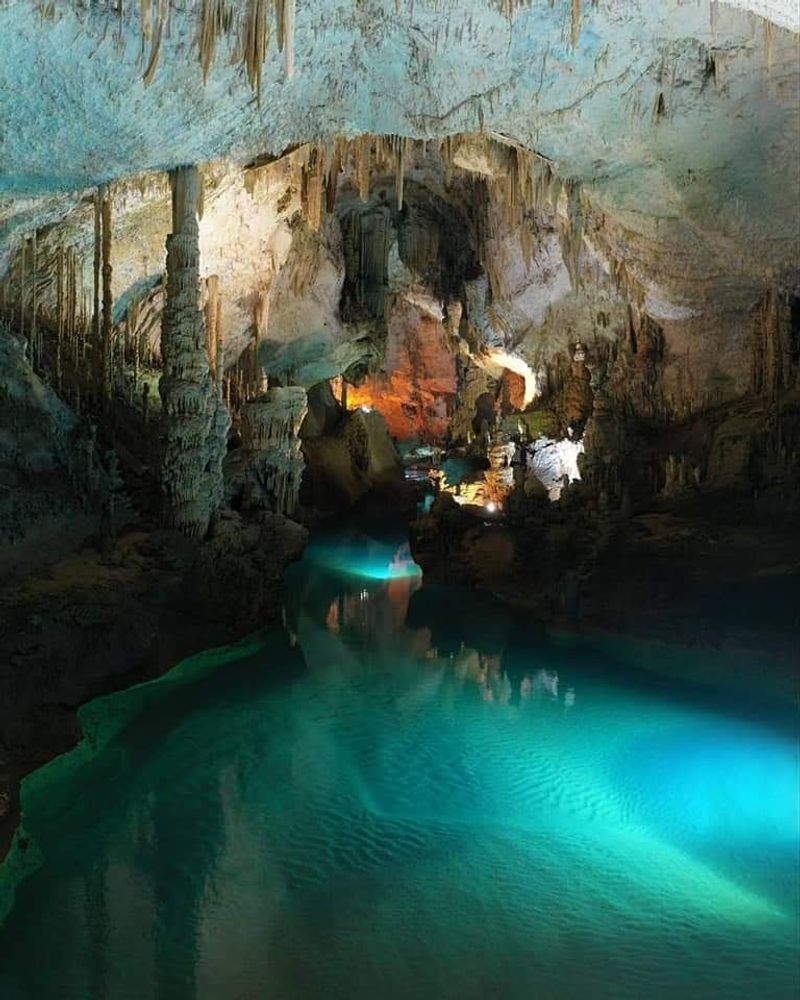
Lebanon’s most famous natural landmark is not a mountain or a beach. It is a cave.
Jeita Grotto sits about 18 kilometers north of Beirut and features two separate galleries of jaw-dropping limestone formations. The lower gallery can only be visited by boat, which adds an entirely different level of cool to the experience.
The cave system stretches for over nine kilometers, though only a portion is open to visitors. Inside, formations called stalactites and stalagmites have been growing for millions of years, some reaching extraordinary sizes.
The largest stalactite in the world visible from a tourist path is found right here in Jeita’s upper gallery.
Jeita Grotto is open Tuesday through Sunday, making it an accessible day trip from Beirut. It came close to being named one of the New Seven Wonders of Nature in 2011.
Whether or not it made the official list, most visitors leave convinced it absolutely should have won.
Reed Flute Cave, China
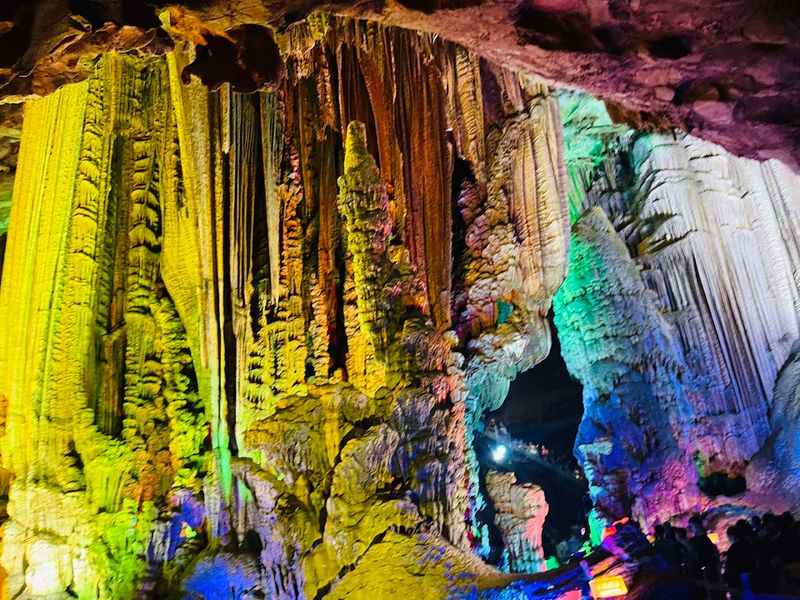
Reed Flute Cave has been a tourist attraction since the Tang Dynasty, which means people were lining up to see it over 1,200 years ago. Located in Guilin, China, the cave gets its name from the reeds that once grew outside its entrance, which locals used to make flutes.
That is genuinely one of the more charming origin stories in cave history.
Inside, colorful lighting transforms the limestone formations into something out of a fantasy film. Ancient inscriptions covering the walls date back to 792 AD, left by visitors who apparently could not resist writing their names on things.
Some habits are timeless.
The cave stretches about 240 meters and takes roughly an hour to walk through with a guide. Hundreds of formations have been given creative names like the Crystal Palace of the Dragon King.
Current travel listings confirm it is open to visitors, making it one of China’s most accessible historic underground attractions. Worth every step.
Marble Arch Caves, Northern Ireland
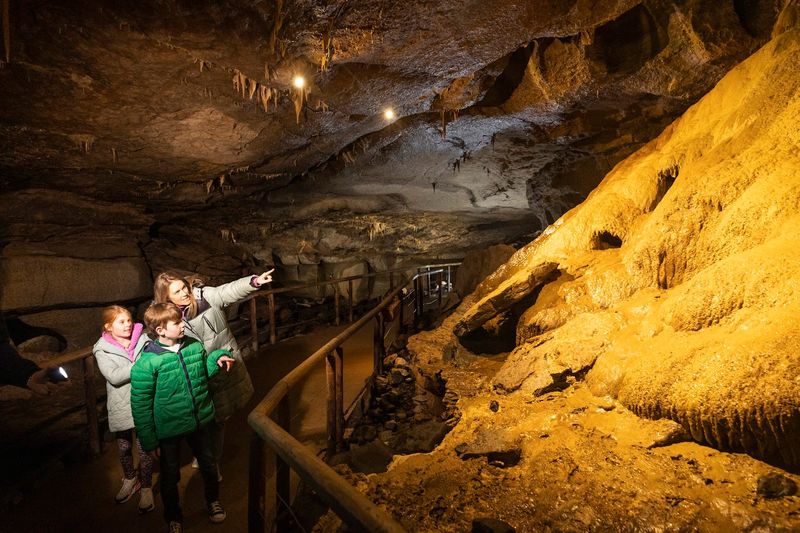
Northern Ireland has a secret underground world that most visitors completely overlook in favor of the Giant’s Causeway. Marble Arch Caves sit in County Fermanagh and feature underground rivers, stunning limestone formations, and passages that wind through the earth like a natural maze.
The cave system formed over thousands of years as water slowly carved its way through the rock.
The site is part of the Marble Arch Caves Global Geopark, a designation that recognizes its geological significance on an international level. Guided tours take visitors through illuminated passages and past formations with names like the Calcite Cascade.
The experience changes depending on water levels, so tour types can vary by season.
One particularly memorable feature is the underground boat ride along the cave river at the start of the tour. It sets the tone immediately.
Marble Arch Caves are open seasonally, and booking ahead is strongly recommended. This is Northern Ireland showing off in the most underground way possible.
Fingal’s Cave, Scotland
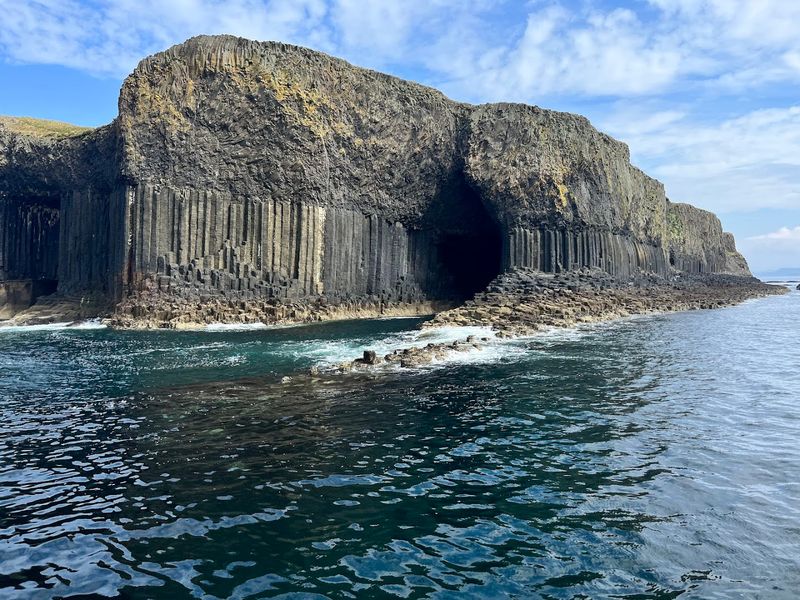
Fingal’s Cave does not play by normal cave rules. There are no guided walking tours, no gift shops at the entrance, and no paved paths.
Getting there requires a boat trip to the remote Isle of Staffa, and landing depends entirely on whether the weather cooperates. That unpredictability is part of what makes it legendary.
The cave is formed entirely from hexagonal basalt columns, the same volcanic rock found at the Giant’s Causeway in Northern Ireland. The natural acoustics inside the cave are so striking that composer Felix Mendelssohn visited in 1829 and was inspired to write his famous Hebrides Overture.
A cave so good it launched a symphony.
The site is managed by the National Trust for Scotland, and boat tours depart from several nearby points on the Scottish coast. No two visits are identical because the sea, weather, and light are always shifting.
Fingal’s Cave rewards the patient traveler with something genuinely extraordinary.
Cueva del Viento, Tenerife, Spain
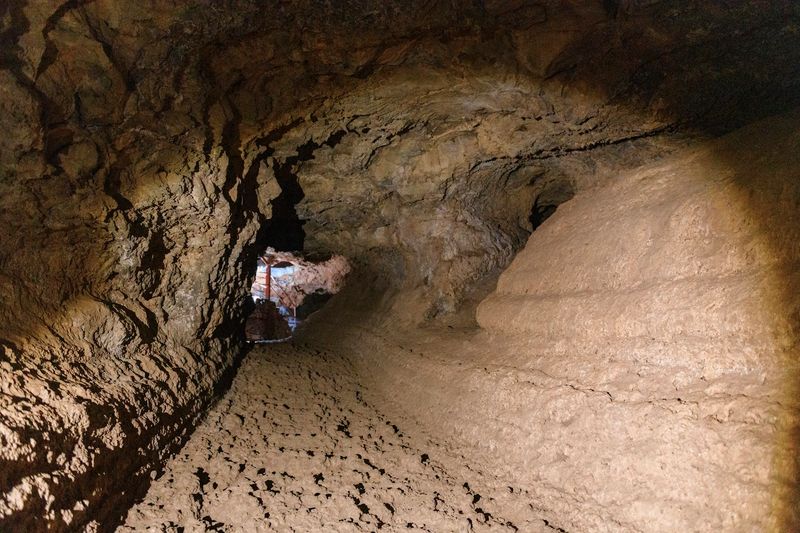
Tenerife is famous for beaches and sunshine, but underneath the island runs one of the longest volcanic lava tubes in the world. Cueva del Viento, which translates to Cave of the Wind, stretches for over 17 kilometers through the volcanic rock beneath the Teide massif.
Most of it remains off-limits to the public, which honestly makes it even more intriguing.
The cave formed thousands of years ago when lava flows cooled on the outside while molten rock continued flowing inside, eventually draining and leaving behind a hollow tunnel. The result is a geological time capsule with lava stalactites, lava shelves, and mineral formations that look like something from another planet.
Scientists have also found fossils of extinct species inside.
Guided visits are available with advance tickets, and group sizes are kept small to protect the environment. The tour covers a carefully selected section of the cave.
It is one of those experiences that makes you appreciate Tenerife in a completely different way.
Eisriesenwelt, Austria
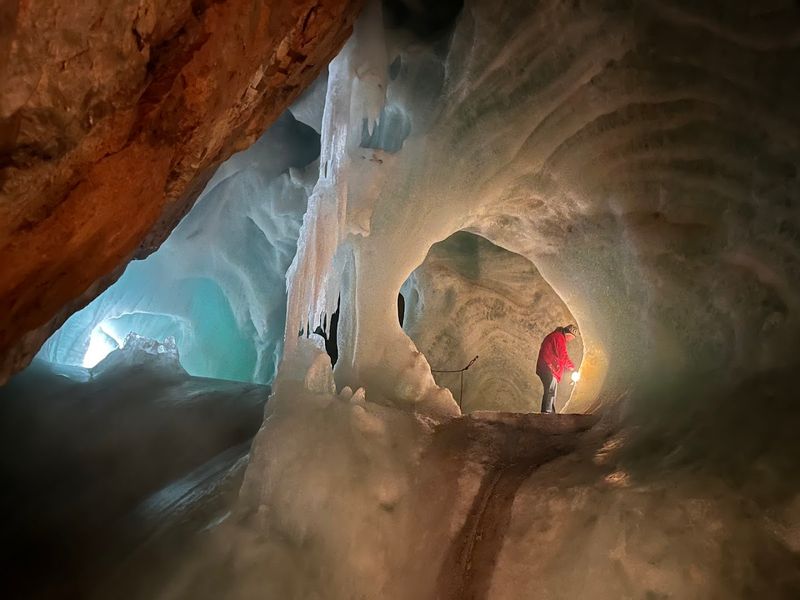
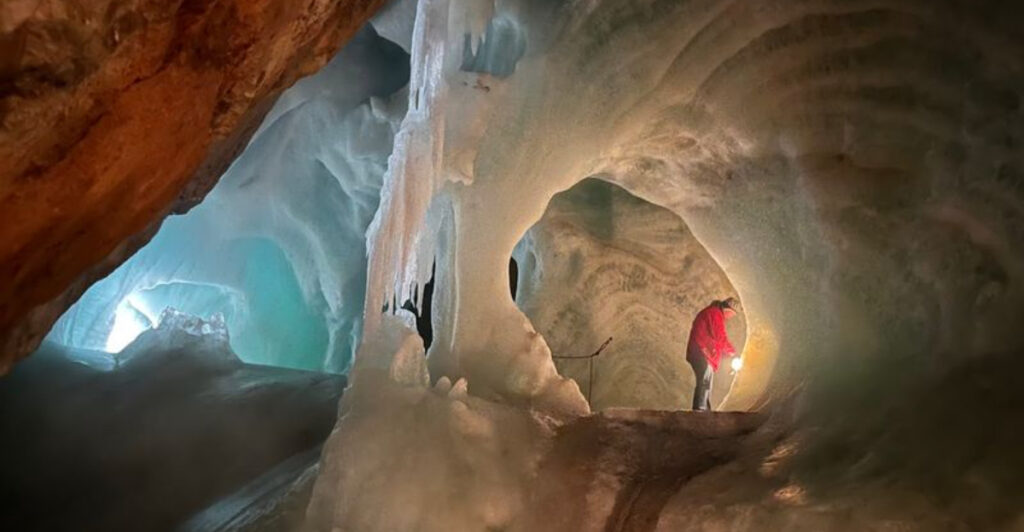
Austria has given the world Mozart, Sachertorte, and the world’s largest ice cave. Eisriesenwelt sits inside the Tennengebirge mountains near Werfen, and its name translates to World of the Ice Giants.
That name is doing absolutely no exaggerating.
The cave stretches for over 40 kilometers, though only the first kilometer or so is open to visitors. That first section is enough.
Inside, frozen waterfalls, ice columns, and frost-covered walls create a frozen landscape that looks permanent but is actually slightly different every single year. The ice forms each winter when cold air flows in and freezes the moisture inside.
Eisriesenwelt opens from May 1 through early November, with daily tours running throughout the season. Guides carry magnesium torches that cast dramatic light across the ice formations.
The hike up to the cave entrance is steep, but the views over the Salzach Valley on the way up make it very much worth the effort.
Blue Grotto, Capri, Italy
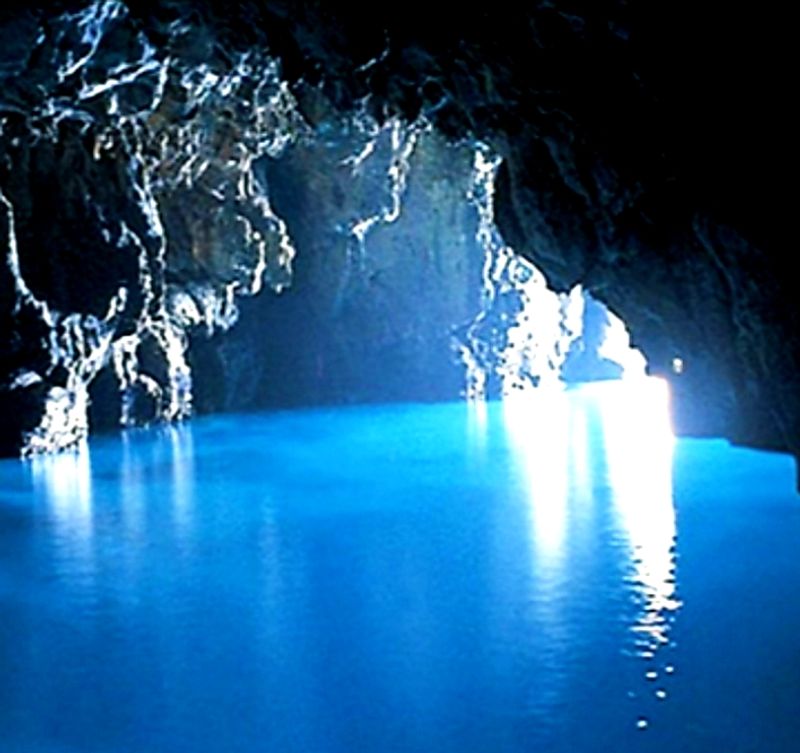
The Blue Grotto on Capri has been attracting visitors since the time of Roman Emperor Tiberius, who reportedly used it as a private swimming pool. That is the kind of historical flex that is hard to top.
The cave sits at sea level on the northwest coast of Capri, and the only way in is by lying flat in a tiny rowing boat while the guide ducks you under a low rock entrance.
The glow inside comes from sunlight entering through an underwater opening and refracting upward through the water. The result is a surreal blue light that seems to come from the water itself rather than any external source.
Marble statues from ancient Roman times were found on the cave floor, confirming its long history of human appreciation.
Entry depends entirely on sea conditions, and the cave closes without warning when swells pick up. Mornings tend to offer calmer waters.
Go early, keep your head down, and prepare to be genuinely dazzled.
Waitomo Glowworm Caves, New Zealand
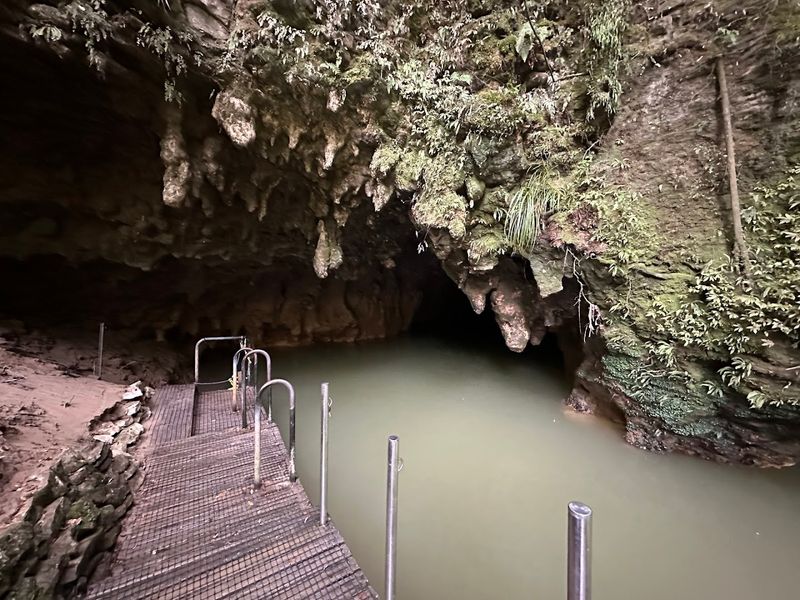
Waitomo Glowworm Caves pull off a trick that no light show or theme park has ever quite matched. The cave ceiling is covered with thousands of tiny glowworms, each one producing a faint blue bioluminescent light.
From below, floating along the underground river in a silent boat, the effect looks exactly like a private view of the night sky.
The glowworms are actually the larval stage of a fungus gnat species found only in New Zealand. They produce light to attract prey, which means the beautiful ceiling is essentially a biological trap.
Nature is endlessly clever and slightly sinister.
Tourism here dates back to 1887, making Waitomo one of New Zealand’s oldest continuous visitor attractions. Guided tours include a boat ride through the glowworm grotto, and more adventurous options like black water rafting are also available for those who want to get wetter and braver.
I went for the boat. Zero regrets.
Aggtelek Karst / Baradla Cave, Hungary
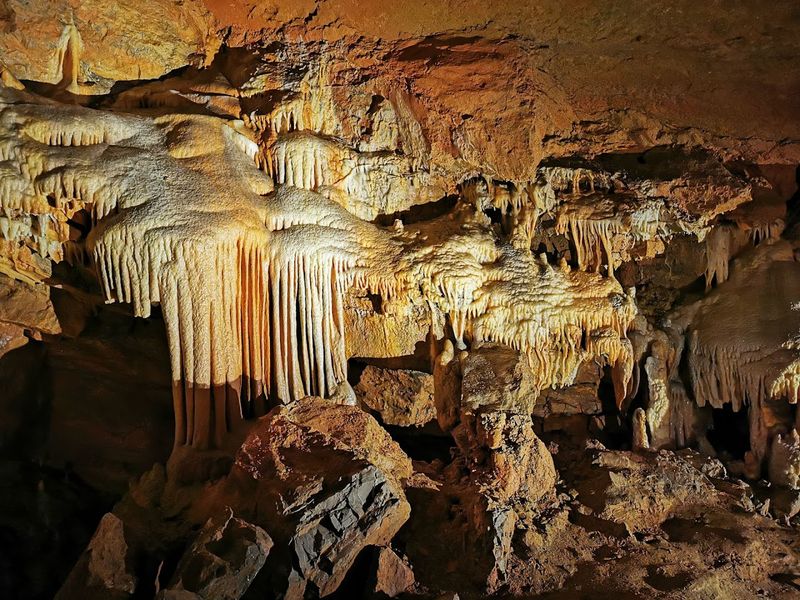
Baradla Cave in Hungary’s Aggtelek National Park holds a concert hall inside it. Not metaphorically.
An actual concert hall where classical music performances take place underground, surrounded by stalactites and stalagmites. The acoustics, apparently, are extraordinary.
The cave stretches for about 25 kilometers, making it one of the longest stalactite cave systems in Europe. It crosses the border into Slovakia, where it connects with the Domica Cave system.
Together, they form part of the UNESCO-listed Caves of Aggtelek Karst and Slovak Karst, recognized for their outstanding natural beauty and geological significance.
Guided tours run along different routes depending on how much cave you want to tackle. The main branch is the most popular and takes roughly two hours to complete.
Along the way, formations have been given colorful names like the Tiger and the Organ Pipes. Baradla Cave is the rare place where geology, history, and live music somehow all end up in the same underground sentence.
Lascaux IV, France
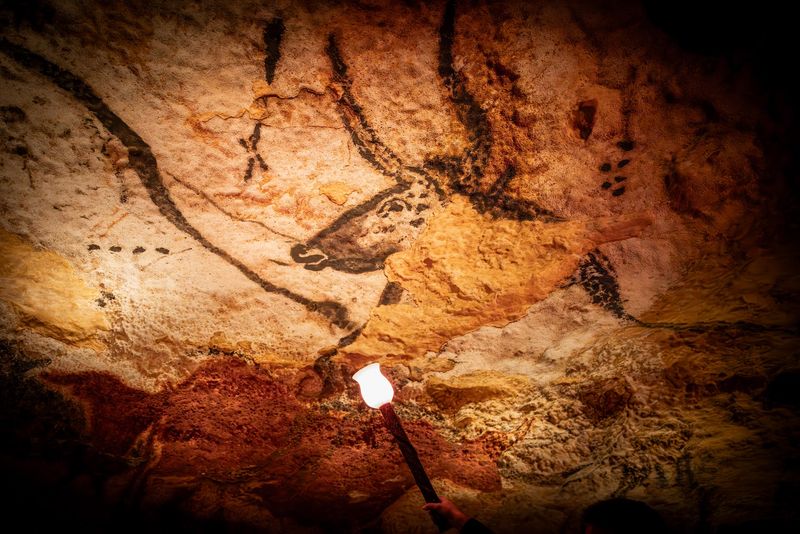
The original Lascaux Cave in the Dordogne region of France is closed to the public, and has been since 1963. The reason is heartbreaking but logical: human breath was causing algae and mold to damage paintings that had survived for 17,000 years.
So the French built a replica so good it is almost indistinguishable from the real thing.
Lascaux IV opened in 2016 and is a full-scale reproduction of the entire cave, created using the most advanced digital scanning and artistic reconstruction techniques available. The paintings inside depict horses, bulls, deer, and other animals with a skill that continues to stun archaeologists.
Whoever painted these walls was not doing rough sketches. They were serious artists.
The visitor center also includes a museum explaining the science and history behind the site. Lascaux IV manages to honor the original while making it genuinely accessible.
It is one of the best examples in the world of how to protect ancient heritage without locking it away entirely.
Grotte Chauvet 2, France
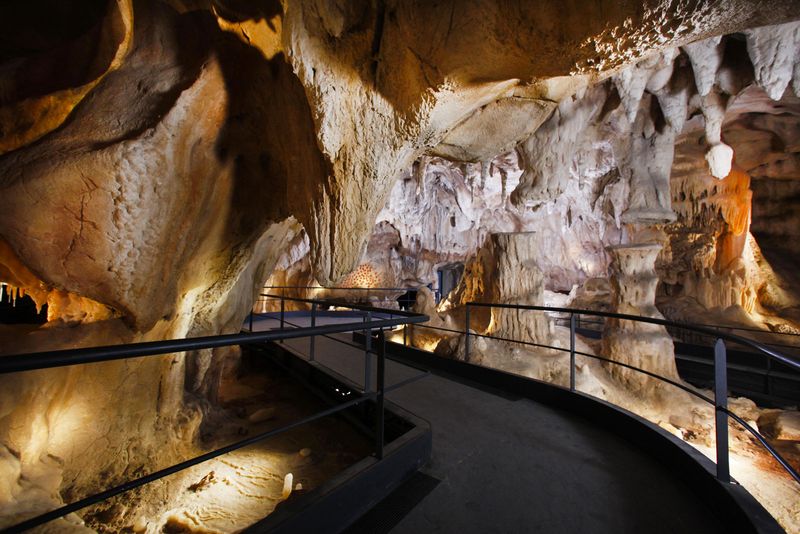
Grotte Chauvet contains the oldest known cave paintings in the world, dating back around 36,000 years. The original cave in the Ardeche region of France is sealed shut to protect those extraordinary paintings.
Grotte Chauvet 2, which opened in 2015, exists specifically so the rest of us can experience what took tens of thousands of years to create.
The replica is enormous, covering nearly 3,000 square meters and reproducing the cave’s art with scientific precision. The paintings inside include lions, woolly rhinos, mammoths, and bears, all rendered with a confidence and skill that feels completely modern.
The artists who made them were anatomically identical to us, just working in very different conditions.
A visit to Grotte Chauvet 2 is not a consolation prize for missing the original. It is a carefully designed experience that puts the art in its proper geological context.
Guided tours run regularly, and the surrounding Ardeche landscape adds a beautiful backdrop to the whole experience.
Altamira Neocave, Spain
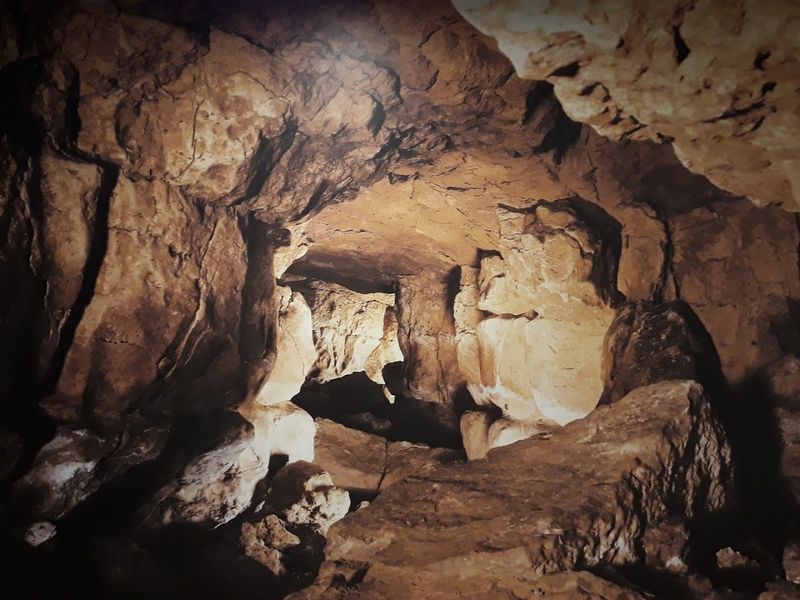
When the Altamira Cave paintings were first discovered in 1879, the scientific community refused to believe they were real. Prehistoric people making art this sophisticated?
Impossible, they said. It took decades before experts finally admitted that ancient humans were, in fact, brilliant.
The bison painted on Altamira’s ceiling remain some of the most celebrated Paleolithic artworks ever found.
The original cave in Cantabria is now almost entirely off-limits, with only a tiny number of researchers granted access each year. The Neocave at the Altamira Museum is the visitor option, and it is a precise three-dimensional replica of the famous painted ceiling.
The level of detail in the reproduction is genuinely impressive.
The museum itself provides excellent context about Paleolithic life, the history of the cave’s discovery, and the ongoing debate about how much public access ancient sites should allow. Visiting the Neocave is a thoughtful and rewarding experience.
It also saves the original ceiling from breathing-related damage, which everyone agrees is a fair trade.
Postojna Cave, Slovenia
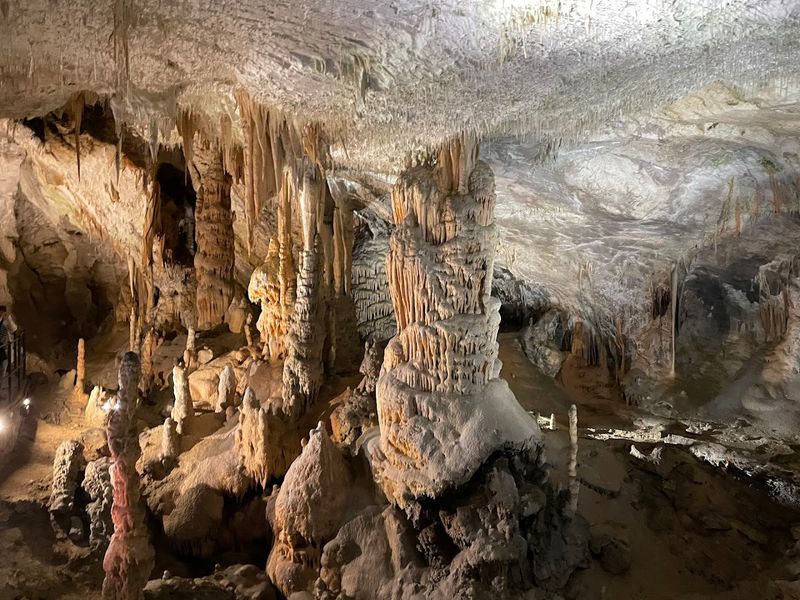
Postojna Cave is the only cave in the world with its own underground railway, and that fact alone should have made it more famous than it already is. The electric train carries visitors through nearly two miles of cave before the walking portion of the tour even begins.
It is, objectively, one of the most dramatic cave entrances on the planet.
The cave system stretches for 24 kilometers and has been a visitor attraction since 1819, making it one of Europe’s oldest tourist destinations. Napoleon’s troops explored it.
A Habsburg emperor visited. The cave has seen more history pass through it than most royal courts.
Inside, formations called stalactites, stalagmites, and curtains create a landscape that looks completely unreal.
Postojna is also home to the olm, a blind cave-dwelling salamander nicknamed the human fish because of its pale, pinkish skin. The cave is open daily, including holidays.
Booking ahead during peak summer months is strongly recommended because this place fills up fast.
Ajanta Caves, India
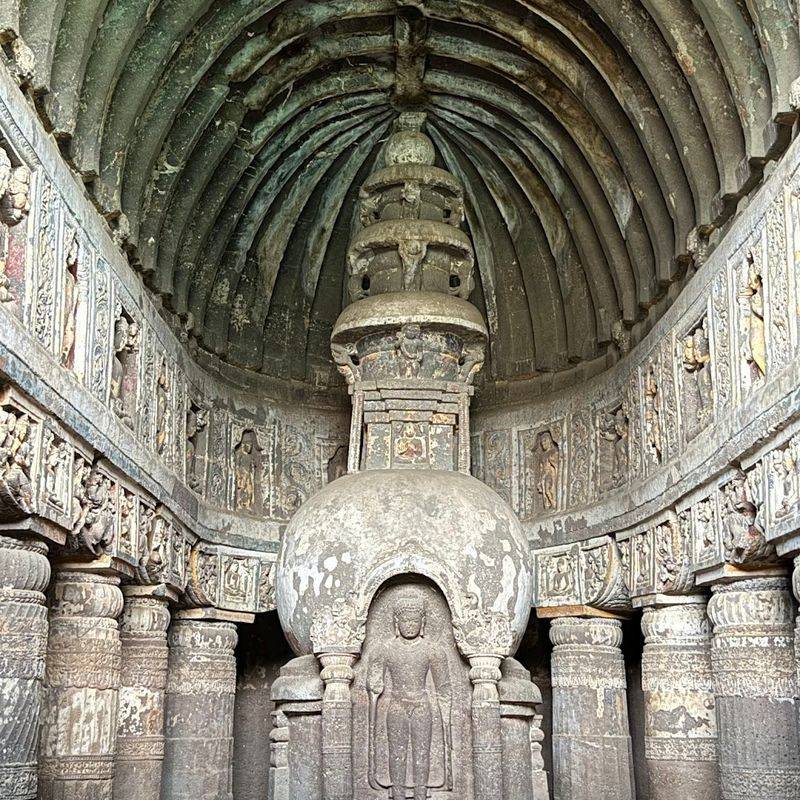
The Ajanta Caves were abandoned for over a thousand years before a British officer on a tiger hunt stumbled across them in 1819. The jungle had swallowed them so completely that the world had simply forgotten they existed.
Inside were 30 rock-cut Buddhist caves filled with murals and sculptures of extraordinary quality, some dating back to the 2nd century BC.
The paintings at Ajanta are considered masterpieces of Buddhist religious art. They depict scenes from the life of the Buddha, tales from the Jataka stories, and everyday life in ancient India with remarkable detail and color.
Considering they were painted without electric lighting, using only the reflection of sunlight bounced off mirrors, the skill involved is staggering.
The Archaeological Survey of India manages the site, which is UNESCO-listed and located in Maharashtra. Visiting requires a bit of planning since the caves are spread across a horseshoe-shaped cliff face.
But the walk between them rewards patience with one breathtaking view after another.
Ellora Caves, India
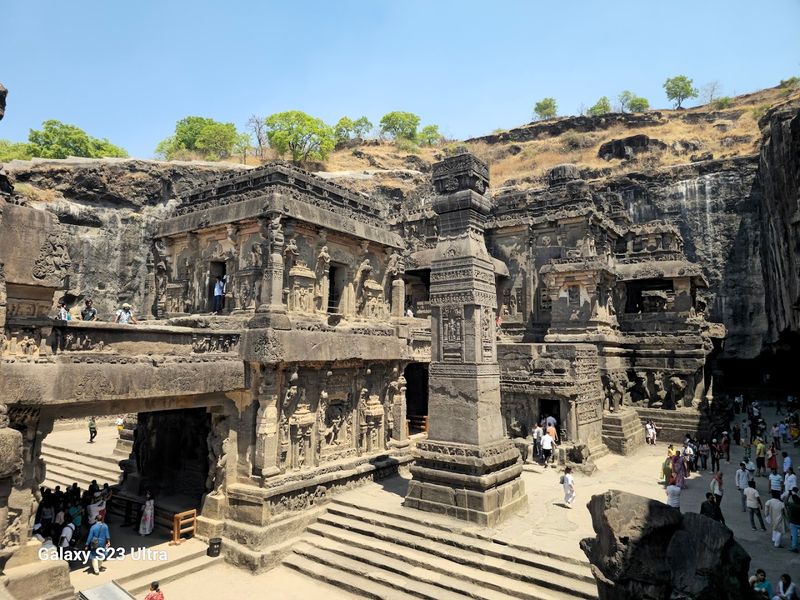
Ellora Caves contain one of the most audacious construction projects in human history. The Kailasa temple, carved entirely from a single basalt cliff, required removing an estimated 200,000 tons of rock.
Workers carved downward from the top, which means every mistake was permanent. No do-overs, no corrections, just extraordinary skill and nerve.
The site features 34 caves representing Buddhist, Hindu, and Jain traditions, all carved between roughly the 6th and 11th centuries AD. The fact that three different religious traditions built side by side here, over centuries, says something remarkable about the culture that produced them.
Ellora is a UNESCO World Heritage Site managed by the Archaeological Survey of India.
Unlike Ajanta, Ellora is open six days a week and easier to reach from Aurangabad city. The Kailasa temple alone justifies the trip, but the surrounding caves are equally worth exploring.
This is the kind of place where you run out of superlatives before you run out of things to admire.
Share this story