Some places on Earth make history feel less like a textbook and more like something you can actually touch. Ancient ruins give us that rare chance to stand where real people once lived, worked, prayed, and built entire civilizations from the ground up.
From jungle-covered pyramids to seaside Roman cities, these sites are scattered across every corner of the globe, and the best part is that many of them are still open and welcoming visitors right now. Whether you are planning a big international trip or just daydreaming about places worth saving to your travel list, this collection of 20 remarkable ancient ruins covers sites that range from jaw-dropping to quietly fascinating.
Each one tells a story that no museum exhibit can fully replace.
Pompeii, Italy
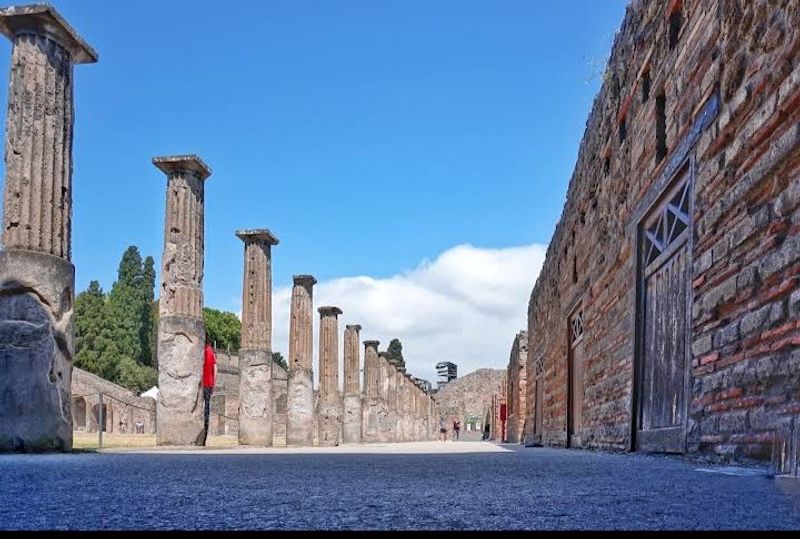
Walking through Pompeii feels like stepping into a city that simply stopped mid-sentence. The eruption of Mount Vesuvius in AD 79 buried this thriving Roman town under volcanic material, and that layer of ash preserved streets, homes, bakeries, baths, and frescoes in extraordinary detail.
Few archaeological sites in the world offer this kind of completeness.
You can see the grooves worn into stone crosswalks by cart wheels, painted signs on shop walls, and even the outlines of garden plants preserved in hardened ash. The site is large, so plan for at least a half day, ideally a full one.
Comfortable shoes and water are essential, especially in summer when the open-air ruins get hot.
Tickets are sold through the official Pompeii ticketing channel, and daily entry limits are in place, so booking ahead is strongly recommended. This is one ancient site that genuinely earns every minute of attention you give it.
Herculaneum, Italy
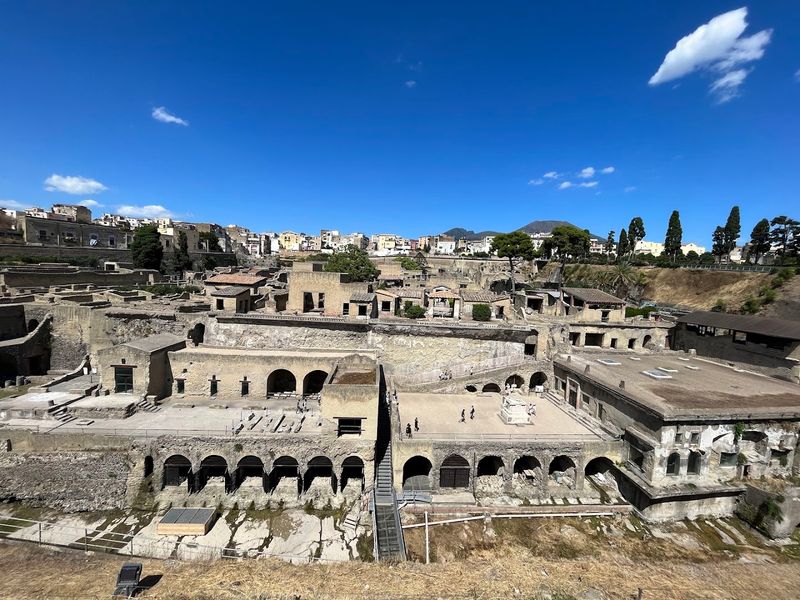
Herculaneum tends to live in Pompeii’s shadow, but in some ways it offers an even more remarkable experience. Buried by the same 79 AD eruption, this smaller town was sealed under a much deeper layer of volcanic material, which preserved wooden beams, furniture, mosaic floors, and painted walls in exceptional condition.
Because Herculaneum was a wealthier seaside town, the architecture reflects that status. You can see elegant townhouses, a well-preserved theater, and the famous waterfront area where many residents sought shelter during the eruption.
The scale is more manageable than Pompeii, making it easier to explore without feeling overwhelmed.
The official Herculaneum Archaeological Park is active in 2026, with current ticketing and summer programming available through the park. Many visitors combine both sites into a single day trip from Naples, though each one deserves its own focused visit if your schedule allows it.
The Colosseum and Roman Forum, Italy
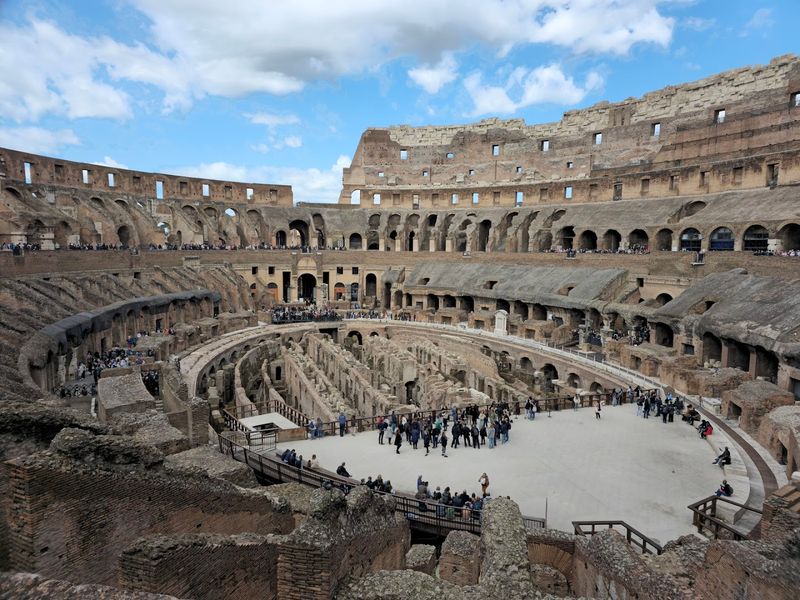
The Colosseum is one of those structures that looks exactly as impressive in person as it does in every photograph, maybe more so. Built in the first century AD, it could hold tens of thousands of spectators who gathered to watch gladiatorial events and public spectacles.
The engineering behind it still impresses architects and engineers today.
Combining the Colosseum visit with the Roman Forum next door is the smarter way to experience this part of Rome. The Forum was the political and civic center of ancient Roman life, lined with temples, basilicas, and sacred spaces that shaped how Western civilization organized public life.
Walking through both in sequence gives you a fuller picture of what Rome actually was.
Tickets are sold through official channels, and timed-entry rules are in place for 2026. Booking ahead is not just a suggestion here; it is genuinely necessary, especially during peak travel months when crowds are significant.
Ostia Antica, Italy
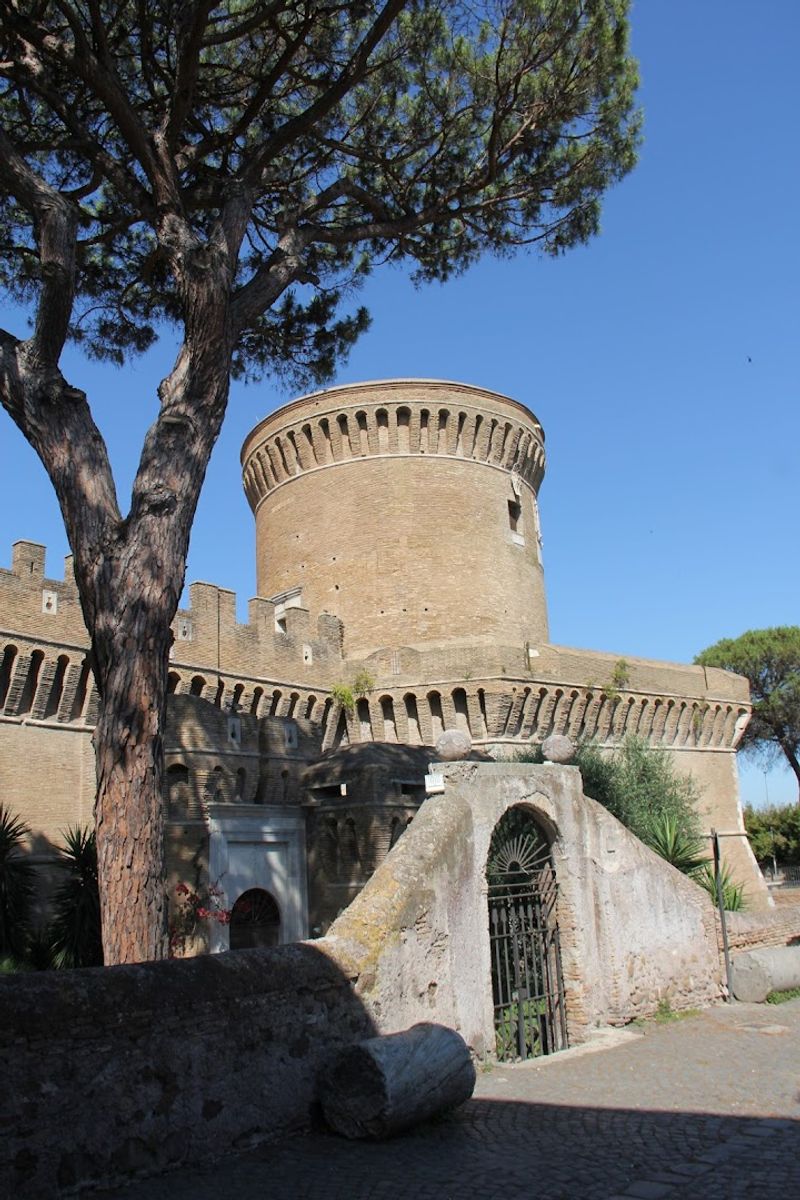
About 30 kilometers from central Rome, Ostia Antica offers something the big city sites cannot: space to breathe. This was Rome’s ancient harbor city, a busy commercial hub where goods from across the Mediterranean arrived, were stored, and were distributed into the capital.
Today it is one of the most complete ancient Roman urban sites anywhere in the world.
The ruins include multi-story apartment buildings, a working theater, bath complexes, warehouses, temples, a forum, and detailed mosaic floors that once decorated guild halls and shops. The site is large enough to fill several hours of exploration, and its quieter atmosphere compared to Pompeii makes it easier to actually absorb what you are seeing.
The official Ostia Antica Archaeological Park provides current opening hours, ticket details, and visitor access information. It is a practical and genuinely rewarding stop for anyone spending a few days in Rome who wants to see Roman life beyond the famous landmarks.
The Acropolis, Athens, Greece
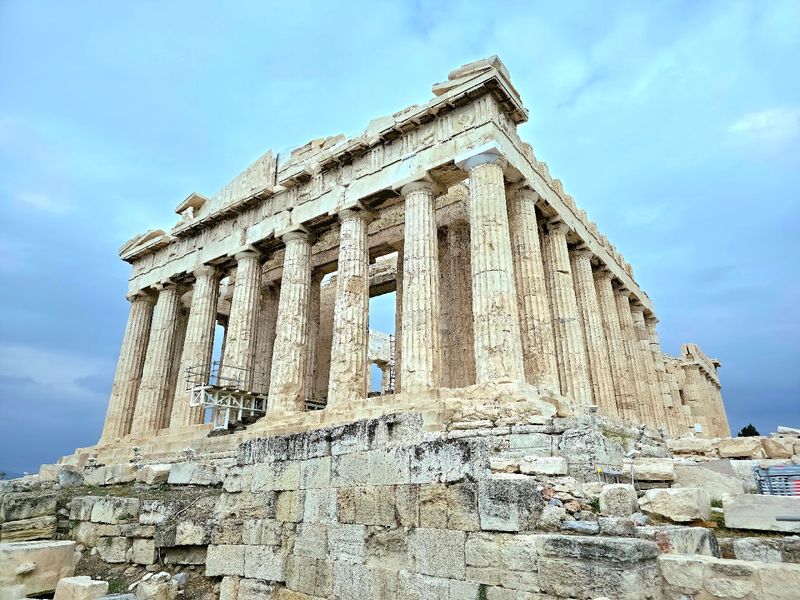
The Acropolis sits above Athens like a punctuation mark at the end of a very long sentence about Western history. The Parthenon, the Erechtheion, the Propylaea, and the Temple of Athena Nike all occupy this rocky hilltop, and together they represent the artistic and political ambitions of classical Athens at its peak.
The climb to the top is steep in places, especially on the western approach, so comfortable footwear matters. Once you reach the summit, the views over the city and toward the sea are genuinely striking.
The Acropolis Museum at the base of the hill is also worth a visit, housing original sculptures and architectural fragments in a modern, well-designed space.
Current visitor guides recommend timed-entry planning for 2026, and the site remains Greece’s best-known paid archaeological attraction. Early morning visits tend to be cooler and less crowded, which makes the experience considerably more enjoyable during summer months when Athens gets very warm.
Delphi, Greece
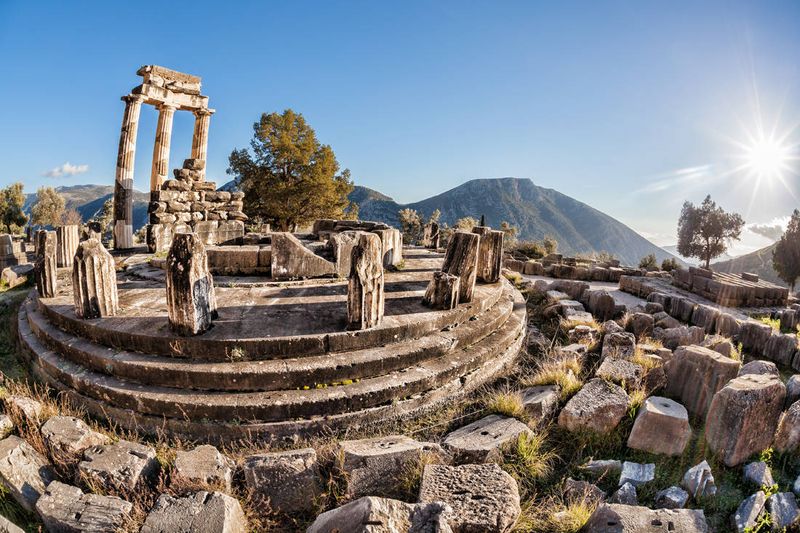
For centuries, Delphi was considered the center of the ancient Greek world, a place where city-states, kings, and ordinary people traveled long distances to consult the Oracle of Apollo. The idea that this mountainside sanctuary held the answers to life’s biggest questions made it one of the most visited and politically influential places in the ancient Mediterranean.
Today, the archaeological site includes the Temple of Apollo, an ancient theater with remarkable mountain views, a well-preserved stadium used for the Pythian Games, and a treasury building from Athens that still stands in recognizable form. The Delphi Archaeological Museum sits directly adjacent to the site and holds some of the most important Greek artifacts ever excavated, including the bronze Charioteer statue.
Greece’s Ministry of Culture and the Delphi museum site provide official visitor and ticketing information. Delphi is roughly two and a half hours from Athens by road, and the drive through the mountains adds to the overall sense of arrival at somewhere genuinely significant.
Knossos, Crete, Greece
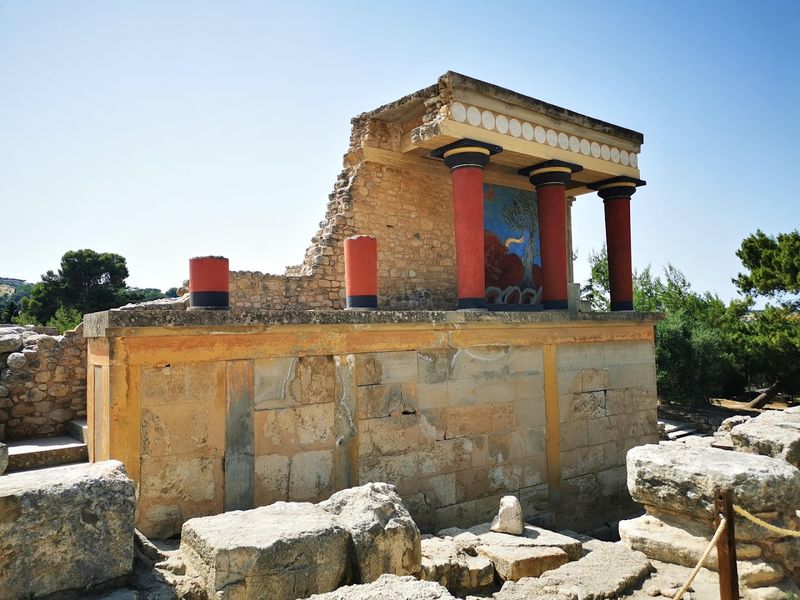
Knossos is where myth and archaeology meet in a way that is hard to find anywhere else. This Bronze Age palace complex on Crete is tied to the legends of King Minos, the Labyrinth, the Minotaur, and the hero Theseus, stories that shaped Greek mythology for thousands of years.
The site dates back roughly 4,000 years and represents one of Europe’s earliest advanced civilizations.
The palace includes ceremonial halls, storage rooms, a throne room, and sections with colorful reconstructed frescoes and columns that help visitors visualize what the original structure may have looked like. The reconstruction work, led by British archaeologist Arthur Evans in the early 20th century, remains somewhat controversial among scholars, but it does make the site more visually engaging for general visitors.
Greece’s Ministry of Culture lists Knossos as open daily on seasonal schedules, with official ticketing available through the Hellenic e-ticketing service. The site is just a short drive from Heraklion, making it an easy and worthwhile addition to any Crete itinerary.
Stonehenge, Wiltshire, England
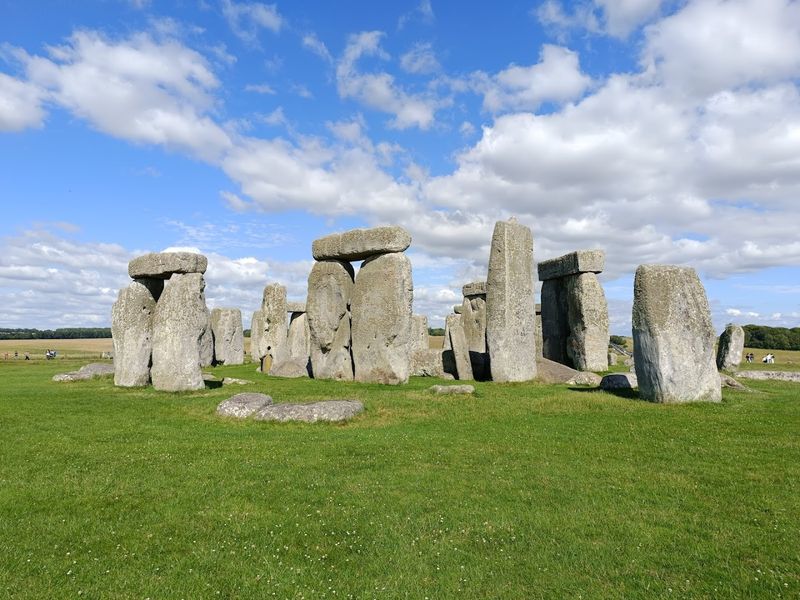
Stonehenge predates most of the world’s famous classical ruins by more than a thousand years, and that age is part of what makes it so thought-provoking. This Neolithic monument was constructed in stages over many centuries, with the large sarsen stones erected around 2500 BC.
How people moved and raised these massive stones without modern tools remains one of archaeology’s most discussed questions.
The site is managed by English Heritage and sits within a broader prehistoric landscape that includes burial mounds and other ancient features. Visitors walk a path around the stones rather than among them during standard visits, but special access options exist for those who want a closer experience.
The nearby visitor center provides context through exhibits and replica prehistoric dwellings.
English Heritage lists Stonehenge as open daily through most of 2026, with seasonal hours and a Christmas Day closure noted on its official ticket page. Booking tickets in advance is recommended, particularly during summer solstice when the site draws especially large crowds.
Petra, Jordan
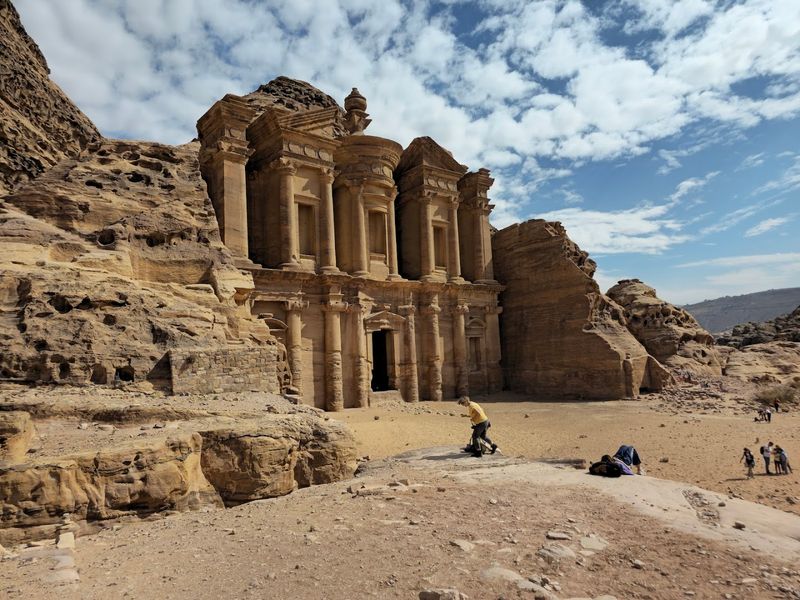
The approach to Petra is one of the great dramatic reveals in all of travel. You walk through the Siq, a narrow canyon with walls rising high on both sides, and then the Treasury appears at the end like something out of a story.
That moment tends to stop people in their tracks regardless of how many photos they have seen beforehand.
Petra was the capital of the Nabataean Kingdom, a civilization that controlled important trade routes through the region around 2,000 years ago. Beyond the Treasury, the site expands into a full ancient city with rock-cut tombs, a colonnaded street, temples, a Roman-era theater, and long trails leading to the Monastery, which rivals the Treasury in scale and requires a significant uphill walk to reach.
The official Visit Petra site lists visitor center services, opening hours, tickets, and entry details. A full day is the minimum to experience the main areas, and staying overnight in the nearby town of Wadi Musa allows for an early morning start.
Ephesus, Turkey
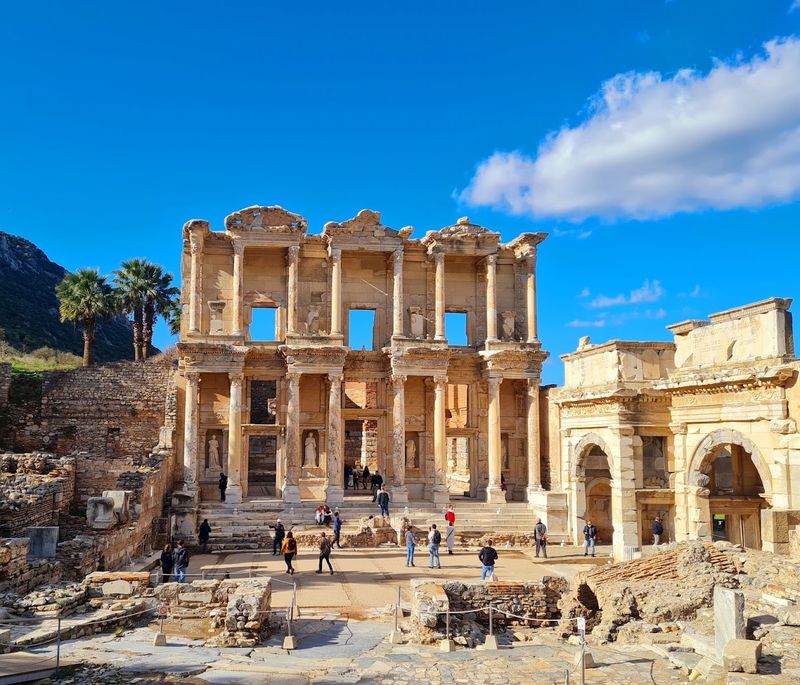
Ephesus was one of the most important cities in the ancient Mediterranean world, serving first as a major Greek settlement and later as a prominent Roman city in Asia Minor. At its peak, it may have had a population of several hundred thousand people, making it one of the largest urban centers of its era.
That scale is still visible in the ruins today.
The marble streets, the enormous theater that could seat around 25,000 spectators, the Celsius Library facade, the Gate of Augustus, the Terrace Houses, and the public bath complexes all give a strong sense of how sophisticated and densely built this city once was. The Terrace Houses in particular, which require a separate admission, display remarkably preserved frescoes and mosaic floors from wealthy Roman residences.
Turkey’s official museum information describes Ephesus as a major ancient Mediterranean site with current visitor access. The nearby town of Selcuk provides good accommodation, and the site pairs naturally with a visit to the Temple of Artemis, one of the Seven Wonders of the ancient world.
Hierapolis and Pamukkale, Turkey
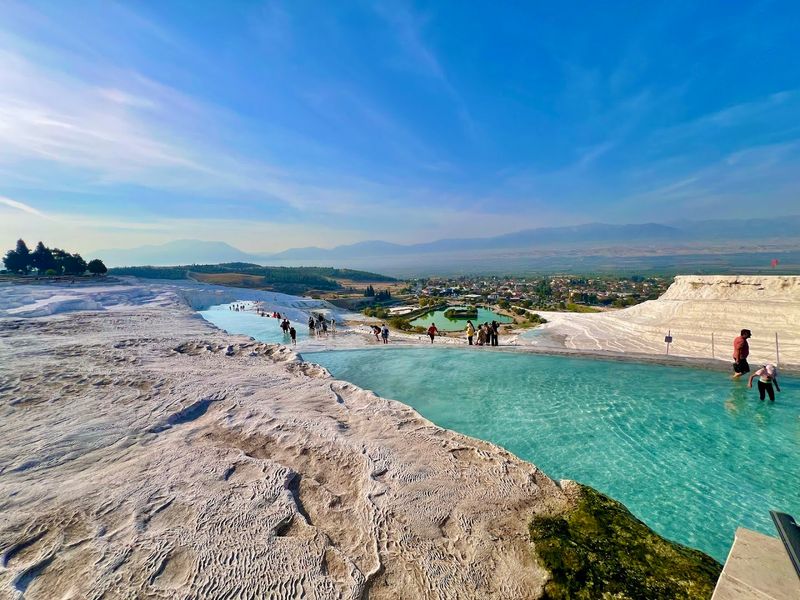
Hierapolis is an ancient city built around natural thermal springs, and its setting above the white travertine terraces of Pamukkale makes it one of the most visually distinctive archaeological sites anywhere. The terraces are formed by calcium-rich water flowing down the hillside and depositing mineral layers over thousands of years, creating a landscape that looks almost artificially constructed.
The ancient city itself includes a well-preserved theater, a large necropolis, bath complexes, temple remains, churches from the Byzantine period, and a famous antique pool where visitors can swim among submerged ancient columns. The combination of natural wonder and archaeological depth is genuinely unusual, and UNESCO recognized both the ruins and the travertines as a combined World Heritage Site.
Turkey’s official museum listing notes that Hierapolis and the Pamukkale Travertines hold UNESCO World Heritage status as a cultural and natural heritage site. The site is most commonly visited as a day trip from Denizli, which has good transport connections to major Turkish cities.
Machu Picchu, Peru
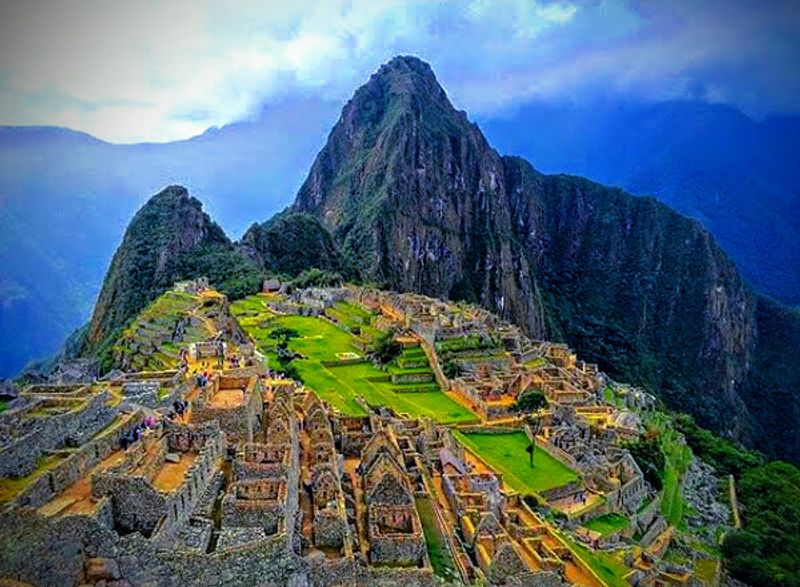
Machu Picchu sits at roughly 2,430 meters above sea level in the Peruvian Andes, and the altitude alone tells you this was no ordinary settlement. Built by the Inca civilization in the 15th century and later abandoned, it was largely unknown to the outside world until 1911 when explorer Hiram Bingham brought it to international attention.
The precision of its stonework, achieved without mortar or metal tools, continues to fascinate researchers.
The site includes temples, plazas, agricultural terraces, water channels, and residential areas that together paint a detailed picture of Inca urban planning and religious life. Getting there involves either a train journey through the Sacred Valley or the multi-day Inca Trail hike, both of which require advance booking, especially during peak season.
Access is controlled through official tickets and designated routes managed by Peru’s state ticketing platform. Entry numbers are limited per day, and specific time slots are assigned, so planning well ahead is not optional.
It is genuinely one of the most extraordinary places on the planet.
Chichen Itza, Mexico
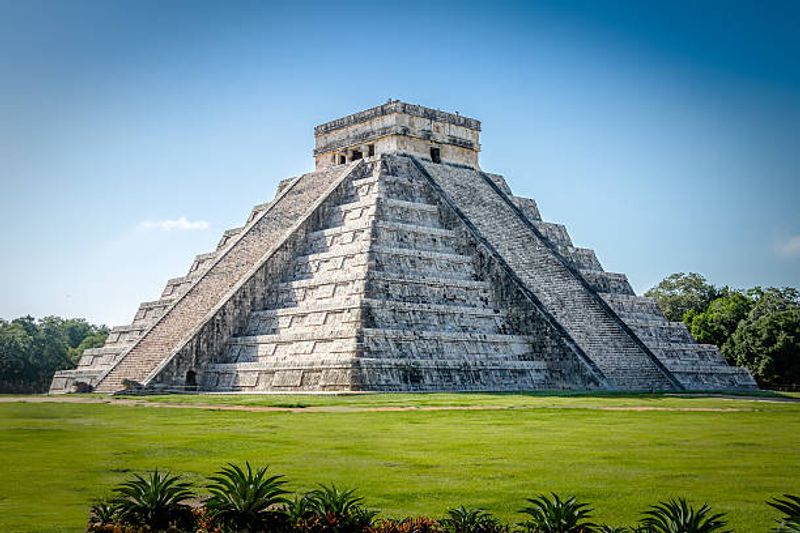
Chichen Itza was a major Maya city that flourished between roughly 600 and 1200 CE, and it remains one of the most visited archaeological sites in Mexico. The step pyramid known as El Castillo, or the Temple of Kukulcan, dominates the site and is famous for an optical effect during the spring and autumn equinoxes when shadow and light create the illusion of a serpent descending the staircase.
Beyond El Castillo, the site contains a massive ball court that is the largest known in Mesoamerica, the Platform of Venus, the Temple of Warriors, the Group of a Thousand Columns, and the Sacred Cenote, a natural sinkhole that served ceremonial purposes. The carved stone details throughout the site reveal a civilization with sophisticated astronomical knowledge and complex religious traditions.
INAH lists Chichen Itza with official visitor hours and entry information, including an additional Yucatan state fee on top of the federal admission. Arriving early in the morning helps avoid the heaviest crowds and the intense midday heat that the Yucatan Peninsula is known for.
Teotihuacan, Mexico
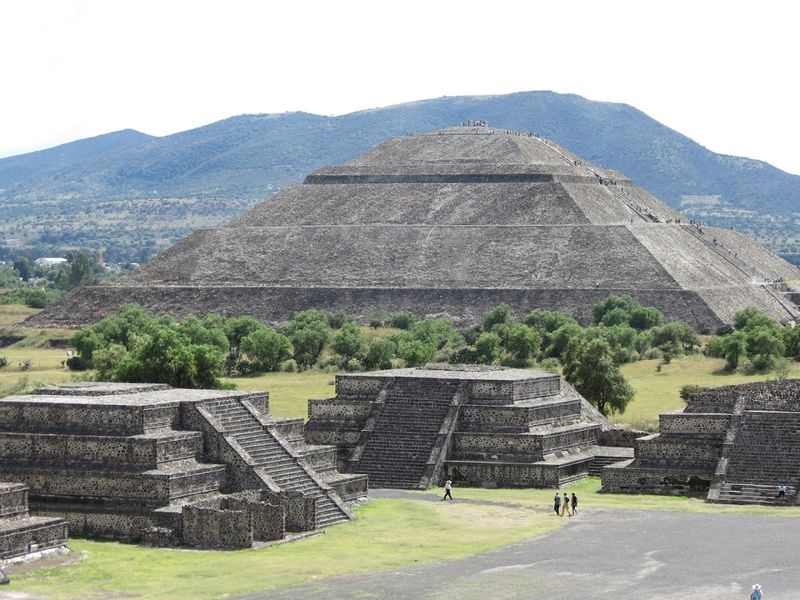
Teotihuacan is the kind of place that makes you reconsider what the word ancient actually means. At its peak between roughly 100 and 550 CE, this city may have housed 125,000 to 200,000 people, making it one of the largest urban centers in the entire ancient world.
The civilization that built it remains partially mysterious, as its builders left no deciphered written language behind.
The Avenue of the Dead runs through the heart of the site, flanked by temples, platforms, and residential compounds. The Pyramid of the Sun is one of the largest ancient structures in the Western Hemisphere, and visitors can climb it for a sweeping view of the entire archaeological zone.
The Pyramid of the Moon at the northern end frames the avenue dramatically.
INAH lists the archaeological zone as open Monday through Sunday with official hours and last-access information. Teotihuacan sits about 50 kilometers northeast of Mexico City, making it a popular and very manageable day trip from the capital for travelers already in the area.
Palenque, Mexico
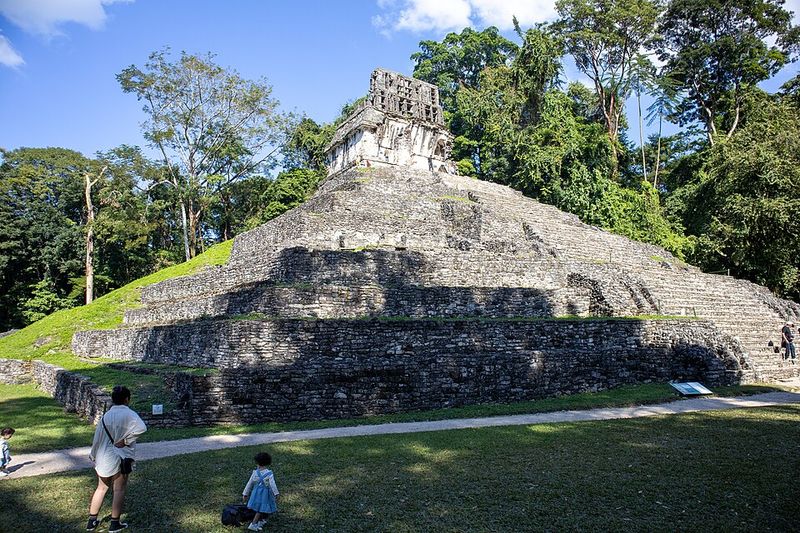
Palenque stands apart from other Maya sites because of how it sits inside the Chiapas jungle. The forest presses in on all sides, and sounds of birds and insects fill the air as you move between structures.
That setting gives the ruins a different atmosphere from the open plains of Chichen Itza or Teotihuacan, and many visitors find it among the most memorable archaeological experiences in Mexico.
The architecture at Palenque is admired for its elegance and refinement. The Palace complex with its distinctive tower, the Temple of the Inscriptions, and the surrounding temples display detailed carved reliefs and hieroglyphic texts.
Inside the Temple of the Inscriptions, archaeologists discovered the intact tomb of the Maya ruler Pakal in 1952, one of the most significant archaeological finds in the Americas.
INAH maintains visitor information for the Palenque archaeological zone, which sits inside Palenque National Park. The town of Palenque nearby offers accommodation, and the site works well as a base for exploring other Chiapas attractions including the Agua Azul waterfalls.
Tikal, Guatemala
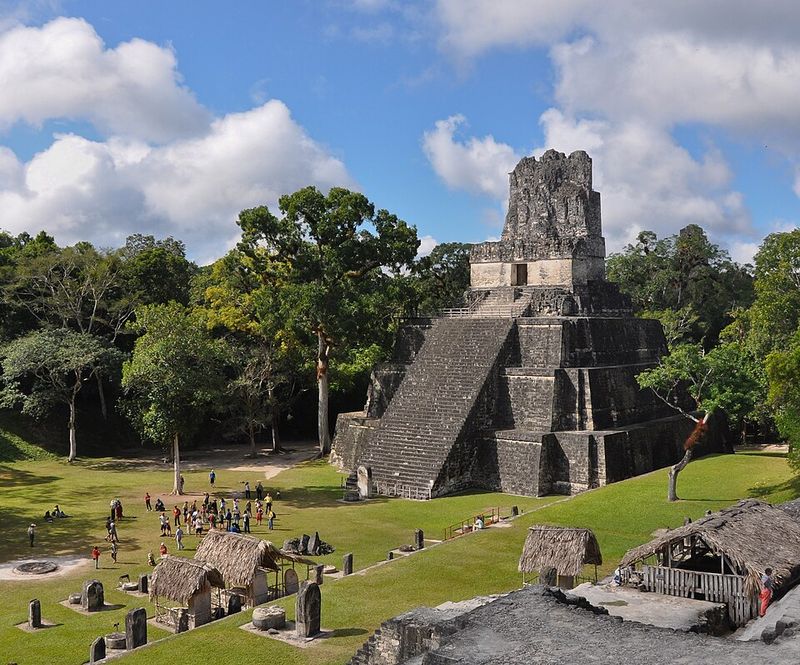
Tikal is the kind of ancient site that rewards patience. The jungle setting in northern Guatemala means that as you walk between plazas and temple complexes, you are moving through living forest where howler monkeys call from the canopy and toucans move through the treetops.
The combination of extraordinary Maya architecture and intact tropical wildlife makes Tikal unlike any other ruin on this list.
The site was one of the most powerful cities in the Maya world between roughly 200 and 900 CE. Temple I and Temple II face each other across the Grand Plaza, and Temple IV, the tallest structure at around 65 meters, offers a view above the jungle canopy that stretches in every direction.
The causeways connecting different parts of the city hint at how large and organized the settlement once was.
Tikal National Park lists daily visiting hours and current ticket details for both foreign and local visitors. Staying overnight inside the park allows for early morning access before the day-trip crowds arrive, and that early light over the temples is genuinely worth the extra planning effort.
Mesa Verde National Park, Colorado
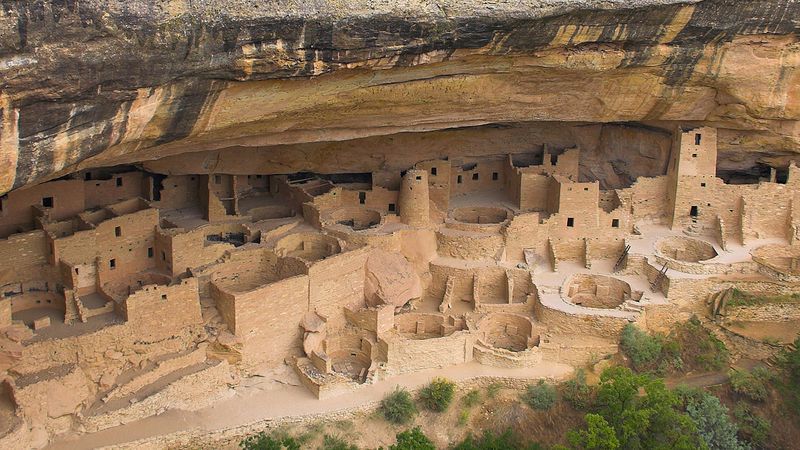
Mesa Verde protects a style of ancient architecture found almost nowhere else in the world: entire communities built directly into the faces of sandstone cliffs. The Ancestral Pueblo people constructed these cliff dwellings between roughly 600 and 1300 CE, and the sheltered alcoves that house them have kept the structures remarkably intact over the centuries.
Cliff Palace is the largest cliff dwelling in North America, with over 150 rooms and 23 kivas, the circular ceremonial chambers that are a hallmark of Pueblo architecture. Balcony House and Long House are also significant sites within the park, each with their own character and access requirements.
The mesa-top sites add another layer to the story, showing earlier phases of community development before the cliff period.
The National Park Service states that cliff dwelling tours require reservations, except for Step House, and lists the 2026 tour season for major access periods. Mesa Verde sits in the southwestern corner of Colorado near Cortez, and the park road itself offers scenic views across the canyon landscape that surrounds the dwellings.
Great Zimbabwe, Zimbabwe
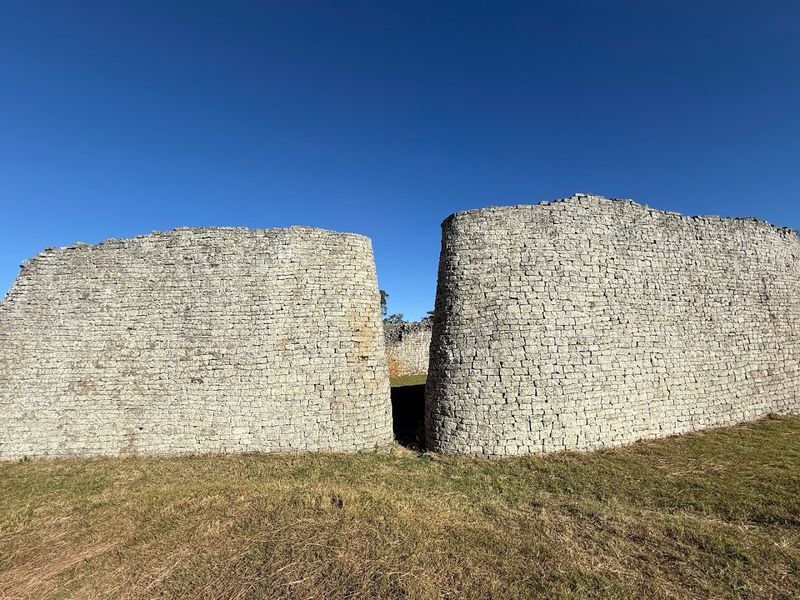
Great Zimbabwe is Africa’s most significant ancient stone monument south of the Sahara, and it challenges any oversimplified view of pre-colonial African history. The site was the center of a powerful medieval kingdom that controlled gold and ivory trade routes across southeastern Africa between roughly the 11th and 15th centuries.
At its height, it may have housed up to 18,000 people.
The ruins are divided into three main areas: the Hill Complex, which served as a royal or religious center; the Great Enclosure, with its famous conical tower and massive curved walls built without mortar; and the Valley Ruins, which contain evidence of residential and administrative structures. The dry-stone construction technique used throughout the site, with granite blocks fitted together through precise shaping rather than binding material, is a remarkable engineering achievement.
Zimbabwe’s National Museums and Monuments organization lists Great Zimbabwe National Monument among the country’s UNESCO World Heritage Sites, and recent travel information continues to describe it as a visitable monument. The site sits near the modern town of Masvingo in south-central Zimbabwe.
Sigiriya, Sri Lanka
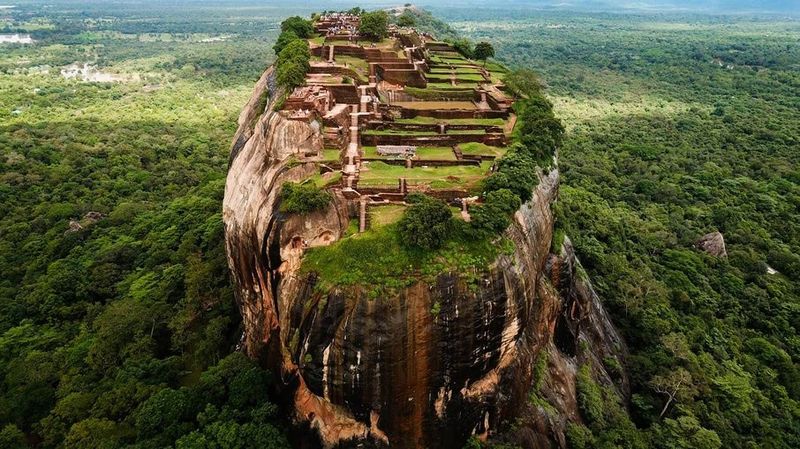
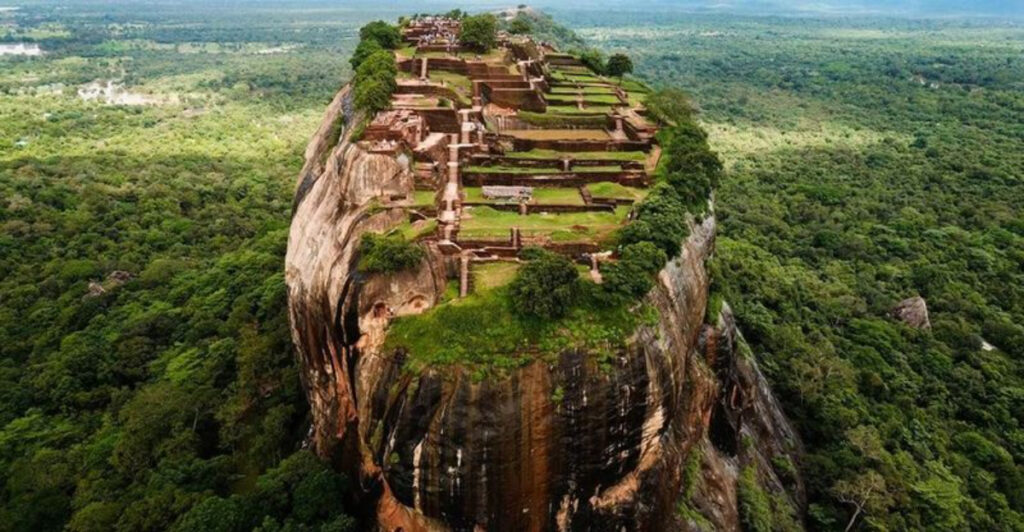
Sigiriya might be the most visually dramatic ancient site in all of South Asia. A massive granite column rises nearly 200 meters above the surrounding flatlands, and on its summit sit the ruins of a royal palace complex built by King Kashyapa in the 5th century CE.
The fact that anyone decided to build a fortified palace on top of this rock says something about both ambition and strategic thinking.
The ascent passes through landscaped water gardens at the base, ancient frescoes painted directly onto the rock face partway up, and the famous Mirror Wall, a polished surface that once reflected the paintings and now carries centuries of visitor inscriptions. The final climb uses steep metal staircases built around the remnants of the original lion-paw entrance gateway.
Current visitor information for 2026 lists Sigiriya as open for ticketed visits, with online ticketing connected to Sri Lanka’s Central Cultural Fund portal. The site is located in the Cultural Triangle region of Sri Lanka, which also includes the ancient cities of Polonnaruwa and Anuradhapura, making it a natural anchor for a broader heritage itinerary.
Angkor Archaeological Park, Cambodia
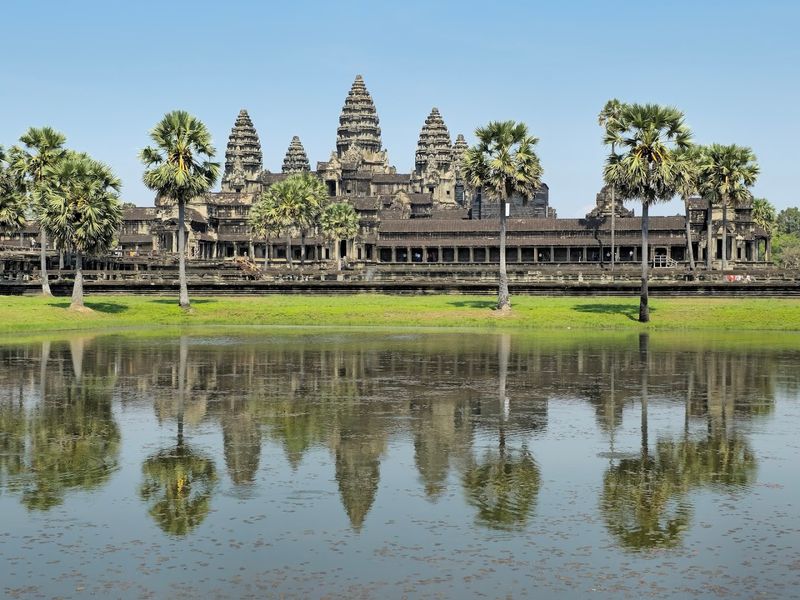
Angkor Archaeological Park is not just one temple. It is an entire ancient urban landscape covering over 400 square kilometers, built by the Khmer Empire between roughly the 9th and 15th centuries.
Angkor Wat is the centerpiece and the largest religious monument ever constructed, but the park also contains Angkor Thom, Bayon, Ta Prohm, Banteay Srei, and dozens of other temple complexes, each with its own architectural personality.
Ta Prohm is famous for the massive tree roots that have grown through and around its stone walls over centuries, creating one of the most photographed images in Southeast Asian travel. Bayon features enormous carved stone faces looking out from its towers in every direction.
Exploring the full park properly takes at least three days, and many visitors return multiple times.
Angkor Enterprise manages and sells official entrance tickets for Angkor Archaeological Park, and tickets purchased through unofficial channels are not valid. The nearby city of Siem Reap provides accommodation, restaurants, and transport options for exploring the park across multiple days at a manageable pace.
Share this story