Arkansas has a habit of surprising people. Most folks picture flat farmland and not much else, but the Natural State quietly packs in towering bluffs, historic towns, underground caverns, and a world-class art museum that charges exactly zero dollars for admission. A full weekend of adventure here can cost less than a single night at a mid-range hotel somewhere else. The destinations in this list cover every corner of the state, from the Ozarks in the north to the Ouachita Mountains in the south, and each one proves that a tight travel budget is no reason to stay home.
Pack a cooler, charge your camera, and get ready to discover just how much Arkansas has been hiding from you.
1. Hot Springs National Park, Hot Springs, Arkansas
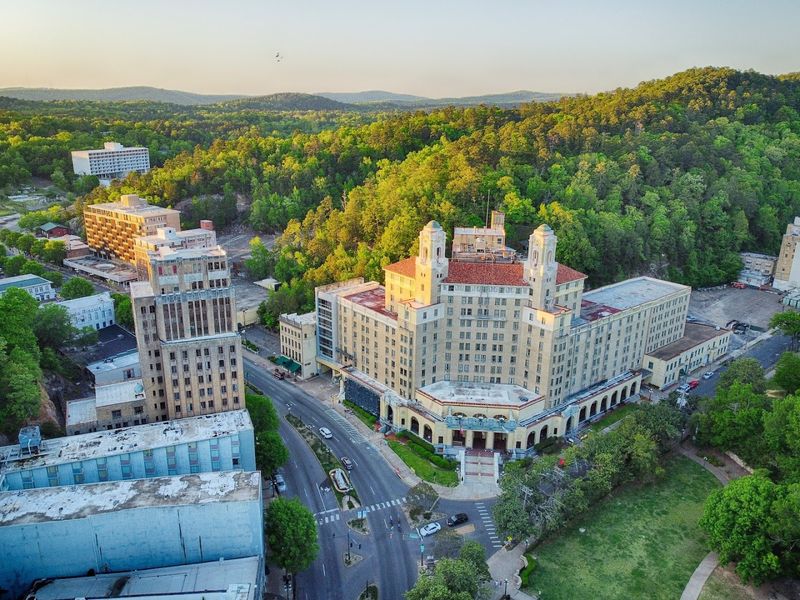
America has 63 national parks, and Hot Springs might be the only one where you can walk the entire historic district, hike a mountain, and sample a thermal spring all before lunch.
Bathhouse Row lines Central Avenue with eight preserved Gilded Age spa buildings, several of which are now free to enter as galleries and visitor spaces.
The Grand Promenade above the row connects directly to mountain trails with overlooks above downtown. Budget travelers rarely find a package this complete in one walkable area.
2. Petit Jean State Park, Morrilton, Arkansas
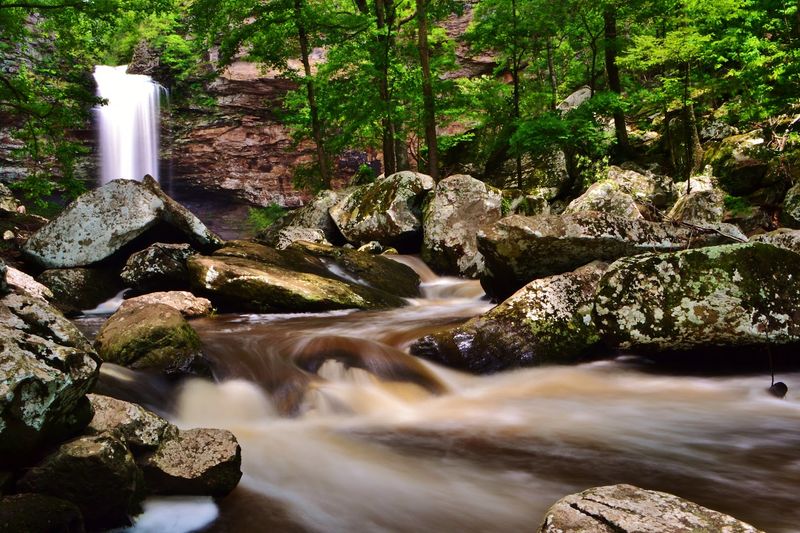
Arkansas’s very first state park still earns top marks, and Cedar Falls alone justifies the drive to Morrilton.
The 95-foot waterfall drops into a rocky natural pool at the end of the Canyon Trail, one of the most photographed spots in the entire state park system.
Beyond the waterfall, the park offers bluff overlooks with views stretching across the Arkansas River Valley, CCC-built stone structures worth photographing, and cabin rentals that keep overnight costs reasonable. First-timers often leave wondering why they waited so long.
3. Eureka Springs Historic District, Eureka Springs, Arkansas
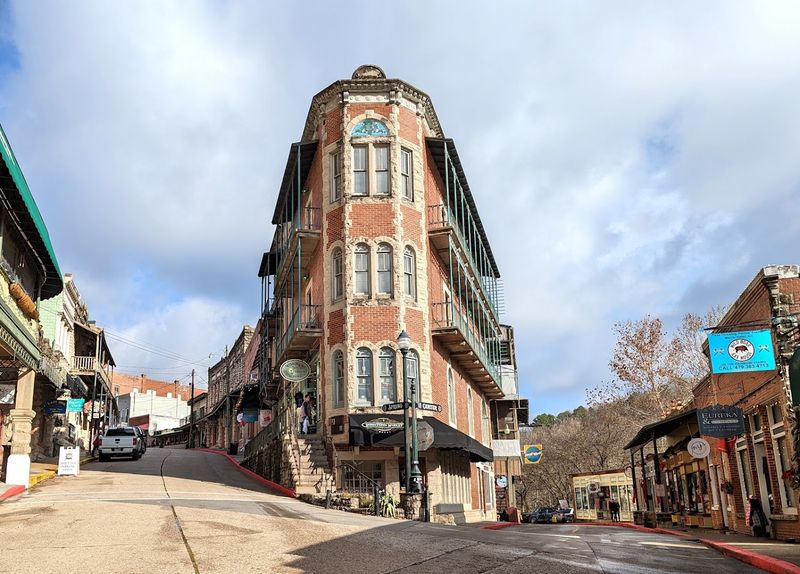
Built on a hillside so steep that most streets have no sidewalks, Eureka Springs is the kind of town that forces you to slow down, which turns out to be the whole point.
The entire downtown is a National Historic District, meaning the Victorian storefronts, art galleries, and independent shops exist inside genuinely preserved 19th-century architecture.
Public staircases connect different street levels, creating unexpected shortcuts and surprise viewpoints. A full day of exploring costs nothing beyond lunch at one of the locally owned cafes tucked into the historic buildings.
4. Buffalo National River, St. Joe, Arkansas
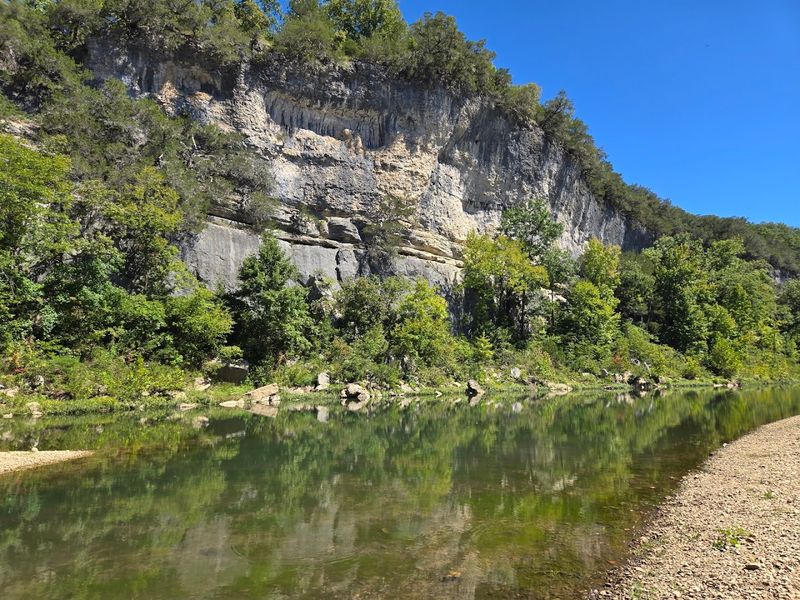
Congress designated the Buffalo as America’s first national river back in 1972, and the bluffs rising above it have not gotten any less impressive since then.
Limestone walls reach up to 440 feet in some sections, and the river below runs clear enough to see the gravel bottom from a standing position on shore.
Gravel bars make natural picnic spots, and several trail access points require no fees at all. A canoe rental from one of the nearby outfitters adds paddling to the mix at very reasonable rates for a full day on the water.
5. Mount Magazine State Park, Paris, Arkansas
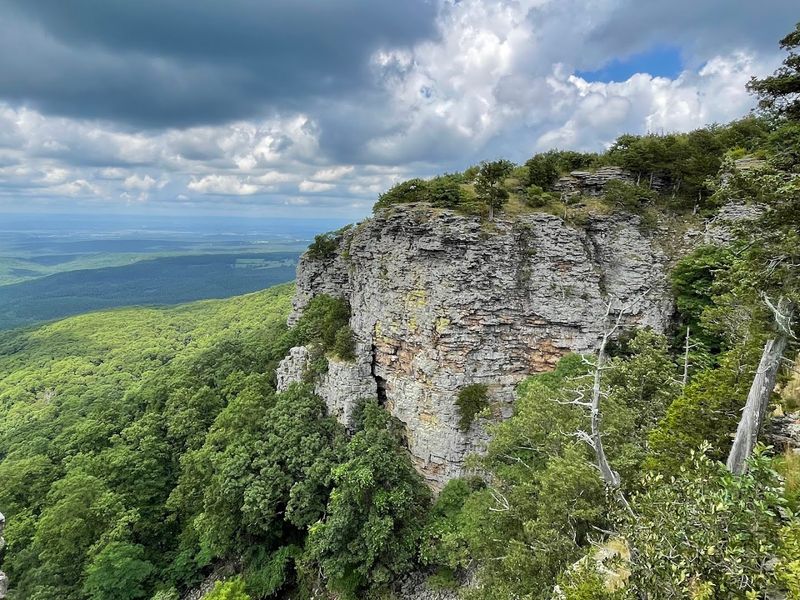
At 2,753 feet above sea level, Mount Magazine holds the title of Arkansas’s highest point, and the views from the top make it feel like a fair trade for the drive up the winding access road.
The park sits atop a flat-topped mountain called a mesa, which is unusual geology for Arkansas and makes the summit views stretch in every direction.
Trails range from short nature walks to longer ridge hikes, and the visitor center provides free maps and information. Photography enthusiasts find the elevated vantage point particularly rewarding on clear mornings.
6. Devil’s Den State Park, West Fork, Arkansas
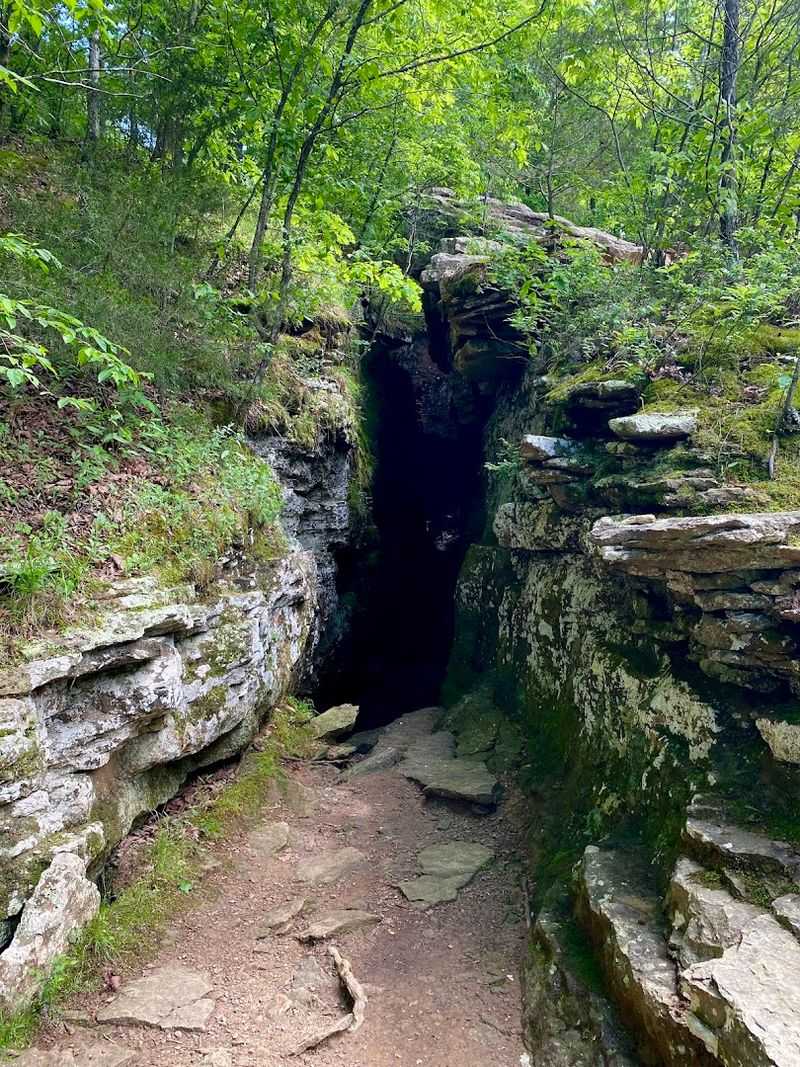
The Civilian Conservation Corps built Devil’s Den’s iconic stone structures during the 1930s, and they fit into the landscape so naturally that first-time visitors sometimes assume the rocks grew that way.
The park’s cave system, crevices, and bluff formations create a terrain unlike anything else in Northwest Arkansas, and the trails connecting them stay shaded through most of the day.
Camping rates here remain among the most affordable in the state park system, making it an easy overnight choice for travelers coming from Fayetteville or Fort Smith. The wooded setting genuinely feels like a retreat.
7. Lake Ouachita State Park, Mountain Pine, Arkansas
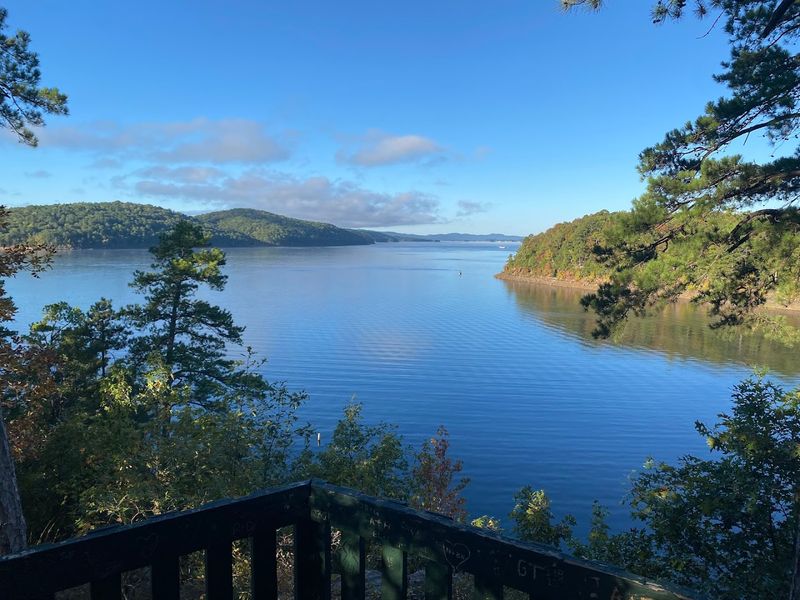
Lake Ouachita regularly appears on lists of the cleanest lakes in the United States, and one look at the water makes that claim easy to believe.
The lake covers nearly 40,000 acres and features 975 miles of shoreline, most of it undeveloped national forest land that keeps the surroundings quiet and uncrowded.
Hiking trails loop through the wooded peninsulas around the park, and the shoreline provides easy access for swimming and fishing without needing a boat. Quartz crystals found along certain sections of shoreline add an unexpected treasure-hunt element to any visit.
8. Crystal Bridges Museum Of American Art, Bentonville, Arkansas
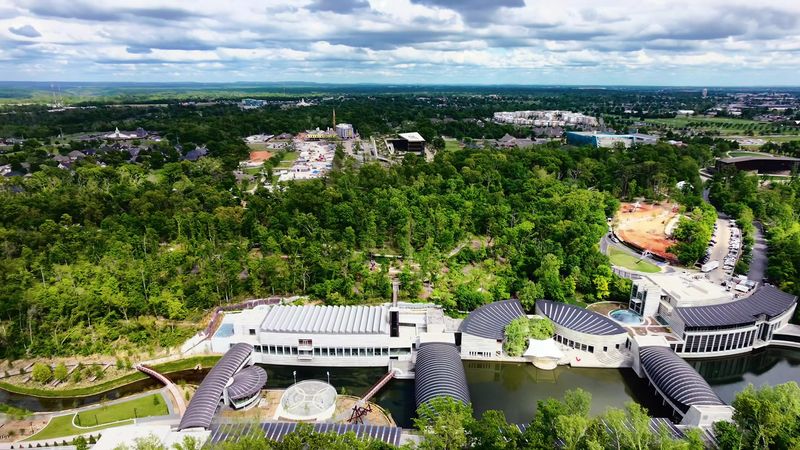
General admission to Crystal Bridges has been free since the museum opened in 2011, which still surprises visitors who expect world-class American art collections to come with a hefty ticket price.
The building itself, designed by Moshe Safdie, spans a ravine with bridge-like structures over natural water features, and outdoor sculptures dot the wooded trails connecting the galleries to downtown Bentonville.
The trail system adds miles of walking through Ozark forest, making the visit feel like both a cultural and outdoor experience. Budget travelers rarely find this level of return for zero admission cost.
9. Thorncrown Chapel, Eureka Springs, Arkansas
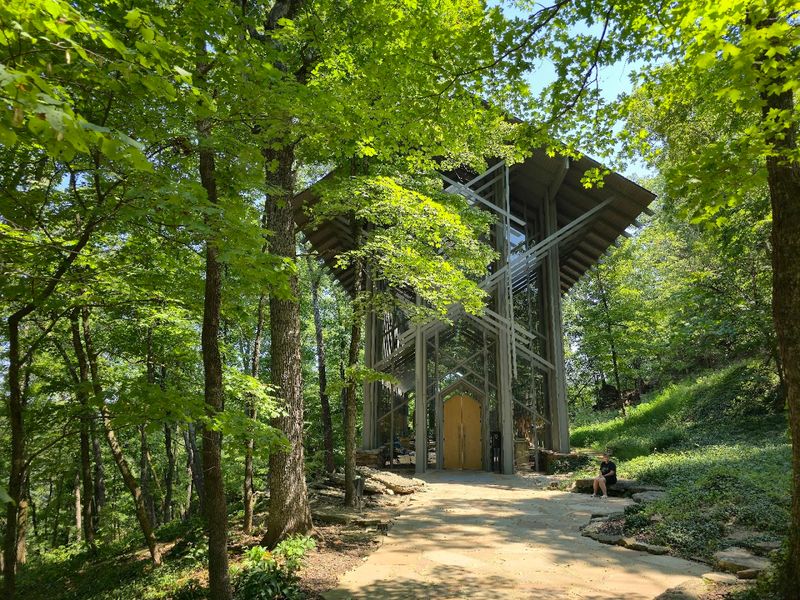
Completed in 1980, Thorncrown Chapel contains more than 6,000 square feet of glass set into a timber framework that rises 48 feet above the Ozark forest floor.
Architect E. Fay Jones reportedly required that no structural piece be too large for two people to carry through the woods, a constraint that shaped the entire design into something unexpectedly elegant.
The American Institute of Architects later named it the fourth-greatest building of the 20th century. Admission is free, and the chapel stays open most days, making it an easy and memorable addition to any Eureka Springs weekend.
10. Garvan Woodland Gardens, Hot Springs, Arkansas
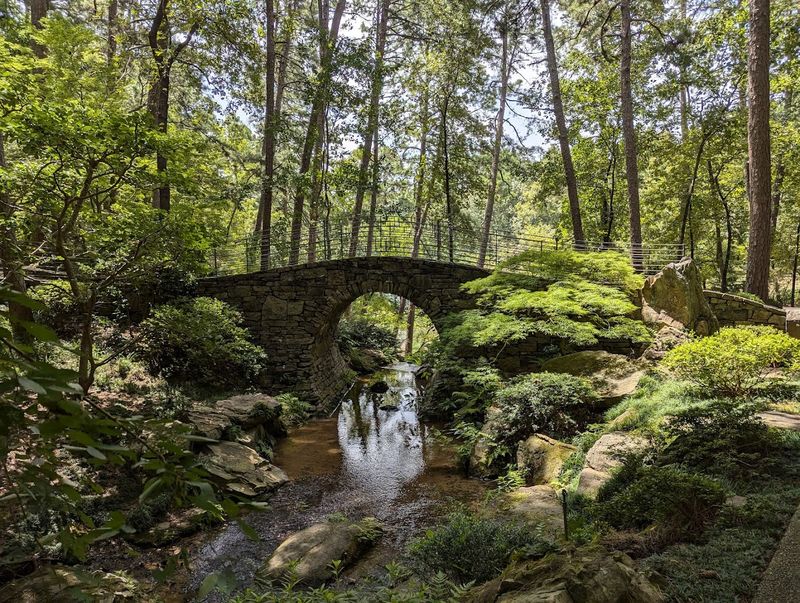
Garvan Woodland Gardens occupies a 210-acre peninsula on Lake Hamilton, and the layout takes full advantage of the water views at nearly every turn along the path system.
The University of Arkansas operates the gardens, which feature seasonal plantings, architectural bridges, a Japanese garden section, and quiet corners designed for sitting rather than passing through.
Admission runs around twelve dollars for adults, which covers several miles of curated paths and lake scenery that rival botanical gardens in much larger cities. Spring and fall bring the most dramatic seasonal color, though the gardens reward visits year-round.
11. Blanchard Springs Caverns, Fifty-Six, Arkansas
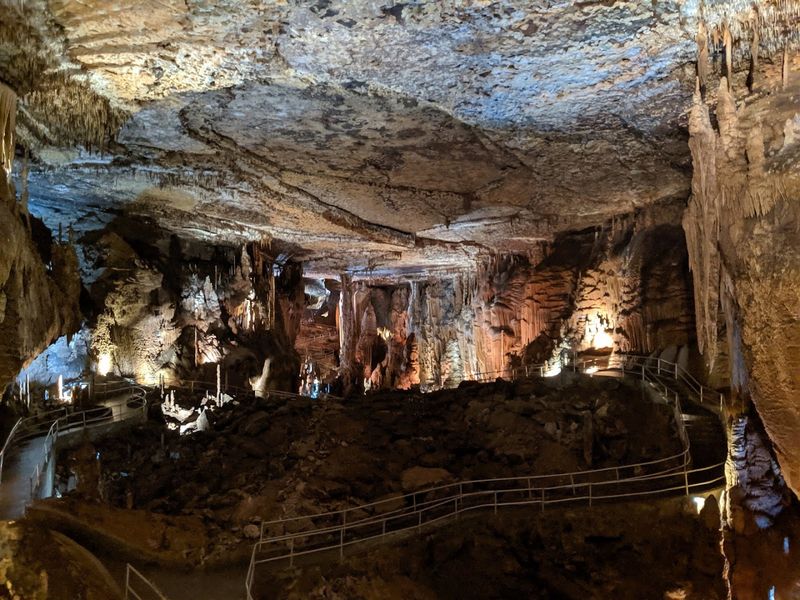
Blanchard Springs Caverns holds a distinction that most cave systems cannot claim: it is the only commercially operated cave in the entire U.S. Forest Service system.
The cave stays at a constant 58 degrees year-round, which makes it a genuinely refreshing destination during Arkansas summers and a surprisingly cozy one during winter visits.
Two main tour routes explore different levels of the cave, with the upper Dripstone Trail covering half a mile and the lower Discovery Trail revealing larger chambers and active water features. The surrounding Ozark forest adds hiking and camping to round out the trip.
12. Historic Washington State Park, Washington, Arkansas
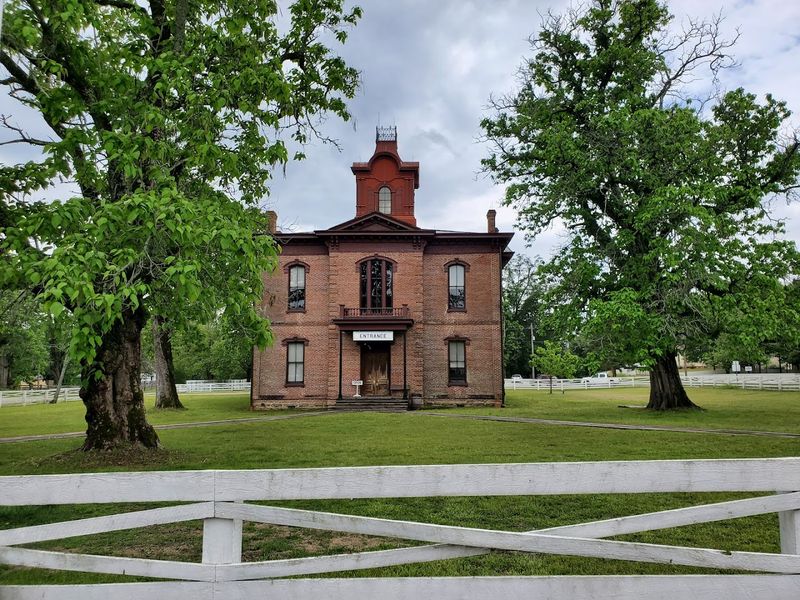
Washington, Arkansas served as the Confederate state capital during the Civil War, and the buildings preserved in this state park tell that story without any dramatization needed.
The 1836 courthouse, the blacksmith shop, and several historic homes remain on their original sites, making the layout feel like a genuine town rather than a museum recreation.
Guided tours cover the history of each structure, and the pace throughout the park stays deliberately unhurried. Travelers who prefer heritage sites without crowds or long lines tend to find Washington one of the most satisfying stops in the state.
13. Lake Catherine State Park, Hot Springs, Arkansas
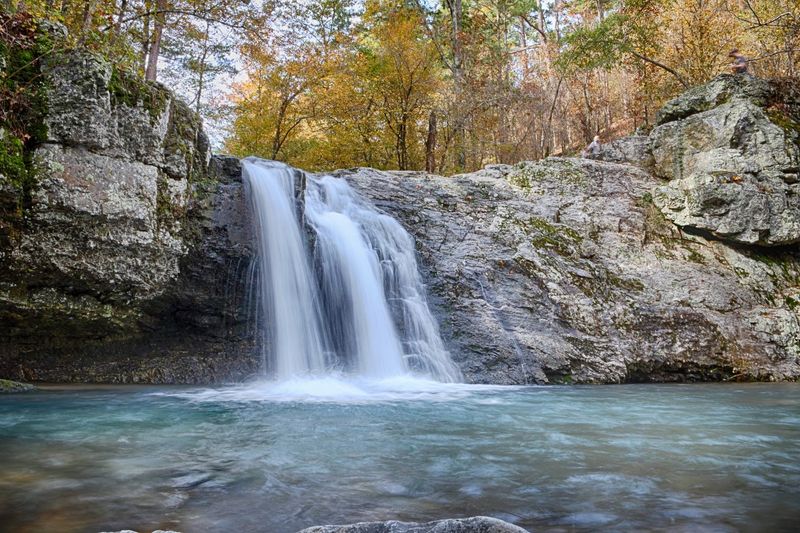
Lake Catherine sits just a short drive from the Hot Springs strip, which makes it unusually practical for travelers who want nature during the day and restaurant options at night.
The park’s waterfall is one of the few in the Arkansas State Park system that flows directly into a lake, and the short trail leading to it is manageable for most visitors.
Cabins in the park offer affordable overnight stays with lake views, and the combination of hiking, fishing, and swimming keeps a full weekend active without requiring much planning or spending beyond the basics.
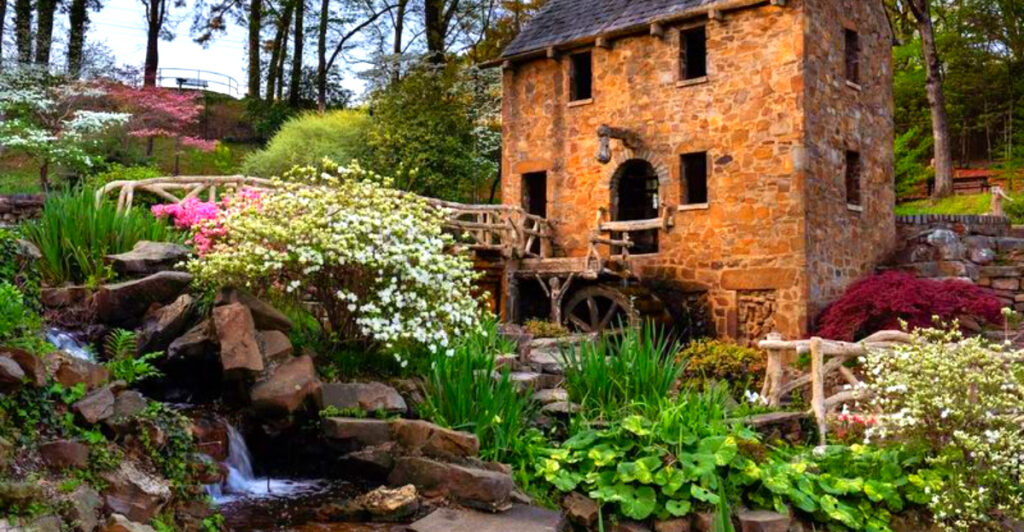
14. The Old Mill, North Little Rock, Arkansas
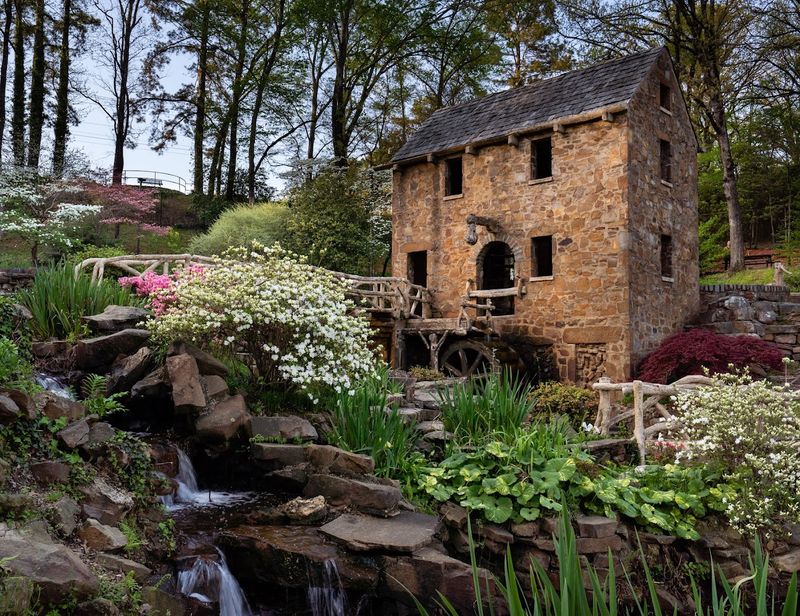
Most people know The Old Mill from the opening credits of Gone With the Wind, which filmed here in 1939, though the structure itself was already eight years old by then.
Artist Dionicio Rodriguez built the entire complex from concrete using a technique called faux bois, shaping the material to resemble petrified wood in bridges, benches, and the mill building itself.
The five-acre T.R. Pugh Memorial Park surrounding the mill is free and open daily, with shaded paths and water features that make it a pleasant stop even for visitors who have never seen the film.
15. Pinnacle Mountain State Park, Little Rock, Arkansas
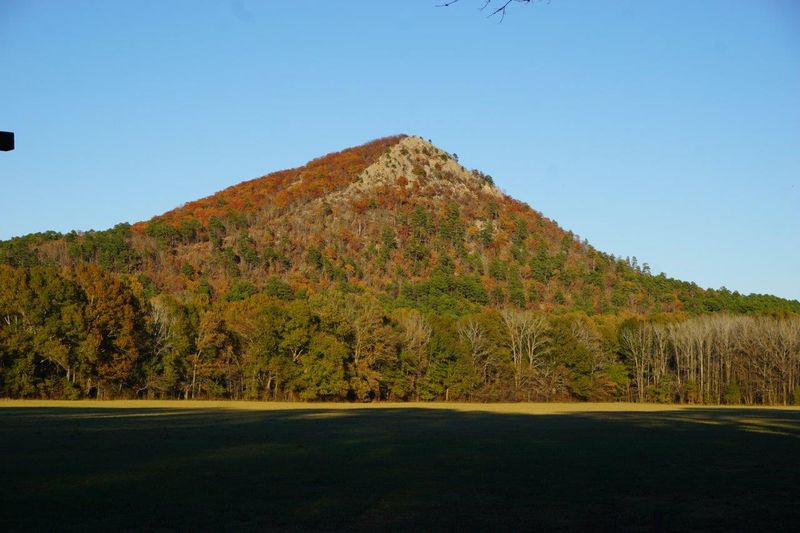
Pinnacle Mountain looks exactly like a child’s drawing of a volcano, a perfect cone rising 1,011 feet above the surrounding river valley with views that reach well beyond the Little Rock metro.
The East Summit Trail involves a genuine rock scramble near the top, which earns the summit view in a way that flat city parks simply cannot replicate.
Over 33 miles of trails spread through the park, including a section of the 223-mile Ouachita National Recreation Trail. Day use is free, and the park sits close enough to Little Rock that it works as an early morning outing before the rest of the weekend begins.
16. Hemingway-Pfeiffer Museum And Educational Center, Piggott, Arkansas
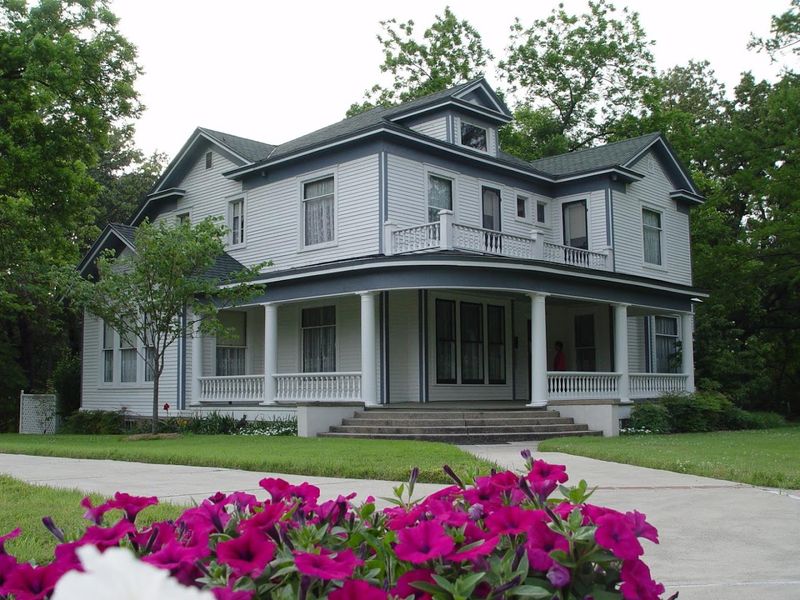
Ernest Hemingway wrote portions of A Farewell to Arms in a barn studio in Piggott, Arkansas, which is not a sentence most people expect to encounter in any context.
The barn, converted for his use by his in-laws the Pfeiffer family, still stands on the property alongside the 1910 family home, both restored to reflect the 1930s period when Hemingway visited regularly.
Guided tours cover both structures and connect the literary history to local life during the Great Depression era. The museum draws a thoughtful crowd and offers one of the more unusual small-town stories in the entire state.
17. Turpentine Creek Wildlife Refuge, Eureka Springs, Arkansas
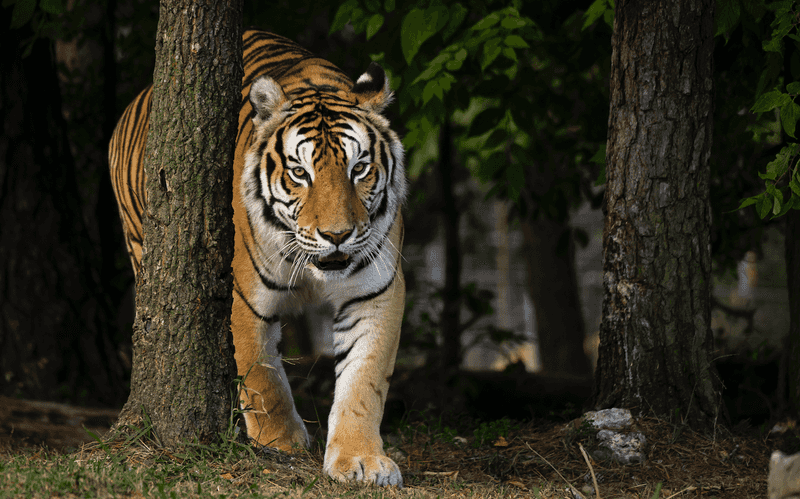
Turpentine Creek takes in big cats and other exotic animals that have been rescued from inadequate private ownership situations, and the refuge currently provides permanent homes to lions, tigers, bears, and leopards.
The property sits in the Ozark hills outside Eureka Springs, and the natural terrain gives the habitats a more spacious, rural character than typical zoo enclosures.
Staff members explain each animal’s individual rescue story during the visit, which adds a layer of context that makes the experience more meaningful than a standard wildlife attraction. Admission fees go directly toward the animals’ ongoing care and facility maintenance.
18. Arkansas Air And Military Museum, Fayetteville, Arkansas

Drake Field in Fayetteville trained military pilots during World War II, and the Arkansas Air and Military Museum now occupies those same historic hangars, which gives the exhibits a setting that no purpose-built museum could replicate.
The collection includes biplanes, propeller-driven warbirds, and early jets, several of which remain airworthy and occasionally take to the skies for demonstration flights.
Military history displays cover Arkansas veterans from multiple conflicts, and the admission price stays well below what comparable aviation museums charge in larger cities. Families with kids who have never seen a vintage aircraft up close tend to leave genuinely impressed.
19. Fort Smith National Historic Site, Fort Smith, Arkansas
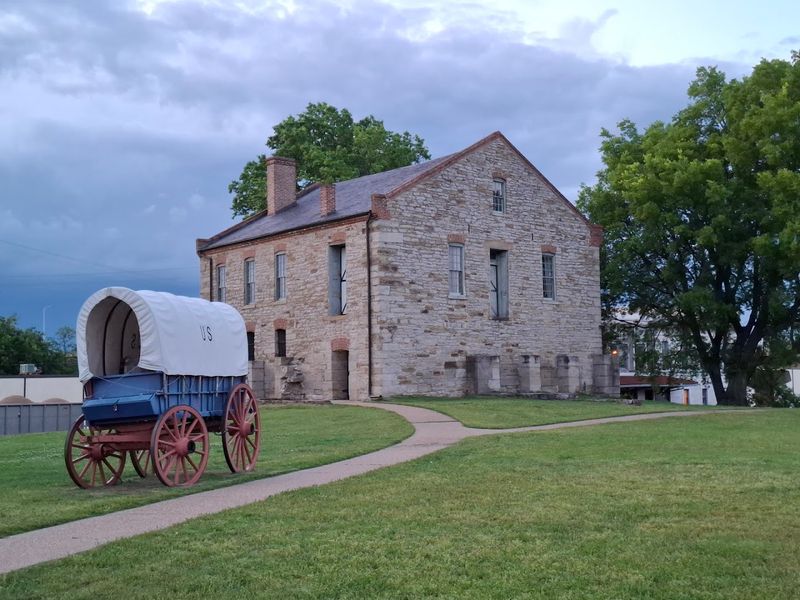
Judge Isaac Parker sentenced 160 people during his 21-year tenure at the Fort Smith federal courthouse, earning the nickname Hanging Judge in a town that newspapers once called the most dangerous in the West.
The National Historic Site preserves the courthouse, the basement jail known as Hell on the Border, and the remnants of two 19th-century military forts on the banks of the Arkansas River.
Admission is free, and the site connects easily to Fort Smith’s walkable downtown, where locally owned restaurants and historic storefronts extend the visit into a full weekend without adding much to the budget.
20. Mammoth Spring State Park, Mammoth Spring, Arkansas
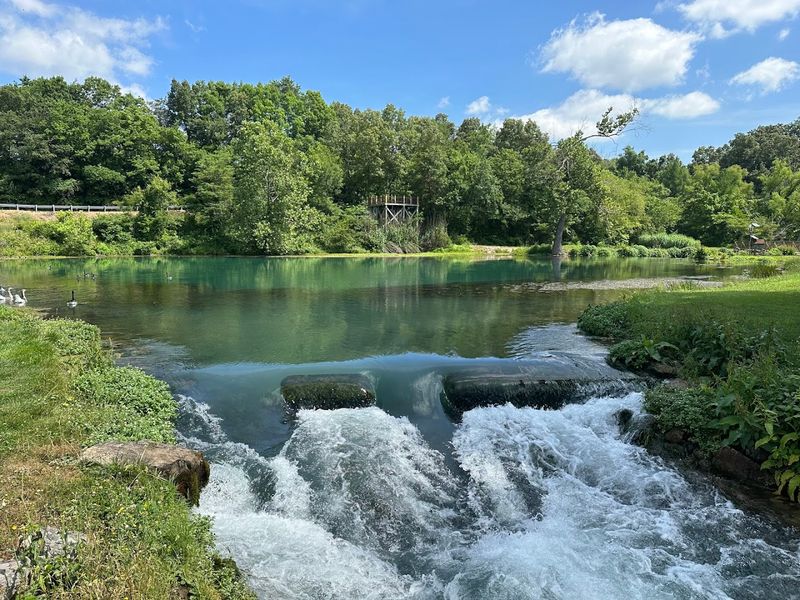
Mammoth Spring releases nine million gallons of water every hour, making it one of the largest springs in the entire country and the reason a small Arkansas town shares its name.
The spring feeds a 10-acre lake inside the park, and the walking paths along the water’s edge stay flat and easy enough for visitors of any fitness level.
A restored 1889 Frisco Railroad depot on the property adds a historical dimension that distinguishes this park from a simple nature stop. Admission is free, the pace is unhurried, and the spring itself provides a natural spectacle that genuinely earns the trip up to the Missouri border.
Share this story