Some concerts are just concerts. But a handful of performances in history have drawn crowds so enormous that they stopped feeling like shows and started feeling like national events.
From beach gatherings of millions to stadium records that stood for decades, certain artists have pulled off something truly rare: making an entire city show up. This list covers 20 artists who performed for some of the biggest audiences ever recorded, mixing free beach shows with ticketed stadium giants, rock legends with pop icons, and country stars with electronic music trailblazers.
Whether the crowd was 110,000 or 3.5 million, each of these performances left a mark on music history that is hard to argue with. If you have ever wondered which artists truly brought the whole world to their stage, this list has your answer.
Rod Stewart – Copacabana Beach, Rio de Janeiro, Brazil
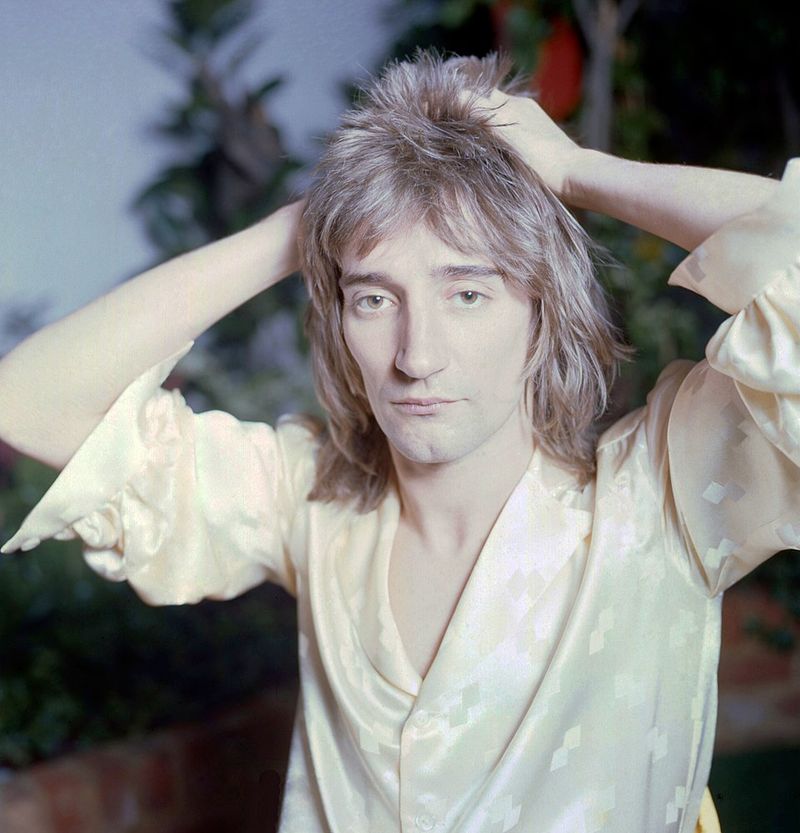
No single rock concert in history has drawn more people than Rod Stewart’s 1994 New Year’s Eve performance on Copacabana Beach. Guinness World Records places the crowd at approximately 3.5 million people, a figure that has held up as the benchmark for free rock concert attendance for decades.
Part of that massive number was connected to Rio’s legendary New Year’s Eve fireworks tradition, which naturally pulls millions to the beach regardless of who is performing. Still, Stewart was the headliner, and the scale of that night belongs to him in the record books.
The concert was free and open to the public, which is exactly why Copacabana became the world’s go-to location for mega-concerts over the years that followed. For Stewart, a rock veteran already well into his career by then, it stands as his most jaw-dropping performance by sheer numbers alone.
Jean-Michel Jarre – Moscow State University, Moscow, Russia
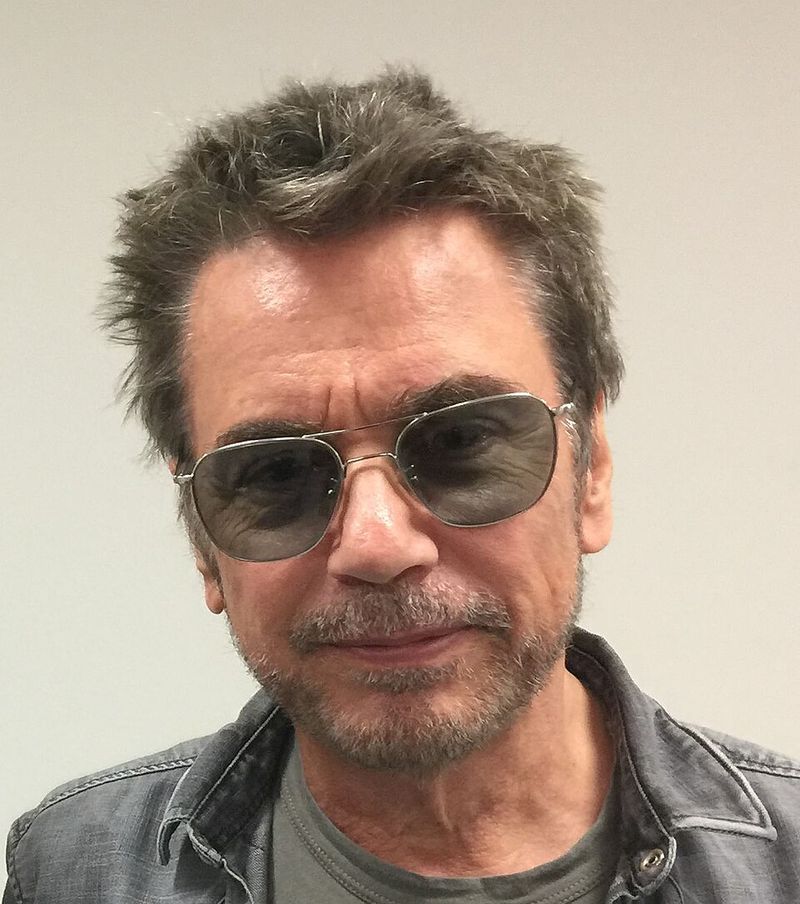
Electronic music and massive outdoor crowds might not seem like an obvious pairing, but Jean-Michel Jarre has spent his career proving otherwise. His 1997 concert at Moscow State University was held as part of the city’s 850th anniversary celebration, and it attracted one of the largest audiences ever assembled for a single performance.
Estimates for the crowd vary widely, as they often do for free outdoor events in open spaces, but reports consistently place the figure in the millions. Guinness World Records has acknowledged the event among the largest concert gatherings on record.
Jarre built his reputation on spectacular outdoor spectacles combining synthesizers, lasers, and large-scale visuals that translate well to enormous open spaces. Moscow gave him the perfect canvas.
The fact that he appears twice on this list is not a coincidence; very few artists in any genre have matched his ability to fill outdoor spaces at this scale.
Jorge Ben Jor – Copacabana Beach, Rio de Janeiro, Brazil
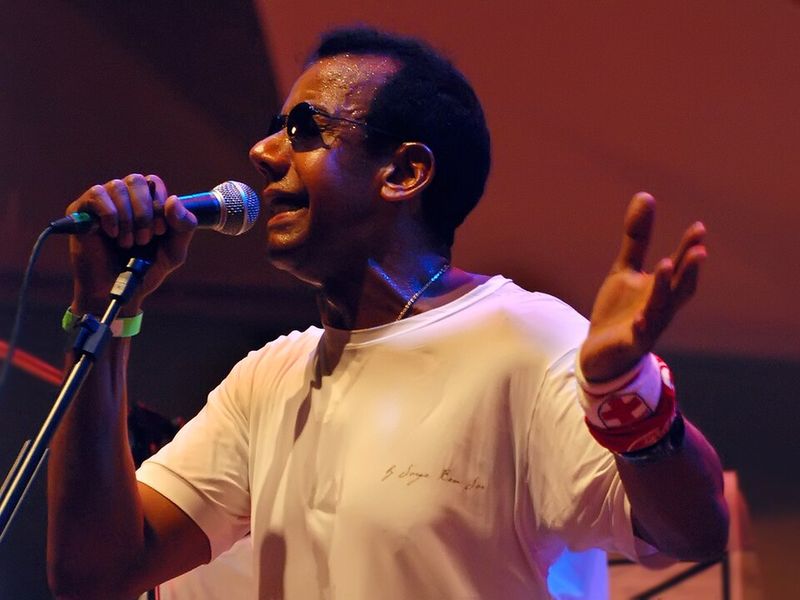
A year before Rod Stewart broke records on the same stretch of sand, Brazilian singer Jorge Ben Jor helped establish Copacabana as the world’s premier location for mega-concerts. His 1993 New Year’s Eve performance drew an estimated 3 million people, placing it firmly among the largest concert audiences ever recorded for a named artist.
Jorge Ben Jor is one of Brazil’s most beloved musicians, known for blending samba, funk, and rock into a sound that has influenced generations of Brazilian artists. His Copacabana appearance was a celebration on a national scale, matching his cultural stature with a crowd that reflected just how deeply his music connects with Brazilian audiences.
The back-to-back years of Copacabana concerts in 1993 and 1994 essentially set the template for what that beach could become as a concert venue, and Jorge Ben Jor’s performance was where that tradition truly took root.
Jean-Michel Jarre – La Défense, Paris, France
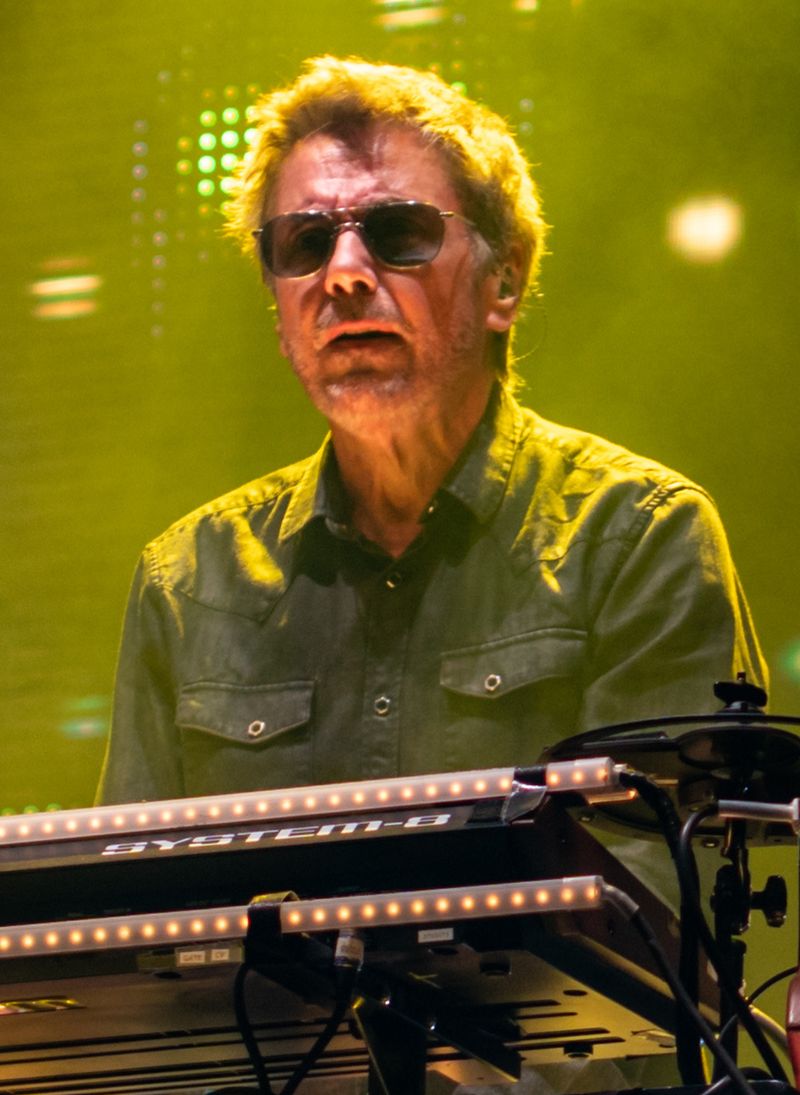
Seven years before Moscow, Jean-Michel Jarre pulled off something similarly extraordinary in his home country. His 1990 Bastille Day concert at La Défense in Paris drew an estimated 2.5 million people, turning the city’s modern business district into one of the largest outdoor concert venues the world had ever seen.
La Défense is known for its striking architecture and wide open plazas, which made it a natural fit for a Jarre production. His concerts are designed to be experienced at scale, with synchronized visuals and music that fill entire city landscapes rather than just a stage.
The fact that this performance happened in Paris on Bastille Day means the crowd was already primed for celebration, but Jarre’s show was the reason millions gathered in that specific spot. It remains one of the most significant concerts in French music history and a defining moment for large-scale outdoor electronic performance as a legitimate art form.
Lady Gaga – Copacabana Beach, Rio de Janeiro, Brazil
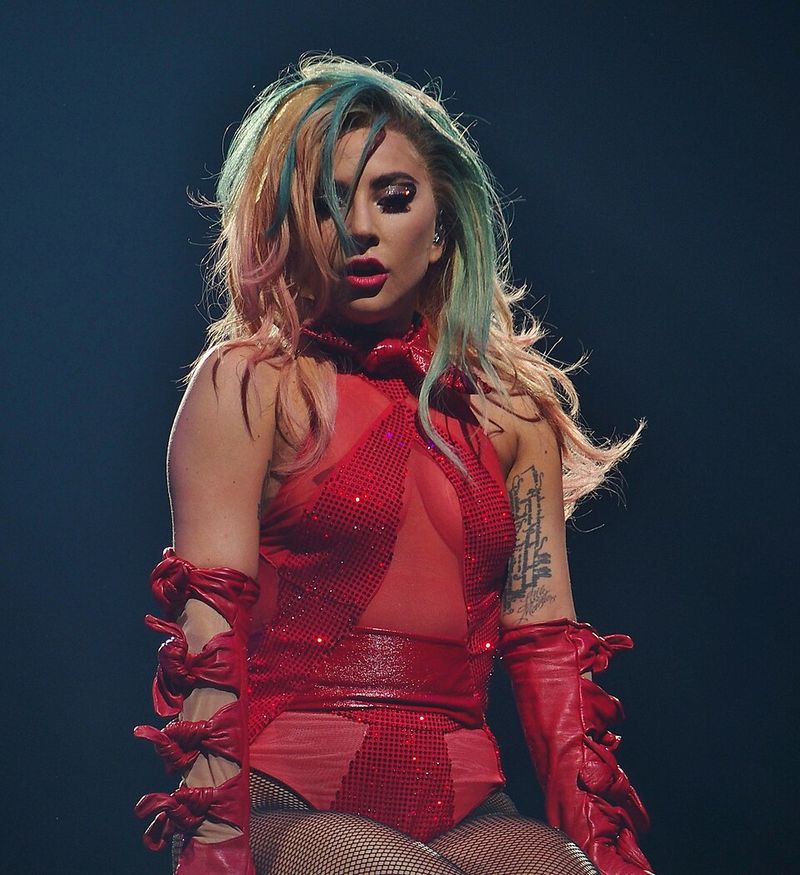
Lady Gaga brought her signature theatrical production to Copacabana Beach in 2025 for a free concert that drew an estimated 2.1 million fans, according to AP reporting, with some sources placing the figure even higher. It was described widely as the largest concert of her career.
The show also earned recognition as one of the biggest concerts ever performed by a female artist, a title that carries real weight given the history of Copacabana mega-shows. Gaga’s production style, built around elaborate costumes, choreography, and large-scale visuals, translated well to an outdoor setting with millions of people watching from every angle.
Rio’s free beach concert model has historically favored legacy acts and touring superstars, so Gaga’s ability to draw that kind of audience speaks to the global reach of her fanbase. The 2025 Copacabana show added a new chapter to both her legacy and the beach’s long history as a concert landmark.
Shakira – Copacabana Beach, Rio de Janeiro, Brazil
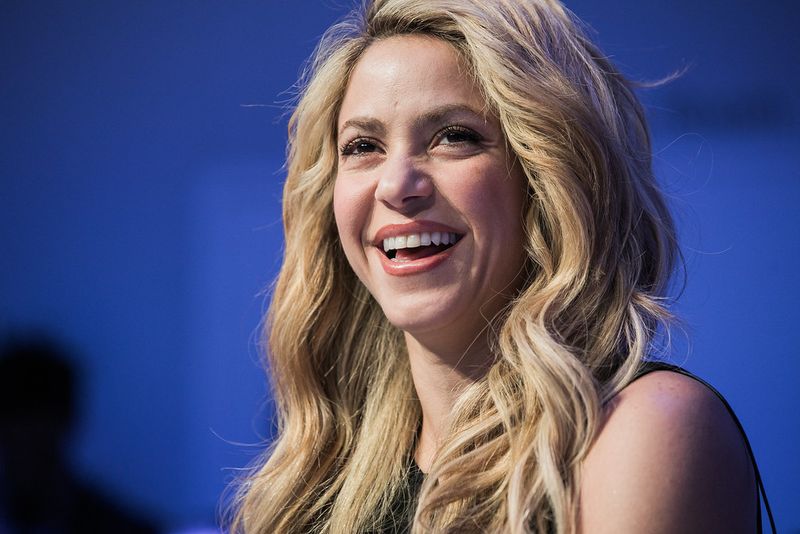
Shakira continued the Copacabana mega-concert tradition in 2026 with a free show that drew approximately 2 million people, according to city officials. The event was described as the largest audience of her career, placing her among a very short list of artists who have performed for crowds of that size.
Copacabana Beach has become a kind of proving ground for global pop stardom, and Shakira’s appearance there confirmed her standing as one of the most bankable live performers in the world. Free concerts of this scale require enormous logistical coordination between artists, promoters, and city governments, and Rio has become expert at hosting them.
The 2026 show followed closely on the heels of Lady Gaga’s 2025 Copacabana concert, showing that the beach’s reputation as the world’s biggest outdoor stage remains very much alive. For Shakira, it was a career-defining night measured in millions of witnesses.
Diante do Trono – Campo de Marte, São Paulo, Brazil
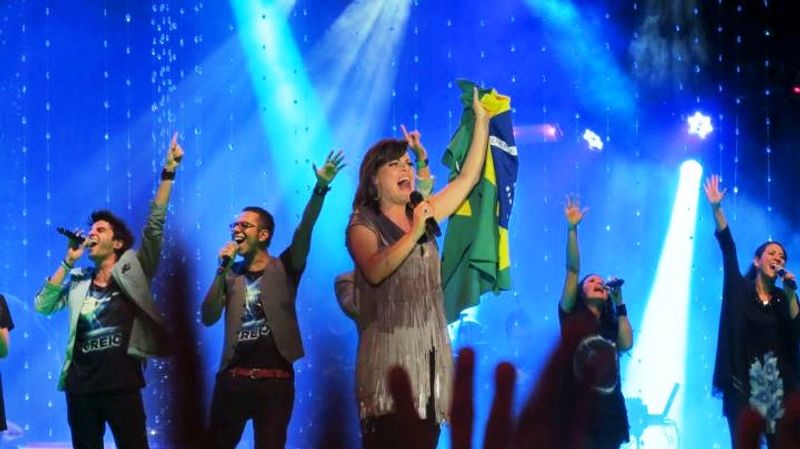
Not every massive concert crowd gathers for rock or pop. Brazilian Christian worship group Diante do Trono drew a reported 2 million people to Campo de Marte in São Paulo in 2003 for the recording of their live album Quero Me Apaixonar, with the group’s own official records supporting that figure.
Diante do Trono, which translates roughly to Before the Throne, has been one of Brazil’s most prominent worship music acts since the late 1990s. Their concerts blend contemporary Christian music with large-scale evangelical celebration, and their fanbase extends across Brazil’s enormous and deeply religious population.
Campo de Marte is a large airfield in São Paulo’s north zone that has hosted major public events over the years, giving organizers the open space needed for a gathering of this size. The 2003 event stands as a remarkable example of how faith-based music can generate concert attendance figures that rival the biggest secular acts in history.
Antonello Venditti – Circus Maximus, Rome, Italy
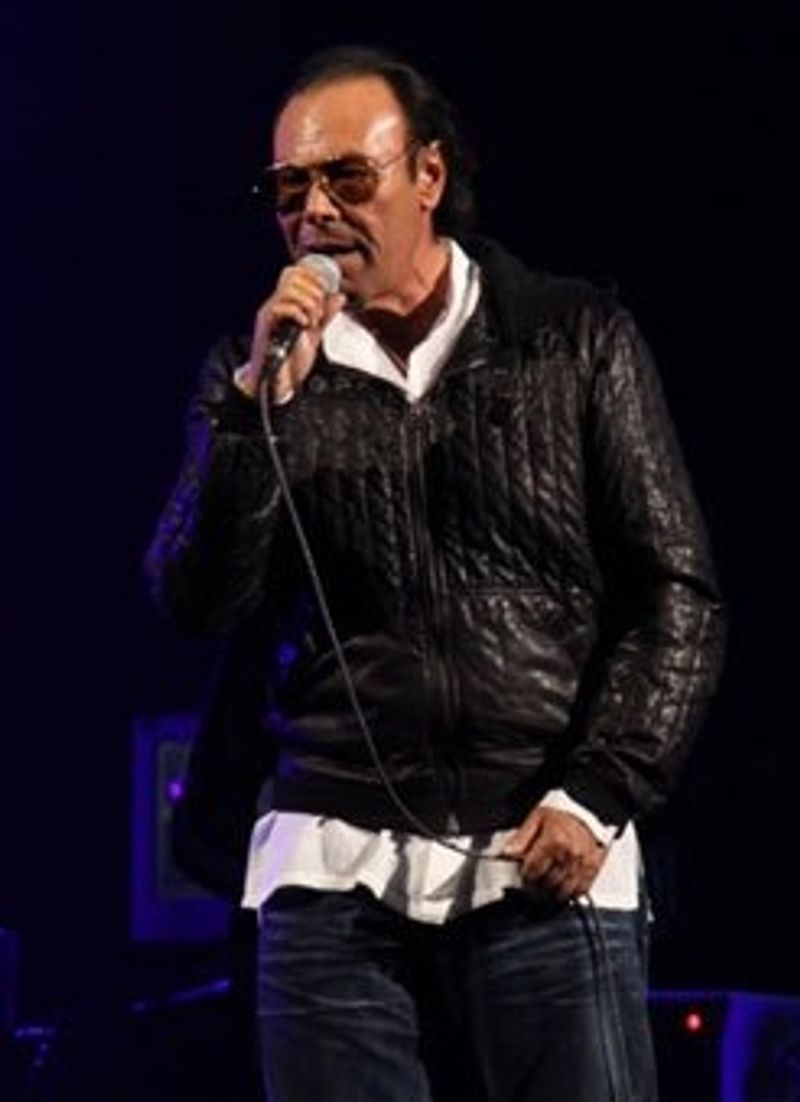
When AS Roma won the Serie A title in 2001, the city of Rome celebrated in a way that only Rome can. Italian singer Antonello Venditti performed a free concert at the ancient Circus Maximus, and Italian reports placed the crowd at around 1.8 million people, making it one of the most attended free concerts in European history.
Venditti has a long personal connection to AS Roma, having written the club’s unofficial anthem Grazie Roma, which makes him a natural choice for a celebration of that magnitude. The combination of a championship victory and a beloved local artist created conditions for an extraordinary gathering.
The Circus Maximus venue itself adds a layer of historical drama that few concert settings anywhere in the world can match. Once the site of ancient chariot races, it now regularly hosts large outdoor concerts, but the 2001 Venditti show remains its most attended event by a wide margin.
Madonna – Copacabana Beach, Rio de Janeiro, Brazil
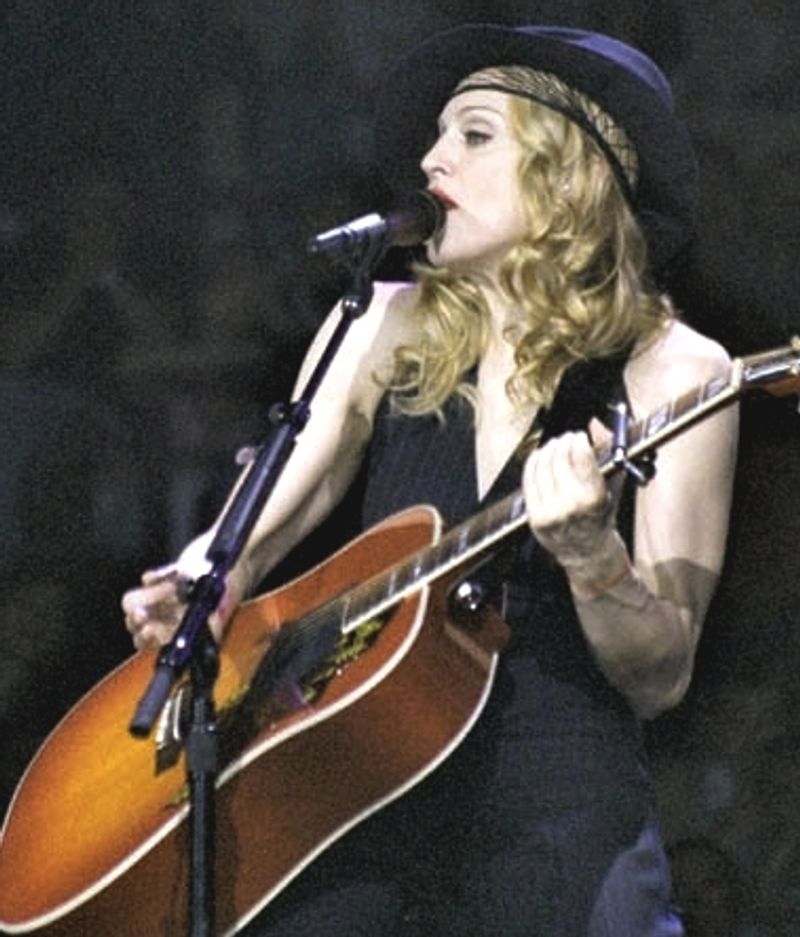
Madonna closed her Celebration Tour in May 2024 with a free concert on Copacabana Beach that Rio officials and major news outlets reported drew approximately 1.6 million attendees. It was confirmed as the biggest concert of her career in terms of audience size, a remarkable statement for an artist with four decades of live performance behind her.
The Celebration Tour itself was already a major cultural moment, revisiting Madonna’s catalog across arenas worldwide before landing on Copacabana for its finale. Choosing Rio for the closing night was a deliberate nod to the beach’s history as a venue for landmark concerts.
The production was reported to have cost millions and featured an extensive stage setup designed to be visible across the massive beachfront. For an artist who has spent her career redefining what a pop concert can be, ending the tour in front of 1.6 million people on one of the world’s most famous beaches was a fitting conclusion.
The Rolling Stones – Copacabana Beach, Rio de Janeiro, Brazil
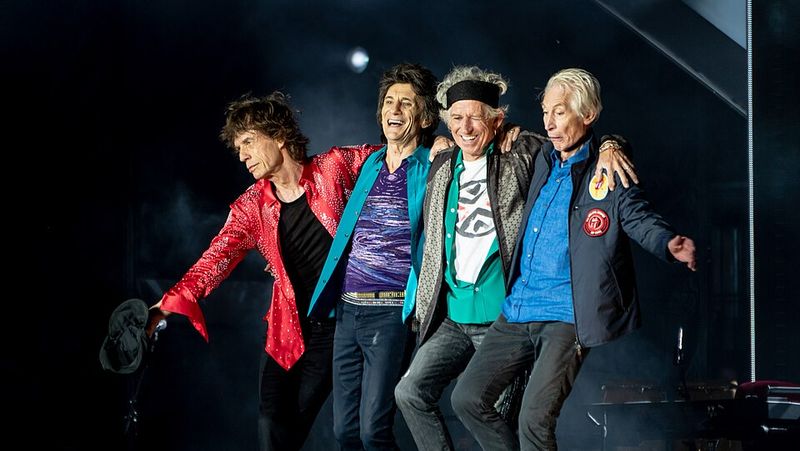
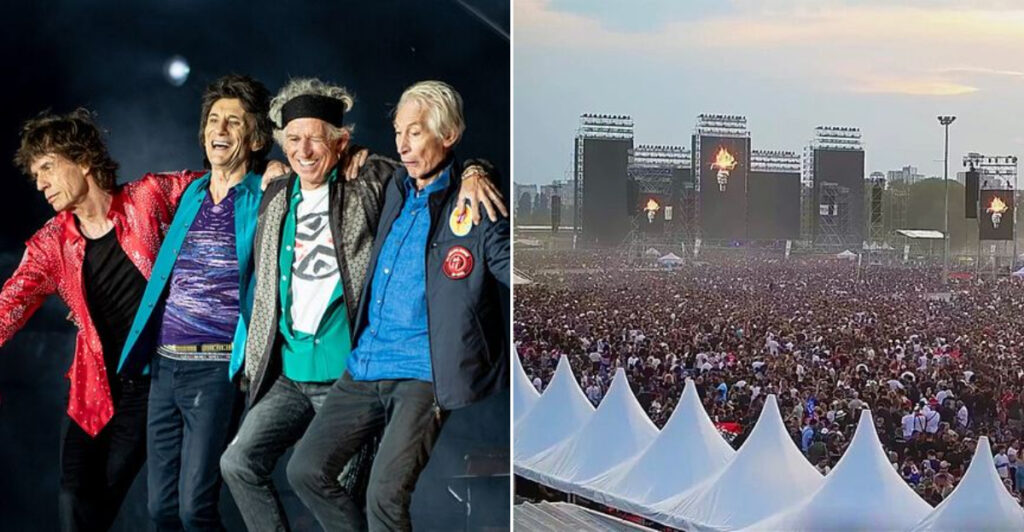
The Rolling Stones brought their A Bigger Bang tour to Copacabana Beach in February 2006 for a free concert that became one of the most discussed large-audience performances in rock history. Guinness World Records places the crowd at approximately 1.2 million, while other frequently cited estimates have pushed that figure closer to 1.5 million.
By 2006, the Stones were already rock legends with four decades of touring behind them, and the Copacabana show demonstrated that their global pulling power remained extraordinary. The free format removed any financial barrier, opening the concert to anyone who could make it to the beach.
The A Bigger Bang tour ran from 2005 to 2007 and became one of the highest-grossing concert tours in history at that point, and the Copacabana date stands as its most visually striking moment. A crowd stretching down one of the world’s most famous beaches for a Rolling Stones concert is an image that is hard to top.
Metallica – Monsters of Rock, Moscow, Russia
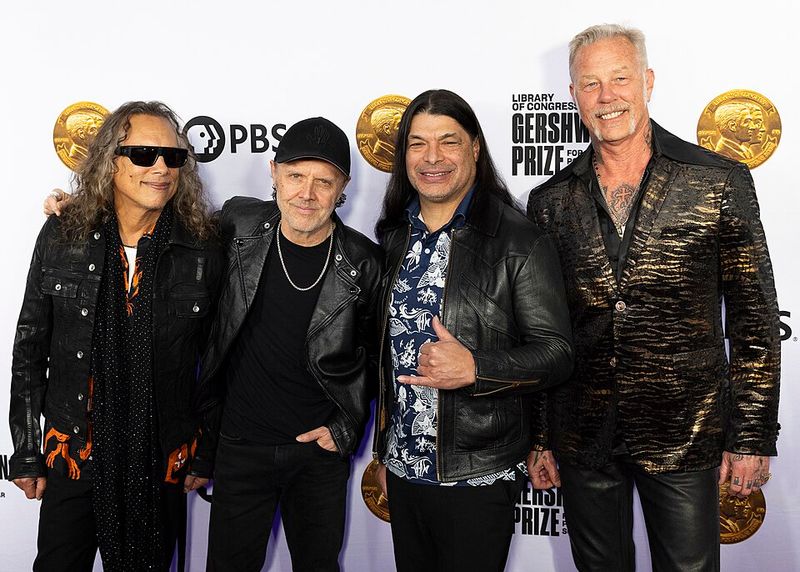
In September 1991, as the Soviet Union was in the final months of its existence, Metallica took the stage at the Monsters of Rock festival in Moscow and performed for a crowd that is frequently reported at around 1.6 million people. It was a multi-artist event, but Metallica’s set has become the performance most associated with that day in rock history.
The concert took place at Tushino Airfield and was one of the first major Western rock events held in Russia after decades of cultural restrictions. For many in the crowd, it was the first time they had ever seen a major international rock band perform live.
Metallica was at one of the peak moments of their commercial rise, with the Black Album released just weeks after the Moscow show. The timing made the performance even more significant, connecting a band about to become globally dominant with one of the largest concert crowds ever assembled for rock music.
Garth Brooks – Central Park, New York City, New York
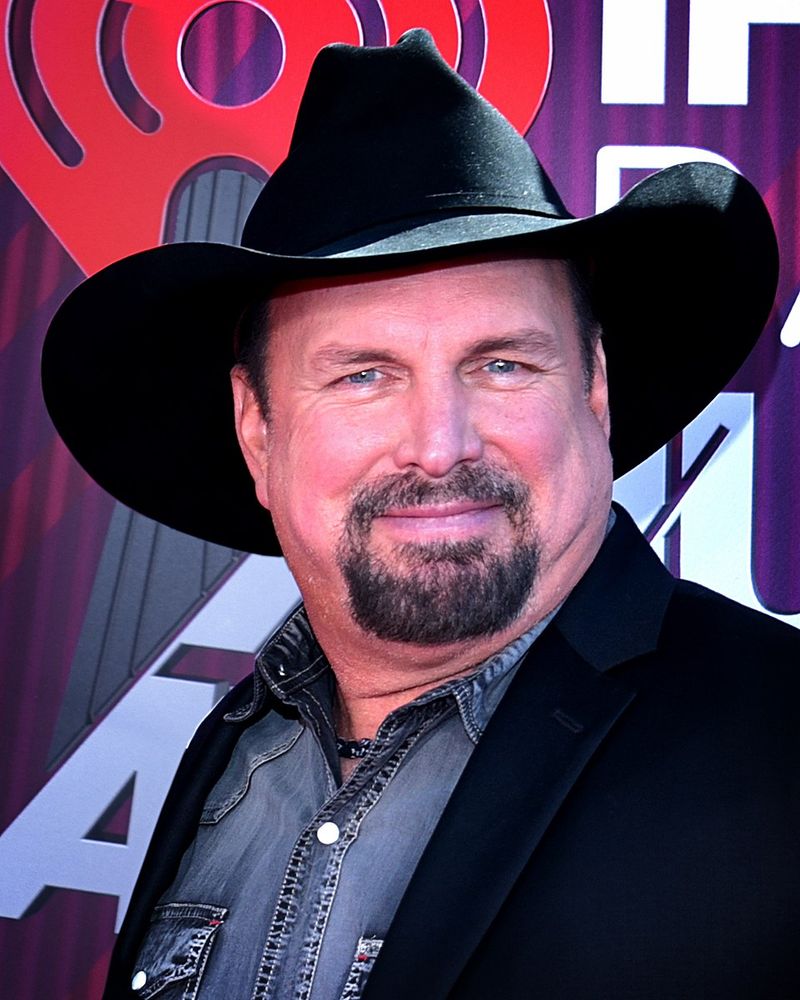
Central Park has seen a lot of famous concerts, but Garth Brooks’ 1997 free show set the attendance record for the venue that still stands. The New York City Fire Department estimated the crowd at 980,000 people, a figure cited on Brooks’ official site as the benchmark for that performance.
For a country artist to draw that kind of audience in New York City was itself a notable achievement, reflecting how dominant Brooks was in American music during the 1990s. At the time, he was selling albums at a pace that rivaled the biggest pop and rock acts in history.
The Central Park concert was broadcast and became one of the defining television music events of that decade. Brooks performed in the rain, which only added to the lore of the night.
The 980,000 figure surpassed the previous Central Park record held by Paul Simon, cementing Brooks as a live performer of rare cross-genre appeal.
Paul Simon – Central Park, New York City, New York
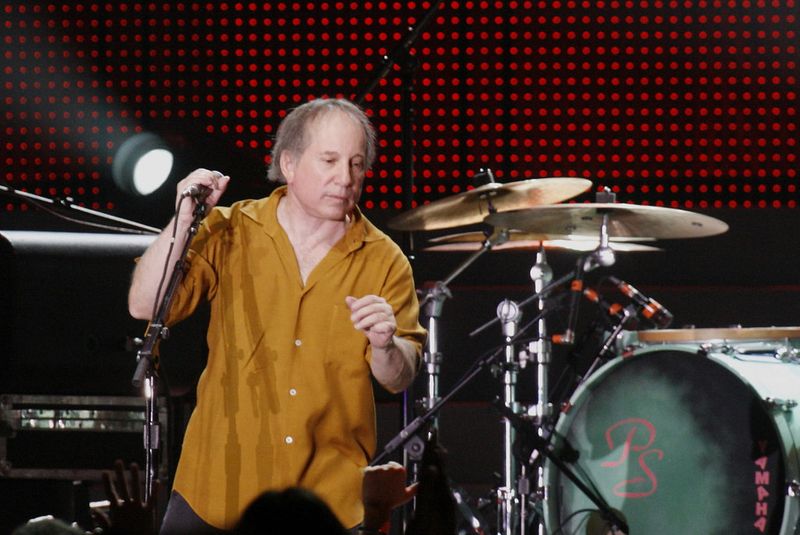
Before Garth Brooks set the Central Park record, Paul Simon held it. His 1991 free concert in the park drew an estimated 600,000 people, a figure that later coverage of Brooks’ 1997 show cited as the previous record for the venue.
Simon’s Central Park history actually goes back further than 1991. His 1981 reunion concert with Art Garfunkel in the park is one of the most celebrated outdoor concerts in American music history, drawing an estimated 500,000 people and later released as a live album and concert film.
The 1991 solo show built on that legacy, proving that Simon’s drawing power as a solo artist remained enormous even after the Simon and Garfunkel reunion had come and gone. Central Park gave him a venue that matched the scale of his reputation, and the 600,000-person crowd confirmed that New York considered him one of its own in the deepest sense.
Marko Perkovic Thompson – Zagreb Hippodrome, Zagreb, Croatia
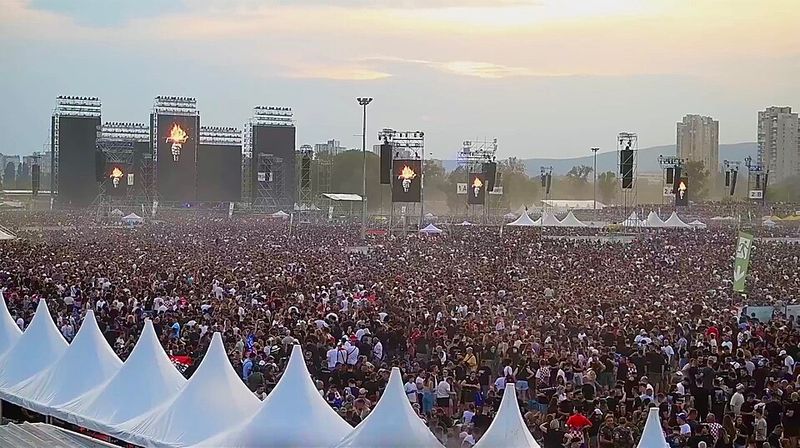
Few concerts in 2025 generated as much international attention as Marko Perkovic Thompson’s show at the Zagreb Hippodrome. AP reported around 450,000 expected attendees, while Croatian organizers and media cited figures above 500,000, making it one of the largest ticketed concert crowds ever assembled in Europe.
Thompson is one of Croatia’s most commercially successful musicians, with a fanbase that extends across the Croatian diaspora worldwide. The Zagreb Hippodrome concert was designed to be a landmark event, and by most measures it succeeded in that goal on a scale that surprised even experienced concert industry observers.
The event was also widely covered internationally because of political controversy surrounding the performer and certain symbolism associated with segments of his audience. Regardless of those debates, the raw attendance figures placed the show in a category shared by very few concerts in history.
The combination of scale and controversy made it one of the most discussed live events of the year.
Vasco Rossi – Modena Park, Modena, Italy
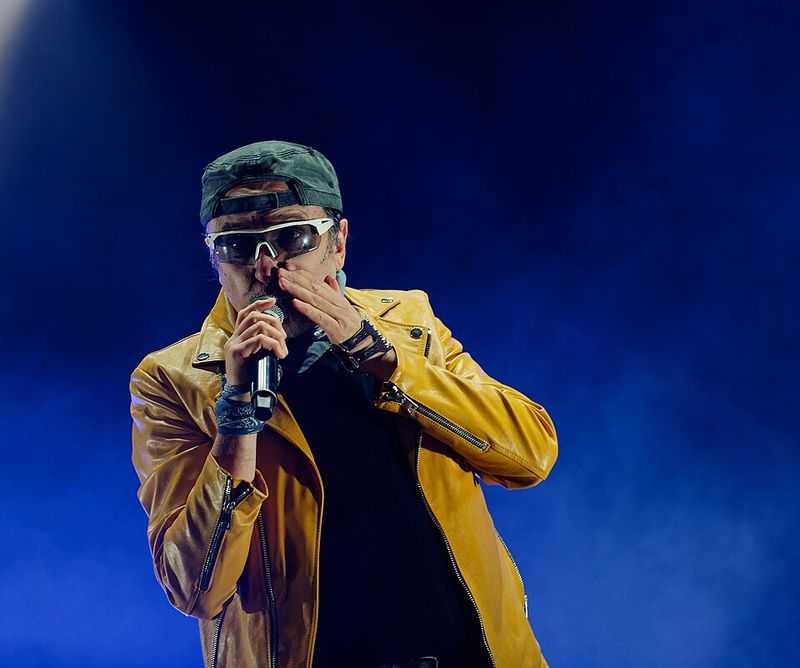
Vasco Rossi is one of Italy’s most enduring rock stars, and his 2017 Modena Park concert cemented his place in the global record books. The show sold 225,173 tickets, making it one of the most significant ticketed attendance records in live music history and the largest ticketed concert ever held in Italy.
Modena is Rossi’s hometown, which gave the concert an emotional weight beyond the record-breaking numbers. Performing for a home crowd of that size, in the city where he grew up, made the event feel like something more than a tour stop.
The production was built to match the scale of the audience, with a stage and screen setup designed for visibility across an enormous open-air space. Italian media treated the event as a national cultural moment, and the 225,173 figure has been widely cited in discussions of the largest ticketed concerts ever staged anywhere in the world.
For Rossi, it was a homecoming measured in a quarter million fans.
a-ha – Rock in Rio II, Rio de Janeiro, Brazil
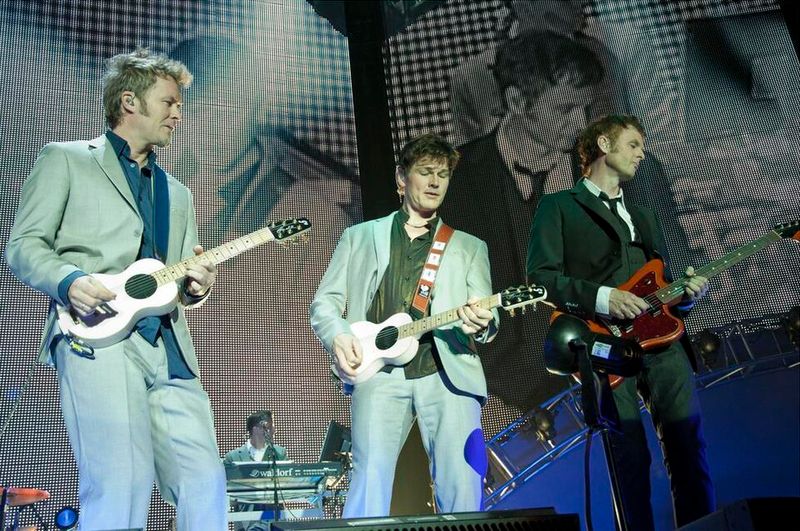
Norwegian synth-pop band a-ha drew 198,000 people at Rock in Rio II in 1991, a figure that Guinness World Records recognized as a record for paid attendance at a rock concert. For a band from Norway to hold that record is one of the more surprising details in live music history.
a-ha had already achieved worldwide fame through the 1985 hit Take On Me, but their popularity in Brazil and across Latin America was particularly intense during that era. Rock in Rio II gave them a stage that matched the scale of their South American fanbase.
Rock in Rio as a festival has always been known for drawing enormous crowds, but the 1991 a-ha figure stands out even within that context. The paid attendance distinction is important because it separates this record from the free beach shows that dominate the top of the all-time list.
Paying for a ticket to see 198,000 other people do the same thing is a different kind of achievement entirely.
Paul McCartney – Maracanã Stadium, Rio de Janeiro, Brazil
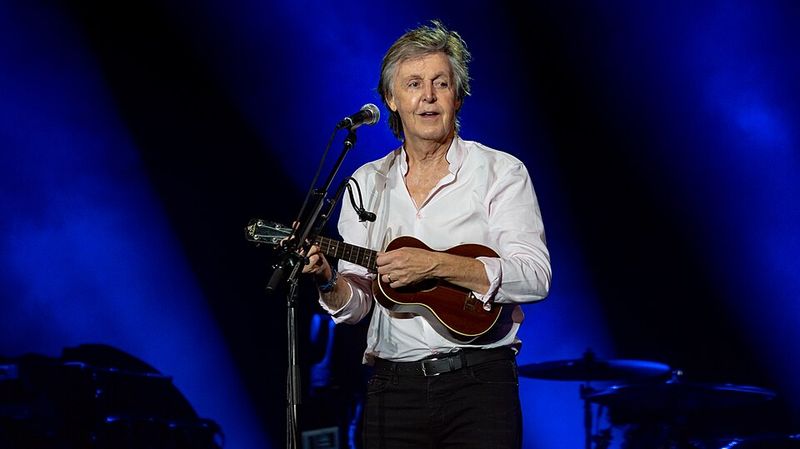
Paul McCartney’s 1990 concert at Maracanã Stadium in Rio de Janeiro set what his official timeline describes as the record for the largest paying stadium audience in history at the time. The crowd of 184,000 fans filled one of the world’s most famous sports venues to a level that had never been reached before for a ticketed concert.
McCartney was on his Paul McCartney World Tour, which ran from 1989 to 1990 and was one of the largest tours of that era. The Maracanã date became its defining moment, not just for the record but for the scale of the production McCartney brought to a venue already associated with legendary sporting events.
Maracanã had hosted the 1950 FIFA World Cup final and was considered one of the great stadiums in the world before McCartney filled it beyond any previous concert capacity. The combination of venue, artist, and record-setting crowd made the 1990 Rio show one of the most referenced concerts in live music history.
Tina Turner – Maracanã Stadium, Rio de Janeiro, Brazil
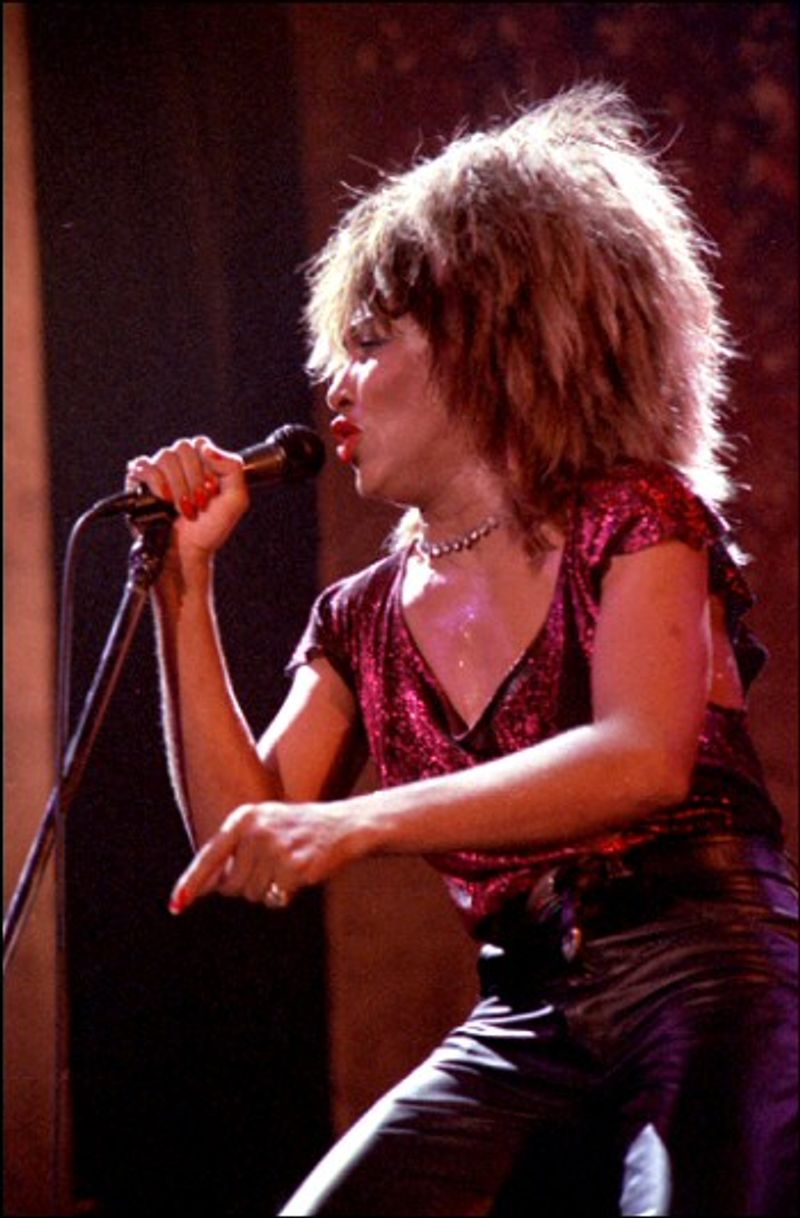
Two years before Paul McCartney set his stadium record at Maracanã, Tina Turner performed there for 180,000 fans in 1988. Guinness World Records lists the concert as the highest attendance at a ticketed concert by a female artist, a record that remained in the books for decades.
Turner’s 1987 to 1988 Break Every Rule Tour was one of the most successful tours of that era, and the Maracanã date was its most celebrated stop. Brazil’s passion for Turner as a performer was evident in the scale of the crowd that showed up to see her.
The Maracanã record for a female artist is a meaningful distinction because it was set during a period when women headlining at that scale was far less common than it is today. Turner’s ability to fill the world’s most famous soccer stadium beyond any previous concert capacity reflected both her commercial dominance and the particular intensity of her South American fanbase during that period of her career.
Frank Sinatra – Maracanã Stadium, Rio de Janeiro, Brazil
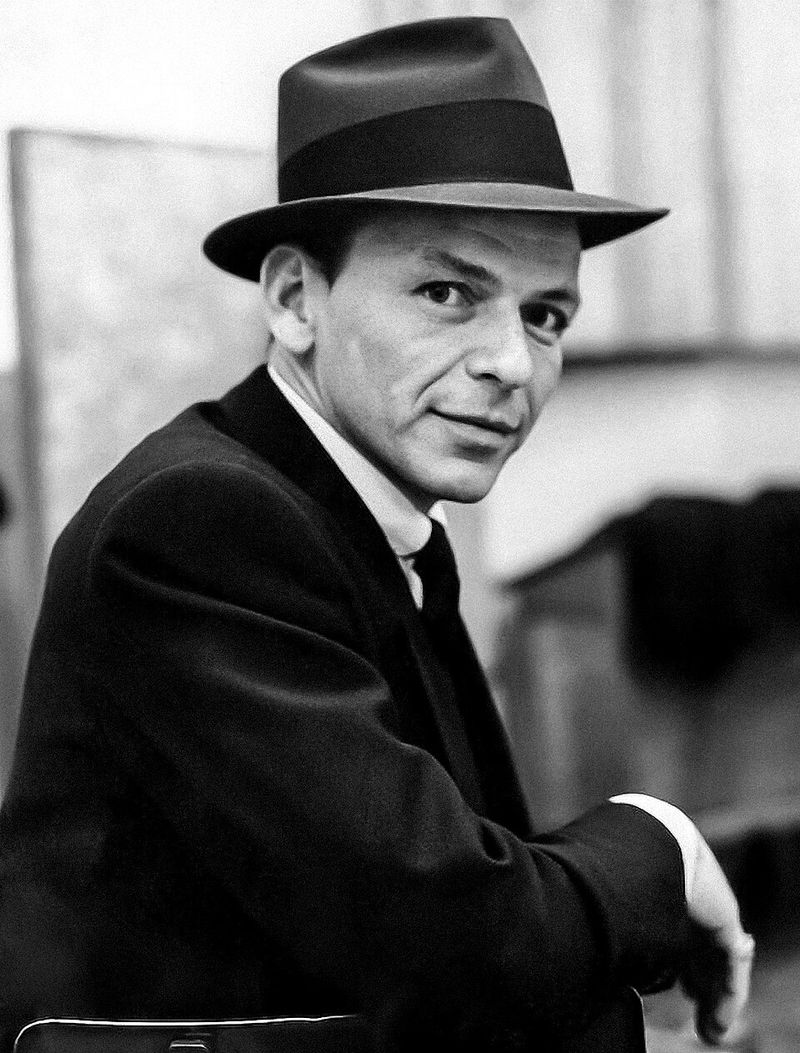
Frank Sinatra performed at Maracanã Stadium in 1980 before approximately 175,000 people, setting what was at the time a record for concert attendance at the venue. Guinness later cited Tina Turner’s 1988 show at the same stadium as breaking Sinatra’s previous mark, placing both performances in the same historical conversation.
Sinatra at Maracanã is a remarkable image to sit with. A jazz and pop vocalist most associated with Las Vegas showrooms and intimate suites filling a football stadium built for 200,000 people is not a combination that would seem obvious on paper, yet Brazil’s love for Sinatra was genuine and enormous.
The 1980 Rio concert came during a period when Sinatra was still touring actively despite being in his mid-60s. His South American fanbase had always been devoted, and the Maracanã show reflected that devotion in the most quantifiable way possible.
The fact that his record at that venue held for eight years before Turner surpassed it speaks to how extraordinary the original figure was.
George Strait – Kyle Field, College Station, Texas
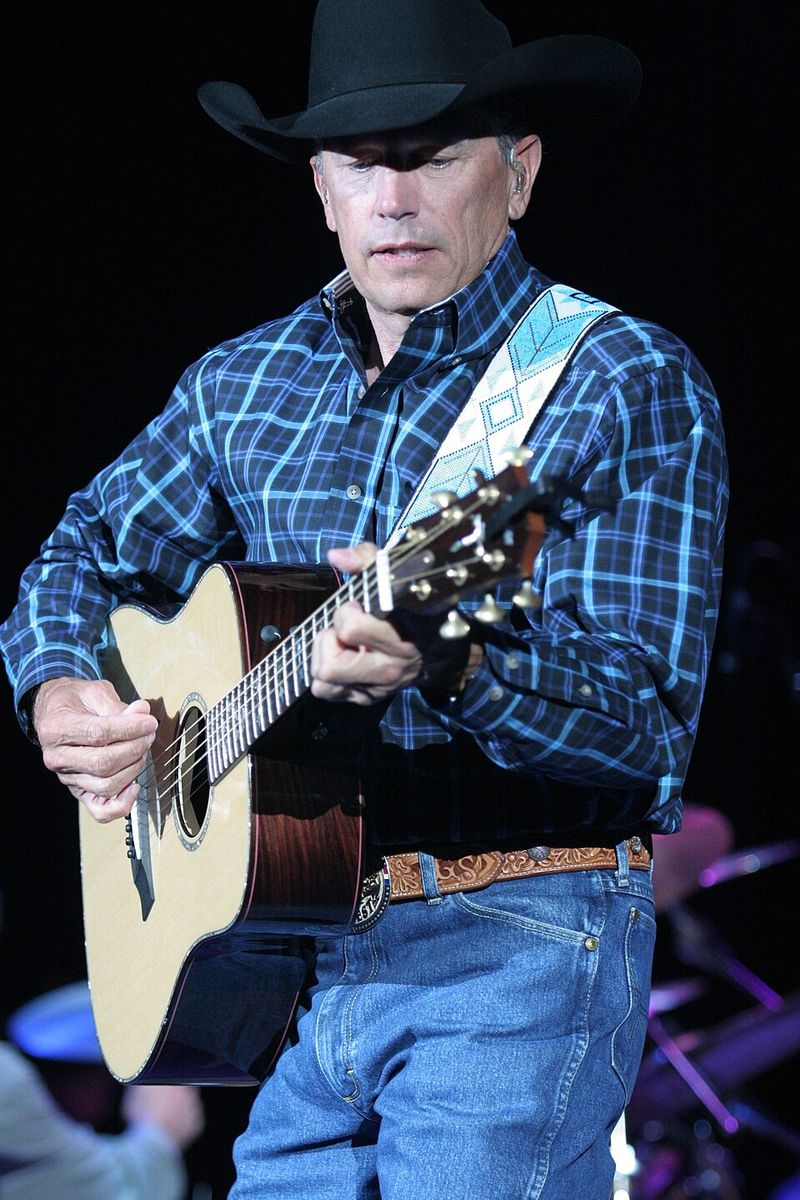
George Strait set a modern U.S. ticketed concert record in 2024 at Kyle Field, the football stadium at Texas A&M University in College Station. The official attendance figure of 110,905 fans surpassed the Grateful Dead’s long-standing U.S. ticketed concert record from 1977, making it a genuinely historic night for American live music.
Kyle Field is one of the largest stadiums in the United States, with a capacity built for massive college football crowds, so it was a fitting location for a record-breaking concert. Strait is a Texas native, and performing in his home state for that kind of audience carried obvious meaning beyond the numbers.
The 2024 show was part of Strait’s return to large-scale touring after years of more selective performances, and the Kyle Field date quickly became one of the most talked-about concerts of the year. Breaking a record that had stood since 1977 in a stadium full of country music fans is exactly the kind of moment that defines a career in its final chapters.
Share this story