Asia is filled with destinations that combine breathtaking scenery with a strong reputation for safety, excellent infrastructure, and welcoming hospitality. Whether you’re traveling solo, planning a family vacation, or considering a longer stay as an expat, these cities and regions consistently stand out for offering memorable experiences with a reassuring sense of security.
The list draws on international safety rankings, traveler experiences, and quality-of-life indicators. Pack your bags and get ready to explore with confidence.
Tokyo, Japan
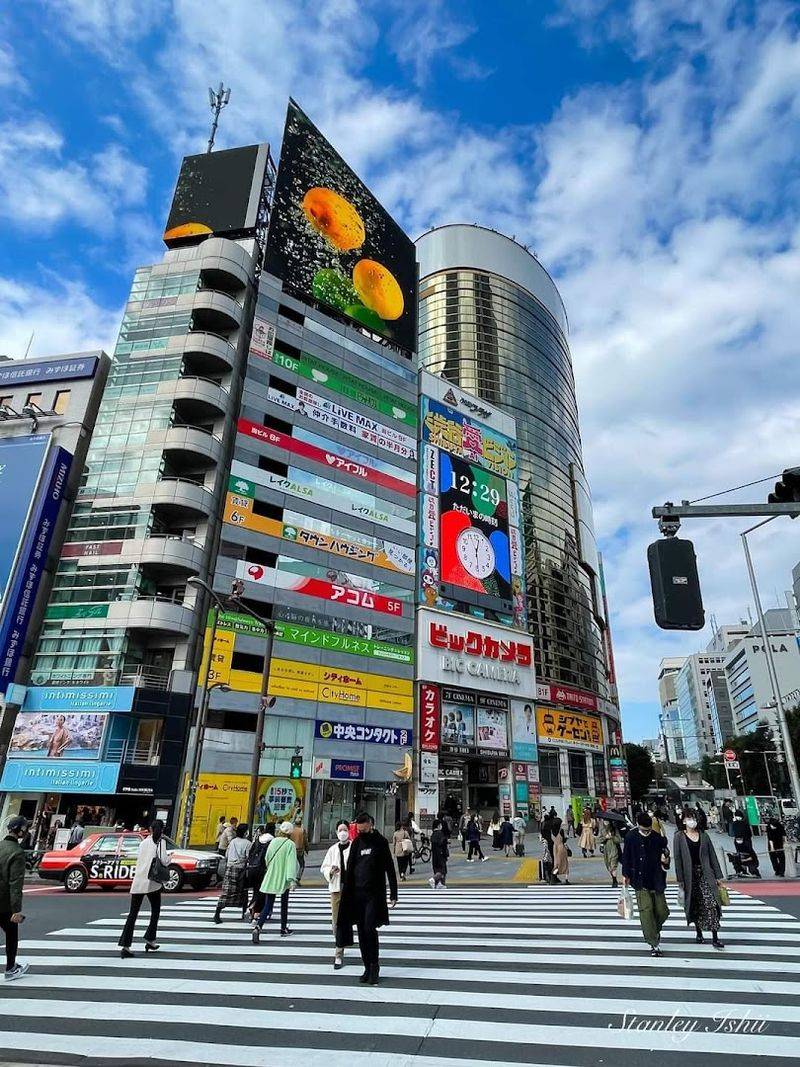
Stepping off the train in Tokyo for the first time, most visitors are stunned by one simple fact: it is one of the largest cities on Earth, yet it feels incredibly orderly and calm. Lost wallets are regularly turned in to police stations.
Streets are swept daily, and locals go out of their way to help confused tourists.
Getting around is genuinely straightforward. Tokyo’s subway system is punctual to the minute, signs are in English, and taxis are metered and trustworthy.
Solo travelers, families, and older visitors all report feeling comfortable navigating the city at any hour.
Beyond safety, Tokyo rewards curious minds with endless variety. World-class sushi bars sit beside quirky themed cafes, ancient shrines hide between glass towers, and neighborhoods like Yanaka preserve the feel of old Japan.
Cherry blossom season in spring and autumn foliage in fall make timing your trip even more exciting. Budget travelers and luxury seekers alike find their fit here.
Kyoto, Japan
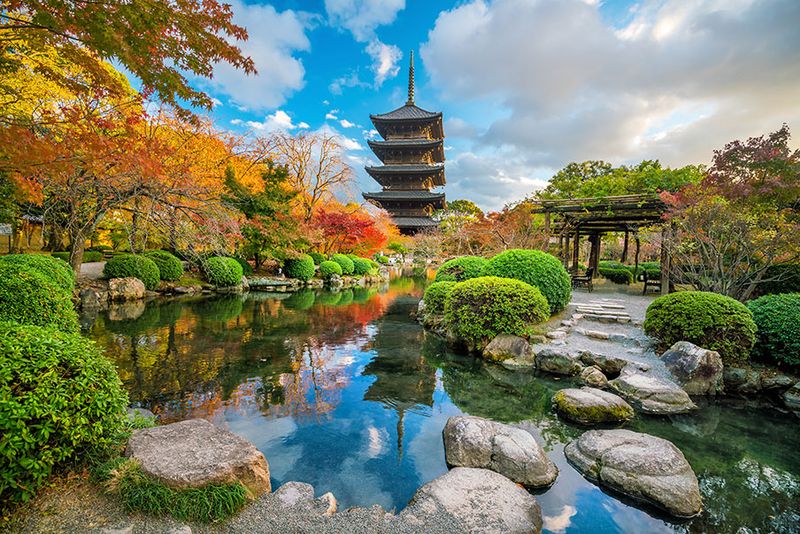
Kyoto moves at a pace that feels almost deliberate, as if the city itself is reminding you to slow down and pay attention. Ancient wooden temples, moss-covered stone lanterns, and the rustle of bamboo groves create an atmosphere unlike anywhere else in Asia.
Visitors often describe wandering its streets as feeling like stepping into a living museum.
Safety here is simply not something most travelers worry about. Crime rates are very low, neighborhoods are walkable, and locals are patient and courteous even when language barriers exist.
Solo female travelers consistently rank Kyoto among their most comfortable experiences in Asia.
Practical tips make the trip even smoother. IC cards like Suica or Icoca work on buses and trains throughout the city.
Renting a bicycle is a popular and affordable way to reach quieter temples outside the main tourist zones. Visiting Fushimi Inari early in the morning lets you enjoy thousands of torii gates without the midday crowds.
Kyoto rewards those who plan a little and wander a lot.
Singapore
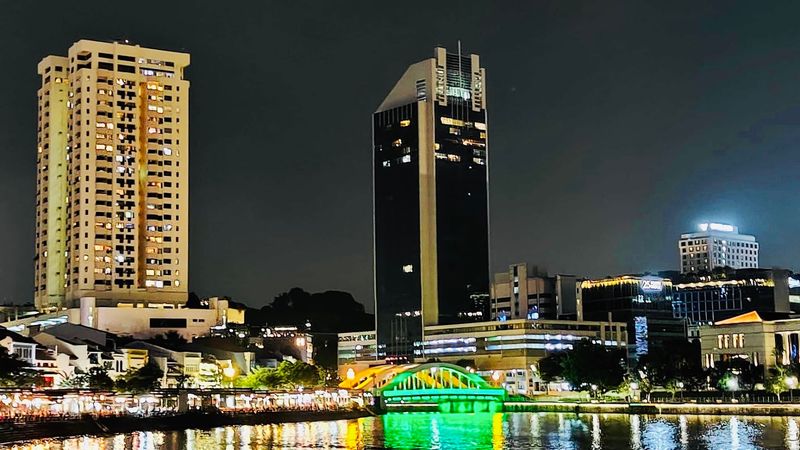
Singapore is the kind of city that makes other cities look a little disorganized. Everything runs on time, signage is clear in multiple languages, and the public transportation network connects you to virtually any corner of the island with ease.
First-time visitors are often shocked by how stress-free the whole experience feels.
The city-state consistently tops global safety rankings, and that reputation is well earned. Violent crime is rare, streets are clean enough to eat off, and the healthcare system is among the best in the world.
Families traveling with young children or elderly parents often choose Singapore specifically for that dependable sense of comfort.
Beyond logistics, Singapore delivers a genuinely exciting travel experience. Hawker centers offer some of the most flavorful and affordable food in Southeast Asia, from laksa to chicken rice to roti prata.
Neighborhoods like Chinatown, Little India, and Kampong Glam each carry their own distinct cultural flavor. Nature lovers can explore the rainforest trails of Bukit Timah or stroll through the futuristic Supertree Grove.
Singapore proves that safe and exciting are not opposites.
Taipei, Taiwan
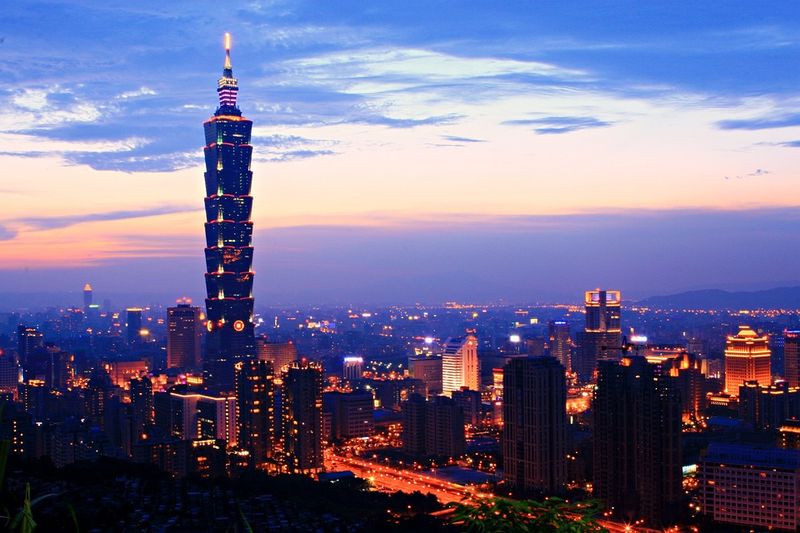
Taipei has a way of winning people over before they even realize it is happening. The food is extraordinary, the locals are famously friendly, and the city manages to feel both energetic and completely manageable at the same time.
It is the kind of place where a stranger will walk you to your destination rather than just point you in the right direction.
Taiwan consistently scores well on global safety indexes, and Taipei reflects that across every neighborhood. The MRT metro system is clean, efficient, and easy to use even without any Mandarin knowledge.
Night markets like Shilin and Raohe are lively but relaxed environments where solo travelers and families feel equally at home.
Affordability adds another layer of appeal. Excellent meals cost just a few dollars, hostels and mid-range hotels offer great value, and many of the city’s best attractions are free or very cheap.
Day trips to Jiufen’s hillside tea houses, Yehliu’s strange rock formations, or the hot spring town of Beitou are all easy from central Taipei. Taiwan’s healthcare system is also widely praised, which matters for longer stays.
Seoul, South Korea
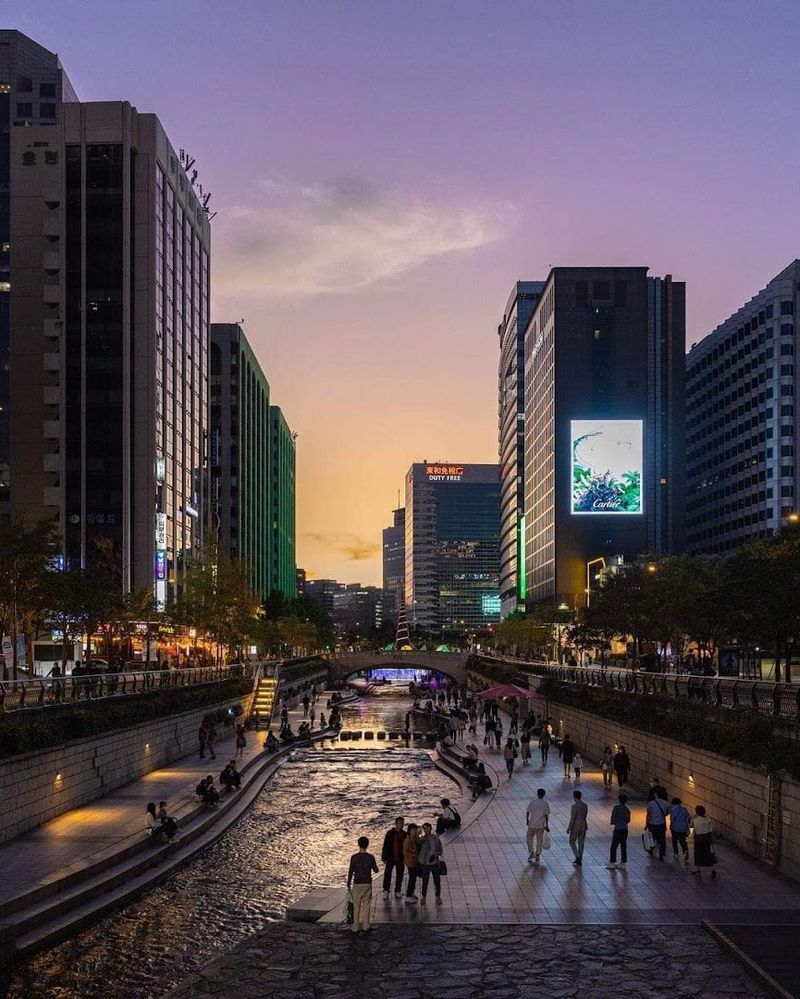
Seoul is the city that somehow manages to be ancient and futuristic at the exact same time. Royal palaces sit a short walk from K-beauty flagship stores, and street food vendors set up outside centuries-old city walls.
Visitors who expect one version of Seoul almost always leave impressed by the other version they did not expect.
Personal safety in Seoul is excellent. The city has very low rates of violent crime, and a culture of collective responsibility means locals are genuinely attentive to those around them.
Women traveling alone frequently highlight Seoul as one of the most comfortable major cities they have visited anywhere in the world.
Practical travel here is refreshingly simple. T-money cards work across the subway, buses, and even some taxis, making daily movement easy and affordable.
Neighborhoods like Insadong offer traditional crafts and tea houses, while Hongdae buzzes with live music and street performers every weekend. Korean food deserves its own conversation entirely.
From bibimbap to Korean barbecue to tteokbokki, every meal feels like an event. Seoul rewards both the planner and the spontaneous wanderer equally well.
Hong Kong, China
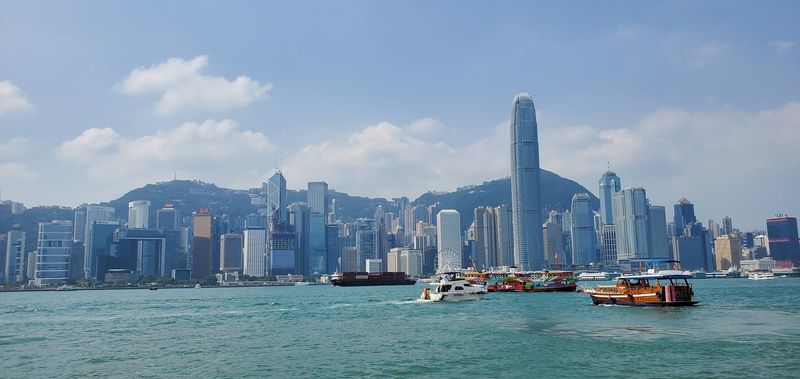
Few cities pack as much variety into such a compact space as Hong Kong. Within a single day, you can ride a century-old tram through dense urban streets, hike a trail with sweeping harbor views, and end the evening at a rooftop bar overlooking one of the world’s most dramatic skylines.
The city is relentlessly entertaining.
Personal safety remains a strong point. Hong Kong maintains a well-functioning legal system, a professional police force, and public spaces that feel orderly even during peak tourist hours.
The MTR subway system is one of the most reliable and efficient in the world, making independent travel accessible for virtually any age group.
Street-level exploration is one of Hong Kong’s great pleasures. Wandering through the narrow lanes of Sham Shui Po, browsing jade markets in Yau Ma Tei, or taking the Star Ferry across Victoria Harbour costs almost nothing.
Dim sum culture here is serious and spectacular. Lantau Island offers a quieter side of Hong Kong, with the giant Tian Tan Buddha and peaceful Tai O fishing village within easy reach.
Hong Kong rewards those who look beyond the tourist trail.
Chiang Mai, Thailand
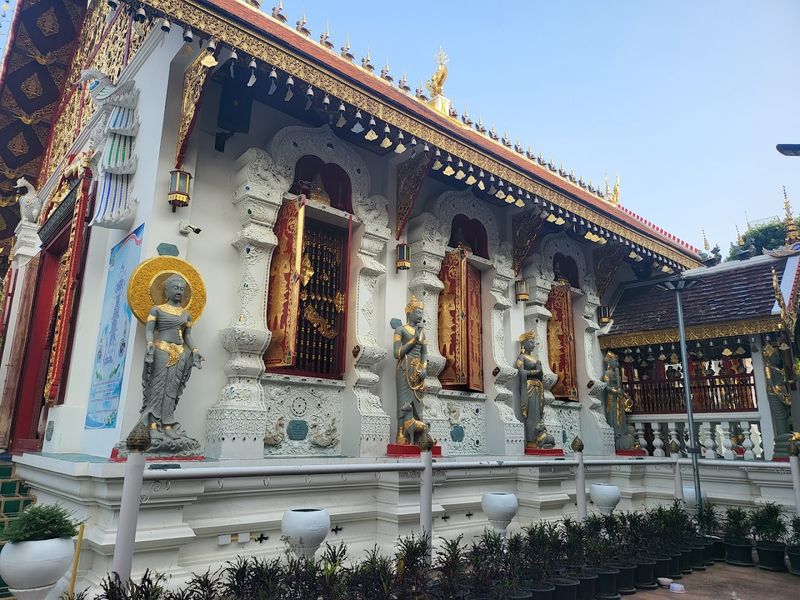
Chiang Mai has earned its reputation as one of Southeast Asia’s most livable cities, and travelers tend to agree the moment they arrive. The old city is compact and walkable, surrounded by a moat and dotted with over 300 temples.
The pace is noticeably slower than Bangkok, which is exactly the point for many visitors.
The city draws solo travelers, families, retirees, and digital nomads in equal numbers, all drawn by a combination of affordability, natural beauty, and a generally welcoming atmosphere. Street harassment is far less common here than in many other tourist-heavy destinations, and locals are known for their patience and warmth toward visitors.
Northern Thai cuisine alone is worth the trip. Dishes like khao soi, a rich coconut curry noodle soup, and sai ua, a fragrant grilled sausage, are unique to this region and genuinely delicious.
Day trips into the surrounding mountains reveal hilltribe villages, elephant sanctuaries focused on ethical care, and jungle waterfalls. The Sunday Walking Street market along Wualai Road is a fantastic evening activity.
Chiang Mai is the kind of place where a three-day trip easily becomes three weeks.
Luang Prabang, Laos
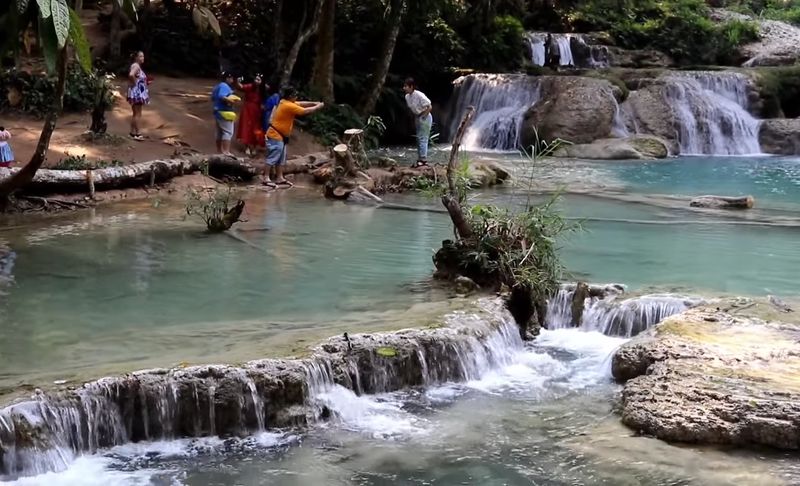
There is a quiet magic to Luang Prabang that is genuinely difficult to describe without sounding like a travel brochure, but here goes: it is the only place where watching monks collect alms at sunrise actually makes you want to wake up before dawn. The city sits at the confluence of the Mekong and Nam Khan rivers, and its UNESCO World Heritage status feels completely justified.
Safety in Luang Prabang is generally very good by regional standards. Petty theft exists, as it does anywhere, but violent crime toward tourists is extremely rare.
The compact size of the town means most travelers feel comfortable walking everywhere, day or night.
The rhythm of life here is genuinely restorative. Mornings begin with the alms-giving ceremony.
Afternoons are best spent cycling to Kuang Si Falls, where turquoise tiered pools invite a refreshing swim. Evenings call for a slow stroll along the Mekong waterfront, ending at a riverside restaurant with cold Beer Lao and a plate of laap.
The night market sells handwoven textiles and local crafts at fair prices. Luang Prabang is small, peaceful, and quietly unforgettable.
Muscat, Oman
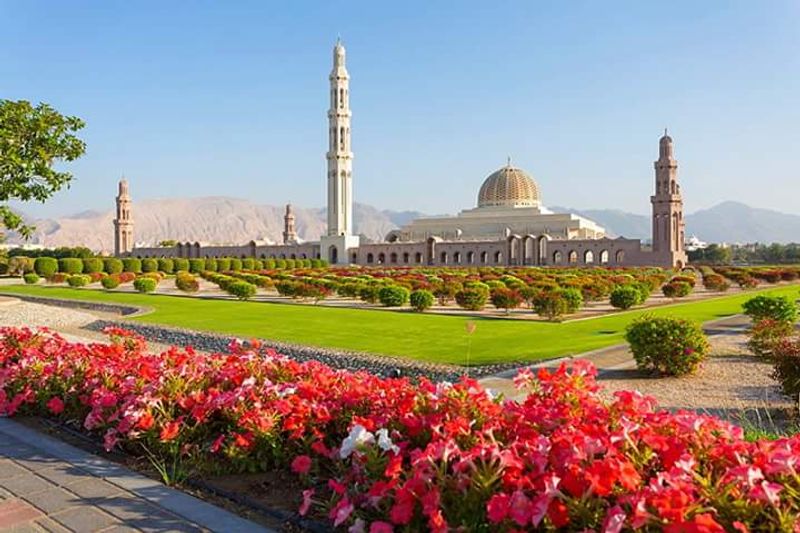
Oman often gets overshadowed by its flashier Gulf neighbors, but travelers who make the trip to Muscat tend to come back with a very different impression. The city is clean, calm, and genuinely hospitable in a way that feels unforced.
Locals greet visitors with warmth, and the culture of respect extends to how tourists are treated throughout the city.
Muscat ranks among the safest capitals in the entire Middle East. Crime rates are remarkably low, and the government places strong emphasis on maintaining order and hospitality.
Solo female travelers, in particular, often highlight Oman as one of the most respectful and comfortable destinations they have visited in the region.
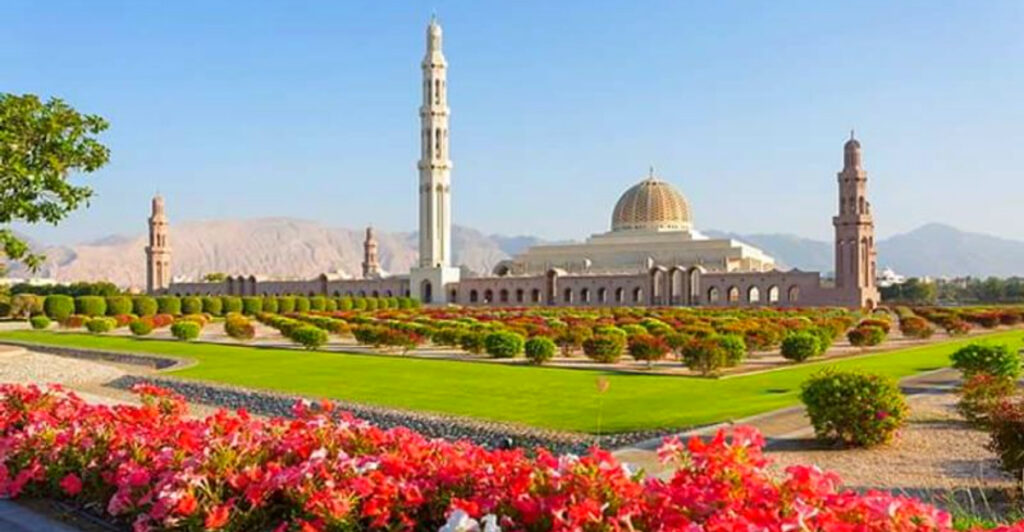
The city itself offers more variety than first-time visitors expect. The Sultan Qaboos Grand Mosque is architecturally breathtaking and open to non-Muslim visitors during morning hours.
The Mutrah Souq is a labyrinth of frankincense, silver jewelry, and spices that rewards patient browsing. Nearby wadis, dramatic mountain roads, and coastal dolphin-watching trips make excellent day excursions.
Omani cuisine, featuring slow-cooked shuwa lamb and sweet halwa dessert, is deeply satisfying. Muscat is an underrated gem.
Abu Dhabi, United Arab Emirates
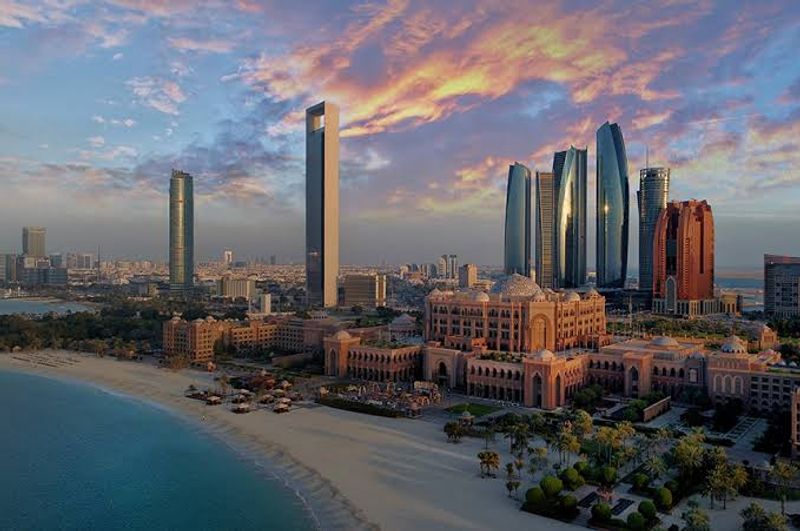
Abu Dhabi holds the distinction of being one of the safest cities on the planet, and that is not marketing spin. Multiple global safety indexes place it consistently in the top tier, and daily life in the city reflects that reality.
Streets are immaculate, infrastructure is world-class, and the rule of law is taken seriously at every level.
For travelers, this translates into a remarkably stress-free experience. Public transport is clean and expanding, taxis are metered and reliable, and tourist areas are well-managed.
Families with children particularly appreciate the city’s organized attractions, from the Louvre Abu Dhabi to Ferrari World on Yas Island.
The Sheikh Zayed Grand Mosque is genuinely one of the most awe-inspiring buildings in the world, and visiting it is free. The Corniche waterfront stretches for several kilometers and is perfect for an evening walk.
Abu Dhabi’s food scene has grown dramatically in recent years, with everything from Emirati machboos to Japanese omakase available within a short drive. Day trips to the dunes of the Empty Quarter offer a completely different experience.
Abu Dhabi is equal parts modern spectacle and desert soul.
Doha, Qatar
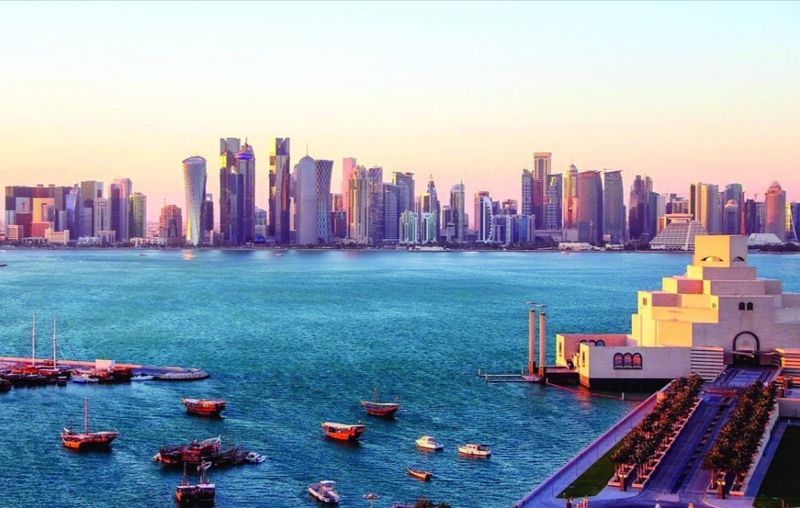
Qatar’s capital transformed itself at remarkable speed, and the result is a city that blends gleaming modern architecture with genuine cultural depth. The Museum of Islamic Art alone justifies a visit, housing one of the finest collections of Islamic artifacts in the world inside a building designed by the legendary I.M.
Pei. Doha is not just a stopover; it is a destination in its own right.
Safety here is among the highest in the region. Qatar maintains very low crime rates, and tourists consistently report feeling secure throughout the city, including in the evenings.
The public transport network, including the Doha Metro, is modern, air-conditioned, and easy to navigate with English signage throughout.
Souq Waqif is the heart of Doha’s cultural experience, offering everything from aromatic spices and falconry supplies to rooftop restaurants and live traditional music. The Pearl-Qatar artificial island is a fascinating contrast, lined with luxury boutiques and Mediterranean-style marinas.
Doha’s food culture is genuinely diverse, reflecting its large expatriate population alongside authentic Qatari dishes like harees and balaleet. Winters between November and March offer pleasant temperatures ideal for outdoor exploration.
Doha keeps surprising visitors who expected less.
Ubud, Bali, Indonesia
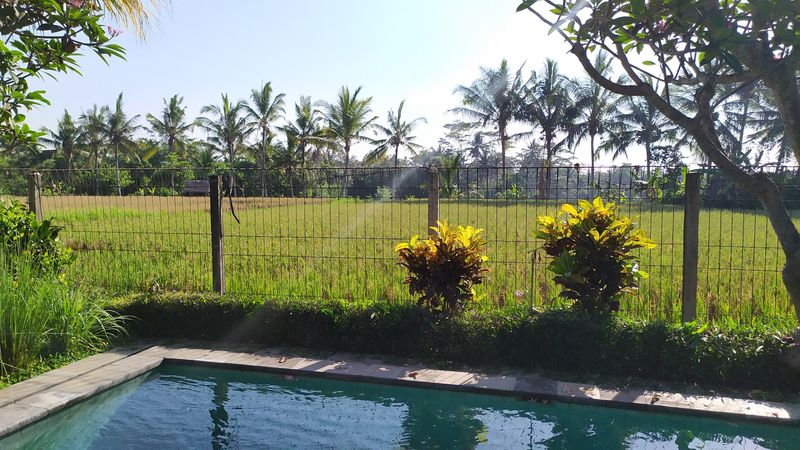
Ubud has a reputation for being spiritual, and honestly, after a few days surrounded by rice terraces, monkey forests, and the sound of gamelan music drifting from nearby temples, that reputation starts to make complete sense. Bali’s cultural heartland sits inland from the coast, which gives it a cooler, greener, and more contemplative character than the beach towns to the south.
While Bali as a whole requires the usual travel awareness, Ubud specifically is widely regarded as one of the island’s calmer and more traveler-friendly areas. Scooter traffic is the main thing to watch, but pedestrian areas around the central market and Monkey Forest Road are generally comfortable for walking.
Wellness is a genuine draw here, not just a marketing buzzword. Yoga studios, sound healing sessions, Balinese massage, and Ayurvedic treatments are available at every price point.
The Tegalalang rice terraces offer stunning photography opportunities and a reminder of how agriculture has shaped the landscape for centuries. Cooking classes, silversmithing workshops, and wood-carving lessons give visitors hands-on connections to local craft traditions.
Ubud is the kind of place where a planned two-night stay quietly stretches into a week.
Penang (George Town), Malaysia
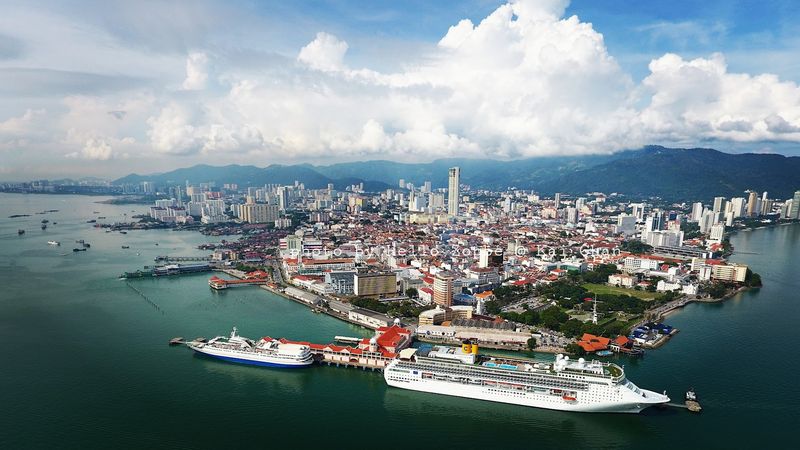
George Town is the kind of place where you turn a corner and find a UNESCO-listed heritage building covered in whimsical street art, right next to a hawker stall serving the best char kway teow you have ever eaten. Penang’s capital city is a sensory experience from the moment you arrive, and it keeps delivering surprises for as long as you stay.
Malaysia overall ranks well for tourist safety, and George Town benefits from a relatively low crime environment combined with a well-established tourism infrastructure. The compact heritage zone is highly walkable, and trishaws, e-bikes, and Grab rides make getting around easy and affordable.
Food is the city’s true superpower. Penang is consistently ranked among the best street food destinations in the world, with dishes like asam laksa, cendol, nasi kandar, and prawn mee drawing food lovers from across the globe.
The multicultural mix of Malay, Chinese, and Indian influences means every street offers something different. Street art by Lithuanian artist Ernest Zacharevic put George Town on the global tourism map, and the murals remain charming and photogenic.
Penang Hill offers a cool retreat and panoramic views over the city below.
Thimphu, Bhutan
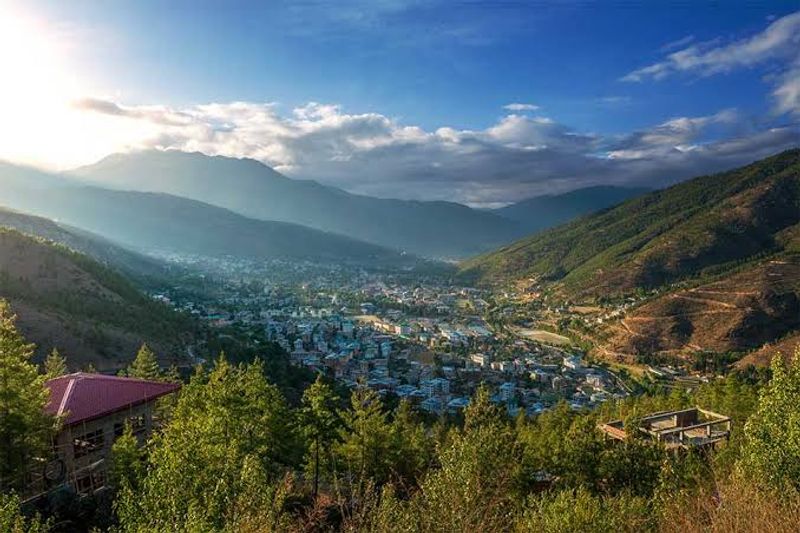
Bhutan measures national success in Gross National Happiness rather than GDP, and a visit to Thimphu gives you a real sense of what that philosophy looks like in practice. The capital city is small, unhurried, and surrounded by forested hills that make it feel more like a large mountain town than a national capital.
Traffic lights were removed because locals preferred a traffic officer at the main intersection, which tells you something about the culture here.
Bhutan’s controlled tourism model, which requires visitors to book through licensed operators and pay a daily Sustainable Development Fee, keeps visitor numbers manageable and ensures that tourist sites are never overwhelmed. This approach also contributes significantly to the calm and orderly atmosphere that defines the travel experience.
Thimphu’s Tashichho Dzong is a stunning example of traditional Bhutanese architecture, housing government offices and monastic quarters within whitewashed fortress walls. The weekend market along the Wang Chhu river is a lively gathering of farmers and artisans from surrounding valleys.
Local cuisine features hearty dishes like ema datshi, a fiery chili and cheese stew that is the national comfort food. Bhutan is not cheap, but the experience of visiting is genuinely unlike anywhere else in Asia.
Samarkand, Uzbekistan
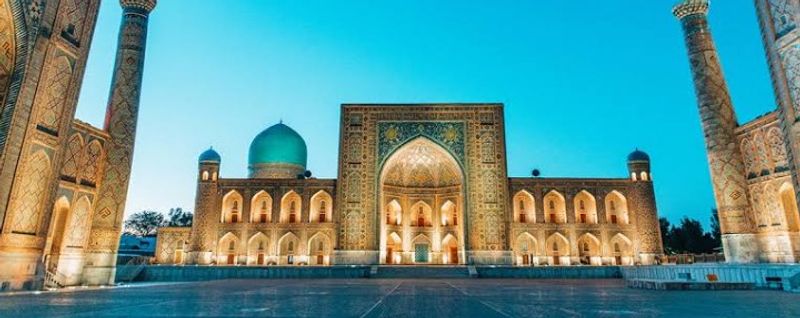
Samarkand sounds like it belongs in a fairy tale, and walking into Registan Square for the first time, you might actually feel like you have stumbled into one. Three enormous madrasas, covered in shimmering blue and turquoise tilework, face each other across a vast courtyard that has been at the center of this Silk Road city for centuries.
It is one of the most jaw-dropping public spaces in all of Asia.
Uzbekistan has made significant efforts to improve its tourism infrastructure over the past decade, and Samarkand benefits greatly from those investments. New hotels, better signage, English-speaking guides, and improved transport links have made the city far more accessible to independent travelers than it was just a few years ago.
Crime against tourists is low, and locals are known for extraordinary hospitality. Being invited into a family home for tea and bread is not an unusual experience here.
The Shah-i-Zinda necropolis, a corridor of brilliantly tiled mausoleums, is hauntingly beautiful and often less crowded than Registan. Plov, the national rice dish cooked with lamb and carrots, is eaten communally and enthusiastically.
Samarkand is history you can actually touch, taste, and walk through.
Tashkent, Uzbekistan
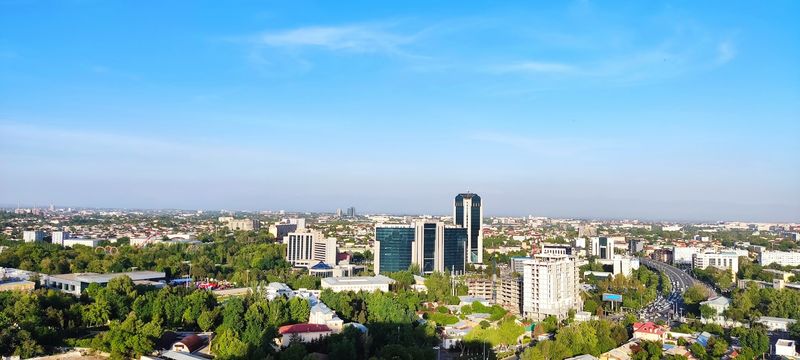
Tashkent is Central Asia’s largest city, and it carries that title with a surprising amount of grace. Wide Soviet-era boulevards lined with shady trees meet gleaming new metro stations decorated with chandeliers and marble.
The city is a genuine architectural curiosity, and exploring it feels like reading several chapters of history at the same time.
Uzbekistan’s capital has developed a solid reputation among travelers for being safe, organized, and welcoming. Violent crime is rare, the police presence is professional, and the improving tourism infrastructure means navigating the city has become considerably easier in recent years.
The metro system is efficient, affordable, and worth riding just to admire the extraordinary station designs.
Chorsu Bazaar is Tashkent’s beating heart, a domed market overflowing with spices, dried fruits, hand-painted ceramics, and fresh produce. Eating your way through the stalls is a perfectly legitimate afternoon activity.
The Amir Timur Museum and the State Museum of History of Uzbekistan offer excellent context for understanding the country’s remarkable past. Evening strolls through Amir Timur Square are popular with locals and visitors alike.
Tashkent rewards travelers who arrive with curiosity and leave with a much broader sense of what Central Asia actually is.
Hoi An, Vietnam
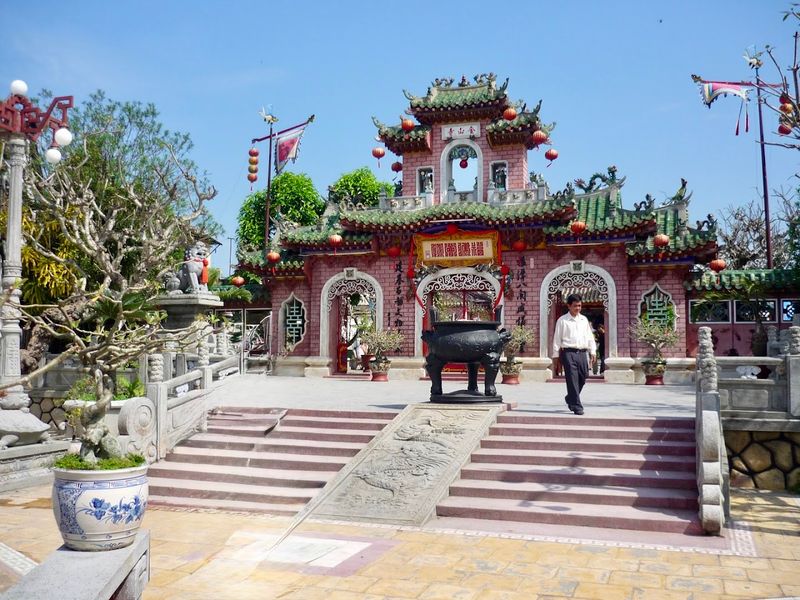
When the lanterns along Hoi An’s riverside light up at dusk, the Ancient Town takes on a glow that feels almost too beautiful to be real. This well-preserved trading port in central Vietnam has been welcoming visitors for centuries, and its narrow streets, wooden merchant houses, and covered Japanese bridge have changed remarkably little over time.
The UNESCO listing is very much deserved.
Hoi An is widely regarded as one of Vietnam’s more manageable and traveler-friendly destinations. The scale of the town is human-sized, the pace is relaxed, and the beach at An Bang is just a short bicycle ride away.
Traffic is lighter here than in Hanoi or Ho Chi Minh City, which makes walking and cycling genuinely pleasant.
Tailoring is a beloved Hoi An tradition, with hundreds of skilled seamstresses able to produce custom-made clothing in as little as 24 hours at very reasonable prices. The food scene is outstanding, with cao lau noodles and white rose dumplings being dishes found almost nowhere else in the world.
Cooking classes led by local families offer a hands-on way to connect with Vietnamese culinary culture. Hoi An is compact, gorgeous, and endlessly rewarding for slow travelers.
Noto Peninsula, Japan
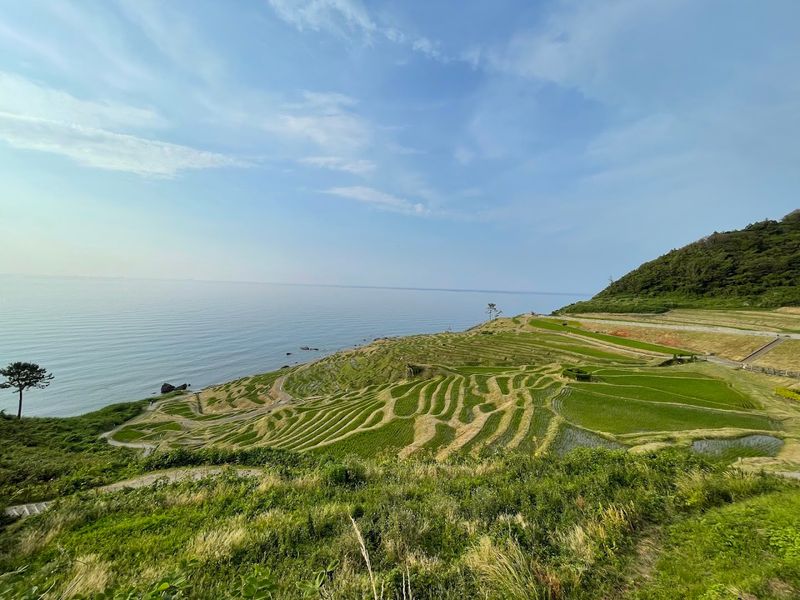
Japan’s rural side is one of the country’s best-kept secrets, and the Noto Peninsula on the Sea of Japan coast is a perfect example of what happens when you leave the bullet train network behind. Jutting northward from Kanazawa, this finger of land offers fishing villages, salt farms, ancient shrine forests, and dramatic coastal scenery without a single international tourist crowd in sight.
Safety in rural Japan is essentially a non-issue. Japan’s overall crime rates are among the lowest in the world, and small communities like those found on the Noto Peninsula carry a strong tradition of honesty and mutual respect.
Travelers who rent a car here often describe it as one of the most relaxing road trips they have ever taken.
The Wajima Morning Market has operated for over a thousand years, selling lacquerware, fresh seafood, and local vegetables every day except the second and fourth Wednesday of each month. Kiriko lantern festivals in summer are spectacular local celebrations worth planning a trip around.
Satoyama landscapes, a term describing the harmonious blend of farmland, forests, and villages, are at their most beautiful here. Noto is the Japan that travelers dream about before they realize it actually exists.
Davao, Philippines
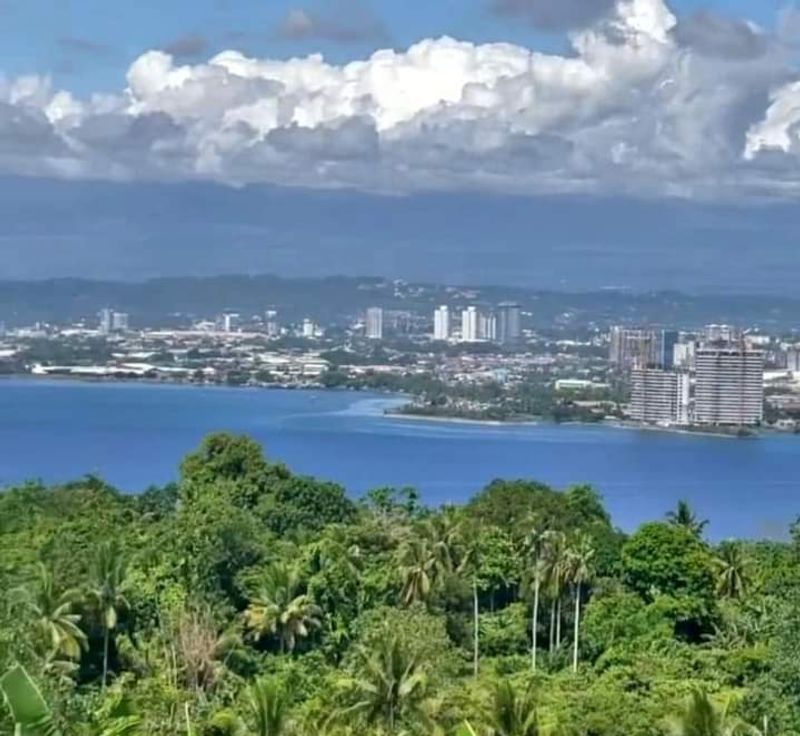
Davao has a reputation for discipline, and locals wear that reputation with genuine pride. Situated in Mindanao’s southern tip, this sprawling city is frequently cited as one of the Philippines’ safest urban centers, thanks in large part to strict local ordinances covering everything from fireworks to noise levels.
The streets are noticeably clean, and public spaces feel orderly in a way that sets Davao apart from many other Philippine cities.
For nature lovers, Davao is an extraordinary base. Mount Apo, the country’s highest peak, rises just west of the city and attracts hikers from across the Philippines.
Samal Island, reachable by a short ferry ride, offers white sand beaches and crystal-clear water without the commercialization of more famous resort areas.
The durian capital of the Philippines is another title Davao claims with enthusiasm. Love it or find it challenging, the fruit is central to local culture and sold at roadside stalls throughout the city.
Pomelo, mangosteen, and rambutan from the surrounding farms are equally worth trying. Eden Nature Park and the Philippine Eagle Center, home to one of the world’s rarest birds of prey, round out the city’s attractions.
Davao is a confident, character-filled city that rewards adventurous travelers.
Kaohsiung, Taiwan
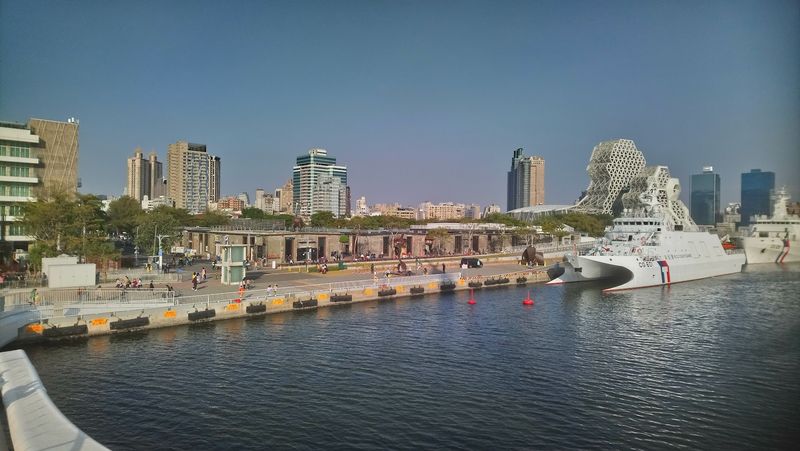
Taiwan’s second city flies under the radar compared to Taipei, but travelers who make it south discover a city that is refreshingly relaxed, genuinely creative, and completely sure of itself. Kaohsiung sits along a wide harbor, and the waterfront has been transformed over the past two decades from an industrial port into one of the most enjoyable urban promenades in Asia.
Safety in Kaohsiung mirrors Taiwan’s excellent overall record. Crime rates are low, the MRT metro is clean and efficient, and the city’s flat terrain makes cycling a genuinely practical way to explore.
The YouBike public bicycle sharing system covers the entire city and is incredibly affordable for short rides.
The Pier-2 Art Center, a converted warehouse district filled with street art, galleries, and creative studios, is one of the coolest urban renewal projects in the region. Liuhe Night Market serves everything from grilled squid to papaya milk in a lively but manageable setting.
Lotus Pond’s Dragon and Tiger Pagodas are a photographer’s dream, especially at golden hour. Day trips to Kenting National Park, Taiwan’s southernmost tropical beach destination, are easy and scenic.
Kaohsiung is the kind of city that grows on you quietly, then refuses to leave your memory.
Share this story