 Unearth The Voyage
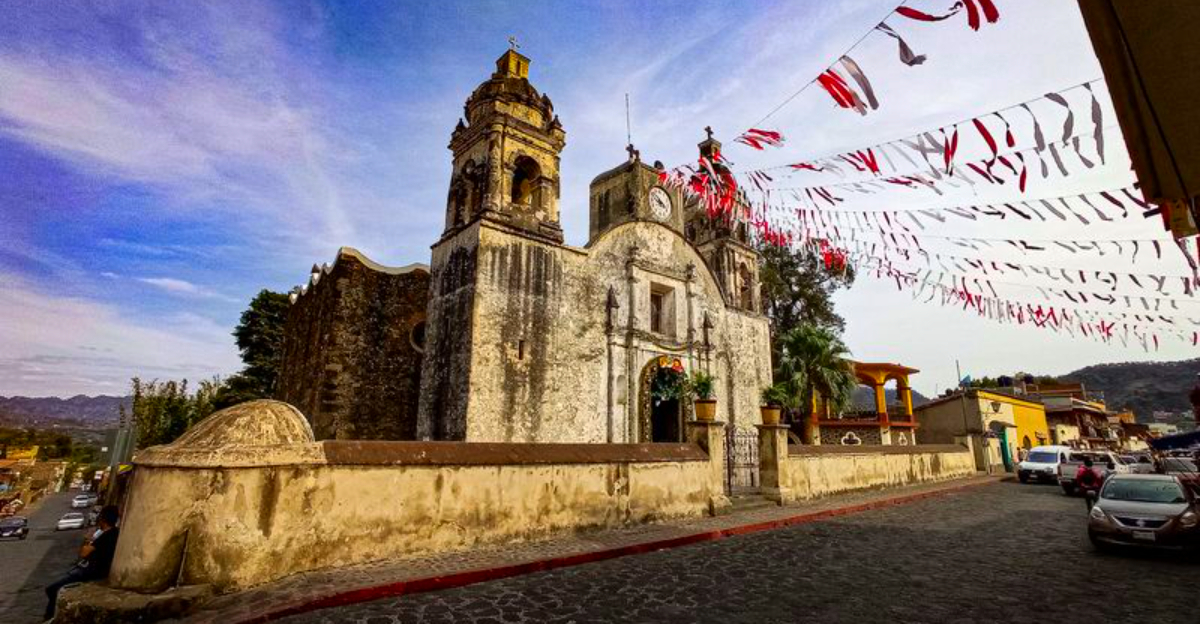
You want beautiful places that still feel lived in, not staged for postcards. These towns deliver real markets, real neighbors, and rhythms shaped by local life, not bus schedules.
Along the way, you will find crafts made by the hands that sell them, food cooked from family recipes, and landscapes that tell older stories than any guidebook. Let this list be your map to places where you are a guest, not a target audience.
1. Hallstatt, Austria
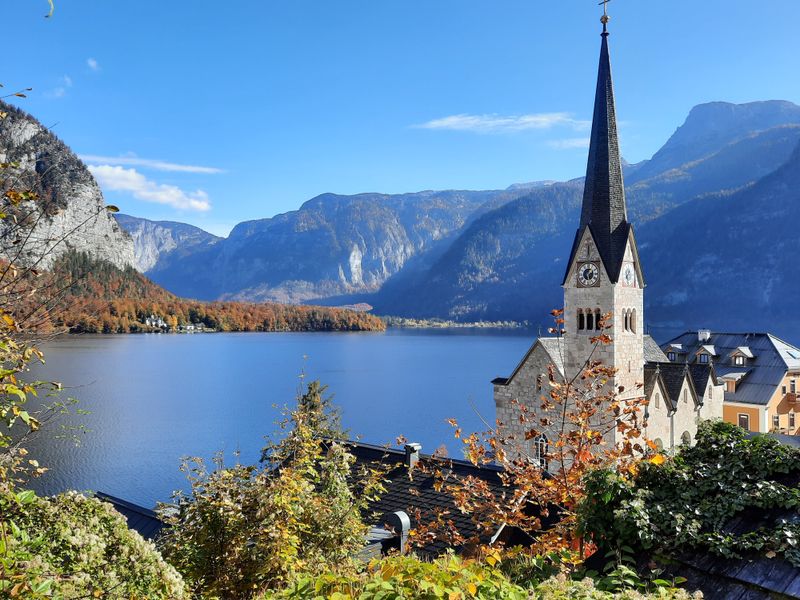
Hallstatt rewards curiosity when you wander beyond the selfie spots. Step into the Protestant churchyard and read centuries of names, or watch rowers practice as the lake breathes fog.
In the market lane, listen for the clink of glassware from a family-run shop selling salt stone lamps sourced from nearby mines that financed this village for 7,000 years.
To feel the town’s pace, visit before 10 am or after sunset when day-trippers fade. Hike to the Echern Valley waterfall where moss smells like clean rain, then return for smoked lake char at a no-frills inn.
Austria reports that 36 percent of domestic trips now include nature-based activities, and you’ll see why here.
Respect the residents by using marked viewing platforms and keeping voices low near homes. Bring cash for tiny museums, choose tap water over bottles, and ride the ferry instead of driving.
2. Giethoorn, Netherlands
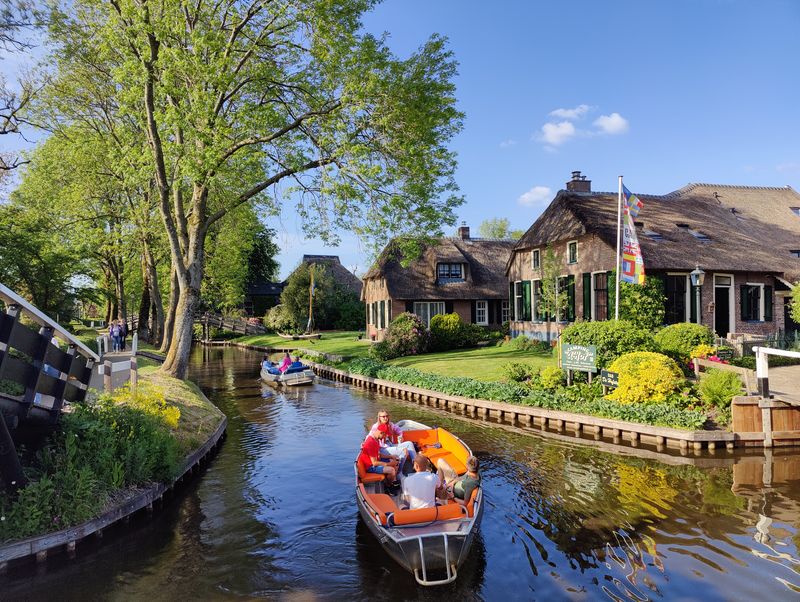
Giethoorn’s charm shows up when motors quiet down. Rent a silent electric punter and glide past thatched cottages where ducks patrol tidy lawns.
Tie up at a tiny grocery jetty and you might spot neighbors trading plant cuttings over a fence. The village museum explains peat-cutting roots, and canals that began as work routes now feel like green corridors for daily life.
Skip midday congestion and go at dusk when ripples mirror the footbridges. Order a bowl of erwtensoep at a café that locals actually linger in, then stroll the Bovenwijde shoreline where swans claim coves.
The Netherlands counts over 1.2 million recreational boats, yet Giethoorn stays gentle thanks to speed limits and quiet engines.
Act like a neighbor: dock only in signed places, keep voices low under bridges, and wave back. If you bring kids, borrow life vests and point out coots nesting in reeds.
3. Albarracín, Spain
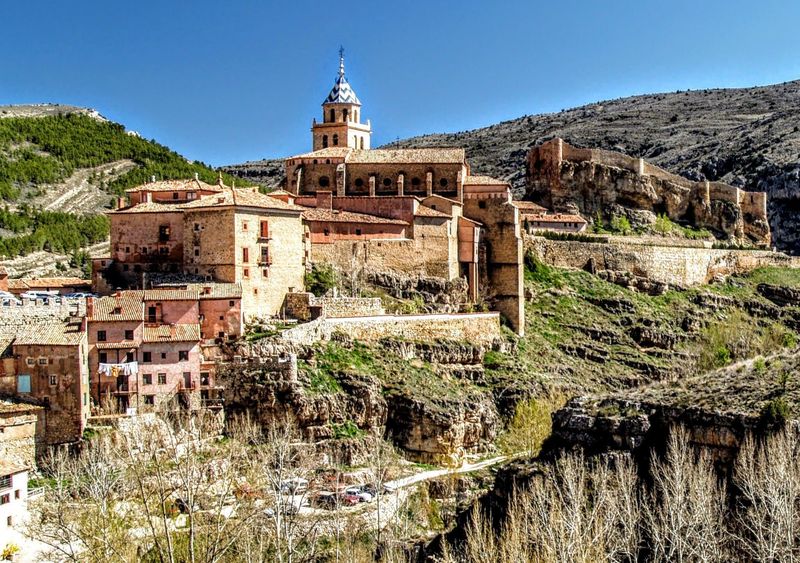
Albarracín looks sculpted from the cliffs that shelter it. Walk through rose-toned alleys where hand-carved balconies creak and neighbors still swap news from window to window.
The cathedral museum holds textiles and silver that trace centuries of cultural overlap. Hike along the defensive walls to see how the town guarded the Guadalaviar river bend like a sentinel.
For local rhythm, time lunch late and order migas with grapes or game stews that fit the highland seasons. Craftspeople sell marquetry boxes from front rooms, and you might catch a guitarist practicing near Plaza Mayor.
Spain’s inland provinces report lower tourism density than coasts, preserving towns like this as living communities.
Bring sturdy shoes, respect siesta, and carry small change for family-run bakeries. At dusk, the sandstone glows like embers.
Stand quietly near Calle Azagra and you’ll hear swifts stitching the sky as bells mark the hour.
4. Shirakawa-go, Japan
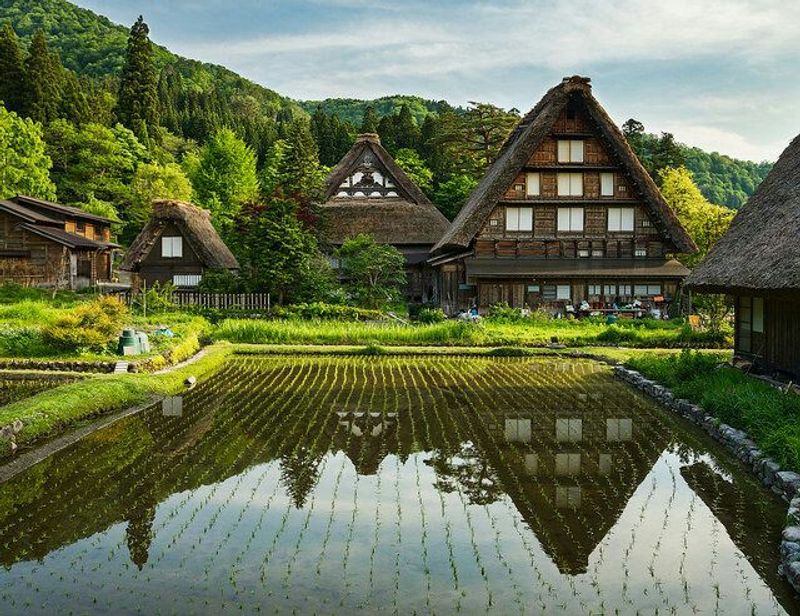
Shirakawa-go teaches patience. The steep thatched gassho-zukuri roofs are not props but living architecture that demands seasonal upkeep.
Step into a farmhouse museum and you’ll smell hearth smoke clinging to timbers, preserved to resist insects. Watch residents clear snow in practiced choreography, then browse handwoven straw sandals stacked beside pickled mountain vegetables.
Come on a weekday morning to hear river ice shifting instead of tour bus chatter. Try soba made with buckwheat from surrounding fields and goma dofu at a tiny eatery where the television hums softly.
Japan’s Agency for Cultural Affairs notes that intangible heritage thrives when communities steward craft skills, and you can see that continuity in the roofs and festivals.
Stay in a minshuku to learn indoor slipper etiquette and the quiet joy of tea by the irori hearth. Photograph respectfully, avoid drone use, and keep paths clear for farm work.
5. Český Krumlov, Czech Republic
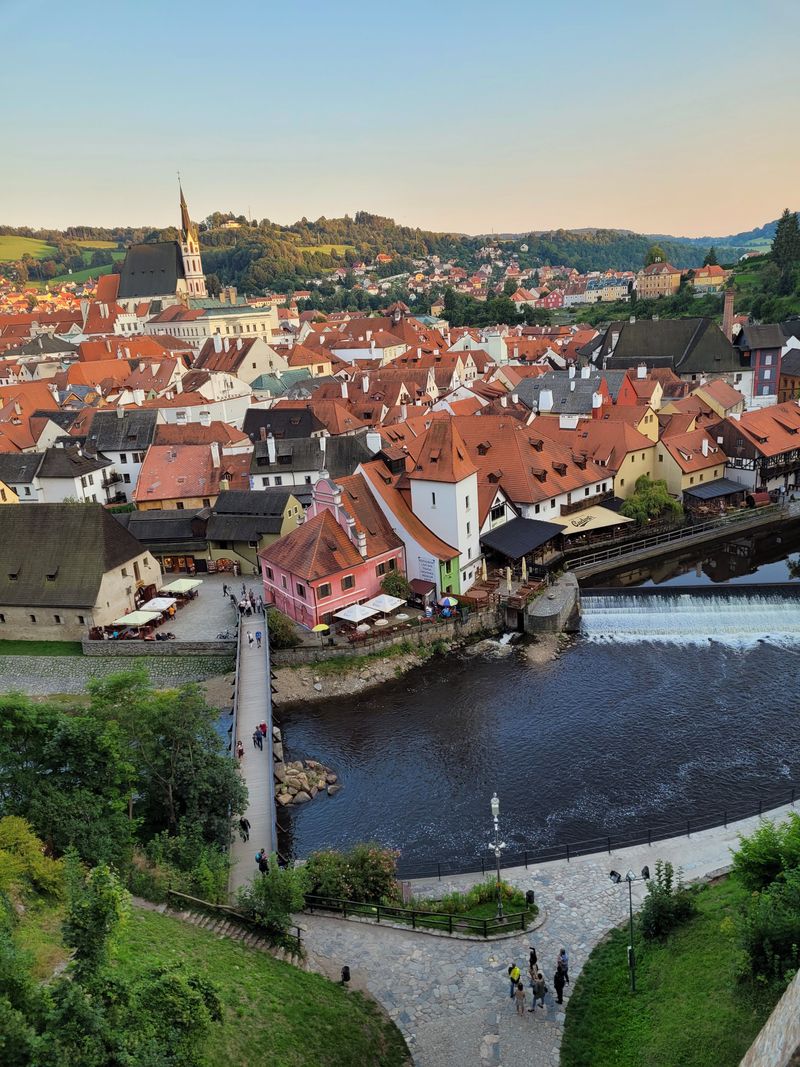
Český Krumlov curls like a question mark around the Vltava, and locals answer it with routines that outlast the crowds. Early, bakers deliver koláče to small cafés where students revise notes by the window.
Kayakers paddle past the castle’s painted tower, and antique shops still stock practical kitchenware alongside curiosities.
Duck into Egon Schiele Art Centrum for quietly challenging exhibitions, then climb to the castle gardens where you’ll overhear Czech families planning picnics. Visit in shoulder seasons to see theater troupes rehearse in cloisters.
The Czech Statistical Office has tracked growing regional tourism, but here, arts education and river sports stabilize daily life beyond quick visits.
Choose a pension on a back street, rent a canoe, and return mugs to cafés to reduce waste. At night, musicians test jazz standards by the river.
Stand on Lazebnický most and let the town’s rhythm slow yours.
6. Colonia del Sacramento, Uruguay
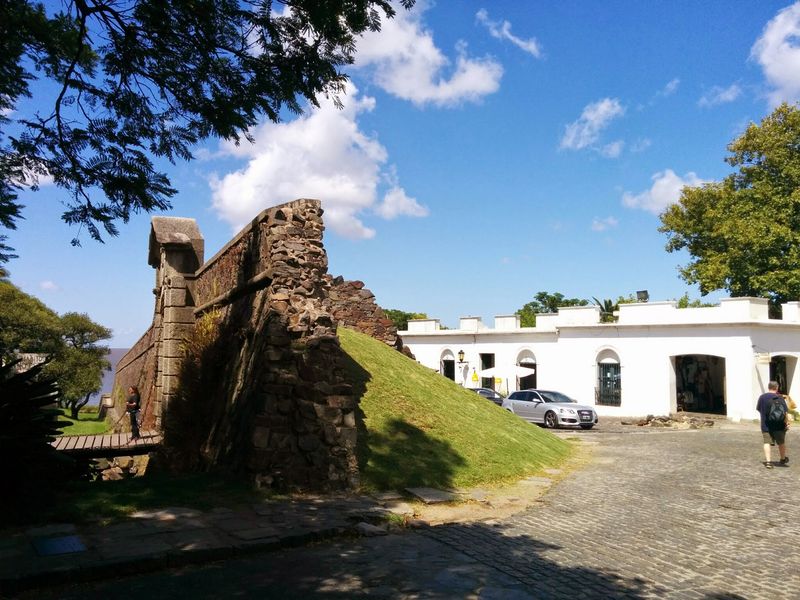
Colonia invites you to slow to river time. Wander the Barrio Histórico where Portuguese and Spanish stonework overlap like palimpsests.
Peek into workshops where artisans repurpose driftwood into lamps, then sip maté with locals facing the broad, pewter Rio de la Plata. The lighthouse offers measured views that stretch to Buenos Aires on clear days.
For lunch, chase the day’s catch with limón and herbs at a parrilla that still serves regulars by name. Uruguay’s safety ranking is among South America’s highest, helping small towns keep evening strolls a habit rather than a risk.
Join at dusk as neighbors walk dogs through violet bougainvillea shadows.
Respect the cobblestones in soft-soled shoes and keep to low light after dark to preserve the mood. Support bookstores selling Río de la Plata literature.
Sit on the pier, count ships, and let conversations drift like the tide.
7. Reine, Norway
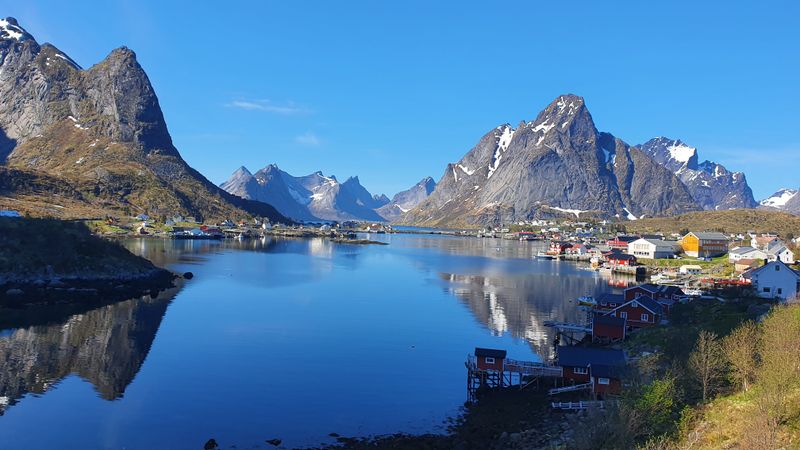
Reine feels elemental, where weather writes the itinerary. Fishermen mend nets near rorbuer cabins, and cod racks draw gulls that argue all afternoon.
Hike Reinebringen early to hear only boots and wind, then reward yourself with cinnamon buns at the co-op bakery where locals swap storm stories. Winter brings aurora that ripple over midnight-black water like silk.
Pick up stockfish from a family processor and learn how it still anchors export economies here. Norway’s seafood sector shipped goods worth over NOK 170 billion in 2023, and you can taste that global thread in a simple bowl of fish soup.
Rent an e-bike to minimize traffic on skinny roads.
Pack layers, respect fishing zones, and photograph racks from a distance. If clouds sock in, kayak sheltered coves and watch otters court.
When the sun breaks, the village glows like a beacon between sea and stone.
8. Sidi Bou Said, Tunisia
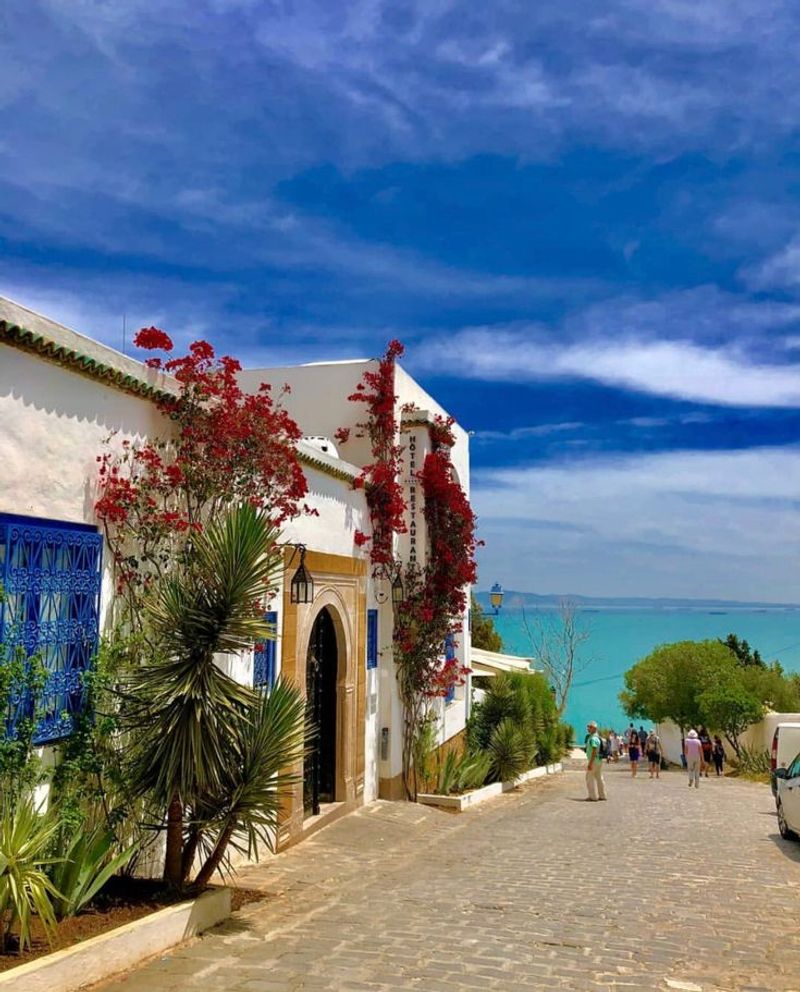
Sidi Bou Said pairs artistry with everyday rhythms. Stroll lanes of cobalt doors and iron filigree while jasmine perfumes the breeze.
Musicians tune ouds in hidden courtyards, and painters lug canvases toward sea-view perches. Order citronnade at Café des Nattes and watch neighbors greet each other like a rolling chorus.
Browse workshops where ceramicists press traditional motifs into bowls that feel good in the hand. Tunisia’s craft sector employs hundreds of thousands, a backbone for towns that balance visitors and livelihoods.
If you climb at sunrise, cats will be your main company and the sea will look inked in ultramarine.
Dress modestly, ask before photos, and choose artisans who sign their work. Ride the TGM train instead of taxis to ease traffic on the hill.
As the call to prayer braids with gulls, you will understand how place and ritual keep this village steady.
9. Gjirokastër, Albania
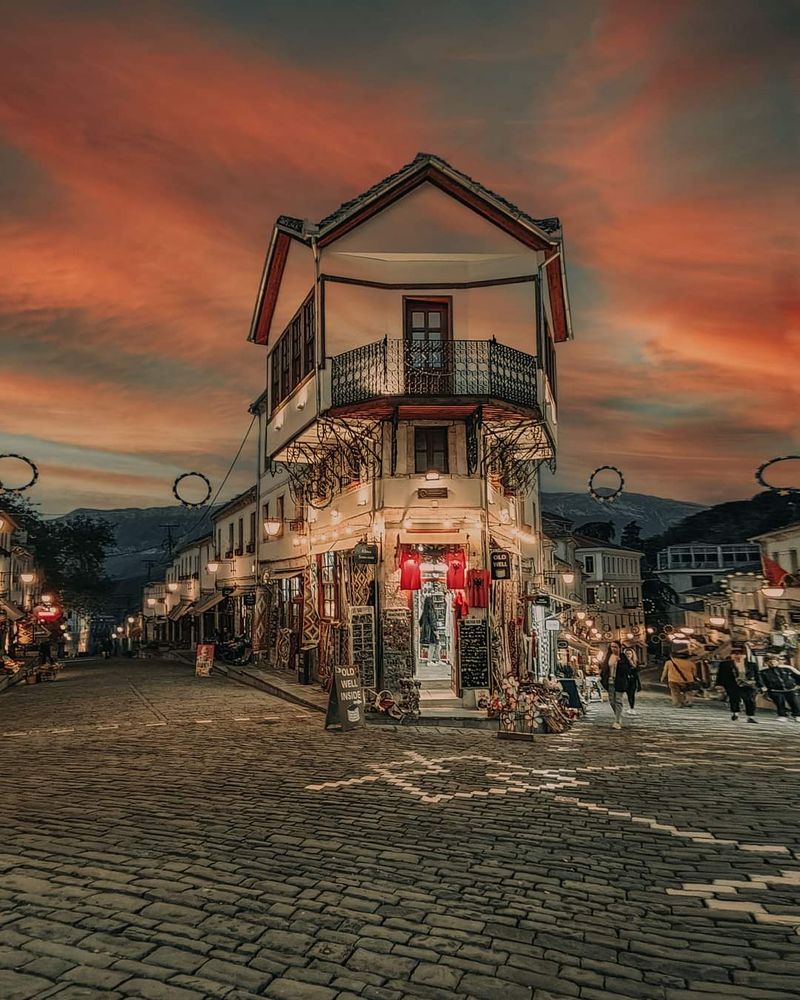
Gjirokastër is a city of stone that softens into hospitality. Walk the bazaar where looms clack and embroidered tablecloths stack in careful piles.
Tour Skenduli House to see how Ottoman domestic life layered privacy and ceremony, then climb to the fortress where views stitch together Drino Valley farms. Locals will point you to byrek stands that hide in alleys.
Albania’s visitor numbers have surged recently, yet family-run guesthouses keep conversations personal. Ask about the polyphonic singing tradition and someone might hum a line.
Evenings carry the scent of mountain tea and grilled lamb drifting from courtyards.
Wear shoes with grip for polished stones, carry small cash, and practice a few words of faleminderit. Visit the Cold War tunnel to understand recent history through damp echoes.
As swallows loop above slate roofs, you’ll feel how resilience and welcome coexist in this hillside town.
10. San Cristóbal de las Casas, Mexico
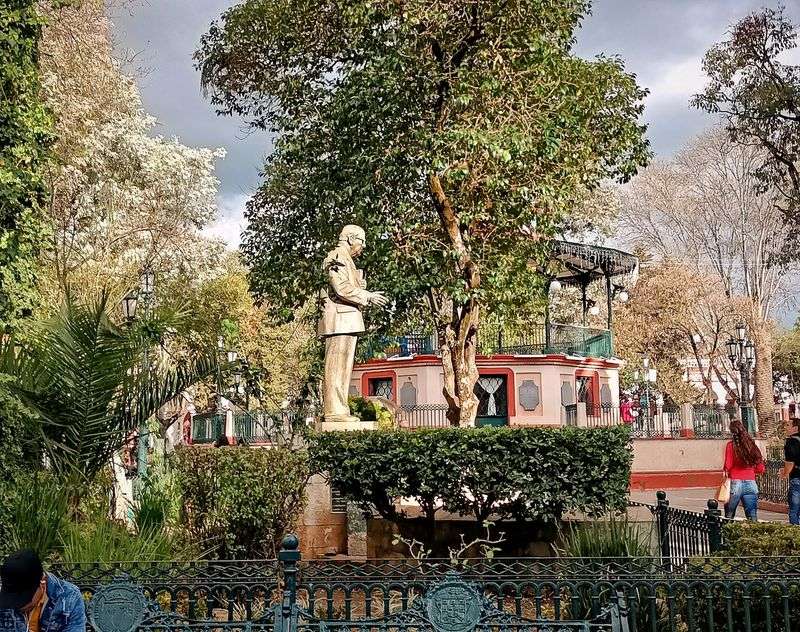
San Cristóbal’s pulse comes from the highlands. Tzotzil and Tzeltal artisans sell handwoven huipiles whose patterns carry lineage, not trends.
Grab a bench near Santo Domingo market and you’ll watch bargaining that is equal parts math and storytelling. Cafés roast beans from nearby fincas, and the air tastes like altitude after rain.
Join a textile co-op tour to learn fair pricing and symbolism. Mexico’s craft economy supports millions of livelihoods, and in Chiapas, community enterprises help keep traditions viable.
At dusk, marimbas warm plazas while kids chase balloons past food carts steaming with tamales de chipilín.
Be a good guest: ask before photographing people, carry coins for purchases, and choose certified guides for village visits. If you need a breather, hike to El Cerrito at sunrise.
The town will unfurl below like a quilt stitched from colors that actually mean something.
11. Bled, Slovenia
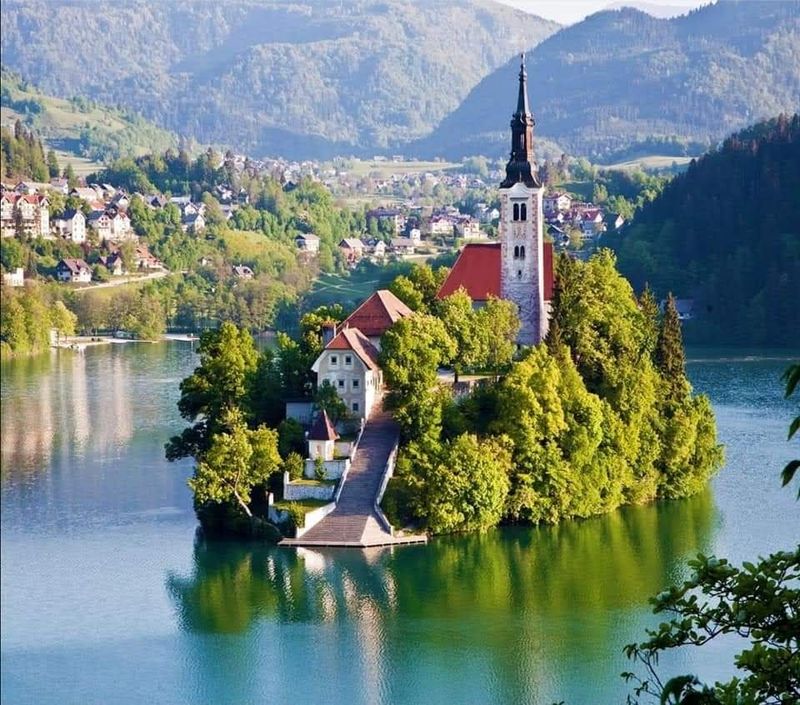
Bled is postcard-famous, but locals still lap the lake at dawn while pletna rowers practice elegant strokes. Ride a bike around the shore to find quiet benches where conversations settle in.
Visit a family pastry shop for kremšnita and watch teenagers debate whose grandmother’s recipe is “the” standard. The island church rings a bell that sounds like patience.
Climb Ojstrica for a view that feels earned, then soak at a public lido where swimmers greet lifeguards by name. Slovenia’s protected areas cover more than a third of the country, and that care shows in the clarity of the water and trails.
Take the bus instead of driving to reduce pressure on narrow lanes.
Bring a reusable bottle for the town’s fountains, tip your oarsman, and walk the boardwalk softly at night. If clouds roll in, rent a rowboat and let raindrops drum calm back into you.
12. Chefchaouen, Morocco
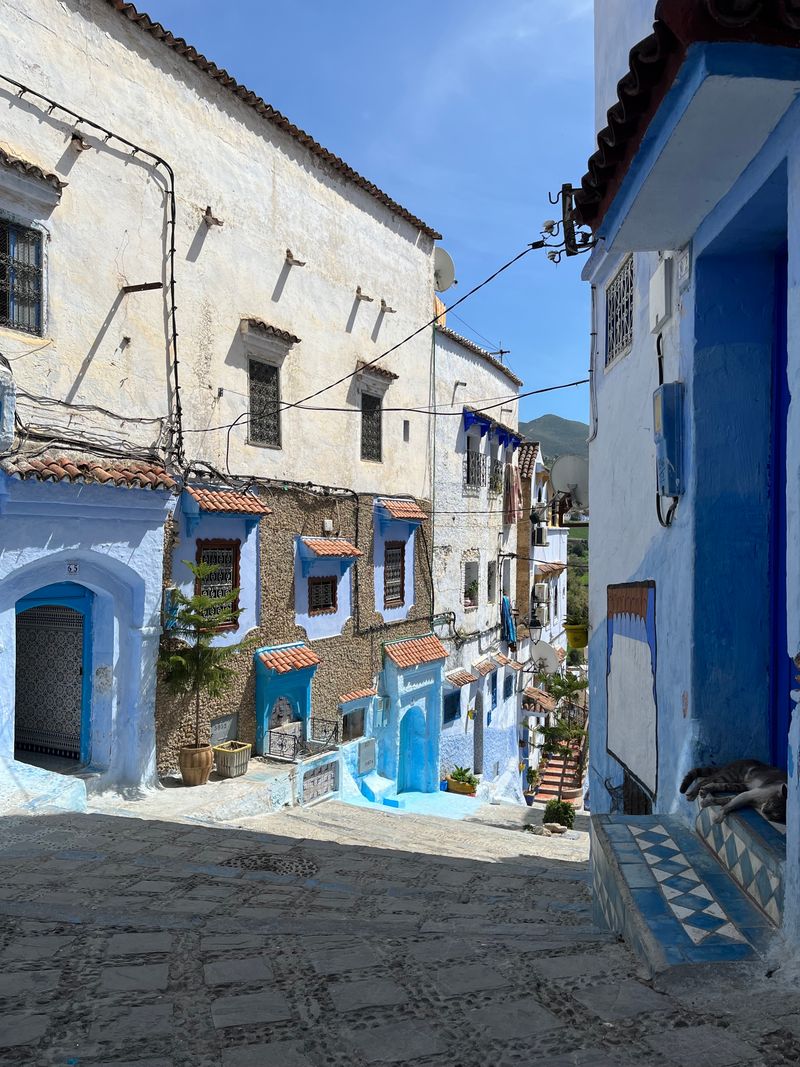
Chefchaouen’s shades of blue are community work. You might see a neighbor repainting a stoop while kids ferry buckets.
Wander early and you’ll hear the soft slap of brushes and the rustle of blankets unrolled at stalls. Try goat cheese made in nearby hills with mint tea that tastes like sweet mountain air.
Seek the Ras El Ma spring where locals rinse rugs and cool hands. Morocco welcomed a record number of visitors recently, yet smaller mountain towns still hinge on smallholder farms and craft guilds.
Choose cooperatives where prices are posted and makers explain dyes and weaves.
Dress respectfully, greet shopkeepers, and haggle with humor. Hike to the Spanish Mosque at sunset for a view that gathers roofs like spilled pigment.
As night falls, lanterns paint their own blues across the alleys, and the town exhales into quiet conversations.
13. Kotor, Montenegro
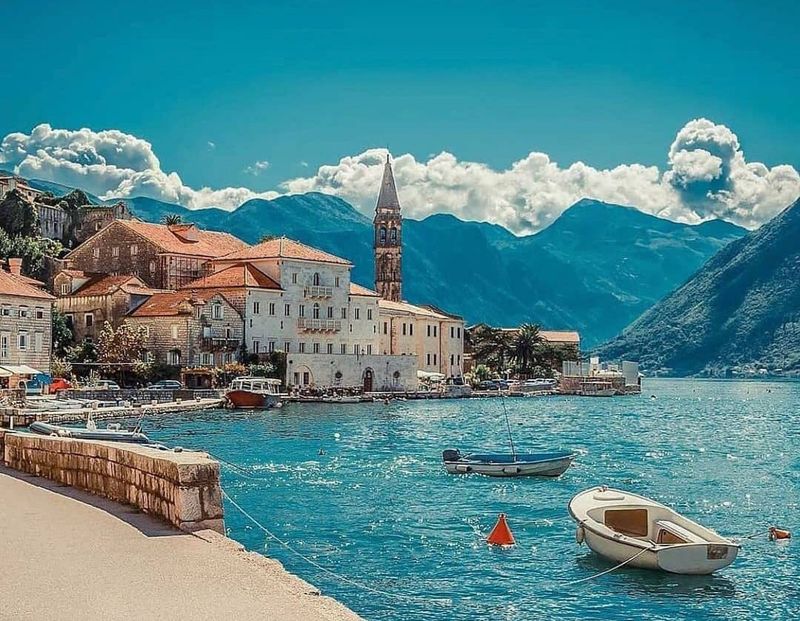
Kotor thrives behind its walls, not trapped by them. Climb the steps to San Giovanni fortress at sunrise to hear goats clatter and church bells braid the bay’s echo.
In town, cats run the show, and neighbors swap gossip outside green-shuttered windows. Embark on a boat across the mirrored bay where fishermen still check nets before cafes fill.
Montenegro’s cruise tourism grows each year, yet you can find the local hum by slipping into side lanes for burek and yogurt. Visit the maritime museum to see how seafaring families cataloged storms and trade.
Evenings bring klapa harmonies that rise like tidewater in courtyards.
Carry cash, mind respectful dress in churches, and step aside on steep paths. Choose small guesthouses over short-stay blocks to support residents.
As dusk cools limestone, the bay glows pewter and the town settles into the rhythm of home.
14. Tepoztlán, Mexico
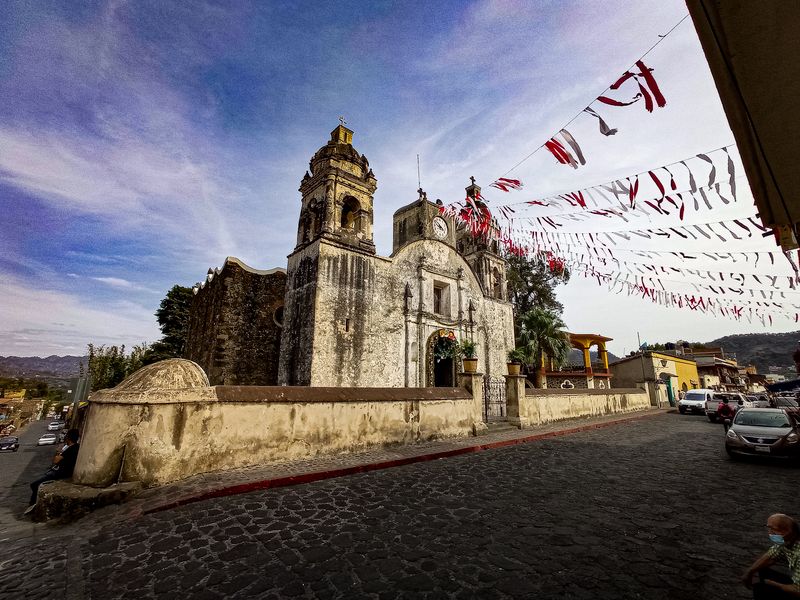
Tepoztlán mixes sacred stone with street food. Hike early to El Tepozteco pyramid where views crumple into valleys and coatis sneak by.
Back in town, the weekend tianguis steams with blue corn tlacoyos, and healers sell herbal blends for altitude headaches. Murals retell legends without asking permission from museums.
Locals defend traditions through community assemblies and strict building codes that keep the skyline low. Mexico’s protected areas continue expanding, and this valley’s microclimate shelters orchards whose ice cream you will crave long after leaving.
Try the rose petal nieve and thank the person who churned it by hand.
Bring small bills, avoid single-use plastics, and ask permission before photographing rituals. If clouds gather, duck into a pulquería and learn the difference between curado flavors.
As dusk spills from the cliffs, the town feels less like a destination and more like a conversation still happening.
15. Cochem, Germany
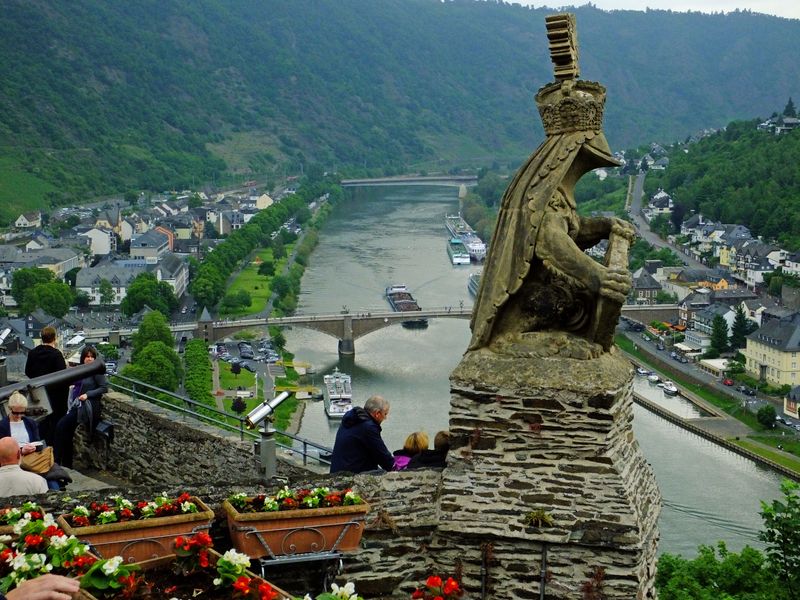
Cochem leans into vine-covered hills where work follows seasons. Cycle the Moselradweg and watch pruners move like metronomes along steep terraces.
The castle is photogenic, but the real story runs through cooperages and village cellars where Riesling debates never end. Order Flammkuchen and listen as locals call slopes by their nicknames.
Germany is the world’s 8th-largest wine producer, and the Moselle’s slate soils make acids sing. Book a tasting at a family Weingut that survived wars and floods, then walk the river at dusk when anglers trade notes in low voices.
Autumn brings festivals that still feel neighborly.
Take cash for tasting fees, ride trains instead of parking uphill, and return bottles for deposit. If rain taps the windows, settle into a stube and let conversations braid around you.
When sun returns, vineyards glow like stained glass above the river’s curve.
16. Paraty, Brazil
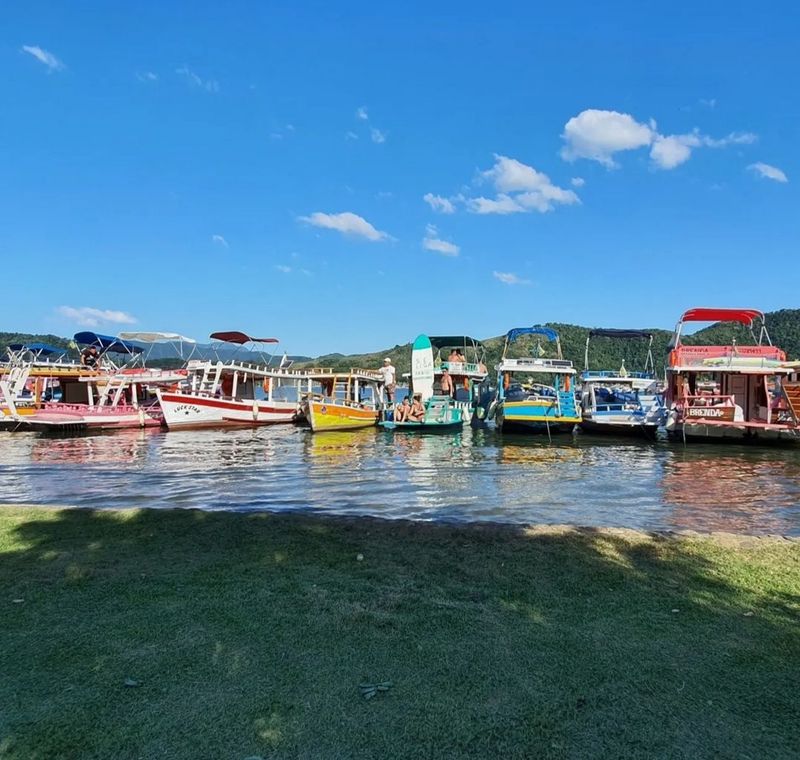
Paraty is a dialogue between tides and tiles. The historic center floods gently on king tides, polishing cobbles that have felt centuries of trade.
Wander past ateliers where artists paint rainforest light onto paper, then join locals for pastel de camarão by the pier. Boats idle with names like small poems.
Take a schooner to quiet beaches or paddle mangroves where herons practice patience. Brazil’s Atlantic Forest, though reduced, still holds staggering biodiversity, and protected areas near Paraty shelter golden lion tamarins and glassy rivers.
Support caiçara communities by hiring local skippers and buying their smoked fish.
Wear sandals you can rinse, skip plastic straws, and learn a few words of Portuguese beyond obrigado. Evenings bring roda de choro that untangles time in a square lit by warm bulbs.
The town keeps its pace by honoring water’s lead and craft’s steady hands.
17. Luang Prabang, Laos
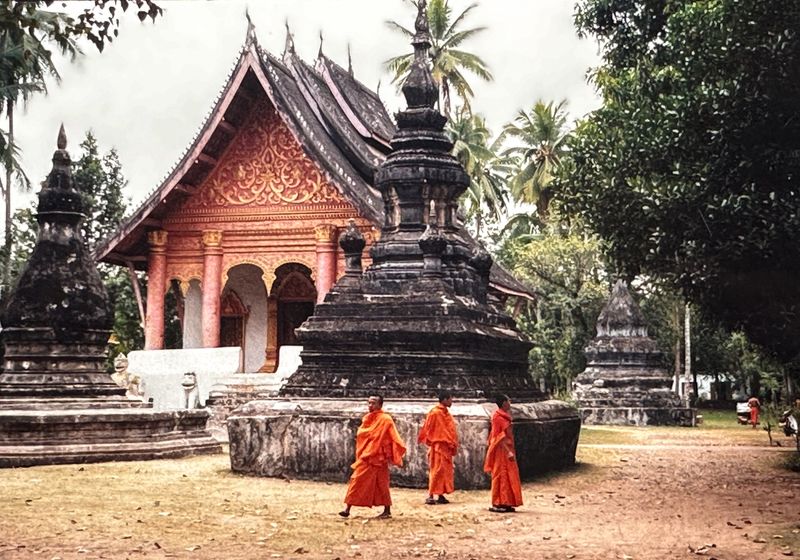
Luang Prabang wakes softly. At dawn, alms rounds pass like a river of saffron, and respectful silence protects the ritual.
Later, the morning market fills with banana flowers, river fish, and herbs whose names you will forget but flavors you will remember. Wooden houses creak in the heat while the Mekong glides by unbothered.
Climb Phousi Hill for a slow panorama, then cross a bamboo bridge to neighborhoods where children chase kites. Laos has grown tourism steadily, yet community rules around alms and heritage buildings keep daily life intact.
Cook with a local school and learn why sticky rice arrives in woven baskets, not as garnish.
Cover shoulders during ceremonies, buy produce directly from stallholders, and take riverboats rather than renting motorbikes. At sunset, listen to temple drums answer the cicadas.
The town holds stillness in a way that makes your own thoughts unspool more gently.
18. Sarlat-la-Canéda, France
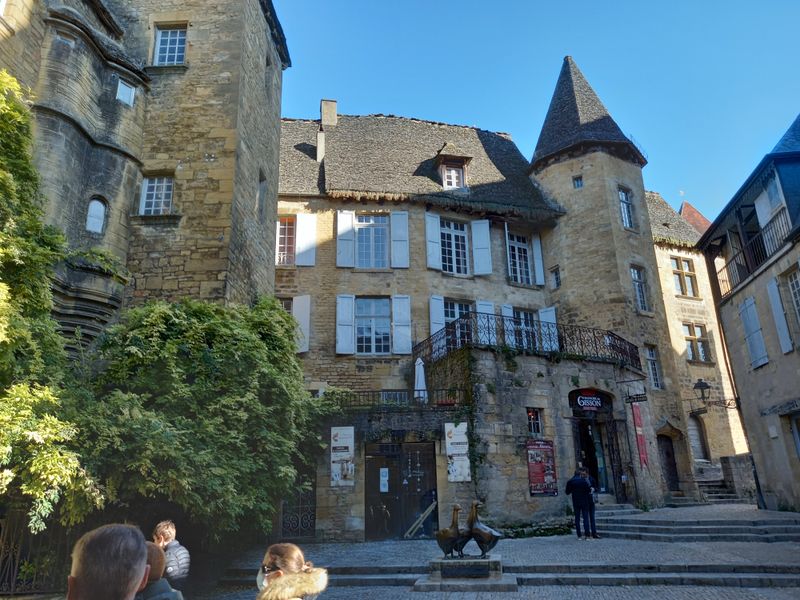
Sarlat smells like walnuts and duck fat when the market wakes. Golden-stone lanes funnel you toward stalls where farmers slice foie gras with calm hands and truffle sellers speak in low, sure voices.
Street musicians test acoustics under Gothic arches while neighbors compare recipes for cassoulet and confit.
Visit in shoulder seasons to hear vendors greet regulars by name. Walk to old lavoirs where women once scrubbed linens, then follow a walnut grove trail beyond town.
France remains the world’s top visitor destination, yet Sarlat’s weekly market cadence keeps it rooted in the region’s pantry.
Buy what you can carry, bring a cloth bag, and try seasonal cèpes over creamy eggs. In the evening, lanterns switch on like a stage cue and façades glow honey-warm.
Find a bench, break a baguette, and let conversations ripple around you like a soft curtain.
19. Hoi An (outer neighborhoods), Vietnam
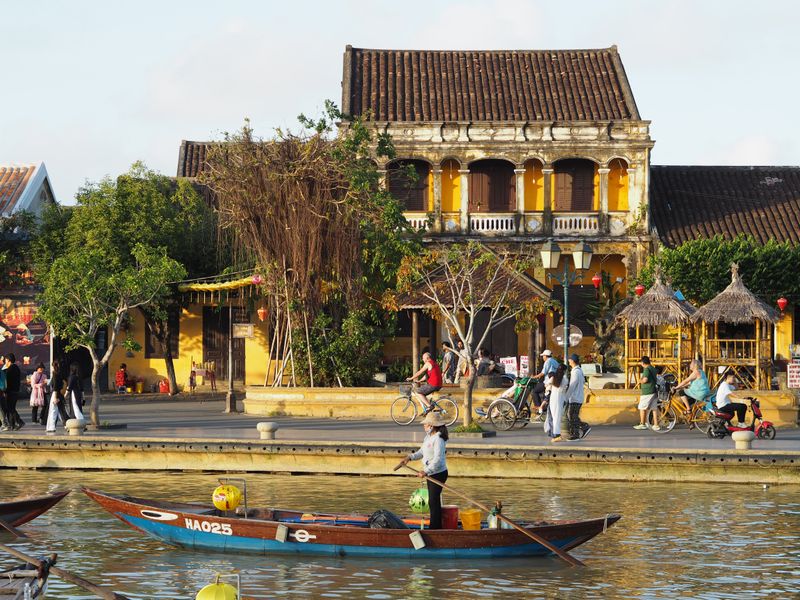
Hoi An’s outer neighborhoods are where the daily story unfolds. Cycle past rice paddies where water buffalo blink patiently and farmers wave you through.
Step into a lantern workshop and you will sand bamboo ribs while grandparents swap jokes nearby. Bowls of mì Quảng arrive piled with herbs from gardens you just passed.
Vietnam welcomed tens of millions of visitors pre-2020, and numbers are rebounding, yet neighborhoods beyond the old town keep a slower clock. Take a basket boat on quiet canals and listen to crickets switch on like a chorus at dusk.
Pay a small fee to use community paths that fund upkeep.
Ride single-file, skip blaring speakers, and book homestays that publish family names. At sunrise, follow locals to the market for bánh mì and strong coffee that resets any jet lag.
You will leave with legs a little dusty and heart a little lighter.
20. Pienza, Italy
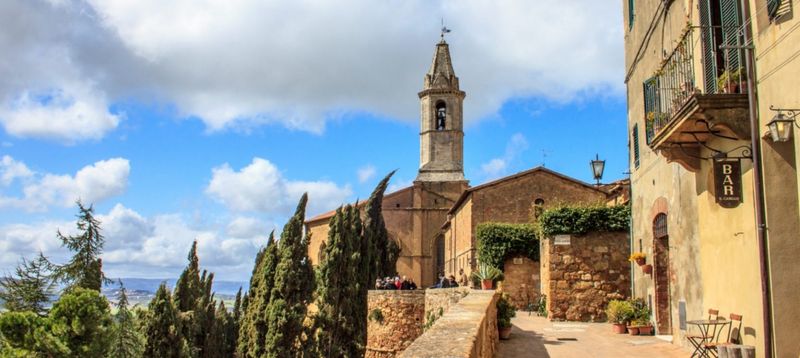
Pienza feels composed, yet life here is unscripted. Peek into a cellar where pecorino wheels age behind wooden slats while owners debate rind textures.
Stand on the belvedere and the Val d’Orcia opens like a fresco, tractors tracing lines through barley. In narrow lanes, shopkeepers recommend which cheese pairs with honey from a neighbor’s hives.
The town’s Renaissance plan set humane proportions that still guide how people linger in sunlit pockets. Italy’s agricultural cooperatives help small producers reach markets, and you can taste that network in every crumbly slice.
Order pici cacio e pepe and watch nonna nod approval if you finish it all.
Visit early, speak softly near homes, and carry a reusable bottle for the stone fountains. Walk to nearby hamlets instead of driving.
As evening gold washes the bricks, bells fold the countryside into town, and everything feels in tune.



