 Unearth The Voyage
History lessons often skip over more than they explain. Entire chapters of Black American life, from quiet acts of resistance to groundbreaking achievements, have been pushed aside or reduced to footnotes.
That gap has left many people with only a partial understanding of how deeply Black Americans have shaped the country we live in today. Across the U.S., a growing number of museums are working to change that.
These powerful spaces preserve untold stories, rare artifacts, and voices that deserve to be seen, remembered, and understood.
1. Smithsonian National Museum of African American History and Culture – Washington, D.C.
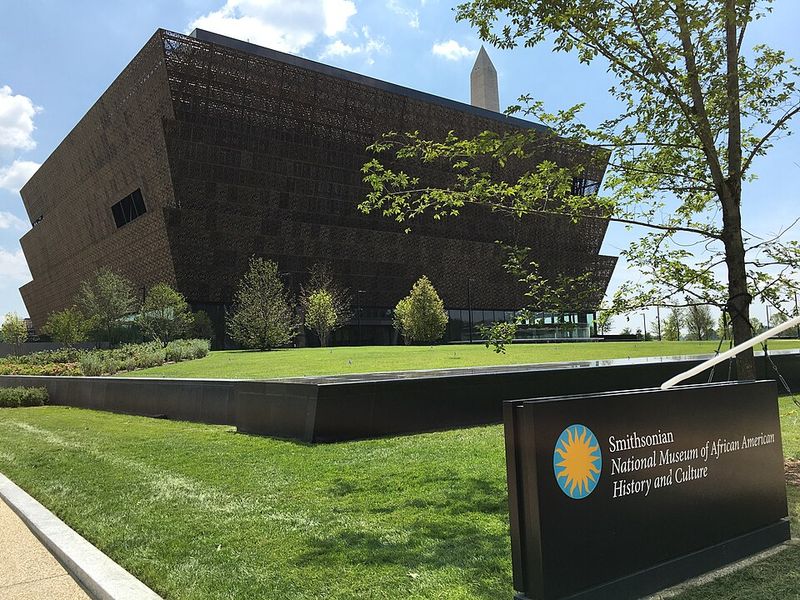
Standing on the National Mall, this museum opened in 2016 and instantly became one of the most visited attractions in the nation’s capital. The building itself is a work of art, with a bronze-colored exterior inspired by traditional African craftsmanship.
You’ll need more than one visit to take it all in. The collection spans centuries, from the brutal realities of the Middle Passage to the election of the first Black president.
Interactive exhibits let you explore music, sports, military service, and civil rights through personal stories and rare artifacts. One floor holds Harriet Tubman’s shawl and Nat Turner’s Bible.
What makes this place special is how it connects past struggles to present-day issues. You can see Chuck Berry’s Cadillac, Michael Jackson’s fedora, and even a segregated railroad car.
Lines can be long, so booking timed passes online is a smart move. The museum doesn’t sugarcoat difficult truths about slavery and racism.
It also celebrates resilience, creativity, and achievement in ways that feel deeply personal and universally important.
2. National Civil Rights Museum at the Lorraine Motel – Memphis, Tennessee
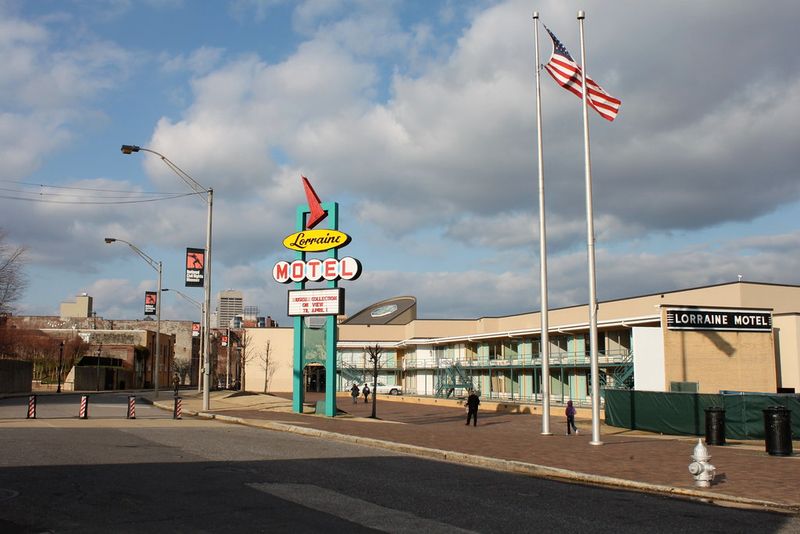
April 4, 1968 changed everything. Dr. Martin Luther King Jr. stood on the balcony of Room 306 at the Lorraine Motel when an assassin’s bullet ended his life.
Today, that very spot has been preserved as the heart of a museum that tells the full story of the Civil Rights Movement. Walking through the exhibits feels like stepping back in time.
You’ll see the actual motel rooms frozen as they were, vintage cars parked outside, and powerful displays about the Montgomery Bus Boycott, Freedom Riders, and lunch counter sit-ins. The museum doesn’t just focus on famous leaders but also ordinary people who risked everything for justice.
Across the street, another building explores the investigation into King’s assassination and the broader context of his final days. Audio recordings, photographs, and personal items bring history to life in ways textbooks never could.
Visitors often report feeling emotionally moved by the experience. It’s not just about remembering tragedy but understanding the courage and determination that fueled a movement still relevant today.
3. The Legacy Museum: From Enslavement to Mass Incarceration – Montgomery, Alabama
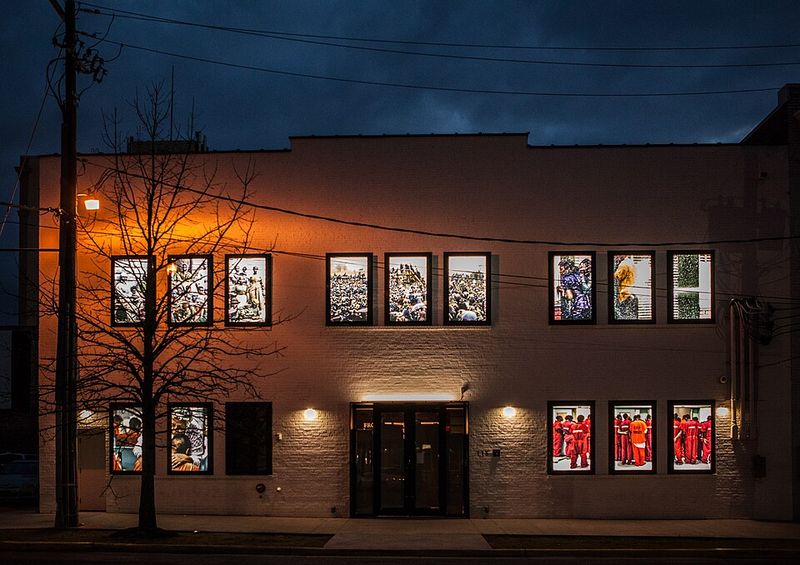
Built on a site where enslaved people were once warehoused, this museum draws a direct line from slavery to today’s criminal justice system. The Equal Justice Initiative created this space to challenge visitors to confront uncomfortable truths about America’s racial history.
Holograms of enslaved people share their stories in first-person narratives that feel haunting and immediate. You’ll walk past rows of jars filled with soil collected from lynching sites across the South, each labeled with a victim’s name and the date of their murder.
It’s a sobering reminder of terror used to maintain white supremacy. The museum doesn’t stop at the past.
Exhibits examine how Jim Crow laws evolved into policies that continue to impact Black communities, including mass incarceration, voter suppression, and racial bias in sentencing. Statistics and personal accounts reveal patterns that many people never learn about in school.
Plan to spend at least two hours here. The experience is intense but necessary, offering context for ongoing struggles for equality and justice in modern America.
4. DuSable Museum of African American History – Chicago, Illinois
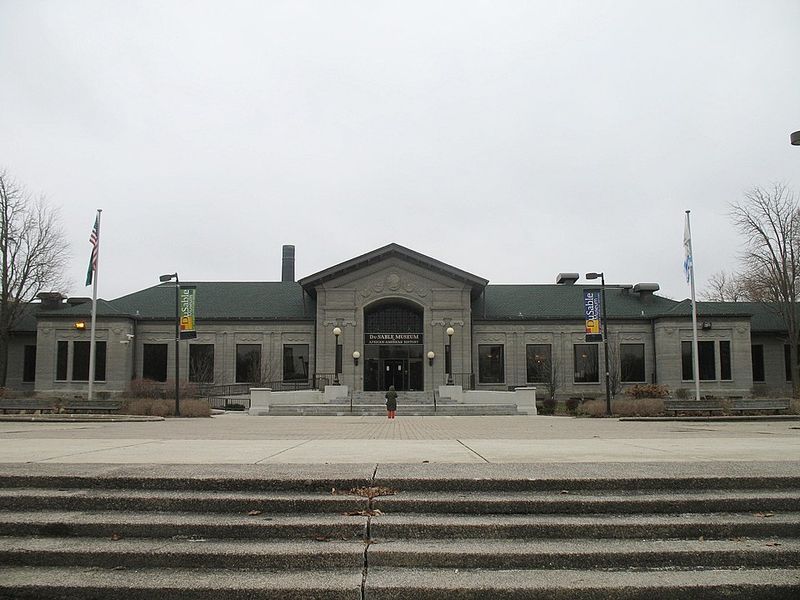
Founded in 1961, this museum started in the home of Dr. Margaret Burroughs, an artist and educator who believed Black history deserved its own dedicated space. Named after Jean Baptiste Point du Sable, a Haitian trader who founded Chicago, the museum has grown into a major cultural institution on the city’s South Side.
Permanent exhibits cover everything from ancient African civilizations to the Great Migration, when millions of Black Americans moved north seeking better opportunities. You’ll find artwork, photographs, and artifacts that highlight Chicago’s role in shaping Black culture, politics, and music.
The Harold Washington collection honors Chicago’s first Black mayor. Rotating exhibits keep things fresh, tackling contemporary issues alongside historical ones.
Educational programs for kids make this a great family destination, with hands-on activities that make learning fun and relevant. The museum sits in Washington Park, so you can combine your visit with a walk through one of Chicago’s historic neighborhoods.
It’s proof that understanding local history helps you understand national stories in deeper, more meaningful ways.
5. Charles H. Wright Museum of African American History – Detroit, Michigan
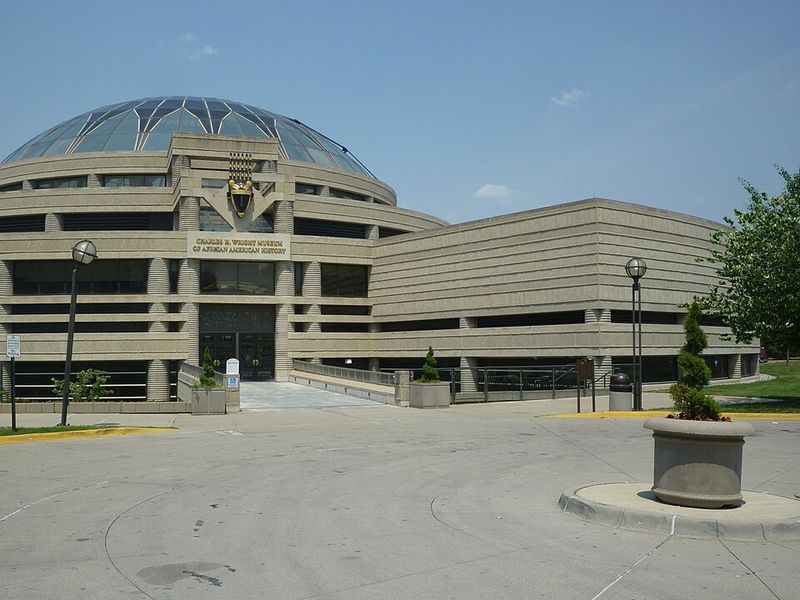
Detroit’s automotive legacy gets plenty of attention, but this museum tells a different story about the Motor City. With over 125,000 square feet of exhibit space, it’s one of the largest institutions dedicated to African American culture anywhere in the world.
The centerpiece is “And Still We Rise,” a permanent exhibit that takes you through 600 years of history starting in Africa before slavery. You’ll board a replica slave ship, experience the Middle Passage, and follow the journey through Reconstruction, Jim Crow, and the modern Civil Rights Movement.
It’s emotionally powerful and historically comprehensive. Special exhibits rotate regularly, covering topics like Black inventors, musicians, athletes, and community leaders.
The museum also hosts cultural events, film screenings, and educational workshops that keep the conversation going beyond the exhibits. Families appreciate the interactive elements designed for younger visitors, making complex history accessible without dumbing it down.
The museum shop offers books, art, and gifts you won’t find in typical stores. Located in Detroit’s Cultural Center, you can easily visit other nearby museums and institutions in the same trip.
6. African American Museum in Philadelphia – Philadelphia, Pennsylvania
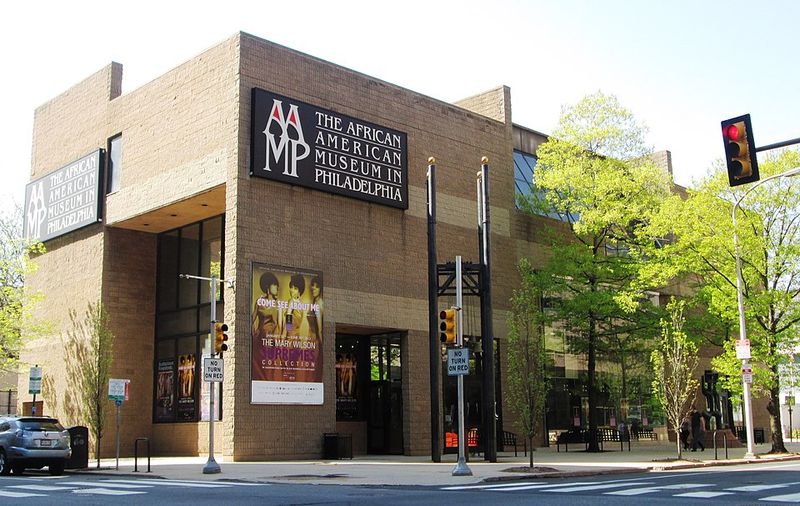
Philadelphia played a crucial role in the fight for freedom, and this museum tells that story from a Black perspective. Opened in 1976 during the nation’s bicentennial celebration, it was the first museum built by a major city specifically to preserve African American heritage.
Three floors of exhibits explore art, culture, and history with a focus on Philadelphia’s Black community. You’ll learn about Octavius Catto, a civil rights leader murdered in 1871 for fighting to get Black men the vote.
His story rarely makes it into mainstream history books, but it’s essential to understanding the struggle for equality. The museum regularly features contemporary artists alongside historical exhibits, showing how past struggles inform present-day creativity.
Photography, sculpture, and mixed media installations challenge visitors to think critically about race, identity, and justice. Special programs for schools bring Philadelphia students face-to-face with their city’s complex racial history.
Workshops and lectures create community dialogue around issues that matter today. Located near Independence Hall, the museum offers a counternarrative to traditional Revolutionary War stories, reminding visitors that freedom wasn’t universal in 1776.
7. Reginald F. Lewis Museum of Maryland African American History & Culture – Baltimore, Maryland
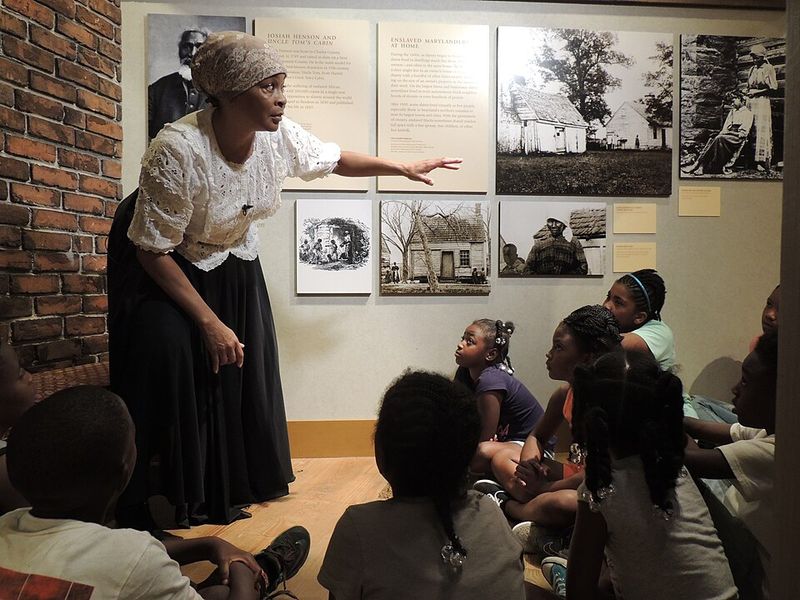
Named after a Baltimore native who became one of the wealthiest Black businessmen in American history, this museum opened in 2005 along Baltimore’s Inner Harbor. Reginald Lewis built a billion-dollar empire, proving that Black excellence in business deserves recognition alongside achievements in sports and entertainment.
The museum’s exhibits cover Maryland’s often-overlooked African American legacy, from Harriet Tubman’s daring escapes on the Underground Railroad to Frederick Douglass learning to read in Baltimore’s streets. You’ll also discover lesser-known figures like Benjamin Banneker, a self-taught mathematician and astronomer who helped survey Washington, D.C.
Interactive displays let visitors explore genealogy, helping Black Marylanders trace their family histories through slavery and beyond. This personal connection to the past makes history feel immediate and relevant.
The museum hosts jazz concerts, film screenings, and lectures that bring community members together around shared cultural experiences. School groups regularly visit for programs aligned with state curriculum standards.
Baltimore’s complex relationship with race and inequality makes this museum especially important. It challenges visitors to understand how history shapes present-day disparities in housing, education, and economic opportunity.
8. National Underground Railroad Freedom Center – Cincinnati, Ohio
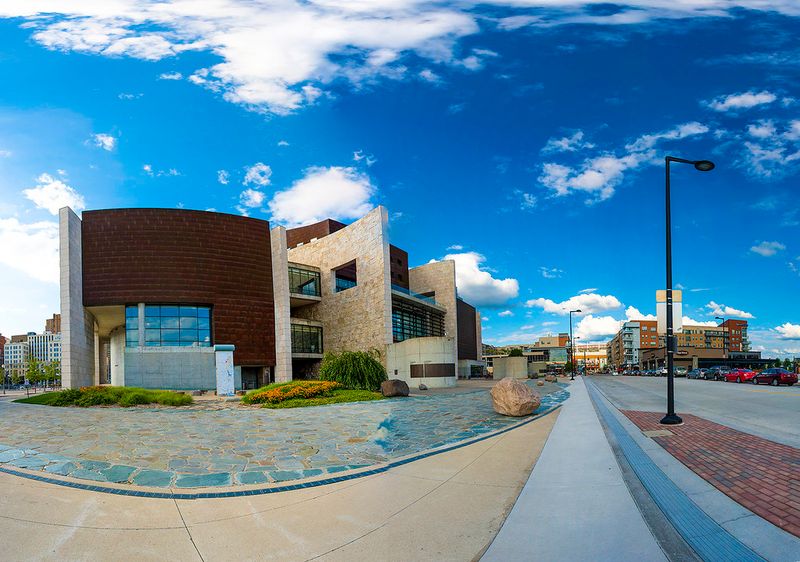
Cincinnati sits on the Ohio River, which once marked the boundary between slavery and freedom. Thousands of enslaved people risked everything to cross that river, and this museum honors their courage while examining freedom struggles that continue today.
The museum’s most powerful exhibit is an actual slave pen, a wooden structure where enslaved people were held before being sold. Standing inside it, you can feel the claustrophobia and terror they experienced.
It’s a stark reminder that slavery wasn’t abstract—it was brutal, physical confinement. Other exhibits explore the network of safe houses and brave conductors who helped people escape north.
You’ll learn about Levi Coffin, a Quaker who helped thousands reach freedom, and Harriet Beecher Stowe, whose novel “Uncle Tom’s Cabin” was inspired by stories she heard in Cincinnati. The museum doesn’t just focus on the past.
Modern exhibits examine human trafficking, labor exploitation, and other contemporary forms of enslavement affecting millions worldwide. It asks visitors to consider what freedom really means and who still lacks it.
Interactive displays and first-person accounts make the experience engaging for all ages.
9. National Museum of African American Music – Nashville, Tennessee
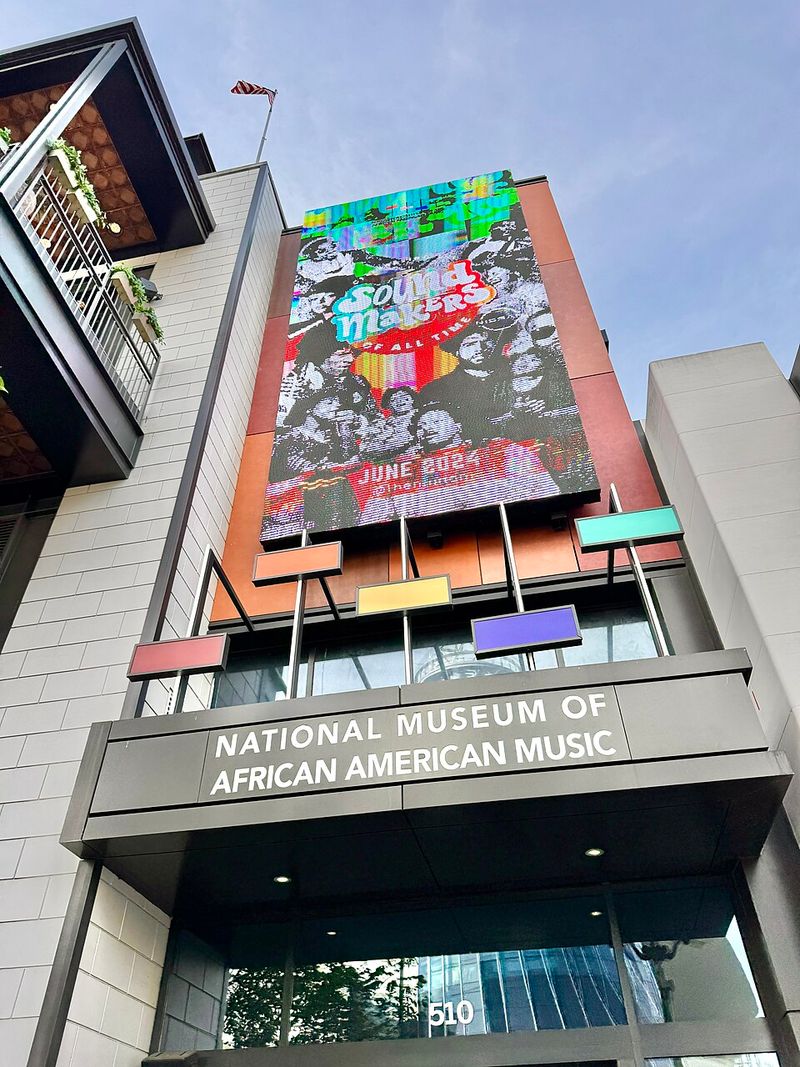
Nashville calls itself Music City, but for too long, the story emphasized country music while downplaying Black contributions. This museum, which opened in 2021, sets the record straight by showing how African American creativity shaped every genre of American music.
You’ll trace musical evolution from spirituals sung by enslaved people through gospel, blues, jazz, R&B, funk, hip-hop, and beyond. Interactive exhibits let you mix beats, try instruments, and explore how rhythms from West Africa transformed into uniquely American sounds.
The museum highlights individual artists like Sister Rosetta Tharpe, often called the godmother of rock and roll, whose guitar skills influenced Elvis Presley and Chuck Berry. You’ll discover musicians who changed the world but never got the recognition they deserved.
Live performances and educational programs bring music history to life. Kids especially love the hands-on exhibits where they can create their own tracks and learn about music production.
Located on Nashville’s historic Broadway, the museum fits perfectly into the city’s entertainment district. After your visit, you can hit the honky-tonks with a deeper appreciation for the Black roots of American music.
10. Negro Leagues Baseball Museum – Kansas City, Missouri
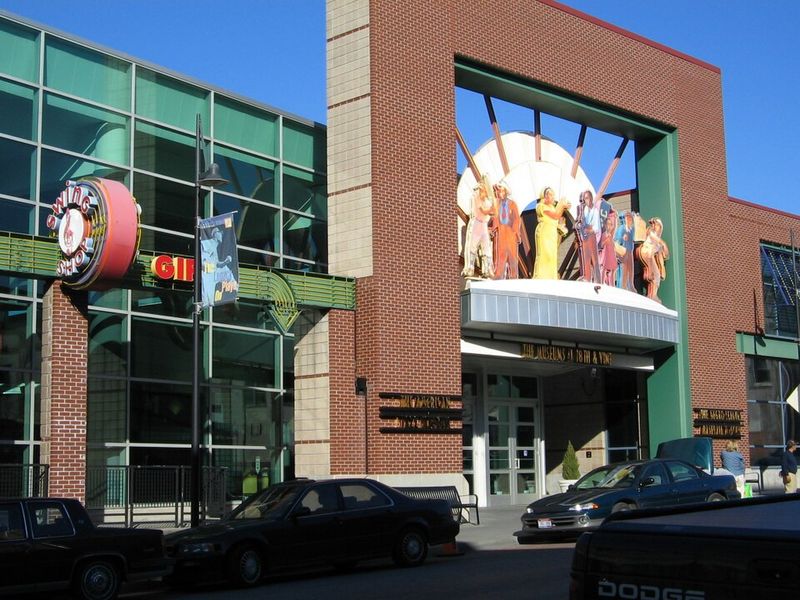
Before Jackie Robinson broke baseball’s color barrier in 1947, Black players competed in their own leagues, creating some of the most exciting baseball ever played. This museum preserves that legacy in the heart of Kansas City, home to the legendary Monarchs.
Life-size statues of players greet you at the entrance, frozen mid-swing or mid-pitch, capturing the athleticism and grace of athletes like Satchel Paige, Josh Gibson, and Cool Papa Bell. These men were as talented as any major leaguer but were denied opportunities because of their skin color.
Exhibits explore the business side of the Negro Leagues, showing how Black entrepreneurs built teams, ballparks, and fan bases despite segregation. You’ll see vintage uniforms, equipment, photographs, and personal items that tell stories of triumph over injustice.
The museum also examines the complicated legacy of integration. While Robinson’s breakthrough was historic, it essentially killed the Negro Leagues, destroying Black-owned businesses and community institutions in the process.
Baseball fans of all backgrounds leave with a new appreciation for players who deserved better but never stopped loving the game.
11. Whitney Plantation Historic District – Wallace, Louisiana
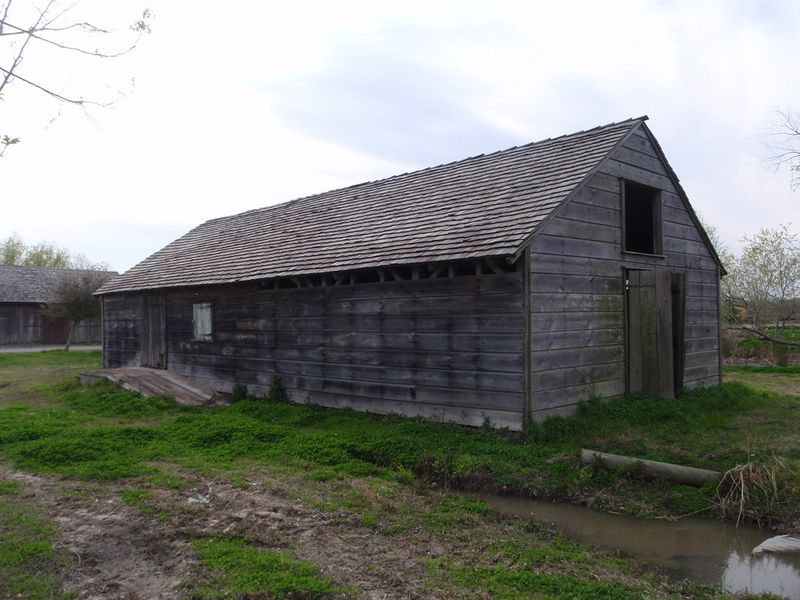
Most plantation tours in Louisiana focus on elegant mansions and romantic stories about wealthy white families. Whitney Plantation takes a radically different approach, centering the experiences of the enslaved people who actually built and maintained these estates.
Walking the grounds, you’ll see restored slave quarters, not just the big house. Sculptures of children represent the young lives stolen by slavery—a reminder that kids as young as five worked in the fields.
Memorial walls list thousands of names, giving identity back to people treated as property. First-person narratives from formerly enslaved people, recorded in the 1930s, play throughout the site.
Hearing their voices describe whippings, family separations, and daily humiliations makes history visceral and impossible to ignore. The tour guides don’t shy away from difficult truths.
They explain how slavery wasn’t just morally wrong but economically brutal, extracting maximum labor through violence and terror. You’ll learn about resistance, both large and small, as enslaved people fought to maintain dignity and humanity.
This isn’t a comfortable experience, but it’s an essential one. Understanding slavery’s reality helps explain America’s ongoing racial inequalities.
12. Tuskegee Airmen National Historical Museum – Detroit, Michigan
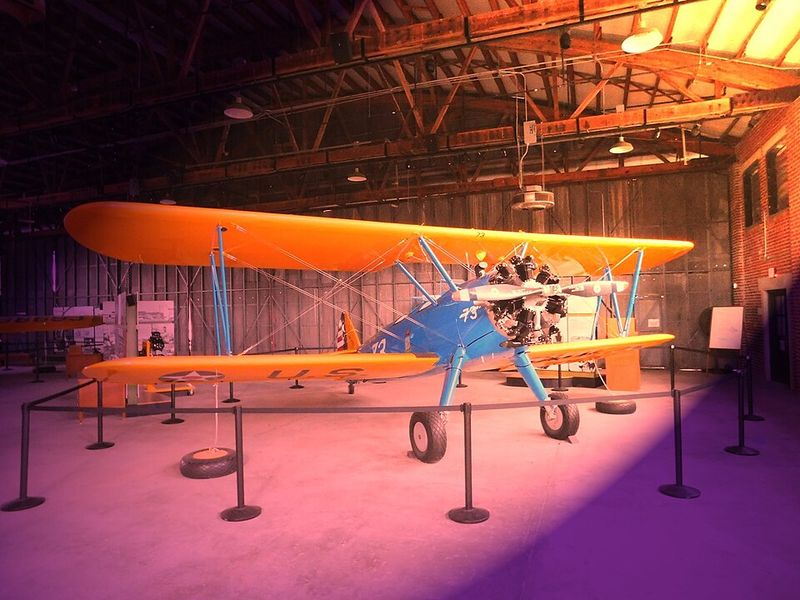
During World War II, the military was segregated, and many white Americans doubted Black men could fly combat planes. The Tuskegee Airmen proved them spectacularly wrong, becoming one of the most respected fighter groups in the war.
This museum, located at Historic Fort Wayne in Detroit, preserves their legacy with aircraft, uniforms, photographs, and personal stories. You’ll learn about the rigorous training these pilots underwent at Tuskegee Institute in Alabama, where they faced both enemy fire abroad and racism at home.
The Red Tails, as they were nicknamed for their distinctive plane markings, flew hundreds of missions escorting bombers over Europe. They earned a reputation for never losing a bomber under their protection—a record unmatched by any other fighter group.
Exhibits also highlight the ground crew, mechanics, and support staff who kept the planes flying. These unsung heroes were equally essential to the Airmen’s success but rarely get the recognition they deserve.
Veterans sometimes visit the museum, sharing firsthand accounts with visitors. Hearing their stories directly adds a powerful personal dimension to the exhibits.
The museum inspires young people to pursue careers in aviation and military service.
13. Slave Haven Underground Railroad Museum – Memphis, Tennessee
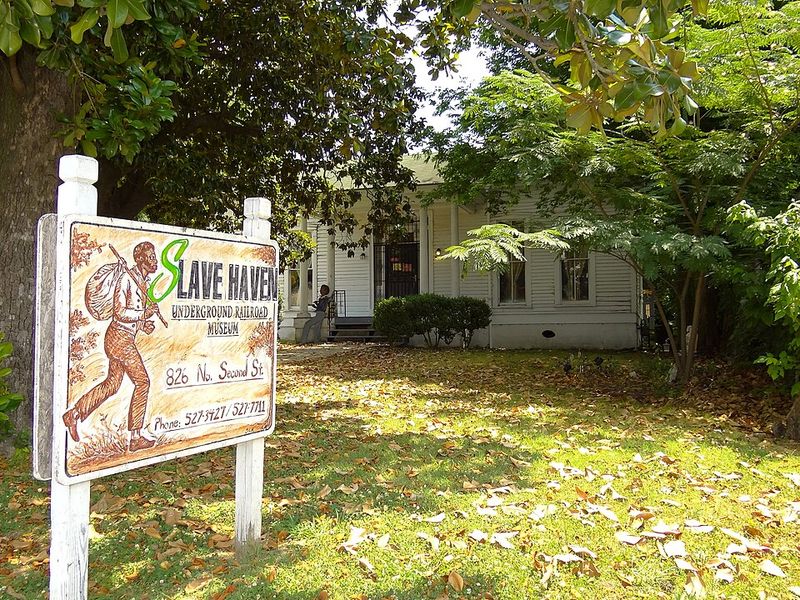
The Burkle Estate looks like a typical 19th-century Memphis home, but beneath the floorboards lies a network of tunnels and hiding spaces used to shelter escaped slaves. This house was a station on the Underground Railroad, offering temporary safety before the dangerous journey north continued.
Tours take you through secret passages and trapdoors where families huddled in darkness, listening for signs of slave catchers. The cramped, airless spaces give you a small taste of the terror and desperation people felt while fleeing bondage.
Guides explain the coded quilts and signals used to communicate safe routes and hiding spots. Everyday items like lanterns and songs carried hidden meanings, creating a secret language of resistance.
The museum also tells the story of the people who risked their own freedom to help others escape. Both Black and white abolitionists operated this network, proving that ordinary people could make extraordinary differences.
Memphis sits near the Mississippi River, a major route for both slave traders and freedom seekers. Understanding the city’s geographic importance helps explain its role in this dangerous underground network.
It’s a small museum but packed with powerful history.
14. Buffalo Soldiers National Museum – Houston, Texas
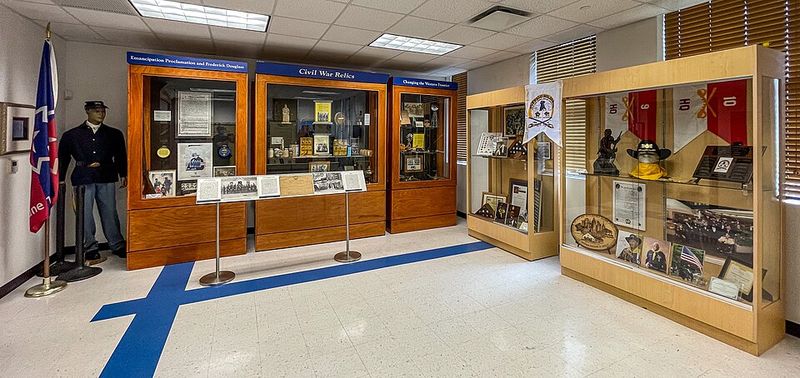
After the Civil War, the Army formed all-Black cavalry and infantry regiments that served on the western frontier. Native Americans reportedly called them Buffalo Soldiers, possibly because their hair resembled buffalo fur or because they fought with the same fierce determination as the buffalo.
This Houston museum honors their service with uniforms, weapons, photographs, and personal artifacts. These soldiers fought in the Indian Wars, Spanish-American War, and both World Wars, despite facing discrimination and segregation within the military itself.
Exhibits explain the complicated legacy of Buffalo Soldiers, who protected white settlers and helped enforce policies that harmed Native American communities. The museum doesn’t ignore this tension but presents it as part of a complex history worth examining honestly.
You’ll learn about individual soldiers like Cathay Williams, a woman who disguised herself as a man to serve, and Henry Flipper, the first Black graduate of West Point. Their stories reveal courage and determination in the face of systemic racism.
The museum also covers the role of Buffalo Soldiers in national parks, where they served as some of the first rangers, protecting natural resources and wildlife. Their contributions to conservation rarely get mentioned in mainstream environmental history.
15. Jack Hadley Black History Museum – Thomasville, Georgia
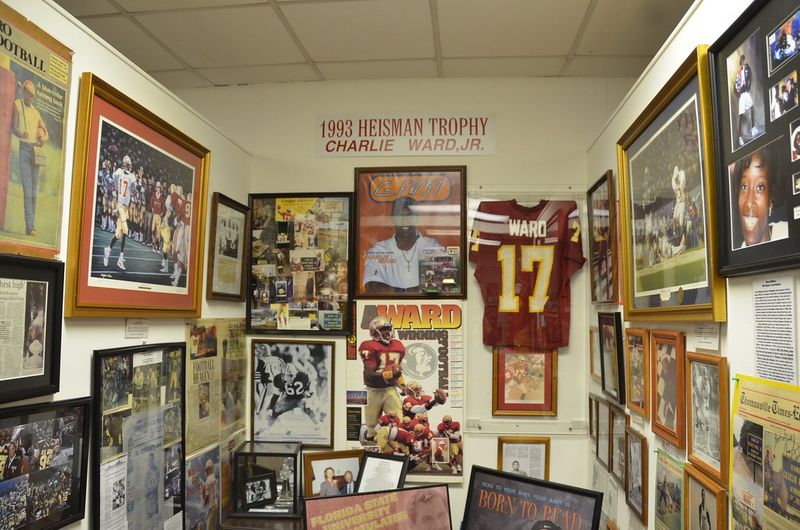
Sometimes the most important history happens in small towns. Jack Hadley, a local barber and self-taught historian, spent decades collecting artifacts and stories from Thomasville’s Black community.
His passion resulted in this grassroots museum that preserves local and national Black history. The collection includes everything from vintage farming tools to photographs of local families, church programs, and business records.
These everyday items tell stories of ordinary people building lives and communities despite segregation and limited opportunities. Hadley believed that if local history wasn’t preserved, it would disappear forever.
He was right. Many of the people and places documented in his museum would have been forgotten without his dedication.
The museum also covers national Black history, with exhibits on civil rights leaders, inventors, and cultural figures. But the local focus makes it special, showing how national movements played out in one Southern town.
Visiting feels personal, almost like looking through a family photo album. The museum may be small, but it proves that every community has important stories worth preserving.
Jack Hadley’s legacy lives on through the museum that bears his name, inspiring others to document their own histories.
16. Schomburg Center for Research in Black Culture – New York, New York
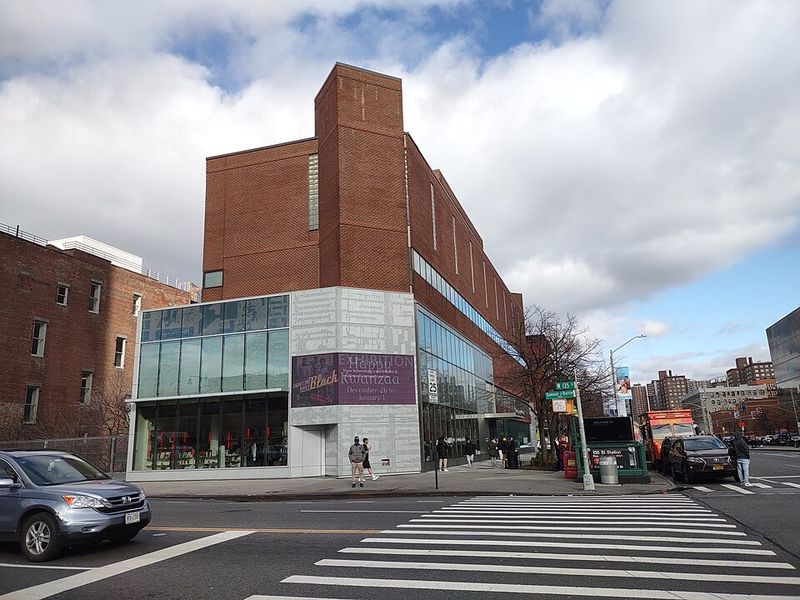
Harlem’s Schomburg Center isn’t just a museum—it’s one of the world’s leading research libraries on Black culture. Founded on the personal collection of Arturo Alfonso Schomburg, a Puerto Rican of African descent who dedicated his life to documenting Black history, the center holds millions of items spanning centuries.
Rare books, manuscripts, photographs, and recordings fill the archives. Scholars from around the world visit to access materials unavailable anywhere else.
The collection includes slave narratives, early Black newspapers, and documents from the Harlem Renaissance. Rotating exhibits showcase items from the collection, making this vast archive accessible to the general public.
You might see original manuscripts from Langston Hughes, photographs from the Civil Rights Movement, or artifacts from African kingdoms. The center also hosts lectures, performances, and community events that keep Black culture vibrant and evolving.
It’s a living institution, not just a repository of the past. Located in the heart of Harlem, the Schomburg Center sits in a neighborhood that played a crucial role in Black cultural and political life.
Walking the surrounding streets, you’ll pass landmarks from the Harlem Renaissance and the Civil Rights Movement.
17. African American Firefighter Museum – Los Angeles, California
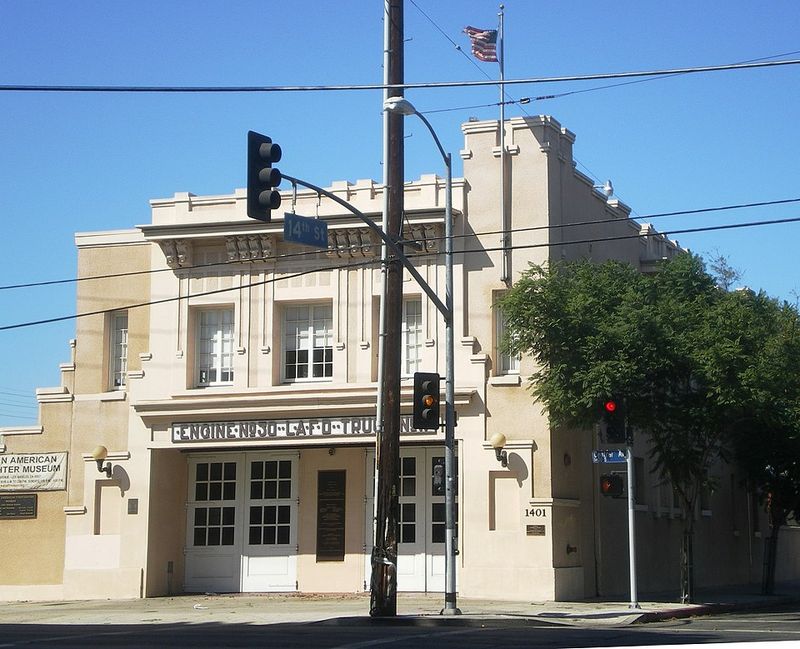
Fire departments were segregated well into the 20th century, with Black firefighters assigned to separate stations and denied promotions. This Los Angeles museum, housed in an old fire station, honors the men who fought fires and fought for equality within their profession.
Vintage fire trucks, equipment, and uniforms fill the space, but the real story is about the people. You’ll learn about the first Black firefighters hired in L.A., the discrimination they faced, and the lawsuits and activism that eventually integrated the department.
Exhibits highlight individual firefighters who became community leaders, mentors, and role models. Many continued serving their neighborhoods long after retirement, proving that public service went beyond their official duties.
The museum also explores how fire safety and emergency response differed in Black neighborhoods, which often received slower response times and fewer resources. These disparities had deadly consequences that persist in many cities today.
Kids love the hands-on exhibits where they can try on gear and learn about firefighting techniques. The museum hosts youth programs encouraging young people to consider careers in emergency services.
Los Angeles has a complex history of racial segregation and civil rights struggles, and this museum adds an important chapter to that story.
18. African American Museum and Library at Oakland – Oakland, California
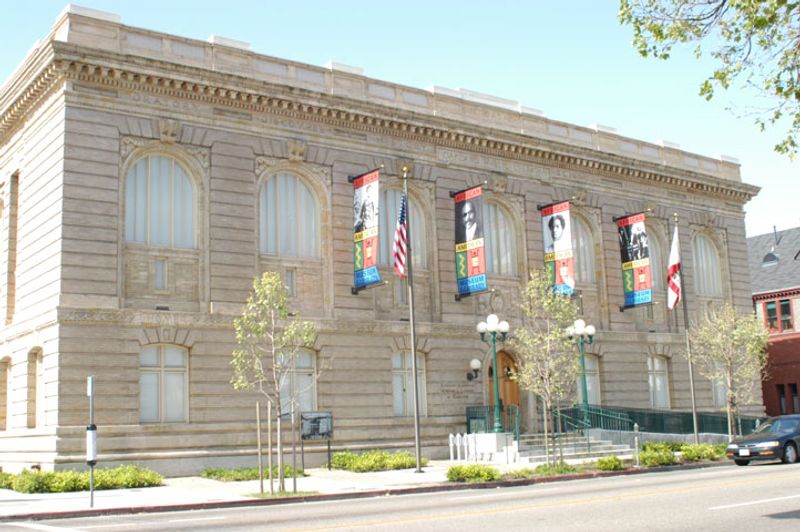
Oakland has been a center of Black political activism, cultural innovation, and community organizing for decades. This museum and library combination preserves that legacy while serving as an active research center for scholars and community members.
The library holds extensive archives on the Black Panther Party, which was founded in Oakland in 1966. You’ll find original newspapers, photographs, and documents that show the Panthers’ community programs, including free breakfast programs and health clinics, alongside their more controversial activities.
Museum exhibits rotate regularly, covering topics from local history to national movements. Recent shows have explored Black music in the Bay Area, African American labor organizing, and the Great Migration of Southern Blacks to California.
The building itself is architecturally striking, with a design that incorporates African motifs and modern elements. It sits in downtown Oakland, making it easily accessible by public transit.
Educational programs bring Oakland students in to learn about their city’s role in civil rights history. Genealogy workshops help families trace their roots and understand how their personal stories connect to larger historical patterns.
Combining museum exhibits with archival research creates unique opportunities for deep exploration of topics that interest you.
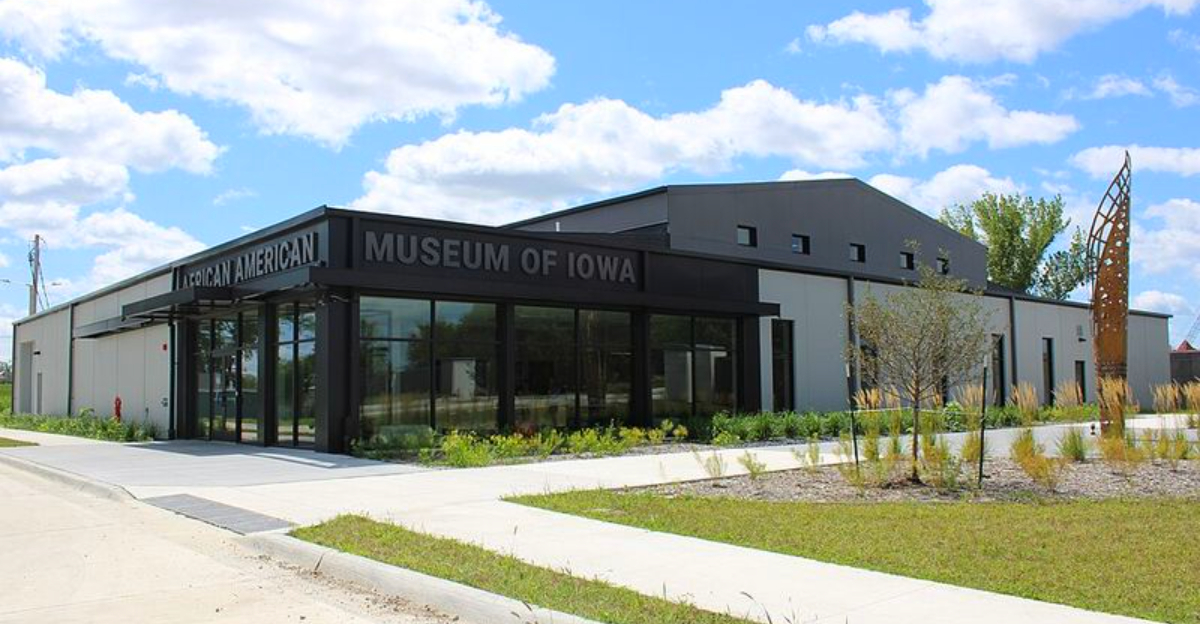
19. African American Museum of Iowa – Cedar Rapids, Iowa
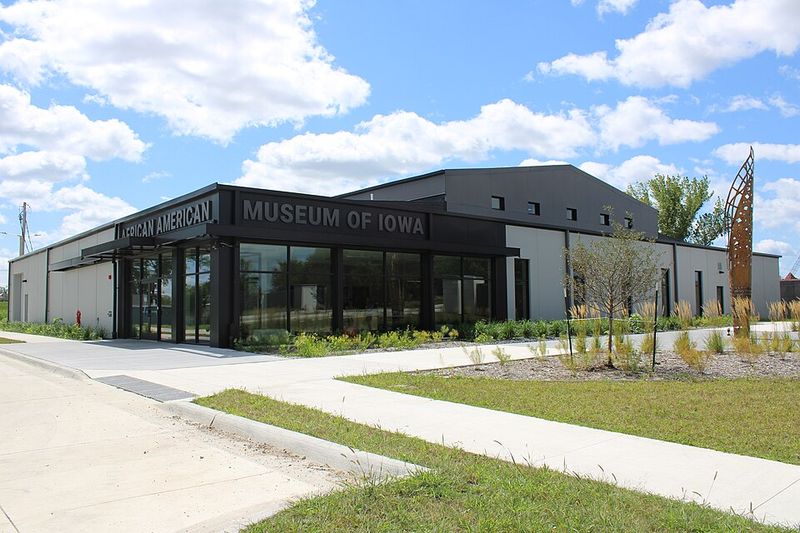
When people think about Black history, they usually picture the South or major cities. But African Americans have lived in Iowa since before it became a state, and this Cedar Rapids museum tells their often-overlooked stories.
Exhibits cover the role of Iowa in the Underground Railroad, with multiple routes running through the state. You’ll learn about communities like Buxton, an integrated coal mining town where Black miners earned the same wages as white workers—almost unheard of in the early 1900s.
The museum also highlights Iowa’s Black soldiers, farmers, business owners, and artists. These pioneers faced harsh winters, social isolation, and racism but built lives and contributed to their communities.
Interactive displays let visitors explore what life was like for Black Iowans across different time periods. Oral histories from longtime residents provide personal perspectives on everything from segregation to the civil rights era.
The museum challenges assumptions about where Black history happened, showing that important stories exist everywhere, not just in the places typically associated with African American life. Iowa’s Black communities may be small, but their history is significant and worth preserving for future generations.
20. Banneker-Douglass-Tubman Museum – Annapolis, Maryland
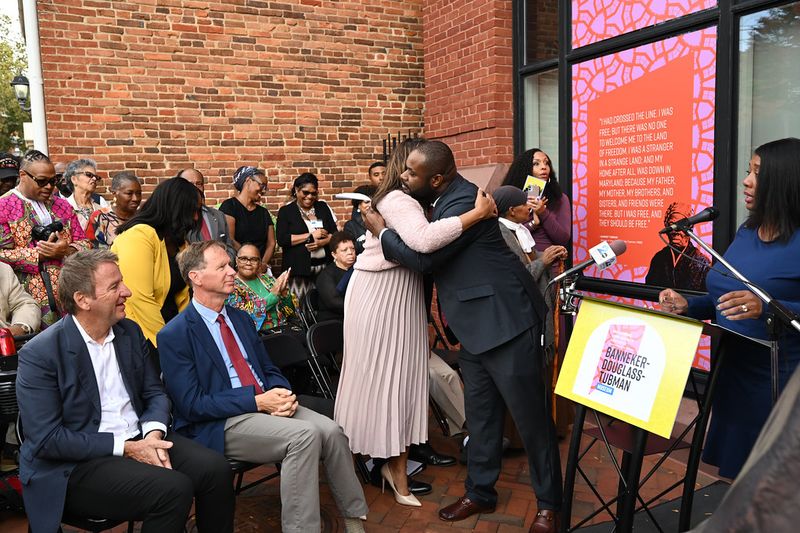
Maryland’s official state museum for African American history honors three giants: Benjamin Banneker, a self-taught scientist who helped survey Washington, D.C.; Frederick Douglass, the famous abolitionist and writer; and Harriet Tubman, who led dozens to freedom on the Underground Railroad. All three were Marylanders whose achievements shaped the nation.
The museum occupies a former church in downtown Annapolis, Maryland’s capital city. Exhibits cover state history from colonial times through the present, showing how African Americans influenced politics, culture, and economics despite facing slavery and segregation.
You’ll learn about Maryland’s complicated position as a border state during the Civil War, where slavery remained legal even as the state stayed in the Union. This created unique challenges and opportunities for Black Marylanders seeking freedom.
Special exhibits rotate throughout the year, often featuring contemporary artists or addressing current social issues through a historical lens. The museum actively engages with Maryland’s Black communities, hosting events and programs that keep history relevant.
Annapolis itself is full of Black history, from the docks where enslaved people arrived to the neighborhoods where free Black communities thrived. The museum provides context for exploring the city’s complex past and present.



