 Unearth The Voyage
Faith is a deeply personal journey, and for some celebrities, that journey led them away from Christianity entirely. Whether raised in devout households or simply shaped by religious culture, these well-known figures eventually chose a different path.
Their stories are honest, thought-provoking, and surprisingly relatable. Here is a look at 20 celebrities who publicly left Christianity behind.
Brad Pitt
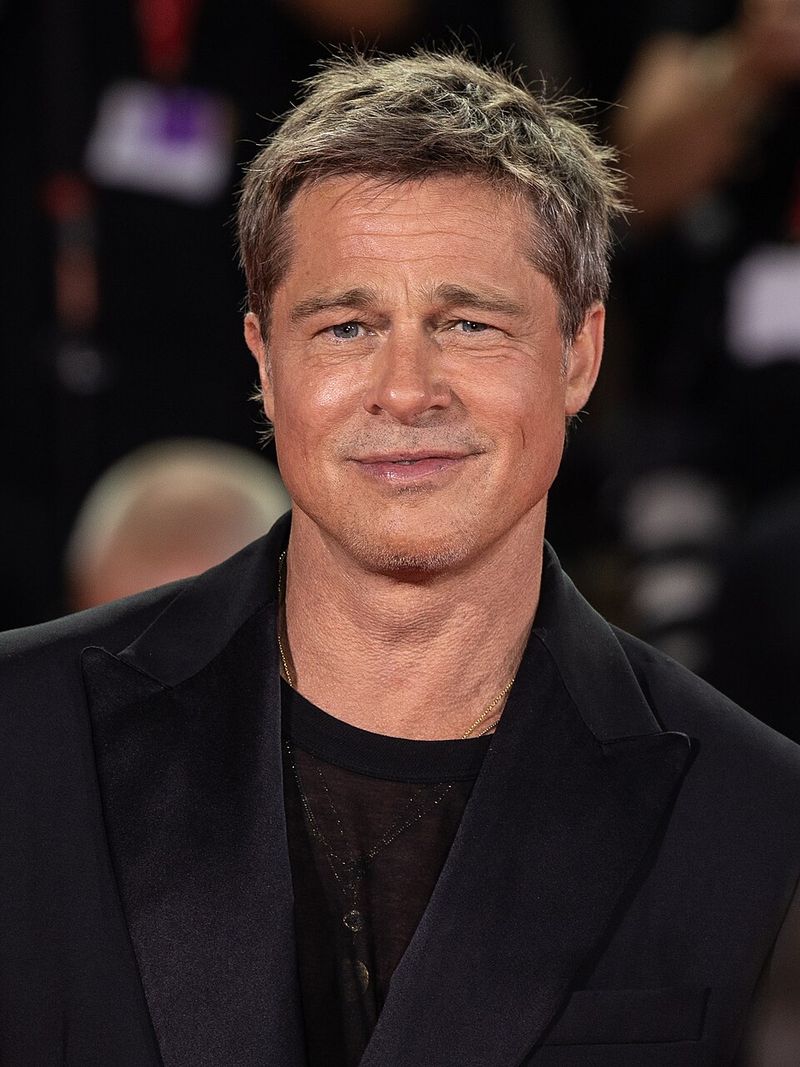
Brad Pitt grew up in a strict Southern Baptist household in Missouri, where church was a regular part of life. Over time, he began questioning the beliefs he was raised with and eventually identified as agnostic.
He has spoken openly about feeling spiritually curious but no longer aligning with organized religion.
Pitt has said he spent years exploring different worldviews before landing in a place of honest uncertainty. For him, leaving Christianity was not a rejection of morality but a search for truth.
His openness about doubt has resonated with many fans who have experienced similar spiritual shifts in their own lives.
Katy Perry
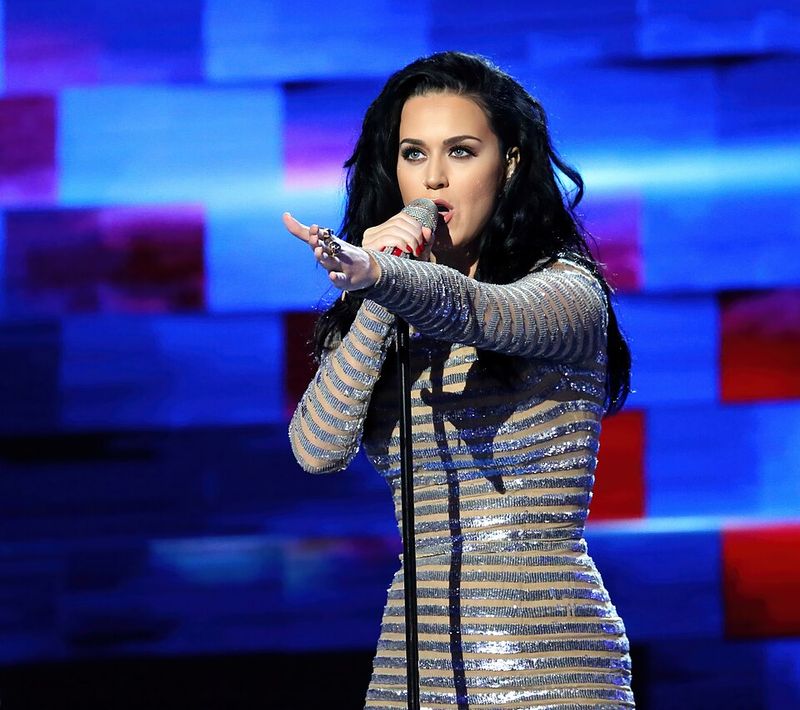
Katy Perry was raised in a deeply religious home by two Pentecostal pastors. She began her career singing gospel music before crossing over into pop, and her personal beliefs shifted dramatically along the way.
Perry has described her relationship with faith as complicated and evolving over many years.
She has spoken in interviews about moving away from the rigid rules of her upbringing and exploring spirituality on her own terms. Perry once said she prays, but not to a Christian God.
Her story reflects how growing up in a highly structured religious environment can sometimes push people to seek something more open and personal as adults.
Julia Sweeney
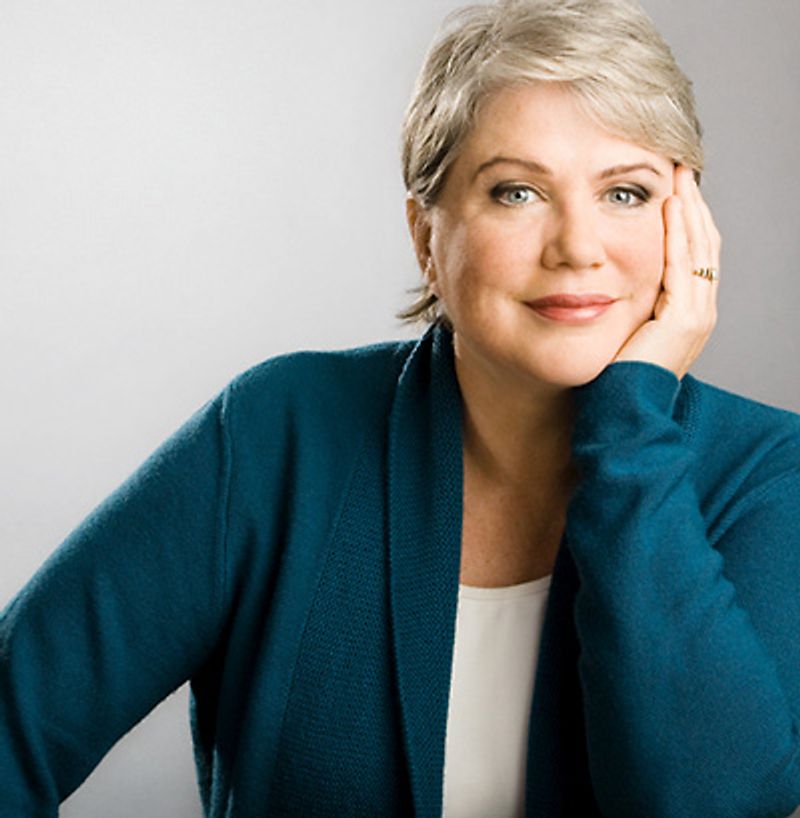
Julia Sweeney is best known for her time on Saturday Night Live, but she is equally recognized for her deeply personal one-woman show called Letting Go of God. In that show, she walked audiences through her gradual move away from Catholicism toward atheism, making the journey both funny and moving.
Sweeney has said her shift began when she started reading religious texts more carefully and asking questions no one could satisfactorily answer. Her experience highlights how intellectual curiosity can sometimes lead people out of faith.
She has become a respected voice in the secular community, encouraging others to think critically about the beliefs they were raised with without shame or fear.
Seth MacFarlane
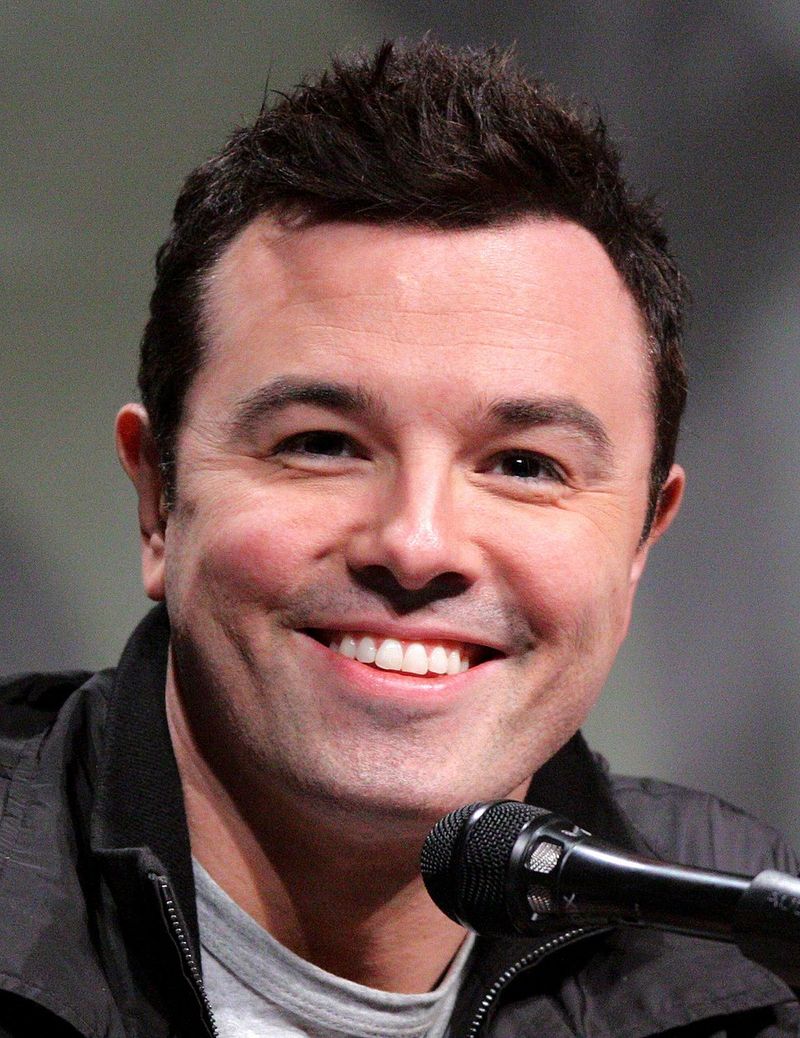
Seth MacFarlane, the creator of Family Guy, has never been shy about his atheism. He grew up with a loosely religious background but moved away from faith fairly early in life.
His shows often satirize religion, and he has used humor to question beliefs that many people hold without examination.
MacFarlane has said he finds comfort in science and reason rather than faith. He is a strong supporter of scientific literacy and has been involved in projects promoting critical thinking.
His perspective is that religion, while meaningful to many, should be open to the same scrutiny as any other idea. That belief shows clearly in his creative work and public statements over the years.
Ricky Gervais
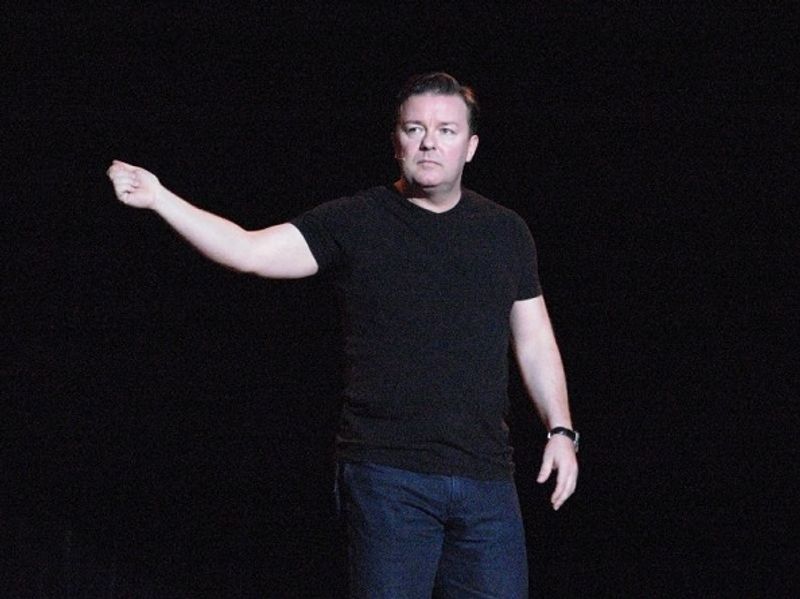
Ricky Gervais has one of the most well-known deconversion stories in entertainment. He grew up in a Christian household in England and believed in God as a young child.
The moment he stopped believing came when he was about eight years old and his older brother questioned his faith in front of their mother, prompting young Ricky to think critically for the first time.
Since then, Gervais has become one of the most vocal atheists in popular culture. He frequently debates religious topics online and in interviews.
His approach blends sharp wit with genuine philosophical curiosity. He maintains that atheism is simply the absence of belief, not a worldview to be feared or misunderstood by those still rooted in faith traditions.
Daniel Radcliffe

Daniel Radcliffe, best known for playing Harry Potter, has identified as an atheist since his teenage years. He was raised in a mixed household, with a Protestant father and a Jewish mother, but neither parent pushed religion strongly.
Radcliffe has said he simply never felt a personal connection to religious belief.
He has been thoughtful in how he discusses the topic, making clear that he respects people of faith while personally not sharing their beliefs. Radcliffe has noted that growing up in the spotlight made him think carefully about identity and belief from a young age.
His calm, measured approach to discussing atheism has made him a refreshing voice on a topic that often gets heated quickly in public conversations.
Jodie Foster
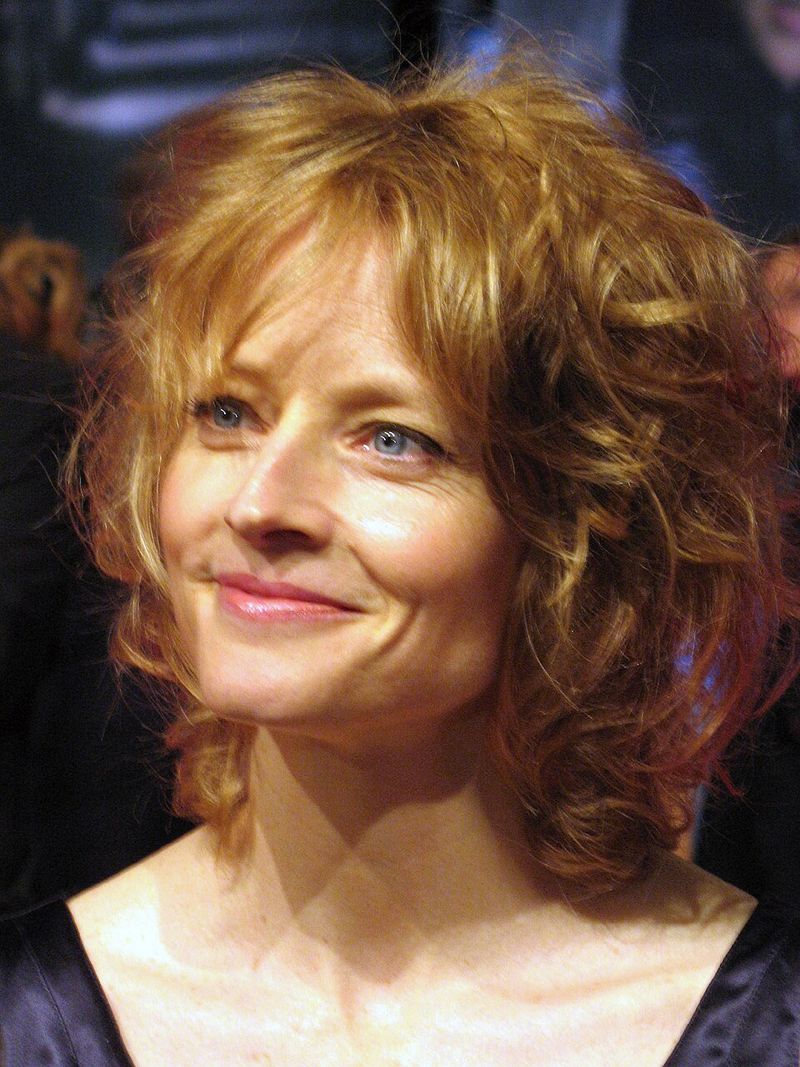
Jodie Foster was raised Catholic but has described herself as an atheist for most of her adult life. She attended a Catholic school growing up, and while she appreciated aspects of the structure it provided, she did not find lasting spiritual meaning in the faith itself.
Foster has spoken about her atheism in a calm, matter-of-fact way, never using it to provoke or offend. She has said she raises her children to think independently about these questions.
Her approach reflects a broader trend among highly educated public figures who respect religion culturally but do not personally subscribe to its doctrines. Foster is widely admired not just for her acting but for her thoughtful and grounded perspective on life and belief.
Keira Knightley
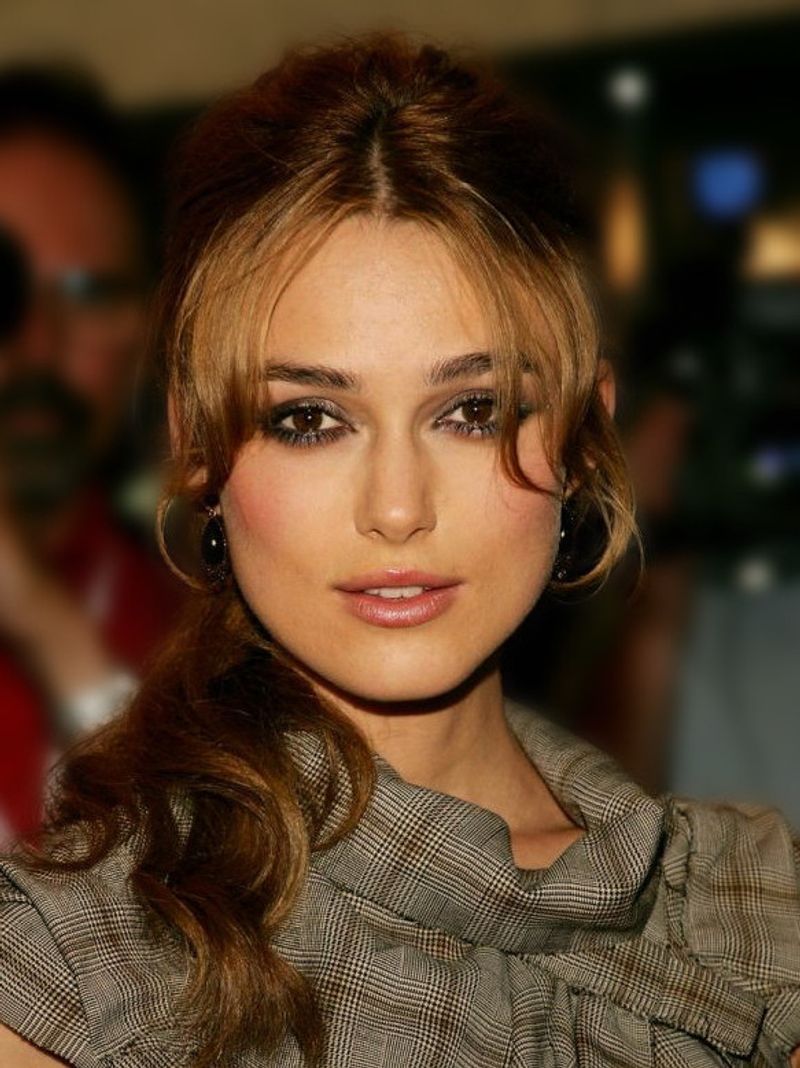
Keira Knightley grew up in a household that was not particularly religious, and she has described herself as agnostic in several interviews. While she has expressed admiration for certain aspects of Christianity, particularly the sense of community and comfort it offers, she does not personally hold Christian beliefs.
Knightley has said she envies people who have strong faith because it seems to bring them peace during difficult times. That honest admission makes her perspective uniquely sympathetic rather than dismissive.
She represents a growing group of people who acknowledge the appeal of religion without personally embracing it. Her reflections on belief feel genuine and open, which is why fans often find her comments on spirituality refreshing rather than provocative or dismissive.
Penn Jillette
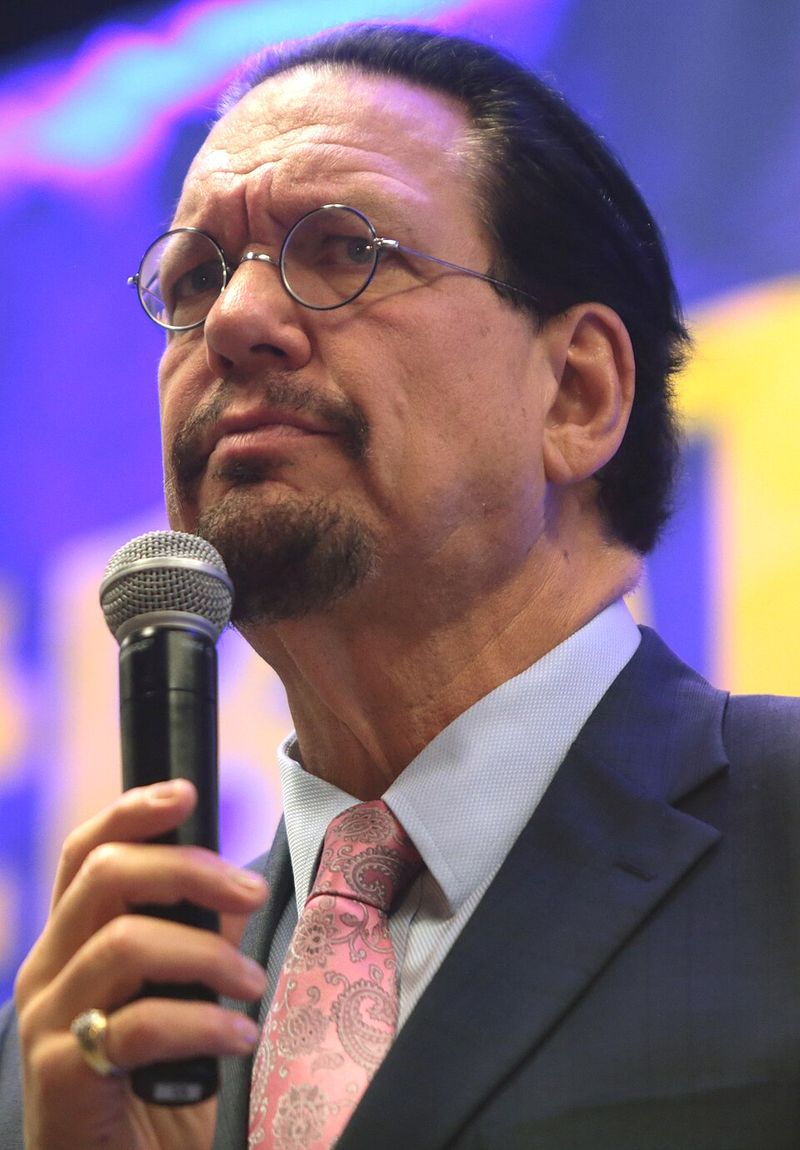
Penn Jillette, the larger and louder half of the famous magic duo Penn and Teller, is one of the most outspoken atheists in American entertainment. He was raised in a Protestant household but walked away from faith as he grew older and began applying logic more rigorously to his beliefs.
Jillette wrote a book called God, No! in which he laid out his case for atheism in his signature blunt and entertaining style. He argues that saying you do not know something is more honest than accepting a supernatural explanation.
His passion for truth, even when uncomfortable, has made him a respected figure in secular circles. Jillette believes that doubt and questioning are not weaknesses but essential parts of living an examined life.
Rob Zombie
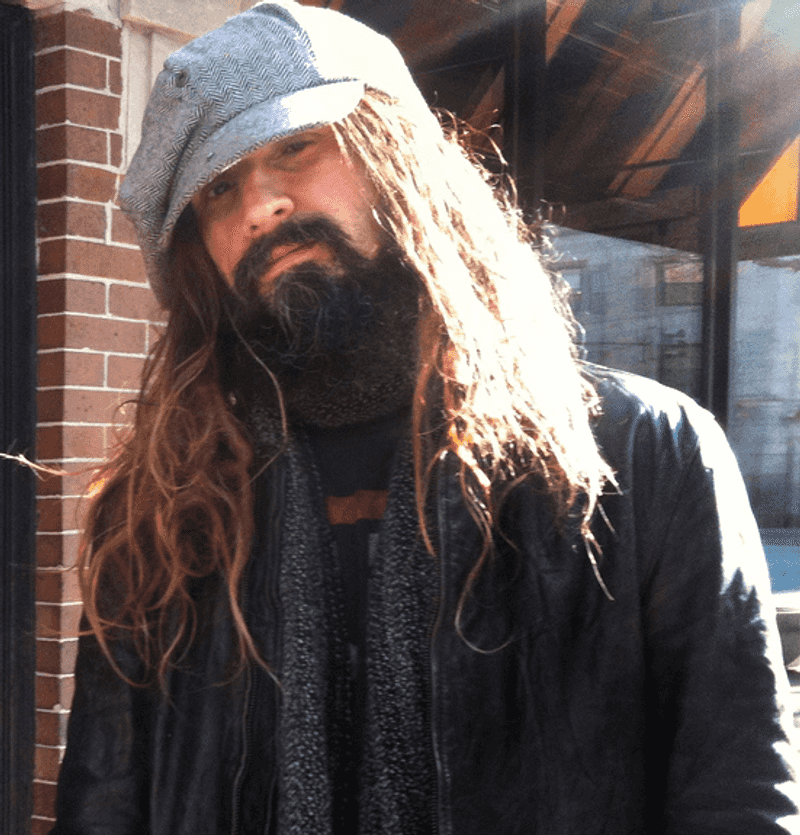
Rob Zombie, the heavy metal rocker and horror film director, has never hidden his rejection of Christianity. Growing up, he was not particularly religious, but the imagery and themes of his career have always stood in sharp contrast to traditional Christian values.
He has built an entire artistic identity around the macabre and the unconventional.
Zombie has described himself as an atheist and has been critical of organized religion in interviews over the years. He sees religion as a tool that has historically been used to control people.
While his views are more confrontational than some on this list, they come from a genuine place of skepticism. His art invites audiences to question authority, tradition, and the stories society tells without always examining them closely.
Tyler Glenn
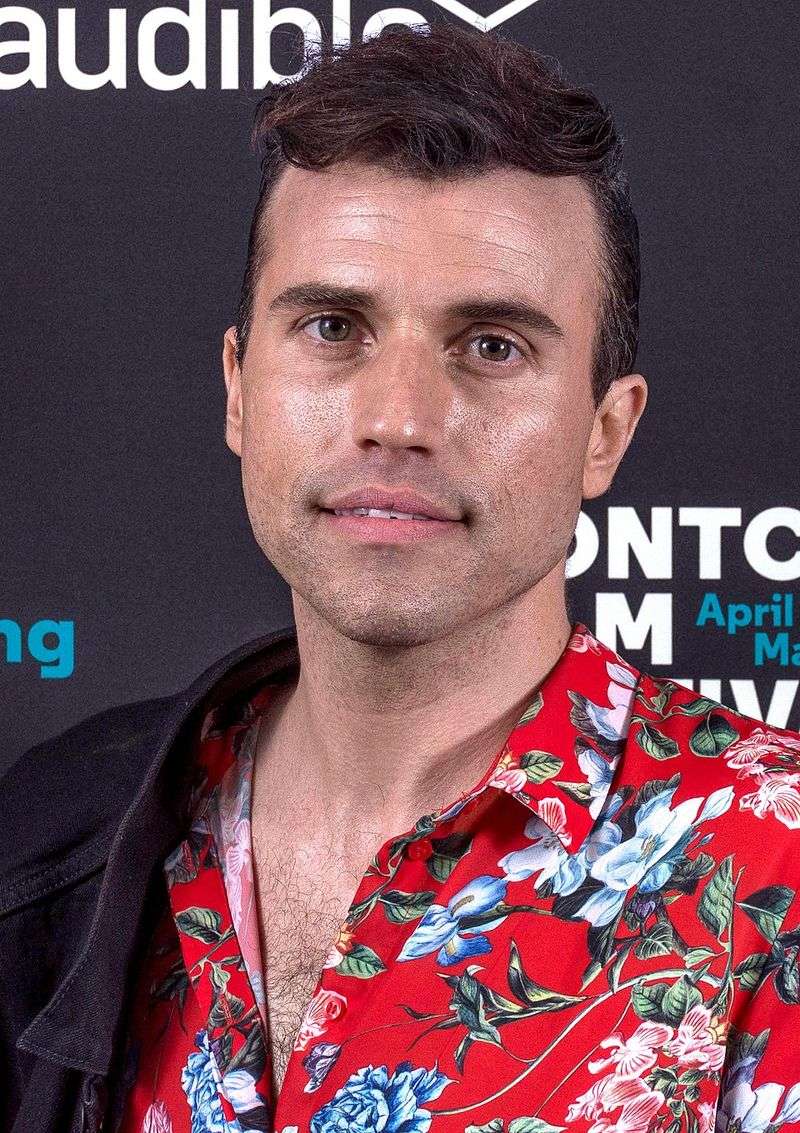
Tyler Glenn, the lead singer of the pop rock band Neon Trees, grew up deeply committed to the Mormon faith, which is rooted in Christian theology. His journey away from the church became very public after he came out as gay in 2015 and began to feel increasingly at odds with the church’s teachings on LGBTQ issues.
Glenn released a solo album called Excommunication that dealt directly with his painful departure from the faith. The music was raw, emotional, and deeply personal.
His experience shows how leaving a religion can be grief-filled rather than liberating, especially when that faith was central to your identity for decades. Glenn’s story resonates with many people who have left religious communities after realizing those communities could not fully accept who they are.
Dan Barker
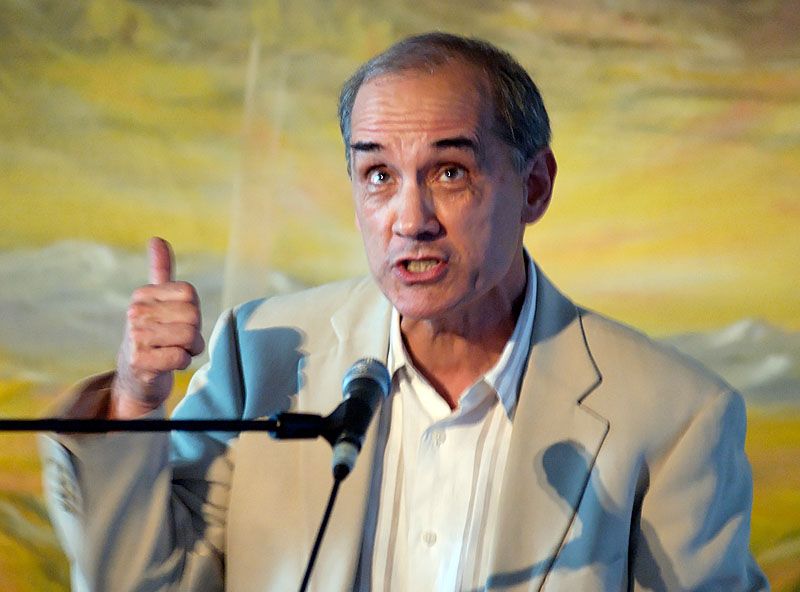
Dan Barker spent nearly two decades as an evangelical Christian minister and musician before becoming one of America’s most prominent atheist advocates. He preached, wrote Christian songs, and led congregations before his beliefs slowly unraveled through years of honest self-examination and theological study.
Barker co-founded the Freedom From Religion Foundation, an organization that works to maintain the separation of church and state in the United States. He wrote a memoir called Godless that traces his remarkable journey from preacher to atheist.
His story is one of the most dramatic deconversions in modern American history. Barker’s experience shows that even those most deeply embedded in religious life can find themselves questioning everything when they commit fully to following the evidence wherever it leads.
Bart Campolo
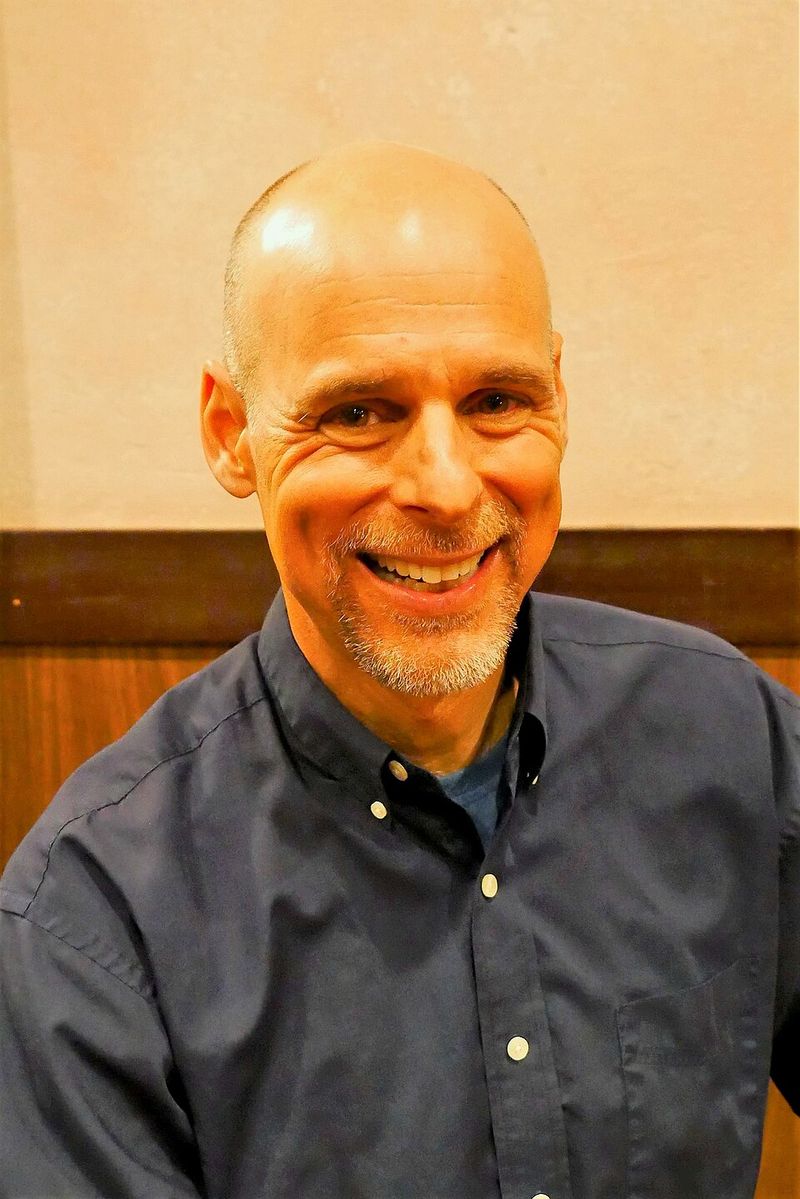
Bart Campolo is the son of renowned evangelical preacher Tony Campolo, which made his public departure from Christianity all the more striking. Bart spent years working as a Christian youth minister and community organizer before his faith gradually gave way to a naturalistic worldview rooted in humanism and reason.
He now serves as a humanist chaplain at a major university, helping students navigate life’s big questions without relying on religious answers. Bart has described his transition as slow and honest, not sudden or dramatic.
He and his father even co-authored a book discussing their very different beliefs respectfully. His story is a powerful example of how two people who love each other deeply can hold fundamentally different worldviews and still maintain a meaningful relationship built on mutual respect.
Rhett McLaughlin
Rhett McLaughlin is one half of the wildly popular YouTube duo Rhett and Link. He grew up in a devout Christian household and attended a Christian university, where faith was central to his identity.
Over several years, a combination of intellectual questions and personal experiences began to erode his belief system.
Rhett went public about his faith deconstruction in a podcast episode that became one of the most talked-about moments in the YouTube community. He described the process as painful but ultimately freeing.
His honesty sparked widespread conversation about deconstruction within evangelical circles. Many fans who had gone through similar experiences said his words made them feel seen and less alone.
Rhett’s journey is ongoing, and he continues to explore meaning outside of traditional religious frameworks.
Link Neal
Link Neal, Rhett McLaughlin’s longtime creative partner, also went through a significant faith deconstruction. Like Rhett, Link grew up in a Christian home and held his beliefs tightly well into adulthood.
His questioning began gradually and was heavily influenced by conversations with Rhett and his own deep reading and reflection.
Link shared his experience alongside Rhett in the same podcast episode, and his account was equally emotional and personal. He described wrestling with doubt for years before finally admitting that his faith had shifted.
Link has said the process was disorienting because so much of his identity was wrapped up in his Christian beliefs. His story highlights how deconversion is rarely a single moment but rather a long, sometimes painful unraveling that touches every part of a person’s life and relationships.
Trace Cyrus
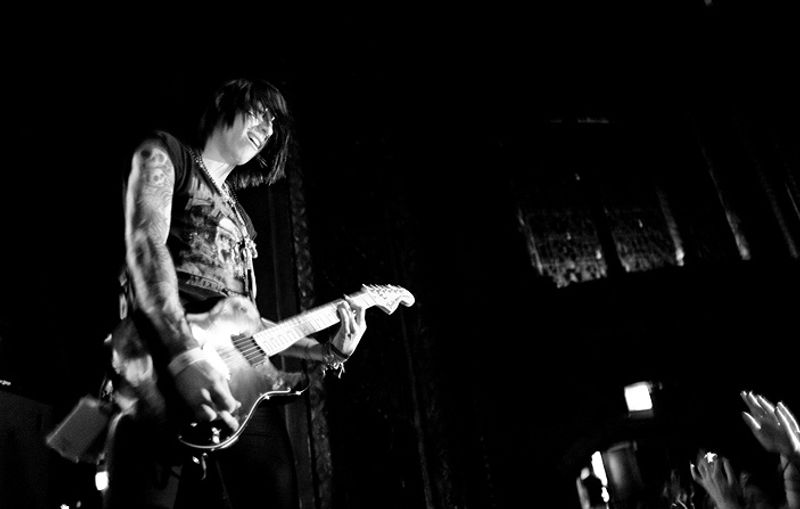
Trace Cyrus, the older brother of pop star Miley Cyrus, grew up in a Christian household in Tennessee and was baptized in the faith. Over time, he began to question his beliefs and publicly distanced himself from Christianity.
His journey reflects a broader pattern seen among many young people raised in religious homes who eventually seek their own spiritual path.
Trace has used social media to express his changing views on religion and spirituality, sometimes drawing both support and criticism from followers. He has explored various alternative spiritual ideas while moving away from traditional Christianity.
His openness about the process shows that leaving a faith tradition does not always mean having all the answers but rather being willing to live with honest questions. His story feels relatable to many millennials navigating similar transitions.
John de Lancie
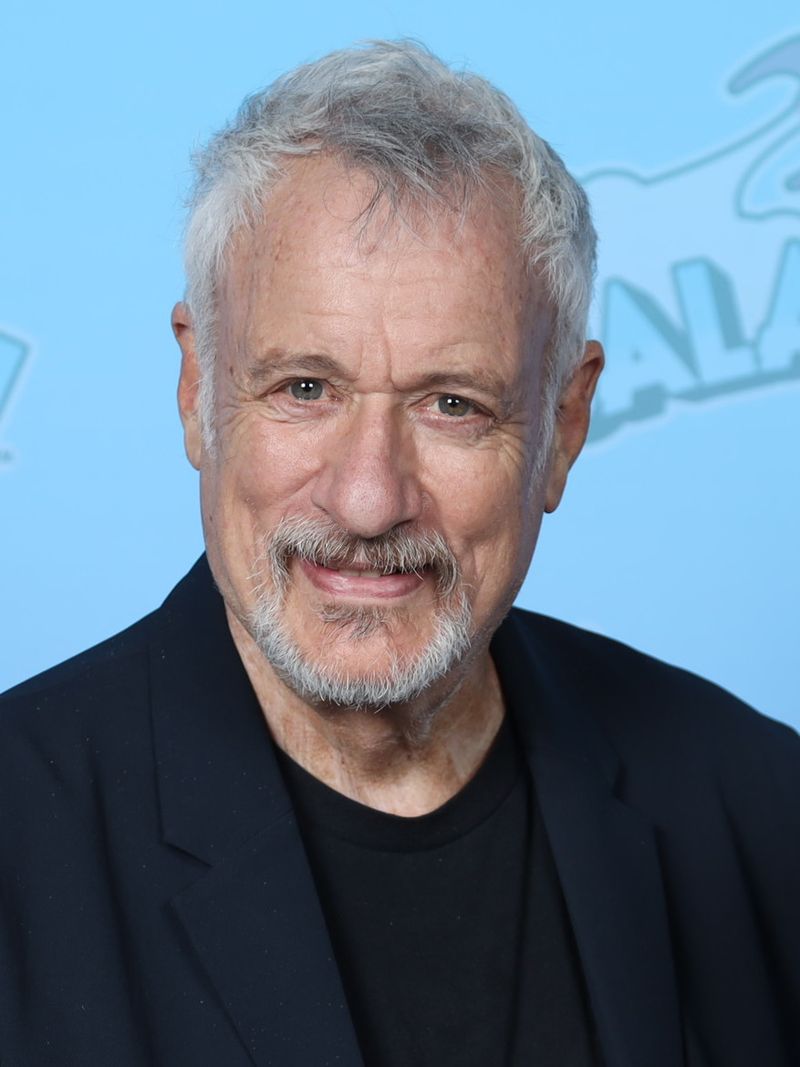
John de Lancie, famous for playing the all-powerful character Q on Star Trek: The Next Generation, has been open about his secular worldview. He grew up with some exposure to Christianity but moved away from religious belief over the course of his life and career.
His scientific curiosity and love of philosophy shaped his thinking significantly.
De Lancie has been involved in projects supporting atheism and secular humanism, including narrating a documentary aimed at atheists in America. He has spoken about the importance of reason and evidence in forming beliefs about the world.
His thoughtful approach to these topics reflects the careful, curious mind that has made him such a compelling actor. For de Lancie, living without religious faith is simply about being honest with what he actually believes based on evidence.
Dave Rubin
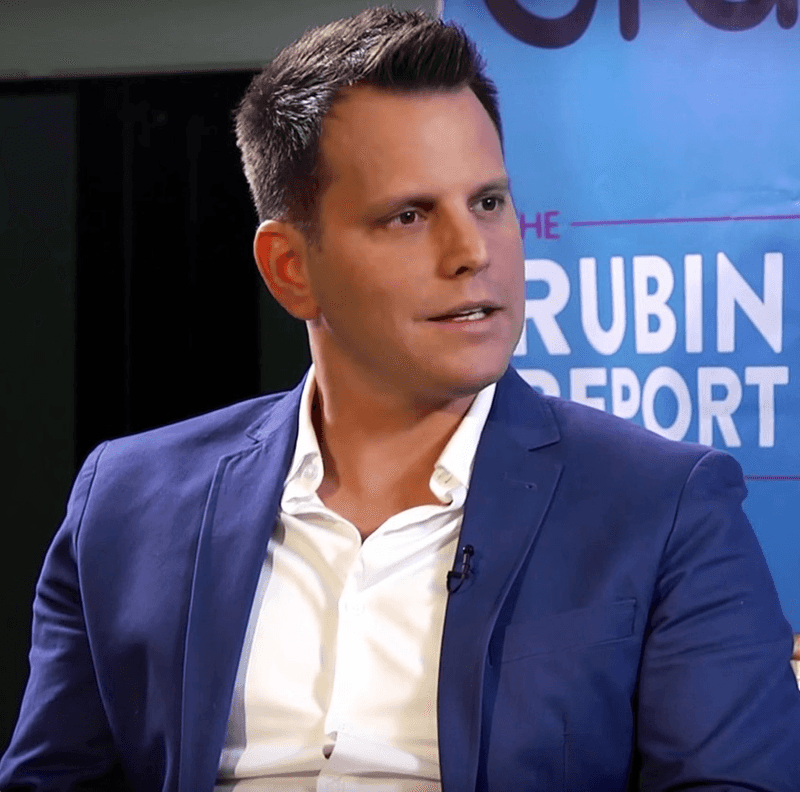
Dave Rubin, host of The Rubin Report, was raised in a Jewish household with some Christian influences and has described himself as having moved away from organized religion in adulthood. While his journey differs from many on this list, his public discussions about faith, secularism, and reason have placed him firmly in conversations about leaving traditional belief systems.
Rubin has said he does not follow a religious practice and approaches questions about meaning and morality from a secular perspective. He has interviewed many atheists, agnostics, and secular thinkers on his show, exploring these topics with genuine curiosity.
His platform has become a space where questions about religion and belief are examined openly and without hostility. Rubin values individual freedom of thought above all, including freedom from religious obligation and expectation.
Seth Andrews
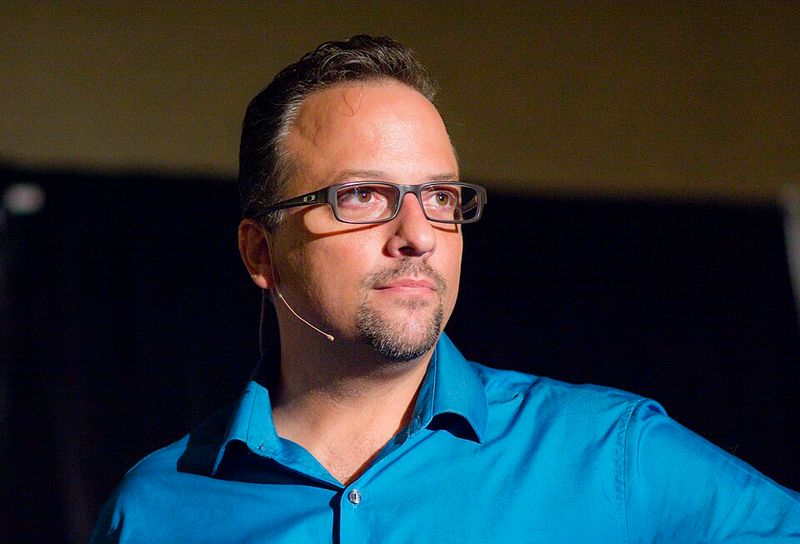
Seth Andrews spent over two decades as a Christian radio host in Oklahoma before leaving his faith and becoming one of the most recognized voices in the modern atheist community. He ran a popular Christian media platform and was deeply embedded in church life before years of private doubt finally led him to step away entirely.
Andrews created The Thinking Atheist podcast, which has attracted millions of listeners worldwide. He has written books and given talks about his journey, always emphasizing that leaving faith was not easy or comfortable.
His story challenges the idea that atheism is a cold or empty worldview, showing instead that it can be filled with curiosity, community, and genuine purpose. Andrews remains a compassionate and thoughtful communicator who connects with people from many different backgrounds and belief systems.
Matt Dillahunty
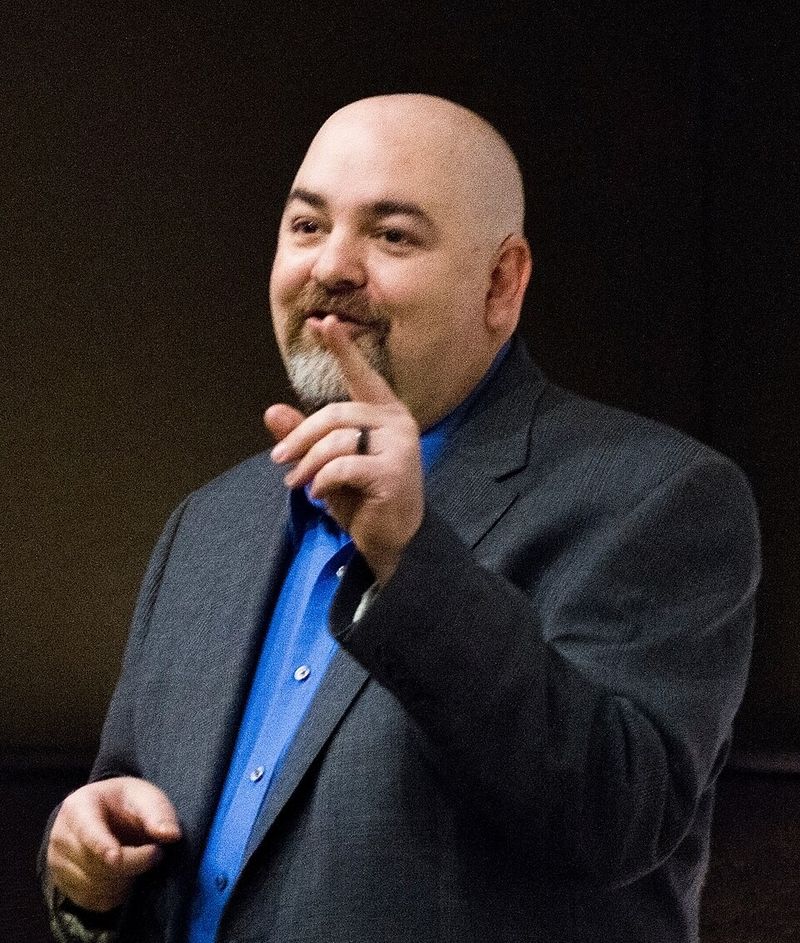
Matt Dillahunty spent years studying to become a Baptist minister before his own theological research led him out of Christianity entirely. The more he studied the Bible, trying to defend his faith, the more he found arguments he could not resolve.
Eventually, the evidence led him to atheism rather than deeper belief.
Dillahunty became the host of The Atheist Experience, a long-running public access television show in Austin, Texas, where he debates callers who defend religious beliefs. He is known for his sharp logic, calm demeanor, and ability to engage even the most challenging arguments.
His journey from aspiring preacher to prominent atheist advocate is one of the most compelling on this list. Dillahunty believes that caring about truth means being willing to change your mind when the evidence points clearly in a new direction.



