 Unearth The Voyage
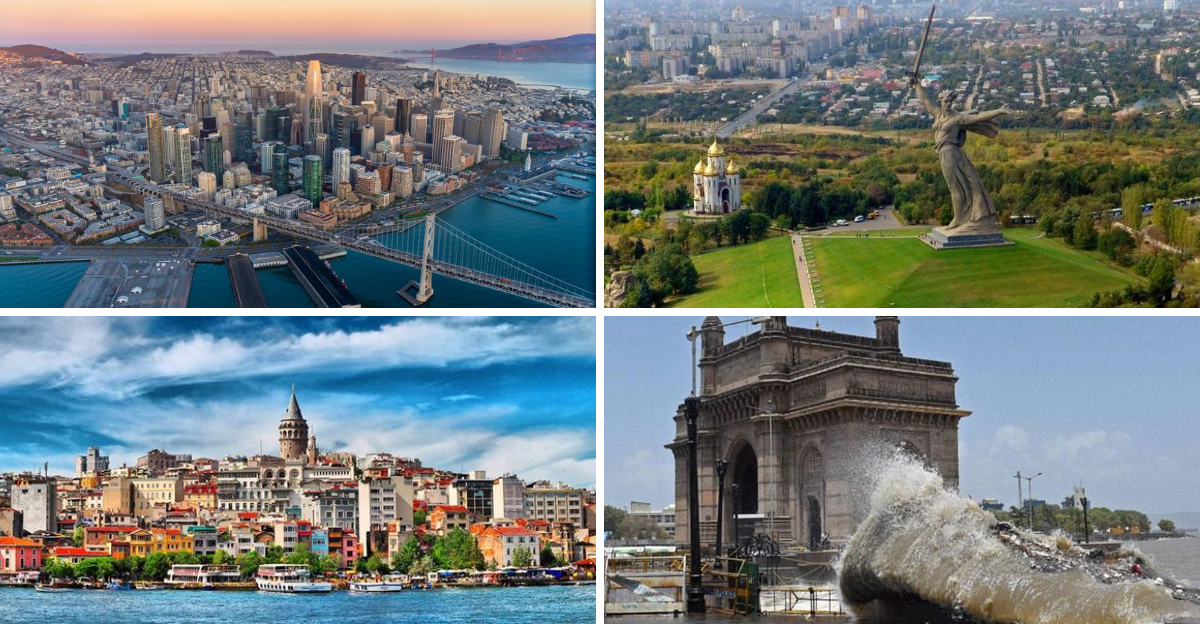
Names carry stories, and cities wear them like passports stamped with history, pride, and reinvention. Travel far enough and you will find places that swapped syllables to match a new era, a revolution, or a reclaimed identity.
I have landed in some of these cities and felt the shift in the air, like meeting an old friend with a dazzling new haircut. Come along and learn why these names changed, and what you might feel when you step into them today.
1. Istanbul – Constantinople
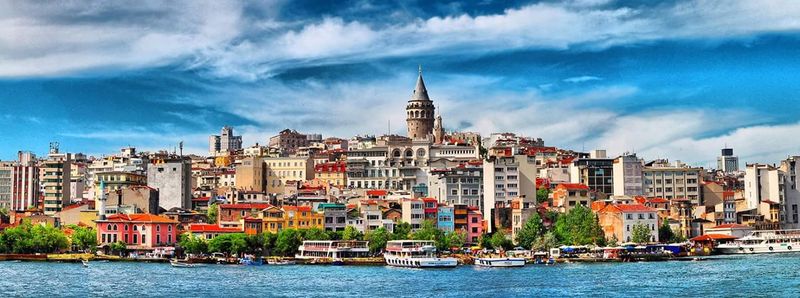
Footsteps echo on stone as the call to prayer drifts across the Bosphorus, and you immediately sense a city reborn. Istanbul, once Constantinople, wears its layered identity proudly, a crossroads that picked a name to match its living pulse.
The modern moniker gained everyday momentum in the late Ottoman years and became fully standardized by the young Turkish Republic, aligning language, postal routes, and pride.
A friendly tea seller waved me toward a tiny stool, and that glass of hot çay told a better story than any textbook. The shift from imperial Constantinople to Istanbul signaled a forward-looking nation, yet the past remains in domes, mosaics, and alleyways.
You feel the continuity while the name feels conversational and unpretentious.
2. Mumbai – Bombay
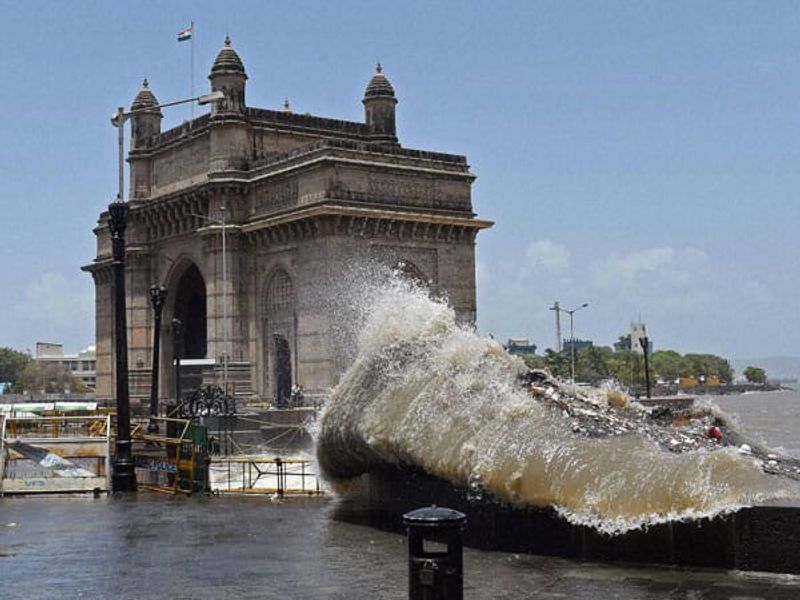
The salt-sweet tang of the Arabian Sea hits first, then the honk-symphony of taxis on Marine Drive. Mumbai, known as Bombay under colonial rule, reclaimed a name tied to local deity Mumbadevi and Marathi heritage in the 1990s.
The shift signaled cultural assertion, a confident shrug away from anglicized history.
A dabbawala grinned as stacked tiffins rattled past, proof that this city runs on rhythms older than any street sign. While Bollywood lights flash and startups buzz, the name Mumbai grounds the metropolis in place and language.
You still hear Bombay in nostalgic songs and café chatter, but officialdom and identity have moved on.
3. Ho Chi Minh City – Saigon
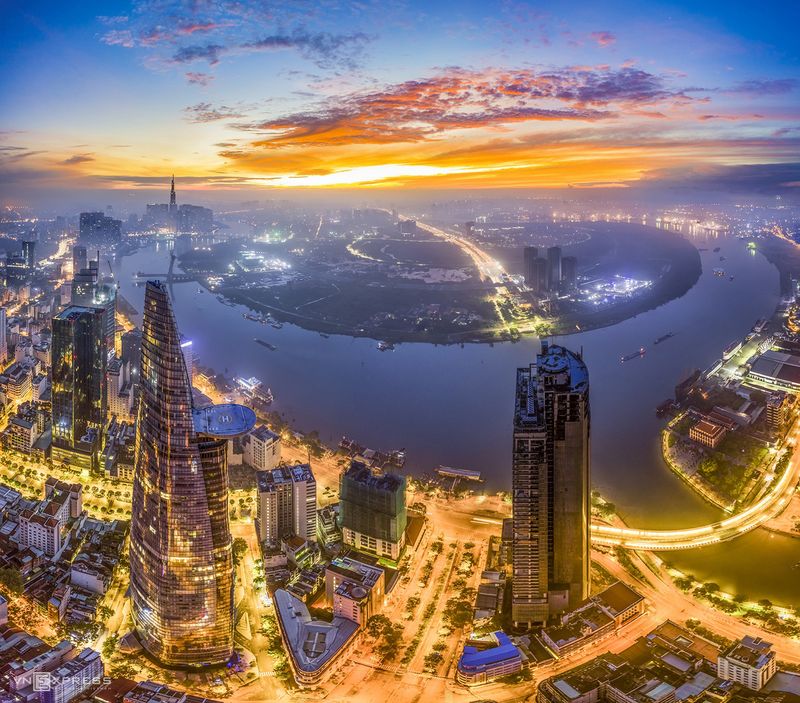
Engines purr like a river as motorbikes surge through the heat. After reunification, Saigon became Ho Chi Minh City, honoring the revolutionary leader and a new chapter for Vietnam.
Officially renamed in 1976, the city balances memory and momentum.
A street vendor handed me a banh mi with a wink, and the crunch felt like a love letter to both names. Locals still say Saigon casually, especially for the central districts, while maps and documents read Ho Chi Minh City.
It is a functional duality where identity flexes with context and mood.
Tip before you arrive: learn both names, because a friendly driver may ask which Saigon you mean.
4. Beijing – Peking
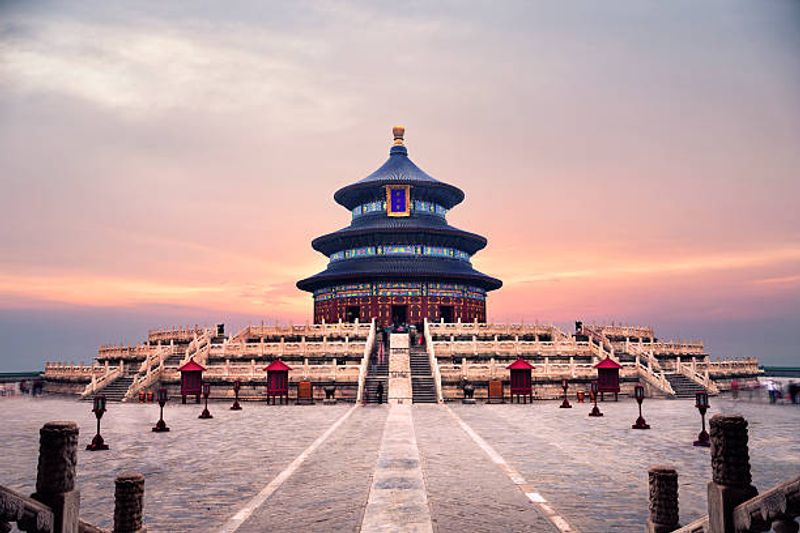
A kite tugs the morning sky while the Forbidden City glows like lacquered ember. Beijing’s older westernized name Peking reflected older romanization systems and foreign ears, but modern pinyin standardized it to Beijing in the mid 20th century.
The change embodied linguistic clarity and national cohesion.
A student near Jingshan Park practiced English with me, smiling when I said Beijing correctly. Peking lingers in culinary phrases and the famed roast duck, yet signage, rail tickets, and global institutions align with Beijing.
It is not a personality swap, just a spelling tuned to the language itself.
5. St. Petersburg – Leningrad
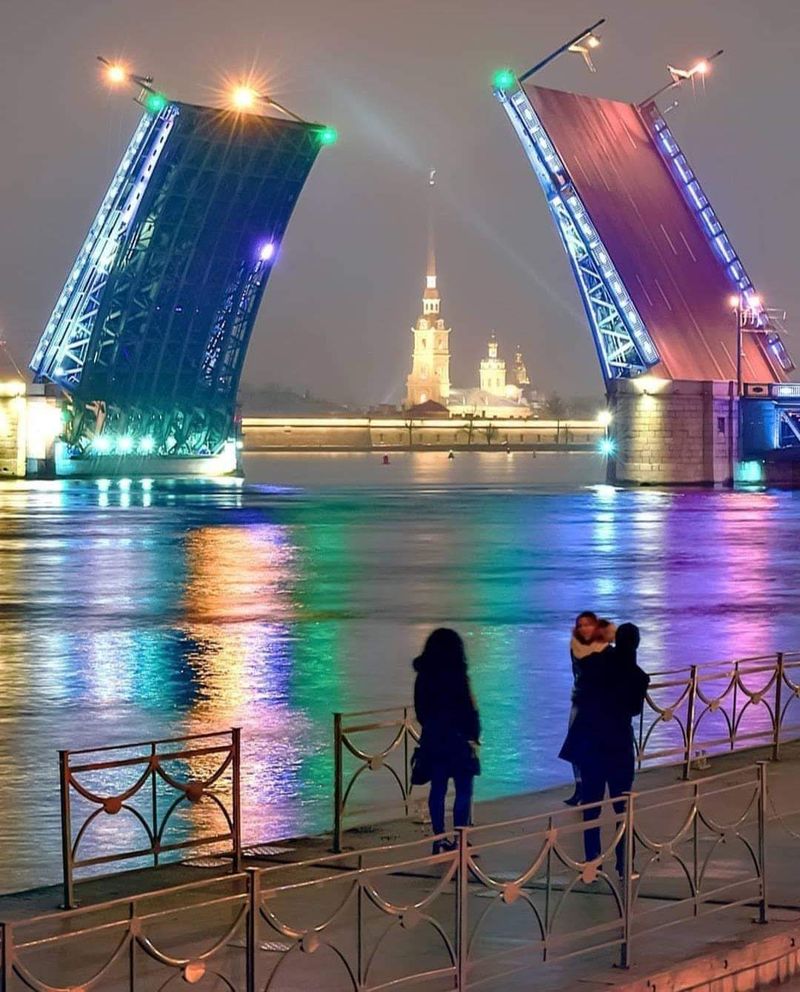
Snow falls softly, muting traffic as the Neva flows like steel. Imperial St. Petersburg became Petrograd during World War I, then Leningrad after Lenin’s death, and finally reclaimed St. Petersburg in 1991.
Each name mirrored ideology and era, with the city enduring through siege and symphony.
A violinist played outside a metro entrance, and the melancholy notes felt like a history lesson. Leningrad evokes wartime resilience and Soviet identity, while St. Petersburg leans toward European grandeur and Petrine vision.
The reversal restored a cultural compass without erasing memory.
6. Tokyo – Edo
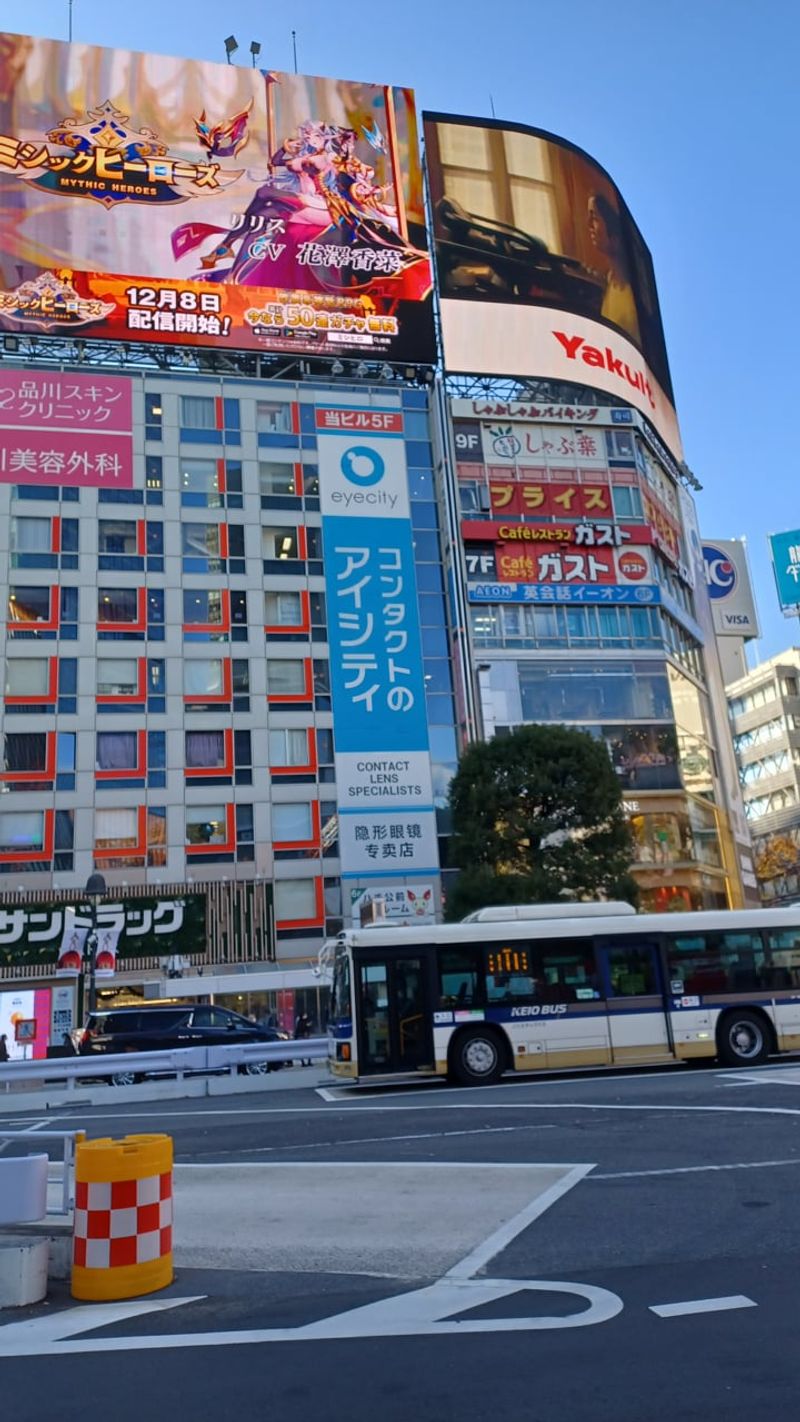
Neon hums while a shrine lantern flickers under glass giants. Edo transformed into Tokyo in 1868 as the Meiji Restoration shifted power and named it Eastern Capital.
The change marked modernization and a new national trajectory.
A station attendant bowed as I fumbled with my IC card, and in that small grace, I felt Tokyo’s balance. Edo lingers in neighborhood names, festivals, and flavor memory, while Tokyo signals velocity and coordination.
The city did not trade soul for speed; it stitched both together.
7. Almaty – Alma-Ata
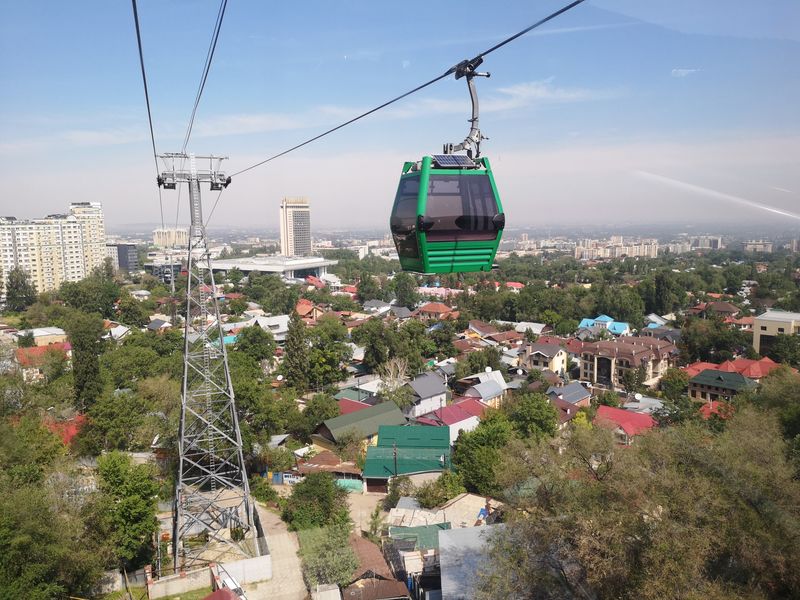
Wind off the mountains smells like fresh apples and cold stone. During Soviet times, the city was known as Alma-Ata, a standardized form popularized across maps and institutions.
After independence, Kazakhstan embraced Almaty, echoing local language and the apple-rooted etymology.
A barista slid over a cup of fragrant tea and pointed out peaks shining like silver knives. The name Almaty feels intimate, less administrative, and more true to the valley’s character.
Soviet mosaics still sparkle beside sleek cafés, stitching eras with quiet confidence.
8. Kinshasa – Léopoldville
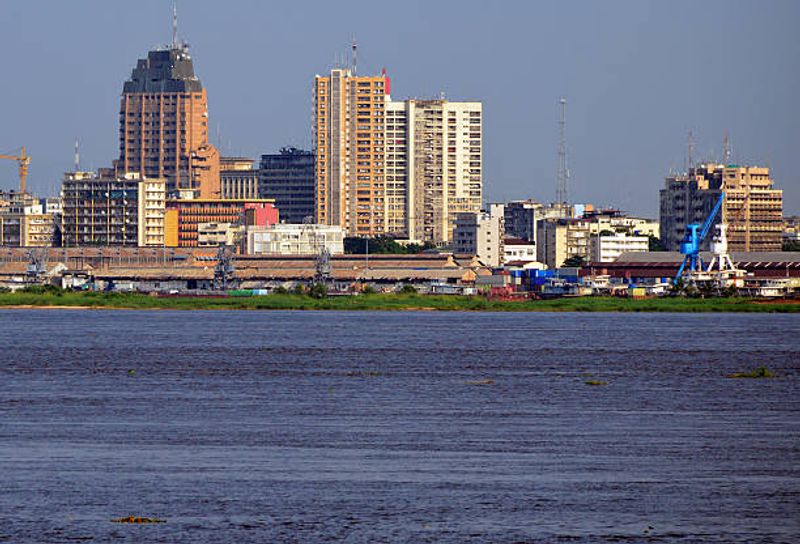
Drums thrum from a barbershop while the Congo River rolls broad and patient. Léopoldville, named during the colonial era, became Kinshasa after independence, reclaiming a precolonial village name.
The new name centered identity around local heritage and distance from Belgian rule.
A tailor laughed as he pinned bright wax prints for my jacket, a burst of color that felt like the city talking. Kinshasa is kinetic, musical, and endlessly expressive, a place where language and rhythm share the street.
The renaming matched that pulse, giving residents a word that felt owned.
9. Chennai – Madras
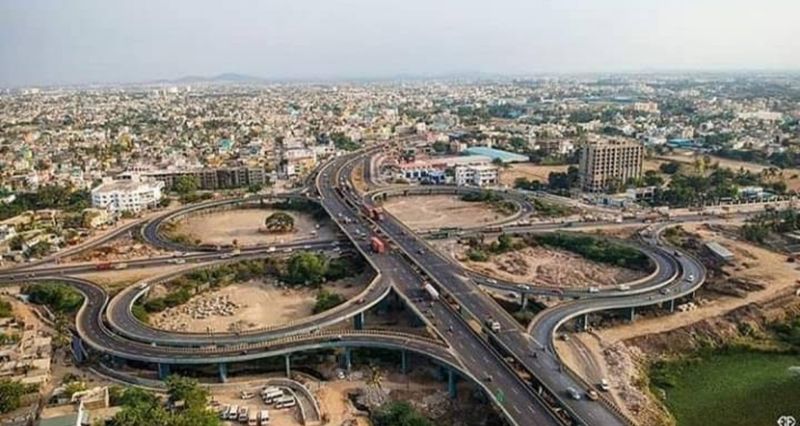
Waves slap the shore while fishermen sing to the morning. The city officially changed from Madras to Chennai in the 1990s, aligning with Tamil language and local origins around Chennapattinam.
It was a cultural recalibration rather than a personality transplant.
A sari shopkeeper taught me to say vanakkam with a smile that lit the aisle. Madras survives in tasty memories like filter coffee and names of institutions, but Chennai stands on signboards and in hearts.
The shift affirmed linguistic respect and regional pride.
10. Kolkata – Calcutta
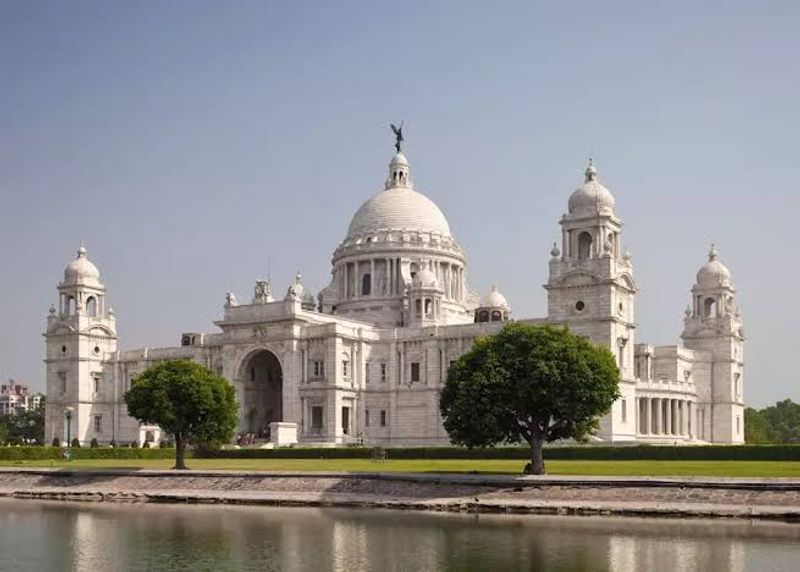
The clang of a tram bell slices humid air as sweets perfume the lane. Calcutta became Kolkata in 2001, syncing English spelling with Bengali pronunciation and cultural authenticity.
The change felt like adjusting a mirror to reflect the city more honestly.
A bookseller in College Street dusted off a poetry collection and nodded toward tea. Kolkata is intellectual, hungry, and theatrical, and the new spelling embraces that local cadence.
Calcutta lingers in nostalgia and old signage, but official life sings Kolkata.
11. Oslo – Kristiania
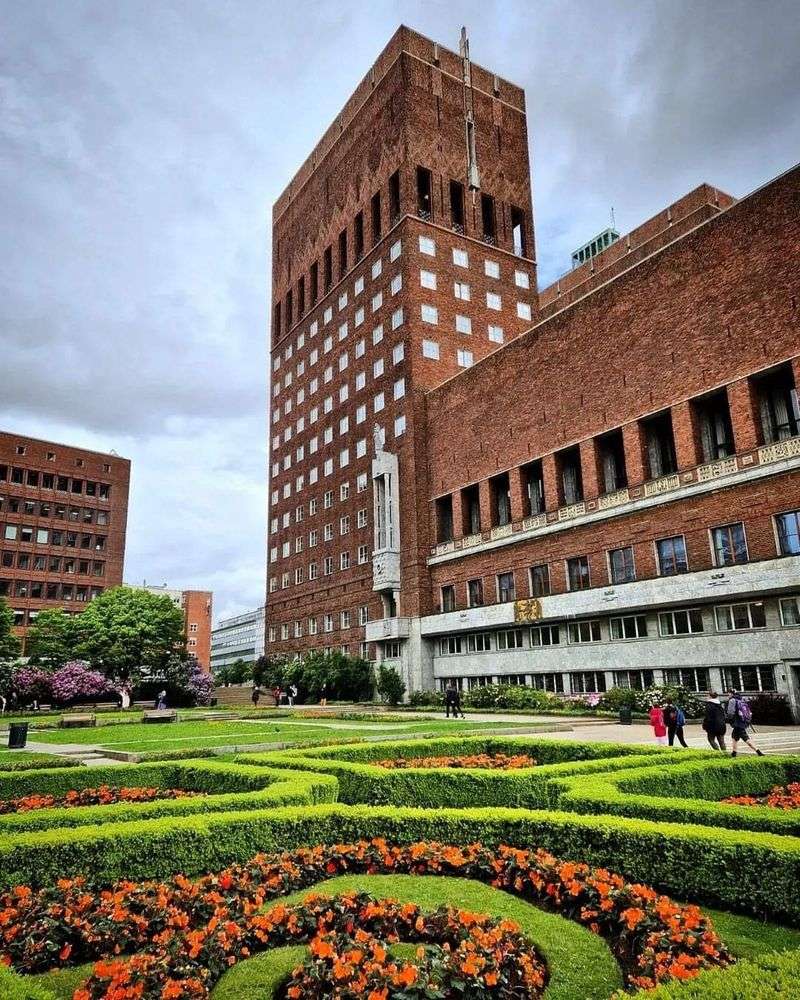
The air tastes like pine and sea salt as trams glide almost silently. After a devastating fire, the city was rebuilt and later renamed Kristiania under Danish-Norwegian rule, before reclaiming Oslo in 1925.
The return honored medieval roots and restored linguistic simplicity.
A barista handed me a cinnamon bun the size of my palm, and the city felt wonderfully human. Oslo today is sleek, green, and confident, with a name that fits clean signage and crisp vowels.
Kristiania survives in novels and history museums, not in daily life.
12. Ottawa – Bytown
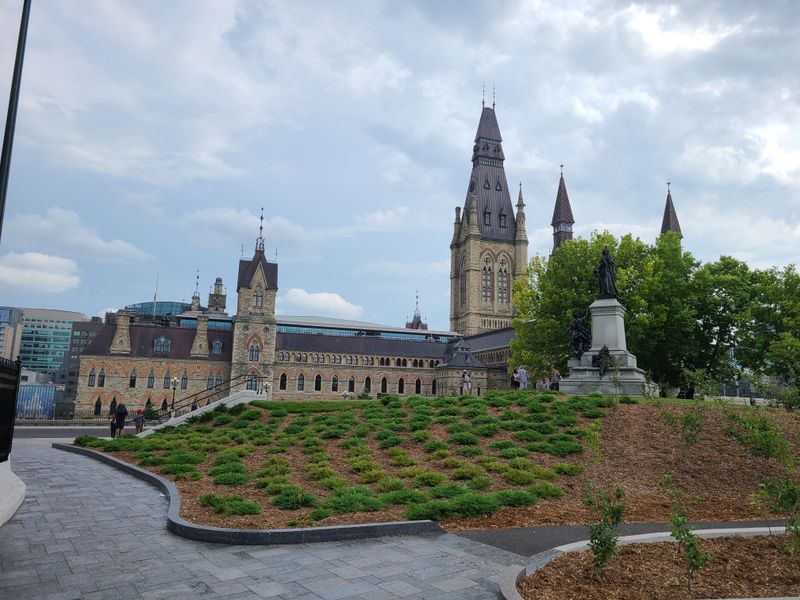
Skates whisper across ice in winter while the canal mirrors the sky. Lumber-town Bytown became Ottawa in 1855, taking an Algonquin-derived name that better matched national aspirations.
The shift framed the settlement as a capital in waiting, not a rough riverside camp.
A friendly clerk at a café pointed me toward a viewpoint, then slipped in a joke about politics. Ottawa sounds steady and dignified, and the change helped the city step into its role with less splinter and more polish.
Bytown still echoes in pubs and plaques.
13. New York City – New Amsterdam
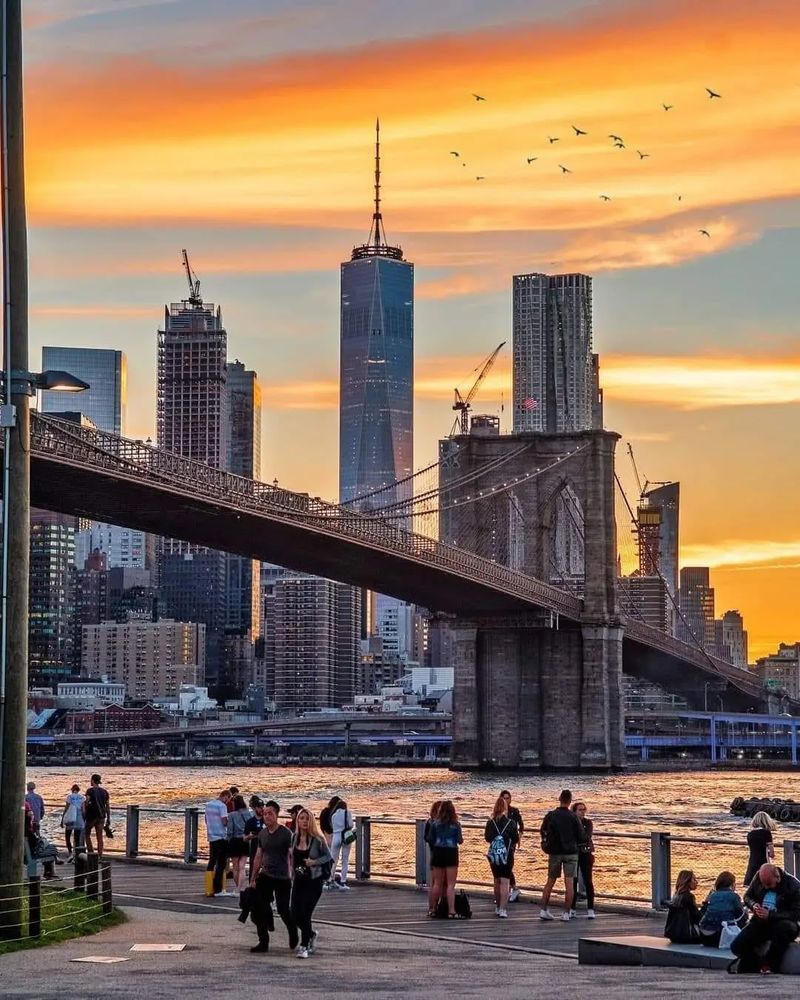
Wind whips down canyons of glass while a street vendor salts pretzels. New Amsterdam was the Dutch colonial settlement, but after the English took control in 1664, it became New York, honoring the Duke of York.
The rename announced new rulers and a widening imperial horizon.
A subway musician riffed under Times Square, and the city shrugged, as it always does. New York swallowed the change and built an identity big enough to hold multitudes, with the Dutch footprint lingering in names and canals-turned-streets.
It is a palimpsest that never really dries.
14. San Francisco – Yerba Buena
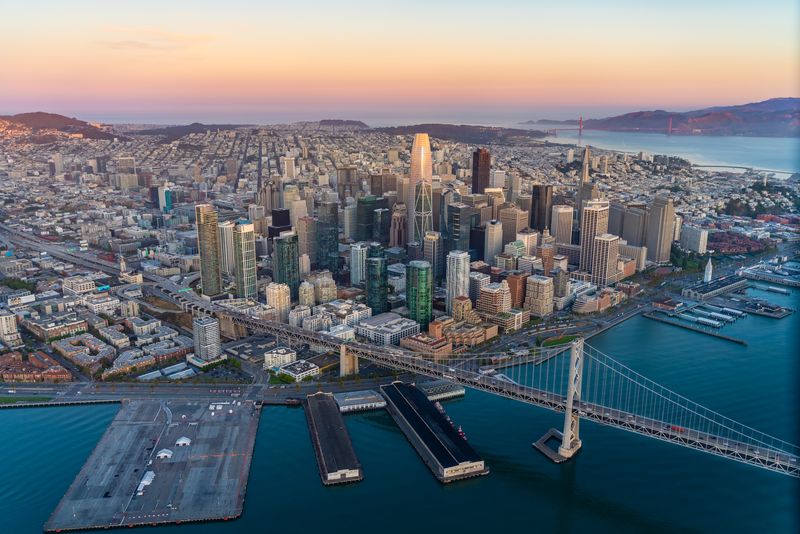
Fog rolls like a curtain as gulls heckle from a railing. The Spanish-era settlement of Yerba Buena took its name from a local minty herb, but in 1847 American authorities renamed it San Francisco to align with the larger bay and mission identity.
The change set the stage for gold rush headlines.
A barista in the Mission slid me a tart espresso and asked which hill conquered me first. The new name gathered the peninsula into a brand-ready beacon, while Yerba Buena lingers in gardens, neighborhoods, and gentle lore.
Both taste like salt, coffee, and possibility.
15. Volgograd – Stalingrad
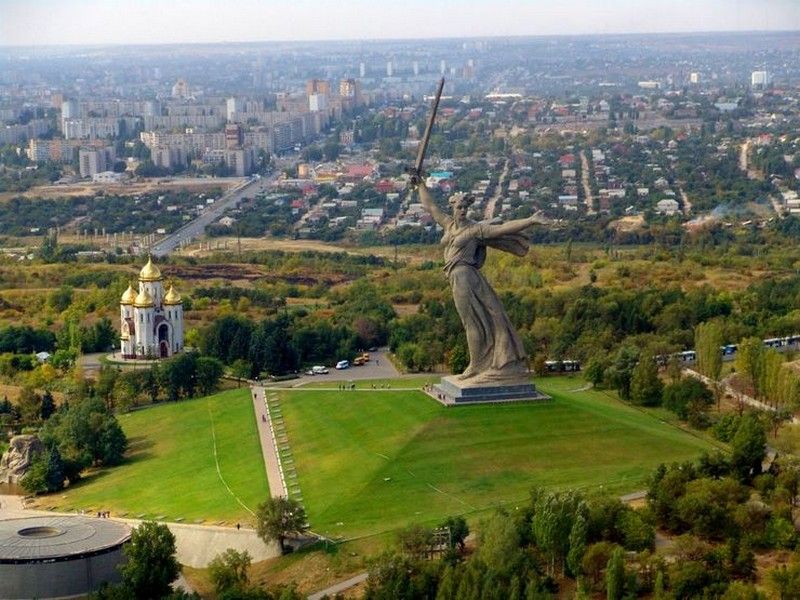
A hush falls at the base of a towering statue while the Volga slides by. Stalingrad, named to honor Stalin, became Volgograd in 1961 during de-Stalinization, shifting focus from leader cult to river identity.
The renaming reframed remembrance without diluting sacrifice.
A veteran’s badge caught sunlight near Mamayev Kurgan, and suddenly the history felt heavy in the best way. The name Volgograd sounds geographic and enduring, while Stalingrad anchors the story of the siege.
Both exist in conversation at memorials and museums.
16. Harare – Salisbury
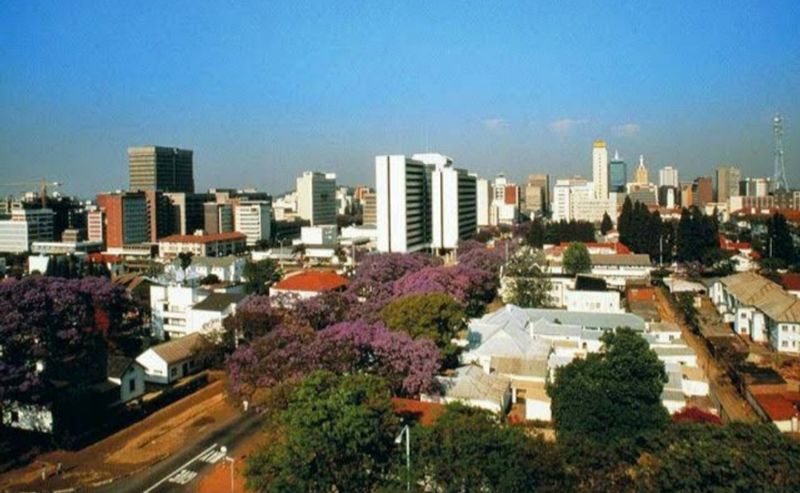
Jacaranda petals fall like confetti over sidewalks buzzing with conversation. After independence, Salisbury became Harare in 1982, adopting a Shona-derived name tied to Chief Neharawa.
The change repositioned the capital in its own language and landscape.
A market vendor handed me groundnuts with a laugh that felt like home even to a stranger. Harare’s name suits the purple bloom season, the music on corners, and the warm afternoons.
Salisbury lives in archives and the occasional plaque, not daily speech.
17. Maputo – Lourenço Marques
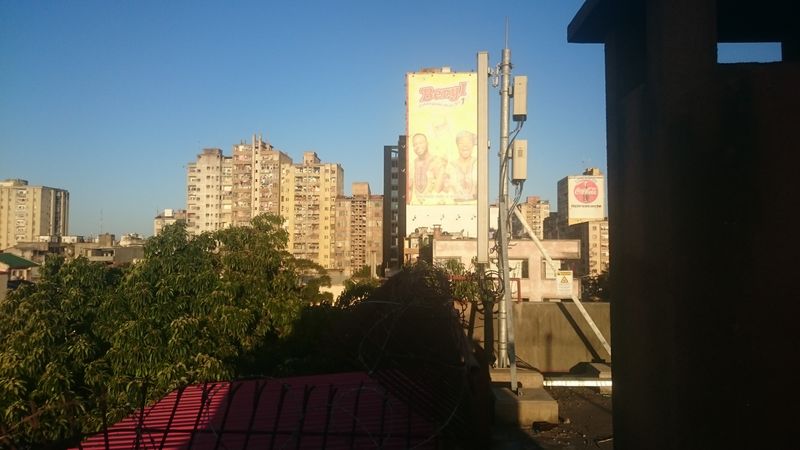
Sea breeze tangles with the scent of grilled prawns near the waterfront. After independence, Lourenço Marques shed its colonial namesake and became Maputo, aligning the capital with local geography and identity.
The switch signaled ownership and cultural recalibration.
A fishmonger flicked water playfully as I picked a red snapper for lunch. Maputo feels musical, sunwashed, and relaxed, a name that rolls like waves on sand.
The old name lingers in architectural flourishes and fading signs, friendly ghosts rather than anchors.
18. Yangon – Rangoon
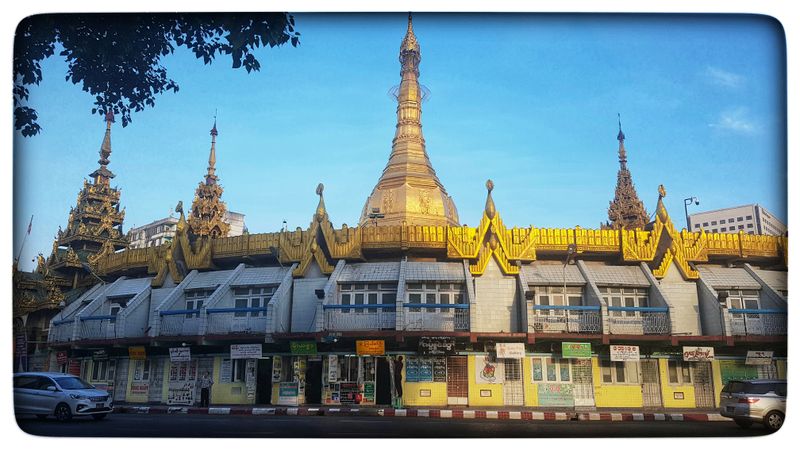
Incense curls under a sky aflame with Shwedagon’s gold. Rangoon, shaped by colonial spelling and administration, became Yangon as Myanmar standardized transliteration and emphasized local forms in 1989.
The change carried politics, language, and sovereignty in one word.
A monk’s soft smile at a teahouse slowed the city to a whisper for a minute. Yangon fits the rhythm of Burmese speech, while Rangoon lingers in older guidebooks and songs.
Use both sensitively, and you will find doors opening with grace.
19. Gdańsk – Danzig
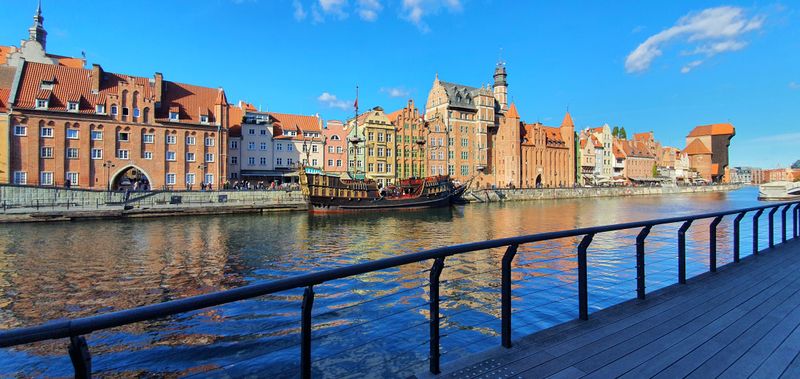
Seagulls argue above amber stalls as shipyard cranes sketch the horizon. The city’s German name Danzig yielded to the Polish Gdańsk after World War II, reflecting borders, language, and postwar realities.
The change also echoed a longer, shared history under shifting powers.
A shipyard worker pointed out murals, pride threading his voice. Gdańsk today balances maritime grit and Renaissance color, its Polish name anchoring identity while acknowledging layered pasts.
The renaming formalized what the streets already knew.
Smart tip: walk the Motława River at dawn when light paints everything honest. The new-old name feels at home among arches and cranes.
You will hear both names in museums, but conversations sing Gdańsk.
20. Podgorica – Titograd
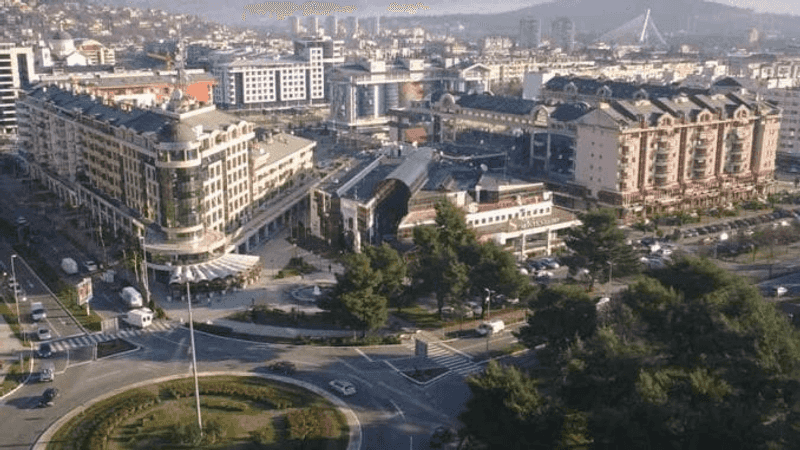
River water shivers under the Millennium Bridge as cafés clink into afternoon. During the socialist era, the city was renamed Titograd to honor Josip Broz Tito, then returned to Podgorica in 1992 after Yugoslavia unraveled.
The restoration reclaimed a pre-20th century identity tied to local terrain.
A waiter slid over strong coffee and a knowing nod about the pace of life here. Podgorica sounds grounded, evoking hills and stone rather than politics.
Titograd survives in memories, not in the daily map of errands and meetups.



