 Unearth The Voyage

Traveling the world opens your eyes to fascinating new cultures, foods, and ways of life. But it also means learning rules that might seem totally bizarre if you grew up in the United States. From banning chewing gum to making camouflage clothing illegal for regular folks, some countries have laws that leave American tourists scratching their heads in confusion.
1. Singapore: Ban on Chewing Gum Sales and Import
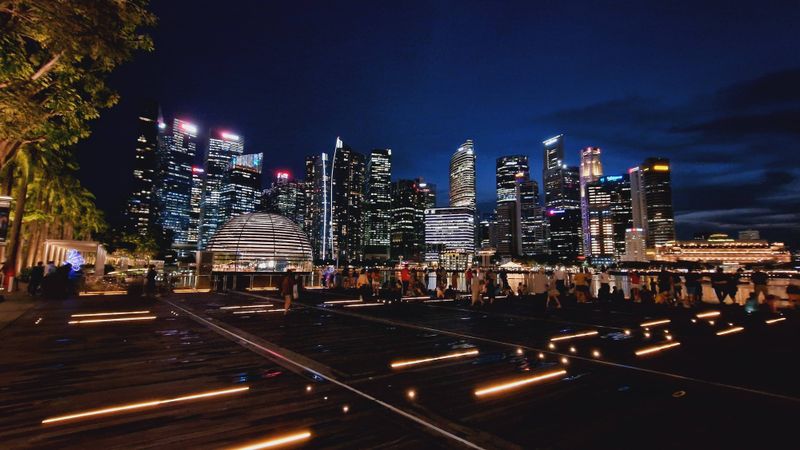
Imagine getting in trouble just for bringing a pack of gum into a country. In Singapore, most chewing gum is banned from being sold or imported. The government passed this rule back in 1992 to keep the city spotless and prevent gum from messing up subway doors and sidewalks.
Only special therapeutic gum, like nicotine gum for quitting smoking, is allowed with a prescription. Breaking this law can lead to hefty fines. For many Americans who grew up popping gum in class or at the movies, this feels like a shocking restriction on personal freedom.
Singapore takes cleanliness seriously, and this gum ban is just one example of how the country maintains its reputation as one of the cleanest cities on Earth. Visitors are advised to leave their Juicy Fruit at home or face the consequences at customs.
2. Greece: No High Heels at Ancient Archaeological Sites

Planning to dress up for your Instagram photos at the Acropolis? Think again. Greece has banned high heels at ancient archaeological sites like the Acropolis to protect the fragile marble and stone floors that are thousands of years old.
The pointed heels can chip and damage these irreplaceable historical surfaces. Tourists caught wearing stilettos or other high heels at these sites may be asked to remove them or denied entry altogether. Flat shoes or sneakers are the way to go.
For Americans used to wearing whatever footwear they please, this rule might seem overly strict. But when you consider that these monuments have stood for millennia and need protection, the policy makes more sense. Greece values preserving its heritage over fashion statements, and visitors are expected to respect that priority when touring these incredible ancient wonders.
3. Germany: Autobahn Fuel Rule
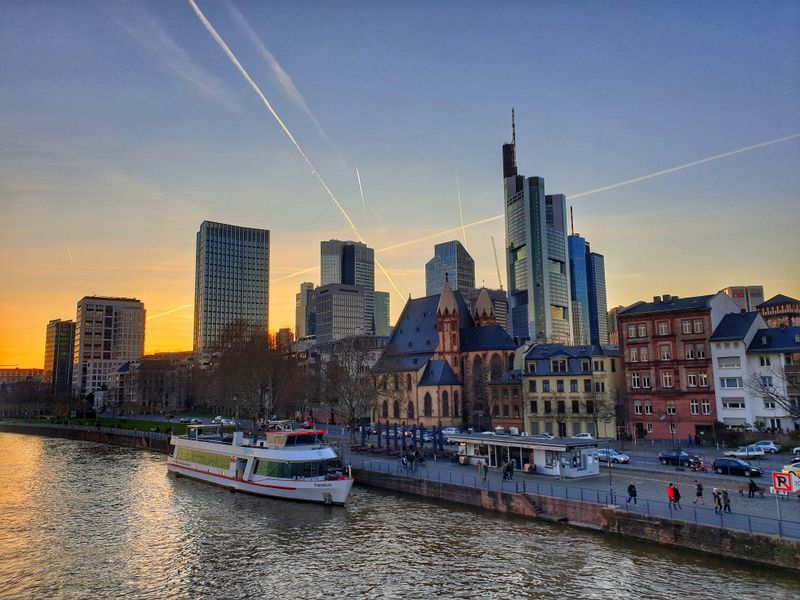
Germany’s famous autobahn highways are known for having no speed limits in certain sections, but there’s a rule that surprises many American drivers. Running out of fuel on the autobahn is actually illegal and can result in fines. Walking on the motorway to get help is also prohibited for safety reasons.
The logic behind this law is that stopping on a high-speed highway creates dangerous situations for everyone. Drivers are expected to monitor their fuel gauges and plan ahead to avoid breakdowns. If you do run out, you’re supposed to call for roadside assistance rather than walk along the shoulder.
Americans accustomed to pulling over anywhere or walking to the nearest gas station will find this rule pretty strict. German authorities take autobahn safety extremely seriously, and this regulation reflects their commitment to preventing accidents on roads where cars can legally zoom past at incredible speeds.
4. Italy (Venice): No Feeding Pigeons
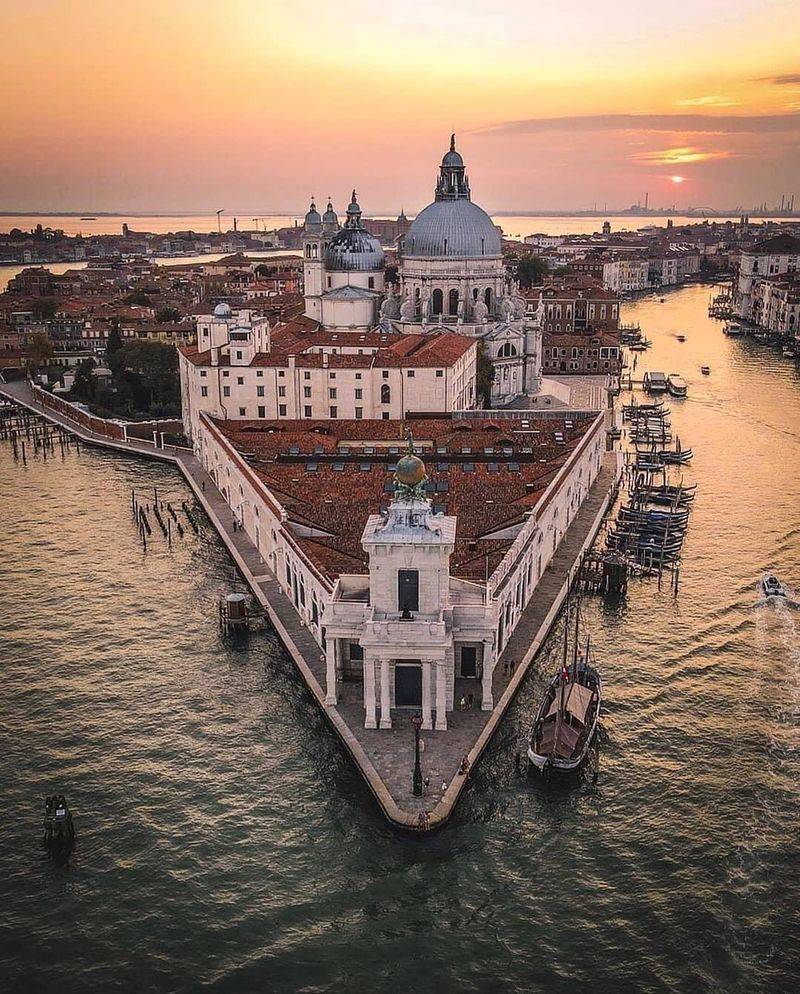
St. Mark’s Square in Venice used to be famous for its massive flocks of pigeons that tourists loved to feed. Those days are over. Venice now strictly prohibits feeding pigeons in public squares, and violators can face fines of up to several hundred euros.
Why the crackdown? Pigeon droppings are highly acidic and cause serious damage to Venice’s priceless historic buildings and monuments. The bird waste eats away at marble and stone, threatening architectural treasures that have stood for centuries. Plus, large pigeon populations pose public health concerns.
American tourists who remember classic photos of people covered in pigeons might be disappointed, but the city had to act. The pigeon problem was getting out of control, with the birds becoming aggressive and the mess overwhelming. Venice chose preservation over photo ops, and now feeding the birds can seriously hurt your wallet and trip.
5. Sri Lanka: Respecting Buddha Statues

Snapping a selfie with your back turned to a Buddha statue might seem harmless, but in Sri Lanka, it can land you in serious legal trouble. The country has strict laws about showing respect to Buddha images, and disrespectful behavior can result in fines, deportation, or even jail time.
This includes turning your back to statues for photos, pointing your feet toward Buddha images, or getting tattoos of Buddha in visible places. Several tourists have been arrested and deported for violating these rules. Sri Lanka is a predominantly Buddhist country, and these laws reflect the deep religious reverence citizens have for their faith.
Americans used to freedom of expression and casual attitudes toward religious symbols might not realize how seriously Sri Lanka takes these matters. The best approach is to treat all Buddha statues and religious sites with the utmost respect, ask permission before taking photos, and educate yourself on proper etiquette before visiting temples or sacred spaces.
6. France: Strict Public Pool Swimwear Rules

Heading to a public pool in France? Your baggy board shorts won’t cut it. Many French public pools have strict rules requiring men to wear tight-fitting swimwear like Speedos rather than loose swim trunks. Women must wear one-piece or two-piece swimsuits, not bikinis designed for the beach.
The reasoning behind this policy is hygiene. French authorities worry that loose swimwear might be worn as regular shorts outside the pool, bringing in dirt and bacteria. Tight-fitting swimwear is considered more hygienic because it’s only worn for swimming. Some pools even ban certain colors or styles.
American men especially find this rule uncomfortable and embarrassing, as Speedos aren’t popular in U.S. pool culture. But in France, it’s just the norm. Many pools sell appropriate swimwear at the entrance for tourists caught off guard. When in France, you’ll need to embrace the Speedo or skip the public pool altogether.
7. Poland (Some Towns): Winnie the Pooh Banned on Playgrounds
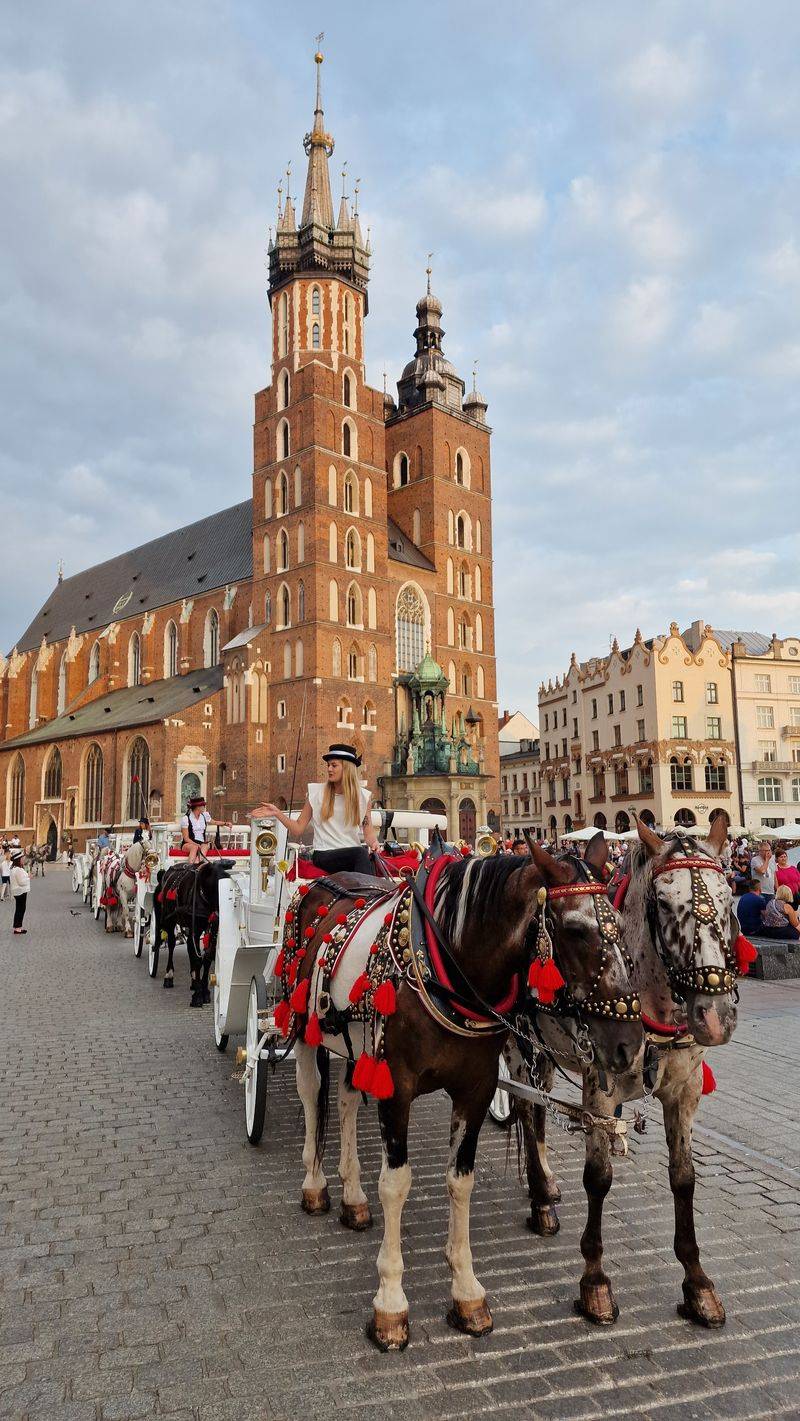
Here’s one that sounds like it came from a satirical news site, but it’s real. Some local councils in Poland removed Winnie the Pooh imagery from playgrounds, citing concerns about the character’s lack of pants and what they considered inappropriate semi-nudity. Local officials argued the character wasn’t suitable for children’s spaces.
This decision sparked international headlines and plenty of debate. Critics pointed out the absurdity of banning a beloved children’s character who has entertained generations. Supporters of the ban claimed they were protecting traditional values and childhood innocence, though many people found the reasoning pretty ridiculous.
For Americans who grew up with Pooh Bear as a wholesome symbol of childhood, this ban seems utterly bizarre. The character has been a staple of children’s literature and entertainment for nearly a century. While this rule only applies to certain towns and isn’t a nationwide law, it still represents one of the stranger cultural differences travelers might encounter in Poland.
8. Spain: Beach and Public Behavior Fines

Spanish beach towns have gotten serious about public behavior, and tourists can face surprising fines for activities that seem pretty innocent. Walking around city streets in beachwear, reserving beach chairs with towels, or building large sandcastles can all result in penalties in certain municipalities.
Barcelona and other popular coastal cities enforce these rules to maintain public order and prevent tourists from treating the entire city like a beach resort. Officials want to preserve the dignity of urban spaces and ensure residents can enjoy their cities without feeling overrun by vacation behavior. Fines can range from 100 to 500 euros depending on the offense.
Americans accustomed to wandering from beach to boardwalk in their swimsuits might be caught off guard. Spanish authorities expect tourists to cover up when leaving beach areas and to respect local norms about appropriate public attire. The message is clear: enjoy the beach, but remember you’re in a real city with real residents, not a theme park.
9. Caribbean Nations: No Camouflage Clothing for Civilians

Pack your suitcase carefully if you’re heading to Jamaica, Barbados, St. Lucia, or several other Caribbean nations. Wearing military-style camouflage patterns is illegal for civilians in these countries, and you could face confiscation of your clothing, fines, or even arrest.
The law exists because camouflage is reserved exclusively for military and police forces. Authorities want to prevent confusion about who is actually in uniform and to maintain the distinction between civilians and security personnel. This rule applies to adults and children alike, so leave the camo shorts and hunting jackets at home.
American tourists, especially those from rural areas where camouflage is popular casual wear, often don’t know about this law until they arrive. Even camouflage-print accessories like hats or bags can be problematic. The best approach is to simply avoid any clothing with military patterns when visiting these Caribbean destinations. Stick to tropical prints and bright colors instead, and save the camo for back home.
10. Bulgaria: Cars Must Carry a Fire Extinguisher

Renting a car in Bulgaria? Make sure it comes equipped with a fire extinguisher, because it’s legally required. Every vehicle on Bulgarian roads must have a working fire extinguisher on board, along with other safety equipment like a first aid kit, warning triangle, and reflective vest.
Police can stop vehicles for random safety checks, and if you’re missing the fire extinguisher or any other required equipment, you’ll face fines. The law reflects Bulgaria’s emphasis on road safety and emergency preparedness. The idea is that having basic safety equipment readily available can prevent small problems from becoming disasters.
Most American drivers never think about carrying a fire extinguisher in their personal vehicles, so this requirement comes as a surprise. Rental car companies in Bulgaria typically include all necessary equipment, but it’s worth double-checking before you drive off the lot. This is just one example of how different countries prioritize various aspects of vehicle safety and driver responsibility.
11. Japan: Courtesy and Etiquette Rules Backed by Fines
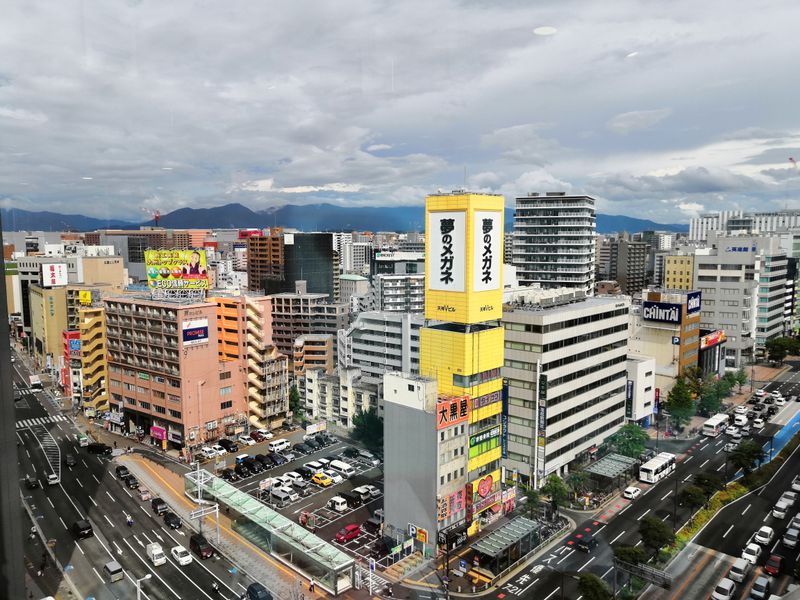
Japanese society is famous for its emphasis on courtesy and consideration for others, and some of these social expectations are actually backed by law. Loud talking on trains, creating splashes that hit pedestrians while driving, or improperly parking bicycles can all result in fines or other penalties.
These rules reflect the Japanese cultural value of avoiding inconvenience to others. What might seem like minor rudeness elsewhere can be treated as a genuine offense in Japan. Authorities take public order seriously, and visitors are expected to observe the same standards of behavior as residents.
Americans accustomed to more individualistic attitudes and louder public behavior might struggle with these expectations at first. Talking on your phone during a train ride or leaving your bike wherever it’s convenient won’t fly in Japan. The key is to observe what locals do and follow their lead. Being mindful of noise levels, respecting public spaces, and showing consideration for others will keep you out of trouble and help you appreciate Japanese culture more deeply.
12. Spain (Barcelona): Dress Code Outside Beaches
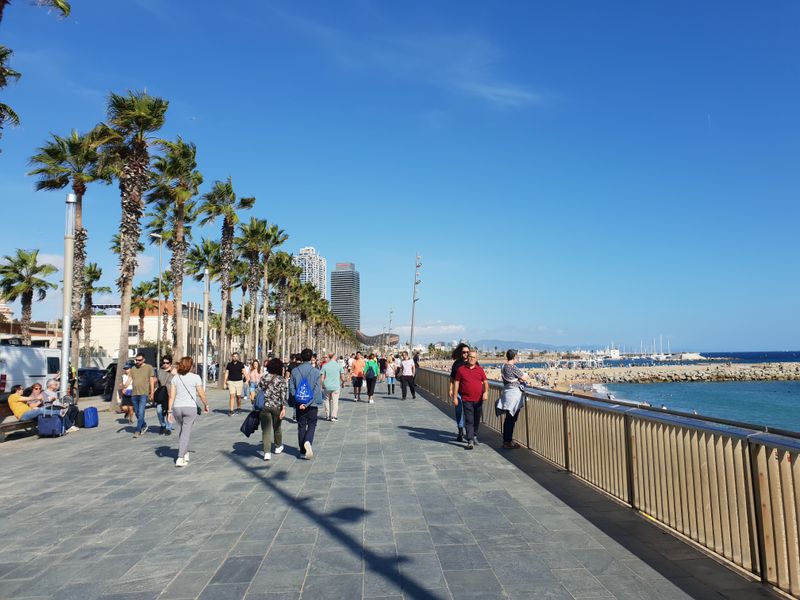
Barcelona has specific rules about what you can wear away from the beach. Going shirtless, wearing only swim briefs, or walking around in bikinis on city streets can result in fines up to 500 euros. The city wants to maintain standards of public decency in urban areas and prevent the entire city from feeling like one big beach resort.
These regulations apply to the famous Las Ramblas boulevard, the Gothic Quarter, and other central neighborhoods. Beach areas have relaxed rules, but as soon as you step into the city proper, you’re expected to cover up. Even wearing a shirt over your swimsuit is usually enough to comply.
American tourists who treat European beach cities as casual, anything-goes destinations often get surprised by these dress codes. Barcelona residents pushed for these rules because they felt their city was being disrespected by tourists who forgot they were in someone’s hometown, not a theme park. Respecting the dress code shows you understand that real people live and work in Barcelona year-round.
13. Italy (Florence): Restrictions on Eating or Drinking Outdoors at Certain Times

Florence has implemented rules restricting when and where you can eat and drink outdoors in certain historic areas. During peak tourist season, some districts ban eating and drinking on streets and church steps during specific hours to reduce noise, litter, and overcrowding. Violators can face fines.
The regulations target problem areas where large groups of tourists would gather, leaving trash and creating disturbances for residents. Famous spots like the steps of Santo Spirito church or areas near the Duomo have been particularly affected. The city is trying to balance tourism with livability for actual residents.
Americans used to grabbing food and eating wherever convenient might find these restrictions annoying. But Florence’s historic center is a living neighborhood, not an open-air food court. The rules reflect growing frustration among Italian cities dealing with overtourism. If you want to enjoy your gelato or sandwich, find a designated area or a park bench rather than plopping down on historic church steps. It’s about showing respect for the city and the people who call it home.
14. Netherlands (Amsterdam): Public Alcohol Consumption Restrictions

Amsterdam might have a reputation for being liberal and relaxed, but don’t crack open a beer just anywhere. The city has strict rules about drinking alcohol in public places outside designated areas. Drinking on streets, in parks, or on public transportation is prohibited and actively enforced with fines.
These regulations were put in place to combat public drunkenness, littering, and the rowdy behavior that was becoming a problem in tourist-heavy areas. Police regularly patrol popular neighborhoods and won’t hesitate to fine people drinking in unauthorized spots. Designated terrace areas and licensed establishments are where alcohol consumption is allowed.
American visitors, especially those used to more relaxed open-container laws in some U.S. cities or tailgating culture, might be surprised by Amsterdam’s strictness. The city is trying to improve its image and reduce problems associated with excessive partying. If you want to enjoy a drink, do it at a cafe, bar, or restaurant. Walking around the canals with a beer might seem like a perfect vacation moment, but it could cost you a hefty fine.
15. Italy (Sardinia): Removing Natural Materials from Beaches

That beautiful white sand or unique shell you found on a Sardinian beach? Leave it there. Taking sand, shells, pebbles, or stones from beaches in Sardinia can result in fines ranging from hundreds to thousands of euros. Authorities take this rule extremely seriously, and tourists have been caught and fined at airports with beach materials in their luggage.
The law protects Sardinia’s stunning beaches from being slowly stripped away by millions of tourists each taking small souvenirs. Over time, this practice causes significant environmental damage and erosion. Some beaches have already lost considerable amounts of sand to souvenir hunters. Customs officials actively check bags, and social media posts have even led to tourists being tracked down and fined.
Americans who grew up collecting beach treasures as harmless keepsakes might not realize the seriousness of this issue. But when you multiply one handful of sand by thousands of visitors, the impact becomes huge. Sardinia’s beaches are natural treasures that need protection. Take photos and memories instead, and leave the physical beach exactly as you found it.
16. United Arab Emirates: Public Displays of Affection Laws

Dubai and other UAE destinations are popular with American tourists, but the local laws about public behavior can be shockingly strict. Kissing, hugging, and other displays of affection in public can be illegal and result in fines, deportation, or even jail time. What’s considered normal couple behavior in the U.S. can cross legal lines in the UAE.
These laws reflect Islamic values and cultural norms about modesty and appropriate public behavior. Even holding hands can sometimes be problematic, though enforcement varies. Unmarried couples sharing hotel rooms can also technically face legal issues, though enforcement against tourists is inconsistent.
American couples accustomed to showing affection freely will need to adjust their behavior significantly. The best approach is to keep all romantic gestures strictly private. What might seem like an innocent goodbye kiss at a restaurant could attract unwanted attention from authorities. The UAE offers incredible experiences, but visitors must respect local laws and customs, even when they differ dramatically from what’s normal back home. When in doubt, keep it extremely conservative.
17. Canada (Some Cities): Climbing Trees May Require Permits

Feeling nostalgic for childhood tree-climbing adventures? In some Canadian cities like Toronto and Ottawa, you might legally need permission first. Municipal bylaws in certain areas require permits for climbing trees in public parks, with fines for those who climb without authorization.
These rules exist to protect both the trees and the climbers. City officials worry about damage to tree bark and branches, as well as liability issues if someone gets hurt. Mature trees in urban parks are valuable resources that take decades to grow, and municipalities want to preserve them. The regulations typically apply to public property rather than private yards.
Americans visiting Canadian cities might find this rule surprisingly bureaucratic. After all, climbing trees is a classic childhood activity that seems harmless. But from the city’s perspective, managing public spaces means balancing access with preservation. Not every tree-climbing incident results in fines, and enforcement varies widely. Still, it’s amusing to imagine needing official paperwork to climb a tree. This is one of those rules that highlights how regulated modern urban life has become, even for simple outdoor activities.
18. Australia (NSW and Other States): Offensive Language in Public Spaces

Watch your language at the beach in Australia. Using offensive language, including common swear words, in public spaces like beaches, parks, or streets can actually be illegal in New South Wales and several other Australian states. Police can issue fines for swearing if they determine the language is offensive and likely to cause distress to others.
The law dates back decades but is still enforced, especially in situations involving confrontations or loud, aggressive behavior. Enforcement is discretionary, meaning police decide whether the context warrants a fine. Casual swearing among friends is less likely to cause problems than yelling obscenities at someone during an argument.
Americans, who generally enjoy strong free speech protections, might be shocked that words alone can result in legal penalties. Australian authorities defend the law as maintaining public order and civility, especially in family-friendly spaces. The key is to be mindful of your language volume and context, especially around children or in crowded public areas. What feels like normal colorful language back home might cross legal lines in Australia, so tone it down and save the salty vocabulary for private conversations.
19. Japan: No Codeine or Certain Medicines Without Prescription

Packing your medicine cabinet for a trip to Japan? Check every label carefully. Many common over-the-counter medications that are perfectly legal in the United States are actually banned in Japan and can result in serious legal consequences, including arrest and detention. Codeine-based pain relievers, certain cold medicines, and ADHD medications are particular concerns.
Japan has extremely strict drug laws, and the country doesn’t make exceptions for tourists who didn’t know the rules. Even if you have a prescription from your home country, that doesn’t automatically make a medication legal in Japan. Some substances require special import permissions obtained well in advance of travel.
American travelers have been arrested at Japanese airports for carrying medications they use regularly at home. The consequences can include detention, deportation, and permanent travel bans. Before traveling to Japan, research every medication you plan to bring, including vitamins and supplements. The Japanese embassy website provides detailed information about what’s allowed. When in doubt, leave questionable medications at home and consult with a doctor in Japan if needed. This is one rule where ignorance definitely isn’t bliss and could derail your entire trip.
20. Thailand: E-Cigarette and Vaping Ban

Think you’ll be fine bringing your vape pen to Thailand? Think again. E-cigarettes and vaping devices are completely illegal in Thailand. Importing, selling, or using them can result in fines up to 30,000 baht (nearly $1,000) or even jail time up to ten years in extreme cases. Customs officials actively confiscate vaping devices at airports.
Thailand banned e-cigarettes in 2014 over health concerns and to protect the country’s tobacco industry. The law applies equally to tourists and residents, with no exceptions. Authorities have cracked down in recent years, and tourists have been arrested and fined for vaping in public or even just possessing devices in their luggage.
American vapers who’ve switched from traditional cigarettes often don’t realize how seriously Thailand takes this ban. Some tourists assume the law isn’t enforced or that it only applies to selling devices, not personal use. That’s a costly mistake. If you vape, you’ll need to quit for the duration of your Thailand trip or risk serious legal trouble. Leave all vaping equipment at home, and don’t try to bring it through customs. Thailand is an amazing destination, but it’s not worth risking arrest over a nicotine habit.



