 Unearth The Voyage
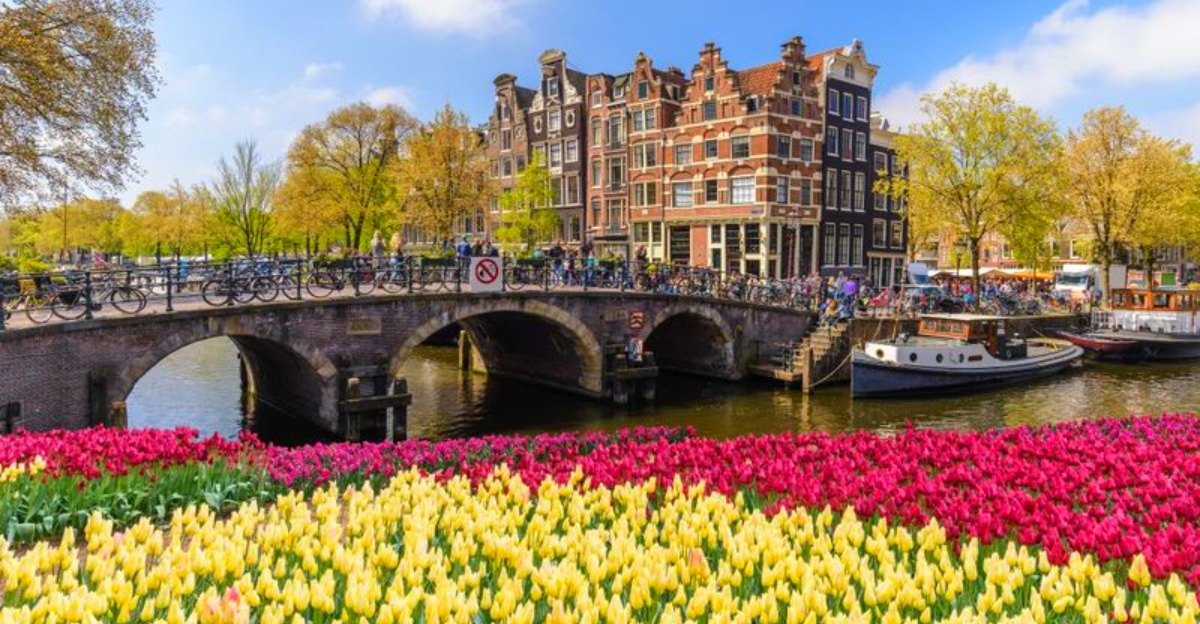
Europe is home to some of the most beautiful cities in the world, but beauty often comes with a hefty price tag. From the Swiss Alps to the streets of London, living costs across the continent have been climbing steadily.
Whether you are planning to move abroad, travel on a budget, or simply satisfy your curiosity, knowing which cities will drain your wallet the fastest is genuinely useful. Here are the 20 most expensive European cities to watch in 2026.
Zurich, Switzerland
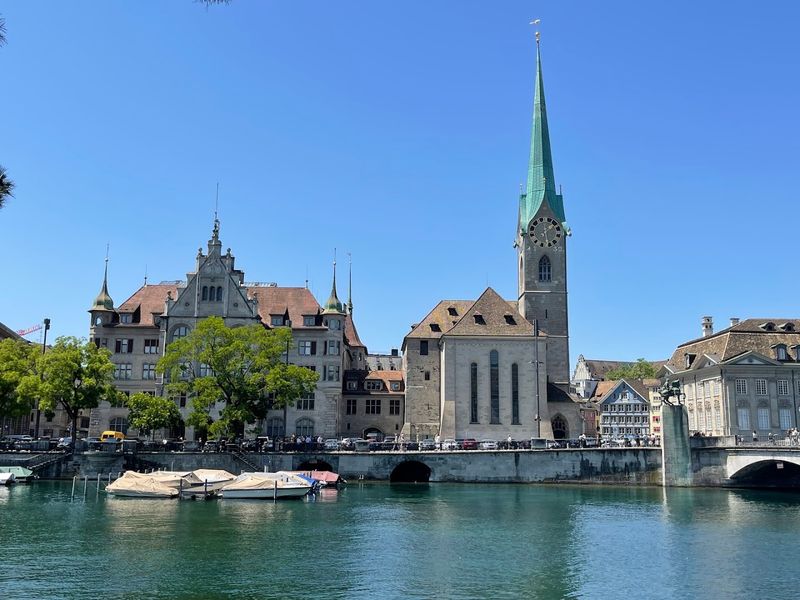
Forget sticker shock — in Zurich, the price tags come with their own zip codes. This Swiss powerhouse consistently tops every cost-of-living ranking in Europe, and 2026 is no different.
Housing alone can make your eyes water, with even a modest one-bedroom apartment in the city center running well above what most Europeans pay for far more space.
Switzerland’s strong economy and sky-high wages create a cycle where everything costs more — groceries, a coffee, a bus ticket, even a haircut. That said, what you get in return is genuinely impressive: spotless streets, punctual trains, and one of the lowest crime rates in the world.
Zurich also ranks near the top globally for quality of life, which helps justify some of those brutal receipts.
For visitors, smart planning goes a long way. Cooking your own meals, using public transport passes, and exploring free lakeside parks can keep costs manageable.
But make no mistake — Zurich rewards those who can afford it richly, and politely punishes those who cannot. If your budget is tight, enjoy the view from across the lake.
Lausanne, Switzerland
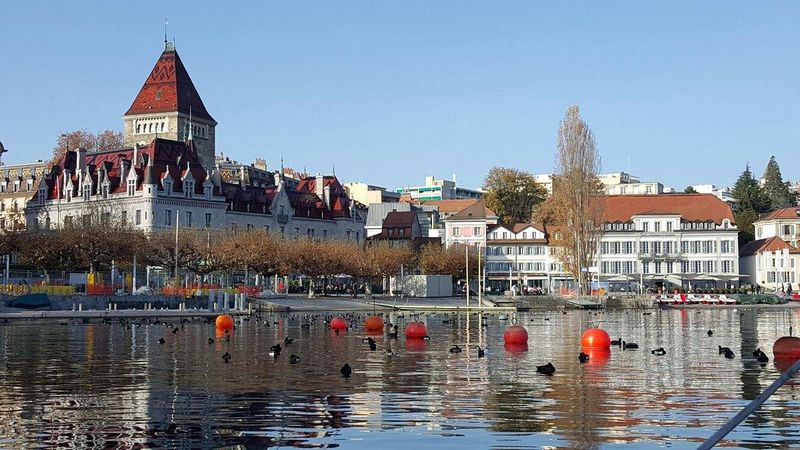
Perched above the sparkling waters of Lake Geneva, Lausanne looks like a postcard — and costs about as much as buying one in a fancy gift shop, multiplied by a thousand. This compact Swiss city punches well above its weight when it comes to living expenses, sitting just a step behind Zurich on most European cost-of-living indexes.
Housing is the biggest budget-buster here. Demand is fierce, partly because Lausanne is home to the International Olympic Committee and several top universities, drawing professionals and students from around the globe.
That international crowd keeps rental prices stubbornly high, even for apartments that would be considered unremarkable elsewhere in Europe.
Dining out is another area where your wallet takes a hit. A sit-down lunch at a mid-range restaurant can easily cost double what you would pay in Paris or Rome.
Groceries are not much kinder, though cross-border shopping into France is a popular trick locals use to soften the blow. Lausanne is undeniably charming, culturally rich, and well-connected — but those perks are priced accordingly.
Budget travelers should plan carefully and embrace picnics by the lake whenever possible.
Geneva, Switzerland
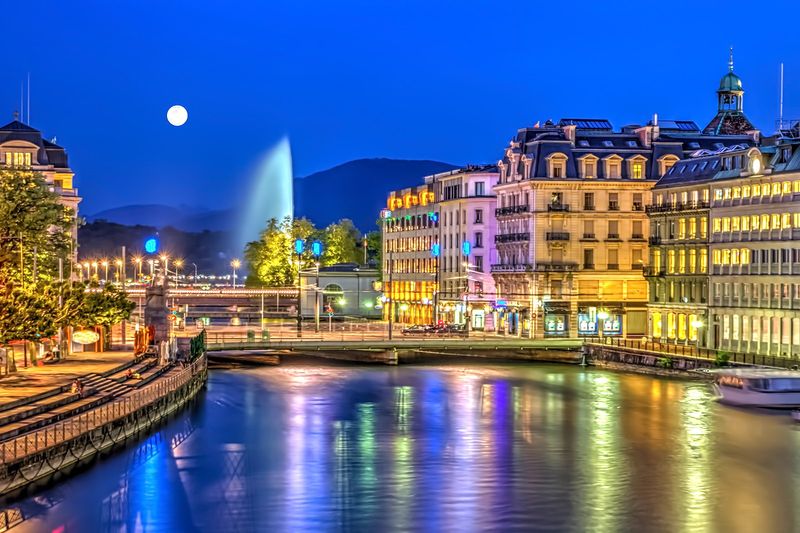
Geneva is essentially the diplomatic capital of the world, and the world has apparently agreed to make it very, very expensive. Home to the United Nations, the Red Cross, and dozens of international organizations, this city attracts a dense population of high-earning expatriates — and landlords have noticed.
Rent prices in Geneva are among the highest anywhere in Europe. A two-bedroom apartment in a decent neighborhood can cost as much as a mortgage payment in many other countries.
Beyond housing, everyday life adds up fast. A simple lunch near the city center, a monthly transit pass, and a weekly grocery run together form a financial obstacle course that surprises even seasoned expats.
On the bright side, Geneva delivers in ways that matter. Healthcare is world-class, public services run smoothly, and the natural setting — flanked by the Alps and the Jura mountains, with a massive lake right in the center — is genuinely breathtaking.
The city also has a thriving cultural scene, with museums, music festivals, and excellent restaurants. If you land a job with one of those international organizations, your salary may well cover it all.
If not, Geneva will make sure you know the difference.
Basel, Switzerland
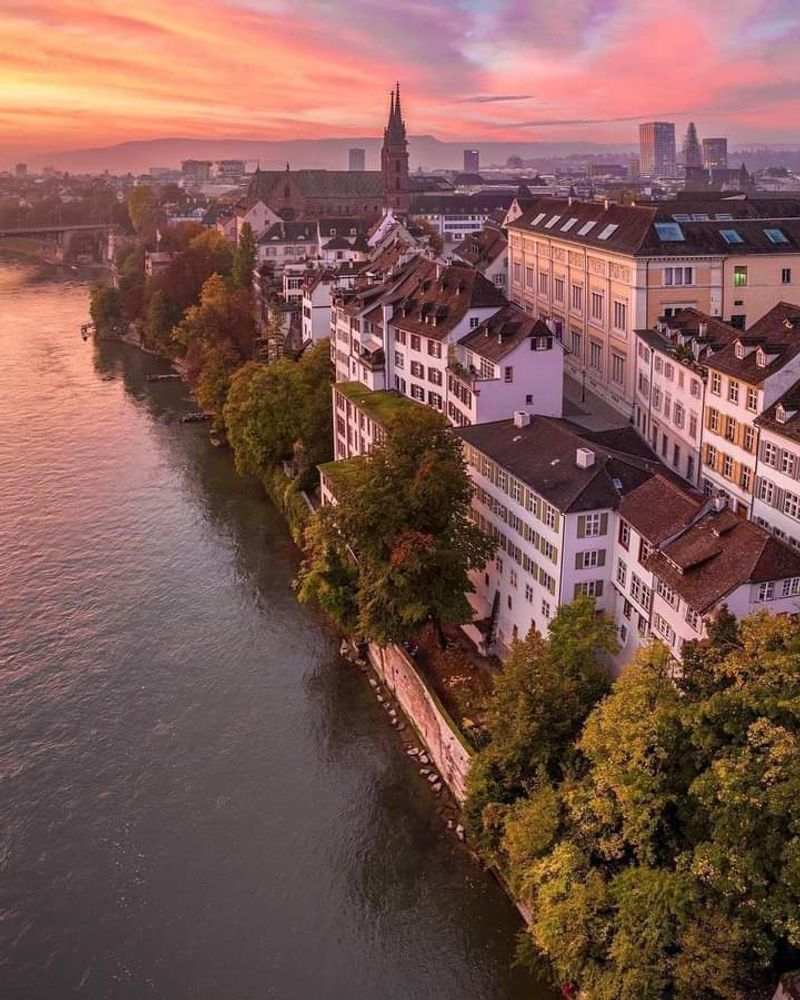
Basel sits at the corner where Switzerland, Germany, and France all shake hands — and then Switzerland quietly picks up the tab for everyone. Known globally as the home of Art Basel and a powerhouse pharmaceutical industry, this compact city carries big-city price tags on a mid-sized frame.
The pharma sector is a major economic driver here, with companies like Roche and Novartis headquartered in the city. That means highly paid professionals flood the housing market, keeping rents stubbornly elevated.
Even neighborhoods that feel distinctly residential and quiet come with price points that would shock renters in most other European countries.
Food and dining costs follow the same Swiss pattern — higher than you expect, every single time. Crossing the border into Germany or France for cheaper groceries is practically a Basel tradition, and many residents do it weekly without shame.
Museums, on the other hand, are a genuine highlight: Basel has more museums per capita than almost any other city in the world, and several offer free entry on certain days. So culture does not always cost extra here.
Everything else, unfortunately, does. If you are relocating for work, negotiate your salary hard before signing anything.
Bern, Switzerland
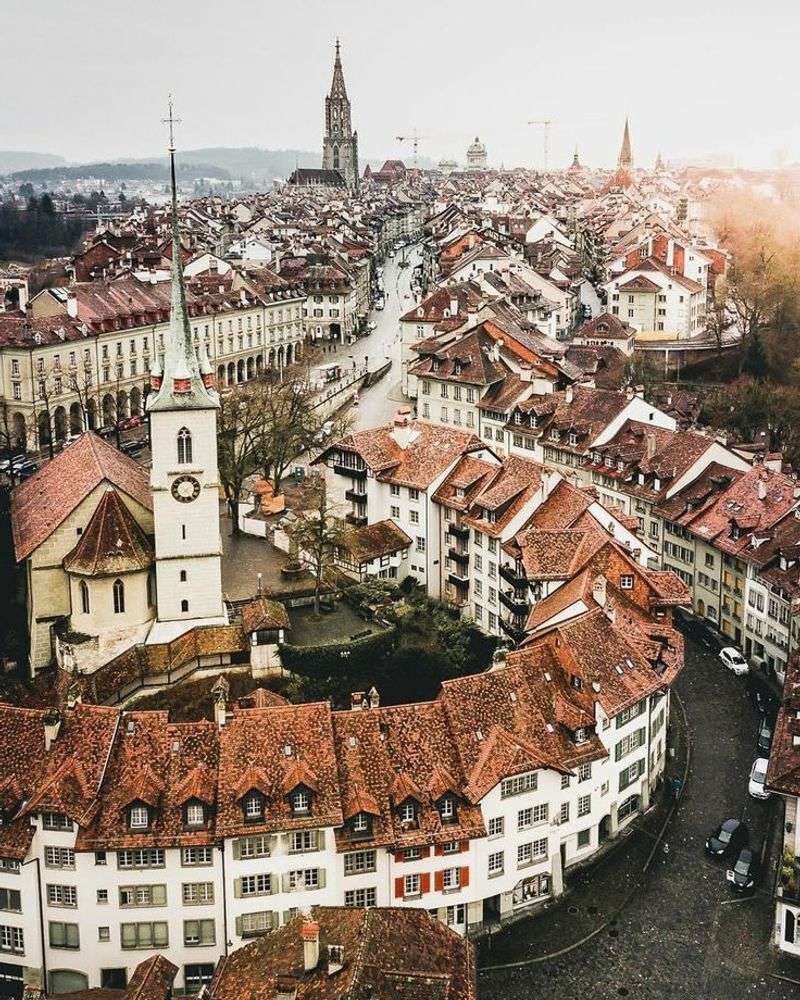
Switzerland’s federal capital has a medieval old town so well-preserved it earned UNESCO World Heritage status — and prices so modern they feel like they belong in the future. Bern is often overlooked in conversations about expensive Swiss cities, with Zurich and Geneva grabbing most of the attention, but residents here know the financial reality all too well.
Housing supply in Bern is limited, partly because the city’s historic layout restricts new development. That scarcity keeps rents high for everyone, from government workers to university students.
A one-bedroom apartment in the city center will typically cost more per month than a comparable place in Berlin, Amsterdam, or even parts of London.
Groceries and restaurant meals carry the same Swiss premium that visitors find everywhere in the country. That said, Bern has a surprisingly relaxed, almost village-like atmosphere for a national capital.
The famous Zytglogge clock tower, the bear park, and miles of covered arcades give the city a charm that is hard to replicate. Farmers markets offer slightly better value on fresh produce, and the Aare River provides a free summer activity beloved by locals.
Bern may be quieter than Zurich, but it is every bit as expensive.
Reykjavik, Iceland
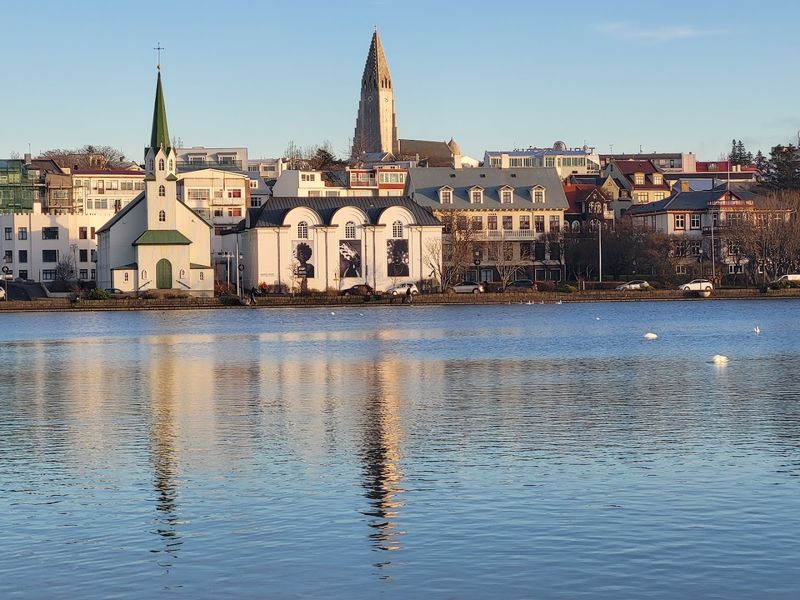
Imagine living on a volcanic island in the middle of the North Atlantic, where almost everything you eat, wear, or drive has been shipped in from somewhere far away. That is the daily financial reality of Reykjavik, and it explains a lot about why this small, quirky capital ranks among Europe’s most expensive cities year after year.
Import costs are baked into virtually every price tag in the city. A bag of apples, a bottle of wine, a pair of jeans — all cost noticeably more than they would on the European mainland.
Eating out is particularly punishing for visitors; a casual dinner for two can easily exceed what a full week of groceries might cost in southern Europe. Accommodation, whether renting long-term or booking short-stay, is also steep.
Tourism has added serious pressure to an already tight housing market. As Reykjavik has grown into a major travel destination over the past decade, short-term rental platforms have pulled properties away from long-term renters, nudging prices upward.
Despite all of this, Reykjavik has a magnetic pull. The Northern Lights, geothermal pools, and a music scene that punches far above its weight make it a city people love even while wincing at the bill.
Pack accordingly — and budget generously.
London, United Kingdom
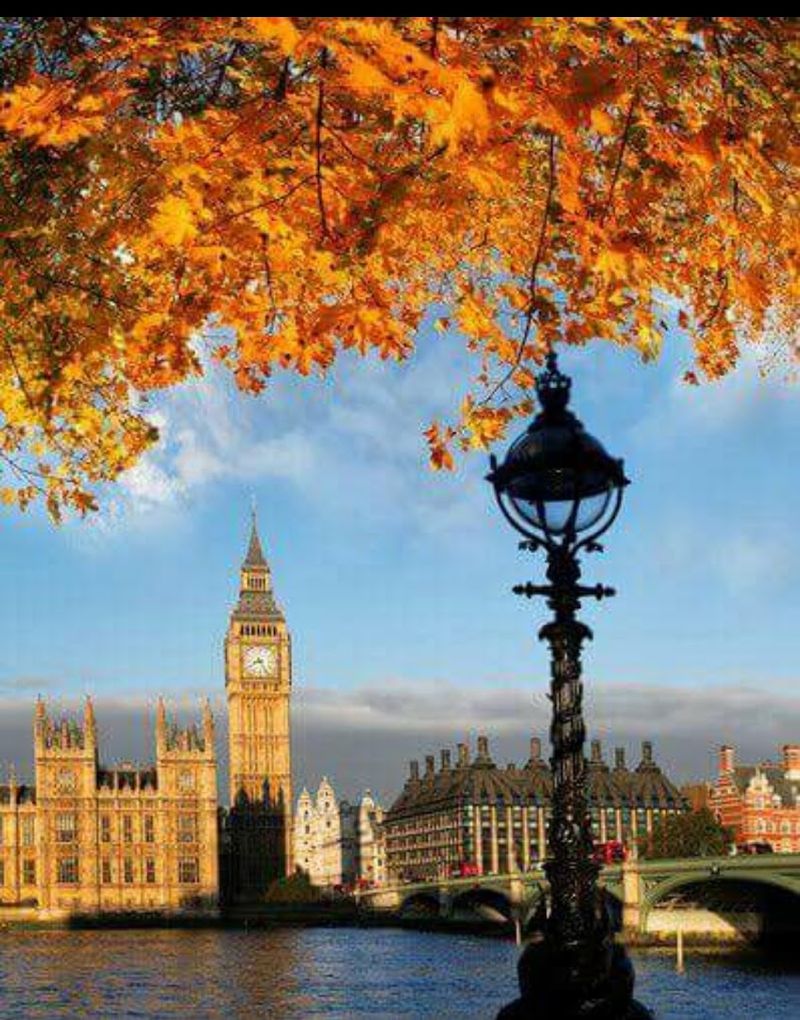
London does not apologize for its prices, and honestly, it has never needed to. As one of the world’s great global cities, it draws millions of people who are willing to pay the premium — which, conveniently, keeps that premium very high.
Housing is the main event in London’s financial spectacle, with central London rents sitting among the highest anywhere in Europe.
Zone 1 and Zone 2 apartments can swallow half a professional salary without blinking. Many residents push further out to Zone 3, 4, or beyond just to find something remotely affordable, then spend a chunk of what they saved on commuting costs.
Transport in London is efficient but not cheap, and the Oyster card tap-outs add up fast over a working month.
Dining, entertainment, and nightlife offer a wide range — from free museum visits and riverside walks to Michelin-starred restaurants and West End shows that cost as much as a short-haul flight. The city rewards clever budgeting more than almost anywhere else in Europe.
Free galleries, outdoor markets, and cheap ethnic food options mean you can enjoy London without spending a fortune every single day. But housing?
That one is just going to hurt, no matter what you do.
Trondheim, Norway
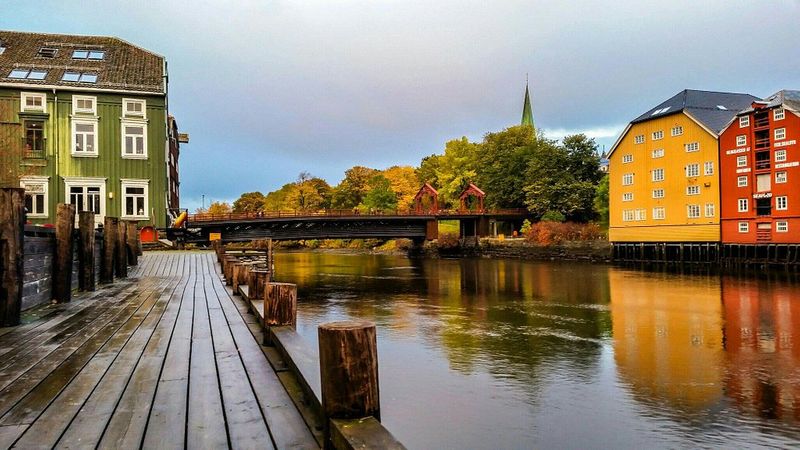
Norway’s third-largest city might not have the global name recognition of Oslo, but it absolutely has the Norwegian price levels — and those are legendary for all the wrong reasons if you are watching your budget. Trondheim is a university city with a lively student culture, but even students here face costs that would make their counterparts in most European countries gasp.
Grocery shopping is one of the most immediate shocks for newcomers. Basic items like bread, dairy, and meat cost significantly more than the European average, partly due to high agricultural subsidies and import restrictions that protect Norwegian farmers.
Eating out is a genuine luxury for many residents, with a simple pub meal often costing twice what it would in the UK or Germany.
Transportation costs are also elevated, though Norway’s infrastructure is impressively maintained. Trondheim has a compact, walkable old town centered around the magnificent Nidaros Cathedral — the northernmost medieval cathedral in the world — which adds real character to daily life.
The surrounding fjords and forests offer spectacular free outdoor activities that locals use to offset the financial grind of everyday expenses. If you are moving here for work, the salaries are strong, but so is the cost of everything that salary buys.
Oslo, Norway
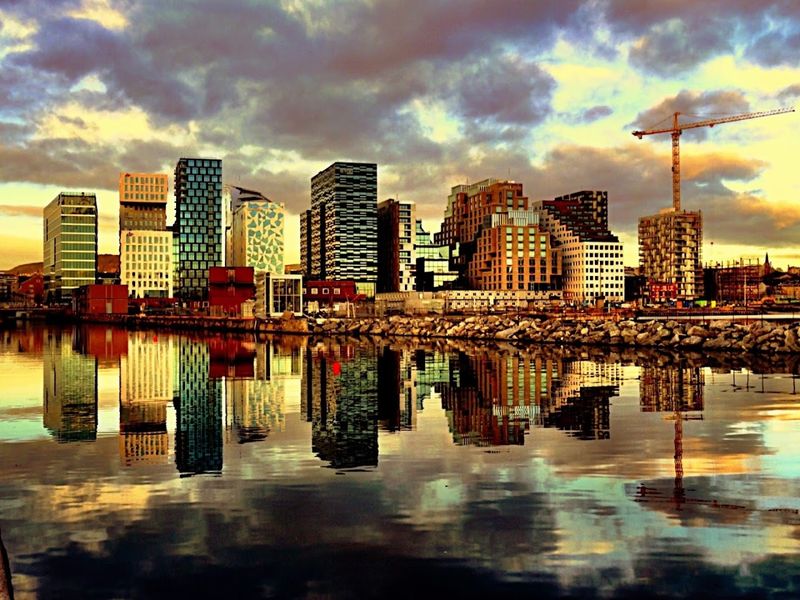
A beer at a bar in Oslo can cost more than a full meal in Budapest, and that one fact tells you almost everything you need to know about this city’s relationship with money. Oslo is routinely ranked among the most expensive capitals in the world, not just Europe, and 2026 shows no signs of that changing anytime soon.
Housing costs are brutally high, especially for anyone hoping to rent centrally. The city has expanded its metro network and encouraged development in outer neighborhoods, but demand continues to outpace supply.
Many young professionals and newcomers find themselves in shared apartments far longer than they planned, simply because solo renting is financially out of reach for most entry-level salaries.
Norway’s social model means healthcare and education are largely covered by the state, which genuinely softens the blow of daily expenses. But restaurants, bars, taxis, and supermarkets all operate at a price level that still surprises visitors who think they have prepared themselves.
The Oslo Pass, available to tourists, offers solid value by bundling museum entry and public transport. For residents, the real savings come from cooking at home, cycling everywhere, and embracing the Norwegian concept of friluftsliv — outdoor living — which costs nothing and is absolutely spectacular.
Bergen, Norway
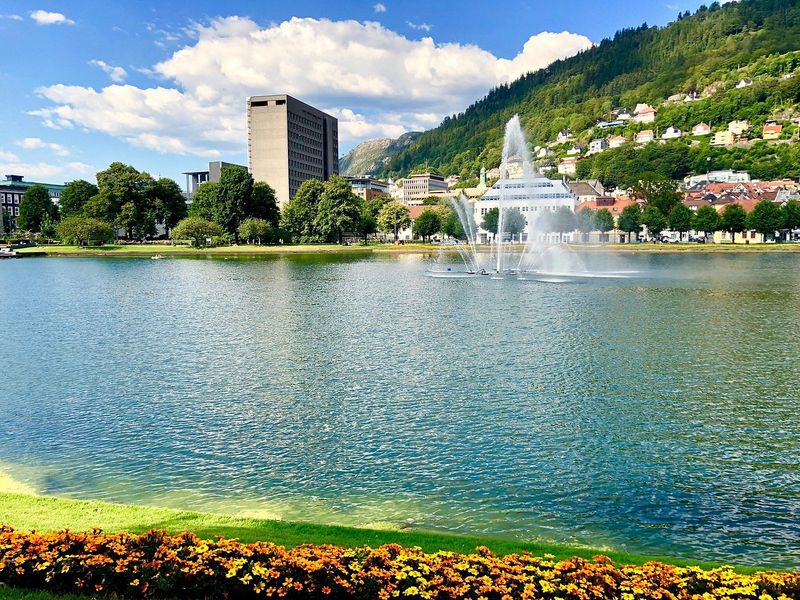
Rain falls on Bergen more than almost any other city in Europe — roughly 240 days a year — but what never seems to fall are the prices. This coastal city on Norway’s western shore is famous for its brightly painted Bryggen wharf, its fish market, and its dramatic mountain backdrop.
It is also consistently expensive in ways that go well beyond its tourist-facing economy.
Housing in Bergen has tightened considerably over the past few years. The city has grown as a hub for Norway’s oil and gas industry, drawing well-paid workers who push rental prices upward.
A modest apartment in a central neighborhood can cost more per month than similar properties in Paris or Amsterdam, which startles people who assume Bergen is a small, affordable provincial town.
Food costs follow the Norwegian norm — high across the board, whether you are cooking at home or eating out. The famous fish market is a treat but not a budget option; it caters heavily to tourists and prices reflect that.
Bergen’s saving grace, financially speaking, is that some of its greatest pleasures are free. The Fløibanen funicular offers cheap access to mountain views, and hiking trails fan out in every direction at no cost.
Embrace the outdoors, and Bergen becomes far more bearable on a budget.
Copenhagen, Denmark
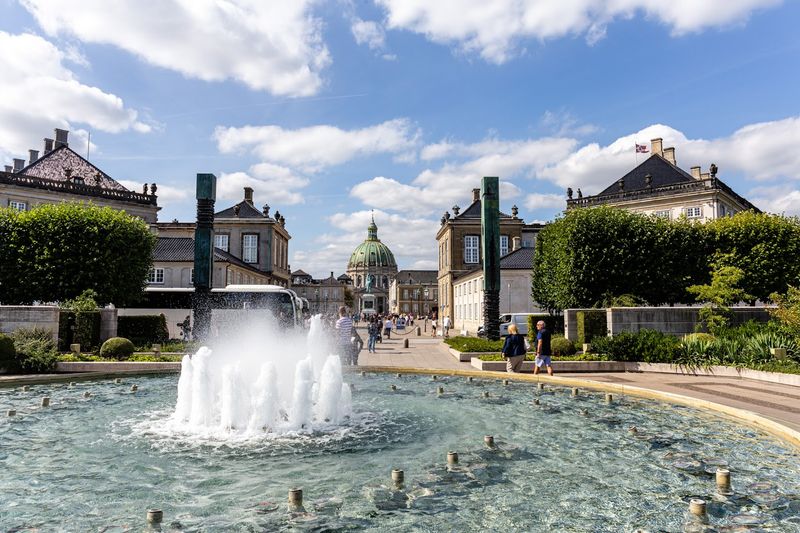
Copenhagen has cracked the code on how to make people love paying too much. The city is so effortlessly stylish, so relentlessly well-designed, and so deeply committed to cycling and good coffee that residents seem almost cheerful about the costs — right up until they check their bank balance at the end of the month.
Housing is the headline expense. Copenhagen’s rental market is notoriously competitive, with low vacancy rates and high demand from both locals and a growing international workforce.
Even neighborhoods that were considered affordable a decade ago have seen rents climb sharply. New developments are being built, but they rarely keep pace with demand.
Denmark’s tax system funds excellent public services — healthcare, childcare, and education are largely covered — which does meaningfully offset some of the day-to-day financial pressure. Supermarkets are pricier than the European average, but discount chains like Netto and Lidl help residents manage grocery budgets.
Dining out is where Copenhagen truly earns its expensive reputation; even casual restaurants operate at a price point that feels elevated compared to most of Europe. The city’s famous restaurant scene, including several of the world’s top-ranked establishments, is spectacular but strictly for special occasions unless your budget is truly generous.
Paris, France
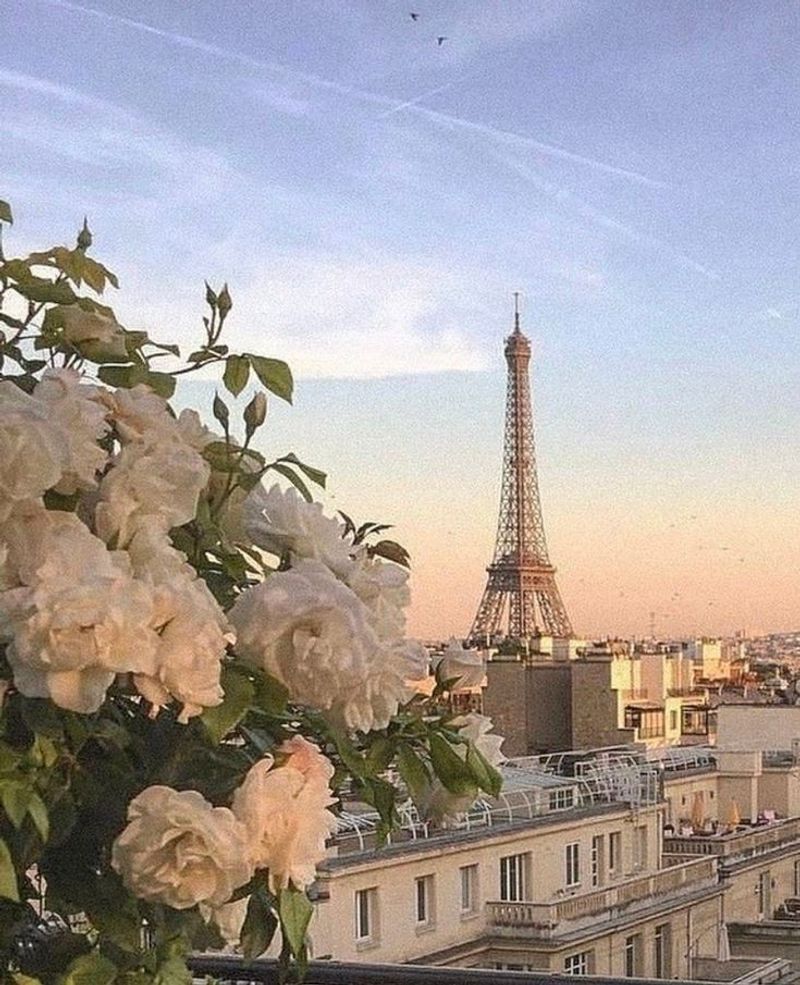
There is a reason every romantic movie set in Paris conveniently skips the part where the characters check their rent statements. The French capital has long balanced its reputation for elegance and culture with a cost of living that has been quietly but relentlessly climbing for years.
By 2026, Paris firmly holds its place among Europe’s most expensive cities.
Central arrondissements — particularly the 1st through 8th — command some of the highest rents on the continent. Even moving to the outer arrondissements or nearby suburbs like Vincennes or Montreuil only partially softens the blow.
The housing market is tight, regulated in complicated ways, and deeply competitive, especially for furnished short-term rentals that cater to the city’s massive expat and student population.
Daily life in Paris can be surprisingly manageable if you know the tricks. Boulangeries offer excellent, genuinely affordable bread and pastries.
The Metro is efficient and reasonably priced with a monthly pass. Open-air markets sell fresh produce at fair prices if you go early and skip the tourist-heavy spots.
Where costs escalate quickly is in cafes, restaurants, and any neighborhood adjacent to a major landmark. Paris rewards the savvy and gently overcharges the unprepared.
Either way, the city itself remains absolutely worth it.
Amsterdam, Netherlands
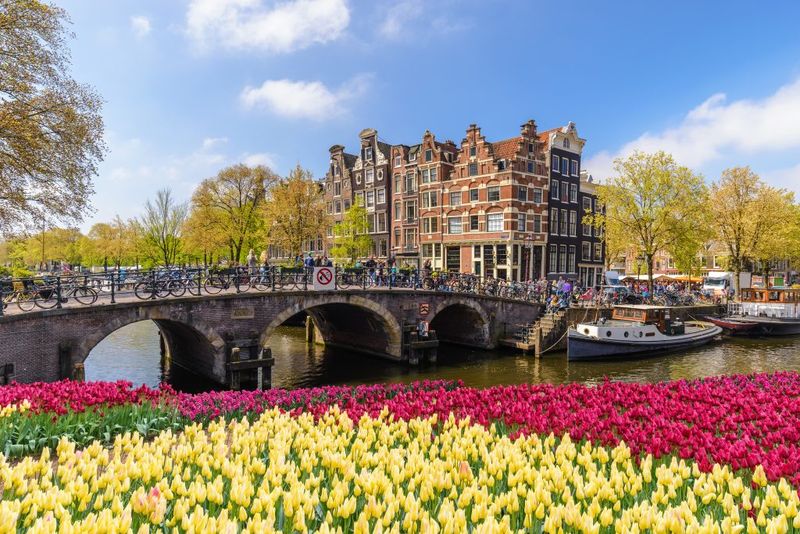
Amsterdam’s canal houses look charming from the outside, but inside those narrow, tilting walls lies one of Europe’s most punishing rental markets. The city has become a cautionary tale in urban housing economics — too popular, too small, and too slow to build enough new homes to meet demand.
The result? Rents that have climbed to levels shocking even by Northern European standards.
The international tech and finance sectors have supercharged Amsterdam’s housing crisis. Companies like Booking.com, ASML, and various fintech firms bring well-compensated workers who can afford higher rents, effectively pricing out locals and lower-income residents.
Neighborhoods that were working-class just fifteen years ago now attract premium prices and boutique coffee shops on every corner.
Beyond housing, Amsterdam is expensive but not impossibly so for everyday living. Supermarkets like Albert Heijn are pricey but manageable, and the city’s cycling culture means many residents spend almost nothing on transportation.
Dining out covers a wide range — from affordable Indonesian rijsttafel spots in the Pijp neighborhood to high-end restaurants in the Museum Quarter that will happily take a week’s grocery budget in one sitting. The city’s canals, parks, and free cultural events provide genuine relief for those watching their spending carefully.
Aarhus, Denmark
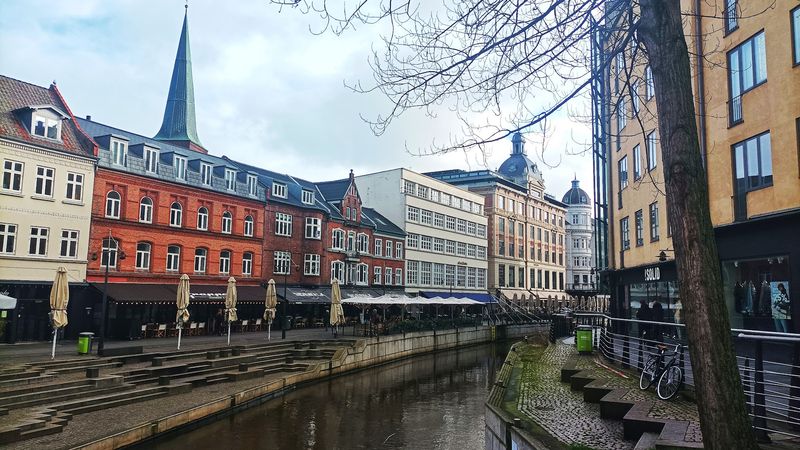
Denmark’s second city has a bit of an underdog complex — it is always being compared to Copenhagen and always insisting it is better value. The truth?
Aarhus is cheaper than the Danish capital, but that is a bit like saying a sports car is cheaper than a yacht. Both are still going to stretch most budgets considerably.
Housing in Aarhus has tightened notably as the city has grown into a major university and business hub. The presence of Aarhus University — one of Scandinavia’s largest — means consistent demand from students, academics, and the industries that cluster around research institutions.
Rents have risen steadily, and the supply of affordable housing has not kept pace with that growth.
Day-to-day expenses follow Denmark’s national pattern: higher than most of Europe, softened slightly by excellent public services. Supermarkets are expensive, though discount options exist.
Public transport is good and reasonably priced with the right pass. Where Aarhus genuinely shines is in its cultural offering — the ARoS art museum with its famous rainbow walkway, a thriving food scene, and a compact, walkable city center that makes expensive taxis largely unnecessary.
For those willing to cook at home and cycle everywhere, Aarhus becomes significantly more manageable than its price index suggests.
Luxembourg City, Luxembourg
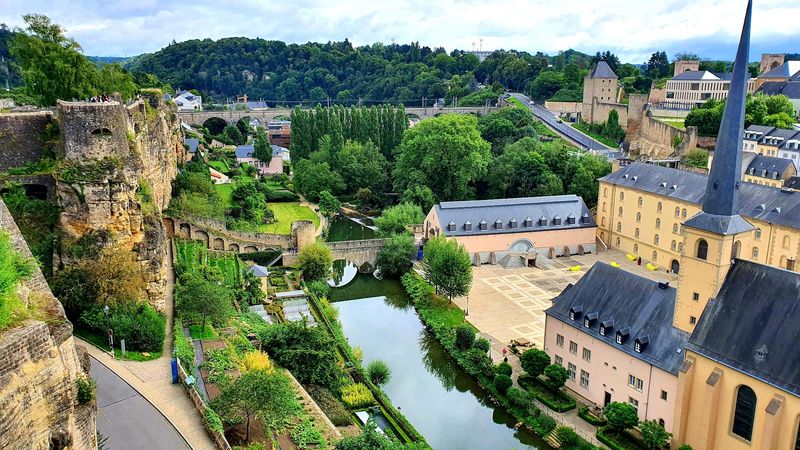
Luxembourg City is basically a financial fortress — literally built on ancient cliffs and fortifications, and metaphorically built on one of the highest concentrations of banking wealth in the world. It is the capital of one of Europe’s smallest countries and, by most measures, one of its wealthiest.
That wealth has a way of showing up in every price tag across the city.
Housing costs in Luxembourg City are staggering. The country has been grappling with a housing crisis for years, driven by a small geographic footprint, high demand from cross-border workers, and a financial sector that attracts well-compensated professionals from across Europe.
Buying property is out of reach for most, and renting is not much kinder to the average budget.
Salaries in Luxembourg are among the highest in Europe, and the country offers strong social protections, which helps residents cope with the high cost structure. For those earning locally, life is comfortable if not cheap.
Visitors and newcomers, however, often find the adjustment jarring. Restaurants, shops, and services all operate at a premium that reflects the city’s affluent clientele.
Free activities — the stunning Corniche promenade, the historic old town, and the Alzette valley parks — offer welcome breathing room for anyone keeping a careful eye on spending.
Munich, Germany
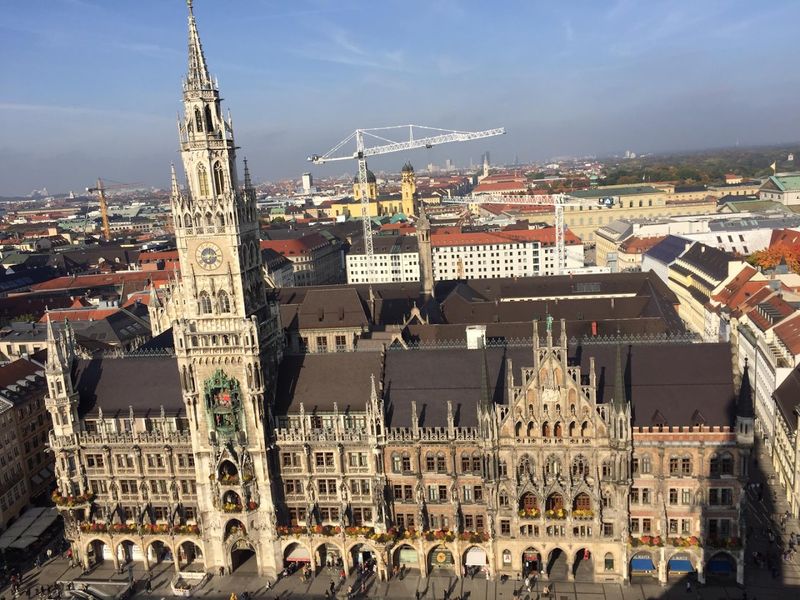
Munich has the charm of a Bavarian village and the price tag of a major world city — and somehow manages to pull off both without irony. Germany’s most expensive city by a significant margin, Munich combines spectacular beer gardens, world-class museums, and Alpine scenery with a housing market that routinely makes headlines for all the wrong reasons.
Rent in Munich has been rising for years and shows little sign of slowing. The city’s booming economy — anchored by BMW, Siemens, and a thriving tech sector — draws workers from across Germany and beyond, keeping demand consistently ahead of supply.
A one-bedroom apartment in a central neighborhood can cost more than comparable places in Berlin, Hamburg, or Frankfurt, which surprises many who assume all German cities are similarly priced.
Outside of housing, Munich is expensive by German standards but not completely unreasonable. The famous Viktualienmarkt offers fresh food at market prices, and the city’s extensive cycling infrastructure means transport costs can be kept low.
Oktoberfest is an obvious splurge, but the English Garden — one of the world’s largest urban parks — is completely free and genuinely magnificent. Munich rewards residents who plan ahead and budget carefully, offering an exceptional quality of life to those who can afford to stay.
Dublin, Ireland
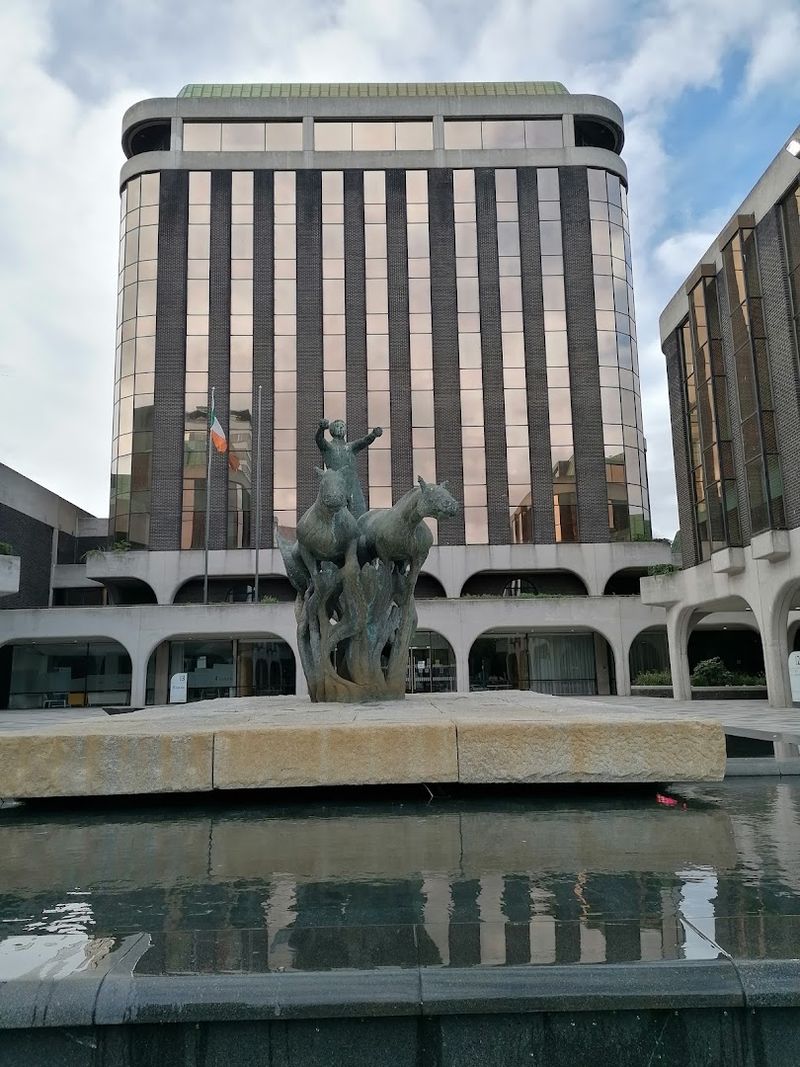
Dublin went from being a mid-range European capital to one of the continent’s most expensive cities in what felt like the blink of an eye. The tech boom of the 2010s transformed the city’s economy and its price structure simultaneously, and by 2026, the effects are fully embedded in every corner of the rental market and beyond.
Housing is Dublin’s defining crisis. A shortage of supply, combined with explosive demand from multinational tech companies setting up European headquarters — Google, Meta, Amazon, and dozens more — has pushed rents to levels that genuinely shock people.
Many workers earning solid salaries find that housing costs consume an uncomfortably large portion of their monthly income, leaving little room for savings or leisure.
Beyond rent, Dublin is expensive but navigable with smart choices. The city has a lively pub culture that can be done cheaply if you nurse your pints, and the surrounding countryside — the Wicklow Mountains, coastal walks, and ancient sites — is largely free and stunning.
Grocery costs are above the European average, and eating out in the city center is pricey. However, Dublin’s famous friendliness and social energy make it easy to enjoy without spending constantly.
Farmers markets, free galleries, and outdoor festivals help balance the financial pressure for those who know where to look.
Edinburgh, United Kingdom
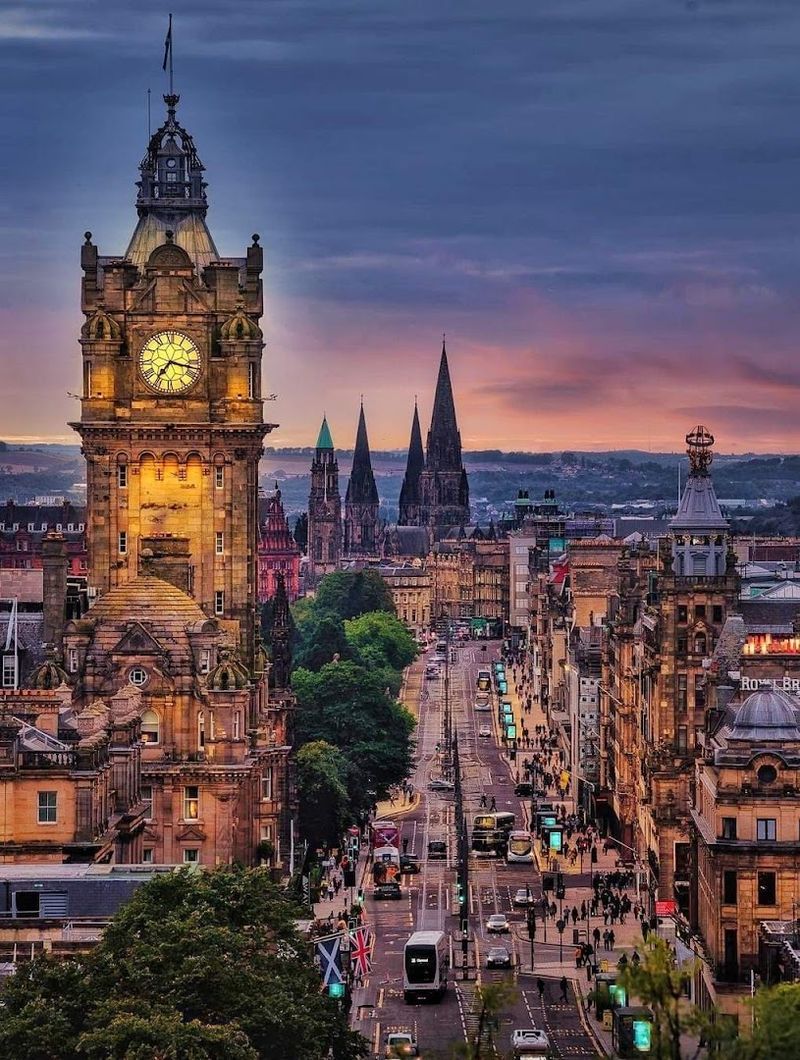
Edinburgh has the kind of dramatic skyline — castle on a volcanic crag, Gothic spires, rolling hills — that makes people want to move there immediately, which is precisely part of the problem. Demand for housing in Scotland’s capital has surged over the past decade, fueled by tourism, a growing tech sector, and the city’s enduring reputation as one of the most livable places in the UK.
Short-term rental platforms have played a significant role in Edinburgh’s housing squeeze. The city hosts the world’s largest arts festival every August, which has made short-term letting extremely lucrative for landlords — and extremely frustrating for long-term renters who find fewer available properties and higher prices as a result.
The Scottish Government has introduced regulations to address this, but the effects take time to filter through the market.
Daily life costs in Edinburgh are notably higher than in most Scottish cities and above the UK average outside London. Groceries, dining, and transport all carry a premium, especially in the Old Town and New Town areas popular with visitors.
That said, Edinburgh has free world-class museums — the National Museum of Scotland and the Scottish National Gallery among them — and Arthur’s Seat offers a spectacular hike at zero cost. The city’s beauty is democratic even when its rents are not.
Helsinki, Finland
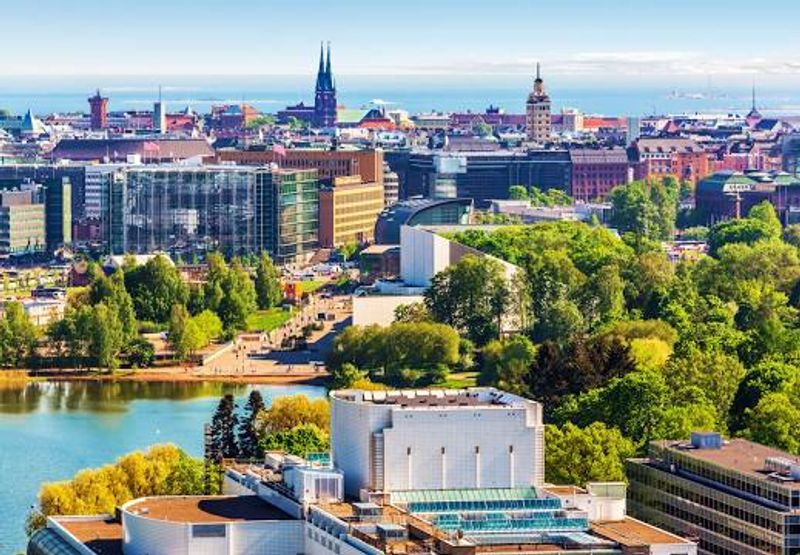
Finland’s capital sits at the top of the Baltic Sea and, unfortunately for budget-conscious residents, near the top of Northern Europe’s cost-of-living rankings too. Helsinki has a calm, ordered quality to it — the streets are clean, the design is impeccable, and the public services are genuinely excellent — but all of that comes with a financial structure that can feel relentless by the end of the month.
Housing costs in Helsinki have risen significantly over the past five years. The city has attracted international companies and remote workers who appreciate Finland’s digital infrastructure and quality of life, and that influx has tightened an already competitive rental market.
Central neighborhoods like Punavuori and Kallio — once affordable creative hubs — now command prices that rival parts of Stockholm or Copenhagen.
Groceries and restaurant meals sit noticeably above the European average. A weekday lunch at a typical Helsinki restaurant, while often well-prepared and fresh, will cost more than a comparable meal in most Southern or Eastern European cities.
Alcohol is heavily taxed, making a round of drinks an event worth budgeting for. Helsinki’s saving grace lies in its extraordinary natural access — ferries to nearby islands, vast national parks within easy reach, and long summer days that invite free outdoor living.
Finns call it sisu — the grit to keep going. It applies to the budget too.
Milan, Italy
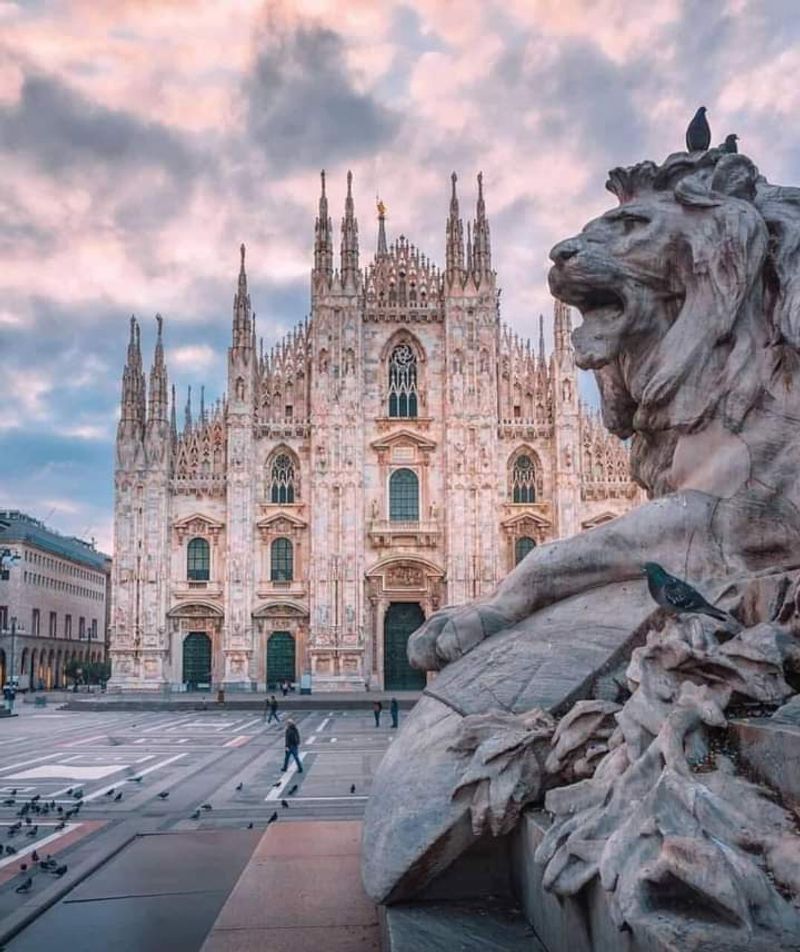
Milan is the city that Italy sends out when it wants to be taken seriously in a business meeting. As the country’s financial capital and the undisputed center of its fashion and design industries, Milan operates on a different economic register from the rest of the peninsula — and its prices reflect that ambition fully.
Housing costs in Milan have climbed sharply, particularly in central neighborhoods like Brera, Porta Romana, and the areas surrounding the Duomo. The city’s appeal to international professionals, fashion industry workers, and design community members keeps demand high.
New luxury developments continue to appear, but affordable housing has become genuinely scarce, especially for young people entering the market for the first time.
Dining and shopping carry a premium that reflects Milan’s brand-conscious identity. A coffee at a fashionable bar near the Quadrilatero della Moda will cost noticeably more than the same espresso a few streets away — and both cost more than almost anywhere else in Italy.
That said, Milan has pockets of affordability. The Navigli canal district has excellent, reasonably priced aperitivo bars.
The city’s free museums on the first Sunday of each month are a genuine gift. And the metro system is efficient and fairly priced.
Milan is expensive by Italian standards, but it delivers a level of energy and opportunity that justifies the investment for many who choose it.



