Earth has been home to creatures far stranger than anything found in fairy tales or fantasy novels. Long before humans walked the planet, animals with spiral teeth, five eyes, and claws the size of swords roamed ancient seas and forests.
Fossils have revealed a world that seems almost impossible to believe, full of beasts that would fit right into a science fiction movie. Get ready to meet twenty real extinct animals that sound like they were pulled straight from someone’s wildest imagination.
1. Hallucigenia
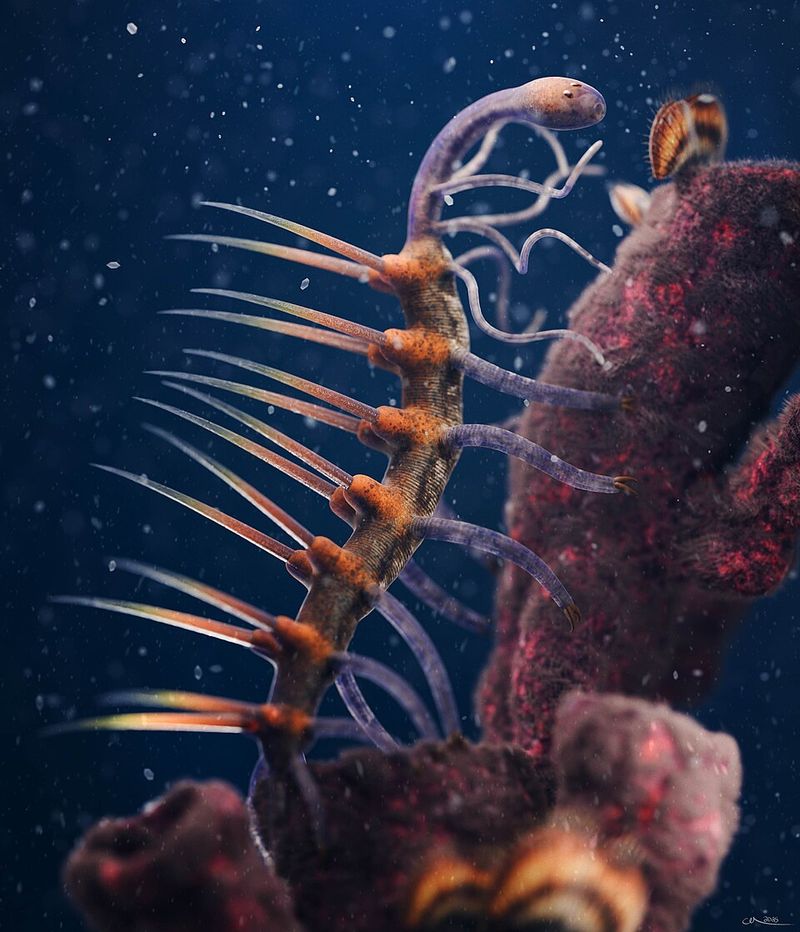
Imagine a creature so bizarre that the scientists who first studied it reconstructed it completely upside down. That is exactly what happened with Hallucigenia, a tiny animal from the Cambrian Period, roughly 508 million years ago.
Its name literally means “imaginary thing” or “wandering of the mind.”
Hallucigenia had a long, soft worm-like body lined with sharp protective spines along its back. Underneath, it walked on pairs of soft, stubby tentacle legs that looked nothing like the limbs of any modern animal.
When researchers first found the fossil, they thought the spines were legs and the legs were tentacles, leading to a hilariously wrong reconstruction for years.
Recent studies using powerful microscopes revealed tiny claws at the tips of its tentacles, helping scientists finally place it in the family tree of modern velvet worms. Few fossils have caused as much scientific confusion as this remarkable little creature.
2. Opabinia
When paleontologist Harry Whittington first presented Opabinia to a scientific audience in 1972, the room reportedly burst into laughter. It was not a joke, though.
Opabinia was a genuinely real animal that lived about 505 million years ago, and it looked like nothing anyone had ever seen before.
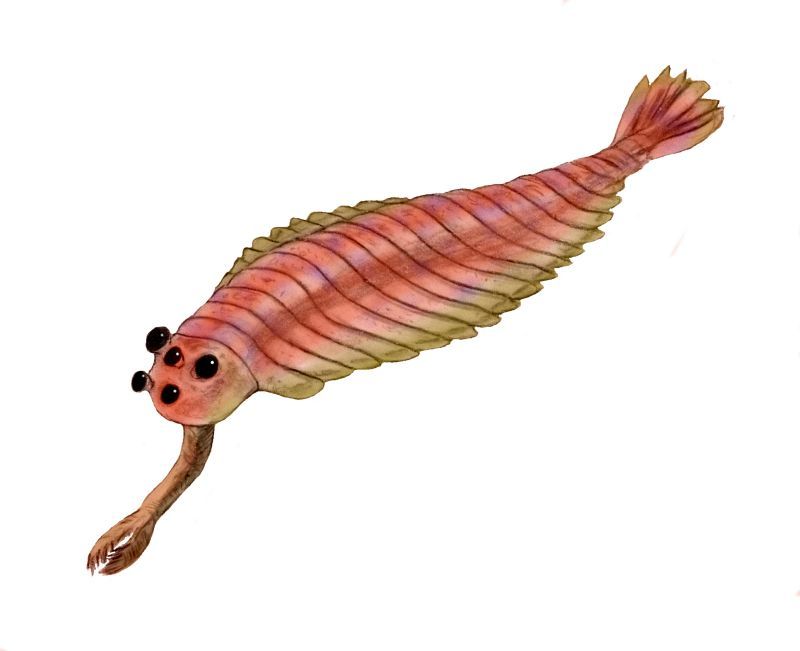
Opabinia had five eyes mounted on stalks, a long flexible proboscis similar to an elephant’s trunk, and a grasping claw at the end of that trunk for catching prey. Its body was segmented with a series of side flaps that it may have used like fins for swimming through ancient Cambrian seas.
Scientists believe it used its front claw to grab small worms or soft-bodied creatures and pass them back to its mouth, which faced backward on its underside. Opabinia belongs to an entirely extinct group of animals with no direct modern relatives, making it one of evolution’s most fascinating dead ends.
3. Anomalocaris
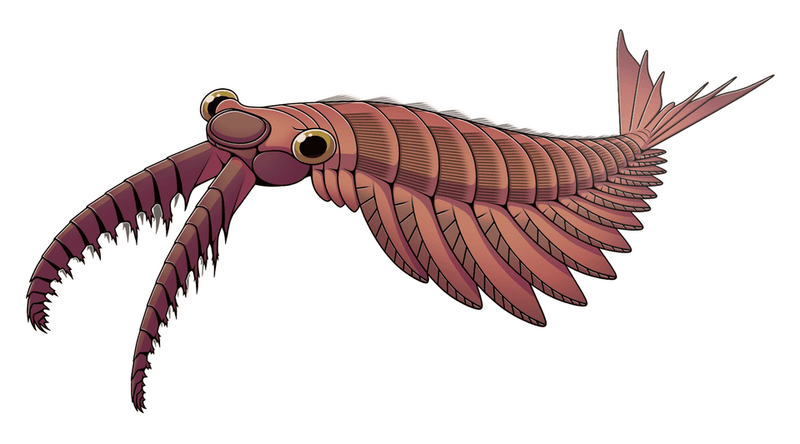
For a long time, paleontologists found parts of Anomalocaris separately and thought they had discovered three different animals. The circular mouth was mistaken for a jellyfish, the grasping arms were thought to be shrimp, and the main body was labeled a sea cucumber.
It took years before anyone realized all three pieces belonged to the same predator.
Once scientists put it all together, Anomalocaris turned out to be one of the most fearsome hunters of the Cambrian seas, growing up to about three feet long. It had large compound eyes, powerful grasping appendages near its mouth, and a circular jaw lined with sharp overlapping plates perfect for crushing hard-shelled prey.
Living over 500 million years ago, Anomalocaris is often called one of Earth’s first apex predators. Its fossils have been found worldwide, from Canada to China, proving it was a highly successful hunter across ancient oceans for millions of years.
4. Helicoprion
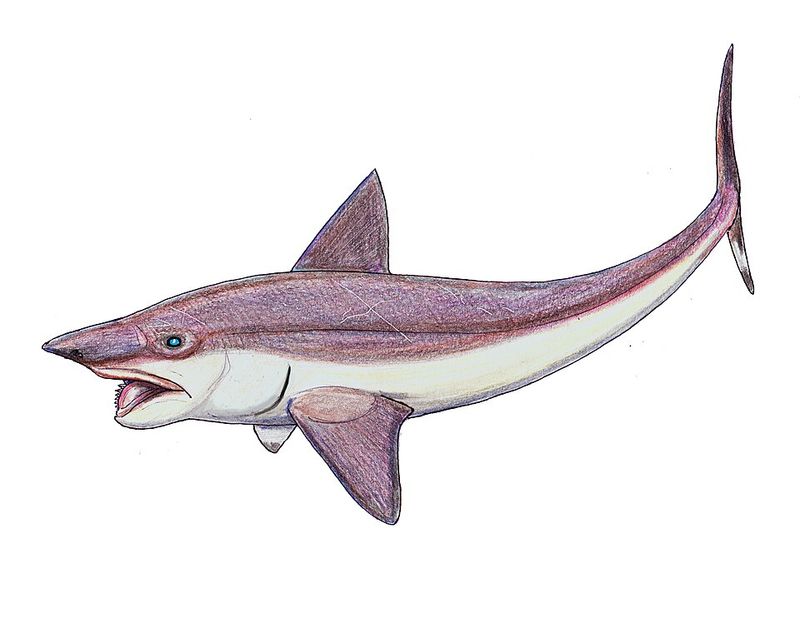
For over a century, scientists found a bizarre spiral of teeth shaped like a circular saw blade and had absolutely no idea where it fit on the animal. Some researchers thought it sat on the nose, others believed it curled out of the mouth like a spinning wheel.
The fossil record refused to give a clear answer for a very long time.
Helicoprion was a cartilaginous fish related to modern sharks and rays, living roughly 270 to 290 million years ago. Modern CT scanning technology finally solved the mystery: the spiral tooth whorl was positioned inside the lower jaw, rotating backward as new teeth grew in from the front.
Old teeth were not shed but instead pushed inward, creating the spiral shape.
Scientists now believe Helicoprion used this strange structure to slice through soft-bodied prey like ancient squid. With a body that could reach up to 25 feet, it was one of the ocean’s more unusual and effective hunters of its time.
5. Dunkleosteus
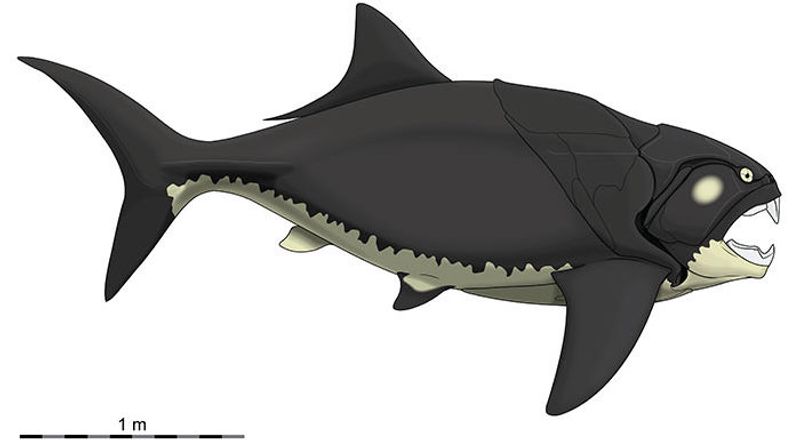
Picture a fish the size of a school bus, wrapped in thick bony armor, with jaws that could snap shut with the force of a modern industrial press. Dunkleosteus terrelli was exactly that kind of animal, patrolling the oceans about 360 to 380 million years ago during the Late Devonian Period.
Instead of teeth, Dunkleosteus had sharpened bony plates that worked like a pair of giant shears, capable of slicing through almost anything. Scientists estimate its bite force reached around 8,000 pounds per square inch, making it one of the most powerful biters in Earth’s history.
Even the thick armor of other fish offered little protection against those crushing jaws.
Dunkleosteus belonged to a group called placoderms, armored fish that dominated ancient seas before going completely extinct. Interestingly, it appears to have been a picky eater, with fossilized stomach contents showing it often regurgitated the spiny or bony parts of its prey rather than digest them whole.
6. Jaekelopterus
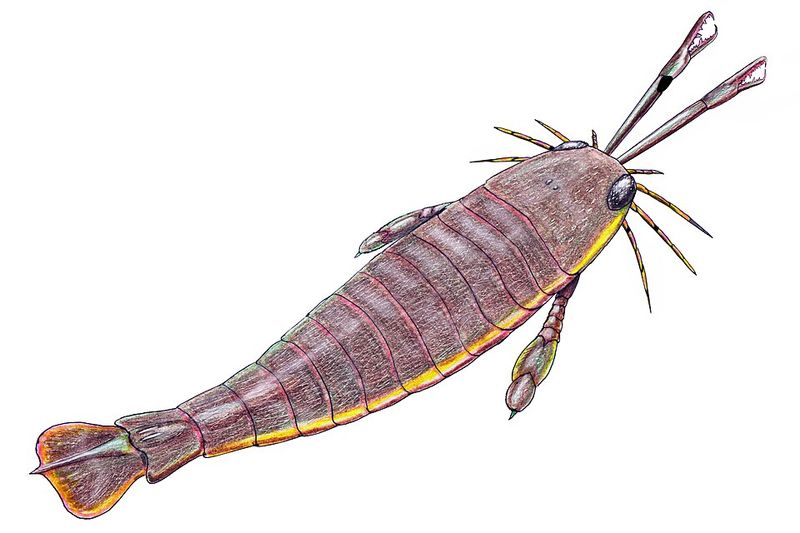
Sea scorpions sound like something from a nightmare, and Jaekelopterus rhenaniae was the largest of them all. Fossils suggest it reached lengths of around 8 feet, making it one of the biggest arthropods ever to have lived on Earth.
Finding a claw fossil alone that measured over 18 inches gave scientists their first clue about just how enormous this animal truly was.
Jaekelopterus lived during the Early Devonian Period, about 390 to 400 million years ago, stalking rivers, estuaries, and shallow coastal waters. Its large, powerful claws were likely used to grab fish and other prey, while its heavily armored body protected it from rivals and counterattacks.
Sea scorpions as a group are actually more closely related to land scorpions and spiders than to true crabs or lobsters. Jaekelopterus represents the peak of their evolution, a reminder that ancient freshwater environments were every bit as dangerous as the open ocean.
It went extinct long before dinosaurs ever appeared.
7. Quetzalcoatlus
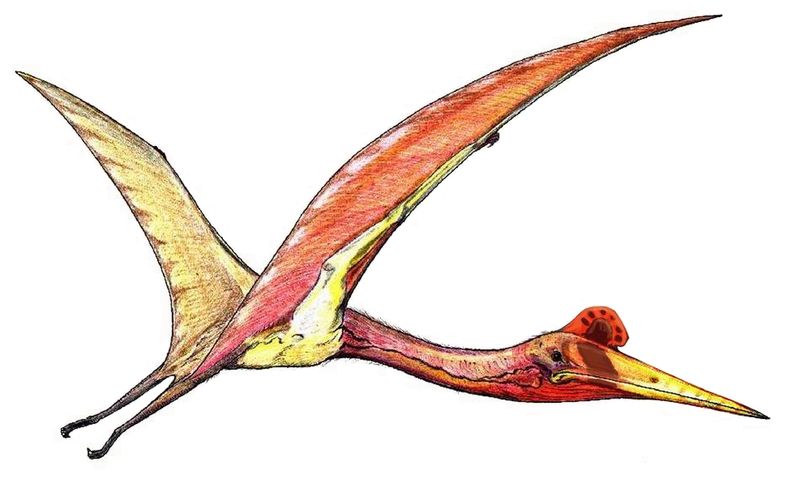
Named after the feathered serpent god of Aztec mythology, Quetzalcoatlus northropi was a flying reptile so large it is almost hard to believe it ever got airborne. With a wingspan estimated at around 36 feet, it rivals the wingspan of a small commuter aircraft.
Standing on the ground, it reached heights similar to a modern giraffe, towering over most other animals of its era.
Quetzalcoatlus lived during the Late Cretaceous Period, about 68 to 66 million years ago, sharing its world with Tyrannosaurus rex. Despite its massive size, scientists believe it could launch itself into the air using all four limbs and then soar on warm air currents for long distances, much like a modern condor but on a far grander scale.
Rather than swooping down to catch fish like a pelican, many researchers now think Quetzalcoatlus stalked prey on land, using its long beak like a giant pair of tweezers to snatch small animals from the ground. Few creatures in history have so perfectly matched the image of a real-life dragon.
8. Therizinosaurus
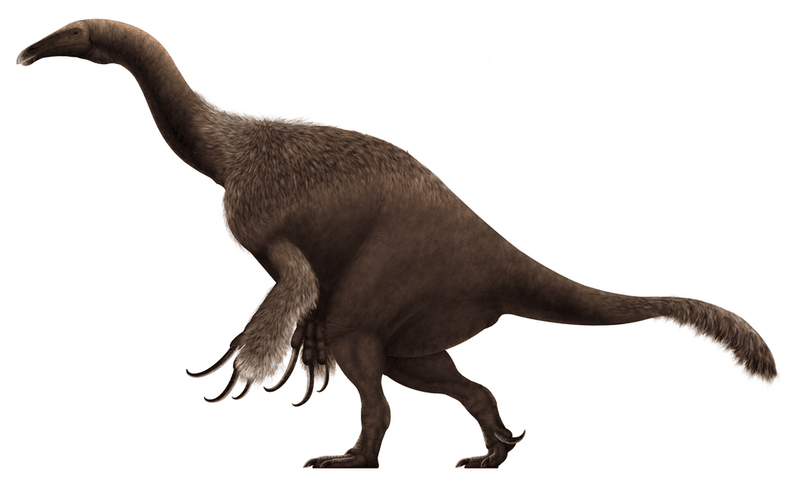
Those claws are real. Therizinosaurus cheloniformis had front limb claws that each reached close to three feet in length, making them the longest claws of any known animal in Earth’s history.
When the first fossils were found in Mongolia in the 1940s, scientists initially thought they had discovered some kind of giant ancient turtle, which explains the species name meaning “turtle-formed.”
What makes Therizinosaurus even more surprising is that despite those terrifying claws, it was almost certainly a plant-eater. Its wide, pot-bellied body was built to hold a large digestive system for processing tough vegetation.
The long neck and relatively small head suggest it browsed on leaves and branches much like a large sauropod dinosaur.
The claws were likely used to pull branches within reach or defend against predators like Tarbosaurus. Covered in feathers and living about 70 million years ago, Therizinosaurus proves that evolution sometimes builds the most fearsome weapons for the most peaceful purposes imaginable.
9. Deinotherium
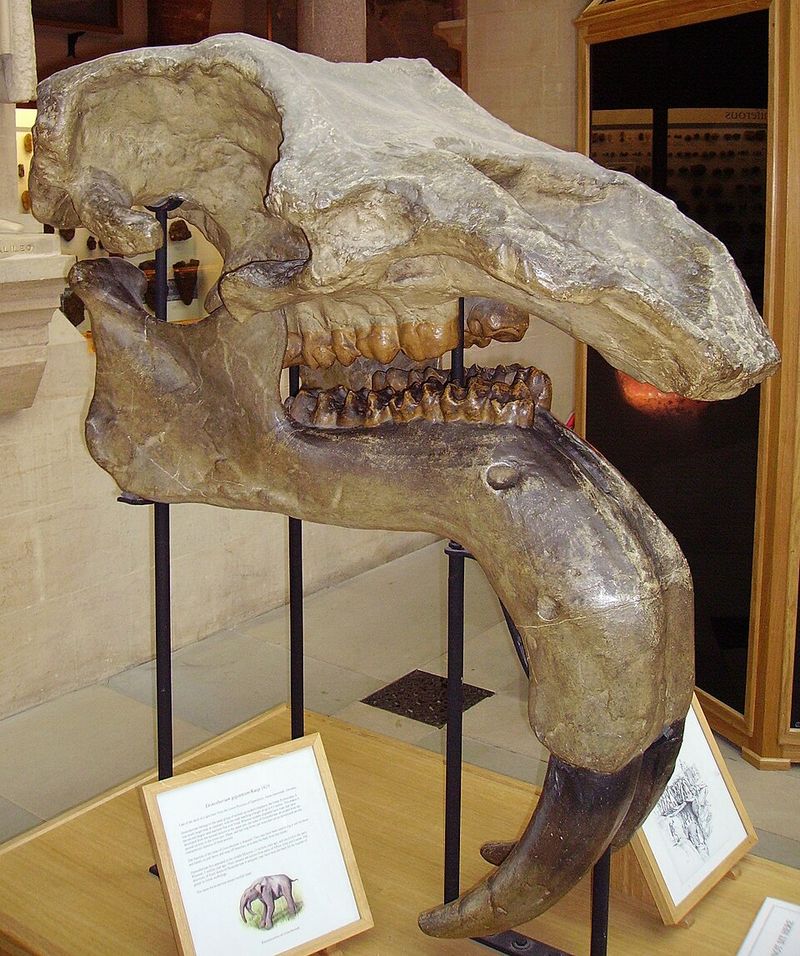
Modern elephants have upward-curving tusks growing from their upper jaw. Deinotherium giganteum decided to do things completely differently.
This prehistoric relative of elephants had large, dramatically downward-curving tusks growing from its lower jaw, pointing toward the ground in a way that looks almost comically wrong to modern eyes yet was clearly effective for millions of years.
Deinotherium lived from about 15 million to 1 million years ago across Africa, Europe, and Asia. It was one of the largest land mammals of its time, with some species estimated to have weighed up to 14 tons, making it heavier than any modern elephant alive today.
Its name fittingly translates to “terrible beast.”
Scientists believe those downward tusks may have been used to strip bark from trees or dig up roots from the ground. Despite living alongside early human ancestors in Africa, Deinotherium left no living descendants.
It belongs to a completely extinct branch of the proboscidean family tree.
10. Glyptodon
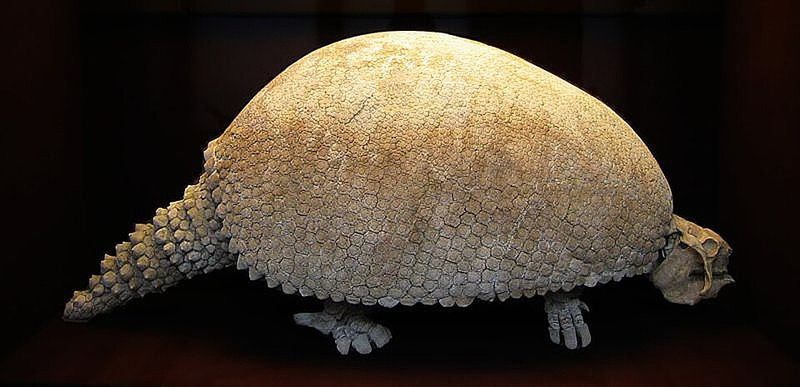
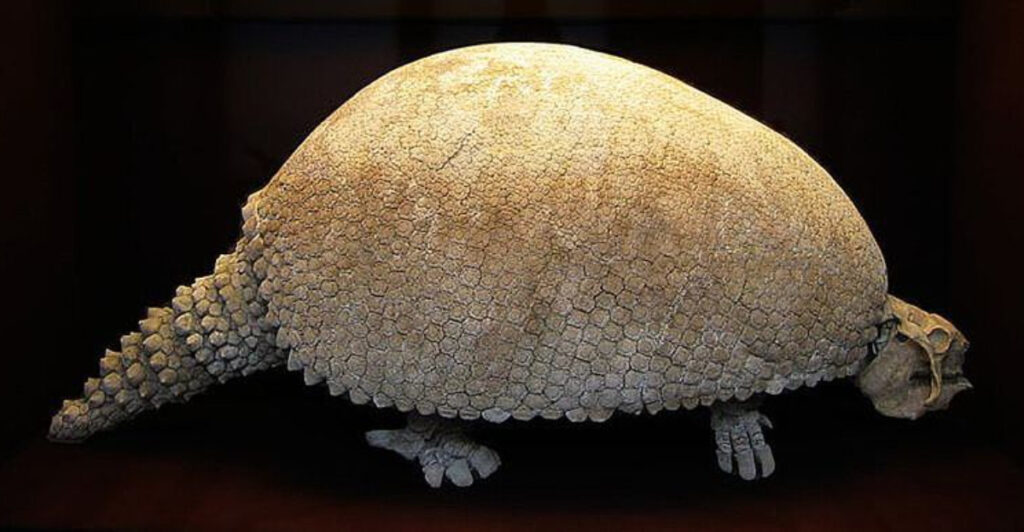
Roll a Volkswagen Beetle into an ancient South American grassland and you might get a rough idea of what Glyptodon looked like. This prehistoric relative of modern armadillos had a massive domed shell made of hundreds of interlocking bony plates, providing armor tough enough to withstand attacks from large predators.
It truly was the tank of the Pleistocene world.
Glyptodon lived from about 2.5 million to around 10,000 years ago, going extinct not long after humans first arrived in the Americas. Unlike armadillos, Glyptodon could not roll into a ball because its shell was completely rigid.
Instead, it relied on its clubbed, armored tail to deliver powerful defensive blows to anything that threatened it.
Early human settlers in South America may have actually used the massive shells of dead Glyptodons as shelters from rain and cold. Some archaeological sites suggest ancient people butchered Glyptodons for food, which may have contributed to their eventual extinction alongside climate changes at the end of the Ice Age.
11. Megatherium
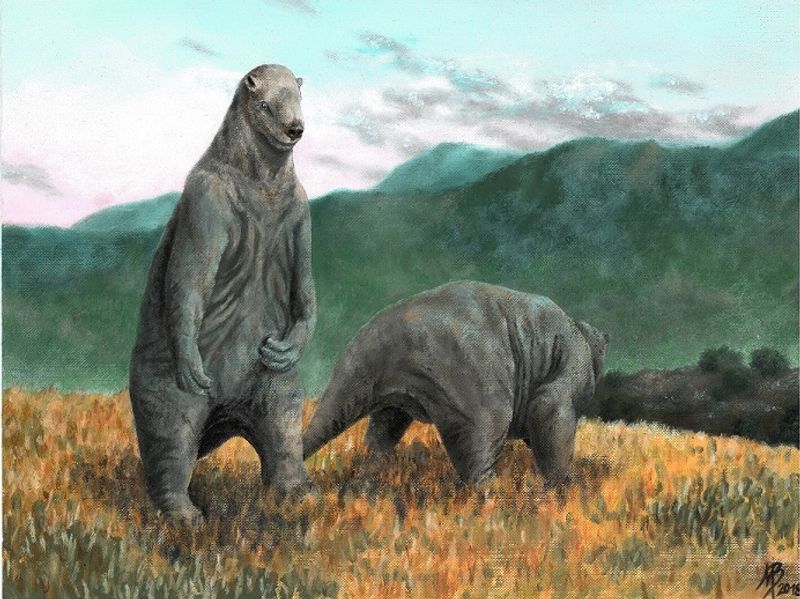
Standing upright, Megatherium americanum reached heights of around 20 feet, taller than a modern African elephant. This giant ground sloth was one of the largest land mammals to ever walk the Earth, weighing an estimated four to five tons.
Despite its fearsome size and enormous hooked claws, it spent most of its time peacefully pulling leaves and branches from tall trees.
Megatherium lived across South and North America during the Pleistocene Epoch, from about 5 million to 10,000 years ago. Its massive claws, each up to a foot long, were so large it had to walk on the sides of its feet rather than flat-footed like most animals.
Scientists think it could rear up on its hind legs and thick tail like a tripod to reach vegetation high in the treetops.
Some researchers have debated whether Megatherium occasionally scavenged meat from carcasses, given its powerful build. However, most evidence points to a plant-based diet.
Human hunting pressure combined with habitat change likely pushed this remarkable giant to extinction at the close of the last Ice Age.
12. Titanoboa
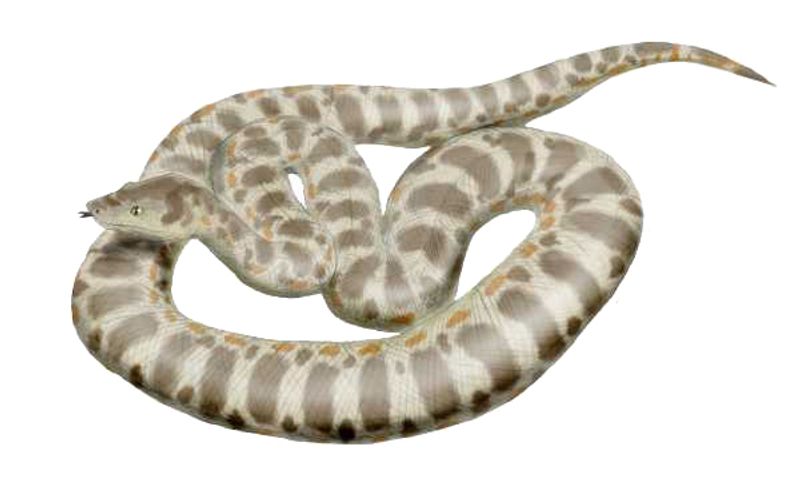
Fifty-eight million years ago, the swamps of what is now Colombia were ruled by a snake so massive it makes anacondas look small. Titanoboa cerrejonensis stretched over 40 feet in length and weighed an estimated 2,500 pounds, earning it the title of largest snake ever discovered.
Its discovery in 2009 from coal mines in northern Colombia shocked the scientific world.
Titanoboa thrived in the hot, humid rainforests of the Paleocene Epoch, when global temperatures were significantly warmer than today. Because reptiles depend on environmental heat to regulate their body temperature, the extreme warmth of that era allowed cold-blooded animals to grow to sizes impossible in today’s cooler climate.
Scientists have used Titanoboa’s size as a thermometer to estimate ancient temperature ranges.
Titanoboa likely fed on large fish and possibly the crocodile-like reptiles that shared its swampy habitat. Its skull structure resembled a modern boa constrictor, suggesting it squeezed prey to death rather than using venom.
Few animals in the fossil record so dramatically capture just how different ancient Earth once was.
13. Pulmonoscorpius
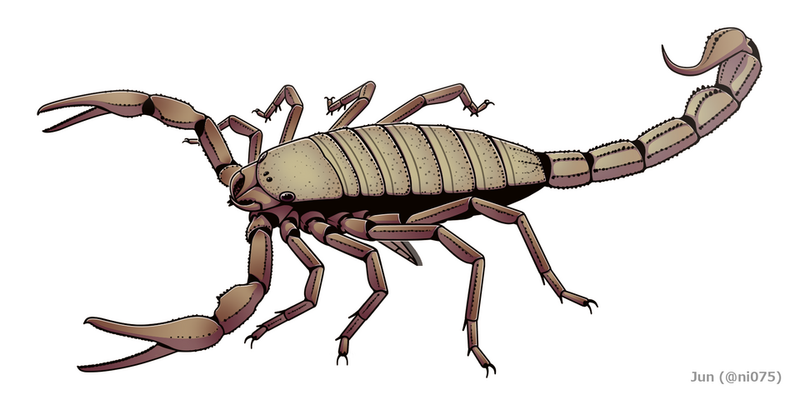
Scorpions today are frightening enough when they fit in the palm of your hand. Pulmonoscorpius kirktonensis, which lived about 340 million years ago during the Carboniferous Period, grew to over two feet in length.
Its name translates to “breathing scorpion,” referring to the lung-like breathing structures scientists identified from its fossils found in Scotland.
The Carboniferous Period was a time when Earth’s atmosphere contained significantly higher oxygen levels than today, around 35 percent compared to today’s 21 percent. This oxygen-rich environment allowed many arthropods, including insects, millipedes, and scorpions, to grow to sizes that would be biologically impossible in our current atmosphere.
Pulmonoscorpius was one of the apex predators of its ancient forest world.
Scientists believe Pulmonoscorpius likely hunted smaller amphibians, insects, and other invertebrates that shared the lush swampy forests of ancient Scotland. Whether its sting was venomous remains uncertain, but given its size and predatory lifestyle, it was almost certainly a formidable hunter.
It stands as one of the most unsettling examples of Carboniferous megafauna.
14. Arthropleura
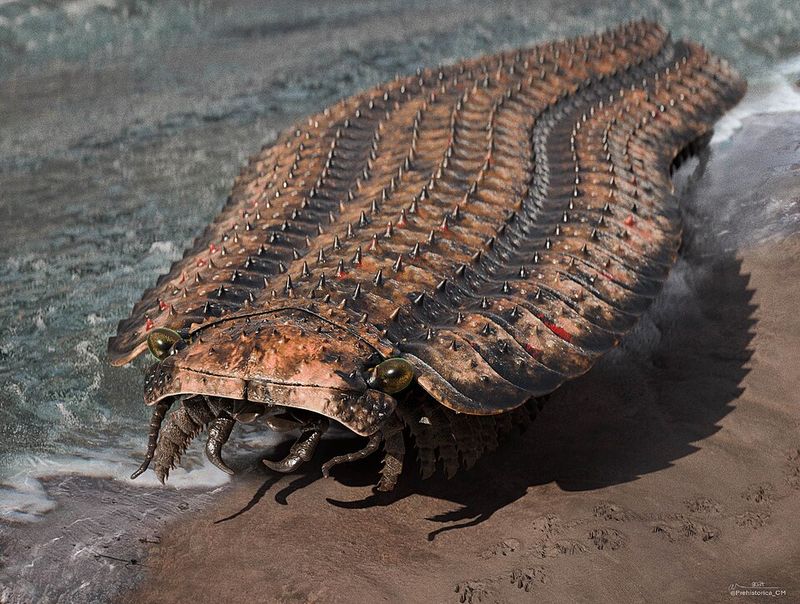
Few things in nature are as universally unsettling as a very large millipede. Arthropleura armata, which crawled through the forests of the Carboniferous Period about 300 to 340 million years ago, reached lengths of up to 8.5 feet, making it the largest known land invertebrate in Earth’s history.
Fossil trackways preserved in ancient rock show just how wide and heavy this creature was as it moved through the undergrowth.
Like Pulmonoscorpius, Arthropleura benefited from the high-oxygen atmosphere of the Carboniferous world, which allowed respiratory systems to supply enough oxygen to a body of its enormous size. Despite its intimidating dimensions, fossil evidence strongly suggests Arthropleura was a plant-eater, feeding on decaying plant matter, ferns, and other vegetation on the forest floor.
Arthropleura went extinct as the Carboniferous forests dried up and oxygen levels dropped at the end of the period. Its fossilized trackways, found in places like Scotland and North America, remain some of the most dramatic trace fossils ever discovered, preserving the path of a creature that truly defies imagination.
15. Livyatan
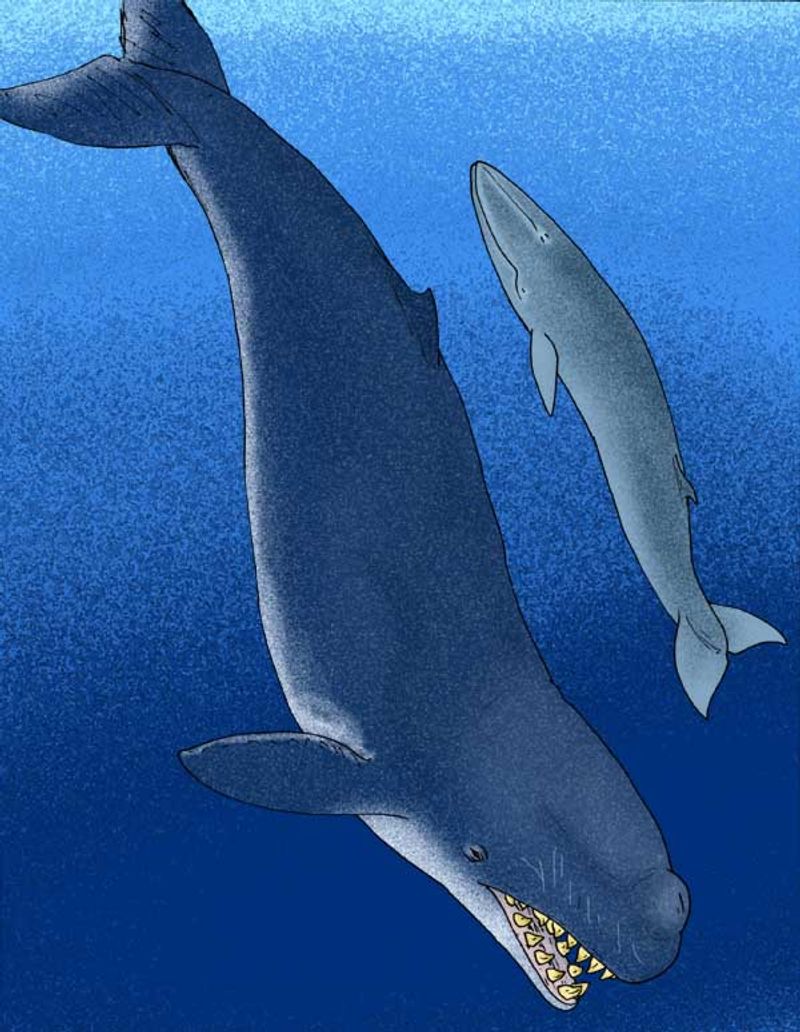
Named after the monstrous sea creature from biblical texts, Livyatan melvillei lived up to its legendary namesake. This prehistoric sperm whale cruised the oceans about 12 to 13 million years ago during the Miocene Epoch, and unlike its modern relative, which primarily swallows squid whole, Livyatan had enormous functional teeth in both its upper and lower jaws, each one up to 14 inches long.
Livyatan was a true apex predator of the ancient ocean, estimated to reach lengths of around 44 to 57 feet. Its skull alone measured nearly 10 feet.
Scientists believe it actively hunted other large marine mammals, including smaller baleen whales, making it one of the most powerful predators the ocean has ever seen. Even the famous prehistoric shark Megalodon shared the same ancient seas.
The species name melvillei honors Herman Melville, author of Moby Dick, which tells the story of a terrifying sperm whale. The fossils of Livyatan were discovered in Peru in 2008, found alongside the bones of its prey.
Few fossil discoveries have so perfectly matched the drama of ancient mythology.
16. Elasmotherium
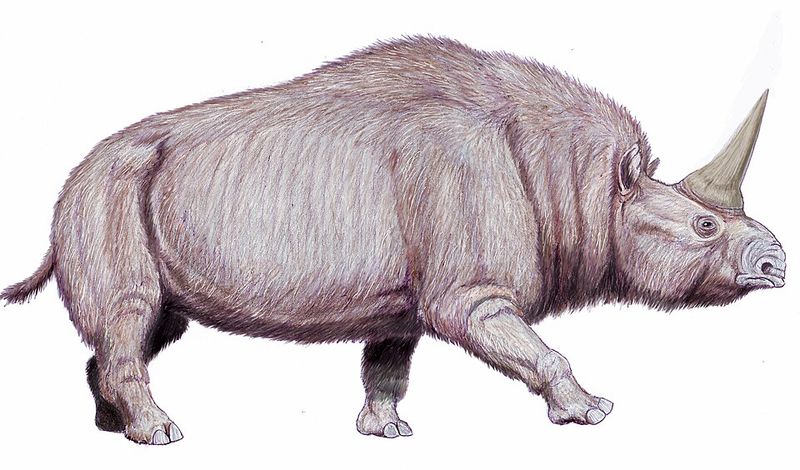
Ancient legends of the unicorn may have had a real-world inspiration, and it might have looked far less elegant than fairy tales suggest. Elasmotherium sibiricum, commonly called the Siberian Unicorn, was a giant rhinoceros that roamed the grasslands of Eurasia until as recently as 39,000 years ago, meaning early modern humans almost certainly encountered it face to face.
Unlike modern rhinos, which have relatively modest horns, Elasmotherium is believed to have carried an enormous single horn on its forehead, potentially reaching several feet in length based on the large bony dome on its skull where the horn attached. Its body was massive, estimated at up to 9,000 pounds, and it was covered in thick fur suited for cold Ice Age conditions.
Ancient cave paintings found in France may actually depict Elasmotherium, showing a horned animal unlike any modern species. Whether those paintings inspired unicorn legends passed down through generations remains an open and fascinating question.
Either way, the Siberian Unicorn was every bit as remarkable as any mythological beast.
17. Arsinoitherium
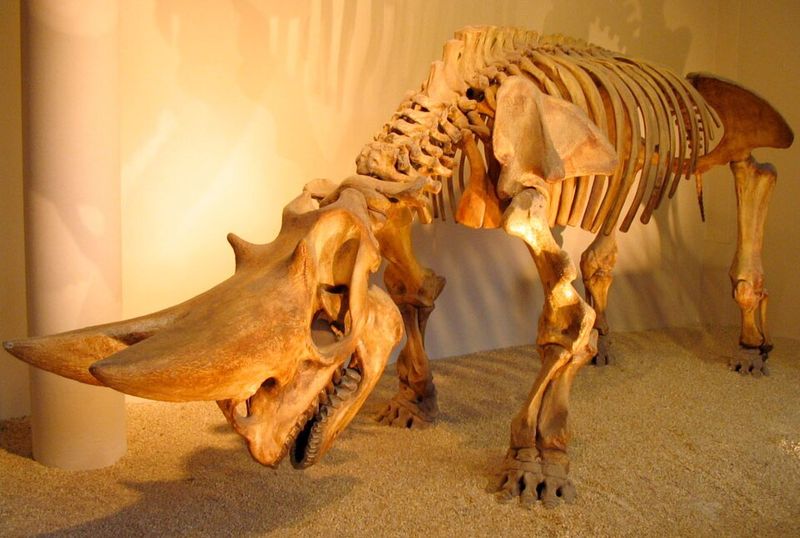
At first glance, Arsinoitherium zitteli looks like what might happen if a rhinoceros and a fantasy beast had an offspring. This prehistoric mammal, which lived about 35 to 30 million years ago in the forests and swamps of ancient Egypt, had two enormous parallel horns side by side on its snout, each one made of solid bone rather than the keratin that forms modern rhino horns.
Despite its rhinoceros-like appearance, Arsinoitherium was not closely related to rhinos at all. It belonged to an extinct group of mammals called embrithopods, a lineage that left no living descendants.
Its large, barrel-shaped body and broad feet suggest it lived in swampy, forested environments, browsing on soft vegetation near ancient waterways.
Arsinoitherium is named after Queen Arsinoe II of ancient Egypt, reflecting where its fossils were first discovered. Its twin horn arrangement is unique among all known mammals, making it one of the most visually distinctive animals in the fossil record.
No creature alive today looks quite like it did.
18. Cameroceras
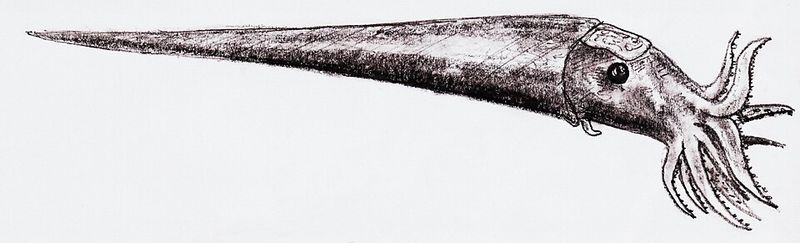
Before sharks, before fish with jaws, before almost any predator we would recognize today, Cameroceras ruled the ancient oceans. This giant straight-shelled cephalopod, a distant relative of modern squid and nautiluses, lived during the Ordovician Period roughly 450 to 470 million years ago.
Some fossil estimates suggest it reached lengths exceeding 30 feet, though the exact size remains debated among paleontologists.
Cameroceras belonged to a group called orthoconic nautiloids, animals that lived inside long, straight conical shells rather than the coiled shells we associate with modern nautiluses. It likely hunted by extending its tentacles to grab trilobites, smaller cephalopods, and other sea creatures.
Its size alone would have made it the unchallenged top predator of its time.
Fossils of Cameroceras and its relatives have been found on nearly every continent, suggesting these giant cephalopods were widespread and dominant across ancient shallow seas. When they eventually went extinct, they left a world that would take millions of years to produce predators of comparable size and impact.
19. Thylacoleo
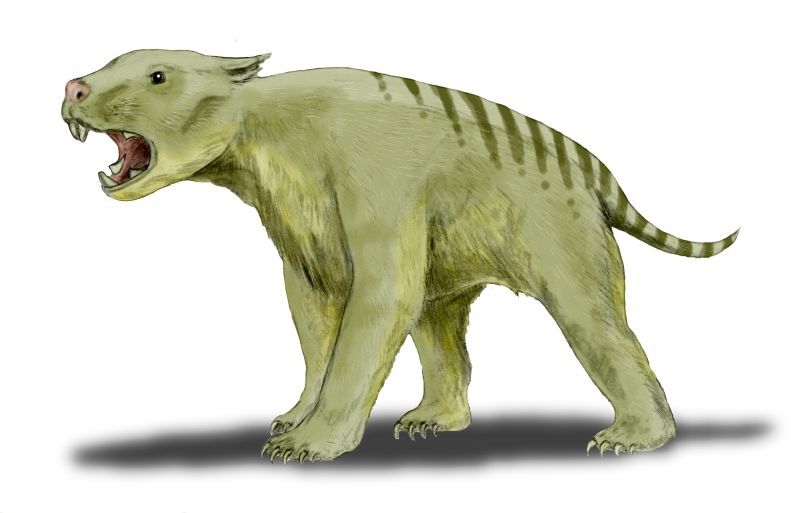
Australia has always been home to animals found nowhere else on Earth, and Thylacoleo carnifex, the so-called marsupial lion, was one of the most fearsome. Despite being more closely related to wombats and koalas than to true lions, Thylacoleo evolved into a powerful, sharp-toothed predator that filled the role of large apex carnivore in ancient Australia.
Evolution has a way of arriving at similar solutions from very different starting points.
Thylacoleo lived from about 1.6 million to roughly 30,000 years ago and weighed around 250 to 350 pounds. Its most distinctive feature was its teeth: huge, blade-like carnassial premolars that worked like scissors to slice through flesh, rather than the crushing teeth found in most large predators.
It also had semi-retractable claws, an extremely rare trait among marsupials, useful for gripping prey.
Recent research suggests Thylacoleo may have been an ambush predator, waiting in trees before dropping onto prey below. It likely hunted giant wombats and kangaroos that shared its ancient habitat.
Human arrival in Australia around 50,000 years ago is thought to have played a major role in driving it to extinction.
20. Stupendemys
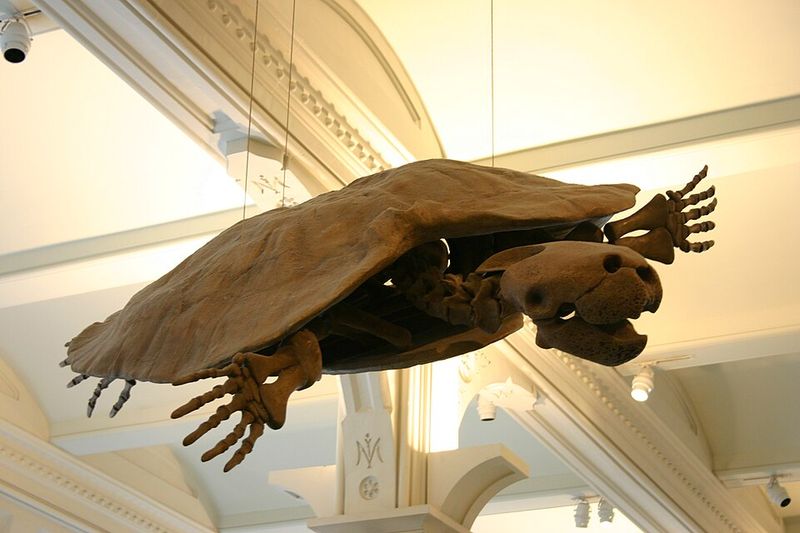
Stupendemys geographicus earns its name, which roughly translates to “astonishing turtle,” without any difficulty at all. This prehistoric freshwater turtle had a shell that reached nearly 10 feet in length and weighed an estimated 2,500 pounds, making it one of the largest turtles ever to have lived on Earth.
For comparison, the largest living freshwater turtle today reaches a shell length of only about 6 feet.
Stupendemys lived in the swamps, rivers, and lakes of what is now Venezuela and Colombia during the Miocene and Pliocene Epochs, roughly 5 to 13 million years ago. Fossils discovered in 2020 revealed something unexpected: male Stupendemys had horn-like projections at the front of their shells, possibly used for combat with rival males during mating season, similar to how deer use antlers today.
Stupendemys shared its ancient wetland habitat with giant crocodilians, including a species called Purussaurus that reached over 30 feet in length. The massive shell of Stupendemys likely provided excellent protection against even the most powerful predators of its time.
Fossil shells found with embedded crocodilian teeth confirm that these encounters were very real.
Share this story