 Unearth The Voyage
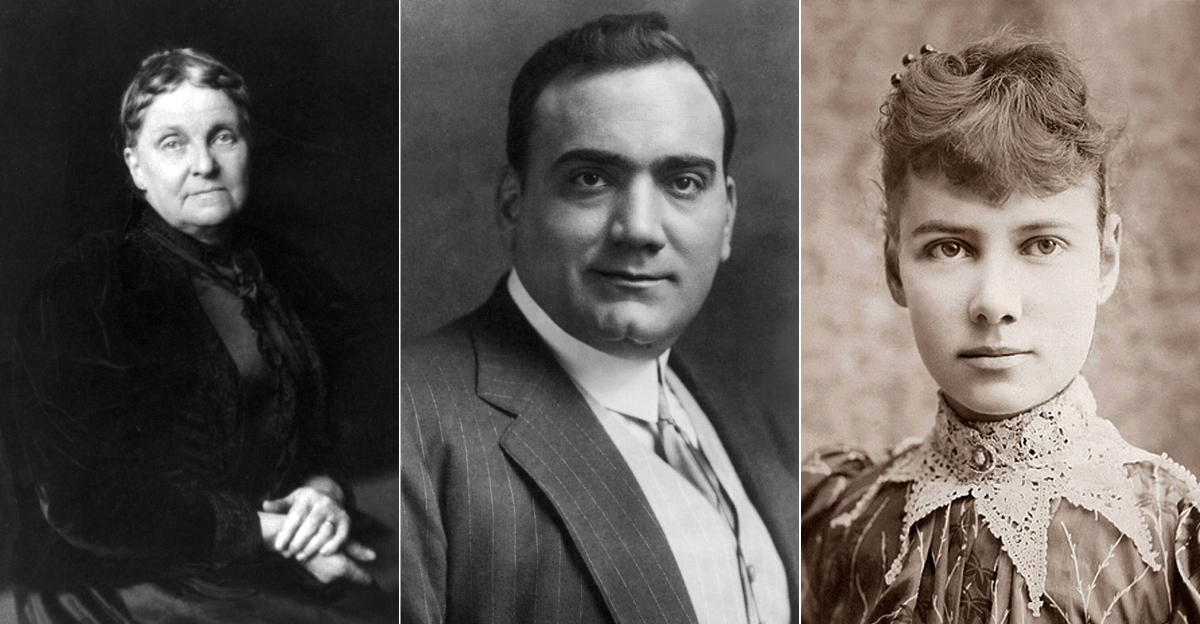
Before social media and reality TV, fame looked very different. Singers, dancers, and performers once commanded attention that rivaled presidents and kings. Many of these stars filled theaters, sold out tours, and appeared in newspapers worldwide, yet their names have faded from memory while the politicians of their time remain in history books.
1. Jenny Lind
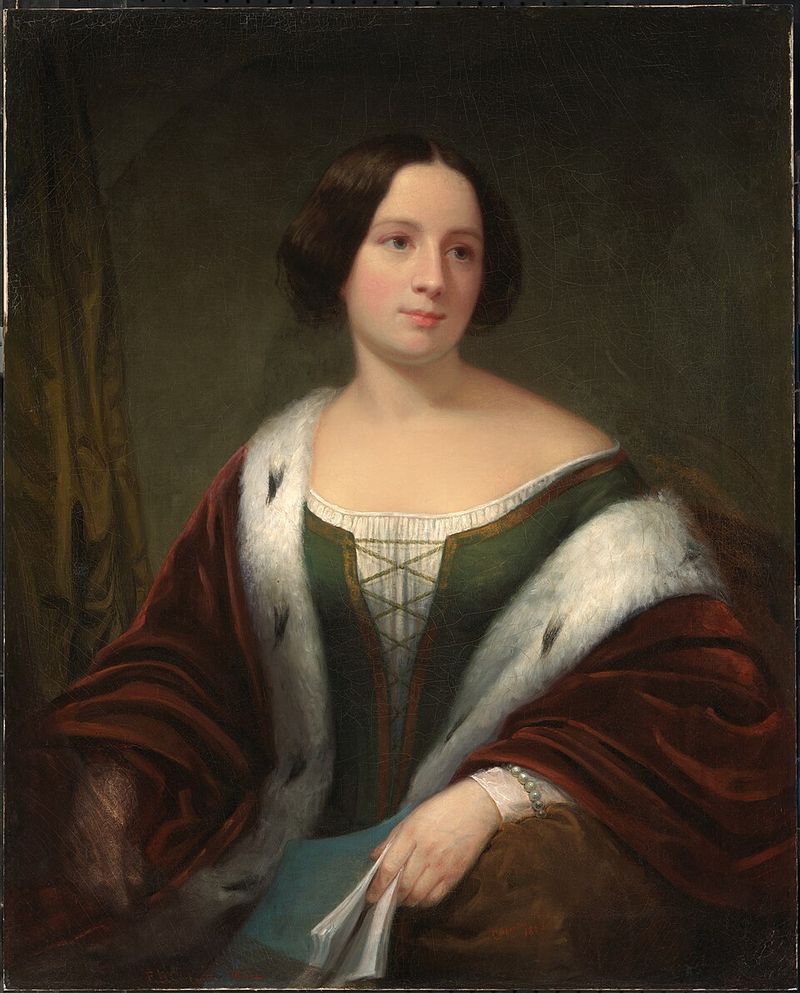
Swedish soprano Jenny Lind became one of the first truly global music superstars in the mid-1800s. Promoter P.T. Barnum’s 1850 tour of the United States turned her into a phenomenon that newspapers called “Lind Mania.”
Tickets were auctioned for huge sums, and thousands of fans greeted her ship when it arrived in New York. Queen Victoria had already admired her performances in London, but Barnum’s marketing genius combined with her extraordinary voice made her name known to ordinary Americans who might not even recall who was president at the time. She donated much of her earnings to charity, which further boosted her iconic status.
2. General Tom Thumb
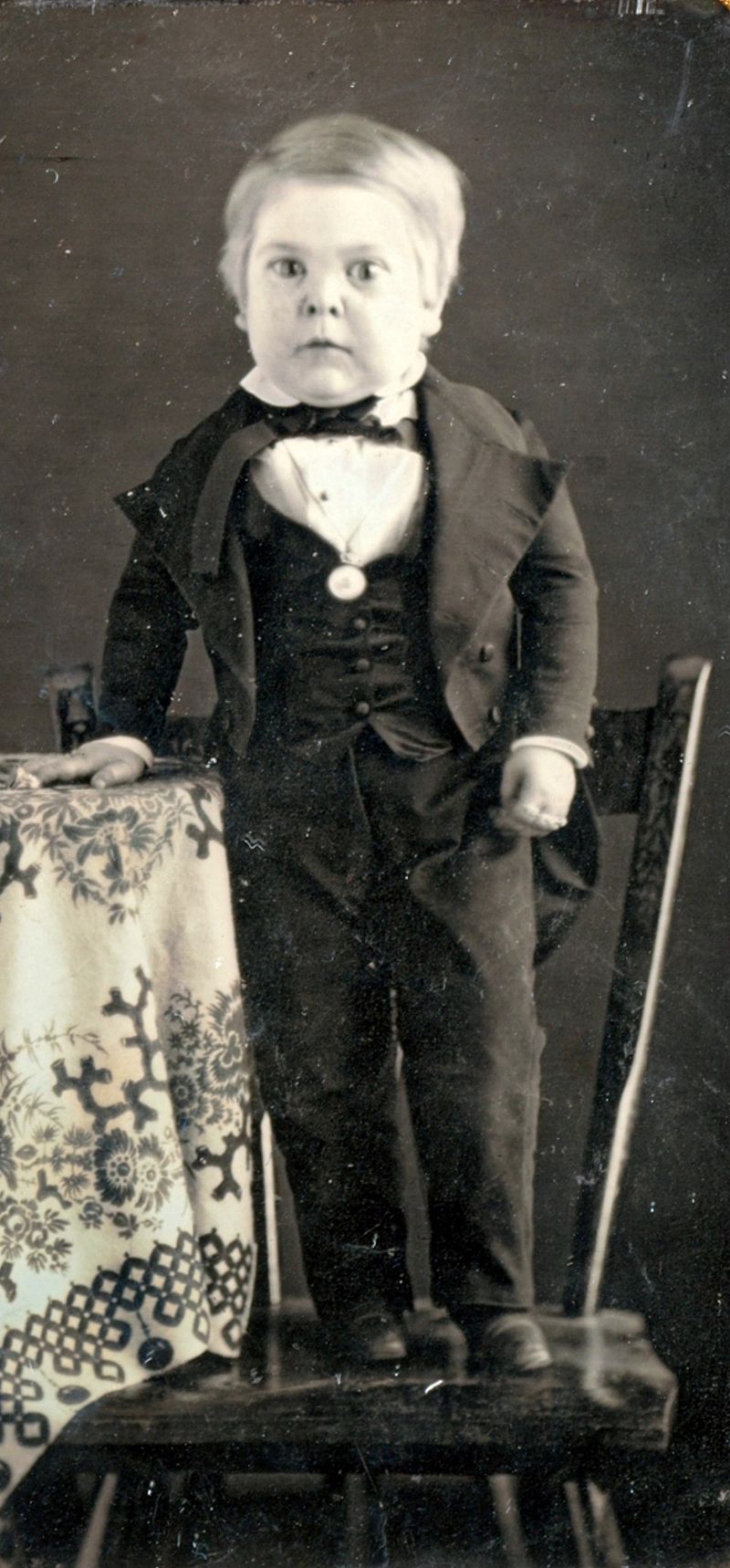
Charles Sherwood Stratton, known by his stage name General Tom Thumb, was a little person performer managed by P.T. Barnum. During the 1840s and 1860s, he toured America and Europe, meeting Queen Victoria and performing before royalty across the continent.
Contemporary reports describe him as an international celebrity whose shows sold out wherever he went. His 1863 wedding to another little person, Lavinia Warren, became such a massive media event in New York that it overshadowed many political stories of the day in the press. Celebrity culture competing with serious news is nothing new.
3. Sarah Bernhardt
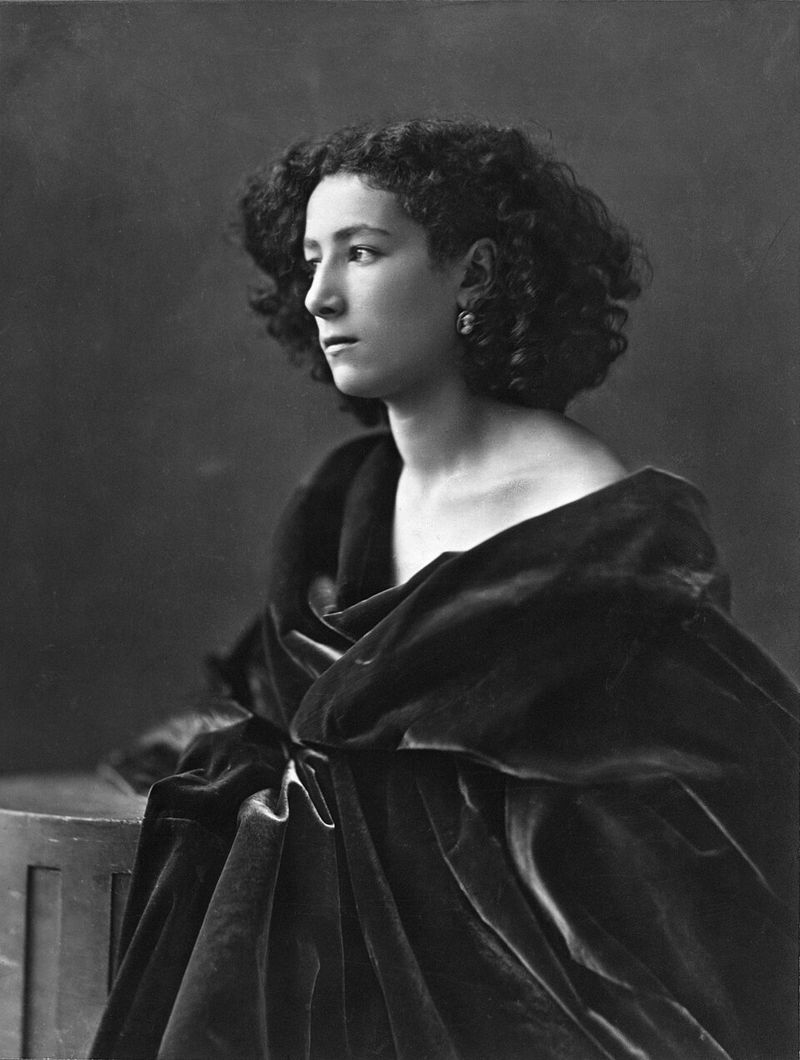
French actress Sarah Bernhardt dominated late-19th-century theatre with a presence that transcended borders. She toured globally, performing in Europe, the Americas, and beyond, and her image appeared on posters, postcards, and advertisements decades before Hollywood existed.
Museums and modern exhibitions still describe her as a pioneer of celebrity culture and the archetype of the theatrical star. When she died in 1923, tens of thousands reportedly lined up in Paris to pay their respects. Her fame and merchandising reach meant she was as recognizable as many heads of state and deliberately marketed that way.
4. Lola Montez
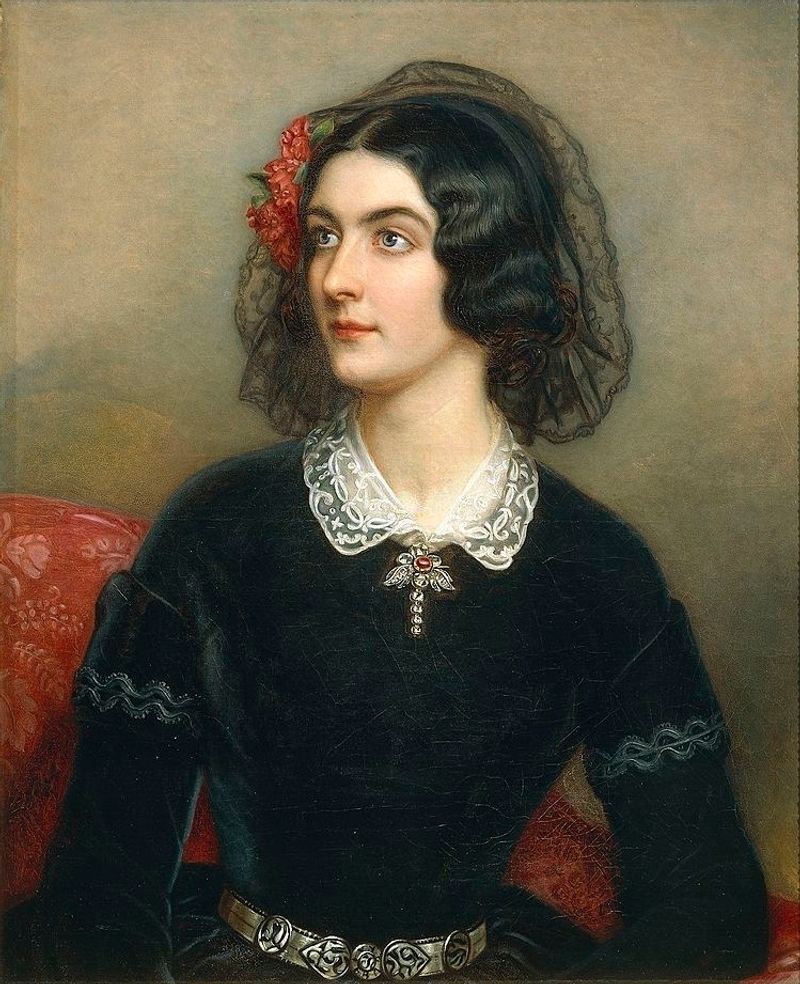
Born Eliza Gilbert, Lola Montez reinvented herself as a Spanish dancer and courtesan who captured imaginations across Europe. Her affair with King Ludwig I of Bavaria in the 1840s turned into a political scandal that shook the kingdom.
Her influence at court and the backlash against her helped fuel unrest that forced Ludwig to abdicate in 1848. Newspapers across Europe obsessed over Montez’s love life, her allegedly fiery temper, and her performances. At the time, she was a household name in ways most politicians weren’t, symbolizing both scandal and the power of personal charisma in politics.
5. Henry Ward Beecher
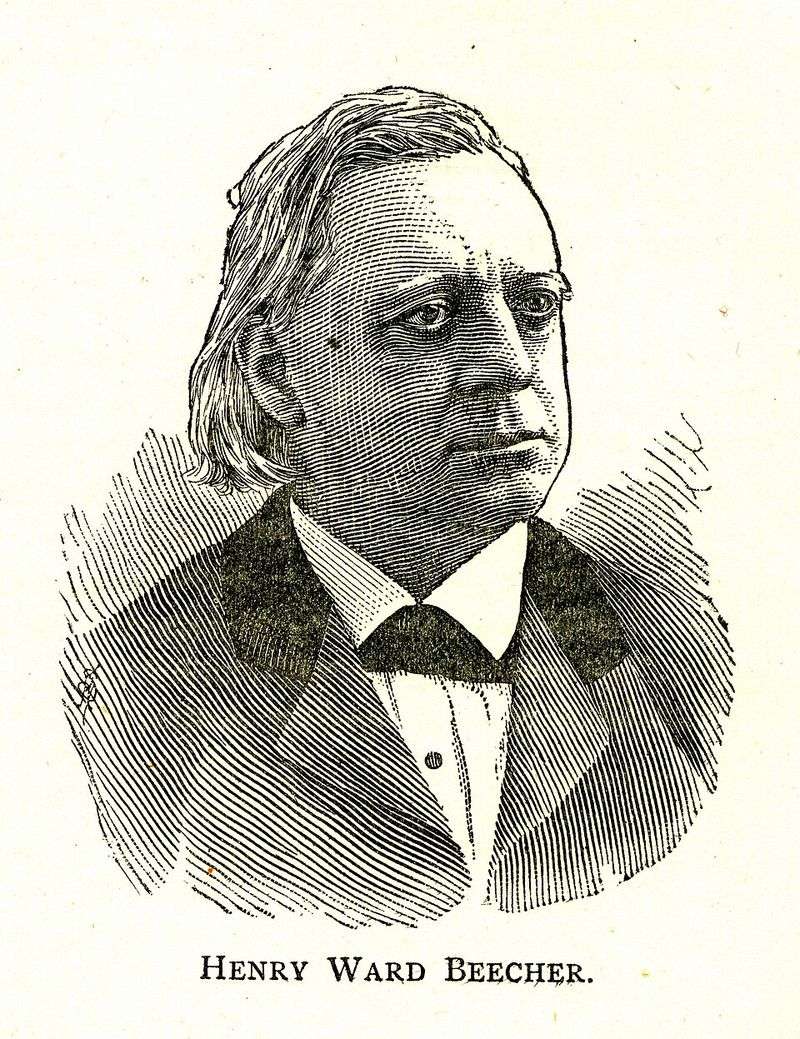
Before televangelists, there was Henry Ward Beecher, a Brooklyn preacher whose sermons packed pews and were reprinted in newspapers nationwide. A major biography of him is literally titled The Most Famous Man in America, reflecting how widely recognized he was in the mid-19th century.
His abolitionism, fundraising to buy freedom for enslaved people, and later a sensational adultery trial made him constant front-page material. His reach through the pulpit and press meant his name and face were familiar to ordinary Americans far beyond many elected officials of the era.
6. Lillie Langtry
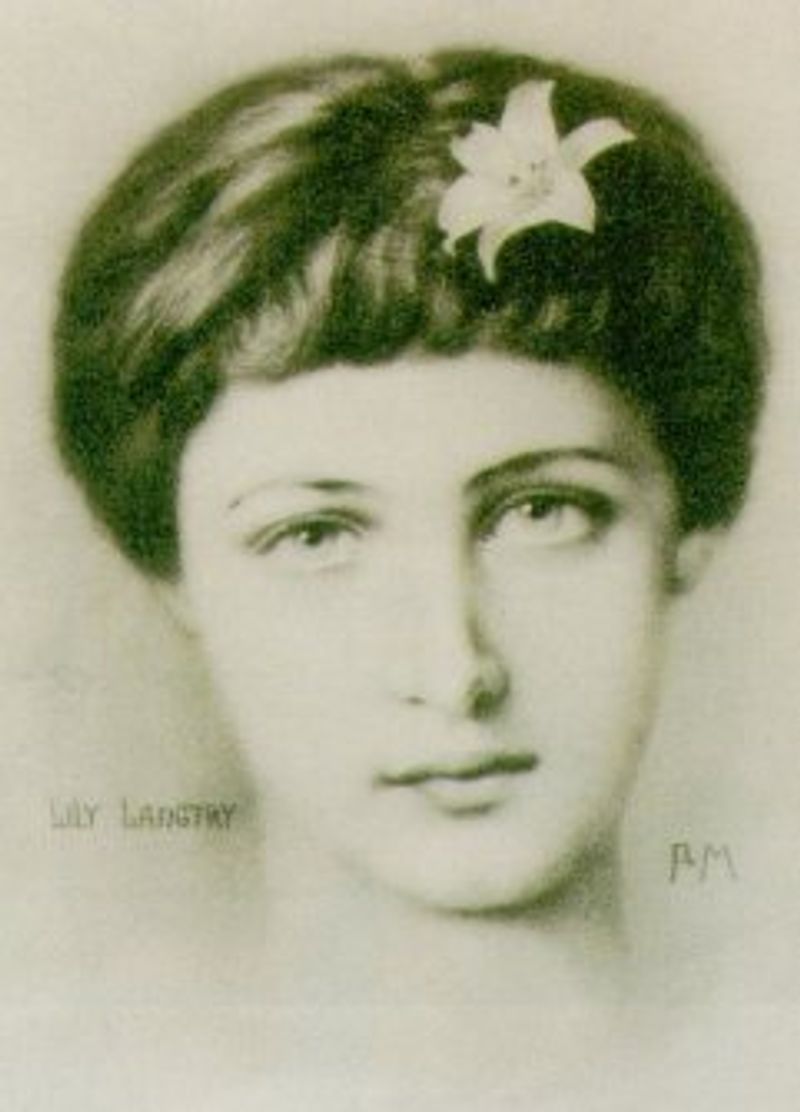
Lillie Langtry, nicknamed the Jersey Lily, was a British actress and celebrated beauty of the late Victorian period. She became famous in London society portraits, on the stage, and in gossip columns, not least because of her relationship with the future King Edward VII.
Her image was used in advertising, and she successfully turned her notoriety into a career, touring in Britain and America. For a time, she was a brand and a conversation topic in herself, a glamorous celebrity in a world that was only just inventing the idea of modern fame.
7. Lillian Russell
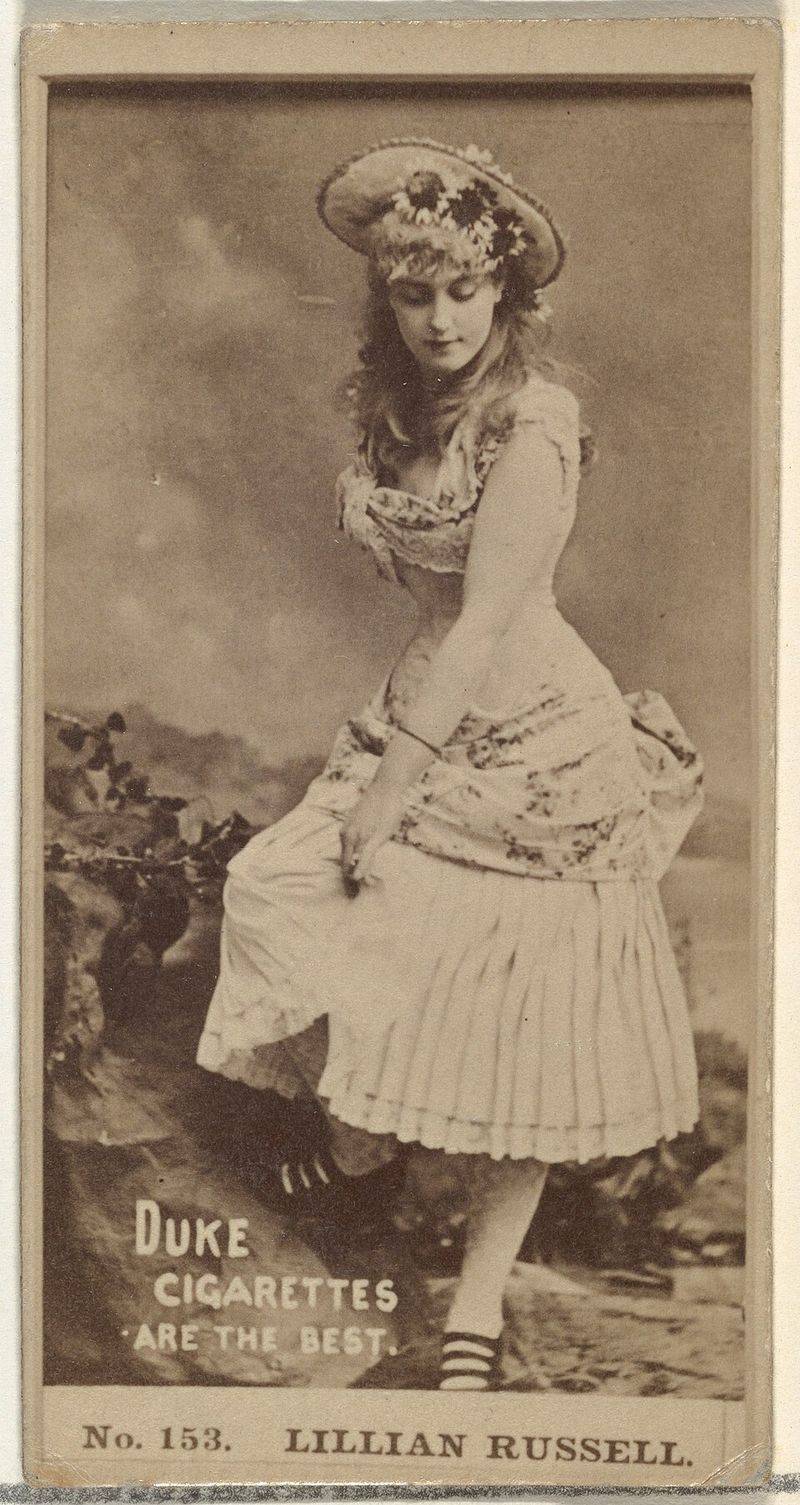
American actress and singer Lillian Russell was one of the most famous entertainers in the United States around 1900. Newspapers and magazines praised her voice and treated her as the embodiment of American beauty and style during the Gilded Age.
She headlined operettas, music-hall shows, and vaudeville, and her personal life was followed intensely. Her marriages, romances, even her weight were tracked the way tabloids track celebrities today. For audiences buying tickets and reading gossip columns, she loomed at least as large as most politicians of her time.
8. Diamond Jim Brady
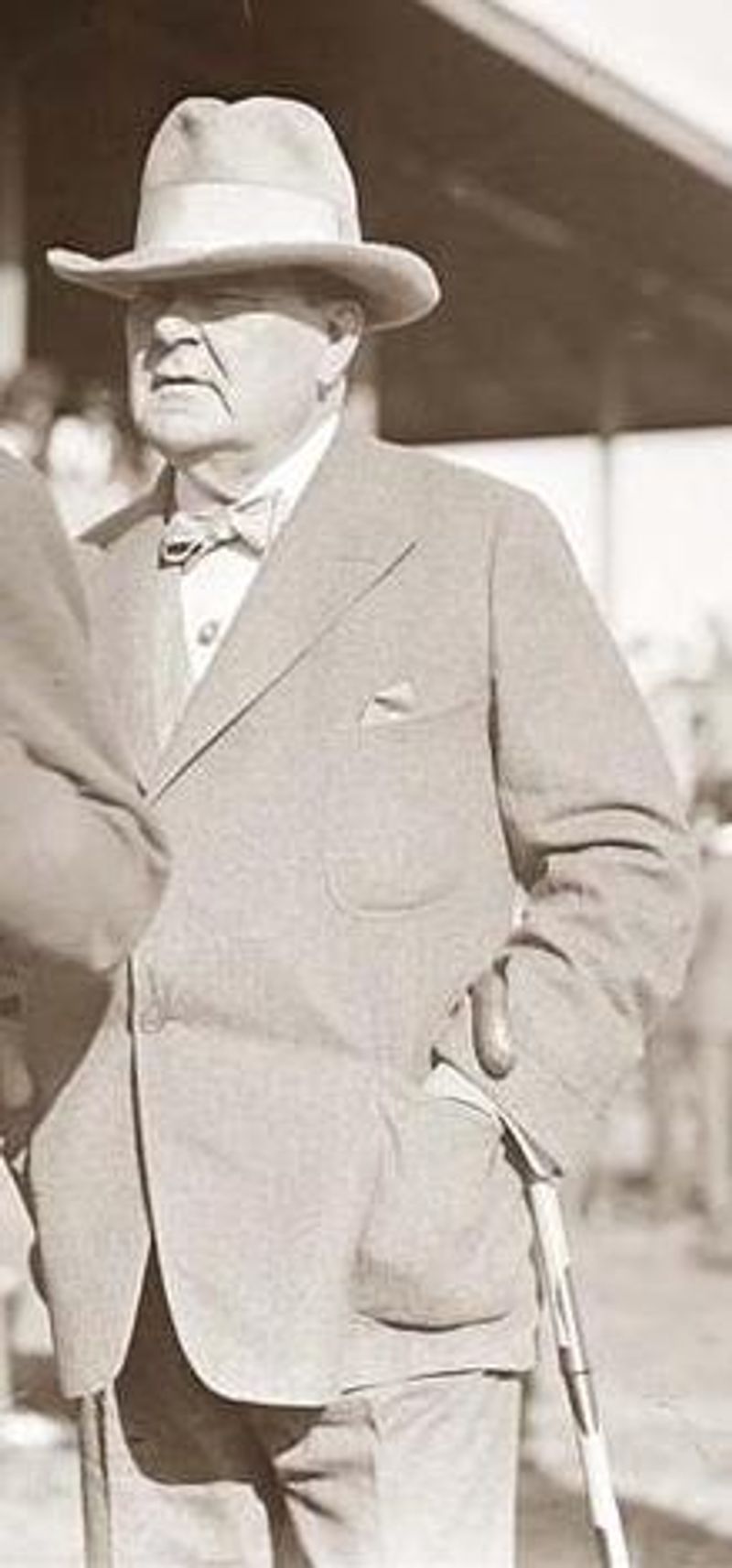
James “Diamond Jim” Brady became famous not for art or politics, but for how outrageously he lived. A self-made railroad equipment salesman and financier, he was noted for his enormous diamond collection and legendary appetite that amazed contemporaries.
Biographers described dinners where he ate enough for many people at a single sitting. Newspapers loved writing about his jewelry, his meals, and his parties. In a Gilded Age obsessed with conspicuous wealth, Diamond Jim wasn’t just a rich man but a pop-culture character, name-checked whenever people talked about living large.
9. Hetty Green
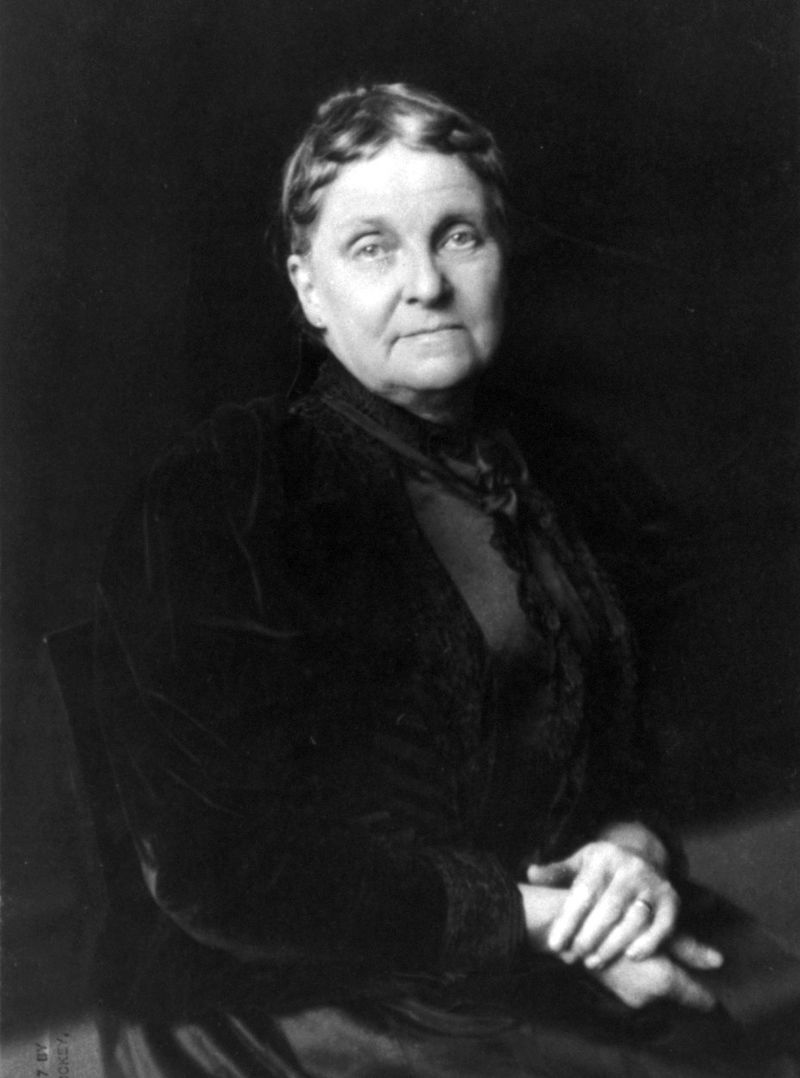
On the other side of the Gilded Age money story stood Hetty Green. Known as the Witch of Wall Street, she was called the richest woman in America and, by some estimates, one of the richest people in the world at the time.
Her extreme frugality, like refusing to pay for an office and working out of a bank with her papers in trunks, became as famous as her investing genius. Newspapers played up the contrast between her immense fortune and her miserly habits, turning her into a recognizable figure of financial folklore that fascinated readers.
10. Adah Isaacs Menken

Actress Adah Isaacs Menken was the highest-paid actress of her time in the 1860s. She caused an international sensation in the melodrama Mazeppa, where she appeared in flesh-colored tights that made her look nude, strapped to a horse that galloped across the stage.
The stunt and the scandal made her a household name in New York, London, and Paris almost overnight. Commentators at the time described Menken as a star whose daring performance and personal life fascinated the public far more than the politics of the day.
11. Fanny Elssler
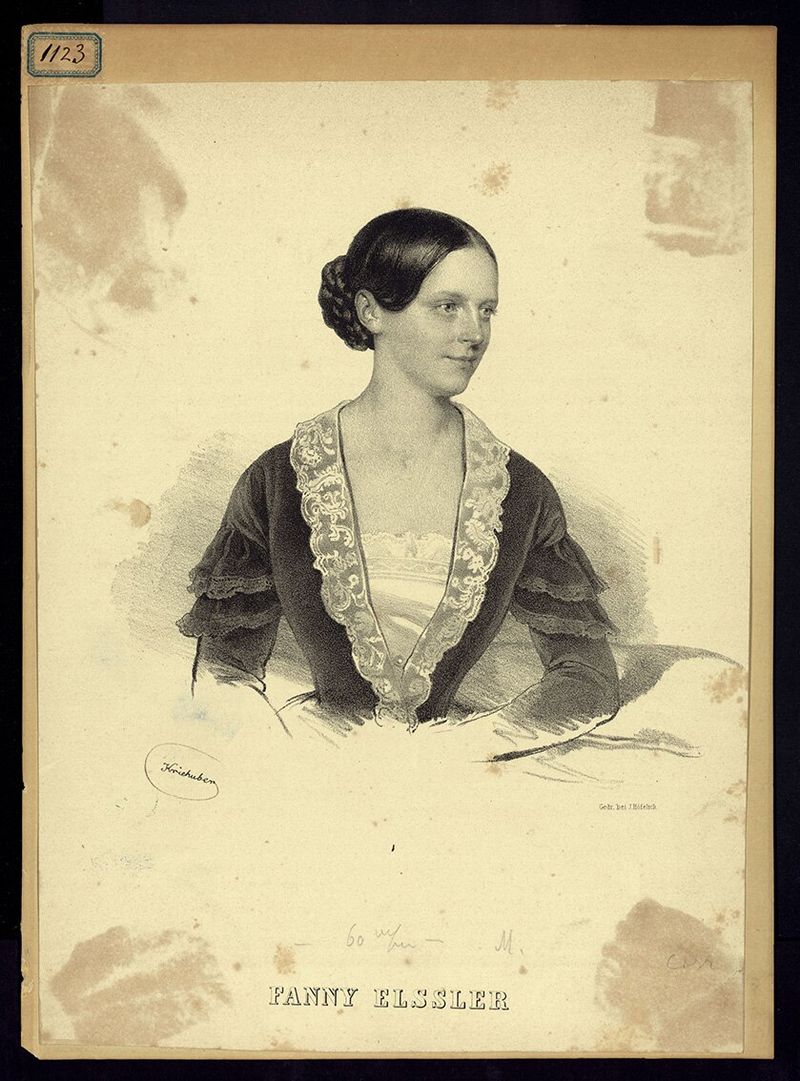
Austrian ballerina Fanny Elssler was one of the world’s most celebrated dancers in the early 19th century. When she broke her contract with the Paris Opera to tour the United States in 1841, it made international headlines and sparked controversy.
Her performances drew huge, enthusiastic crowds and intense press coverage wherever she went. Modern dance historians describe her as world-famous and note that American fans essentially elected her with their ticket purchases, turning her into a symbol in debates about culture, democracy, and taste that echoed through newspapers for years.
12. Eva Tanguay
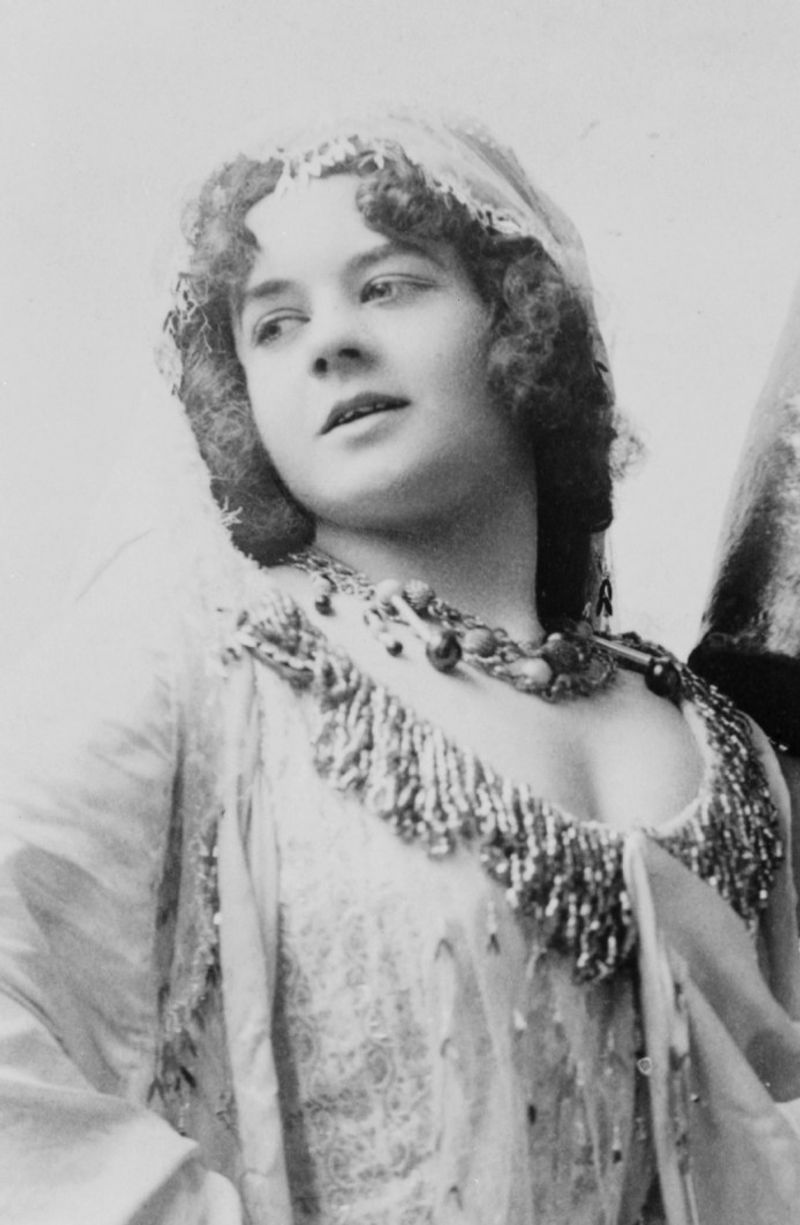
At the height of early-20th-century vaudeville, Eva Tanguay was one of the highest-paid and most publicized performers in the United States. She billed herself as the girl who made vaudeville famous and was known as the I Don’t Care Girl after her hit song.
The Library of Congress describes her as the world’s most eccentric comedienne and most loved musical comedy star that you probably never even heard of. She was once the highest-paid and most outrageous star of vaudeville’s golden age, a dazzling and unjustly forgotten megastar.
13. Florence Lawrence
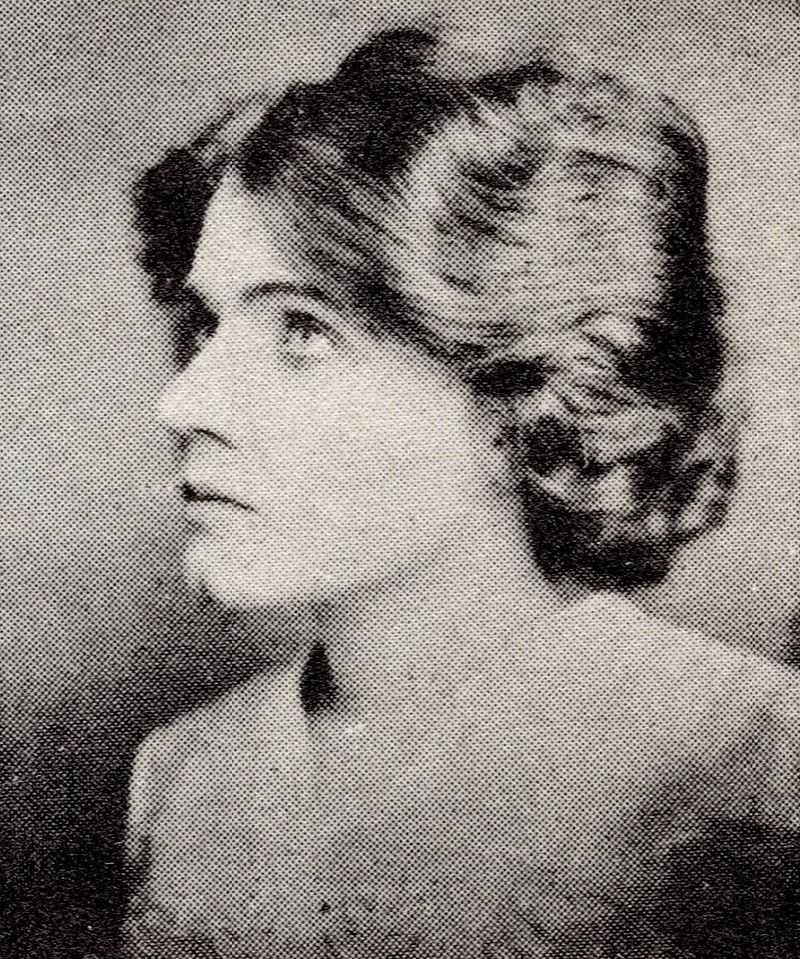
Before Hollywood started plastering names above titles, studios kept actors anonymous to maintain control. Florence Lawrence changed that forever. She was one of the biggest faces of early silent film, known initially only as The Biograph Girl before a studio publicity stunt revealed her name.
History.com and other sources call her the first movie star and note that she appeared in hundreds of films. Yet today, she’s largely forgotten outside film history circles, despite once being famous enough for hoax death headlines and name-driven ad campaigns.
14. Nellie Bly
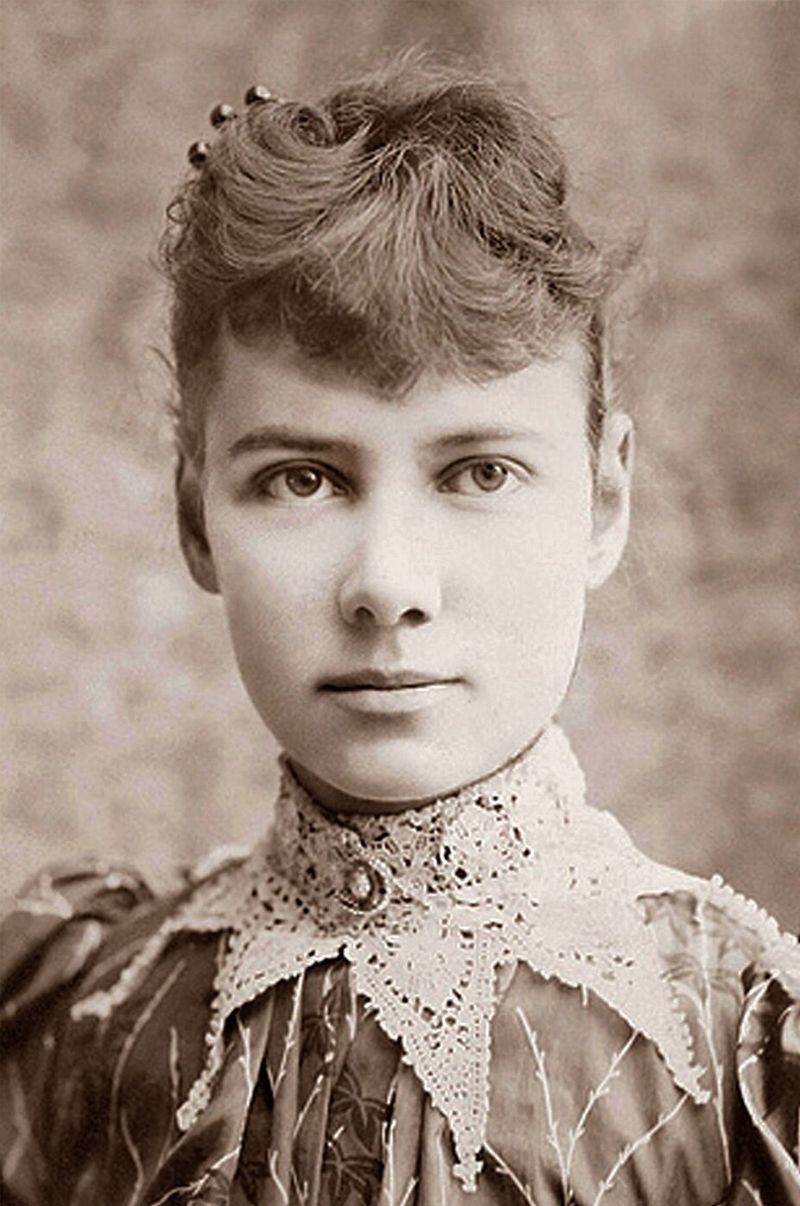
Nellie Bly, born Elizabeth Cochrane, was a pioneering investigative journalist whose work changed the profession. Her undercover expose of abuse in a New York asylum, Ten Days in a Madhouse, quickly made her one of the most famous journalists in the United States.
In 1889 and 1890, she circled the globe in 72 days, attempting to beat the fictional record in Around the World in Eighty Days. The trip became a media event, complete with reader contests guessing her return time, and cemented her status as the most famous American woman reporter of the 19th century.
15. Enrico Caruso
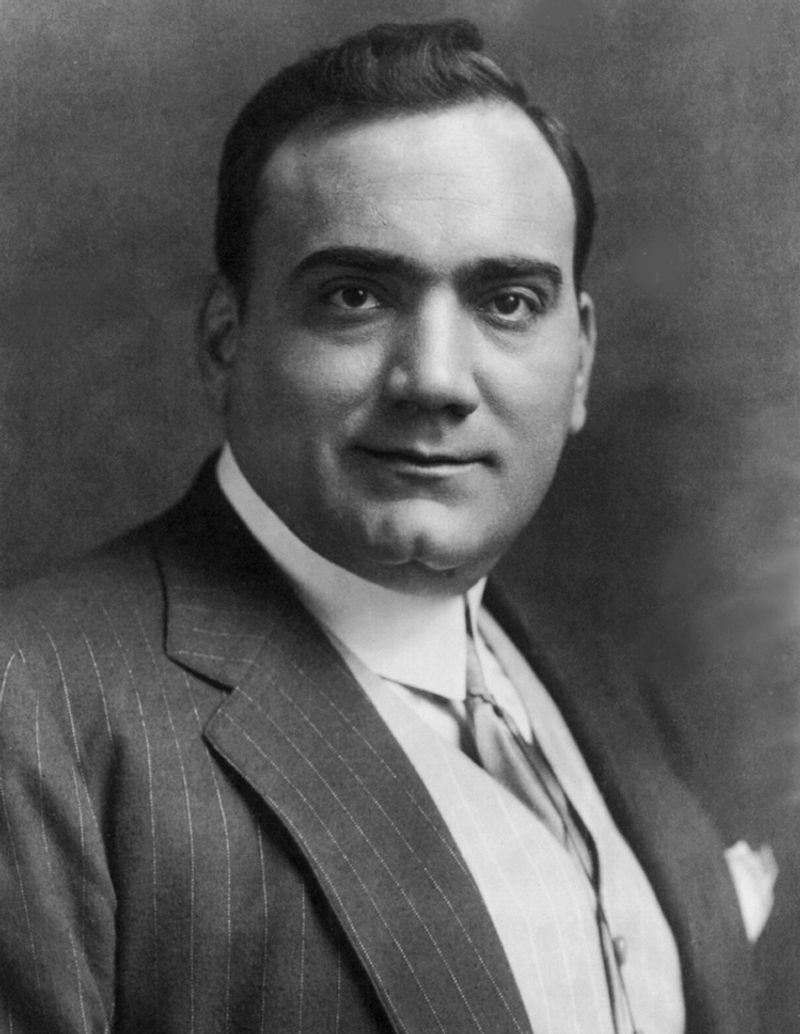
Italian tenor Enrico Caruso wasn’t just an opera singer; he was one of the first global media celebrities of any kind. His recordings sold in huge numbers, and sources describe him as one of the most famous entertainment personalities of his day.
He was an early example of a worldwide star whose name spread via records, newspapers, and film. His tours with the Metropolitan Opera and his concerts across Europe and the Americas made his voice familiar even to people who never saw an opera house. In sheer name recognition, he rivaled political leaders on multiple continents.
16. Rudolph Valentino
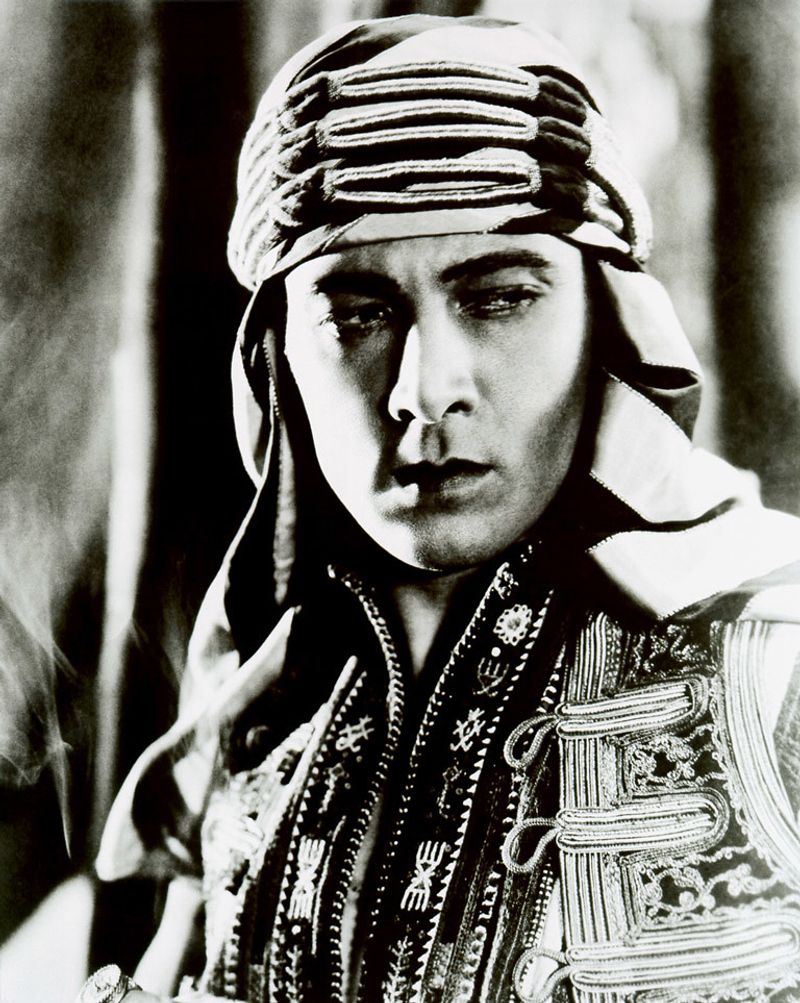
Silent-film actor Rudolph Valentino was Hollywood’s first great male sex symbol. Nicknamed The Latin Lover, he starred in hits like The Sheik and The Son of the Sheik, and became a cultural reference point for romance and masculinity in the 1920s.
His death in 1926 at just 31 triggered astonishing scenes that shocked the nation. Contemporary accounts describe mass hysteria, suicide attempts, and over 100,000 mourners filing past his coffin in New York. Political leaders rarely inspired that level of raw, emotional public response from their admirers.
17. Bert Williams
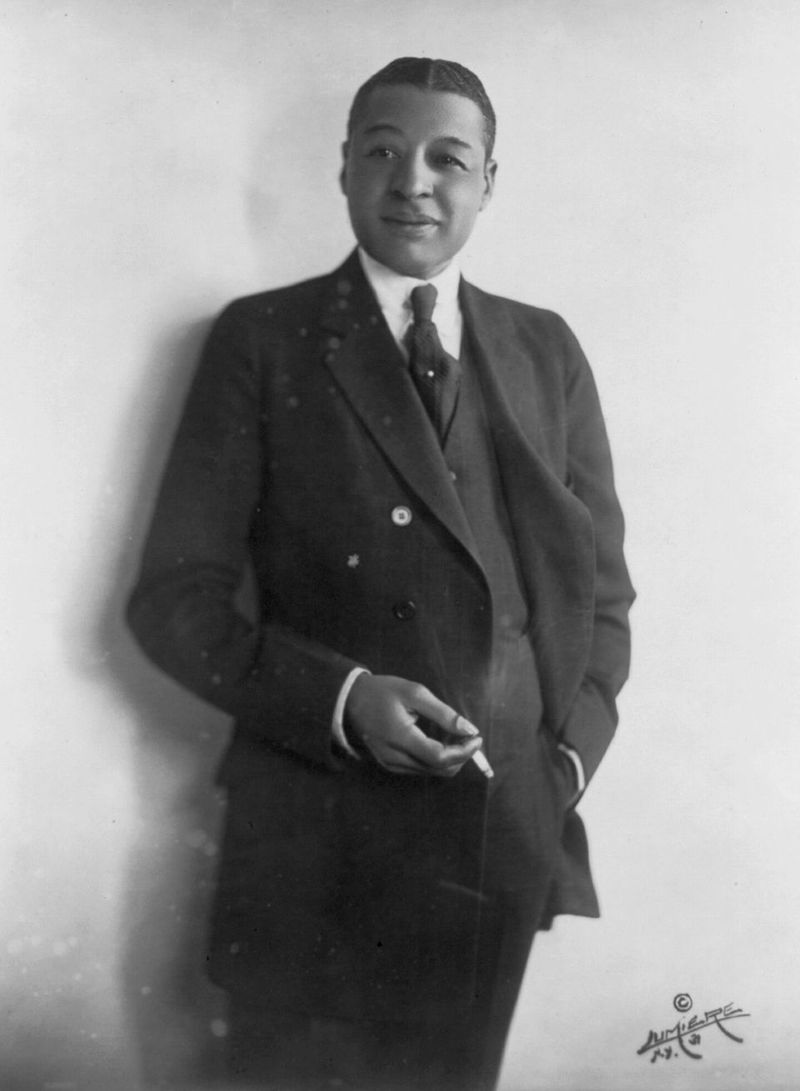
Bahamian-born performer Bert Williams was one of the most influential entertainers of the early 20th century. He became a star in vaudeville and on Broadway, and was the first Black performer to take a leading role in the Ziegfeld Follies.
Modern retrospectives describe him as once world-famous, but now largely forgotten, even though he was a major recording artist and comedian of his era. His subtle, often melancholic humor influenced later generations, even as his name faded from mainstream memory while lesser talents are still remembered today.
18. Agnes Beckwith
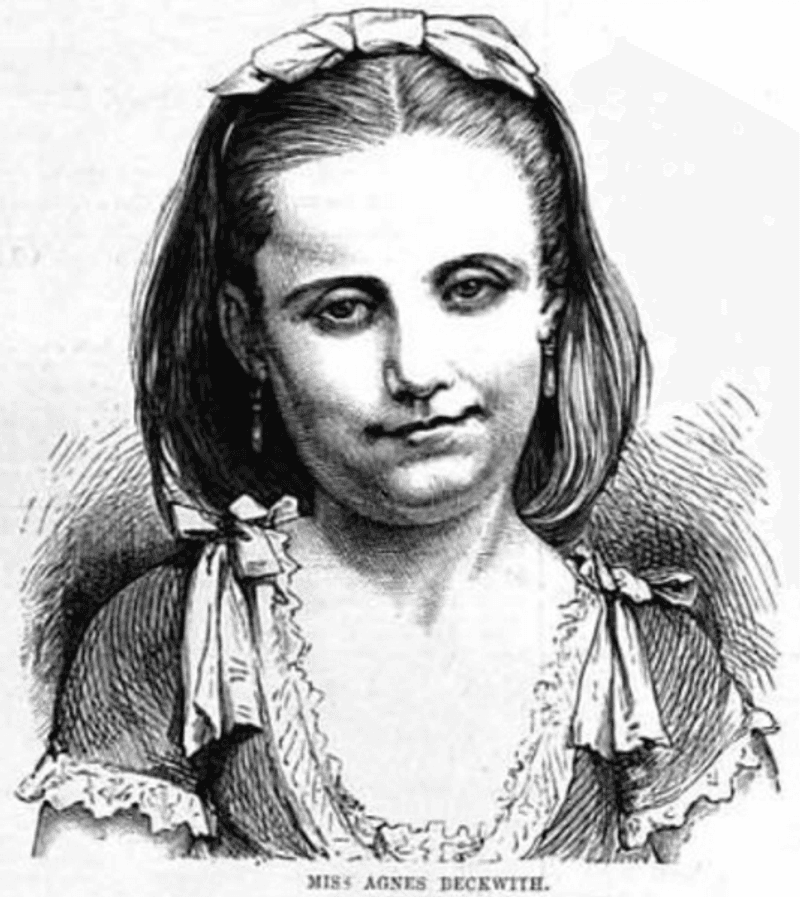
In the late 19th century, Agnes Beckwith was a star of endurance swimming who captivated audiences. The daughter of professional swimmer Frederick Beckwith, she performed aquatic feats from childhood and staged high-profile swims in the River Thames that drew press attention.
Sports historians note that her exploits made her a swimming superstar and a central figure in the early history of women’s competitive swimming. Today she is far less known than later athletes, despite her pioneering status and the fact that crowds gathered by the thousands to watch her performances.
19. Bayard Taylor
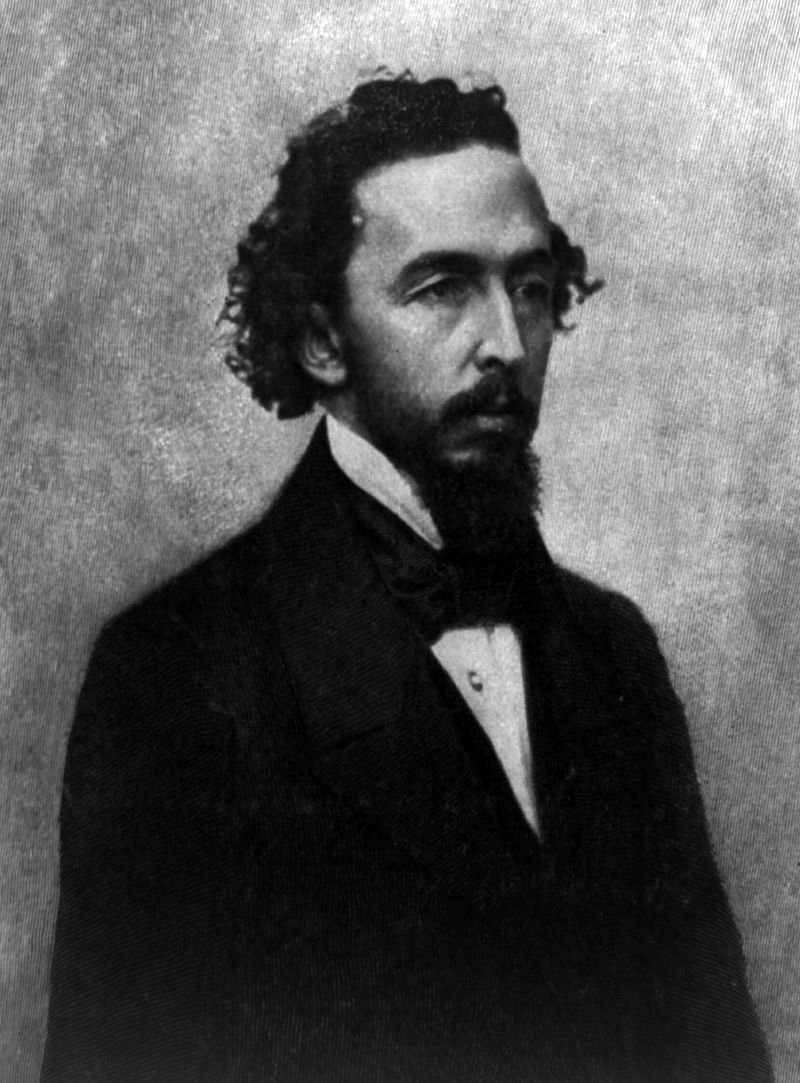
American writer Bayard Taylor was a 19th-century literary celebrity whose name filled lecture halls. He wrote best-selling travel books and poetry, served as a diplomat, and at the 1876 U.S. centennial celebrations in Philadelphia, his National Ode drew a reported crowd of more than 4,000 listeners.
That poetry reading record stood for decades. During his life, Taylor’s lectures and writings made him famous in both the U.S. and Britain. Modern critics see him as a solid but conventional writer, which partly explains why someone who was once such a big public name is now mostly encountered in footnotes.
20. Volney

French philosopher and orientalist Constantin-Francois de Chasseboeuf, comte de Volney was once prominent enough to move in the circles of Benjamin Franklin and Thomas Jefferson. He participated in major events of the French Revolution, including the Estates-General and the Tennis Court Oath.
He served on the committee that drafted the first French constitution. His works, like The Ruins of Empires, were widely read in the late 18th and early 19th centuries. Modern descriptions explicitly call him one of those historical personalities once famous in their own day but now largely forgotten.



