Some things never truly go out of style, and grandma’s pantry is proof of that. Those shelves packed with flour, canned goods, and mystery jars were basically a survival kit wrapped in floral wallpaper.
Many of those staples are still sitting in kitchens today, quietly doing their job without any fanfare. This list celebrates the pantry legends that refused to retire.
All-Purpose Flour: The Original Kitchen MVP
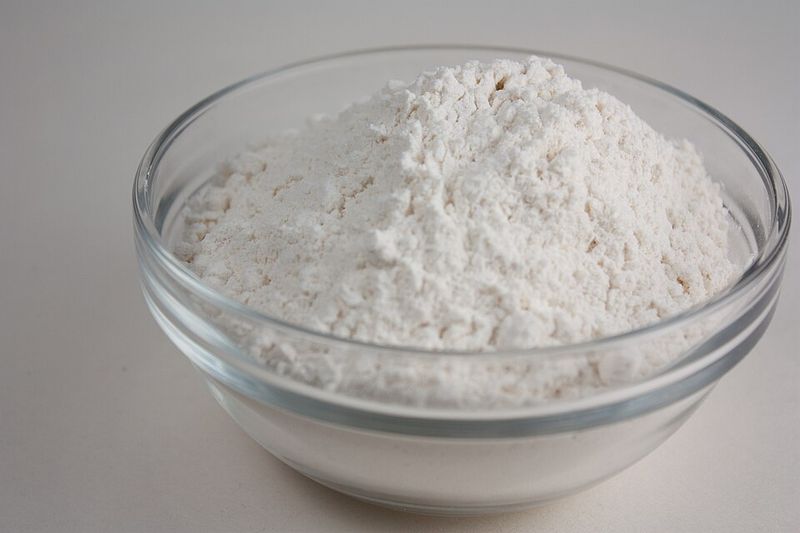
Flour has been holding kitchens together since before anyone alive can remember. My grandmother kept a five-pound bag on the counter at all times, ready to turn into biscuits, gravy, or a last-minute pie crust before anyone even asked.
What makes flour so enduring is its sheer usefulness. It thickens sauces, coats fried chicken, and builds the base of almost every baked good.
It does not complain, it does not expire quickly, and it never calls in sick.
Yes, boxed mixes have taken over a lot of the heavy lifting. But flour itself is still on every grocery store shelf, still affordable, and still the backbone of home cooking.
No trendy ingredient has managed to replace it. Flour simply refuses to step aside, and honestly, good for it.
The kitchen would fall apart without this quiet, dusty workhorse sitting patiently in the pantry.
Sugar: The Sweet That Stayed
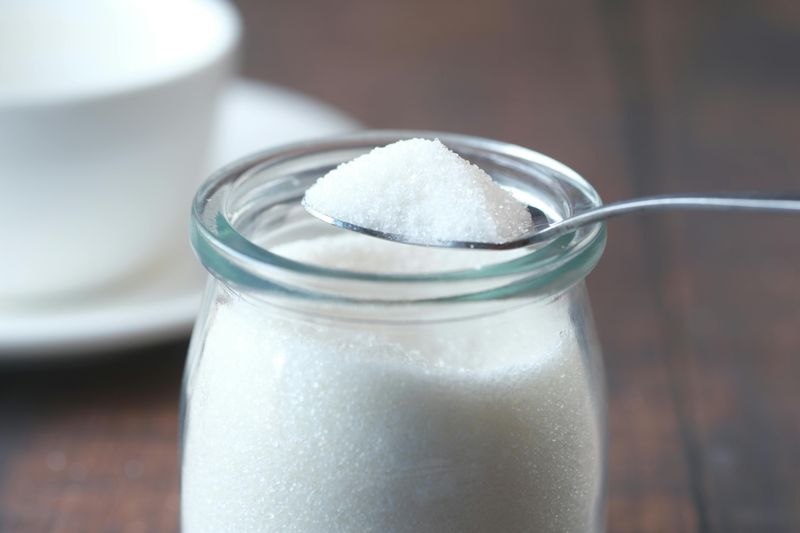
Sugar has been in every grandma’s pantry since before the cookie jar was even invented. It sweetened the tea, stirred into jam, and showed up at every holiday without being invited.
Nobody complained.
Today, people talk about cutting back on sugar more than ever. Sweeteners, alternatives, and sugar-free options crowd the grocery aisle.
But plain white sugar has not budged from its spot on the shelf. It is still the standard for baking, preserving, and making life a little more enjoyable.
Brown sugar, powdered sugar, and raw sugar have joined the party over the years. The family has grown, but the original is still the most common.
Grandma measured it in coffee mugs when she could not find her measuring cups, and the cookies still turned out perfect. Sugar is not going anywhere.
It just learned to share the shelf with a few new relatives.
Canned Tomatoes: The Pantry’s Secret Weapon
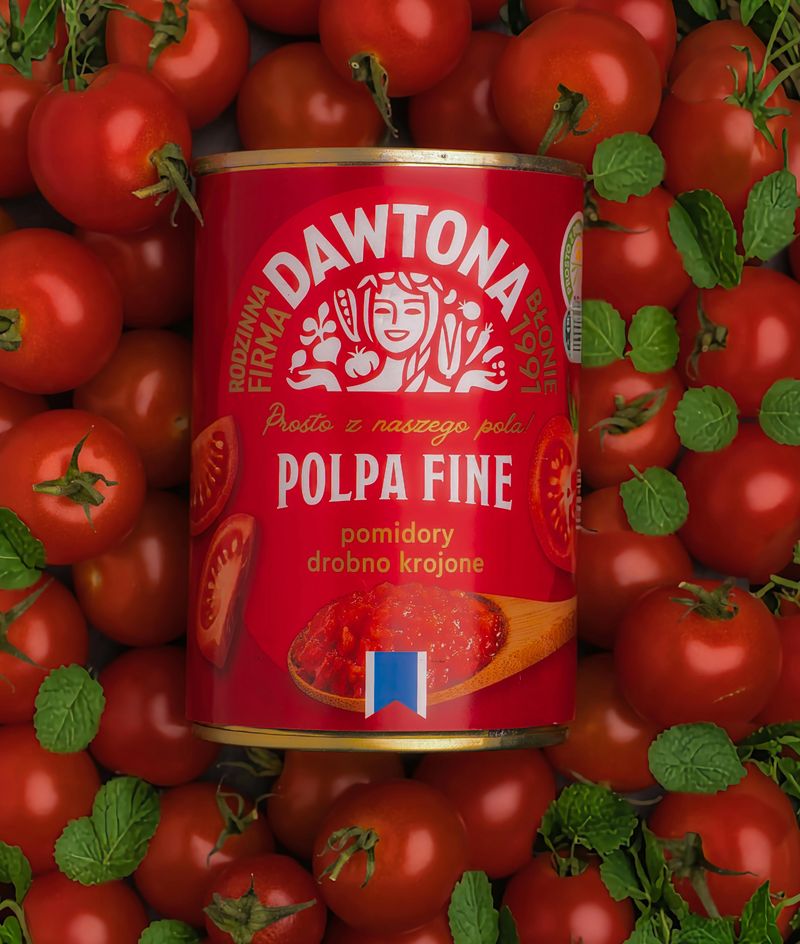
Canned tomatoes are one of those pantry items that never get the credit they deserve. They quietly transform a nearly empty fridge situation into a full dinner.
Grandma knew this, and she kept at least a dozen cans stacked in the back at all times.
The beauty of canned tomatoes is their flexibility. Whole, diced, crushed, or pureed, they slide into soups, pasta sauces, stews, and casseroles without any fuss.
Fresh tomatoes are wonderful, but they have a short window. Canned ones wait patiently for whenever you need them.
Fun fact: canned tomatoes are sometimes more nutritious than fresh ones because they are preserved at peak ripeness. That is a win for convenience and nutrition at the same time.
Grandma did not know the science behind it, but she knew they worked. Decades later, canned tomatoes are still a grocery staple in millions of homes.
They earned their shelf space.
Dried Beans: Still Feeding the Whole Crew
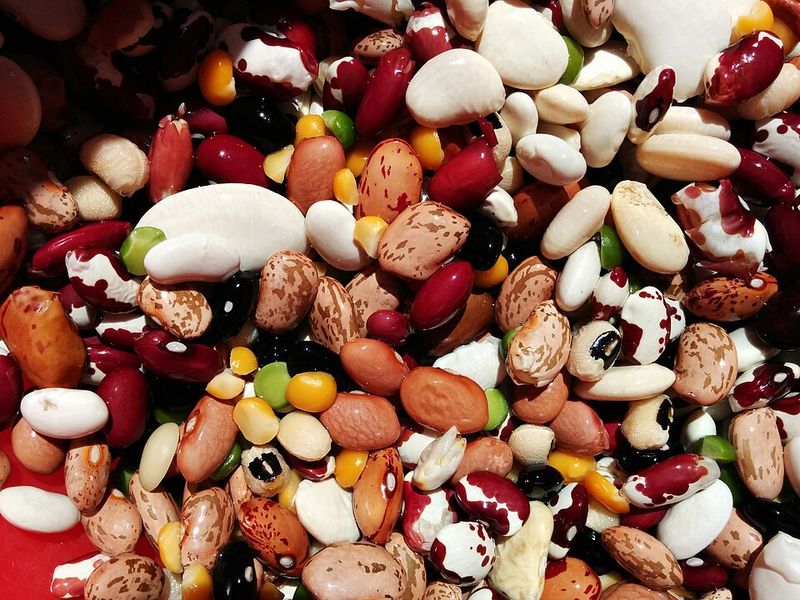
Dried beans were grandma’s budget superpower. A two-pound bag could feed a family of six for days, stretched with a ham hock and some cornbread on the side.
Nothing about that equation has changed.
They have faced stiff competition from canned beans, which are faster and require zero soaking. But dried beans still hold their ground in plenty of kitchens.
They are cheaper, they store for longer, and many cooks swear the texture is better when you cook them from scratch.
Black beans, pinto beans, navy beans, chickpeas, and lentils all fall into this category. Each one brings something different to the pot.
Grandma usually had at least three varieties tucked away, just in case. Soaking them overnight used to feel like a chore.
Now it feels like a slow-living trend. Either way, dried beans are still very much part of the pantry story, and they are not going anywhere soon.
Rice: The Quiet Pantry Hero
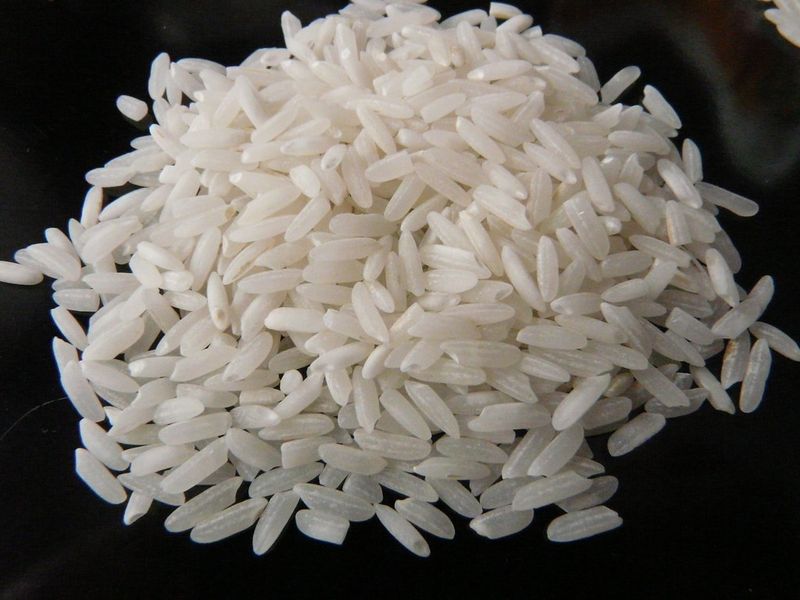
Rice never brags, but it should. This grain has been feeding people across the world for thousands of years, and it keeps showing up in kitchens without making a fuss about it.
Grandma kept a big bag of it and used it for everything from casseroles to rice pudding.
What makes rice so reliable is that it plays well with others. It absorbs flavors, stretches meals, and turns leftovers into something worth eating.
A bowl of plain rice with butter and salt was a legitimate comfort food in many households growing up.
Today, white rice shares pantry space with brown rice, jasmine rice, basmati, and cauliflower rice, which is not even rice. But the original long-grain white variety is still the most purchased.
It cooks in twenty minutes, costs almost nothing, and pairs with practically any cuisine on the planet. Grandma had good taste, even if she never thought of it that way.
Lard and Shortening: The Underdog Fats
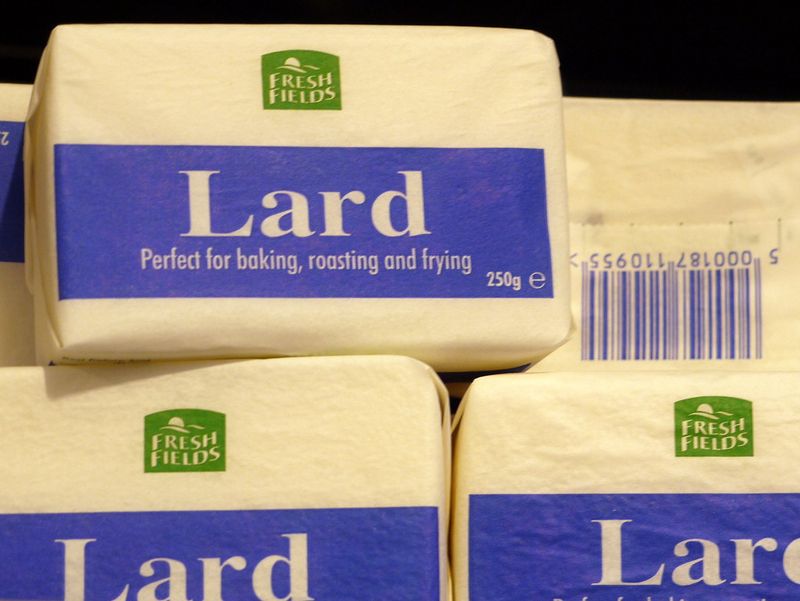
Lard gets a bad reputation at dinner parties, but ask any serious pie baker and they will tell you the truth. Nothing makes a flakier crust than cold lard.
Grandma knew this without reading a single food blog about it.
Shortening and lard fell out of fashion when margarine and vegetable oils took over. Health concerns played a role too.
But neither one actually disappeared from store shelves. You can still find Crisco and lard in most grocery stores, tucked beside the butter and oils.
There has even been a small comeback for lard in recent years, especially among home bakers who want old-school results. Chefs who specialize in traditional cooking have been championing it for a while now.
Grandma was ahead of the curve without knowing it. Whether you use it or not, lard and shortening are still around, still functional, and still making some of the best biscuits on earth.
Vinegar: One Bottle, Many Jobs
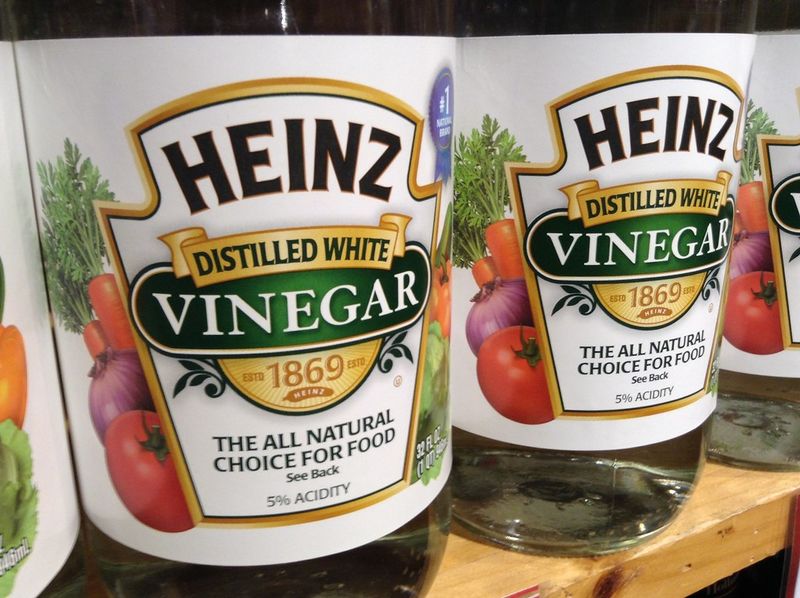
Vinegar might be the most underrated item in the entire pantry. It pickles vegetables, tenderizes meat, brightens sauces, removes odors, and cleans countertops.
Grandma used one bottle to do the work of five different products.
Apple cider vinegar has become a wellness trend in recent years, which means vinegar is actually more popular now than it was decades ago. White vinegar is still the go-to for pickling and cleaning.
Balsamic vinegar shows up in salads and reductions. The vinegar family has expanded, and the whole category is thriving.
I remember my grandmother splashing white vinegar into nearly everything, from her coleslaw to her laundry rinse. At the time it seemed strange.
Now I do the same thing and call it a life hack. Vinegar has been quietly multi-tasking for centuries.
It deserves a spot on every shelf, and it continues to earn that spot every single day without complaint.
Baking Soda: Tiny Box, Big Life
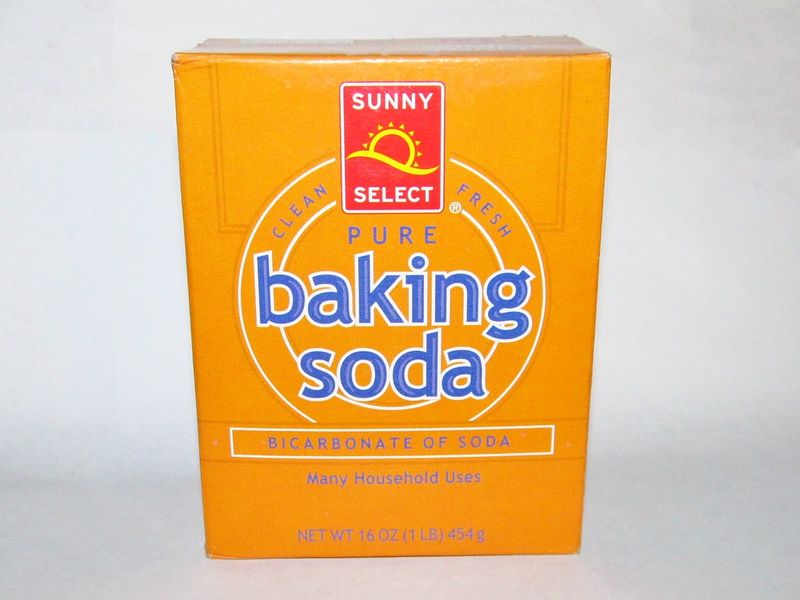
Few pantry items have as many jobs as baking soda. It makes cakes rise, neutralizes odors in the fridge, scrubs away stains, and soothes bug bites.
For something that costs less than a dollar, it is doing remarkable work.
Grandma kept a box in the fridge, a box in the pantry, and probably a box somewhere else just in case. She used it in her cornbread, her cookies, and her cleaning routine.
It was not glamorous, but it was essential.
Today, baking soda still shows up in every grocery store, right next to baking powder, which is a different thing entirely and a source of confusion for beginner bakers everywhere. The small orange box has barely changed in design over the decades, which is oddly comforting.
Some things do not need to be updated or rebranded. Baking soda is exactly what it needs to be, and it has been for a very long time.
Salt: The One That Never Left
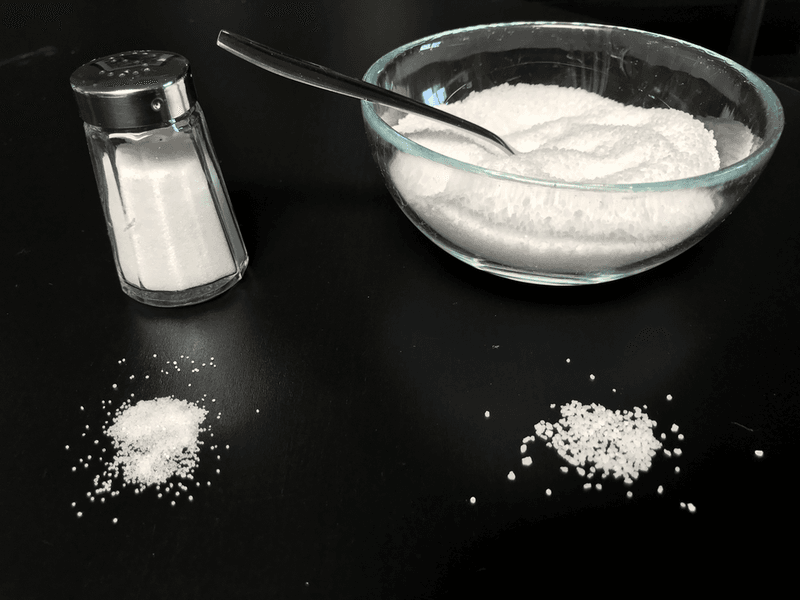
Salt is the only mineral humans eat, and it has shaped civilizations, wars, and trade routes throughout history. Grandma just used it to season her pot roast, but still, that is pretty impressive company to keep.
The salt world has actually gotten more interesting over the years. Iodized table salt, kosher salt, sea salt, pink Himalayan salt, and smoked salt all compete for space in modern kitchens.
Each one has its fans and its specific uses. But the basic blue Morton canister is still one of the best-selling grocery items in the country.
Without salt, food tastes flat and lifeless. It is not just a seasoning; it is a preservative, a brine, and a fundamental part of how flavor works.
Grandma salted her water, her meat, and her garden to keep pests away. Salt never needed a comeback because it never went anywhere.
It just kept doing its thing, exactly as it always has.
Oats: From Breakfast Bowl to Cookie Star
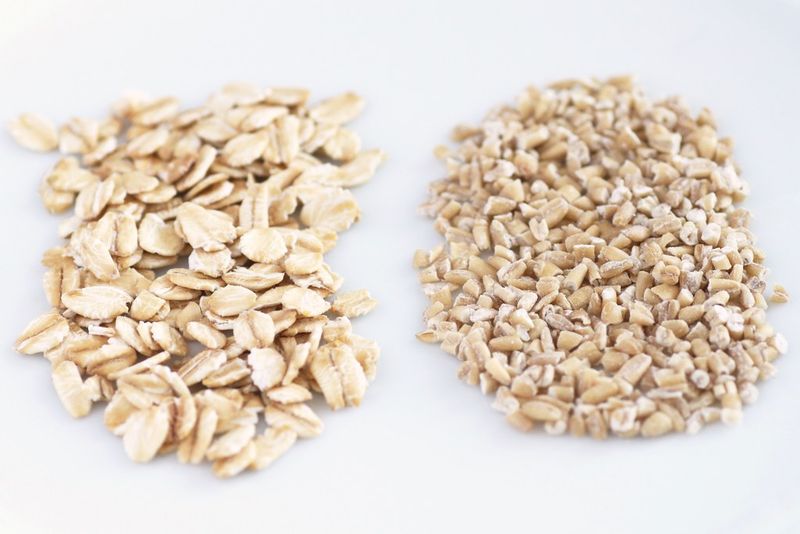
Oats are one of those ingredients that somehow belong in breakfast, dessert, and dinner all at once. Grandma used them in oatmeal cookies, meatloaf, crumbles, and porridge without skipping a beat.
They were the Swiss Army knife of the pantry shelf.
Instant oats have made mornings faster, but old-fashioned rolled oats never disappeared. In fact, oats have had a genuine popularity boost in recent years thanks to overnight oats, oat milk, and the general rise of whole grain eating.
Grandma was ahead of her time and did not even know it.
The classic round Quaker Oats canister is still one of the most recognizable food packages in grocery stores. It has barely changed its look in decades.
There is something reassuring about that. Oats are cheap, filling, versatile, and genuinely good for you.
They were a staple then, they are a staple now, and they will still be a staple long after oat milk trends come and go.
Powdered Milk: The Emergency Backup
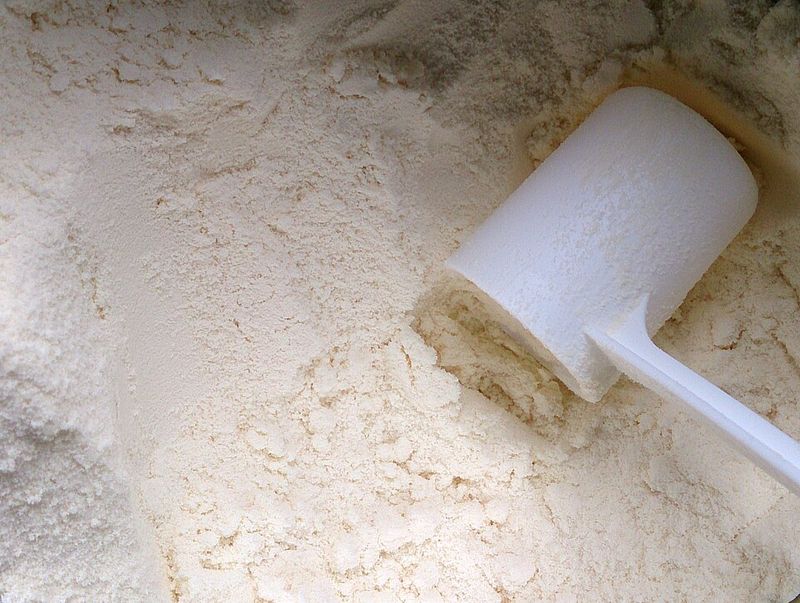
Powdered milk does not get invited to fancy dinner parties, but it shows up when things get real. Grandma kept it for snowstorms, long baking sessions, and moments when the fresh milk was gone and the store was too far away to care about.
It is still sold today, though it tends to live in the back of the pantry or in emergency preparedness kits. Bakers use it to add richness to bread and to stabilize whipped cream.
Some campers and hikers rely on it as a lightweight protein source on the trail.
Powdered milk also appears in many packaged food products, which means most people consume it without realizing it. It is one of those quiet ingredients that never makes headlines but keeps doing its job behind the scenes.
Grandma trusted it because it worked, and it still works today. Not everything needs to be trendy to be useful.
Powdered milk is proof of that.
Homemade Jam: From Necessity to Art Form
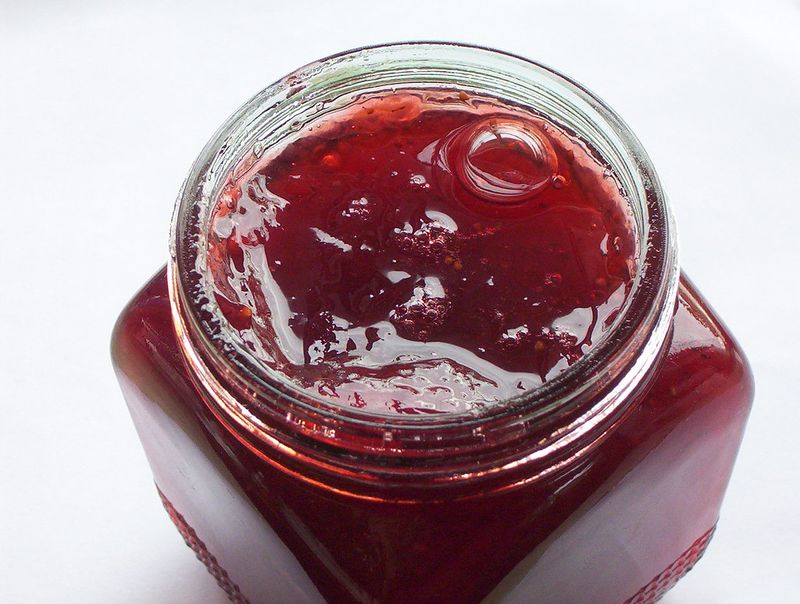
Grandma made jam because fresh fruit did not last and wasting food was simply not an option. She would spend an entire Saturday stirring strawberries and sugar on the stove, filling jars, and sealing them with a satisfying pop of the lids.
Today, making jam has shifted from a survival skill to a weekend hobby. Farmers markets are full of small-batch jars with clever names and pretty labels.
Canning has become a lifestyle choice rather than a necessity, which is a pretty interesting flip from how it started.
Store-bought jam is fine, but there is something about a jar with a handwritten label that feels more personal. The tradition of homemade preserves is alive and well, just wearing slightly different clothes now.
Some families still pass down the same recipes every summer. The fruit changes, the kitchen changes, but the joy of opening a jar of something you made yourself has not changed one bit.
Cornmeal: Old-School Baking Gold
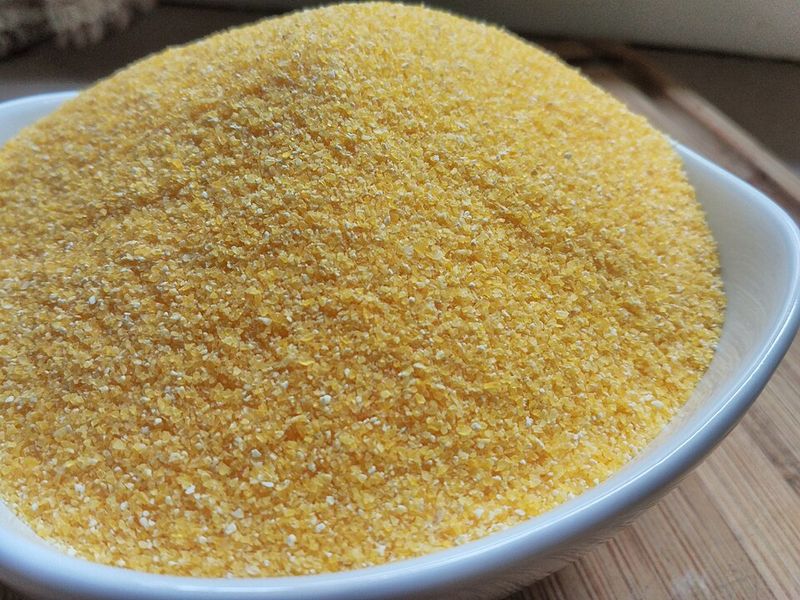
Cornbread made in a cast iron skillet is one of the great simple pleasures of home cooking, and cornmeal is the only reason it exists. Grandma kept a bag of it year-round, ready for cornbread, fried catfish coatings, and a thick pot of mush on cold mornings.
Cornmeal is not in every pantry today, but it is far from extinct. Southern kitchens treat it like a religion.
Mexican cuisine relies on masa, its close cousin. Polenta has made cornmeal fashionable in Italian-inspired cooking.
It keeps reinventing itself without changing its core identity.
What I appreciate about cornmeal is how honest it is. It does not pretend to be anything other than ground corn.
No frills, no fancy packaging needed. You can find it at any grocery store, usually in a simple bag that has not changed much in decades.
Cornmeal belongs in the pantry, and plenty of cooks still agree with grandma on that point.
Dried Herbs: Small Jars, Big Flavor

Sage, thyme, bay leaves, and oregano were the original flavor boosters before anyone had heard of umami or seasoning blends with twenty ingredients. Grandma shook them into soups and stews with confidence, and the results were always better than they had any right to be.
Dried herbs have a longer shelf life than fresh ones, which makes them practical for everyday cooking. They are not as vibrant as fresh herbs, but they hold their own in slow-cooked dishes where heat and time draw out their flavor.
A bay leaf dropped into a simmering pot is still one of the easiest ways to make food taste more finished.
The spice aisle has exploded in recent decades, but dried herbs remain the foundation. Most spice racks still include the classics grandma relied on.
They are affordable, long-lasting, and genuinely useful. Fresh herbs are wonderful, but dried herbs are the dependable workhorses that show up every single time you need them without any drama.
Bouillon Cubes: Tiny Flavor Bombs
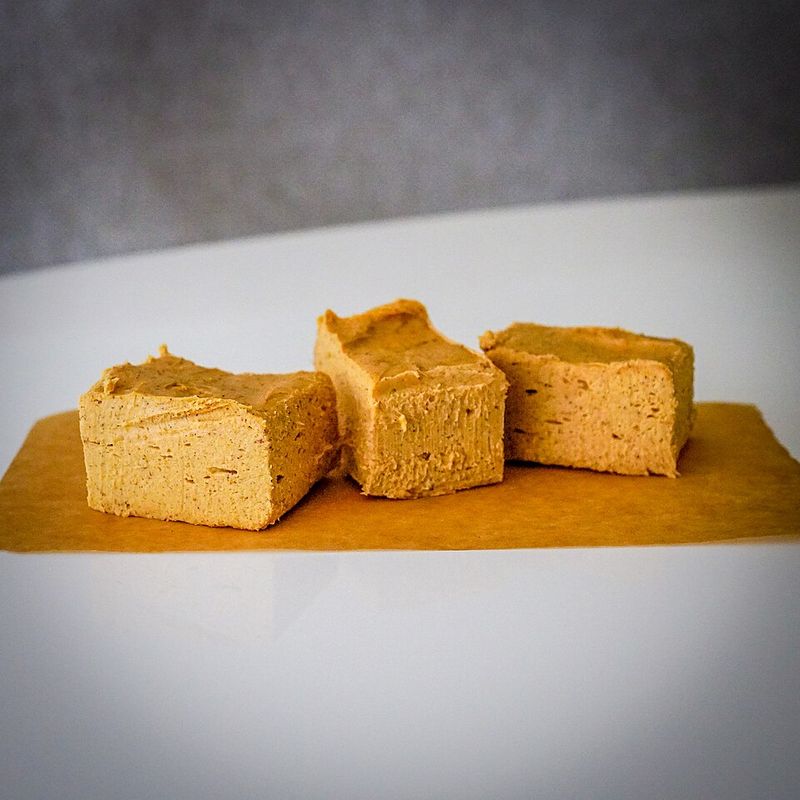
Bouillon cubes are basically dehydrated flavor in a foil wrapper, and grandma kept a box of them in the pantry at all times. One cube dropped into hot water became broth, the base of soups, gravies, rice dishes, and sauces that tasted like they had been cooking all day.
Boxed broth and cartons have taken over a lot of the market, but bouillon cubes and powders have not disappeared. They are still cheaper, smaller, and easier to store than liquid broth.
Knorr and Maggi bouillon are staples in kitchens across Latin America, Europe, and beyond. They never really went out of style globally.
Better Than Bouillon, a paste version, has become a modern favorite among home cooks who want more depth without buying a whole carton. The bouillon family has evolved, but the core idea is exactly the same as grandma’s version.
Compact, flavorful, and long-lasting. Some ideas are simply too good to let go of.
Evaporated Milk: The Can That Does It All
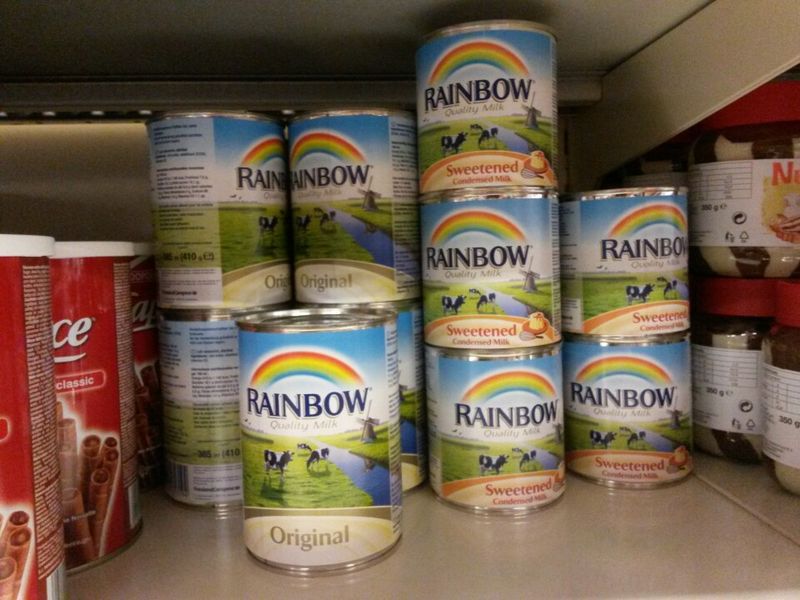
Evaporated milk is one of the most underestimated cans in the pantry. Grandma reached for it when she needed richness without fresh cream, and it delivered every single time.
Pumpkin pie, fudge, creamy soups, and homemade mac and cheese all benefited from this humble can.
The reason evaporated milk works so well is that about sixty percent of the water has been removed, which concentrates the milk solids and creates a naturally creamy texture. It is shelf-stable, affordable, and lasts for months without refrigeration.
That made it invaluable in kitchens that did not always have easy access to fresh dairy.
Today, evaporated milk still shows up in recipes for tres leches cake, Thai iced tea, and countless old family cookbooks. It is not flashy, but it is reliable.
Grandma would not have trusted it if it were not. The can design has barely changed, and neither has the quality.
Some pantry staples age like fine wine, and this is one of them.
Canned Fruit: Nostalgia in a Can
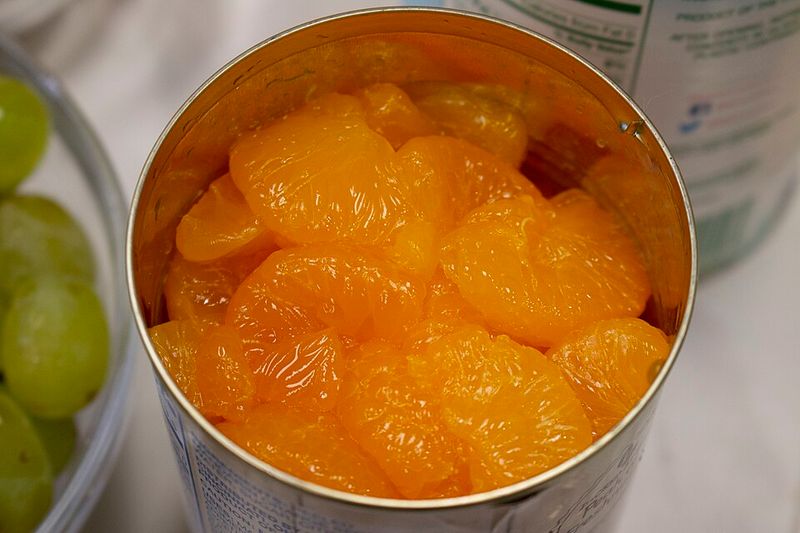
Canned peaches in syrup might be the most nostalgic food on this entire list. There was always a can of something fruity in grandma’s pantry, ready to become a cobbler, a quick dessert, or just a bowl of sweetness on a winter afternoon when fresh fruit was nowhere to be found.
Canned fruit has taken some criticism over the years for its sugar content, but options packed in juice or water have made it a more flexible choice. It is still widely sold and still useful for baking, topping oatmeal, or making a quick fruit salad without touching a cutting board.
Fruit cocktail, in particular, carries a very specific childhood memory for a lot of people. That mix of tiny grapes, peaches, and the occasional cherry in light syrup was a staple at school lunches and family dinners alike.
Grandma kept it around because it worked. Decades later, it is still sitting on the shelf doing exactly the same job.
Tea and Instant Coffee: The Comfort Classics
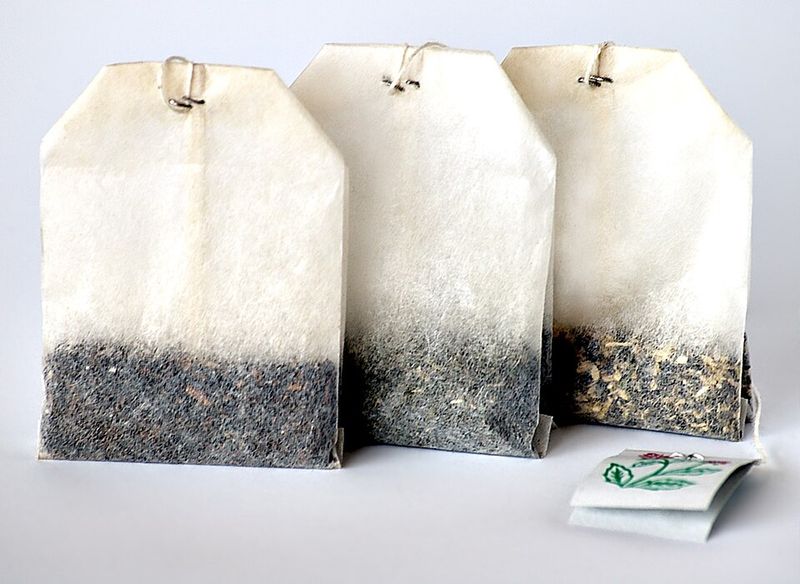
Before espresso machines became a kitchen status symbol, grandma had a box of tea bags and a jar of instant coffee, and that was all anyone needed. The kettle went on, the cup came out, and the world felt a little more manageable within minutes.
Instant coffee has had an interesting decade. It went from being seen as a lesser option to having a genuine moment in the spotlight thanks to whipped Dalgona coffee trends and high-quality instant blends from specialty brands.
Tea bags never needed a comeback because they never fell out of favor.
Both are still pantry basics in millions of homes. They are fast, affordable, and require almost no effort to make.
On days when the fancy coffee equipment feels like too much work, a jar of instant coffee and some hot water is a perfectly valid choice. Grandma knew that.
She was not cutting corners. She was being efficient.
Saltines: The Cracker That Never Quit
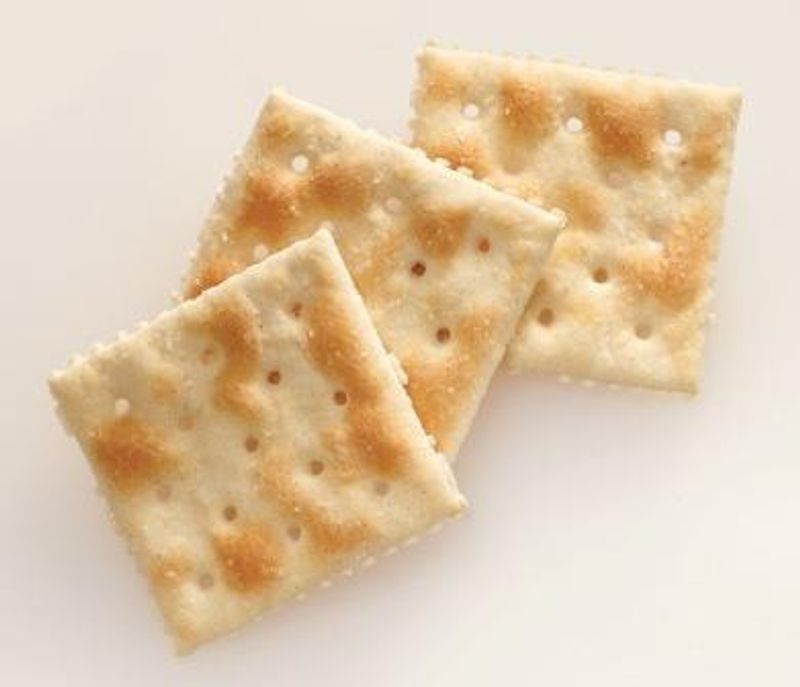
Saltines are the unsung heroes of the cracker world. They show up beside soup, float on top of chili, carry peanut butter, and somehow become the most comforting food in existence when you are home sick and nothing else sounds appealing.
Grandma always had a box, usually half-crushed from being stored behind heavier things.
They have not changed much in decades, which is part of their charm. The recipe is simple, the flavor is neutral, and they pair with just about anything savory or sweet.
Cream cheese, sardines, jam, or just butter. Saltines do not discriminate.
Premium crackers and artisan varieties have expanded the cracker aisle considerably. But saltines remain one of the top-selling crackers in the country.
They are cheap, reliable, and familiar in a way that newer options just cannot replicate. Some foods earn their place on the shelf not through reinvention but through sheer consistency.
Saltines have been consistent since 1876, and they are not stopping now.
Mason Jars: The Pantry’s Best Supporting Actor
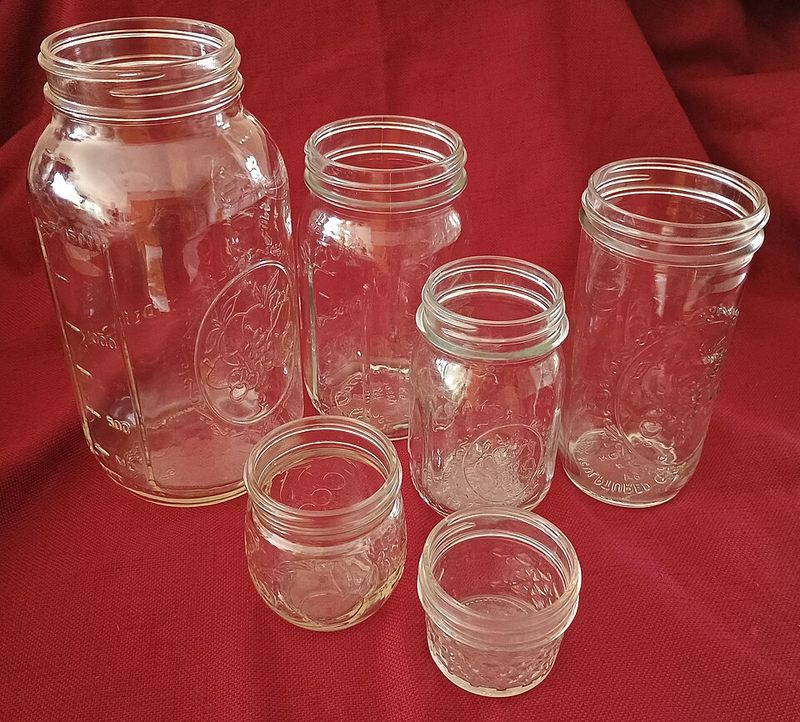
Mason jars are not food, but calling them a pantry staple is completely fair. Without them, grandma’s canning operation would have fallen apart entirely.
They held the jam, the pickles, the dried beans, the leftover soup, and the homemade salad dressing that never quite fit in the fridge.
John Landis Mason patented the design back in 1858, and the basic concept has barely changed since. A glass jar with a two-part lid that seals tight.
Simple, effective, and apparently timeless. That is a pretty good run for a kitchen container.
Today, mason jars are everywhere. They are used for overnight oats, cocktails, flower arrangements, bathroom storage, and wedding centerpieces.
They have become a lifestyle item as much as a kitchen tool. Grandma would probably find the decorative uses a little excessive, but she would be pleased to see them still in use.
The mason jar never needed reinventing. It just needed a new generation to appreciate it.
Share this story