 Unearth The Voyage

Bridges connect more than just land and water; they link the past to the present in spectacular fashion. Around the world, historic bridges stand as testaments to human ingenuity, artistic vision, and engineering brilliance. From medieval stone arches to modern marvels, these structures continue to inspire awe in everyone who crosses them or simply stops to admire their beauty.
1. Ponte Vecchio, Florence, Italy
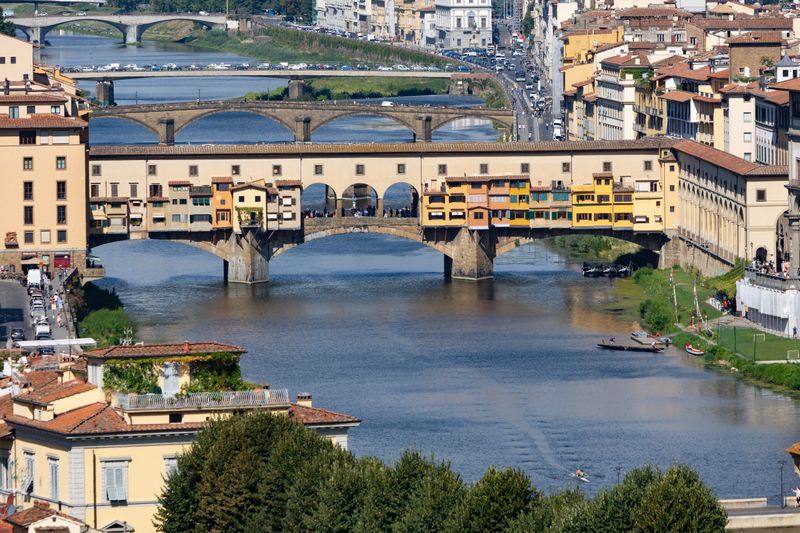
Medieval magic comes alive when you stand on this 14th-century stone arch bridge. Jewelry shops line both sides, their colorful shutters and glittering displays creating a marketplace unlike any other in the world.
During World War II, every bridge in Florence was destroyed except this one. German forces spared it, recognizing its irreplaceable historical and cultural value.
Walking across feels like stepping into a Renaissance painting, with the Arno River flowing beneath your feet and centuries of history surrounding you.
2. Pont Neuf, Paris, France
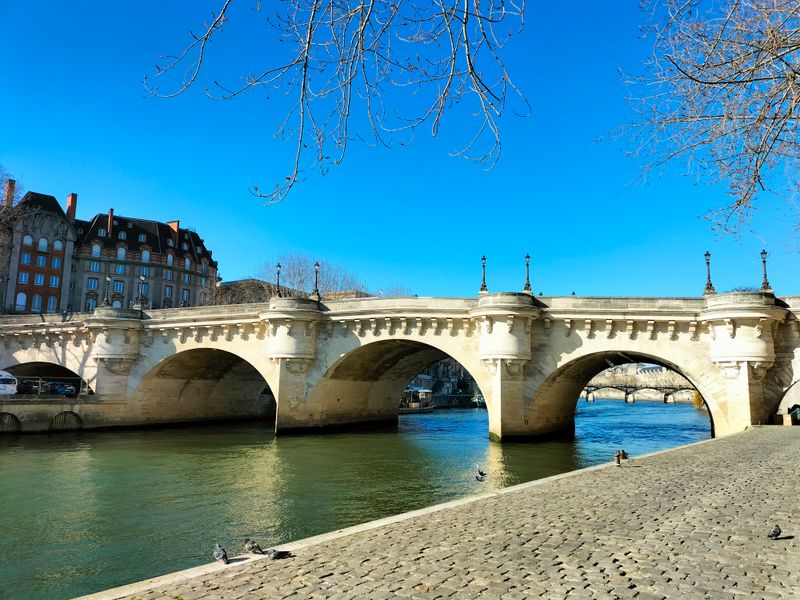
Built in 1607, Pont Neuf translates to “New Bridge,” yet it holds the title of Paris’s oldest standing bridge. Wide sidewalks invite pedestrians to stroll, pause, and soak in views of the Seine.
Statues and decorative masks adorn the structure, each telling stories from France’s rich past. Street performers and artists often gather here, adding modern life to ancient stones.
Generations of Parisians have crossed this bridge, making it a living symbol of the city’s enduring charm and romantic spirit.
3. Tower Bridge, London, England
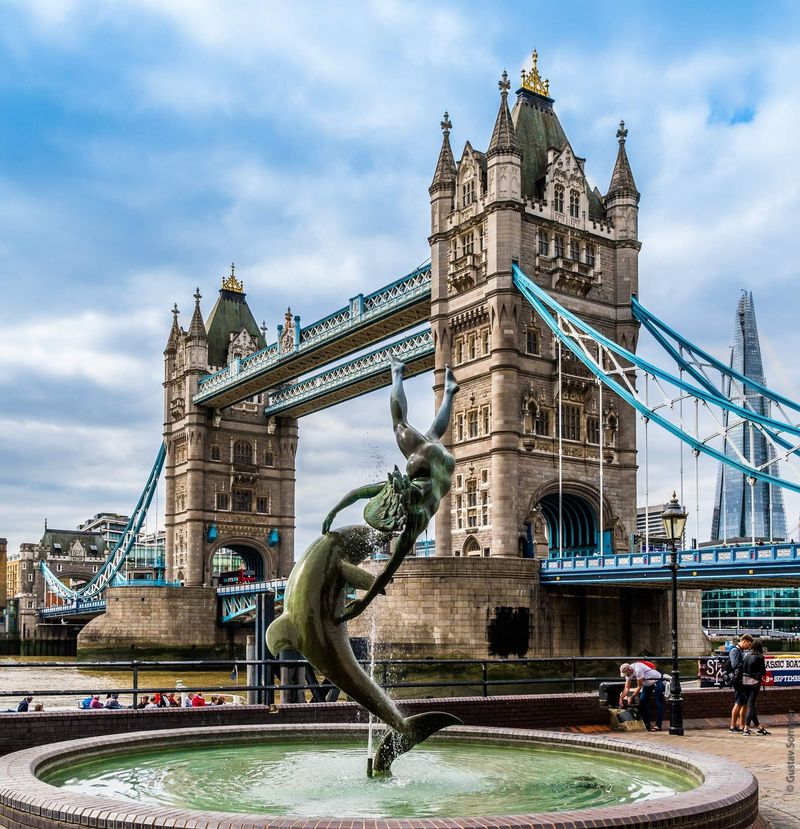
Twin Gothic towers rise majestically above the Thames, connected by high-level walkways and a unique bascule mechanism. Opened in 1894, this combination suspension and drawbridge represented cutting-edge Victorian engineering.
When large ships need to pass, the bridge’s roadway splits and lifts, creating a dramatic spectacle watched by crowds on both riverbanks. Tourists from every corner of the globe recognize its distinctive silhouette instantly.
Inside the towers, exhibitions reveal the bridge’s fascinating construction history and innovative hydraulic systems.
4. Brooklyn Bridge, New York City, USA
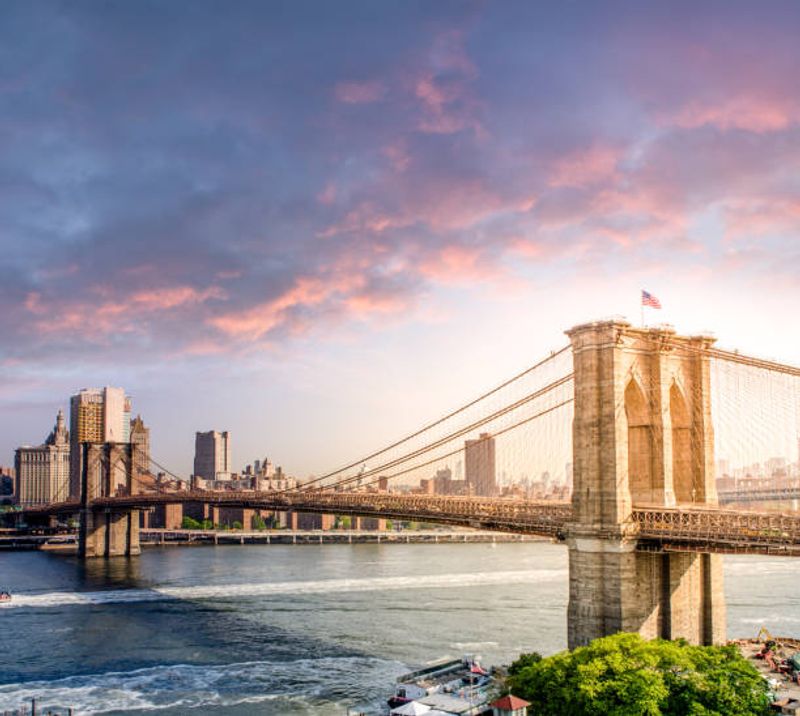
Completed in 1883, this pioneering steel-wire suspension bridge changed urban transportation forever. Its Gothic arches and intricate cable patterns create a visual masterpiece against the Manhattan skyline.
Pedestrians and cyclists share a dedicated wooden walkway elevated above car traffic, offering unparalleled views of the East River and city below. Construction took 14 years and claimed multiple lives, including chief engineer John Roebling.
Today, millions cross annually, making it one of New York’s most beloved and photographed landmarks.
5. Golden Gate Bridge, San Francisco, USA
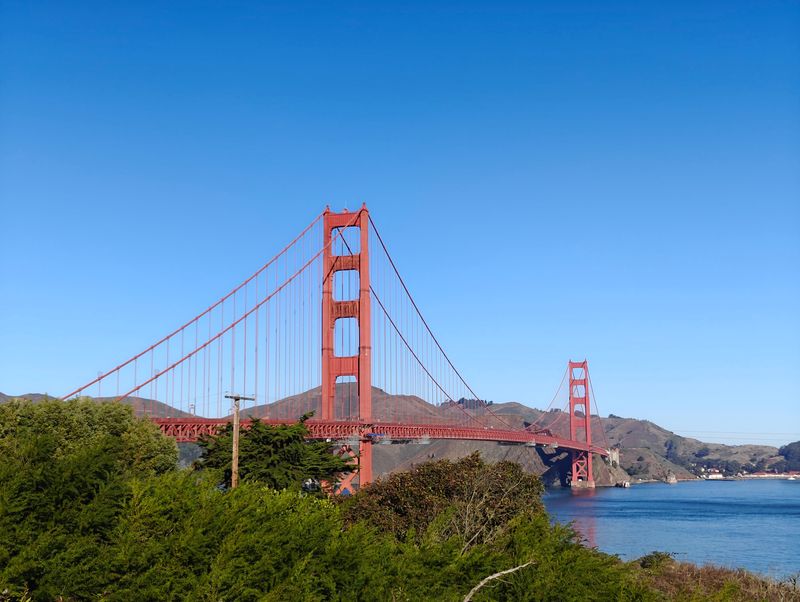
Since 1937, its distinctive International Orange paint has made this suspension bridge instantly recognizable worldwide. The color was chosen not just for visibility in fog, but because it complements the natural surroundings beautifully.
Spanning the Golden Gate Strait, the bridge connects San Francisco to Marin County across turbulent waters and strong winds. Engineers once deemed the location unbuildgeable due to extreme conditions.
Photographers flock here year-round, capturing the bridge emerging from or disappearing into San Francisco’s famous fog banks.
6. Sydney Harbour Bridge, Sydney, Australia

Locals affectionately call this massive steel arch “The Coathanger” because of its distinctive curved shape. Completed in 1932, it remains the world’s largest steel arch bridge, dominating Sydney’s harbor with impressive presence.
Adventurous visitors can climb to the top for panoramic views of the city, Opera House, and sparkling waters below. Eight lanes of traffic, two railway lines, and pedestrian paths keep the bridge constantly buzzing with activity.
New Year’s Eve fireworks launched from the bridge create one of the planet’s most spectacular celebrations.
7. Chapel Bridge (Kapellbrücke), Lucerne, Switzerland
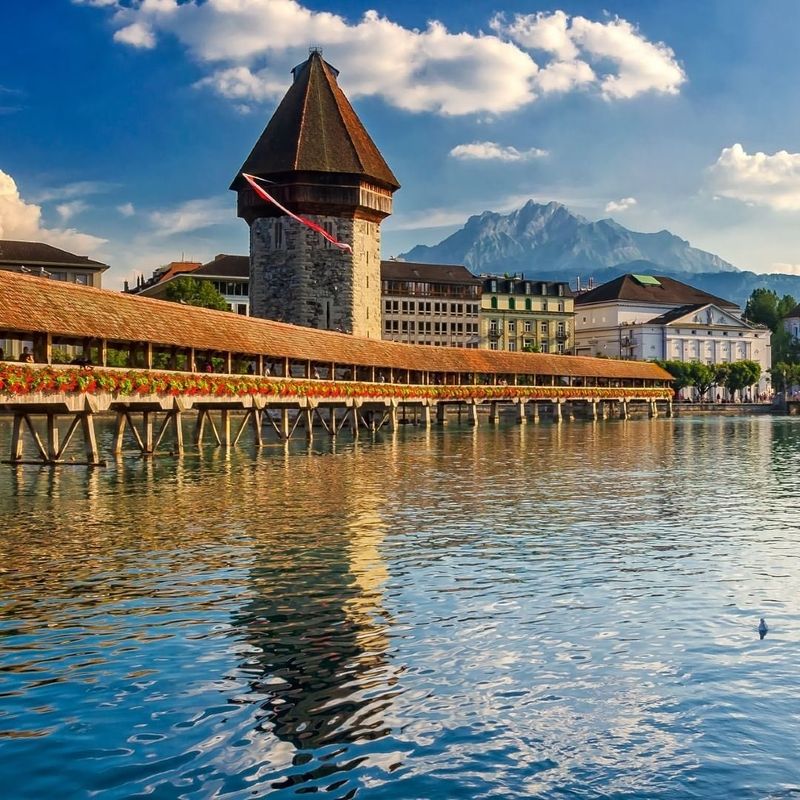
Originally constructed in 1333, this covered wooden bridge ranks as Europe’s oldest surviving structure of its kind. An octagonal water tower stands partway across, adding architectural interest and serving as a landmark for centuries.
Triangular paintings beneath the roof depict scenes from Swiss history, though many were lost in a devastating 1993 fire. Careful restoration brought the bridge back to life, preserving its medieval character.
Flowers cascade from window boxes along the railings, creating a picturesque scene that captures Switzerland’s timeless beauty perfectly.
8. Pont du Gard, Southern France
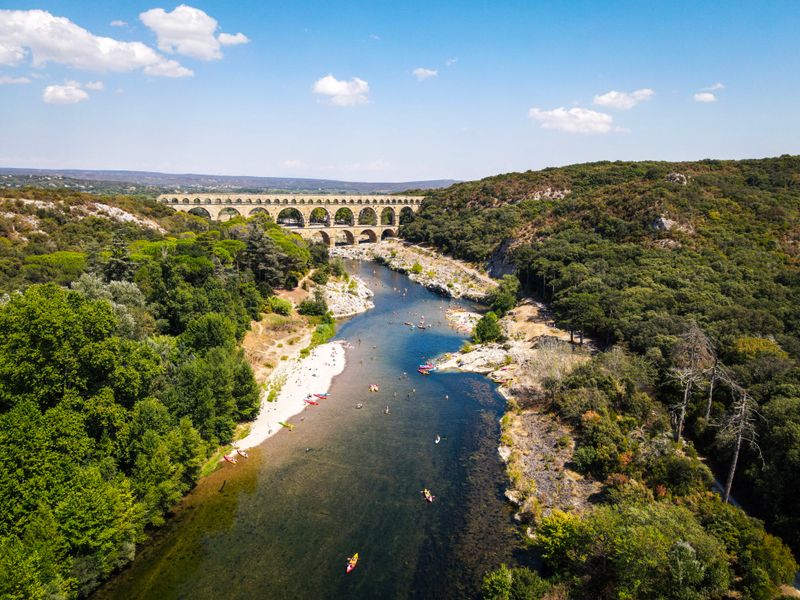
Roman engineers built this three-tiered aqueduct in the 1st century AD to transport water across the Gardon River valley. Standing nearly 50 meters tall, it showcases ancient construction techniques that modern builders still admire.
Water once flowed through the topmost tier, traveling from springs to the city of Nimes over 50 kilometers away. Today, UNESCO protects this architectural wonder, and visitors can walk across the lower level.
The precision of its stonework, achieved without mortar, demonstrates Roman mastery of engineering and mathematics.
9. Waibaidu Bridge, Shanghai, China
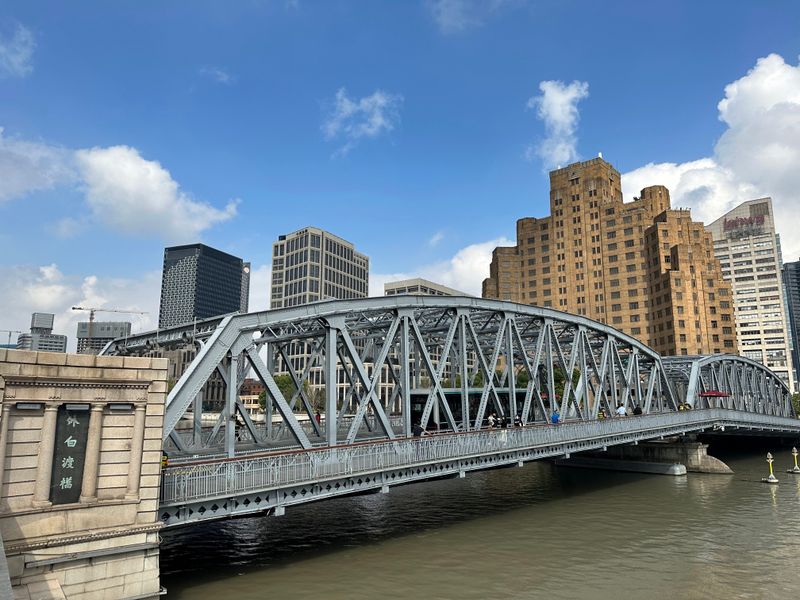
Opened in 1908, Waibaidu became China’s first all-steel bridge and remains the country’s only surviving camelback truss design. Its distinctive silhouette appears in countless historic photographs and classic Shanghai films.
The bridge spans Suzhou Creek at its junction with the Huangpu River, marking the entrance to the famous Bund waterfront. British engineers designed it during Shanghai’s international settlement era.
After extensive restoration, the bridge continues serving pedestrians and vehicles while standing as a symbol of Shanghai’s transformation from colonial port to global metropolis.
10. Union Chain Bridge, England-Scotland Border
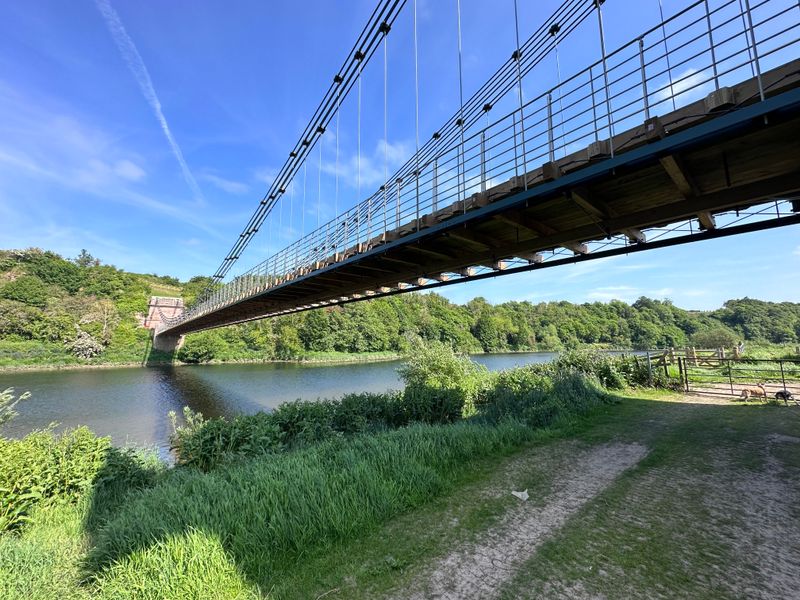
Completed in 1820, this pioneering suspension bridge once held the world record for longest wrought-iron span. It crosses the River Tweed, literally connecting England and Scotland across flowing water.
Captain Samuel Brown designed the bridge using chains he originally developed for naval ships. Recent restoration work preserved its historic character while ensuring modern safety standards.
Today, it proudly holds the distinction of being the oldest suspension bridge still carrying road traffic anywhere on Earth, a remarkable achievement spanning more than two centuries.
11. Si-o-se-pol, Isfahan, Iran
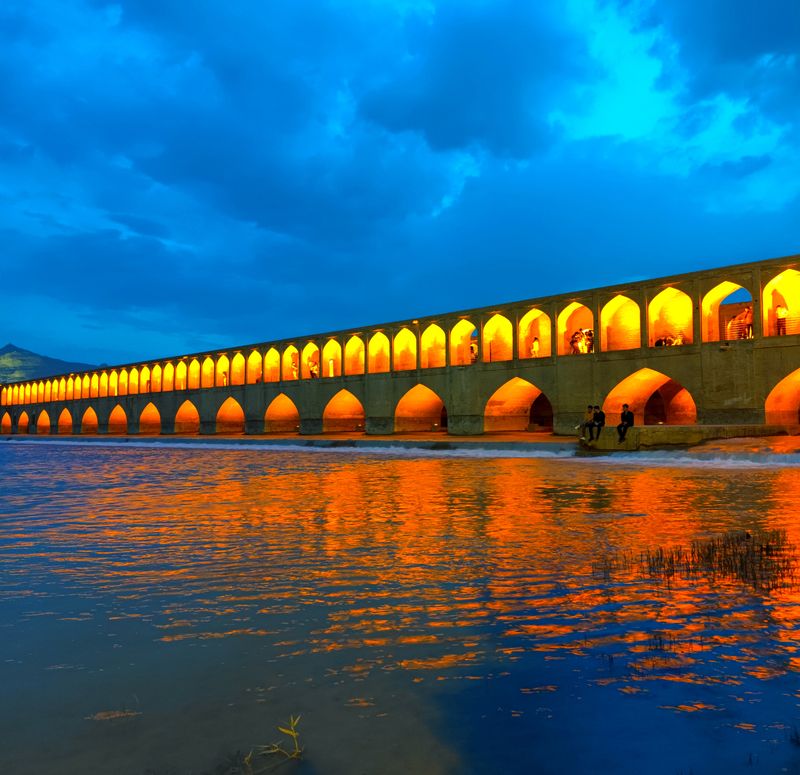
Early 17th-century Persian builders created this masterpiece featuring exactly 33 arches, giving the bridge its name, which translates to “Bridge of 33 Arches.” Symmetrical design and graceful proportions reflect the mathematical precision valued in Persian architecture.
The bridge spans the Zayanderud River, serving as both a crossing point and a social gathering space for Isfahan residents. Teahouses once operated beneath the arches, where people relaxed and enjoyed river breezes.
At night, illumination highlights the arches’ elegant curves, creating mirror reflections in the water below.
12. Rialto Bridge, Venice, Italy
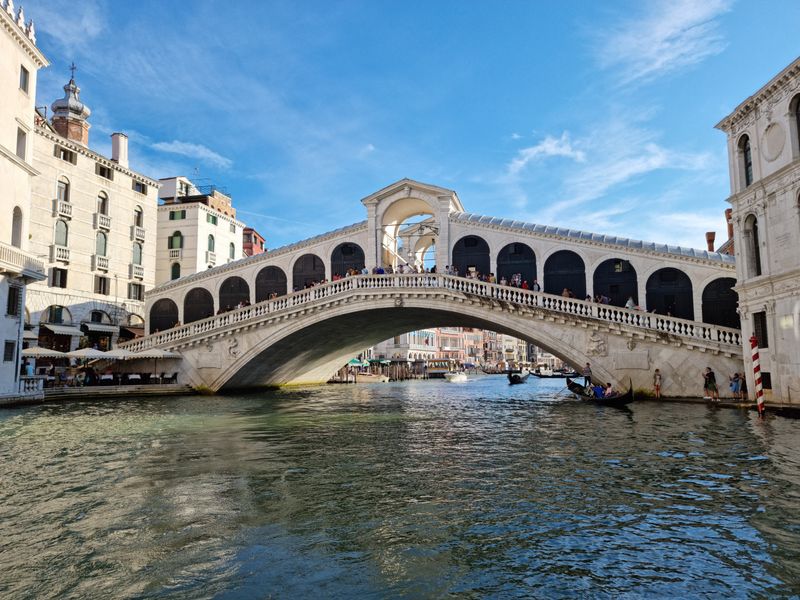
For centuries, Venetians debated whether a stone bridge could span the Grand Canal’s width without intermediate supports. Completed in 1591, the Rialto Bridge proved skeptics wrong with its elegant single-span design.
Shops line both sides of the bridge, continuing a commercial tradition dating back to its wooden predecessors. The central walkway offers prime views of gondolas and water taxis navigating Venice’s busiest waterway.
Antonio da Ponte won the design competition, beating out proposals from Michelangelo and other Renaissance masters to create this enduring landmark.
13. Charles Bridge, Prague, Czechia

Construction began in 1357 under King Charles IV, taking nearly 60 years to complete this Gothic stone masterpiece. Thirty Baroque statues now line the bridge, added centuries after its original construction.
Legend says eggs were mixed into the mortar to strengthen the structure, and that the bridge’s foundation stone was laid at precisely 5:31 AM for astrological reasons. Whether true or not, the bridge has withstood floods and wars for over 600 years.
Street musicians, artists, and vendors create a lively atmosphere day and night, making it Prague’s most vibrant pedestrian thoroughfare.
14. Millau Viaduct, Millau, France
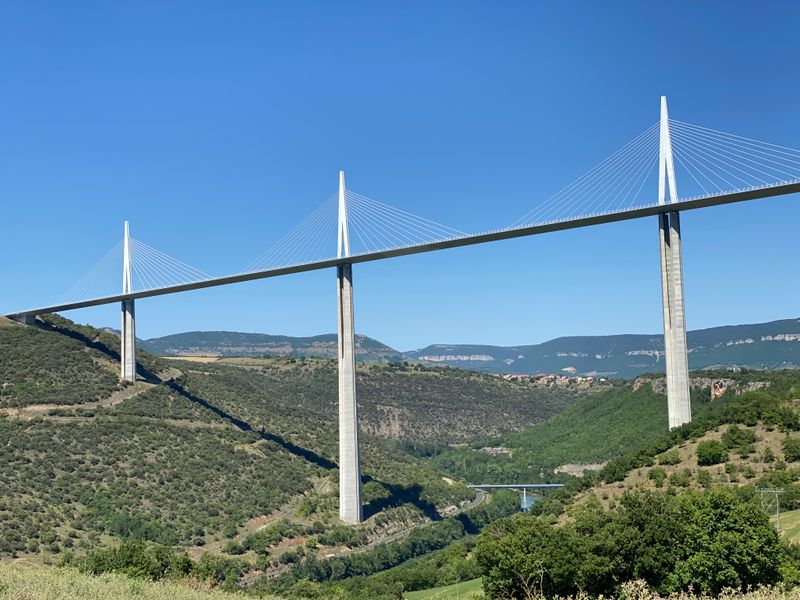
Architect Norman Foster and engineer Michel Virlogeux collaborated to create this stunning cable-stayed bridge, opened in 2004. Its tallest pylon reaches 343 meters, making it taller than the Eiffel Tower and earning the title of world’s tallest bridge structure.
Seven elegant piers support the roadway as it soars across the Tarn Valley in southern France. The design minimizes environmental impact while creating a structure of extraordinary beauty.
Though modern, it has already achieved historic engineering significance, winning numerous architecture and design awards worldwide.
15. Elisabeth Bridge, Budapest, Hungary
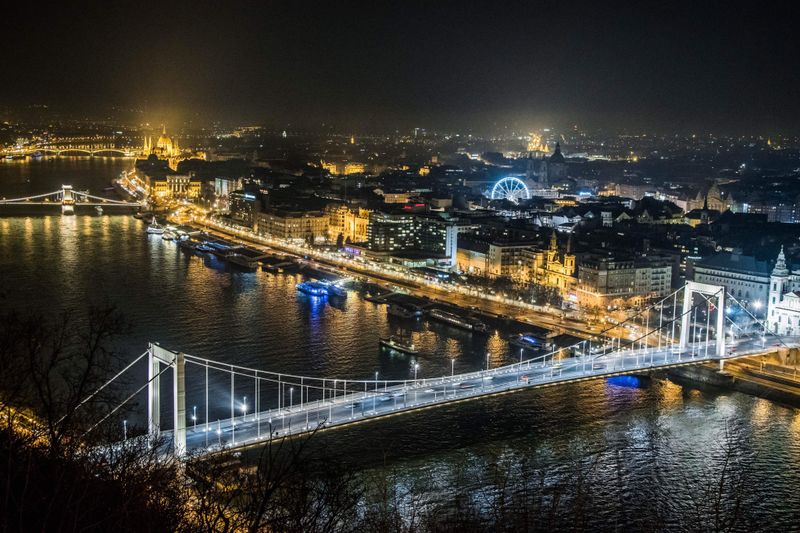
Completed in 1964, this graceful suspension bridge replaced an earlier structure destroyed during World War II. Pure white cables and towers give it a distinctive appearance among Budapest’s collection of famous bridges.
The bridge connects the historic Buda and Pest districts across the Danube River, carrying both vehicle and pedestrian traffic. Its central location makes it a vital transportation link in Hungary’s capital.
Named after Empress Elisabeth, beloved wife of Emperor Franz Joseph, the bridge honors her memory while serving modern needs with elegant efficiency and contemporary engineering.
16. Gateshead Millennium Bridge, Newcastle-Gateshead, UK

Opened in 2001, this revolutionary tilt-bridge earned the nickname “Blinking Eye Bridge” because of how it rotates to let ships pass underneath. The entire curved structure pivots on massive bearings, creating a spectacular mechanical ballet.
Designed exclusively for pedestrians and cyclists, it provides a car-free crossing of the River Tyne between Newcastle and Gateshead. Its innovative design won numerous awards and helped revitalize the riverside area.
At night, LED lighting transforms the bridge into a glowing artwork, reflecting in the river waters and attracting photographers from across Britain.
17. Khaju Bridge, Isfahan, Iran
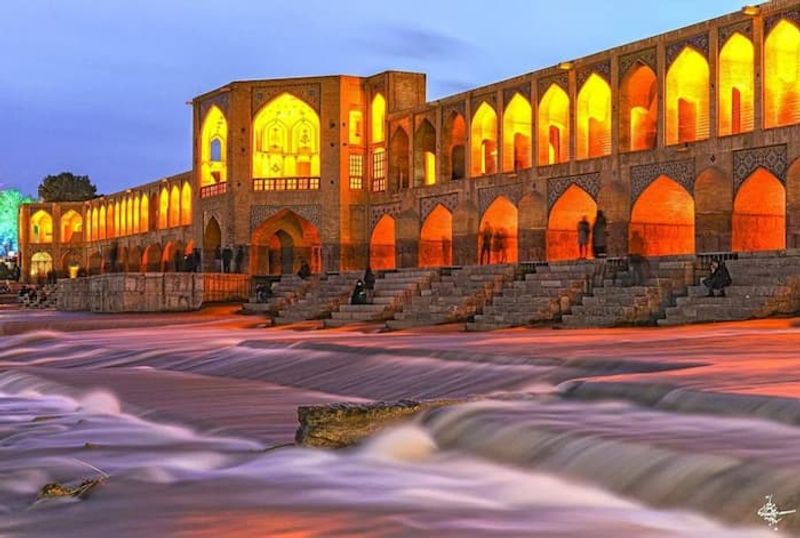
Built around 1650, Khaju Bridge served the ingenious dual purpose of river crossing and water flow regulation. Sluice gates beneath the arches allowed Persian engineers to control water levels, creating a functional dam within an architectural masterpiece.
Two levels provide walking paths, while central pavilions once hosted royal gatherings and offered shaded rest spots. Intricate tilework and stone carvings demonstrate the artistic sophistication of Safavid-era craftsmen.
Today, locals still gather on the bridge’s steps in evenings, continuing centuries-old traditions of socializing by the water.
18. Bridge of Sighs, Venice, Italy
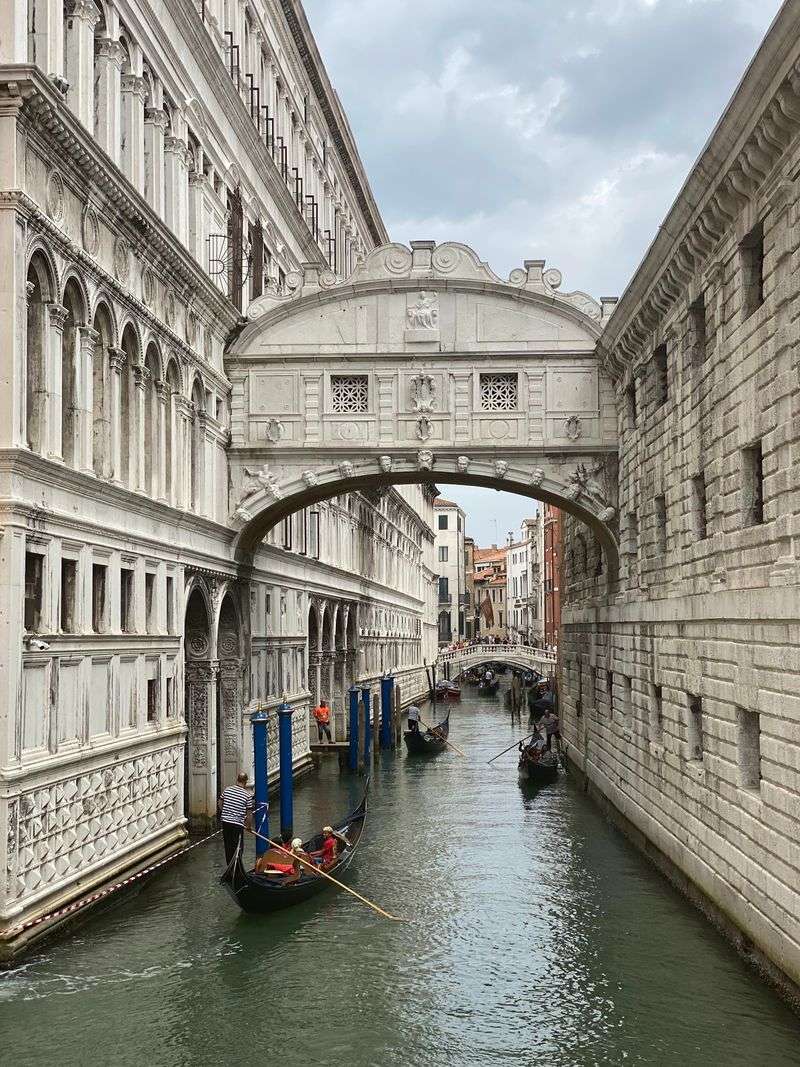
Completed in 1603, this enclosed limestone bridge earned its melancholic name from prisoners who sighed while catching their final glimpse of Venice before incarceration. Ornate Baroque stonework makes it one of Venice’s most photographed structures.
The bridge connects the Doge’s Palace interrogation rooms to the new prison cells across a narrow canal. Small windows with stone bars allowed condemned prisoners brief views of freedom they would never experience again.
Romantic legend suggests couples who kiss while passing beneath the bridge in a gondola will enjoy eternal love and happiness.
19. Chengyang Wind and Rain Bridge, Sanjiang, China

Built in 1912 by the Dong ethnic minority, this covered bridge showcases extraordinary carpentry skills using zero nails in its entire construction. Elaborate pagoda-style towers rise from the bridge deck, providing shelter and ceremonial spaces.
Wooden beams interlock with precise joinery techniques passed down through generations of Dong craftsmen. The bridge serves both practical and cultural purposes, hosting festivals and community gatherings.
Wind and rain protection made covered bridges essential in this mountainous region, and Chengyang represents the finest surviving example of this traditional Chinese building type.
20. Starrucca Viaduct, Pennsylvania, USA
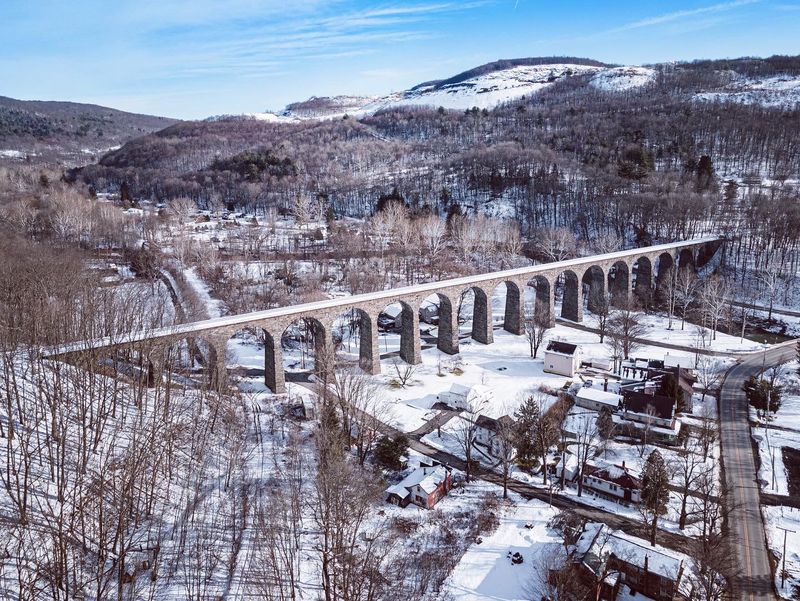
Opened in 1848, this stone-arch railroad viaduct represented one of the 19th century’s most expensive and ambitious infrastructure projects. Seventeen arches carry trains across Starrucca Creek valley at a height of over 100 feet.
Construction required innovative techniques and massive amounts of stone, costing nearly one million dollars when most bridges cost a fraction of that amount. Critics questioned the expense, but the bridge proved its worth through longevity.
Still in active railroad use today, it holds National Historic Civil Engineering Landmark status and demonstrates how quality construction outlasts cheaper alternatives by centuries.



