America is home to some of the most breathtaking and historically significant places on the entire planet. From ancient cliff dwellings carved into canyon walls to steaming geysers and towering redwood forests, the United States holds an incredible collection of UNESCO World Heritage Sites.
These landmarks have been recognized for their outstanding value to all of humanity, not just Americans. Whether you love nature, history, or simply exploring new places, this list will inspire your next great adventure.
Grand Canyon National Park — Arizona
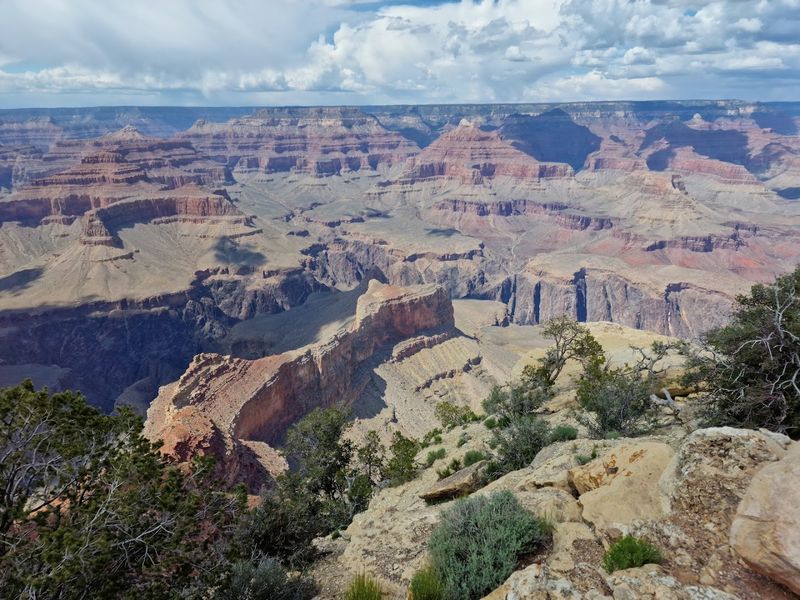
Standing at the rim of the Grand Canyon feels like staring into a billion years of Earth’s diary. Carved by the relentless Colorado River over millions of years, the canyon stretches roughly 277 miles long and plunges more than a mile deep.
No photograph truly captures how enormous this place actually is.
UNESCO added the Grand Canyon to its World Heritage List in 1979, recognizing its jaw-dropping geological significance. The exposed rock layers tell scientists stories about ancient seas, volcanic eruptions, and shifting continents.
Over 70 mammal species and 300 bird species call this canyon home.
Visitors can hike the Bright Angel Trail, take a mule ride to the canyon floor, or simply sit at one of dozens of overlooks and soak it all in. The South Rim stays open year-round, while the North Rim offers a quieter, less crowded experience.
Sunrise and sunset turn the canyon walls into a living painting of purples, reds, and golds. Pack plenty of water because the desert heat is no joke, even in spring and fall.
Yellowstone National Park — Wyoming, Montana, Idaho
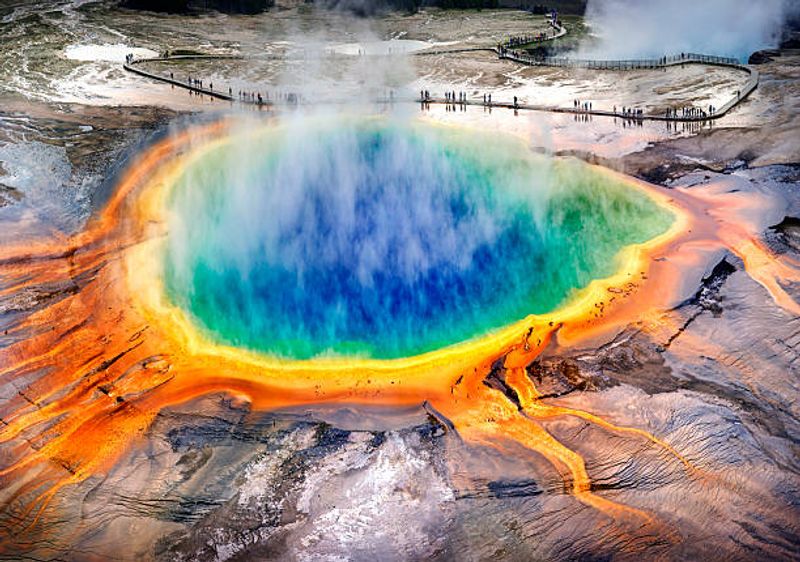
Yellowstone sits on top of one of the most powerful volcanic hotspots on Earth, and honestly, it shows. The park contains more than half of the world’s geysers, including the legendary Old Faithful, which has been erupting on a near-predictable schedule for centuries.
When that column of boiling water shoots 100 feet into the air, the crowd always gasps.
UNESCO recognized Yellowstone in 1978 as one of its very first World Heritage Sites. Beyond geysers, the park is home to bison herds, gray wolves, grizzly bears, and the stunning rainbow-colored Grand Prismatic Spring.
The vivid colors come from heat-loving microorganisms called thermophiles that thrive in near-boiling water.
Yellowstone spans three states and covers over 2.2 million acres, making exploration an adventure that could fill an entire week. Wildlife watching is best during early morning and evening hours near the Lamar and Hayden Valleys.
Winter visits offer a completely different experience, with snow-covered geysers steaming dramatically into freezing air. Snowcoach tours let visitors explore safely during the colder months when most roads are closed to regular vehicles.
Yosemite National Park — California
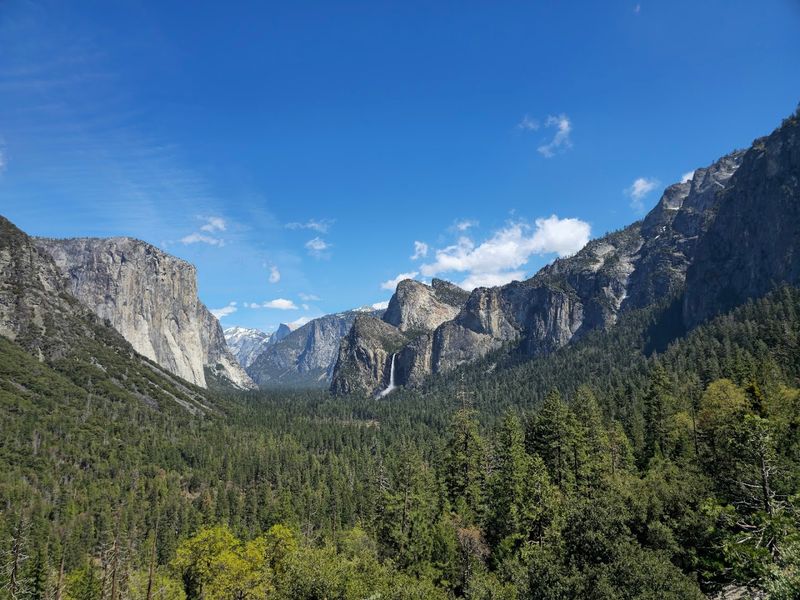
Yosemite Valley has a way of making even the most seasoned traveler stop walking and just stare upward. Sheer granite walls rise thousands of feet straight from the valley floor, and waterfalls pour down their faces like nature showing off.
El Capitan alone stands 3,000 feet tall, making it one of the largest exposed granite monoliths on Earth.
UNESCO designated Yosemite a World Heritage Site in 1984 for its extraordinary natural beauty and ecological diversity. The park shelters giant sequoias in the Mariposa Grove, some of which are over 2,000 years old and wide enough to drive a car through.
More than 400 species of animals live within the park’s boundaries.
Spring is an especially magical time to visit, when snowmelt sends waterfalls roaring at full power. Yosemite Falls, at 2,425 feet, ranks among the tallest waterfalls in North America.
Hikers can tackle the famous Half Dome cables route for an unforgettable summit experience, though permits are required. For a more relaxed visit, valley floor walks and the Tunnel View overlook offer iconic scenery without a strenuous hike.
Book accommodations months in advance because spots fill up fast.
Mesa Verde National Park — Colorado
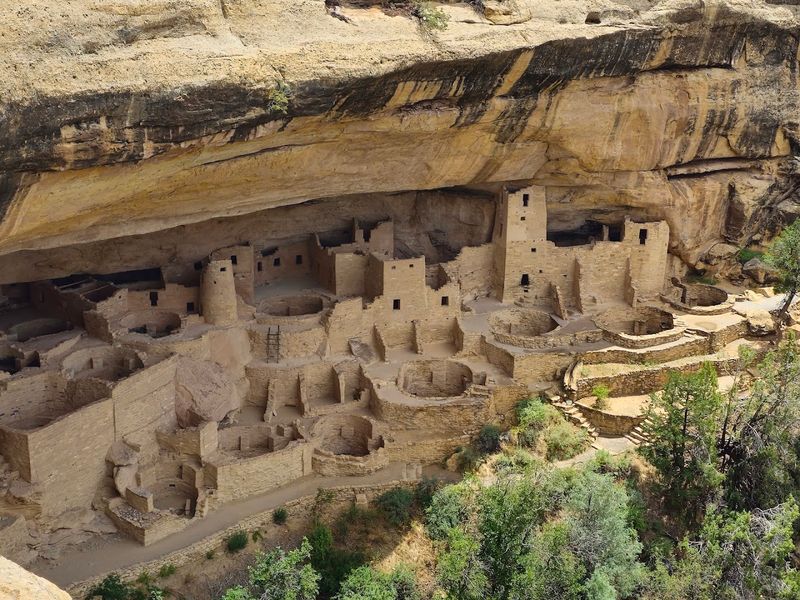
Tucked into the cliff faces of southwestern Colorado, Mesa Verde’s ancient stone villages look like they were built by a civilization far ahead of its time. Ancestral Puebloan people constructed these remarkable dwellings between 600 and 1300 CE, using sandstone blocks, wooden beams, and a mortar made from soil and water.
The most famous structure, Cliff Palace, contains 150 rooms and 23 kivas.
UNESCO inscribed Mesa Verde in 1978, recognizing it as one of the most significant archaeological sites in the entire Western Hemisphere. More than 4,700 archaeological sites have been recorded in the park, including over 600 cliff dwellings.
Researchers still debate why the inhabitants abandoned these communities around 1300 CE.
Guided tours are the best way to explore the major cliff dwellings up close. Rangers lead visitors through tight passageways and up wooden ladders, bringing the history alive with fascinating storytelling.
The Chapin Mesa Archeological Museum provides excellent background before you start exploring. Sunsets cast a warm golden glow over the canyon walls, making late afternoon visits particularly memorable.
Spring and fall offer the most comfortable temperatures for hiking the park’s many trails.
Statue of Liberty — New York
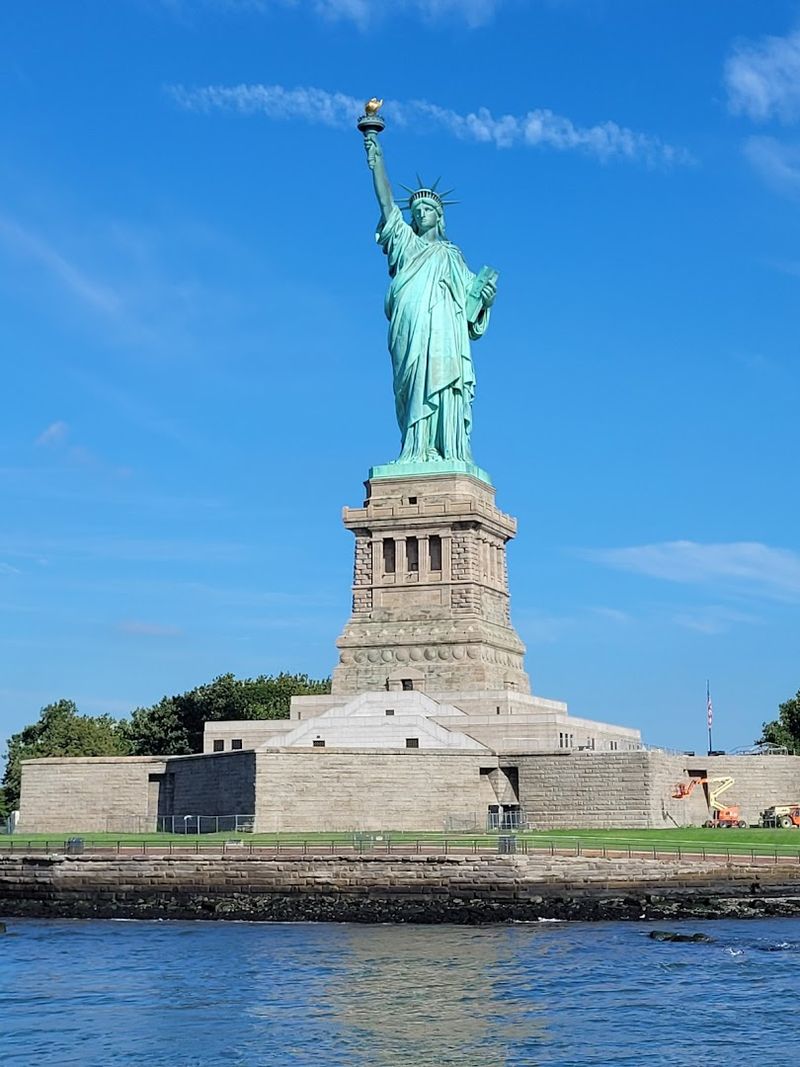
Few symbols in human history carry the emotional weight that Lady Liberty does. Standing 305 feet tall from ground to torch tip, the Statue of Liberty has welcomed millions of immigrants sailing into New York Harbor since 1886.
France gifted the statue to the United States as a symbol of shared democratic values and friendship between the two nations.
UNESCO recognized the Statue of Liberty as a World Heritage Site in 1984, acknowledging its universal importance as a symbol of freedom and hope. The statue was designed by French sculptor Frederic Auguste Bartholdi, and its internal iron framework was engineered by none other than Alexandre Gustave Eiffel, the man behind the Eiffel Tower.
Visitors can access Liberty Island by ferry from both Manhattan and New Jersey. Tickets to climb inside the crown must be reserved months in advance because demand is extremely high.
The pedestal observation deck offers stunning views of the Manhattan skyline and New York Harbor. The nearby Ellis Island Immigration Museum adds powerful historical context to any visit.
Seeing the statue up close for the first time is one of those genuinely goosebump-inducing moments that travel memories are made of.
Everglades National Park — Florida
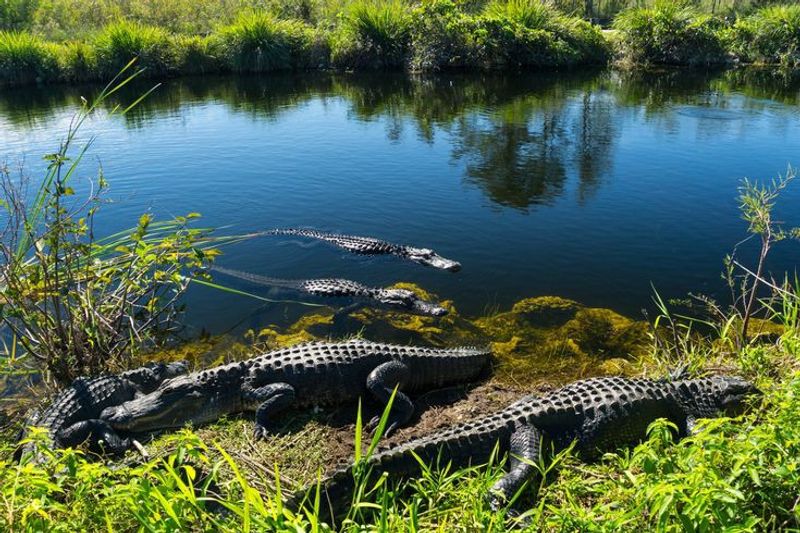
The Everglades is not your typical national park. Instead of mountains or canyons, this place offers an endless, slow-moving river of grass stretching across southern Florida.
At first glance it might seem quiet, but look closer and you will spot alligators sunning on banks, roseate spoonbills wading in pink flocks, and manatees drifting through shallow bays.
UNESCO inscribed the Everglades in 1979, recognizing its status as one of the most biologically rich wetland systems on Earth. The park is the only place in the world where alligators and crocodiles coexist naturally.
It also protects the Florida panther, one of the most endangered mammals in North America.
Airboat tours are a thrilling way to skim across the sawgrass prairies while a guide points out wildlife along the way. The Anhinga Trail near the Ernest Coe Visitor Center is considered one of the best wildlife-watching walks in the country.
Kayaking through the mangrove tunnels of the Ten Thousand Islands offers a quieter, more intimate experience with the ecosystem. Winter months bring cooler temperatures and concentrated wildlife near water sources, making it the ideal season for a visit.
Independence Hall — Philadelphia, Pennsylvania
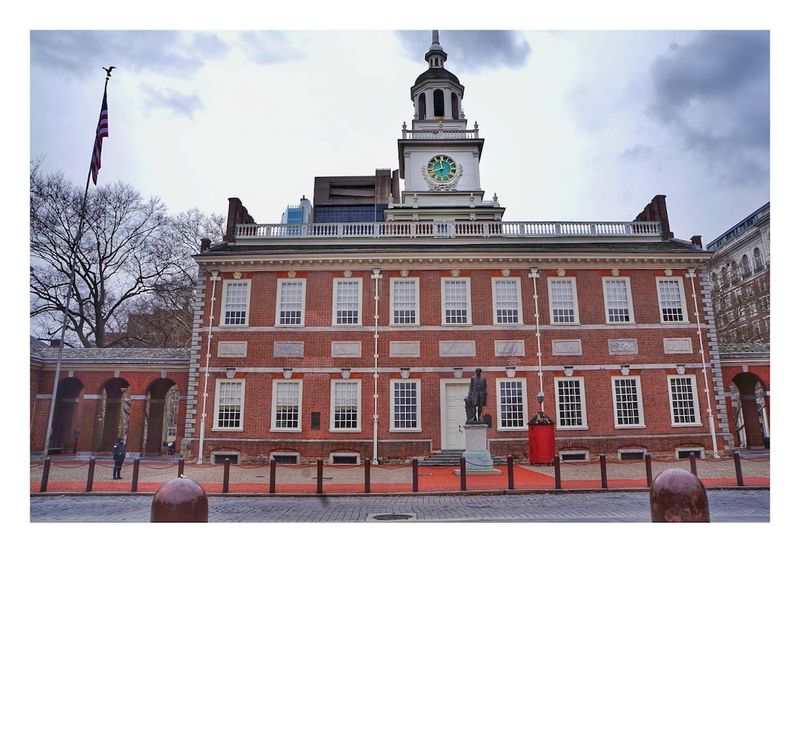
Inside a modest red-brick building in downtown Philadelphia, two of the most important documents in human history were created. The Declaration of Independence was adopted here on July 4, 1776, and eleven years later the U.S.
Constitution was debated and signed within these same walls. It is hard to overstate how much history happened in this one building.
UNESCO recognized Independence Hall as a World Heritage Site in 1979, celebrating its role as the birthplace of American democracy and its lasting influence on governments around the world. Delegates from the thirteen colonies gathered here to argue, negotiate, and ultimately build the framework of a new nation.
The Assembly Room where they met has been carefully restored to its 18th-century appearance.
Free timed-entry tickets are required to tour the building and can be reserved in advance through the National Park Service. The nearby Liberty Bell Center is also free and just a short walk away.
Philadelphia’s Independence National Historical Park connects several significant landmarks within easy walking distance. History enthusiasts could easily spend a full day exploring the neighborhood.
Even visitors who are not history buffs tend to leave Independence Hall feeling genuinely moved by the weight of what happened there.
Great Smoky Mountains National Park — Tennessee and North Carolina
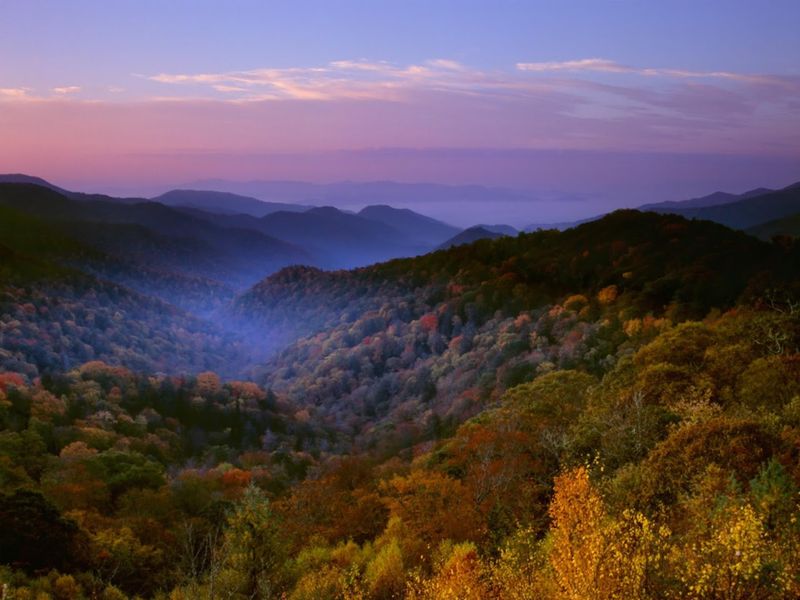
Morning in the Smokies has a certain magic that is hard to put into words. A thick, blue-tinted mist rolls through the valleys, clings to ancient forested ridges, and makes everything feel like a scene from a fairy tale.
That natural haze, caused by organic compounds released by trees, is actually where the mountains got their name.
UNESCO inscribed Great Smoky Mountains in 1983, honoring its extraordinary biodiversity. The park contains more tree species than all of northern Europe combined and shelters over 19,000 documented species of plants, animals, and fungi.
Salamanders alone have over 30 species here, earning the park the nickname Salamander Capital of the World.
Great Smoky Mountains is the most visited national park in the United States, welcoming over 12 million visitors each year. The historic Cades Cove loop road offers excellent wildlife viewing, with white-tailed deer and black bears frequently spotted in open meadows.
Clingmans Dome, the highest point in the park, rewards hikers with a 360-degree panoramic view above the clouds. Unlike most national parks, the Smokies charge no entrance fee, making it one of the most accessible outdoor destinations in the country.
Chaco Culture National Historical Park — New Mexico
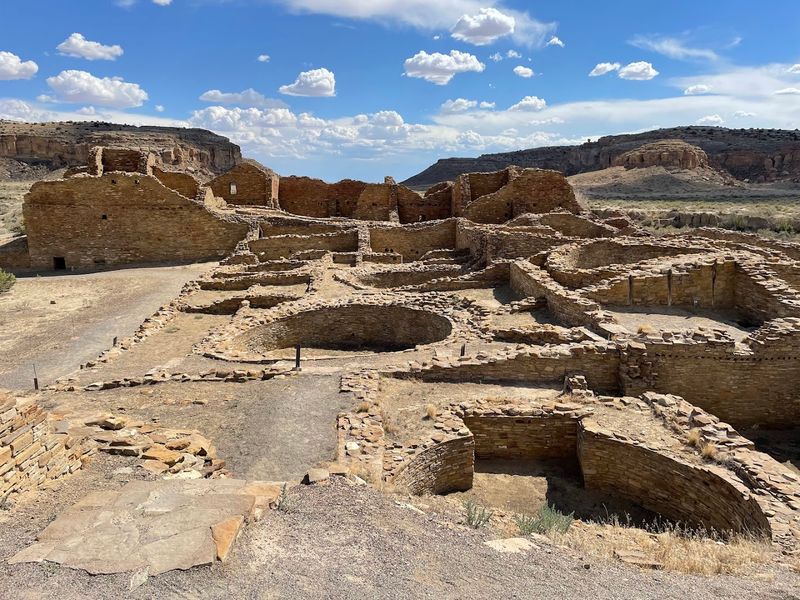
Out in the high desert of northwestern New Mexico, far from the nearest town, stand the ruins of a civilization that once served as the cultural and ceremonial center for an entire region. Chaco Canyon was the hub of Ancestral Puebloan society between 850 and 1150 CE, drawing people from hundreds of miles away for trade, ceremony, and community gatherings.
The scale of what they built without metal tools or wheeled vehicles is astonishing.
UNESCO inscribed Chaco Culture in 1987, recognizing its monumental architecture and its importance to understanding pre-Columbian North America. Pueblo Bonito, the largest great house, contains roughly 650 rooms and rises four stories in places.
Researchers have discovered that Chaco’s buildings were precisely aligned with solar and lunar cycles, revealing a sophisticated understanding of astronomy.
Reaching Chaco requires driving miles of unpaved road, which actually helps preserve the site’s remote, otherworldly atmosphere. Night sky programs are offered regularly because Chaco sits in one of the darkest, least light-polluted regions in the country.
Stargazing here is a completely humbling experience. Visiting in spring or fall avoids the brutal summer heat while still allowing full access to the canyon’s trails and ruins.
Olympic National Park — Washington
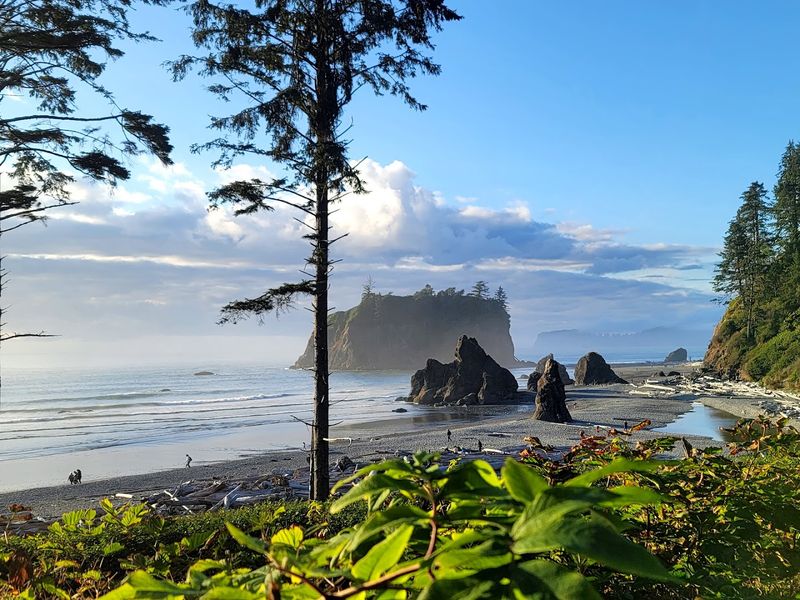
Olympic National Park might be the most ecologically diverse national park in the entire country. Within its boundaries you will find a rugged Pacific coastline with sea stacks rising from crashing waves, temperate rainforests draped in thick green moss, and glacier-capped mountain peaks.
Very few places on Earth pack that much variety into a single protected area.
UNESCO recognized Olympic in 1981 for its outstanding combination of ecosystems and its importance as a wilderness refuge. The Hoh Rain Forest receives up to 14 feet of rainfall annually, creating one of the most lush and otherworldly environments in North America.
Roosevelt elk, named after President Theodore Roosevelt, roam the rainforest floors in large herds.
The park’s coastline section along the Pacific offers tide pool exploration, whale watching, and some of the most dramatic ocean scenery in the Pacific Northwest. Hurricane Ridge provides accessible mountain views and excellent wildflower displays during summer months.
Because the park has no single entry point, visitors can choose their adventure based on how much time and energy they have. Camping is available throughout the park, and backcountry permits allow adventurous hikers to explore truly remote corners of this remarkable wilderness.
Hawaiʻi Volcanoes National Park — Hawaii
Watching lava pour into the ocean at night is one of the most surreal experiences available to any traveler on Earth. Hawaiʻi Volcanoes National Park sits directly on top of the Hawaiian hotspot, a plume of superheated mantle material that has been building the Hawaiian Islands for millions of years.
The ground here is literally still being created.
UNESCO inscribed the park in 1987, recognizing it as a living geological laboratory where scientists can study volcanic processes in real time. Kilauea, one of the world’s most active volcanoes, has been erupting almost continuously since 1983.
The park also contains Mauna Loa, the largest volcano on Earth by total volume.
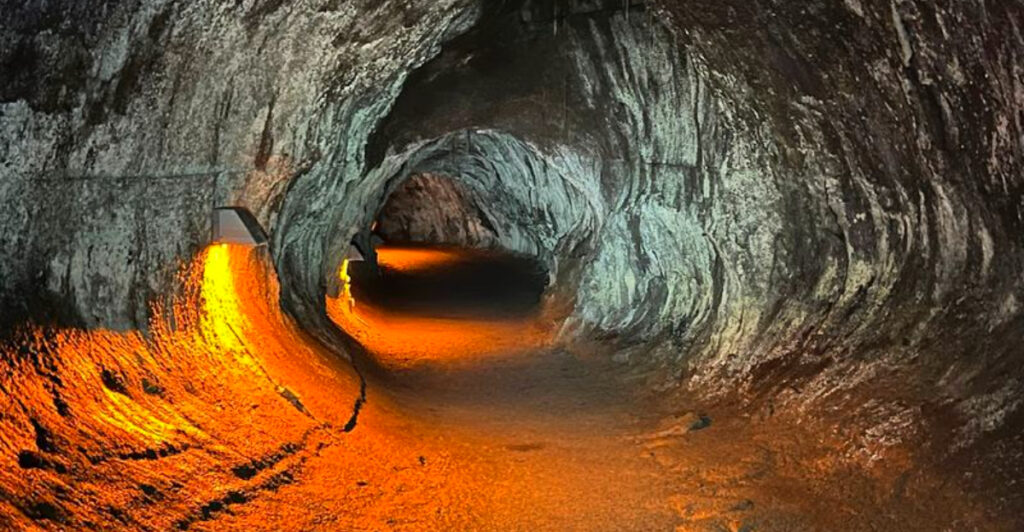
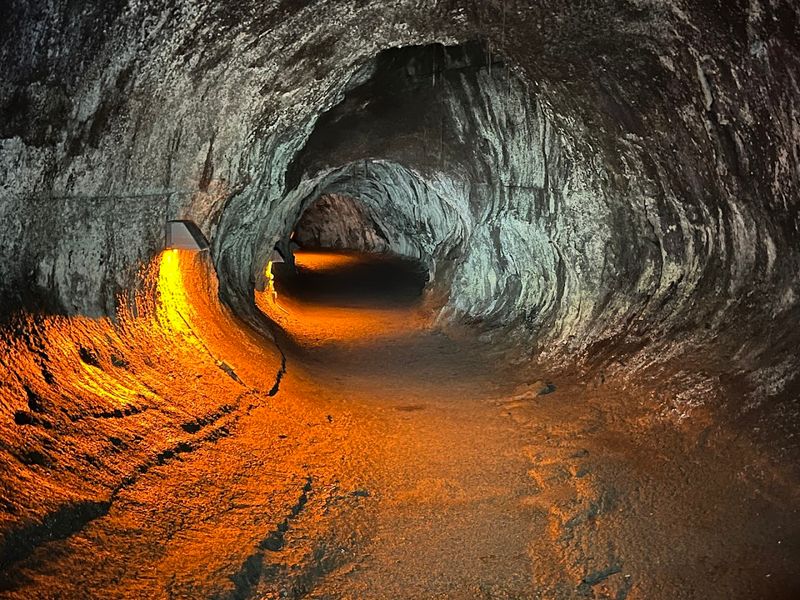
The Chain of Craters Road winds down through solidified lava fields and offers dramatic views of the coastline where ancient flows met the sea. The Thurston Lava Tube lets visitors walk through a tunnel carved by flowing lava thousands of years ago.
Sulfur Banks and Steam Vents near the Kilauea Visitor Center give off a constant reminder that volcanic activity never fully stops here. Because eruption activity changes frequently, checking the park’s website before visiting ensures you catch the most dramatic current conditions.
Taos Pueblo — New Mexico
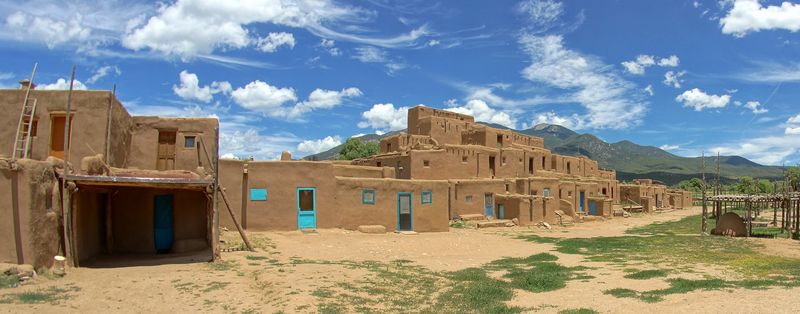
People have been living in Taos Pueblo continuously for over 1,000 years, making it one of the oldest permanently inhabited communities in the entire United States. The multi-story adobe structures are built from earth, water, straw, and community effort, using the same construction techniques practiced by generations of Tiwa-speaking people.
Incredibly, many residents still choose to live in these ancient buildings today.
UNESCO recognized Taos Pueblo in 1992, honoring both its architectural significance and its status as a living cultural community. The North and South Houses rise up to five stories and were originally designed without doors on the ground floor, requiring residents to use ladders for entry as a defensive measure.
The community has no electricity or running water in the traditional dwelling areas by choice.
Visitors are welcome to tour parts of the pueblo with a guide, though certain sacred areas remain private out of respect for the community. The San Geronimo Church ruins within the pueblo grounds carry a solemn history from conflicts during the Spanish colonial era.
Local artisans sell handmade pottery, jewelry, and moccasins directly from their homes. Arriving respectfully and following the community’s guidelines ensures a meaningful and welcome experience for everyone involved.
Redwood National and State Parks — California
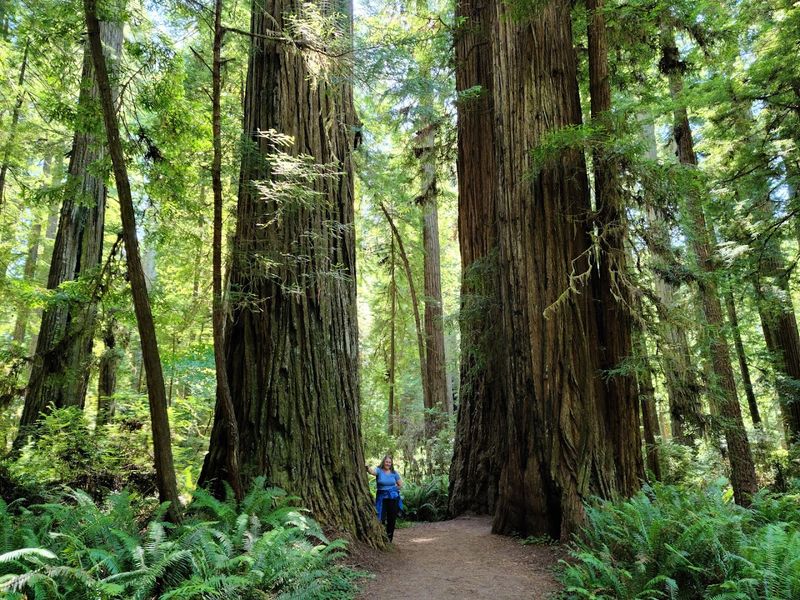
Standing beneath a 350-foot coastal redwood is a genuinely humbling experience. These trees are not just tall.
They are ancient, some having sprouted before the Roman Empire fell, and their bark is thick enough to resist fire and insects that would kill most other species. The forests they create feel more like cathedrals than woodlands.
UNESCO recognized Redwood National and State Parks in 1980 as a critical refuge for these irreplaceable ecosystems. The parks protect roughly 45 percent of all remaining old-growth coastal redwood forest, which once covered two million acres of California coastline.
Logging during the 19th and 20th centuries devastated the redwood population, making these protected groves even more precious.
Hyperion, the world’s tallest known living tree at 380 feet, hides somewhere within the park though its exact location is kept secret to protect it from damage. The Tall Trees Grove and Lady Bird Johnson Grove offer accessible trails through some of the most impressive stands.
Roosevelt elk frequently graze in open meadows along the Bald Hills Road, adding wildlife excitement to any visit. The park’s coastline section along Gold Bluffs Beach, with its sea cliffs and fern canyon, rounds out one of California’s most spectacular natural destinations.
Mammoth Cave National Park — Kentucky
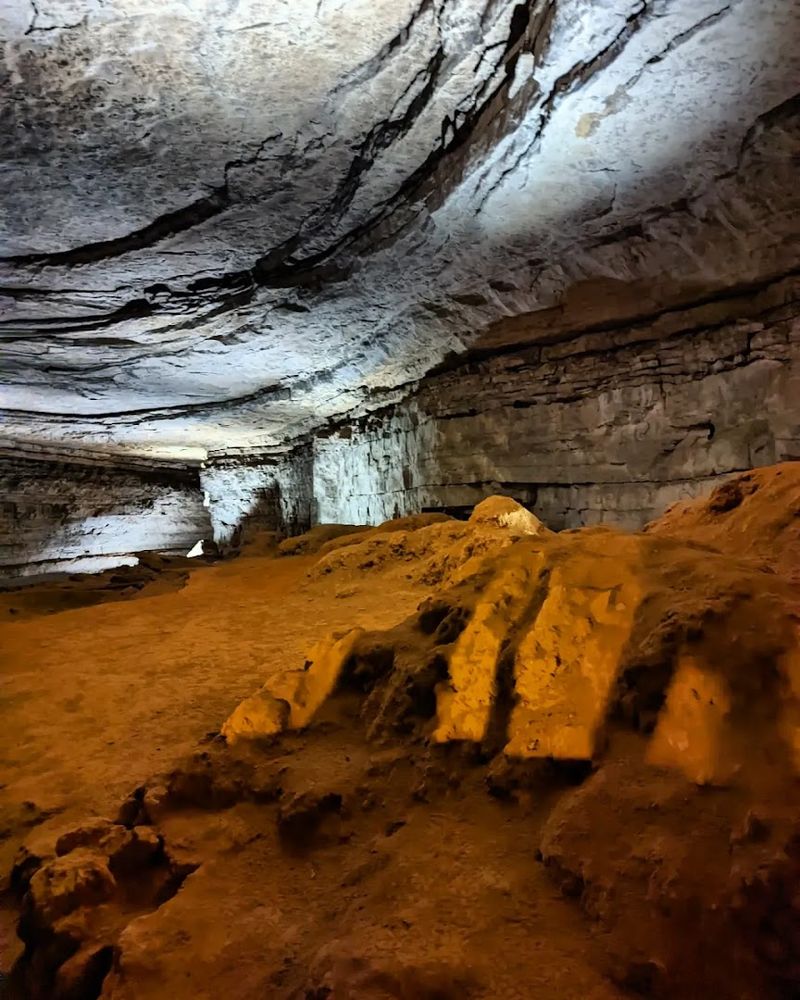
Underneath the rolling hills of central Kentucky lies the longest known cave system on Earth. Mammoth Cave stretches more than 400 surveyed miles underground, and geologists believe there may be hundreds more miles yet to be mapped.
The cave has been explored by humans for at least 4,000 years, with ancient Indigenous peoples venturing deep inside to mine minerals by torchlight.
UNESCO inscribed Mammoth Cave in 1981, recognizing both its extraordinary geological formations and the rare ecosystem thriving in its perpetual darkness. The cave is home to more than 130 species specially adapted to underground life, including eyeless cave fish, blind cave beetles, and several species of cave crickets.
Temperature inside stays a constant 54 degrees Fahrenheit year-round, making it a refreshing summer destination.
The National Park Service offers a wide range of guided tours ranging from easy walking routes to challenging crawling expeditions for adventurous visitors. The Historic Tour follows pathways used by 19th-century tourists who explored the cave by lantern light.
Wild Cave Tours let participants squeeze through tight passages and crawl through muddy tunnels for a true spelunking adventure. Above ground, the park’s trails through cedar forests and along the Green River offer scenic outdoor exploration between cave visits.
Carlsbad Caverns National Park — New Mexico
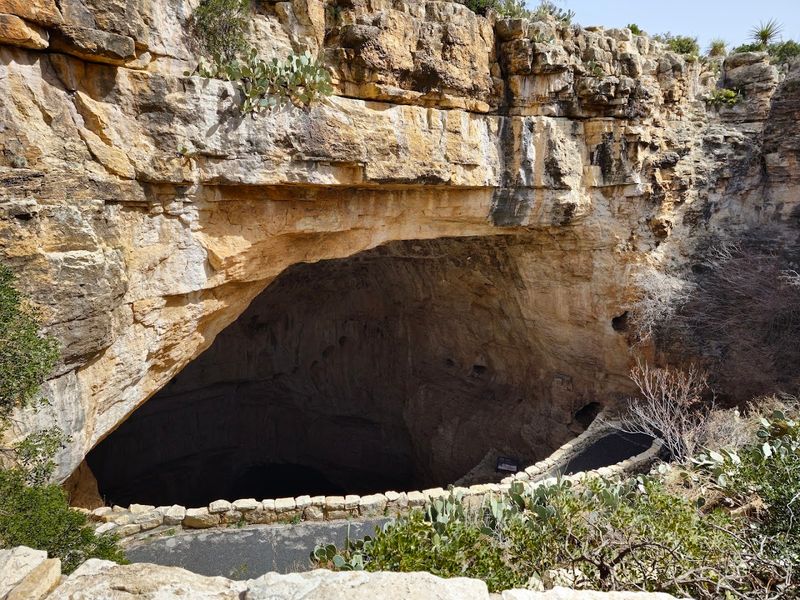
Every evening from late spring through early fall, visitors gather at the natural entrance of Carlsbad Caverns to watch one of nature’s most spectacular shows. Up to 400,000 Brazilian free-tailed bats spiral out of the cave entrance in a swirling black ribbon that can take over an hour to fully emerge.
It is nature’s version of a standing ovation, and it never gets old.
UNESCO inscribed Carlsbad Caverns in 1995, celebrating its stunning underground landscape. The Big Room, the park’s main attraction, is one of the largest cave chambers in North America, covering roughly 8.2 acres and soaring 255 feet high in places.
Hundreds of thousands of limestone formations called speleothems decorate every surface, from delicate cave popcorn to massive column formations.
Visitors can reach the Big Room either by hiking down the natural entrance trail or by taking an elevator 750 feet straight down. The self-guided audio tour explains the geological processes that created each formation over hundreds of thousands of years.
King’s Palace offers a ranger-led tour through deeper, more ornate chambers that feel genuinely magical. Visiting early in the morning on weekdays helps avoid the busiest crowds while still giving full access to this underground wonderland beneath the Chihuahuan Desert.
San Antonio Missions — Texas
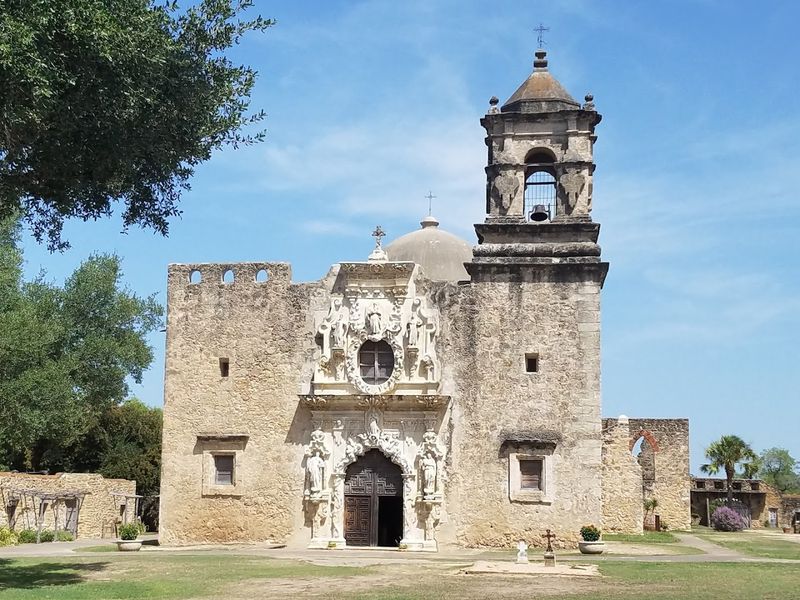
Along a quiet stretch of the San Antonio River, four beautifully preserved Spanish colonial missions tell a story of cultural collision, survival, and adaptation that shaped early Texas history. Built in the 18th century, these missions were not just churches.
They were entire self-contained communities with living quarters, granaries, workshops, and defensive walls. Mission San Jose is so well preserved that it earned the nickname Queen of the Missions.
UNESCO inscribed the San Antonio Missions in 2015, recognizing them as outstanding examples of Spanish colonial frontier architecture and as evidence of the blending of Indigenous and European cultures. The missions were established to convert local Coahuiltecan and other Indigenous peoples to Christianity, though the story of this interaction was complex and often difficult for the Indigenous communities involved.
All four missions, San Jose, San Juan, Espada, and Concepcion, remain active Catholic parishes today. Sunday morning Mass at Mission San Jose draws both local worshippers and curious visitors in a uniquely moving experience.
The Mission Trail connects all four sites along a 9-mile route perfect for cycling or driving. The famous Alamo, though not part of the UNESCO designation, sits just a few miles away and completes the picture of San Antonio’s extraordinary Spanish colonial heritage.
Cahokia Mounds — Illinois
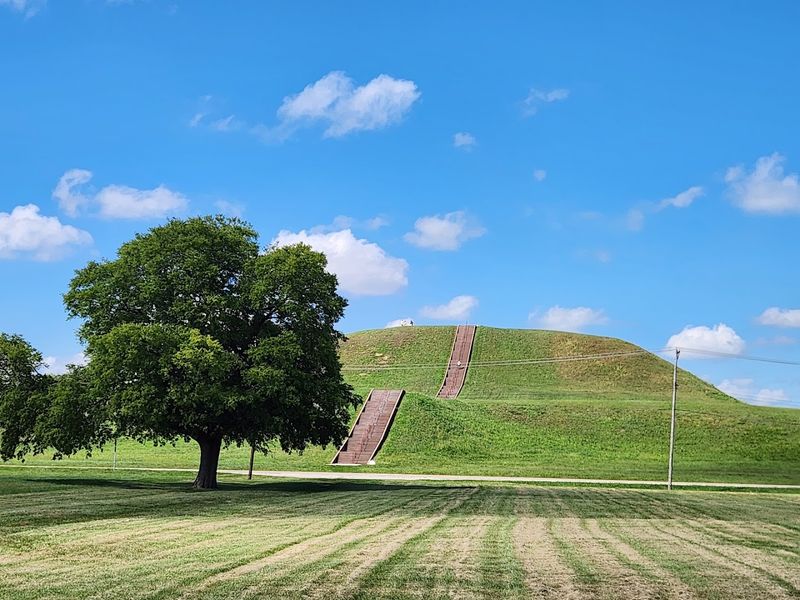
Around 1100 CE, a city stood on the floodplains of the Mississippi River that was larger than London at the time. Cahokia was home to as many as 20,000 people, featuring organized neighborhoods, a central plaza, wooden palisade walls, and more than 120 earthen mounds used for ceremonies, burials, and elite residences.
It was the most sophisticated pre-Columbian urban center north of Mexico, and most Americans have never heard of it.
UNESCO recognized Cahokia Mounds in 1982, honoring its significance as evidence of the remarkable Mississippian culture that flourished between 700 and 1400 CE. Monks Mound, the largest structure, covers 14 acres at its base and stands 100 feet tall, making it larger in base area than the Great Pyramid of Giza.
The reasons for Cahokia’s eventual decline remain one of archaeology’s most debated mysteries.
The interpretive center near the site does an excellent job bringing Cahokia’s history to life with detailed exhibits, scale models, and artifact displays. Climbing Monks Mound provides a sweeping view of the surrounding landscape and helps visitors grasp the enormous scale of this ancient city.
Woodhenge, a series of large wooden posts used as a solar calendar, has been reconstructed nearby and is fascinating to explore. Cahokia sits just outside East St. Louis and is surprisingly easy to visit.
Monticello and the University of Virginia — Virginia
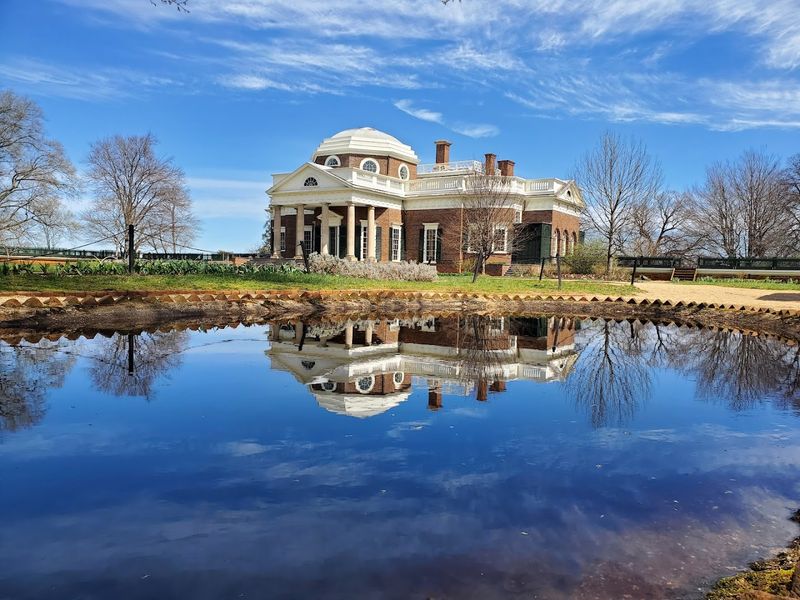
Thomas Jefferson designed both his home and a university using architecture as a form of philosophy, and the results are among the most visually elegant structures in American history. Monticello, Jefferson’s hilltop plantation near Charlottesville, reflects his fascination with Roman and Renaissance design, featuring a distinctive dome and meticulous symmetry that set it apart from anything else built in early America.
UNESCO inscribed Monticello and the University of Virginia together in 1987, recognizing their shared importance as expressions of Enlightenment ideals about education, democracy, and rational design. Jefferson’s academic village at UVA, with its famous Rotunda modeled after the Roman Pantheon, was intended to demonstrate that a new republic could produce world-class intellectual institutions.
Both sites remain active and beloved today.
Tours of Monticello now thoughtfully address the full history of the plantation, including the lives of the enslaved people whose labor built and maintained it. This honest approach has made visits far more meaningful and educational for modern audiences.
The University of Virginia’s Lawn and Rotunda are open to the public and make for a lovely afternoon stroll. Jefferson’s grave sits quietly on the Monticello grounds, marked by a simple obelisk inscribed with the three achievements he most wanted to be remembered for.
Poverty Point — Louisiana
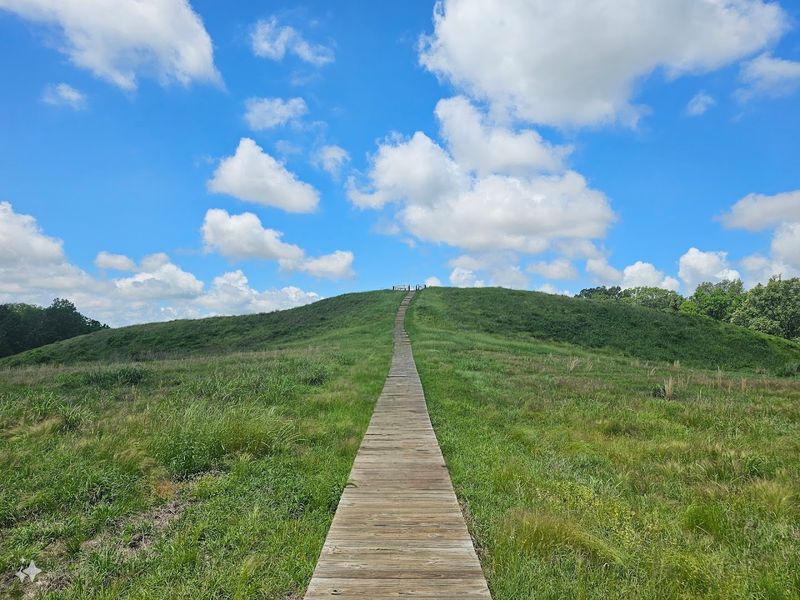
Roughly 3,400 years ago, a group of people in what is now northeastern Louisiana moved an estimated 53 million cubic feet of earth by hand to create one of the most impressive prehistoric construction projects in North America. Nobody fully understands why they built it, how they organized the labor, or what the massive C-shaped ridges and mounds were used for.
That mystery is a big part of what makes Poverty Point so captivating.
UNESCO inscribed Poverty Point in 2014, recognizing its status as an extraordinary example of monumental earthwork construction by a hunter-gatherer society. Most large earthwork sites around the world were built by agricultural civilizations, making Poverty Point’s existence a significant challenge to long-held assumptions about social complexity.
The site suggests a highly organized and populous community existed here long before agriculture took hold in the region.
The visitor center at Poverty Point features excellent exhibits explaining the site’s history and the ongoing archaeological research conducted there. A tram tour helps visitors understand the massive scale of the earthworks, which are difficult to appreciate from ground level alone.
Aerial photographs reveal the stunning geometric precision of the concentric ridges. The site sits in a quiet, rural corner of Louisiana that feels pleasantly off the beaten path compared to more heavily visited UNESCO destinations.
Hopewell Ceremonial Earthworks — Ohio
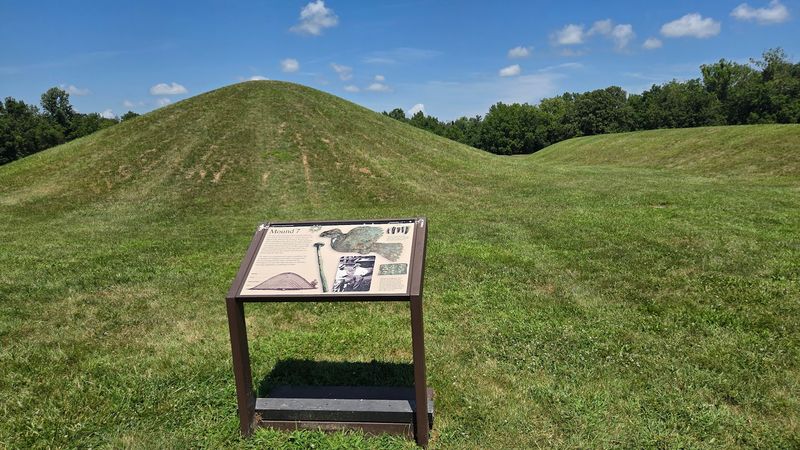
Roughly 2,000 years ago, Indigenous people in what is now Ohio built geometric earthen enclosures so enormous and so astronomically precise that modern engineers still marvel at the achievement. The Hopewell Ceremonial Earthworks consist of several connected sites across southern Ohio, featuring circles, squares, and octagons laid out with a mathematical accuracy that aligns perfectly with the 18.6-year lunar cycle.
Doing that without modern instruments is genuinely mind-blowing.
UNESCO added the Hopewell Earthworks to the World Heritage List in 2023, making them one of the newest American sites to receive this recognition. The Newark Earthworks once covered four square miles, making them the largest geometric earthworks ever built.
The Octagon Earthworks at Newark, now partially occupied by a golf course, are at the center of ongoing discussions about public access and preservation.
The High Banks Works and Mound City at Hopewell Culture National Historical Park offer the most accessible and well-preserved portions of the overall site network. The museum at the park provides strong context about Hopewell culture, trade networks, and ceremonial practices.
Archaeologists continue finding new details about how these sites were used for gathering, ceremony, and connecting communities across a wide geographic area. A visit here rewards curious minds who enjoy thinking about history’s biggest unanswered questions.
Share this story