Some of the world’s most rewarding travel experiences happen just beyond the spotlight. While famous destinations often draw the crowds, their lesser-known neighbors frequently offer the same beauty, culture, and history with more authenticity and far fewer tourists.
Skipping the obvious can lead to unforgettable discoveries that most travelers never even know they missed. These 20 destinations prove that the best adventures are often hiding in plain sight.
Eguisheim, France
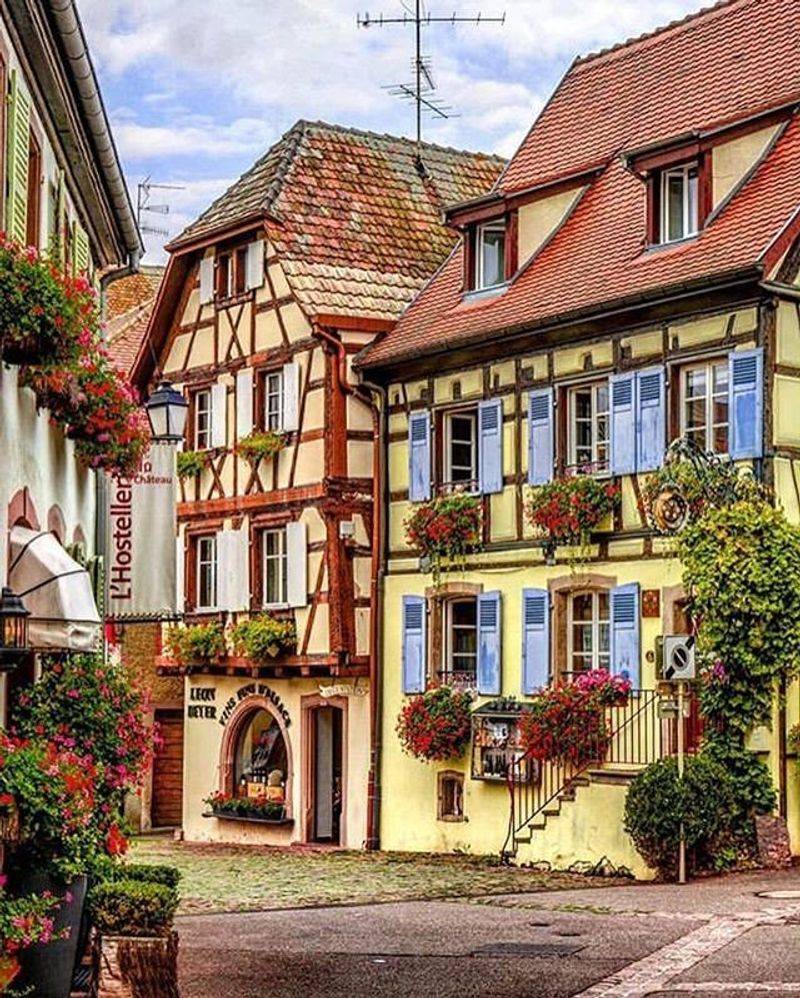
Named France’s Favorite Village in 2013, Eguisheim is the kind of place that makes you feel like you’ve walked straight into a storybook. While nearby Colmar gets all the tourist buses, Eguisheim sits quietly confident, knowing it might actually be the better choice.
Its circular layout of streets is unique in all of France, making it unlike any other village you’ll visit.
Colorful half-timbered houses line every turn, decorated with hanging flower baskets that burst with color in spring and summer. The surrounding vineyards produce excellent Alsatian wines, and local cellars welcome visitors for tastings throughout the year.
You can walk the entire village in under an hour, but most people linger far longer than planned.
Eguisheim rewards slow travelers. Grab a warm tarte flambee from a local restaurant, wander the lanes without a map, and let the village reveal itself at its own pace.
There are no massive crowds here, no long queues, just genuine Alsatian charm at every corner. If Colmar is the main course, Eguisheim is the dessert you didn’t know you needed.
Gosau, Austria
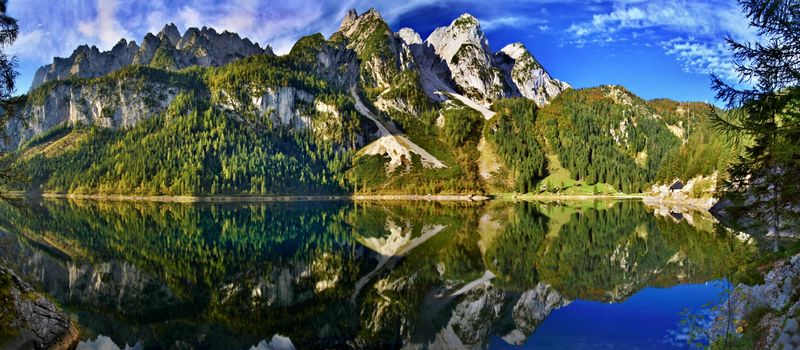
Hallstatt’s Instagram fame has turned it into a logistical nightmare on summer weekends, with tour groups arriving before sunrise just to grab a photo spot. Meanwhile, Gosau sits just a short drive away, offering the same jaw-dropping Alpine scenery without a single elbow in your ribs.
The Gosausee lakes reflect the jagged Dachstein peaks in colors that seem almost too vivid to be real.
Hiking trails fan out in every direction, ranging from easy lakeside walks to challenging mountain routes that reward climbers with panoramic views. In winter, the area transforms into a solid ski destination that attracts mostly Austrians rather than international tour groups.
That local crowd is actually a good sign: it means the place is genuinely worth visiting, not just worth photographing.
Accommodation options in Gosau tend to be cozy family-run guesthouses rather than overpriced hotels catering to selfie-seekers. Prices are noticeably more reasonable than in Hallstatt, where demand has pushed everything sky-high.
Pack good walking shoes, bring a camera, and allow at least two full days to appreciate everything the valley has to offer. Gosau earns its place as Austria’s best-kept secret.
Kotor, Montenegro
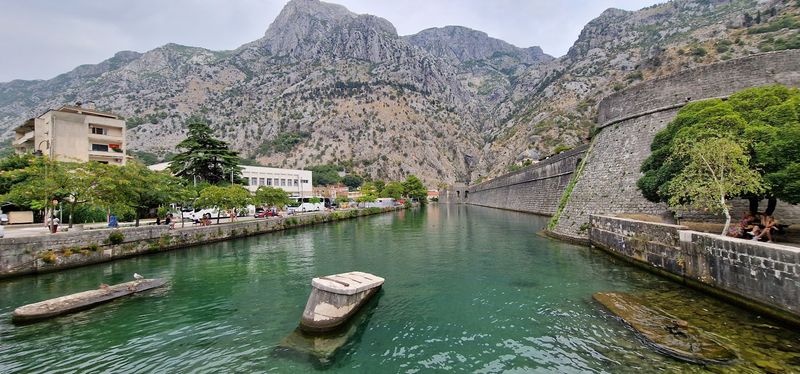
Every summer, travelers pour into Dubrovnik and pay peak prices for a city that now feels more like a theme park than a living town. Kotor, just a couple of hours down the Adriatic coast, offers medieval walls, stone alleyways, and genuine local life at a fraction of the cost.
The bay that surrounds the town is arguably one of the most dramatic coastal settings in all of Europe.
Climbing the ancient city walls rewards hikers with sweeping views over terracotta rooftops and glittering water below. Cats are practically the unofficial mascots of Kotor, roaming freely through the old town and posing shamelessly for photos.
There is even a dedicated Museum of Cats inside the walls, which tells you everything you need to know about the town’s personality.
Outside the old town, the Bay of Kotor stretches out like a secret fjord, dotted with small villages and baroque churches rising from the water’s edge. Renting a car to drive the bay road is one of Montenegro’s great pleasures.
Kotor is growing in popularity, so visiting sooner rather than later is wise. It still has the relaxed atmosphere that Dubrovnik lost years ago.
Bologna, Italy
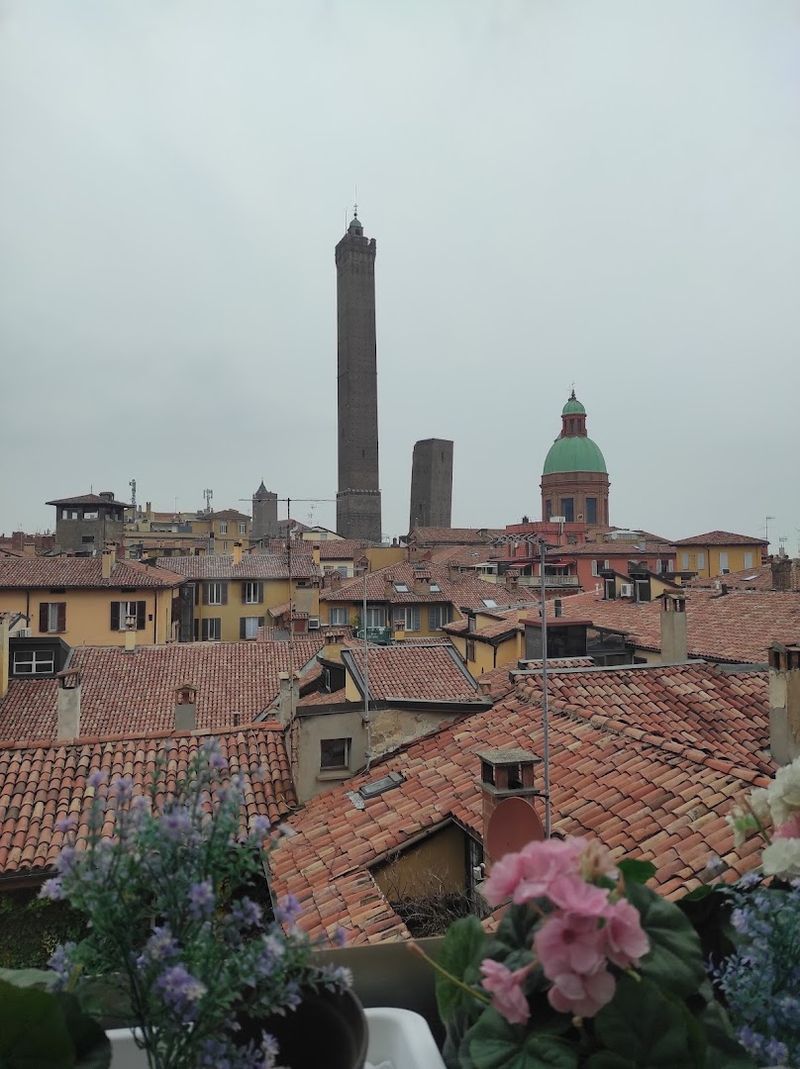
Bologna has a nickname that says it all: La Grassa, meaning the Fat One, a title earned through centuries of producing Italy’s finest food. While Florence fills up with art lovers and Rome overflows with history tourists, Bologna quietly gets on with being one of Italy’s most satisfying cities to actually live in or visit.
The food scene alone justifies the trip.
Tagliatelle al ragu, mortadella, and tortellini were all invented or perfected here, and locals take their culinary reputation extremely seriously. The city’s covered porticoes stretch for nearly 40 kilometers, making it one of the most walkable cities in Italy regardless of weather.
Those elegant arcades connect markets, cafes, churches, and piazzas in a way that feels effortlessly livable.
Bologna also hosts one of the world’s oldest universities, founded in 1088, which gives the city a youthful, intellectual energy that balances its deep historical roots. The two medieval towers leaning dramatically in the city center are genuinely impressive, especially for anyone who thought only Pisa had a leaning tower problem.
Bologna rewards visitors who take their time exploring its markets, neighborhoods, and trattorias without rushing to tick off a checklist.
Ghent, Belgium
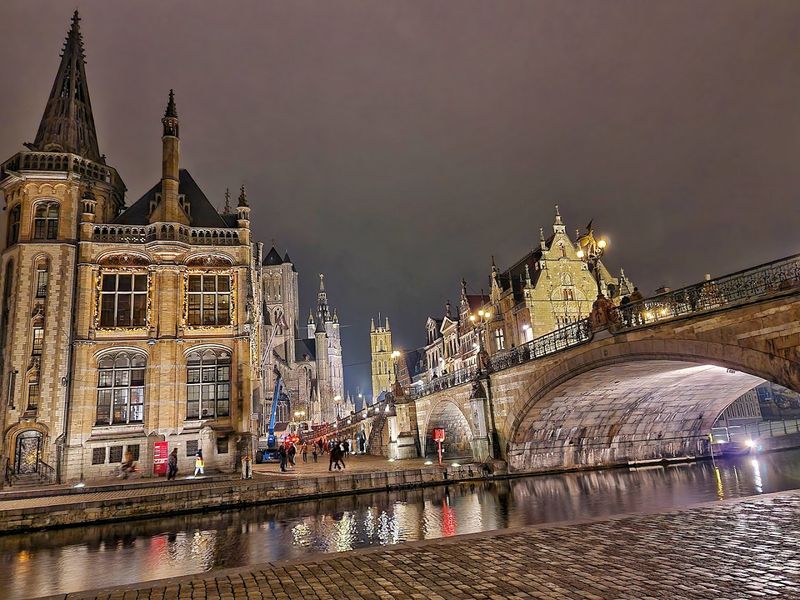
Bruges gets all the postcards, but locals will quietly admit that Ghent is the more interesting city to actually spend time in. Yes, Bruges has its canals and chocolate shops, but Ghent has all of that plus a university crowd, a thriving arts scene, and a city that feels lived-in rather than preserved for tourism.
The difference is immediately noticeable when you arrive.
Gravensteen Castle rises dramatically from the city center, looking like it was built specifically to make visitors gasp. The Graslei and Korenlei waterfronts are among the most photogenic stretches of medieval architecture in Northern Europe, especially when lit up after dark.
Street art, independent restaurants, and vintage shops fill the neighborhoods beyond the main tourist areas.
Ghent is also impressively vegetarian-friendly. The city famously introduced a weekly meat-free day back in 2009, and the food culture has only grown more creative and plant-forward since then.
Foodies will find remarkable restaurants at prices significantly lower than Brussels or Bruges. Ghent hosts the massive Gentse Feesten festival each July, turning the entire city into a ten-day street party.
If you only visit one Belgian city beyond Brussels, make it Ghent without hesitation.
Mostar, Bosnia and Herzegovina
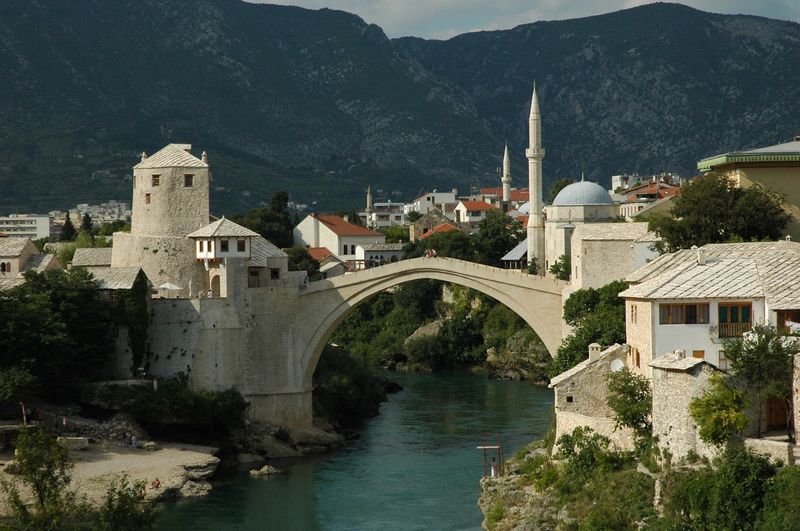
The turquoise water of the Neretva River running beneath the reconstructed Stari Most bridge is one of those travel images that looks photoshopped until you see it in person. Mostar is the kind of city that stops you mid-step and demands your full attention.
Located in the heart of Bosnia and Herzegovina, it carries centuries of layered history in every cobblestone.
The old bazaar, called Kujundziluk, stretches along the riverbank and sells everything from hand-hammered copperware to embroidered textiles. Local divers still leap from the Stari Most bridge for tips, a tradition that dates back centuries and remains genuinely thrilling to witness.
Traditional Bosnian coffee, served in a small copper pot called a dzezva, is an experience worth savoring slowly at a riverside cafe.
Mostar sits between Dubrovnik and Sarajevo, making it a natural stopping point on a Balkans road trip. Day-trippers from the Croatian coast often underestimate the city, arriving for two hours and leaving before they’ve scratched the surface.
Budget at least a full day, preferably two, to explore both the tourist center and the quieter residential streets beyond it. Mostar rewards those who stay long enough to feel its rhythm.
Matera, Italy
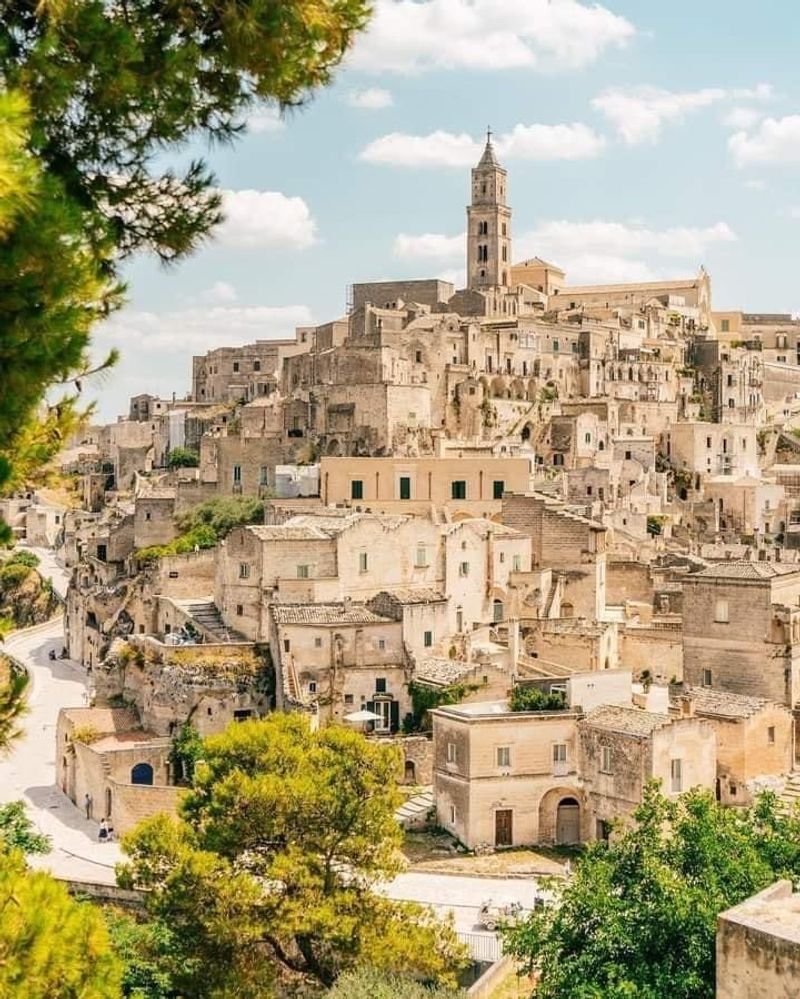
Carved into the rocky ravines of southern Italy, Matera looks like a city that time forgot and then politely returned to. The Sassi districts, two neighborhoods of ancient cave dwellings cut directly into the hillside, have been inhabited for at least 9,000 years, making Matera one of the world’s oldest continuously occupied settlements.
That is not a fact you throw around casually, but in Matera, it genuinely shows.
For much of the 20th century, the cave homes were considered an embarrassment, a symbol of poverty that the Italian government forcibly emptied in the 1950s. Today, those same caves have been transformed into boutique hotels, restaurants, and art galleries that draw visitors from every corner of the globe.
The turnaround story is as fascinating as the architecture itself.
Matera served as the filming location for Jerusalem in Mel Gibson’s film The Passion of the Christ, which gives a sense of just how ancient and otherworldly the landscape appears. The city was European Capital of Culture in 2019, a recognition that cemented its status as a destination worth the journey to Italy’s deep south.
Getting there requires effort, but arriving feels like a genuine reward. Few cities anywhere can match Matera’s raw sense of history.
Ljubljana, Slovenia
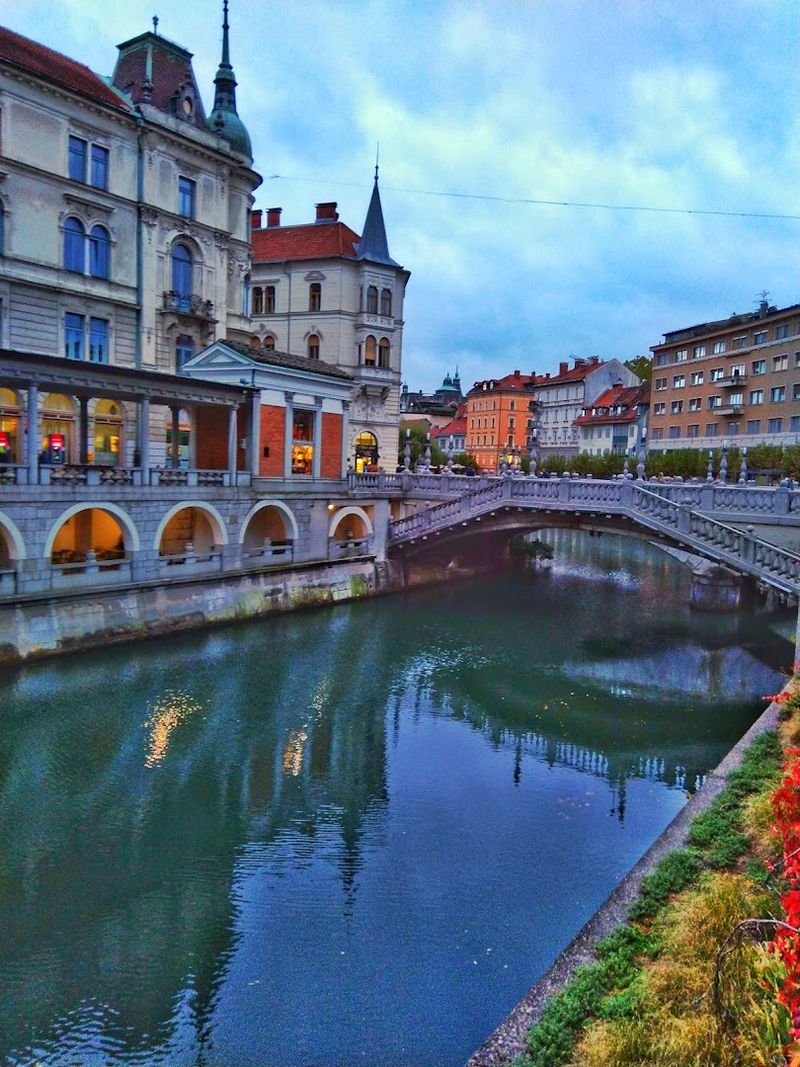
Ljubljana might be the most underrated capital city in Europe, a bold claim that becomes harder to argue against the longer you spend there. Compact enough to explore entirely on foot, it manages to pack a hilltop castle, a charming old town, riverside cafe culture, and a thriving local food scene into a city of just 300,000 people.
Prague gets the crowds, but Ljubljana gets the experience right.
The Ljubljanica River winds through the city center, flanked by outdoor restaurants and market stalls that feel genuinely local rather than tourist-facing. Triple Bridge, designed by the celebrated Slovenian architect Joze Plecnik, is one of the most elegant urban crossings you’ll find anywhere in Central Europe.
Plecnik’s fingerprints are all over the city, from the covered market to the colonnaded riverside walk.
Ljubljana is also one of Europe’s greenest cities, with car-free zones in the center and a strong cycling culture throughout. The surrounding countryside offers day trips to Lake Bled, the Postojna Caves, and the Adriatic coast, all within two hours.
For a city this small, the range of experiences available is genuinely remarkable. Ljubljana consistently surprises visitors who arrive with modest expectations and leave already planning a return trip.
Rovinj, Croatia
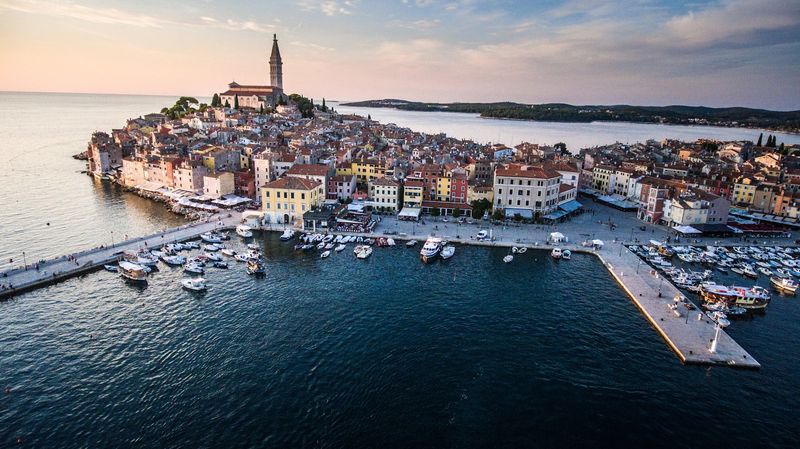
Rovinj sits on a small peninsula jutting into the Adriatic, its pastel-colored buildings stacked so tightly together that the town looks like it grew organically from the rock itself. While Dubrovnik has become a victim of its own fame, Rovinj in the Istrian Peninsula still feels like a real town where real people live, fish, and argue about football.
That authenticity is increasingly rare on the Croatian coast.
The Church of St. Euphemia towers over the old town from its hilltop position, offering views across the islands and open sea that are worth every step of the climb. Cobblestone lanes wind between art galleries, seafood restaurants, and tiny boutiques selling locally made olive oil and truffle products.
Istria is Italy’s neighbor, and the Italian influence on the food here is unmistakable and deeply welcome.
Rovinj’s harbor fills with fishing boats each morning, and the catch feeds the restaurants directly, meaning the seafood is about as fresh as it gets anywhere in Europe. The surrounding coastline has rocky coves perfect for swimming without the beach-towel warfare common further south.
Prices remain lower than Dubrovnik or Split, and the vibe is noticeably calmer. Rovinj is Croatia at its most charming and least exhausting.
Braga, Portugal
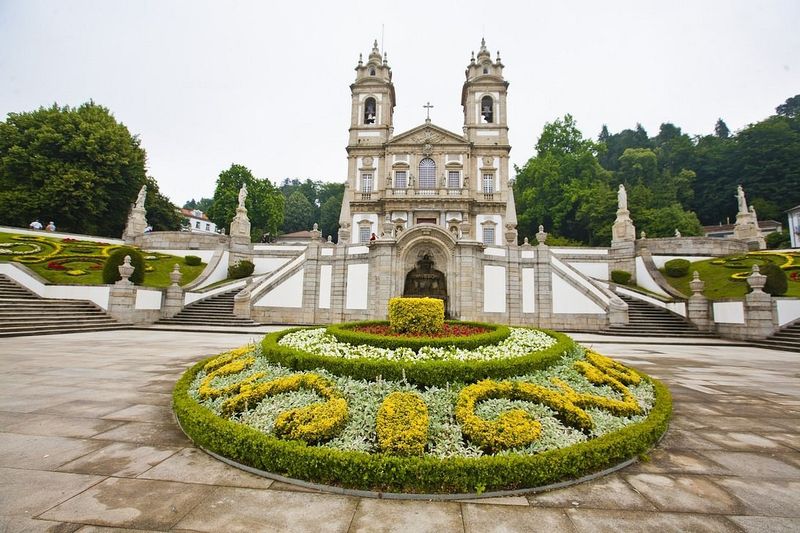
Porto earns every bit of its international reputation, but arriving in Braga feels like finding the version of northern Portugal that hasn’t been polished for export yet. This is a city where locals outnumber tourists at every cafe, where Sunday markets spill across ancient plazas, and where the history is so dense you could trip over a Roman ruin on your way to breakfast.
That is barely an exaggeration.
Braga is one of the oldest Christian cities in the world, and its religious architecture reflects that deep heritage. The Bom Jesus do Monte sanctuary, perched above the city with a baroque staircase winding dramatically up the hillside, is one of Portugal’s most iconic landmarks and yet somehow still uncrowded.
The Cathedral of Braga, dating back to the 11th century, is the oldest in the country and genuinely magnificent.
Beyond the monuments, Braga has a lively university culture that fills its cafes and bars with young, creative energy. The food scene draws heavily on Minho regional cooking, featuring hearty stews, fresh river fish, and excellent local wines called Vinho Verde.
Getting from Porto to Braga takes about an hour by train, making a day trip easy. But Braga deserves at least two nights to appreciate properly.
Cesky Krumlov, Czech Republic
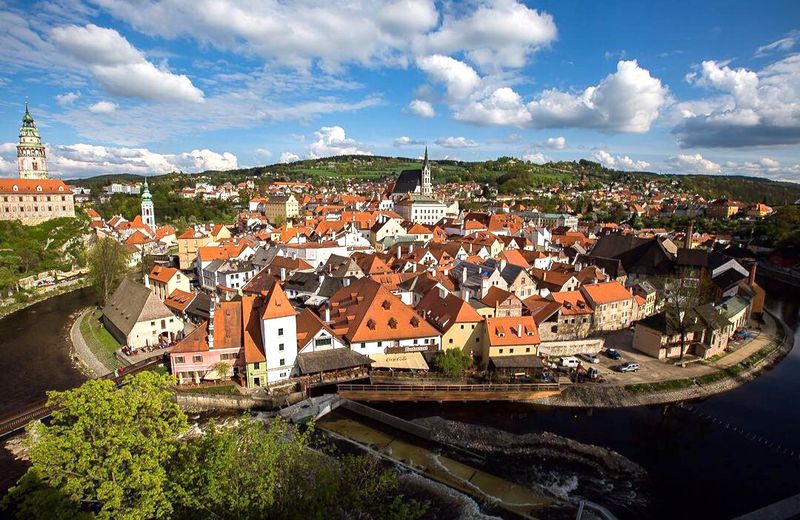
Cesky Krumlov looks like someone took a Renaissance painting and forgot to mention it was actually a town you could visit. Tucked into a dramatic bend of the Vltava River in southern Bohemia, this UNESCO-listed gem sits about three hours from Prague and a world away from its crowds and prices.
The castle complex alone is the second largest in the Czech Republic, trailing only Prague Castle itself.
The old town wraps around the riverbank in a natural loop, its colorful buildings reflected in the slow-moving water below. Horse-drawn carriages, cobblestone lanes, and Baroque fountains give Cesky Krumlov a theatrical quality that feels magical rather than manufactured.
The castle’s famous Baroque theater, still equipped with its original 17th-century stage machinery, is one of the best-preserved in the world.
Rafting the Vltava River through town is a popular and genuinely fun way to see the old town from a different angle. Summer brings theater festivals and outdoor concerts that use the castle courtyard as a stage, creating a setting that no purpose-built venue could replicate.
Cesky Krumlov fills up with day-trippers from Prague, so staying overnight allows you to experience the town once the crowds have gone home. That quiet evening version is worth every bit of the planning.
Altaussee, Austria
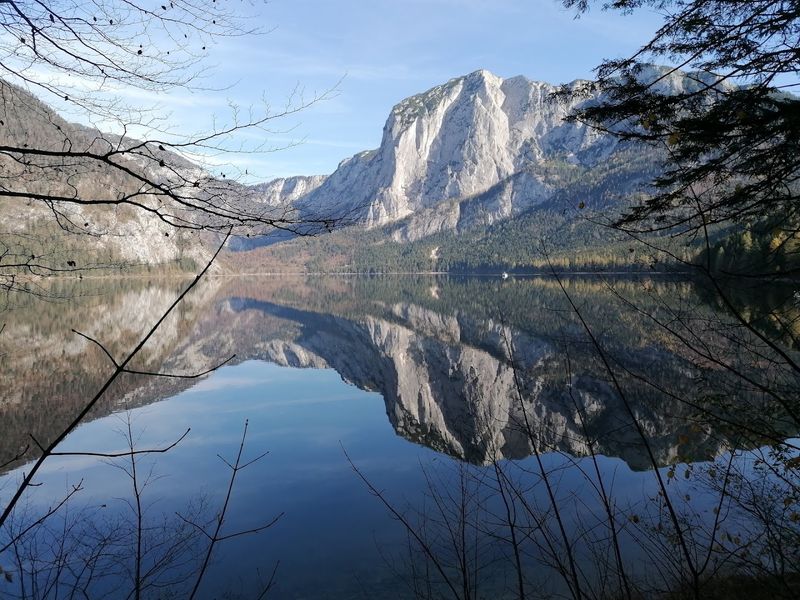
Hallstatt may have the fame, but Altaussee has something arguably more valuable: room to breathe. Located in the Salzkammergut lake district of Styria, this village sits beside one of Austria’s most beautiful and least crowded lakes, framed by forested slopes and dramatic limestone peaks.
On a still morning, the reflections on the water look almost too perfect to be real.
Altaussee has a fascinating wartime history that most visitors don’t expect. During World War II, the Nazis stored thousands of stolen artworks, including Michelangelo sculptures and Van Eyck masterpieces, in the local salt mines.
Austrian resistance fighters famously saved the collection by hiding explosives meant to destroy the mines before Allied forces could arrive. The salt mines now offer tours that cover both the geology and this remarkable story.
The village itself is tiny, quiet, and completely unpretentious. Local guesthouses serve home-cooked Austrian food, and hiking trails lead through meadows carpeted with wildflowers in spring.
Swimming in the lake during summer is refreshingly cold and completely free. Cyclists, hikers, and families looking for genuine mountain scenery without the Hallstatt circus will find exactly what they’re after in Altaussee.
It is one of Austria’s most honest and rewarding destinations.
Tartu, Estonia
Estonia’s second city carries a quiet confidence that comes from being home to one of Northern Europe’s oldest and most respected universities. Founded in 1632, the University of Tartu has shaped the city’s personality for nearly four centuries, filling its cafes, bookshops, and parks with students, academics, and creative types who give Tartu an energy that Tallinn, for all its medieval charm, sometimes lacks.
The intellectual atmosphere is palpable from the moment you arrive.
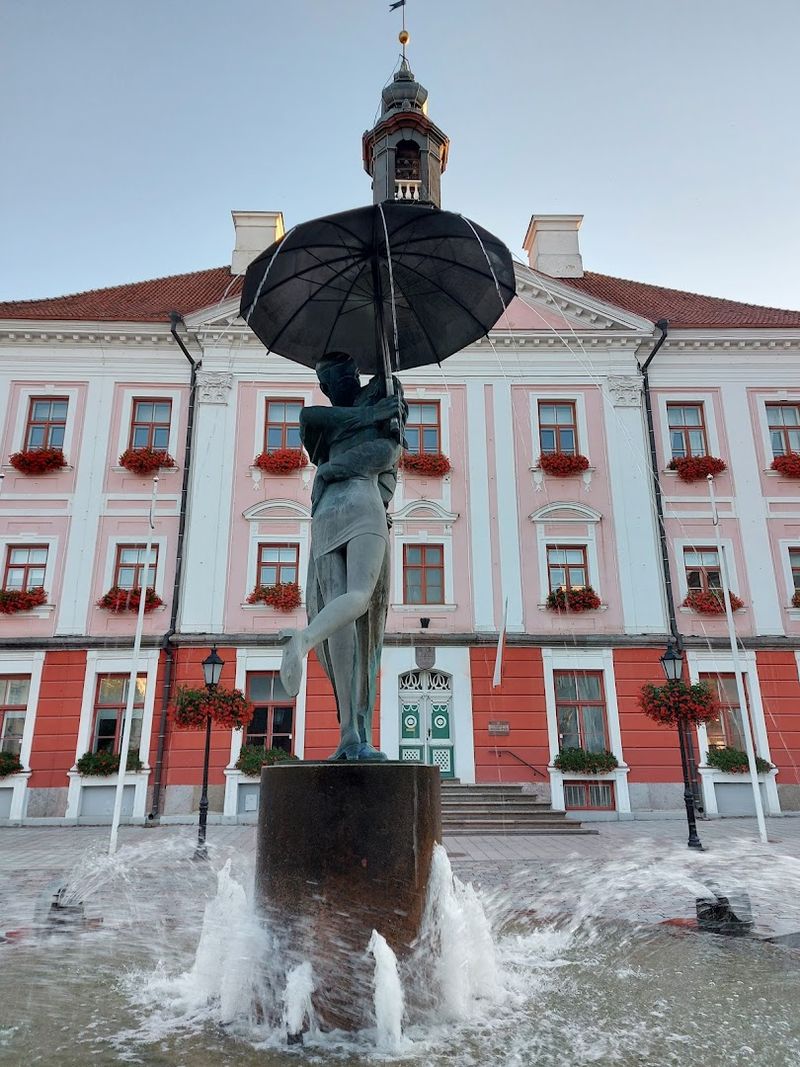
The Town Hall Square is one of the most elegant neoclassical spaces in the Baltic region, surrounded by pastel-colored buildings and anchored by a fountain featuring a famously kissing student couple sculpture. The Estonian National Museum, housed in a striking modern building on the edge of the city, tells the full story of Estonian culture and identity with impressive depth and creativity.
It is one of the best national museums in the entire Baltic region.
Tartu also has an unexpectedly strong cafe culture, with independent coffee shops and craft beer bars filling the streets around the university. The Aparaaditehas creative hub, a former factory converted into studios, restaurants, and event spaces, showcases the city’s forward-thinking side.
Tartu is small enough to explore in a weekend but interesting enough to make you wish you had more time. It consistently surprises visitors who arrive expecting very little.
Gjirokaster, Albania
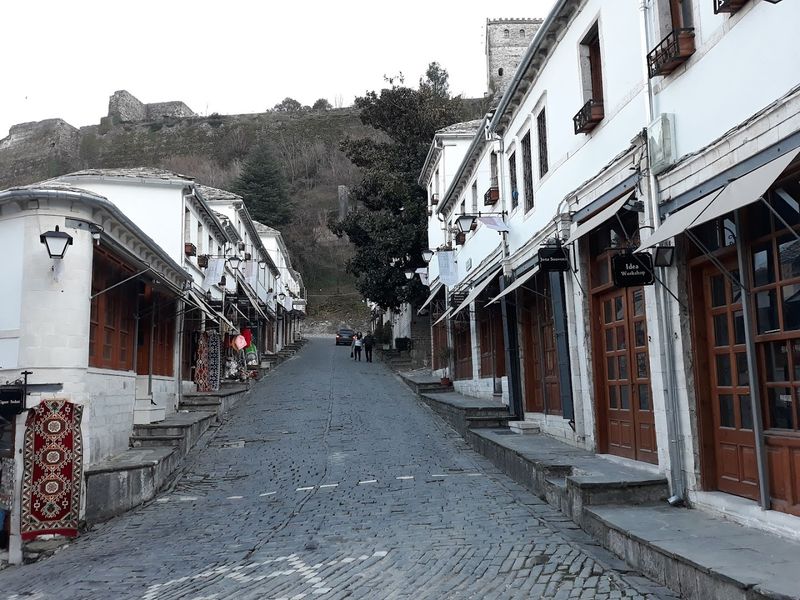
Perched on a steep hillside in southern Albania, Gjirokaster is the kind of place that makes you genuinely wonder why you haven’t heard more about it. The entire old town is a UNESCO World Heritage Site, filled with distinctive stone houses that have slate roofs so heavy they look like they could anchor the buildings to the mountainside.
The hilltop Ottoman fortress gazes down over the city with the authority of something that has seen a great deal of history unfold.
Gjirokaster was the birthplace of both Albania’s communist dictator Enver Hoxha and the Nobel-winning novelist Ismail Kadare, two wildly different figures who both drew deep inspiration from the city’s brooding atmosphere. Walking the old bazaar feels like stepping back several centuries, with blacksmiths, carpet weavers, and small restaurants operating in the same stone buildings they’ve occupied for generations.
The National Folklore Festival, held here every five years, draws performers from across Albania for one of the Balkans’ most colorful cultural events.
Getting to Gjirokaster requires effort, but that’s precisely why it remains so authentically itself. Few mass-market tourists make it this far south in Albania, leaving the city to independent travelers who tend to linger longer and appreciate more.
Prices are remarkably low even by Balkan standards. Gjirokaster is one of those rare destinations that rewards the curious traveler many times over.
Perast, Montenegro
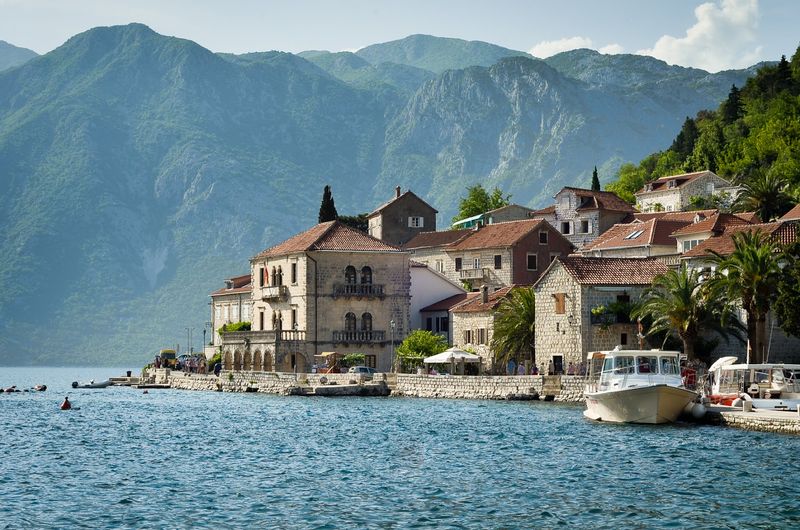
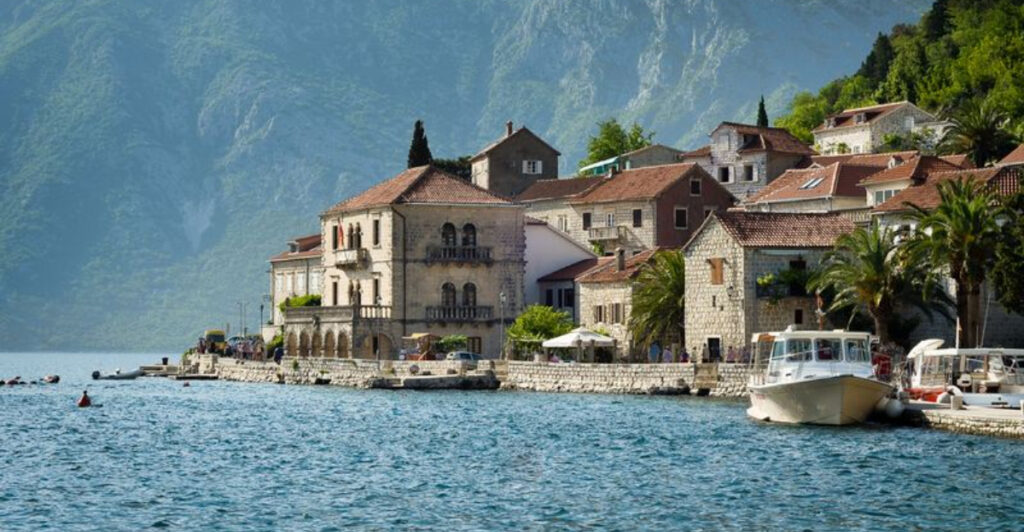
If Kotor is a medieval drama, Perast is its quieter, more romantic epilogue. This tiny Baroque town of barely a few hundred residents sits on the Bay of Kotor just minutes from its more famous neighbor, yet it feels like a completely different world.
Grand stone palaces line the waterfront, remnants of a prosperous seafaring past when Perast was one of the most important towns in the entire Adriatic region.
Two small islands sit just offshore, both topped with historic churches that shimmer in the bay light. Our Lady of the Rocks, the more famous of the two, was built by sailors who placed a stone in the water each time they returned safely from sea until eventually an island formed around it.
That story alone makes the short boat ride out completely worthwhile.
Perast has no cars in its center, which immediately makes it feel calmer and more civilized than most places in the modern world. A handful of excellent restaurants serve fresh seafood and local wines along the waterfront promenade.
The town is best visited in the early morning or late afternoon when the light turns the bay into something from a Renaissance painting. Perast is proof that the best things in Montenegro are often the smallest ones.
Sibiu, Romania
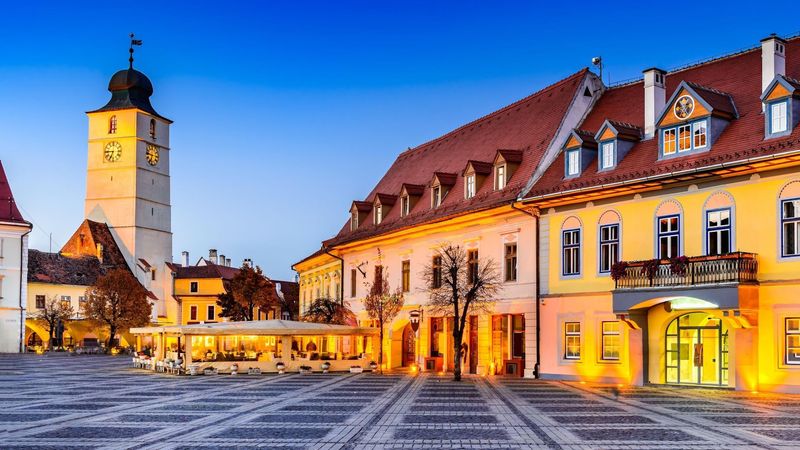
Sibiu’s rooftops are watching you, and that is not a metaphor. The city’s distinctive attic dormer windows, shaped like half-open eyelids, peer down from centuries-old buildings across the Grand Square in a way that has charmed and slightly unsettled visitors for generations.
It is one of those architectural quirks that makes Sibiu immediately unforgettable, even before you’ve explored a single museum or tasted a single local dish.
Located in the heart of Transylvania, Sibiu served as the European Capital of Culture in 2007, a recognition that helped restore and reinvigorate its historic center. The result is a city that blends medieval towers, baroque plazas, and a genuinely lively cultural calendar with remarkable success.
The Brukenthal National Museum, housed in an 18th-century palace on the main square, holds one of Romania’s finest art collections.
Beyond the old town, Sibiu is a practical base for exploring the Carpathian Mountains, the fortified Saxon churches of the surrounding villages, and the famous Transfagarasan Highway, one of the most dramatic mountain roads in Europe. Sibiu is also home to one of Europe’s best open-air museums, the ASTRA Museum of Traditional Folk Civilization, which sprawls across a forest park just outside the city.
For a Romanian city that most international travelers overlook, Sibiu delivers an extraordinary amount.
Valletta, Malta
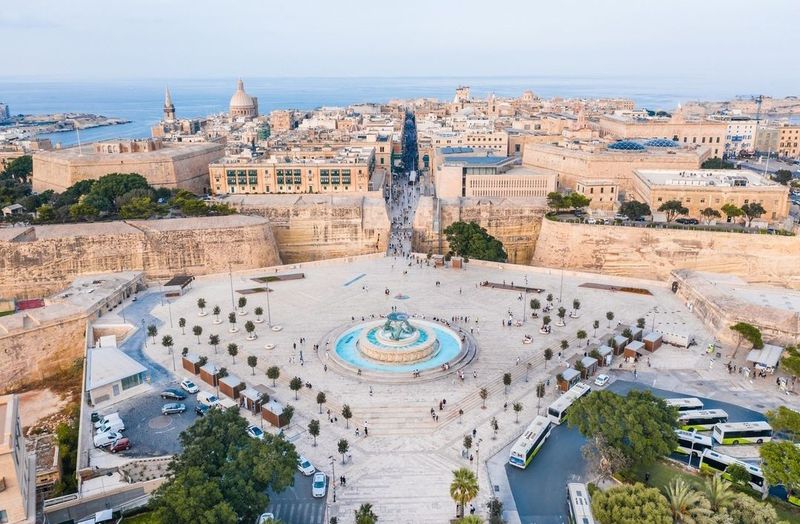
Valletta holds a record that might surprise you: it is the smallest national capital in the European Union, covering just 0.8 square kilometers. What it lacks in size, it more than compensates for in sheer historical density.
Every street in this limestone city seems to contain a church, a palace, a fortification, or a grand staircase that would be the centerpiece of a much larger and more visited destination elsewhere in Europe.
Built by the Knights of St. John in the 16th century following a legendary siege by the Ottoman Empire, Valletta was designed from scratch as a fortified city and has retained that purposeful, grid-like character ever since. The Grand Harbour is one of the most magnificent natural harbors in the Mediterranean, and the views from the city’s Upper Barrakka Gardens across the water to the Three Cities opposite are genuinely breathtaking.
Valletta became European Capital of Culture in 2018, which accelerated an already impressive wave of arts venues and creative spaces opening across the city.
The food scene has evolved dramatically in recent years, with Maltese cuisine blending North African, Italian, and British influences into something genuinely distinctive. St. John’s Co-Cathedral, free to enter and housing Caravaggio’s largest painting, is alone worth the flight to Malta.
Valletta rewards slow, curious visitors who wander without a strict agenda and let the city’s layers reveal themselves gradually.
Piran, Slovenia
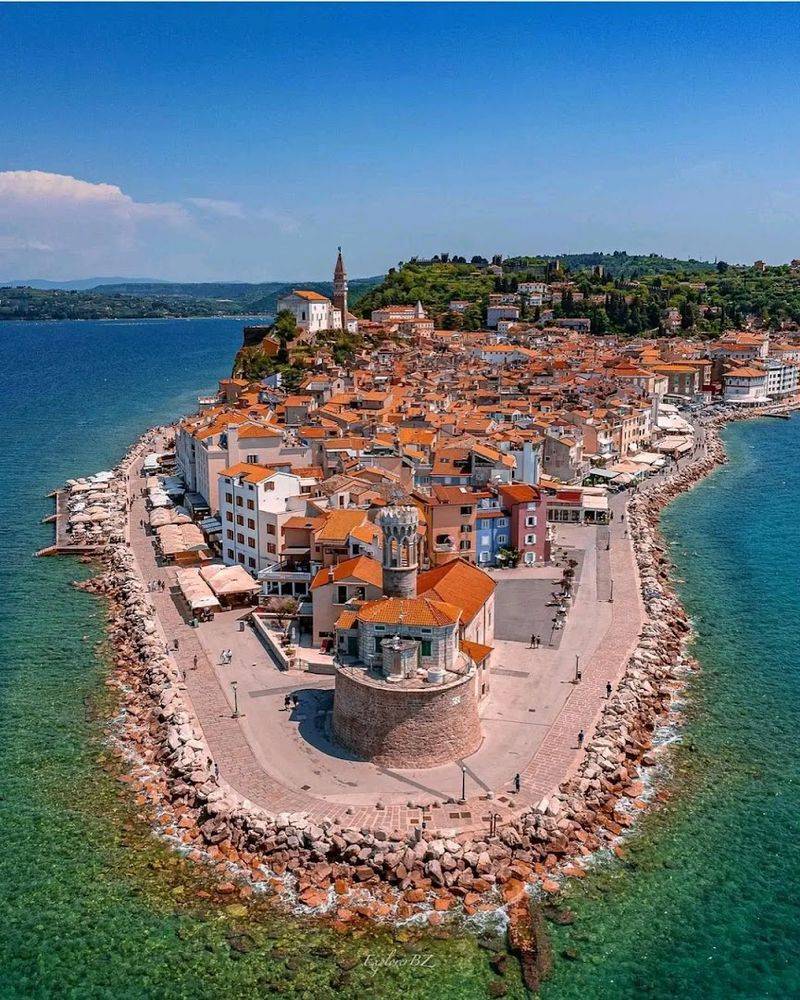
Standing at the tip of Piran’s narrow peninsula with the Adriatic stretching out in three directions at once is one of those travel moments that simply cannot be oversold. This tiny Slovenian coastal town packs more Venetian character per square meter than almost anywhere outside Venice itself, which makes sense given that it was under Venetian rule for nearly five centuries.
The influence shows in every archway, every piazza, and every carved stone lion above a doorway.
Tartini Square, named after the famous violinist and composer Giuseppe Tartini who was born here in 1692, forms the elegant heart of the old town. Surrounding it are Gothic and Renaissance buildings that have been beautifully maintained without becoming sterile or museum-like.
The cathedral bell tower offers panoramic views across the rooftops and out to sea that are worth the steep climb on a warm afternoon.
Piran is small enough to walk entirely in a couple of hours, but the temptation to sit at a waterfront cafe with a glass of local Malvazija white wine and watch the fishing boats pass makes most visitors stay much longer than planned. The town gets busy in July and August, but shoulder season visits in May or September hit a sweet spot of warm weather and manageable crowds.
Piran is Slovenia’s most charming secret, and it knows it.
Veliko Tarnovo, Bulgaria
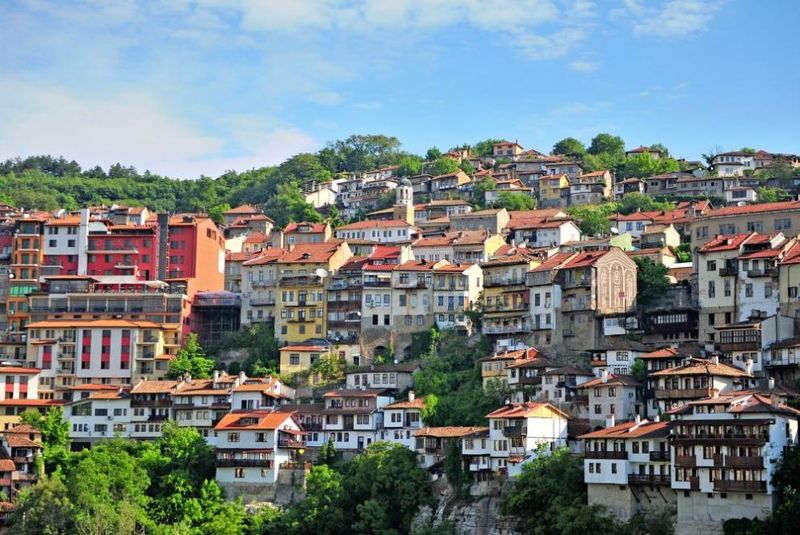
Bulgaria’s former medieval capital knows how to make an entrance. Veliko Tarnovo sits dramatically above a deep gorge carved by the winding Yantra River, its houses stacked on steep slopes and its hilltop Tsarevets Fortress gazing down over everything with the authority of a city that was once the center of the Second Bulgarian Empire.
Sofia gets the international flights, but Veliko Tarnovo gets the history lessons that actually stick.
The fortress ruins cover an entire hilltop and include the ruins of a royal palace, a patriarchal cathedral, and fortified walls that date back to the 12th century. On summer evenings, a famous sound and light show illuminates the fortress with colored lights synchronized to dramatic music, turning the ruins into a genuinely theatrical spectacle that draws crowds from across Bulgaria and beyond.
It is the kind of show that sounds cheesy in description but delivers completely in person.
The old artisan quarter of Samovodska Charshia, lined with workshops selling pottery, woodcarving, and handmade jewelry, gives visitors a tangible sense of traditional Bulgarian craftsmanship. The restaurants along the gorge offer sweeping views with their meals, which makes even a simple lunch feel like an event.
Veliko Tarnovo is a two-hour bus ride from Sofia and a completely different world. It belongs on every Bulgaria itinerary without question.
Faroe Islands, Denmark
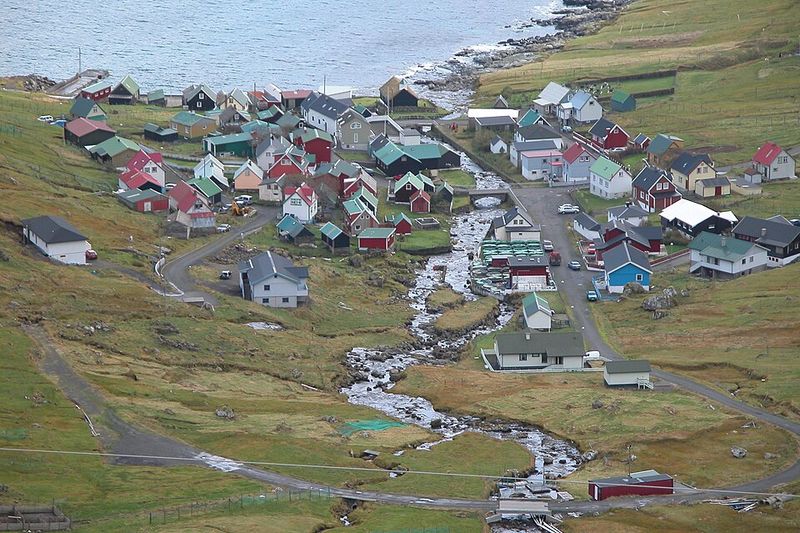
The Faroe Islands operate on their own terms, which is to say they operate on fog, wind, and a kind of raw natural beauty that makes Iceland look polished by comparison. This archipelago of 18 islands in the North Atlantic, sitting roughly halfway between Norway and Iceland, receives a fraction of the tourist traffic despite offering landscapes that are every bit as dramatic and considerably more untouched.
That ratio is unlikely to hold forever, which makes visiting now feel genuinely urgent.
Gasadalur, a village of fewer than twenty residents with a waterfall tumbling directly off a cliff into the ocean below, has become one of the most photographed spots in the North Atlantic. The puffin colonies that nest along the coastal cliffs are accessible on foot along trails that wind through landscapes so green they seem almost artificially saturated.
Sheep outnumber people by roughly five to one, and they have an alarming habit of standing in the middle of mountain roads without any apparent concern for traffic.
Getting to the Faroes requires either a flight from Copenhagen, Reykjavik, or Edinburgh, or a long but spectacular ferry from Denmark. The islands have no mass tourism infrastructure, which means accommodation is limited and planning ahead is essential.
Food culture has exploded in recent years, with the restaurant Koks earning Michelin stars for its inventive use of local ingredients. The Faroe Islands are wild, remote, and completely worth the effort of getting there.
Share this story