 Unearth The Voyage
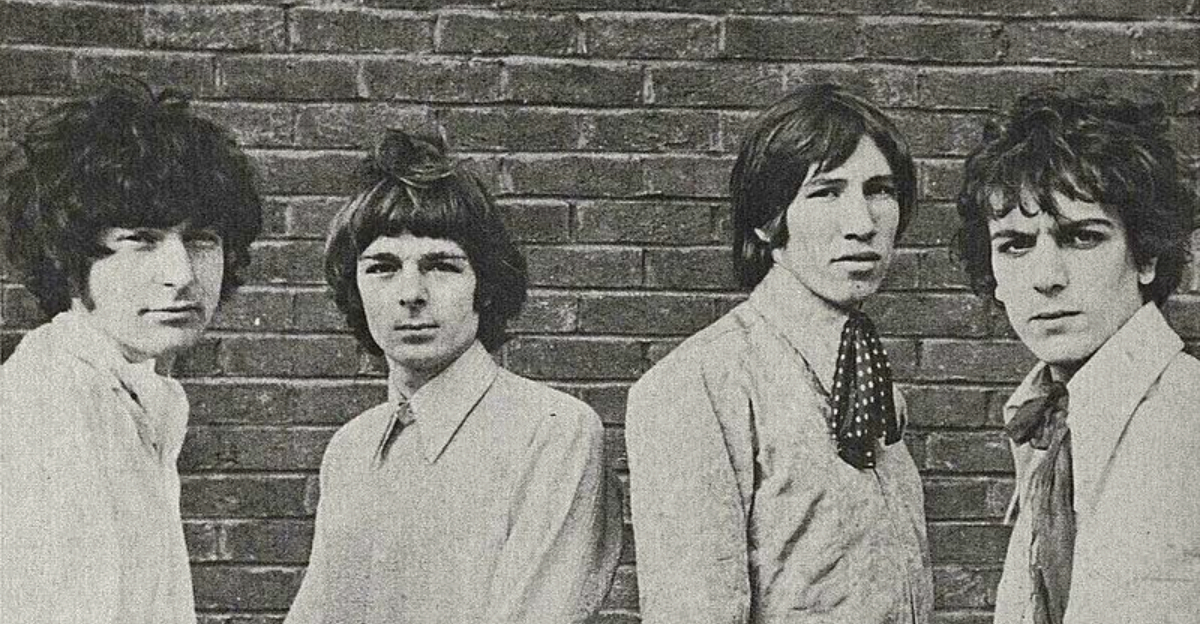
Some moments on stage do more than entertain you. They redefine what rock can be and turn great musicians into untouchable legends. As you relive these performances, you will feel the sweat, shock, and shiver that moved entire generations. Ready to be front row for history in 20 unforgettable sets that still echo today?
1. Jimi Hendrix – Woodstock Music & Art Fair (August 18, 1969)
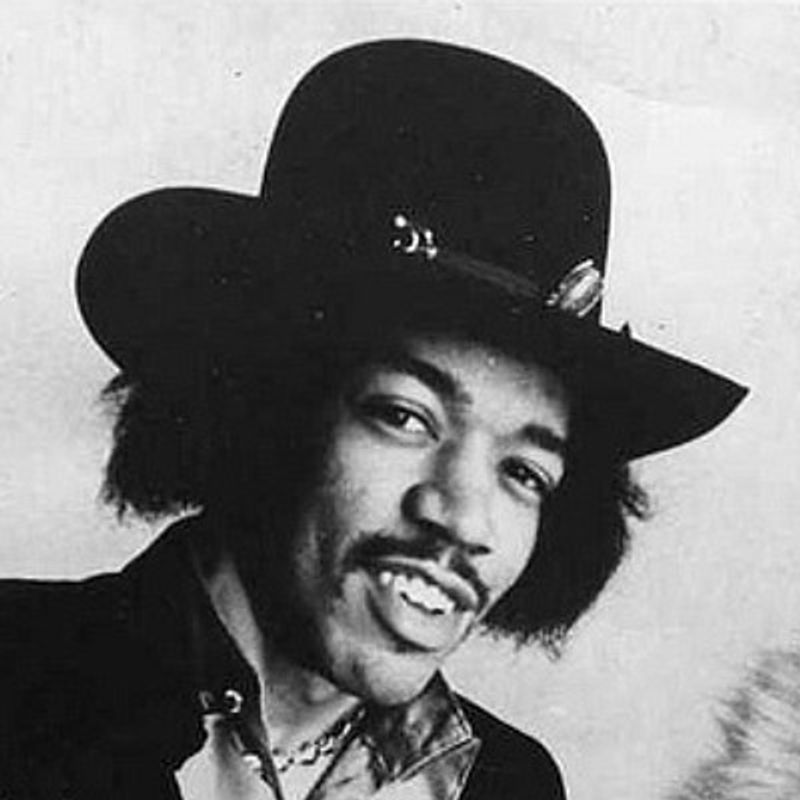
You hear a Stratocaster cry at sunrise, and suddenly the field goes silent. Hendrix bends notes into sirens and artillery, turning The Star-Spangled Banner into a protest and a prayer. It is not just showmanship, it is a mirror held to a nation in turmoil, and you can feel the electricity burn through the humid morning.
Feedback becomes language, distortion becomes testimony, and every dive-bomb screams history. The crowd stares stunned, some weeping, others cheering, all understanding instinctively that rock has grown larger than entertainment. Here, Hendrix claims space as both virtuoso and cultural commentator.
That final stretch feels like a spell breaking as the notes fade over mud and flags. You leave knowing you witnessed a boundary shift. Woodstock crowned a guitarist, but it also birthed a legend whose courage and tone still challenge how you hear freedom and noise.
2. Queen – Live Aid at Wembley Stadium (July 13, 1985)
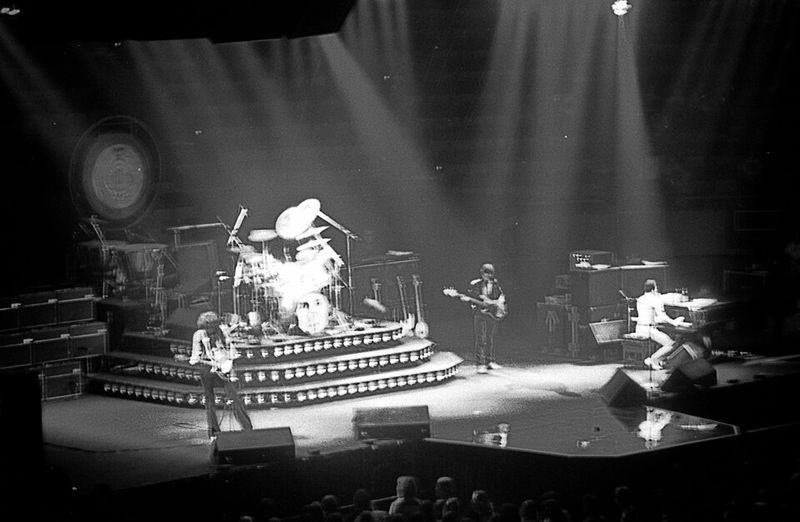
From the first piano thump, you feel Wembley lean forward. Freddie Mercury owns the daylight, strutting in a white tank top, turning a stadium into a living instrument. His call-and-response vocal play makes you part of the band, and suddenly you are singing with millions around the world.
Every song lands like a home run, precision and joy wrapped in thunder. Brian May’s guitar shines without overshadowing that towering voice, and the rhythm section stomps like a giant heartbeat. This is not spectacle for its own sake, it is mastery delivered with a grin and a wink.
Twenty-one relentless minutes rewrite what stadium rock can be. You walk away converted, even if you thought you knew Queen already. Live Aid does not just revive a career, it freezes a perfect moment where charisma, craft, and crowd alchemy make rock feel universal and unstoppable.
3. U2 – Live at Red Rocks: Under a Blood Red Sky (June 5, 1983)
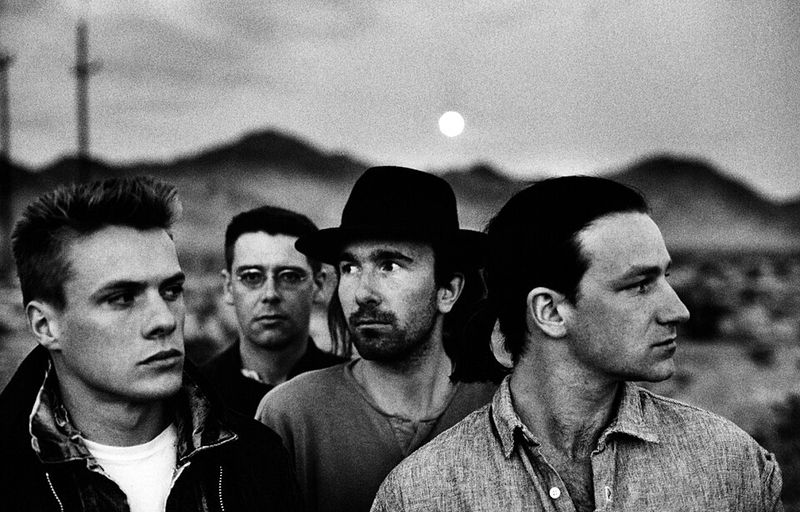
Rain turns the sandstone into a glowing cathedral, and you feel the chill through your jacket. Bono climbs the stage with a white flag, eyes blazing, voice cutting through the weather like a flare. Sunday Bloody Sunday becomes a vow, a promise shouted into the storm that refuses to fold.
The cameras capture hero shots that feel earned, not staged. Adam and Larry lock the pulse while The Edge carves sky-blue arcs that bounce off wet rock. Under a Blood Red Sky does not need a crowd of thousands to feel massive, because the terrain itself sings back.
You sense U2 transforming in real time from scrappy hopefuls into arena contenders. The visuals loop in your mind long after the encore. That night, wind and water baptized the band, and you left believing rock could be spiritual without losing its bite.
4. The Beatles – Rooftop Concert (January 30, 1969)
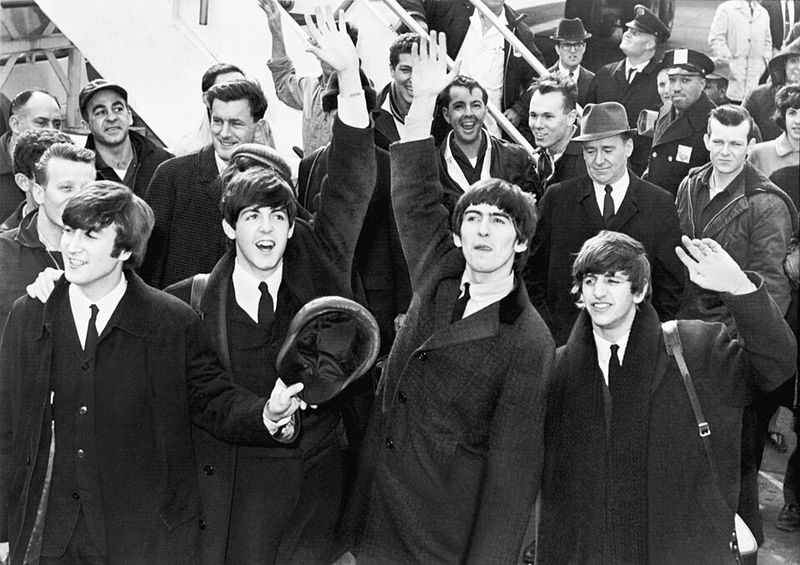
You turn a corner in London and music spills from the sky. The Beatles, shaggy and bundled in coats, plug in above Apple Corps and let it rip. It feels casual and rebellious at once, a street-level experiment that floats far beyond the block.
Passersby stop, craning necks, while cameras catch grins and sideways glances. Get Back bounces with garage-band looseness, and you can hear the joy that fame often smothered. The police show up, but the vibe stays charming, like mischief elevated by melody.
Because it is unannounced, it feels like a gift. Their last public performance is not grandiose, it is human and vibrant. When the final chords fade into traffic, you sense closure arriving without ceremony, and you realize you have witnessed a goodbye that sounds like freedom.
5. Jimi Hendrix – Monterey Pop Festival (June 18, 1967)
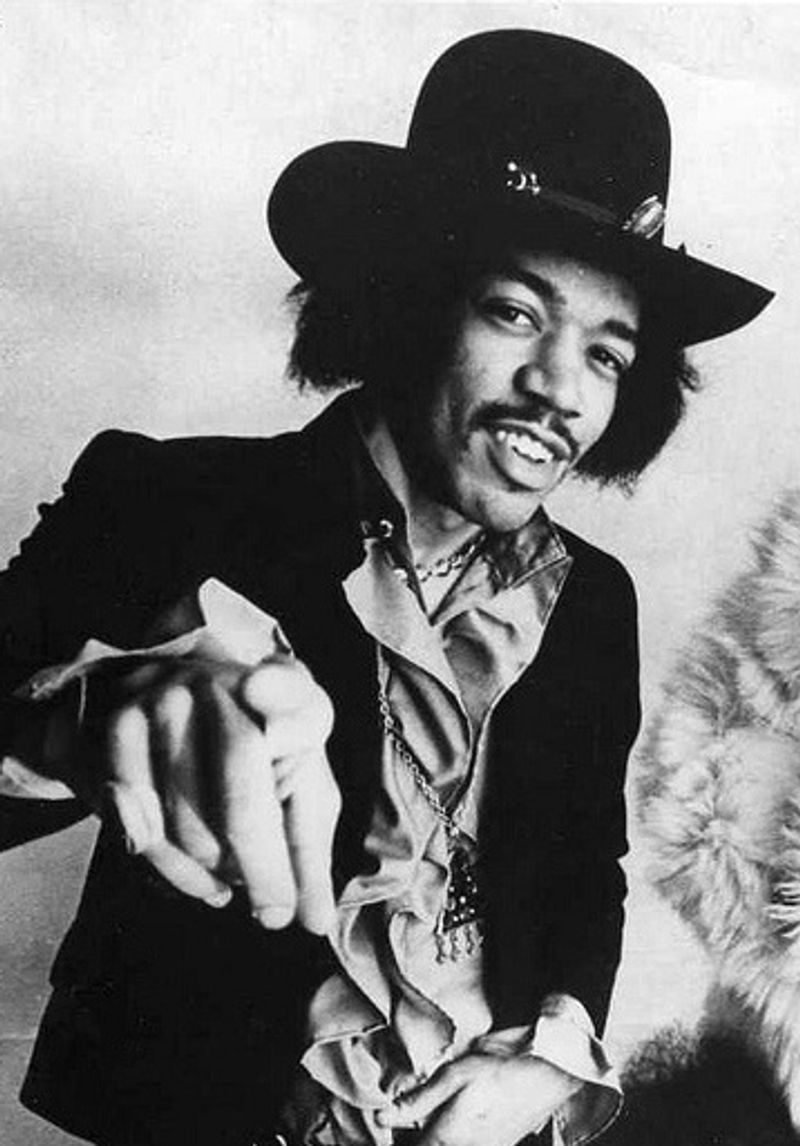
The match strikes, the guitar drinks lighter fluid, and suddenly flame speaks louder than amplifiers. Hendrix kneels like a ceremony leader, offering his instrument to the gods of noise and color. You feel shock ripple through the crowd as the smoke coils around his grin.
Before the fire, there was blistering precision and swagger. Wild Thing and Hey Joe slash the air, feedback painting neon streaks across the evening. His solos sparkle and snarl, a painter’s hand on a thunder machine.
Monterey crowns him an instant myth. This is not gimmickry, it is theater fused with virtuosity, a manifesto written in sparks. You walk away understanding that rock can be ritual and rebellion, tender and violent, all inside a single, unforgettable crescendo of flame.
6. Nirvana – MTV Unplugged in New York (November 18, 1993)
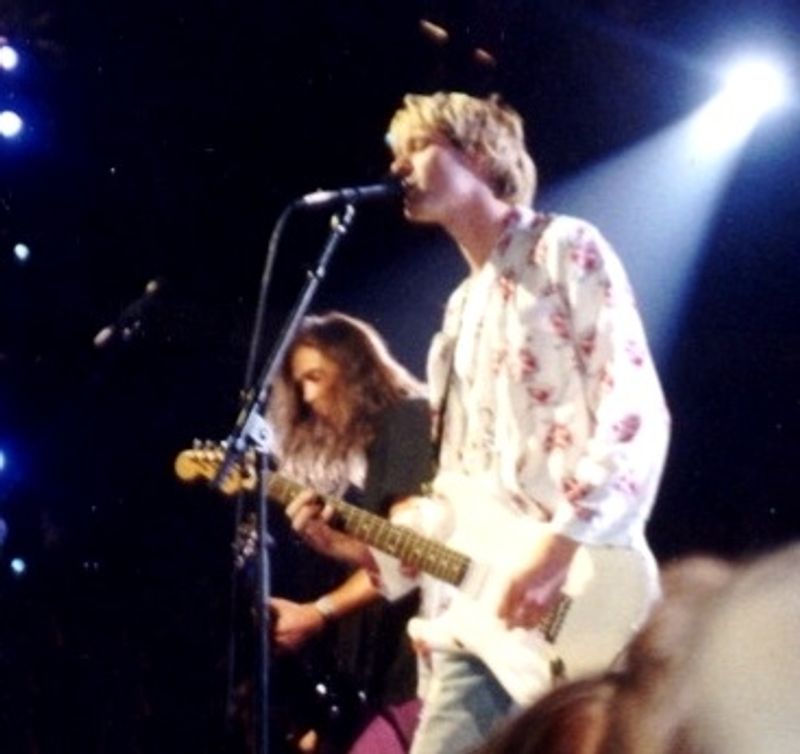
Candles flicker against black drapes, and you feel the room hold its breath. Cobain’s voice cracks soft and close, turning anger into ache with every syllable. The set list dodges safe hits, choosing vulnerability over victory laps.
When he covers The Man Who Sold the World, echo wraps the melody like gauze. The Meat Puppets join, and the mood deepens into a family of misfits, tender and haunted. You hear a songwriter expose nerve endings without flinching, and it makes you listen harder.
Closing with Where Did You Sleep Last Night, silence becomes its own instrument. The final scream freezes the air, then evaporates. Unplugged proves grunge can whisper and still devastate, and you leave quietly convinced that honesty remains the loudest sound.
7. The Rolling Stones – Altamont Free Concert (December 6, 1969)

You can feel unease before a note lands. The stage is low, the crowd is restless, and the Hells Angels loom like a bad horizon. When the Stones launch into Sympathy for the Devil, the energy turns volatile, music wrestling chaos more than commanding it.
The performance itself is fierce, jagged, almost defensive. Jagger dances, eyes scanning as if reading weather on faces. Gimme Shelter feels like prophecy, a soundtrack for a party sliding toward the edge.
Altamont becomes legend not for triumph but for rupture. It marks the end of the 60s myth, a hard lesson etched into rock memory. You leave shaken, reminded that live music magnifies whatever is already churning in a crowd, beauty or danger.
8. Joe Cocker – Woodstock (1969)
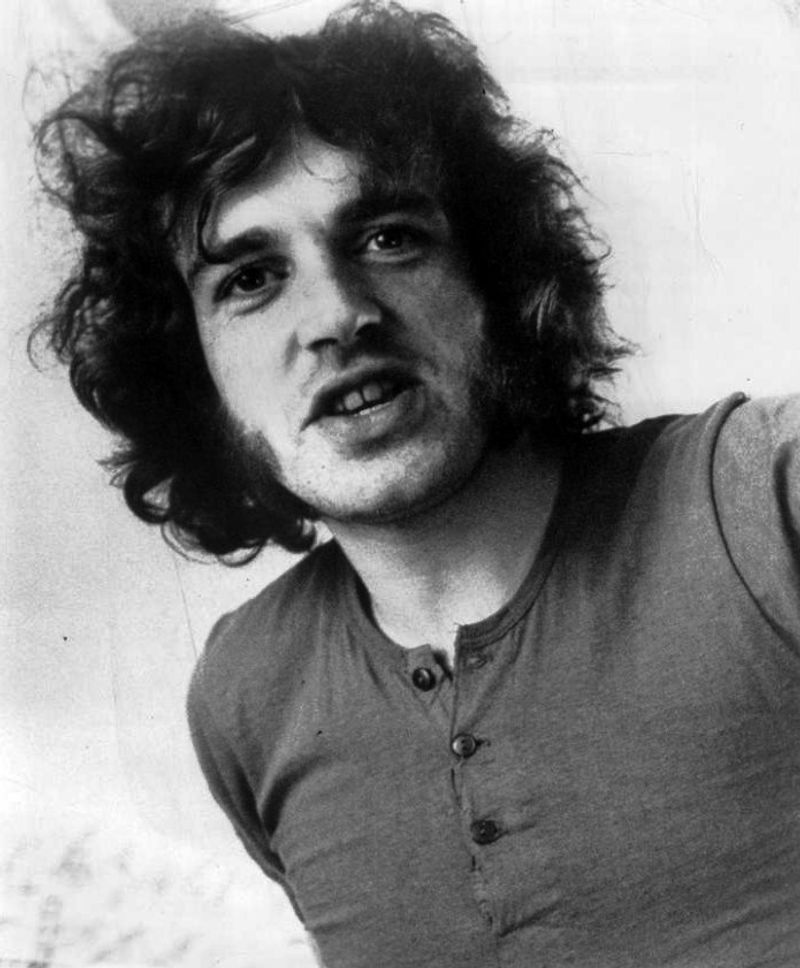
His voice arrives like gravel soaked in honey. With a Little Help from My Friends becomes a sermon, each line twisted into a soulful shout that lifts the field. You feel shoulders bump and sway as strangers sing like a choir.
The band surges behind him, organ and guitar trading heat while Cocker’s hands paint invisible shapes in the air. His phrasing squeezes meaning from familiar words, pulling ache and hope from the same breath. It is raw, imperfect, and absolutely alive.
When the song peaks, it sounds like a flood bursting through a narrow gate. You are reminded that interpretation can outshine origin, that ownership in rock is earned onstage. Cocker walks off having climbed a mountain most singers never see.
9. The Who – Live at Leeds (February 14, 1970)
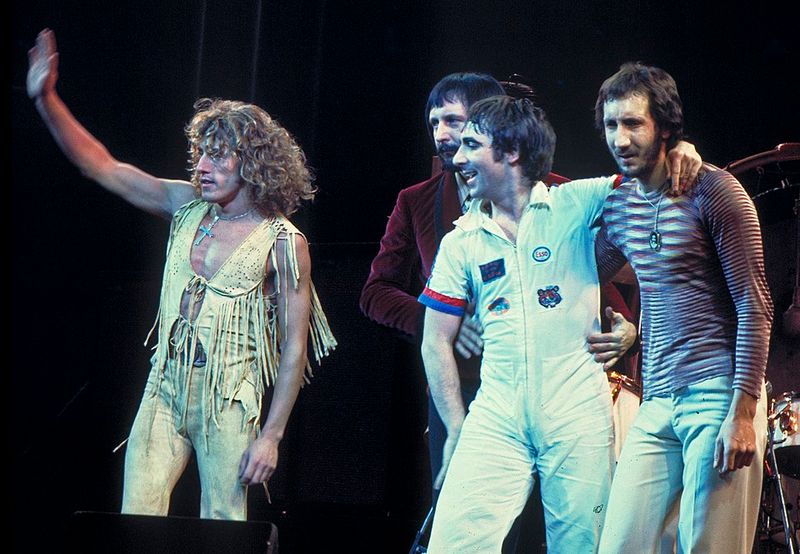
The tape rolls and suddenly the room feels too small for the noise inside it. Townshend’s windmill slashes air, Moon detonates around the kit, and Daltrey hurls vowels like stones. The band swerves between precision and chaos, always landing on fours like gymnasts.
Live at Leeds sounds like hard rock escaping its cocoon. My Generation mutates mid-song into a jam that dares you to keep up. You lean forward, grinning, because the danger feels joyful rather than reckless.
There is no polish, only voltage and nerve. You hear a blueprint for punk, metal, and arena thunder, stamped with sweat and feedback. When the last crash fades, your ears ring and your standards rise.
10. Bruce Springsteen – No Nukes Concerts, Madison Square Garden (1979)
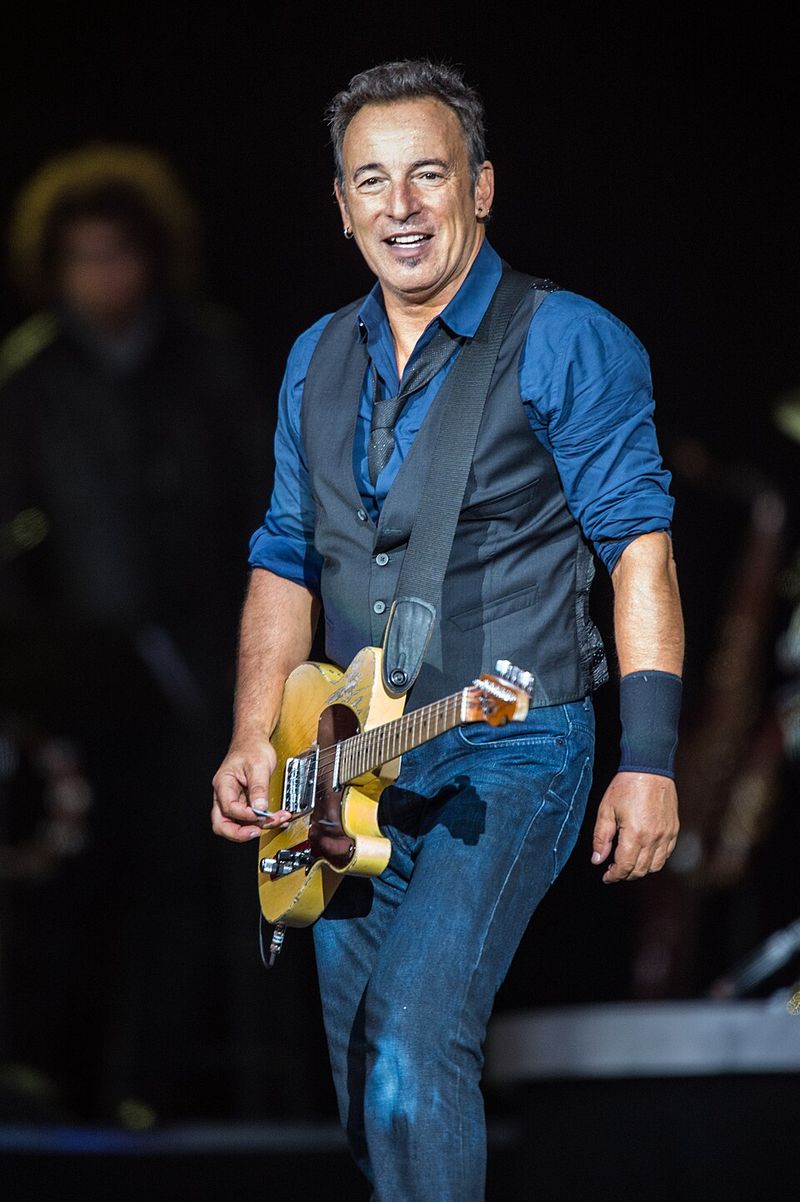
The lights pop and you are in the middle of a work shift that feels like a revival. Springsteen barrels across the stage, songs running into stories and back again. Each chorus feels earned, sleeves rolled, hearts open, rhythm relentless.
The E Street Band throws sparks like a steel mill. Clarence Clemons steps forward and the room lifts as one. You clap until your hands sting because the beat keeps insisting on joy, even when the lyrics chase ghosts.
No Nukes captures Springsteen proving longevity through stamina and generosity. The set plays like a long conversation that refuses to end, a hug that becomes a promise. You walk out sweaty and seen, convinced rock can still clock in and set souls right.
11. Led Zeppelin – Royal Albert Hall (January 9, 1970)
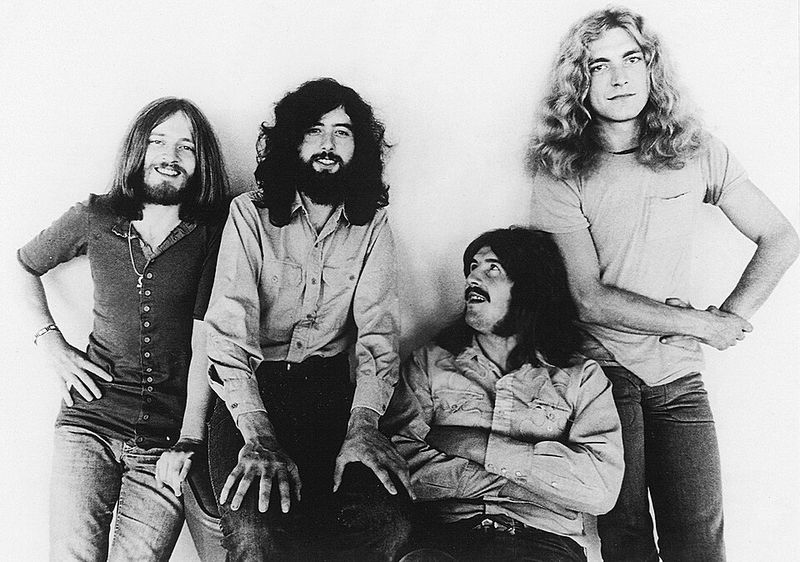
The room looks stately, but the sound shakes plaster. Zeppelin storms the hall with blues fangs bared, turning tradition into thunder. Robert Plant’s wail arcs like a flare while Jimmy Page saws a violin bow across his Les Paul, making ghosts speak.
John Bonham’s drums hit like falling lumber, and John Paul Jones glues everything with sly power. The set feels hungry, no laurels, only velocity and swagger. You can hear hard rock crystallizing into myth in real time.
When Dazed and Confused stretches into a trance, the crowd surrenders happily. The hall becomes an amplifier, elegant and feral at once. You leave sensing the 70s will belong to this sound, colossal and fearless.
12. Pink Floyd – Live at Pompeii (October 1971)
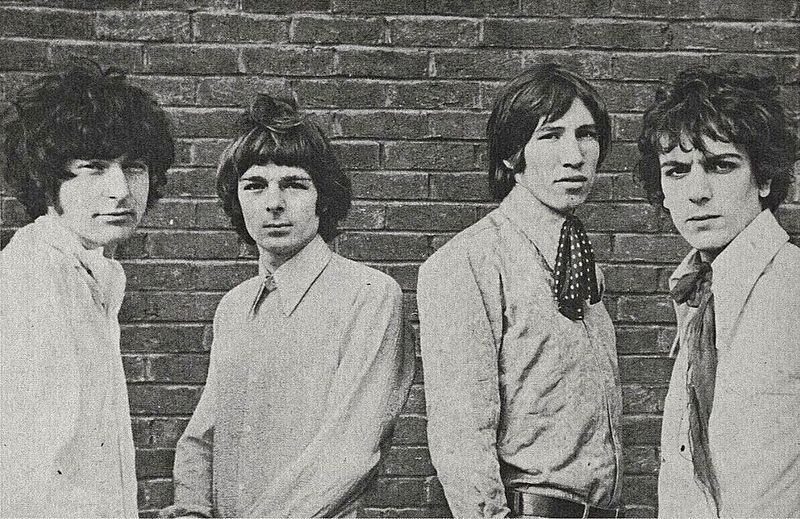
No crowd, only stone and sky, and somehow the space feels fuller than arenas. Pink Floyd sets up in the ancient amphitheater, letting echoes become a fifth member. Cymbals shimmer like distant rain while synths bloom and contract like breathing.
With no applause to break the spell, you fall deeper into the hypnotic pulse. Cameras drift through ruins, catching musicians as if they are channeling geology. The performances stretch time without losing focus, a meditation in technicolor sound.
Pompeii reframes what a concert can be. It is performance as landscape, music as architecture, silence as partner. You finish feeling both grounded and weightless, newly aware that rock can be contemplative without losing its edge.
13. AC/DC – Donington Park, Monsters of Rock (August 17, 1991)
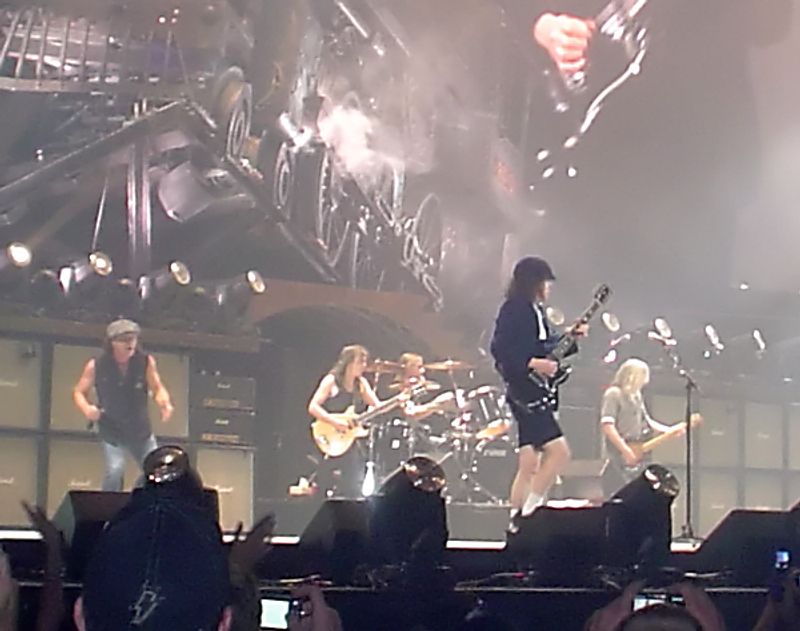
The camera cranes over a human ocean and your pulse jumps. Angus Young sprints in a schoolboy suit, duckwalking like a man possessed, while Brian Johnson howls over riffs built for steel. Every chorus detonates a wave that rolls to the back fence.
AC/DC turns discipline into eruption, tight as a vise yet playful. The groove is blunt and perfect, gears meshing without friction. You feel 70,000 bodies agree on one simple truth: this band exists to make the ground shake.
By the final cannon blast, you are hoarse and grinning. Donington confirms longevity powered by economy and attitude, no frills needed. It is proof that sometimes the heaviest lift is delivering joy at impossible volume, show after show.
14. Metallica – Moscow Music Peace Festival (September 28, 1991)
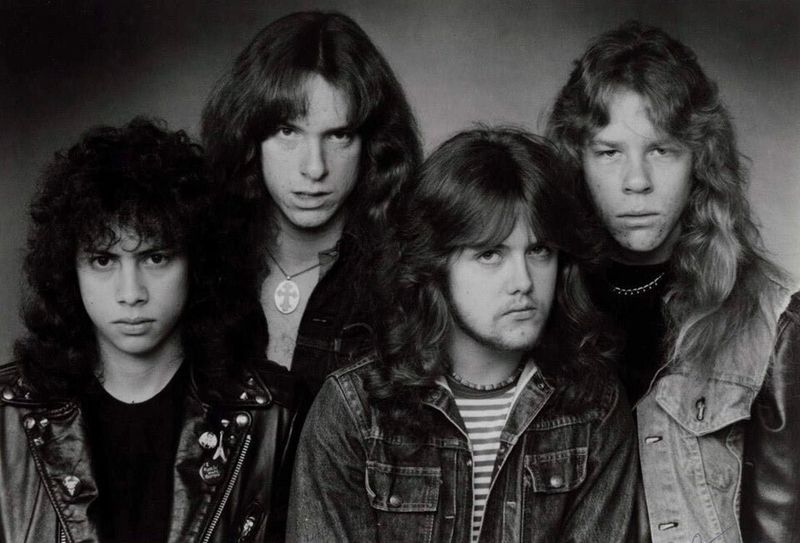
The field seems to stretch into another country. Metallica roars in with Enter Sandman era confidence, and the crowd answers like a thunderstorm. Riffs slice the humid air while drums stampede forward, and you can feel a cultural gate swinging wide open.
There is joy and release, but also awe at the sheer scale. Flags whip, boots stomp, and the band plays like a bulldozer with perfect steering. You hear precision laced with menace, the kind that turns first-timers into lifers.
In the wake of political change, this set feels like a handshake with a new era. Metal becomes ambassador, heavy yet welcoming. You leave buzzing, convinced the globe just got smaller and louder.
15. David Bowie – Ziggy Stardust Farewell Concert, Hammersmith Odeon (July 3, 1973)
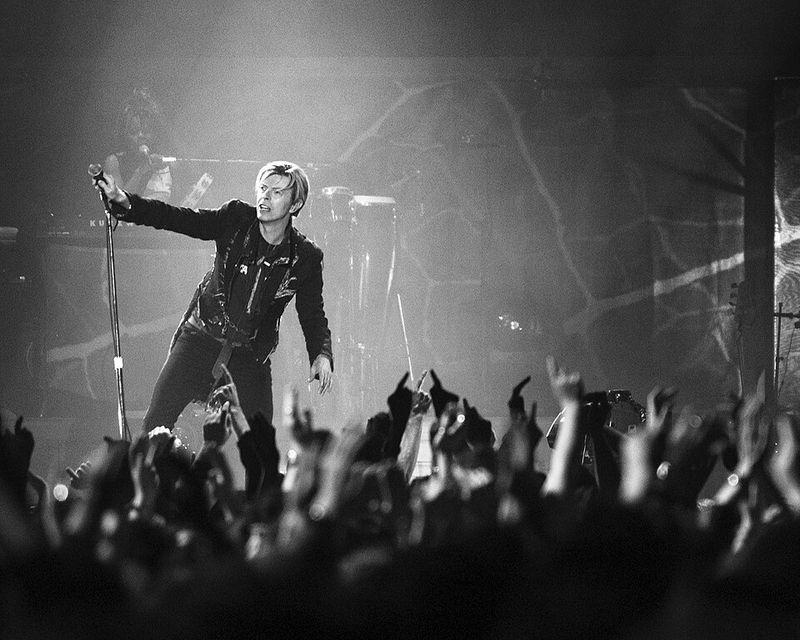
Bowie steps to the mic and casually announces it is the last show we will ever do. The room gasps, because Ziggy is more than a character, he is a lifeline. Then the band erupts, glam slicing through the air like chrome.
Guitars shimmer, drums strut, and Bowie sings with a farewell heat that feels both generous and cruel. Costumes glint like stars falling. Every gesture suggests metamorphosis, not retreat.
By the close, Ziggy is dead and Bowie is reborn. Reinvention becomes the headline, courage dressed as theater. You walk out changed, reminded that endings can be gifts when an artist refuses to calcify.
16. The Clash – Bonds International Casino, New York City (1981)
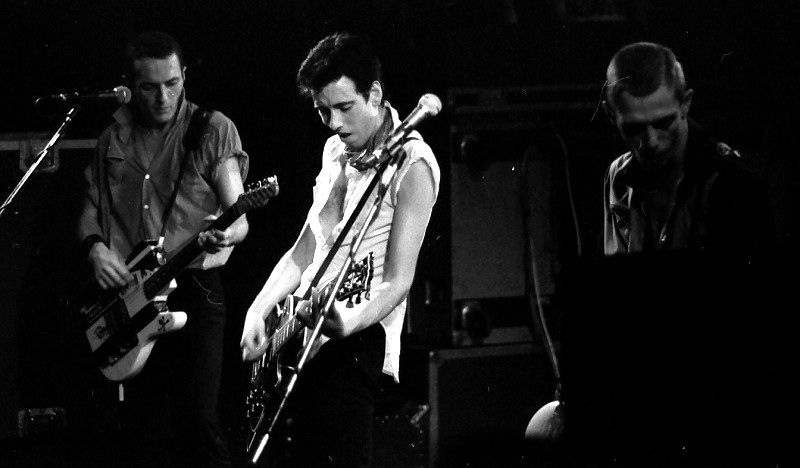
Lower Manhattan hums and you squeeze into a room overflowing with purpose. The Clash hits like a siren, tempos sprinting then swaggering, slogans turning into singalongs. Tickets are cheap, nights are many, and you feel included rather than targeted.
Strummer spits truth with a grin, while Jones threads melodies that sweeten the punch. The rhythm section keeps the floor bouncing like a subway car. Politics arrives danceable, and rebellion feels friendly enough to bring your neighbor.
Those residencies bend punk into community. The band grows bigger without abandoning street heat. You leave with your shirt stuck to your back and a sense that borders can be redrawn with guitars and grit.
17. Guns N’ Roses – Ritz, New York City (February 2, 1988)
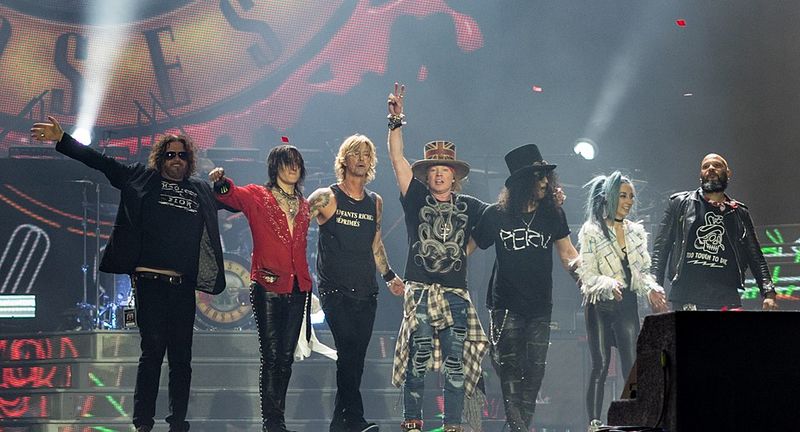
The club smells like beer and promise. When the broadcast light goes red, the band detonates like a bar fight set to groove. Axl prowls, Slash leans into serpentine riffs, and suddenly the 80s glitter gives way to street-level danger.
It is tight, ugly, and magnetic in the best way. Sweet Child O’ Mine is volcanic instead of polished, and Welcome to the Jungle feels like a dare. You can tell mainstream America just met its new favorite outlaws.
By the final crash, hard rock is reborn on live TV. The Ritz proves scale is optional when conviction is lethal. You head home buzzing, sure that arenas will not tame this snarl anytime soon.
18. Pearl Jam – MTV Unplugged (March 16, 1992)
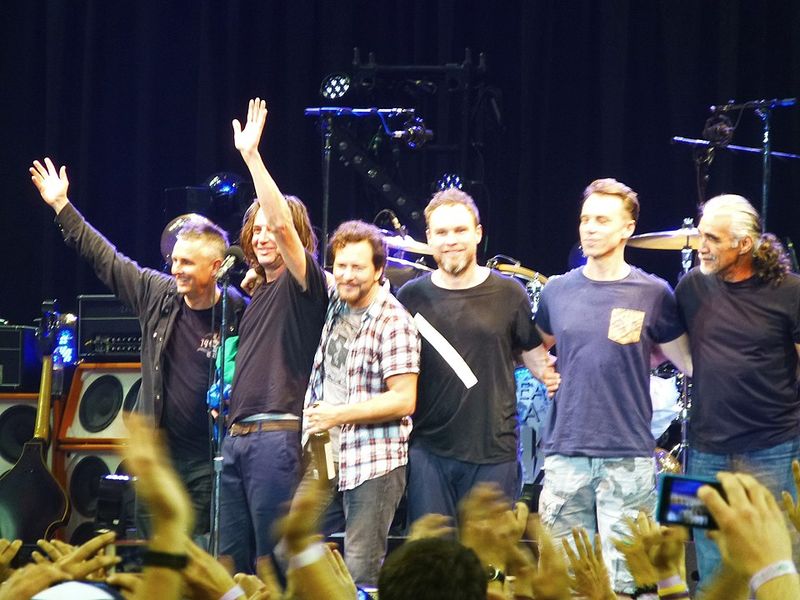
Chairs, cables, and a hush that makes guitar squeaks feel enormous. Vedder sings like a confession, leaning into vowels until they bruise. Without distortion, the band reveals muscle in restraint, a storm wrapped in linen.
Black and Alive feel newly carved, nerves exposed but steady. During Porch, Vedder scrawls on his arm and climbs the stool, turning frustration into focused theater. The camera gets close enough to catch breath and blink.
Unplugged here is not softness, it is clarity. You walk away realizing grunge survives translation because truth carries. The set seals Pearl Jam as standard-bearers with hearts and hammers.
19. The Doors – Hollywood Bowl (July 5, 1968)
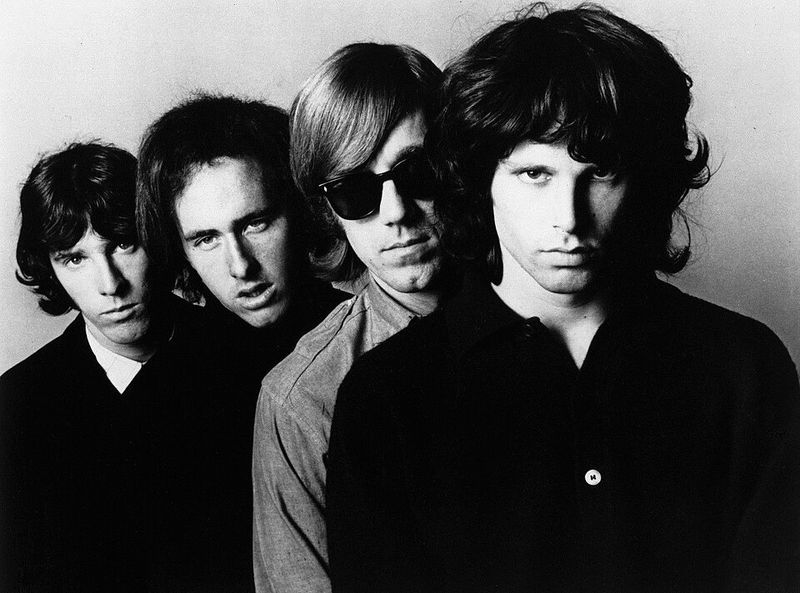
Spotlight on Morrison, and the bowl becomes a cave of echoes. His voice slithers then strikes, blues wrapped in incantation. Manzarek’s keys ripple like water under moonlight while Krieger’s guitar maps the edges.
The show is disciplined yet dangerous, a carnival held in check by charisma. When The End unfurls, you feel the crowd lean into the hypnotic pull. Poetry and menace braid together until time loosens its grip.
One of the few filmed at this quality, it preserves the band at a high boil. You leave with pupils wide and a new respect for control inside chaos. The myth hardens because the evidence sings.
20. Johnny Cash – At Folsom Prison (January 13, 1968)
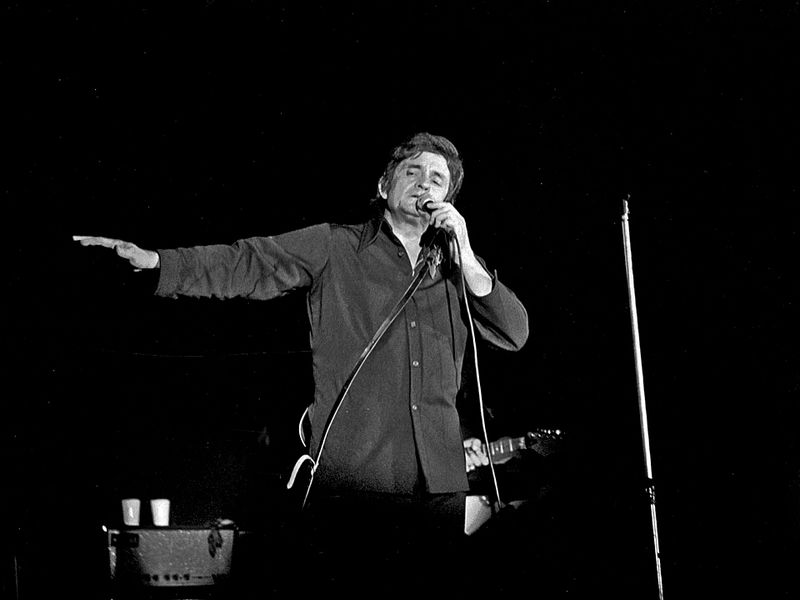
The room clicks shut and the air shifts. Cash steps up with a black guitar and a grin sharp enough to cut wire. Hello, I’m Johnny Cash lands like a handshake across a chasm, and suddenly the distance between worlds narrows.
Folsom Prison Blues explodes with gallows humor, and the inmates answer with thunder. The band stays lean and locked, every snare crack a footstep down a concrete hall. You hear empathy delivered without apology, faith without polish.
Country or not, this set rewires rock’s idea of rebellion. Authenticity stops being a slogan and becomes a living sound. You leave humbled, convinced that truth carries farther than volume.



