 Unearth The Voyage
Adventure is calling, and 2026 is packed with once-in-a-lifetime opportunities to answer. From witnessing the Winter Olympics in the Italian Alps to diving pristine coral reefs in Indonesia, the year ahead offers experiences that will redefine your sense of wonder.
Whether you crave epic treks, wildlife encounters, or celestial spectacles, this list will help you plan the most unforgettable year of exploration yet.
1. Catch the Milano Cortina 2026 Winter Olympics Opening Ceremony in Italy

The Milano Cortina 2026 Winter Olympics Opening Ceremony promises fireworks, culture, and athletic excellence all rolled into one magical evening. Italy knows how to put on a show, blending ancient traditions with modern flair in a way that will leave you breathless.
Tickets go on sale months in advance, so mark your calendar and set reminders. The ceremony takes place in Milan, a city bursting with art, fashion, and incredible food.
Plan to arrive a few days early to explore the cobblestone streets and world-class museums.
Staying nearby in Cortina d’Ampezzo gives you access to legendary ski slopes and charming alpine villages. This trip combines athletic inspiration with Italian hospitality, making it an adventure you will talk about for decades.
2. Turn the FIFA World Cup 2026 into a multi-city North America road trip

Picture this: you and your friends driving across three countries, catching soccer matches in cities you have only dreamed about visiting. The FIFA World Cup 2026 spreads across the United States, Canada, and Mexico, offering a road trip like no other.
Each host city brings its own flavor, from tacos in Mexico City to poutine in Toronto.
Planning ahead is key because tickets and accommodations sell out fast. Map your route to include at least three or four match cities, giving yourself time to explore local attractions between games.
Road tripping means freedom to stop at national parks, quirky roadside diners, and hidden gems along the way.
Bring a good playlist, pack snacks, and prepare for memories that will last forever. This is not just about soccer; it is about experiencing the diversity and energy of an entire continent in one epic journey.
3. Book a trip into the path of the Total Solar Eclipse on August 12, 2026

A total solar eclipse is nature’s ultimate magic trick, and on August 12, 2026, the moon will completely block the sun over parts of Europe and Greenland. For a few precious minutes, day turns to night, stars appear, and the sun’s corona glows like a halo.
Witnessing this phenomenon is a bucket-list moment that few people ever experience.
The path of totality crosses Iceland, Spain, and parts of the Arctic, so choose your viewing spot wisely. Iceland offers dramatic volcanic landscapes and the chance to see the eclipse over glaciers.
Spain provides warmer weather and easier travel logistics for most adventurers.
Book your accommodations now because eclipse chasers from around the globe will flock to these regions. Bring proper eclipse glasses to protect your eyes, and consider a camera with a solar filter to capture the moment forever.
4. Sail an Antarctica expedition cruise with Quark Expeditions
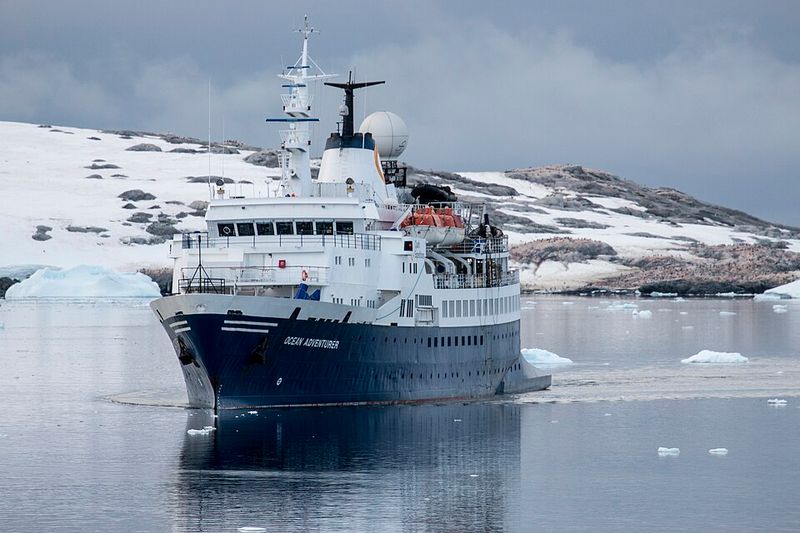
Antarctica feels like stepping onto another planet, where icebergs tower like cathedrals and penguins waddle fearlessly across frozen shores. Quark Expeditions specializes in polar adventures, offering small-ship cruises that get you closer to the action than any massive cruise liner ever could.
Their expert guides lead zodiac landings, kayaking excursions, and even polar plunges for the truly brave.
Most voyages depart from Ushuaia, Argentina, crossing the Drake Passage before reaching the Antarctic Peninsula. Expect to see humpback whales breaching, leopard seals lounging on ice floes, and vast colonies of chinstrap and gentoo penguins.
The scenery is so surreal it hardly feels real.
Quark provides cold-weather gear, but you should still pack layers and waterproof boots. This journey is not just a vacation; it is a transformative experience that connects you to Earth’s last true wilderness.
5. Cruise the Galápagos with National Geographic–Lindblad Expeditions
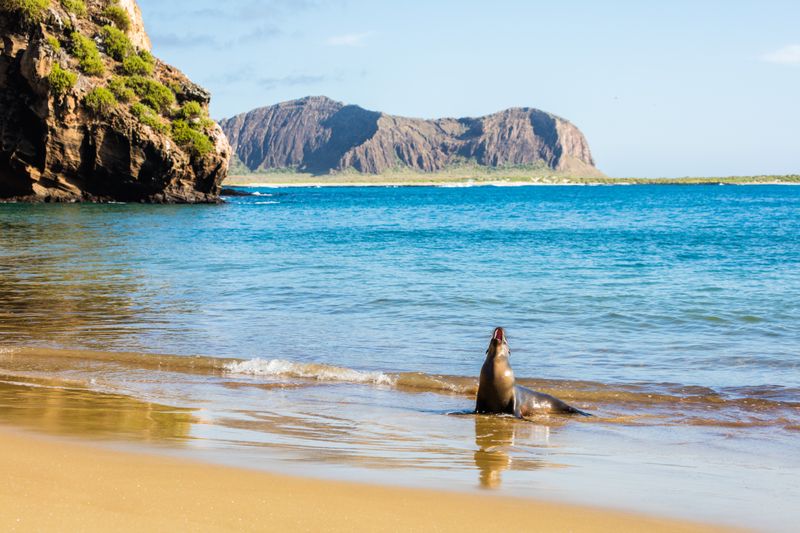
Charles Darwin found inspiration in the Galápagos, and you will too when you sail these volcanic islands with National Geographic–Lindblad Expeditions. Giant tortoises lumber through highland forests, blue-footed boobies perform their quirky mating dances, and marine iguanas bask on black lava rocks.
Every island offers something completely different, making each day feel like a new discovery.
Lindblad’s naturalist guides are among the best in the business, sharing insights that bring the ecosystem to life. Snorkeling with sea lions and swimming alongside sea turtles are daily possibilities.
The ships are designed for exploration, with underwater cameras and hydrophones that let you see and hear the ocean in new ways.
Booking early is essential because these expeditions fill up fast. This is eco-tourism at its finest, supporting conservation while giving you front-row seats to evolution in action.
6. Chase the aurora on a Hurtigruten Northern Lights cruise along Norway’s coast
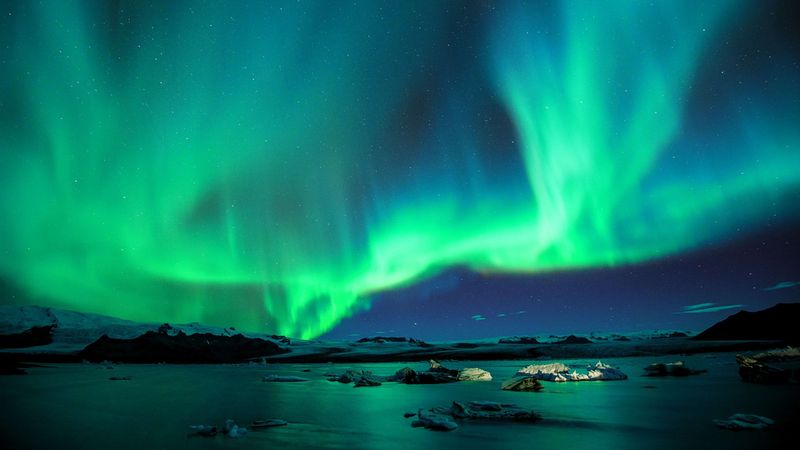
Norway’s coastline is a masterpiece of fjords, fishing villages, and mountains that plunge straight into the sea. Hurtigruten’s Northern Lights cruises take you above the Arctic Circle during winter, when the aurora borealis dances across the night sky in ribbons of green, purple, and pink.
Watching this celestial ballet from the deck of a ship, surrounded by snow-covered peaks, is pure enchantment.
The cruise stops in charming towns like Tromsø and Hammerfest, where you can try dog sledding or visit Sami cultural centers. Onboard naturalists explain the science behind the lights and help you spot them when conditions are right.
Even if clouds roll in, the coastal scenery and cultural experiences make every moment worthwhile.
Pack warm layers and a good camera with manual settings for aurora photography. This voyage combines adventure, culture, and natural wonder in one unforgettable package.
7. Ride Hurtigruten’s Svalbard Line deep into the Arctic Circle
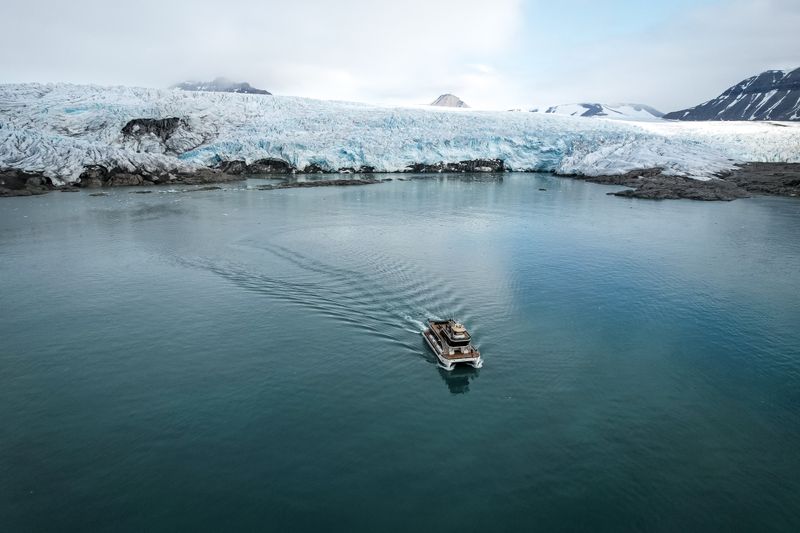
Svalbard sits closer to the North Pole than to mainland Norway, a remote archipelago where polar bears outnumber people. Hurtigruten’s Svalbard Line offers voyages that venture into this frozen frontier, navigating through pack ice and alongside towering glaciers.
The midnight sun in summer means 24-hour daylight, while winter brings the magical polar night and frequent aurora displays.
Wildlife encounters are constant: walruses haul out on ice floes, Arctic foxes dart across tundra, and if you are lucky, a polar bear might appear on a distant shore. Longyearbyen, the main settlement, is one of the world’s northernmost towns, complete with a global seed vault and fascinating mining history.
Expedition staff lead hikes and zodiac cruises to abandoned whaling stations and bird cliffs teeming with life. This is adventure travel at its most raw and exhilarating, perfect for those who crave true wilderness.
8. Lock in a New Zealand Great Walk for 2026 (Milford, Routeburn, Kepler, and more)
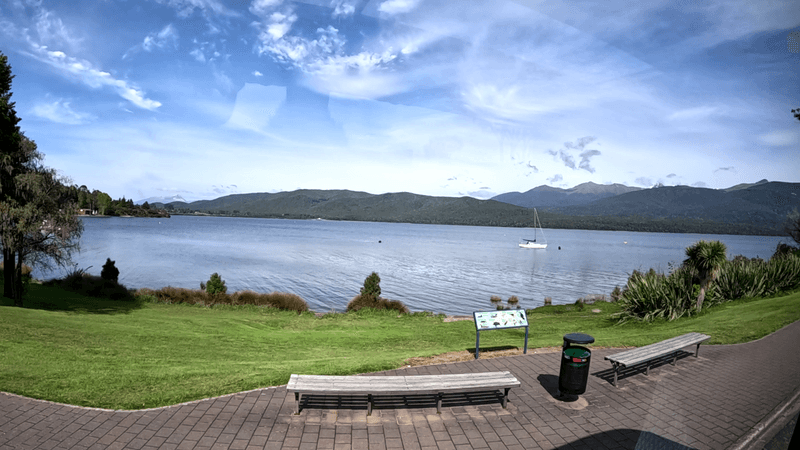
New Zealand’s Great Walks are bucket-list treks that showcase the country’s most stunning landscapes, from alpine passes to rainforests dripping with moss. The Milford Track is often called the finest walk in the world, winding through Fiordland’s dramatic valleys and waterfalls.
Routeburn crosses mountain saddles with views that stretch forever, while the Kepler Track loops through beech forests and along crystal-clear lakes.
These trails require advance booking through New Zealand’s Department of Conservation, and spots fill up months ahead. Huts along the routes provide bunks and basic facilities, making multi-day treks accessible even if you are not a hardcore backpacker.
Guided options are available if you prefer hot meals and someone else carrying the heavy gear.
Prepare for changing weather, pack good rain gear, and break in your boots beforehand. Walking these trails connects you to Middle Earth magic and natural beauty that feels almost mythical.
9. Trek Patagonia’s Torres del Paine (and buy your park pass on Chile’s official portal)
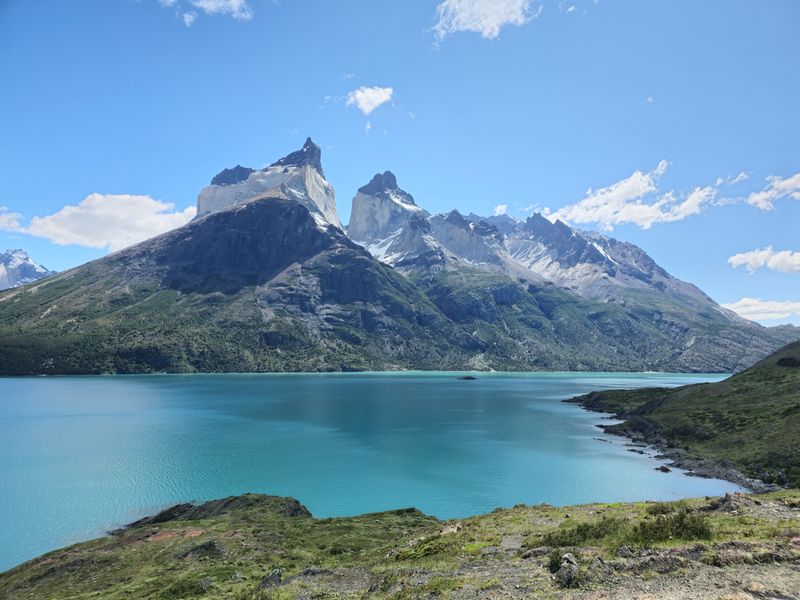
Torres del Paine is Patagonia at its most dramatic: granite towers piercing the sky, electric-blue glaciers calving into lakes, and guanacos grazing across windswept plains. The famous W Trek takes about five days, connecting valleys, viewpoints, and mountain refugios.
For the ultimate challenge, the full O Circuit adds several more days and even more remote wilderness.
Chile’s official portal now manages park passes and camping reservations, making planning easier than ever. Book early because the season runs from October to April, and prime dates disappear fast.
Weather in Patagonia is notoriously unpredictable, so pack layers and expect wind, rain, and sunshine all in one day.
Refugios offer meals and beds, while camping gives you more flexibility and solitude. Either way, waking up to views of the Torres at sunrise is a moment that will stay with you forever.
10. Raft the Colorado River through the Grand Canyon (permit lottery or a guided trip)
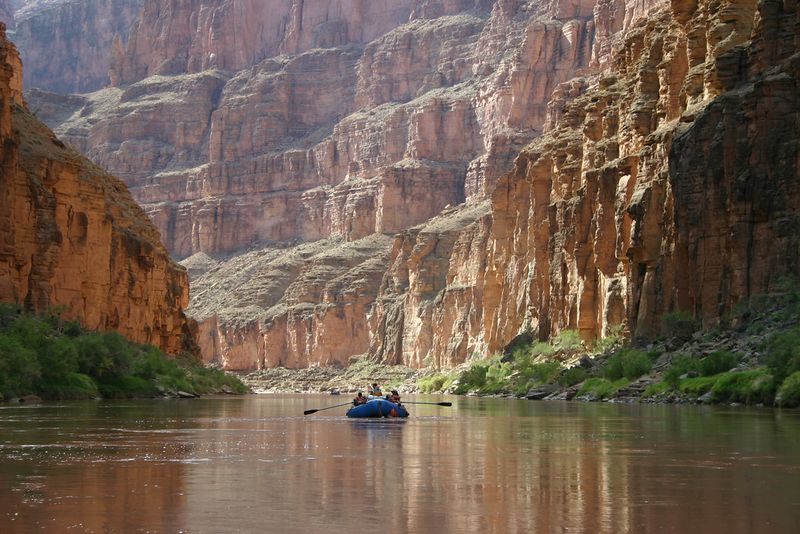
Rafting the Colorado River through the Grand Canyon is one of the most legendary adventures in North America. Over two weeks, you navigate rapids with names like Crystal and Lava Falls, camp on sandy beaches under star-filled skies, and hike into side canyons where waterfalls tumble into emerald pools.
The canyon walls rise a mile above you, revealing two billion years of Earth’s history in layered rock.
Getting a permit through the National Park Service lottery is tough, with thousands of applicants competing for limited spots. Many adventurers opt for guided trips with experienced outfitters who handle logistics, meals, and safety.
Either way, this is a commitment that requires time off work and a willingness to disconnect completely.
Rapids range from gentle riffles to heart-pounding Class V drops, making every day exciting. This journey is transformative, stripping away modern distractions and reconnecting you with nature’s raw power.
11. Summit Mount Kilimanjaro via Tanzania National Parks’ official routes
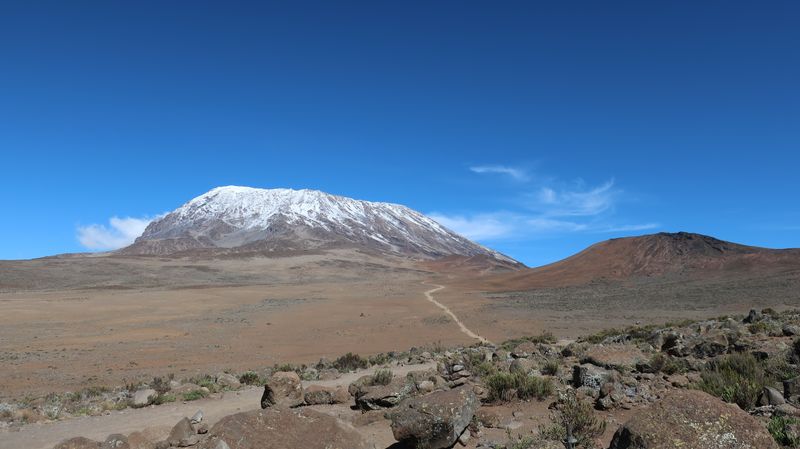
Mount Kilimanjaro rises from African plains to snow-capped summit, offering one of the world’s most accessible high-altitude climbs. No technical climbing skills are required, but the altitude and distance demand mental toughness and physical preparation.
Tanzania National Parks manages official routes like Machame, Lemosho, and Marangu, each offering different scenery and challenge levels.
Most treks take six to eight days, allowing your body to acclimatize to the thinning air. Porters carry gear while guides lead the way, sharing stories and keeping spirits high when the going gets tough.
Summit night begins around midnight, a slow march under stars toward Uhuru Peak at 19,341 feet.
Standing on the Roof of Africa at sunrise, gazing across clouds and glaciers, is an achievement that changes how you see yourself. Train beforehand with long hikes, and remember that pole pole (slowly, slowly) is the key to success.
12. Go gorilla trekking in Bwindi Impenetrable National Park (managed by Uganda Wildlife Authority)
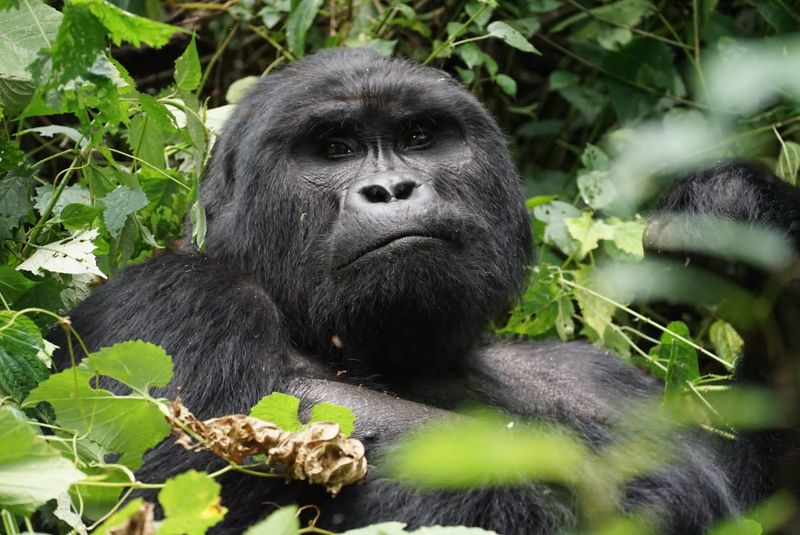
Few wildlife encounters match the intensity of meeting a mountain gorilla family in their rainforest home. Bwindi Impenetrable National Park in Uganda protects roughly half the world’s remaining mountain gorillas, and the Uganda Wildlife Authority carefully manages trekking permits.
Hikes can last anywhere from one to six hours, depending on where the gorillas spent the previous night.
When you finally find them, the experience is humbling: silverbacks lounge in clearings, mothers cradle infants, and youngsters tumble through vines in playful wrestling matches. You are allowed one precious hour with the group, staying at least 23 feet away to protect their health.
Guides communicate with trackers via radio, adjusting your route in real time.
Permits are expensive but directly fund conservation and local communities. Wear long sleeves and sturdy boots for the muddy, steep terrain, and bring a good camera with no flash allowed.
13. Plan a Great Migration safari in Serengeti National Park
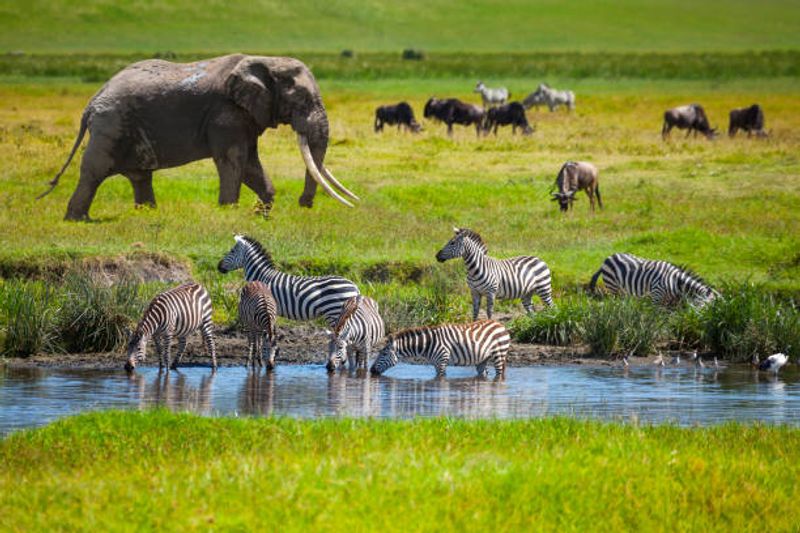
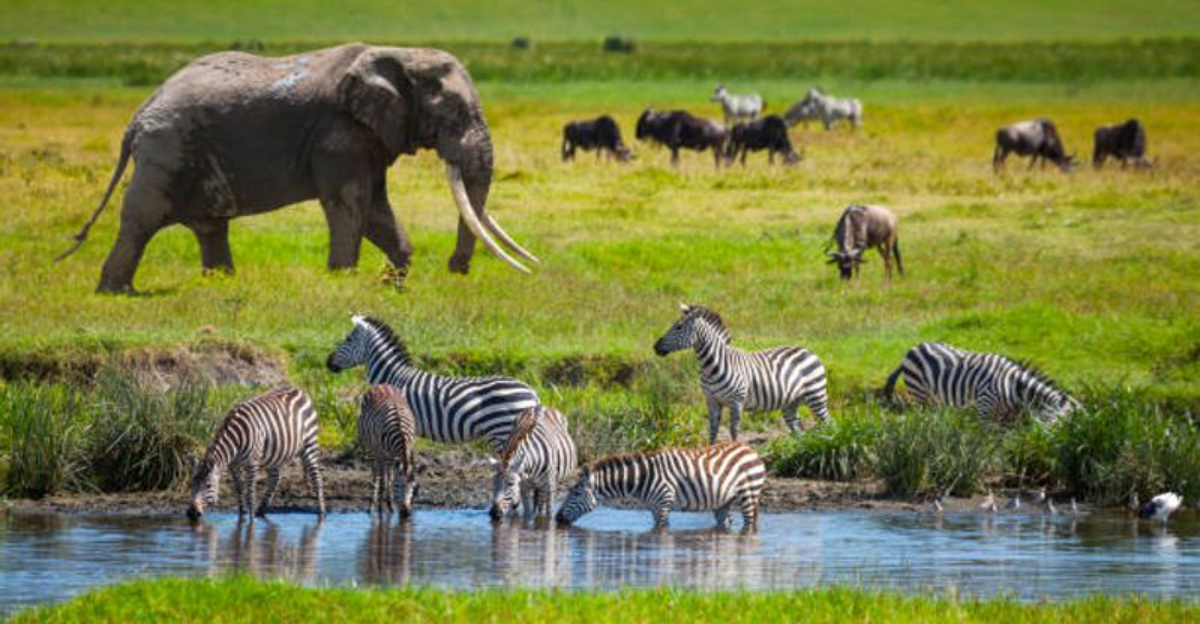
The Great Migration is nature’s most spectacular show, with over two million wildebeest, zebras, and gazelles moving in an endless cycle across the Serengeti. Timing your safari to coincide with river crossings is thrilling: herds gather nervously on the banks before plunging into crocodile-infested waters in a desperate dash for greener pastures.
Predators like lions and cheetahs follow closely, making every moment dramatic.
The migration moves throughout the year, so research which region to visit based on your travel dates. Northern Serengeti sees river crossings from July to October, while southern plains host calving season from January to March.
Safari lodges and tented camps offer front-row seats, with guides who know where the action is happening.
Early morning game drives provide the best light and animal activity. This is not just a vacation; it is witnessing one of Earth’s greatest natural phenomena unfold before your eyes.
14. Snag official 2026 Machu Picchu tickets via Peru’s Ministry of Culture platform
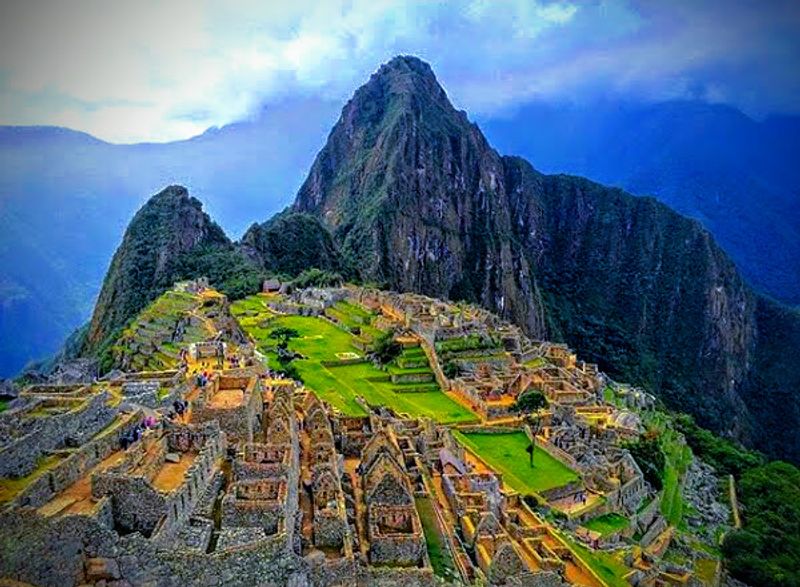
Machu Picchu sits perched on a mountain ridge, its ancient stone terraces and temples shrouded in mist and mystery. This Incan citadel is Peru’s crown jewel, and visiting requires advance tickets purchased through the Ministry of Culture’s official platform.
Daily visitor numbers are limited to protect the site, so planning ahead is essential, especially if you want to hike Huayna Picchu or Machu Picchu Mountain for elevated views.
Most visitors base themselves in Cusco or the Sacred Valley, taking the train to Aguas Calientes before catching a bus up the switchbacks. Arriving early means fewer crowds and better photo opportunities as the sun burns through morning fog.
Hiring a guide brings the ruins to life, explaining architectural marvels and theories about why the site was abandoned.
Altitude can affect some visitors, so spend a day or two acclimatizing in Cusco beforehand. This is a pilgrimage every adventurer should make at least once.
15. Hike Peru’s Classic Inca Trail (Camino Inca) with 2026 availability via the official system
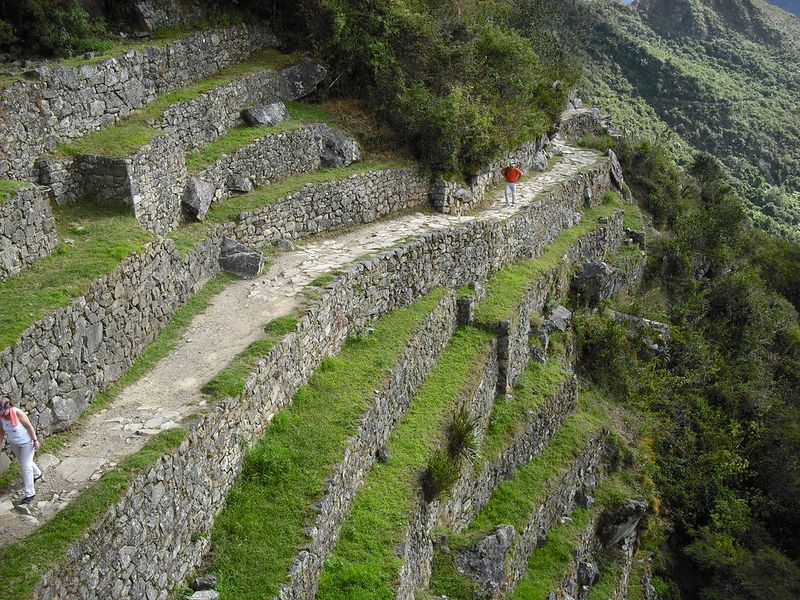
The Classic Inca Trail is a four-day trek that follows ancient stone pathways through cloud forests, over mountain passes, and past lesser-known ruins before arriving at Machu Picchu through the Sun Gate at dawn. Permits are limited to 500 people per day (including guides and porters), and they sell out months in advance through Peru’s official system.
This is not just a hike; it is a journey through history.
The trail climbs to over 13,000 feet at Dead Woman’s Pass, testing your endurance and acclimatization. Porters carry most of the gear while you focus on taking in the scenery and ruins like Wiñay Wayna.
Camping under Andean stars and sharing meals with fellow trekkers creates bonds that last long after you return home.
Book through a licensed operator as independent hiking is not allowed. Train beforehand and pack layers for rapidly changing mountain weather.
16. Trek to Everest Base Camp via Sagarmatha National Park, Nepal
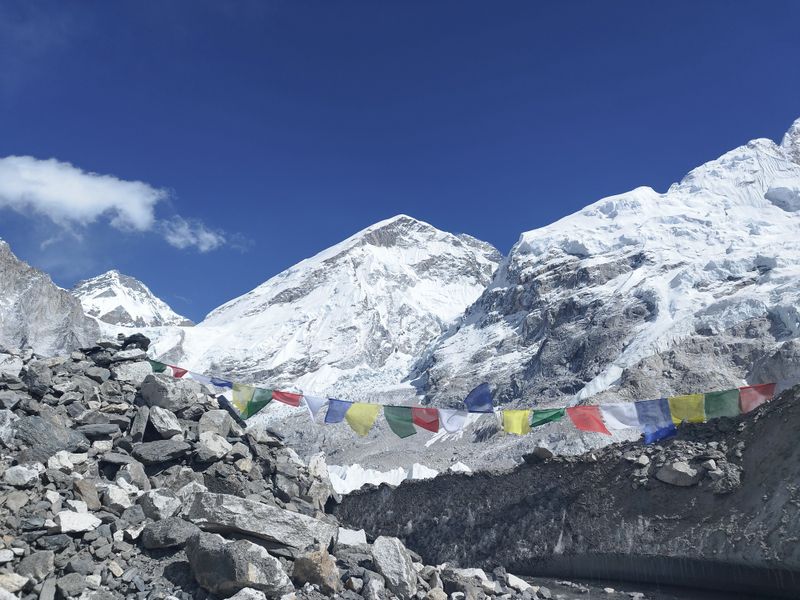
Standing at Everest Base Camp, surrounded by prayer flags flapping in the wind and the world’s highest peak looming above, is a dream realized for thousands of trekkers each year. The journey through Sagarmatha National Park takes about two weeks, starting with a wild flight into Lukla and continuing through Sherpa villages, suspension bridges, and rhododendron forests.
Altitude is the biggest challenge, requiring slow, steady progress and rest days for acclimatization.
Teahouses along the route provide meals and simple beds, making the trek accessible without needing to carry camping gear. Namche Bazaar serves as the main hub, where trekkers stock up on supplies and enjoy bakery treats.
The Khumbu Icefall and surrounding peaks create a landscape so dramatic it barely seems real.
Hire a guide or porter to support local communities and ensure safety. This trek is physically demanding but achievable for anyone with determination and proper preparation.
17. Cycle Japan’s Shimanami Kaidō—one of the country’s iconic sea-crossing routes
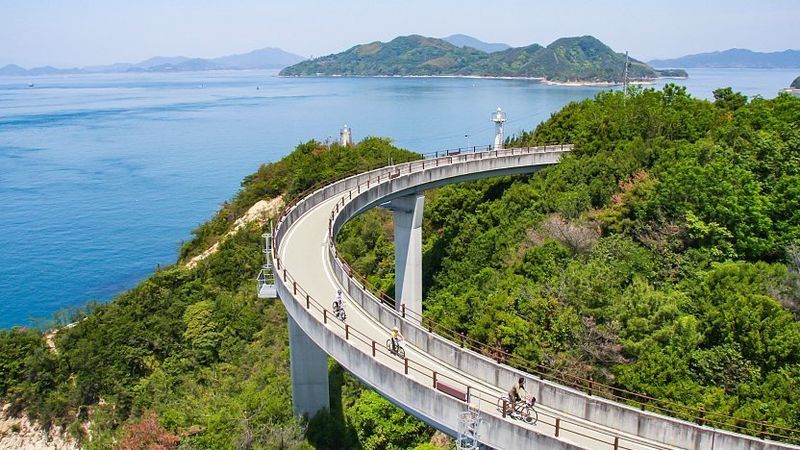
The Shimanami Kaidō is a 40-mile cycling route that island-hops across the Seto Inland Sea, connecting Honshu and Shikoku via a series of stunning bridges. Bike lanes are separated from car traffic, making the ride safe and relaxing even for casual cyclists.
Each island offers something unique: citrus groves, art museums, seaside shrines, and tiny fishing villages where time seems to move slower.
Rental bikes are available at multiple locations, and you can drop them off at different points along the route. The bridges themselves are engineering marvels, offering panoramic views of islands dotting the sparkling sea.
Spring brings cherry blossoms, while autumn paints the hills in fiery reds and golds.
Plan to take two or three days to fully enjoy the route, staying in guesthouses or ryokans along the way. This is cycling at its most scenic and culturally enriching, perfect for adventurers who want to experience Japan beyond the cities.
18. Walk the Camino de Santiago and finish at the official Pilgrim’s Reception Office in Santiago
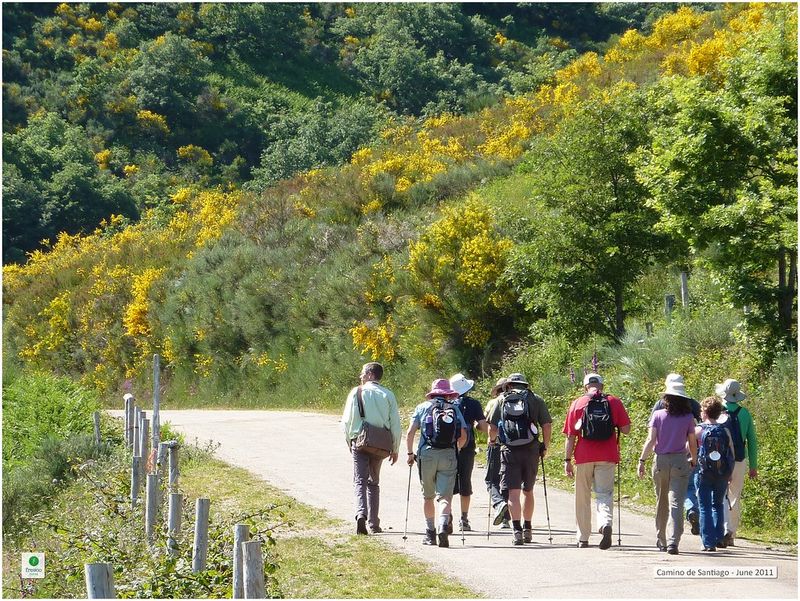
The Camino de Santiago is a network of ancient pilgrimage routes leading to the cathedral in Santiago de Compostela, Spain. For over a thousand years, pilgrims have walked these paths seeking spiritual renewal, adventure, or simply a break from modern life.
The most popular route, the Camino Francés, stretches about 500 miles from the French border, taking most walkers four to five weeks to complete.
Each day brings new landscapes: vineyards, medieval villages, rolling hills, and forests. Albergues (pilgrim hostels) provide cheap beds and a chance to meet fellow walkers from around the world.
The Pilgrim’s Reception Office in Santiago issues a Compostela certificate to those who walk at least the final 100 kilometers, marking your official completion.
Pack light, break in your boots thoroughly, and embrace the slow pace. This journey is as much about the people you meet and the person you become as it is about the destination.
19. Dive the Great Barrier Reef and Coral Sea on the Spirit of Freedom liveaboard
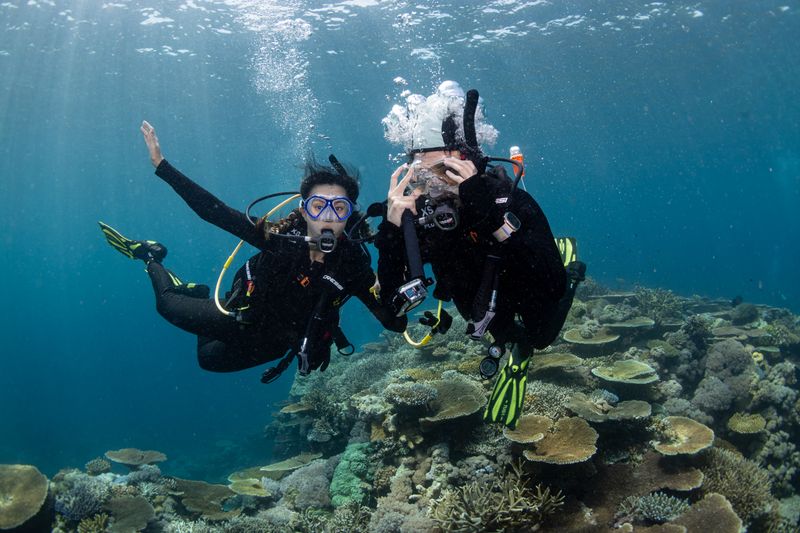
The Great Barrier Reef is the world’s largest coral reef system, and exploring it from a liveaboard boat gives you access to remote sites far beyond day-trip reach. Spirit of Freedom offers multi-day expeditions that venture into the Coral Sea, where visibility exceeds 100 feet and pelagic species like sharks, manta rays, and tuna cruise past vertical walls draped in colorful corals.
Days are structured around three to four dives, with night dives adding extra excitement as nocturnal creatures emerge. The crew includes experienced dive masters who know the best sites and can spot tiny critters that casual divers might miss.
Between dives, you relax on deck, swap stories with fellow divers, and enjoy fresh meals prepared onboard.
Even if you are already a certified diver, the Coral Sea’s remote reefs will blow your mind. This is diving at its most pristine and thrilling, perfect for those who crave underwater adventures.
20. Dive Raja Ampat on a Mermaid Liveaboards itinerary (9–12 day trips)
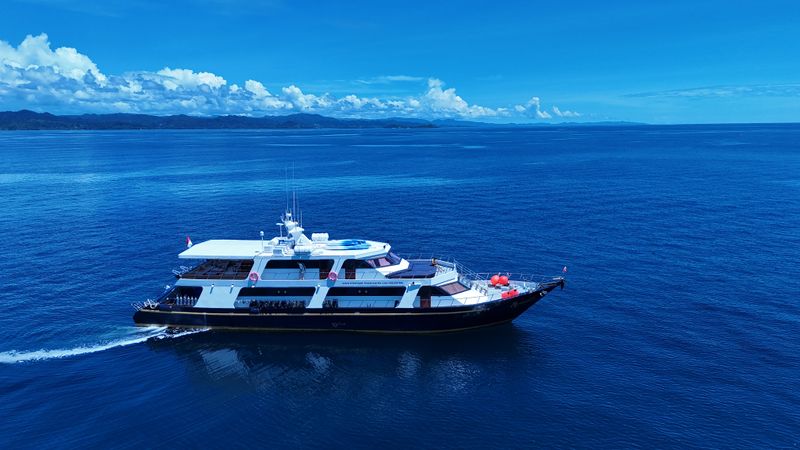
Raja Ampat in Indonesia is considered the epicenter of marine biodiversity, with more fish and coral species packed into its waters than anywhere else on Earth. Mermaid Liveaboards offers 9 to 12-day expeditions through this underwater paradise, diving sites where pygmy seahorses hide in soft corals, manta rays glide through cleaning stations, and walls explode with life in every color imaginable.
The remote location means pristine reefs with minimal human impact, and the liveaboard format allows you to dive the best sites at optimal times. Surface intervals are spent cruising through karst islands covered in jungle, their limestone cliffs rising dramatically from turquoise lagoons.
The crew provides excellent service, and meals feature fresh Indonesian cuisine.
This trip requires an Advanced Open Water certification due to strong currents in some areas. For serious divers, Raja Ampat is the ultimate destination, offering encounters and scenery that redefine what you thought possible underwater.



