 Unearth The Voyage
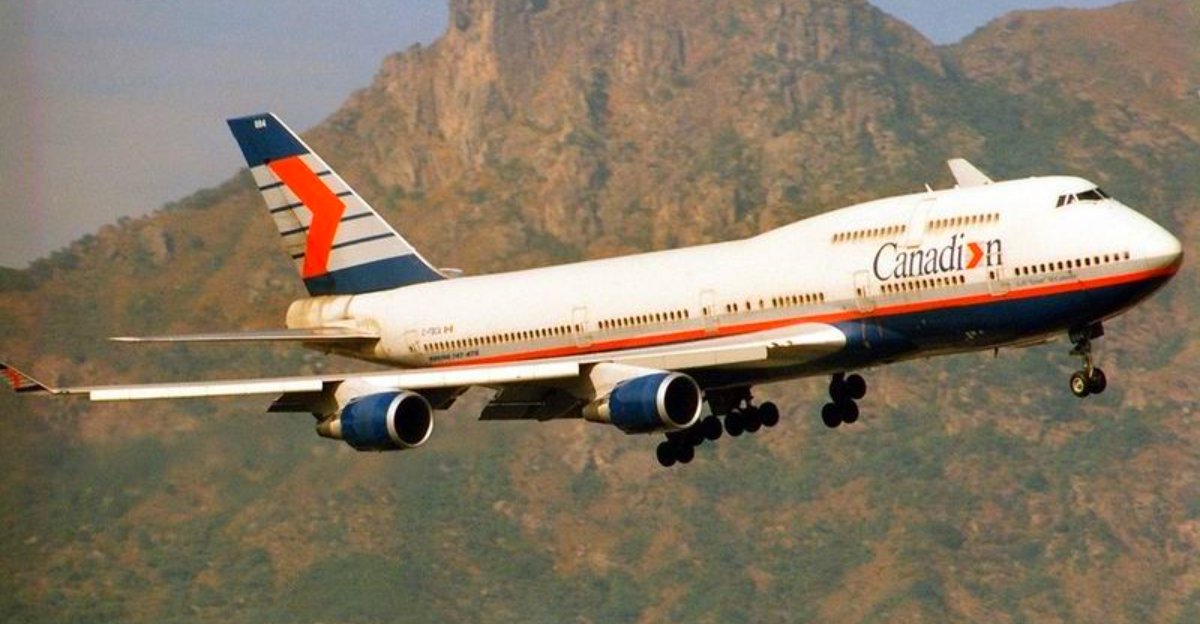
Flying used to be a glamorous adventure, with airlines competing to offer the best service, food, and style. Many carriers became household names, taking passengers to exciting destinations around the world.
But over the years, some of these once-mighty airlines faced financial troubles, mergers, or simply couldn’t keep up with the competition. Today, we’ll explore the stories of twenty legendary airlines that no longer fill our skies.
1. Pan American World Airways (Pan Am) – USA
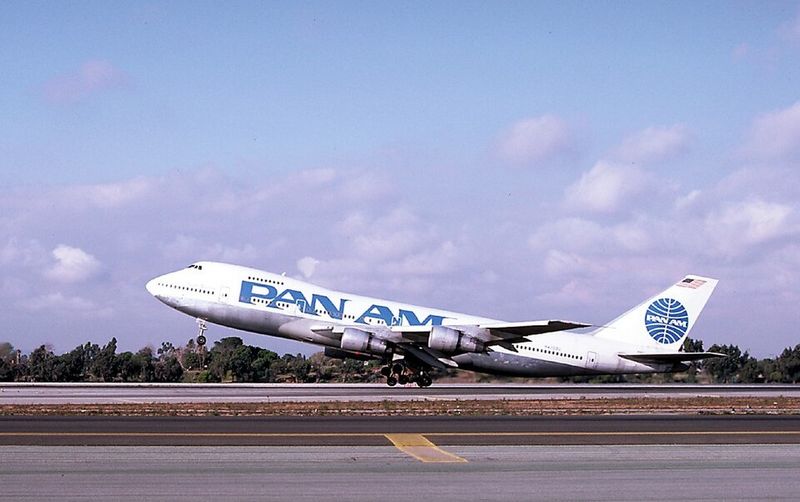
For decades, Pan Am was the face of American aviation, connecting continents with its iconic blue globe logo. Founded in 1927, this airline pioneered international travel and made flying feel like a luxury experience.
Passengers dressed in their finest clothes to board Pan Am flights, enjoying gourmet meals and exceptional service at 30,000 feet.
The airline was famous for introducing the Boeing 747 jumbo jet to the world in 1970. Pan Am crews were considered the most professional in the industry, and pilots wore sharp uniforms that inspired respect.
The airline’s reach extended to over 160 countries at its peak, making it a true global giant.
However, rising fuel costs, increased competition, and the tragic Lockerbie bombing in 1988 dealt severe blows to the company. Financial losses mounted as newer airlines offered cheaper fares and better routes.
Despite efforts to save the airline, Pan Am filed for bankruptcy in 1991.
The final Pan Am flight took off on December 4, 1991, ending an era of aviation history. Today, aviation enthusiasts still collect Pan Am memorabilia, from vintage posters to flight bags.
The airline’s legacy lives on in movies, books, and the memories of travelers who experienced its golden age.
2. Trans World Airlines (TWA) – USA
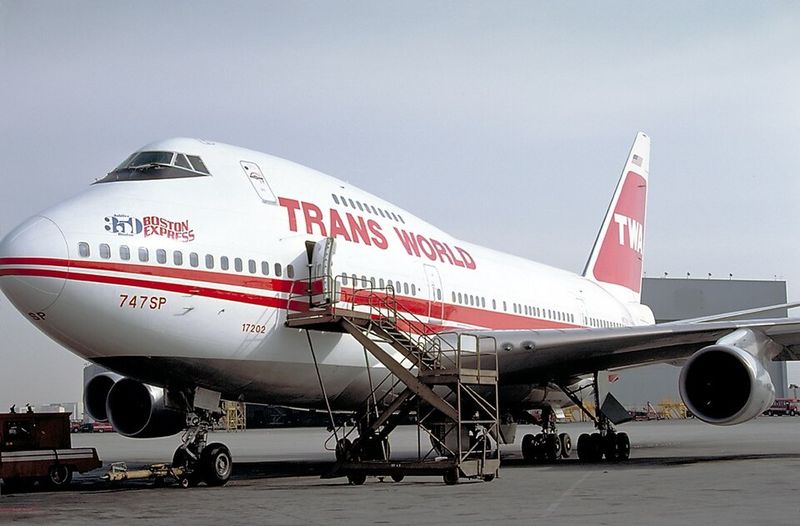
Trans World Airlines started as a mail carrier in 1930 and grew into one of America’s most beloved airlines. Howard Hughes, the famous billionaire and aviator, owned the airline for many years and pushed it toward innovation.
TWA became known for stylish terminals, including the stunning TWA Flight Center at New York’s JFK Airport, designed by architect Eero Saarinen.
The airline offered coast-to-coast flights and international routes that connected America to Europe and beyond. Flight attendants wore chic uniforms designed by famous fashion houses, making every journey feel special.
TWA also introduced in-flight movies and other entertainment options that other airlines soon copied.
Competition grew fierce in the 1980s and 1990s as discount carriers changed the industry. Financial problems began piling up, and TWA struggled to keep up with maintenance costs and newer aircraft purchases.
Labor disputes and rising debt made things even worse for the struggling carrier.
In 2001, American Airlines purchased TWA, absorbing its routes and employees. The last official TWA flight departed on December 1, 2001, closing the chapter on a storied airline.
Though the brand disappeared, the beautiful TWA terminal still stands as a hotel, reminding visitors of aviation’s glamorous past.
3. Eastern Air Lines – USA
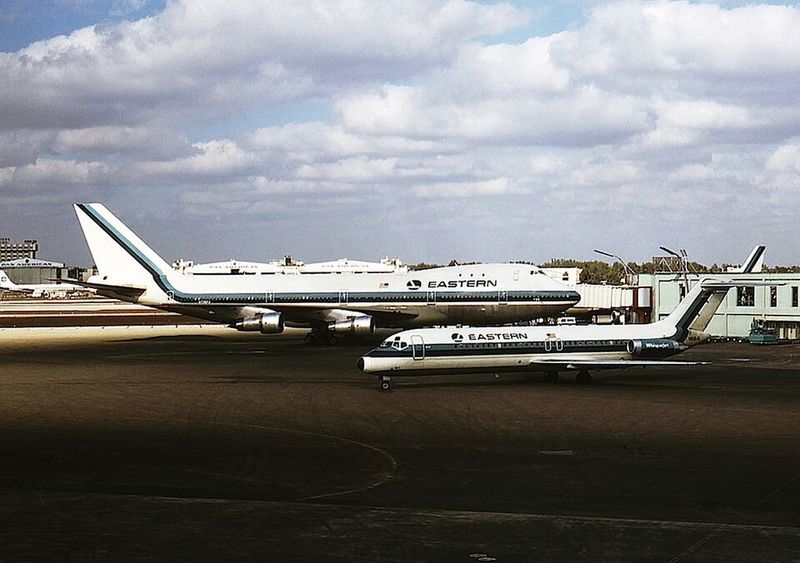
Eastern Air Lines dominated the East Coast of the United States for over six decades. Founded in 1926, it grew from a mail service into a major passenger carrier serving cities from Maine to Miami.
The airline’s slogan, “The Wings of Man,” reflected its commitment to connecting people across America’s eastern seaboard.
Captain Eddie Rickenbacker, a World War I flying ace, led the airline during its glory years in the 1940s and 1950s. Under his leadership, Eastern became known for punctuality and customer service.
The airline introduced the air shuttle concept, offering hourly flights between New York, Boston, and Washington without requiring reservations.
Troubles began in the 1970s when fuel prices skyrocketed and competition intensified. Labor conflicts with unions created operational headaches and damaged the airline’s reputation.
Management decisions, including selling valuable assets, weakened Eastern’s financial position even further.
A bitter strike by machinists in 1989 proved to be the final blow for the struggling carrier. Flights were canceled, passengers fled to competitors, and revenue dried up completely.
Eastern Air Lines ceased operations in January 1991, leaving thousands of employees without jobs and ending a significant chapter in American aviation history.
4. Braniff International Airways – USA
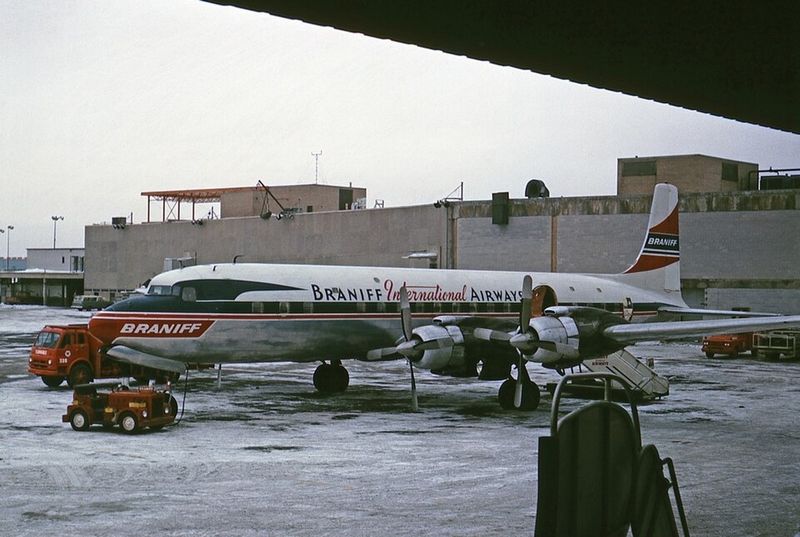
Braniff International Airways brought color and excitement to the skies like no other airline before it. Starting in 1928, the Dallas-based carrier served routes throughout North and South America.
What really set Braniff apart was its bold decision in the 1960s to paint aircraft in bright colors like orange, turquoise, and yellow.
Fashion designer Emilio Pucci created stunning uniforms for Braniff flight attendants that looked more like haute couture than work clothes. The airline hired artist Alexander Calder to paint aircraft exteriors, turning planes into flying works of art.
Braniff’s marketing campaigns featured celebrity spokespeople and emphasized style as much as service.
The airline expanded rapidly in the late 1970s after deregulation allowed carriers to fly new routes. Unfortunately, Braniff grew too quickly, buying too many aircraft and opening routes that weren’t profitable.
Rising fuel costs and economic recession made the situation even more difficult to manage.
By 1982, Braniff had run out of money and filed for bankruptcy, shocking the aviation world. Attempts to restart the airline in later years failed to recapture the original magic.
Today, collectors treasure Braniff memorabilia, from colorful model planes to vintage travel posters that remind us of aviation’s most colorful era.
5. Continental Airlines (merged into United) – USA
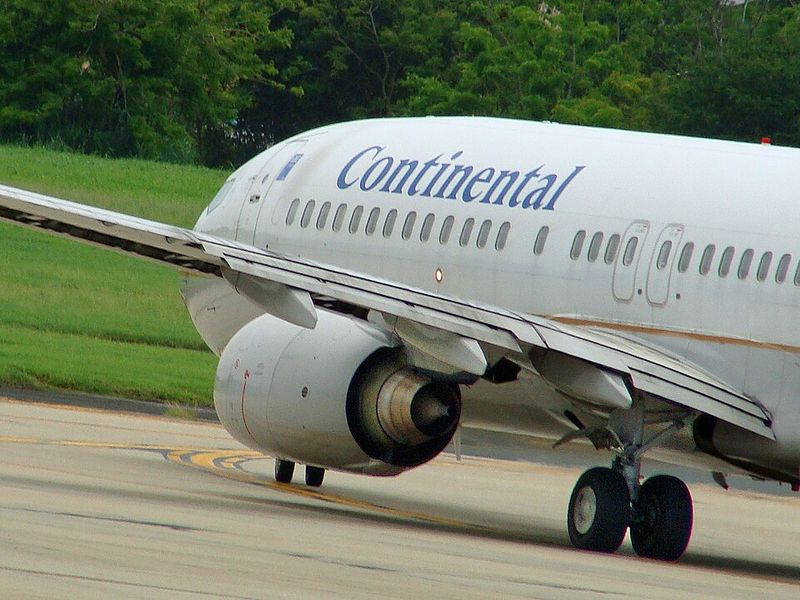
Continental Airlines started small in 1934, flying routes in the American Southwest before growing into a major carrier. The airline weathered many storms over the decades, including multiple bankruptcies and ownership changes.
Despite these challenges, Continental built a reputation for innovation and customer service that won loyal passengers.
In the 1990s and early 2000s, Continental made a remarkable comeback from near failure. New management improved operations, upgraded aircraft, and focused on customer satisfaction.
The airline’s hub in Newark became one of the busiest in the nation, connecting passengers to destinations worldwide.
Continental consistently ranked among the best airlines for quality and reliability during its final years. The carrier introduced amenities like personal entertainment screens and improved meal service.
Employees took pride in working for an airline that valued both passengers and staff.
When the aviation industry faced financial pressure after 2008, consolidation seemed like the only solution for survival. Continental and United Airlines announced a merger in 2010, creating one of the world’s largest carriers.
The Continental name officially disappeared in 2012, though the merged airline kept some of Continental’s best practices and routes. Many former Continental employees and passengers still remember the airline fondly and miss its distinctive golden globe logo.
6. Northwest Airlines (merged into Delta) – USA
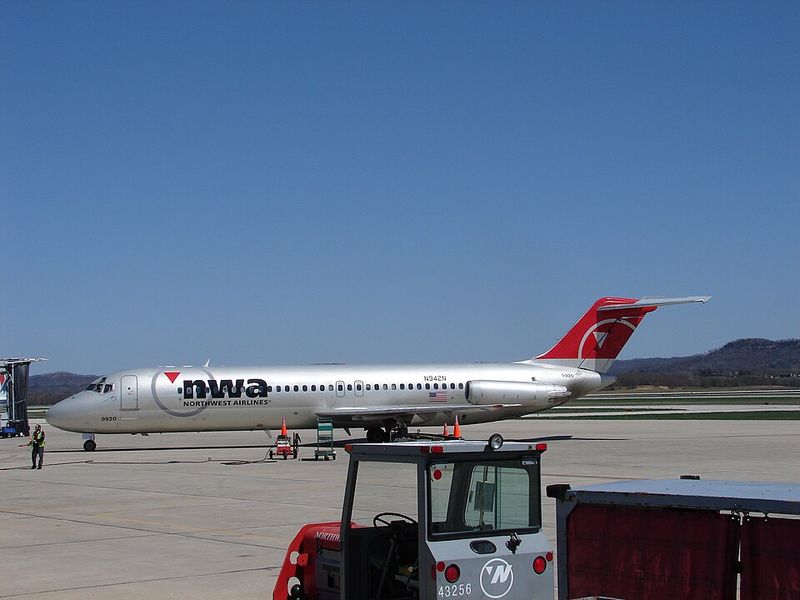
Northwest Airlines began flying in 1926, making it one of America’s oldest carriers when it disappeared. The Minnesota-based airline specialized in routes to Asia, earning the nickname “Northwest Orient” for many years.
Passengers traveling between the United States and Japan, China, or Korea often chose Northwest for its experience and connections.
The airline operated a major hub in Detroit and another in Minneapolis, serving cities across America and beyond. Northwest was among the first carriers to use computer reservation systems, helping travel agents book flights more efficiently.
The airline also pioneered transpacific routes that opened up travel between continents.
Financial troubles hit Northwest hard in the 2000s, leading to a bankruptcy filing in 2005. Rising fuel costs and intense competition from other carriers squeezed profit margins to dangerous levels.
Labor disputes added to the airline’s problems, creating tension between management and employees.
Delta Air Lines and Northwest announced a merger in 2008 to create a stronger, more competitive airline. The combined carrier kept the Delta name, and Northwest’s red tail logo gradually disappeared from airports.
The final Northwest-branded flight took off on January 31, 2010, ending more than eight decades of service. Today, Delta operates many of Northwest’s former routes, keeping those connections alive under a different name.
7. Sabena – Belgium
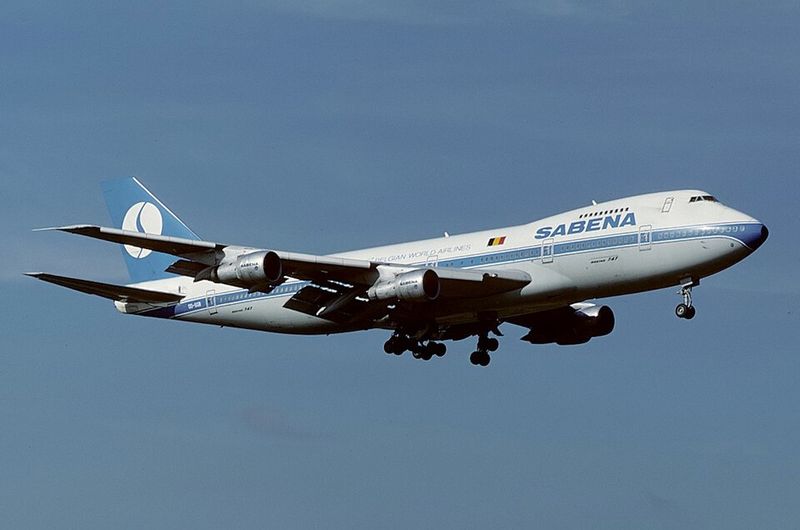
Sabena served as Belgium’s national airline for 78 years, connecting Brussels to destinations across Europe, Africa, and beyond. Founded in 1923, the airline carried the Belgian flag proudly and represented the country’s aviation industry.
Sabena developed particularly strong routes to the Congo and other African nations due to Belgium’s colonial history.
The airline was known for excellent service and reliability throughout most of its existence. Sabena operated modern aircraft and trained pilots to the highest standards.
The carrier’s blue and white livery became a familiar sight at airports around the world.
Problems began mounting in the 1990s as competition from larger European carriers intensified. Sabena struggled to fill seats on long-haul flights as passengers chose airlines with more frequent schedules.
The Belgian government provided financial support multiple times, but losses continued to grow year after year.
The terrorist attacks of September 11, 2001, dealt a devastating blow to airlines worldwide, and Sabena was especially vulnerable. Passenger numbers dropped sharply, and the airline could no longer cover its costs.
Sabena declared bankruptcy in November 2001, grounding its entire fleet overnight. Thousands of passengers were stranded, and employees lost their jobs in a sudden, painful ending to a proud aviation legacy that had spanned nearly eight decades.
8. Swissair – Switzerland
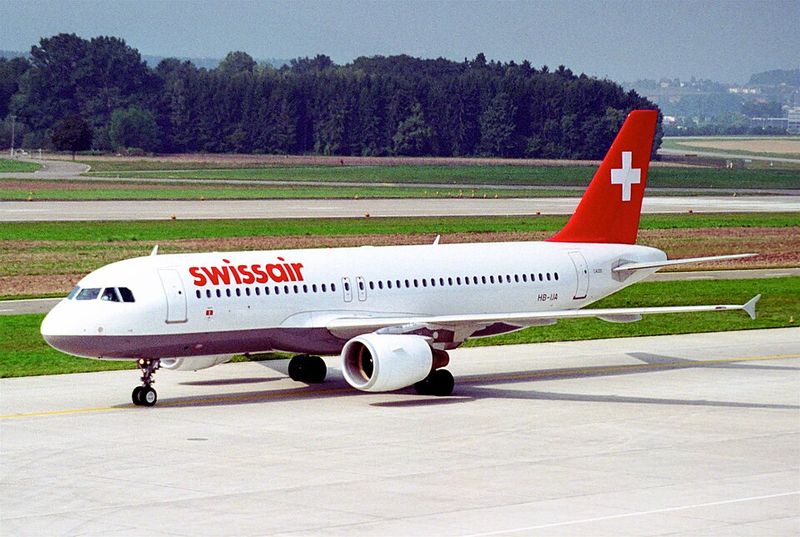
Swissair earned the nickname “Flying Bank” because of its reputation for financial stability and Swiss precision. Founded in 1931, the airline represented everything people associated with Switzerland: punctuality, quality, and attention to detail.
Passengers trusted Swissair completely, knowing their flights would depart on time and service would be impeccable.
The airline operated from Zurich and served destinations throughout Europe, Asia, and the Americas. Swissair’s red and white aircraft became symbols of reliability in the aviation world.
The carrier invested heavily in modern planes and trained crew members to deliver exceptional experiences.
In the late 1990s, Swissair management made a costly decision to buy stakes in struggling airlines across Europe. This “Hunter Strategy” aimed to create a European airline alliance, but the investments turned sour quickly.
Partner airlines continued losing money, dragging Swissair down with them into financial quicksand.
By 2001, Swissair faced a cash crisis so severe that it couldn’t afford fuel for its aircraft. On October 2, 2001, the airline grounded its entire fleet, stranding passengers worldwide in what became known as the “Grounding.” Swissair officially ceased operations in 2002, shocking Switzerland and the aviation industry.
A new carrier called Swiss International Air Lines rose from the ashes, but the proud Swissair name was gone forever, a victim of poor management decisions.
9. Malev Hungarian Airlines – Hungary
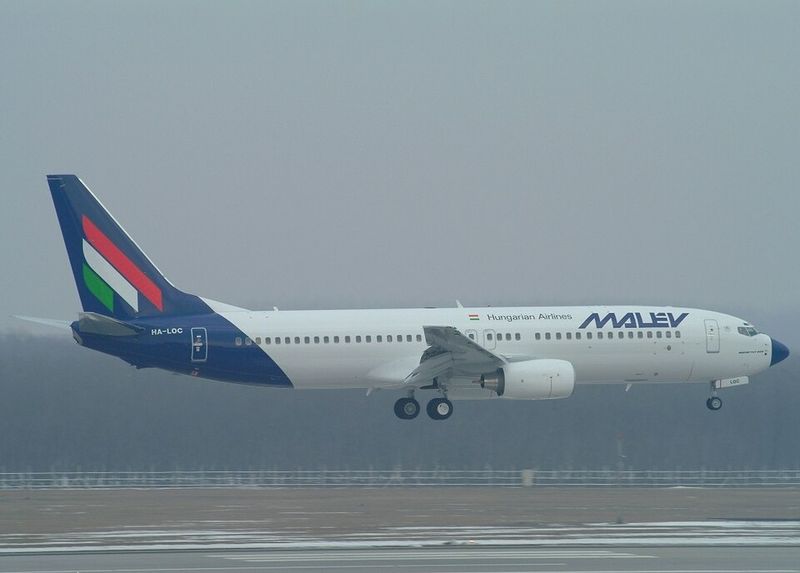
Malev served as Hungary’s national airline from 1946 until its sudden collapse in 2012. The airline connected Budapest to cities across Europe and operated some long-haul routes to North America and Asia.
Malev’s name came from the Hungarian words for “Hungarian Airlines,” and it carried the country’s colors with pride.
During the Communist era, Malev operated Soviet-built aircraft and served primarily Eastern Bloc destinations. After Hungary’s transition to democracy in 1989, the airline modernized its fleet with Western aircraft like Boeing 737s.
Malev joined international airline alliances and expanded its route network significantly.
Financial problems plagued Malev throughout the 2000s as low-cost carriers captured market share across Europe. The Hungarian government provided subsidies to keep the airline flying, but European Union rules limited how much state aid was permissible.
Malev struggled to compete with budget airlines that offered cheaper fares on the same routes.
In February 2012, the European Union demanded that Hungary recover illegal state aid given to Malev over the years. Unable to repay the money or secure private investment, the airline had no choice but to shut down immediately.
Malev’s final flights landed on February 3, 2012, leaving passengers stranded and employees jobless. The sudden closure shocked Hungary, ending more than six decades of national airline service in a single day.
10. Ansett Australia – Australia
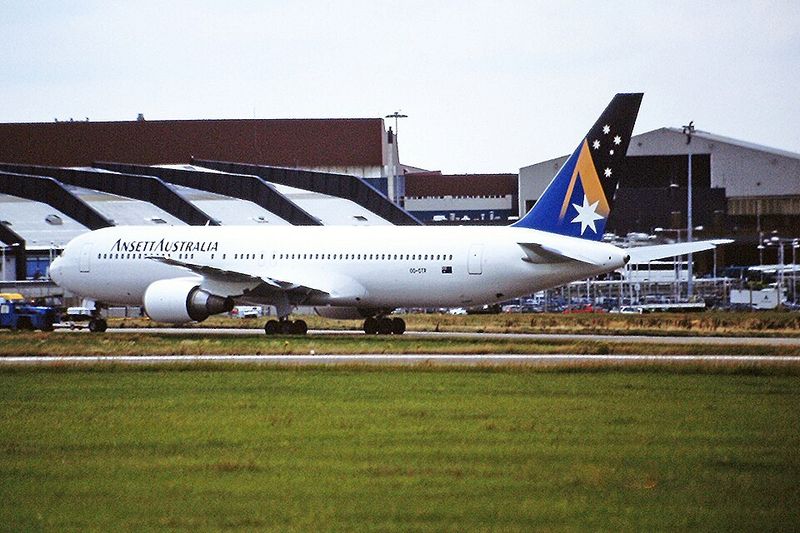
Ansett Australia competed as one of Australia’s two major airlines for over six decades. Founded in 1936 by Reginald Ansett, the carrier grew from a small regional operation into a national powerhouse.
Ansett served cities across the vast Australian continent, connecting remote communities to major urban centers.
The airline developed a loyal following among Australian travelers who appreciated its service and reliability. Ansett operated modern aircraft and invested in customer amenities that made flying more comfortable.
The carrier also ran a successful frequent flyer program that competed directly with Qantas, Australia’s other major airline.
Problems began in the late 1990s when ownership changed hands and management made questionable decisions. The airline’s fleet aged without adequate replacement planning, leading to maintenance issues and groundings.
Financial losses mounted as budget carriers entered the Australian market with lower fares.
In September 2001, Ansett suddenly collapsed, grounding all flights and stranding thousands of passengers across Australia. The timing couldn’t have been worse, coming just days after the September 11 attacks had already shaken the aviation industry.
Administrators tried to find buyers or restart the airline, but efforts failed. Ansett officially ceased operations in 2002, leaving Australia with effectively one major carrier and creating a gap in the market that took years to fill with new competitors.
11. Air Berlin – Germany
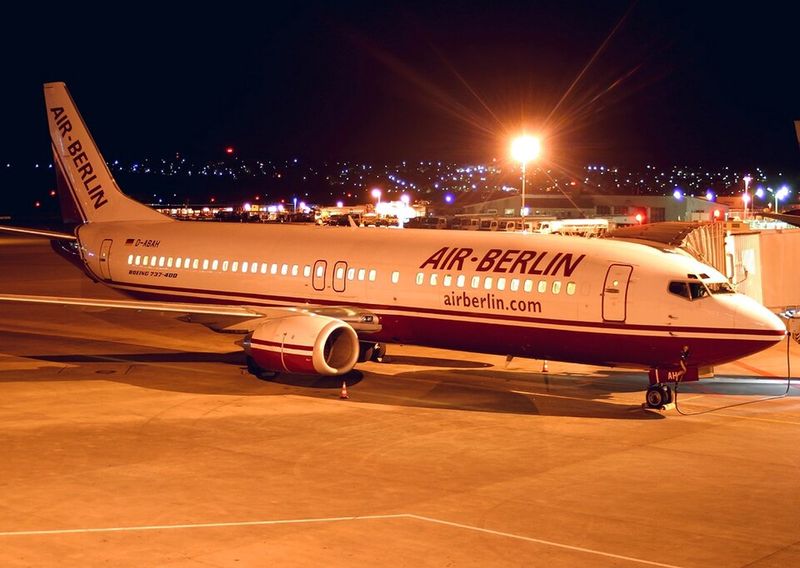
Air Berlin started in 1978 as a small carrier serving West Berlin when the city was still divided. The airline grew dramatically after German reunification, transforming into Germany’s second-largest carrier.
Air Berlin offered both low-cost and full-service flights, trying to appeal to budget travelers and business passengers simultaneously.
The airline operated hubs in Berlin and Düsseldorf, serving destinations across Europe and some long-haul routes. Air Berlin joined the oneworld airline alliance in 2012, partnering with major carriers like American Airlines and British Airways.
The carrier’s red and white aircraft became common sights at airports throughout Europe.
Despite its size, Air Berlin never achieved consistent profitability and relied on investments from Etihad Airways to stay afloat. The airline struggled to compete with true low-cost carriers like Ryanair and EasyJet on price.
At the same time, full-service airlines like Lufthansa offered better amenities and more extensive route networks.
Financial losses accelerated in 2016 and 2017, and Etihad finally withdrew its support in August 2017. Air Berlin filed for insolvency but continued flying while administrators searched for buyers.
Lufthansa and EasyJet purchased parts of the airline, but Air Berlin as a brand ceased operations on October 27, 2017. The collapse left thousands of employees jobless and marked the end of Germany’s second-largest airline after nearly four decades of service.
12. Varig – Brazil
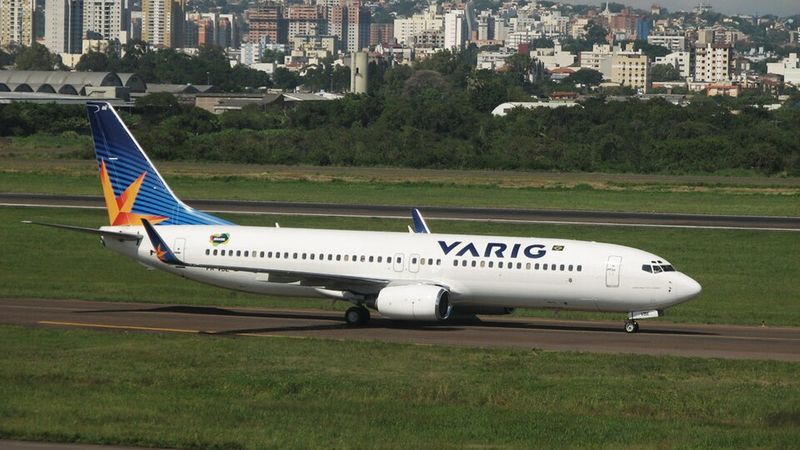
Varig was once the pride of Brazilian aviation, serving as the country’s flagship carrier for 77 years. Founded in 1927 in the southern state of Rio Grande do Sul, Varig grew to become South America’s largest airline.
The carrier operated an extensive domestic network throughout Brazil’s vast territory and flew international routes to every continent.
Brazilian travelers felt deep loyalty to Varig, which represented national pride and connected their huge country. The airline operated modern aircraft and maintained high safety standards throughout most of its history.
Varig’s distinctive blue and yellow livery was recognized at airports worldwide.
Problems began accumulating in the 1990s as new competitors entered the Brazilian market with lower costs. Varig’s large workforce and aging fleet became financial burdens that management struggled to address.
Debt mounted steadily, and the airline’s financial position deteriorated year after year.
By 2005, Varig could no longer pay its bills or maintain its aircraft properly. The airline entered bankruptcy protection but continued flying in a reduced capacity.
In 2006, a smaller carrier called Gol purchased Varig’s brand and some assets, but the original airline effectively ceased to exist. The final Varig flight under the original company operated in 2006, ending nearly eight decades of Brazilian aviation history.
Many Brazilians mourned the loss of their national airline, which had been part of their country’s identity for generations.
13. Canadian Airlines – Canada
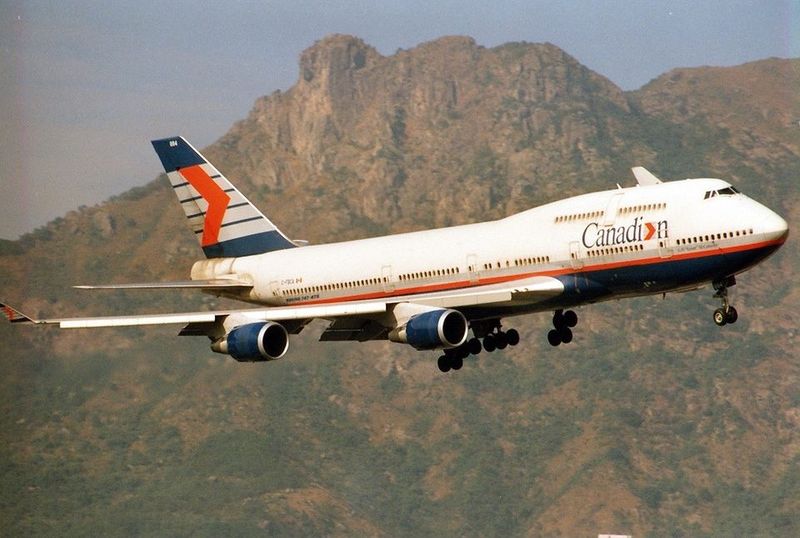
Canadian Airlines served as Canada’s second-largest carrier, competing with Air Canada for passengers across the nation. Formed in 1987 through the merger of several regional airlines, Canadian grew quickly to challenge Air Canada’s dominance.
The airline operated hubs in Vancouver and Calgary, with extensive routes throughout Canada and internationally.
Canadian Airlines developed particularly strong routes to Asia, capitalizing on Vancouver’s position as a Pacific gateway. The carrier joined the oneworld alliance, partnering with American Airlines and other major international carriers.
Canadian’s red and white aircraft became familiar sights at airports from Toronto to Tokyo.
Despite its size and route network, Canadian Airlines struggled financially throughout most of its existence. Competition with Air Canada was fierce, and both carriers often engaged in fare wars that hurt profits.
Canadian accumulated significant debt and required government assistance and private investment to keep flying.
By the late 1990s, Canadian’s financial position had become unsustainable despite efforts to cut costs and improve operations. Air Canada, its longtime rival, made an offer to purchase Canadian and merge the two airlines.
The merger completed in 2000, with Canadian’s aircraft repainted in Air Canada colors and routes integrated. The Canadian Airlines name disappeared from the skies, ending 13 years of competition that had given passengers more choices but proved financially difficult for both carriers in Canada’s relatively small market.
14. Olympic Airlines – Greece
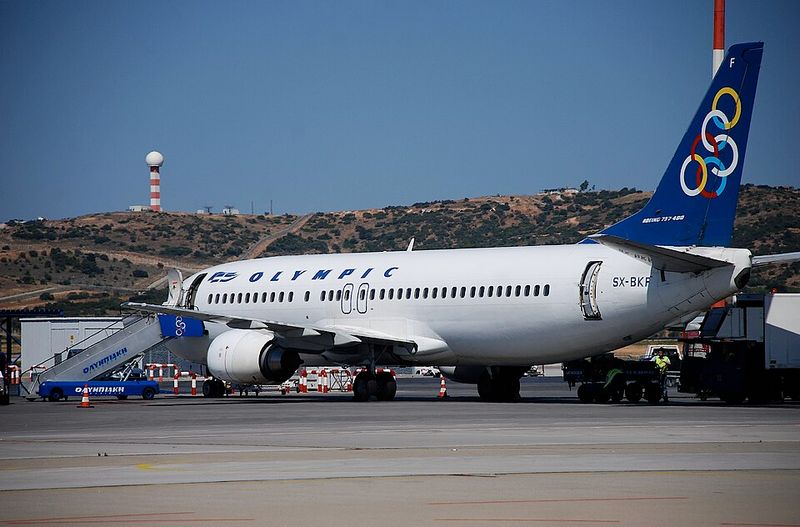
Olympic Airlines carried the legacy of ancient Greece into the modern aviation age. Founded in 1957 by shipping magnate Aristotle Onassis, the airline replaced an earlier Greek carrier.
Olympic connected Athens to destinations across Europe, the Middle East, and North America, carrying Greece’s blue and white colors proudly.
The airline became deeply intertwined with Greek national identity, employing thousands of workers over the decades. Olympic operated both domestic routes connecting Greek islands and international flights to major world cities.
Many Greeks working abroad relied on Olympic to maintain connections with their homeland.
Financial troubles plagued Olympic for decades as the airline struggled with high costs and political interference. The Greek government owned the airline for most of its existence and often made decisions based on politics rather than business sense.
Overstaffing, outdated aircraft, and unprofitable routes drained money year after year.
European Union pressure to end state subsidies forced Greece to privatize or close Olympic Airlines. After years of failed privatization attempts, the airline ceased operations under the Olympic name in 2009.
A private company created Olympic Air, which purchased some assets and routes but was essentially a new airline. The original Olympic Airlines, with its rich history spanning over five decades, disappeared from the skies, ending an era of Greek aviation that many citizens remember with nostalgia and sadness.
15. British Midland (BMI) – UK
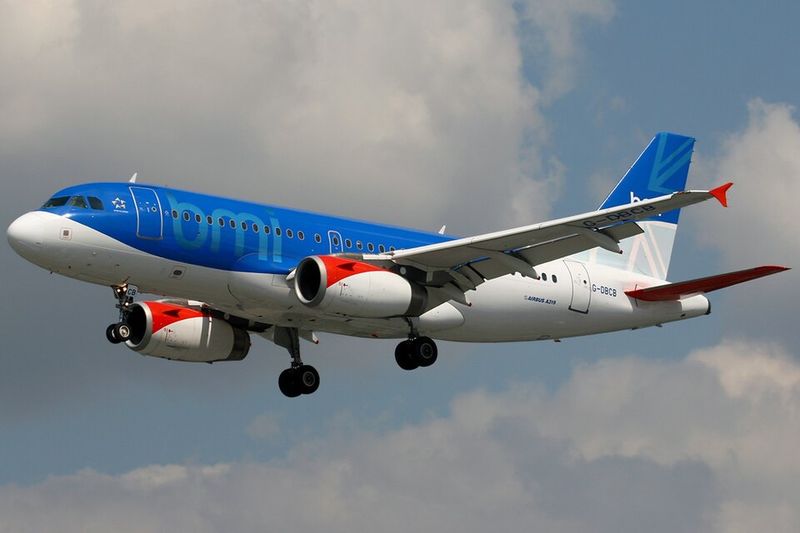
British Midland, commonly known as BMI, started as a small regional carrier in 1938 before growing into Britain’s second-largest airline. Based at East Midlands Airport and later London Heathrow, BMI competed with British Airways on many routes.
The airline served destinations throughout Europe and operated some long-haul flights to destinations like the Caribbean.
BMI built a reputation for good service at competitive prices, attracting business travelers and leisure passengers alike. The airline operated a modern fleet of aircraft and maintained high safety standards.
BMI’s distinctive blue and white livery became a familiar sight at British airports, particularly at Heathrow where it held valuable landing slots.
Lufthansa, Germany’s flag carrier, purchased BMI in 2009 when the British airline faced financial difficulties. However, Lufthansa struggled to make BMI profitable in the competitive European market.
The airline continued losing money despite efforts to cut costs and improve efficiency.
In 2012, Lufthansa sold BMI to British Airways’ parent company, International Airlines Group, for a relatively small sum. British Airways wanted BMI’s valuable Heathrow landing slots more than the airline itself.
BMI ceased operations on October 27, 2012, with routes and aircraft absorbed into British Airways. The airline’s 74-year history came to an end, though some former BMI employees found jobs with the acquiring carrier.
Many passengers mourned the loss of competition on British routes.
16. Zoom Airlines – Canada
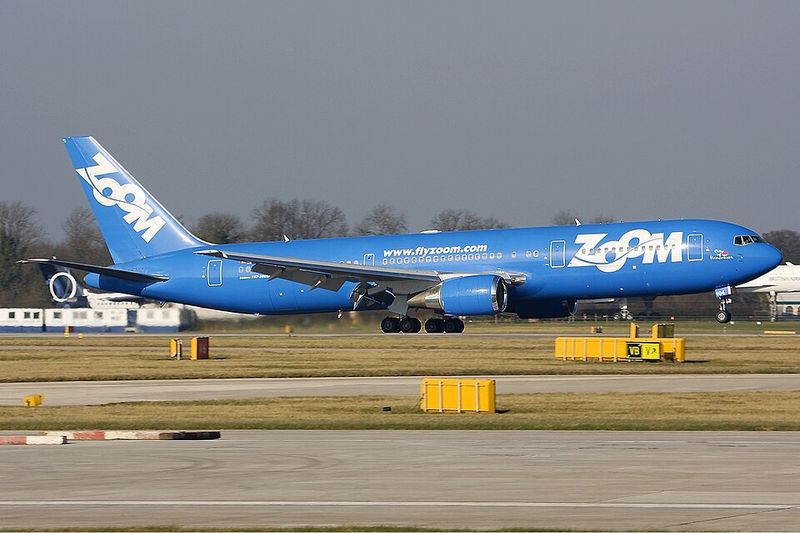
Zoom Airlines launched in 2002 as a low-cost, long-haul carrier based in Canada. The airline aimed to offer affordable transatlantic flights, connecting Canadian cities like Ottawa, Toronto, and Calgary to destinations in Britain, France, and Italy.
Zoom painted its aircraft in bright colors and marketed itself as a fun, budget-friendly alternative to traditional carriers.
The airline initially attracted passengers looking for cheap flights to Europe and built a modest following. Zoom operated Boeing 757 and 767 aircraft, which were well-suited for transatlantic routes.
The carrier kept costs low by charging extra fees for services that traditional airlines included in ticket prices.
However, the low-cost, long-haul business model proved extremely difficult to sustain profitably. Rising fuel prices in 2008 hit Zoom particularly hard because fuel represented such a large percentage of operating costs.
The airline lacked the financial reserves and diverse route network that helped larger carriers weather economic storms.
In August 2008, Zoom Airlines suddenly ceased operations, stranding passengers on both sides of the Atlantic. The airline filed for bankruptcy protection in Canada, leaving ticket holders without refunds and employees without jobs.
Zoom’s collapse came during a difficult period for aviation, as fuel prices peaked and the global financial crisis began. The airline’s six-year existence demonstrated how challenging it is for small carriers to compete on long-haul routes against established airlines with deeper pockets and more experience.
17. Mexicana – Mexico
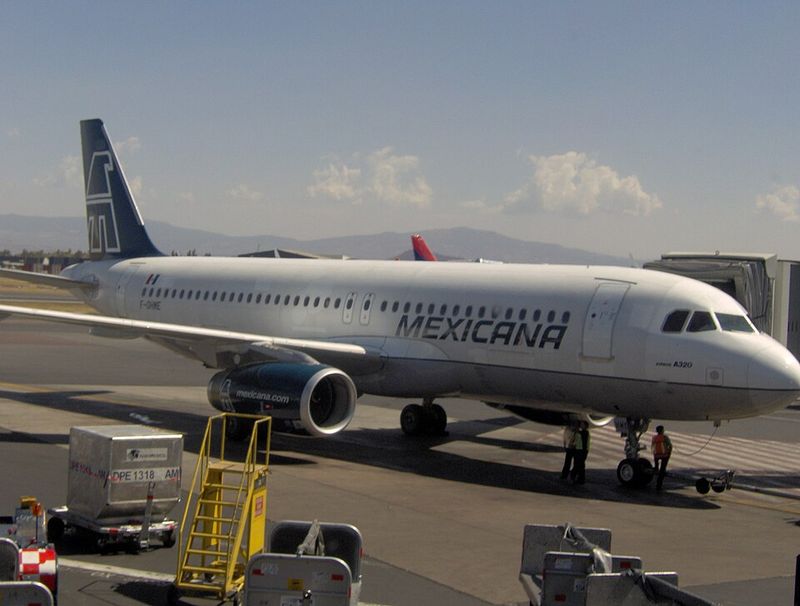
Mexicana was once the world’s fourth-oldest airline, with roots stretching back to 1921. For nearly nine decades, the carrier served as one of Mexico’s flagship airlines, connecting Mexican cities to each other and to international destinations.
Mexicana operated from hubs in Mexico City and Guadalajara, serving routes throughout Latin America, the United States, and beyond.
The airline played an important role in Mexican aviation history, helping develop the country’s air travel infrastructure. Mexicana operated modern aircraft and employed thousands of Mexican workers over the decades.
The carrier’s silver and red livery became synonymous with Mexican aviation pride.
Financial troubles intensified in the 2000s as competition from low-cost carriers eroded Mexicana’s market share. New airlines like Volaris and Interjet offered cheaper fares on domestic routes, pulling passengers away from traditional carriers.
Mexicana’s costs remained high due to labor agreements and older aircraft that consumed more fuel.
Labor disputes came to a head in 2010 when unions and management couldn’t agree on cost-cutting measures. Mexicana suspended operations in August 2010, initially claiming the stoppage would be temporary while the airline restructured.
However, the airline never resumed flights and officially declared bankruptcy. The collapse of Mexicana, with its 89-year history, shocked Mexico and left thousands of employees without jobs.
Many Mexicans mourned the loss of an airline that had been part of their country’s identity for nearly a century.
18. AeroMexico Connect (former Mexicana subsidiary) – Mexico
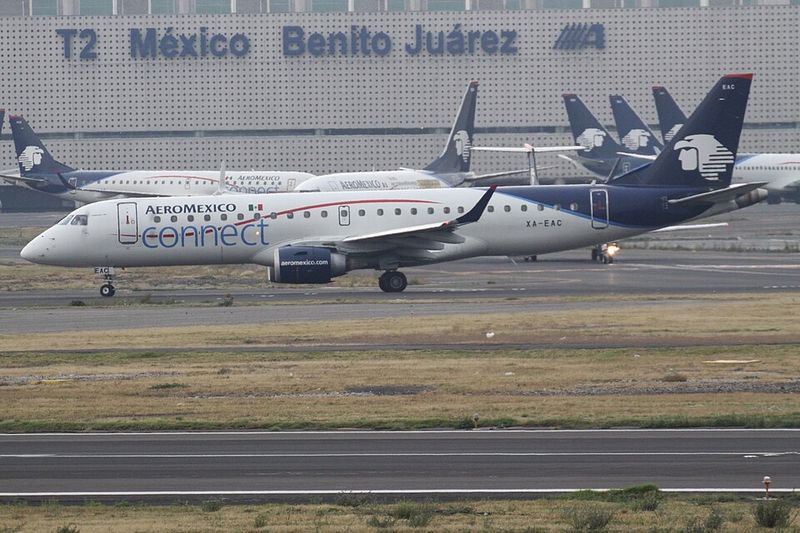
AeroMexico Connect, formerly known as Aerolitoral and originally a Mexicana subsidiary, operated regional flights throughout Mexico. The airline connected smaller cities to major hubs, providing essential air service to communities that larger aircraft couldn’t serve efficiently.
Flying smaller regional jets and turboprops, the carrier played a vital role in Mexico’s aviation network.
When Mexicana owned the regional carrier, it operated as a feeder airline bringing passengers to Mexicana’s larger aircraft. The relationship benefited both airlines, with the regional carrier filling seats on mainline flights.
The airline served dozens of Mexican cities, from border towns to beach resorts.
After Mexicana’s collapse in 2010, the regional subsidiary faced an uncertain future without its parent company. AeroMexico, Mexicana’s longtime rival, saw an opportunity and purchased the regional carrier.
The airline was rebranded as AeroMexico Connect and integrated into AeroMexico’s network.
While AeroMexico Connect continues to operate today, the original Mexicana subsidiary effectively vanished when it was absorbed into a competitor’s operation. The aircraft were repainted, employees became AeroMexico workers, and the connection to Mexicana was severed.
This transformation represents a common fate for regional airlines when their parent companies fail. The routes continue, but under different ownership and branding, losing the identity and history built over decades.
Former Mexicana employees who moved to AeroMexico Connect experienced this transition firsthand, working for what was once their company’s biggest competitor.
19. Midway Airlines – USA
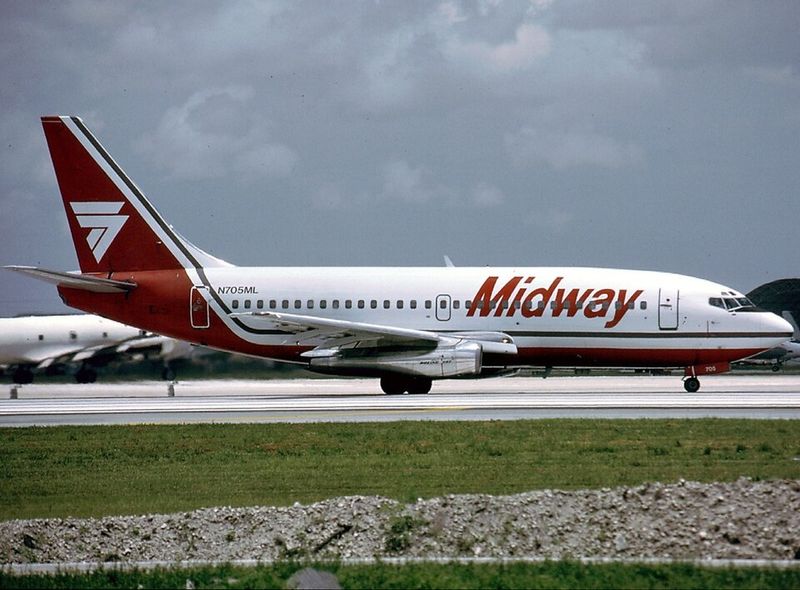
Midway Airlines launched in 1976 as a low-cost carrier based at Chicago’s Midway Airport, which gave the airline its name. The airline pioneered the concept of operating from secondary airports to avoid the congestion and high costs of major hubs.
Midway offered no-frills service at budget prices, appealing to price-conscious travelers in the Midwest.
The carrier grew steadily through the 1980s, serving cities throughout the eastern United States from its Chicago base. Midway operated modern Boeing and Douglas aircraft, maintaining good safety records and reasonable on-time performance.
The airline’s yellow and orange livery became recognizable at airports throughout its network.
Airline deregulation in 1978 created both opportunities and challenges for carriers like Midway. While the airline could now serve new routes without government approval, competition intensified dramatically.
Larger carriers with more resources began offering competitive fares, making it harder for Midway to maintain its cost advantage.
Economic recession and rising fuel costs in the early 1990s pushed Midway into financial crisis. The airline filed for bankruptcy in 1991 and ceased operations after 15 years of service.
A different airline later used the Midway name in the 1990s and 2000s, but it too eventually failed. The original Midway Airlines is remembered as an early pioneer of the low-cost carrier model that later became dominant with airlines like Southwest.
Its story illustrates both the innovation and risks involved in challenging established carriers.
20. Hughes Airwest – USA
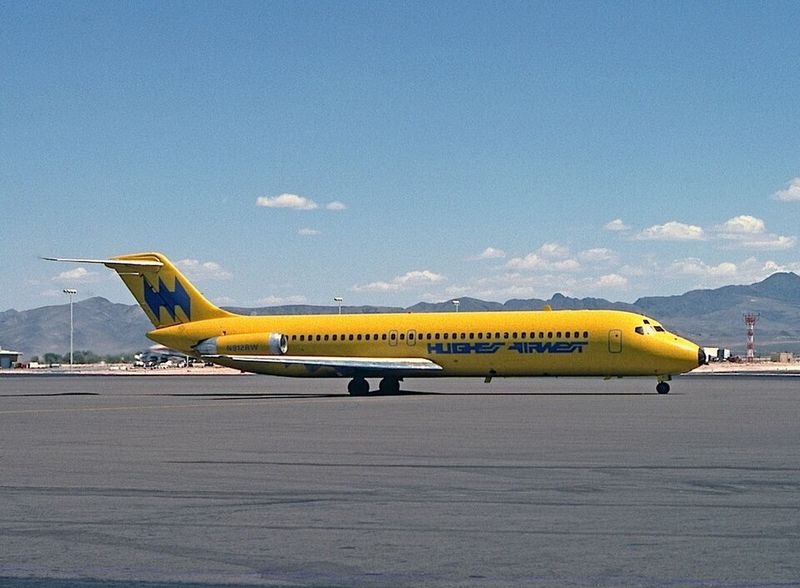
Hughes Airwest emerged in 1968 when billionaire Howard Hughes purchased and merged several western regional airlines. The carrier served cities throughout the western United States, operating from hubs in Las Vegas and Phoenix.
Hughes painted the aircraft in a distinctive yellow and brown livery that earned them the nickname “Flying Bananas” among passengers and aviation enthusiasts.
The airline operated a mix of jet and propeller aircraft, connecting small communities to larger cities. Hughes Airwest provided essential air service to towns in Nevada, Arizona, California, and other western states.
The carrier’s routes often served destinations that larger airlines found unprofitable or uninteresting.
Despite Howard Hughes’ wealth and business acumen, the airline struggled to achieve consistent profitability. Regional carriers faced challenges competing with larger airlines that could offer more flights and connections.
Operating costs remained high while ticket prices stayed competitive, squeezing profit margins dangerously thin.
Republic Airlines, a carrier based in the Midwest, purchased Hughes Airwest in 1980 and began integrating the western routes into its network. The distinctive yellow and brown livery gradually disappeared as aircraft were repainted in Republic colors.
The Hughes Airwest name vanished completely by 1981, absorbed into a larger carrier. Republic itself later merged with Northwest Airlines, which eventually merged with Delta, meaning Hughes Airwest’s routes ultimately became part of one of America’s largest carriers.
The colorful “Flying Bananas” remain a nostalgic memory for aviation enthusiasts who remember western regional aviation’s early days.



