 Unearth The Voyage
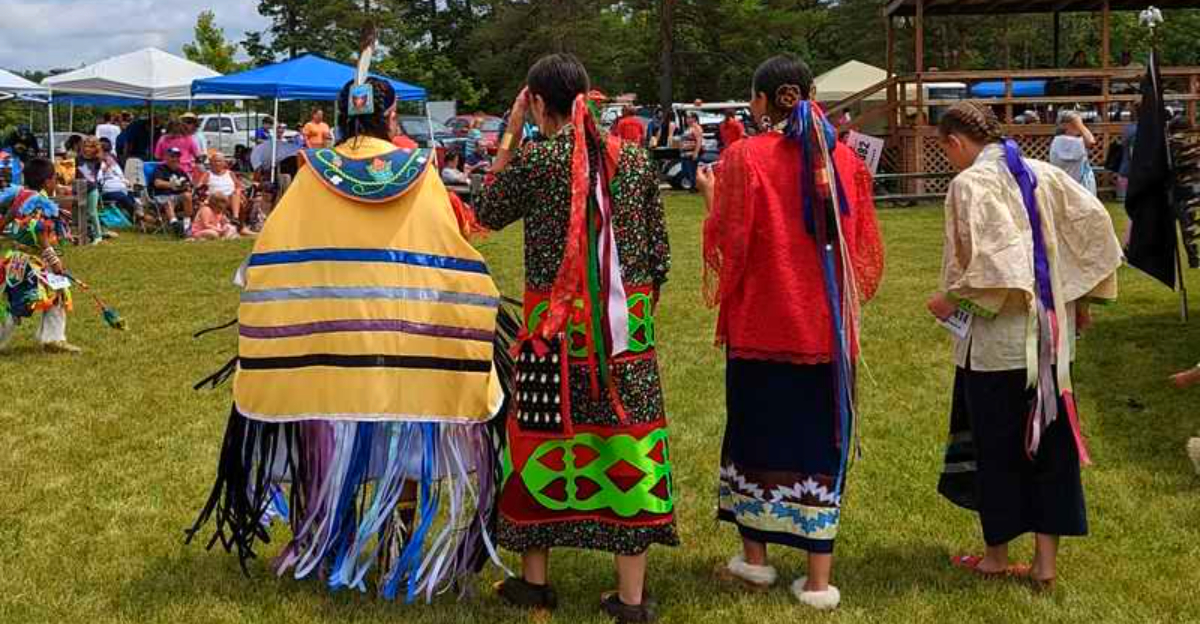
Across America, Indigenous culture is not just preserved, it is lived every day. From ancient pueblos to vibrant powwows, you can feel languages, songs, and craftsmanship thriving in the present.
This guide points you toward places where welcoming communities share food, art, and ceremony with respect and pride. Bring curiosity, listen closely, and you will carry these teachings long after you leave.
1. Taos Pueblo, New Mexico
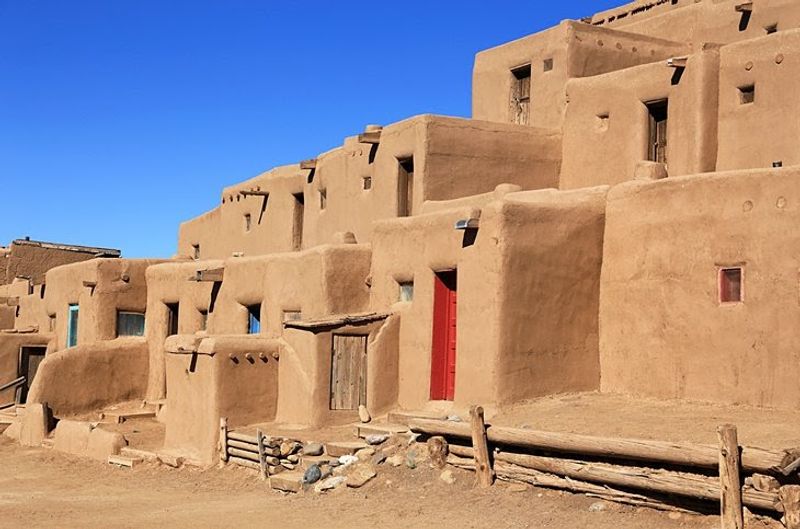
Step into Taos Pueblo and time feels layered, not lost. Towering multi story adobe homes glow against the Sangre de Cristo Mountains, and the Rio Pueblo murmurs beside footpaths locals still use.
When you visit, move gently, ask before photographing, and consider a guided tour to hear Tiwa language and history directly. You are not in a museum.
You are visiting a living community.
Artists sell micaceous pottery, drum makers shape steady heartbeats, and bread bakes in outdoor hornos, scenting the air. Seasonal dances may be private, so honor boundaries and posted signs.
The architecture is maintained with annual replastering, a community effort that speaks to resilience and care. Purchase from local artisans to support families and traditions.
As you leave, notice how the light holds on the adobe walls. It feels like an invitation to remember.
2. Navajo Nation, Arizona/New Mexico/Utah
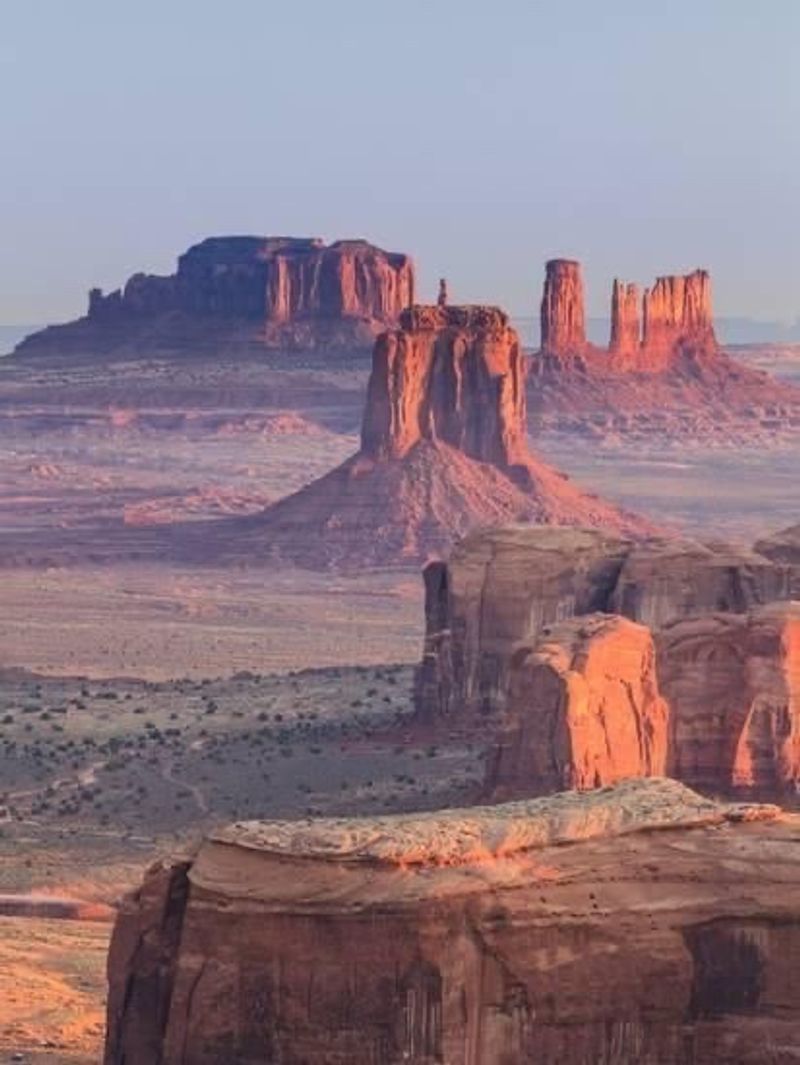
On Diné Bikéyah, the land teaches language and ceremony. Red rock mesas frame hogans, and stories ride the wind in songs that still guide daily life.
When you travel here, learn place names, hire local guides, and support weavers, jewelers, and sheep herders sustaining exquisite craft traditions. Monument Valley and Canyon de Chelly are breathtaking, but the people’s knowledge is the deeper view.
Respect sacred sites and posted closures.
Listen for harmony in weaving patterns, silverwork, and the cycle of sheep to loom. Public events and markets welcome visitors, while ceremonies remain private.
Try Navajo tacos thoughtfully, ask about food origins, and consider the meaning of hózhó, the philosophy of balance. Purchase from certified artisans to keep livelihoods strong.
Bring cash for roadside stands. Leave with more than photos.
Leave with relationships and a commitment to return respectfully.
3. Cherokee, North Carolina (Qualla Boundary)
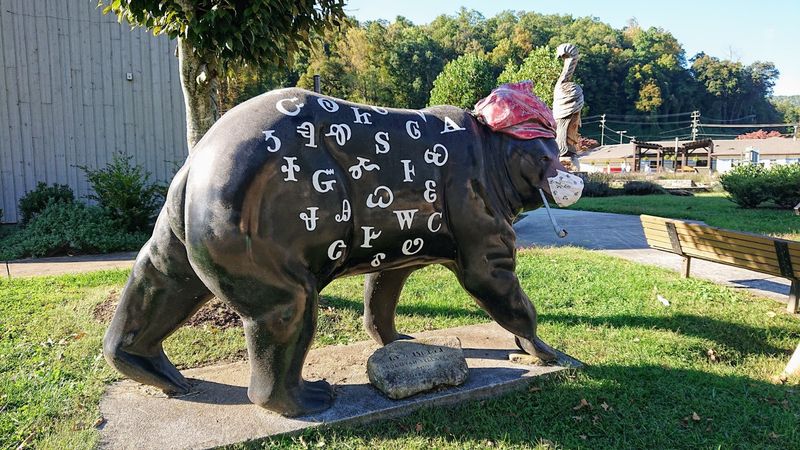
In Cherokee, the syllabary appears on street signs, a living script that carries language into everyday life. The Oconaluftee Indian Village offers immersive interpretation from community members who demonstrate blowgun making, basketry, and traditional dance.
Visit the Museum of the Cherokee People to trace removal, survival, and renewal. As you explore, remember this is not reenactment.
It is continuity.
Walk riverside paths, then attend cultural programs run by the Eastern Band of Cherokee Indians. You will see how old and new fit together, from stickball to cutting edge language revitalization.
Purchase white oak baskets and beadwork directly from artists. Ask questions respectfully about materials and stories.
Summer events fill quickly, so plan ahead. The mountains hold echoes, and the community shapes them into present tense.
You leave feeling welcomed and responsible for what you learned.
4. Santa Fe, New Mexico
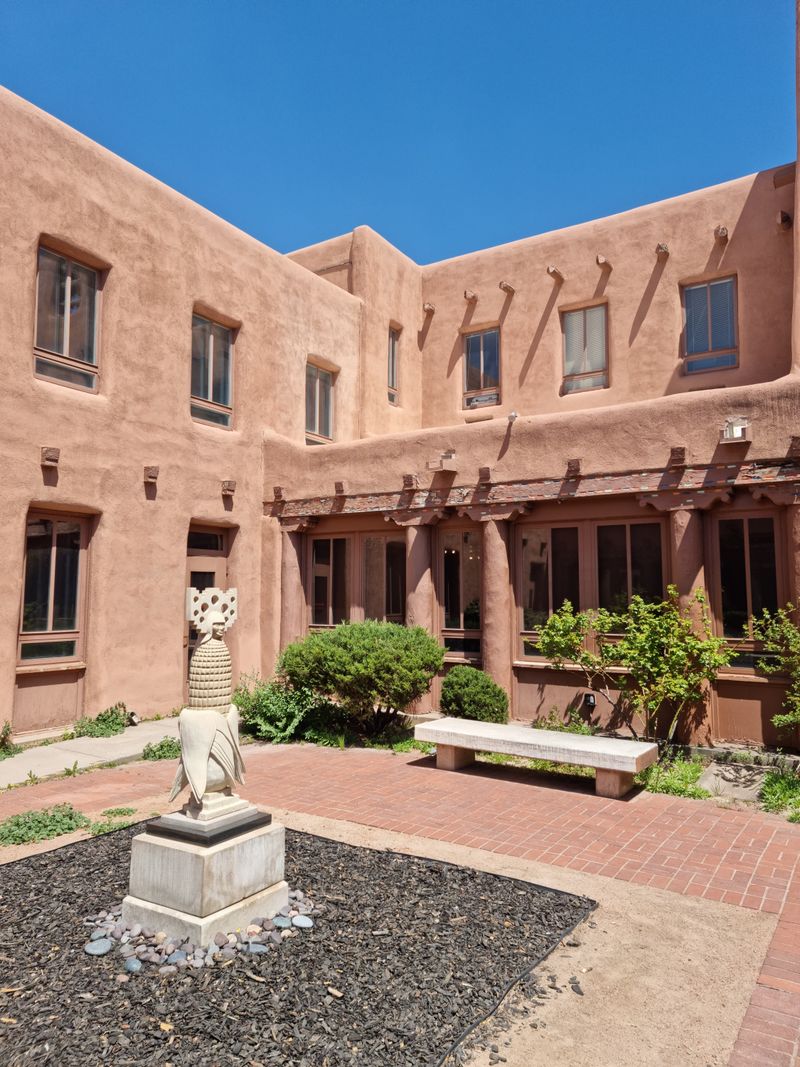
Santa Fe hums with Indigenous creativity year round. On market weekends, the Plaza transforms as artists from dozens of Nations set out jewelry, pottery, textiles, and fashion that blend legacy and innovation.
You can meet the maker, hear the story behind a design, and understand how purchasing directly supports families and apprenticeships. Respect booth rules and ask before touching items.
Beauty here carries responsibility.
Beyond the Plaza, galleries, food pop ups, and fashion events highlight rising designers reclaiming runway space with purpose. Visit the IAIA Museum of Contemporary Native Arts for bold exhibitions and conversations.
Time your trip for Santa Fe Indian Market or Winter Market to see wide representation and juried excellence. Hydrate, wear a hat, and pace yourself.
The altitude is real. The art is unforgettable.
You will want a second day just to listen.
5. Gallup, New Mexico
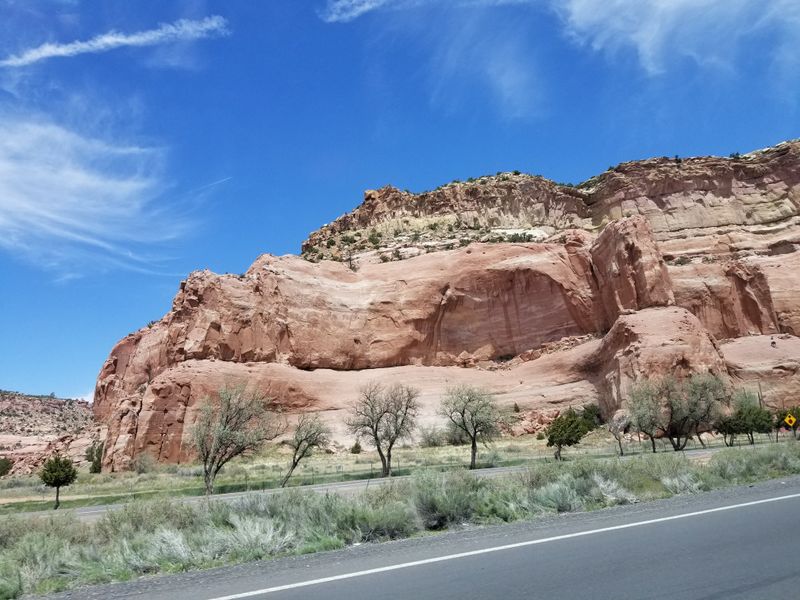
Gallup is a crossroads where artists, dancers, and families gather with purpose. Trading posts and downtown sidewalks become galleries for silverwork, turquoise, rugs, and carvings that carry deep tribal lineage.
During the Inter Tribal Indian Ceremonial, grand entries and dance competitions fill the arena with color and drumbeat. If you attend, arrive early, listen for protocols, and cheer respectfully.
It is a celebration and a responsibility.
Between events, explore murals honoring local heroes and stop at long standing trading posts that now partner directly with artists. Buy from makers, not just dealers.
Many families travel long distances to sell here, so your purchase matters. Stay for night dances if scheduled and pack layers for desert temperature swings.
Gallup’s energy feels steady, grounded by craft excellence and community ties that reach across the Southwest. You leave carrying the rhythm.
6. Alaska Native Heritage Center, Anchorage, Alaska
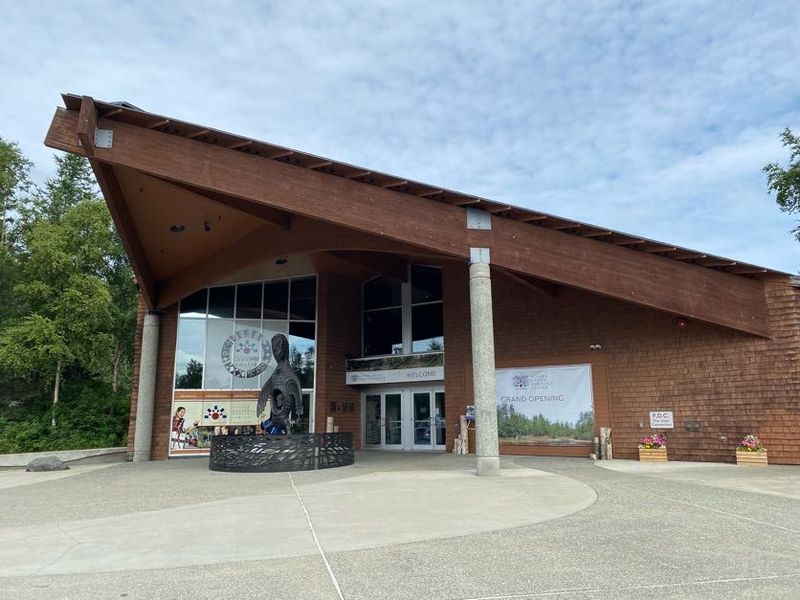
Anchorage’s Alaska Native Heritage Center brings many regions into conversation. Around a quiet lake, you will walk between life size village sites that reflect distinct architectures, from sod houses to cedar plank designs.
Culture bearers share songs, language, and stories that connect land to identity. Dancers move with drums that feel like heartbeat and memory.
You are invited to learn, not to consume.
Inside, galleries showcase carving, weaving, and contemporary art alongside community programs. Workshops introduce you to techniques while honoring protocols and materials.
Ask about youth leadership and language revitalization projects. Shop the store for items made by Alaska Native artists and read labels carefully.
The center is a hub that keeps culture vibrant across distances and seasons. Plan several hours and take breaks lakeside to process what you hear.
The learning settles in slowly and deeply.
7. Hopi Reservation, Arizona
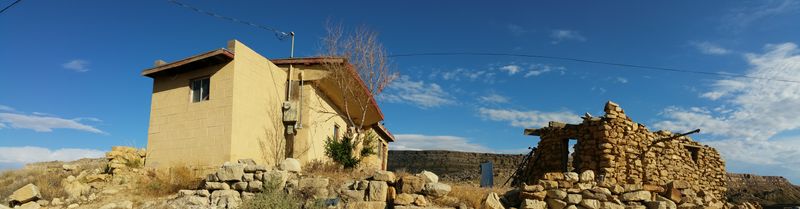
On the Hopi mesas, continuity feels tangible in village stones and seasonal cycles. Public visits require planning, guided tours, and careful attention to rules that protect ceremonies.
Respect photography restrictions. Better yet, choose to be fully present.
Purchase carvings and pottery from artists whose families have held these practices for generations. Conversations are the gift here, not just objects.
Seasonal katsina dances and agricultural rhythms link community to the land. You may not see ceremonies, and that is okay.
The architecture, language, and daily work are alive regardless of a visitor’s schedule. Eat at local cafes when available and ask about village approved shops.
Roads can be rough and distances deceptive. Bring patience, cash, and humility.
The mesas teach by example, showing how careful stewardship and living teachings sustain a people through time.
8. Pueblo of Acoma, New Mexico (Sky City)
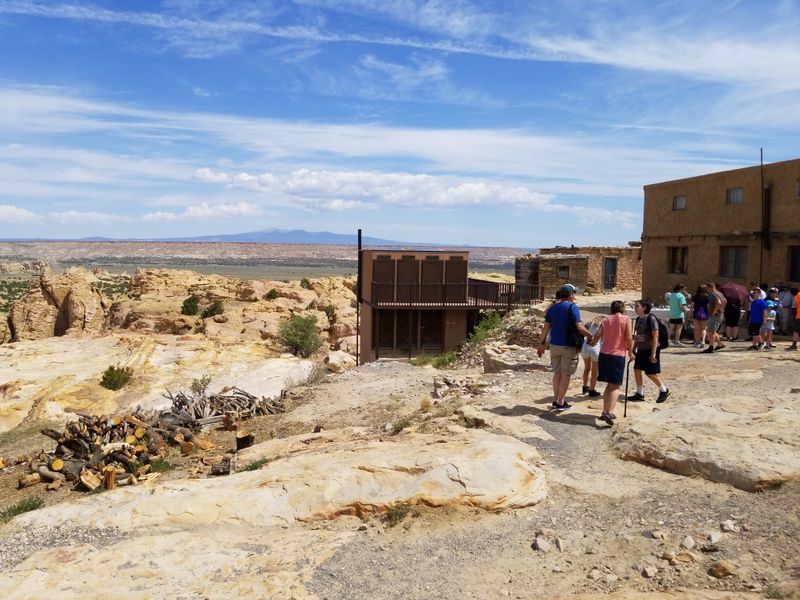
Sky City rises on sandstone like a prayer you can see. The guided tour is essential, led by community members who share origin stories, architecture, and resilience.
Photography rules are strict for good reason. You are entering a living place.
The mission church holds layered histories of survival and adaptation. Purchase pottery from artists whose clay work carries generations of knowledge.
Walking the mesa, you feel wind tracing edges of homes replastered with care. Ask about rainwater collection, harvesting practices, and how families sustain life above and below.
The climb and altitude require water and respect for pace. The view stretches to horizons that place time in perspective.
Sky City is not frozen in the past. It is a community in motion, choosing how to welcome visitors while protecting what must remain sacred.
9. Heard Museum, Phoenix, Arizona
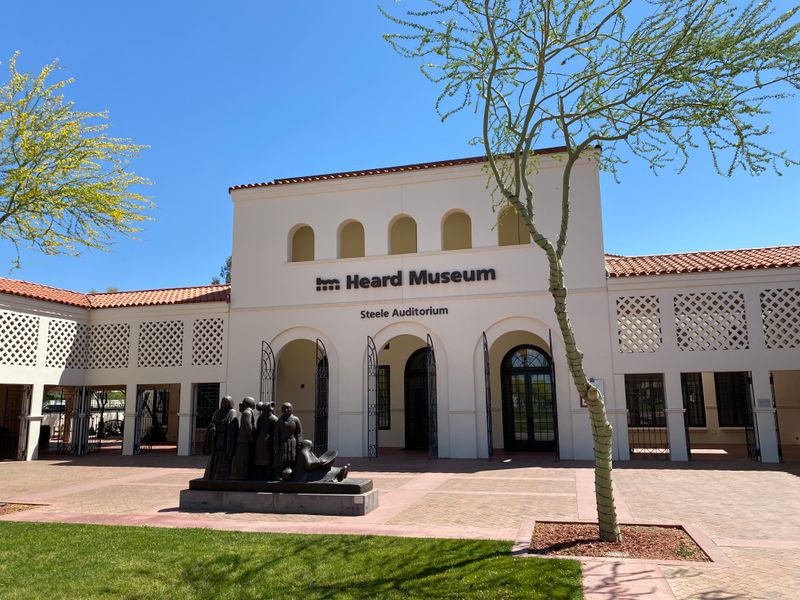
The Heard Museum centers living artists and deep histories in one thoughtful space. Galleries move from boarding school histories to cutting edge contemporary installations, inviting you to sit with complexity.
Annual events bring together artists, performers, and families who transform the grounds into a market and reunion. Read labels carefully, then follow artists on social media to continue learning.
Museums can be bridges when guided by community voices.
Plan time for sculpture gardens and the shop, which features high quality work from many Nations. Ask about upcoming talks or film screenings.
Phoenix heat can be intense, so pair your visit with morning or evening exploration. The Heard’s strength is conversation, not closure.
You will leave with questions and new favorite artists. That is the point.
Carry their names forward and support them directly when you can.
10. Smithsonian National Museum of the American Indian, Washington, D.C.
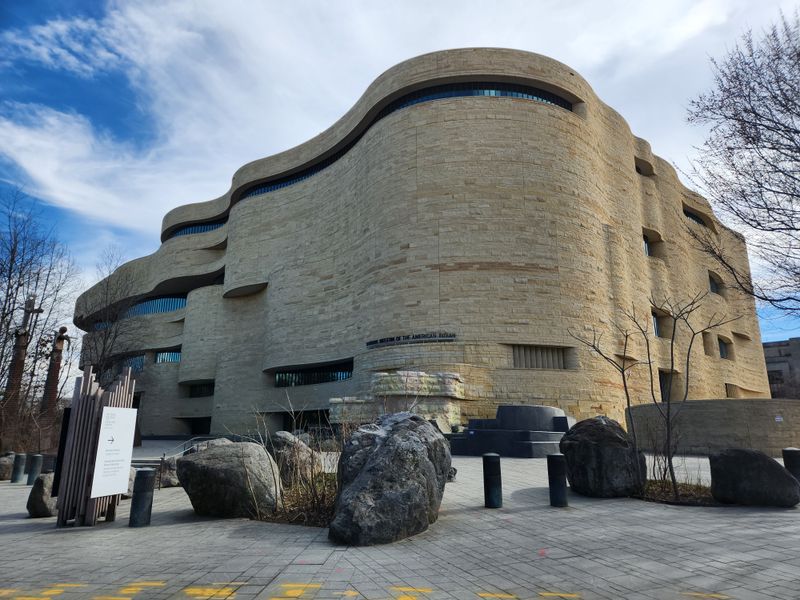
On the National Mall, the museum’s curved stone and native plantings signal a different story shape. Inside, exhibitions are built with communities, not just about them.
You move through living traditions, languages, and activism that reach into the present. The cafe highlights Indigenous foods that tell their own histories.
Eat with gratitude and curiosity. This is a place to listen and unlearn.
Programs feature artist talks, film, and youth leadership. Check the calendar for festivals, markets, and performances that bring Nations together in the capital.
The building itself teaches, from orientation to the sky to water design. Spend time outside among the plantings to feel how land holds memory.
Bring questions and leave with commitments. You are part of this story when you choose to support Indigenous work beyond the museum walls.
11. Ocmulgee Mounds National Historical Park, Georgia
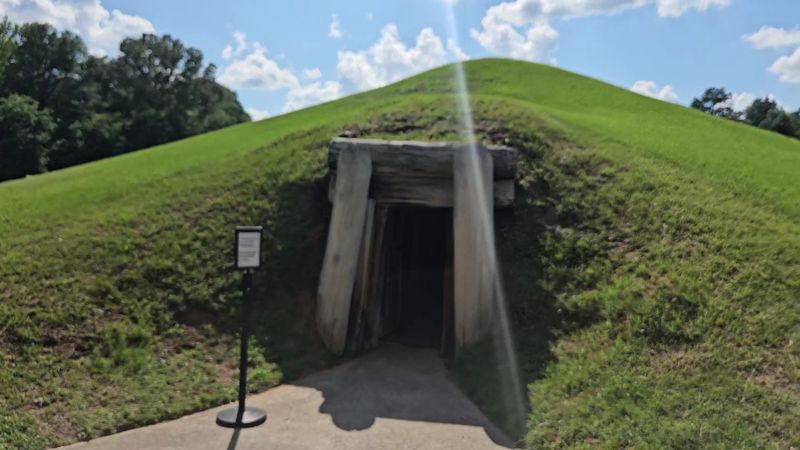
Ocmulgee’s earth lodges and mounds rise softly from green fields, holding stories of Southeastern peoples whose descendants remain. Step into the reconstructed earth lodge and feel the quiet, shaped by clay, cedar, and careful design.
Rangers and community partners offer interpretation that centers living connections, not just artifacts. Attend festivals that invite Muscogee voices to lead.
The land teaches when you slow down.
Trails wind through woods where birdsong underscores history. Visit the museum to understand trade networks, cosmology, and the persistence of culture through removal and return.
Respect the mounds as sacred spaces. Stay on paths, speak softly, and consider how your presence can honor descendants.
This is not empty past. It is a site of relationship that stretches across states and generations.
You will feel it in the hush of the lodge.
12. Cahokia (Collinsville), Illinois
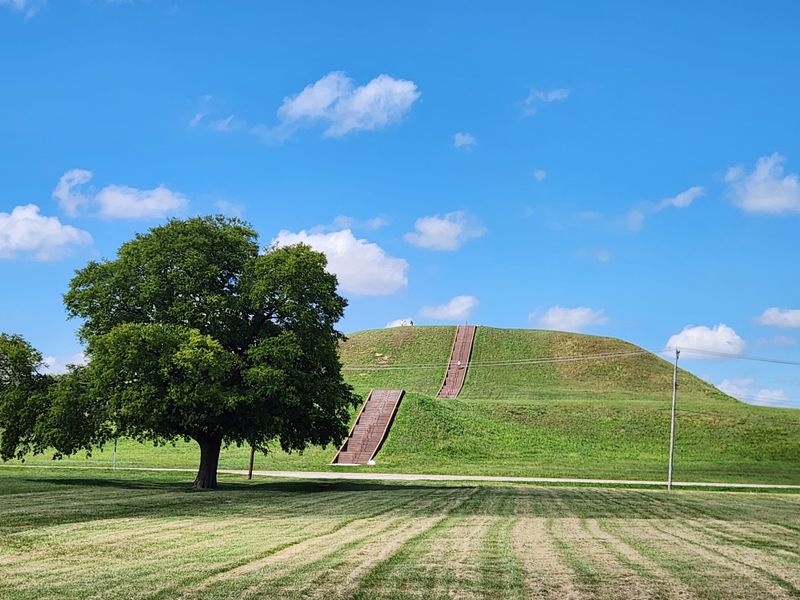
At Cahokia, mounds align with sky and memory across a vast prairie. Monk’s Mound rises like a horizon within a horizon, reminding you of engineering brilliance long before European contact.
The interpretive center connects artifacts to living Nations whose ancestors built this city. Walk with care, stay on trails, and read deeply.
The scale reframes North American urban history.
Seasonal programs bring community voices into conversation with archaeology. Sunlight on prairie grasses reveals how landscape and ceremony once intertwined.
Visit early morning or late afternoon for softer light and reflection. Support the site by shopping for books and Native made crafts.
Remember that descendants are here today, shaping governance, art, and language. Let the view from the top call you to humility and focus.
13. Choctaw Cultural Center, Oklahoma
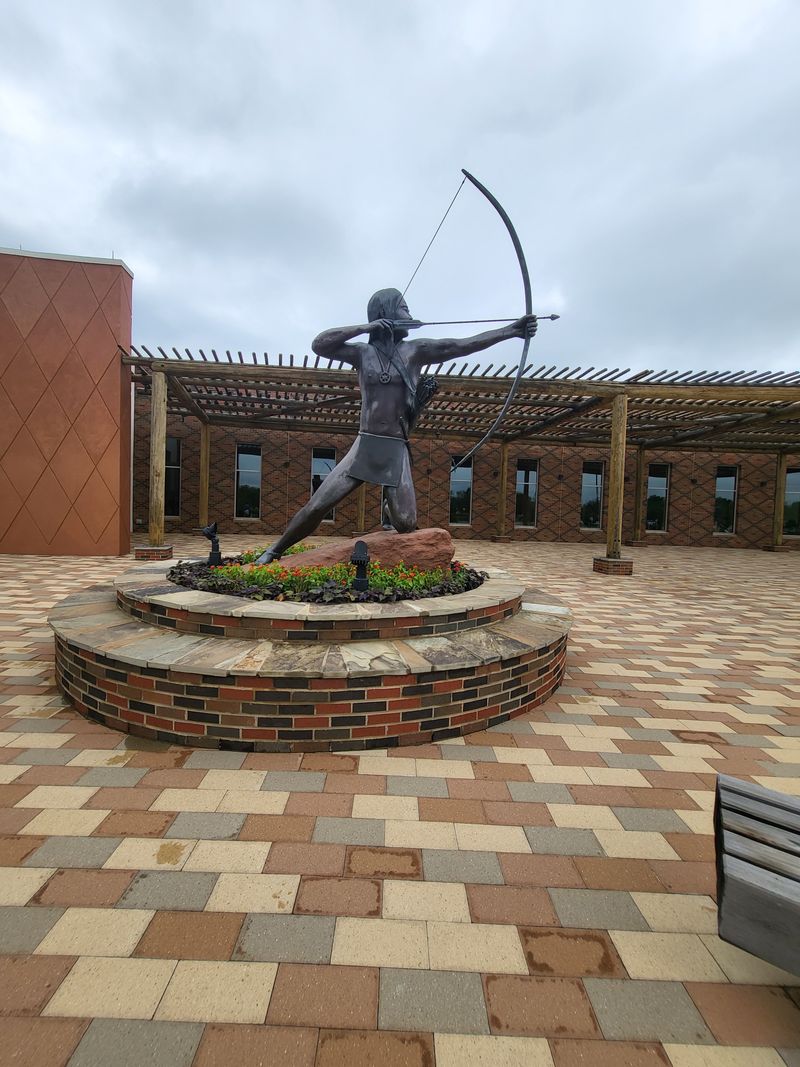
The Choctaw Cultural Center feels both welcoming and rooted. Exhibits weave language, removal trails, and present day achievements into a narrative led by Choctaw voices.
Watch stickball demonstrations and learn why the game carries community values. Ask about language classes and youth programming that keep teachings close to home.
You are a guest; act accordingly.
Interactive spaces invite you to listen, speak a few words, and try hands on activities. Outside, the living village gives context to architecture and daily work.
The cafe and store elevate Indigenous foodways and artistry. Support artists directly and read maker bios.
Plan time for a guided tour and a quiet moment in the outdoor spaces. You will leave with clarity about history and a sense of momentum toward the future.
14. Pyramid Lake, Nevada (Paiute)
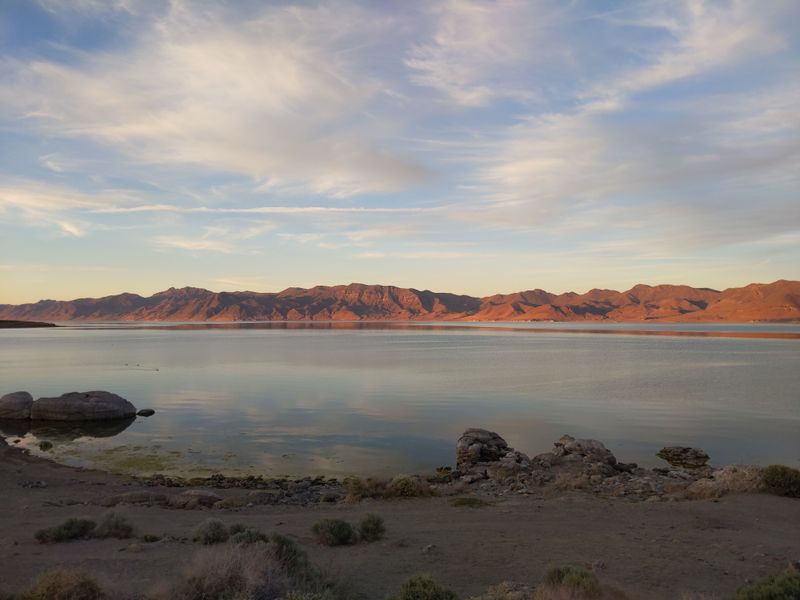
Pyramid Lake glows turquoise against desert ranges, a place of story and sovereignty for the Paiute. Tufa formations rise like guardians, and still waters reflect skies that change by the minute.
Visit with a permit, follow tribal regulations, and remember you are on sovereign land. Fishing seasons and closures protect the lake’s health.
Ask at the museum for guidance and history before you head to the shore.
Spend time quietly, noticing birds, wind shifts, and how the lake holds community identity. Purchase crafts from local artists and support tribal programs.
Pack out everything you bring. Photography is welcome in public areas, but avoid sacred moments and always ask when unsure.
The beauty is not an invitation to trespass. It is a call to be a good guest and a better learner.
15. Gathering of Nations, Albuquerque, New Mexico
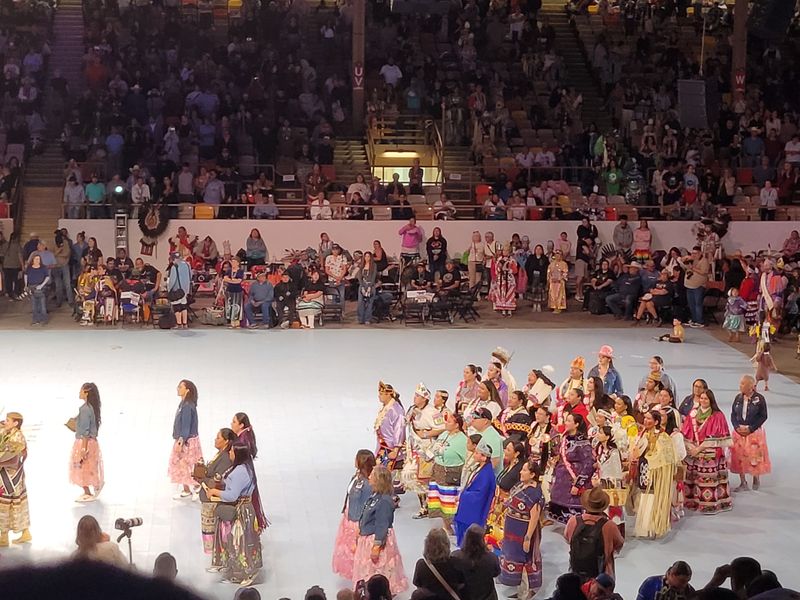
The Gathering of Nations brings thousands of dancers, singers, and families into one sweeping grand entry that feels like a heartbeat made visible. You will feel the drums in your chest.
Protocols matter here. Stand during honor songs, ask before photographing, and learn the difference between categories.
Vendors line the grounds with food, beadwork, and clothing that reflect many Nations.
Plan for lines, hydration, and sunlight between sessions. The energy is immense, so pace yourself and take breaks.
Support performers by purchasing CDs and following announcements. This powwow is a celebration, competition, and reunion all at once.
Look for educational booths and meet community organizers. You will leave inspired and humbled by the scale of living tradition.
16. Powwow grounds and events nationwide
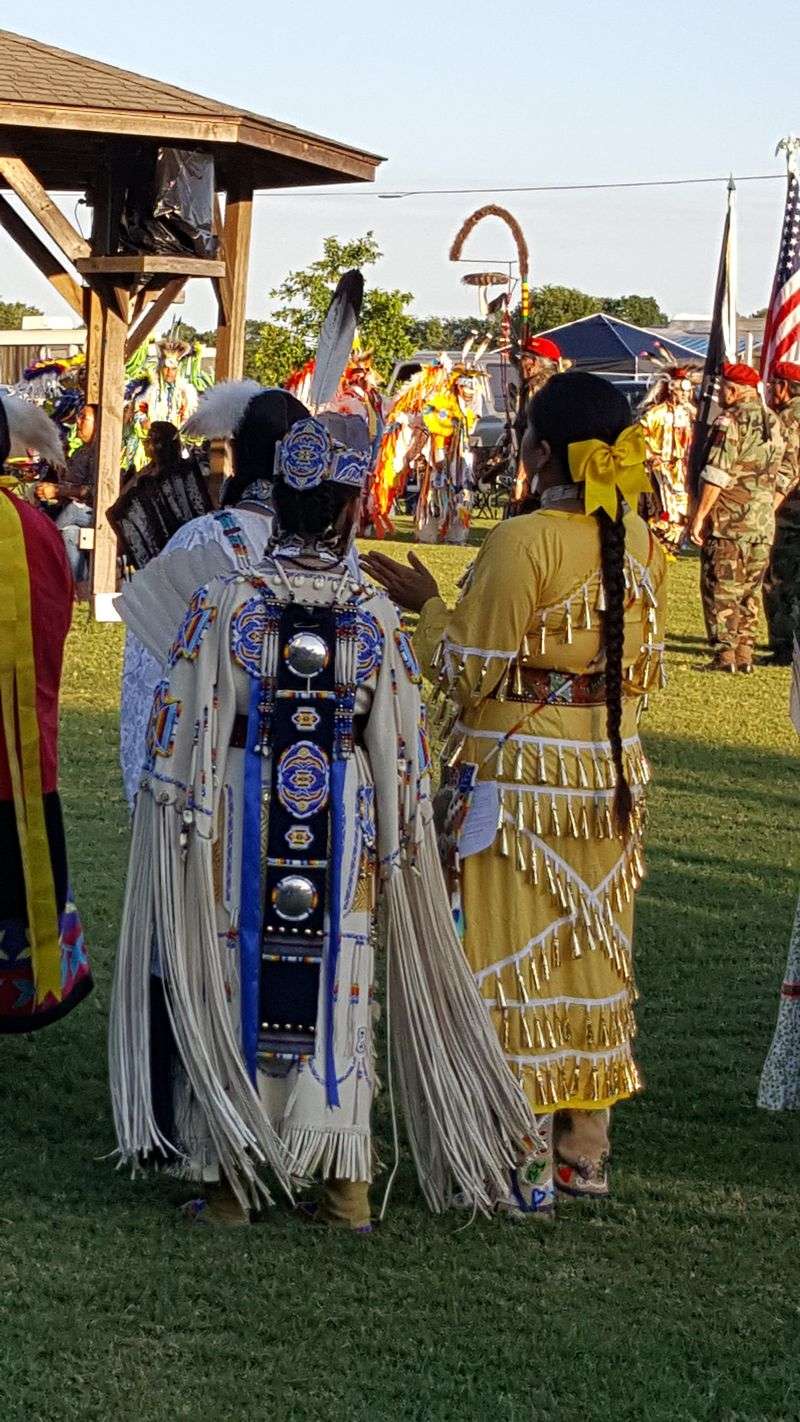
Across the country, powwows convene on fairgrounds, school fields, and tribal arbors. You can hear songs ripple across states, connecting communities with shared protocol.
Check local calendars and university Native centers for dates. Bring cash for vendors, a blanket for comfort, and an open heart.
Ask before photos, stand for flags, and honor veterans and elders. The rhythm is welcoming when you move respectfully.
Vendors offer frybread, corn soup, beadwork, ribbon skirts, and T shirts that carry humor and pride. Dancers range from tiny tots to elders, each category carrying legacy.
Competitions fund travel and regalia upkeep, so consider donations. Learn the difference between intertribal songs and exhibition dances.
You leave with a sense that tradition adapts and thrives in community, not isolation. The road between powwows is its own circle.
17. Little River Band of Ottawa Indians – Jiingtamok Powwow, Michigan
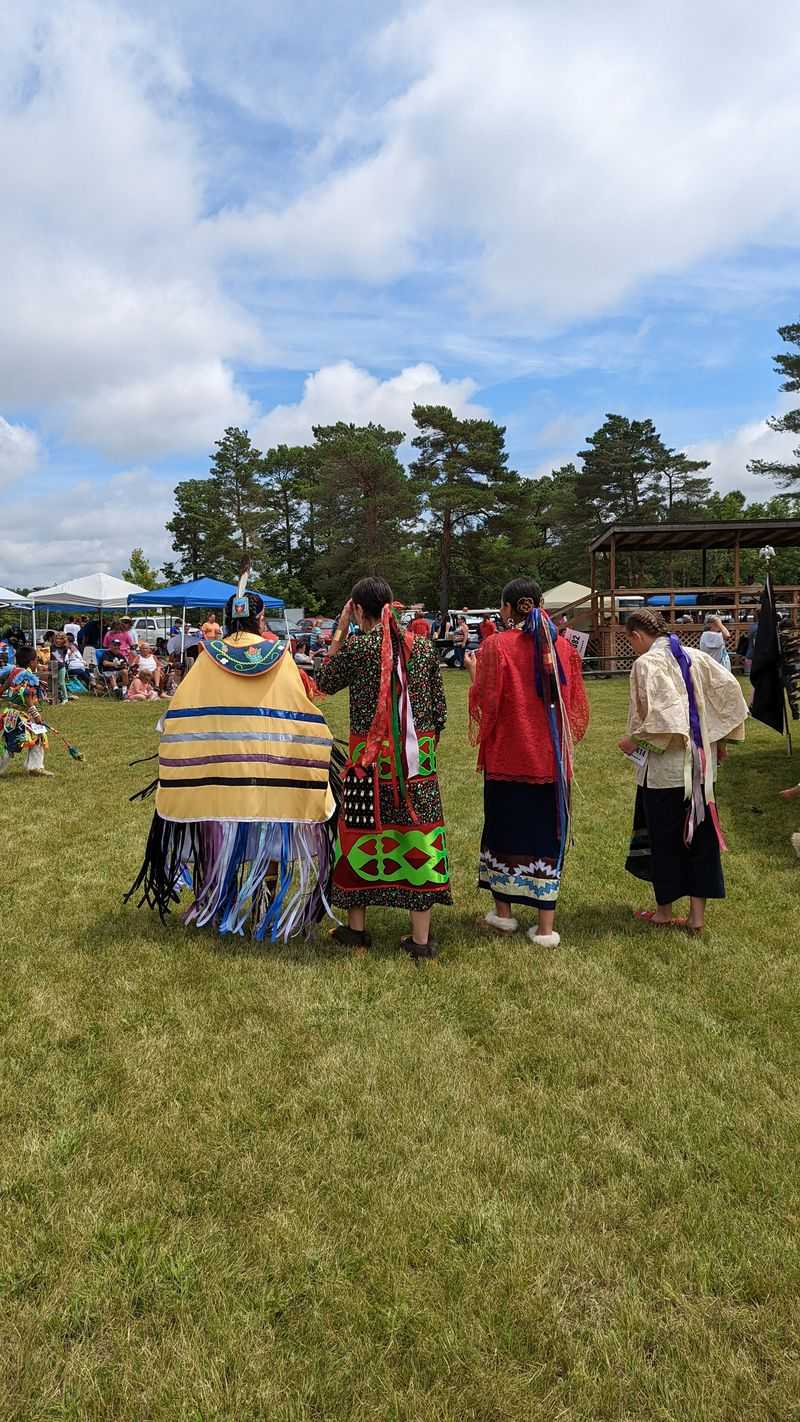
On Michigan’s lakeshore forests, the Jiingtamok powwow gathers families for song, dance, and community honoring. Woodland style regalia flashes with floral beadwork and ribbon, moving to drumbeats that echo through trees.
Announcers guide visitors through expectations with warmth and clarity. Stand for honor songs, ask before photos, and thank veterans.
Bring a chair and prepare to stay awhile. The welcome feels genuine.
Vendors sell wild rice dishes, maple sweets, and intricate beadwork reflective of Anishinaabe teachings. You will hear language and see youth dancing alongside elders, a lineage made visible.
Donations and purchases support programs year round. The grounds are smoke free and family focused.
Listen closely to the MC for stories and humor that weave history into the day. You will drive away with hearts full and plans to return.
18. Native artisan markets of the Southwest (e.g., Santa Fe Indian Market)
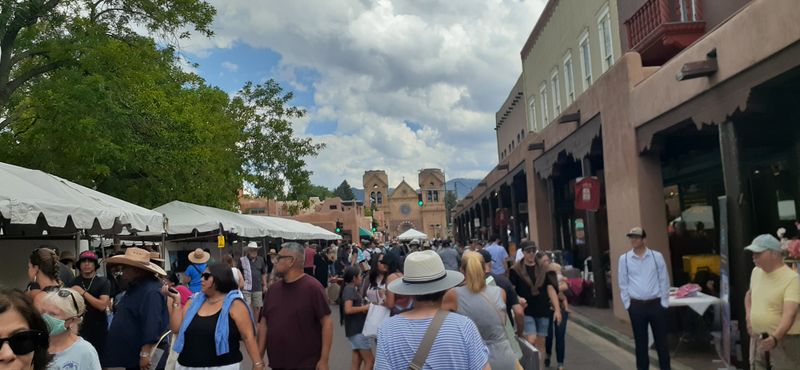
Southwest markets are classrooms where artists teach through conversation and craft. Rows of tents fill plazas with silver, turquoise, micaceous clay, textiles, and fashion rooted in place.
You can meet multi generational families at one booth and cutting edge designers at the next. Ask before touching, learn about materials, and buy directly.
Each purchase strengthens apprenticeships and workshop spaces back home.
Plan early for lodging and shade. Bring water, a small notebook, and cash for quick transactions.
Juried shows like Santa Fe Indian Market set high standards and showcase wide representation. You will discover artists who blend tradition and technology in powerful ways.
Follow them online to continue supporting. Markets are more than shopping.
They are living networks where knowledge and creativity circulate freely.
19. Indigenous cultural events and powwows on college campuses and communities
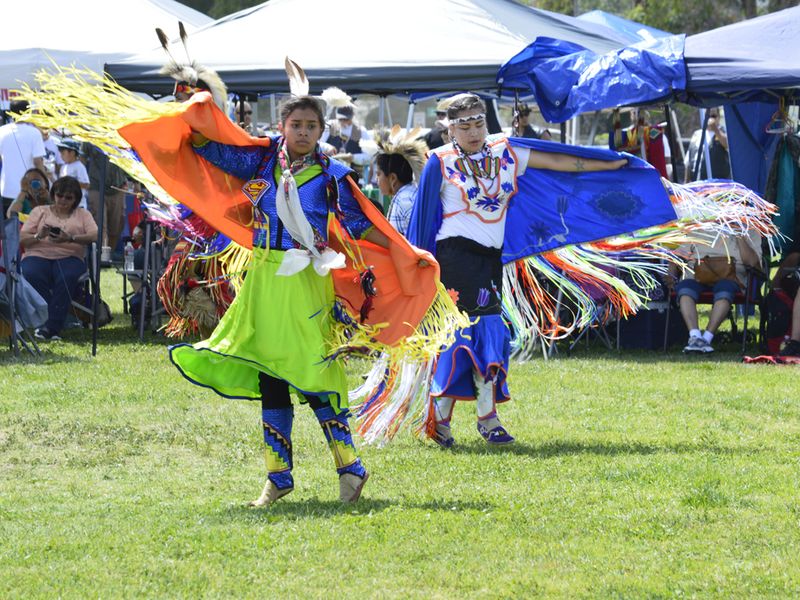
Across campuses and community centers, Native students and organizers create spaces where culture flourishes and welcomes neighbors. Spring powwows, teach ins, and film festivals bring elders, alumni, and youth together.
You will see mentorship in action, with MCs explaining protocols and professors stepping back so community can lead. Admission is often free, donations encouraged.
Your presence supports scholarships and language programs.
These events introduce first time visitors to respectful behavior and offer returning guests deeper learning. Vendors include student artists whose careers are taking shape.
Ask how to support clubs year round and follow event pages for updates. The campus becomes a circle where knowledge returns to the people who carry it forward.
You leave with connections and a sense that the future is already arriving.
20. Palm Springs – Agua Caliente Cultural Plaza, California
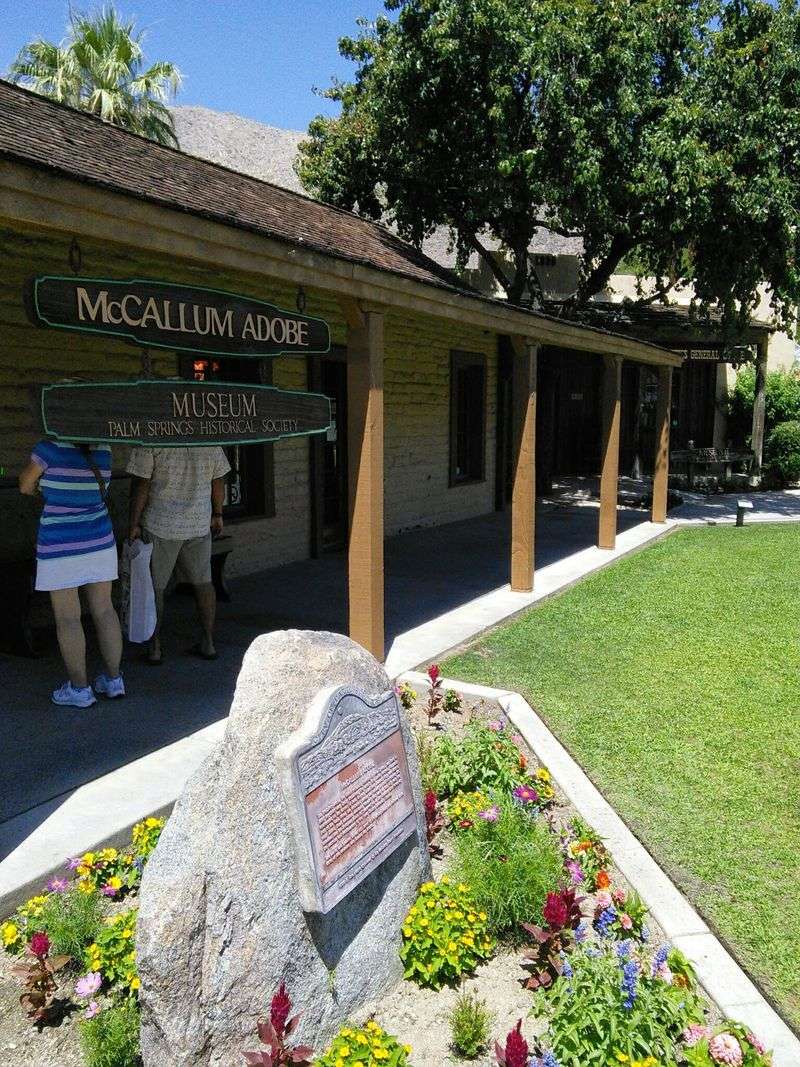
In Palm Springs, the Agua Caliente Cultural Plaza centers Cahuilla stories in a striking modern complex. The museum pairs deep history with contemporary art, while the Oasis Trail and Hot Mineral Spring connect visitors to place.
Exhibits emphasize environmental stewardship, basketry, and language, inviting you to see the valley through Cahuilla eyes. Move slowly, read carefully, and honor quiet zones.
This is living heritage.
Plan time for the spring’s calming presence and consider a guided tour. The architecture frames mountain views that anchor stories of migration and resilience.
The store features local artists and books that expand context beyond a quick visit. Support ongoing programs by becoming a member if you can.
You will leave with renewed respect for desert ecologies and the people who steward them.



