 Unearth The Voyage
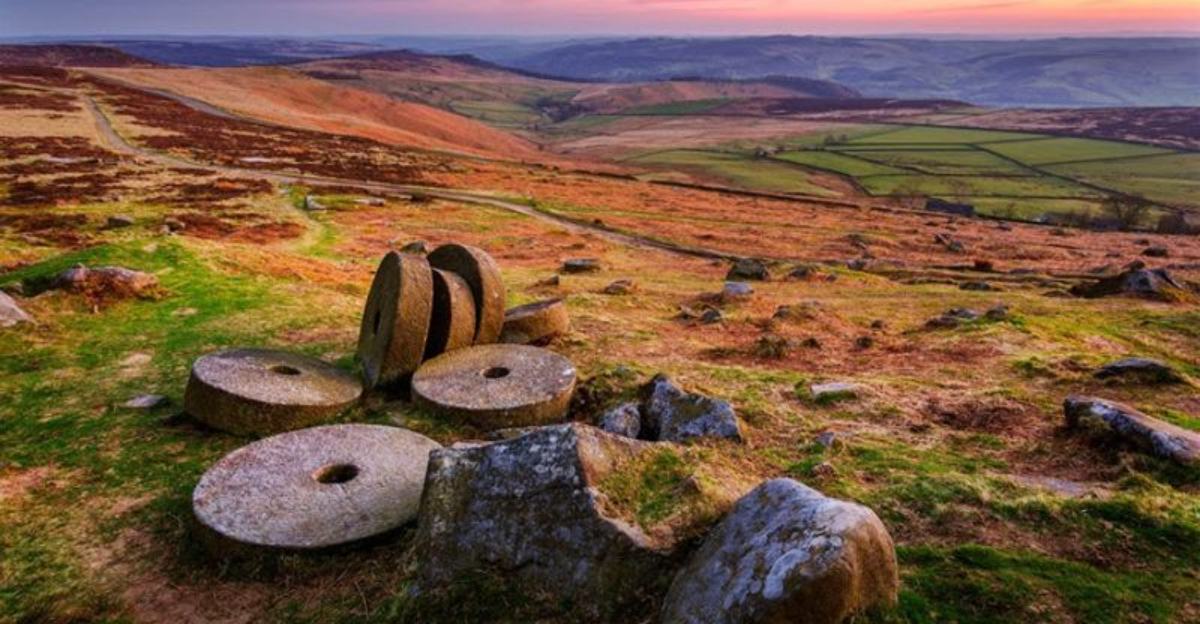
Every year, thousands of visitors venture into some of the world’s most beautiful natural spaces, but not all of them make it home safely. From towering mountain peaks to deceptive canyon trails, certain locations generate hundreds of search-and-rescue operations annually.
Understanding where these incidents occur most frequently can help travelers prepare properly and respect the serious risks that even popular tourist destinations can pose.
1. Grand Canyon National Park, Arizona
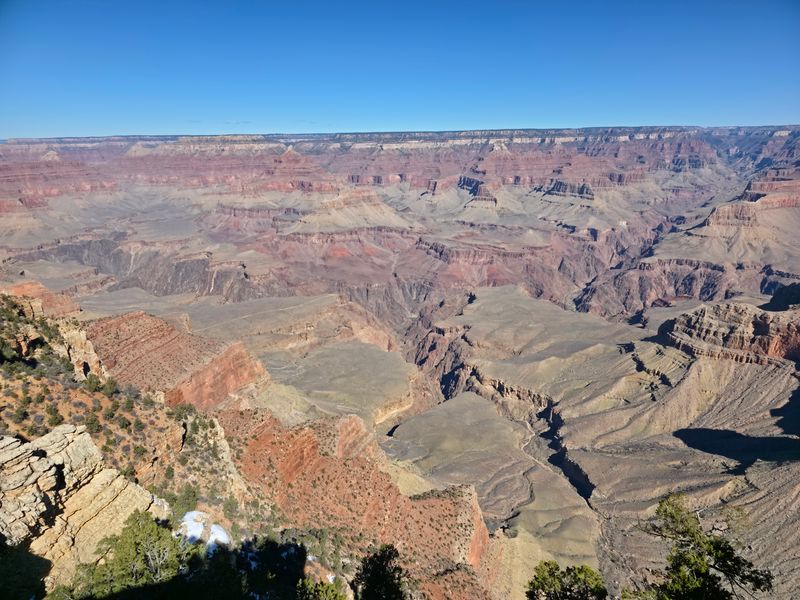
Search-and-rescue teams at the Grand Canyon respond to roughly 310 incidents each year, making it one of America’s busiest locations for emergency operations. The park’s deceptive terrain lures visitors into underestimating distances and elevation changes that can quickly become life-threatening.
Heat exhaustion claims many hikers who descend into the canyon without adequate water or preparation. The temperature at the bottom can soar 20 degrees higher than the rim, creating dangerous conditions.
Rangers frequently encounter tourists wearing flip-flops attempting multi-mile hikes.
Flash floods present another serious hazard, particularly in narrow side canyons where water can rise with little warning. Even experienced hikers have found themselves trapped when weather changes rapidly miles away.
2. Yosemite National Park, California
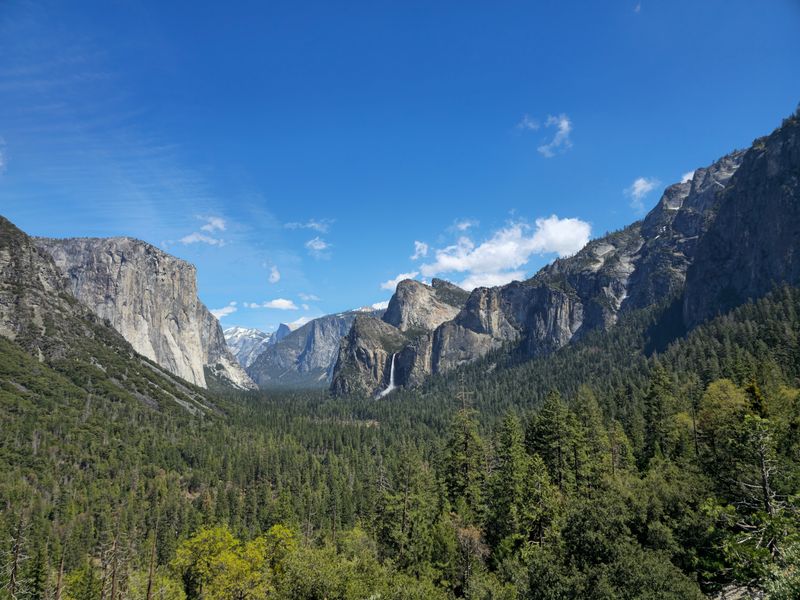
Yosemite’s dramatic granite cliffs and waterfalls attract millions annually, but the park’s search-and-rescue teams handle approximately 200 incidents each year. Recent years have seen that number climb, with 247 operations reported in 2025 alone by YOSAR and partner agencies.
Many emergencies involve visitors attempting to photograph themselves near waterfall edges or venturing onto slippery rocks. The Mist Trail, despite its popularity, has witnessed numerous falls from people losing their footing on wet granite surfaces.
Climbing accidents on El Capitan and Half Dome add to the workload. Winter conditions bring avalanche risks and hypothermia cases, while summer heat causes dehydration emergencies on exposed trails where shade disappears for hours.
3. Sequoia and Kings Canyon National Parks, California
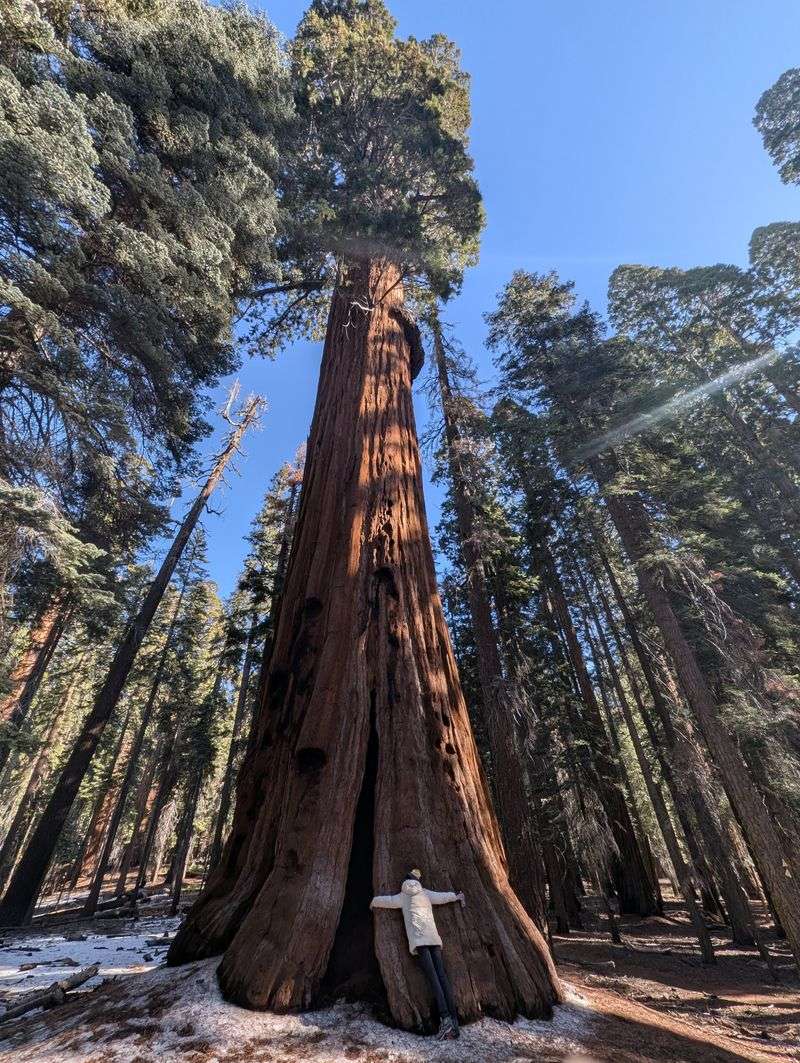
These neighboring parks consistently rank among the top locations for search-and-rescue callouts in National Park Service analyses from 2018 through 2020. The remote wilderness areas and challenging mountain terrain create perfect conditions for visitors to become lost or injured.
Altitude sickness affects many tourists who don’t acclimate properly before tackling high-elevation trails. The parks’ backcountry areas can be confusing to navigate, with multiple trail junctions and limited cell phone coverage making it difficult for lost hikers to call for help.
Snow lingers at higher elevations well into summer, catching unprepared day hikers off guard. River crossings during spring runoff have proven deadly, and the sheer size of the wilderness means rescue operations can take many hours to reach stranded visitors.
4. Rocky Mountain National Park, Colorado
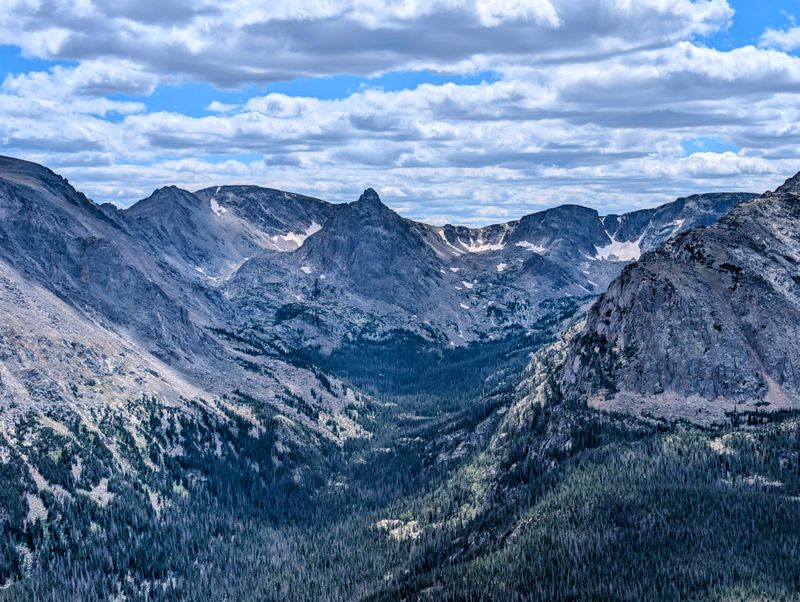
Colorado’s premier mountain destination repeatedly generates major search-and-rescue operations according to NPS datasets and analyses. The park’s accessibility makes it popular with inexperienced hikers who underestimate how quickly conditions can deteriorate above treeline.
Afternoon thunderstorms develop with frightening speed, bringing lightning that has killed multiple visitors over the years. Hypothermia becomes a real threat even in summer when temperatures plummet and rain soaks through inadequate clothing.
Trail Ridge Road, while scenic, gives tourists easy access to 12,000-foot elevations where altitude sickness can strike suddenly. Many visitors from sea level arrive unprepared for how thin air affects physical performance and decision-making abilities, leading to poor choices that require rescue intervention.
5. Great Smoky Mountains National Park, Tennessee and North Carolina
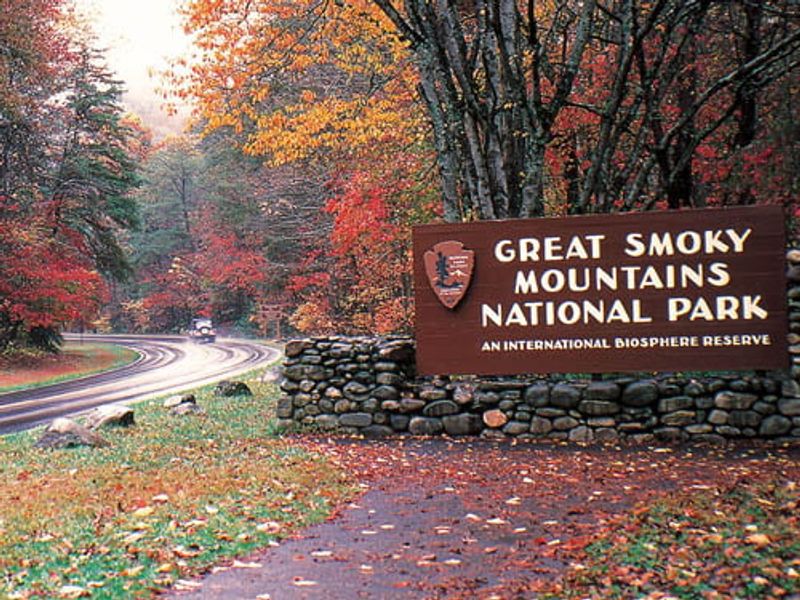
America’s most visited national park frequently generates high search-and-rescue demand in NPS analyses. The park’s 800 miles of trails wind through dense forest where visibility can drop to mere feet when fog rolls in, disorienting even experienced hikers.
Visitors often wander off marked paths to explore waterfalls or scenic overlooks, then find themselves unable to relocate the trail. The park’s thick vegetation makes it remarkably easy to become turned around within minutes of leaving established routes.
Weather changes rapidly in these mountains, with temperature drops and sudden storms catching people in light clothing. Black bears, while generally avoiding humans, have caused injuries when tourists approach too closely for photographs, requiring medical evacuation from remote locations.
6. Yellowstone National Park, Wyoming, Montana, and Idaho
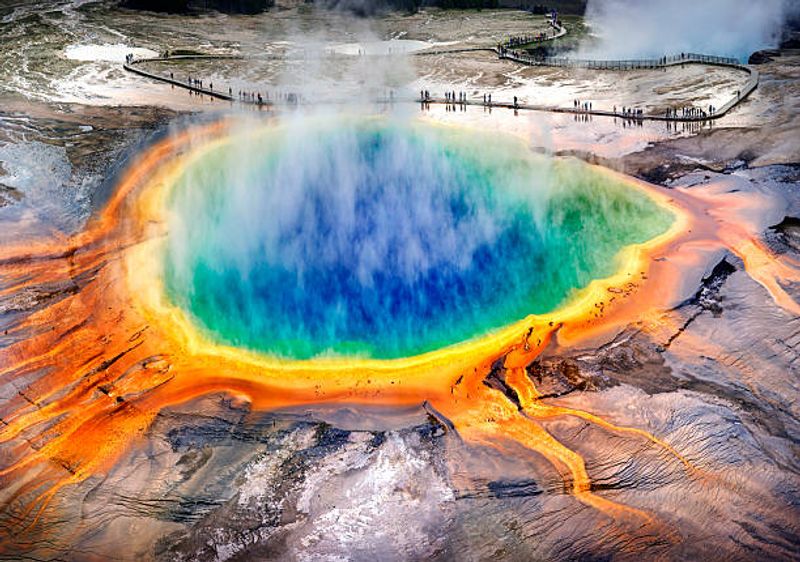
Yellowstone’s unique dangers come from both its famous geothermal features and vast wilderness areas. Recurring rescues involve backcountry emergencies, thermal area accidents, and weather-related incidents that strain park resources throughout the year.
Tourists have died after falling into near-boiling hot springs while attempting to touch the water or retrieve dropped items. The thin crust around many thermal features can collapse without warning, plunging victims into superheated water before rescuers can respond.
Wildlife encounters, particularly with bison and bears, send multiple visitors to hospitals annually. The park’s size means backcountry hikers can be days from help if injured, and winter conditions create additional hazards for snowmobilers and cross-country skiers who venture into remote areas.
7. Zion National Park, Utah
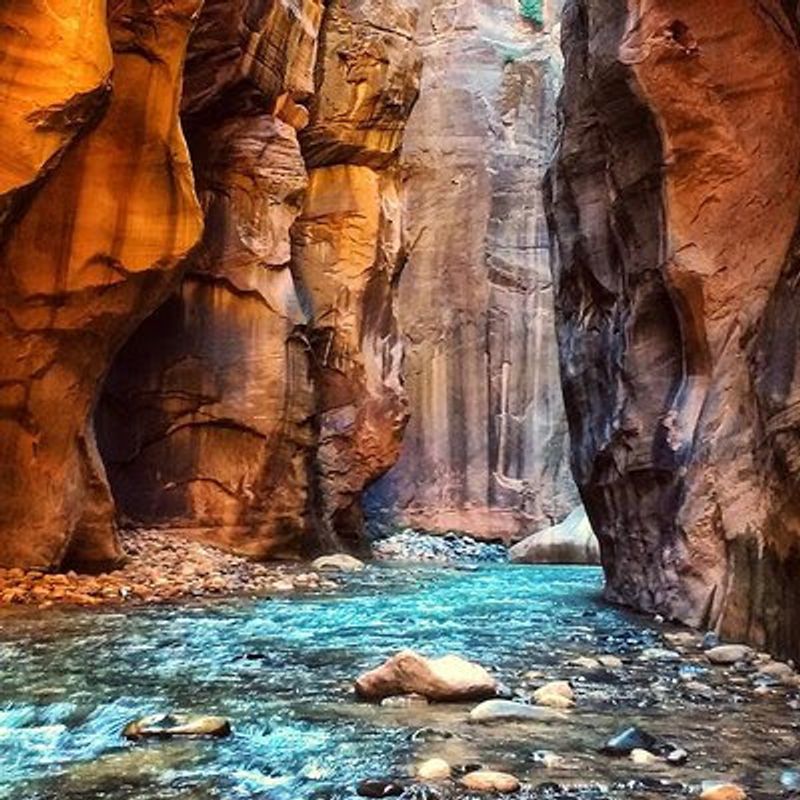
Zion’s narrow canyons and exposed trails generate recurring rescues tied to flash floods, heat exhaustion, and falls from heights. The park’s signature hike, Angels Landing, features chains bolted to rock where one misstep means a 1,000-foot fall.
Flash floods in The Narrows have killed hikers who ignored weather warnings or failed to understand how quickly water can rise in slot canyons. Even distant thunderstorms can send walls of water through narrow passages, trapping visitors against sheer rock walls.
Summer temperatures regularly exceed 100 degrees, causing heat stroke in visitors attempting strenuous hikes without sufficient water. The park’s shuttle system and popularity mean hundreds of unprepared tourists arrive daily at trailheads, many wearing inappropriate footwear for technical terrain.
8. Mount Rainier National Park, Washington
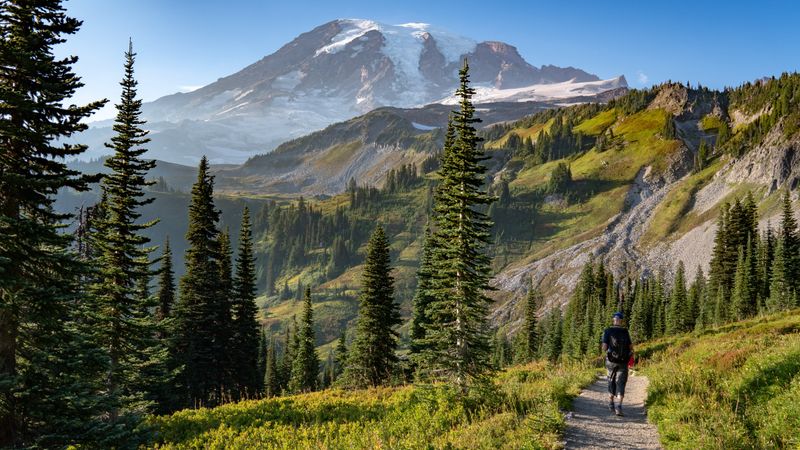
This massive stratovolcano presents major mountain hazards and is repeatedly cited for frequent incidents in popular reporting and NPS analyses of heavy search-and-rescue locations. The mountain’s glaciers, crevasses, and unpredictable weather create deadly conditions for climbers.
Even experienced mountaineers have died in falls, avalanches, or from exposure when storms trap them at high elevations. Crevasses hidden by snow bridges swallow climbers who venture onto glaciers without proper training or equipment.
Day hikers on lower slopes still face serious risks from rapidly changing weather and difficult terrain. Paradise, the park’s most popular area, sits at 5,400 feet where summer snowstorms can surprise visitors.
River crossings swollen with glacial melt have swept away multiple people attempting to ford without proper technique.
9. Denali National Park, Alaska
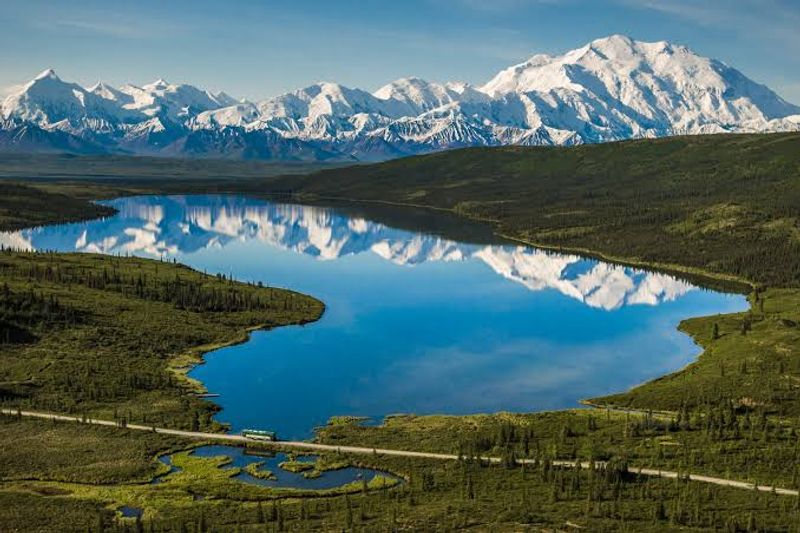
Alaska’s premiere wilderness destination combines extreme remoteness with severe weather to create recurring mountaineering and backcountry emergencies. Denali, North America’s highest peak, kills climbers nearly every year despite careful screening and preparation requirements.
Temperatures can plummet to minus 40 degrees even during climbing season, and winds exceed 100 miles per hour without warning. Altitude sickness, frostbite, and falls into crevasses challenge even elite mountaineers attempting the summit.
The park’s six million acres of wilderness mean backcountry travelers are truly on their own for days at a time. Grizzly bear encounters, river crossings, and navigation challenges affect hikers and backpackers.
Rescue operations often require military helicopters capable of high-altitude extraction, and weather can delay help for days.
10. Glacier National Park, Montana
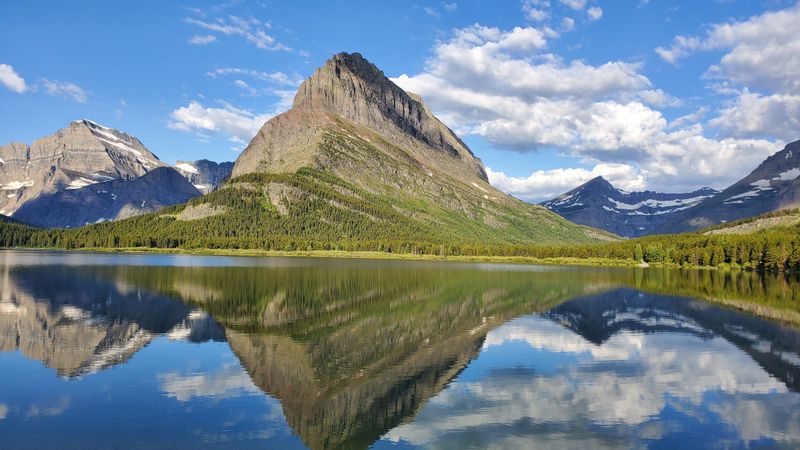
Montana’s crown jewel generates recurring lost hiker, alpine, and weather incidents within broader NPS search-and-rescue patterns. The park’s 700 miles of trails traverse terrain where conditions change dramatically with elevation and exposure.
Grizzly bear encounters cause injuries requiring emergency evacuation from remote locations. Hikers surprised by bears on narrow trails have been mauled despite carrying bear spray and making noise.
The park averages several serious bear incidents annually.
Snow and ice persist on high passes well into July, creating hazards for unprepared day hikers. Afternoon thunderstorms bring lightning and hypothermia risks to exposed ridgelines.
The Going-to-the-Sun Road provides easy access to high elevations where tourists underestimate the challenges, leading to rescues when people become exhausted or disoriented far from trailheads.
11. Eryri (Snowdonia), Wales
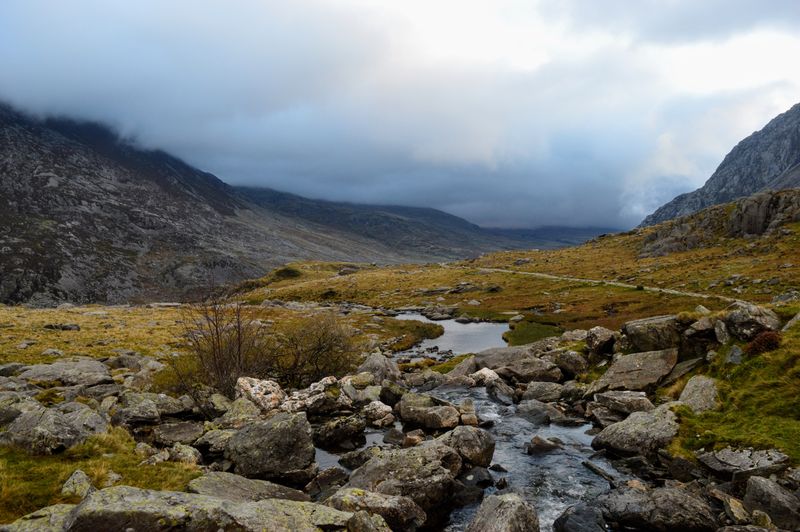
Mountain Rescue England and Wales publishes annual reviews highlighting this Welsh region as a repeated hotspot for incidents. The area’s accessibility means unprepared tourists attempt challenging mountain routes without proper equipment or weather awareness.
Fog descends rapidly, reducing visibility to zero and causing hikers to lose their way on exposed ridges. What begins as a sunny day can turn deadly within an hour as clouds roll in and temperatures drop.
The mountains may seem modest compared to Alpine peaks, but their exposure to Atlantic weather systems creates serious hazards. Wet rocks become treacherously slippery, and strong winds have blown people off ridgelines.
Night falls early in winter, catching slow hikers in darkness without headlamps or warm clothing, requiring emergency callouts from volunteer rescue teams.
12. Lake District, England
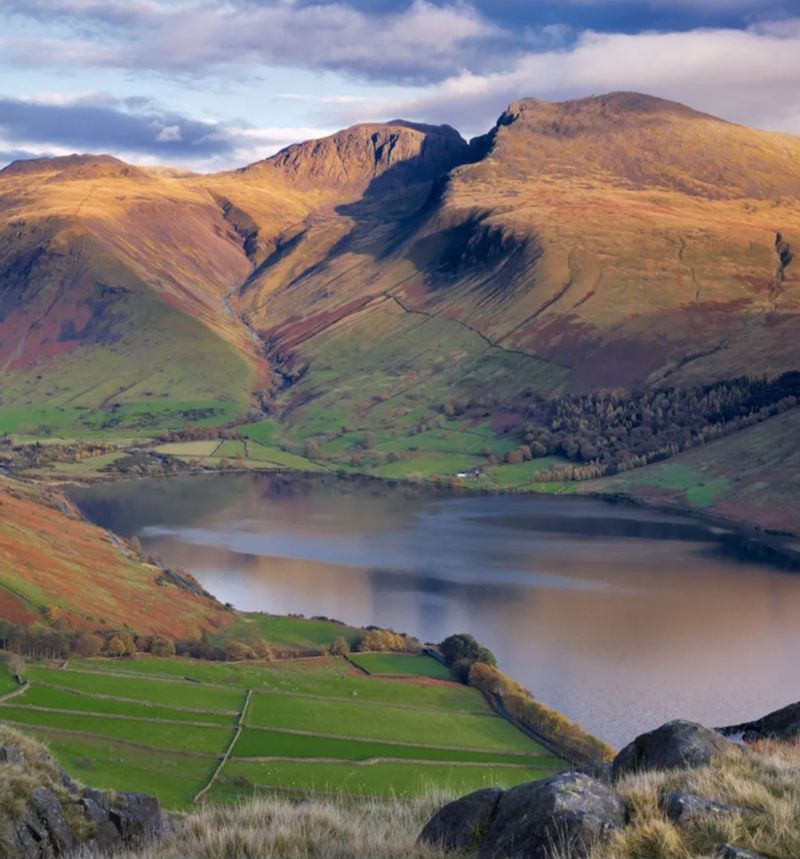
England’s Lake District appears regularly in Mountain Rescue annual incident statistics as volunteers respond to hundreds of callouts each year. The region’s popularity with day-trippers means many visitors arrive unprepared for how quickly conditions deteriorate in the fells.
Scafell Pike, England’s highest peak, sees numerous rescues involving exhausted or injured hikers. People attempt the climb in running shoes without food or water, then find themselves unable to descend safely as darkness approaches or weather worsens.
The area’s complex network of paths confuses visitors who rely on phone navigation only to lose signal in valleys. Ankle and leg injuries from slips on loose rock are common, stranding people hours from roads.
Winter conditions bring snow and ice that transform gentle walks into technical challenges requiring crampons and ice axes.
13. Peak District, England
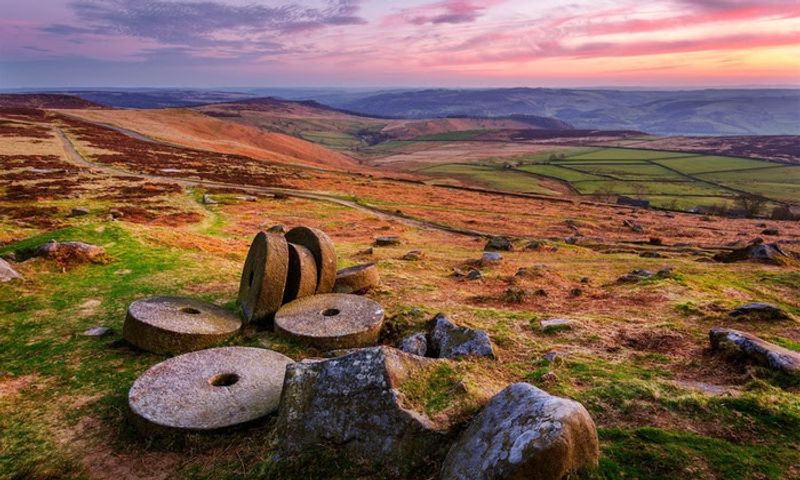
This accessible national park generates consistent search-and-rescue activity according to Mountain Rescue England and Wales reporting. Its proximity to major cities means weekend warriors often tackle challenging terrain without experience or proper preparation.
Moorland navigation challenges many hikers when mist reduces visibility across featureless landscapes. Without clear landmarks, people walk in circles for hours, becoming exhausted and hypothermic before rescue teams locate them using phone signals or helicopter searches.
Rock climbing areas like Stanage Edge see regular accidents as climbers attempt routes beyond their skill level. Falls result in serious injuries requiring technical rescue operations to extract victims from cliff faces.
Winter ice and summer heat both create distinct hazards, with dehydration and exposure accounting for numerous callouts throughout the year.
14. Scottish Highlands and Cairngorms, Scotland
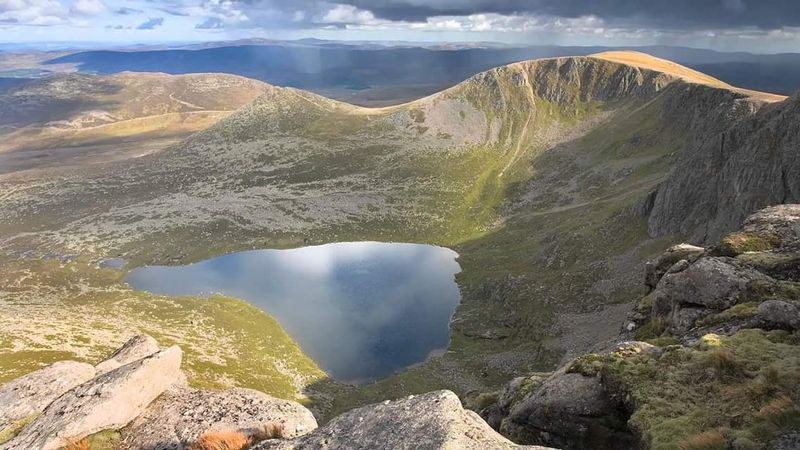
Scotland reports over 1,000 mountain rescue callouts in recent annual totals, with recurring incidents concentrated in major mountain areas including the Highlands and Cairngorms. These remote ranges present Arctic conditions even in summer months.
Ben Nevis, Britain’s highest peak, claims lives regularly despite its popularity. Inexperienced climbers attempt the mountain in poor weather, then find themselves in whiteout conditions unable to navigate the complex summit plateau where wrong turns lead to deadly cliffs.
The Cairngorms plateau holds snow year-round and generates its own severe weather systems. Hillwalkers caught in sudden storms have died from hypothermia within sight of rescue shelters.
Avalanches kill skiers and climbers in winter, while summer brings different dangers as swollen rivers become impassable and navigation across vast, featureless terrain proves challenging even for experienced mountaineers.
15. Tongariro Alpine Crossing, New Zealand
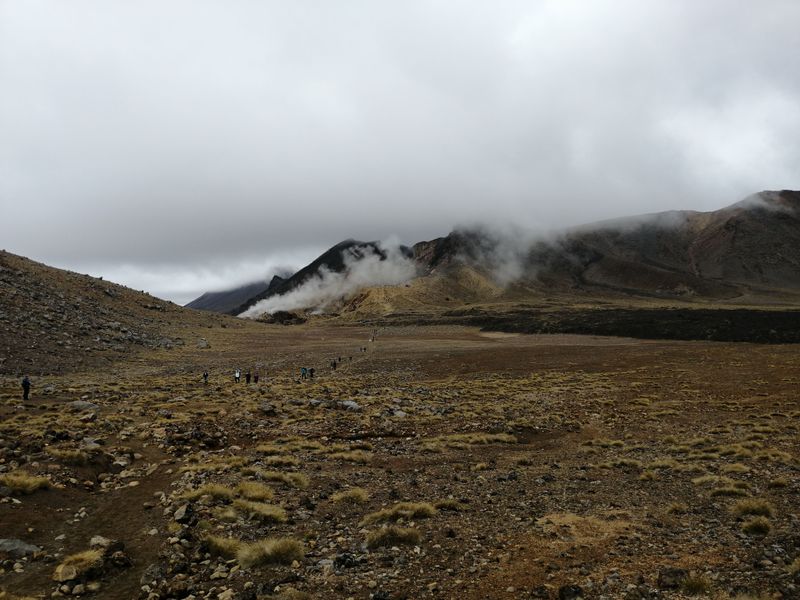
New Zealand’s most famous day hike has been identified as a leading search-and-rescue hotspot, with 292 people involved in SAR operations over seven years. In one season, nearly 20 percent of New Zealand’s tramper rescues occurred on this single trail.
The crossing’s popularity means hundreds attempt it daily during peak season, many without proper fitness or equipment. What’s marketed as a day walk actually demands eight hours of continuous hiking across exposed volcanic terrain where weather changes without warning.
Alpine conditions can develop any time of year, with snow, ice, and high winds creating dangerous situations. Hikers become separated from groups, suffer altitude sickness, or simply run out of energy miles from either end.
The one-way nature of the crossing means struggling hikers must continue rather than turning back, leading to exhaustion and injury.
16. Matterhorn and Zermatt Region, Switzerland
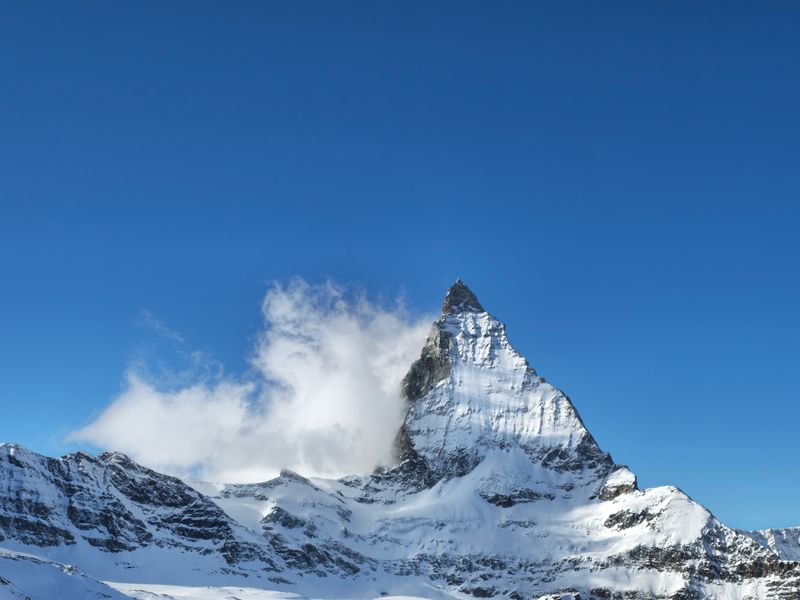
Air Zermatt and local sources describe rescue operations as an everyday reality in this iconic Alpine region. The Matterhorn’s distinctive pyramid shape attracts climbers worldwide, but its technical difficulty and objective hazards make it one of the deadliest mountains in the Alps.
Rockfall kills and injures climbers regularly as warming temperatures destabilize slopes. Even guided clients with professional mountain guides die when rocks dislodge without warning or weather deteriorates rapidly, trapping parties on exposed faces.
The surrounding region generates constant rescue activity beyond just the famous peak. Ski accidents, hiking emergencies, and climbing incidents keep helicopter crews busy year-round.
Altitude sickness, exhaustion, and simple navigation errors affect visitors who underestimate the challenges of high-altitude Alpine terrain where weather systems move fast and temperatures plummet after sunset.
17. Banff National Park, Alberta, Canada
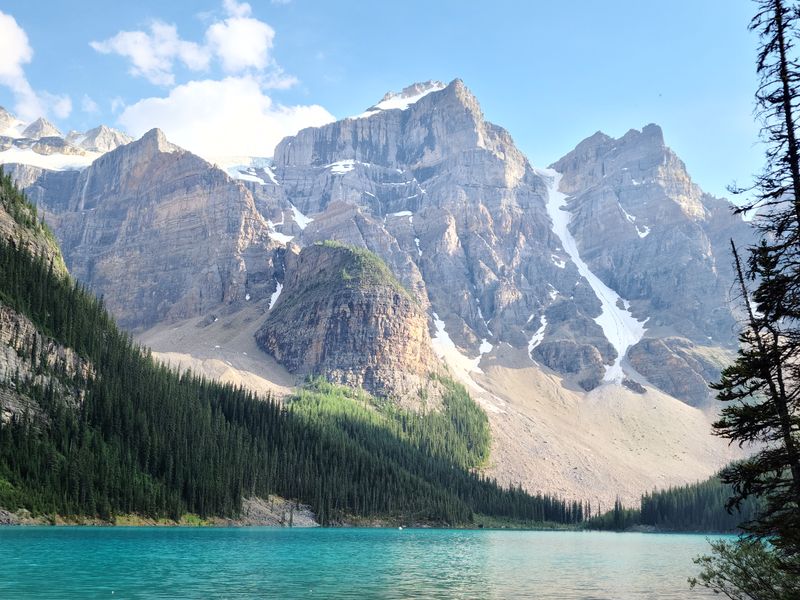
Wilderness search-and-rescue is a defined responsibility of the Parks Canada Warden Service in Banff, meaning recurring rescues for lost or injured visitors are expected operationally. The park’s stunning scenery and accessibility create a constant stream of incidents.
Grizzly and black bears present real dangers to hikers, with attacks occurring when people surprise bears on trails or camp improperly in backcountry areas. Parks Canada requires bear-proof food storage and trail closures during high bear activity periods, but incidents still happen regularly.
The Canadian Rockies’ weather can turn severe any month of the year. Summer snowstorms catch hikers in shorts and t-shirts, while avalanches threaten winter recreationists.
River crossings during spring runoff have swept away hikers, and falls from scrambling routes cause serious injuries requiring helicopter evacuation from remote valleys.
18. Jasper National Park, Alberta, Canada
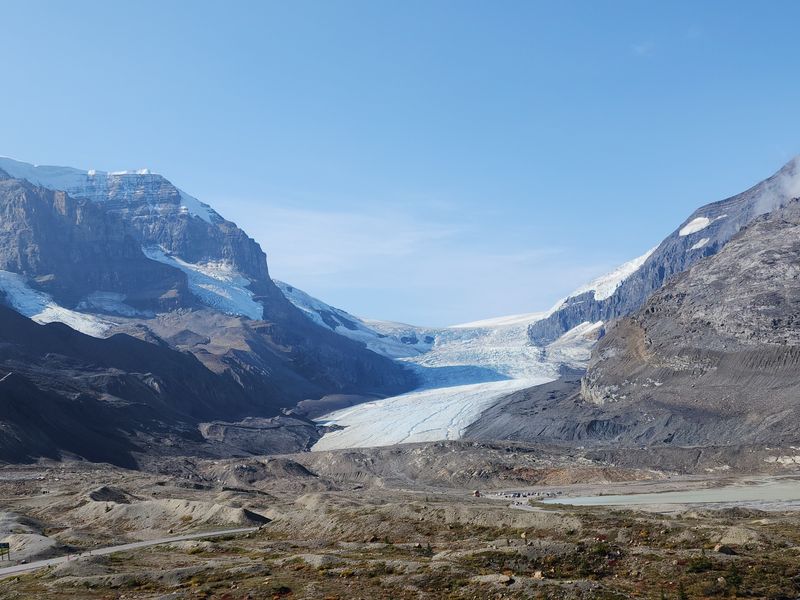
Similar to Banff, Jasper stands as a major backcountry destination with recurring emergencies handled by Parks Canada authorities. The park’s vast wilderness areas and challenging terrain generate steady rescue operations throughout the year.
Wildlife encounters, particularly with bears and elk, cause injuries requiring emergency response. Elk during rutting season become aggressive, charging tourists who approach too closely for photographs.
Bear encounters in berry-rich areas can turn dangerous when hikers fail to make noise or properly store food.
The park’s extensive glacier systems present crevasse dangers to inexperienced visitors who venture onto ice without proper equipment or knowledge. Remote backcountry areas mean help can be many hours away when injuries occur.
Winter brings avalanche risks and extreme cold that can quickly become life-threatening for anyone caught unprepared overnight.
19. Croatian Coastal Mountains and Cliffs
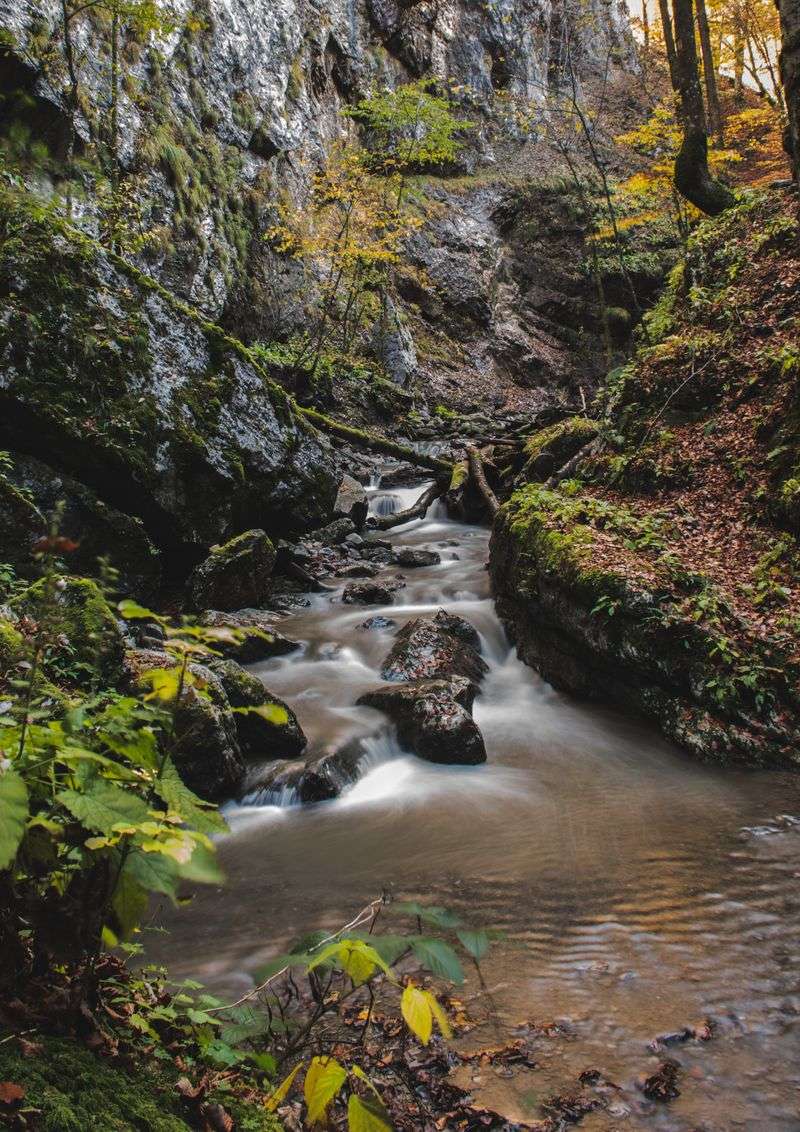
Croatia’s government and reporting note that HGSS (Croatian Mountain Rescue Service) prepares for a rising number of rescues during peak tourist season. The Velebit and Biokovo mountain areas above the stunning Adriatic coast create deceptive dangers for beach-goers attempting mountain hikes.
Tourists in beach attire attempt serious mountain trails without water, proper shoes, or understanding of how hot and exposed the terrain becomes. Heat exhaustion and dehydration cause numerous emergency callouts as people underestimate the physical demands of steep climbs in Mediterranean summer heat.
Cliff edges along coastal paths prove deadly when visitors venture too close for photographs. The limestone rock can crumble unexpectedly, and strong winds have blown people off edges.
Navigation challenges arise when trails become unclear, leaving hikers stranded on steep terrain unable to safely ascend or descend without assistance.
20. Everest Region and Khumbu Trekking Corridors, Nepal
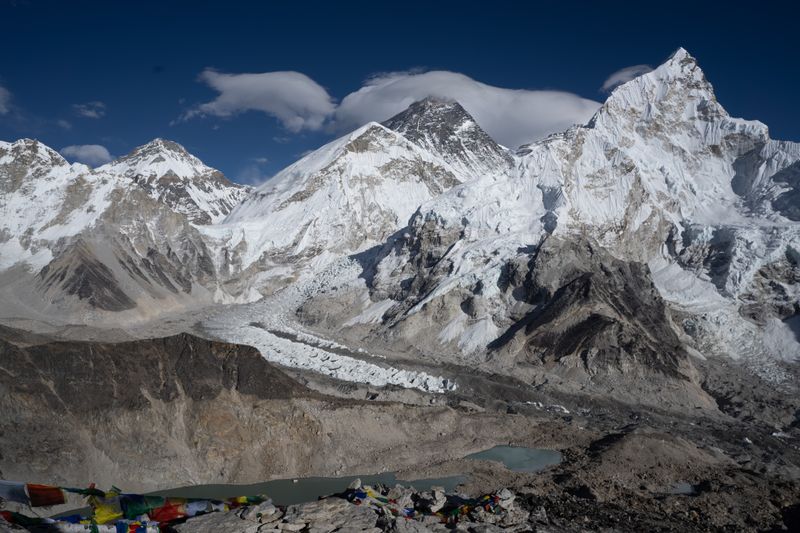
Dedicated organizations exist specifically to reduce casualties as foreign trekkers enter the remote high-altitude terrain of the Lukla-Namche-Everest Base Camp corridor. Recurring altitude illness and evacuation needs make this one of the world’s most challenging trekking destinations.
Acute mountain sickness strikes hundreds of trekkers annually who ascend too quickly without proper acclimatization. Cerebral and pulmonary edema can kill within hours at high elevations, requiring immediate helicopter evacuation to lower altitudes for survival.
The region’s remoteness means medical facilities are limited and weather can ground rescue helicopters for days. Avalanches, falls on icy trails, and simple exhaustion cause emergencies far from help.
Even the flight into Lukla airport is notoriously dangerous, with crashes occurring regularly on the short, sloped runway carved into a mountainside.



