 Unearth The Voyage
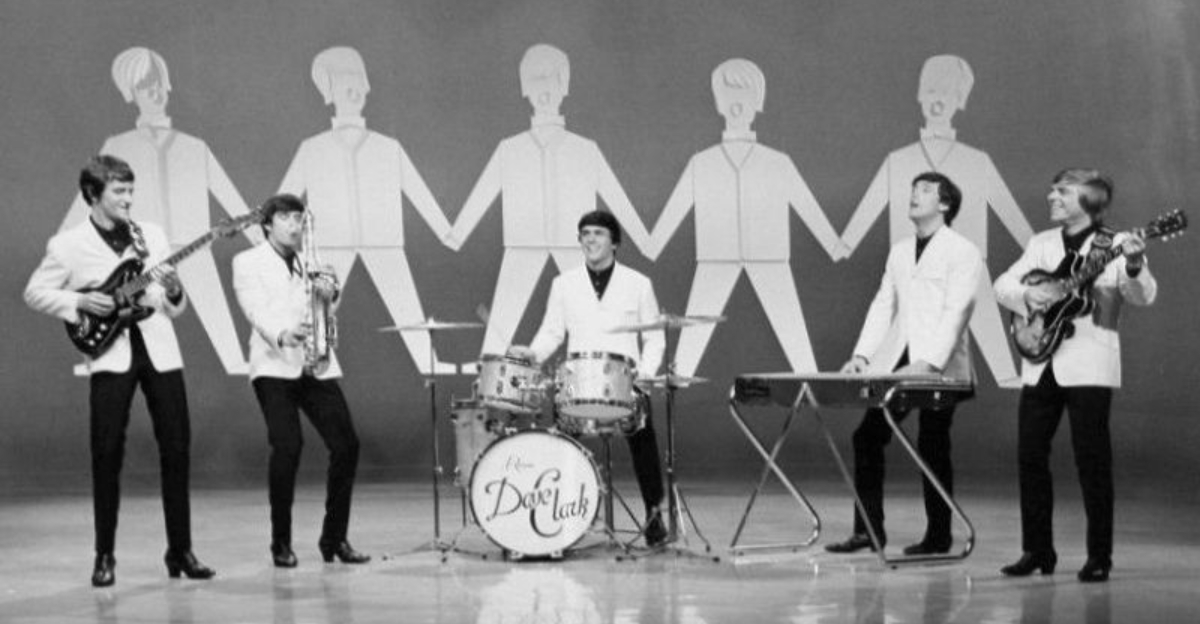
The 1960s gave us some of the greatest music ever recorded, from The Beatles to Aretha Franklin. But not every song that hit number one actually deserved the crown. Some were novelty tunes, others were overly sentimental, and a few were just plain weird. Let’s explore thirty chart-toppers that make us wonder how they beat out so many better songs.
1. Honey – Bobby Goldsboro (1968)
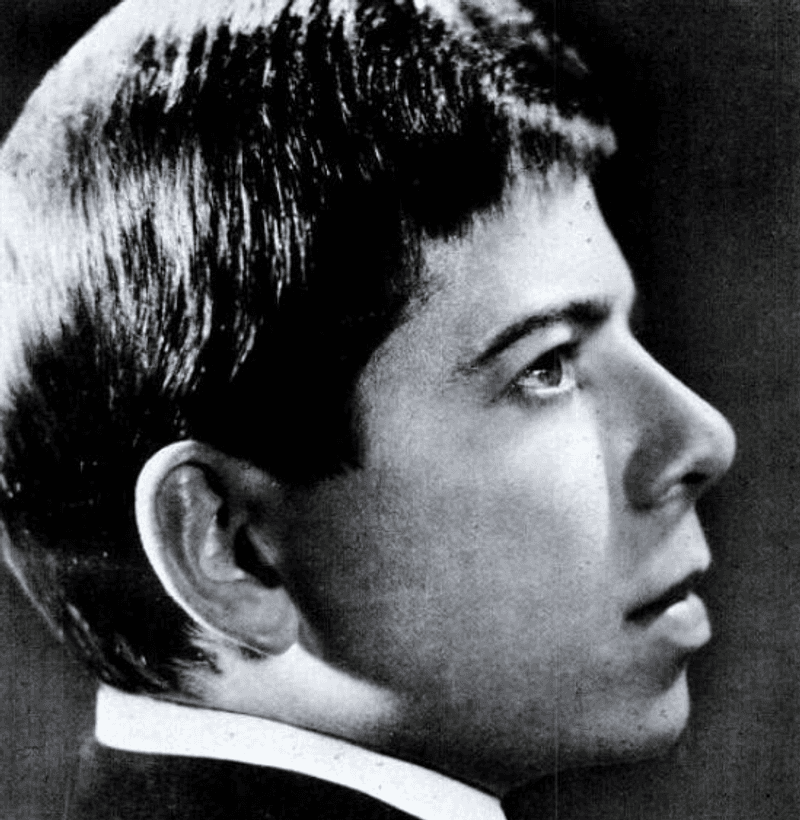
Bobby Goldsboro spent five weeks at the top in 1968 with this weepy ballad about a man mourning his late wife. The song became one of the year’s biggest sellers, but modern listeners find it emotionally manipulative and strangely condescending.
He famously describes her as “kinda dumb and kinda smart,” which doesn’t exactly scream respect. When you remember this dominated the same charts as Aretha Franklin, The Beatles, and Jimi Hendrix, you start questioning 1960s taste. The overly sentimental approach feels forced rather than genuinely touching today.
2. The Ballad of the Green Berets – Staff Sgt. Barry Sadler (1966)
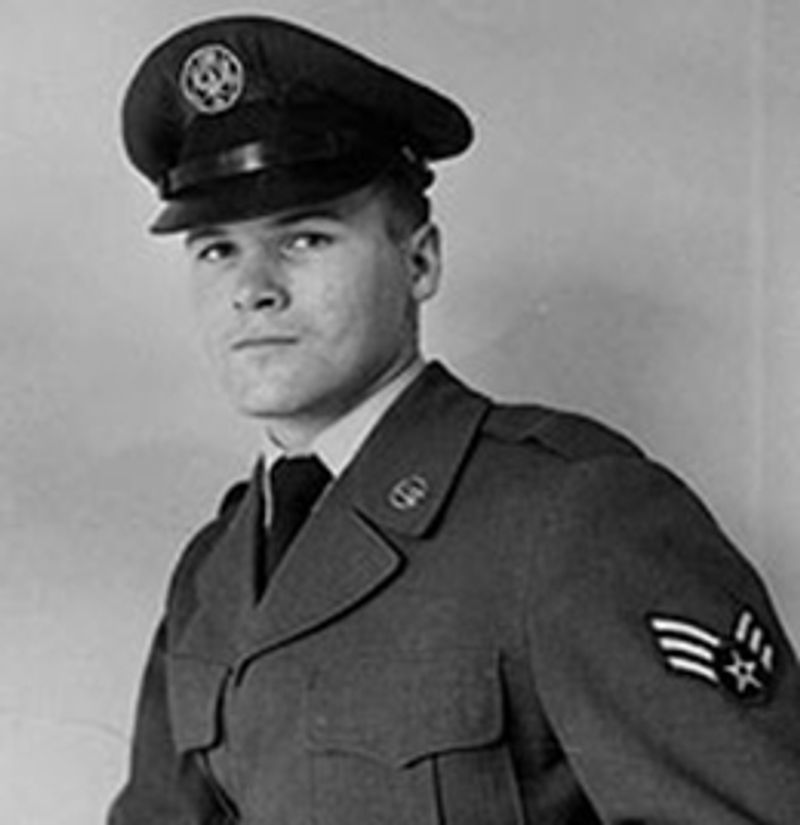
Right in the middle of the Vietnam War, this pro-military anthem surprised everyone by holding the top spot for five weeks. Staff Sergeant Barry Sadler turned his military service into millions of record sales.
Today it feels like a time capsule from one of America’s most divided periods. Musically, it sounds more like a marching hymn than an actual pop song. Meanwhile, far more adventurous rock and soul tracks sat waiting in the wings, unable to claim their rightful place at number one.
3. Sugar, Sugar – The Archies (1969)
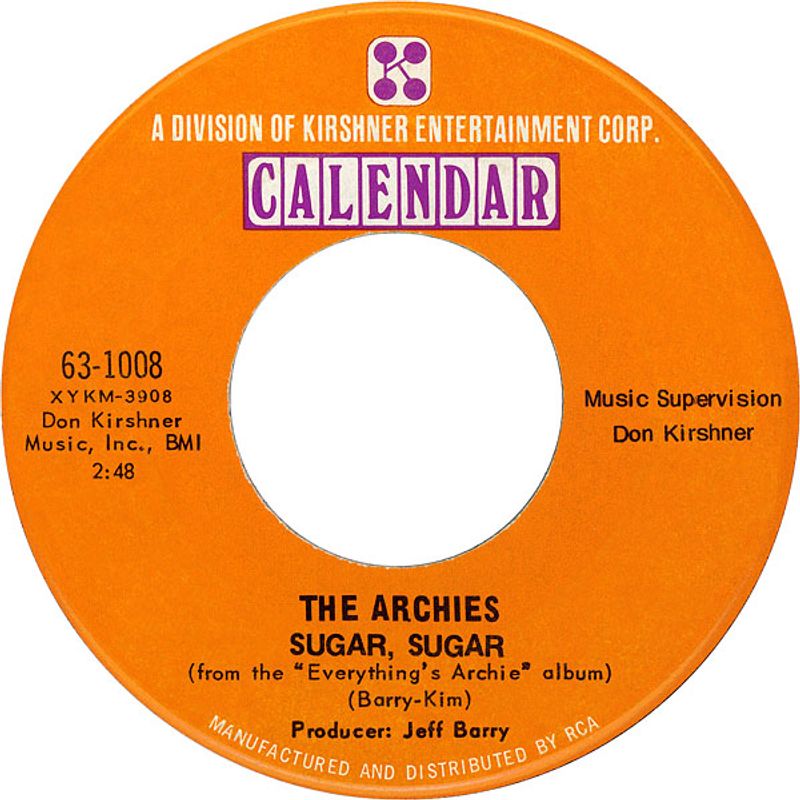
A fictional cartoon band from the Archie comics somehow scored a massive real-world hit that dominated for four weeks in 1969. “Sugar, Sugar” even became Billboard’s top single of the entire year, which seems almost impossible.
Sure, the hook is undeniably catchy and will stick in your brain for days. But when you consider this bubblegum jingle outperformed countless timeless tracks from that incredible year, it becomes clear that pop history had a serious sweet tooth. Sometimes novelty wins over substance.
4. I’m Henry VIII, I Am – Herman’s Hermits (1965)
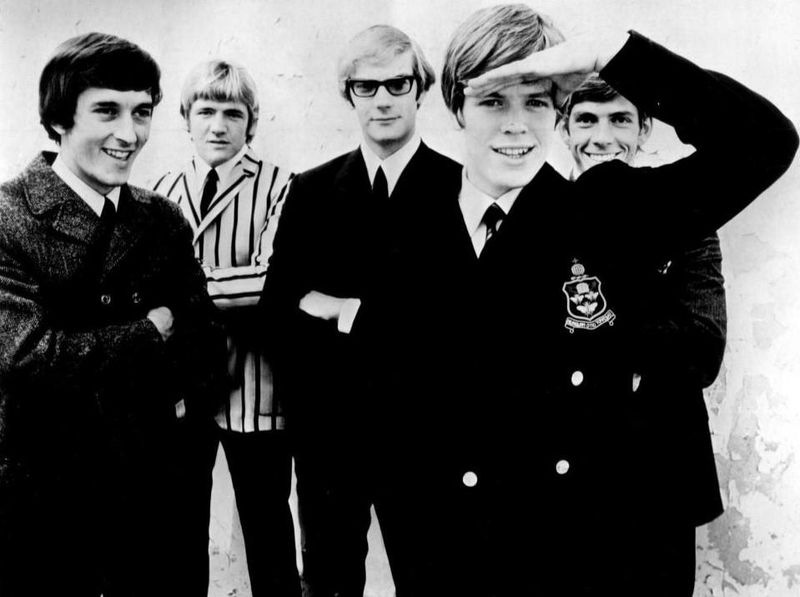
Originally a 1910 British music-hall tune, this novelty number got revived by Herman’s Hermits and somehow climbed to number one in August 1965. Clocking in at under two minutes, the song relies almost entirely on repetition.
It’s amusing once or maybe twice if you’re feeling generous. But did this really deserve to sit atop the same chart that hosted “(I Can’t Get No) Satisfaction” that year? The answer seems pretty obvious when you compare the two side by side.
5. Itsy Bitsy Teenie Weenie Yellow Polka Dot Bikini – Brian Hyland (1960)
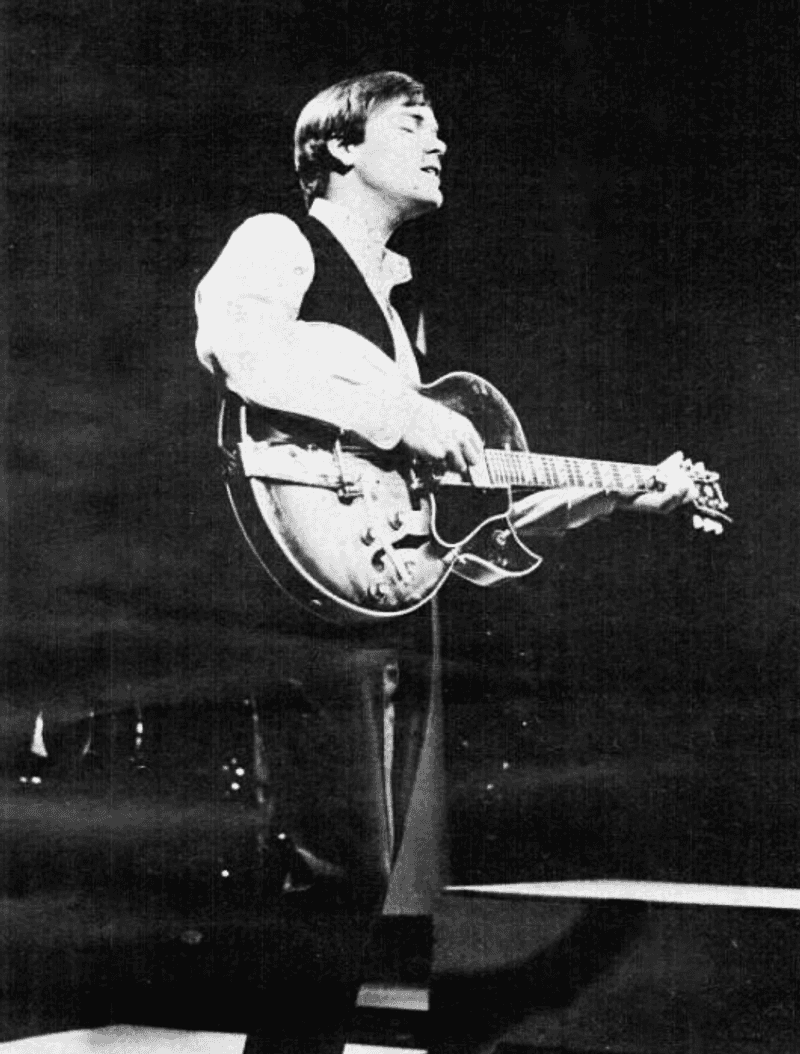
A novelty song about a shy girl afraid to show off her bikini hit number one in 1960, turning a silly concept into a major pop event. Brian Hyland struck gold with this goofy tune that everybody seemed to love.
The melody is undeniably catchy, but the joke gets old incredibly fast. Compared to the rich doo-wop, early soul, and budding rock and roll emerging during that era, this feels like a gimmick that accidentally won the lottery instead of a deserving champion.
6. Dominique – The Singing Nun (1963)
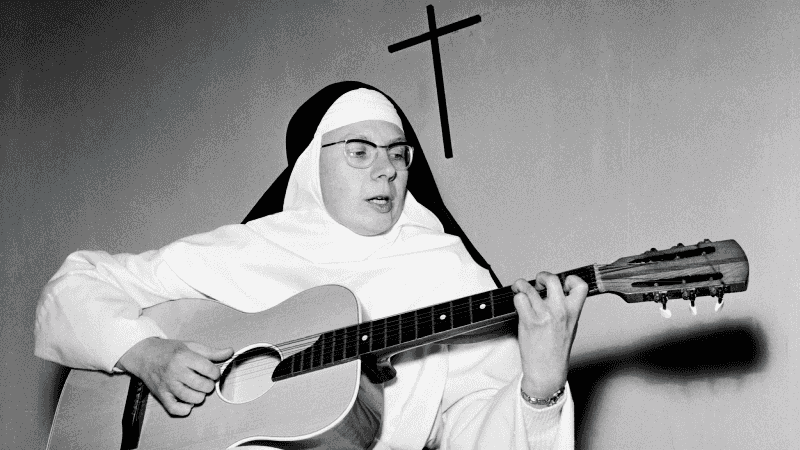
A French-language devotional song performed by a Belgian nun doesn’t exactly sound like a recipe for pop chart domination. Yet “Dominique” topped the Hot 100 in late 1963, defying all expectations.
The song is sweet and pretty in its own way, but incredibly slight musically speaking. This happened just as the early Beatles wave was about to completely rewrite the rulebook for popular music. As a quirky footnote in music history, it’s charming; as a number one blockbuster, it’s genuinely puzzling.
7. Love Is Blue – Paul Mauriat (1968)

This lush instrumental became a surprising U.S. phenomenon, hitting number one in 1968 and staying there for five solid weeks. Paul Mauriat’s orchestra created something beautiful, but also something incredibly safe.
It feels like background music perfectly suited for elevators, waiting rooms, and dentist offices. In a year absolutely packed with groundbreaking psychedelia and soul music pushing boundaries, it’s hard not to see this as an extremely safe, almost boring choice for a chart-topper that dominated for so long.
8. Green Tambourine – The Lemon Pipers (1968)
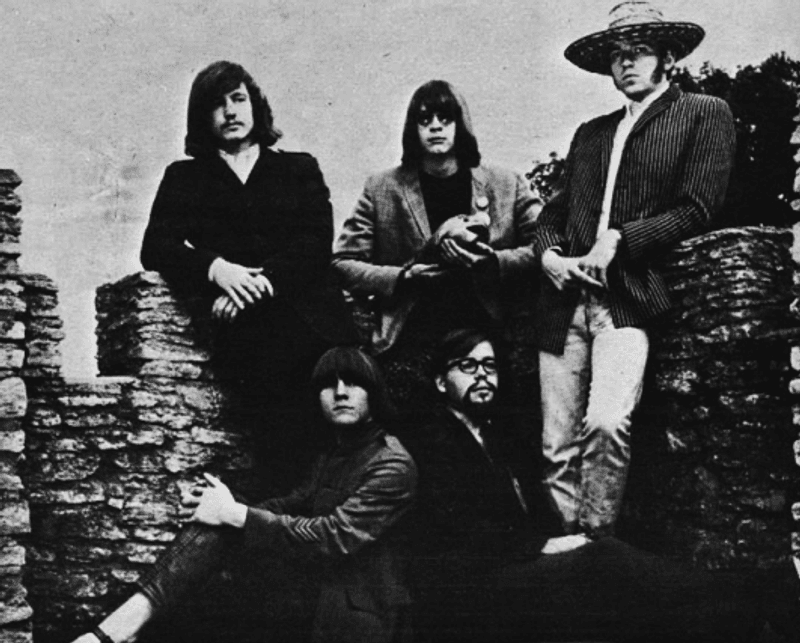
Part bubblegum pop, part lightweight psychedelia, “Green Tambourine” gave The Lemon Pipers their only number one hit in early 1968. The band rode the psychedelic wave but stayed safely in the shallow end.
The song is undeniably catchy but feels flimsy and disposable when examined closely. With so many stronger, more genuine psychedelic records competing for attention and chart position during that era, this one’s chart triumph looks pretty questionable in hindsight. It was psychedelia for people scared of real psychedelia.
9. Harper Valley P.T.A. – Jeannie C. Riley (1968)
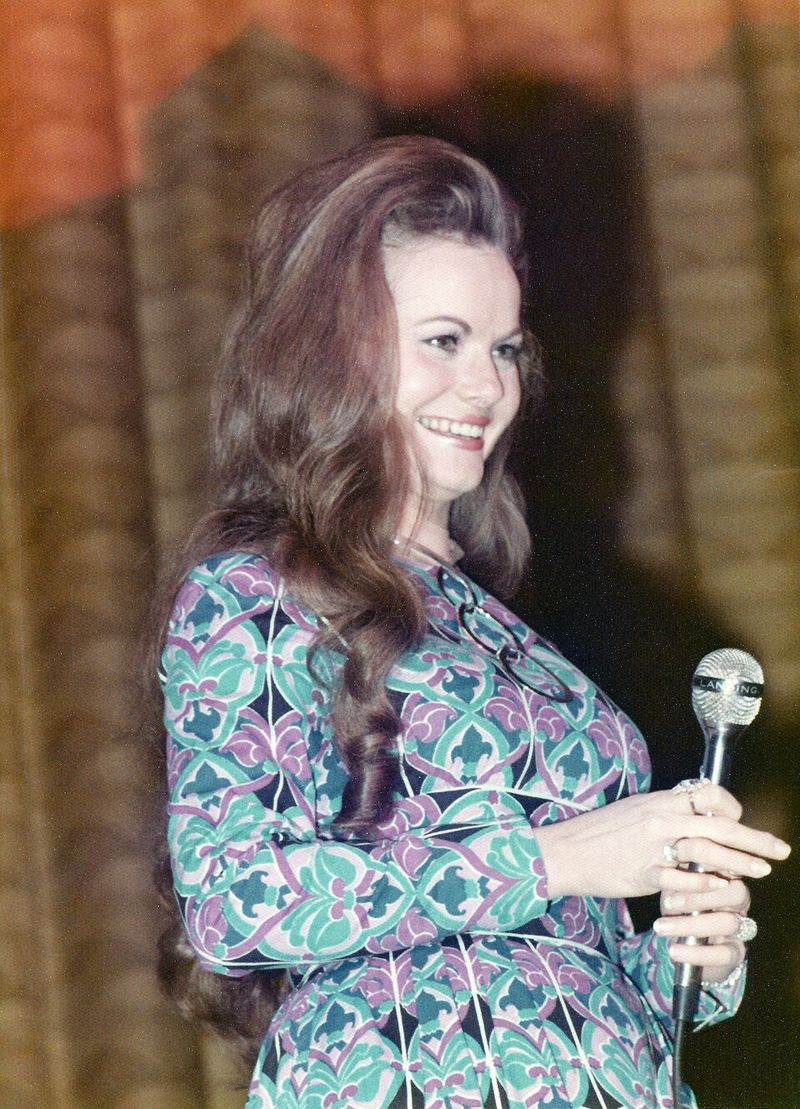
This story-song about a single mom calling out small-town hypocrisy hit number one on both the country chart and the Hot 100 in 1968. Jeannie C. Riley became a crossover sensation with this sassy tale of standing up to judgmental neighbors.
It’s a fun takedown and culturally important in its own way for addressing double standards. But musically speaking, it’s fairly basic and more spoken than sung. The fact that this modest narrative single dominated such a musically stacked year still surprises many serious listeners.
10. Hello, Goodbye – The Beatles (1967)
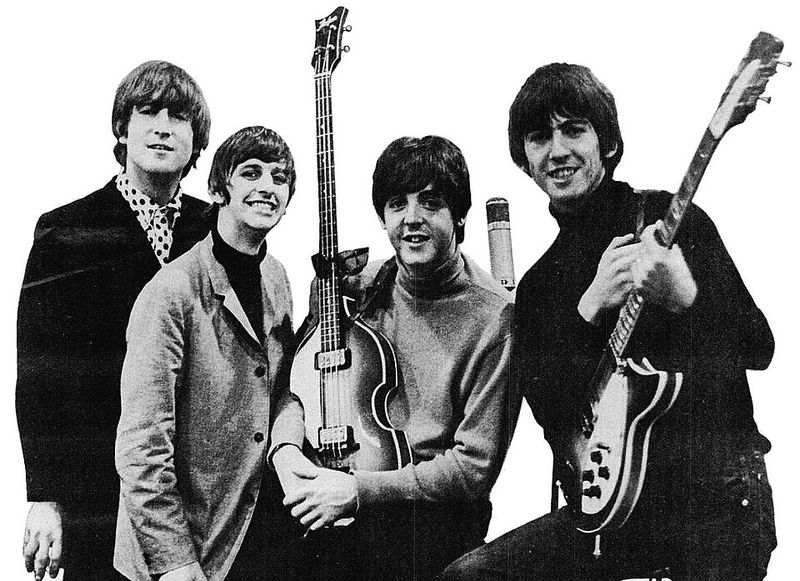
Yes, The Beatles appear on this list, not because they weren’t brilliant, but because this might be one of their least inspired number one hits. “Hello, Goodbye” topped the Hot 100 in early 1968 despite being fairly lightweight.
It’s undeniably catchy with a memorable melody, yet lyrically thin compared to their deeper work. The main lyric is basically “you say goodbye and I say hello” repeated endlessly. When you think of Beatles songs that deserved the top spot instead, this can feel like a placeholder winner.
11. Ringo – Lorne Greene (1964)
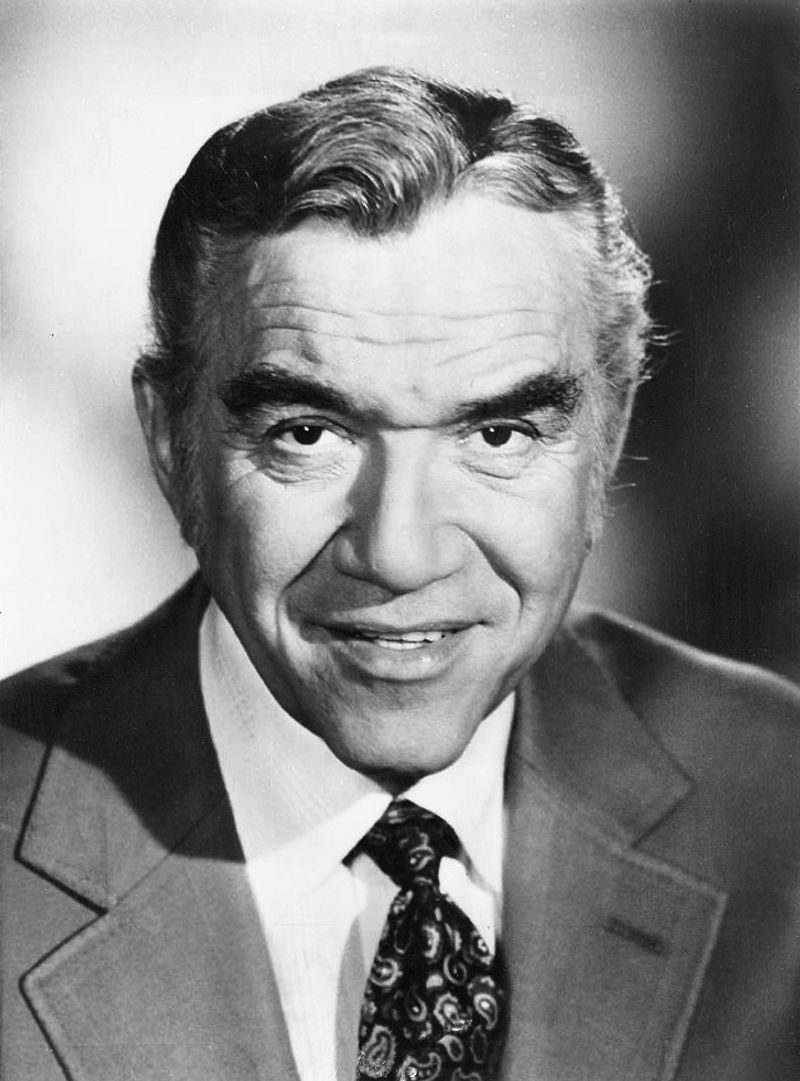
This spoken-word western ballad by Bonanza star Lorne Greene somehow rode its novelty all the way to number one in 1964. Greene basically recited a dramatic cowboy story over a backing track and called it a pop song.
It’s essentially a theatrical monologue that belongs on a television show, not atop the pop charts. In a year when Motown and the British Invasion were exploding with genuine musical innovation, it’s absolutely wild that an actor’s cowboy recitation briefly became America’s biggest song.
12. Somethin’ Stupid – Frank & Nancy Sinatra (1967)
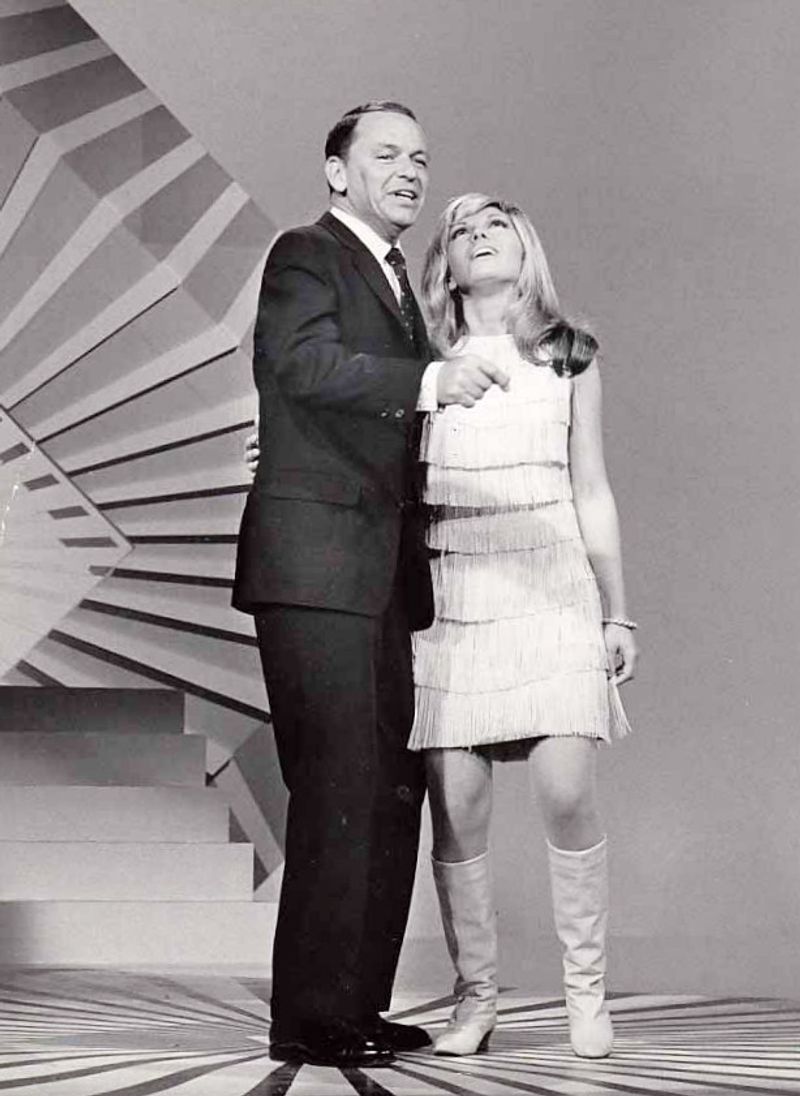
A father-daughter duet about romantic love topped the Hot 100 for four weeks in 1967, which feels awkward when you really think about the lyrics. Frank and Nancy Sinatra created a hit that sounds pleasant but feels increasingly uncomfortable.
It’s an old-fashioned ballad with a smooth arrangement, but the romantic context between parent and child is genuinely strange. The arrangement is also almost aggressively mild and safe, especially compared with the more daring, experimental pop emerging all around it during that revolutionary year.
13. Over and Over – The Dave Clark Five (1965)
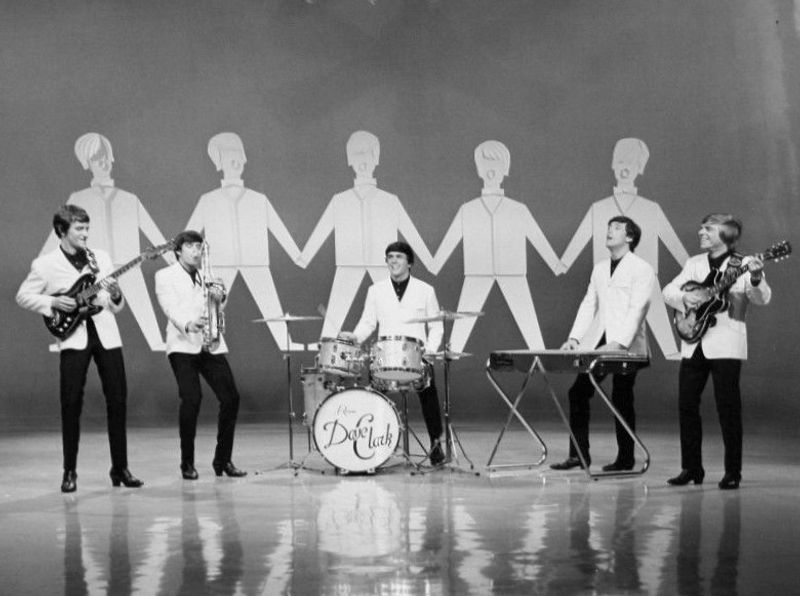
The Dave Clark Five’s only U.S. number one was this simple, repetitive cover of a Bobby Day song, which topped the Hot 100 in late 1965. Despite being part of the British Invasion, they only managed one American chart-topper.
The song is energetic and has drive, but it’s also incredibly one-dimensional and repetitive. Given that it was the last U.S. number one of 1965, it feels like the charts ended that incredible year with a shrug rather than a bang or any sense of triumph.
14. Stranger on the Shore – Mr. Acker Bilk (1962)
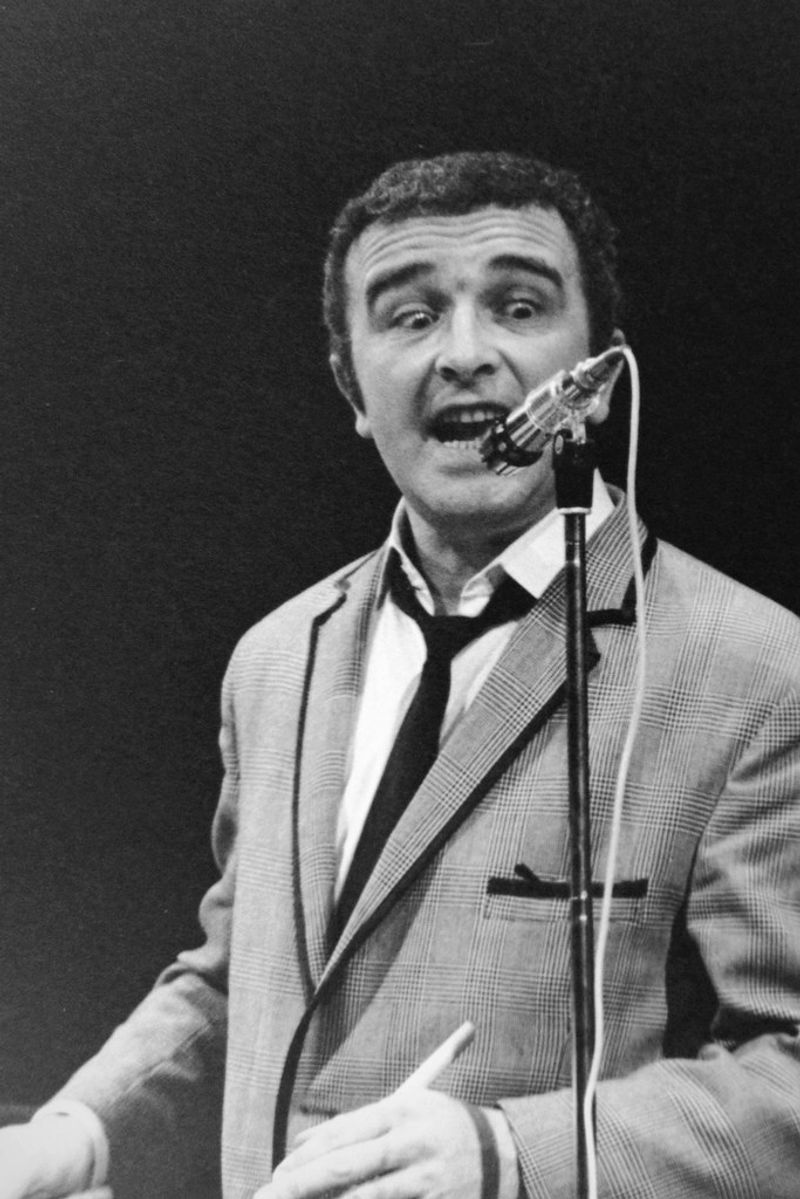
A gentle clarinet instrumental, originally written for the artist’s young daughter, became the first British recording to hit number one on the U.S. Hot 100 in 1962. Mr. Acker Bilk made history with this tender, simple melody.
It’s pretty, relaxing, and perfect for background listening at a quiet restaurant. As a historical milestone for British music crossing the Atlantic, it’s genuinely important. But as a number one hit that dominated the pop charts? It’s more lullaby than pop thrill or excitement.
15. Johnny Angel – Shelley Fabares (1962)
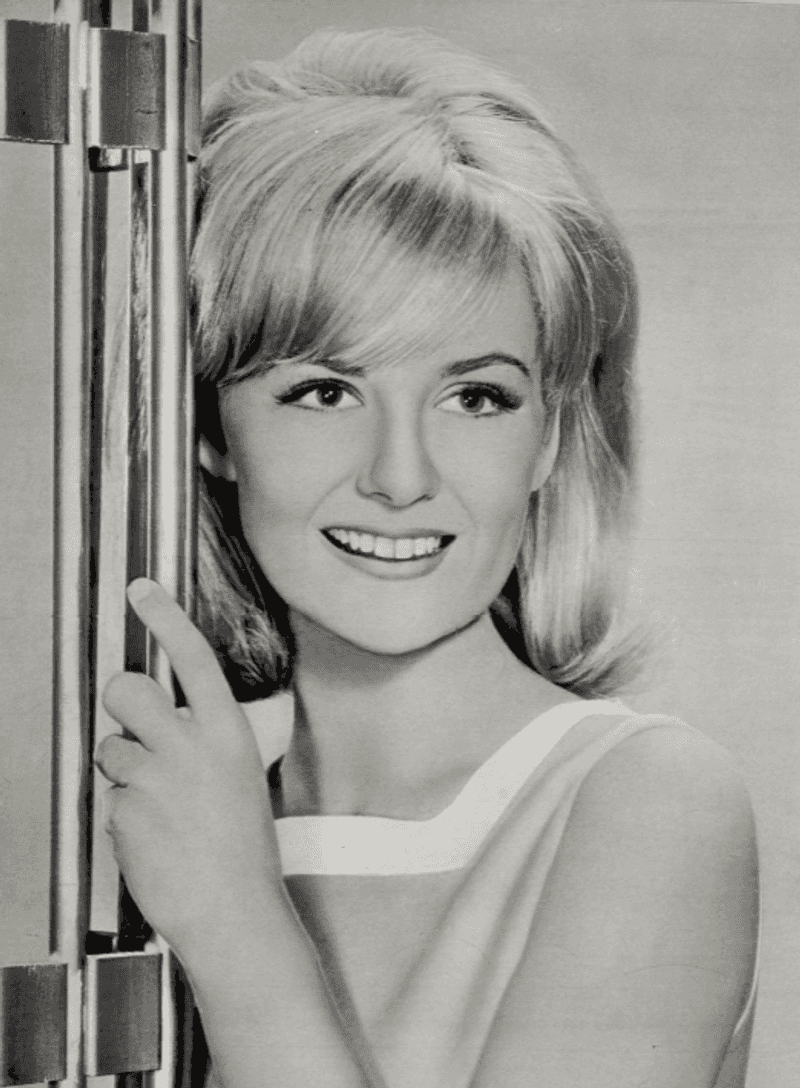
A teen TV star from The Donna Reed Show scored a number one hit with this dreamy crush song in 1962. Shelley Fabares rode her television fame straight to the top of the pop charts despite limited vocal ability.
The song is sweet but incredibly feather-light with barely any substance. Even Fabares herself later admitted she didn’t consider herself much of a singer at all. As a novelty showing how TV fame could translate to pop success, it makes sense; as an actual chart-topper, it’s remarkably flimsy.
16. Go Away Little Girl – Steve Lawrence (1963)
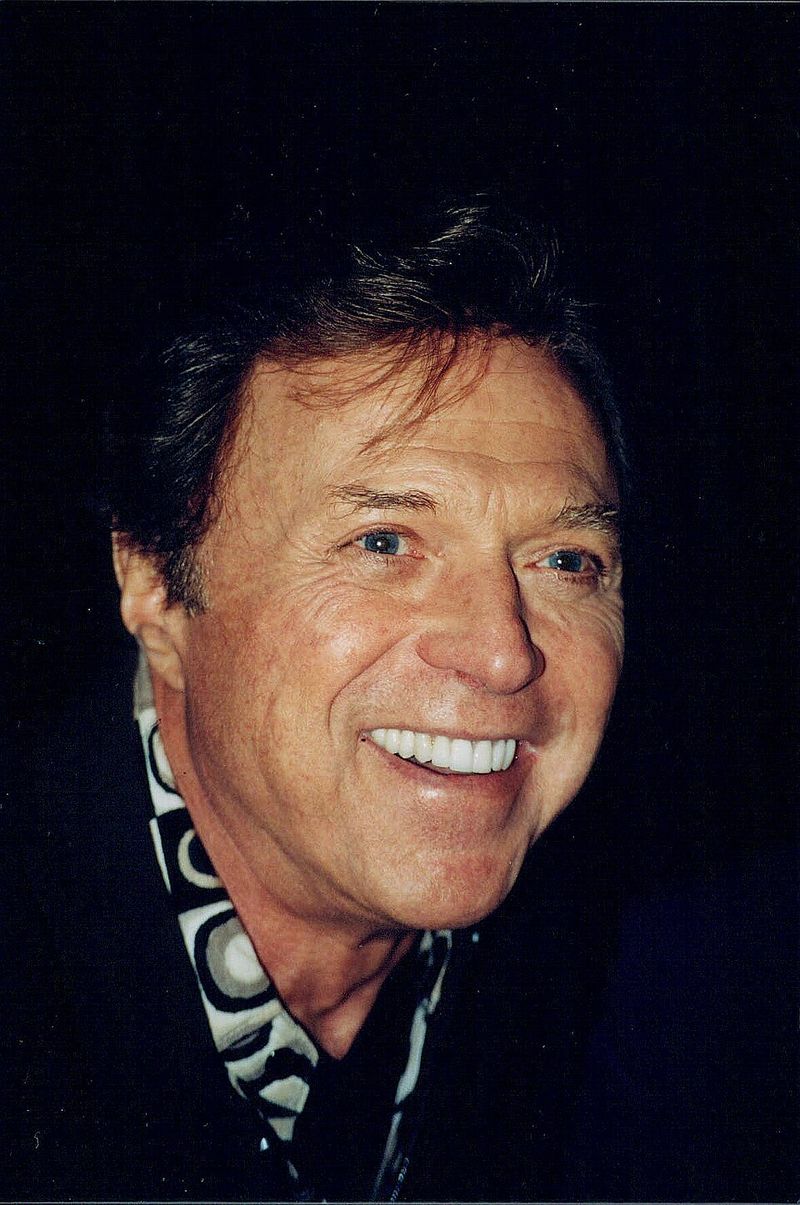
Written by the legendary Carole King and Gerry Goffin, this ballad about pushing away temptation went to number one in early 1963 for Steve Lawrence. Despite having great songwriters behind it, the execution fell flat.
Critics now often slam this particular version as bland and overwrought, especially when compared with later covers by other artists. In a pre-Beatles moment, it perfectly shows how safe and syrupy mainstream pop could be during that era. Maybe it was just a little too safe for the top spot.
17. Sugar Shack – Jimmy Gilmer & The Fireballs (1963)
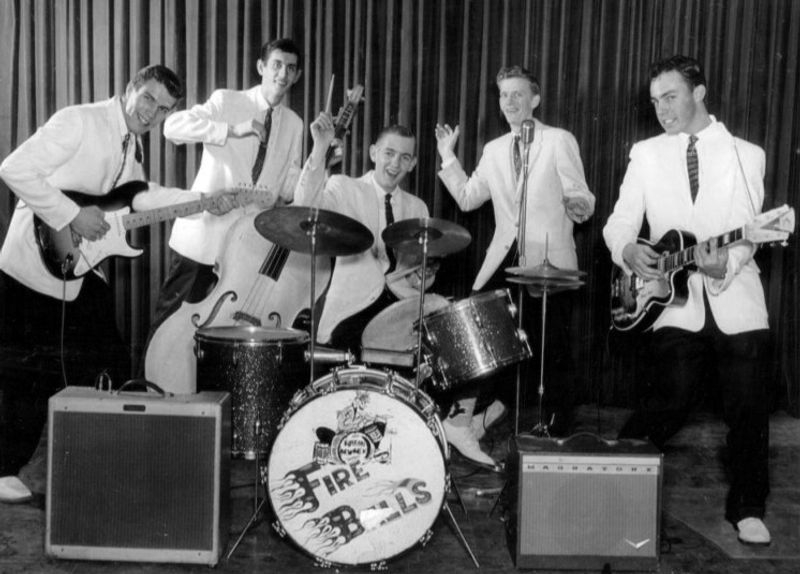
This bouncy ode to a coffeehouse topped the Hot 100 for five weeks in 1963 and ended up as Billboard’s number one single of the entire year. Jimmy Gilmer and The Fireballs created something catchy but ultimately forgettable.
It’s a fun little tune with an infectious rhythm that’s easy to enjoy once. But the idea that this was the defining single of 1963, the same year that gave us “Surfin’ U.S.A.” and “Be My Baby,” makes many serious music fans shake their heads in disbelief.
18. Running Bear – Johnny Preston (1960)
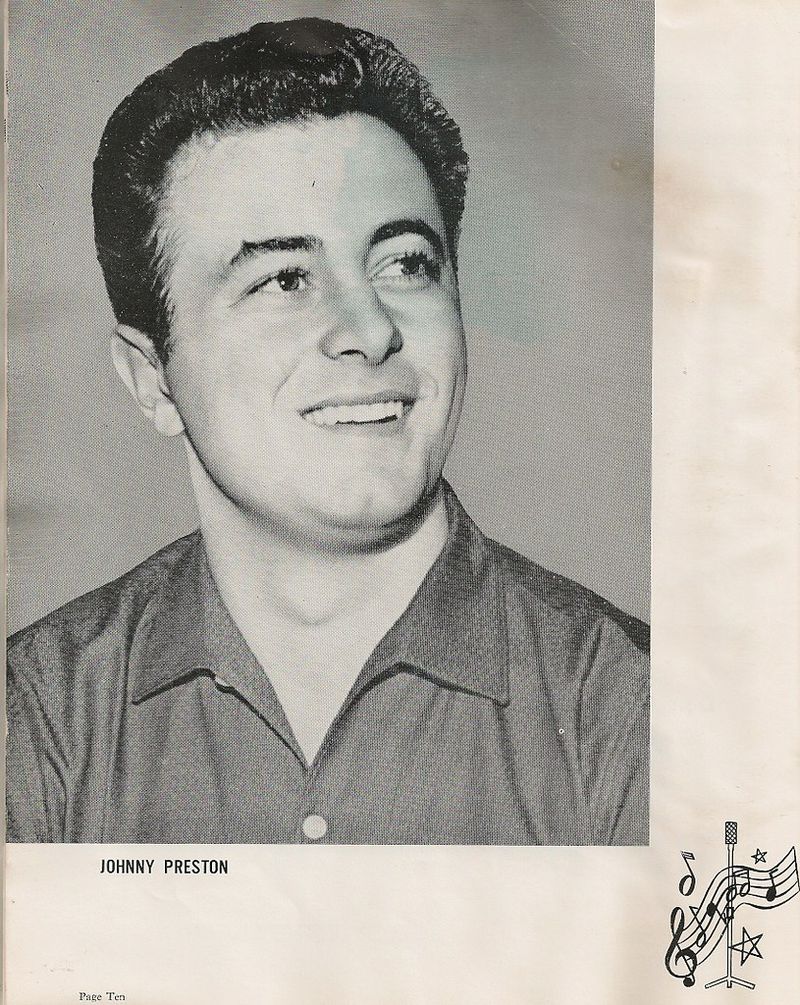
This melodramatic “teenage tragedy” song about two Native American lovers who drown together in a river hit number one for three weeks in January 1960. Johnny Preston delivered the tale with all the subtlety of a sledgehammer.
Between the stereotyped “war cries” in the background, the campy narration, and the tragic ending, it’s a relic from a very different time. The cultural insensitivity is glaring by today’s standards, and it’s definitely not one that necessarily deserved to be enshrined at the top.
19. There! I’ve Said It Again – Bobby Vinton (1964)
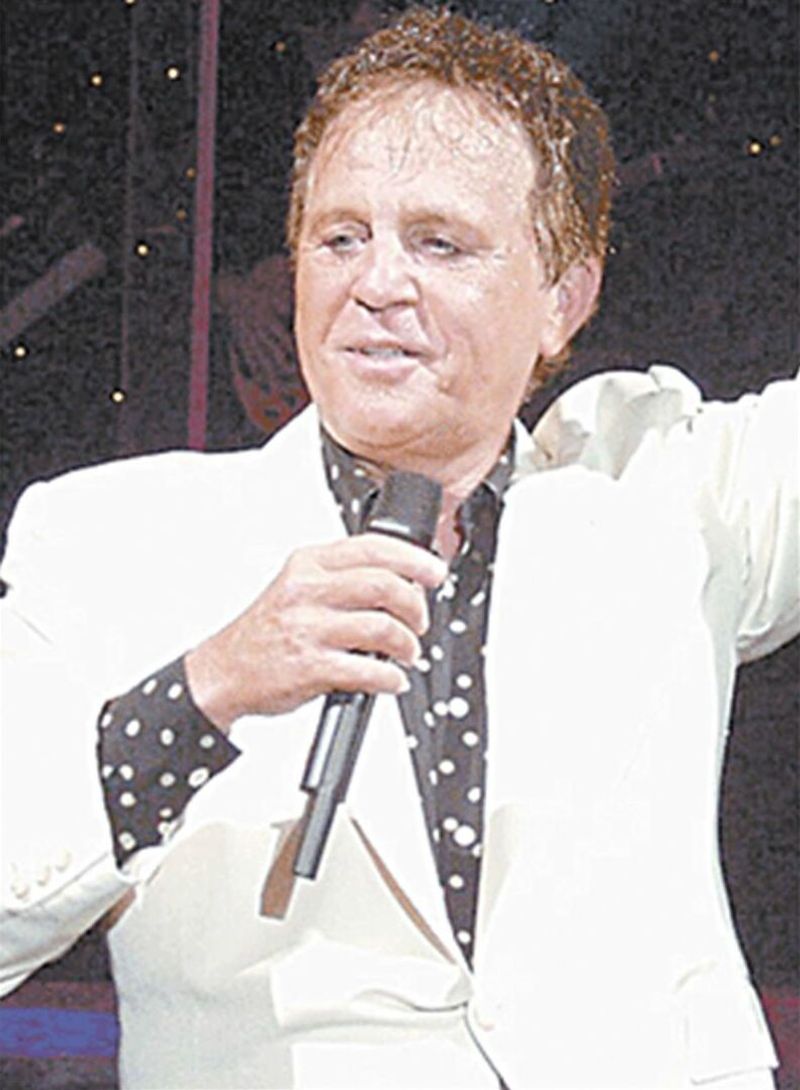
This ultra-smooth ballad became the first number one song of 1964, staying at the top for four weeks until The Beatles’ “I Want to Hold Your Hand” launched the British Invasion. Bobby Vinton’s reign represents the old guard’s final moment.
It’s pleasant but remarkably dull, representing pure pre-Beatles pop crooning at its safest. In retrospect, it feels like the last gasp of an entire era that was about to be completely and permanently rewritten by younger, more exciting artists from across the Atlantic.
20. Moody River – Pat Boone (1961)

Pat Boone’s melodramatic tale of a lover’s suicide returned him to the top of the Hot 100 in 1961. Boone specialized in making even the darkest subjects sound safe and palatable for mainstream America.
The story being told is genuinely dark and tragic about a woman’s death. But Boone’s famously clean, commercial delivery feels oddly detached from the tragedy he’s supposedly singing about. It’s a textbook example of how early sixties charts rewarded safe, polished performances over genuine emotional grit or authenticity.



