 Unearth The Voyage
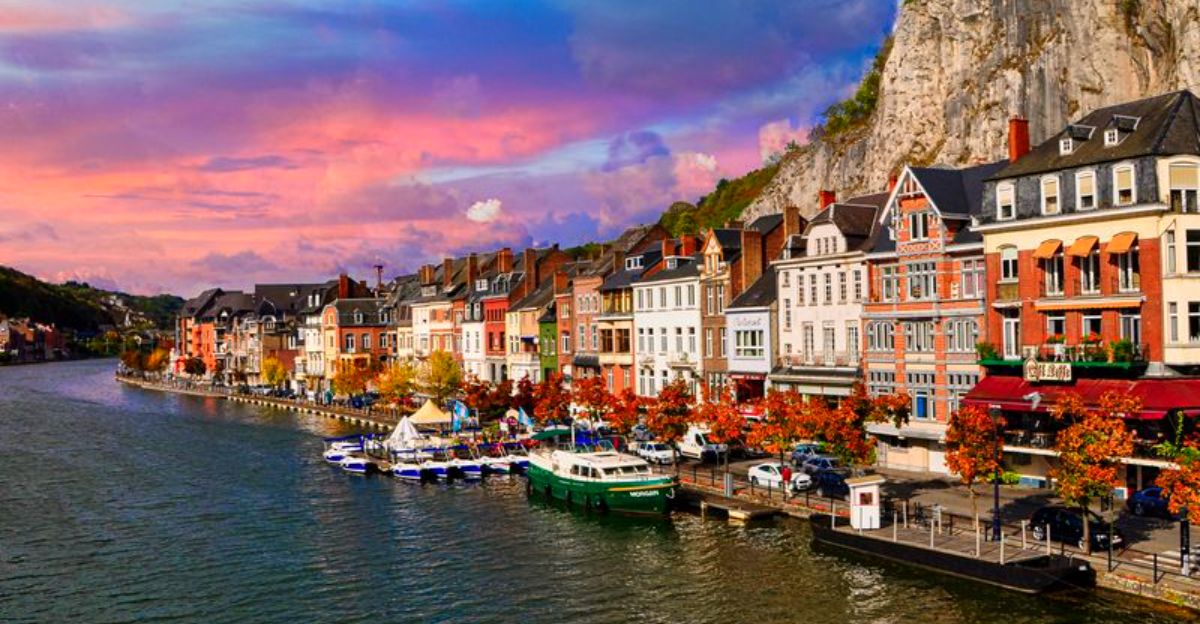
Planning your next adventure and wondering where you’ll feel safest? The Global Peace Index measures everything from crime rates to political stability, helping us identify the countries where travelers can relax and explore with confidence.
Whether you’re dreaming of alpine villages, island escapes, or bustling cities, these 20 destinations stand out as the most peaceful places on Earth in 2026.
1. Iceland
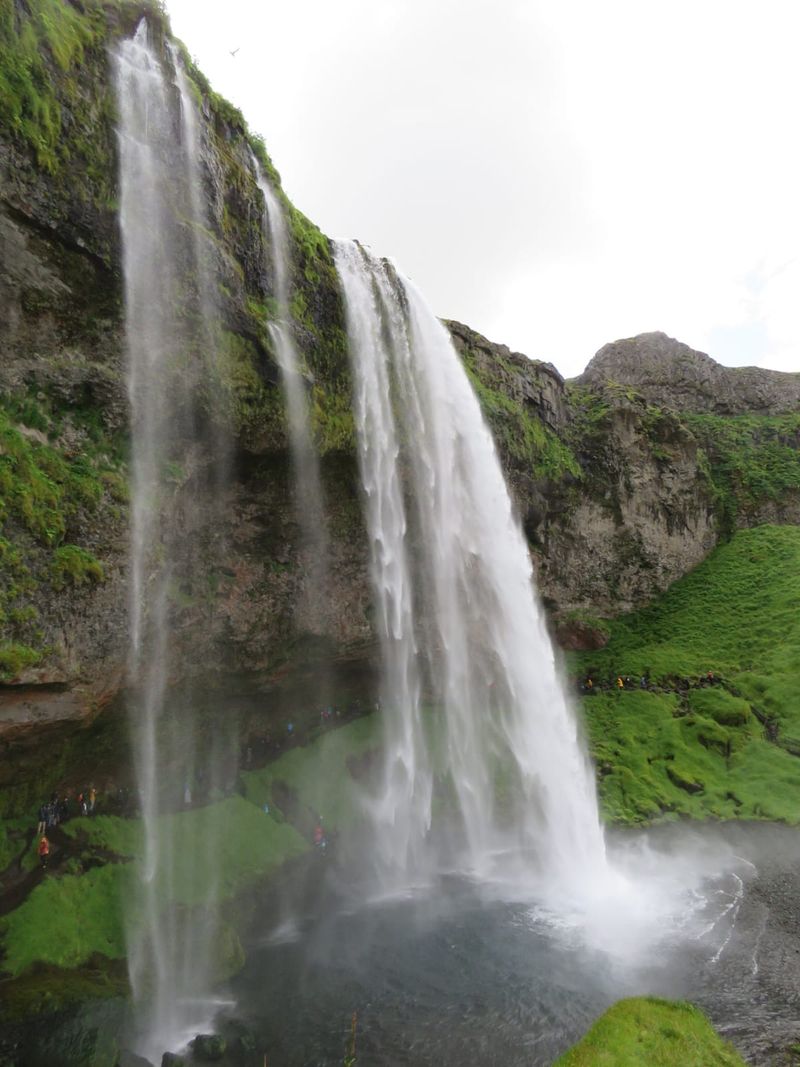
A country where people leave their doors unlocked and kids play freely outdoors until late is everyday life in Iceland, where the tiny population of around 370,000 creates a tight-knit community feel that stretches across the entire nation.
Strong social bonds mean neighbors look out for each other, and violent crime barely registers on any chart. The country’s geographic isolation and lack of military conflicts add extra layers of tranquility.
Visitors notice the difference immediately: you can wander Reykjavik’s streets at midnight or hike remote trails without a second thought about personal safety.
2. Ireland
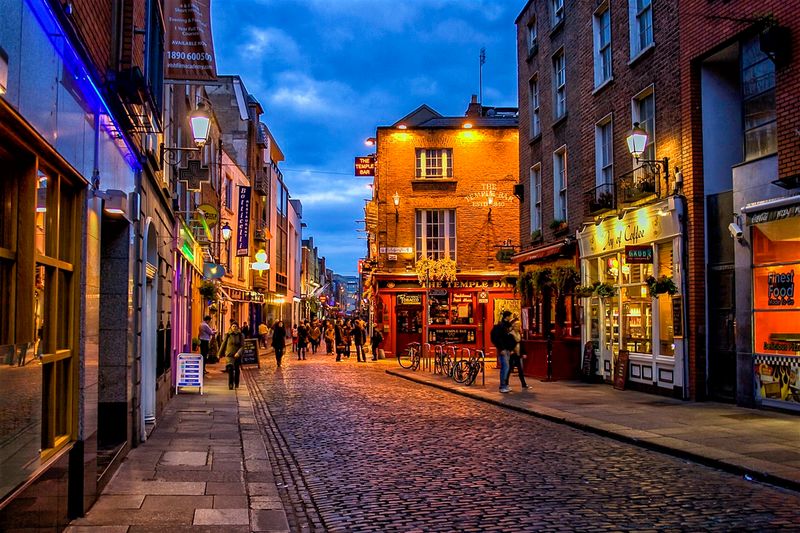
Rolling green hills and friendly pub culture aren’t the only reasons travelers fall for Ireland. This island nation has built a reputation on rock-solid societal stability, where community ties run deep and violent unrest stays remarkably rare.
Political systems function smoothly, and public trust in institutions remains high compared to global averages. The country’s economic growth over recent decades has lifted standards across the board.
Walk through Dublin or explore the Wild Atlantic Way, and you’ll find locals eager to help and crime rates that let you focus on soaking up the scenery instead of watching your back constantly.
3. New Zealand
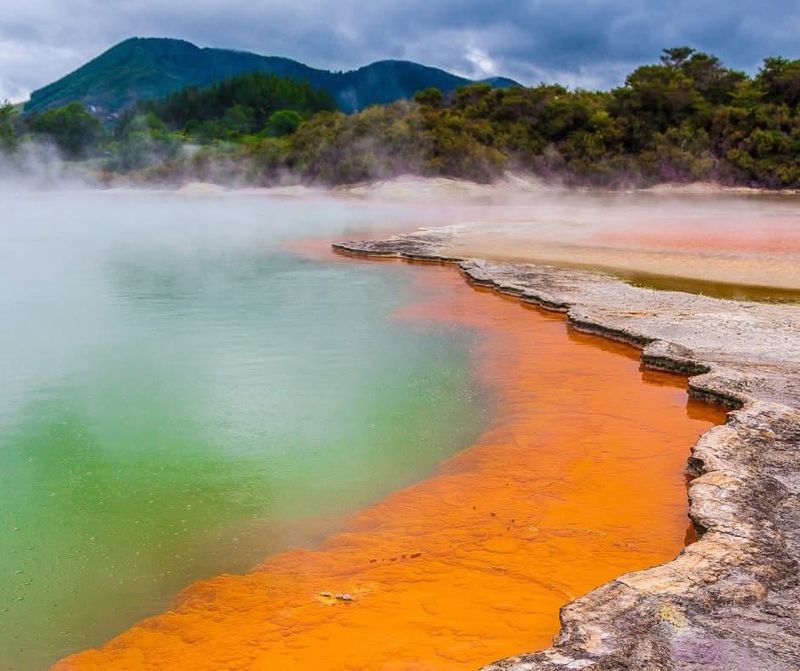
Tucked away in the South Pacific, New Zealand benefits from something most countries can’t claim: thousands of miles of ocean separating it from global conflict zones. This geographic blessing combines with transparent governance and strong democratic traditions.
Kiwis take pride in their egalitarian society, where fairness and rule of law aren’t just ideals but daily realities. Crime exists, sure, but violent incidents remain low enough that they make headlines when they happen.
Whether you’re bungee jumping in Queenstown or exploring Maori culture in Rotorua, you’ll experience a country where safety feels woven into the national fabric.
4. Austria
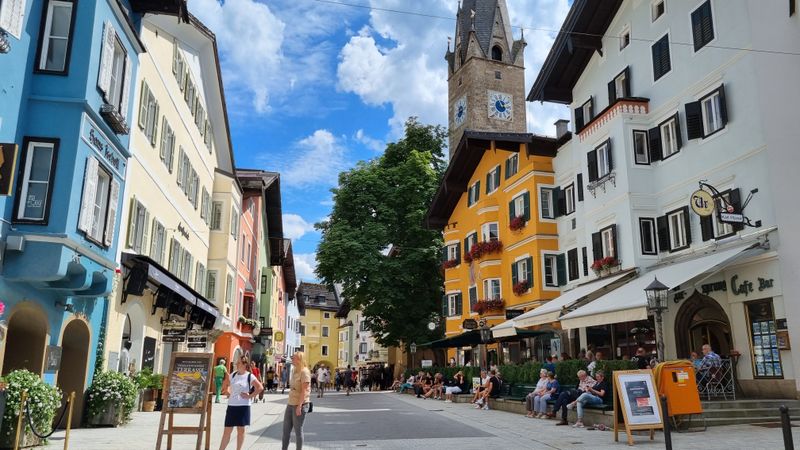
Picture cobblestone streets in Vienna where you can stroll at any hour, or mountain villages where bikes lean unlocked against cafe walls. Austria’s stability isn’t accidental; it’s the product of decades investing in education, healthcare, and social safety nets.
Public systems function like clockwork, from trains that run on time to police forces that maintain order without heavy-handedness. Political discourse stays mostly civil, and economic prosperity spreads fairly evenly.
For travelers, this translates into genuine peace of mind whether you’re exploring imperial palaces or hiking Alpine trails, knowing the infrastructure and security systems have your back.
5. Switzerland
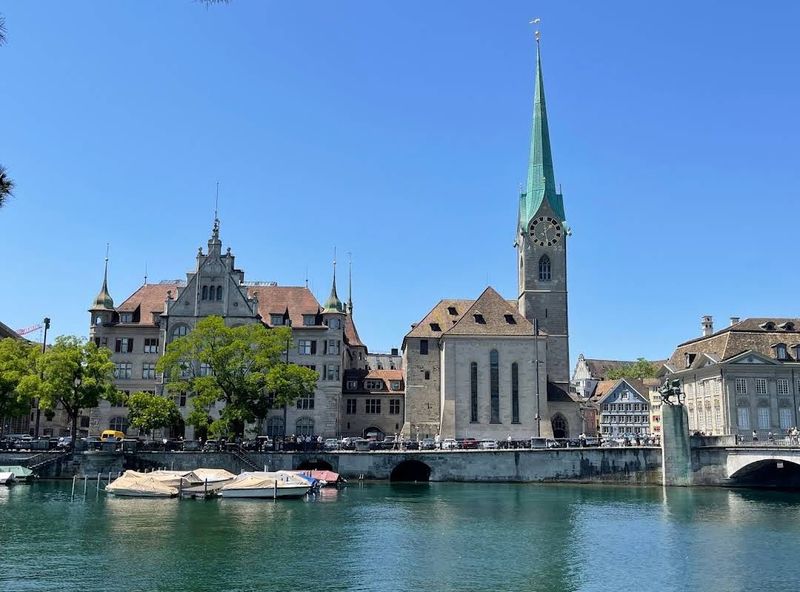
Neutrality isn’t just a foreign policy for Switzerland; it’s practically a national personality trait. For centuries, this country has avoided taking sides in conflicts, building instead a fortress of stability through strong banks, precision industries, and impeccable governance.
The result? Cities where public transit feels safer than most people’s living rooms, and crime rates that make statisticians double-check their numbers.
Wander through Zurich’s financial district or hike the trails around Zermatt, and you’ll understand why Swiss precision applies to safety just as much as watchmaking. Everything simply works, and works safely.
6. Singapore

Step off the plane in Singapore and you’ll immediately sense something different: spotless streets, orderly queues, and a palpable culture of respect for rules. This city-state has turned law and order into an art form.
Strict enforcement means petty crime barely exists, and violent incidents make international news precisely because they’re so unusual. Public spaces feel safe at all hours, from hawker centers to shopping districts.
Some find the regulations heavy-handed, but there’s no denying the results: you can explore Marina Bay or Little India with your phone in hand and wallet in your back pocket without constant vigilance.
7. Portugal
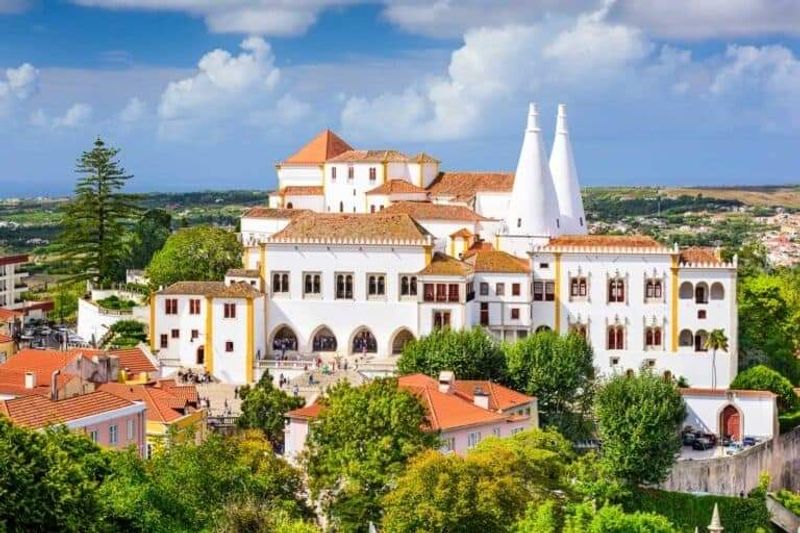
There’s something special about a country where locals greet strangers with genuine warmth and crime rates stay refreshingly low. Portugal combines laid-back Mediterranean culture with impressive safety statistics that keep improving year after year.
Economic challenges exist, but they haven’t translated into the kind of desperation that breeds violence elsewhere. Instead, strong community bonds and effective policing maintain order.
Surf the waves in the Algarve, explore Lisbon’s colorful neighborhoods, or wander Porto’s riverside, and you’ll find a welcoming atmosphere where solo travelers and families alike feel genuinely secure throughout their stay.
8. Denmark
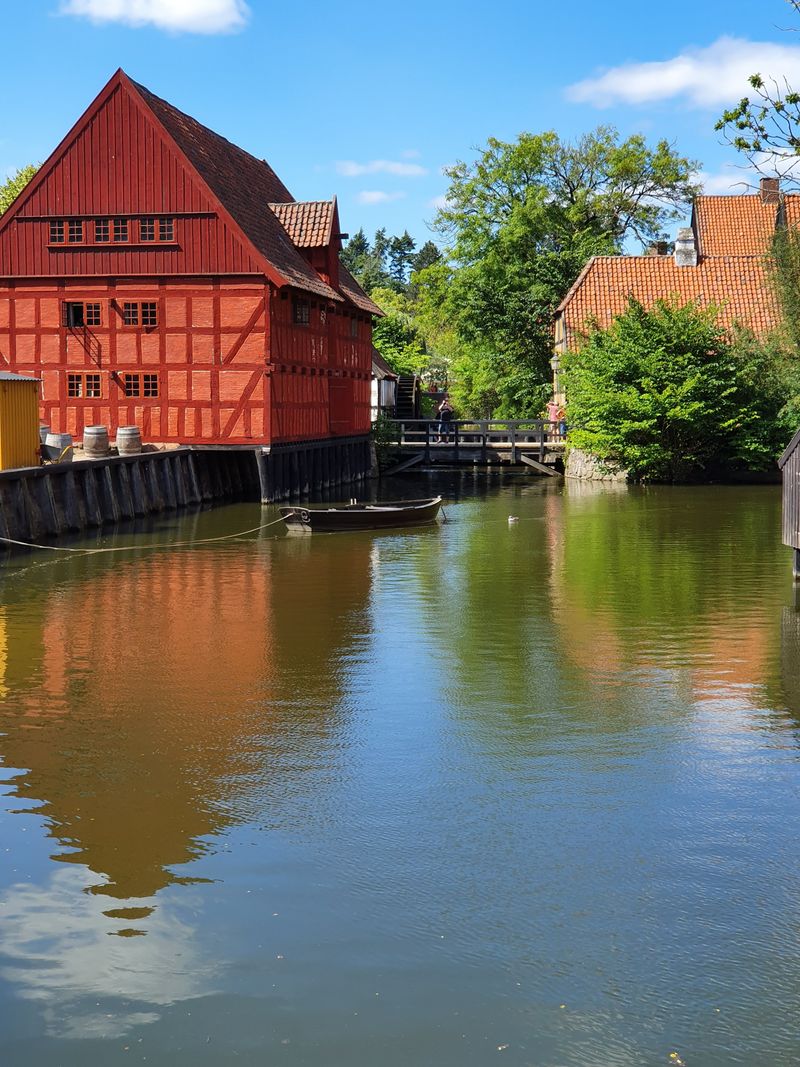
Danes consistently rank among the world’s happiest people, and that contentment shows in how safe their society feels. High levels of social trust mean people believe in their institutions and in each other.
Copenhagen’s bike lanes bustle with commuters who leave expensive bikes locked with flimsy chains, a small detail that speaks volumes. Public services deliver reliably, from healthcare to public transit.
The hygge lifestyle isn’t just about cozy sweaters and candles; it’s rooted in a society where people genuinely feel secure. Walk through Tivoli Gardens or explore Nyhavn’s waterfront, and that low-stress atmosphere becomes immediately tangible.
9. Slovenia
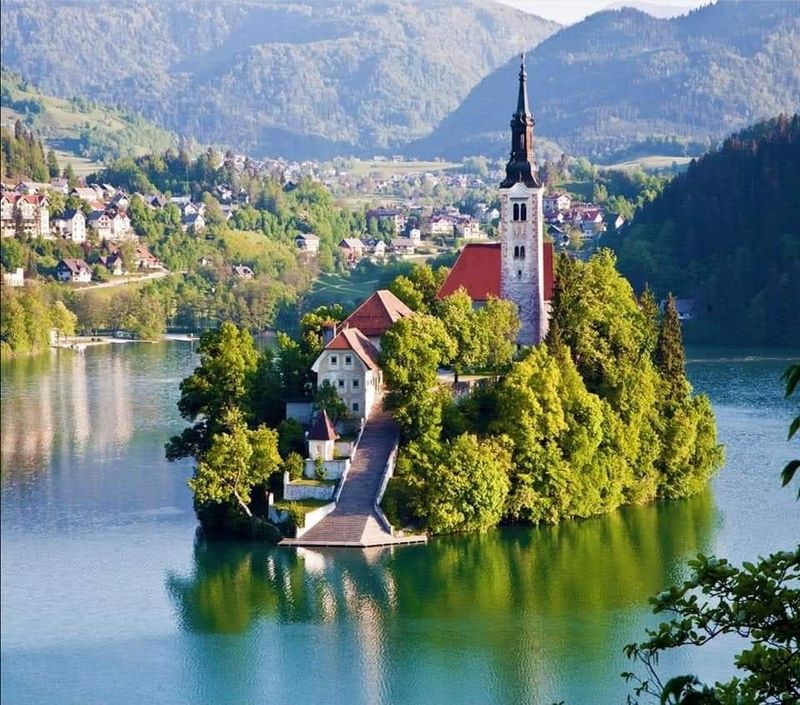
Nestled between Italy, Austria, and Croatia, Slovenia often flies under the radar despite punching well above its weight in safety rankings. This small nation has built remarkable stability since independence.
Political transitions happen smoothly, economic growth stays steady, and public safety remains a point of national pride. The capital Ljubljana feels more like an overgrown village than a European capital, with corresponding low crime rates.
Explore the fairytale castle at Lake Bled or venture into the Karst caves, and you’ll experience a country where dramatic natural beauty comes with the bonus of genuine tranquility and security throughout your adventures.
10. Finland
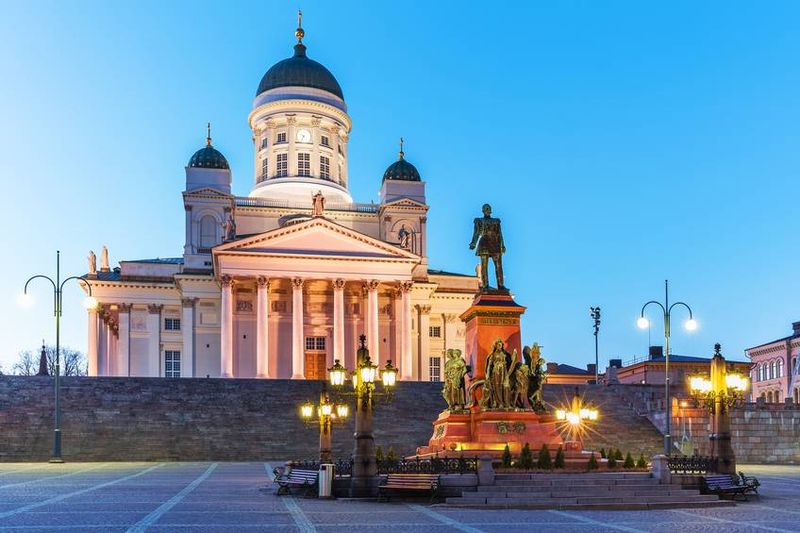
When your education system tops global charts and healthcare covers everyone, stability tends to follow. Finland has built a society on strong social systems that catch people before they fall through cracks.
The result shows in crime statistics that remain enviably low and public spaces that feel safe around the clock. Finnish culture values personal space but also collective responsibility.
Visit Helsinki’s design district or chase the Northern Lights in Lapland, and you’ll discover a country where “sisu” (that famous Finnish determination) extends to maintaining one of Europe’s most secure environments for both residents and visitors alike.
11. Czechia
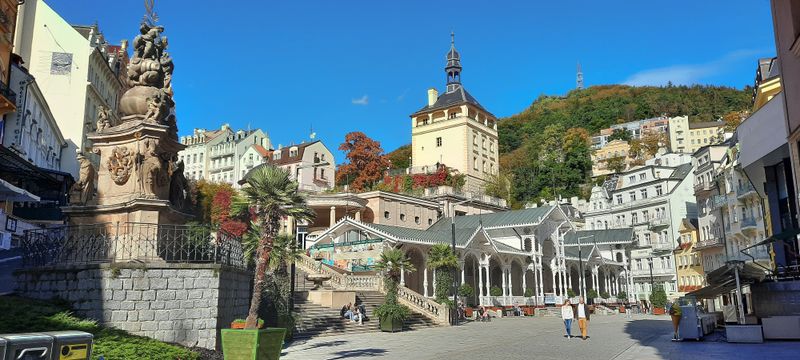
Prague’s Gothic spires and medieval bridges draw millions of visitors, and most leave impressed not just by the architecture but by how safe the experience feels. Czechia has transformed dramatically since the Velvet Revolution.
Major cities and tourist routes benefit from visible but unobtrusive security, and violent crime stays comparatively rare. Petty theft exists in crowded tourist areas, but serious incidents remain uncommon.
Stick to established paths whether you’re exploring Prague Castle or the spa towns of Karlovy Vary, and you’ll find a country that balances fairytale charm with modern European safety standards that let you relax and enjoy.
12. Japan
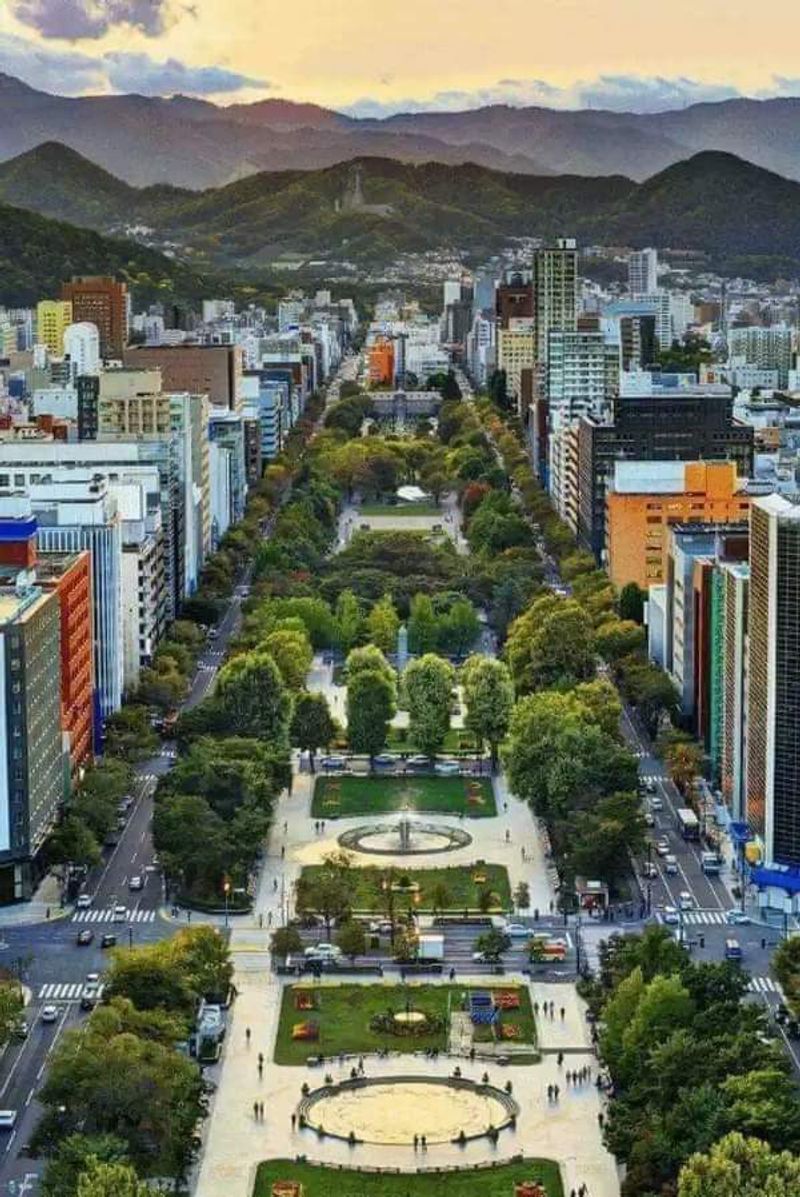
Lost wallets returned with cash intact. Train platforms where a dropped phone stays exactly where it fell until you retrieve it.
Japan’s safety reputation isn’t myth; it’s lived reality.
Deep cultural respect for social order combines with effective policing to create public spaces where chaos simply doesn’t happen. Even Tokyo’s busiest intersections flow with choreographed precision.
The sense of security permeates everything from vending machines on empty streets to late-night ramen runs in any neighborhood. For travelers, this means unprecedented freedom to explore without the constant low-grade anxiety that shadows visits to many other destinations worldwide.
13. Malaysia
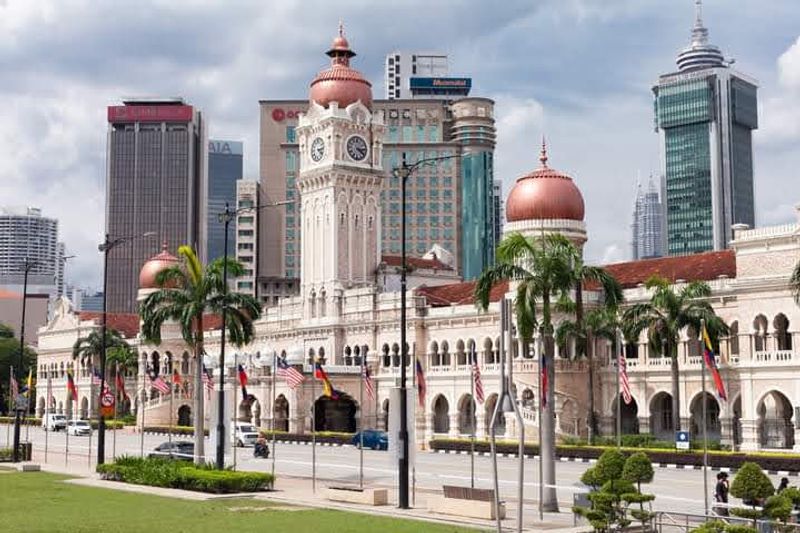
Among Southeast Asian nations, Malaysia stands out for maintaining stability across its diverse population. Three major ethnic groups and multiple religions coexist with remarkably little friction compared to regional neighbors.
Cities like Kuala Lumpur blend modern infrastructure with traditional markets, and both environments feel navigable for visitors. Police presence stays visible without feeling oppressive.
Regional variations exist, with some areas requiring more caution, but major tourist destinations from Penang’s street food scene to Langkawi’s beaches offer security levels that compete favorably with anywhere in the region, making it a standout choice for cautious travelers.
14. Netherlands
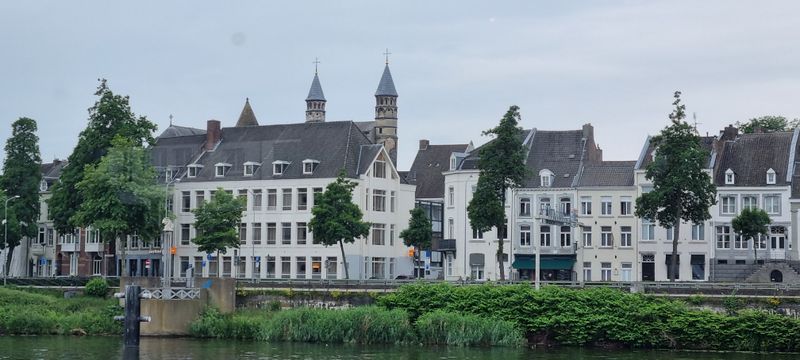
Flat landscapes perfect for cycling, tulip fields that stretch to the horizon, and a society that runs with almost mechanical efficiency. The Netherlands has turned predictability into a national strength.
Infrastructure works flawlessly, from flood control systems to public transit networks. Crime exists but stays manageable, and violent incidents remain statistically rare enough to shock when they occur.
Cycle through Amsterdam’s canal districts or explore Rotterdam’s modern architecture, and you’ll experience a low-stress environment where things simply function as they should. It’s not exciting in a dramatic way, but that’s exactly the point for travelers seeking security.
15. Canada
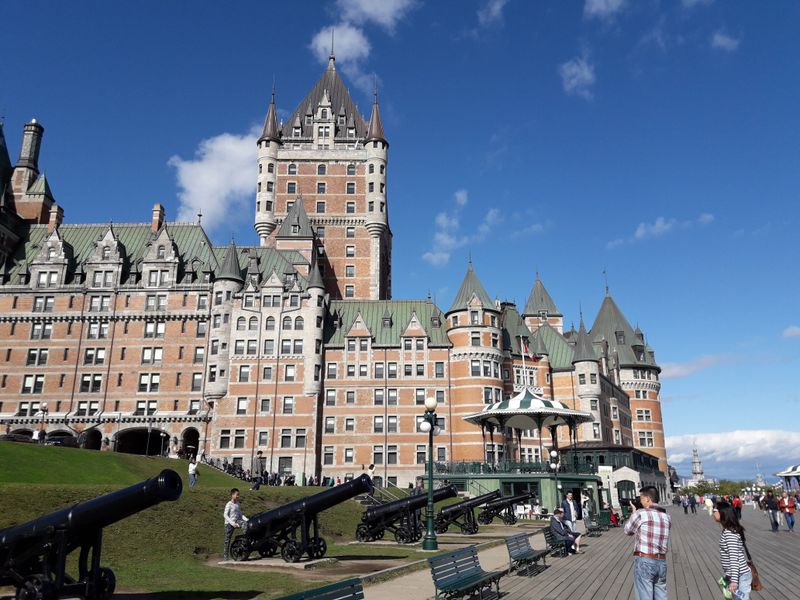
Stretching from Atlantic to Pacific to Arctic, Canada manages something remarkable: maintaining safety across vast distances and diverse populations. Strong federal and provincial institutions provide consistent governance even in remote areas.
Cities like Toronto, Vancouver, and Montreal offer urban experiences with crime rates well below comparable American metros. The famous Canadian politeness isn’t just stereotype; it reflects genuine social cohesion.
Whether you’re exploring the Rockies, wandering Quebec’s old town, or visiting Niagara Falls, you’ll find a country where size doesn’t compromise security, and multicultural neighborhoods coexist with impressive harmony throughout the nation.
16. Belgium
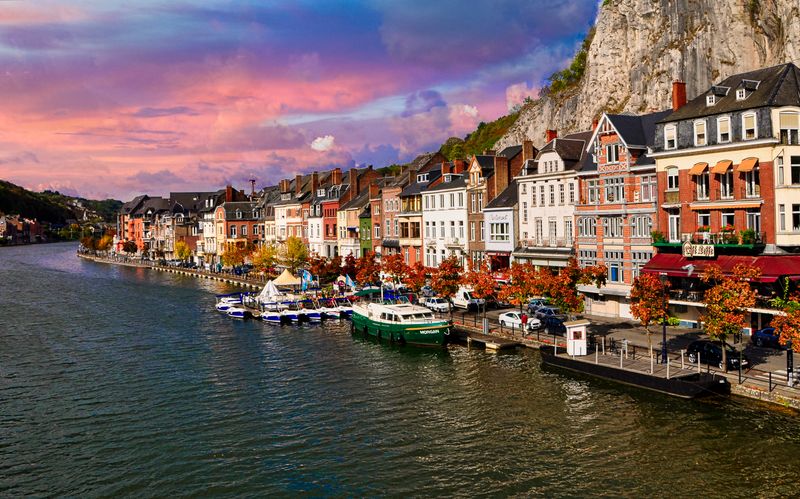
Squeezed between larger European powers, Belgium has carved out stability despite internal linguistic divisions that might fracture other nations. French and Flemish communities maintain distinct identities while sharing effective governance structures.
Brussels serves as the EU capital, bringing international institutions that add layers of security infrastructure. Cities like Bruges and Ghent preserve medieval charm with modern safety standards.
Past terrorist incidents raised concerns, but enhanced security measures have restored confidence. Compare Belgium’s current environment to global averages rather than perfect ideals, and its top-20 ranking makes complete sense for travelers weighing their options carefully.
17. Hungary
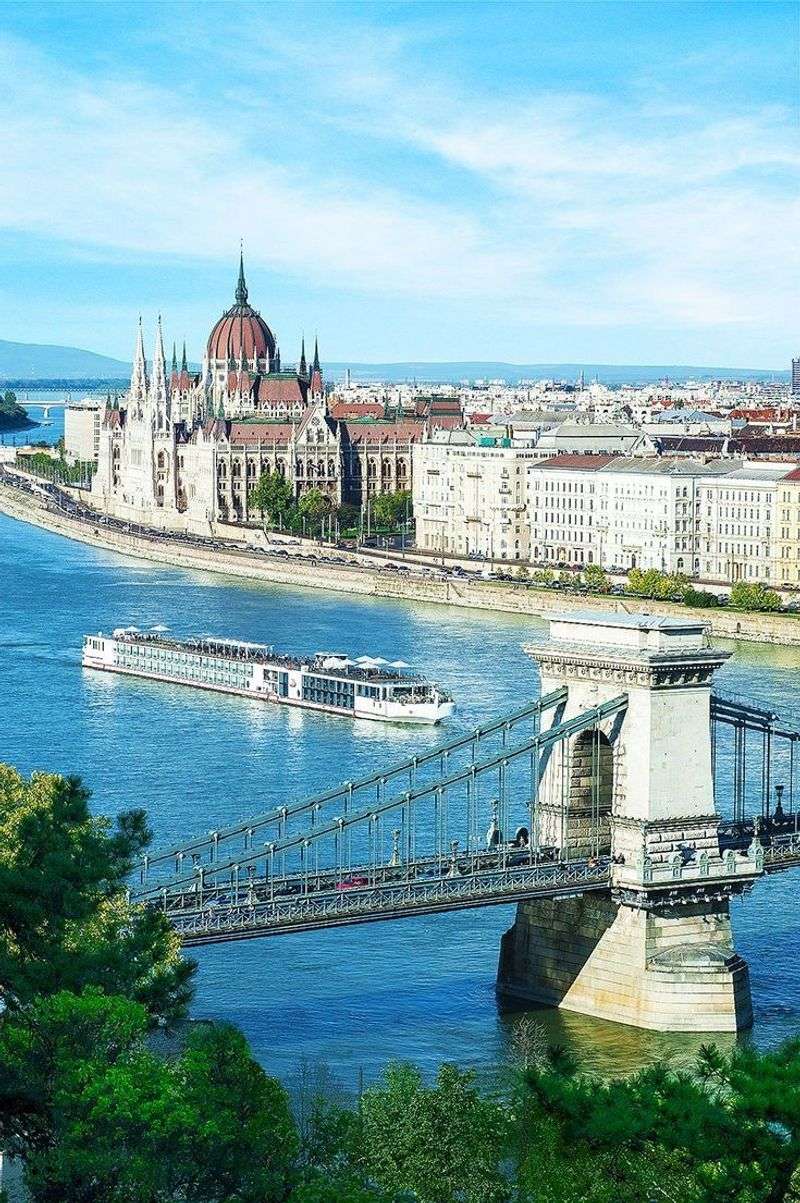
Budapest’s thermal baths and ruin bars draw crowds who discover a city that feels safer than its Eastern European location might suggest. Hungary has maintained relative stability even as neighboring regions faced turbulence.
Political debates run hot, but they rarely translate into street-level violence. Tourism infrastructure in major cities operates smoothly, and police maintain visible presence without harassment.
Venture beyond Budapest to Lake Balaton or the wine regions, and you’ll find a country where global peace rankings reflect real conditions on the ground, offering travelers security that exceeds expectations for this part of Europe consistently.
18. Australia
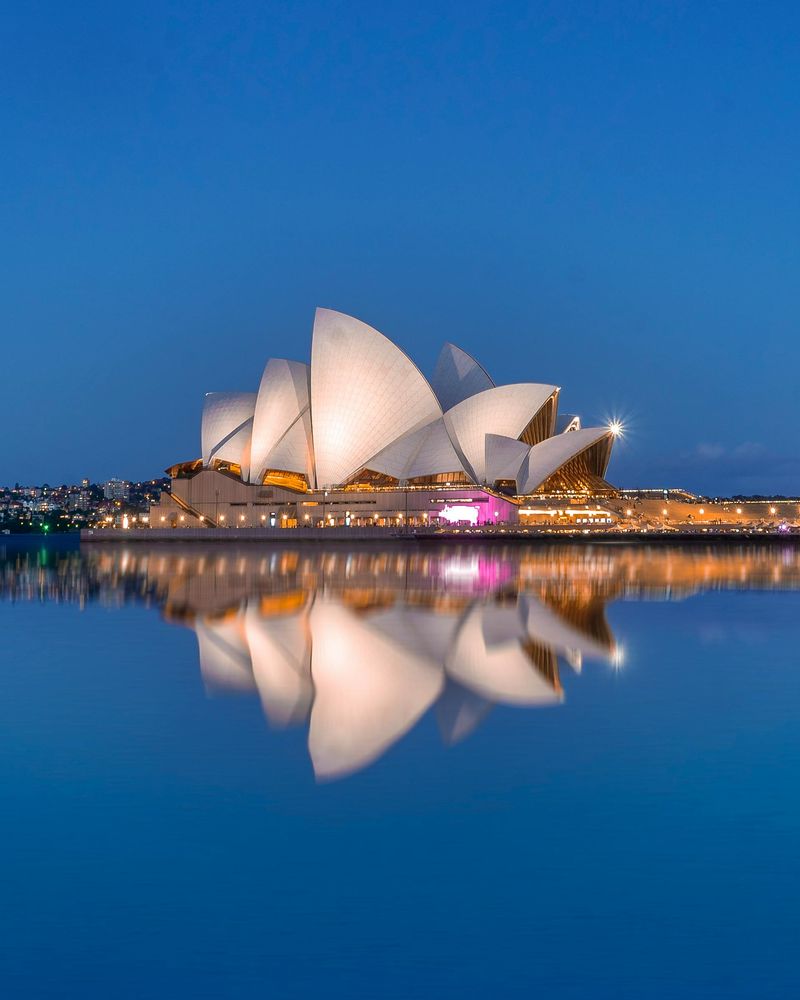
Surrounded by oceans and far from global conflict zones, Australia enjoys geographic advantages that complement its strong democratic institutions. Major cities along the coast concentrate most of the population in well-governed urban centers.
Sydney, Melbourne, and Brisbane offer cosmopolitan experiences with crime rates that feel manageable compared to similarly sized cities elsewhere. The outback presents different challenges, but infrastructure supports safe exploration.
Whether you’re diving the Great Barrier Reef or exploring Tasmania’s wilderness, you’ll find a country where distance from trouble spots isn’t just metaphorical. It’s literal separation that helps maintain the top-tier security ranking Australia consistently achieves.
19. Croatia
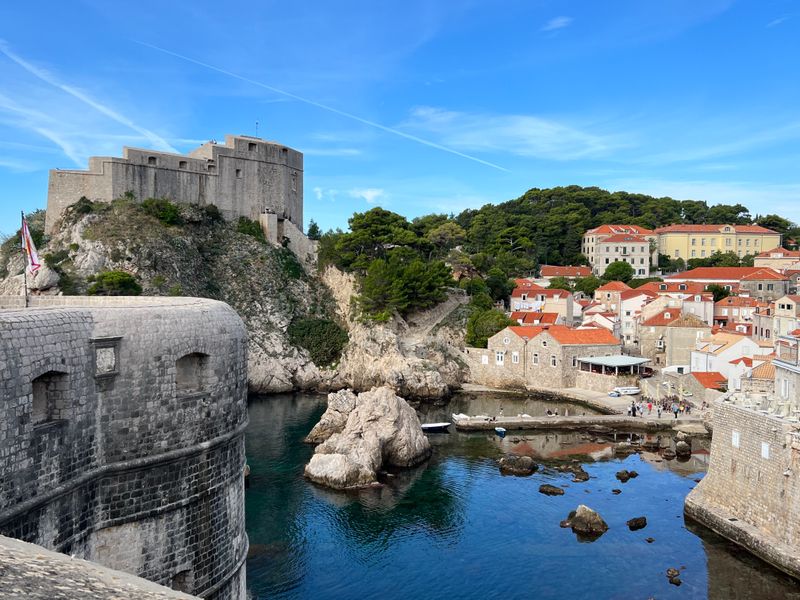
From Game of Thrones filming locations in Dubrovnik to island-hopping along the Dalmatian coast, Croatia has transformed from war-torn Balkans to Mediterranean hotspot. That journey required building serious stability.
Coastal regions especially benefit from tourism-focused security that keeps well-trafficked areas safe and welcoming. Crime exists but targets tourists far less than in some Western European destinations.
Zagreb offers urban exploration, while Split and the islands provide beach escapes, all within a framework of security that places Croatia among Europe’s safer bets. The combination of affordability and safety makes it increasingly popular for cautious travelers.
20. Germany
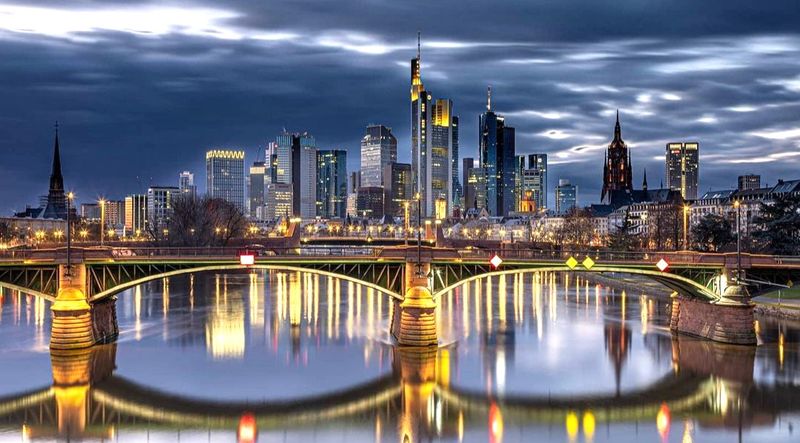
Europe’s largest economy closes out the top 20, proving that size doesn’t necessarily compromise safety. Germany’s federal system distributes governance effectively across diverse regions from Bavaria to the North Sea.
Strong institutions, from police forces to social services, maintain order in cities that range from Berlin’s edgy creativity to Munich’s traditional prosperity. Economic strength provides stability that trickles down to street level.
Recent immigration challenges sparked debates, but overall security metrics remain solid. Explore the Rhine Valley, walk Berlin’s historical sites, or visit Christmas markets across the country, and you’ll experience why Germany maintains its ranking among the world’s safest destinations.



