 Unearth The Voyage
Seaside towns do more than frame a pretty waterfront. Many of them were early engines of trade, navigation, shipbuilding, and global exchange, and their streets still show the paperwork of history in stone, timber, docks, and warehouses.
From medieval merchant leagues to 19th century whaling fortunes and modern naval infrastructure, these places reveal how coastal life shaped politics, business, food, design, and daily routines. Keep reading and you will move through centuries of maritime ambition, seeing how each town turned geography into influence and why that legacy still feels surprisingly current.
1. Nantucket (USA)
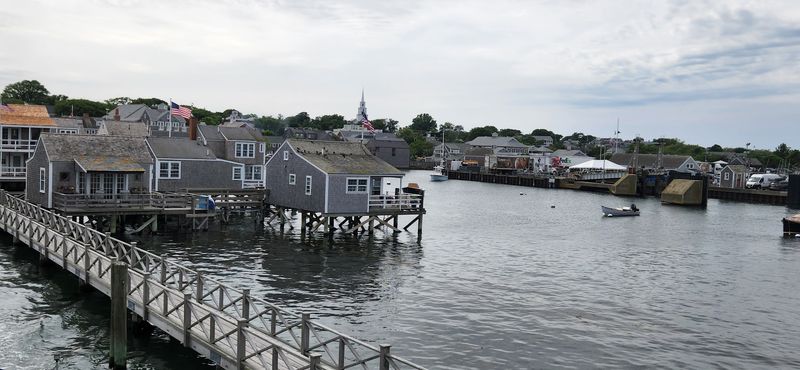
Few places turned whale oil into urban influence quite like this island port. Nantucket became a major whaling center in the 18th and early 19th centuries, sending ships across the Atlantic and Pacific on voyages that could last years.
The business financed elegant homes, counting houses, and a tightly organized community shaped by Quaker values and maritime discipline.
Its harbor linked a small island to global markets long before modern logistics became a corporate buzzword. When the industry shifted and larger ports rose, Nantucket adapted instead of freezing in amber.
Today, surviving captains’ houses, the whaling museum, and the island’s street plan explain how a remote town once helped power lamps, factories, and fortunes far beyond New England.
2. Whitby (England)
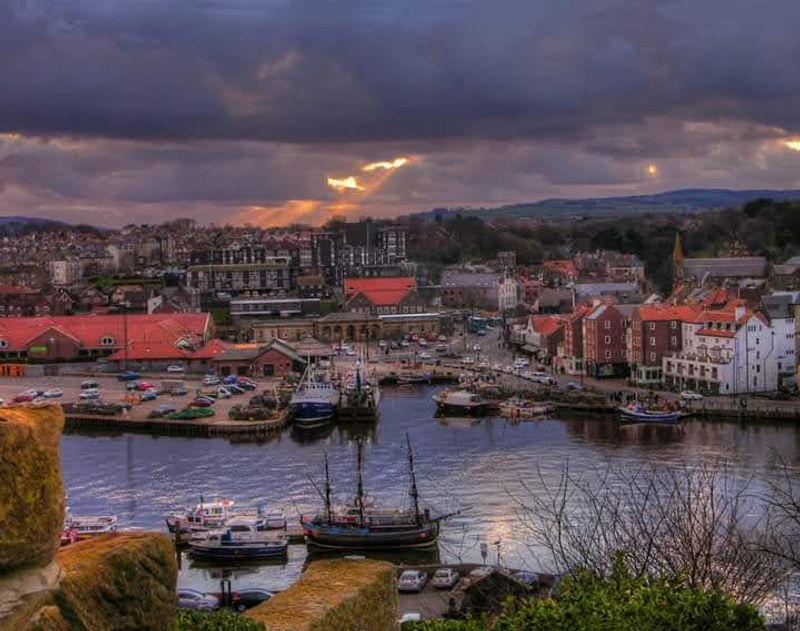
This harbor built ships, launched fishing fleets, and somehow found room for literary fame too. Whitby developed as an important North Sea port, with shipbuilding and fishing driving local life for centuries.
In the 18th century, it also became associated with Captain James Cook, who learned seamanship here before later voyages turned him into a history-book regular.
Whitby’s yards produced sturdy vessels suited to demanding trade routes and coastal work. The town later picked up a second reputation through Bram Stoker’s Dracula, giving the place a pop culture footnote no tourism office would ignore.
Even so, the real maritime story remains stronger, visible in its harbor layout, working traditions, and museums that explain commerce as clearly as fiction.
3. Bergen (Norway)

Commerce once stacked itself neatly along these wooden wharves. Bergen became one of the Hanseatic League’s key northern outposts, tying Norway’s coast to a wider network of merchants who moved stockfish, grain, cloth, and other essentials across Northern Europe.
Its harbor made the city a practical meeting point between inland resources, Atlantic waters, and continental demand.
The Bryggen district still shows how trade shaped architecture, storage, and urban organization. German merchants operated from this waterfront for centuries, leaving behind rules, routines, and buildings that turned business into city planning.
Bergen never depended on scenic value alone, despite what modern postcards might suggest. Its maritime importance rested on logistics, fisheries, and disciplined exchange, all of which helped define Norway’s long commercial relationship with the sea.
4. Cádiz (Spain)
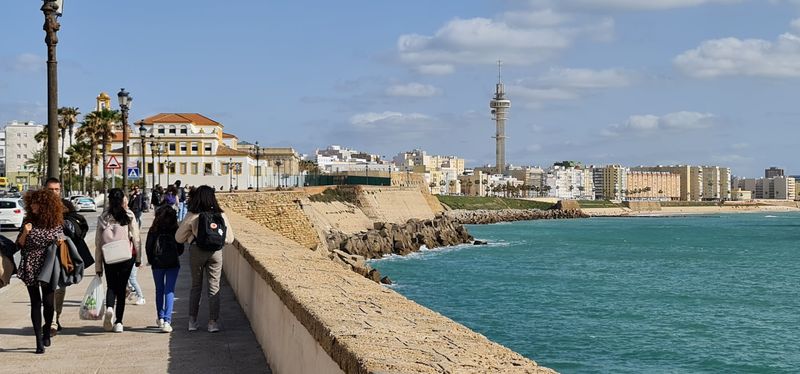
Age matters here, and Cádiz has plenty of it. Often described as one of Western Europe’s oldest continuously inhabited cities, it developed from a strategic Atlantic location that connected Mediterranean traditions with oceanic routes.
By the 16th century, its port had become closely tied to Spain’s imperial commerce, especially after trade patterns shifted toward Atlantic exploration and colonial exchange.
Fortifications, watchtowers, and merchant districts reveal a city built around maritime risk and opportunity. Cádiz also played a civic role beyond shipping, becoming a place where commerce, naval planning, and political debate met in visible ways.
The waterfront was never just decoration. It was infrastructure for fleets, customs, and communication, helping the city maintain importance through changing empires, changing technologies, and changing ideas about global reach.
5. Salem (USA)
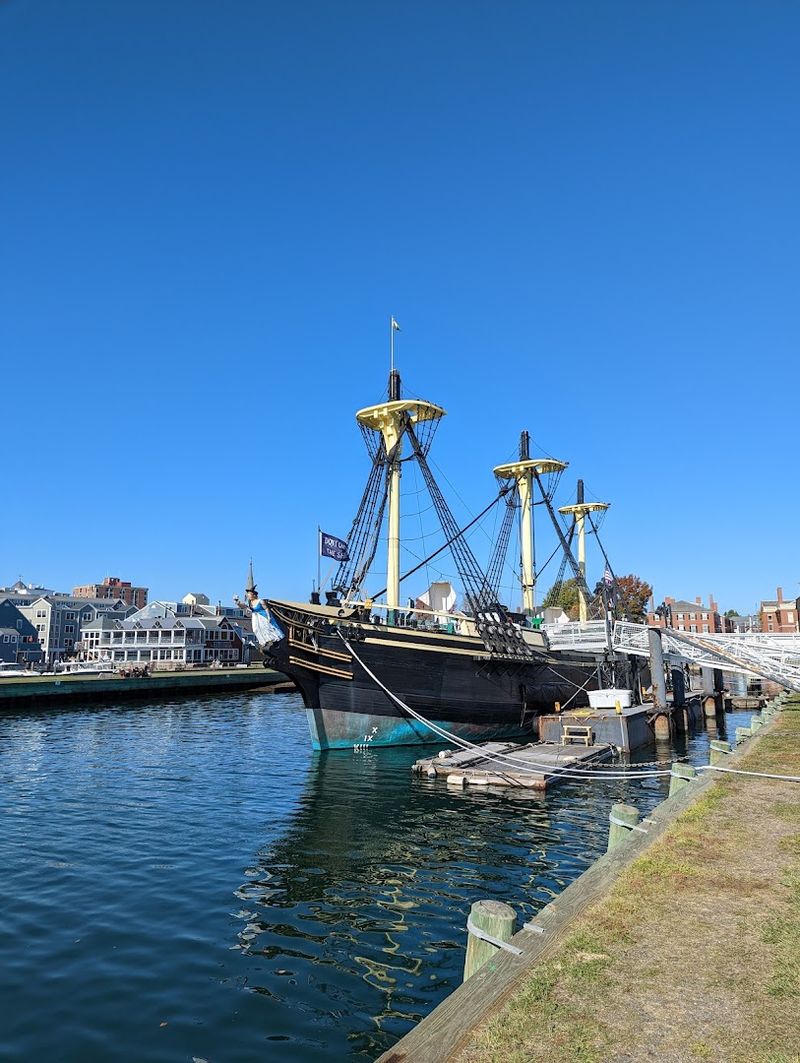
Before one episode dominated souvenir shelves, Salem was a serious trading port. In the late 18th century, it became one of the young United States’ wealthiest maritime centers, with merchants sending ships to Asia, Africa, and Europe.
Pepper, tea, textiles, and porcelain passed through its docks, and local fortunes rose through global commerce rather than local legend.
The town’s Federal architecture reflects that era of shipping wealth with unusual clarity. Salem’s waterfront, customs history, and preserved merchant culture show how deeply ocean trade shaped early American identity and ambition.
It was a port with international reach at a time when the nation itself was still defining its economic role. Visit today and the maritime story offers a sharper, richer context than the one most visitors expect first.
6. Lisbon (Portugal)
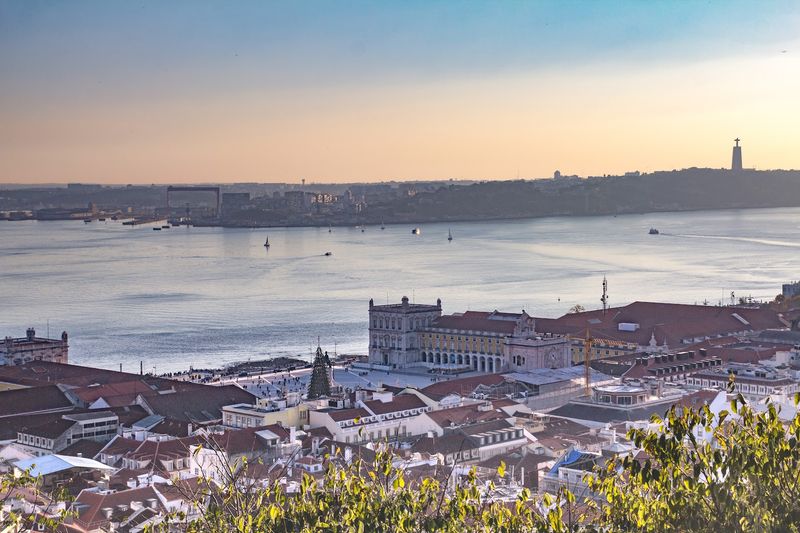
Some cities read like a launch schedule for world history, and Lisbon is one of them. Set on the Tagus estuary, it became a key departure point during the Age of Discovery, when Portuguese navigators opened sea routes that reshaped trade between Europe, Africa, Asia, and South America.
Royal policy, mapmaking, ship design, and finance all converged here.
The waterfront districts around Belém preserve that legacy through monuments, docks, and institutions tied to navigation. Explorers such as Vasco da Gama sailed from Lisbon, but the city’s story is larger than famous names.
It was also a center of administration, warehousing, and technical experimentation. Maritime expansion changed its wealth, population, and urban form, making Lisbon not just a departure point, but a headquarters for oceanic strategy.
7. Dubrovnik (Croatia)
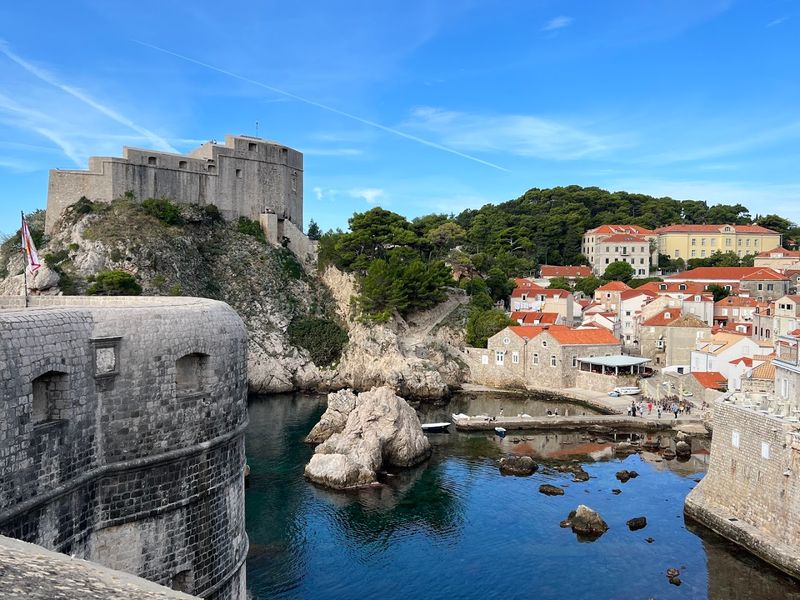
Power once arrived here by sail, contracts, and careful diplomacy. Dubrovnik grew into the Republic of Ragusa, a maritime state that balanced trade, law, and independence with remarkable skill from the Middle Ages through the early modern period.
Its merchants moved goods across the Adriatic and Mediterranean while the city used treaties, shipbuilding, and strict civic organization to protect prosperity.
The famous walls were not just dramatic scenery but practical insurance for a port full of value. A quarantine system, among Europe’s earliest, showed how seriously the city treated commerce and public order.
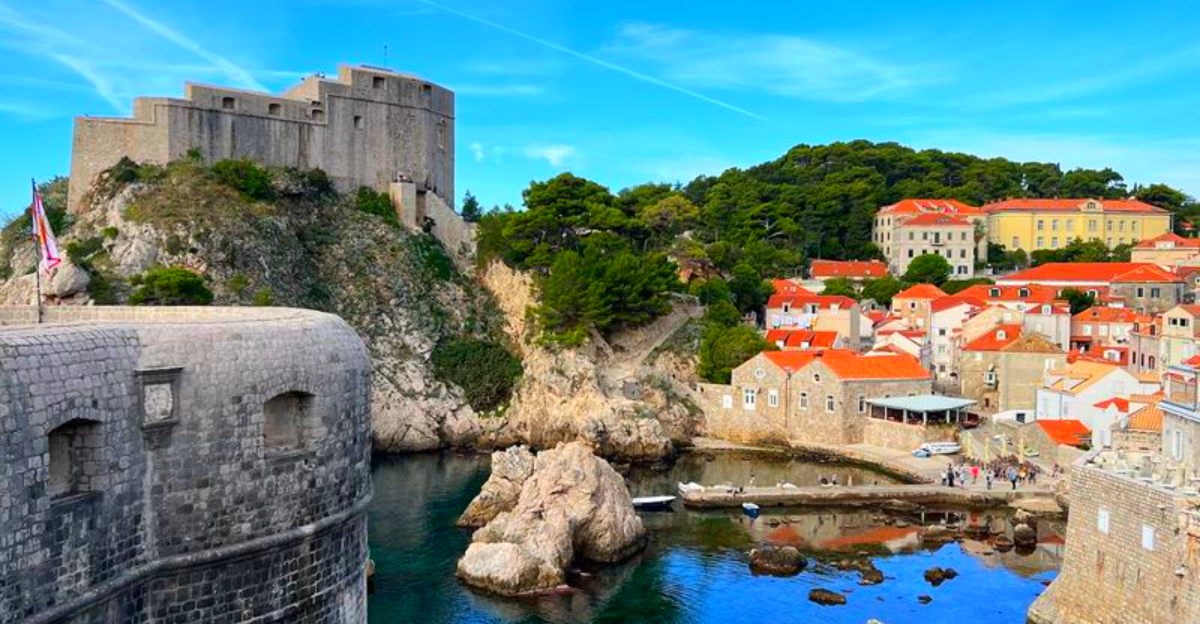
Today, the old harbor, arsenals, and merchant palaces still make the seafaring past easy to read, even before anyone mentions Venice.
8. Kotor (Montenegro)
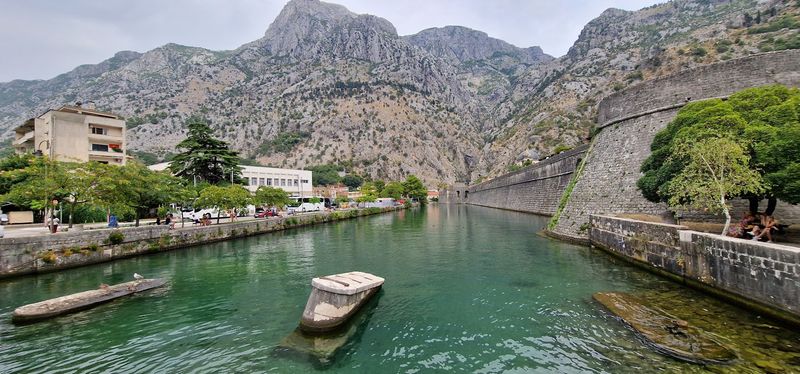
Steep mountains make the bay memorable, but the harbor made the town matter. Kotor developed as a fortified Adriatic port whose position encouraged trade, ship repair, and naval organization over many centuries.
Under shifting regional powers, it remained closely tied to maritime life, using the sheltered bay as both protection and commercial advantage.
Its walls and gates were not decorative flourishes for future postcards. They reflected the importance of controlling access, goods, and security in a valuable coastal town.
Kotor also built a reputation for seamanship, with local maritime traditions documented in museums and family histories. Even the urban layout suggests a place calibrated for port activity rather than idle wandering.
The result is a town where naval memory feels embedded in ordinary streets.
9. Zanzibar Town (Tanzania)
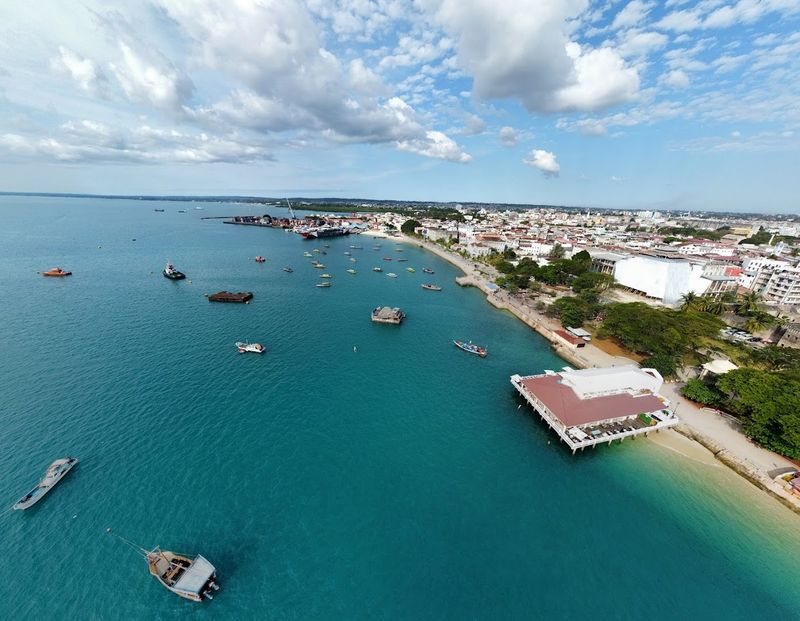
This port connected continents long before globalization got its modern branding. Zanzibar Town, especially Stone Town, grew into a major Indian Ocean trading center linking East Africa with Arabia, India, and beyond.
Merchants exchanged spices, textiles, ceramics, and other goods through a harbor that supported layered cultural influences in language, architecture, religion, and cuisine.
Its history shows maritime exchange as a daily system, not an abstract map line. Omani influence, Swahili culture, and wider commercial networks all left visible marks on buildings, administration, and urban life.
The seafront and old trading quarters still explain why this port mattered so much. Zanzibar Town was a hinge between regions, and its significance came from movement, negotiation, and adaptation rather than sheer size alone.
10. Halifax (Canada)
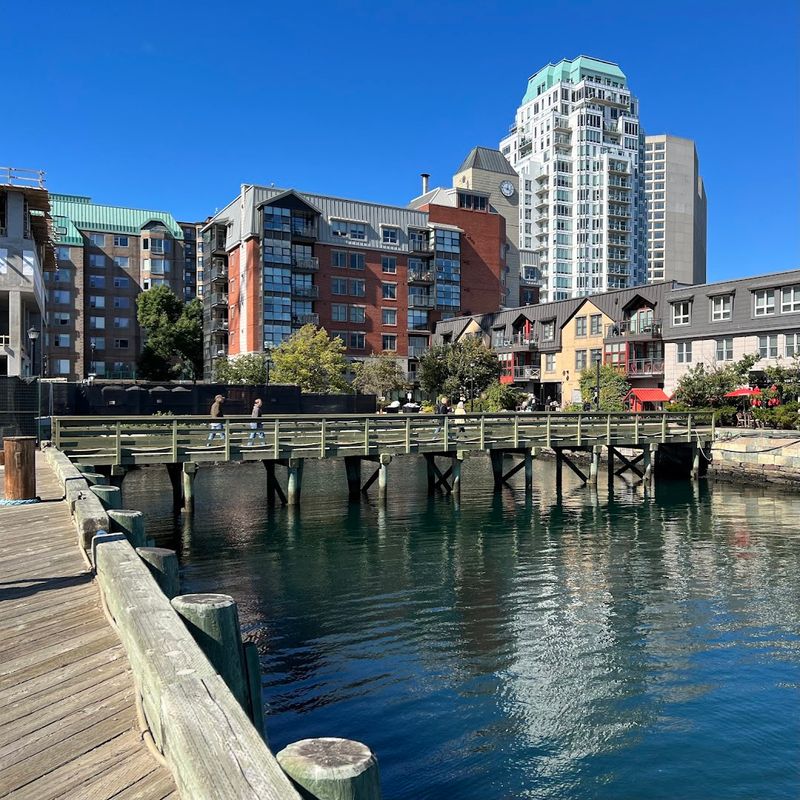
Strategy put Halifax on the map, and the harbor did the rest. Founded in 1749, the city became one of the British Empire’s most important North Atlantic naval stations because its deep, ice-free harbor was useful in every season.
That practical advantage turned Halifax into a center for shipping, defense planning, repair work, and transatlantic coordination.
The waterfront still carries traces of dockyards, warehouses, and military organization without needing much imagination. Halifax later served major roles during 20th century conflicts, reinforcing its identity as both commercial port and naval base.
Immigration and trade also flowed through the city, giving it a broader civic history than uniforms alone suggest. Few places show the overlap between everyday harbor business and imperial strategy quite so clearly.
11. Marseille (France)
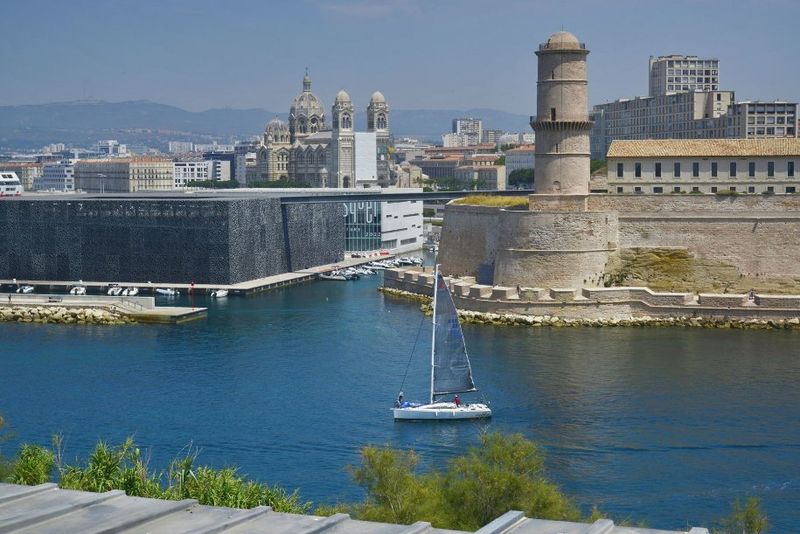
If ports could keep a guestbook, Marseille would need several volumes. Founded by Greek settlers around 600 BCE, it became France’s oldest city and, over time, one of the Mediterranean’s busiest harbors.
Trade, migration, colonial connections, and naval logistics all passed through the Vieux-Port and later port expansions, giving the city a layered and restless identity.
Marseille’s maritime history is not one neat chapter but a long argument between commerce, movement, and reinvention. Goods arrived, people arrived, and with them came new languages, foods, labor patterns, and ideas about what a French port city could be.
The harbor shaped daily life as much as policy did. Even now, the city’s cultural mix makes more sense once you see it through shipping routes rather than stereotypes.
12. Sydney (Australia)
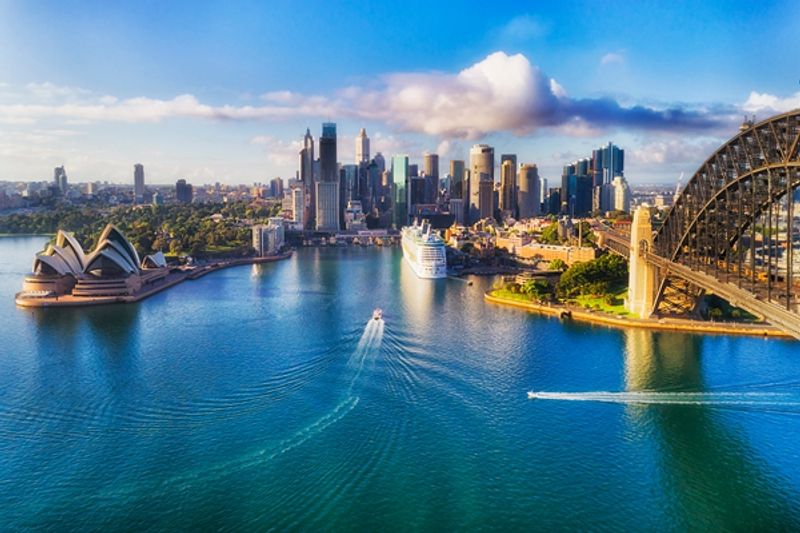
History arrived here under sail and quickly got organized around the harbor. Sydney began in 1788 as a British penal colony, but its excellent natural harbor soon made it central to supply, transport, ship repair, and regional trade.
What started as a remote colonial outpost developed into the maritime hinge of a growing settlement network across the continent.
The harbor shaped expansion more than any tidy civic plan did in those early decades. Wharves, ferries, naval facilities, and merchant shipping all grew as Sydney’s economy diversified beyond its original function.
Maritime links were essential for communication, food distribution, immigration, and exports. Modern skylines can distract from that story, yet the city’s rise still rests on practical port advantages first recognized as soon as the earliest vessels entered the waterway.
13. Valparaíso (Chile)
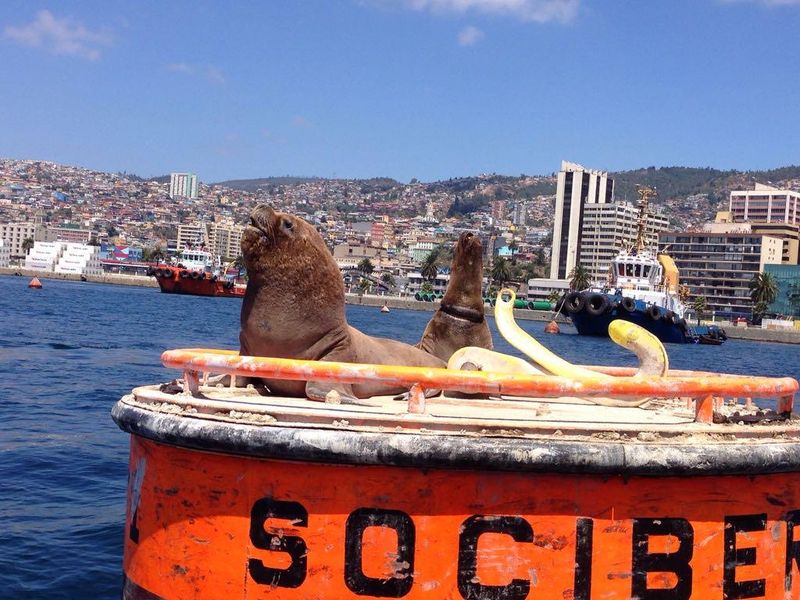
Before the Panama Canal rearranged global shipping math, this port had a prime job. Valparaíso became a crucial stop for vessels rounding Cape Horn, especially during the 19th century, when long-distance trade between the Atlantic and Pacific depended on reliable provisioning points.
Merchants, sailors, insurers, and foreign communities helped turn the city into a major maritime crossroads.
Its steep hills and busy waterfront developed together, not separately, because port life drove urban growth. Warehouses, customs activity, finance, and repair services gave Valparaíso importance beyond Chile alone.
The canal later reduced that strategic role, but the city kept its maritime identity through naval institutions and cultural memory. Few ports display the rise and recalibration of ocean trade so visibly, with geography and economics written across every slope.
14. Reykjavik (Iceland)
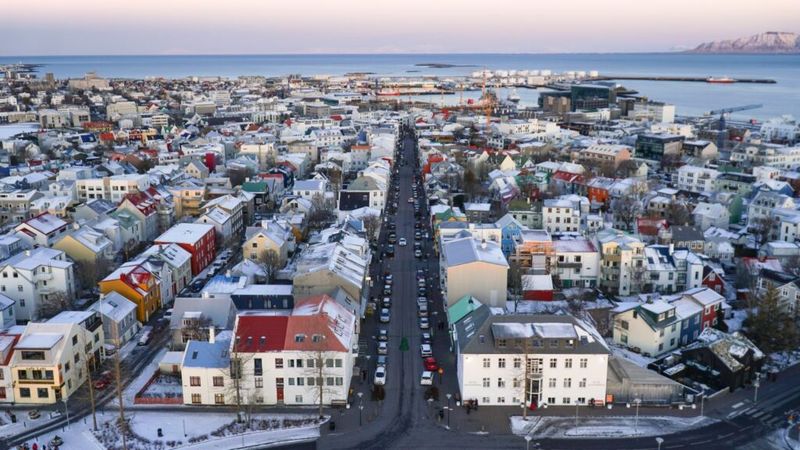
Necessity, more than glamour, built this northern capital’s relationship with the sea. Reykjavik grew from a coastal settlement into Iceland’s main urban center through fishing, boat services, and maritime trade that supported life on a demanding island.
For generations, access to productive waters shaped employment, diet, transport, and the broader national economy.
The old harbor still points to that practical history, even as the city now presents a more varied modern identity. Fish processing, export systems, and vessel technology played major roles in Iceland’s 20th century development, helping convert local seafaring knowledge into national strength.
Reykjavik’s maritime story is therefore less about imperial fleets and more about persistence, adaptation, and infrastructure. It shows how a port can define a country without needing grand naval theatrics.
15. Busan (South Korea)
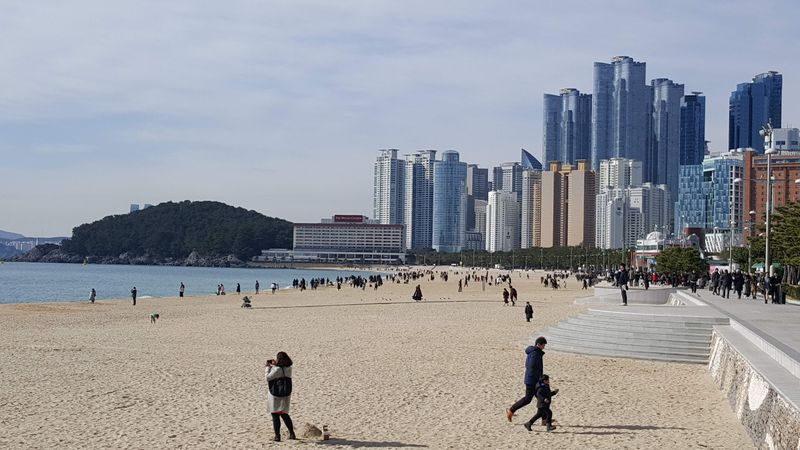
Scale arrives fast in Busan, where old port habits meet modern logistics at full speed. Long a gateway for Korean trade and naval activity, the city developed around a strategic southeastern coastline that encouraged commerce with Japan, China, and wider regional networks.
Fishing, ship services, and military importance all contributed to its rise over time.
Today Busan is one of the world’s busiest ports, but that status did not appear overnight. Earlier harbor functions, coastal trade patterns, and industrial development created the foundation for container traffic and global shipping prominence.
The city also became a major refuge and administrative center during moments of national upheaval, further deepening its historical importance. Busan proves that maritime identity can remain continuous even when the skyline starts looking like tomorrow arrived early.
16. Alexandria (Egypt)
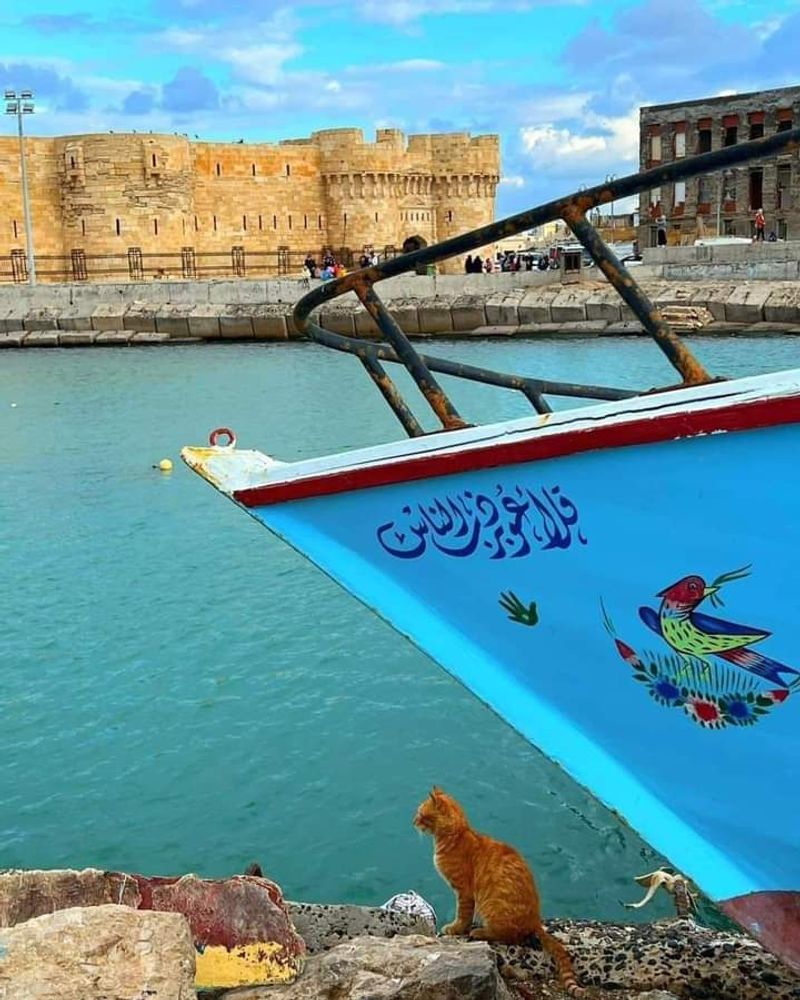
Few port cities entered history with a founder this famous and then kept delivering. Founded by Alexander the Great in 331 BCE, Alexandria became one of the ancient Mediterranean’s leading centers of trade, scholarship, and administration.
Its harbors linked Egypt’s resources to wider commercial networks, while its lighthouse became a practical symbol of maritime ambition.
The city’s importance came from more than prestige and monuments. Grain exports, ship traffic, and cosmopolitan exchange helped make Alexandria indispensable to successive empires and trading systems.
Though the ancient shoreline has changed, the modern city still carries that layered seafaring identity. Maritime history here is not background scenery to classical fame.
It is one reason the place mattered at all, tying intellectual life, urban growth, and imperial economics directly to the water.
17. Venice (Italy)
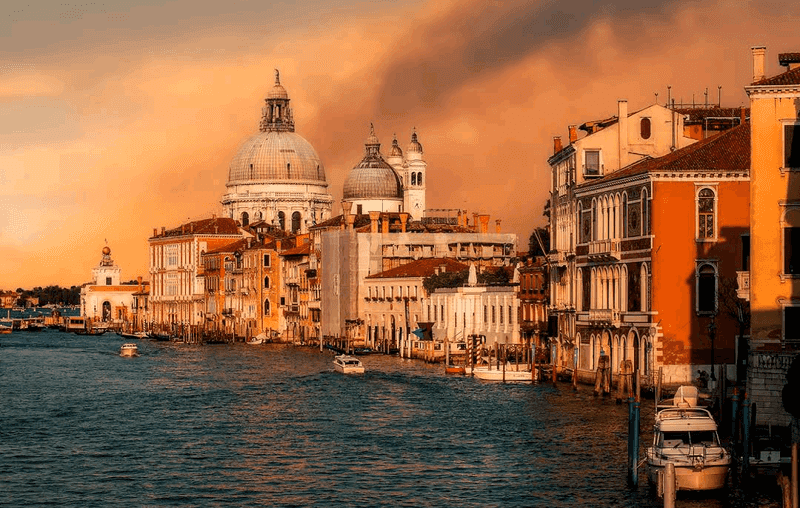
Built on water, Venice turned difficulty into one of history’s best business models. From the medieval period into the early modern era, the Venetian Republic dominated major sections of Mediterranean trade through naval power, merchant organization, and careful political management.
Its shipyards, convoy systems, and commercial colonies gave the city remarkable reach for a place with such unusual geography.
The Arsenale stands as one of the clearest reminders that Venice was an industrial and maritime machine, not just an architectural spectacle. Trade in spices, textiles, and luxury goods supported wealth that still decorates canals and public buildings.
Yet the city’s success rested on disciplined logistics and maritime law as much as beauty. Venice remains a lesson in how sea access can shape finance, culture, and statecraft all at once.
18. San Sebastián (Spain)
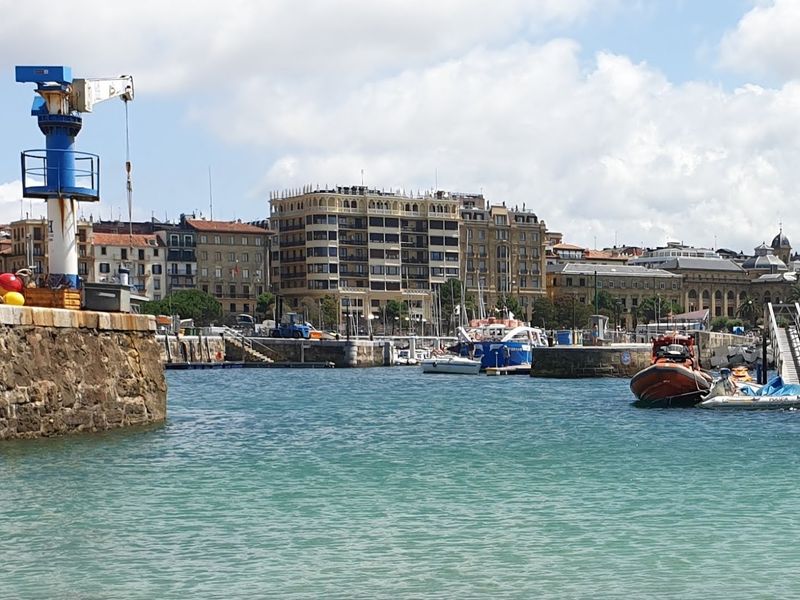
Elegance came later. The original story here belongs to a working harbor.
San Sebastián developed through fishing, coastal trade, and defensive maritime importance within the Basque region, where seafaring knowledge supported local economies and broader Atlantic connections. Its harbor served practical needs first, linking the town to naval concerns as well as commercial movement.
Over time, the city gained a polished resort reputation, but the port’s older role never entirely disappeared. Boatbuilding, fish markets, and shoreline defenses all helped shape daily life and urban form.
The contrast is part of what makes the place historically interesting. Beneath the famous beach image sits a tougher maritime record, one tied to labor, regional identity, and the strategic realities of Spain’s northern coast rather than postcard perfection.
19. Portsmouth (England)
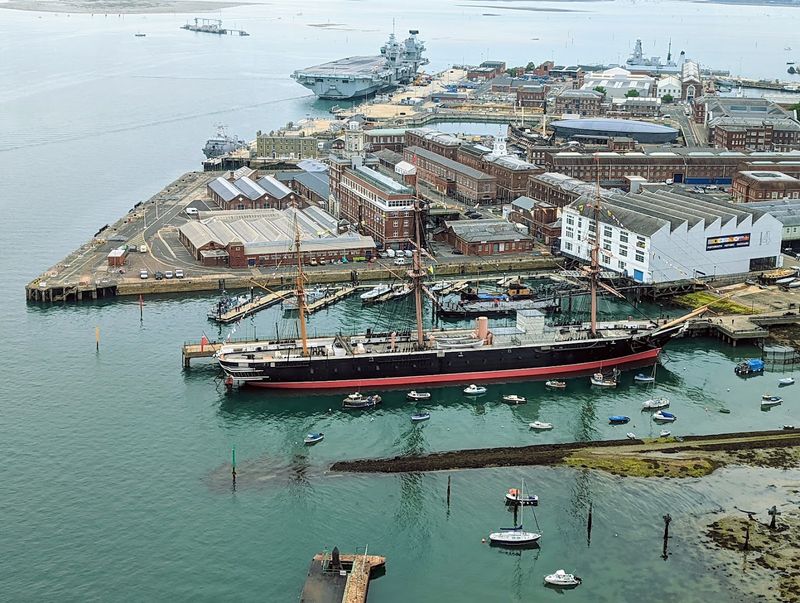
Some towns collect maritime artifacts. Portsmouth practically files them under daily life.
Home to one of Britain’s most important naval dockyards, it developed over centuries as a center for shipbuilding, repair, provisioning, and fleet administration. The harbor’s strategic position on England’s south coast made it essential to royal and later national sea power.
Historic vessels preserved here help tell that story, but the dockyard infrastructure is equally revealing. Rope production, engineering, storage, mapping, and training all formed part of a huge naval ecosystem that shaped the local economy and identity.
Portsmouth was not merely a place where ships happened to stop. It was a specialized machine for keeping maritime operations running.
That legacy remains unusually visible, which is why the city still feels like a working history lesson.
20. New Bedford (USA)
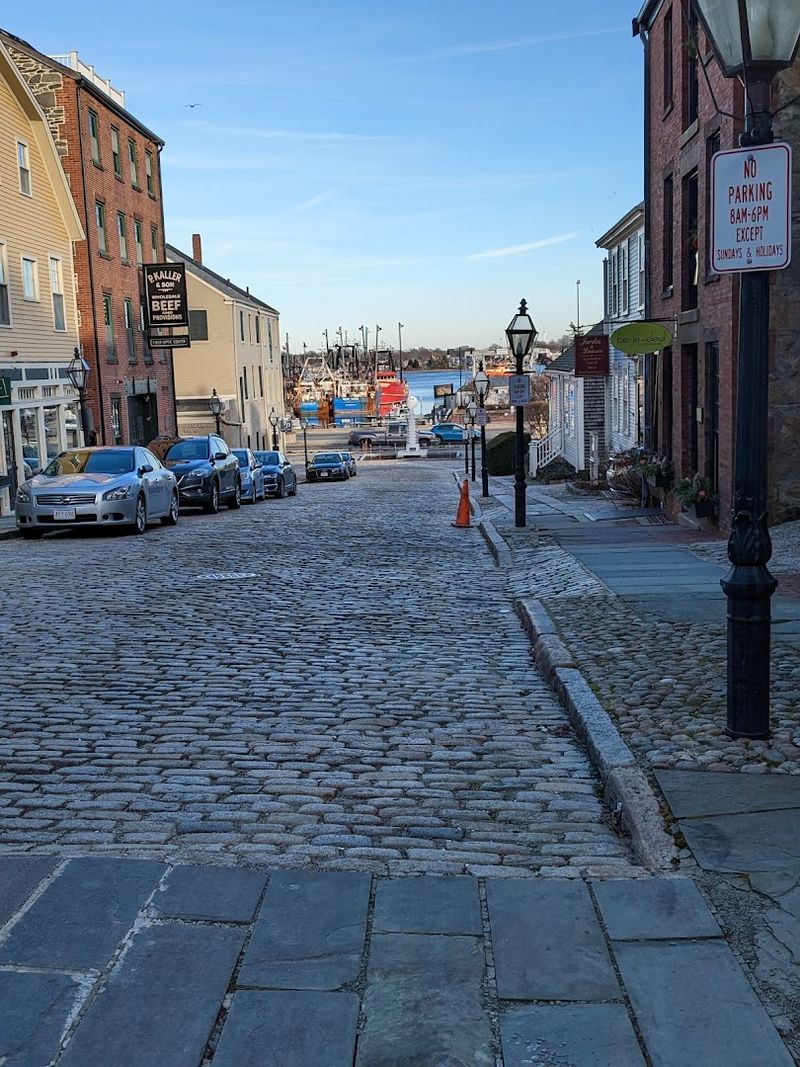
Industrial history gets surprisingly personal when a harbor fuels lamps around the world. New Bedford rose in the 19th century as a leading American whaling port, sending ships on long voyages that supplied whale oil and related products to domestic and international markets.
The industry brought capital, immigrant labor, and a busy waterfront economy that reached far beyond Massachusetts.
Its prosperity supported banks, warehouses, mansions, and civic institutions, many of which still frame the historic district. New Bedford also became known for diversity, with Portuguese and Cape Verdean communities adding to the port’s social fabric.
When petroleum changed energy markets, the city had to adapt, as many specialized ports do. Even so, the scale of its whaling era remains striking, and the evidence is still written clearly across the waterfront.



