 Unearth The Voyage
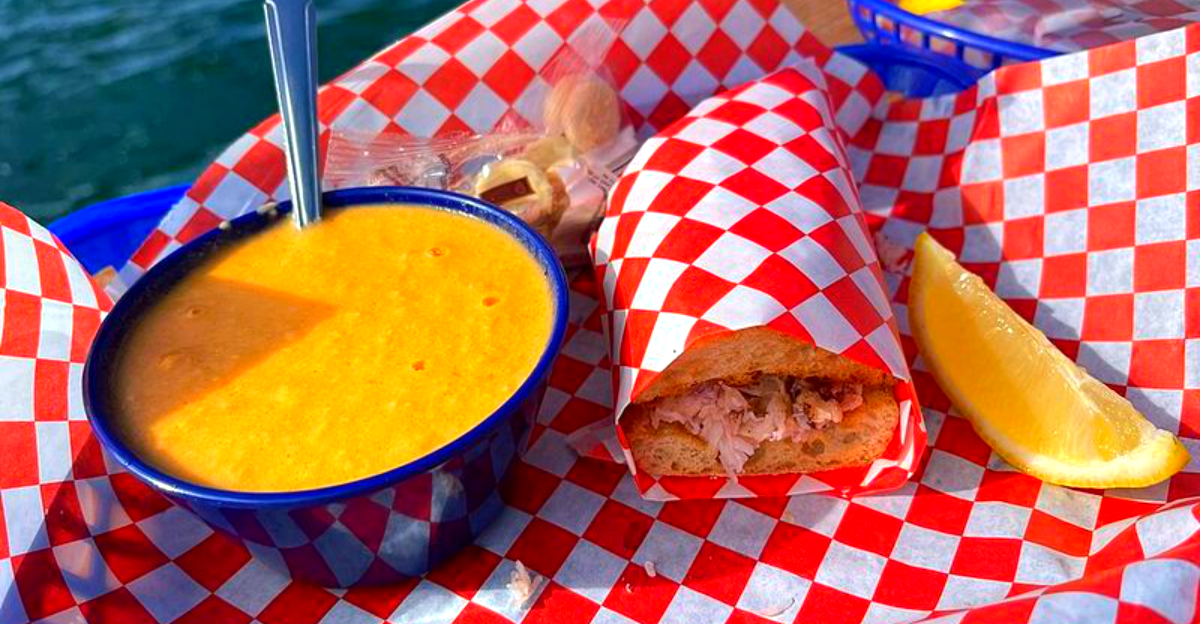
A meal can function like a passport stamp if you know which tiny clues matter. One default drink, one side item, or one table habit can reveal a city, region, or national dining code faster than any guidebook.
These details were shaped by immigration, agriculture, restaurant economics, and local routines, which is why they stick around long after menus modernize. Keep reading and you will start spotting the kind of everyday food signals that quietly announce exactly where you are.
1. A Pickle on the Side – New York City
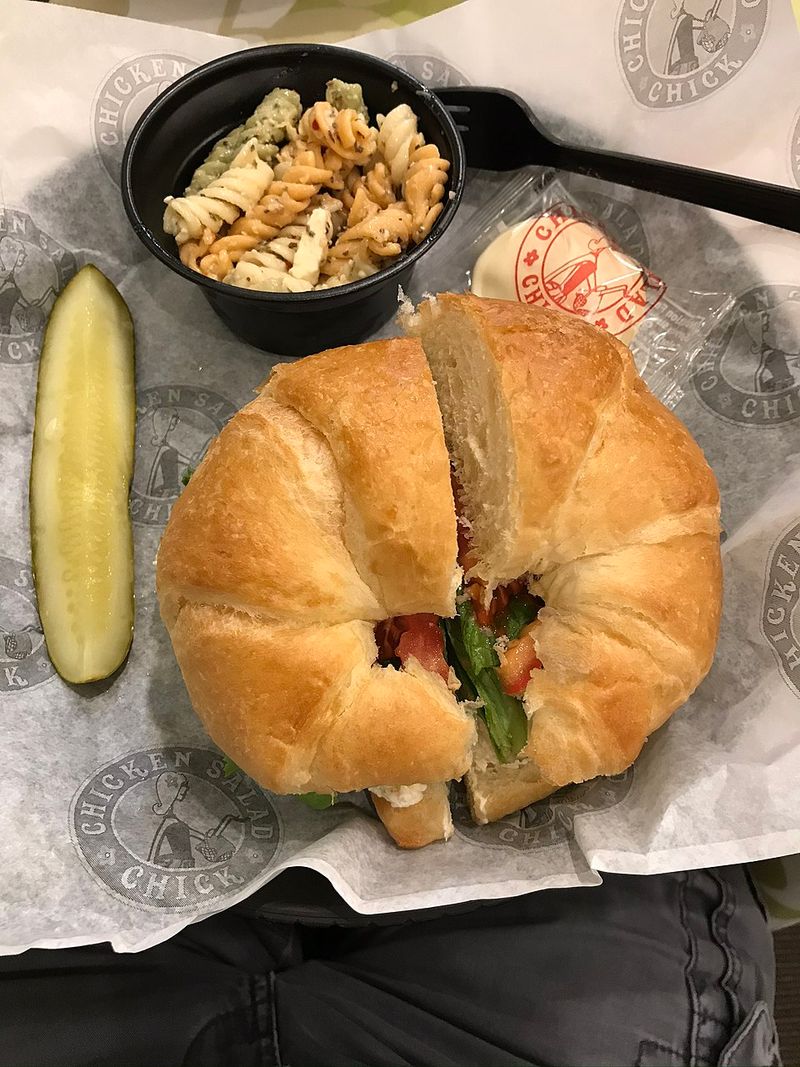
The giveaway arrives before anyone says the borough out loud. A sandwich plate in New York often includes a pickle spear because Jewish deli traditions helped set the city standard, especially through twentieth-century lunch counters and neighborhood delis.
That briny side became part of the expected package, not a luxury add-on. It also made practical sense, since pickling preserved produce and added contrast to rich meats like pastrami, corned beef, and chopped liver.
You still see the habit in diners, kosher-style delis, and countless corner spots that inherited the formula. When the plate lands with that automatic green passenger, you are not just getting a sandwich.
You are getting one of the city’s oldest edible signatures, shaped by immigrant foodways and stubborn local expectations.
2. Sweet Tea by Default – The American South
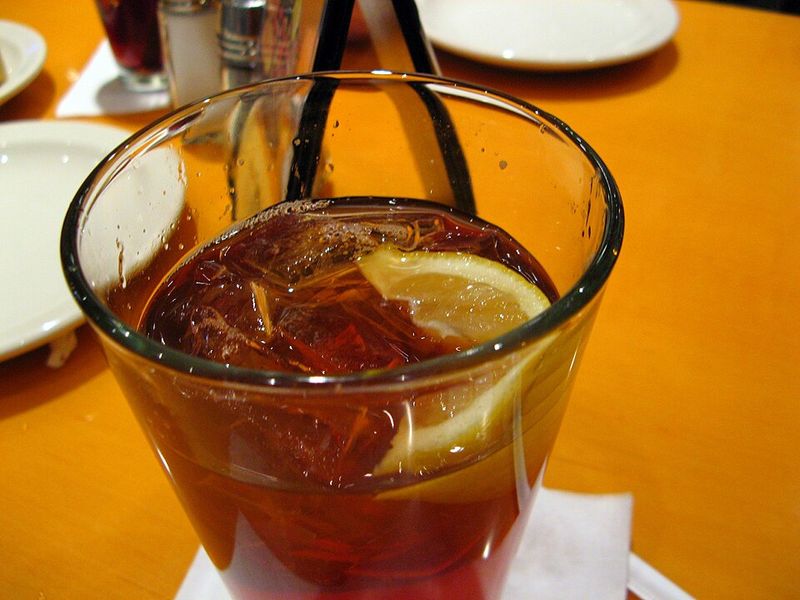
No menu note is needed when the server assumes the tea is sweet. Across much of the American South, sweet tea became the default house version during the twentieth century, especially once ice and cheap sugar became widely available.
Restaurants, church suppers, and family kitchens reinforced the rule until asking for unsweet tea started sounding like a special request. Regional agriculture helped too, since tea and sugar fit neatly into Southern hospitality culture and large-batch meal service.
You can trace the habit through community cookbooks, roadside diners, and chain restaurants that learned local expectations quickly. The drink signals more than preference.
It points to a shared dining rhythm where refills are constant, portions are generous, and nobody acts surprised when a glass of sweet tea appears before you clarify anything.
3. Vinegar on Fries – Canada
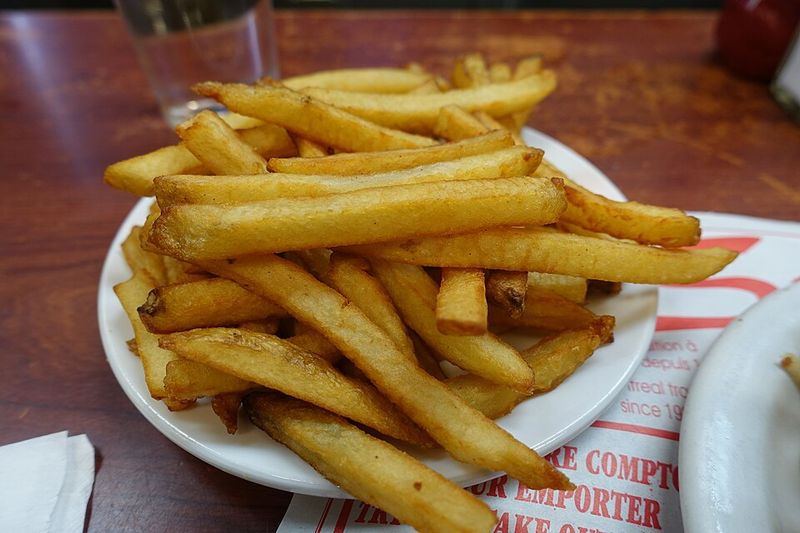
One bottle on the table can place you north of the border in seconds. In many parts of Canada, fries are commonly paired with vinegar, especially malt vinegar, a habit tied to British culinary influence and long-standing chip shop customs.
The practice became familiar in diners, hockey arenas, lunch counters, and fast-food spots where fries were treated as an everyday staple rather than a side with strict rules. It also overlaps neatly with the popularity of fish and chips, another imported preference that settled comfortably into Canadian eating habits.
You do not need a flag to decode the setting once the vinegar appears beside the ketchup. That sharp splash is a small cultural inheritance with staying power.
It tells you British traditions traveled well, then found a permanent home in Canadian casual dining.
4. Olive Oil Instead of Butter – Italy
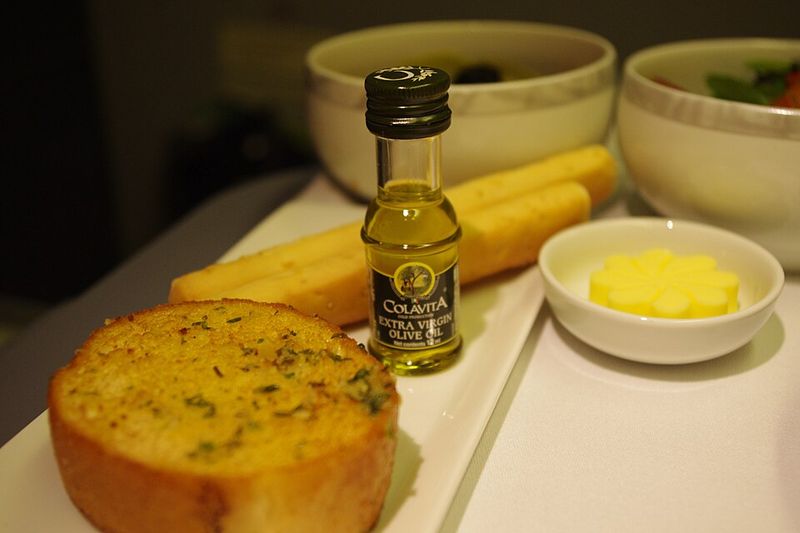
The table tells on itself the moment bread arrives with oil, not butter. In Italy, olive oil has long been a central fat in many regional cuisines, shaped by agriculture, trade, and centuries of local production across the peninsula.
Butter exists, especially in northern regions, but restaurant bread service often signals Italian dining through oil’s quiet authority. That choice reflects more than flavor.
It points to landscapes built around olives, protected designation systems, and a national food identity that treats good oil as a serious ingredient rather than a garnish.
You see the custom in trattorias, family restaurants, and polished city dining rooms alike. It also reveals a different idea of bread’s role at the table.
Instead of acting like a butter delivery system, bread becomes a partner to the meal, linked to olive harvests and regional pride.
5. Rice with Everything – East Asia
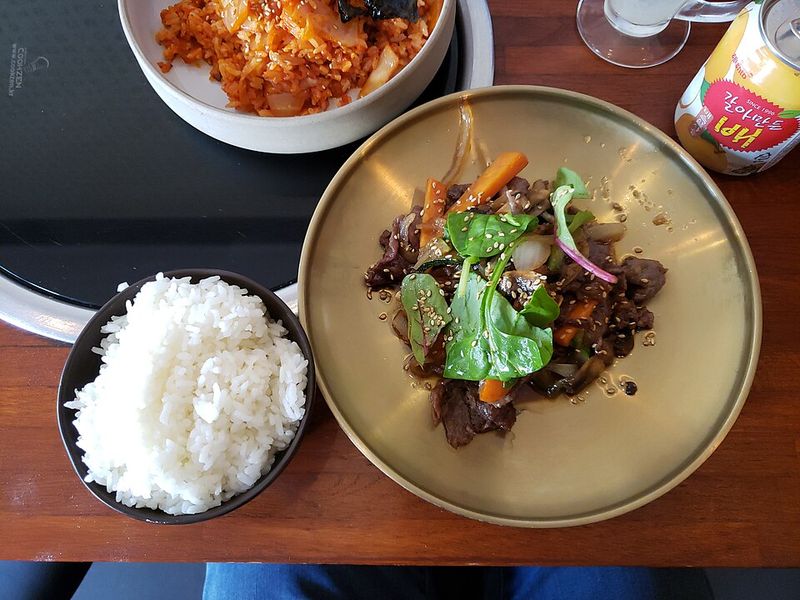
The clue is so ordinary that visitors sometimes miss how revealing it is. Across East Asia, rice often anchors the meal because it developed as a staple crop, a social constant, and a practical base for countless regional cuisines over many centuries.
Whether you are looking at Japanese set meals, Korean table spreads, or many Chinese home-style combinations, rice usually is not treated as an optional side. It structures the meal.
Historically, cultivation patterns, labor systems, and food pricing made rice a daily essential, not a decorative extra.
That is why menus often assume its place without fanfare. Remove the rice and the whole meal can seem incomplete, even when several dishes are present.
Once you notice how central the bowl is, you can read the table differently. Geography, agriculture, and custom are all sitting there together.
6. Lemon with Seafood – Coastal U.S.
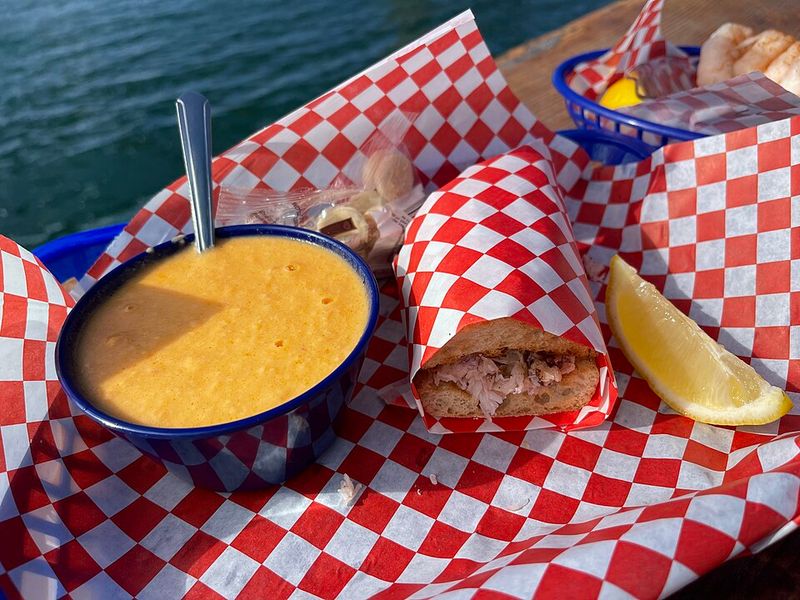
A wedge of lemon can reveal the shoreline before you glimpse the water. In coastal parts of the United States, seafood plates almost automatically arrive with lemon because the pairing became standard in restaurants, fish shacks, and home cooking alike.
The habit is practical and cultural at once. Citrus brightens many seafood dishes, but its real power as a location clue comes from repetition.
Menus from New England to the Gulf and Pacific coasts normalize the garnish so thoroughly that an unaccompanied plate can look incomplete.
This routine also grew alongside the expansion of commercial fishing, resort dining, and twentieth-century seafood branding. The lemon wedge became a visual shorthand for freshness and maritime eating, even in very casual settings.
When it lands beside shrimp, cod, oysters, or crab, the table is quietly telling you the coast is part of the story.
7. Ranch as a Default Dip – Midwest USA
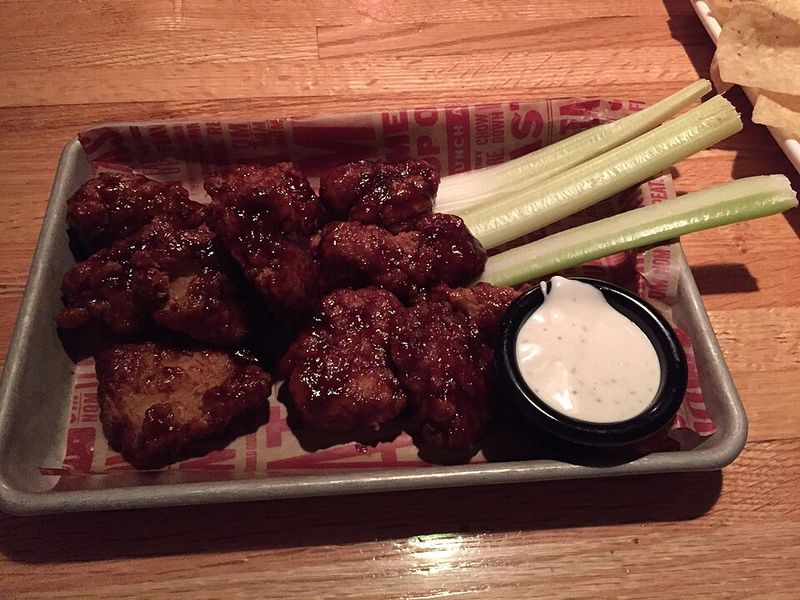
The small white cup says Midwest before anyone mentions the state line. Ranch dressing, first commercialized in the mid-twentieth century, became a dominant condiment in the Midwest through pizza shops, chain restaurants, school cafeterias, and supermarket culture.
Its rise had plenty to do with convenience, broad appeal, and the region’s long comfort with creamy dressings and dairy-heavy foods. Soon ranch was not only for salads.
It turned into a default dip for fries, wings, vegetables, breadsticks, and pizza, often without needing to be requested.
That automatic presence is the real clue. When a restaurant treats ranch like a table necessity rather than a special add-on, you are likely in a place where local habits gave it near-universal status.
It is a condiment with regional confidence, built by repetition, marketing, and a serious belief that more dipping options are always welcome.
8. Bread Basket Before Anything – France
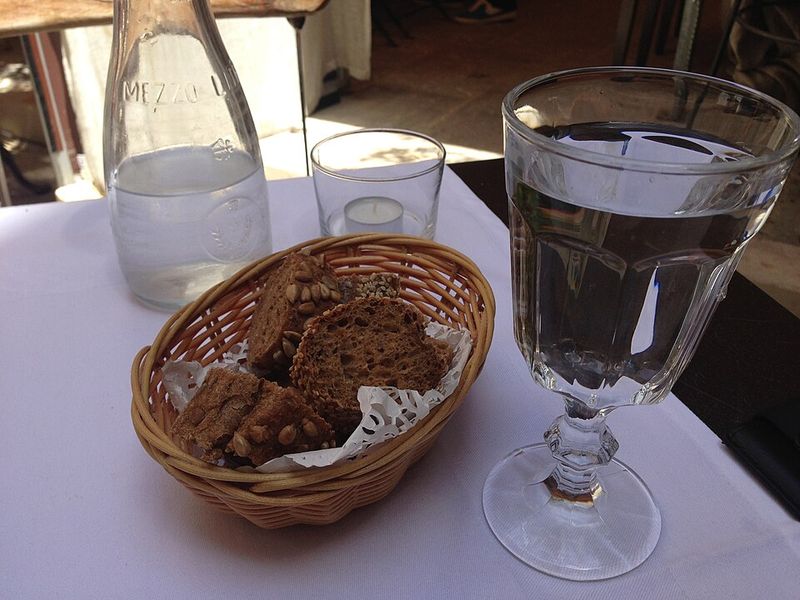
The first arrival is often a basket, and that tells you plenty. In France, bread has long held a central place in daily eating, so restaurant service frequently begins with it, sometimes before drinks have even settled into the routine.
This is not just a pleasant extra. It reflects the country’s deep bread culture, shaped by centuries of baking regulations, neighborhood boulangeries, and a national expectation that meals are structured with bread nearby.
The baguette’s rise in the nineteenth and twentieth centuries only strengthened that everyday ritual.
You can still see the pattern in cafés, bistros, and family restaurants where bread appears almost automatically and keeps returning if needed. That quiet confidence is the clue.
When a meal seems incomplete without a basket on the table, you are in a food culture where bread is not an appetizer. It is part of the meal’s grammar.
9. Spice Level Warnings – Thailand
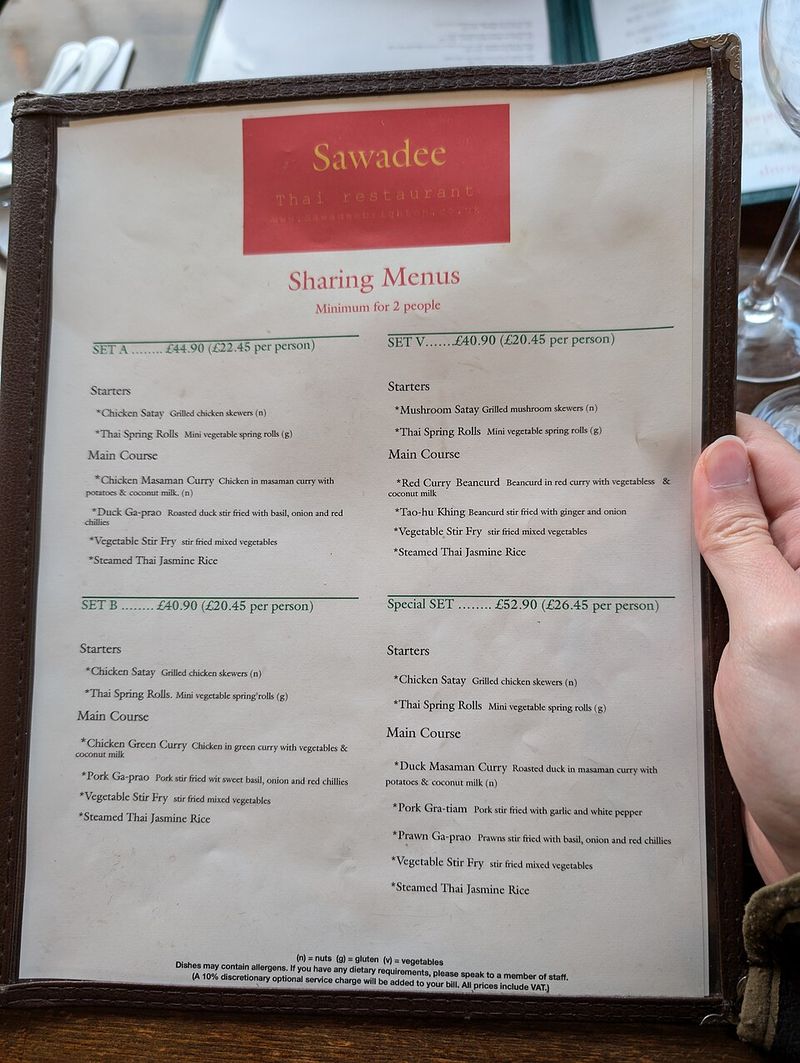
The menu starts negotiating with you before the food arrives. In Thailand, spice level warnings often appear because local cooking traditions use chilies with real confidence, and restaurants know visitors may underestimate what everyday seasoning can actually mean.
That warning system says as much about tourism and global dining as it does about heat. Thai cuisine gained international popularity in the late twentieth century, and menus abroad often softened dishes.
Restaurants in Thailand, however, frequently preserve local standards while giving newcomers a chance to make informed decisions.
You can read that little caution as a cultural translation device. It acknowledges regional habits, protects the kitchen from endless do-overs, and reminds diners that spice is not a stunt.
It is part of the structure of many dishes. When the menu politely advises restraint, you are probably somewhere that takes chilies seriously and expects you to listen.
10. Lime with Everything – Mexico
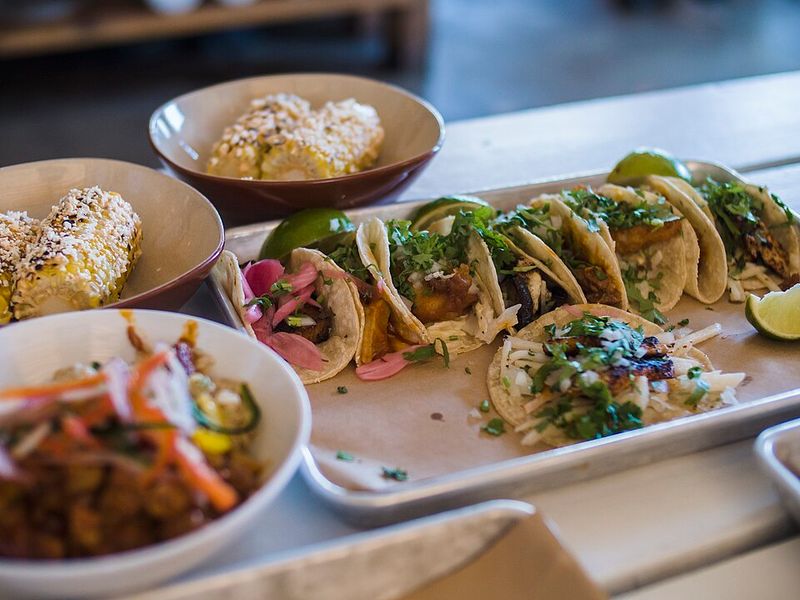
A bowl, plate, or taco can reveal the country with one green wedge. In Mexico, lime appears across an enormous range of dishes because citrus became deeply woven into regional cooking, street food habits, and everyday table setup.
Its role is broader than garnish. Lime is routinely used to finish tacos, soups, grilled meats, fruit preparations, seafood, and snacks, making it one of the most reliable signals of Mexican dining culture.
The habit reflects both agricultural availability and a long culinary tradition built around balancing richness, salt, and acidity.
You notice the pattern quickly in taquerías, market stalls, and family restaurants where lime is simply expected to be there. Nobody treats it like a novelty.
When wedges show up beside food that already seems complete, the table is telling you something important. In Mexico, finishing touches are often not optional.
They are part of the dish’s intended form.
11. Free Chips and Salsa – Texas
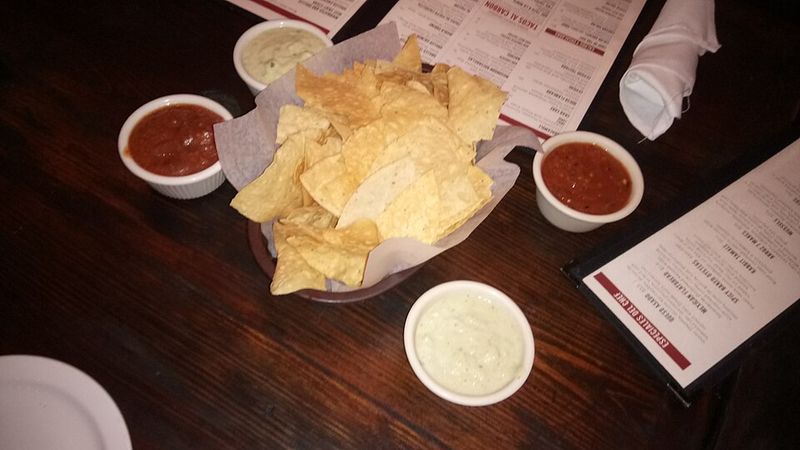
The table is already working before you place an order. In Texas, many Tex-Mex restaurants bring chips and salsa automatically, a custom that became widespread as regional chains and local favorites turned it into a familiar sign of welcome.
This practice reflects the state’s strong Tex-Mex dining culture, where restaurant competition and customer expectations helped make complimentary starters feel almost mandatory. By the late twentieth century, the ritual was so established that many diners judged a place partly by the quality and speed of that first basket.
You can think of it as hospitality with a business strategy attached. It keeps guests occupied, signals generosity, and announces the style of meal before entrées arrive.
When salsa lands on the table without discussion, you are probably in Texas or somewhere shaped heavily by Texas restaurant habits. The giveaway is crunchy, immediate, and very hard to mistake.
12. Garlic Everywhere – Mediterranean
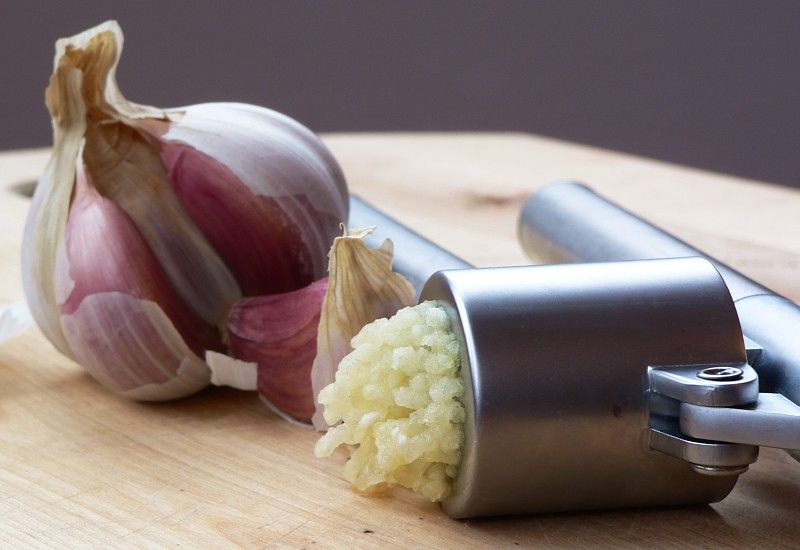
One ingredient starts turning up so often that the region becomes obvious. Across much of the Mediterranean, garlic appears in sauces, dips, marinades, roasted dishes, and everyday cooking because it has long been affordable, practical, and culturally embedded.
Its importance crosses borders, though each cuisine handles it differently. You find it in aioli, skordalia, toum, pasta sauces, bean dishes, and countless vegetable preparations, reflecting trade routes, peasant cooking traditions, and agricultural patterns that rewarded sturdy ingredients with broad usefulness.
The clue is not a single famous recipe. It is repetition.
When garlic threads through appetizers, mains, spreads, and sides without apology, you are likely in a Mediterranean food culture that considers it foundational rather than bold. That consistency comes from history, not trend.
Long before modern food media praised simple ingredients, cooks around the Mediterranean were already building meals around them with total confidence.
13. Huge Portion Sizes – United States
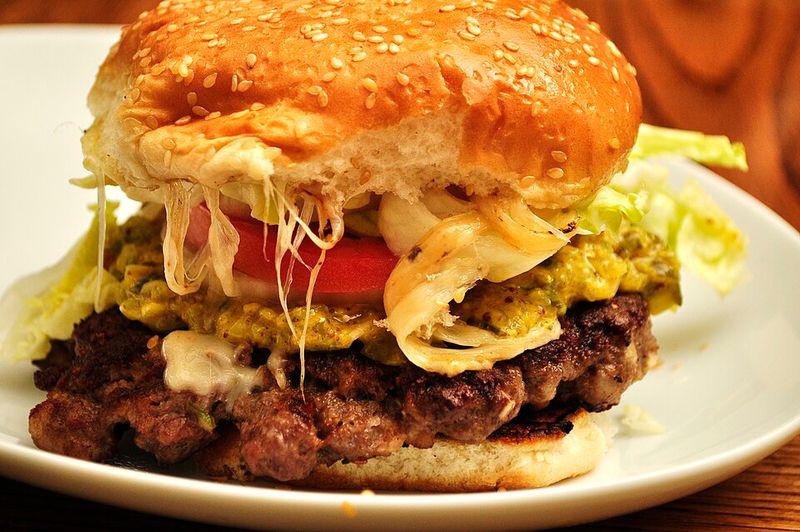
The plate lands with enough food for two, and the country gives itself away. Large portions became a recognizable feature of U.S. dining through postwar abundance, highway travel culture, chain restaurant competition, and the marketing logic that bigger means better value.
By the late twentieth century, supersizing and combo meals had pushed expectations even further. Diners, casual chains, and family restaurants often treated generosity as a selling point, especially in suburban and roadside contexts where leftovers were normal and reframed as a bonus rather than excess.
That scale can surprise visitors because it reflects specific economic habits, agricultural output, and consumer culture more than simple appetite. When you immediately start planning a takeout box, the setting is probably American or strongly influenced by American restaurant norms.
Portion size became one of the country’s clearest edible signatures, helped along by advertising, convenience culture, and a long affection for visible value.
14. Tea After Meals – UK
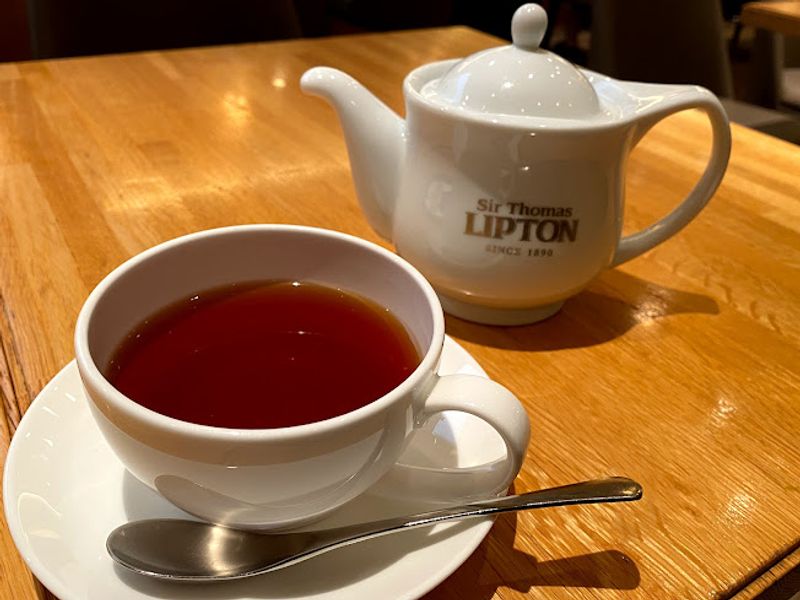
The meal may be ending, but the clue arrives in a cup. In the UK, tea after meals remains a familiar habit because tea became deeply integrated into British daily life from the eighteenth century onward, crossing class, region, and setting.
It is not only about refreshment. Tea functions as punctuation.
In homes, cafés, and some restaurants, it marks a shift from eating to conversation, cleanup, or winding down. That role grew stronger through nineteenth-century tea culture, domestic routines, and workplace breaks that normalized tea as the nation’s dependable answer to nearly everything.
You can spot the pattern in how naturally the offer appears once plates are cleared. Nobody needs to explain it.
When tea arrives as the next obvious step rather than a separate event, you are likely in Britain or somewhere strongly shaped by British customs. The sequence matters as much as the beverage itself.
15. Fermented Sides – Korea
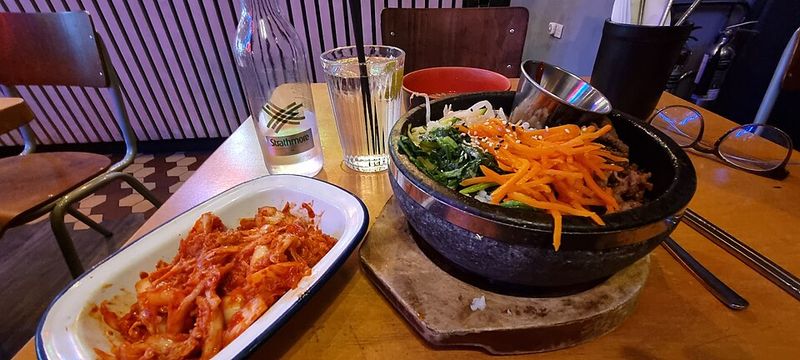
The side dishes can identify the country before the main course gets comfortable. In Korea, fermented banchan, especially kimchi, appear with remarkable regularity because preservation methods, seasonal planning, and communal meal structure shaped the cuisine over generations.
Fermentation was practical long before it became fashionable in global food writing. It helped households manage winter supplies and maintain variety, while also reinforcing the Korean table’s emphasis on shared dishes and balanced meals.
Restaurants continue that logic by treating side dishes as part of the meal’s full architecture.
That is why kimchi does not read as an extra. It is expected, and its presence carries history with it.
When several small dishes appear automatically, you are likely in a Korean dining context where side dishes communicate care, custom, and completeness. The table looks fuller because the cuisine was built that way, not because anyone is trying to impress you.
16. Coffee Culture Precision – Italy
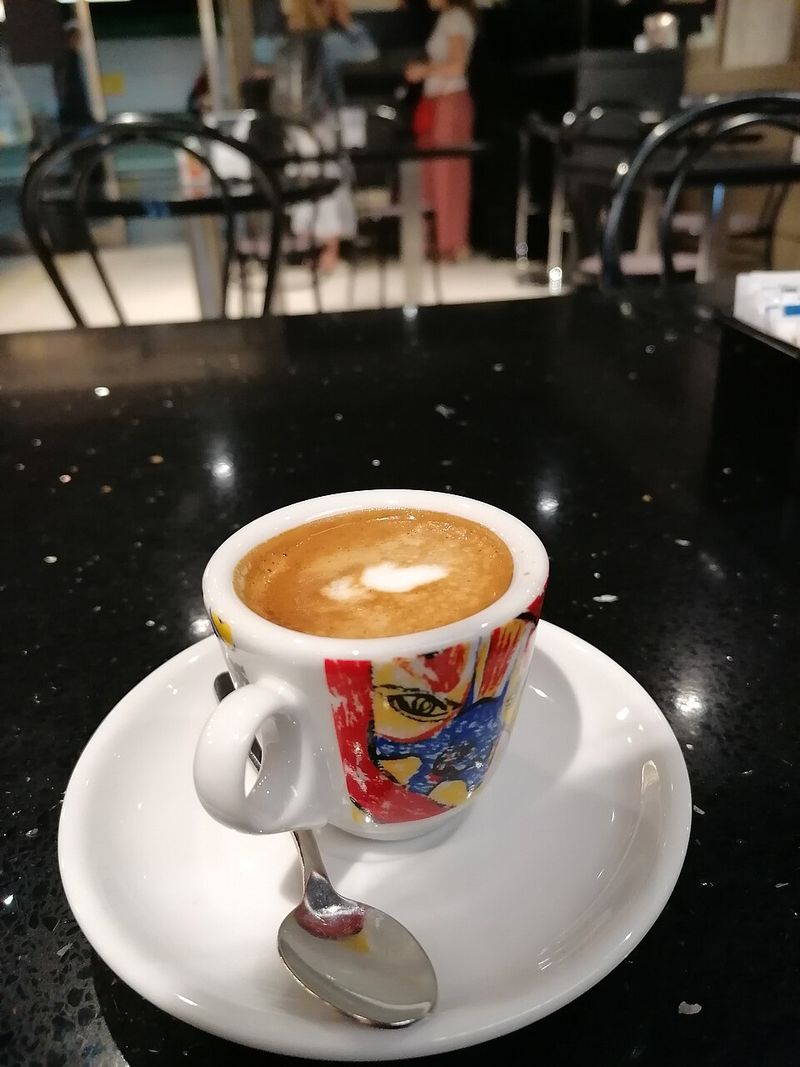
The ritual is so efficient that it feels choreographed by the city itself. In Italy, coffee culture often centers on quick espresso taken at the bar, a habit shaped by urban routines, pricing norms, and twentieth-century café design.
This precision is not stiffness. It is structure.
Italians developed clear expectations around when certain coffee drinks are ordered, how long one lingers, and whether the drink is taken standing or seated. Espresso bars became everyday institutions because they fit commuting, work breaks, and neighborhood social life without demanding a long pause.
You notice the difference immediately if you are used to oversized takeaway cups and laptop camping. In many Italian settings, coffee is brief, specific, and beautifully unbothered by performance.
When the standard move is to stand, sip, pay, and continue your day, the location is practically announcing itself through timing alone.
17. Fish Sauce Flavor – Southeast Asia
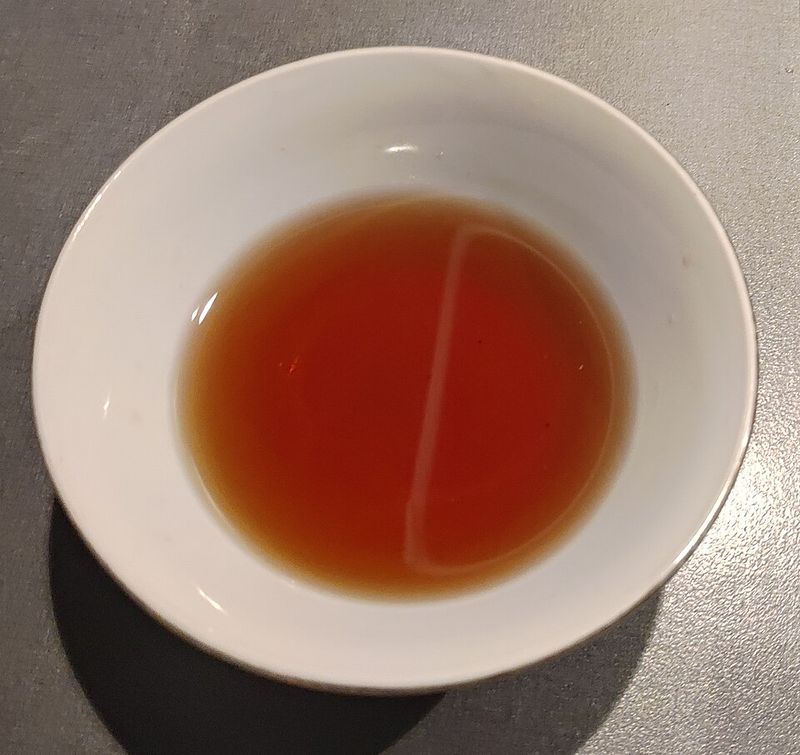
One deep savory note can narrow the map with surprising speed. Across much of Southeast Asia, fish sauce is a foundational seasoning, used in cooking and at the table in ways that quietly define the region’s flavor structure.
Its importance comes from long preservation traditions, coastal trade, and culinary systems built around balancing salty, sour, sweet, and spicy elements. Different countries have distinct names, recipes, and preferences, but the ingredient’s regional significance is undeniable.
It shows up in dressings, broths, stir-fries, marinades, and dipping sauces with total authority.
Once you learn to recognize that background note, it becomes an unmistakable clue. The dish may vary widely, yet the seasoning logic stays familiar.
When fish sauce seems to organize the meal from behind the scenes, you are likely somewhere in Southeast Asia or eating food that remains closely tied to its culinary roots.
18. Cheese on Everything – Midwest & Europe
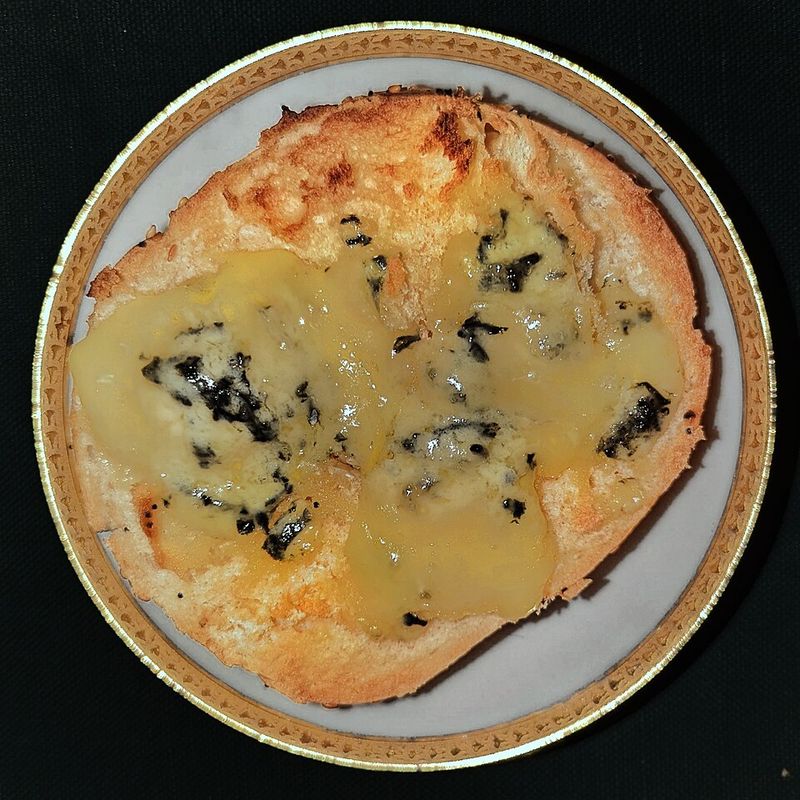
The final layer often answers the geography question before the first bite. In parts of the Midwest and across various European food traditions, cheese appears with such regularity that it becomes less of an ingredient and more of a household policy.
There are practical reasons for that loyalty. Dairy farming shaped regional economies, local identities, and home cooking patterns, especially in places where cheese production was abundant and culturally significant.
From gratins and casseroles to sandwiches, spaetzle, potatoes, and pub foods, cheese repeatedly steps in as a default finishing move.
The exact style varies by place, of course, but the confidence is the common thread. If a dish seems one quick sprinkle, melt, or blanket away from becoming local, you are probably in a cheese-friendly region.
This is not random indulgence. It is the visible result of agricultural history, everyday habits, and long-standing comfort with dairy at scale.
19. Street Food as a Staple – Southeast Asia
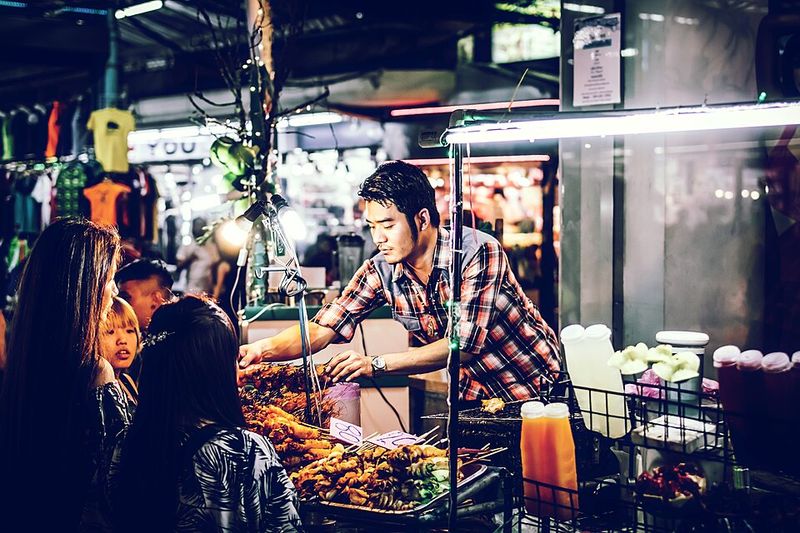
The strongest restaurant in view may not have walls at all. In much of Southeast Asia, street food is not an occasional novelty for visitors.
It is a routine part of urban eating, shaped by density, labor patterns, and local food economies.
Many cities developed robust vendor cultures because small-scale cooking could serve workers quickly and affordably. Limited home kitchen space, long commutes, and strong neighborhood food networks also helped make street stalls central to daily life rather than a backup plan.
Governments have regulated them in different ways, but the format remains deeply important.
You can read a city through its carts, stalls, and sidewalk seating because they reveal how people actually eat on ordinary days. When excellent food appears fast in highly specialized setups, you are probably in a place where street vending has serious culinary legitimacy.
That detail narrows the map faster than many landmarks do.
20. Tipping Confusion – Everywhere Else

The most revealing clue sometimes arrives with the bill, not the meal. Tipping customs vary so widely around the world that a moment of hesitation can instantly tell you that you are outside your own dining system.
In the United States, tips are often built into expectations because wage structures have long depended on them. Elsewhere, service may be included, rounding up may be enough, or tipping may be limited to particular situations.
That difference reflects local labor laws, hospitality norms, and cultural attitudes about service as a profession.
The confusion is useful because it exposes how invisible your own habits usually are. You only notice the rule when it changes.
If you are studying the receipt, scanning the room, and trying not to commit a social error, the location has already revealed itself. Food culture includes payment rituals too, and they are often among the clearest regional markers.



