Heartbreak has fueled some of the most memorable music in modern history. When artists channel pain into creativity, the results often become cultural landmarks that outlast the relationships that inspired them.
From the 1970s through the 2020s, pop, country, and R&B artists have consistently transformed personal betrayal into chart-topping anthems that resonate with millions. What follows is a curated look at 20 songs where the sting of a breakup became the spark for something far more powerful than sadness.
These tracks document a fascinating shift in how artists respond to heartbreak publicly, and they reveal just as much about cultural attitudes toward relationships as they do about musical craft. Whether the response was quiet confidence, sharp wit, or unfiltered frustration, each song on this list turned a private wound into a very public statement.
Read on to discover which tracks made the cut and why they still matter decades later.
1. “You Oughta Know” – Alanis Morissette

Released in the summer of 1995, this track landed like a cultural earthquake on radio stations that were not prepared for its raw honesty. Alanis Morissette wrote it as a direct confrontation to an ex who had moved on quickly, and listeners responded immediately.
The song peaked at number six on the Billboard Hot 100 and helped her album “Jagged Little Pill” sell over 33 million copies worldwide. Its unapologetic lyrics challenged the polished, softened breakup songs that dominated the early 1990s.
Radio programmers initially hesitated, but audiences made the decision for them by demanding it constantly.
2. “Cry Me a River” – Justin Timberlake

Justin Timberlake reportedly wrote this song in under two hours, fueled entirely by anger after an alleged betrayal. Released in 2002 as part of his debut solo album “Justified,” it marked a sharp departure from his boy-band image and signaled a more mature, complex artistic direction.
The track is widely believed to reference his relationship with Britney Spears, though Timberlake never confirmed specifics publicly. Musically, producer Timbaland built the arrangement around a cold, minimal beat that matched the song’s detached emotional tone perfectly.
It won a Grammy for Best Male Pop Vocal Performance in 2004, cementing its lasting critical reputation.
3. “Before He Cheats” – Carrie Underwood
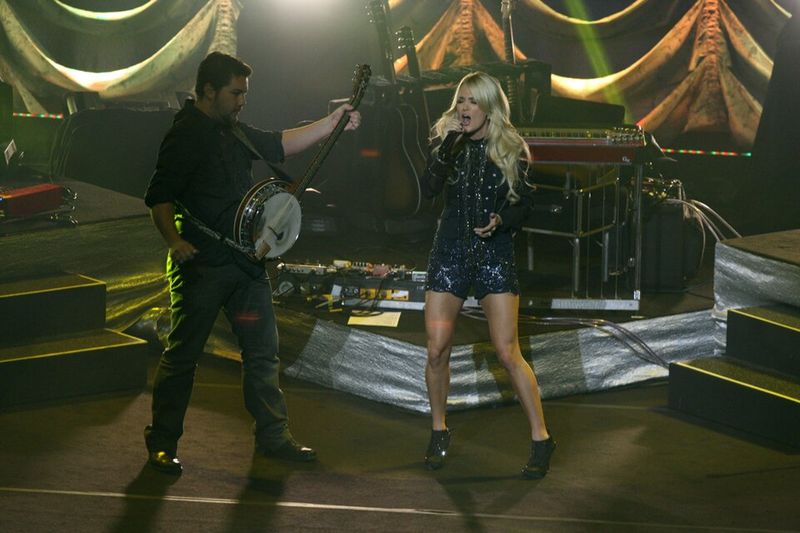
Country radio had not quite heard anything like this when it arrived in 2006. Carrie Underwood’s portrayal of a woman taking a baseball bat to her cheating boyfriend’s truck became one of the most vivid revenge narratives in the genre’s modern history.
The song spent 27 weeks at number one on the Billboard Hot Country Songs chart, a record at the time for a female artist. It won the Grammy for Best Female Country Vocal Performance in 2007.
Underwood has noted that she personally related to the song’s themes, which gave her delivery a conviction that translated directly into its commercial dominance.
4. “Irreplaceable” – Beyonce
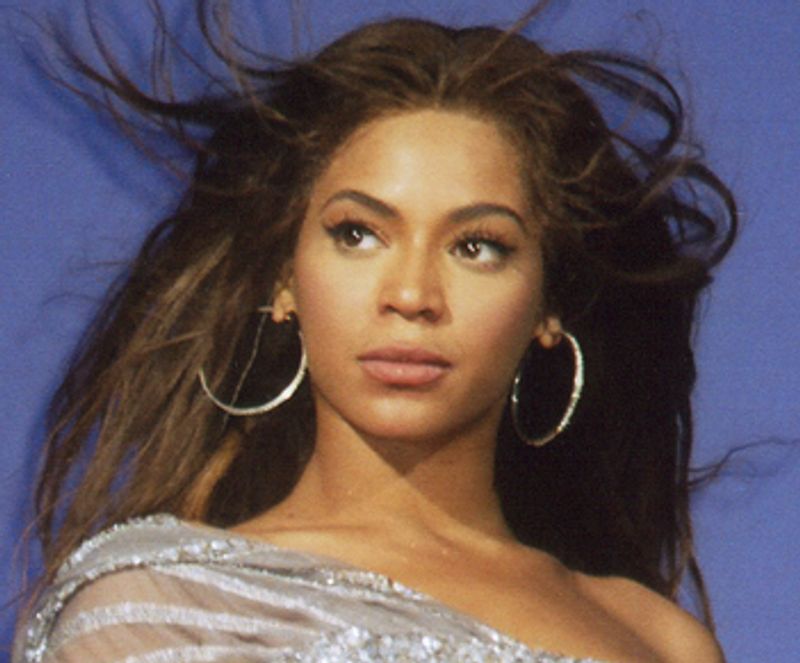
Few breakup songs have delivered their message with as much composed authority as this 2006 R&B landmark. Beyonce’s delivery of the line “to the left, to the left” became a shorthand for self-respect that audiences immediately adopted into everyday conversation.
The song spent ten consecutive weeks at number one on the Billboard Hot 100, making it one of the longest-running chart-toppers of that decade. Ne-Yo originally wrote it as a demo and later admitted he cried when he heard Beyonce’s finished version.
Its cultural staying power comes from the specificity of its message: not anger, but complete emotional detachment from someone no longer worth keeping.
5. “Since U Been Gone” – Kelly Clarkson
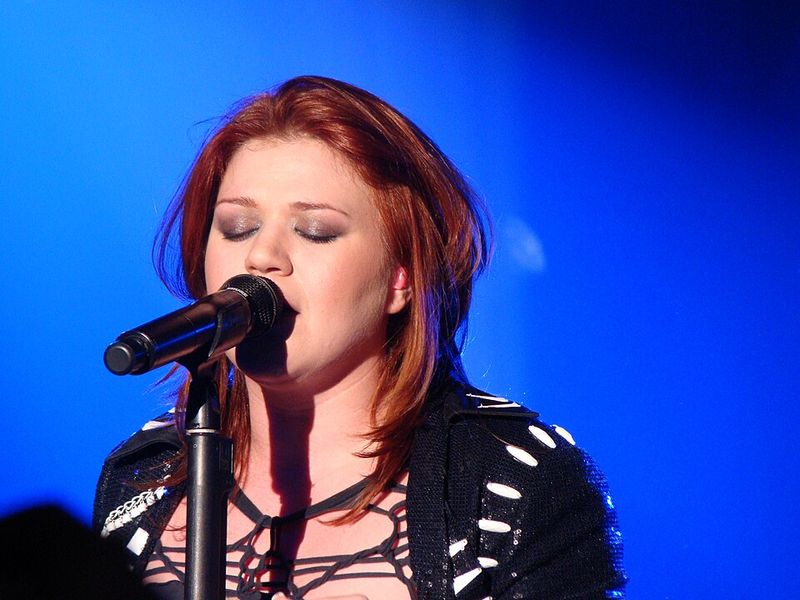
Max Martin and Lukasz Gottwald, known professionally as Shellback, wrote this song originally for another artist before Kelly Clarkson transformed it into a defining moment of her career. Released in 2004, it bridged pop and rock in a way that few mainstream artists were attempting at the time.
Clarkson initially resisted recording it, preferring a harder rock direction, but her label pushed for the track. She was right that it did not fully match her vision, but audiences disagreed entirely.
The song reached number two on the Billboard Hot 100 and won two Grammy Awards in 2006. Its chorus remains one of the most instantly recognizable in 2000s pop history.
6. “Rolling in the Deep” – Adele

Adele wrote this song within hours of ending her first serious relationship, and that urgency comes through in every note. Released in 2010 as the lead single from her album “21,” it became one of the best-selling singles in recorded music history, moving over 10 million copies in the United States alone.
The production team XL Recordings helped shape a sound that blended soul, gospel, and pop without feeling derivative of any single genre. It spent seven weeks at number one on the Billboard Hot 100 and won three Grammy Awards in 2012, including Record of the Year.
Its theme of wasted potential in a failed relationship gave it a universality that crossed demographic lines completely.
7. “We Are Never Ever Getting Back Together” – Taylor Swift

Taylor Swift reportedly wrote this song in about 25 minutes after running into her ex-boyfriend on a day he visited her recording studio. Released in 2012, it became the fastest-selling country single in digital history at that time, selling 623,000 copies in its first week.
The song broke the mold for Swift stylistically, leaning into indie-pop production rather than her established country sound. It spent nine weeks at number one on the Billboard Hot 100 and served as the lead single for her album “Red.” Critics noted that its conversational, almost spoken-word delivery was a deliberate stylistic shift that reflected her growing confidence as a pop songwriter.
8. “Hit ‘Em Up Style (Oops!)” – Blu Cantrell

Blu Cantrell’s debut single arrived in 2001 with a revenge concept that was both clever and surprisingly specific: spending an unfaithful partner’s money as payback. The song’s narrator runs up credit cards and sells belongings, framing the entire transaction as fair compensation for emotional damage.
It reached number nine on the Billboard Hot 100 and performed even better on adult contemporary charts. The track’s lighthearted delivery made the revenge theme feel more celebratory than bitter, which broadened its appeal considerably.
Cantrell co-wrote the song herself, drawing on personal experiences. It remains a notable example of how R&B in the early 2000s handled themes of betrayal with wit rather than raw anger.
9. “Gives You Hell” – The All-American Rejects
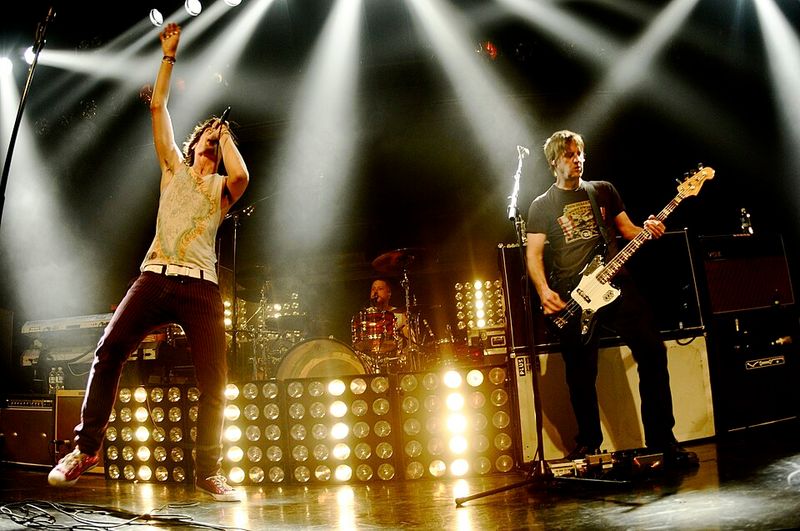
The All-American Rejects released this track in 2008 as part of their album “When the World Comes Down,” and it became their highest-charting single to date. The song imagines a former partner regretting the breakup while the narrator has moved on to a better life, a revenge fantasy framed entirely through cheerful optimism.
It reached number ten on the Billboard Hot 100 and performed strongly across multiple international markets. Lead singer Tyson Ritter described the song as one of the most personally satisfying he had ever recorded.
Its production leaned heavily on punchy guitar riffs and a driving tempo that made the frustration feel more fun than bitter, which became its signature quality.
10. “Survivor” – Destiny’s Child
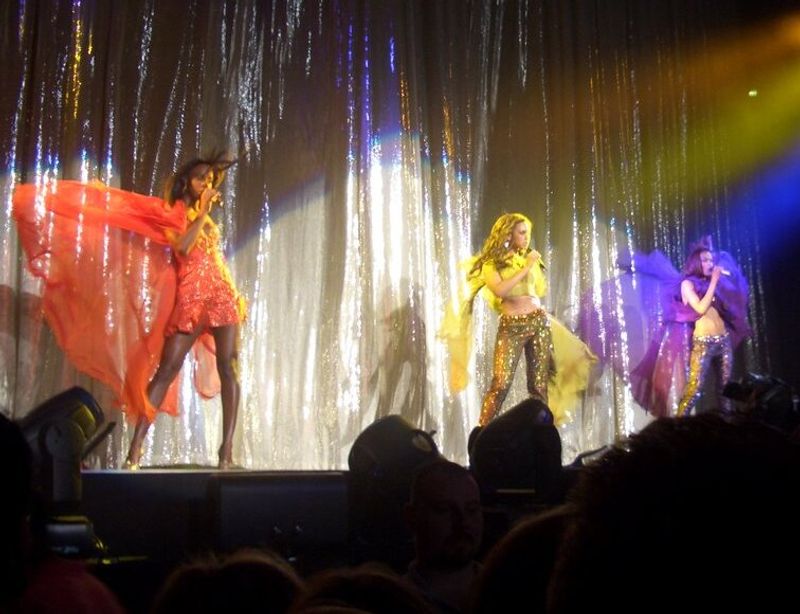
Destiny’s Child released this in 2001 during a period of significant internal tension within the group, and the timing gave the lyrics an added layer of authenticity. The song directly addressed critics and former members who had predicted the group’s collapse, turning the narrative into a declaration of continued success.
It debuted at number two on the Billboard Hot 100 and spent four weeks at the top of the R&B charts. The music video featured the trio in military-inspired outfits on a deserted island, reinforcing the self-sufficiency theme visually.
The song earned a Grammy nomination and became one of the most covered and referenced tracks in the group’s catalog, frequently appearing in film and television soundtracks for years afterward.
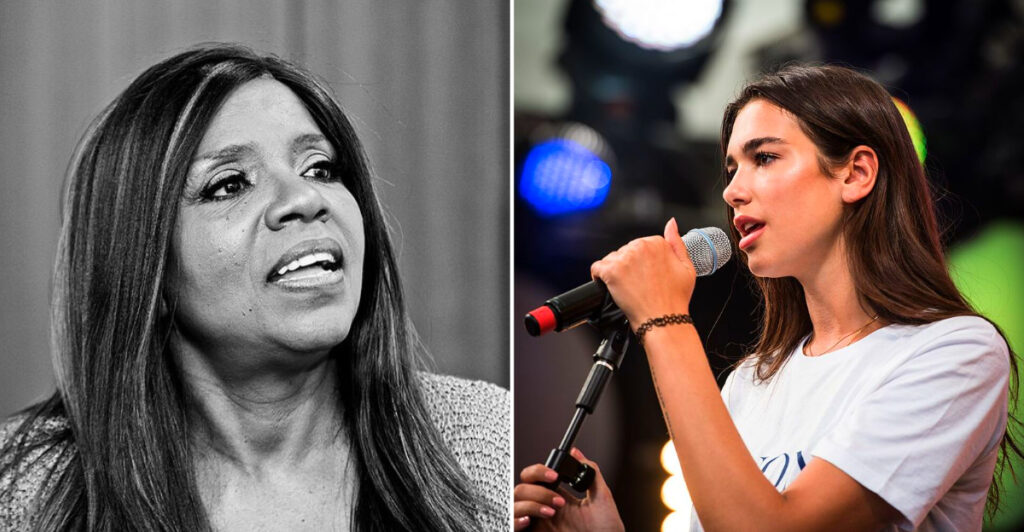
11. “I Will Survive” – Gloria Gaynor
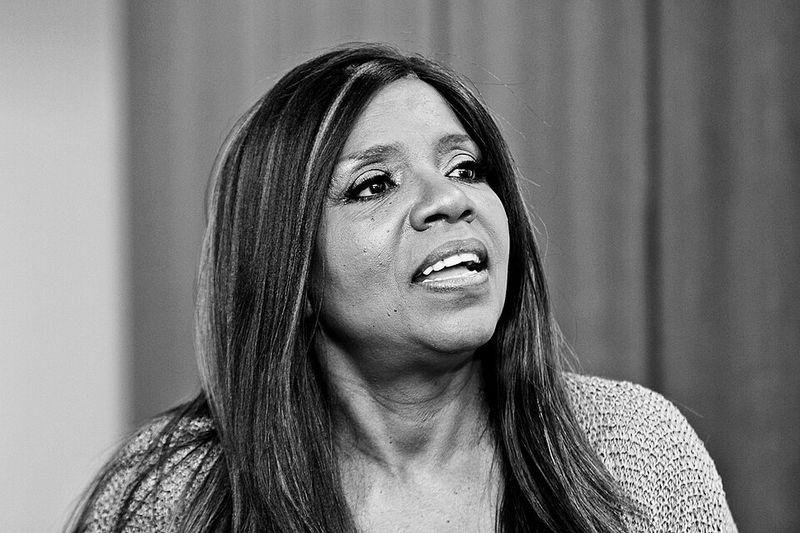
Originally released as the B-side of a single in 1978, this song almost never became the cultural landmark it is today. Radio DJs flipped the record over and began playing it instead, and the response from listeners was immediate and overwhelming.
Gloria Gaynor recorded it while wearing a back brace after spinal surgery.
The song reached number one in the United States and across multiple European markets. It won the first-ever Grammy Award for Best Disco Recording in 1980.
Decades later, it remains a standard at events ranging from sporting victories to personal milestones. Its message of rebuilding confidence after being abandoned has made it one of the most universally adopted breakup anthems in recorded music history.
12. “Take a Bow” – Rihanna
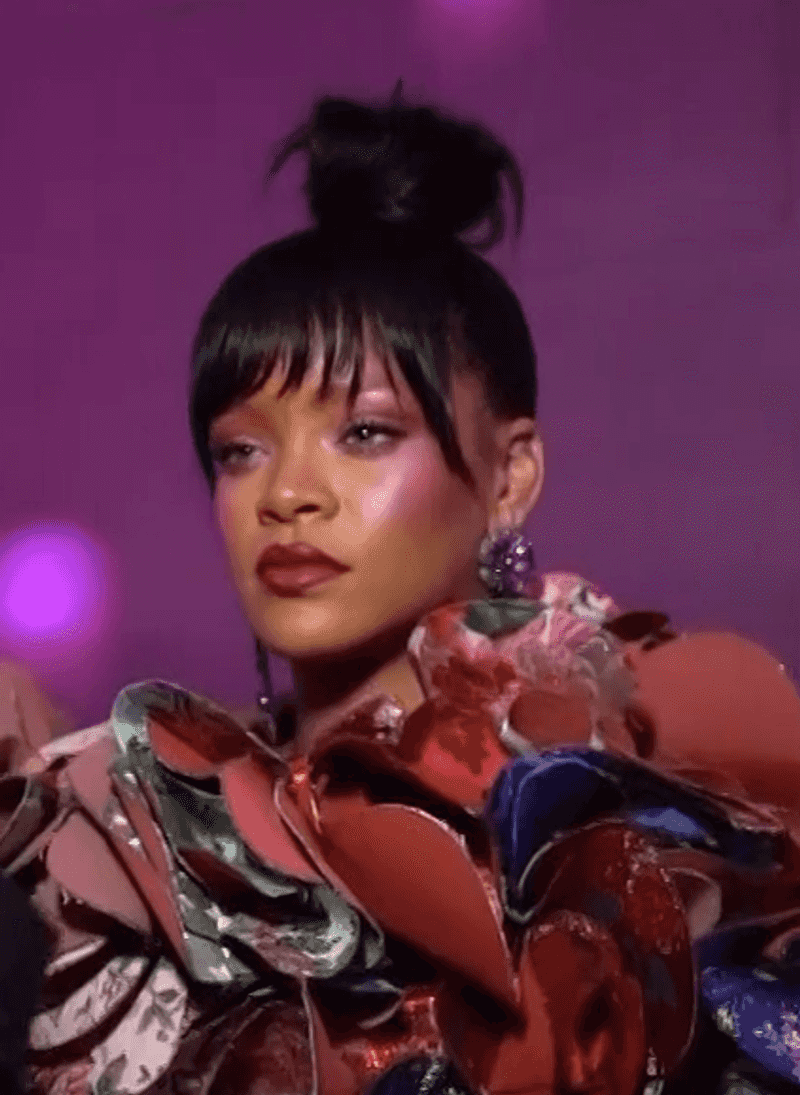
Released in 2008 as part of her album “Good Girl Gone Bad: Reloaded,” this song stands out for what it does not do. Rather than expressing rage or dramatic emotion, Rihanna delivers a composed, almost theatrical dismissal of a partner who has been caught in deception.
The title references the idea of applauding a performance of lies.
The track debuted at number one on the Billboard Hot 100, making Rihanna the first artist to debut two number-one singles in the same calendar year. Producers Ne-Yo and StarGate crafted a production that matched the song’s controlled emotional temperature precisely.
Its restrained tone made it feel more powerful than a louder response might have.
13. “Fighter” – Christina Aguilera

Christina Aguilera wrote this song in 2002 as a response to manipulation and control she experienced in a personal relationship, and the resulting track became one of the most direct examples of reclaiming power through music. Released in 2003 from her album “Stripped,” it combined hard rock production with her signature vocal range.
The song reached the top ten in over a dozen countries and remains one of the most frequently cited examples of empowerment music from that era. Aguilera has spoken in interviews about how writing the song was itself part of her recovery process.
The central argument, that difficult experiences ultimately build strength, gave it a durability that has kept it relevant across multiple generations of listeners.
14. “Picture to Burn” – Taylor Swift

Taylor Swift’s second single from her 2006 self-titled debut album introduced audiences to a side of her songwriting that was less polished and more genuinely teenage in its frustration. The song lists specific grievances about an ex with a directness that felt uncommon for country radio at the time.
It reached number three on the Billboard Hot Country Songs chart and helped establish Swift’s early reputation as a songwriter who drew directly from personal experience. The original version of the song included a lyric that was changed before the official release due to concerns about its directness.
That small controversy actually increased interest in the track and contributed to conversations about how honestly young artists could address relationship conflict in mainstream music.
15. “Stronger (What Doesn’t Kill You)” – Kelly Clarkson
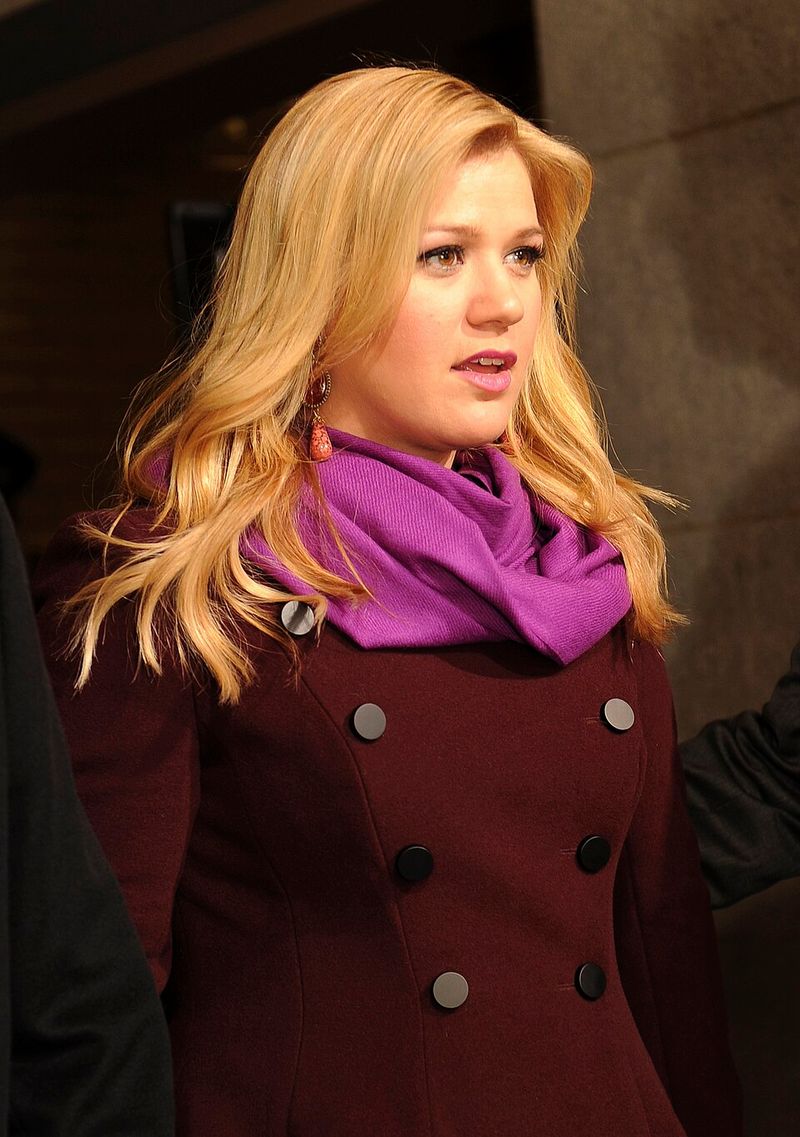
Kelly Clarkson’s 2011 single borrowed its central thesis directly from the German philosopher Friedrich Nietzsche, though its delivery was decidedly more danceable than his original writings. The song was written by Greg Kurstin and Jorgen Elofsson and was initially passed over before Clarkson chose it for her album “Stronger.”
It spent four weeks at number one on the Billboard Hot 100 and won the Grammy for Best Pop Solo Performance in 2013. The track marked a commercial resurgence for Clarkson after a period of mixed chart results.
Its argument that personal hardship produces resilience rather than permanent damage resonated broadly, particularly with younger listeners who were navigating their first serious relationship experiences publicly on social media.
16. “Don’t Start Now” – Dua Lipa

Dua Lipa released this track in late 2019 as a lead single from her album “Future Nostalgia,” and it became one of the defining pop songs of the early 2020s. The song addresses an ex who attempts to re-enter the picture after the narrator has fully moved on, and it does so with complete disinterest rather than anger.
It reached number two on the Billboard Hot 100 and performed even better in the United Kingdom, where it hit number one. The disco-influenced production drew deliberately from 1970s and 1980s pop structures, fitting the album’s broader retro-pop concept.
Critics praised its efficiency: the message is clear, the delivery is confident, and the song wastes no time on sentiment that the narrator has clearly already processed and discarded.
17. “IDGAF” – Dua Lipa

Before “Future Nostalgia” established Dua Lipa as a global pop force, this 2018 single from her debut album demonstrated that she was already comfortable writing songs with zero emotional ambiguity. The title itself leaves no room for interpretation, and the lyrics follow through with equal directness.
The song reached the top five in the United Kingdom and performed strongly across European markets. It was co-written by Lipa alongside Ian Kirkpatrick and Jason Evigan, who shaped its sharp, declarative structure.
What made it stand out commercially was its refusal to soften the message for broader appeal. Lipa has noted in interviews that the song reflected a genuine personal experience, which gave the track an authenticity that purely constructed pop songs often lack.
18. “So What” – P!nk
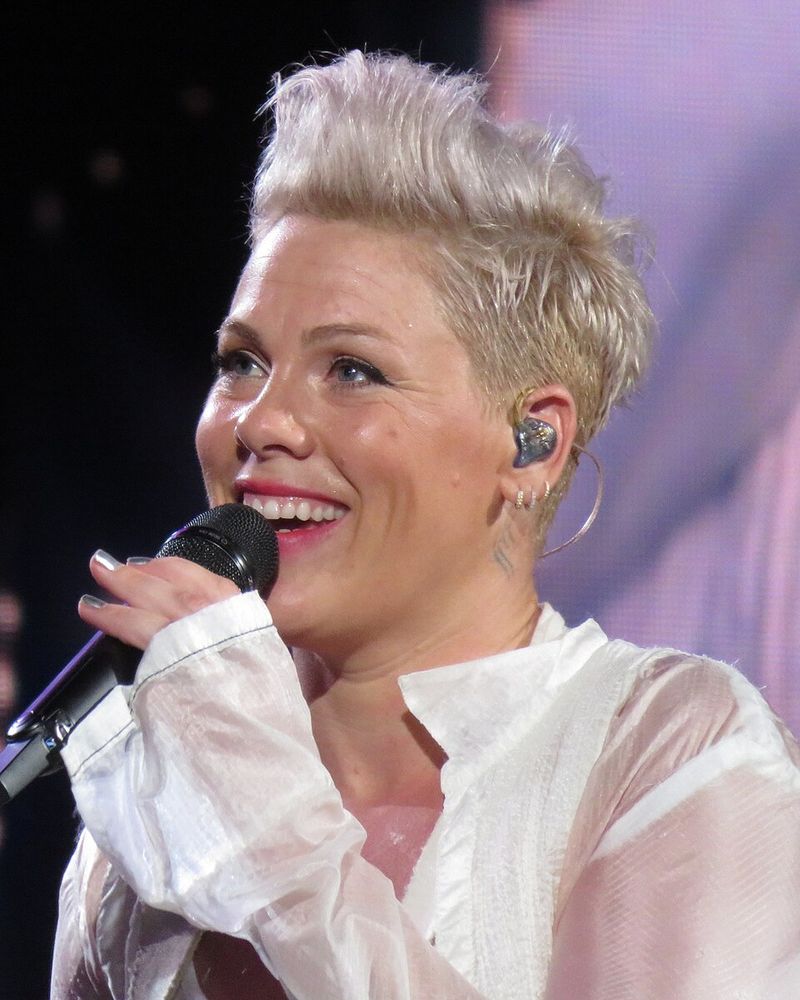
P!nk released this song in 2008 during a period when she and her husband Carey Hart had separated, making the timing of its release particularly pointed. The song’s narrator reacts to the end of a relationship not with sadness but with a shrug, declaring that she is still having fun regardless of the outcome.
It reached number one in multiple countries, including the United States, United Kingdom, and Australia. The production team Max Martin and Shellback gave it a crunchy pop-rock finish that matched P!nk’s established sound while pushing the energy level higher than most of her previous singles.
Hart later appeared in the music video, which added a self-aware humor to the song’s already playful tone and generated considerable media attention at the time.
19. “Bust Your Windows” – Jazmine Sullivan

Jazmine Sullivan’s debut single arrived in 2008 with a premise so specific it almost functioned as a police report: the narrator smashes her ex’s car windows in retaliation for emotional damage. The song’s hook is built entirely around this act, making the revenge the literal centerpiece rather than a metaphor.
The track reached number 13 on the Billboard Hot 100 and performed strongly on R&B charts. Sullivan, who was 21 at the time of its release, had been writing professionally since her early teens, and the song’s emotional specificity reflected that experience.
Critics pointed to her vocal control as the element that elevated the song beyond its provocative concept, turning what could have been a novelty track into a genuine showcase of emerging talent.
20. “Truth Hurts” – Lizzo
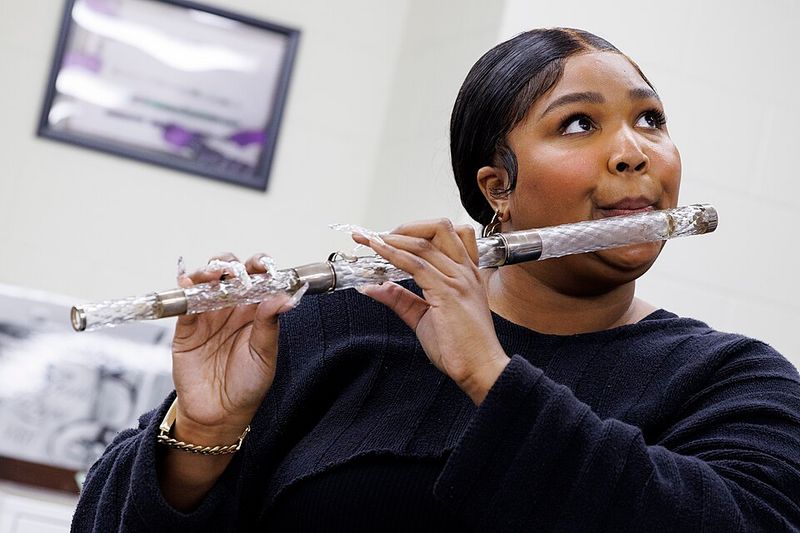
Lizzo wrote this song in 2017 but it did not reach mainstream audiences until 2019, when it was included in the Netflix film “Someone Great” and subsequently exploded on streaming platforms. The track spent seven weeks at number one on the Billboard Hot 100, making Lizzo the first solo female rapper to achieve that milestone in over a decade.
Rather than cataloging the failures of an ex, the song focuses entirely on the narrator’s own value and self-awareness. That shift in perspective, from accusation to self-affirmation, gave it a different energy than most revenge songs on this list.
It won the Grammy for Best Pop Solo Performance in 2020 and helped define a broader cultural conversation about self-worth that extended well beyond music industry circles.
Share this story