If you were anywhere near a radio, music video countdown, mall speaker, or burned CD in 2001, certain songs followed you with almost suspicious dedication. This was a year when pop, R&B, hip-hop, and rock collided on the charts, and a handful of tracks became less like singles and more like public utilities.
Some still sound sharp, some feel permanently attached to low-rise jeans and flip phones, and all of them say something specific about how mainstream music worked at the start of the millennium. Keep reading, and you will get a fast, vivid tour through the hits that defined 2001 by sheer repetition, cultural impact, and unstoppable chorus power.
1. “Lady Marmalade” – Christina Aguilera, Lil’ Kim, Mýa, Pink

Nothing in 2001 announced itself quietly, and this remake proved it immediately. Built for Moulin Rouge!, the song turned Labelle’s 1974 hit into a high-voltage showcase for four major stars at once.
Radio loved the giant chorus, MTV loved the video, and award shows loved the chance to pack everyone onto one stage. Christina Aguilera, Lil’ Kim, Mýa, and Pink each brought a distinct persona, which made the single feel like an event rather than just another soundtrack cut.
It topped the Billboard Hot 100 for weeks, won a Grammy, and basically dared you not to memorize the opening line.
2. “All for You” – Janet Jackson
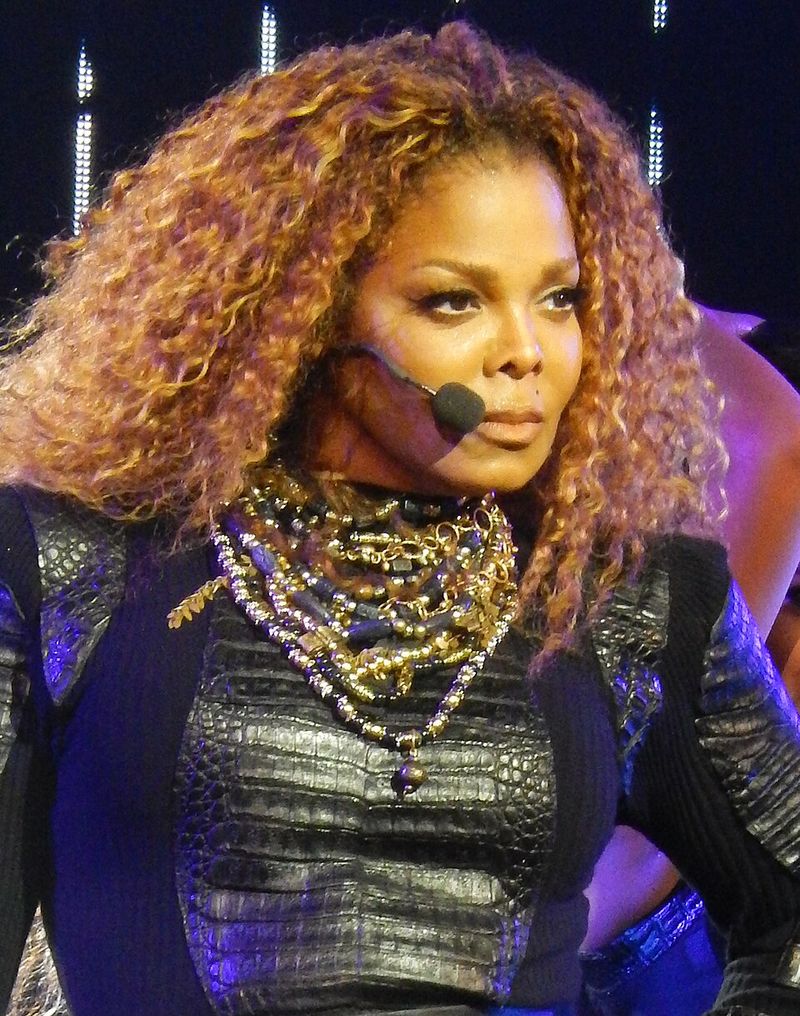
This song walked into 2001 like it had already cleared the room for itself. Janet Jackson built “All for You” around a sample from Change’s “The Glow of Love,” giving it a disco-friendly pulse that felt smooth instead of retro for retro’s sake.
It was bright, flirtatious, and perfectly engineered for radio repetition, which meant you heard it in cars, stores, and countdown shows with relentless consistency. The track also marked another reminder that Janet understood pop timing better than most of her peers.
It opened with a huge chart debut and stayed at number one for seven weeks, turning casual exposure into total saturation.
3. “I’m a Slave 4 U” – Britney Spears

Few singles made a public image shift feel this official. With “I’m a Slave 4 U,” Britney Spears moved away from the bubblegum framing of her first hits and into a more deliberate, more adult pop presentation.
The Neptunes production helped make that transition feel current, since their spare, rhythmic style was shaping mainstream radio at the time. Then came the MTV Video Music Awards performance, complete with snake, which instantly became one of those pop culture references people still mention without needing further explanation.
The song was not her biggest Hot 100 hit, but its visibility was enormous. In 2001, avoiding it required a level of planning few people possessed.
4. “Let Me Blow Ya Mind” – Eve ft. Gwen Stefani

Here was a crossover hit with zero interest in blending into the background. Eve and Gwen Stefani turned “Let Me Blow Ya Mind” into a sharp, memorable collision of rap confidence and pop hook efficiency.
Dr. Dre’s production gave the track a polished snap, while Gwen’s chorus made it instantly accessible far beyond hip-hop audiences. The result landed everywhere at once: Top 40 radio, MTV, awards coverage, and the kind of everyday conversation that follows when a collaboration feels slightly unexpected and completely effective.
The single became a defining hit for Eve, won the inaugural Grammy for Best Rap-Sung Collaboration, and helped normalize genre mixing that soon became routine.
5. “Fallin’” – Alicia Keys

Some hits arrive with hype, but this one arrived with authority. Alicia Keys introduced herself to mainstream audiences with a piano-driven single that stood apart from the glossy pop crowd surrounding it in 2001.
Its structure felt classic, yet the vocal performance sounded fully current, which helped the song connect across formats. Pop stations played it, R&B stations played it, and awards shows soon treated Keys like a major new force rather than a promising newcomer.
“Fallin’” spent six weeks at number one on the Billboard Hot 100 and helped Songs in A Minor become a huge debut. By year’s end, resistance was pointless.
6. “Ms. Jackson” – OutKast
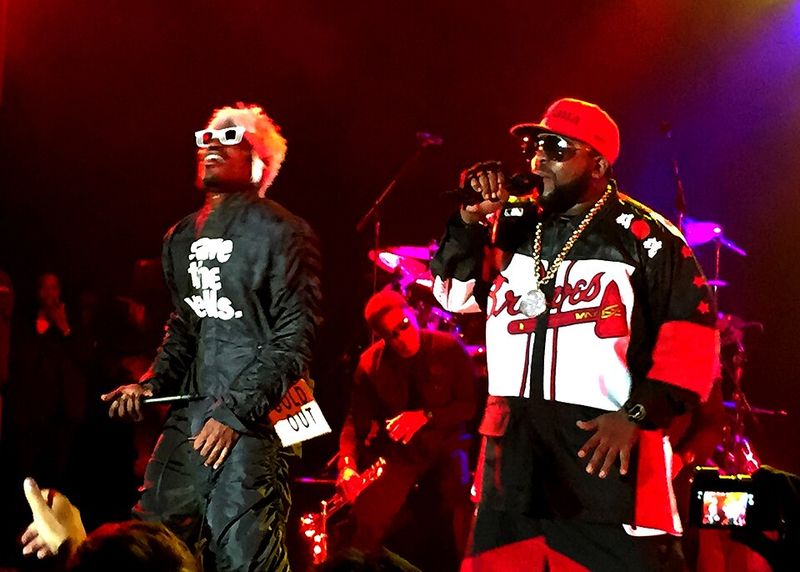
An apology has rarely had this much replay value. OutKast’s “Ms. Jackson” took a personal situation involving family tension and turned it into one of the most inventive mainstream rap hits of the year.
Its hook was catchy enough for pop radio, but the writing still carried André 3000 and Big Boi’s eccentric detail and distinctive delivery. That balance helped the song expand OutKast’s audience without sanding away what made them different from the start.
It became their first number one single on the Billboard Hot 100 and won a Grammy, all while proving that deeply specific storytelling could thrive in heavy rotation. Even people quoting it incorrectly still knew every word.
7. “Survivor” – Destiny’s Child

Few choruses in 2001 arrived with more self-certainty than this one. “Survivor” turned lineup drama, tabloid chatter, and fan curiosity into a polished empowerment anthem that was catchy enough to work whether you knew the backstory or not.
Destiny’s Child had already become major stars, but this single reinforced their identity as a resilient, chart-focused group with sharp branding instincts. The song’s title alone made it ready-made for catchphrases, talent shows, and any situation where confidence needed a soundtrack.
It reached the top of charts around the world and helped anchor a massively successful album. If you lived through 2001, there is a good chance this chorus still arrives fully assembled in your brain.
8. “Drops of Jupiter” – Train
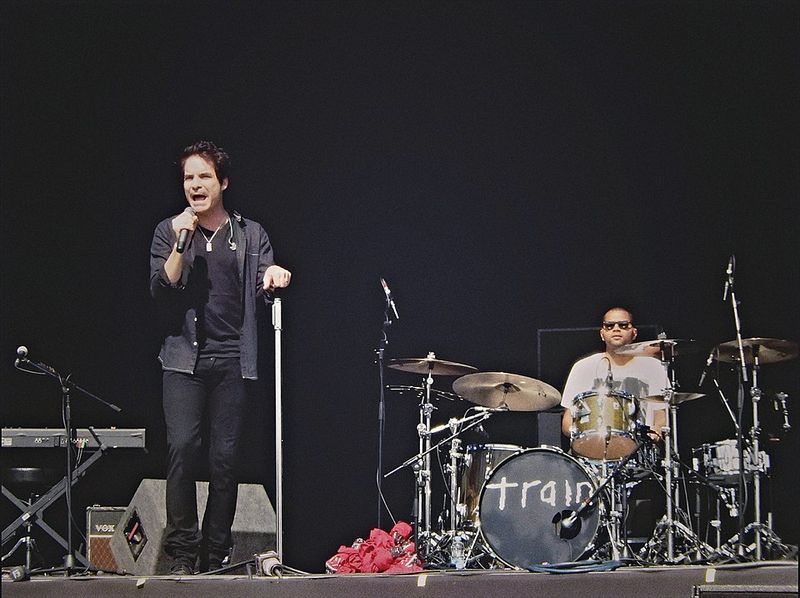
Some songs became hits because they were impossible to classify neatly, and this was one of them. Train’s “Drops of Jupiter” mixed adult contemporary polish, pop-rock accessibility, and unusually grand lyrical phrasing into a single that kept spreading across formats.
Its staying power was remarkable, partly because radio programmers could slot it almost anywhere without upsetting listeners. People who wanted emotional lyrics embraced it, while casual listeners mainly needed that chorus and piano line to keep the song lodged in memory.
It peaked at number five on the Hot 100 but dominated radio enough to feel even bigger. By the end of 2001, loving it and feeling slightly overwhelmed by it were not mutually exclusive positions.
9. “Hanging by a Moment” – Lifehouse

If one song deserved the title of accidental landlord of 2001 radio, it was this. Lifehouse’s “Hanging by a Moment” did not peak at number one on the weekly Hot 100, yet it finished as Billboard’s year-end number one single for 2001.
That statistic tells you almost everything about its reach. The song stayed present for months through a combination of rock radio support, pop crossover appeal, and a chorus that sounded earnest without becoming too specific to one audience.
It fit the transitional space between late 1990s alternative rock and softer mainstream post-grunge, which made it broadly usable in the era’s programming logic. You may not have requested it, but chances are it found you anyway.
10. “Whenever, Wherever” – Shakira
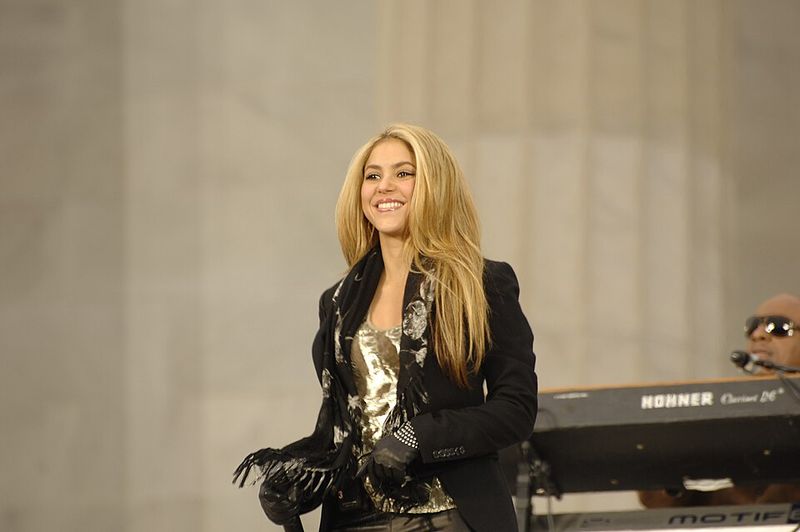
Global crossover moments can look obvious in hindsight, but this one genuinely shifted the landscape. “Whenever, Wherever” introduced many English-language listeners to Shakira as a mainstream pop force, not just a regional star making a quick jump.
The song adapted her 2001 single “Suerte” into English while keeping her distinct vocal style and lyrical quirks intact. That mattered, because it let the crossover feel authentic rather than scrubbed clean for radio.
The video and promotion then did the rest, making her image and voice instantly recognizable.
It became a huge international hit and opened the door for a long English-language career. Also, yes, nearly everyone remembers at least one lyric that made them pause and then keep singing anyway.
11. “Bootylicious” – Destiny’s Child

One song does not always change the dictionary, but this one came close enough to brag. Destiny’s Child released “Bootylicious” in 2001 and turned a playful, self-assured phrase into a full-scale pop culture event.
The track sampled Stevie Nicks’ “Edge of Seventeen,” which gave it a familiar guitar backbone under the group’s punchy vocal arrangement. More importantly, it arrived at a moment when the group knew exactly how to sell confidence as both performance and brand.
The chorus was immediate, the title was memorable, and the conversation around body image gave it extra traction.
The single topped the Hot 100 and helped “bootylicious” enter everyday speech. That is the kind of chart run that leaves receipts in both playlists and language.
12. “U Remind Me” – Usher
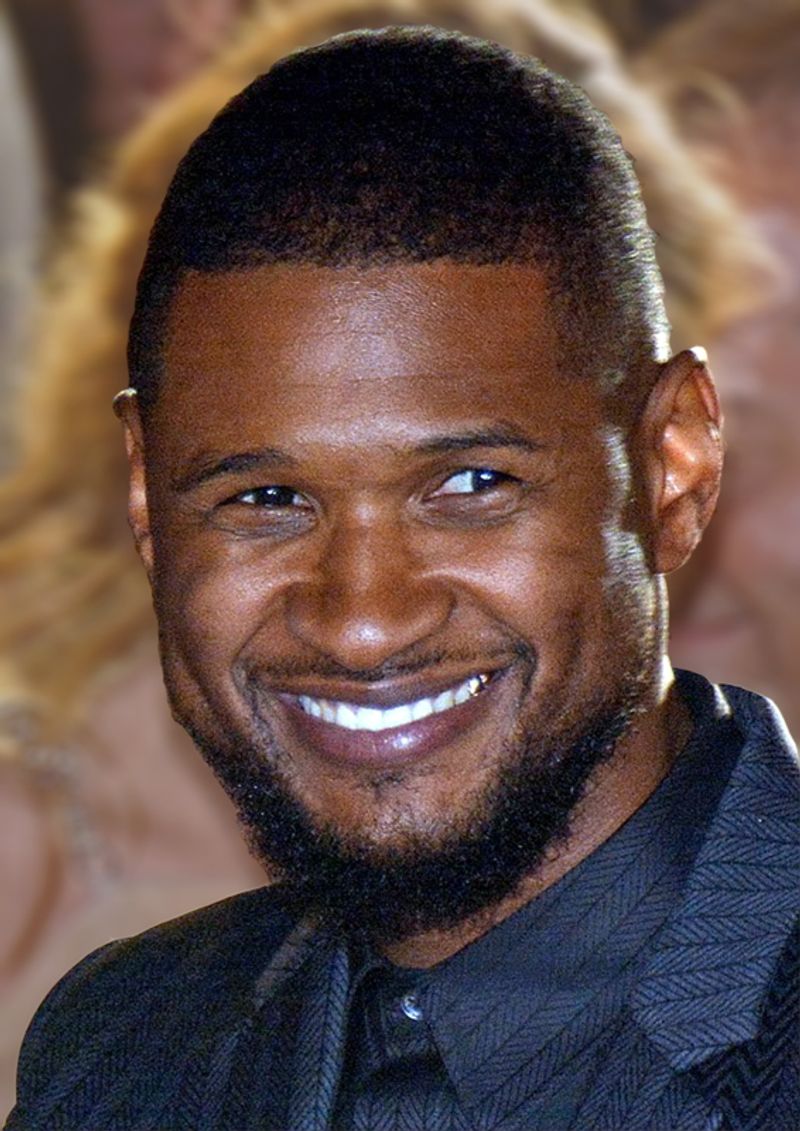
A smooth hit can be just as unavoidable as a loud one, and Usher proved that here. “U Remind Me” blended crisp R&B production with a relatable premise about attraction complicated by memory, then packaged it into one of the year’s biggest radio staples.
By 2001, Usher was already established, but this single helped move him into a stronger commercial tier. It topped the Billboard Hot 100, won a Grammy for Best Male R&B Vocal Performance, and set up the momentum that would define his early-2000s run.
The song also fit neatly into the era’s polished R&B boom, where crossover appeal mattered and hooks needed to land fast. Once it entered rotation, it rarely stepped aside for long.
13. “Get Ur Freak On” – Missy Elliott

Plenty of hits were catchy in 2001, but very few sounded this confidently strange. Missy Elliott’s “Get Ur Freak On,” produced by Timbaland, used bhangra-inspired elements, sparse percussion, and a rhythm that felt completely unlike standard American radio rap at the time.
That difference was exactly the point. Rather than softening her style for wider audiences, Missy pushed further into eccentric territory and somehow made the result one of the year’s biggest crossover singles.
The video reinforced her visual originality, while clubs and radio embraced the track’s undeniable momentum.
It became one of the signature songs of her career and a permanent example of mainstream experimentation working beautifully. Even now, the opening seconds still feel like a challenge to ordinary pop logic.
14. “Smooth Criminal” – Alien Ant Farm

A remake does not usually become this unavoidable unless it catches a very specific cultural current. Alien Ant Farm’s cover of Michael Jackson’s “Smooth Criminal” arrived as nu-metal and alternative rock were still major forces, yet its success depended on wit as much as distortion.
The band kept the song recognizable while making it punchier for early-2000s rock radio. Their video, packed with pop culture parody, gave MTV another reason to keep the single visible.
That combination let the track work for listeners who liked Jackson, listeners who preferred guitar-driven radio, and listeners who simply enjoyed a clever cover.
It became the band’s biggest hit by far and one of those songs that could appear anywhere from sports broadcasts to mall speakers without warning.
15. “Family Affair” – Mary J. Blige

Minimal production can hit harder than maximal clutter, and this single made that case elegantly. Mary J.
Blige’s “Family Affair,” produced by Dr. Dre, stripped things down to a lean beat and let her voice and phrasing carry the attitude.
The result felt cool without trying too hard, which was useful in a year full of oversized hooks and heavy radio competition. Its lyrical invitation to relax and stop judging landed well in clubs, on mainstream radio, and across the still-important ecosystem of music video channels.
The song became her first number one hit on the Billboard Hot 100 and stayed there for six weeks. In 2001, that groove was so persistent it practically qualified as public infrastructure.
16. “Izzo (H.O.V.A.)” – Jay-Z

Every era has a song that sounds like an artist realizing the room is finally theirs. “Izzo (H.O.V.A.)” gave Jay-Z a major mainstream boost by pairing his calm, assured delivery with a Jackson 5 sample that felt instantly welcoming.
Produced by a then-rising Kanye West, the track balanced radio friendliness with enough swagger to keep Jay’s established audience fully engaged. The chorus helped turn “Hova” into a more visible public nickname, while the single itself became a gateway for listeners who had not followed his earlier work as closely.
It reached the top ten on the Hot 100 and anchored The Blueprint during a pivotal year for rap. Plenty of songs were popular in 2001, but this one also sounded like a career stepping upward in real time.
17. “It Wasn’t Me” – Shaggy ft. RikRok
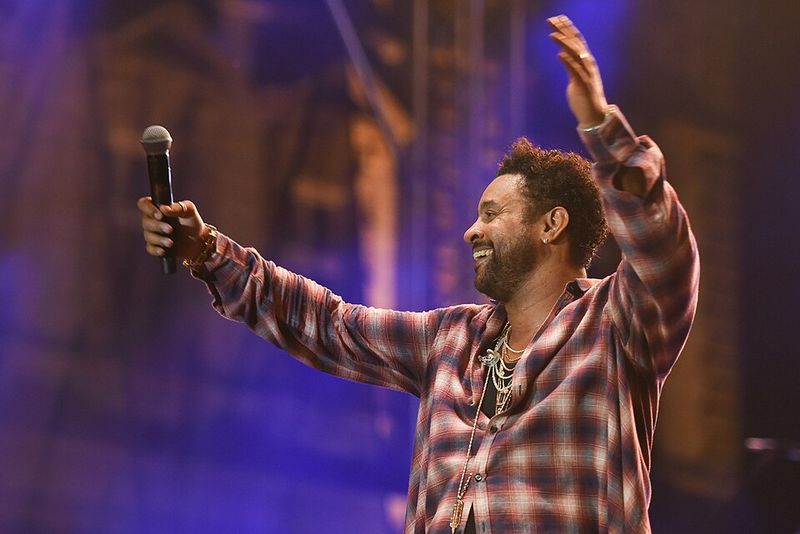
Some hits succeed because they are profound, and some succeed because everybody immediately understands the bit. “It Wasn’t Me” belonged firmly to the second category, using a back-and-forth narrative and a famously evasive chorus to become one of 2001’s most repeated songs.
Shaggy and RikRok delivered the story with enough charm that the track crossed from pop radio into everyday quoting almost instantly. Its success also reflected the early-2000s appetite for crossover singles that mixed reggae fusion, hip-hop phrasing, and highly memorable hooks without worrying much about genre borders.
The song topped charts in multiple countries and became Shaggy’s signature hit for a new generation. Whether you enjoyed it or rolled your eyes, you probably knew the punch line by day two.
18. “Hero” – Enrique Iglesias

Ballads in 2001 still had serious chart power, and this one arrived with full confidence in that fact. Enrique Iglesias released “Hero” as a straightforward romantic single, and its simplicity ended up being a major commercial advantage.
The melody was easy to remember, the lyrics were broad enough for weddings, school dances, and talent shows, and radio programmers had no trouble placing it beside pop, adult contemporary, and Latin crossover material. That broad compatibility kept it circulating constantly at a moment when mainstream playlists still rewarded emotional directness.
The song became one of Iglesias’s biggest English-language hits and stayed culturally visible for years. If you were near a slow dance in the early 2000s, this track was usually waiting nearby.
19. “How You Remind Me” – Nickelback

Debates about Nickelback would come later, but in late 2001 this song simply took over. “How You Remind Me” hit the perfect intersection of post-grunge familiarity, strong melodic writing, and broad radio compatibility, which made it nearly impossible to avoid.
The single climbed quickly and then stayed visible long enough to define the band in public memory almost immediately. It worked on rock stations, crossed to pop audiences, and helped Silver Side Up become a major commercial success.
By then, mainstream rock was looking for huge, uncomplicated choruses, and Nickelback delivered exactly that.
The track finished as one of the defining songs of the early 2000s, and it still triggers unusually intense opinions. Either way, most people know the opening line before they realize they do.
20. “Can’t Get You Out of My Head” – Kylie Minogue

Occasionally a title doubles as a public service announcement, and this was one of those cases. Kylie Minogue’s “Can’t Get You Out of My Head” used a minimalist electro-pop approach and a famously repetitive hook to become one of the most effective earworms of the entire decade.
The track represented a stylish reinvention for Kylie, especially in markets where she had not recently dominated mainstream conversation. Its cool, controlled production stood apart from heavier American radio trends, which helped it feel fresh rather than merely imported.
Then that “la-la-la” refrain finished the job with frightening efficiency.
The single topped charts across the world and became her signature global hit. Once 2001 placed it into circulation, your brain handled the rest, whether invited or not.
Share this story