 Unearth The Voyage
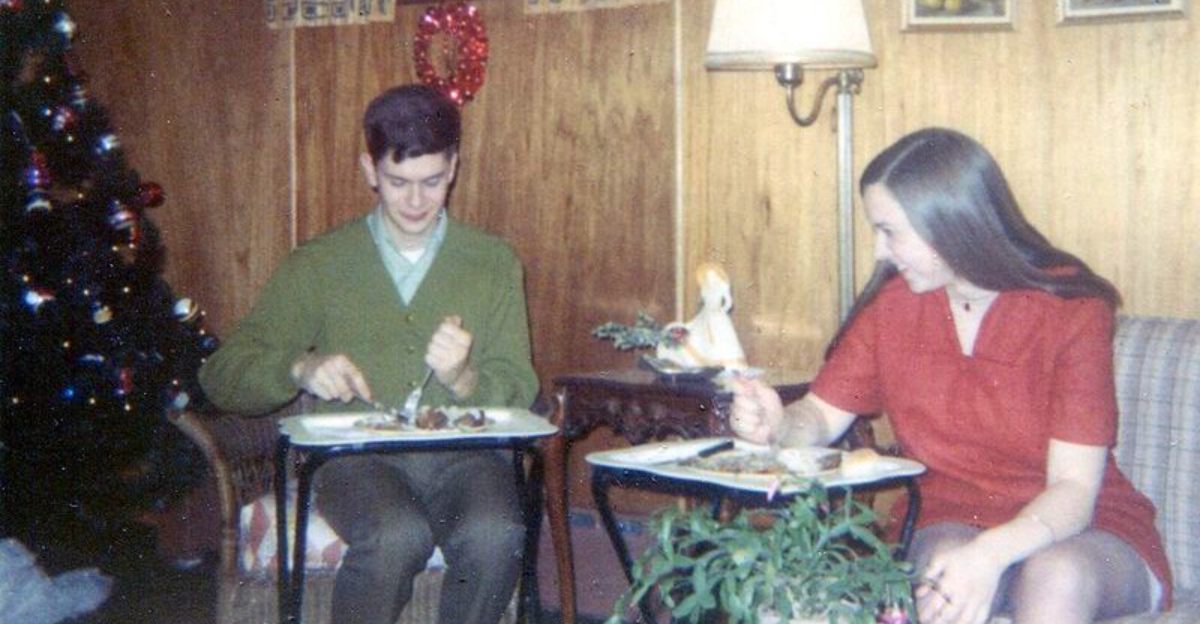
Step into a time capsule where bold patterns, earthy tones, and tactile textures ruled every corner. The 1970s living room was a cozy hub for family hangouts, TV dinners, and soundtrack-spinning afternoons. You will spot familiar details that spark instant nostalgia and maybe inspire a little retro refresh at home. Ready to tour the classics that defined an entire era of comfort and style?
1. Wood-paneled walls or faux wood wall coverings
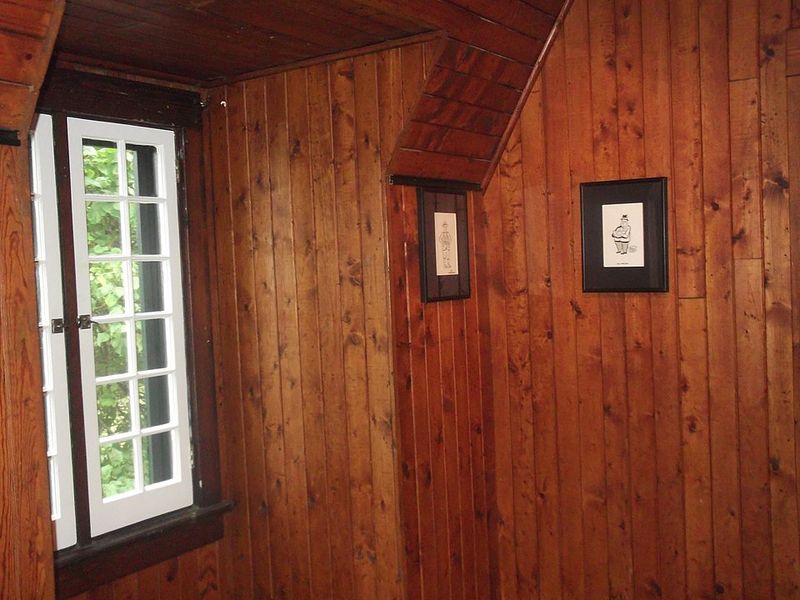
Wood-paneled walls instantly set the mood for a 1970s living room, wrapping everything in warm, honeyed tones. Whether real or faux, those vertical grooves felt solid and comforting, like a cabin retreat right at home. You could lean back, click on the TV, and the room just glowed with that mellow, nostalgic vibe.
The texture played beautifully with shag rugs and heavy drapes, giving depth without feeling fussy. You might remember tacking up family photos or a macrame plant holder, the paneling acting as a simple backdrop. Paneling even seemed to soften sound, so conversations and music felt intimate.
Maintenance was easy: dust, polish, and done, which families appreciated. Some versions had a glossy finish that caught lamplight, while others looked rugged and rustic. Today, the look reads retro-cool and surprisingly cozy if balanced with lighter furnishings. You can almost hear the needle drop on a record.
2. A bulky console television with rabbit-ear antennas

The console TV was the hearth of the 1970s, a heavy wood cabinet that anchored the entire living room. You would twist chunky knobs, adjust rabbit ears, and hope the picture settled into something clear enough for sitcom night. When it worked, the whole family gathered and ate on TV trays like a ritual.
Those rabbit ears were practically a sport, angled and re-angled while someone shouted, Hold it right there. The cabinet doubled as furniture, with a surface perfect for framed photos or a ceramic figurine. Beneath, compartments sometimes hid electronics or a stash of TV Guide issues.
Console sets looked imposing yet homey, blending technology with decor. Even the static had a comforting hum you can still imagine. Today, that boxy silhouette feels charmingly analog. It was not just a screen, it was the stage for nightly living room memories.
3. Shag carpeting in avocado green, burnt orange, or mustard
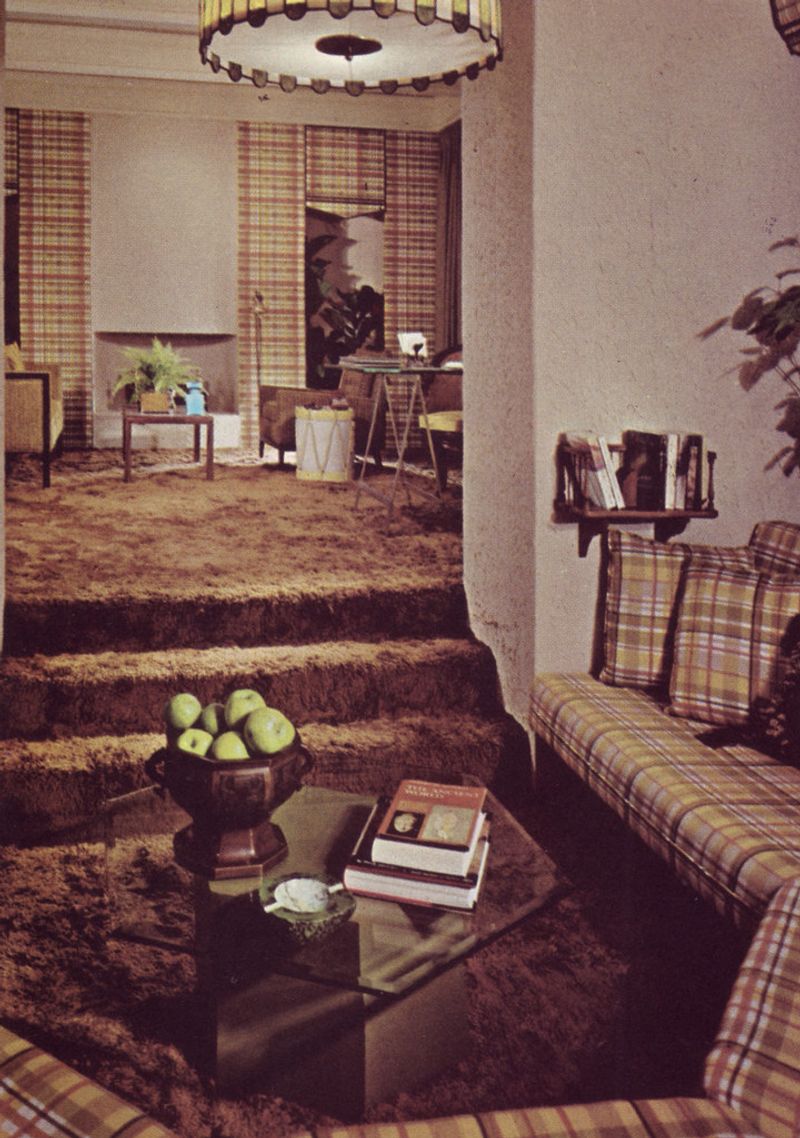
Shag carpeting brought the 1970s living room to life with deep, plush texture. Those fibers swallowed footsteps and made sitting on the floor feel like sinking into a cloud. You might remember avocado green or burnt orange under your toes, a palette that made everything feel grounded and earthy.
Kids sprawled out with board games, and pets disappeared into the fluff. Vacuuming was an adventure, but the comfort was worth it. Shag also played wonderfully with wood paneling and oversized lamps, creating a soft cocoon where time seemed slower.
Some rugs featured multi-tone strands, giving the floor a subtle ombre effect that caught golden lamplight. Even the faint rustle of fibers had a soothing quality. Today, a shag accent rug delivers the same retro punch without the full commitment. Step onto it, and you are instantly back in a gentle, groovy moment.
4. A plaid or floral sofa with low, deep cushions
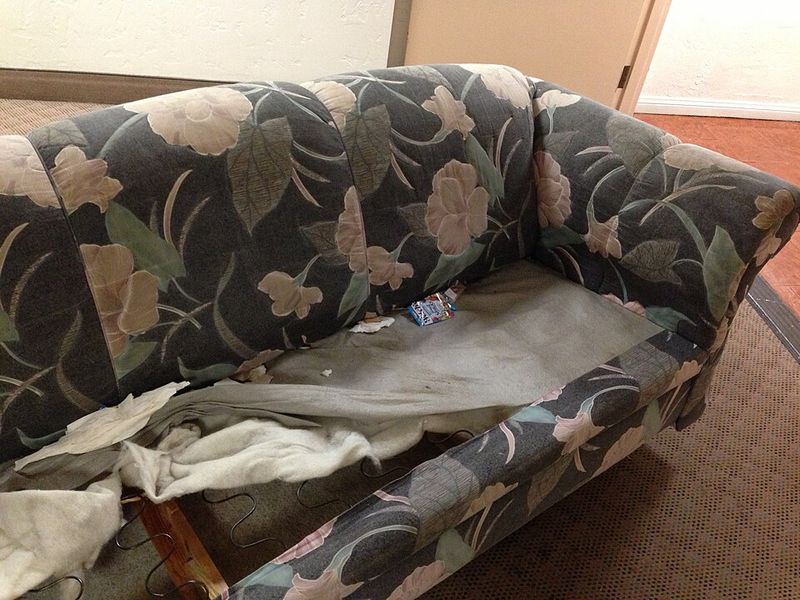
The sofa sat low and deep, perfect for sinking in with a bowl of popcorn and a long double feature. Plaid or floral upholstery set the tone, mixing earth tones with bold patterns that could hide a thousand spills. You can feel the cushions slouch under you, inviting a lazy afternoon nap.
Those fabrics were tough yet cozy, often paired with a crocheted afghan tossed casually over the back. Pillows came in mismatched shapes, bringing more texture into the room. The silhouette kept things relaxed rather than formal, practically begging for guests to linger.
Even if patterns clashed a little, the overall look felt friendly and lived-in. A sofa like that pulled every other piece together without trying. Sit down, breathe out, and let the world slow to the rhythm of a spinning record. It was comfort first, always.
5. A macramé wall hanging or plant holder
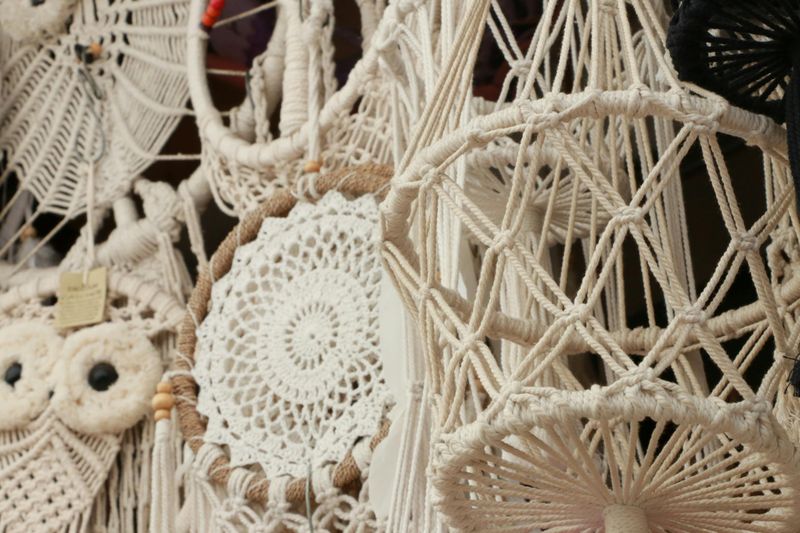
Macrame brought handmade charm and a breezy bohemian spirit into the 1970s living room. You will remember knotted ropes, wooden beads, and cascading tassels framing a spider plant or pothos. Hanging near a window, the piece drifted softly when someone walked by.
It paired beautifully with wood paneling, shag rugs, and sun-drenched afternoons. The craft element made the space feel personal, especially if a family member made it themselves. One hook, one nail, and suddenly the wall had texture and movement.
The neutral rope color meant it worked with just about any palette. Add a simple ceramic pot and the look felt complete. Today, macrame still reads fresh when mixed with modern lines. It is a small touch that instantly signals warmth, patience, and the restful pace of a slower decade.
6. A rotary dial telephone nearby
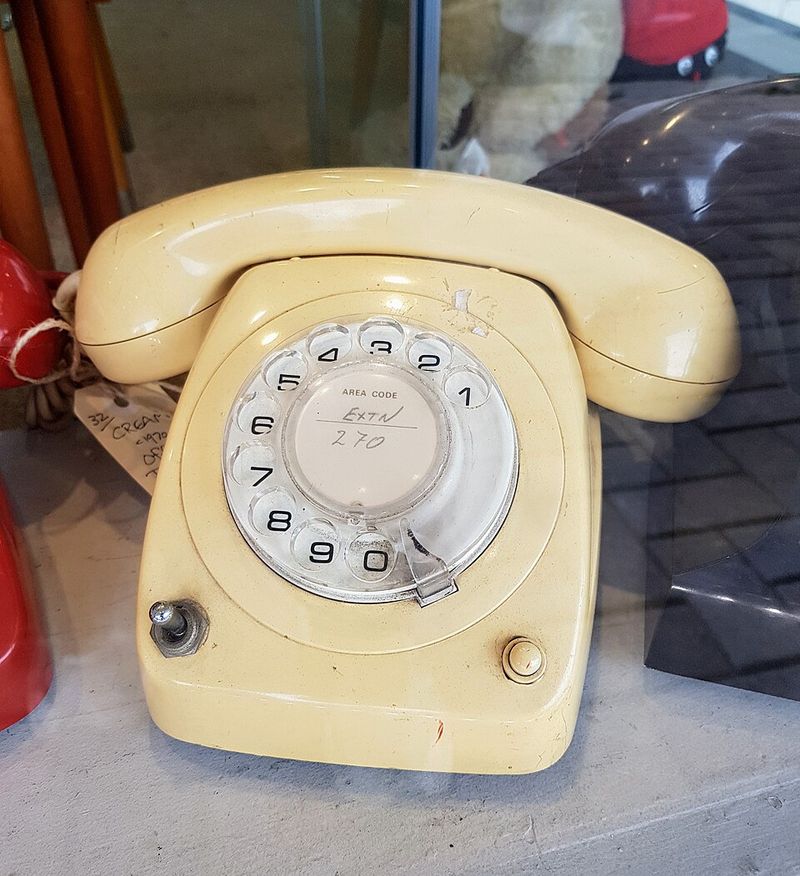
The rotary dial phone sat close enough to grab during a commercial break, its coiled cord trailing across the coffee table. You would spin the dial and listen to the whirr-click rhythm, a tactile little ritual that made every call feel intentional. Waiting between numbers taught patience and added a dash of drama.
Phones often matched the palette, in beige, harvest gold, or mossy green. Sometimes they perched on a wall cradle, sometimes on a tiny side table. Phone books stacked nearby turned into impromptu coasters and booster seats.
Conversations grounded family life, with voices echoing softly through the room. Privacy meant stretching the cord around a corner and hoping no one listened in. That familiar ring still plays in memory like a bell from a gentler era. Simple, sturdy, and reliably there when you needed it.
7. Heavy drapes or patterned curtains that blocked out light
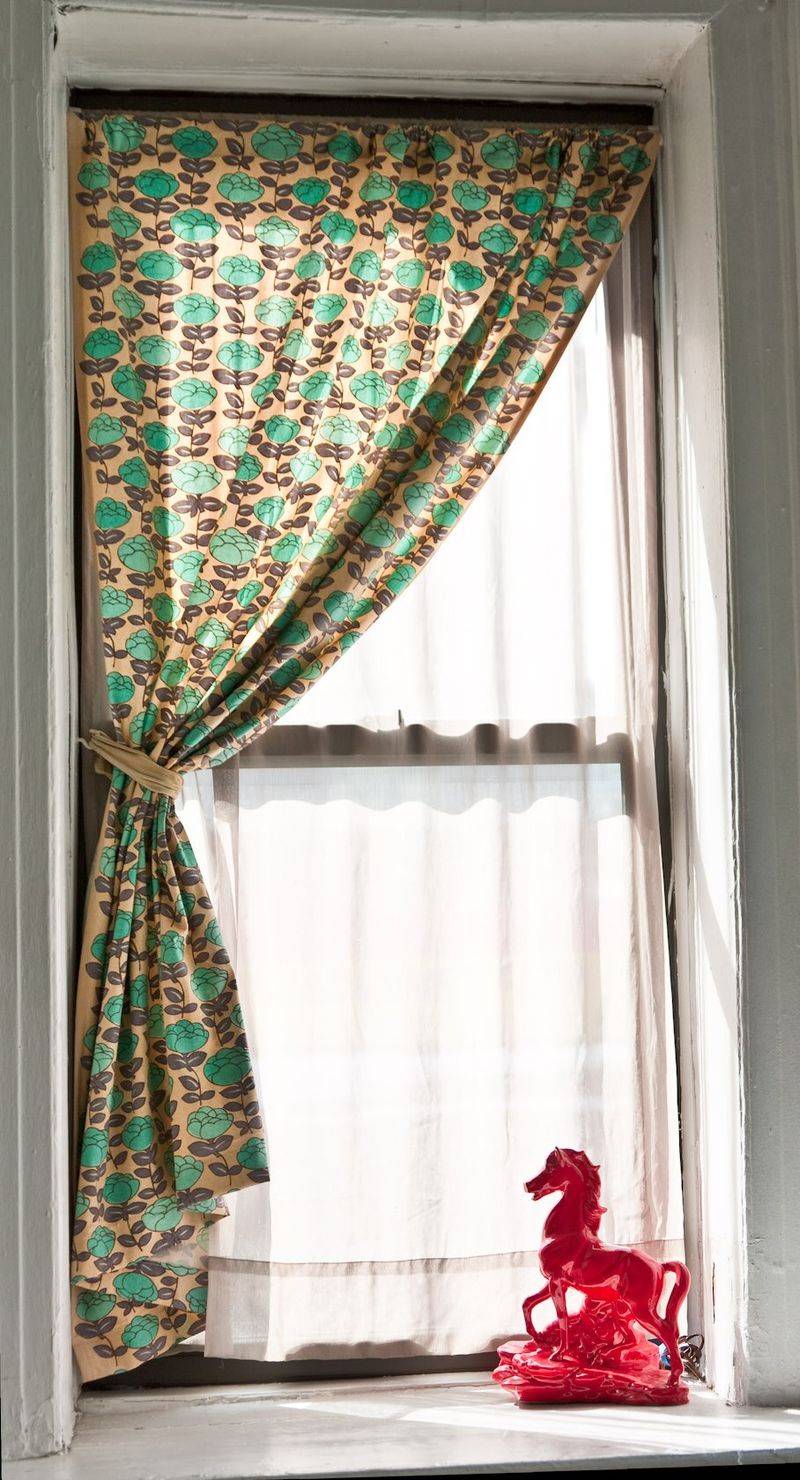
Heavy drapes did more than darken the room, they set the whole mood. Thick fabric with bold prints or textured weaves turned daylight into a golden haze, perfect for TV matinees. You could pull them shut and feel the outside world fade away in seconds.
Patterns often repeated the era’s palette, echoing oranges, browns, and olives. Sometimes a valance topped the window with extra flair. The fabric hung generously, pooling slightly for that plush, cozy effect.
They also helped with warmth and noise, making the living room feel insulated and calm. Tiebacks offered a tidy daytime look when you wanted sun. Today, similar drapes bring instant retro romance to a modern space. Pull them closed and listen, the room takes a deep, quiet breath.
8. A large coffee table usually dark wood or glass
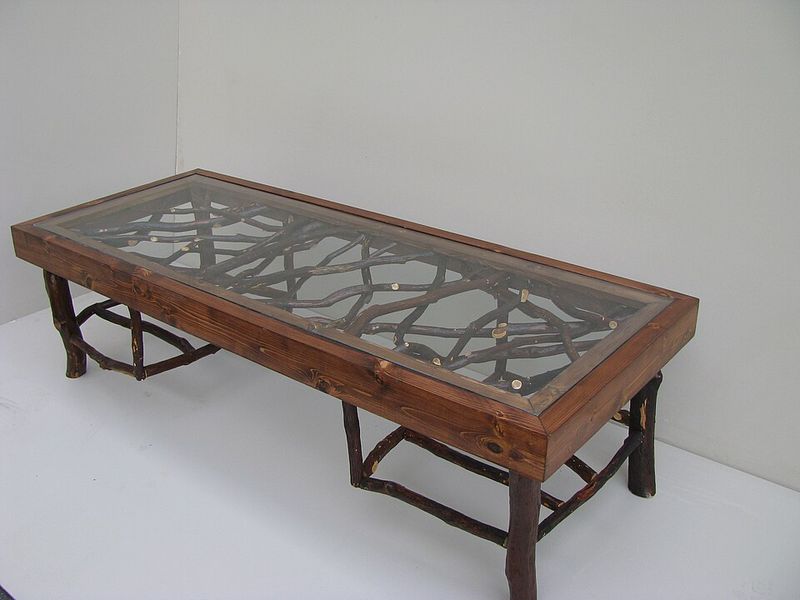
A generous coffee table held everything the room needed within reach. Think dark wood slabs or smoked glass surfaces that reflected lamplight and Saturday night snacks. You would set down magazines, remote knobs, and a deck of cards, then settle in for hours.
The scale felt deliberate, low and broad, ready for board games or TV dinners. Coasters stacked nearby because rings were enemy number one. Underneath, a lower shelf might hold encyclopedias or a record sleeve waiting its turn.
It anchored the space, connecting sofa, chairs, and TV into one easy conversation circle. Even with kids around, the surface somehow stayed useful rather than precious. Today, the style still works with modern silhouettes. One sturdy centerpiece and the whole living room finds its rhythm again.
9. An ashtray, even in non-smokers’ homes
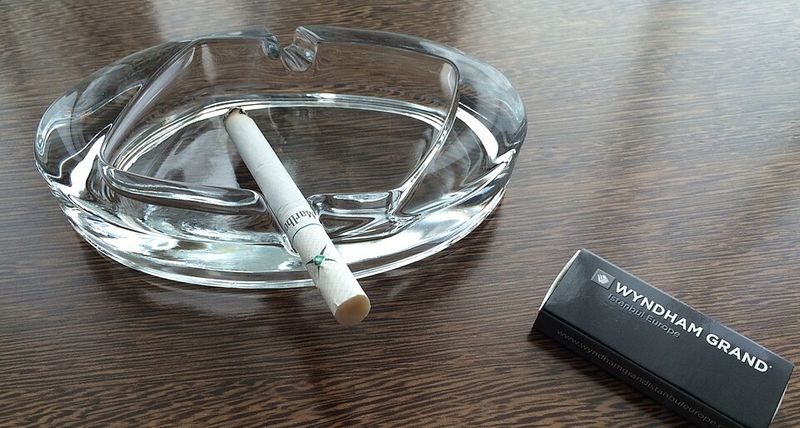
Back then, an ashtray was as standard as a coaster, even if no one lit up daily. Glass, ceramic, or molded metal pieces sat ready on coffee tables and side stands. You might recall amber glass with starburst edges or chunky ceramics in harvest colors.
Guests expected a place to tap ash, and hosts wanted to keep things tidy. The ashtray also doubled as decor, catching light like a jewel. Sometimes it held matchbooks from local lounges and vacation spots, tiny souvenirs of nights out.
Even non-smokers kept one to avoid awkward moments. The presence tells a story about etiquette and hospitality in a different era. Today, many become quirky trinket dishes for keys or earrings. They still look cool, and their weight feels satisfyingly solid in your hand.
10. A stereo system or record player with stacked vinyls
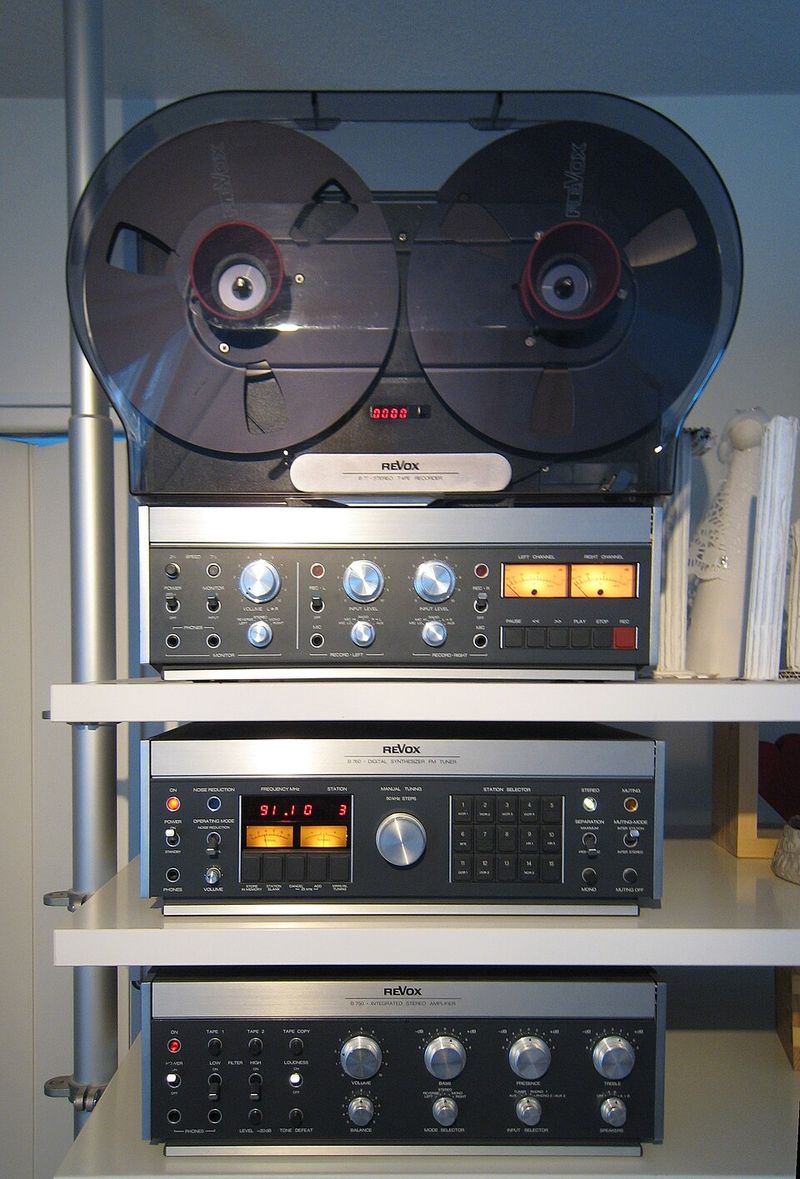
Music filled the room from a wood-grained console with glowing dials and satisfying switches. A record player spun stacks of vinyl, each groove whispering warmth you can still hear in memory. You would lower the needle carefully, then sink into the sofa as the speakers bloomed.
Albums leaned like art along the shelf, covers bright with typography and grainy portraits. Friends flipped through, debating which side to play next. The ritual gave evenings a rhythm, from soul to soft rock to disco shimmer.
Even casual listeners felt like DJs at home. The stereo’s presence made conversation softer and snacks taste better. Today, a turntable instantly rewinds the atmosphere to something slower and more intentional. When the crackle starts, you know the room is about to glow.
11. A crocheted afghan or blanket draped over the couch
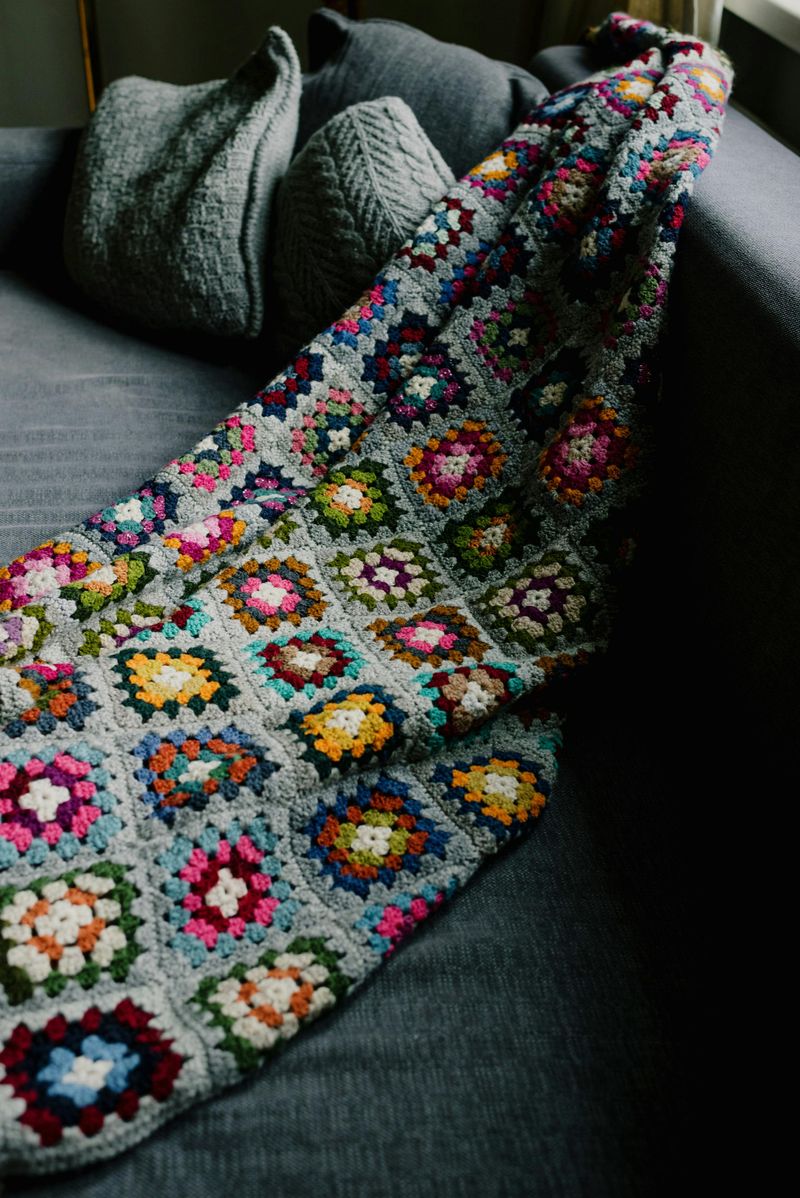
The crocheted afghan added homemade color and instant comfort to any sofa. Granny squares in sunset hues stitched memories right into the living room. You would pull it over your knees during a movie and feel its friendly weight.
Many were made by relatives, a quiet language of care that lived on the back of the couch. The patterns played beautifully with plaid upholstery and shag carpets. Even folded, they looked like art, a mosaic in yarn.
They survived countless naps, forts, and late-night conversations. Wash, dry, drape, repeat, and it always came back ready. Today, the look still charms without trying. Toss one on your sofa, and suddenly everything feels story-rich and human again.
12. Houseplants like spider plants or ferns
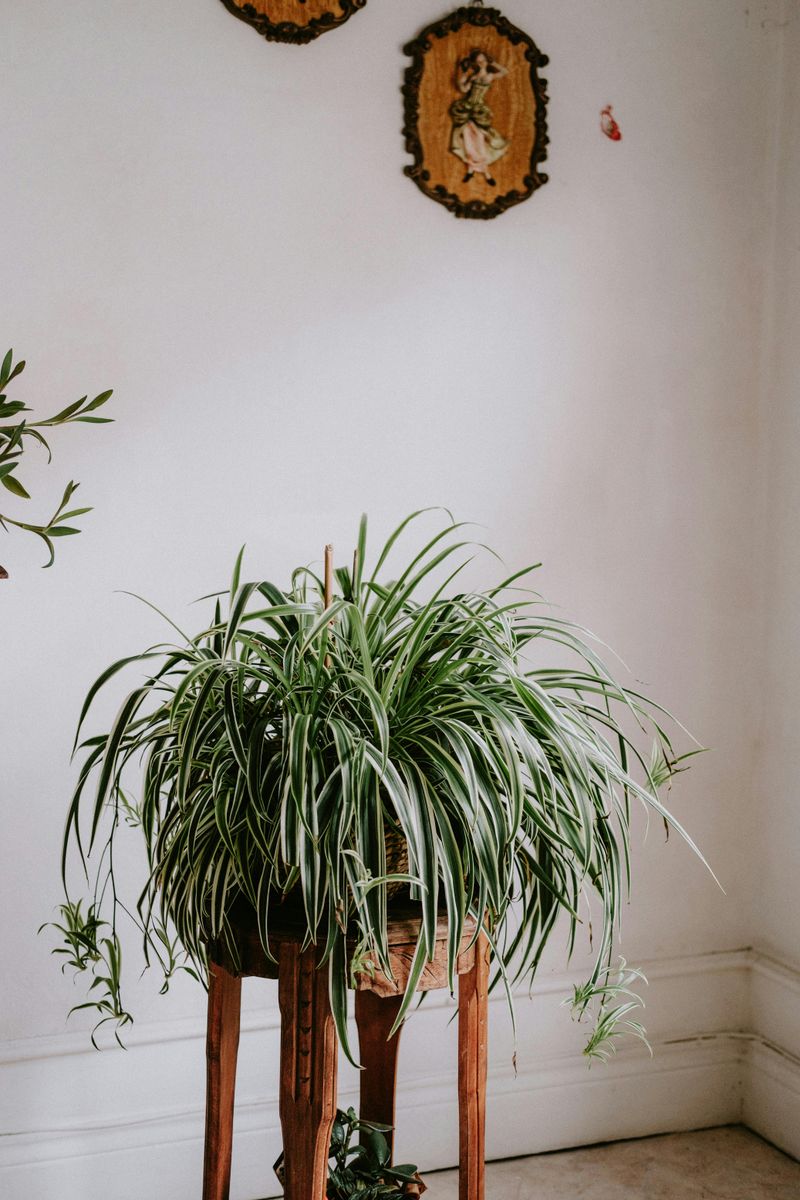
Houseplants made the 1970s living room feel alive and a little jungle-chic. Spider plants sent out baby shoots like streamers, while ferns fanned out with soft, feathery fronds. You would mist leaves in the morning and watch afternoon light sparkle on the greens.
They thrived near big windows with those heavy drapes pulled just right. Macrame hangers and ceramic pots turned simple plants into sculptural moments. A leafy corner balanced the boldness of plaid and shag with organic calm.
Plants also softened sound and cleaned the air, or at least that is how it felt. Watering became a quiet routine that grounded the day. Today, the same varieties bring easy retro charm. One spider plant and the room suddenly breathes deeper.
13. A bar cart or liquor cabinet

A bar cart glided in when friends dropped by, all clinking glass and polished charm. Bottles of bourbon, sherry, and crème de menthe lined up beside a metal ice bucket. You would twist a citrus peel and the room smelled instantly festive.
Some homes had full liquor cabinets with mirrored backs and smoky glass. It looked glamorous, even if you poured mostly ginger ale. Cocktail napkins and swizzle sticks added playful flair that matched the decade’s confidence.
Hosts mixed drinks while music spun, keeping conversation flowing. Everything tucked away neatly afterward, ready for the next gathering. Today, a modest cart still says welcome without words. A couple of cut-glass tumblers, and the evening is already sparkling.
14. Wall art featuring landscapes, abstract prints, or sunbursts

Walls came alive with landscapes, abstract geometry, and radiant sunbursts that caught the eye. You will remember metallic accents glinting beside moody forest prints. Each piece rounded out the room’s palette, echoing golds, browns, and olive greens.
Sunburst clocks were part art, part timekeeper, spreading like rays over the paneling. Abstracts added motion, softening the heaviness of big furniture. Even budget prints looked grand in wood or brass frames.
Art placement was thoughtful without being stiff. You would sit back and let your gaze wander, finding something new every time. Today, a single sunburst or vintage landscape changes a wall in an instant. It is the final touch that says, this room has personality.
15. A TV tray set for dinners in front of the television
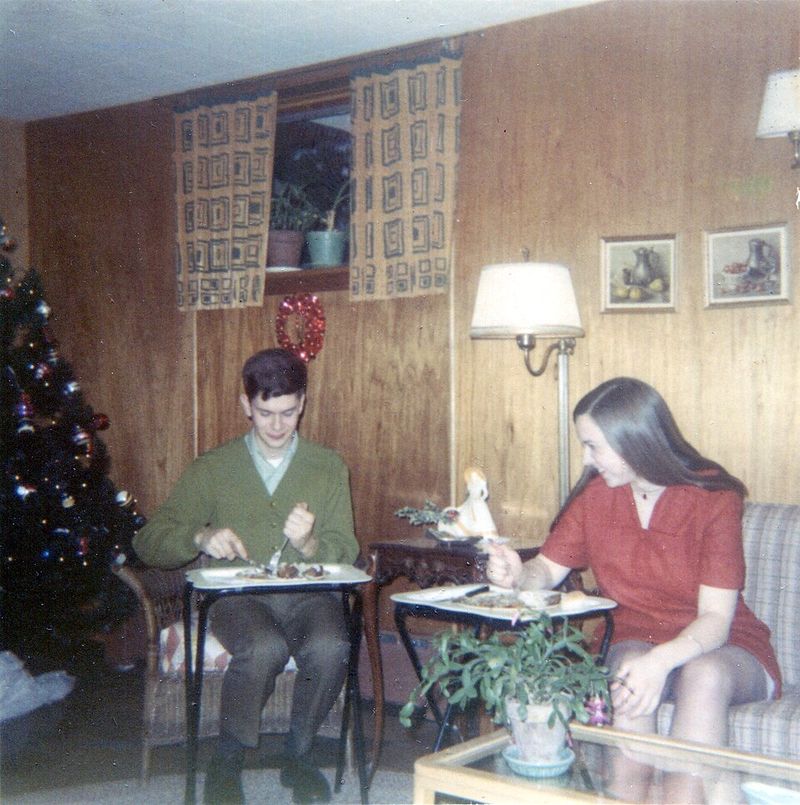
TV trays made dinner a front-row event, folding out with a satisfying click. You would balance meatloaf and mashed potatoes while watching the week’s favorite show. The trays often wore cheerful patterns that matched the decade’s bold spirit.
They stacked neatly in a stand when not in use, waiting for the next episode. Spills were no big deal thanks to wipeable surfaces. Kids loved the novelty, and adults loved the convenience after a long day.
Paired with a console TV and deep sofa, they turned evenings into mini celebrations. The sound of silverware and laugh tracks blended into something cozy. Today, a vintage set still charms during movie nights. Open one, and you can almost hear the theme music start.
16. Decorative ceramic figurines or vases
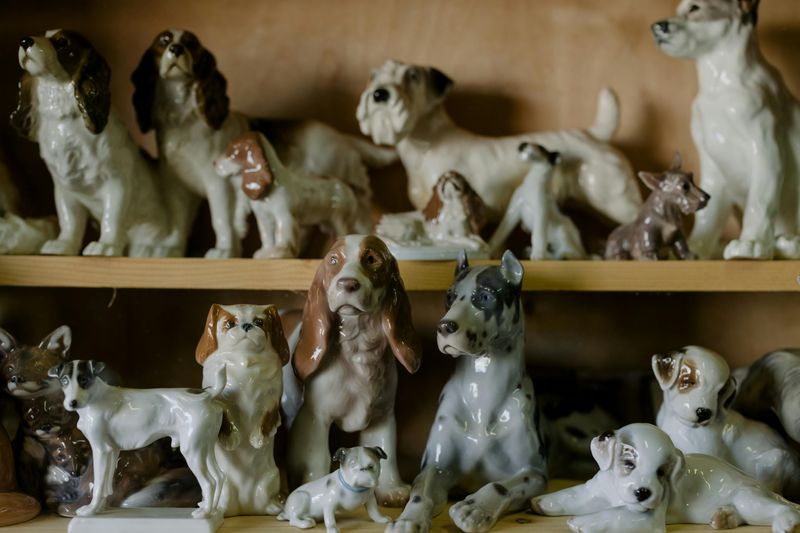
Ceramic figurines and vases added a personal, playful sparkle to the living room. Think glossy glazes, earthy colors, and shapes that felt both modern and homemade. You would rearrange them on the coffee table like tiny sculptures telling stories.
Some were souvenirs, others came from local craft fairs or catalog orders. A single vase with dried wheat tied the palette together perfectly. Figurines perched beside photo frames, catching the lamplight just so.
They were easy to dust, easy to love, and impossible to ignore. Even small pieces had presence thanks to those saturated 1970s hues. Today, a ceramic cluster still looks chic against clean lines. One little bird or vase makes the whole shelf smile.
17. A distinct mix of earthy colors brown, orange, gold, and olive everywhere
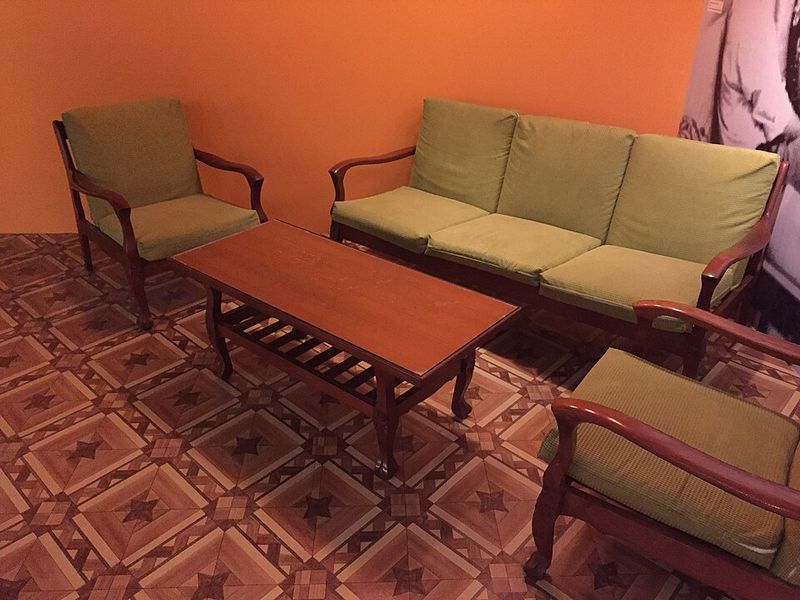
The 1970s palette was unmistakable, a warm chorus of brown, orange, gold, and olive. You felt it in upholstery, drapes, rugs, and even phones. The colors worked together like fall leaves, grounding the space with cozy richness.
Brown anchored the room, orange brought energy, gold added glow, and olive smoothed everything out. Patterns layered without clashing because the tones harmonized. You could change one piece and the whole look stayed intact.
Under lamplight, these hues deepened into a cinematic warmth. Morning sun made them cheerful, evening made them intimate. Today, the palette returns as a comforting classic. Bring in one color, then another, and the room quietly clicks into place.



