Traveling through Europe is an incredible experience, but worrying about language barriers can take the fun right out of it. The good news is that dozens of European cities are incredibly welcoming to English speakers, making it easy to ask for directions, order food, and explore without stress.
Whether you are planning your first trip abroad or adding another stamp to your passport, knowing where English is widely spoken is a serious travel superpower. These 20 cities are your ticket to a smoother, more enjoyable European adventure.
Amsterdam, Netherlands
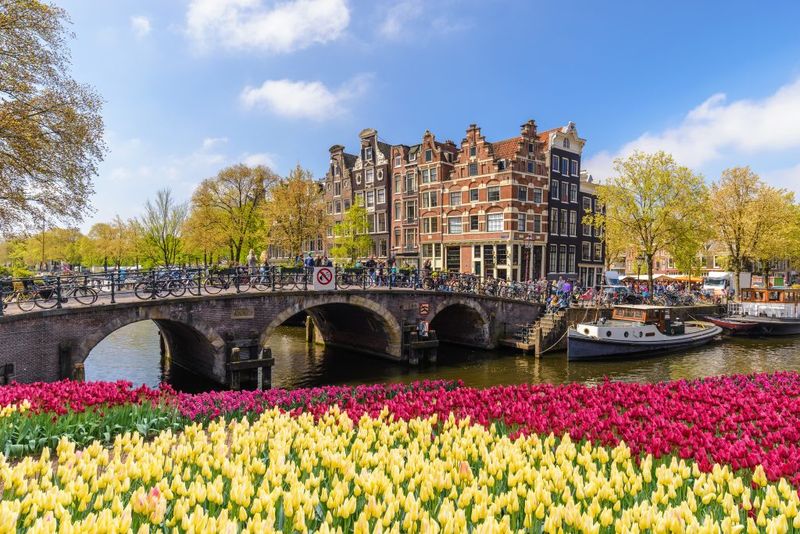
Ranked consistently as one of the most English-friendly cities on the planet, Amsterdam practically rolls out the welcome mat for English speakers. The Netherlands boasts one of the highest English proficiency rates in the entire world, and Amsterdam is the shining star of that reputation.
Locals switch to English so naturally and quickly that you might forget you are in a foreign country.
Public transport signs, restaurant menus, museum audio guides, and even grocery store receipts often appear in English. First-time visitors are frequently amazed at how easy it is to have full conversations with locals, from hotel staff to street vendors to random cyclists whizzing past.
Beyond language, Amsterdam rewards curious travelers with world-class museums like the Rijksmuseum and the Anne Frank House. The city’s famous canal belt is a UNESCO World Heritage Site, perfect for leisurely boat rides or long afternoon walks.
Neighborhoods like Jordaan offer cozy cafes and independent shops where English is spoken without a second thought. Amsterdam is not just easy to visit; it is genuinely hard to leave.
Copenhagen, Denmark
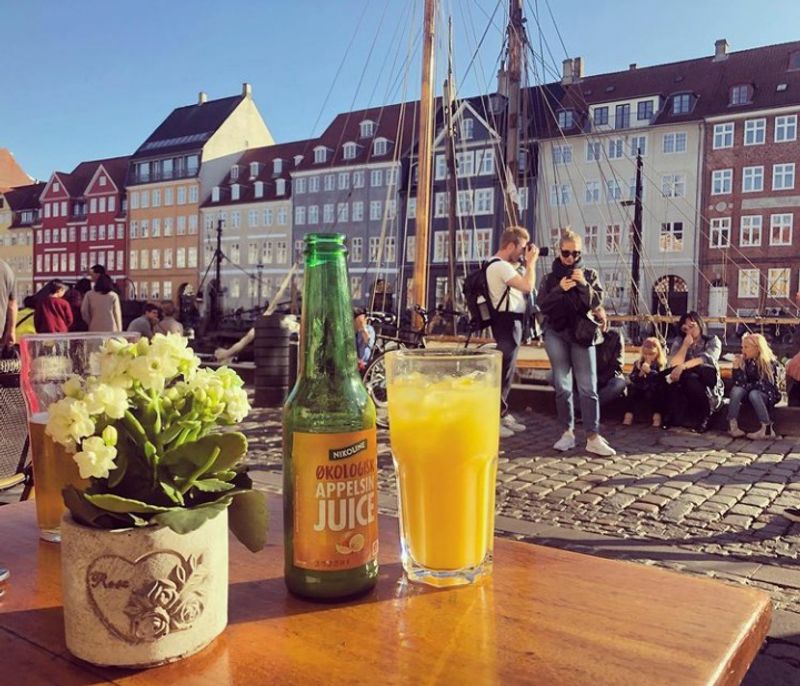
Step off the plane in Copenhagen and you will immediately notice something refreshing: everyone seems to speak English brilliantly. Denmark consistently ranks among the top countries in the world for English proficiency, and Copenhagen is where that skill shines brightest.
From the airport to the city center, communication flows effortlessly.
Menus, transit maps, and museum descriptions are routinely available in English, removing the guesswork from everyday travel decisions. Even in smaller neighborhood cafes away from the tourist trail, locals are happy and able to chat in English without hesitation.
Copenhagen also happens to be one of the most beautifully designed cities in Europe, with colorful Nyhavn harbor, sleek architecture, and a cycling culture that makes getting around genuinely fun. The city is famous for its hygge lifestyle, which basically means coziness and good vibes, and visitors feel that warmth from the moment they arrive.
Danish pastries, world-class Nordic cuisine, and a buzzing food scene make every meal an easy pleasure. Navigating Copenhagen is less like traveling and more like visiting a very stylish, very welcoming friend.
Stockholm, Sweden
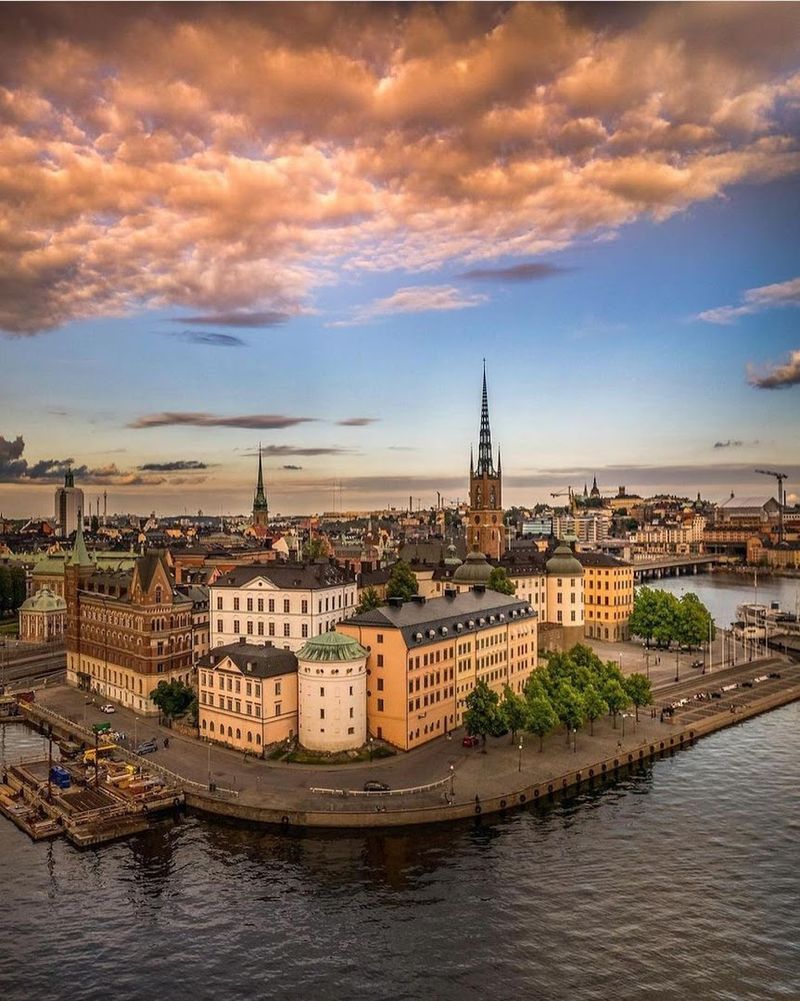
Sweden has a not-so-secret weapon: nearly everyone speaks English, and Stockholm is proof of that national superpower. English education in Sweden starts early and is taken seriously, which means even children can hold a conversation with visiting tourists.
The result is a city where language stress simply does not exist.
Whether you are hopping on the T-bana subway, browsing a local market, or asking a museum curator about Viking history, English works everywhere. Younger Swedes especially tend to be remarkably fluent, often picking up the language through social media, gaming, and international media rather than formal study alone.
Stockholm itself is a visual treat, spread across 14 islands where the Baltic Sea meets Lake Malaren. Gamla Stan, the old town, is a maze of amber and terracotta medieval buildings that looks like something out of a storybook.
The city is also a leader in sustainability, making it a great destination for eco-conscious travelers. From the ABBA Museum to the Vasa warship exhibit, Stockholm packs serious cultural punch into every neighborhood.
Visiting here feels effortless, and that is exactly the point.
Dublin, Ireland
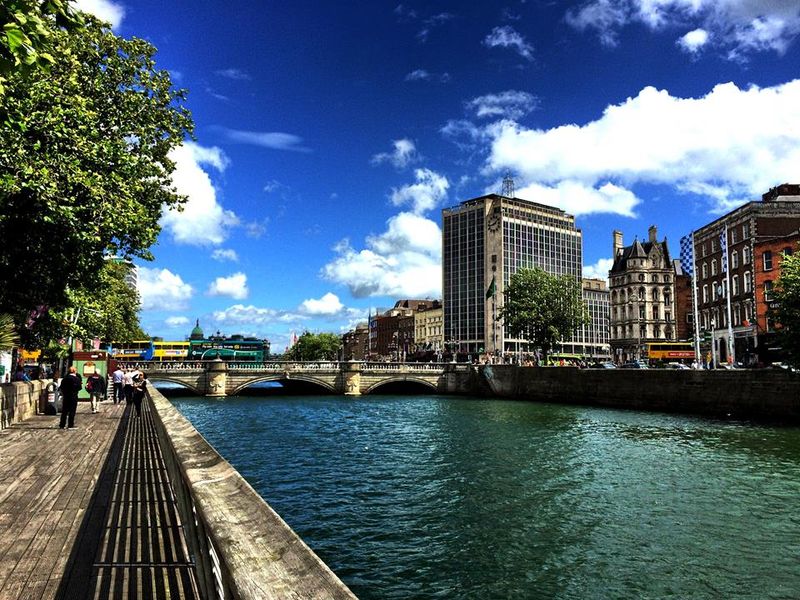
English is not just spoken in Dublin; it is the city’s native tongue, which automatically puts it at the top of any stress-free travel list. There is zero learning curve when it comes to communication here, and that alone makes Dublin a dream destination for English-speaking travelers.
Add in the famously warm Irish hospitality and you have a city that genuinely feels like home away from home.
Signage is crystal clear, public transport announcements are easy to follow, and locals are almost always happy to give directions, recommendations, or a good laugh. The Irish gift for storytelling means that even a quick chat with a barman or a shopkeeper can turn into a memorable travel highlight.
Dublin’s compact city center makes it easy to explore on foot, with Trinity College, the Book of Kells, and St. Stephen’s Green all within walking distance of each other. The Temple Bar area buzzes with live music, colorful pubs, and street performers every night of the week.
Day trips to the Cliffs of Moher or Glendalough are straightforward and well-organized. Dublin is charming, easy, and endlessly entertaining.
London, United Kingdom
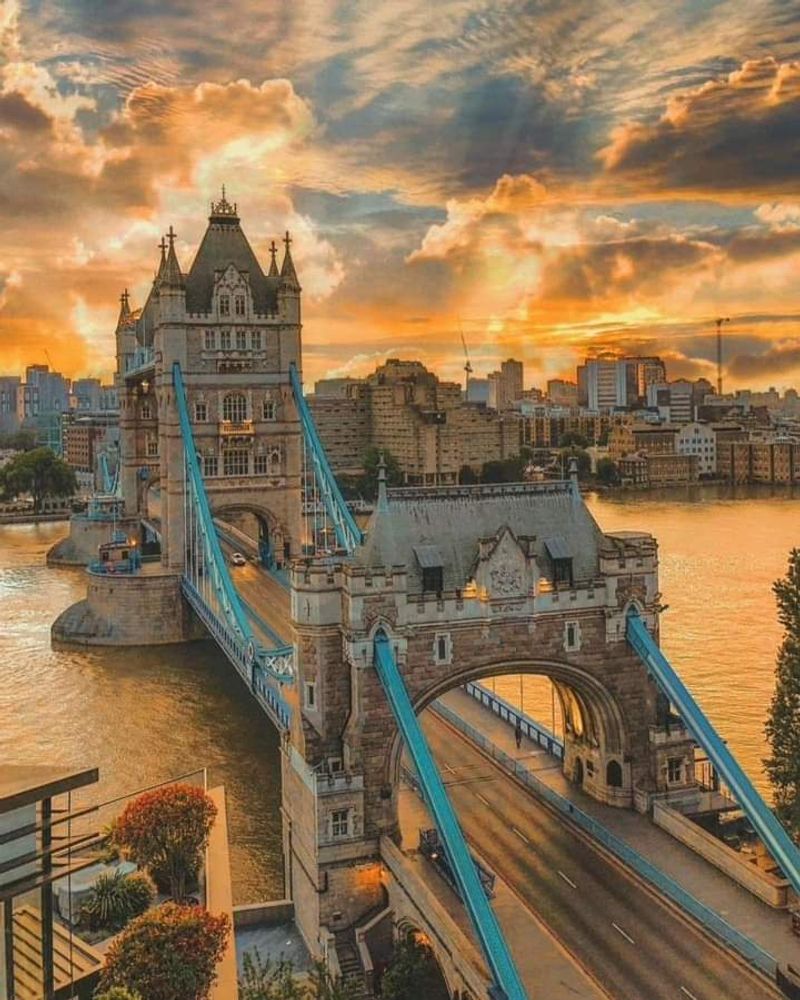
London needs no introduction as an English-speaking destination, but it deserves one anyway because it is simply spectacular. As one of the most visited cities on earth, London has built its entire tourism infrastructure around making international visitors feel comfortable, and English speakers get the ultimate advantage from day one.
The Underground, known affectionately as the Tube, is one of the most navigable metro systems in the world, with clear English signage and frequent announcements. Black cabs, red double-decker buses, and the famous Oyster card system make getting around central London genuinely simple.
Museums like the British Museum, the Natural History Museum, and the Tate Modern are free to enter and packed with incredible exhibits.
London is also one of the most culturally diverse cities in the world, meaning you will find food, music, and art from virtually every corner of the globe within a short walk. From the grandeur of Buckingham Palace to the quirky markets of Portobello Road, the city offers something for every kind of traveler.
Theater lovers will adore the West End, where world-class shows run nightly. London rewards every single visitor who shows up curious and ready to explore.
Berlin, Germany
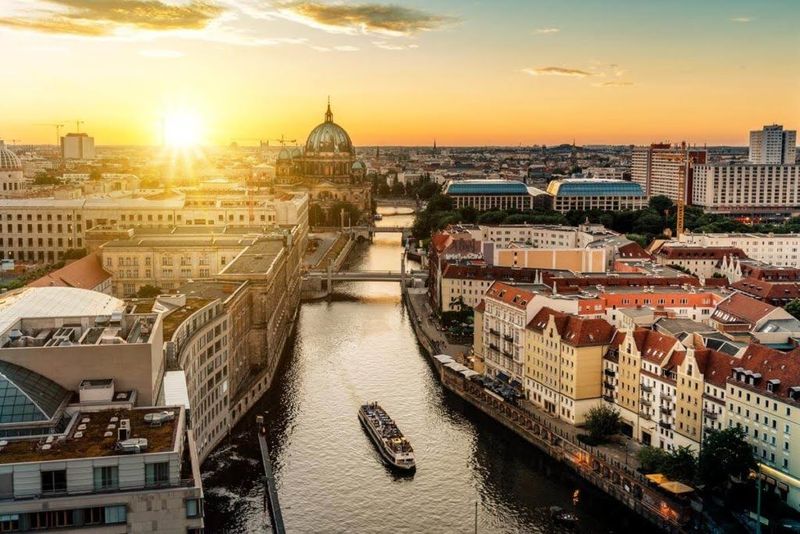
Berlin is the kind of city that surprises you. You might expect a language barrier in Germany, but Berlin has quietly transformed into one of Europe’s most internationally fluent cities, where English is practically a second official language.
The city attracts creative professionals, students, and artists from all over the world, which has made English a natural part of daily conversation.
In neighborhoods like Mitte, Prenzlauer Berg, and Kreuzberg, English is spoken in cafes, galleries, clubs, and co-working spaces without a second thought. Even in less touristy areas, younger locals typically switch to English with ease and genuine friendliness.
Getting lost in Berlin rarely leads to frustration because someone nearby almost always speaks enough English to help.
The city’s history is layered, complex, and absolutely fascinating, from the remnants of the Berlin Wall to the striking Memorial to the Murdered Jews of Europe. Berlin’s museum scene is world-class, with Museum Island housing five major institutions in one compact area.
The food scene is equally exciting, with everything from Turkish street food to Michelin-starred restaurants. Berlin is loud, creative, historically rich, and surprisingly easy for English speakers to call a temporary home.
Vienna, Austria
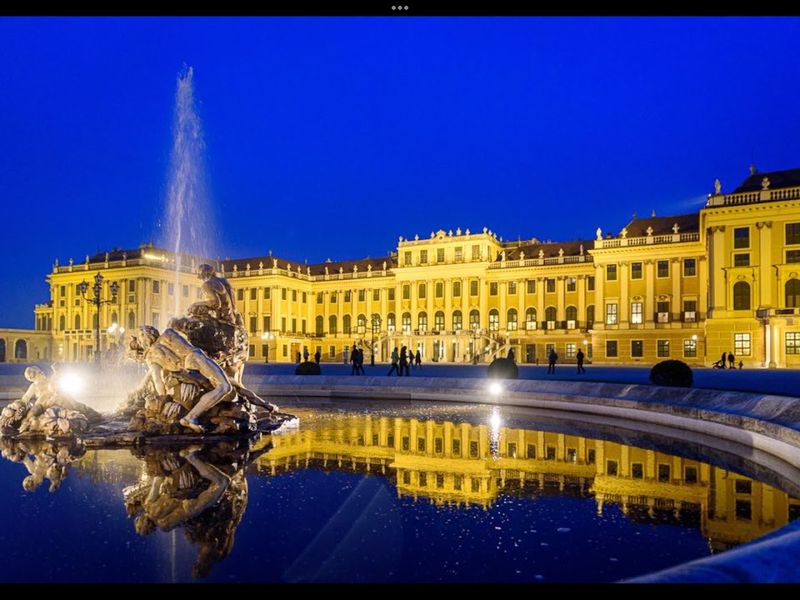
Vienna carries itself with the elegance of a city that has been impressing visitors for centuries, and the good news is that impressing English speakers has become one of its modern talents. English is widely spoken throughout Vienna’s hotels, restaurants, museums, and cultural venues, making it remarkably easy to enjoy the city’s legendary charm without a phrase book in hand.
The city’s major attractions, including the Kunsthistorisches Museum, Schonbrunn Palace, and the Vienna State Opera, all offer English-language tours, audio guides, and informational materials. Public transport in Vienna is excellent and signage is clear enough that navigating the U-Bahn subway system feels intuitive even on your first day.
Vienna is a city best experienced slowly, with long afternoons spent in grand coffeehouses sipping Melange coffee and nibbling on Sachertorte. The Ringstrasse boulevard alone could fill an entire afternoon with its stunning imperial architecture.
Classical music is woven into the city’s DNA, and concert tickets are surprisingly affordable, with performances happening almost nightly. Vienna feels like stepping into a living museum, except this museum serves excellent wine and has a remarkable pastry scene.
Stress-free travel has rarely looked this sophisticated.
Brussels, Belgium
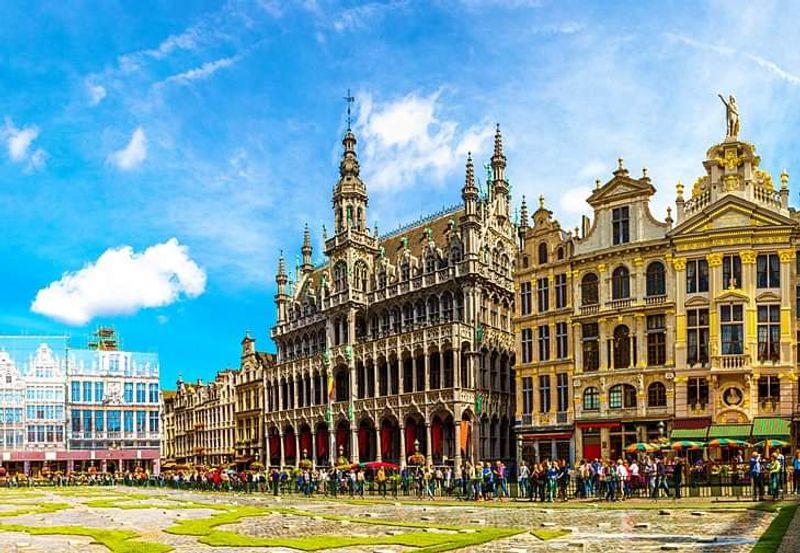
Brussels is a city that runs on multiple languages, and English fits right in among them. As the de facto capital of the European Union and home to NATO headquarters, Brussels handles international communication as naturally as breathing.
English is spoken fluently in government buildings, business districts, hotels, restaurants, and most tourist-facing services throughout the city.
What makes Brussels particularly easy for travelers is that most locals are already accustomed to switching between French, Dutch, and English depending on who they are speaking to. English speakers often get the smoothest experience of all, since it serves as a comfortable neutral ground in this multilingual city.
Signs and menus in tourist areas typically appear in multiple languages including English.
Brussels rewards visitors who go beyond the obvious chocolate shops and waffle stands, though those are absolutely worth indulging in. The Grand Place is one of the most breathtaking town squares in all of Europe, especially when lit up at night.
The Art Nouveau architecture scattered throughout the city is a hidden gem that architecture fans adore. Comic book murals decorate building walls across the city as a nod to Belgium’s beloved comics tradition.
Brussels is quirky, international, and wonderfully easy to enjoy.
Lisbon, Portugal
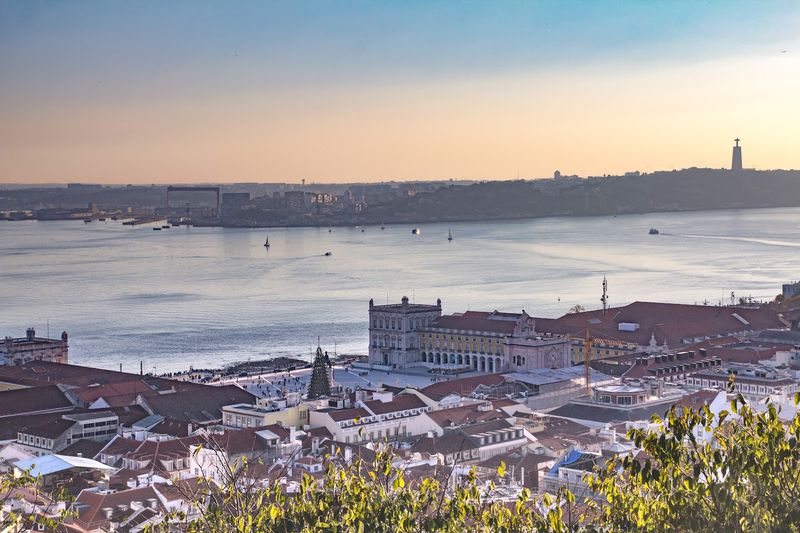
Lisbon has been charming travelers for decades, and a growing English-speaking population has made it one of southern Europe’s most accessible cities for international visitors. Tourism has boomed here in recent years, and with that growth has come a notable rise in English proficiency, particularly in the city center, along the waterfront, and in popular neighborhoods like Belem and Alfama.
Restaurant menus in tourist areas almost always include English, and hotel staff typically speak it fluently. The city’s famous yellow trams have clear English announcements, and most major attractions offer English audio guides or information panels.
Even at local markets, vendors are often happy to communicate in basic English.
Lisbon is genuinely one of Europe’s most beautiful cities, draped across seven hills with jaw-dropping views at nearly every turn. The Pasteis de Belem bakery, famous for its custard tarts, is a must-visit that requires no language skills whatsoever since the pastries speak for themselves.
Fado music, the soulful Portuguese musical tradition, fills tavern air every evening and needs no translation to move you. With affordable prices compared to much of Western Europe, Lisbon delivers an exceptional travel experience without breaking the bank or breaking a sweat.
Prague, Czech Republic
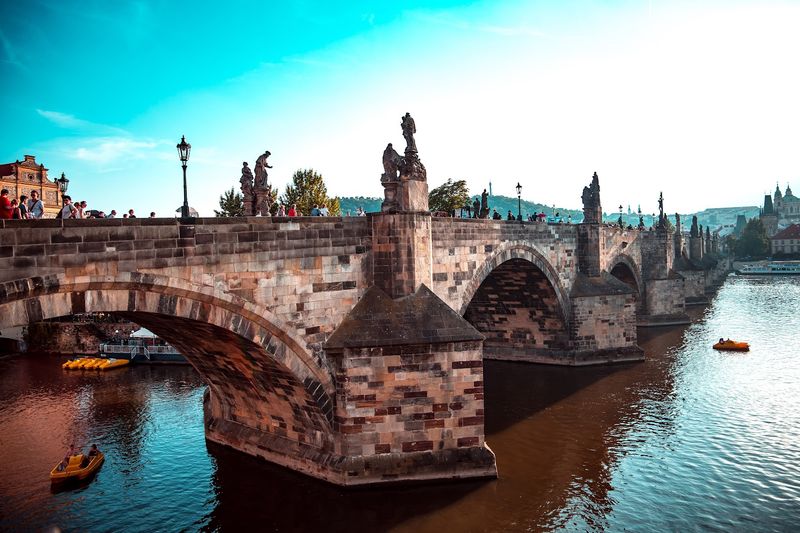
Prague is one of those cities where the beauty hits you before you even finish crossing the Charles Bridge. Beyond the fairy-tale architecture and cobblestone streets, English speakers will be happy to discover that communication in this stunning city is far easier than expected.
Prague’s massive tourism industry has made English a practical necessity in hotels, restaurants, and major attractions throughout the city.
While Czech is the official language and not everyone is fully fluent in English, most people working in hospitality, retail, and tourism have solid enough English to assist visitors with confidence. In the Old Town and tourist-heavy areas, English menus, English-speaking tour guides, and English signage are standard rather than exceptional.
Prague’s Old Town Square is one of the most photographed spots in all of Europe, home to the famous Astronomical Clock that draws crowds every hour. The Prague Castle complex is the largest ancient castle in the world by area and takes a full day to properly explore.
Czech food, including svickova beef with creamy sauce and knedliky dumplings, is hearty and delicious, and most restaurants display English translations on their menus. Prague is a city that looks like a dream and, thankfully, feels like one too.
Budapest, Hungary
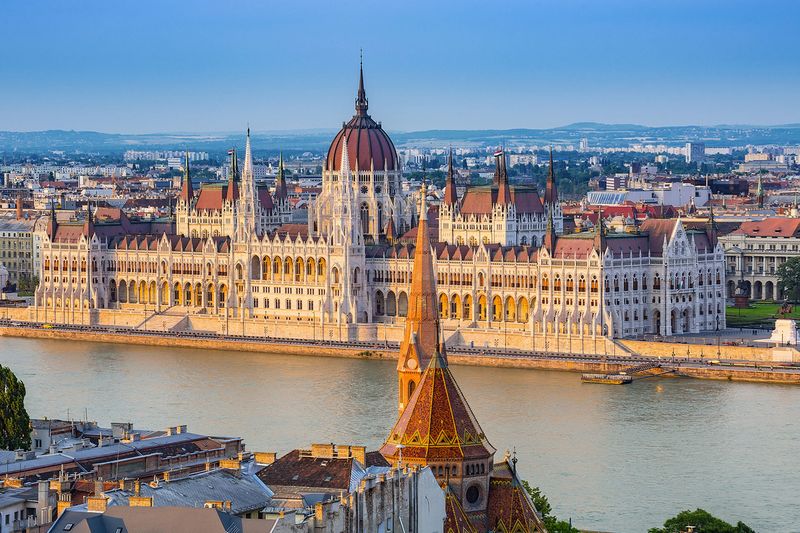
Glittering on both sides of the Danube River, Budapest is one of Europe’s most dramatic and photogenic capitals, and it has been quietly leveling up its English friendliness over the past decade. Central districts like Pest, the Jewish Quarter, and the Castle District are packed with restaurants, ruin bars, and cultural spots where English is commonly spoken and warmly welcomed.
Younger Hungarians especially tend to have solid English skills, thanks to better language education and widespread access to English-language media. Hotel staff, tour operators, and most hospitality workers across the city communicate comfortably in English.
Menus in popular dining spots nearly always include English, and major museums offer English audio guides.
Budapest is famous for its thermal bath culture, and places like Szechenyi and Gellert baths have English-speaking staff and clear English signage throughout. The ruin bar scene in the old Jewish Quarter, led by the iconic Szimpla Kert, is a uniquely Budapest experience that needs no language skills to enjoy.
The Hungarian Parliament Building, one of the largest in the world, offers English-language guided tours that are genuinely fascinating. Budapest delivers a rich, affordable, and surprisingly accessible European adventure that keeps travelers coming back for more.
Tallinn, Estonia
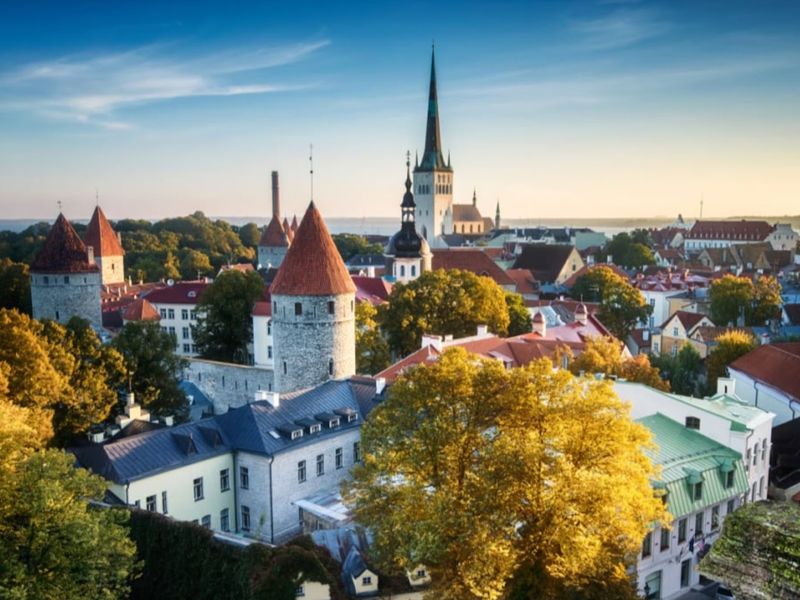
Tallinn is one of Europe’s best-kept travel secrets, and English speakers are in for a pleasant surprise. Estonia has built a reputation as one of the most digitally advanced nations in the world, and that forward-thinking culture extends to language education.
English proficiency here, particularly among people under 40, is impressively high and makes navigating this compact, medieval gem wonderfully easy.
The old town of Tallinn is a UNESCO World Heritage Site that looks like it was lifted straight from the pages of a fantasy novel, with Gothic towers, medieval walls, and cobblestone lanes around every corner. English is spoken in hotels, restaurants, tour companies, and most shops throughout the tourist areas.
Even in less visited neighborhoods, communication is rarely a problem.
Tallinn is also one of the most affordable capitals in the European Union, which makes it a favorite among budget-conscious travelers who still want a high-quality experience. The food scene is a delightful blend of traditional Estonian cuisine and modern Nordic influence, and menus almost always include English translations.
Wi-Fi is fast and free across most of the city, a testament to Estonia’s tech-savvy culture. Tallinn is small, magical, and remarkably easy to love.
Helsinki, Finland
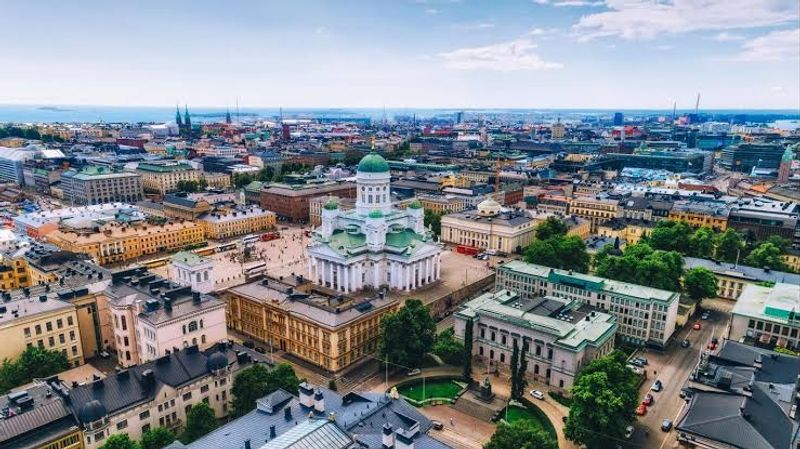
Finland has one of the most impressive English education systems in the world, and Helsinki is where that investment pays off most visibly for international travelers. Walking through this clean, design-forward Nordic capital, you will find that English works seamlessly in virtually every situation, from ordering coffee to asking for museum recommendations to figuring out the tram routes.
Helsinki’s tourism infrastructure is thoughtfully built with international visitors in mind. Transit apps, public transport announcements, museum exhibits, and city maps are routinely available in English.
Even at local markets like the Old Market Hall, vendors are accustomed to serving English-speaking customers with ease and genuine hospitality.
The city has a distinct personality that blends minimalist design, deep respect for nature, and a quiet, confident pride in Finnish culture. The Helsinki Cathedral and the nearby Senate Square are iconic starting points for any visit.
Design District Helsinki is a must for anyone who appreciates architecture, fashion, and creative culture. A short ferry ride takes visitors to the Suomenlinna sea fortress, a UNESCO-listed island with fascinating military history and incredible views.
Helsinki is the kind of city that does not shout for attention but absolutely earns it. Quiet, clever, and wonderfully navigable.
Reykjavik, Iceland
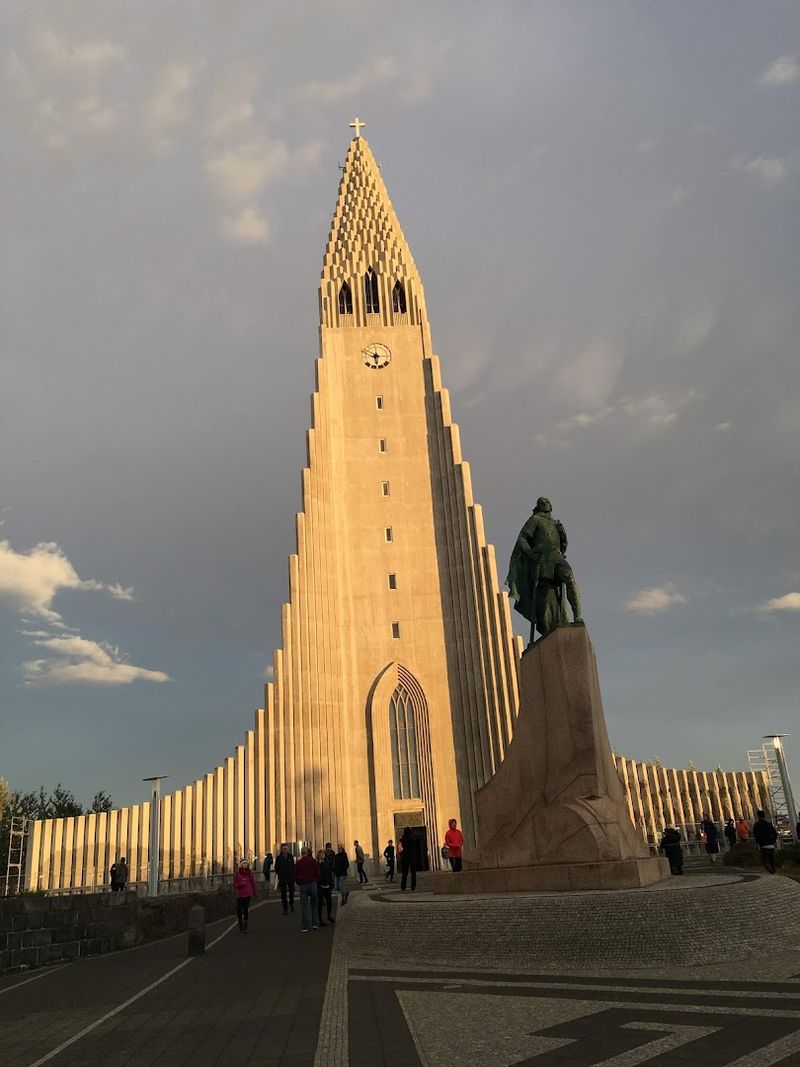
Iceland is one of the smallest countries in Europe and one of the easiest for English speakers to visit, with Reykjavik setting the gold standard for stress-free communication. Virtually the entire population speaks English fluently, which is partly because Icelandic is such a complex language that locals have long embraced English as a practical tool for connecting with the outside world.
From the moment you land at Keflavik International Airport, English is everywhere: signs, announcements, rental car paperwork, and every interaction at every hotel, restaurant, and tour company. Even in small fishing villages outside the capital, English communication is rarely a challenge.
Icelanders are also famously friendly and happy to chat, which makes every interaction feel genuinely pleasant.
Reykjavik punches well above its weight as a capital city, offering a vibrant music scene, excellent restaurants, creative street art, and a nightlife culture that genuinely comes alive on weekends. The city is the perfect base for exploring the Golden Circle, the Northern Lights, geothermal hot springs, and volcanic landscapes that look like another planet.
The famous Blue Lagoon geothermal spa is just a short drive from the airport. Iceland is extraordinary, and Reykjavik makes it wonderfully easy to experience.
Oslo, Norway
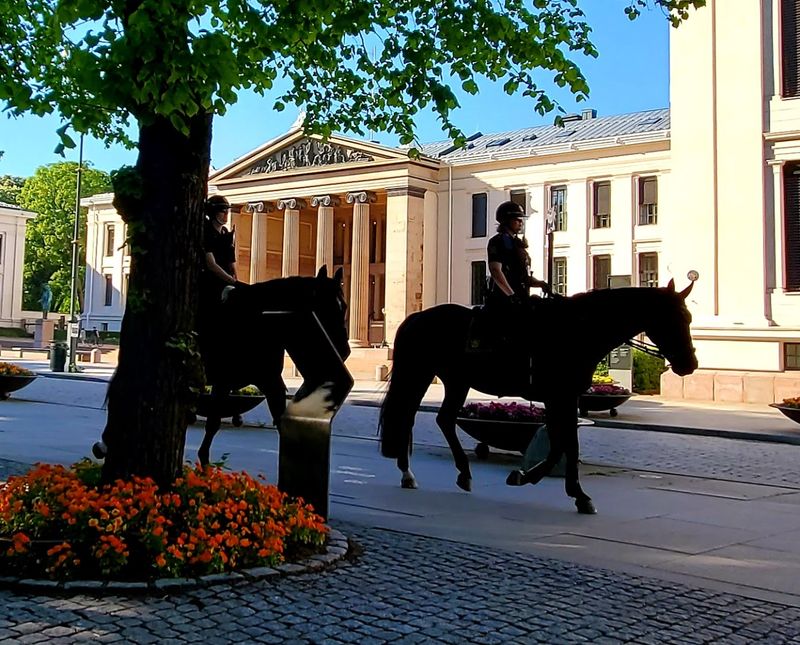
Norway has one of the highest English proficiency rates in the entire world, and Oslo is where you feel that most powerfully. Locals here speak English with such fluency and comfort that conversations flow naturally from the very first hello.
Whether you are at a coffee shop in Gronland, a museum in Aker Brygge, or a hiking trail outside the city, English gets you everywhere you need to go.
Public transport in Oslo is modern, efficient, and fully labeled in English. The Oslo Pass, popular among tourists, comes with an English-language guide covering transport, museums, and attractions.
Most restaurants display menus in English, and staff in virtually every hospitality setting speak it confidently and clearly.
Oslo is an expensive city by most standards, but the quality of everything you experience there more than justifies the price tag for many travelers. The Viking Ship Museum houses some of the best-preserved Viking vessels in the world, and the exhibits are fully available in English.
The Oslo Opera House is an architectural marvel where visitors are actually encouraged to walk on the roof. Frogner Park and its famous Vigeland sculpture installation is free to visit and genuinely unforgettable.
Oslo is polished, effortless, and deeply rewarding.
Barcelona, Spain
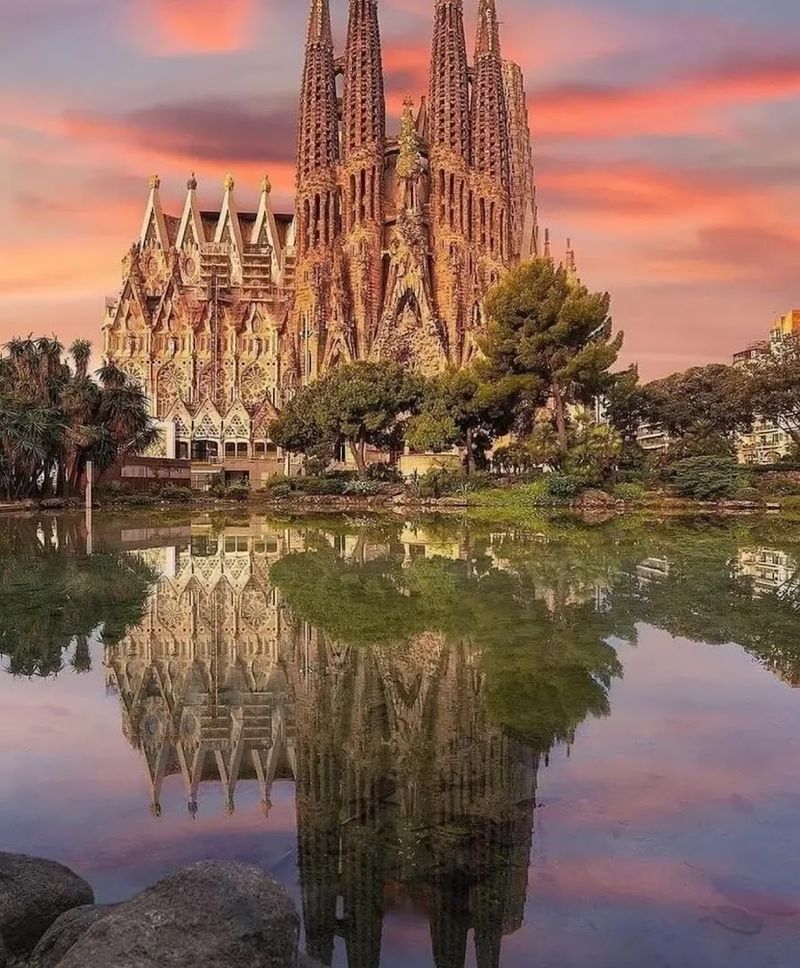
Spain is not always the first country that comes to mind for English-friendly travel, but Barcelona has carved out a very different reputation from the rest of the country. This vibrant, sun-soaked city on the Mediterranean coast has embraced international tourism so enthusiastically that English has become a practical everyday language across much of the city center.
In tourist-heavy areas like Las Ramblas, the Gothic Quarter, and the Eixample district, English is spoken in restaurants, shops, hotels, and attractions with impressive consistency. Gaudi’s masterpieces, including the Sagrada Familia and Park Guell, offer English audio guides and multilingual staff at every turn.
Even beach bars along Barceloneta tend to have English-speaking staff ready to take your order.
Barcelona’s energy is electric and completely addictive. The architecture alone, a wild mix of Gothic, Modernisme, and contemporary design, makes every walk through the city feel like a visual adventure.
Tapas culture is vibrant and delicious, and most restaurant staff can walk you through a menu in English without any fuss. The city’s metro system is color-coded and easy to navigate even without any Spanish.
Barcelona is loud, beautiful, and surprisingly easy for English speakers to make their own.
Paris, France

Paris has a reputation for being tricky for non-French speakers, but that story is increasingly outdated, especially in tourist areas. Over the past decade, Paris has made a genuine effort to become more welcoming to international visitors, and English is now widely spoken in hotels, major attractions, restaurants along key tourist routes, and transport hubs across the city.
Staff at the Louvre, the Musee d’Orsay, Versailles, and the Eiffel Tower all handle English queries with ease. The Paris Metro, while busy and complex, is well-labeled in ways that make sense even without French knowledge, and the transit authority’s app is available in English.
Many younger Parisians are far more willing to speak English than the cultural stereotype suggests.
A few simple French pleasantries go a long way in Paris, but the truth is that English speakers can navigate this city quite comfortably today. The food alone makes every slight communication hiccup completely worthwhile: croissants, baguettes, steak frites, and macarons are universal languages in their own right.
Paris remains one of the most romantic, beautiful, and culturally rich cities in the world. With a little patience and an open mind, it is absolutely stress-free to enjoy.
Rome, Italy
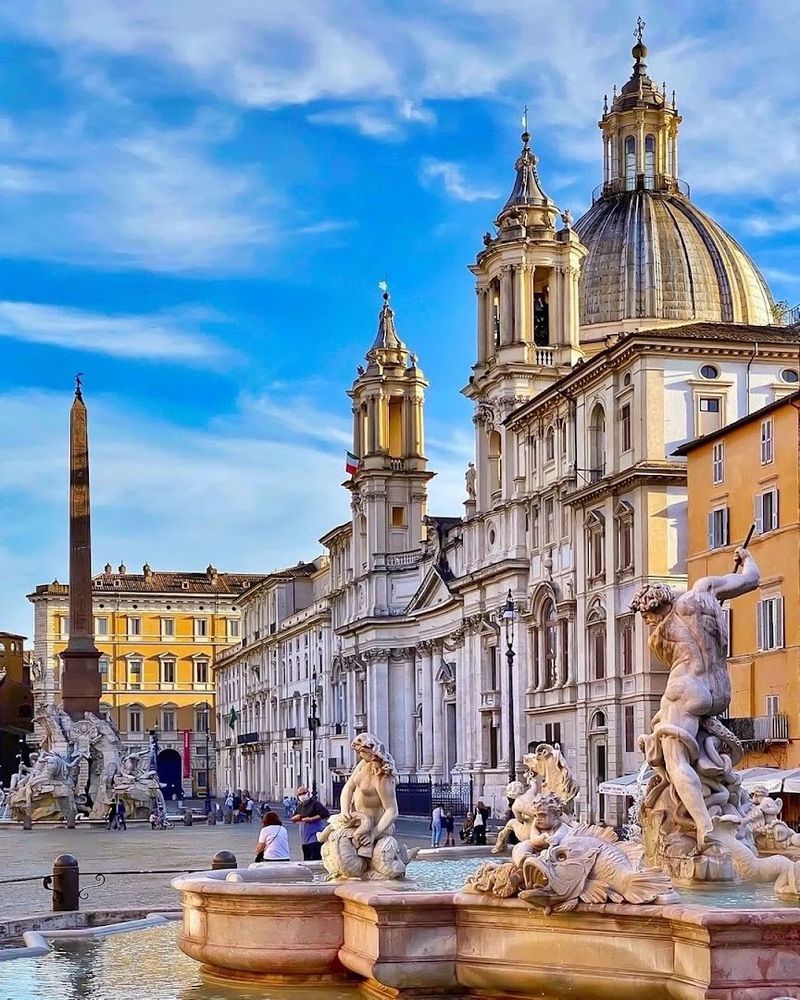
Rome is a city where history practically falls off the walls, and the good news for English speakers is that those walls are increasingly easy to navigate. Decades of international tourism have made English a practical necessity in Rome’s most visited neighborhoods, from the area around the Colosseum to the Vatican to the Spanish Steps and the Trevi Fountain.
Hotels across the city employ English-speaking staff as standard practice, and most restaurants in tourist areas have English menus or staff who can explain dishes clearly. Major attractions like the Vatican Museums, the Sistine Chapel, and the Roman Forum all offer English-language tours, apps, and audio guides that are well-produced and genuinely informative.
Rome does have neighborhoods where English is less common, particularly in residential areas far from the historic center, but for the typical tourist itinerary, communication is rarely a serious obstacle. The city rewards every visitor who simply shows up ready to wander without a fixed plan, because around every corner there is something extraordinary waiting to be discovered.
Italian food in Rome is extraordinary and ordering it is made easy by picture menus and helpful waitstaff. Rome is ancient, overwhelming, and completely worth every confused moment along the way.
Zagreb, Croatia
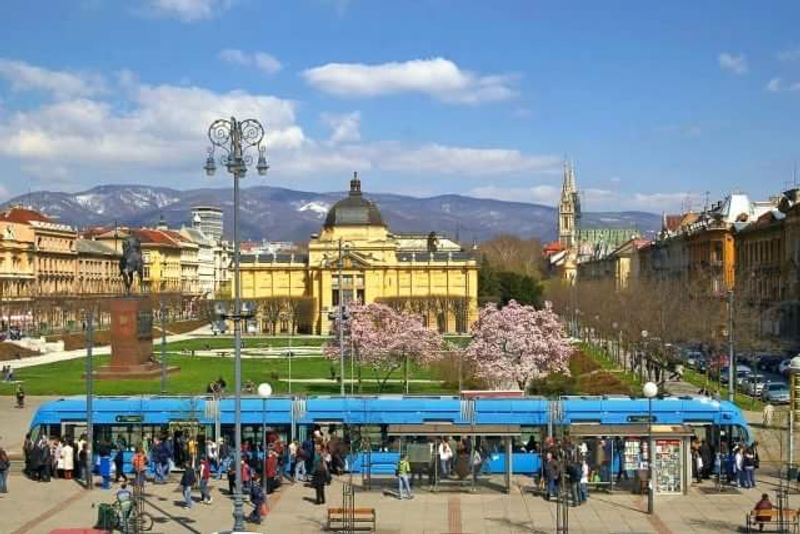
Zagreb tends to fly under the radar compared to Croatia’s coastal gems like Dubrovnik and Split, but this underrated capital is one of the most pleasant surprises in all of Eastern Europe, and it is far more English-friendly than most travelers expect. Croatia’s tourism boom has driven a significant rise in English proficiency across the country, and Zagreb sits at the center of that shift.
In the city’s Upper Town and Lower Town districts, English is spoken in cafes, restaurants, museums, and shops with impressive ease. Young Croatians especially tend to have strong English skills, shaped by an education system that emphasizes language learning and by heavy exposure to English-language media and online culture.
Zagreb has a cozy, walkable city center that rewards slow exploration, with a lively cafe culture, a fantastic food market at Dolac, and a charming tram system that makes getting around simple. The Museum of Broken Relationships, one of Zagreb’s quirkiest and most beloved attractions, is fully presented in English and has won international acclaim.
Street art, live music, and an emerging craft beer scene give the city a cool, creative edge. Zagreb is affordable, approachable, and wonderfully easy to enjoy without a single word of Croatian.
Athens, Greece
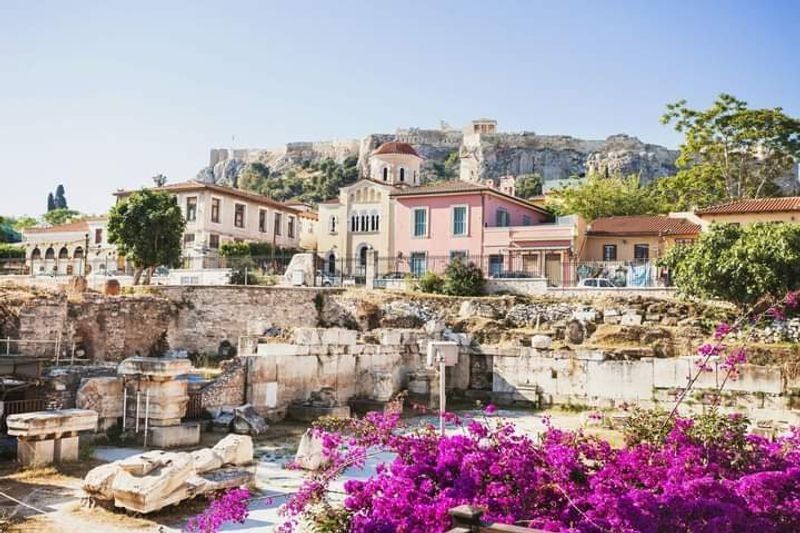
Standing beneath the Parthenon and realizing you can actually ask a local for directions in English is one of those small travel joys that Athens delivers with surprising regularity. Greece’s tourism industry is one of the most important in Europe, and Athens has invested heavily in making international visitors feel comfortable, with English playing a central role in that effort.
English is widely spoken in the city’s tourist zones, including the Plaka neighborhood at the foot of the Acropolis, Monastiraki Square, and the Syntagma area. Major museums such as the National Archaeological Museum and the Acropolis Museum offer full English-language exhibits, audio guides, and staff who are happy to answer questions.
Restaurant menus in tourist areas almost always include English descriptions.
Athens is a city of extraordinary contrasts: ancient ruins sit alongside modern rooftop bars, and Byzantine churches share streets with contemporary art galleries. The street food scene is vibrant and affordable, with souvlaki and spanakopita available on nearly every corner from vendors who are used to serving international customers.
Sunset views from the Acropolis or Lycabettus Hill are among the most spectacular in all of Europe. Athens is ancient in the best possible way, and getting around it has never been easier for English speakers.
Share this story