 Unearth The Voyage
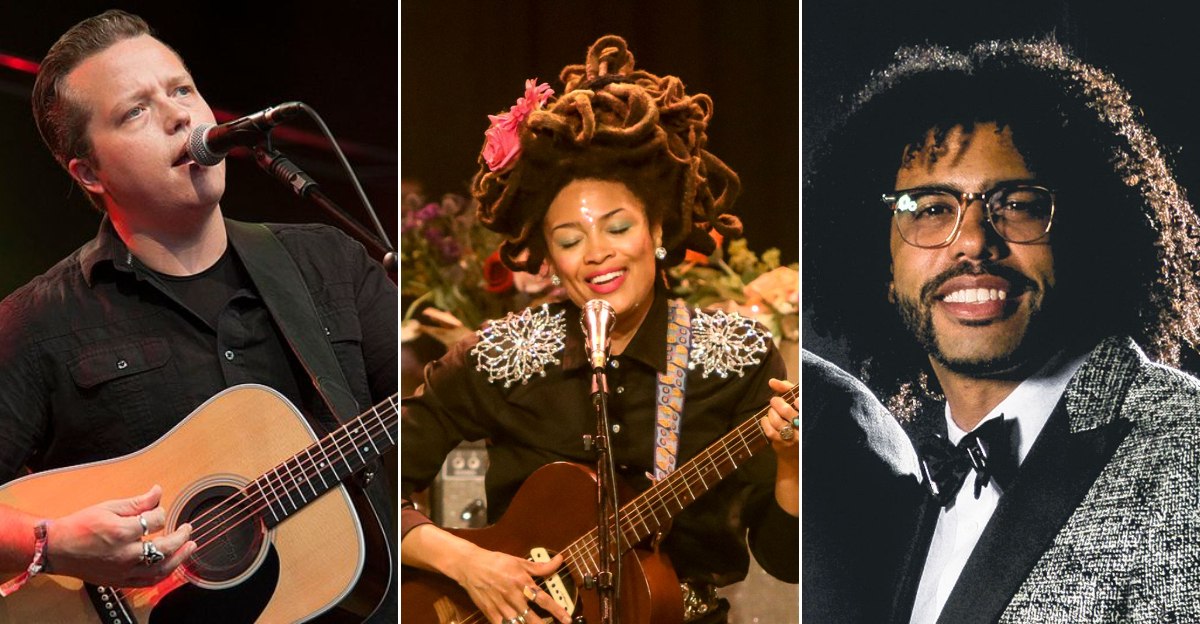
Some musicians don’t make the front page, but they quietly rewire how music works from the inside out. They’re the ones other artists talk about in interviews, the names that keep popping up when someone asks, “Who actually influenced you?” These 20 artists have shaped genres, broken rules, and left fingerprints all over modern music without always getting the credit they deserve.
Get ready to discover some of the most brilliant, boundary-pushing musicians you might have been sleeping on.
Thundercat (Stephen Bruner)
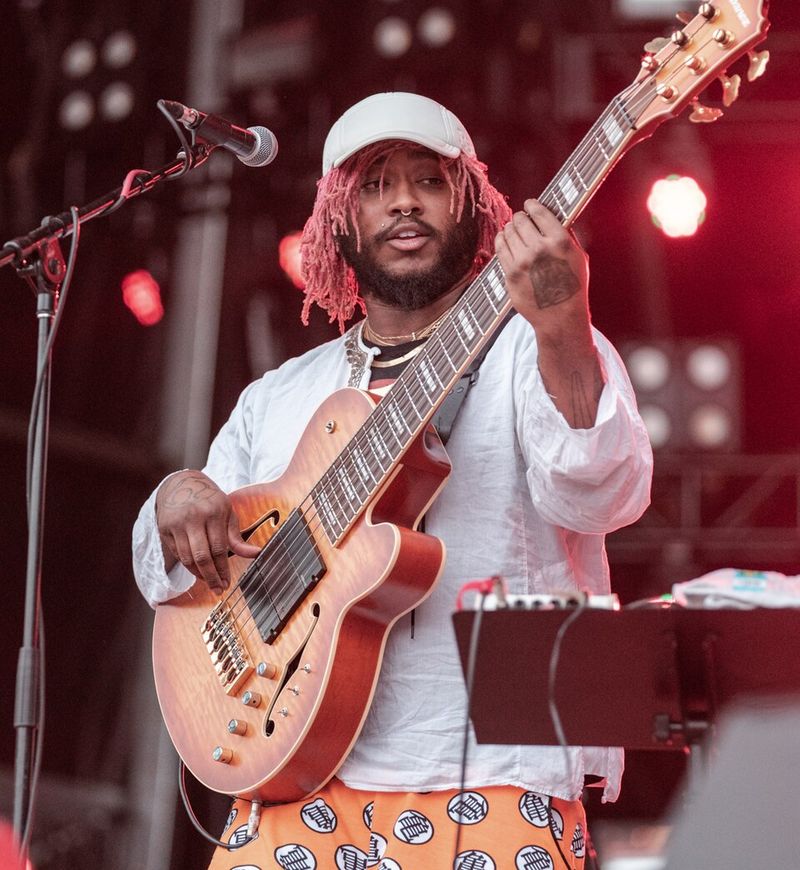
Thundercat plays bass like it has a sense of humor, and honestly, the bass is winning every joke. His six-string bass work is technically jaw-dropping, but what makes it special is how playful it feels.
Nothing he does sounds forced or showy.
He co-wrote and played on Kendrick Lamar’s “To Pimp a Butterfly,” which is one of the most celebrated albums of the 21st century. Yet Thundercat himself often flies under the mainstream radar.
That’s a wild imbalance.
His solo albums like “Drunk” and “It Is What It Is” blend jazz, funk, R&B, and anime references into something totally his own. He once wrote a heartfelt song about his cat.
It was genuinely moving. Thundercat is proof that the weirdest, most personal art can also be the most universal.
Bass has never been this fun, this emotional, or this brilliantly strange.
Brittany Howard (Alabama Shakes)
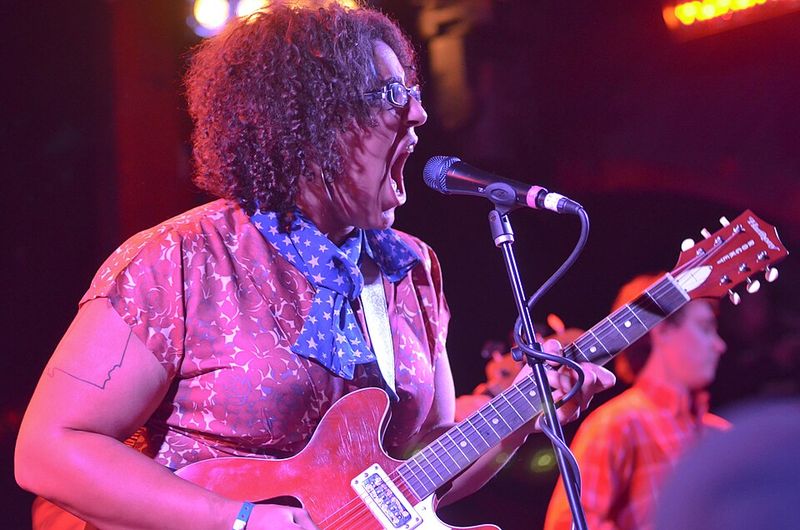
Brittany Howard opens her mouth and suddenly the room has feelings it didn’t know it had. She fronted Alabama Shakes and helped bring raw, Southern-soul rock back into mainstream conversations without compromising a single note.
Her debut solo album “Jaime,” named after her late sister, is one of the most emotionally honest records released in years. It covers grief, identity, and joy without ever feeling like a therapy session gone wrong.
That balance is incredibly hard to pull off.
Howard’s guitar playing is equally underrated. She doesn’t just strum; she wrestles with the instrument in the best possible way.
Her voice can go from a whisper to a full-on gospel roar in seconds. I remember hearing “Stay High” for the first time and genuinely stopping what I was doing.
Brittany Howard doesn’t perform songs. She lives inside them, and she invites you in every single time.
Adrianne Lenker (Big Thief)
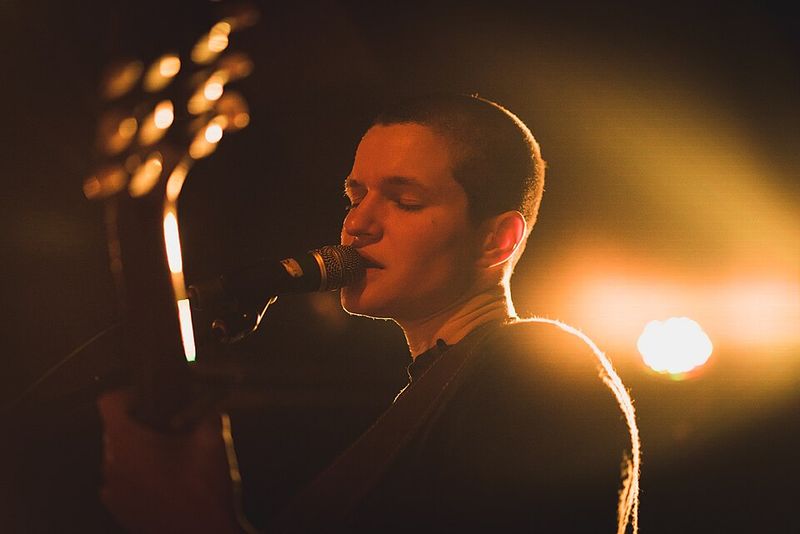
Adrianne Lenker writes songs that feel like they were found, not written. As the driving force behind Big Thief and an equally powerful solo artist, she has built a catalog that feels deeply personal and somehow universal at the same time.
Her lyrics don’t explain themselves. They trust you to feel them.
Lines land like small shocks, quiet but precise. Big Thief albums like “UFOF” and “Two Hands” earned critical praise, but Lenker’s name still doesn’t come up enough in everyday music conversations.
That’s a genuine gap in the culture.
She recorded her solo album “abysskiss” in a cabin with minimal gear, and it sounds like the most honest thing ever put to tape. No polish, no pretense.
Just songs that breathe. If you’ve ever felt something too large to put into words, Adrianne Lenker has probably already written it down and set it to a melody that’ll follow you for weeks.
Kamasi Washington
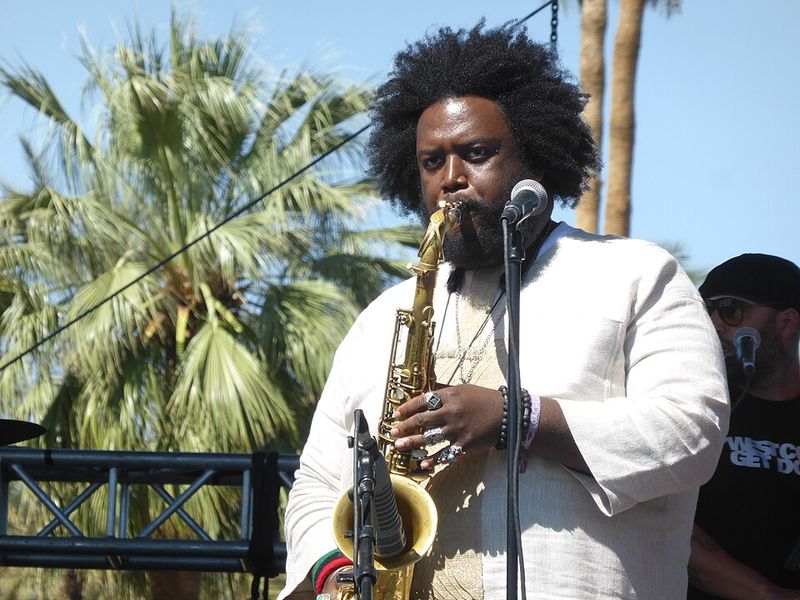
Jazz has a reputation problem, and Kamasi Washington is quietly fixing it one epic album at a time. His 2015 triple album “The Epic” clocked in at nearly three hours and somehow felt like it could have been longer.
That’s a flex most musicians can’t pull off.
Washington plays saxophone with the kind of authority that makes you sit up straighter without meaning to. His music pulls from jazz, gospel, R&B, and cosmic spirituality into something that feels genuinely alive.
He also collaborated with Kendrick Lamar, which introduced his work to an entirely new generation.
What’s remarkable is how accessible his music is despite its complexity. You don’t need a music degree to feel it.
He’s been called the savior of jazz, which is a heavy label, but he carries it with remarkable ease. Kamasi Washington is one of those artists who makes you feel like music still has places it hasn’t gone yet, and he’s heading there first.
St. Vincent (Annie Clark)
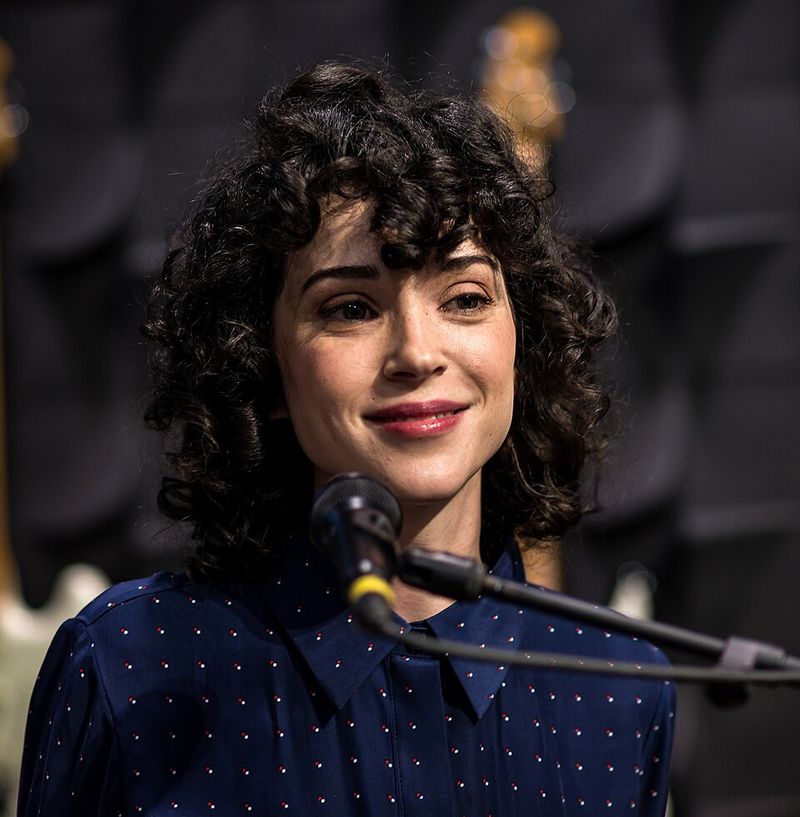
St. Vincent is what happens when someone with a classical music background decides rules are more of a suggestion. Annie Clark has built one of the most distinctive sounds in modern rock, and she’s done it entirely on her own terms.
That’s rarer than it sounds.
Her guitar work is genuinely shocking in the best way. She can play something delicate and then absolutely shred in the next bar without it feeling like a trick.
Albums like “Strange Mercy” and “Masseduction” showed she could write pop hooks while still keeping everything delightfully weird.
Clark also produced Daddy’s Home completely herself, adding another skill to an already overwhelming resume. She studied at Berklee College of Music and later toured with Sufjan Stevens before breaking out solo.
St. Vincent doesn’t just push boundaries; she picks them up and rearranges them into something you didn’t know you needed. She’s an artist who makes the word “original” feel like it was coined specifically for her.
Jason Isbell
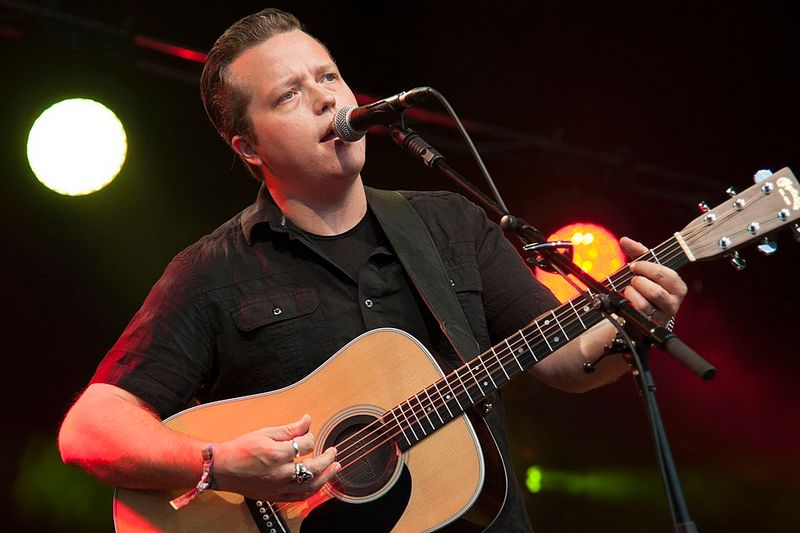
Jason Isbell writes story songs so real they feel like eavesdropping. A former member of the Drive-By Truckers, he rebuilt his career after getting sober and came back with some of the most honest songwriting in American music.
That comeback arc deserves its own documentary.
His album “Southeastern” is widely considered a masterpiece among songwriters, even if the general public hasn’t fully caught up yet. Songs like “Cover Me Up” hit with the force of a great short story.
Every word earns its place. No filler, no fluff.
Isbell also speaks openly about recovery, politics, and the craft of writing, making him one of the most thoughtful voices in the industry. His band, the 400 Unit, is tight in all the right ways.
If you love lyrics that respect your intelligence and melodies that stick around long after the song ends, Jason Isbell is exactly the artist you’ve been looking for without knowing it.
Hiatus Kaiyote
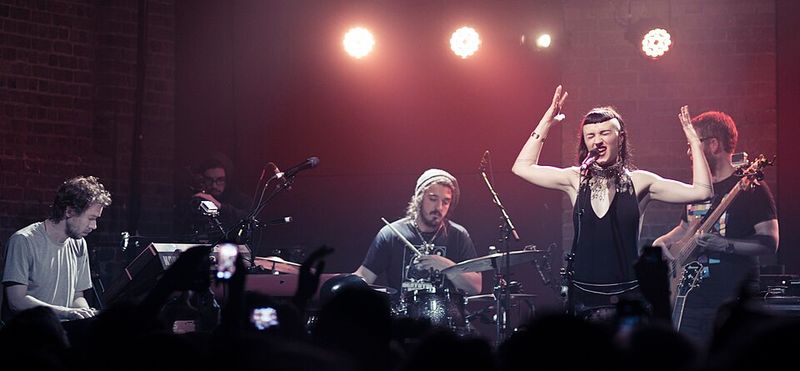
Hiatus Kaiyote is the kind of band that makes other musicians pause mid-conversation to say, “Wait, how did they do that?” The Melbourne-based quartet plays a style so fluid and intricate that genres simply give up trying to claim them.
Their music sits somewhere between neo-soul, jazz, funk, and something that doesn’t have a name yet. Drummer Perrin Moss and bassist Paul Bender create rhythms that feel simultaneously complex and completely natural.
Then Nai Palm starts singing and everything else becomes background.
They’ve earned Grammy nominations and the admiration of artists like Questlove and Erykah Badu, which is about as high a compliment as the music world offers. Yet they remain criminally underlistened outside dedicated music circles.
Their album “Choose Your Weapon” is one of those records that reveals new details every time you play it. Hiatus Kaiyote doesn’t just make music.
They build entire sonic architectures that reward every single listen.
Sudan Archives (Brittney Parks)
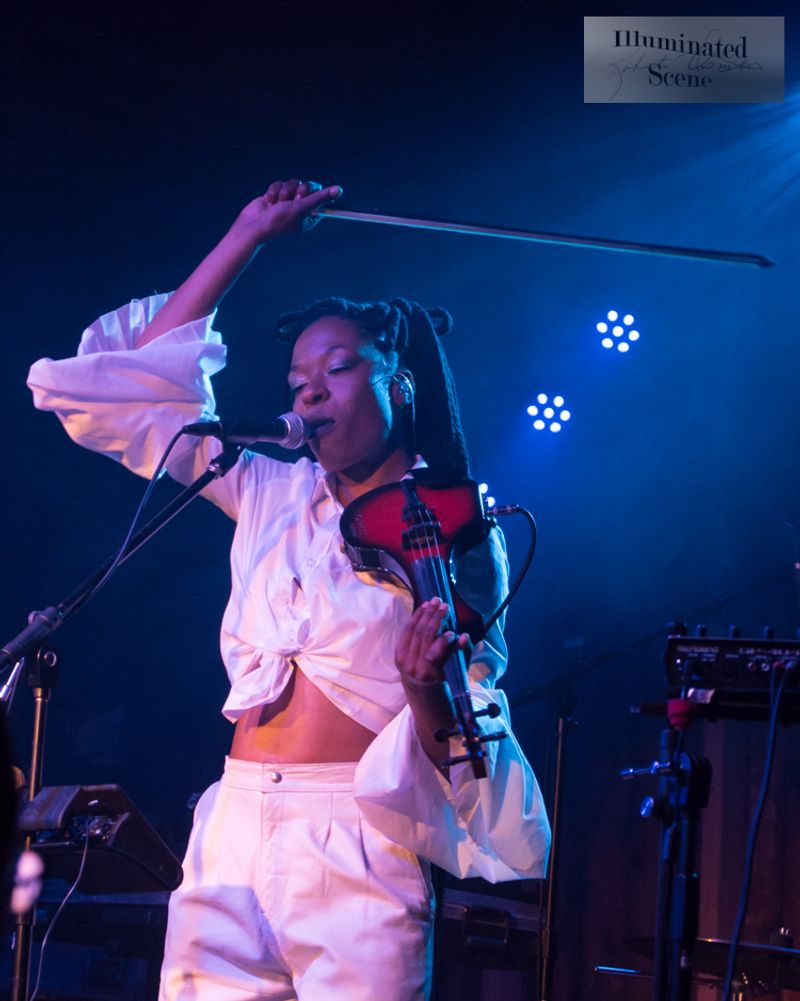
Sudan Archives does something with a violin that nobody else has thought to do, and the result is genuinely thrilling. Brittney Parks taught herself to play violin using YouTube tutorials and West African fiddle music as her reference points.
That origin story alone deserves a standing ovation.
Her debut album “Athena” fuses R&B, electronic production, and violin into a sound that feels futuristic and earthy at the same time. She loops her own violin lines live, building layers of sound in real time that most producers need a full studio to achieve.
It’s wild to watch.
Parks grew up in Cincinnati and moved to Los Angeles, where she developed her style largely outside traditional music industry pipelines. Her second album “Natural Brown Prom Queen” earned widespread critical acclaim and cemented her as one of the most original voices in contemporary music.
Sudan Archives proves that the most exciting new sounds often come from someone who never learned what was “supposed” to be possible.
Nick Hakim
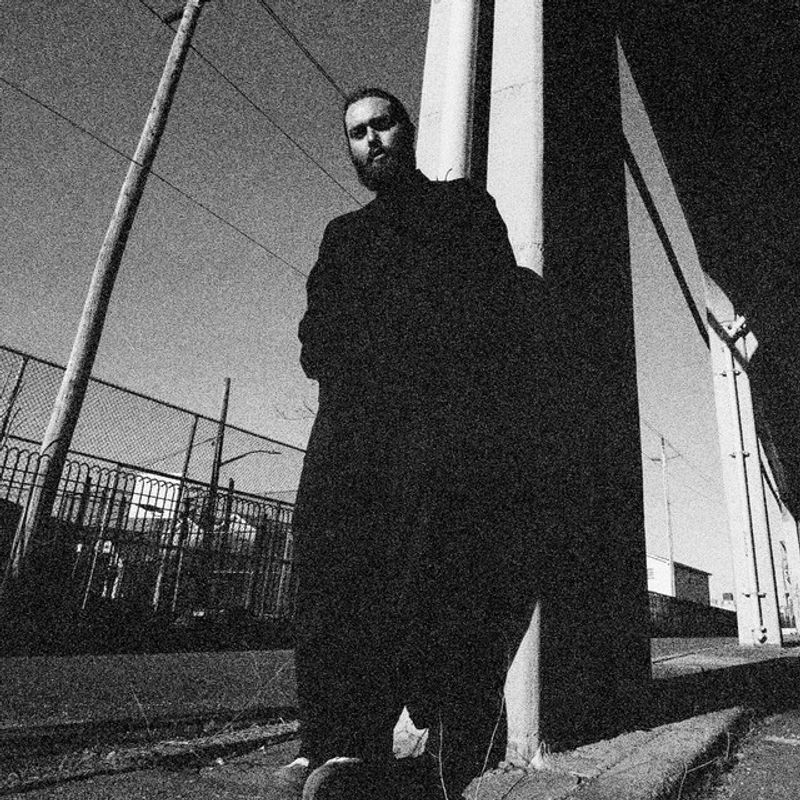
Nick Hakim makes music that sounds like the inside of a thought you haven’t finished yet. His songs exist in a hazy, unhurried space where R&B, soul, and psychedelia all blur together into something genuinely hard to describe but very easy to feel.
His debut album “Green Twins” was produced with such a distinct sonic identity that it immediately separated him from every other soul-adjacent artist working at the time. The production feels waterlogged in the best way, like sounds are moving through something thicker than air.
Hakim grew up between Peru, Morocco, and Washington D.C., and those varied cultural experiences show up in his music in ways that feel organic rather than deliberate. He’s collaborated with artists like Wiki and serpentwithfeet, suggesting a creative circle that values experimentation above all else.
Nick Hakim isn’t trying to make a hit. He’s trying to make something true, and that distinction is exactly what makes his music so quietly essential.
clipping. (Daveed Diggs)
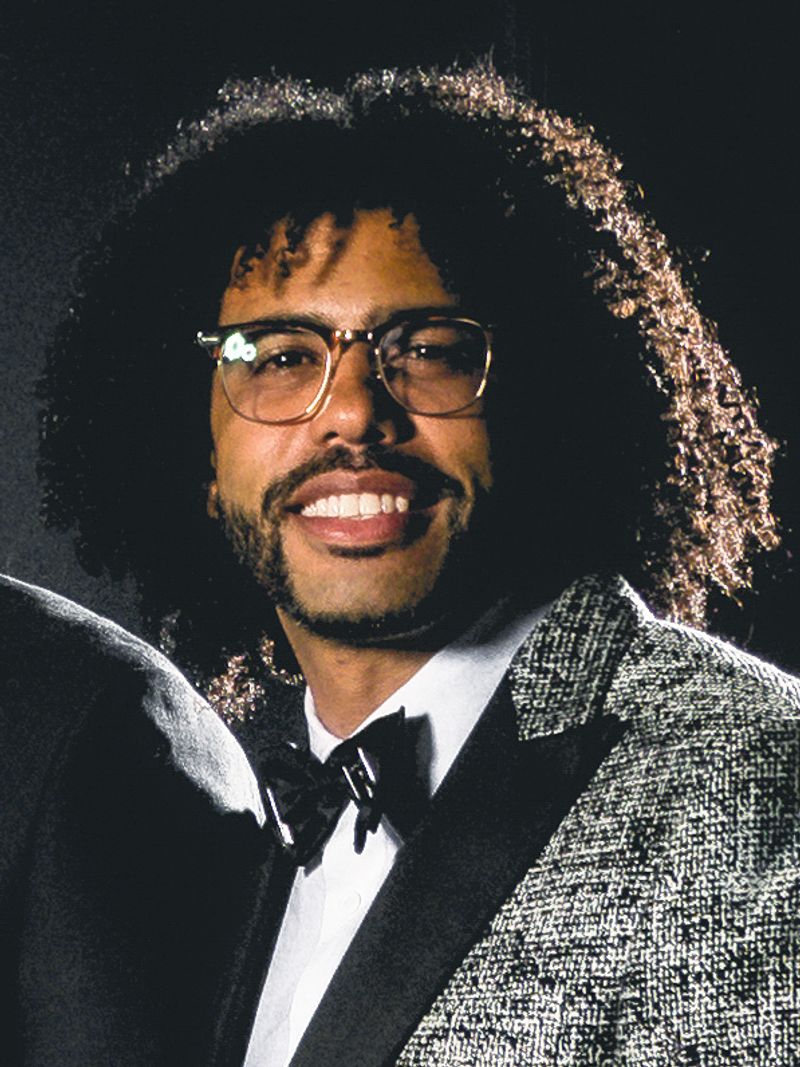
Clipping is hip-hop that decided the rulebook was optional and never looked back. Fronted by Daveed Diggs, best known for his Tony-winning role in Hamilton, the group pairs his rapid-fire delivery with producer William Hutson and Jonathan Snipes’s genuinely experimental noise-based production.
The combination is not for the faint of heart, and that’s exactly the point.
Their albums explore everything from horror movie narratives to Afrofuturism with academic depth and genuine artistic daring. “Splendor and Misery,” a concept album about a slave revolt in space, earned a Hugo Award nomination. Hip-hop doesn’t usually win sci-fi awards.
Clipping does.
Diggs raps at a pace that makes you wonder if human mouths have speed limits he simply ignores. The group operates entirely outside mainstream rap conventions and seems completely unbothered by that fact.
Clipping proves that hip-hop, when treated as a true art form rather than a commercial product, can go places that genuinely surprise even the most seasoned music listeners.
Valerie June
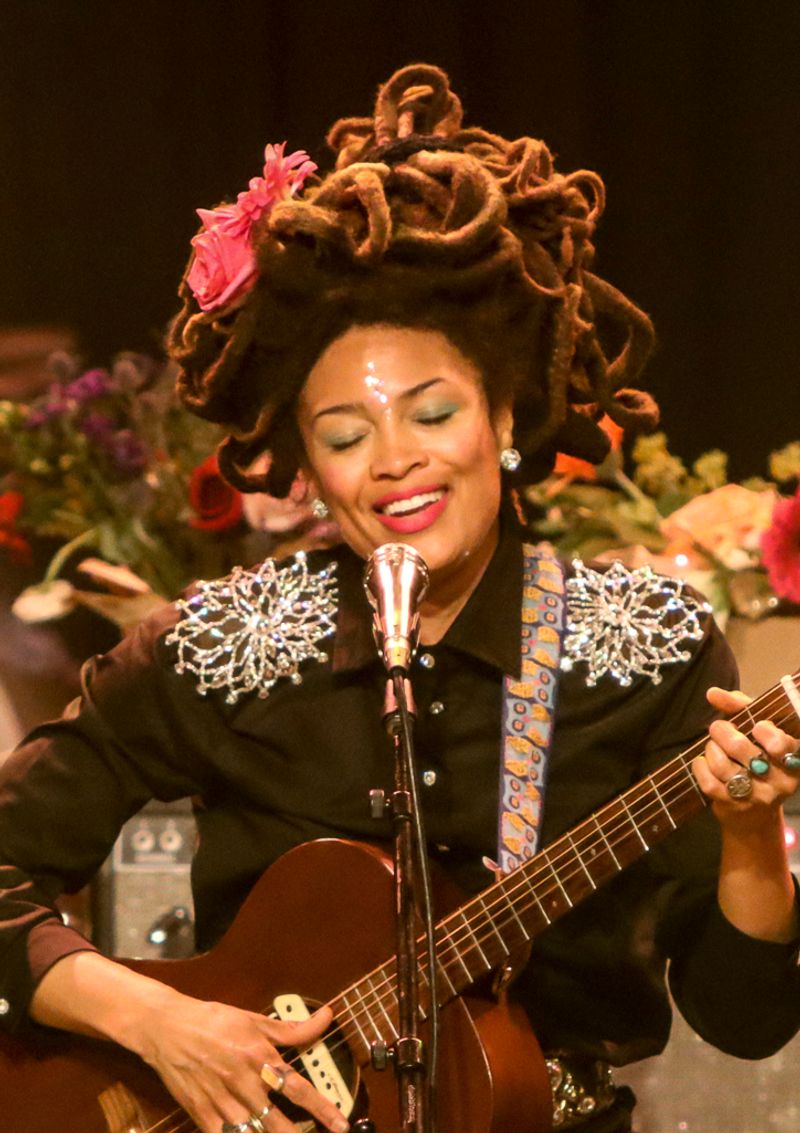
Valerie June sounds like she arrived from a different era, but she fits perfectly into this one. Her voice carries elements of Appalachian folk, gospel, blues, and old-time country in a blend so natural it feels less like genre fusion and more like memory.
Her album “The Order of Time” introduced her to wider audiences, but she’d been quietly building one of the most distinctive catalogs in American roots music for years before that. Patience, it turns out, suits her artistry perfectly.
June grew up in Tennessee surrounded by gospel music and taught herself multiple instruments, including banjo and guitar. She also spent years working with other artists before stepping fully into the spotlight herself.
There’s a warmth to her music that feels genuinely rare in an era obsessed with cool detachment. Valerie June makes music that feels like something handed down rather than manufactured, and in a world of curated sounds, that kind of authenticity is worth celebrating loudly.
serpentwithfeet
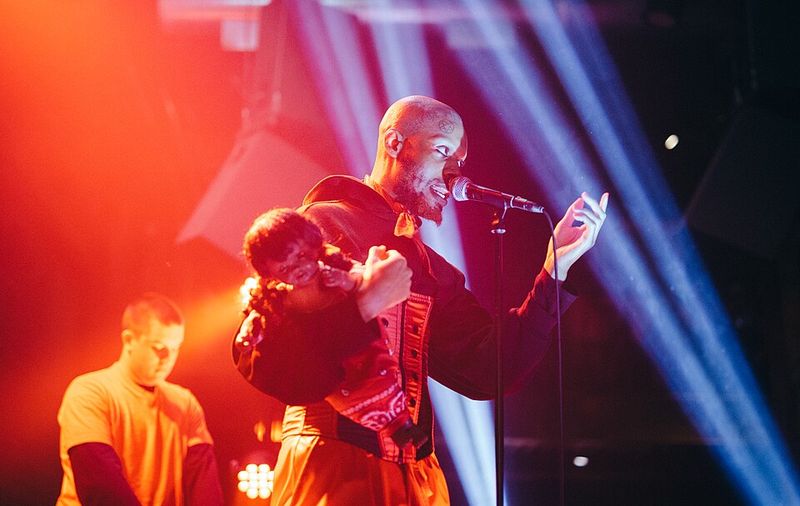
Serpentwithfeet grew up singing in church and never fully left, even when his music went somewhere entirely unexpected. His sound sits at the intersection of gospel, avant-garde R&B, and classical composition, which shouldn’t work as well as it does.
But it absolutely does.
His debut EP “blisters” announced an artist with a completely singular vision. Produced in part by Haxan Cloak, it sounded like sacred music being sung in a space that didn’t have a name yet.
Critics loved it. General audiences mostly missed it, which remains one of modern music’s quiet injustices.
Born Josiah Wise, he studied voice seriously and that training shows in every note he chooses. His music deals openly with Black queer love and spirituality, territory that mainstream R&B rarely explores with this level of nuance and beauty.
Serpentwithfeet doesn’t make music for passive listening. Every song demands your full attention, and every time you give it, the music gives something back.
Moses Sumney
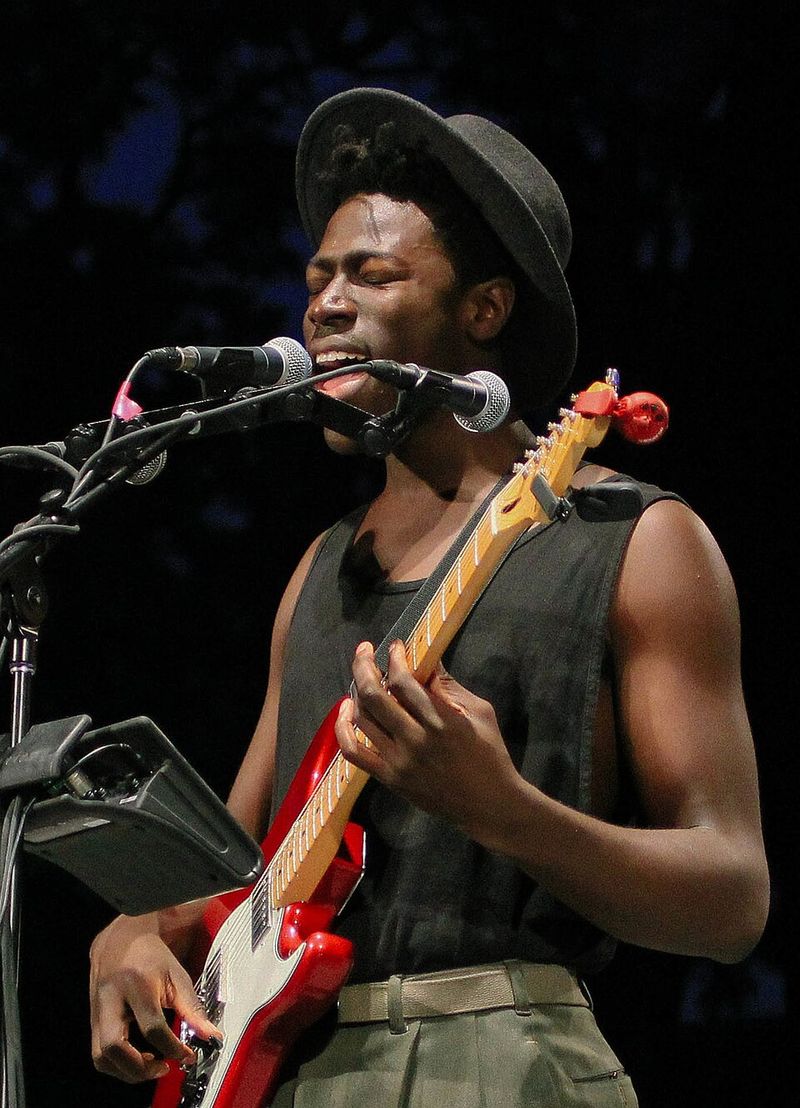
Moses Sumney’s falsetto is the kind of instrument that makes you stop scrolling and just listen. Born in Ghana and raised in California, he developed a sound that pulls from art-pop, neo-soul, and experimental music with a confidence that feels earned rather than assumed.
His double album “Grae” is a full artistic statement about ambiguity, identity, and the space between categories. It includes spoken word passages, orchestral arrangements, and some of the most precise vocal performances you’ll hear on any record from the past decade.
It’s ambitious in ways that actually pay off.
Sumney is also a visual artist, and his live performances and music videos reflect a total creative vision that goes well beyond just making songs. He toured with Sufjan Stevens and Beck early in his career, which tells you something about the company his talent keeps.
Moses Sumney is building a body of work that will be studied long after the current conversation about him has moved on.
Jeff Tweedy (Wilco)
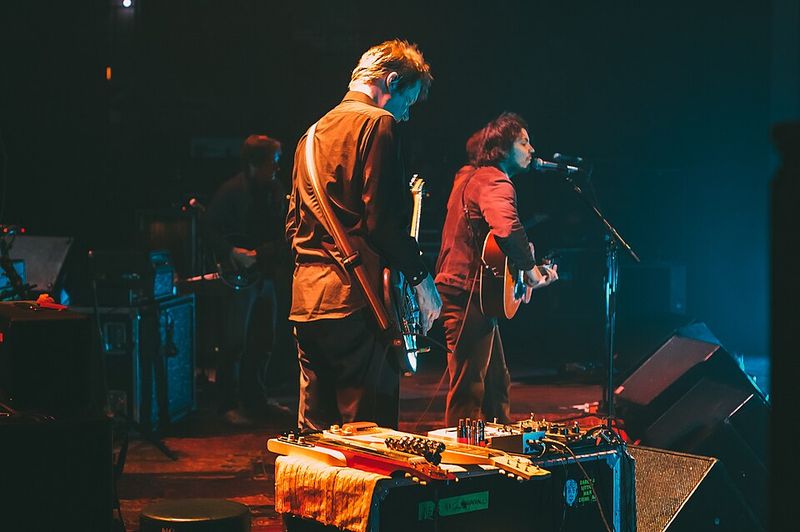
Jeff Tweedy has been quietly writing some of the best American rock songs for over thirty years, and the mainstream still hasn’t fully caught up. As the frontman of Wilco, he helped push alternative country into something far stranger and more rewarding than the genre label suggests.
Wilco’s album “Yankee Hotel Foxtrot” is one of those records that gets better every time someone writes about it. The label initially rejected it.
Tweedy put it online for free. It became a classic.
That story alone should be required reading for anyone interested in the music industry.
Beyond Wilco, Tweedy has released solo albums, written a memoir, and collaborated with artists ranging from Mavis Staples to his own son. His songwriting values emotional honesty over commercial calculation, which is either a career risk or a superpower depending on how you look at it.
Jeff Tweedy is the songwriter other songwriters reference when they want to explain what they’re actually trying to do.
Nai Palm (Hiatus Kaiyote)
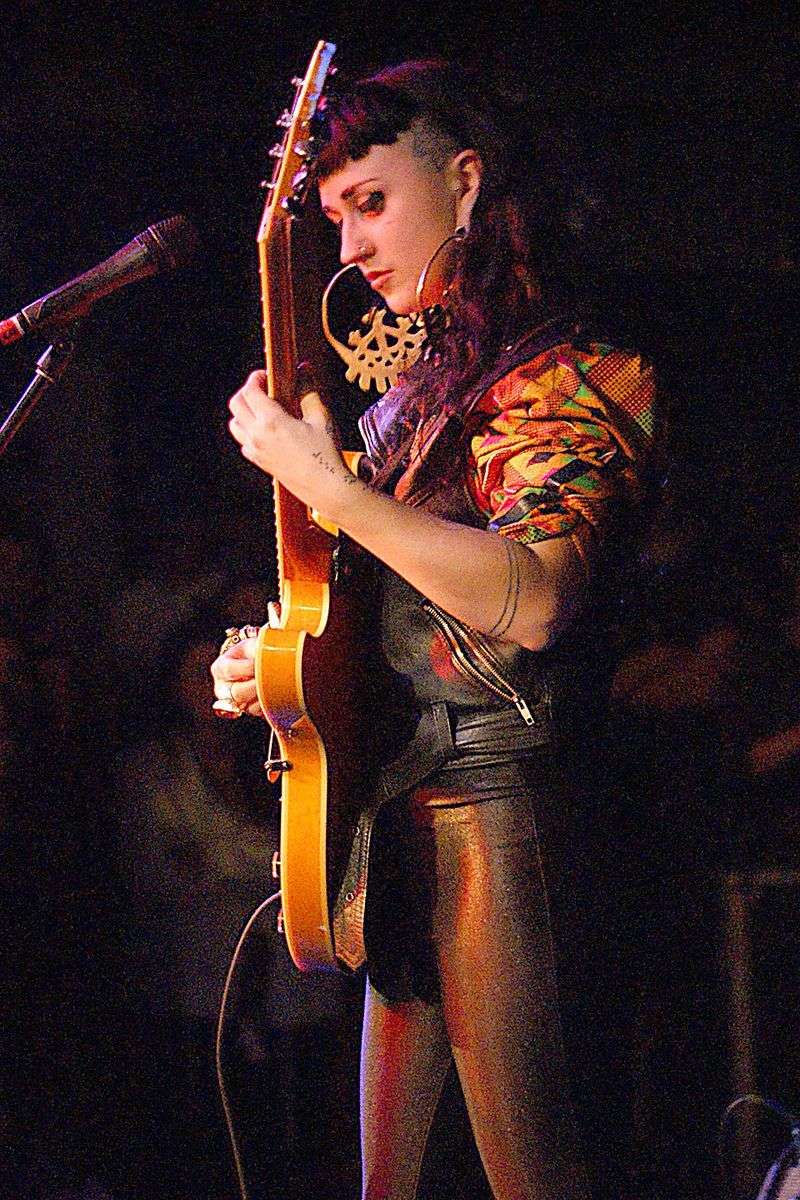
Nai Palm’s voice does things that music theory can’t fully explain, and that’s not a complaint. As the lead singer and guitarist of Hiatus Kaiyote, she has built a reputation among musicians as one of the most gifted vocalists alive right now.
That’s not hype. That’s just accurate.
Her guitar playing is equally extraordinary. She plays in a style that blends fingerpicking with rhythmic complexity, often holding down the harmonic and rhythmic foundation of a song simultaneously.
It’s the kind of multi-tasking that makes other guitarists quietly put their instruments down.
Born in Melbourne, she developed her musical voice largely outside formal training, which might explain why her phrasing sounds like nothing else in the genre. Her solo album “Needle Paw” stripped everything back to voice and guitar and still managed to feel enormous.
Nai Palm is the kind of artist who makes you reconsider what a single human voice is capable of doing. She keeps raising that ceiling, and nobody seems to know where it ends.
Julien Baker
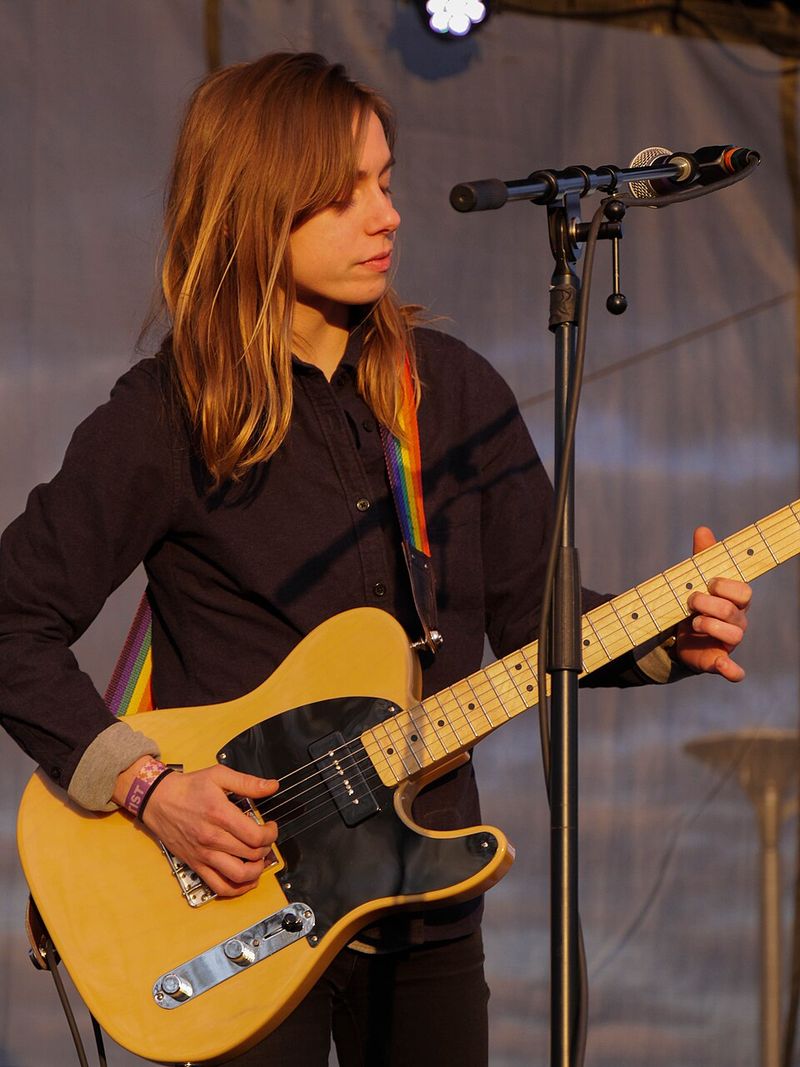
Julien Baker writes songs that feel like confessions made in an empty room, and somehow that vulnerability is the whole point. She performs largely alone on stage with just a guitar or piano and a loop pedal, building walls of sound from a single instrument and a voice that carries more weight than most full bands.
Her debut album “Sprained Ankle” was recorded in a church with minimal production and became one of the most talked-about indie releases of 2015. Critics reached for words like “devastating” and “essential” and weren’t wrong about either.
She was barely twenty years old when she made it.
Baker is also one-third of boygenius alongside Phoebe Bridgers and Lucy Dacus, a supergroup that proved three underrated artists could combine into something even more powerful. Her music deals openly with faith, addiction, and mental health without ever feeling exploitative.
Julien Baker turns personal pain into something that helps other people feel less alone, and that’s a genuinely rare gift.
Cautious Clay
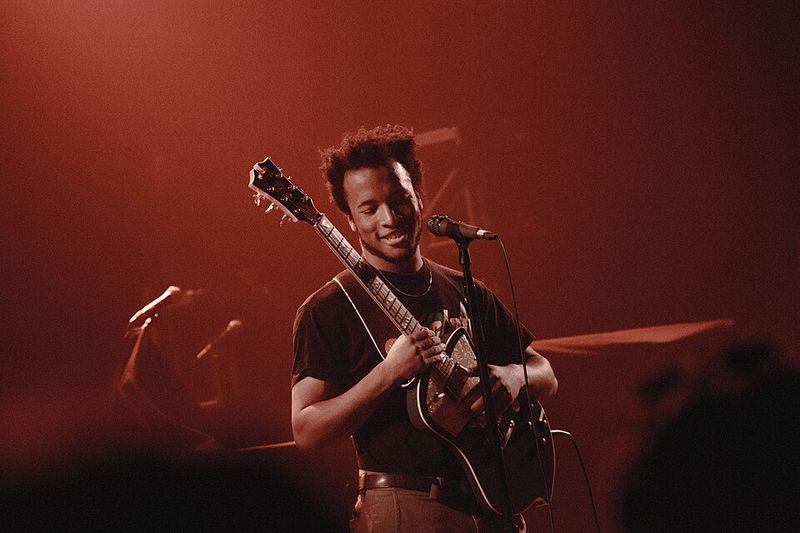
Cautious Clay is the musician’s musician who should absolutely be your musician by now. Born Josh Karpeh, he plays saxophone, guitar, and produces his own music, which already puts him in rare company.
Then he opens his mouth to sing and the list of comparisons gets very short very fast.
His breakout track “Cold War” spread through playlists and blog posts before most people knew his name. It blended indie, R&B, and jazz-influenced production in a way that felt effortless.
Frank Ocean fans took notice immediately, which tells you something about the quality of the company.
Cautious Clay writes, produces, and performs almost entirely on his own terms, which is increasingly rare in an industry that loves a committee. His debut album “Deadpan Love” showed a full artistic vision rather than just a collection of good singles.
He’s the kind of artist who makes genre labels feel lazy. Cautious Clay is simply making great music and quietly daring you to put it in a box.
Madison Cunningham
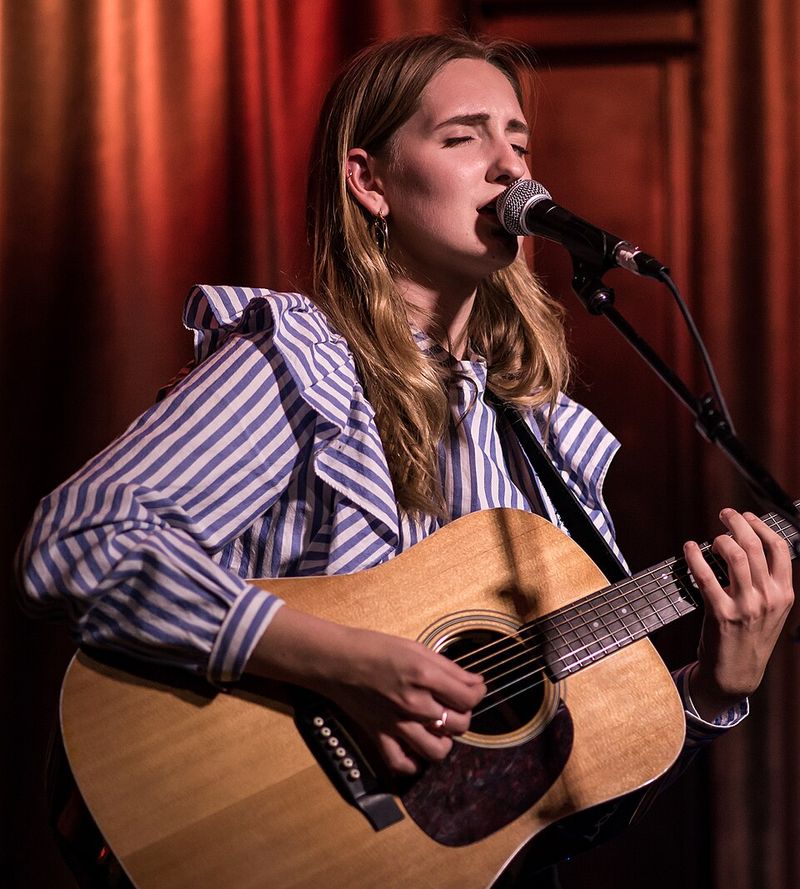
Madison Cunningham plays guitar the way some people solve puzzles, with total focus, visible joy, and results that seem almost unfairly good. She grew up in a musical family in Southern California and started performing publicly as a teenager, which explains the comfort she carries on stage.
She looks like she was born there.
Her album “Who Are You Now” earned a Grammy nomination and introduced her sophisticated fingerpicking and chord vocabulary to a wider audience. Her playing doesn’t show off for its own sake.
Every note serves the song, which is a discipline that takes years to develop.
Cunningham also writes lyrics that match her musical complexity, exploring themes of identity and faith with real nuance. She’s collaborated with Cory Wong and recorded a full album reimagining Joni Mitchell’s work, which is a bold creative choice that paid off completely.
Madison Cunningham is one of those rare artists where the more you listen, the more you hear. Her music keeps revealing new layers long after the first listen ends.
Billy Strings
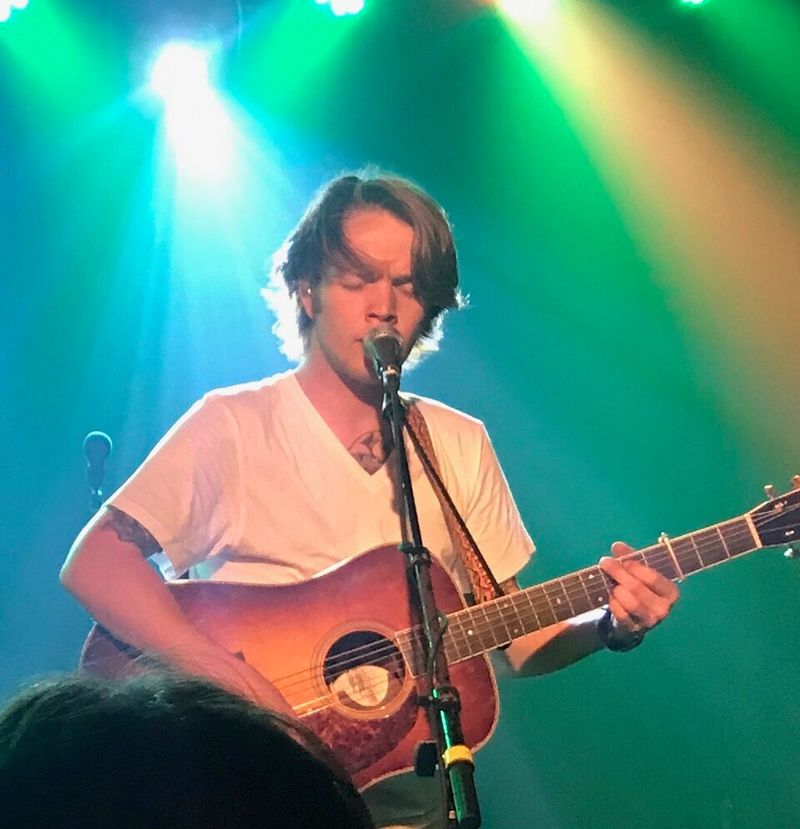
Billy Strings plays bluegrass like he’s racing the clock, and the clock is losing badly. Born William Apostol in Michigan, he grew up playing guitar with his father and developed a flatpicking technique that leaves seasoned musicians visibly stunned.
His hands move faster than most people’s thoughts.
His album “Home” won the Grammy for Best Bluegrass Album in 2021, but what makes him special isn’t just speed. His phrasing, tone, and musical instincts place him in a category occupied by very few living musicians.
He also brings in psychedelic and rock influences that make his live shows feel like events rather than performances.
Strings has spoken openly about growing up in poverty and struggling with addiction, and that honesty connects directly to the emotional rawness of his playing. His fans, known as the Strings Cheese Incident crowd, follow him with a devotion usually reserved for jam band legends.
Billy Strings is proof that bluegrass still has mountains to climb and that he’s the right person to lead the way up.
Yves Tumor
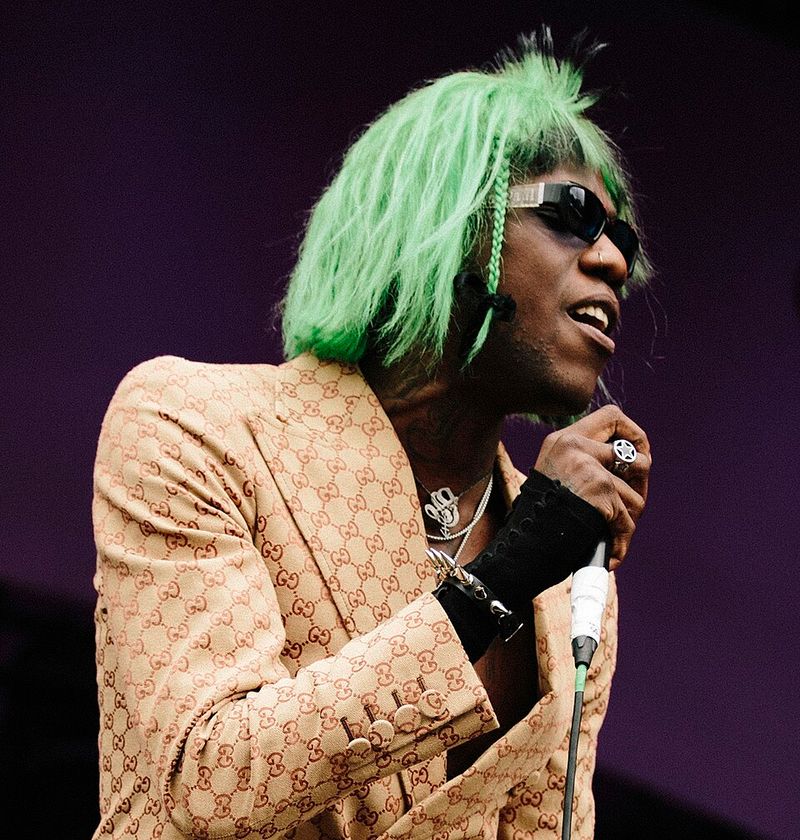
Yves Tumor is one of those artists where describing their music feels like describing a dream to someone who wasn’t there. Born Sean Bowie, they have released albums that span noise music, glam rock, R&B, and psychedelia without ever settling long enough to be pinned down.
That restlessness is the whole point.
Their album “Heaven to a Tortured Mind” arrived in 2020 and landed on nearly every serious year-end list. It sounded like David Bowie and Prince collaborating in a room that was slightly on fire.
The follow-up, “Praise a Lord Who Chews but Which Does Not Consume,” pushed even further into rock territory. Both records rewarded repeat listening with new details every time.
Yves Tumor resists every category, every label, and every attempt to make their art comfortable or predictable. They perform with theatrical intensity and record with fearless creative ambition.
In a music landscape that often rewards familiarity, Yves Tumor is a deliberate, brilliant disruption. They’re not just ahead of the curve.
They’ve already drawn an entirely different one.



