Europe’s coastline stretches for thousands of miles, and while Santorini and the Amalfi Coast grab all the attention, some of the most magical seaside spots are barely on the radar. Hidden medieval towns, wild Atlantic cliffs, volcanic islands, and powder-soft beaches are waiting just beyond the usual tourist trail.
These underrated gems offer everything you could want from a beach holiday, minus the selfie sticks and overpriced sunbeds. Pack your bags and get ready to discover the European coast you never knew existed.
Kotor, Montenegro
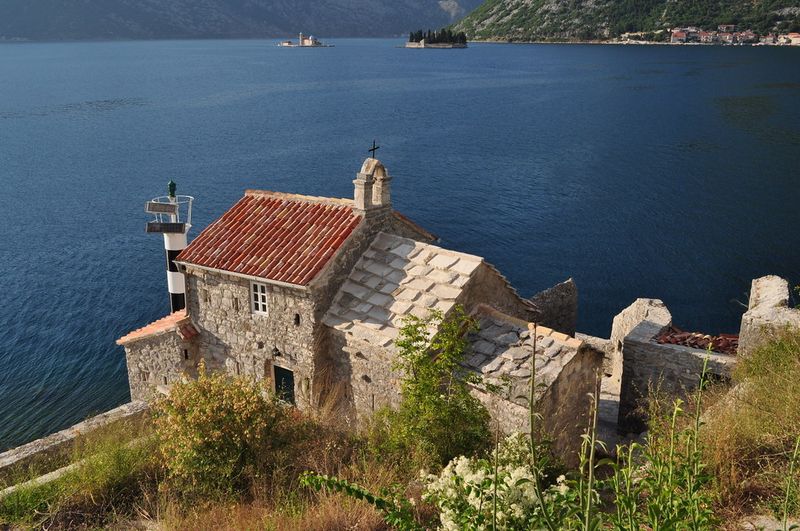
Picture a medieval town so dramatically placed that the city walls literally climb straight up a mountain. That is Kotor, and it looks almost too cinematic to be real.
Tucked inside the Bay of Kotor, this walled city offers some of the most jaw-dropping coastal scenery in all of Europe.
The bay itself is often called Europe’s southernmost fjord, carved by mountains that plunge straight into glassy water. Venetian-era architecture fills the old town, with narrow alleys, stone churches, and cats lounging on every corner.
Yes, cats are basically the unofficial mascots here, and locals are very proud of that fact.
Hiking up to the fortress rewards you with panoramic views that feel absolutely unreal. The walk takes about 45 minutes on stone steps, but the payoff is worth every breath.
Visitors who arrive early in the morning beat the cruise ship crowds and experience the old town at its peaceful, golden-hour best.
Kotor is growing in popularity but remains far calmer than Dubrovnik or Split. Affordable restaurants, boutique guesthouses, and easy access by bus from Budva make it very practical for budget travelers too.
Korcula, Croatia
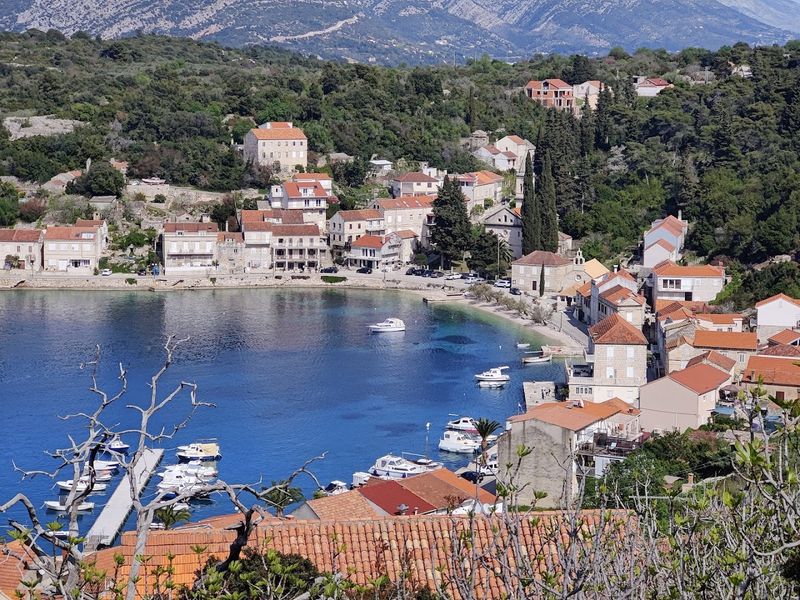
Korcula has a cheeky little claim to fame: some historians believe Marco Polo was born here, though Venetians would strongly disagree. Whether or not that legend holds up, there is nothing legendary about how underrated this island remains today.
Sandwiched between Dubrovnik’s fame and Hvar’s party reputation, Korcula quietly gets on with being lovely. The old town sits on a small peninsula shaped almost like a fishbone, with streets designed to channel sea breezes while blocking harsh winds.
It is clever medieval urban planning that also happens to look stunning from above.
The island produces excellent local wine, particularly Grk and Posip white varieties grown in sun-baked vineyards. Pair a glass with fresh seafood at a harbor-side konoba and you have the perfect Croatian afternoon sorted.
Beaches here tend to be rocky and clear rather than crowded and sandy, which suits swimmers who prefer visibility over comfort.
Getting to Korcula involves a ferry from Split or Dubrovnik, which keeps the crowds manageable. Summer brings visitors, but nothing approaching the chaos of Hvar.
Shoulder season in May or September offers warm weather, cheaper prices, and a wonderfully unhurried pace.
Cefalu, Sicily, Italy
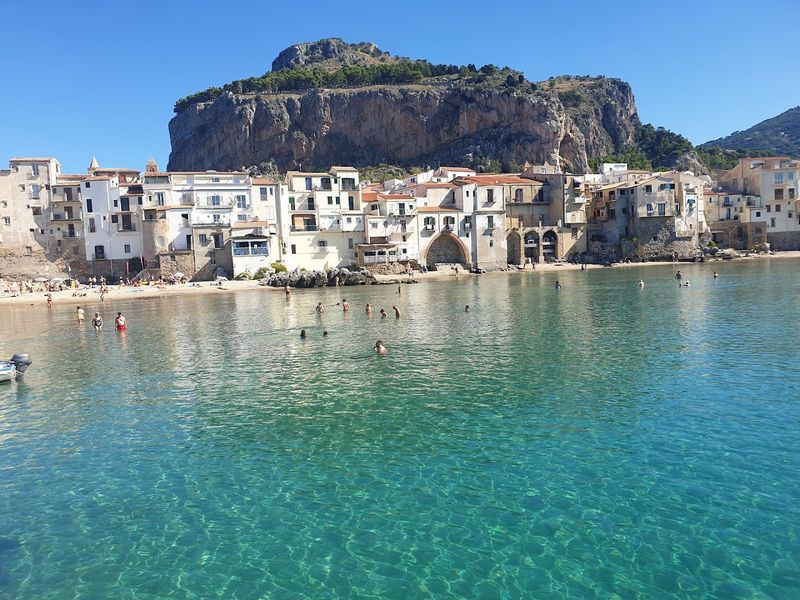
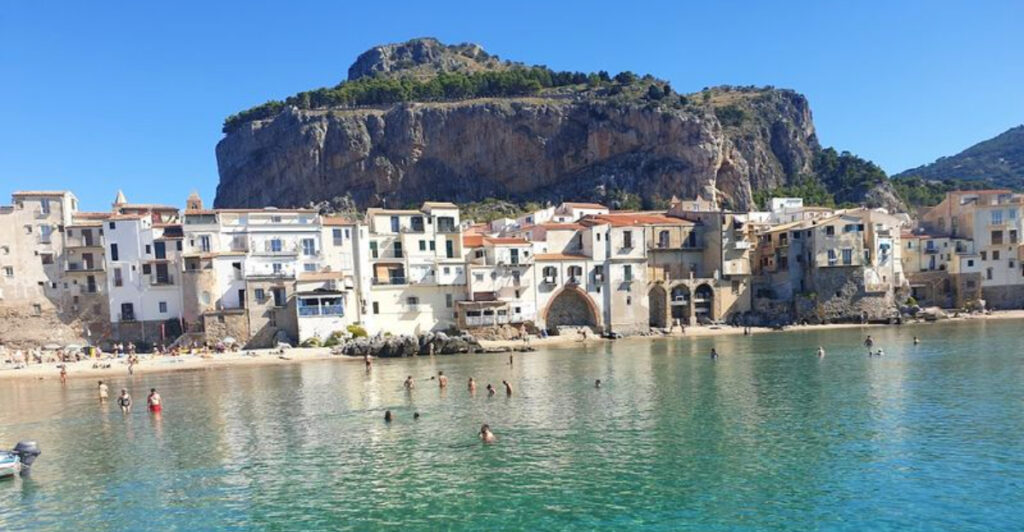
Cefalu is the kind of place where you plan to stay two nights and end up staying five. The golden sandy beach alone could justify the trip, but then there is also a breathtaking Norman cathedral that has stood since 1131 and a dramatic rock called La Rocca looming behind the whole town like a protective giant.
The cathedral’s interior features Byzantine mosaics that rank among the finest in Europe. Bright gold tiles depict Christ Pantocrator in a style so vivid it feels almost electric, even a thousand years after they were crafted.
Art lovers and history fans will want to budget serious time inside.
Cefalu’s medieval streets are narrow, shaded, and full of character. Local trattorias serve freshly caught swordfish, pasta alla Norma, and arancini that taste nothing like the versions sold at airport food courts.
Eating here is a genuine pleasure rather than a tourist obligation.
The beach fills up in July and August, but the town never reaches the madness of Taormina or Palermo’s main sights. Arriving by train from Palermo takes under an hour and costs very little.
Cefalu rewards slow travelers who enjoy wandering without an agenda.
Comporta, Portugal
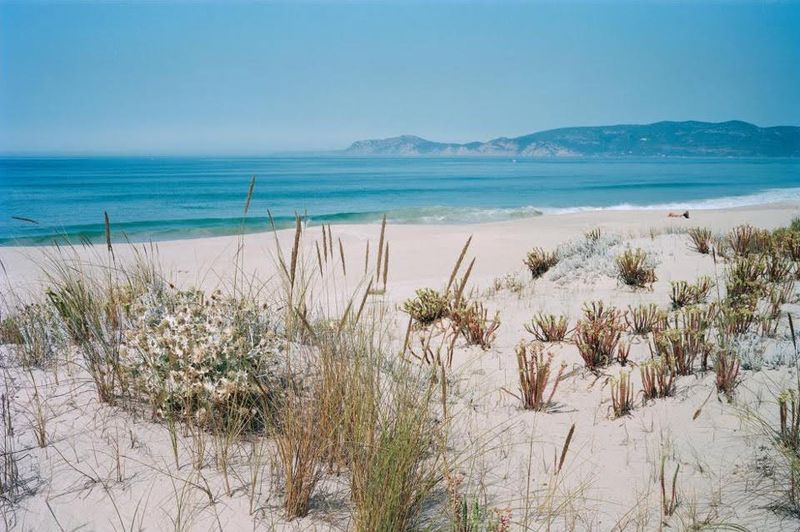
Only an hour south of Lisbon, Comporta feels like a completely different world. Long, empty Atlantic beaches stretch as far as you can see, backed by rice fields, pine forests, and the occasional stork nesting on a rooftop.
It is the kind of place that makes you wonder why you ever bothered with crowded resorts.
Comporta has earned a quiet reputation among Lisbon’s creative crowd and a handful of European celebrities who prefer their holidays low-key. The aesthetic is deliberately understated: whitewashed wooden beach shacks, minimal signage, and restaurants that look rustic but cook exceptionally well.
Style and simplicity go hand in hand here.
The seafood is outstanding, with clams, grilled fish, and rice dishes featuring heavily on every menu. Eating lunch with sandy feet on a terrace overlooking the rice fields is a genuinely wonderful experience that costs far less than you might expect.
Swimming in the Atlantic here means colder water than the Mediterranean, but the waves are gentle enough for families and the beaches are clean enough to feel completely pristine. Hiring a bicycle to explore the surrounding wetlands and nature reserves makes for a perfect slow travel day.
Come before the secret fully gets out.
Ericeira, Portugal
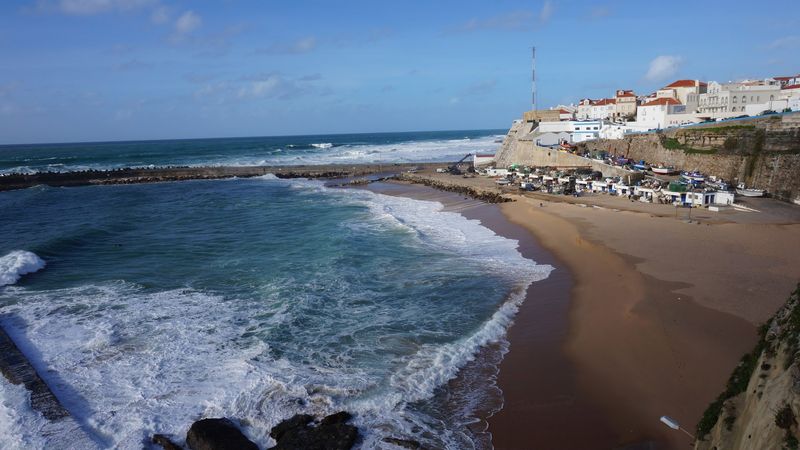
Ericeira was declared a World Surfing Reserve in 2011, making it only the second place in the world to receive that honor. For surfers, that is basically a Michelin star.
For everyone else, it means spectacular waves, dramatic cliffs, and a coastal atmosphere that feels genuinely alive with energy.
The village itself is a classic Portuguese whitewashed fishing settlement, all blue-tiled facades and cobblestone streets leading down to the sea. Local fishermen still bring in the morning catch, and you can buy it straight from the harbor or find it on a restaurant plate by lunchtime.
Freshness does not get more direct than that.
Non-surfers have plenty to enjoy too. Clifftop walks offer dizzying views of the Atlantic crashing against volcanic rock formations below.
The village is small enough to explore on foot in an afternoon but interesting enough to hold your attention for days.
Ericeira sits about 50 kilometers north of Lisbon, making it an easy day trip or weekend escape. Accommodation ranges from surf hostels to boutique guesthouses, covering budgets from backpacker to splurge.
The local seafood restaurants along the harbor serve some of the freshest grilled fish you will find anywhere on the Portuguese coast. Timing your visit outside July and August keeps things pleasantly calm.
Porto Covo, Portugal
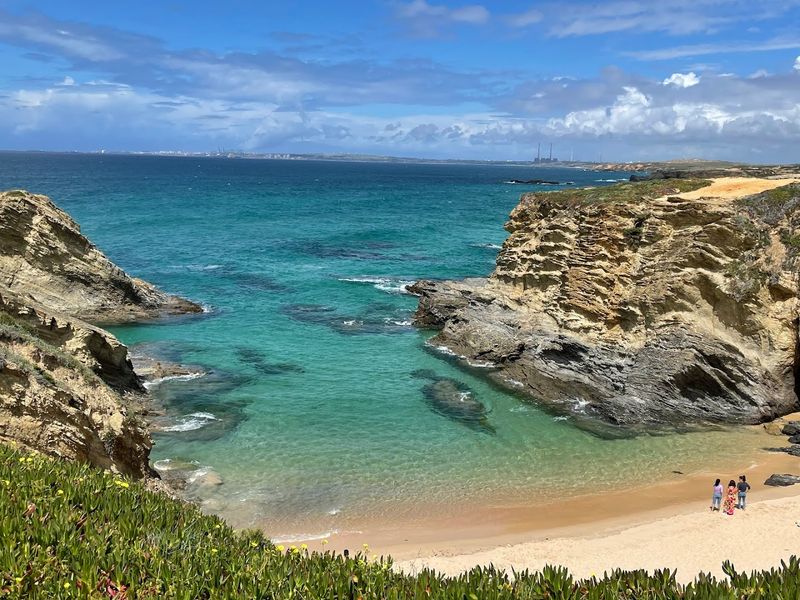
Porto Covo is one of those places that travel writers keep accidentally leaving off their lists, which is precisely why it remains so wonderful. This tiny whitewashed village on Portugal’s Alentejo coast looks like someone designed it specifically to appear on a postcard, then forgot to tell anyone about it.
The village sits above a series of hidden coves where the Atlantic water runs a surprising shade of turquoise. Getting down to the best beaches involves short cliff walks on red-earth paths lined with wildflowers in spring.
Each cove feels like a private discovery, even if a handful of other visitors had the same idea.
Porto Covo is part of the Vicentina Coast Natural Park, which means development is tightly controlled and the surrounding landscape stays beautifully wild. Hiking trails connect the village to neighboring beaches and clifftop viewpoints that stretch for miles in each direction.
The village itself has a central square with a handful of cafes, restaurants, and guesthouses. Grilled fish, local wines, and a complete absence of chain restaurants make eating here a pleasure.
Sunset from the clifftops turns the whole Atlantic sky shades of orange and pink that feel almost excessive in their beauty. Arriving by car is the most practical option, but the drive through the Alentejo countryside is part of the appeal.
Villajoyosa, Spain
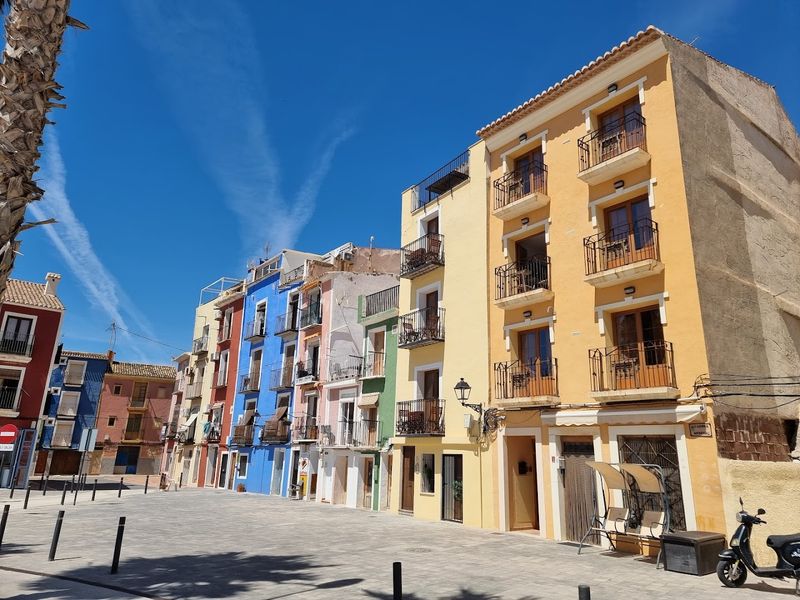
Villajoyosa sits on the Costa Blanca between Alicante and Benidorm, which means it is surrounded by places that get all the attention while it quietly goes about being one of Spain’s most visually striking coastal towns. The seafront houses are painted in vivid shades of yellow, orange, pink, and blue, a tradition originally started so fishermen could spot their homes from the sea.
The town has five Blue Flag beaches, which is not a small achievement for a place most people have never heard of. The main beach is wide and sandy with calm, clear Mediterranean water perfect for swimming.
Less glamorous but genuinely useful: the town has excellent transport links and far cheaper accommodation than its flashier neighbors.
Villajoyosa also produces its own chocolate, and has done so since the 18th century. The Valor chocolate factory offers tours and tastings that make for a surprisingly fun rainy-day activity.
Picking up locally made chocolate gifts beats airport souvenirs by an enormous margin.
The old town quarter has a small but appealing historic center with fish markets, tapas bars, and a relaxed local atmosphere that feels entirely unaffected by tourism. Visiting on a weekday in June or September gives you beaches that feel almost deserted.
Villajoyosa rewards travelers who do their research rather than following the crowd.
San Vicente de la Barquera, Spain
Spain’s northern coast, known as the Costa Verde, plays by completely different rules to the sun-bleached Mediterranean south. San Vicente de la Barquera is perhaps the most photogenic proof of that.
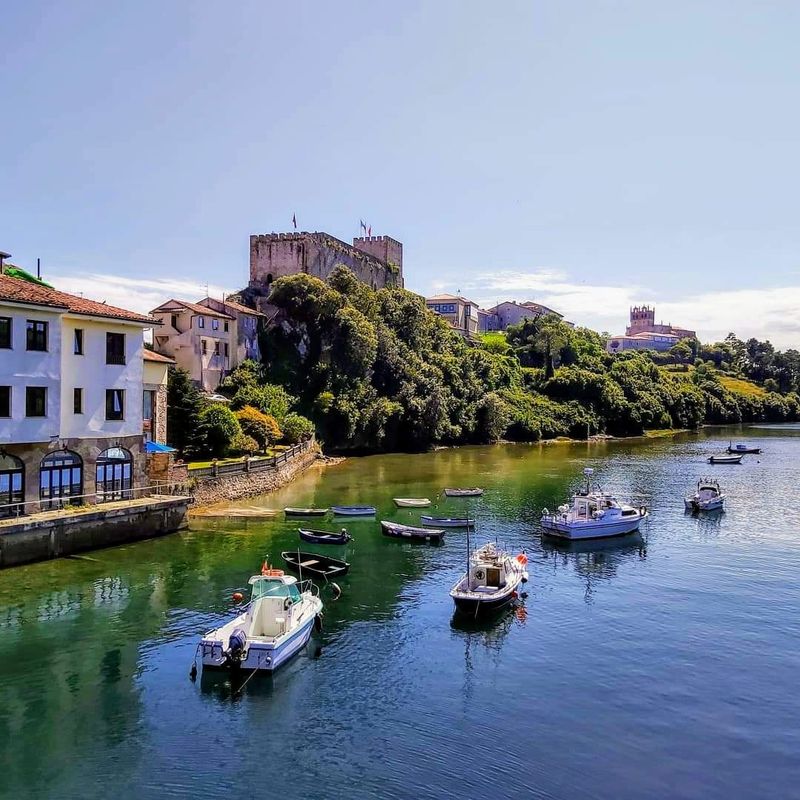
A medieval castle, a Gothic church, a long sandy beach, a working fishing harbor, and the Picos de Europa mountains all share the same spectacular view.
The town sits on an estuary where the Cantabrian Sea meets tidal marshes and green mountains, creating a landscape that feels more like Ireland than Spain. This is very much intentional: the north gets real rain, which is exactly why everything stays so lush and green.
Bring a light jacket and embrace it.
Seafood is taken extremely seriously here. Merluza a la Vasca, fresh anchovies, and barnacles called percebes appear on menus throughout town, sourced from boats that docked that morning.
Eating well in San Vicente does not require a reservation at a fancy restaurant; the local bars do it better anyway.
The medieval bridge with 28 arches crossing the estuary is one of the most photographed spots on the entire Cantabrian coast. Walking across it at low tide with the castle rising behind you is a genuinely memorable moment.
Fewer than 4,000 people live here permanently, which keeps the atmosphere wonderfully unhurried year-round.
Rovinj, Croatia
Rovinj has a habit of stopping people mid-sentence. You are explaining something perfectly ordinary and then the view hits you and the sentence just ends there.
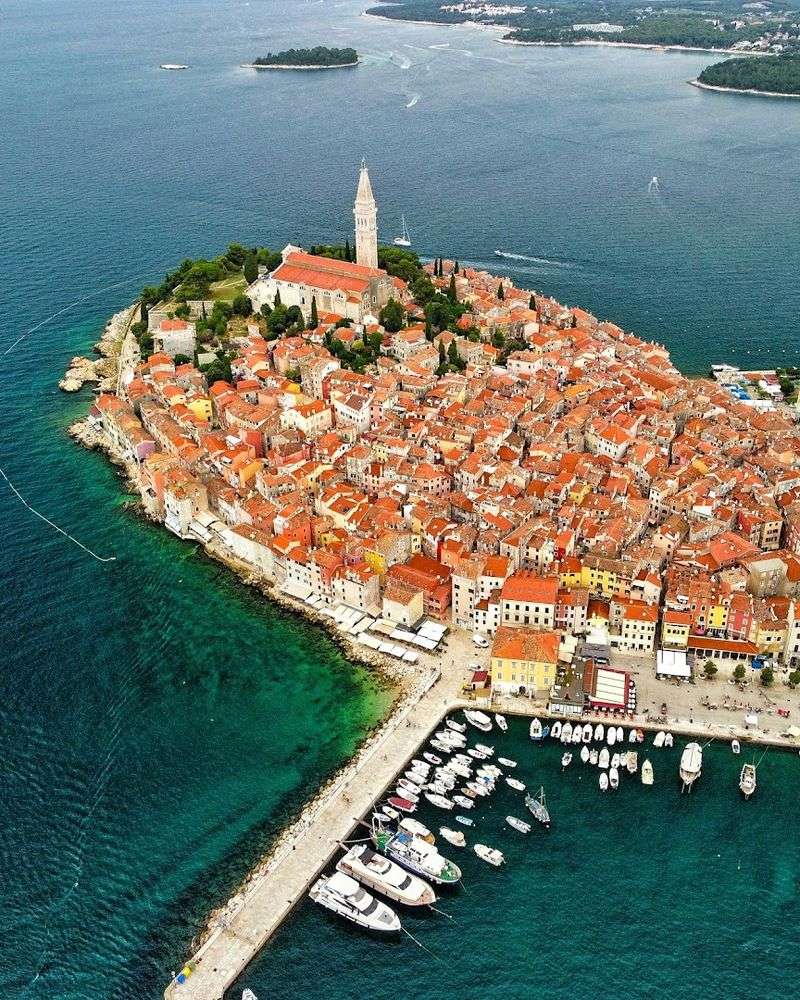
The town rises from a small peninsula on the Istrian coast, a cluster of pastel-colored buildings topped by the tall bell tower of St. Euphemia’s Church, which is visible from miles out at sea.
The old town’s streets are so narrow and steep they were designed for feet and donkeys, not cars. Getting lost in the labyrinth of stone alleys is basically the main activity, and it is a good one.
Art galleries, boutique shops, and tiny restaurants fill the ground floors of buildings that have been standing for centuries.
The surrounding coastline is dotted with small islands covered in pine forest, reachable by boat or kayak from the harbor. Renting a kayak for the afternoon and paddling to a quiet cove for a swim is one of the most satisfying ways to spend a day here.
Rovinj is popular with Italian tourists who cross the Adriatic for weekend breaks, which keeps the restaurant quality impressively high. Istrian cuisine features truffle-laced pasta, fresh seafood, and local olive oil that gets genuinely competitive acclaim.
Visiting in May or early October means warm weather, open restaurants, and crowds that stay comfortably manageable.
Doolin, Ireland
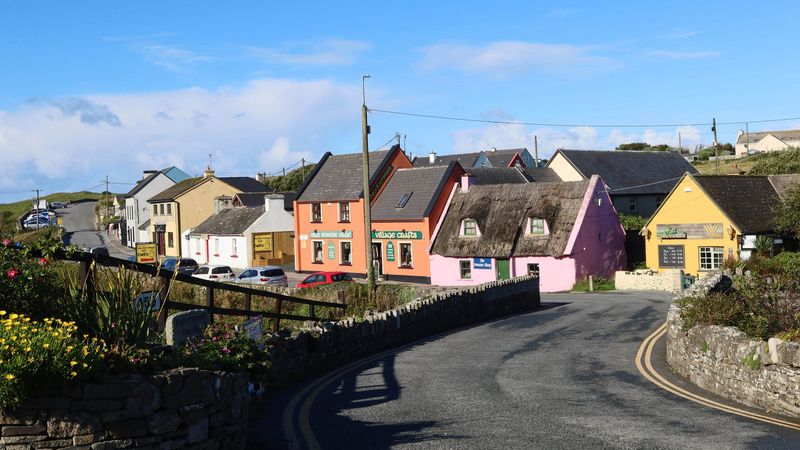
Doolin is the kind of village where you pop into a pub for one drink and emerge three hours later having made several lifelong friends and learned the words to two traditional songs. That is not an exaggeration; it is essentially the standard Doolin experience.
Located on the Clare coast just a short drive from the Cliffs of Moher, Doolin punches well above its weight for a village with fewer than 300 permanent residents. The live traditional music scene here is considered among the best in Ireland, with sessions running nightly in the village’s handful of pubs.
No cover charge, no tourist gimmick, just real music played by people who love playing it.
The Cliffs of Moher are obviously the headline attraction nearby, but the lesser-known Doolin Cave contains the longest free-hanging stalactite in the northern hemisphere. It is a genuinely impressive geological feature that most visitors walk straight past on the way to the cliffs.
Ferries depart from Doolin pier to the Aran Islands, giving easy access to one of Ireland’s most ancient and atmospheric island communities. The coastal walk from Doolin to the cliffs follows the cliff edge with views that are among the most dramatic in Europe.
Pack waterproof gear regardless of the forecast; the weather here has strong opinions of its own.
Loutro, Crete, Greece
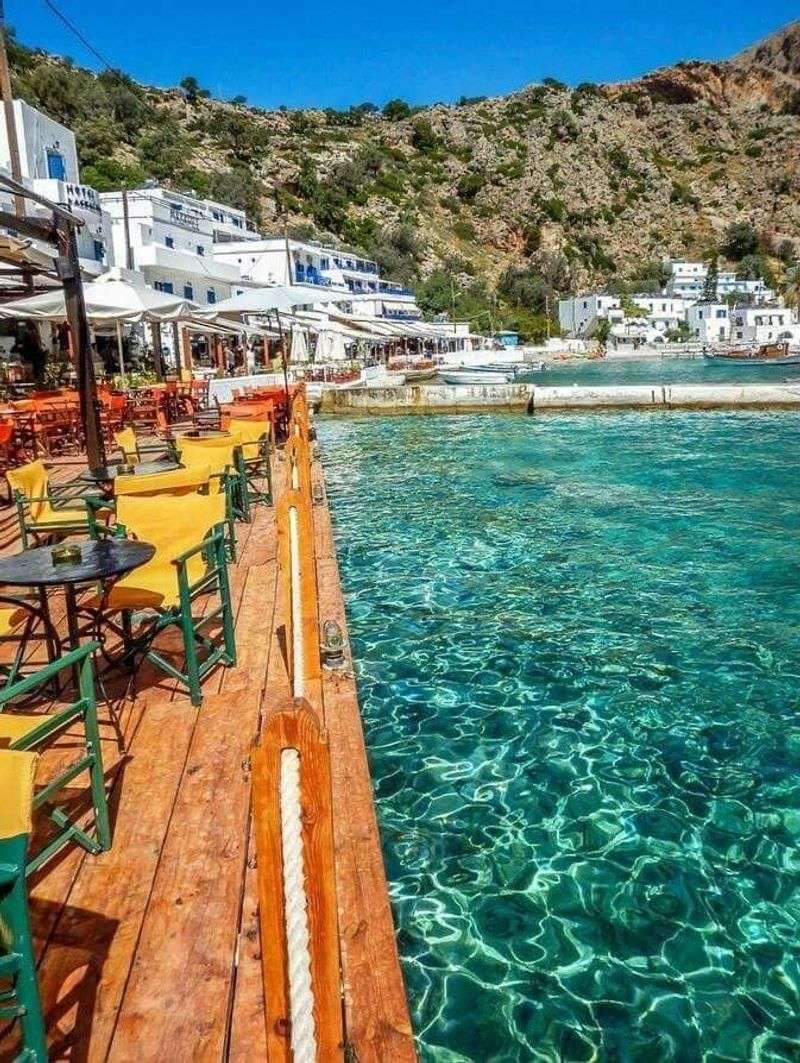
No roads lead to Loutro. That single fact tells you almost everything you need to know about why this tiny Cretan village feels so extraordinarily peaceful.
Getting here requires either a ferry from Chora Sfakion or a hike through the mountains, and that gentle inconvenience is exactly what keeps it magical.
The village sits in a perfect natural harbor carved into the rugged south coast of Crete. Whitewashed houses and blue-domed chapels line the waterfront, and the water in the cove is a shade of turquoise that genuinely looks digitally enhanced until you are swimming in it.
There is very little to do here beyond swimming, eating, and reading, which turns out to be more than enough.
Tavernas along the harbor serve fresh fish, dakos salad, and cold Cretan wine at prices that feel almost apologetically reasonable. The pace of life slows to something approaching geological speed.
Even the cats here look more relaxed than cats anywhere else.
Hikers use Loutro as a base for exploring the dramatic Aradena Gorge and the coastal E4 trail that winds along the White Mountains. The village has a small number of guesthouses that fill up quickly in summer, so booking ahead is essential.
Arriving by the morning ferry and watching the village wake up slowly is the best possible introduction.
Stromboli, Italy
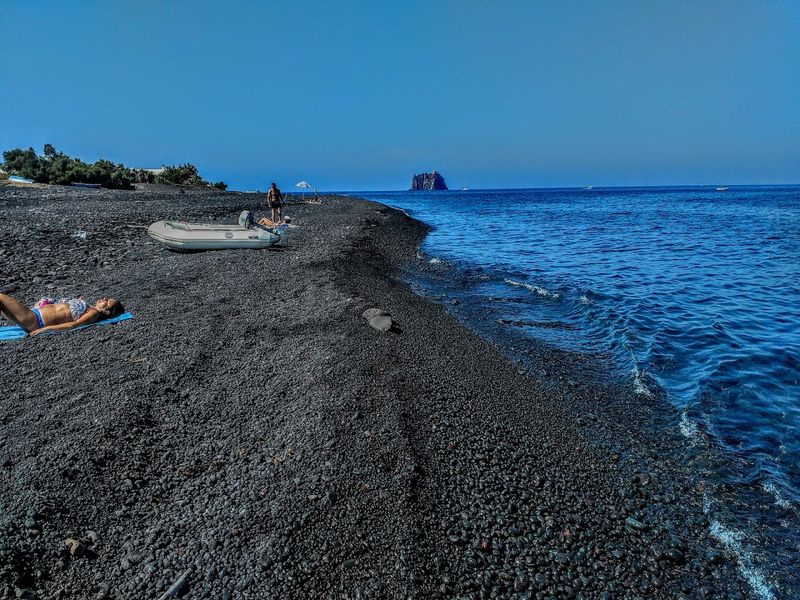
Stromboli is one of the few places on Earth where you can watch a volcano erupt and then go for a swim in the same afternoon. This small island in the Aeolian archipelago north of Sicily has been erupting almost continuously for over 2,000 years, earning it the nickname Lighthouse of the Mediterranean among ancient sailors.
The black sand beaches are genuinely striking, the kind of feature that sounds unusual in a brochure but looks absolutely stunning in person. Swimming in clear blue water with volcanic rock formations rising around you is a sensory experience unlike anything a conventional beach resort can offer.
The contrast of black sand and turquoise sea is almost absurdly photogenic.
Guided hikes to the summit run every evening, timed to reach the crater rim at dusk. Watching the volcano glow and rumble as darkness falls over the Tyrrhenian Sea is one of those experiences that people describe for years afterward.
Guides are mandatory for summit hikes, which is entirely reasonable given that you are climbing an active volcano.
The village at the island’s base is small, car-free, and charmingly low-key. Ferries connect Stromboli to Lipari, Salina, and the Sicilian mainland.
Staying overnight rather than taking a day trip allows you to experience the island’s extraordinary nighttime atmosphere when the volcano really steals the show.
Menton, France
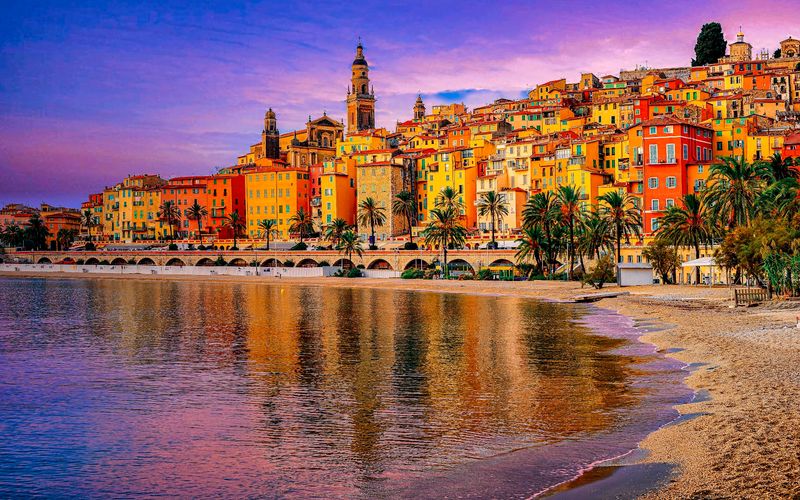
Menton sits so close to the Italian border that the architecture, the food, and even the local accent seem to be negotiating between two countries simultaneously. This suits the town perfectly, giving it a character that is distinctly its own rather than simply a pale imitation of either Nice or San Remo.
The town is famous for its lemons, which are celebrated every February with a Lemon Festival involving sculptures made entirely from citrus fruit. It sounds eccentric, but the festival draws huge crowds and the lemon-themed products sold in local markets are genuinely delicious rather than merely novelty items.
The old town, known as the Vieille Ville, climbs steeply from the harbor in a cascade of yellow, orange, and pink facades. The baroque church of Saint-Michel overlooks a patterned stone square that hosts open-air concerts in summer.
Walking through here in the evening, with the harbor lights reflecting below, is genuinely romantic in the best possible way.
Menton’s beaches are quieter than Nice or Cannes, and the town attracts fewer day-trippers looking for celebrity sightings. The climate is officially the warmest in France, sheltered by mountains that block cold northern winds.
Gardens here are extraordinary, with the Serre de la Madone botanical garden offering a peaceful half-day of rare plants and terraced Mediterranean beauty.
Beaumaris, Wales
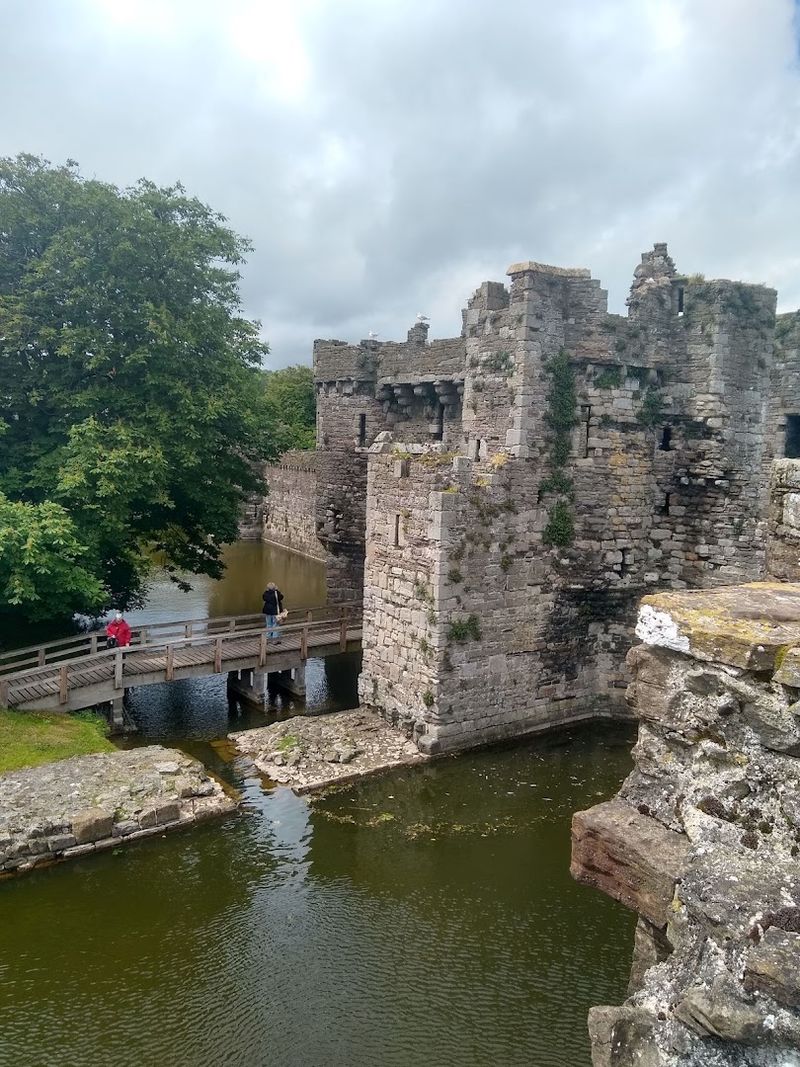
Wales does not immediately spring to mind when people plan a coastal holiday, but Beaumaris on the Isle of Anglesey is quietly making a strong case for reconsideration. The town has a UNESCO World Heritage castle, a working harbor, wildlife boat trips, and mountain views across the Menai Strait that would embarrass destinations charging three times the price.
Beaumaris Castle was built by Edward I in 1295 and is considered one of the finest examples of medieval military architecture in Europe. Unusually, it was never fully finished, which means visitors can see exactly how a medieval construction project was planned and partially abandoned.
History teachers would have a field day here.
The harbor area has a relaxed charm, with independent cafes, an ice cream shop that locals treat as a year-round institution, and boat trips departing for seal and puffin spotting around the Anglesey coast. Red squirrels also live in the island’s forests, which feels like a bonus wildlife encounter you did not expect from a beach holiday.
Snowdonia National Park is visible across the strait on clear days, providing a dramatic backdrop that makes even a simple walk along the promenade feel cinematic. Beaumaris works well as a base for exploring the entire Isle of Anglesey, which offers some of Wales’s finest coastal walking paths.
The town itself is compact, walkable, and genuinely welcoming.
Dunfanaghy, Ireland
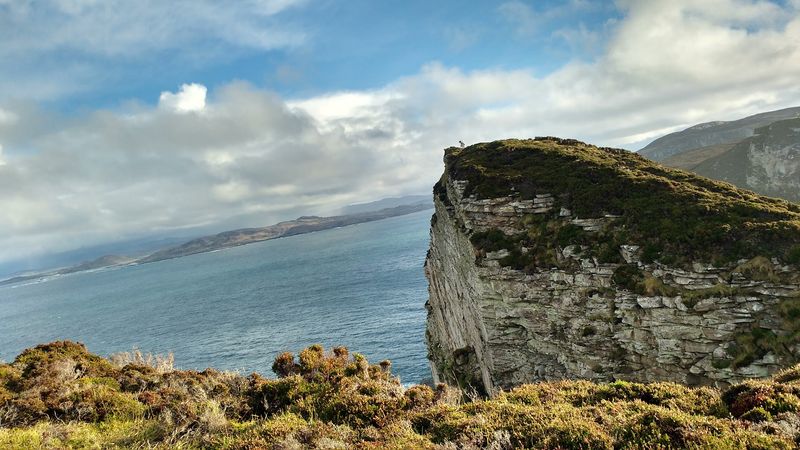
Dunfanaghy sits in County Donegal on Ireland’s Wild Atlantic Way, a stretch of coastline so relentlessly dramatic that it occasionally feels like the scenery is showing off. The town itself is small and unassuming, but step outside and you are immediately surrounded by long white beaches, towering sea stacks, and mountains that seem to appear from nowhere.
Horn Head promontory just north of the village offers one of the most spectacular coastal walks in Ireland. The clifftop path rises above 180 meters with views across the Atlantic that stretch seemingly forever on a clear day.
Seabirds nest in the cliff faces below, including puffins during summer months, turning the walk into an accidental wildlife tour.
The beach at Dunfanaghy is broad, backed by dunes, and almost always uncrowded even in the height of summer. Atlantic water temperatures are bracing rather than warm, but Irish swimmers treat that as a feature rather than a flaw.
Wild swimming has a devoted following here.
The village has a handful of excellent restaurants, a pottery studio, and an arts scene that punches well above its weight for a settlement of its size. Accommodation ranges from cozy B&Bs to self-catering cottages with views that justify every penny.
Donegal remains one of Ireland’s least-visited counties despite being arguably its most beautiful, which makes Dunfanaghy one of Europe’s genuinely overlooked treasures.
Pasjaca Beach, Croatia
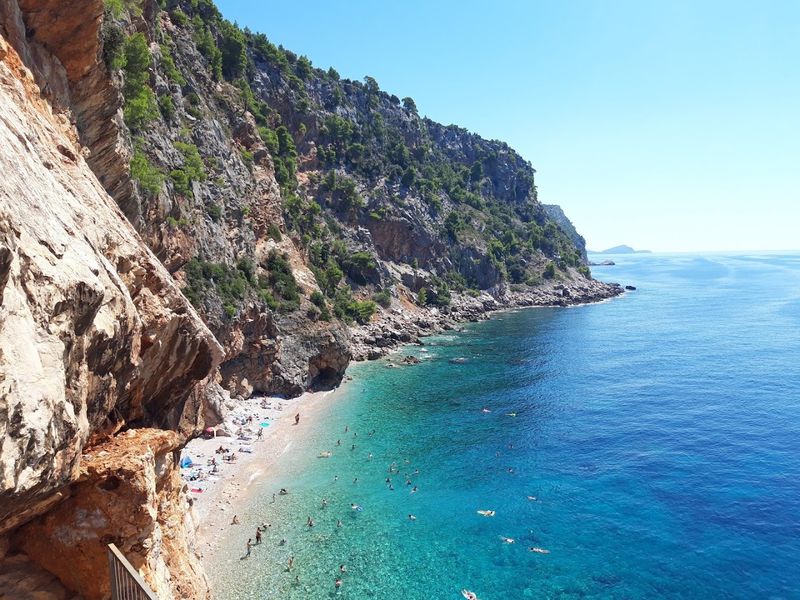
Getting to Pasjaca Beach requires descending a very long, very steep set of wooden stairs bolted into a cliff face. This sounds like a deterrent, and for some people it absolutely is, which is precisely why the beach at the bottom remains one of the most blissfully uncrowded spots anywhere near Dubrovnik.
The beach sits at the base of dramatic reddish cliffs near the village of Popovici, about 20 kilometers south of Dubrovnik. The Adriatic water here is extraordinarily clear, the kind of transparent that makes you feel like you are floating in glass rather than seawater.
The cliffs tower overhead, blocking wind and creating a sheltered microclimate that feels warmer than the open coast.
There are no facilities at the bottom, no beach bars, no sunbed rentals, no vendors selling overpriced cold drinks. You bring everything you need and carry everything back up when you leave.
Somehow this feels liberating rather than inconvenient, a reminder that the best beaches ask a little something of you.
The surrounding Konavle region is one of Dubrovnik’s most underexplored areas, with traditional villages, local wineries, and a slower pace that contrasts sharply with the city’s tourist intensity. Pairing a morning at Pasjaca with an afternoon exploring Konavle makes for a genuinely rewarding day away from the crowds.
A car is essential for getting here independently.
Pomer Bay, Croatia
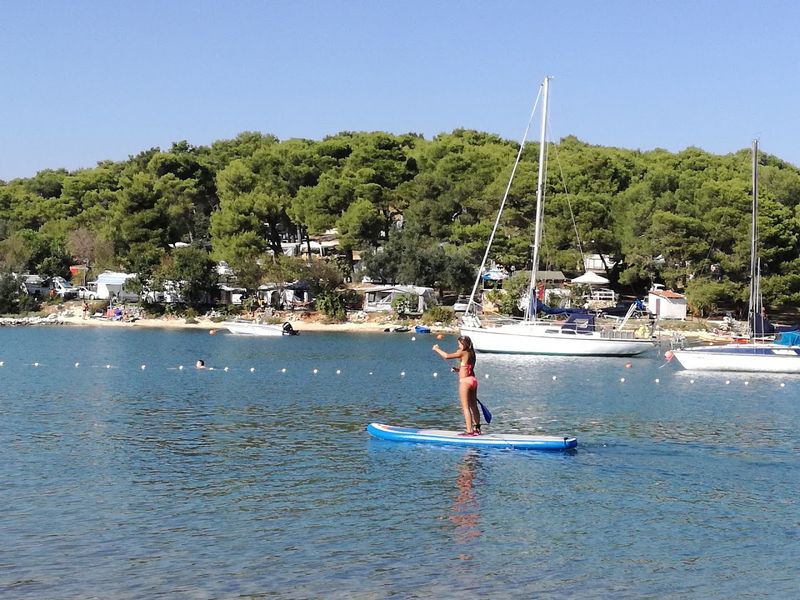
Pomer Bay is the kind of place that experienced Croatia travelers mention in hushed tones, slightly reluctant to share the information too widely. Located near the southern tip of the Istrian peninsula, this quiet inlet offers calm, shallow water surrounded by pine forest in a setting that feels far removed from the island-hopping crowds further south.
The bay is naturally sheltered, making it ideal for families with young children who need calm water rather than Atlantic surf. Visibility underwater is excellent, and the rocky seabed is interesting enough for snorkelers to spend a happy hour exploring without traveling far from shore.
Bring your own snorkel and you are sorted.
Pomer village itself is tiny, with a small marina, a couple of konobas serving Istrian food, and a community of locals who genuinely seem happy to be there. Istrian cuisine here means truffle pasta, fresh fish, and local Malvazija white wine that pairs extremely well with an afternoon by the water.
The nearby Kamenjak Nature Reserve is one of Istria’s finest wild coastline areas, with over 30 kilometers of untouched cliffs, coves, and beaches accessible on foot or by bicycle. Combining a morning at Pomer Bay with an afternoon cycling through Kamenjak makes for one of the most satisfying days the Istrian peninsula can offer.
Pula airport is just 15 minutes away, making logistics surprisingly simple.
Heiligendamm, Germany
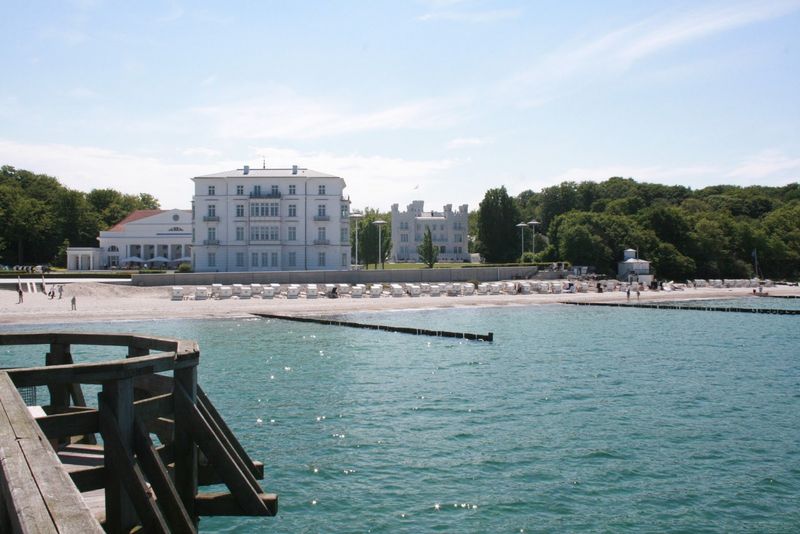
Germany is not the first country that springs to mind for a coastal escape, but Heiligendamm has been quietly doing the seaside resort thing since 1793, making it the oldest sea resort in Germany and one of the oldest in continental Europe. The nickname White Pearl by the Sea refers to the gleaming neoclassical buildings that line the Baltic coast here, and it is well earned.
The architecture is genuinely extraordinary for a beach destination. Grand white colonnaded buildings that once hosted Prussian royalty and European aristocracy sit directly behind a wide sandy beach.
The contrast between the formal grandeur of the buildings and the casual pleasures of the beach creates an atmosphere unlike any other coastal resort on the continent.
The Baltic Sea here is calmer and warmer than the North Sea, making swimming more accessible for a longer season. The water lacks the salt intensity of Mediterranean beaches, which some swimmers actually prefer.
Beach chairs called Strandkorb, the distinctive hooded wicker baskets you see everywhere on German beaches, are available for rent and make for a remarkably comfortable afternoon.
Heiligendamm is close to the town of Bad Doberan, which has a magnificent Gothic cathedral worth an afternoon visit. The narrow-gauge steam railway called Molli connects the two, running through the town streets in a way that feels charmingly old-fashioned.
Visiting in early summer means pleasant temperatures and far fewer visitors than the peak August season.
Koserow, Germany
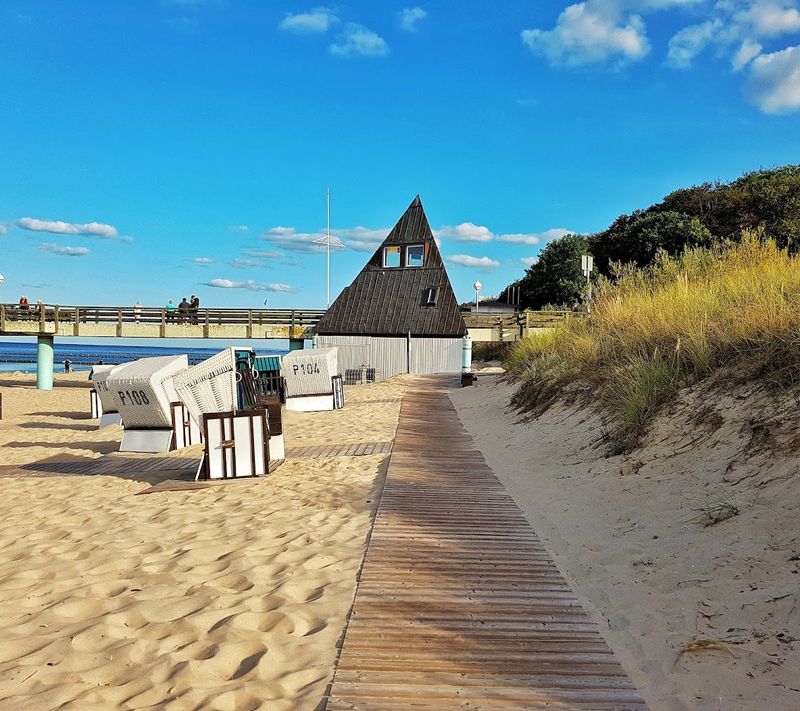
Usedom Island sits on Germany’s northeastern Baltic coast, and it holds a record that most tourists have never heard of: the island claims the highest number of sunshine hours of any location in Germany. For a country not typically associated with guaranteed beach weather, that is a genuinely useful piece of information.
Koserow is one of Usedom’s most appealing resort villages, quieter than the more famous Heringsdorf but sharing the same long stretch of white sandy beach that runs almost uninterrupted for miles. The beach here is wide enough that even on a busy summer weekend, finding a comfortable spot feels entirely achievable.
The village has a relaxed, slightly old-fashioned charm that regular visitors seem to cherish rather than apologize for. Traditional seaside hotels, a small pier, family-run restaurants, and bicycle hire shops make up most of the commercial activity.
The pace is genuinely slow, which is either refreshing or boring depending entirely on what you came for.
Cycling is the ideal way to explore Usedom, and a well-maintained cycle path runs the full length of the island through forests, dunes, and resort villages. The path actually continues across the Polish border into Swinoujscie, making Usedom the only German island where you can cycle into another country.
That small geographic quirk turns a regular bike ride into something worth telling people about afterward.
Criel-sur-Mer, France
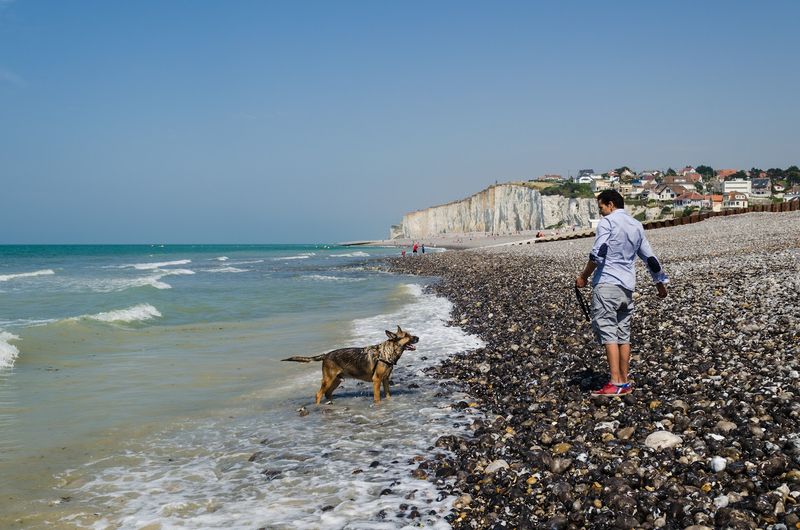
Normandy’s coastline is full of dramatic chalk cliffs, but most visitors head straight for Etretat and its famous arches, leaving places like Criel-sur-Mer almost entirely to the French themselves. This quiet village sits where the Yeres river meets the English Channel, backed by cliffs that rise over 100 meters and stretch along the coast in both directions.
The beach is made of smooth grey pebbles rather than sand, which gives it a distinctly Normandy atmosphere that feels honest about the climate rather than pretending to be somewhere warmer. The English Channel here is moody, often dramatic, and genuinely beautiful in a way that sandy tropical beaches simply cannot replicate.
Overcast skies suit the scenery perfectly.
The village has a small but charming collection of half-timbered Norman houses, a Gothic church, and a handful of restaurants serving the kind of unpretentious French food that reminds you why French cuisine has the reputation it does. Moules mariniere, local cider, and a cheese board constitute a perfectly acceptable Tuesday lunch here.
Clifftop walks in both directions from the village offer extraordinary views and a chance to spot seabirds nesting in the chalk face. The GR21 long-distance coastal path passes through Criel-sur-Mer, connecting it to the wider Alabaster Coast walking route.
Visiting outside July and August means encountering mostly French families who have been coming here for generations, which is about as authentic as a French coastal experience gets.
Share this story