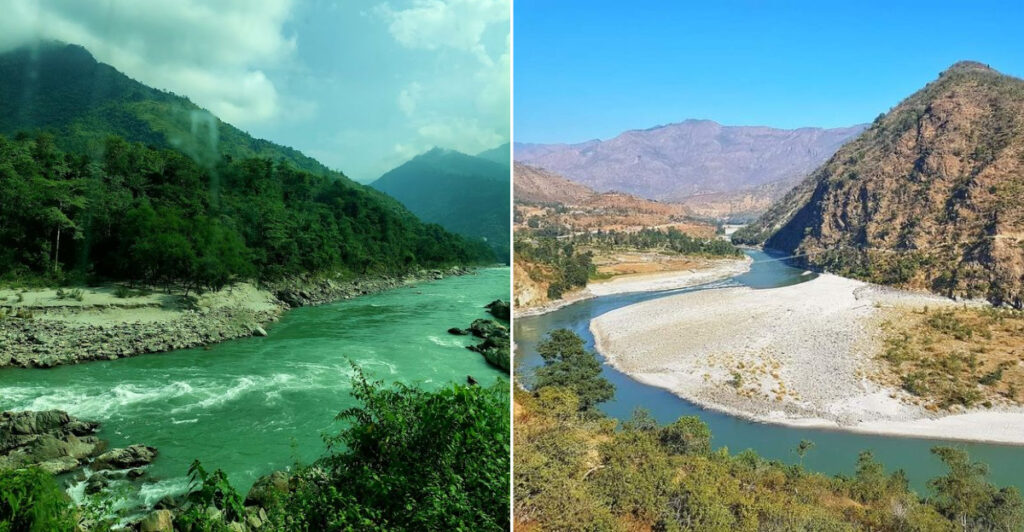
Some rivers are not just rivers. They are tests, daring you to show up prepared, humble, and ready for whatever the current throws your way.
From the icy canyons of Canada to the jungle gorges of Costa Rica, these waterways have humbled expert paddlers and written legends in their rapids. Whether you are a seasoned kayaker or just a curious reader, these 20 wild rivers will make your jaw drop and your palms sweat.
Stikine River, Canada
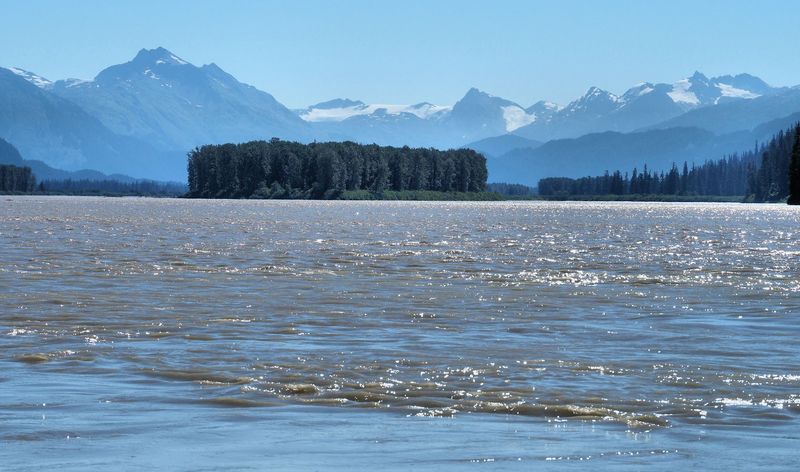
Few rivers carry a reputation quite like the Stikine. Talk to any serious whitewater paddler about British Columbia, and this name comes up fast, usually followed by a long pause and a slow nod.
The Grand Canyon section of the Stikine is not just difficult; it is a full wilderness commitment. Once you drop in, there is no casual exit.
The canyon walls close around you, and the river makes every decision for you if you are not sharp enough to make them first.
Class V+ rapids, extreme remoteness, and zero margin for error define this stretch. Mistakes here do not just mean a swim.
They mean a full-scale wilderness emergency with no help nearby. The Stikine rewards only those who arrive deeply prepared, physically strong, and mentally ready to respect a river that answers to nobody.
Zambezi River, Zambia and Zimbabwe
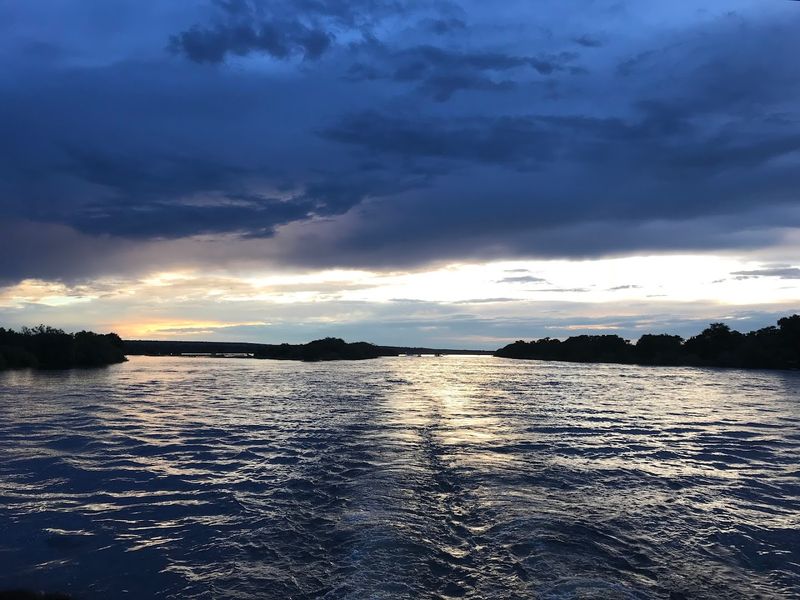
Right below Victoria Falls, the Zambezi transforms from a majestic curtain of water into a furious stretch of Class V rapids. Batoka Gorge swallows the river whole, and what comes out the other side is something wild, loud, and completely in charge.
The water does not just flow here. It surges, folds back on itself, and creates hydraulics powerful enough to hold a raft underwater.
Even commercially guided trips require experienced safety crews, strong swimming skills, and real respect for seasonal water levels.
I once watched a safety video before a Zambezi trip and counted seven separate warnings before they even got to the part about crocodiles. That says everything.
This river is not performing for tourists. It is simply doing what it has always done, and it does not slow down for anyone who is not paying full attention.
Futaleufú River, Chile
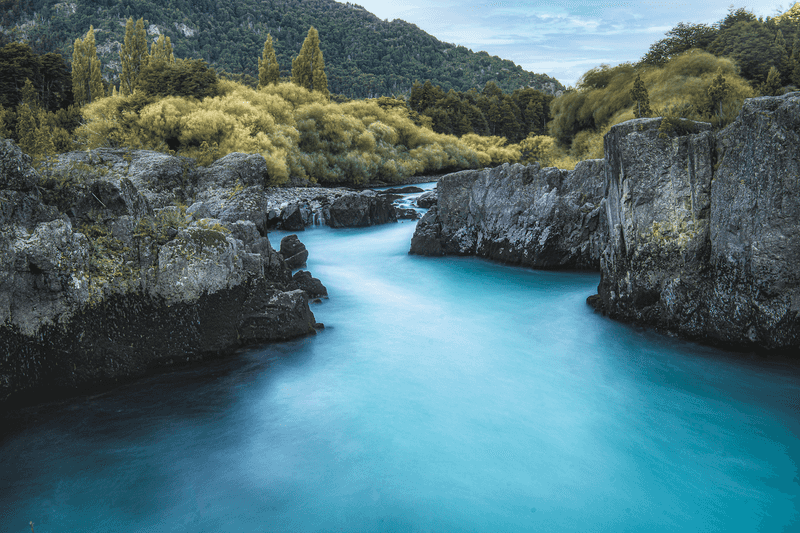
That turquoise color is not a filter. The Futaleufú River in Chilean Patagonia genuinely looks like someone spilled an entire tube of aquamarine paint into the mountains, and then cranked the speed setting to maximum.
Beautiful as it is, the Futaleufu is not here to be admired from a safe distance. Class IV and Class V rapids in the gorge sections demand clean lines, fast reactions, and the kind of technical precision that only comes from serious experience on serious water.
The river is cold, fast, and unforgiving of hesitation. A wrong read of a rapid here is not a gentle correction.
It is a consequence. Guided rafting is available for skilled adventurers, but the Futaleufu makes its own rules.
Patagonia built this river with mountain force and glacier cold, and it has not softened up for anyone yet.
Colorado River Through the Grand Canyon, USA
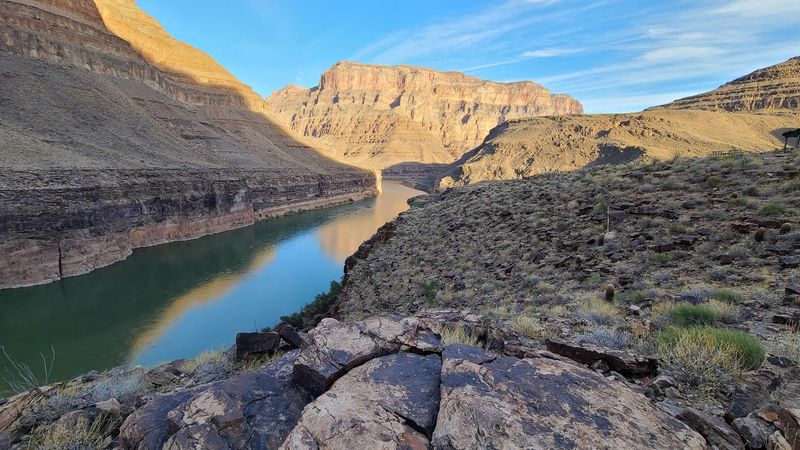
The Grand Canyon is one of those places that makes humans feel appropriately small. The Colorado River carved those walls over millions of years, and it is still very much in the business of reminding visitors who is in charge.
Lava Falls alone has a reputation that spans generations of paddlers. Add Crystal, Hance, and Hermit to the list, and you have a river itinerary that reads more like a greatest-hits album of pain than a casual float trip.
Permits are strict, logistics are serious, and the remoteness of the canyon means self-sufficiency is not optional.
A full Grand Canyon expedition takes days, covers massive mileage, and passes through landscapes that do not exist anywhere else on Earth. The whitewater is not always the hardest on this list by raw rating alone, but the scale, consequence, and sheer grandeur make this one of the most serious river journeys a paddler can take.
Gauley River, West Virginia, USA
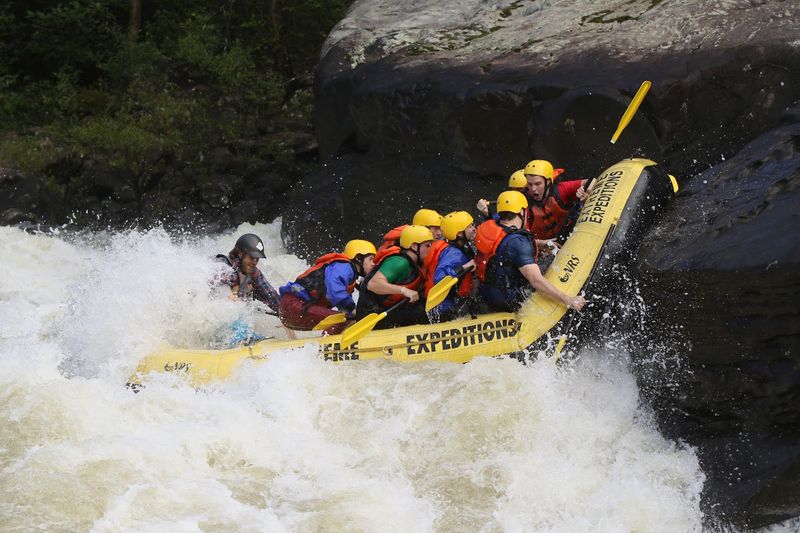
Every fall, something almost ceremonial happens in West Virginia. The dam gates open, the Gauley River surges, and paddlers from every corner of the country show up like they received a personal invitation from the river itself.
Gauley Season is real, and the Upper Gauley deserves every bit of its legendary status. Massive boulders, steep drops, and relentless powerful rapids stack up one after another with barely enough time to catch your breath between them.
The river is not remote in the wilderness sense, but its intensity more than earns its spot on any serious list.
What makes the Gauley special is how it tests paddlers on volume and technical skill at the same time. It is not just big water or just technical water.
It is both, delivered at full speed, with a personality that seems almost personally motivated to check your credentials before letting you through.
North Fork Payette River, Idaho, USA
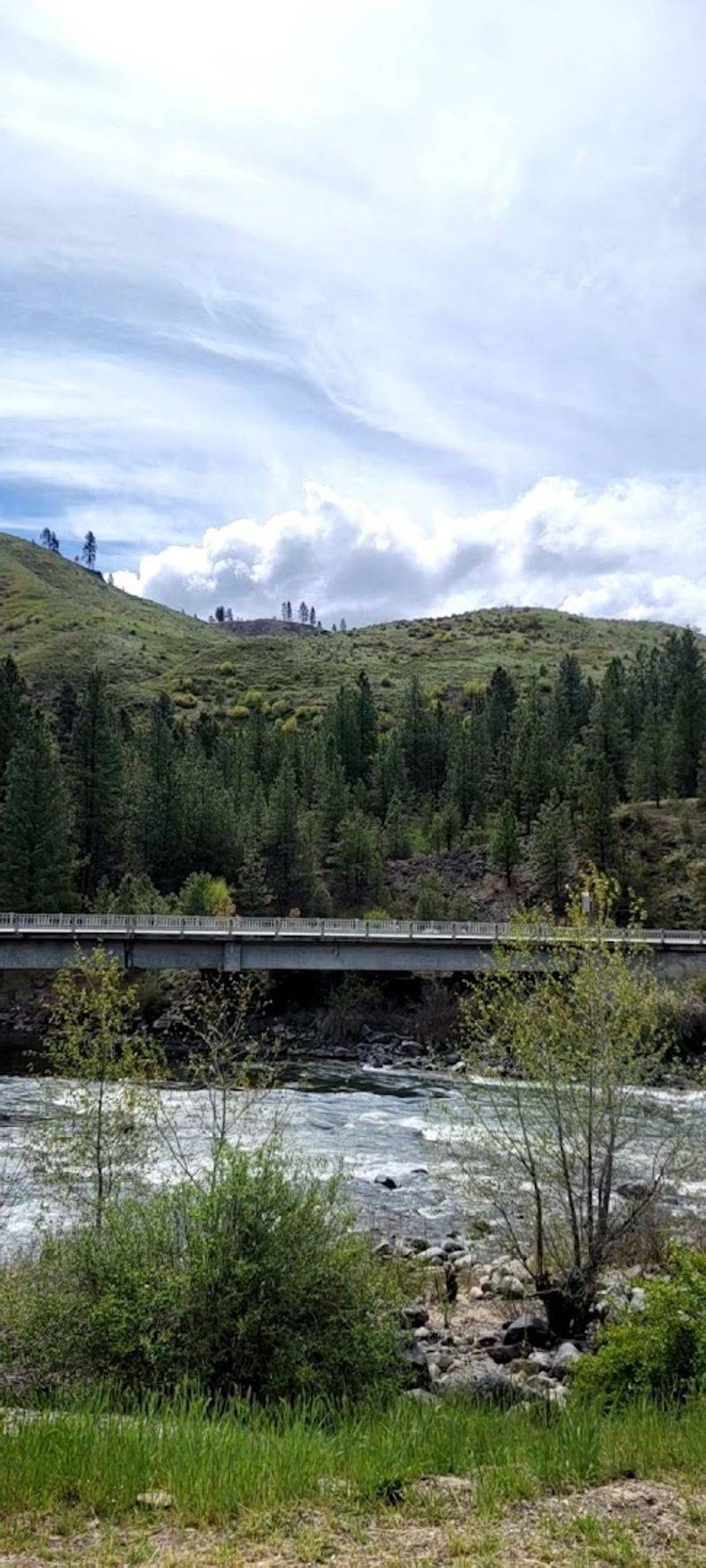
There are rivers that give you a break between the hard parts. The North Fork Payette is not one of them.
This Idaho stretch runs continuous, cold, and relentless from the moment you launch until the moment you finally exhale at the takeout.
Class V whitewater does not pause for appreciation here. The river keeps coming, rapid after rapid, with the kind of technical demands that have made it a training ground and racing venue for elite whitewater athletes.
If the world’s best kayakers use it to sharpen their skills, that tells you exactly what category this river belongs in.
Cold water, fast current, and zero tolerance for sloppy paddling define the North Fork experience. This is not a river you ease into.
It is a river that grabs you at the put-in and does not let go until it decides the lesson is over. Humbling, challenging, and absolutely worth it for those who qualify.
Cherry Creek / Upper Tuolumne River, California, USA
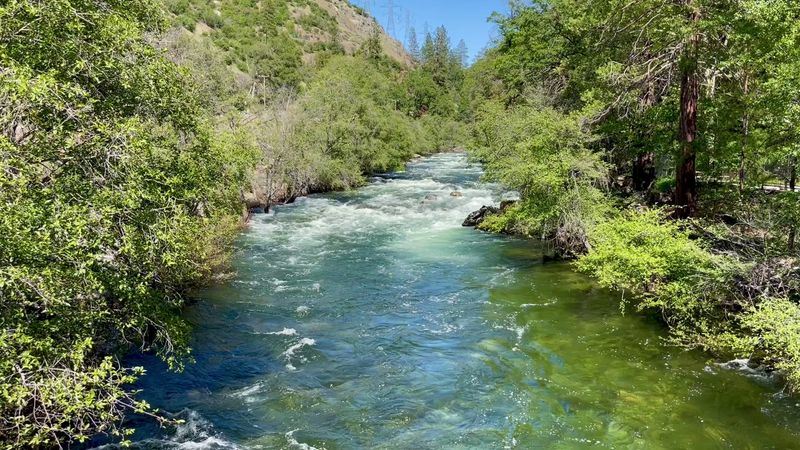
Cherry Creek has a short mileage and a very long reputation. Near Yosemite, this stretch of the Upper Tuolumne system is often called one of the hardest commercially rafted runs in the entire United States, which is not the kind of title you earn by accident.
Steep drops, tight channels, and granite boulders the size of small houses make every rapid a puzzle that needs solving quickly and correctly. Outfitters only run this section when flows fall into a manageable range, because high water turns the already-serious run into something genuinely dangerous.
That seasonal dependency is part of what gives Cherry Creek its wild character. The river decides when it is runnable.
Human ambition does not get a vote. Skilled guides and experienced paddlers who time it right get rewarded with one of California’s most thrilling river days.
Everyone else waits for the right water level, which is honestly the smarter play.
Russell Fork River, Kentucky and Virginia, USA
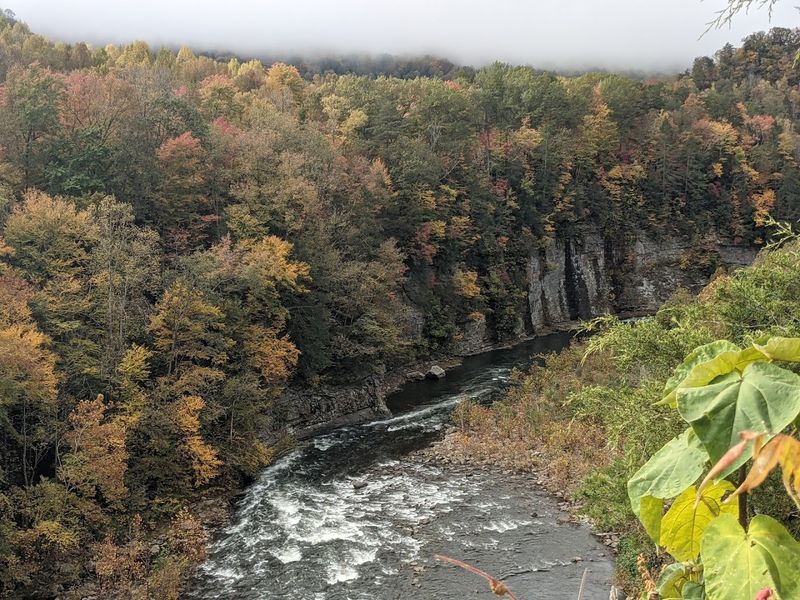
Breaks Canyon does not mess around with first impressions. The Russell Fork drops into this deep gorge with serious Class V energy during release periods, and the canyon walls make it clear that polite exits are not part of the design.
Large boulders, steep gradient, and tight technical moves stack up in ways that demand fast decision-making and clean execution. The gorge is beautiful in the way that only genuinely wild places can be, but beauty here comes with a strong undercurrent of consequence.
Release-dependent rivers have their own unique drama. You plan around the schedule, you show up ready, and then the river does whatever it wants within that window.
The Russell Fork rewards paddlers who arrive prepared and punishes those who confuse the gorge’s scenic backdrop for a gentle setting. The canyon is not impressed by overconfidence, and it has the rapids to prove it.
Lochsa River, Idaho, USA
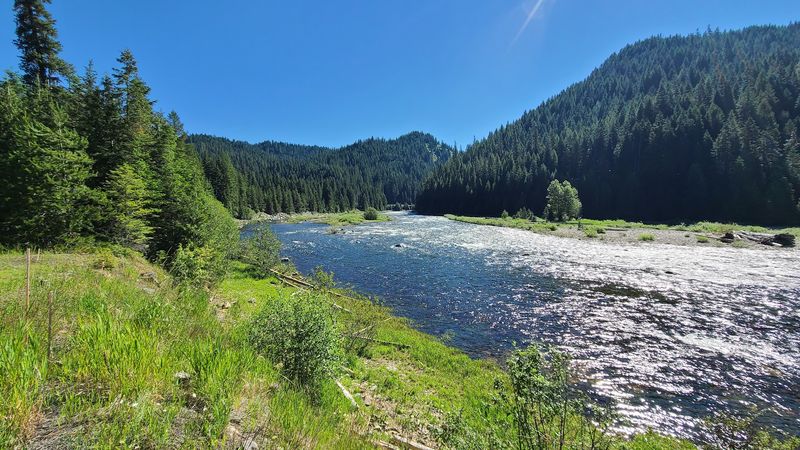
The name Lochsa reportedly translates to rough water, which is either a very honest naming convention or the understatement of the Pacific Northwest. Either way, the river earns it every single spring without fail.
When snowmelt hits, the Lochsa turns into a cold, powerful corridor of Class III and Class IV whitewater, with certain features that feel significantly bigger when flows are high. It runs through the Clearwater National Forest, which means the scenery is genuinely stunning while the river is actively trying to test your technique.
Accessibility is one of the Lochsa’s defining traits. You can drive right alongside parts of it on US-12, which makes it feel approachable.
Do not let that fool you. Cold water, strong currents, and significant hydraulics at high flows make this a river that rewards preparation and punishes casual attitudes.
It is accessible in location, not in difficulty, and that distinction matters enormously out here.
Franklin River, Tasmania, Australia
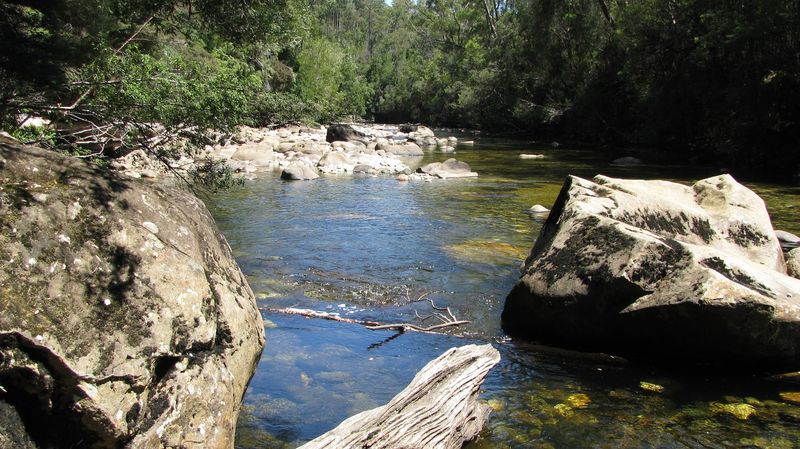
The Franklin River does not just challenge paddlers with whitewater. It challenges them with everything at once: isolation, weather, multi-day logistics, and the weight of moving through one of Australia’s last true wilderness areas.
Multi-day trips on the Franklin pass through ancient rainforest, deep gorges, and landscapes that feel genuinely untouched. There is no easy exit if conditions turn against you.
The river and the wilderness around it are the environment, and you are the visitor asking permission to pass through.
Tasmania built the Franklin with geological stubbornness and ecological richness that most rivers can only dream about. The whitewater is serious, but the isolation amplifies everything.
A difficult rapid in a place where help is days away carries a completely different weight than the same rapid near a road. That combination of wildness and consequence is what puts the Franklin in a category of its own among Australian rivers.
Noce River, Italy
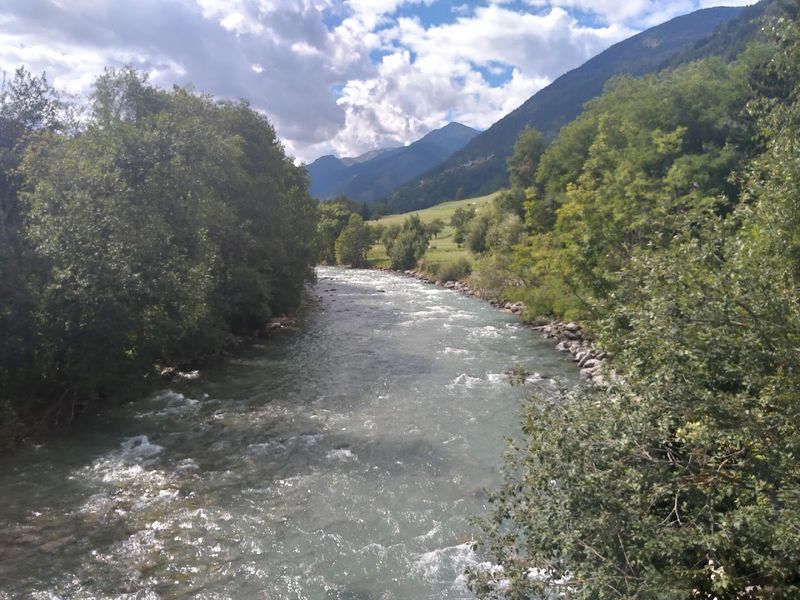
Not every legendary whitewater river is buried in a remote wilderness. The Noce River in northern Italy proves that a river fed by Alpine snowmelt, running through a dramatic mountain valley, can be both accessible and genuinely exciting.
Val di Sole translates to Valley of the Sun, which sounds peaceful enough until the spring flows arrive and the Noce starts moving with that cold Alpine urgency. Guided rafting trips are available, but the stronger sections of the river are not gentle introductions to the sport.
The water is fast, cold, and shaped by gradient and volume in equal measure.
Spring and early summer are when the Noce really shows its personality. Snowmelt from the surrounding peaks feeds the river with consistent force, and the rapids reflect that energy clearly.
For European paddlers, the Noce sits comfortably among the continent’s finest whitewater rivers, delivering mountain thrills without requiring a flight to another hemisphere.
Bhote Koshi River, Nepal
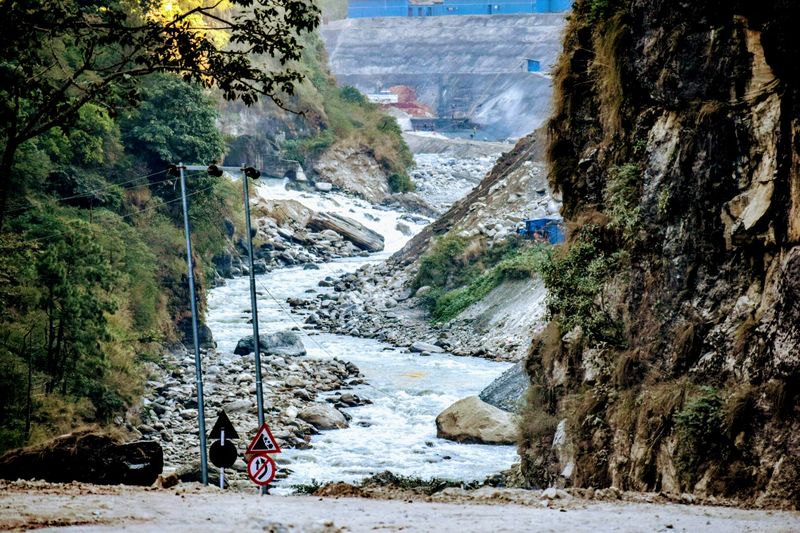
The Bhote Koshi does not warm up slowly. It starts steep, stays steep, and delivers rapid after rapid with the kind of intensity that makes you question every life decision that led to this particular stretch of Himalayan river.
Dropping from the Tibetan plateau through deep mountain gorges, this river reaches Class IV and Class V levels depending on the season and section. It is short by expedition standards but absolutely relentless in character.
Quick reactions are not optional here; they are the baseline requirement for staying upright.
What makes the Bhote Koshi genuinely special is how it combines Himalayan drama with raw whitewater power in a compact package. You are not spending days building up to the excitement.
The river hands it to you immediately and keeps delivering throughout. For paddlers visiting Nepal who want something more intense than a scenic float, the Bhote Koshi delivers that intensity without wasting a single drop.
Marsyangdi River, Nepal
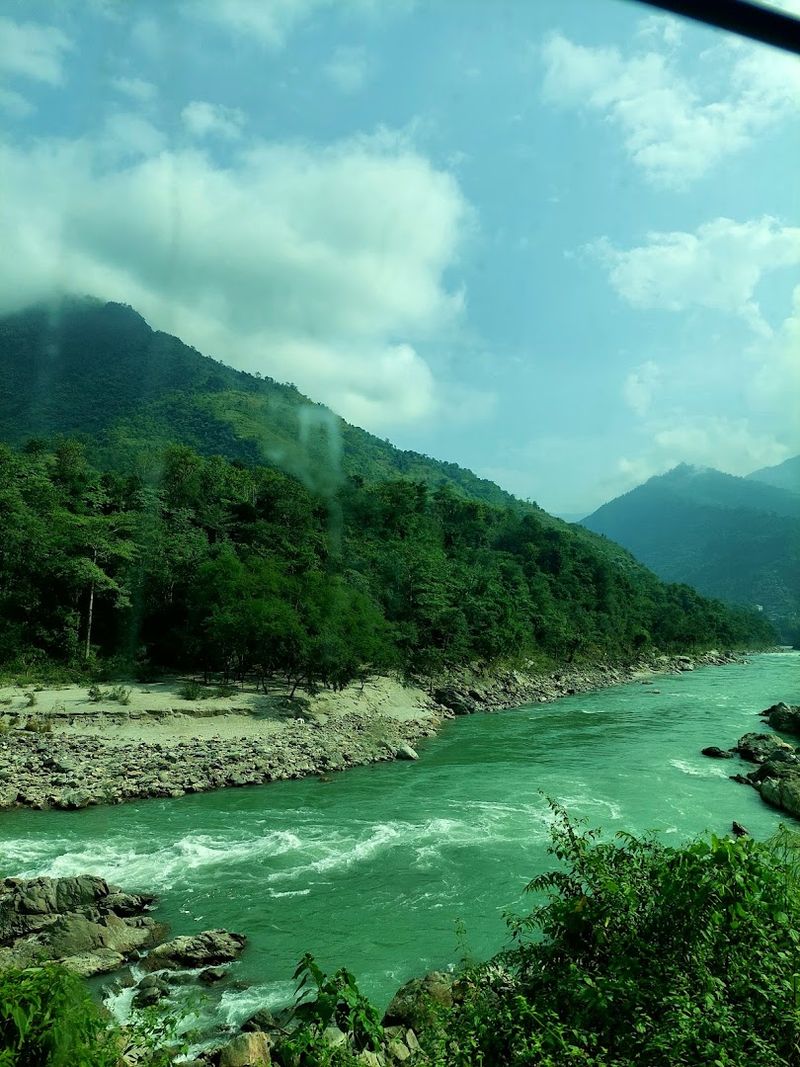
The name Marsyangdi is often translated as raging river, which is the kind of honest branding that most rivers do not bother with but probably should. This Himalayan waterway lives up to every syllable of that description.
Class IV and Class V rapids run through narrow gorges with the Annapurna and Manaslu ranges providing a backdrop so dramatic it almost distracts from the fact that the river is actively trying to flip your raft. Technical, continuous, and demanding, the Marsyangdi requires guides and paddlers who are fully committed from the first stroke.
What sets this river apart from other Nepal runs is the combination of technical difficulty and high-altitude setting. The surrounding terrain feels serious in a way that flatland rivers simply cannot replicate.
Every rapid arrives with mountain weight behind it, and the river moves with the kind of purpose that only comes from dropping out of the highest peaks on Earth. Respect is non-negotiable here.
Sun Kosi River, Nepal
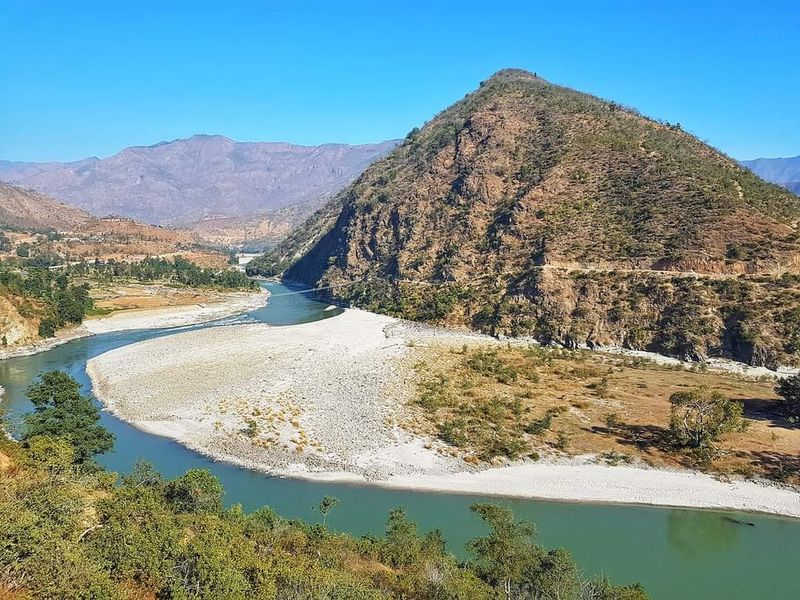
The Sun Kosi is the kind of river adventure that cannot be summarized in a single afternoon. It is a full journey, stretching across multiple days, through Himalayan foothills that shift and change as the river gains power and confidence downstream.
Starting relatively calmly and building toward more serious whitewater, the Sun Kosi tests endurance as much as paddling skill. Logistics matter here.
Camp planning, water levels, team coordination, and weather awareness all become part of the daily routine alongside the actual paddling.
Nepal has no shortage of outstanding rivers, but the Sun Kosi holds a special place because of its journey quality. It is not just about surviving one big rapid.
It is about navigating a living river system over time, watching the landscape evolve, and earning each campsite through honest effort. Asia has produced many great river adventures, and this multi-day classic sits comfortably among the finest of them all.
Kali Gandaki River, Nepal
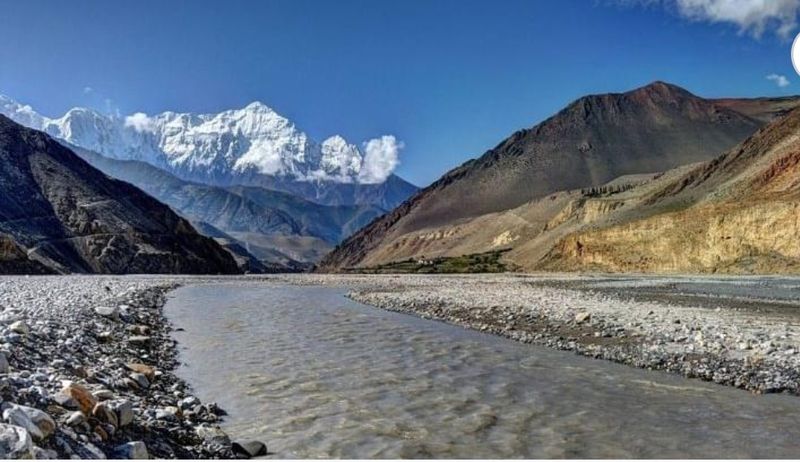
Running between Annapurna and Dhaulagiri, two of the tallest mountains on Earth, the Kali Gandaki cuts through what is often described as one of the deepest gorge corridors on the planet. That geological context alone makes this river extraordinary before a single paddle stroke is taken.
Class III and Class IV+ rapids make the Kali Gandaki more approachable than some pure Class V monsters, but approachable is a relative term when the river is flanked by 8,000-meter peaks and fed by glacial mountain water. Remoteness and weather can raise the stakes quickly and without much warning.
The Kali Gandaki rewards paddlers who appreciate the full picture of a river experience. The whitewater is serious and satisfying, but the landscape surrounding it elevates the journey into something that feels genuinely rare.
Not every great river needs to be the hardest one. Sometimes the most powerful thing a river can do is put you in your place geographically.
Congo River, Democratic Republic of the Congo
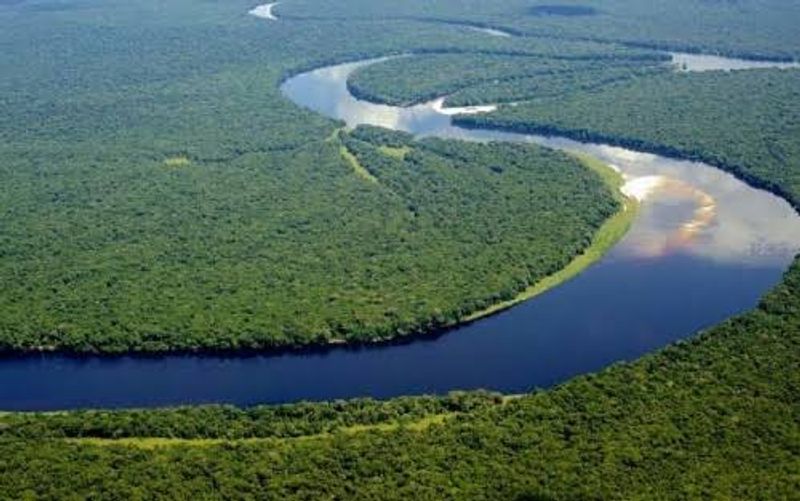
The lower Congo River does not have rapids in the way most paddlers understand the word. It has something closer to a geological argument between a massive river and the rocks that dared to get in its way, playing out over miles of churning cataracts and enormous drops.
Livingstone Falls and Inga Falls are not single clean waterfalls. They are extended zones of chaos where the Congo, carrying one of the highest water volumes of any river on Earth, forces its way through a series of massive obstacles.
Parts of this stretch are considered essentially unnavigable by any practical standard.
The Congo belongs in a separate conversation from ordinary whitewater rivers. Its scale removes it from the category of challenge and places it firmly in the category of spectacle.
Watching it from the bank is humbling enough. The idea of attempting to paddle it is the kind of thought that serious explorers have entertained, usually followed by a very long silence.
Yarlung Tsangpo River, Tibet
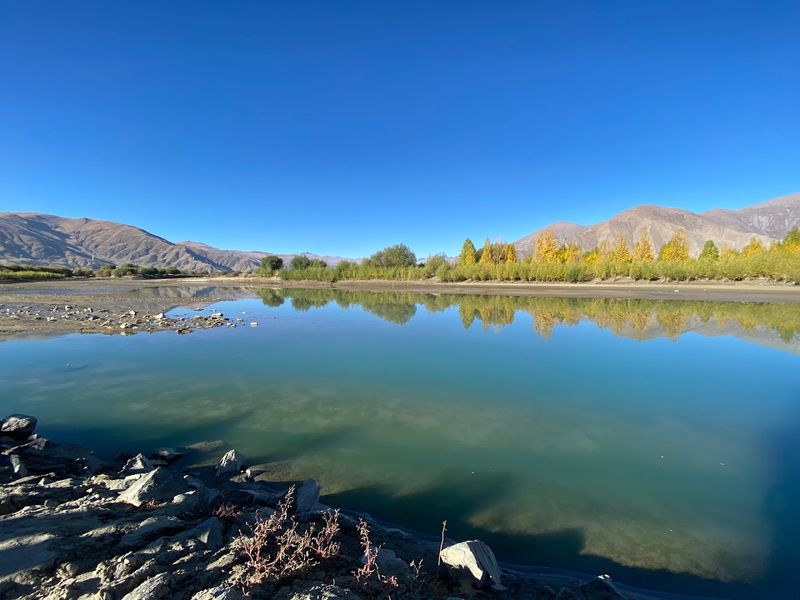
Calling the Yarlung Tsangpo the Everest of rivers is not poetic exaggeration. It is a factual description of a river that sits at extreme altitude, cuts through the world’s deepest gorge, and has defeated most serious attempts to fully navigate it.
The combination of factors that make this river dangerous reads like a checklist for a very bad day: altitude sickness risk, remote location, enormous drops, cold water, landslide-prone terrain, and logistical access that requires serious expedition planning before you even see the water.
This is not a river where guided day trips exist. The Yarlung Tsangpo belongs to a tiny group of waterways that remain largely unconquered, not because humans lack courage but because the river genuinely sits beyond what standard expedition equipment and human endurance can reliably handle.
Elite explorers have attempted sections. The river has responded with the indifference of something that existed long before humans invented the concept of a challenge.
Magpie River, Quebec, Canada
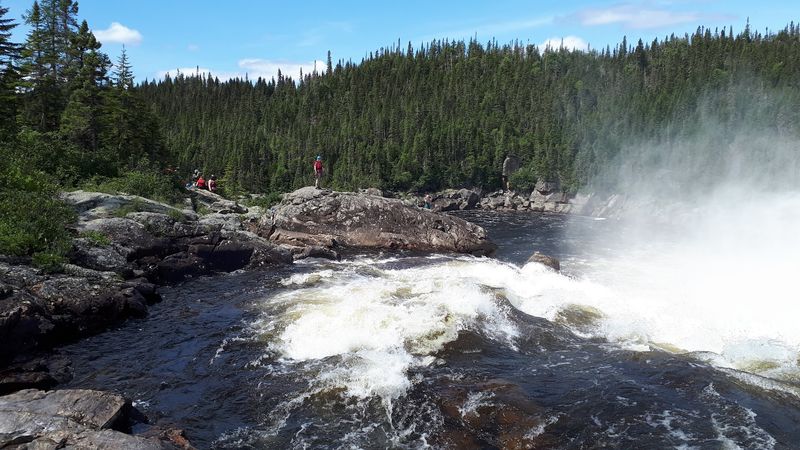
Getting to the Magpie River requires a floatplane. That single logistical fact tells you almost everything you need to know about the level of commitment this river demands before you even touch the water.
Also known as Mutehekau Shipu, the Magpie flows through eastern Quebec wilderness with Class IV and Class V rapids depending on water levels and the section being run. Multi-day trips mean wild camps, self-sufficiency, and the kind of decision-making that comes from being genuinely far from any road or town.
The isolation here is not a side note. It is the main event.
The rapids are serious, but the surrounding boreal wilderness amplifies everything. A swim in a remote river hours from help carries consequences that the same swim near a road simply does not.
The Magpie is a reminder that true wilderness paddling is as much about judgment and preparation as it is about technical skill on the water.
Pacuare River, Costa Rica
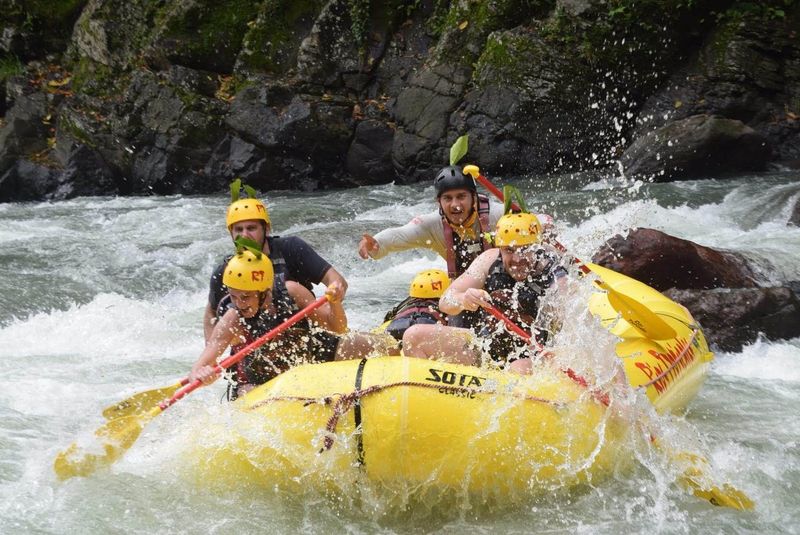
The Pacuare River is the kind of place that makes you feel like the jungle is watching. Lush rainforest presses in from both sides, waterfalls drop directly into the river from above, and just when the scenery gets genuinely distracting, a Class IV rapid appears to remind you why you came.
Costa Rica’s most celebrated rafting river combines tropical force with jungle isolation in a way that few rivers anywhere can match. The commonly rafted sections feature Class III and Class IV whitewater, while upper sections can push into more technical territory depending on rainfall and season.
Heavy rain is the variable that keeps the Pacuare honest. Tropical downpours can change water levels and river character within hours, turning a manageable run into something that demands full attention and experienced leadership.
The river’s beauty is real and undeniable, but the Pacuare has a way of making sure visitors never confuse a gorgeous setting with a predictable or forgiving one.
Chattooga River, Georgia and South Carolina, USA
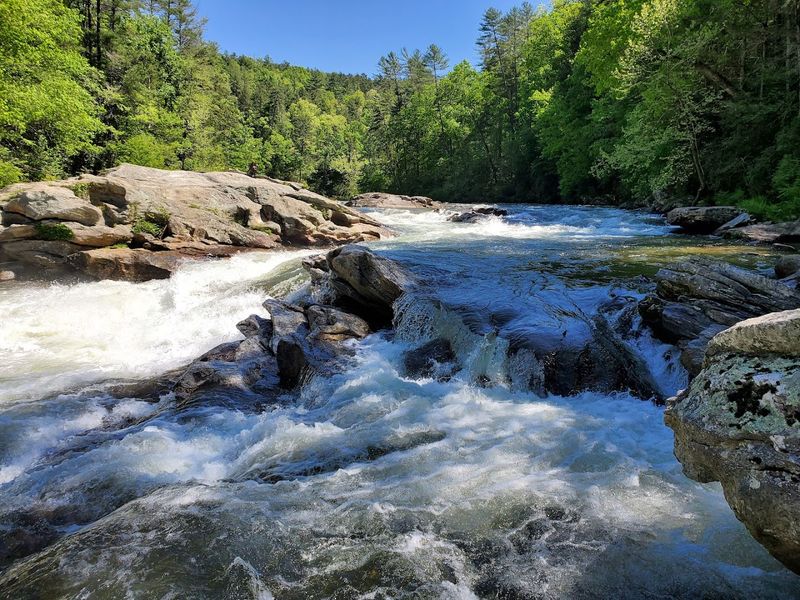
The Chattooga River has a reputation built on decades of paddling history and one very famous film that probably scared more people away from rivers than any safety brochure ever could. Its real story, though, belongs to the water itself.
Section IV is where the Chattooga gets serious. The Five Falls area stacks steep drops, tight channels, and technical rapids in quick succession, with undercut rocks and powerful hydraulics that punish overconfidence efficiently and without apology.
This is one of the classic southeastern whitewater runs for very good reasons.
Wild and Scenic designation means the Chattooga is protected, which keeps it feeling genuinely natural and undeveloped along most of its length. Guided trips are available for qualified paddlers, but the river earns its rugged reputation through tight lines and unforgiving consequences.
Scenic, historic, and legitimately challenging, the Chattooga is proof that some of the best wild rivers in America do not need a mountain backdrop to make a serious statement.
Share this story