Some places carry centuries of history in every cobblestone, every dock, and every weathered building facade. Waterfront districts are among the most layered destinations on Earth, where old trade routes, colonial ambitions, and everyday life have all left their mark.
A medieval harbor in Europe might sit just a short walk from a modern market, while a river port in the American South still echoes the bustle of its 18th-century heyday. These 21 waterfront districts span continents and centuries, each with its own story, architecture, and character.
Whether you are planning a trip or just armchair-traveling for now, this list will show you exactly why historic waterfronts are worth every step of the journey.
1. Venice Grand Canal, Italy
Few places on Earth were built quite as boldly as Venice, a city that decided to skip solid ground entirely and set itself on water instead.
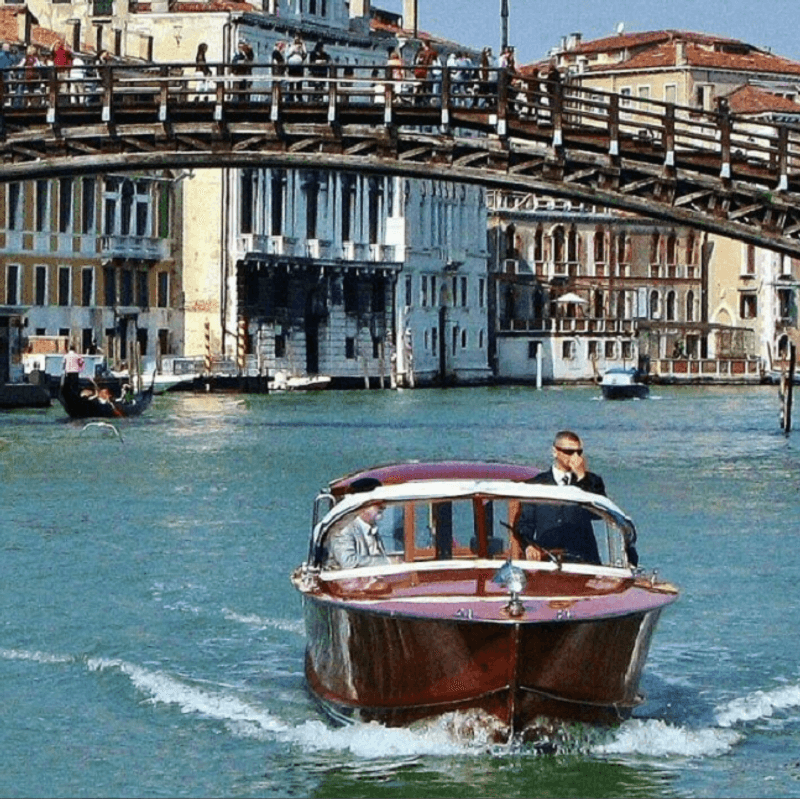
The Grand Canal stretches about 3.8 kilometers through the heart of the city, lined on both sides by more than 170 palaces and historic buildings dating from the 13th to 18th centuries.
Gondolas and vaporettos share the waterway daily, making it a functioning transport route as much as a tourist attraction.
The Rialto Bridge, completed in 1591, remains one of the most recognizable crossings in Europe. The canal is best explored by boat to appreciate the full scale of the architecture.
2. Dubrovnik Old Harbor, Croatia
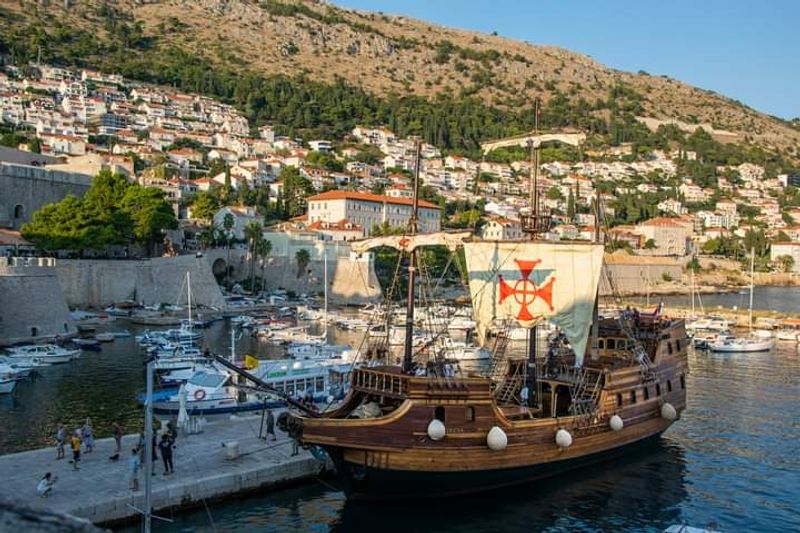
Built to last and clearly succeeding at it, Dubrovnik’s Old Harbor has been welcoming ships since the medieval period, tucked neatly behind walls that have stood for over 700 years.
The city’s limestone-paved streets connect the harbor to the old town, which earned UNESCO World Heritage status in 1979.
Visitors can walk the full 1.9-kilometer circuit of the city walls for sweeping views of both the harbor and the Adriatic.
The harbor itself still operates as a working port, with small boats ferrying passengers to nearby islands. Fort St. John, built in the 16th century, guards the harbor entrance and is now open to visitors.
3. Cape Town V&A Waterfront, South Africa
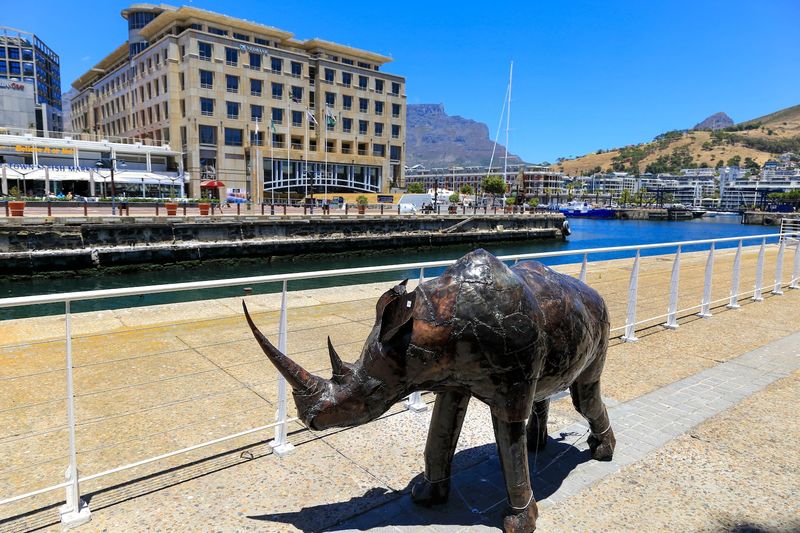
Named after Queen Victoria and her son Prince Alfred, who personally tipped the first load of stones to begin construction in 1860, the V&A Waterfront has a surprisingly royal origin story.
It remains a fully operational harbor, processing commercial shipping alongside its role as a cultural and tourism destination.
The Nobel Square on the waterfront honors four South African Nobel Peace Prize laureates with bronze statues. Robben Island, where Nelson Mandela was imprisoned for 18 years, is accessible by ferry from here.
The Two Oceans Aquarium, opened in 1995, is one of the most visited attractions in the country. Table Mountain provides a dramatic backdrop visible from almost every point along the waterfront.
4. Boston Waterfront, USA
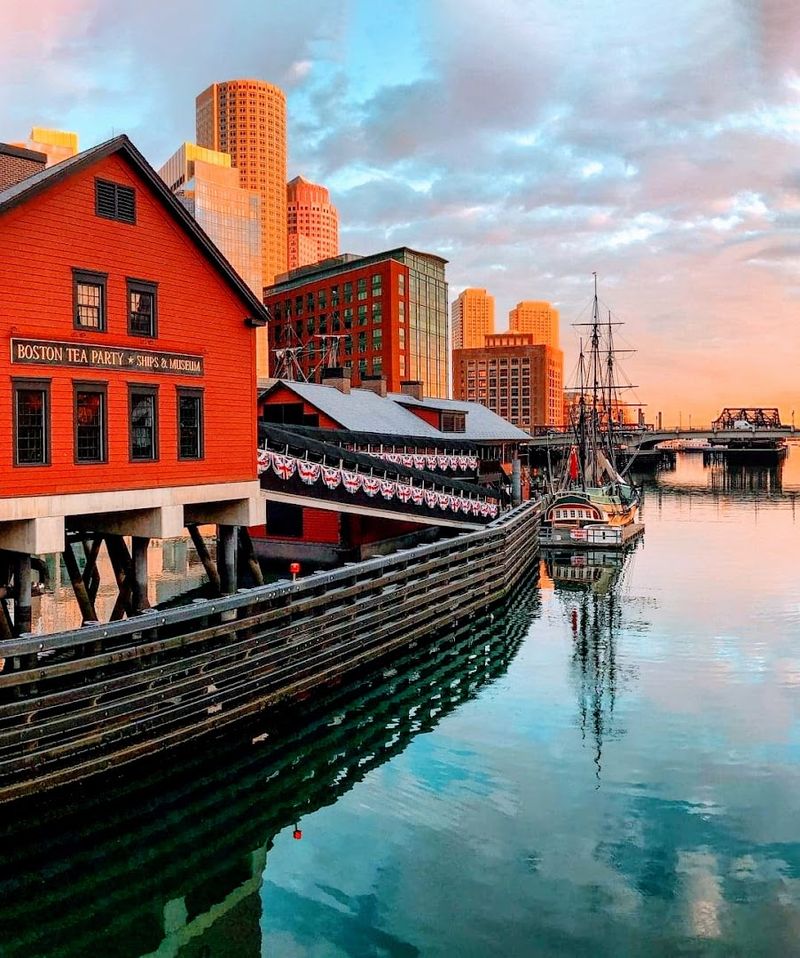
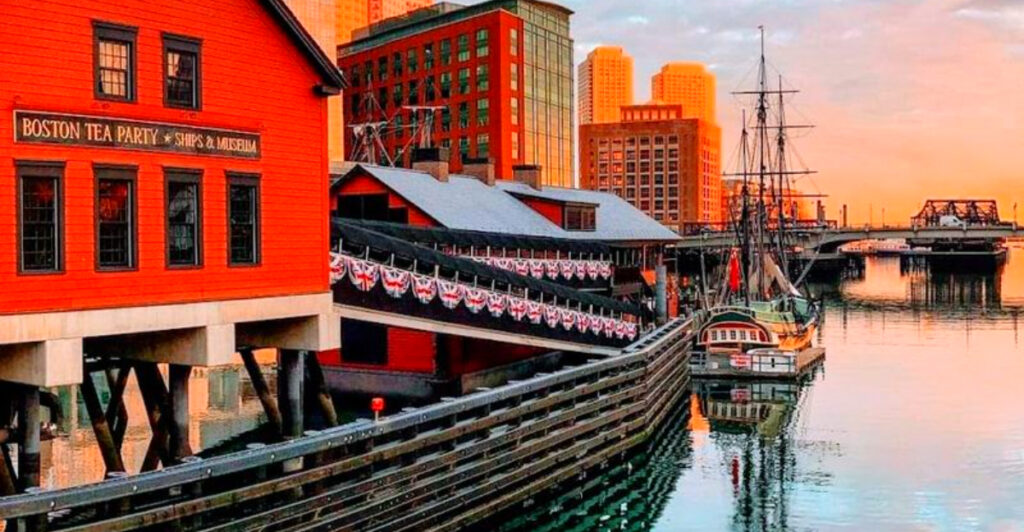
Boston’s waterfront has one of the most politically charged histories of any port in North America, which is saying something for a continent full of dramatic harbors.
The Boston Tea Party took place here in 1773, and the area around Long Wharf has been a hub of commerce since the 1700s.
Today, the Freedom Trail connects many of the waterfront’s historic sites, including the Boston Harbor Hotel and the New England Aquarium.
The Harborwalk, a public pedestrian path, runs for 47 miles along the waterfront. Several of the original granite warehouses from the 19th century have been converted into restaurants and offices.
5. San Francisco Fisherman’s Wharf, USA
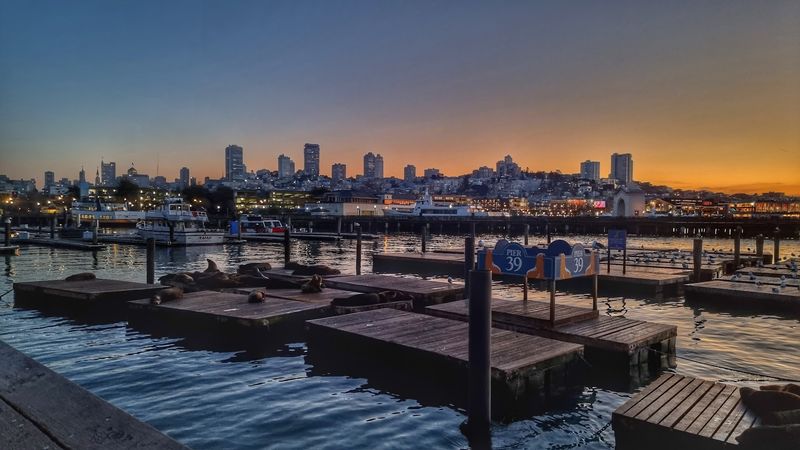
Italian immigrant fishermen from Genoa first settled this stretch of San Francisco’s northern waterfront in the 1850s, and their legacy is still visible in the district’s layout and character today.
Fisherman’s Wharf spans from roughly Hyde Street Pier to Pier 39, covering a significant stretch of the bay’s edge.
The Hyde Street Pier is home to a collection of historic ships, including the 1886 square-rigged sailing ship Balclutha, now part of the San Francisco Maritime National Historical Park.
Alcatraz Island, the former federal penitentiary, is visible from the wharf and accessible by ferry. The wharf attracted over 12 million visitors annually before the pandemic, making it one of the most visited urban waterfronts in the United States.
6. Amsterdam Canal Belt, Netherlands
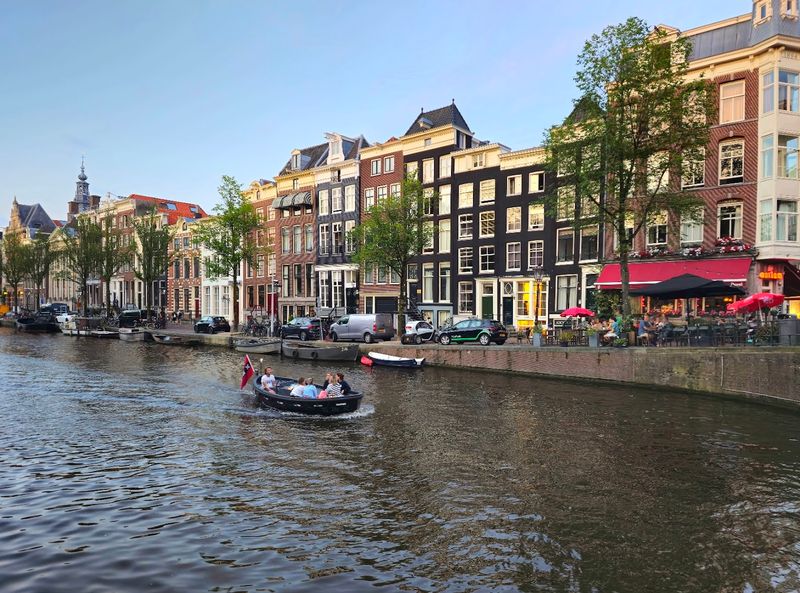
Amsterdam’s canal system was not just an engineering achievement when it was built in the 1600s; it was essentially the city’s entire infrastructure, used for transport, trade, and waste management simultaneously.
The Canal Belt, known as the Grachtengordel, was added to the UNESCO World Heritage List in 2010 and covers about 75 kilometers of canals.
Around 2,500 historic houseboats are permanently moored along the canals, adding an unusual residential element to the waterway.
The Anne Frank House, located along the Prinsengracht canal, draws over a million visitors each year. Canal-side cycling paths make the district highly accessible, and most of the 17th-century merchant houses along the water are still in use as homes or offices.
7. Istanbul Bosphorus Shoreline, Turkey
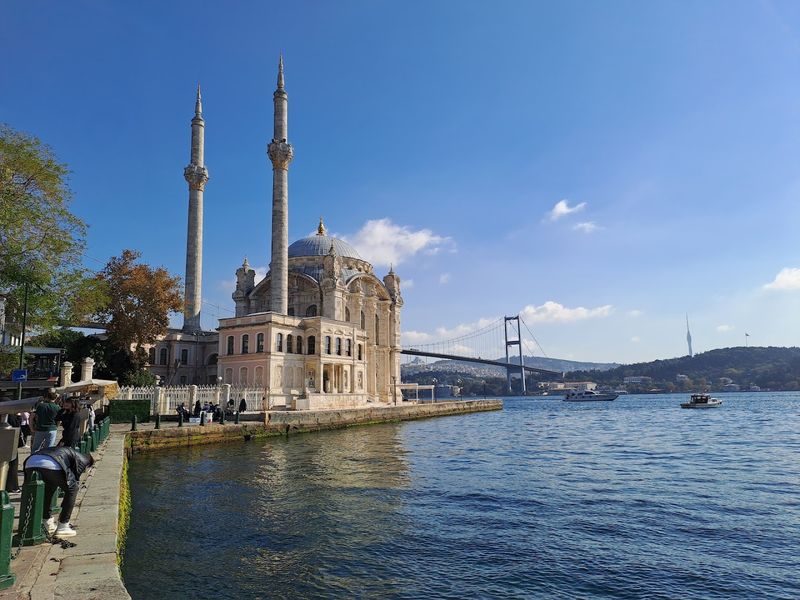
The Bosphorus Strait is only 700 meters wide at its narrowest point, yet it serves as the boundary between Europe and Asia, which makes Istanbul’s waterfront arguably the most geopolitically significant shoreline on the planet.
Dolmabahce Palace, completed in 1856, stretches along the European shore with a 600-meter waterfront facade, making it one of the longest palace waterfronts in the world.
The historic Galata Bridge connects the old city to the newer districts and has been a crossing point since the Byzantine era.
Ferry services crossing the Bosphorus have operated for centuries and remain a primary mode of daily transport. Topkapi Palace, built in the 1400s, overlooks the point where the Bosphorus meets the Sea of Marmara.
8. Quebec City Old Port, Canada
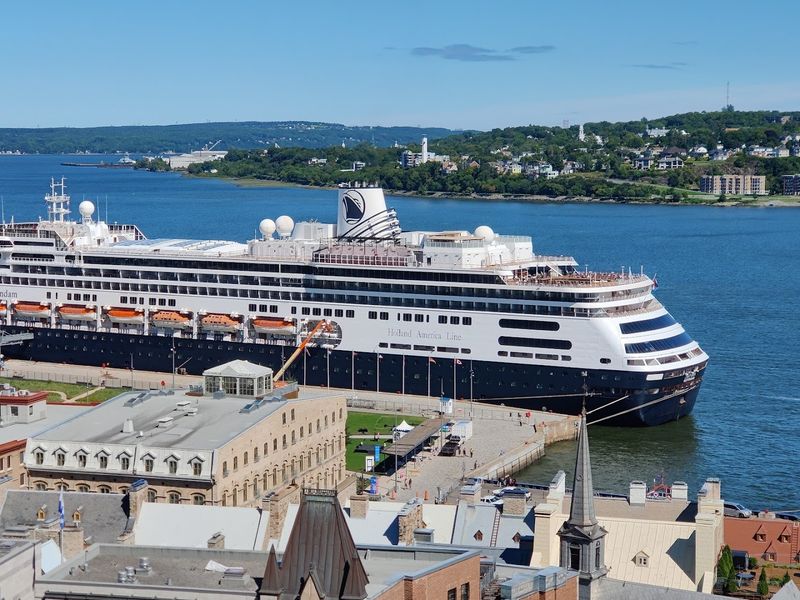
Quebec City is the only walled city north of Mexico, and its Old Port district sits at the base of those fortified walls, right along the St. Lawrence River.
The area was a major commercial port from the 17th century onward, handling furs, timber, and grain shipments that helped build the Canadian economy.
The Old Port was revitalized in the 1980s and now features a public promenade, a marina, and the Antique Market.
The Frontenac Castle, perched on the cliff above, has watched over the port since 1893 and remains one of the most photographed hotels in the world. The historic Place-Royale, just steps from the water, is considered the birthplace of French civilization in North America.
9. Shanghai Bund, China
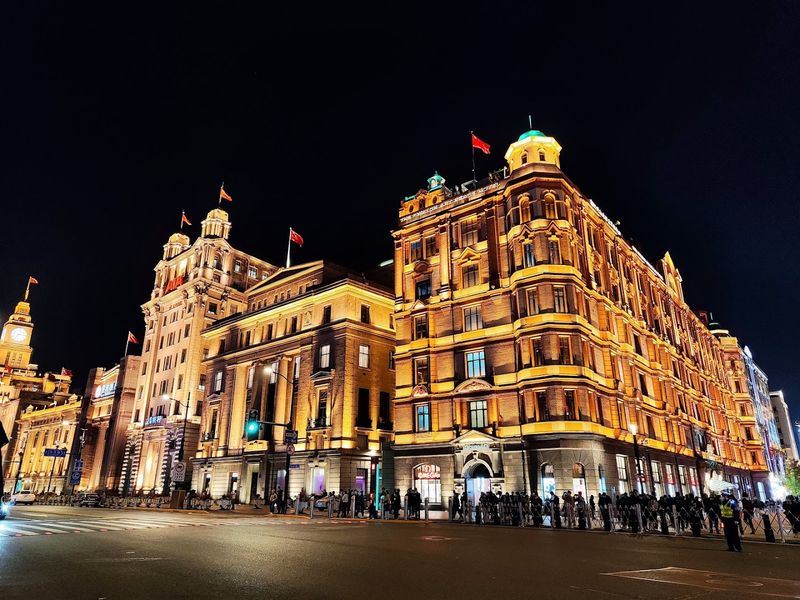
The Bund is essentially a 1.5-kilometer open-air archive of early 20th-century colonial architecture, with 52 buildings representing British, French, American, and other international styles standing side by side along the Huangpu River.
Construction of most Bund buildings took place between 1900 and 1940, during Shanghai’s era as one of Asia’s most internationally active trading cities.
The contrast between the Bund’s classical facades and the ultra-modern Pudong skyline directly across the river is one of the most striking urban views in Asia.
The Customs House, built in 1927, features a clock tower modeled after London’s Big Ben. The Bund promenade was expanded and renovated for the 2010 World Expo, improving public access significantly.
10. Copenhagen Nyhavn, Denmark
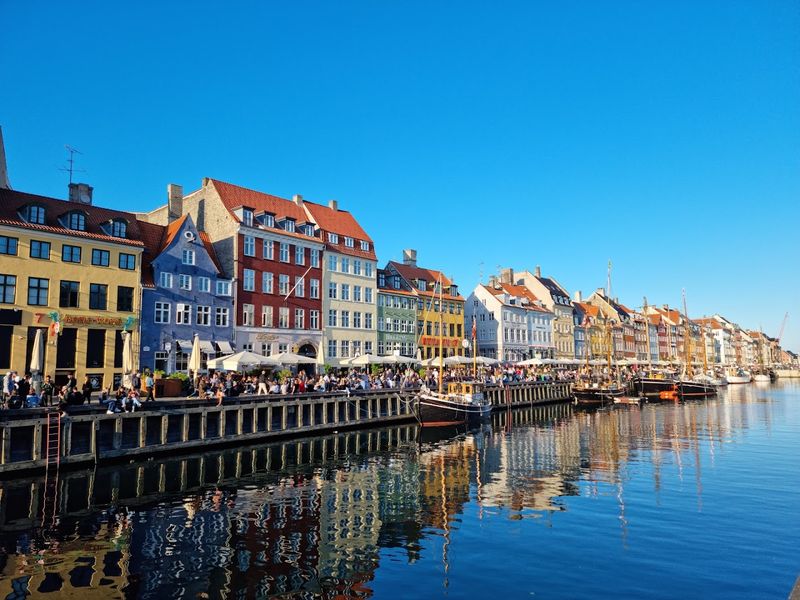
Nyhavn translates simply to “New Harbor,” which is a fairly modest name for a canal district that has been one of Copenhagen’s most recognizable landmarks since it was dug by Swedish prisoners of war in 1671.
The brightly painted townhouses lining the northern side of the canal date from the 17th and 18th centuries and are now mostly occupied by restaurants.
Author Hans Christian Andersen lived at three different addresses in Nyhavn during his lifetime, including No. 20 and No. 67.
Several historic wooden ships are permanently moored in the canal and serve as floating museums. The canal connects directly to Copenhagen Harbor, and harbor bus services stop here regularly throughout the day.
11. Rio de Janeiro Harbor, Brazil
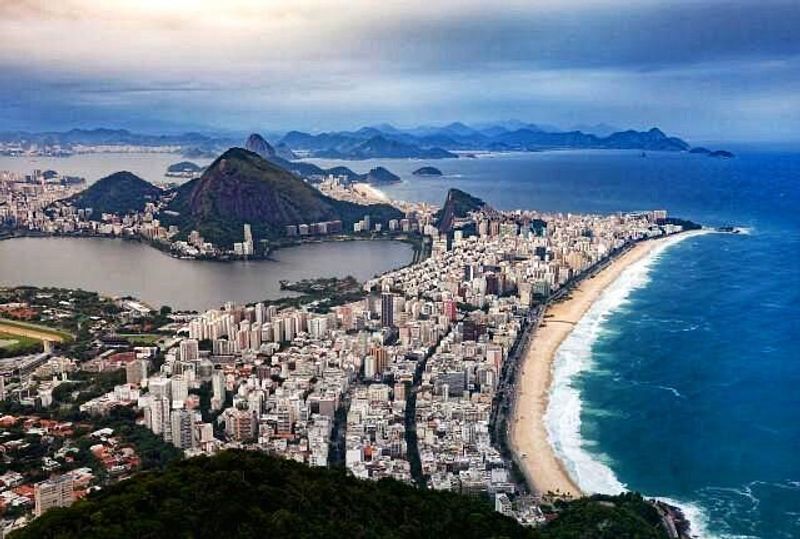
Guanabara Bay, which cradles Rio’s harbor, is one of the largest bays in the world by water volume, stretching 31 kilometers from north to south.
Portuguese explorer Gaspar de Lemos arrived here in January 1502, mistaking the bay for a river mouth and naming it Rio de Janeiro, meaning River of January.
The historic port zone, known as Porto Maravilha, underwent a major regeneration project ahead of the 2016 Olympics, uncovering the Cais do Valongo, a 19th-century wharf that was once the main entry point for enslaved Africans arriving in the Americas.
The Cais do Valongo was added to the UNESCO World Heritage List in 2017. Sugarloaf Mountain, accessible by cable car, provides panoramic views of the entire harbor area.
12. Liverpool Albert Dock, England
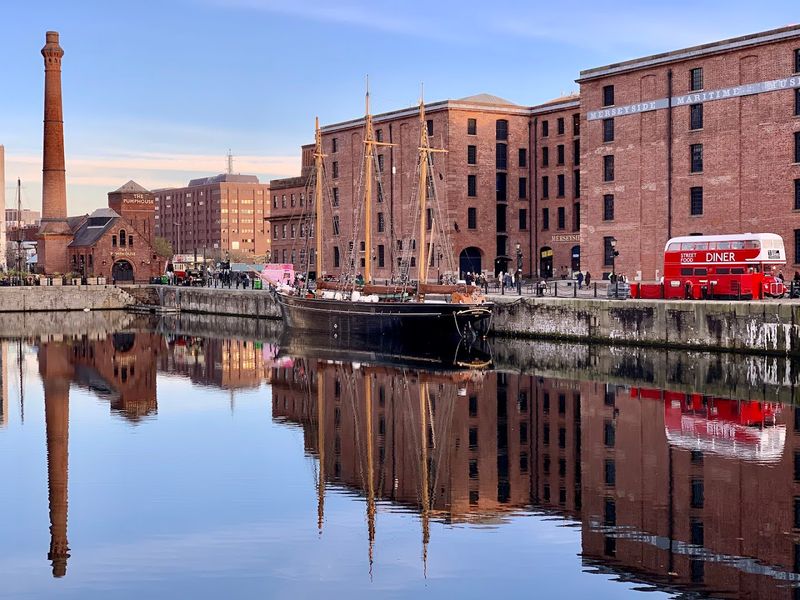
When Albert Dock opened in 1846, it was the first structure in Britain to be built entirely from cast iron, brick, and stone, making it completely fireproof at a time when warehouse fires were a major commercial risk.
The dock was designed by architect Jesse Hartley and named after Prince Albert, who officially opened it.
At its peak in the mid-19th century, Liverpool handled about 40 percent of the world’s trade, and Albert Dock was central to that operation.
After decades of neglect, it was redeveloped in the 1980s and now houses the Tate Liverpool gallery, the Merseyside Maritime Museum, and the Beatles Story museum. The dock complex was awarded Grade I listed building status in 1952.
13. Alexandria Corniche, Egypt
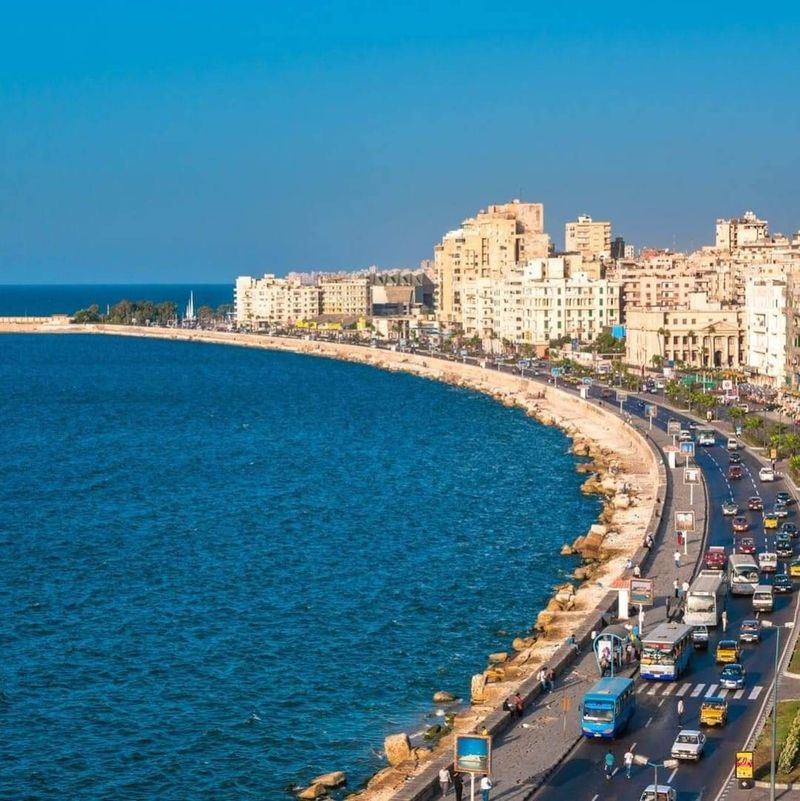
Alexandria was founded by Alexander the Great in 331 BC and served as the intellectual capital of the ancient world for centuries, home to the famous Library of Alexandria and the Lighthouse of Pharos, one of the Seven Wonders of the Ancient World.
The Corniche is a 26-kilometer coastal road running along the Mediterranean, connecting the city’s eastern and western harbors.
The Bibliotheca Alexandrina, a modern tribute to the ancient library, opened in 2002 and sits directly on the waterfront.
The Citadel of Qaitbay, built in 1477 on the site of the ancient lighthouse, is one of the most visited landmarks along the seafront. The harbor area has been continuously inhabited for over 2,300 years.
14. Hamburg Speicherstadt, Germany
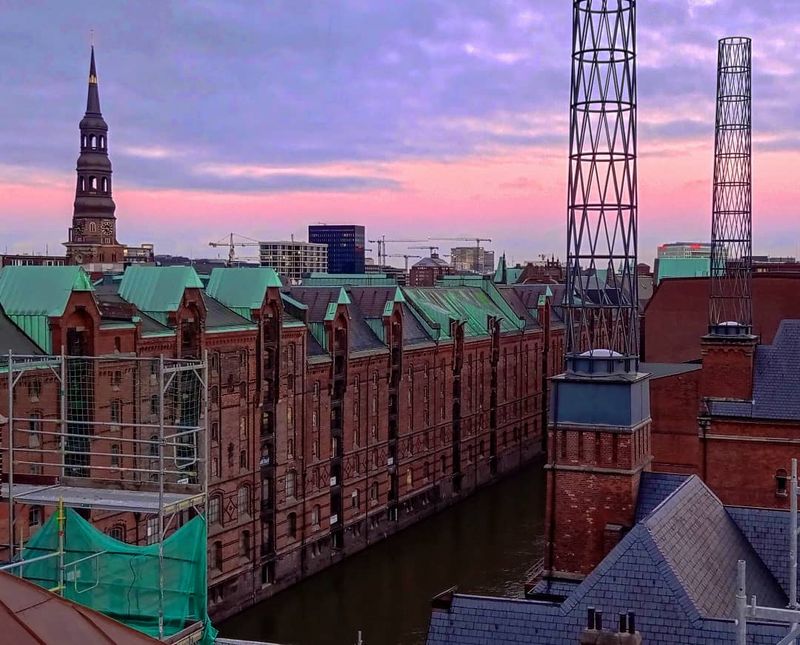
Hamburg’s Speicherstadt holds the distinction of being the largest warehouse complex in the world built on timber-pile foundations over water, covering about 26 hectares across a series of narrow canals.
Construction began in 1883 and required the demolition of an entire neighborhood, displacing around 24,000 residents to make room for the new port district.
The warehouses were used to store goods like coffee, cocoa, spices, and carpets, often in transit between other ports.
The district was added to the UNESCO World Heritage List in 2015 as part of the Hamburg Warehouse District and Kontorhaus District. Today it houses museums, design studios, and the world-famous Miniatur Wunderland model railway exhibit, which draws over a million visitors annually.
15. Singapore Clarke Quay, Singapore
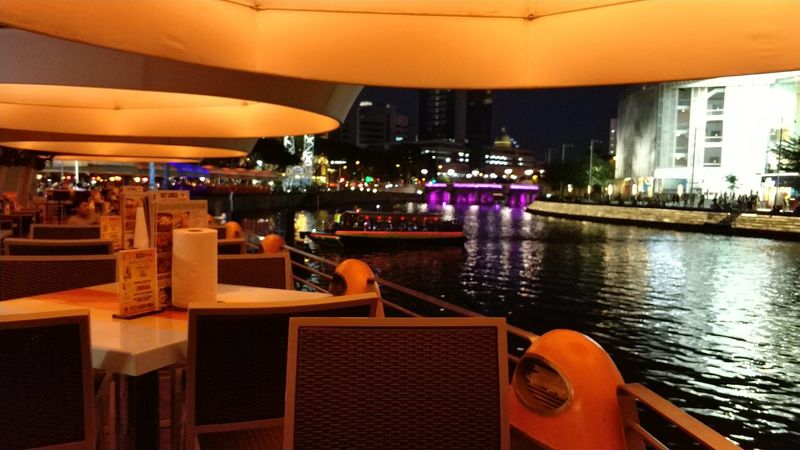
Clarke Quay was named after Sir Andrew Clarke, Singapore’s second Governor, and the area along the Singapore River was a major commercial hub from the mid-1800s onward.
Chinese coolies, known as bumboat workers, unloaded cargo from ships here for well over a century, and their trade routes helped turn Singapore into one of Asia’s most important ports.
The five blocks of restored warehouses and shophouses date from the late 19th and early 20th centuries and were gazetted as a conservation area in 1993.
The Singapore River itself was heavily polluted by the 1970s and underwent a massive clean-up in the 1980s under the direction of Lee Kuan Yew. Today the quay operates as a heritage-listed dining and entertainment district.
16. Bergen Bryggen, Norway
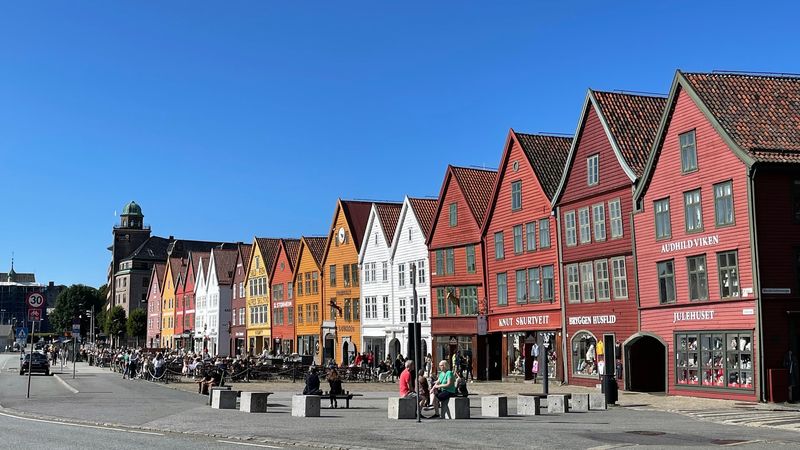
Bryggen’s wooden wharf buildings have been rebuilt so many times after fires that historians have counted at least seven major reconstruction efforts since the 12th century, yet the site has maintained its original medieval layout throughout.
The German Hanseatic League established a trading post here in 1360, making Bergen one of the most important commercial centers in northern Europe for over 400 years.
The buildings are constructed in rows, with narrow alleyways running between them that date back to the medieval period.
Bryggen was added to the UNESCO World Heritage List in 1979. The Hanseatic Museum, housed in one of the original wooden buildings, documents daily life for Hanseatic merchants in the 18th century with preserved rooms and original furnishings.
17. Valletta Grand Harbour, Malta
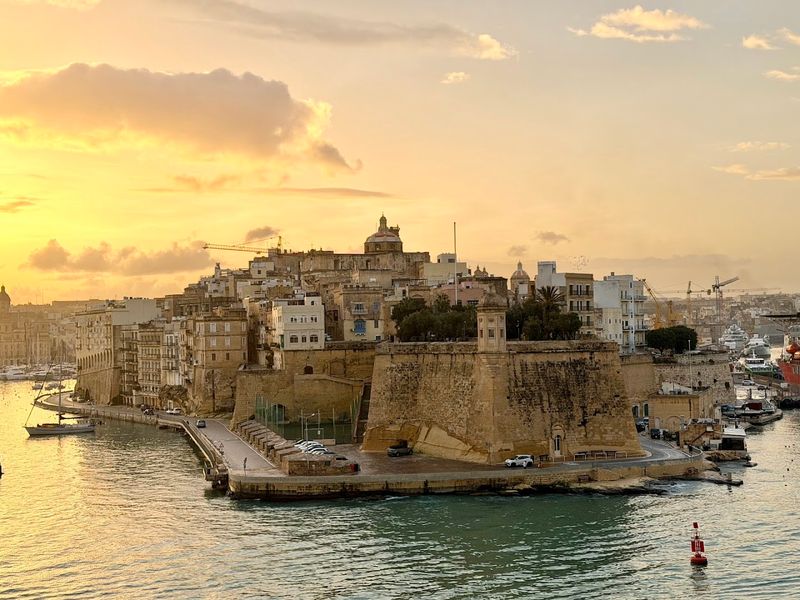
Valletta’s Grand Harbour is considered one of the finest natural harbors in the Mediterranean, and its strategic value has made it a military prize for everyone from the Knights of St. John to Napoleon to the British Royal Navy.
The harbor is surrounded by fortifications built primarily between the 16th and 19th centuries, including the massive Fort St. Angelo, which dates back to at least the medieval period.
Valletta itself was founded in 1566 by Grand Master Jean de Valette after the Great Siege of Malta and became Europe’s first planned city.
The city was designated a UNESCO World Heritage Site in 1980. Upper Barrakka Gardens, perched on the bastions above the harbor, offers one of the most dramatic viewpoints in the entire Mediterranean region.
18. Hong Kong Victoria Harbour, Hong Kong
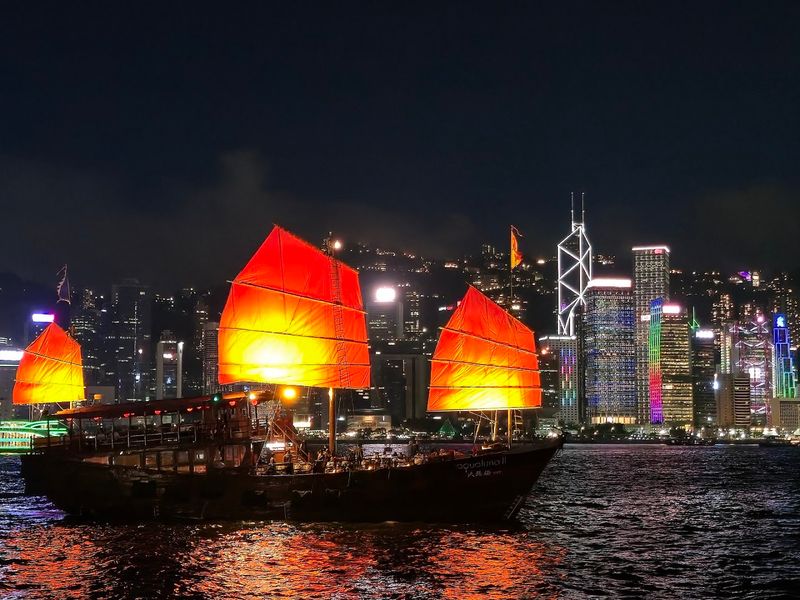
Victoria Harbour sits between Hong Kong Island and Kowloon, and its deep natural depth, reaching up to 20 meters in places, made it one of the most commercially valuable ports in Asia from the moment Britain established a colony here in 1841.
The Star Ferry has been crossing the harbor between Kowloon and Hong Kong Island since 1888, making it one of the longest-running ferry services in the world.
The former Kowloon-Canton Railway Clock Tower, built in 1915, still stands on the Tsim Sha Tsui waterfront as a heritage landmark.
The harbor once stretched much wider, but land reclamation over the past century has reduced its width significantly. The Avenue of Stars, modeled on Hollywood’s Walk of Fame, runs along the Kowloon waterfront promenade.
19. Zanzibar Stone Town Waterfront, Tanzania
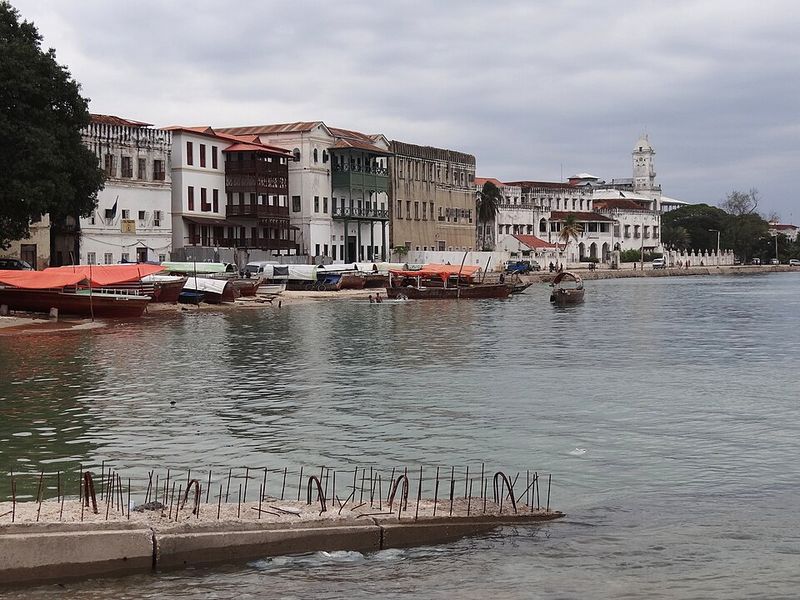
Stone Town’s waterfront is where centuries of Indian Ocean trade routes converge into a single, compact urban landscape, with Arab, Persian, Indian, and European influences visible in almost every building facade.
The town served as the capital of the Sultanate of Zanzibar from 1840 onward and was one of the most important trading hubs in East Africa, dealing primarily in spices and, historically, enslaved people.
Traditional wooden dhow boats still operate from the waterfront, following routes that have been in use for over a thousand years.
Stone Town was designated a UNESCO World Heritage Site in 2000. The Old Fort, built by Omani Arabs in the late 17th century, stands directly on the waterfront and is one of the oldest surviving structures on the island.
20. Helsinki Market Square Waterfront, Finland
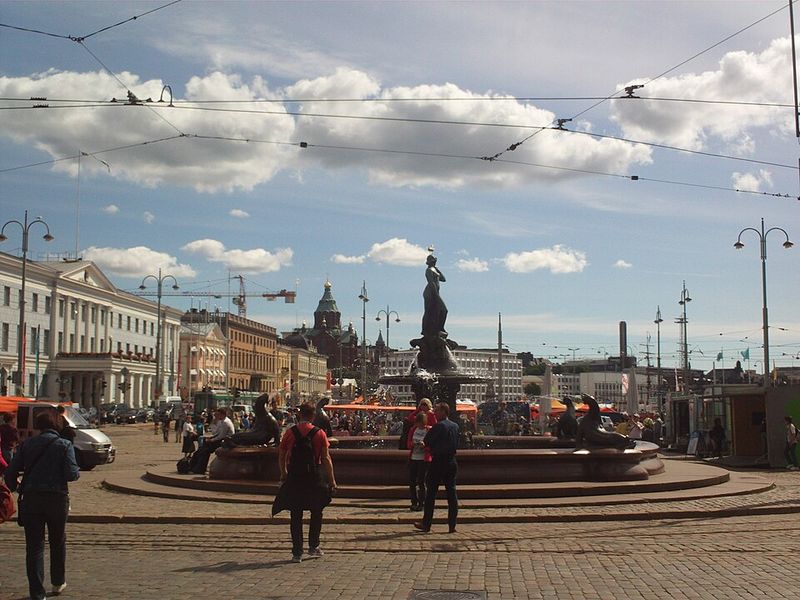
Helsinki’s Market Square, known locally as Kauppatori, has been the city’s main public gathering and trading space since the early 19th century, positioned directly on the South Harbour with views toward the sea fortress of Suomenlinna.
The neoclassical buildings surrounding the square were designed as part of a planned city center commissioned by Tsar Alexander I after Finland became a Russian Grand Duchy in 1809.
The Old Market Hall, built in 1889 and still operating today, is one of the oldest covered markets in Finland.
Ferries to Suomenlinna, a UNESCO-listed sea fortress built in the 1740s, depart from the market waterfront year-round. The Presidential Palace, built in 1816, overlooks the square from the northern side.
21. Naples Waterfront, Italy
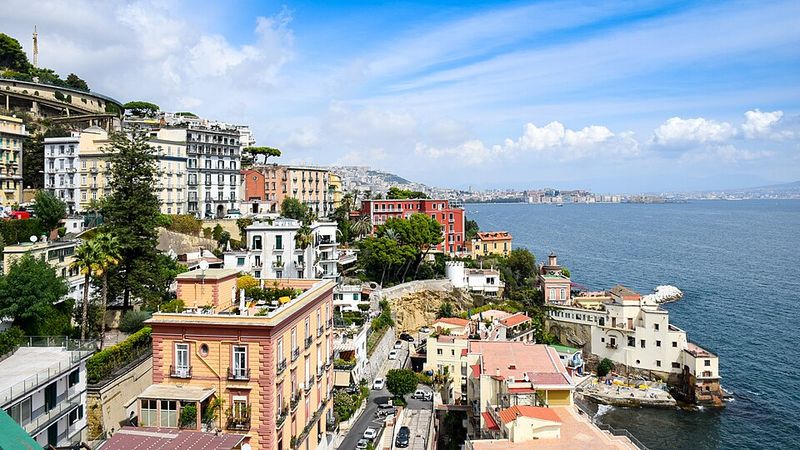
Naples has been continuously inhabited for over 2,800 years, making it one of the oldest cities in Europe, and its waterfront along the Bay of Naples has been a hub of Mediterranean commerce since Greek settlers founded the city around 740 BC.
The Castel dell’Ovo, built on a small island connected to the mainland by a causeway, is the oldest standing fortification in Naples and has guarded the harbor since Roman times.
The historic city center, Spaccanapoli, is a UNESCO World Heritage Site and sits just a short distance inland from the waterfront.
Mount Vesuvius, clearly visible from the seafront, is the only active volcano on the European mainland. The Lungomare, a 2.5-kilometer promenade along the waterfront, connects the main harbor to the Posillipo district.
Share this story